Technical Note

Exploring the Conversion Model from Aerosol Extinction Coefficient to PM1, PM2.5 and PM10 Concentrations

1
School of Electronic Information, Wuhan University, Wuhan 430079, China
2
State Key Laboratory of Information Engineering in Surveying, Mapping and Remote Sensing (LIESMARS), Wuhan University, Wuhan 430079, China
*
Author to whom correspondence should be addressed.
Remote Sens. 2023, 15(11), 2742; https://doi.org/10.3390/rs15112742
Submission received: 10 April 2023 / Revised: 22 May 2023 / Accepted: 23 May 2023 / Published: 25 May 2023
(This article belongs to the Section Atmospheric Remote Sensing)

Abstract

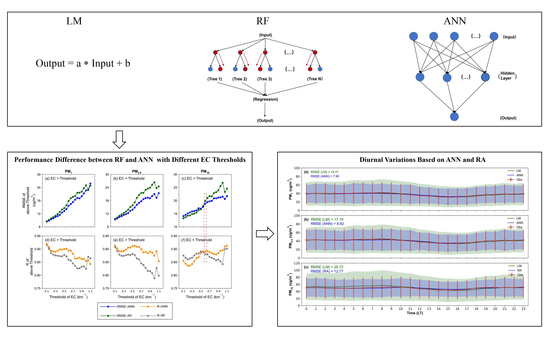
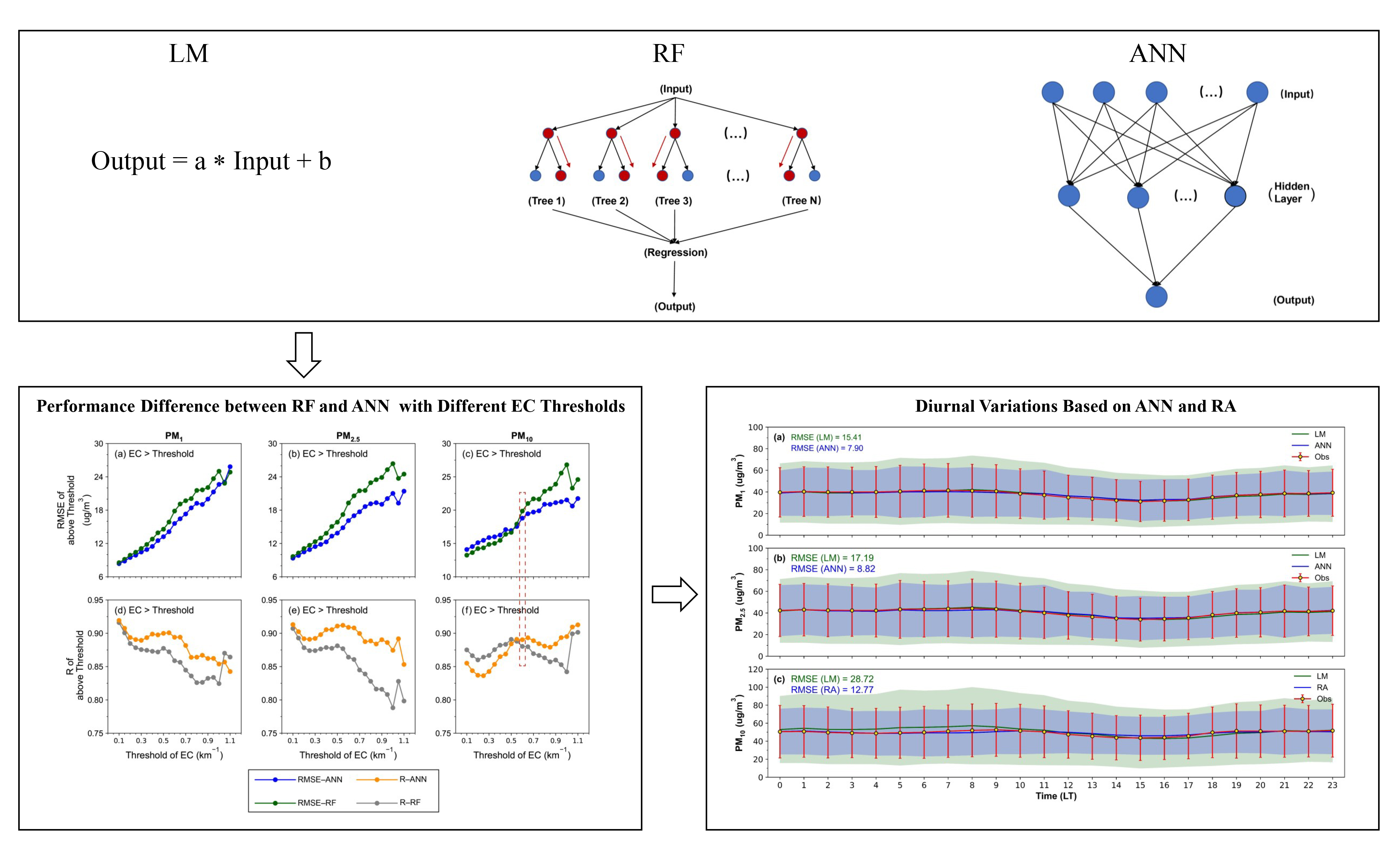
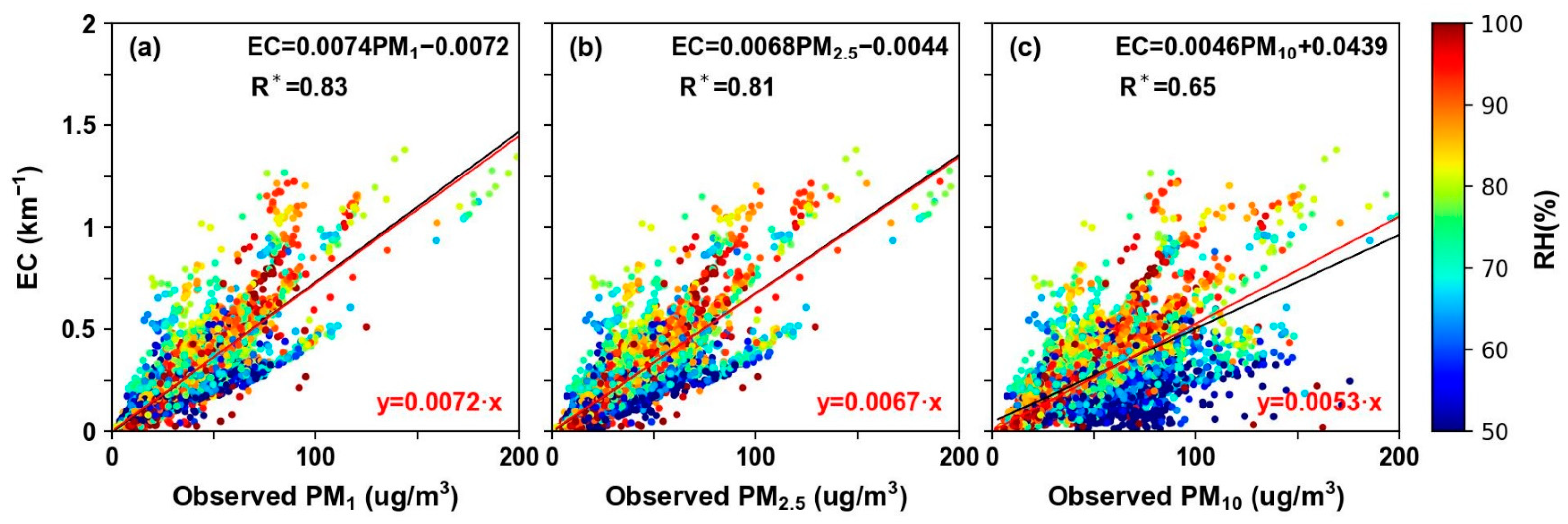
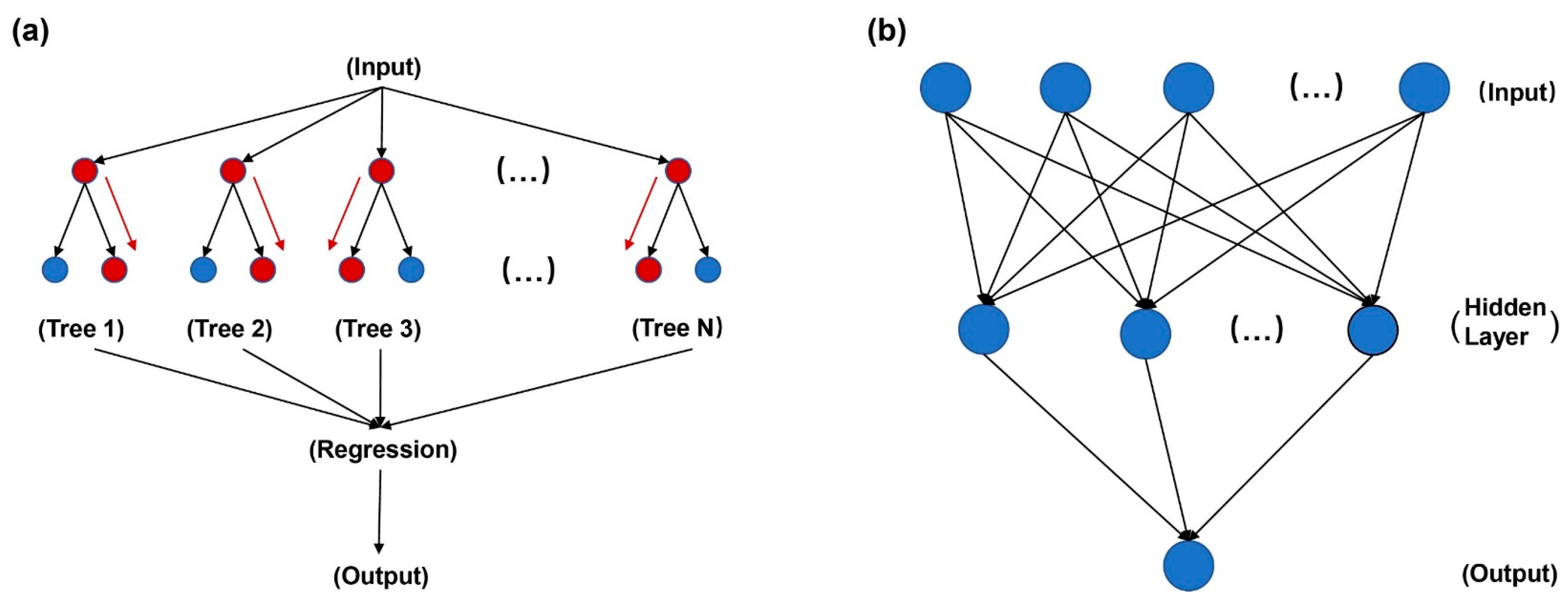
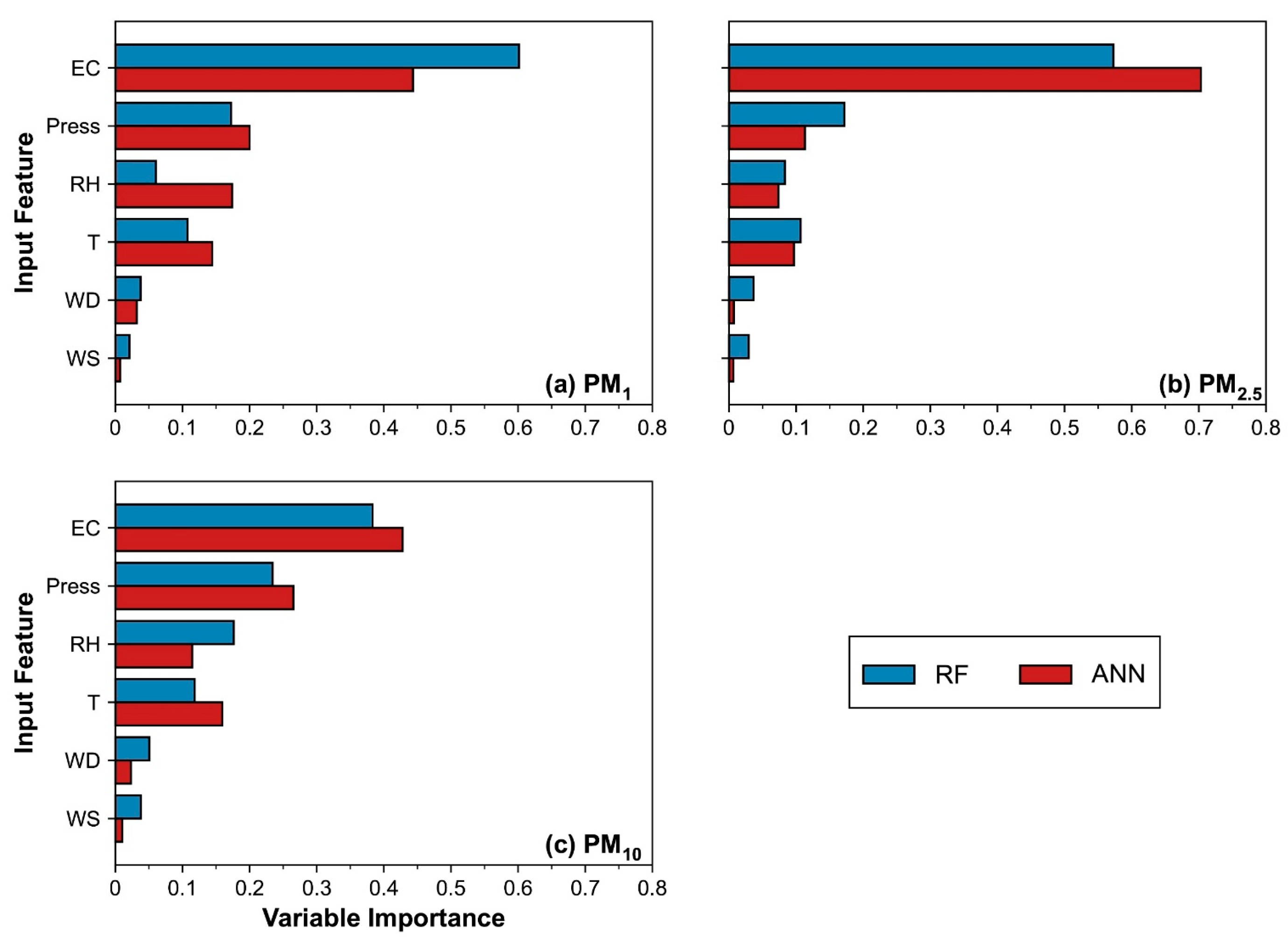
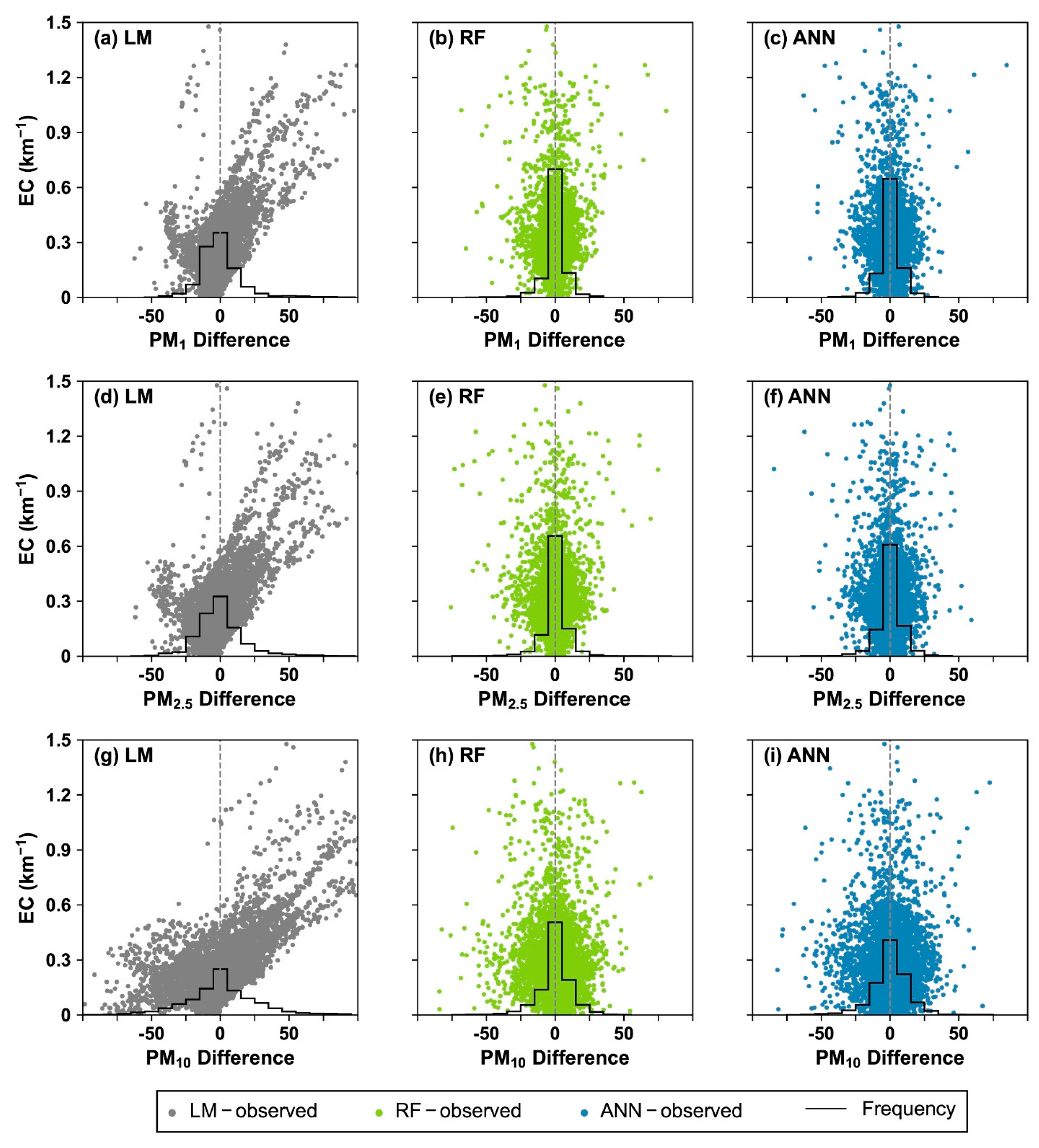
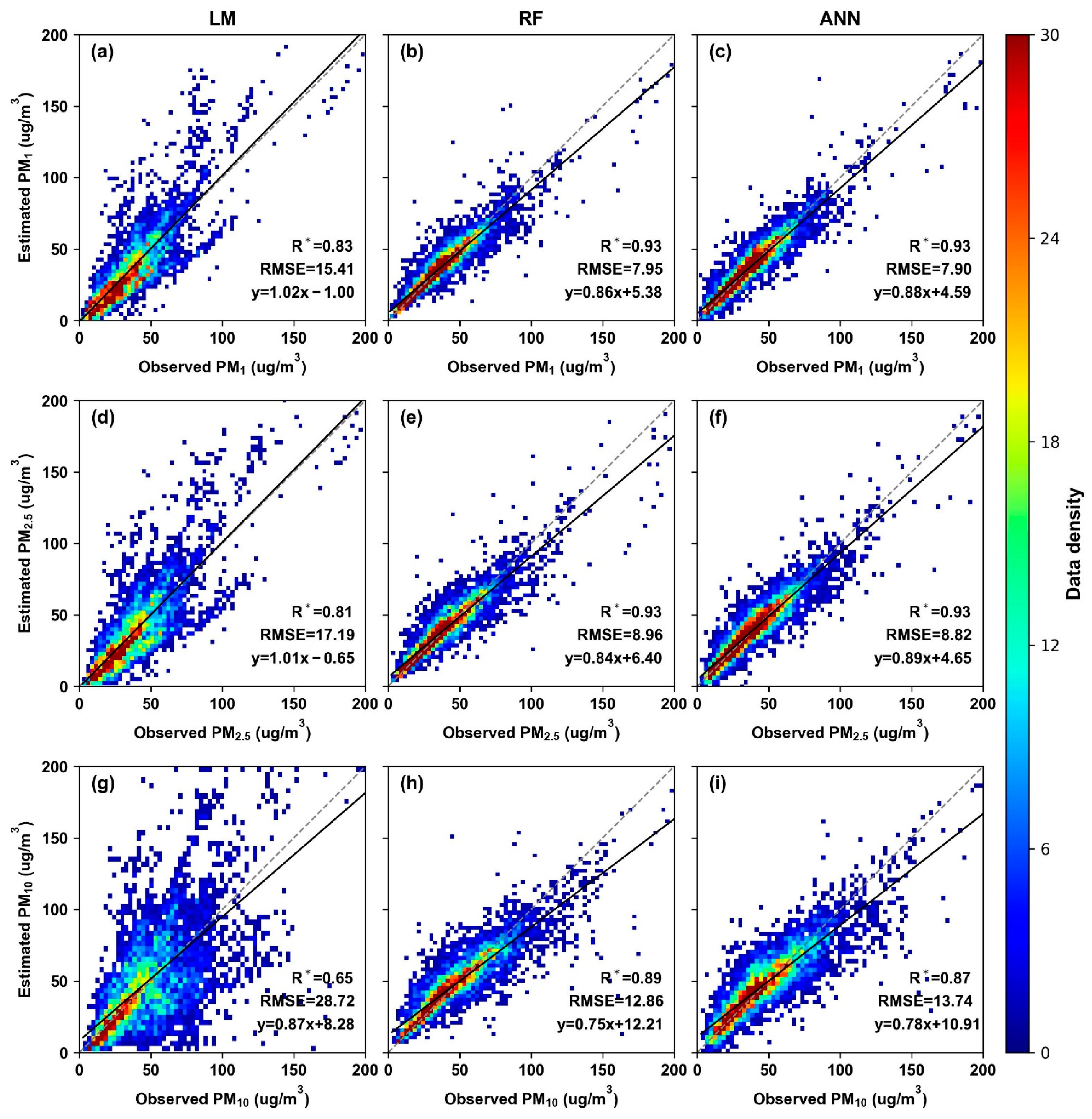
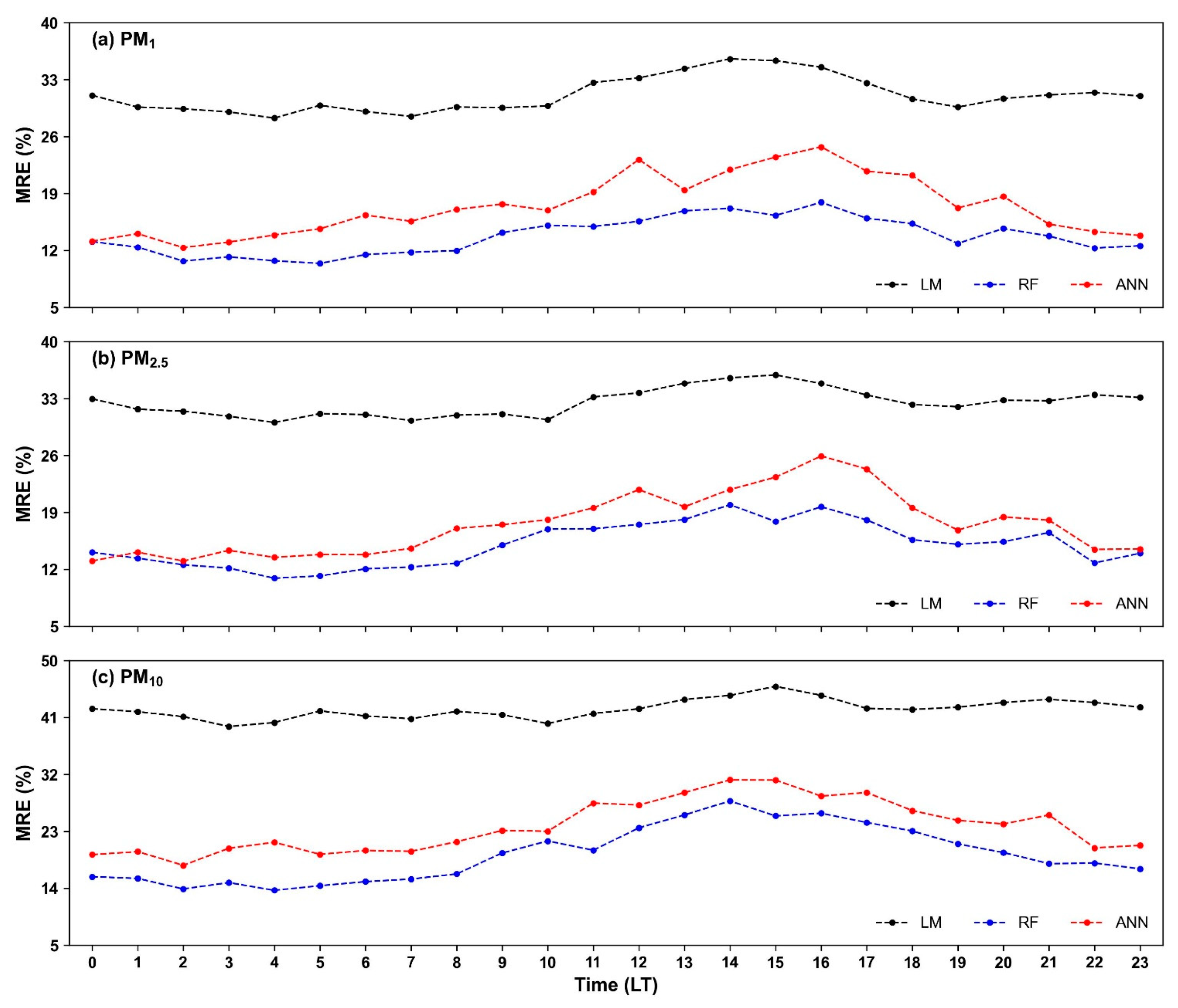
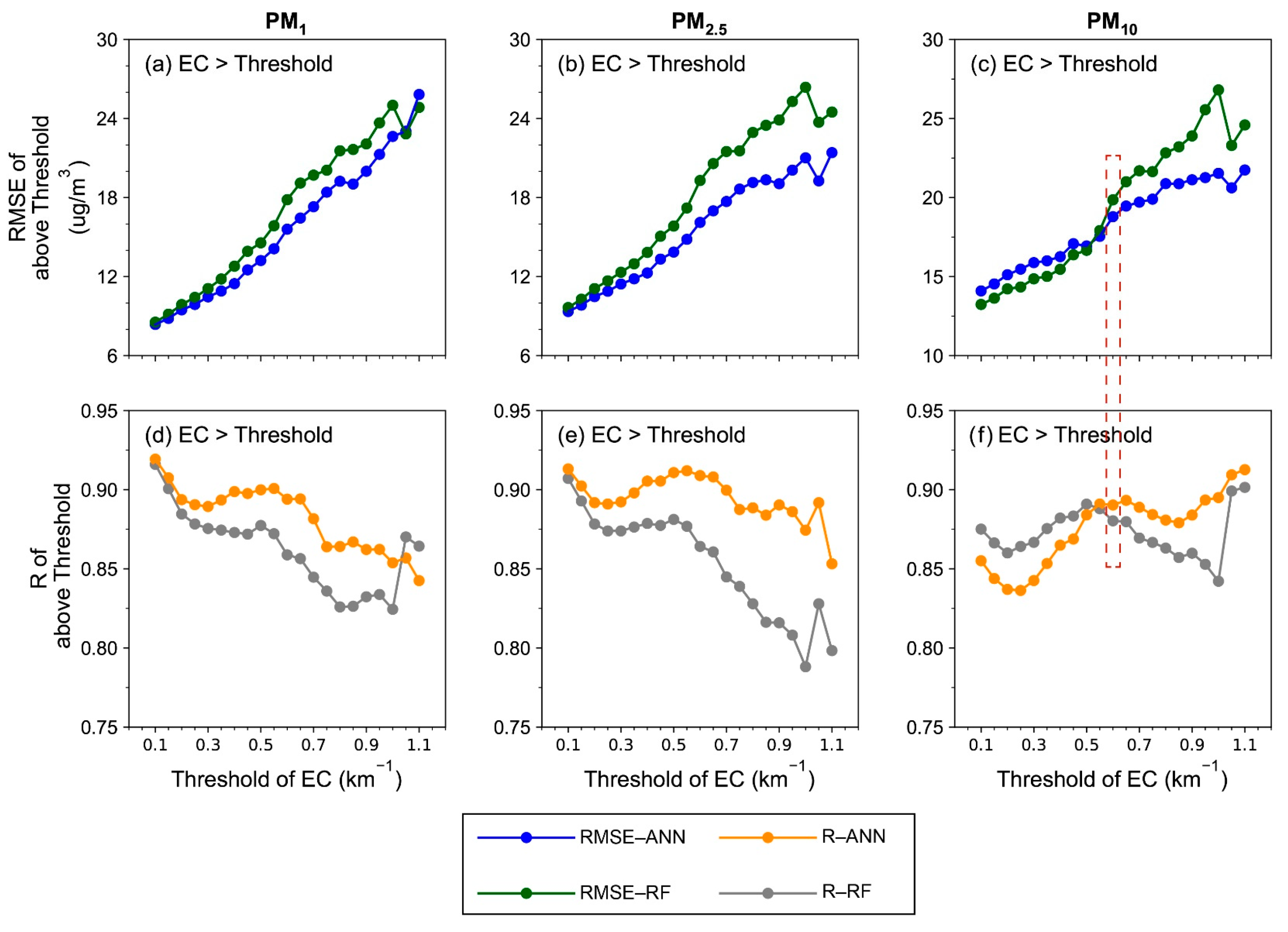
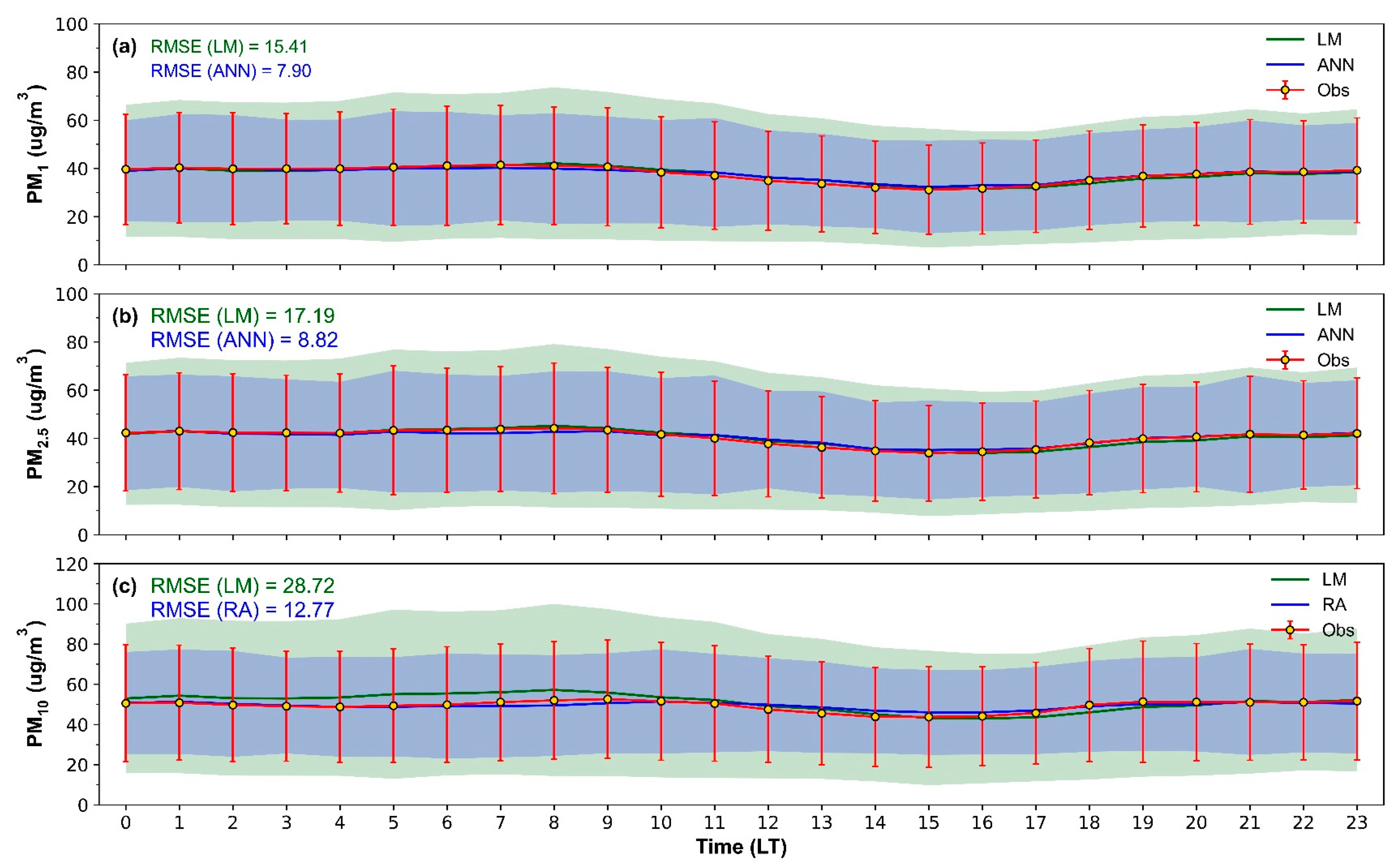
Particle matter (PM) mass concentrations have an important influence on human and environmental health. Lidar plays an important role in the monitoring of PM concentrations. However, the accuracy of PM concentrations retrieved via lidar depends on the performance of the conversion model from the aerosol extinction coefficient (EC) to PM concentration. Therefore, surface PM concentrations, aerosol EC and five meteorological factors are used to build the conversion model that can also be applicable to lidar for retrieving PM concentrations. In this study, the traditional linear model (LM), random forest (RF) and artificial neural network (ANN) algorithms are used to estimate the mass concentrations of PM with aerodynamic diameters < 1 µm (PM1), 2.5 µm (PM2.5) and 10 µm (PM10). The influence of meteorological factors on the conversion model is analyzed. The results show that the meteorological parameters play a non-ignorable role in the model of PM retrieval based on EC, especially when retrieving PM10. Moreover, the performance of three models is investigated by comparing with the surface measurements. The results indicate that the RF and ANN models are more suitable to estimate PM than the LM model. The diurnal variations in mean relative error (MRE) from the three models are then analyzed. There is a diurnal pattern in MRE values, meaning that the maximum values occur in the afternoon and the minimum values occur at night. In addition, there are subtle differences in performance between two machine learning (ML) models. After analysis, it is found that for PM10, the RF method is superior to the ANN when the EC value is small, while the ANN method is superior to the RF when the EC value is relatively high, and the EC threshold is set to 0.6 km−1. For PM1 and PM2.5 estimation, the ANN is the most appropriate model. Finally, accurate diurnal variations in PM1 and PM2.5 based on the ANN model and PM10 based on the combined model of RF and ANN (named RA) are investigated. The results exhibit that the daily maximum values of PM1, PM2.5 and PM10 in the Wuhan area all occur at approximately 08:00–10:00 local time (LT), which is mainly due to the impact of commuter vehicle emissions and the impact of secondary photochemistry response aggravated by sufficient illumination and temperature rises after sunrise. These research results provide an important basis for particulate matter monitoring.
Keywords: particle matter; aerosol extinction coefficient; random forest; artificial neural network particle matter; aerosol extinction coefficient; random forest; artificial neural network
Graphical Abstract