Article

Glacier Motion Monitoring Using a Novel Deep Matching Network with SAR Intensity Images

1
Quanzhou Institute of Equipment Manufacturing Haixi Institutes, Chinese Academy of Sciences, Quanzhou 362216, China
2
School of Geospatial Information, Information Engineering University, Zhengzhou 450052, China
*
Author to whom correspondence should be addressed.
Remote Sens. 2022, 14(20), 5128; https://doi.org/10.3390/rs14205128
Submission received: 14 September 2022 / Revised: 5 October 2022 / Accepted: 10 October 2022 / Published: 13 October 2022

Abstract

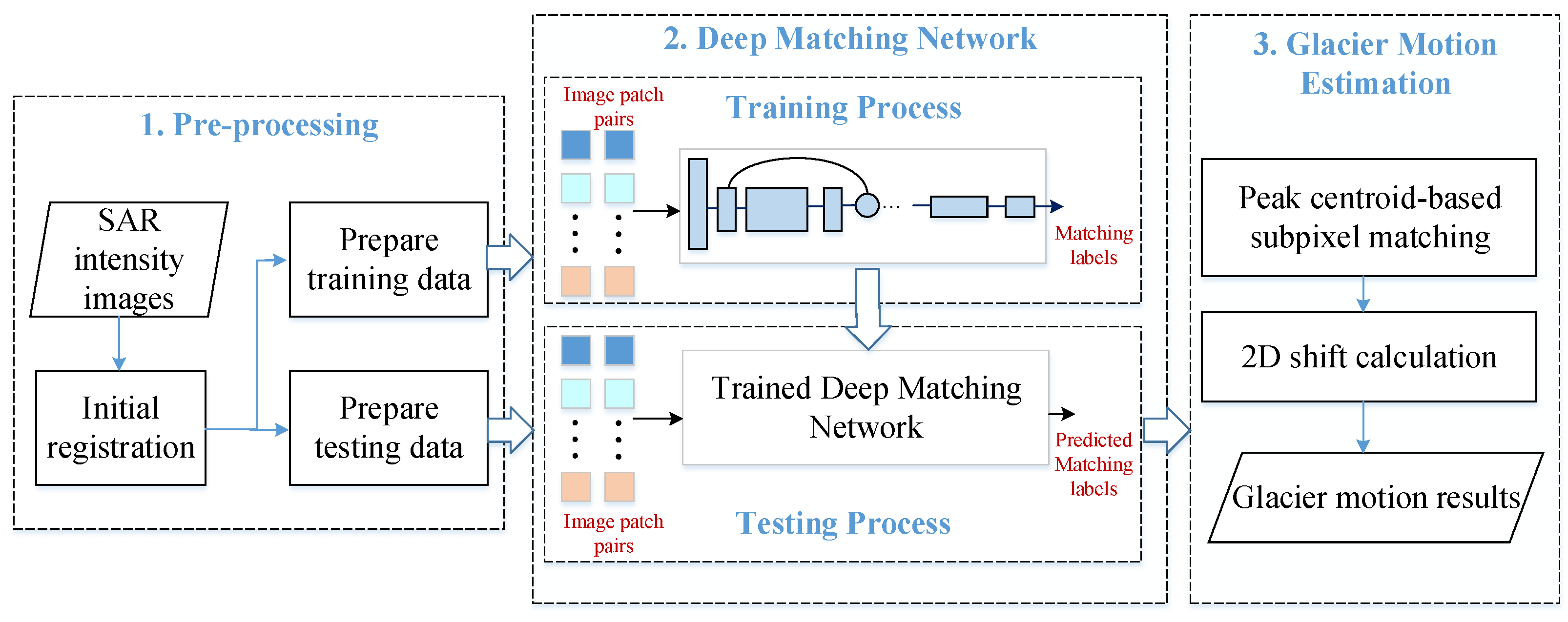
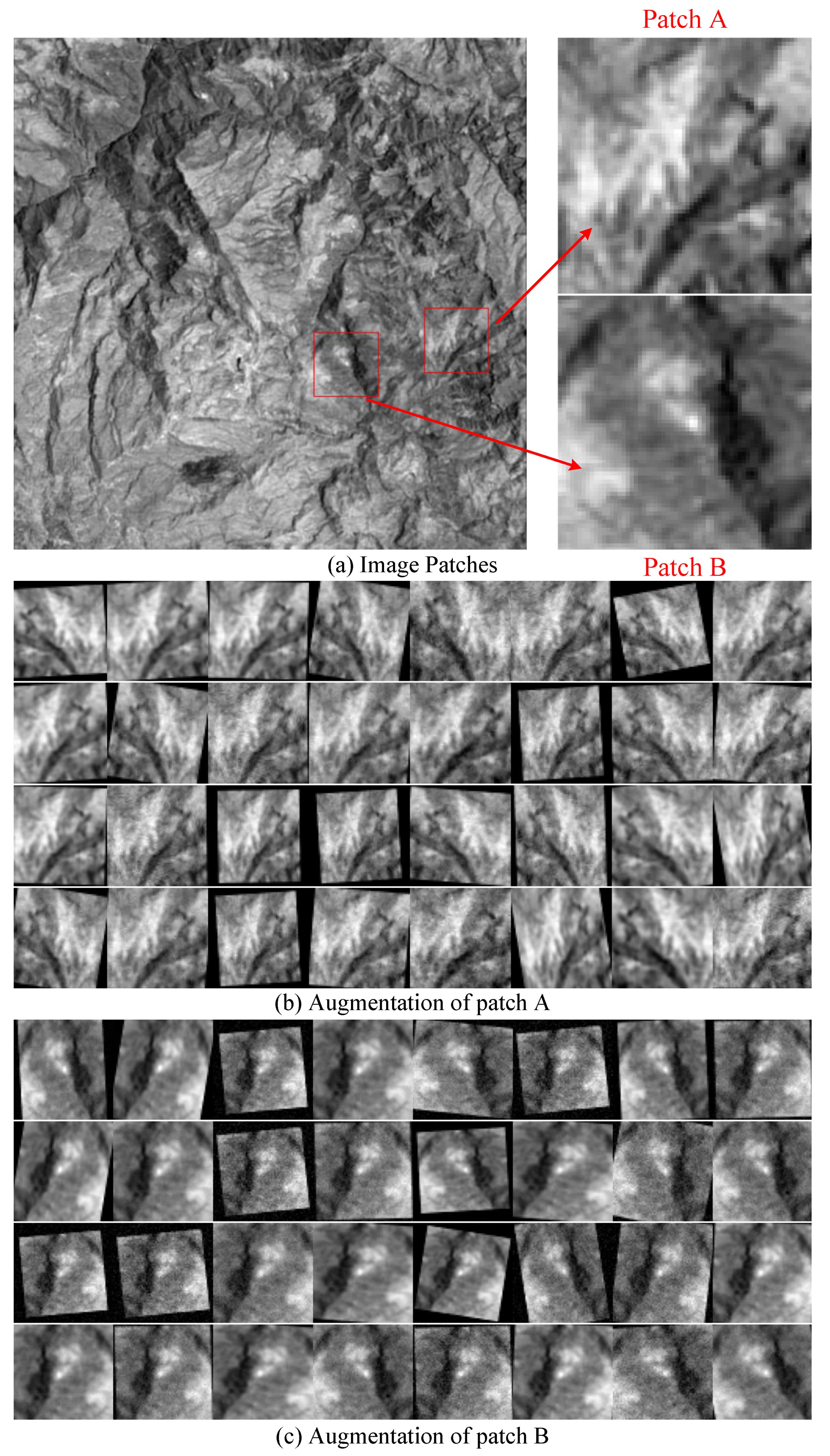
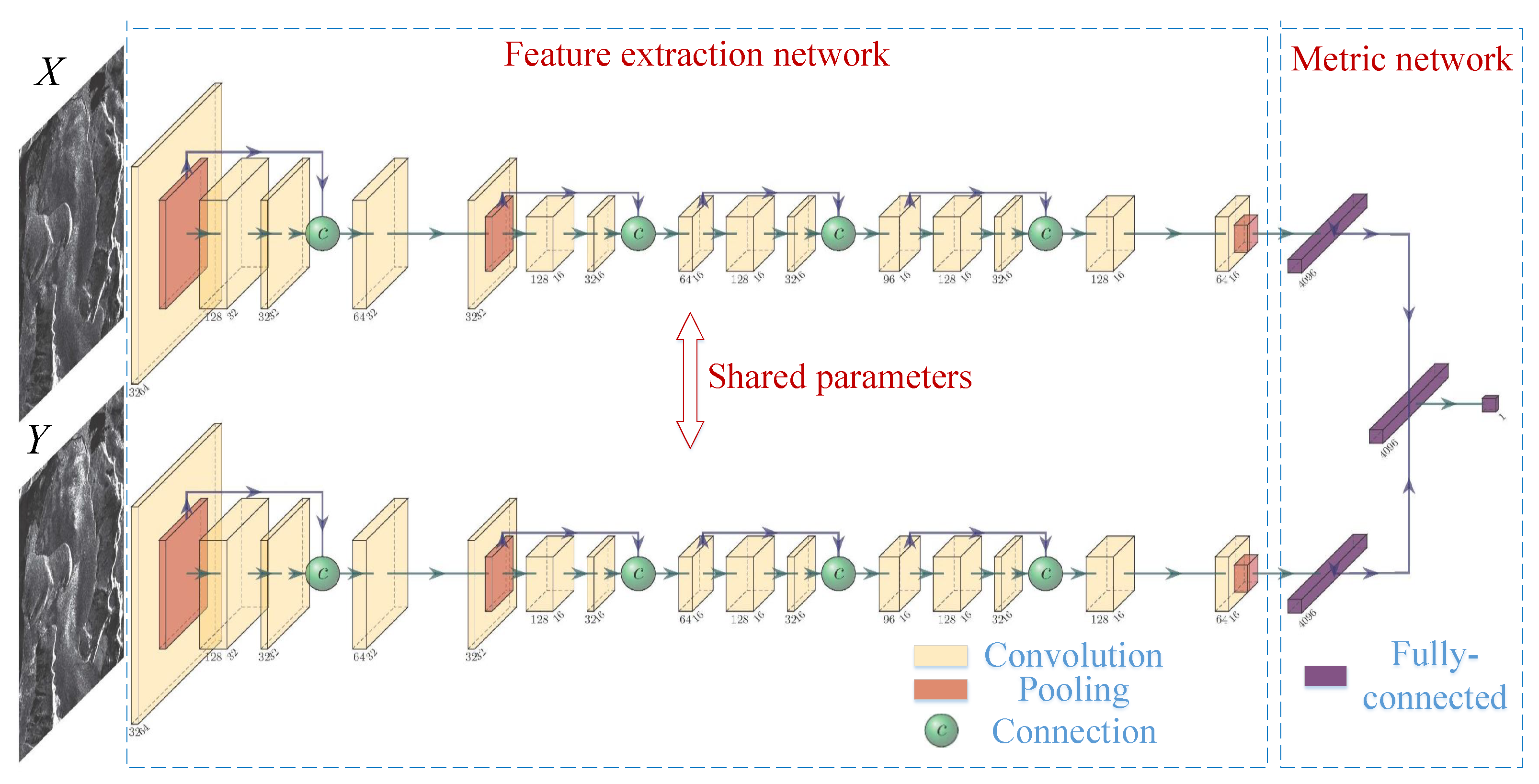
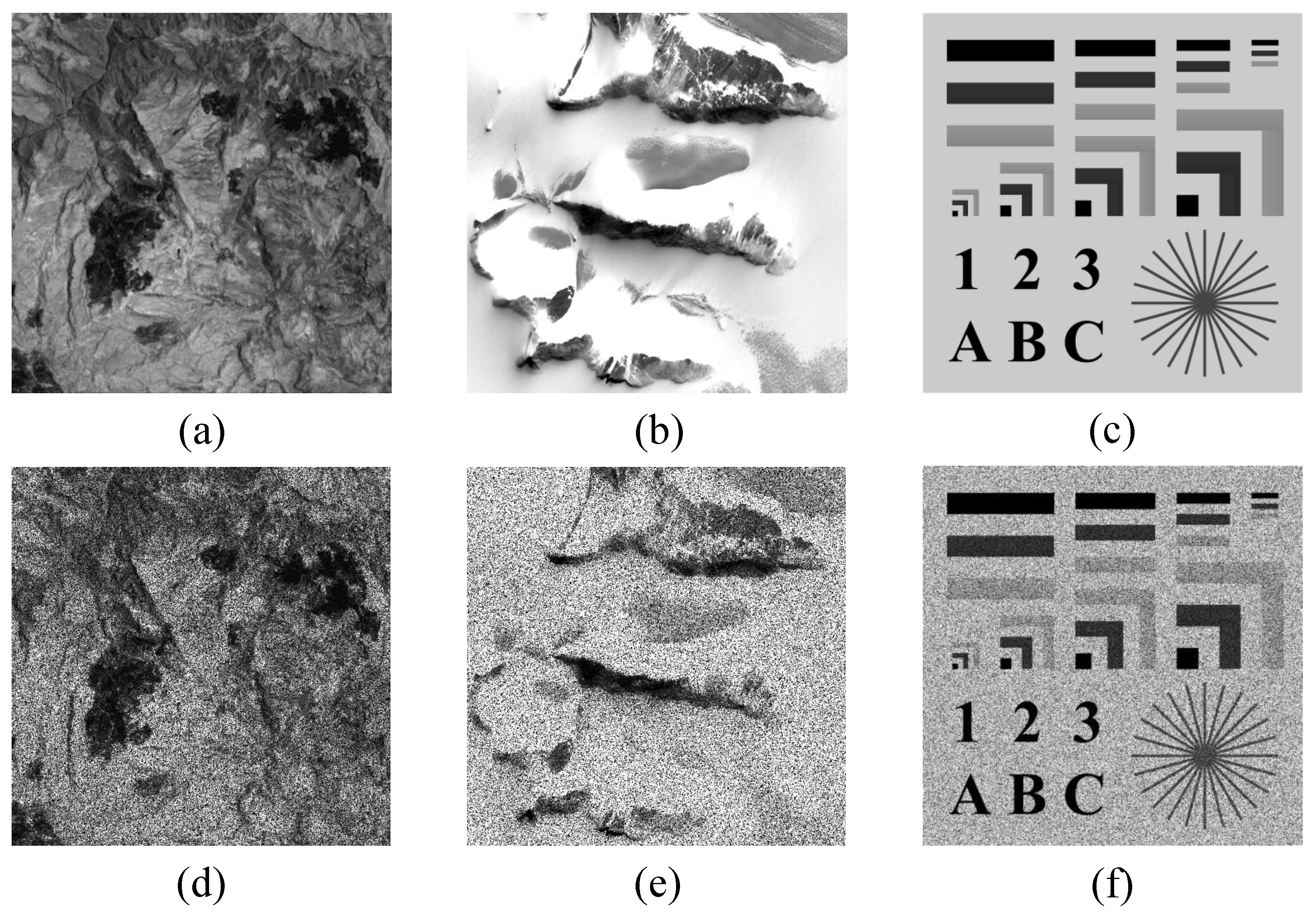
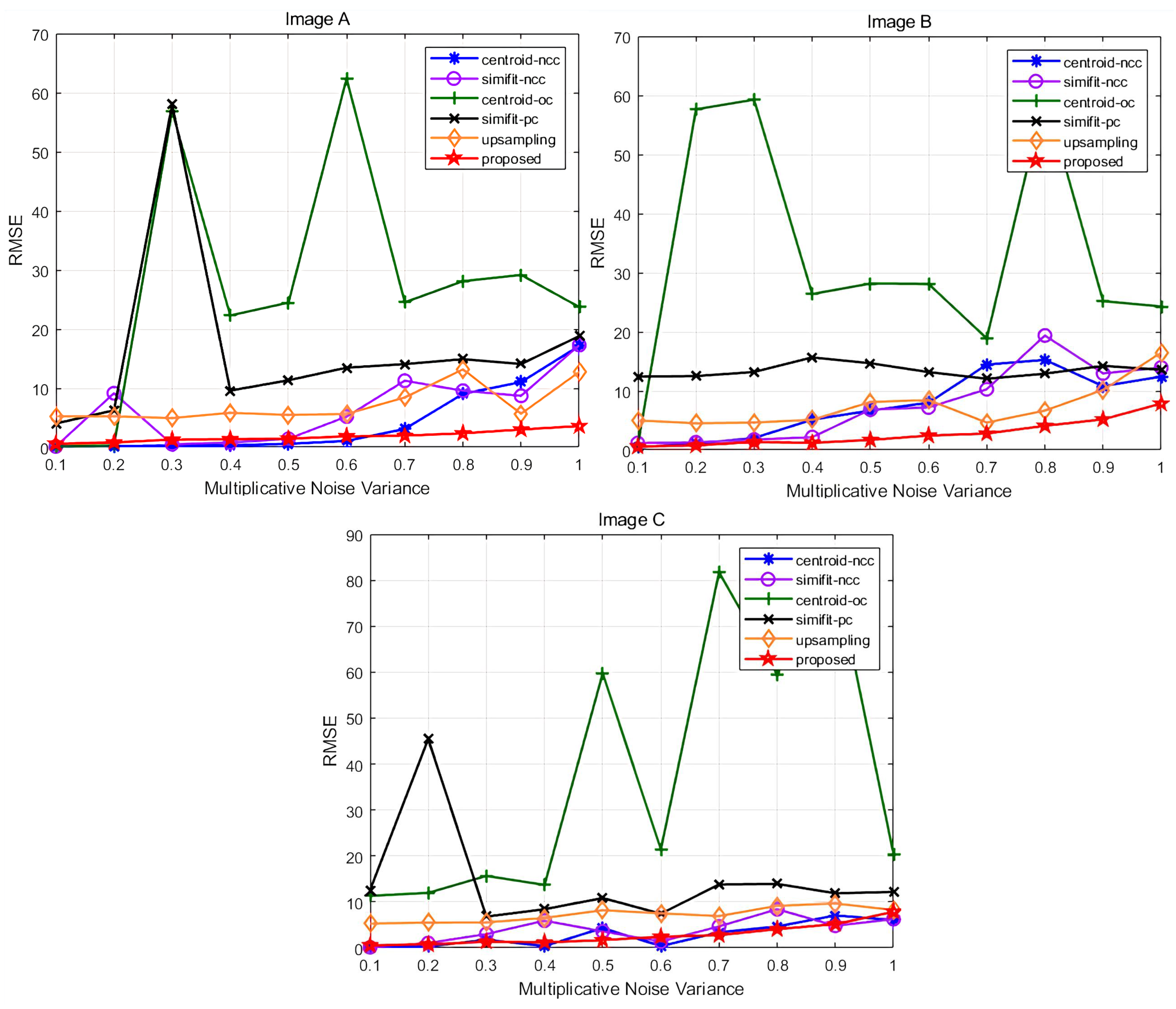
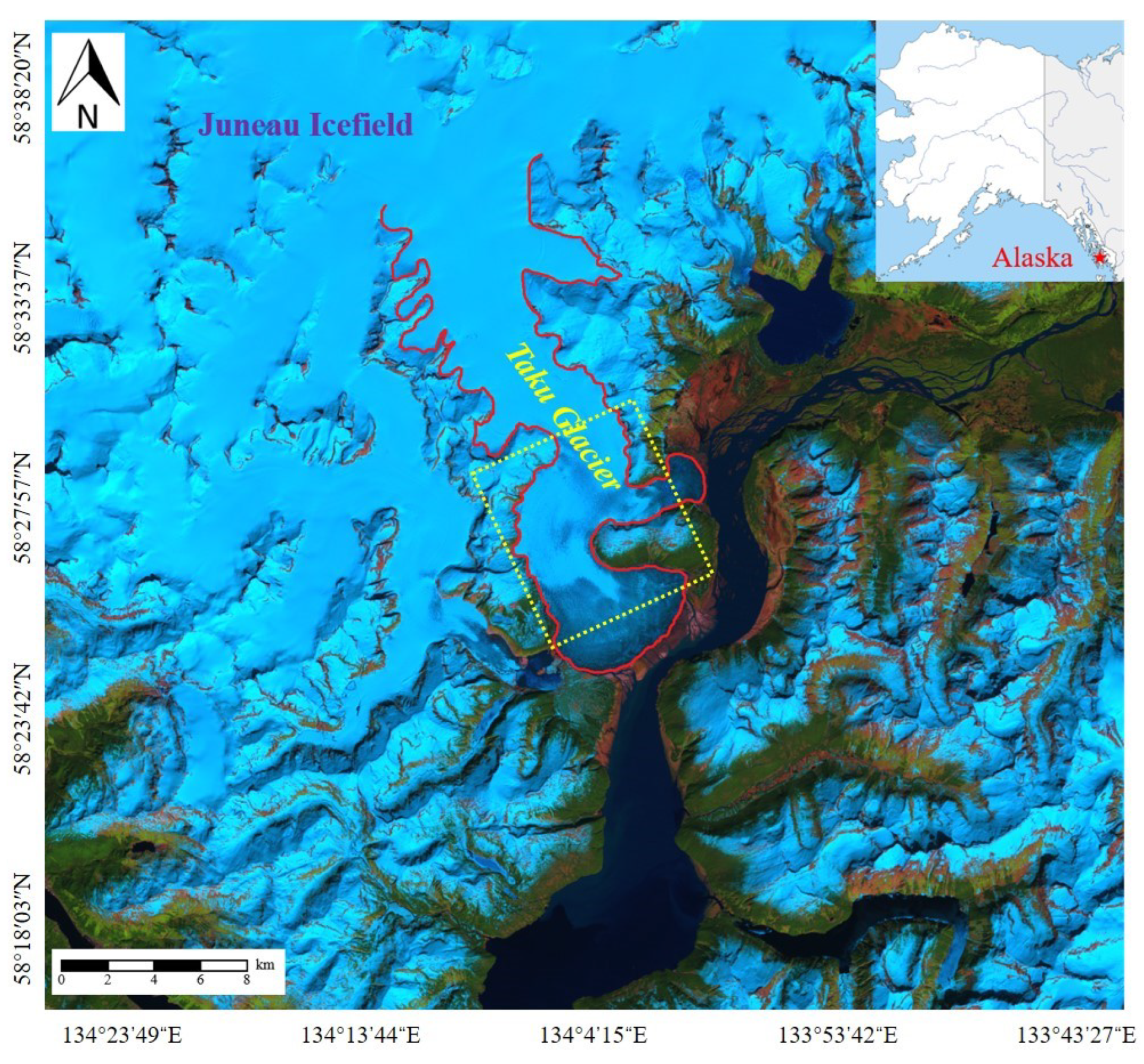
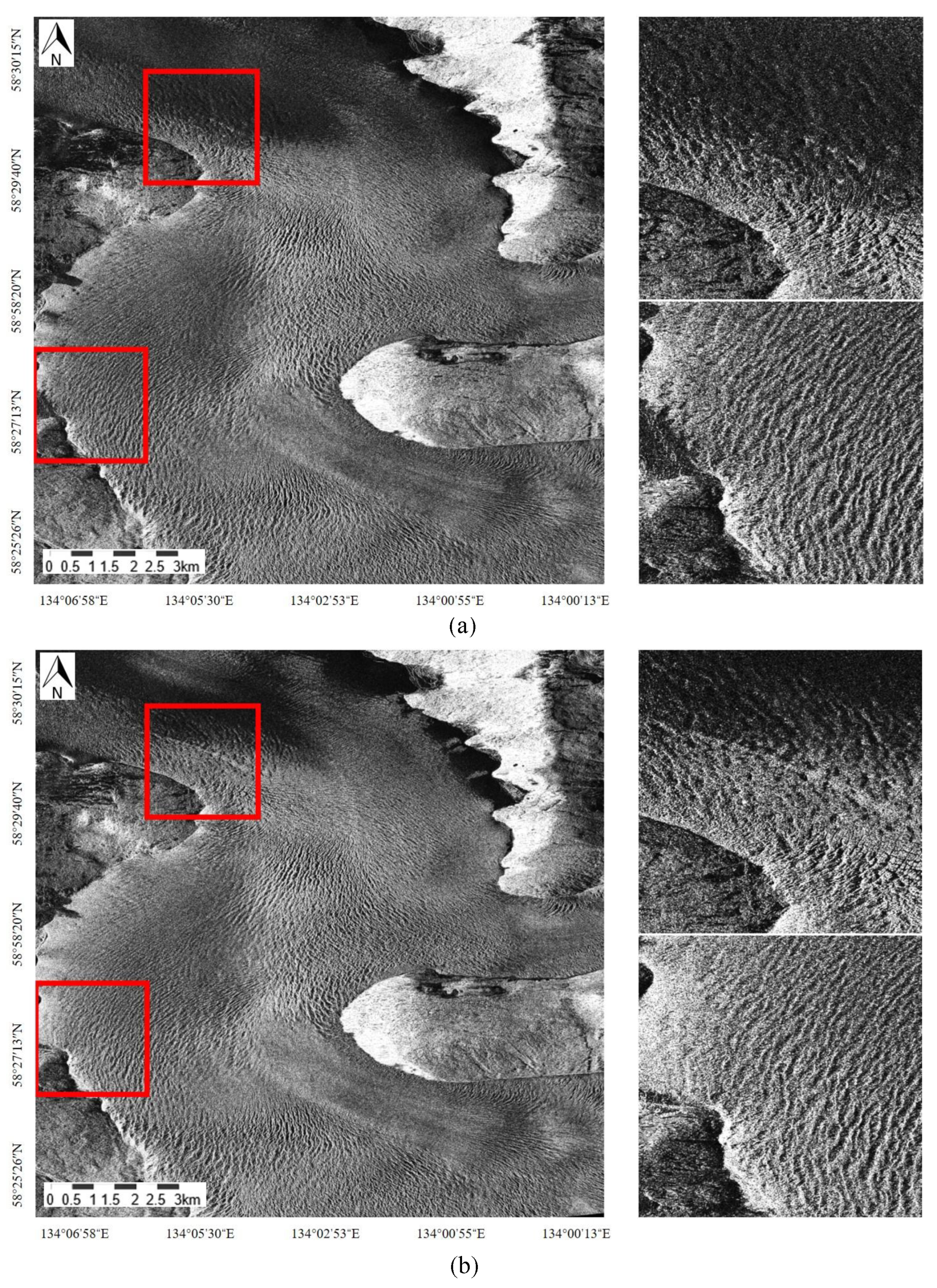
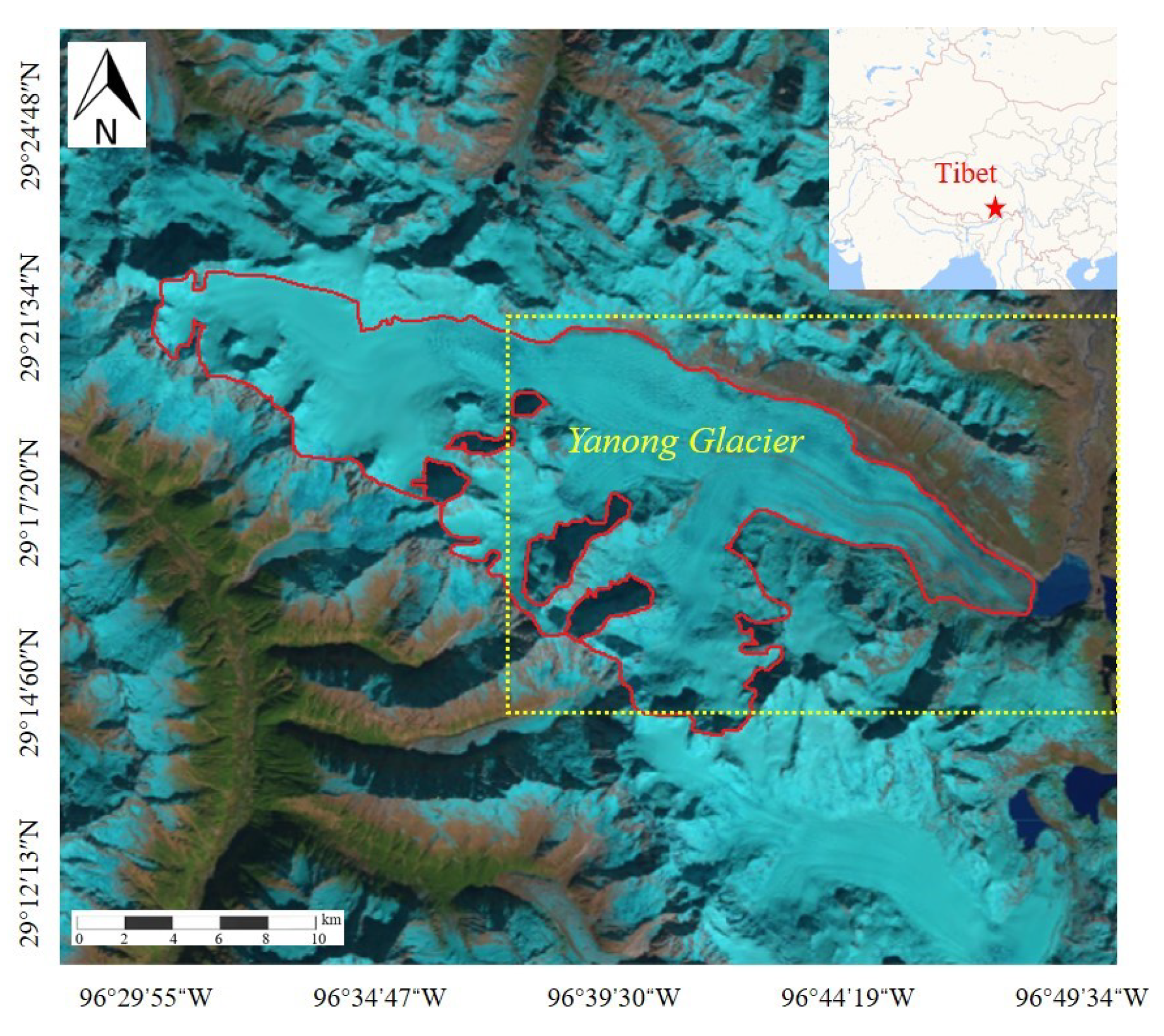
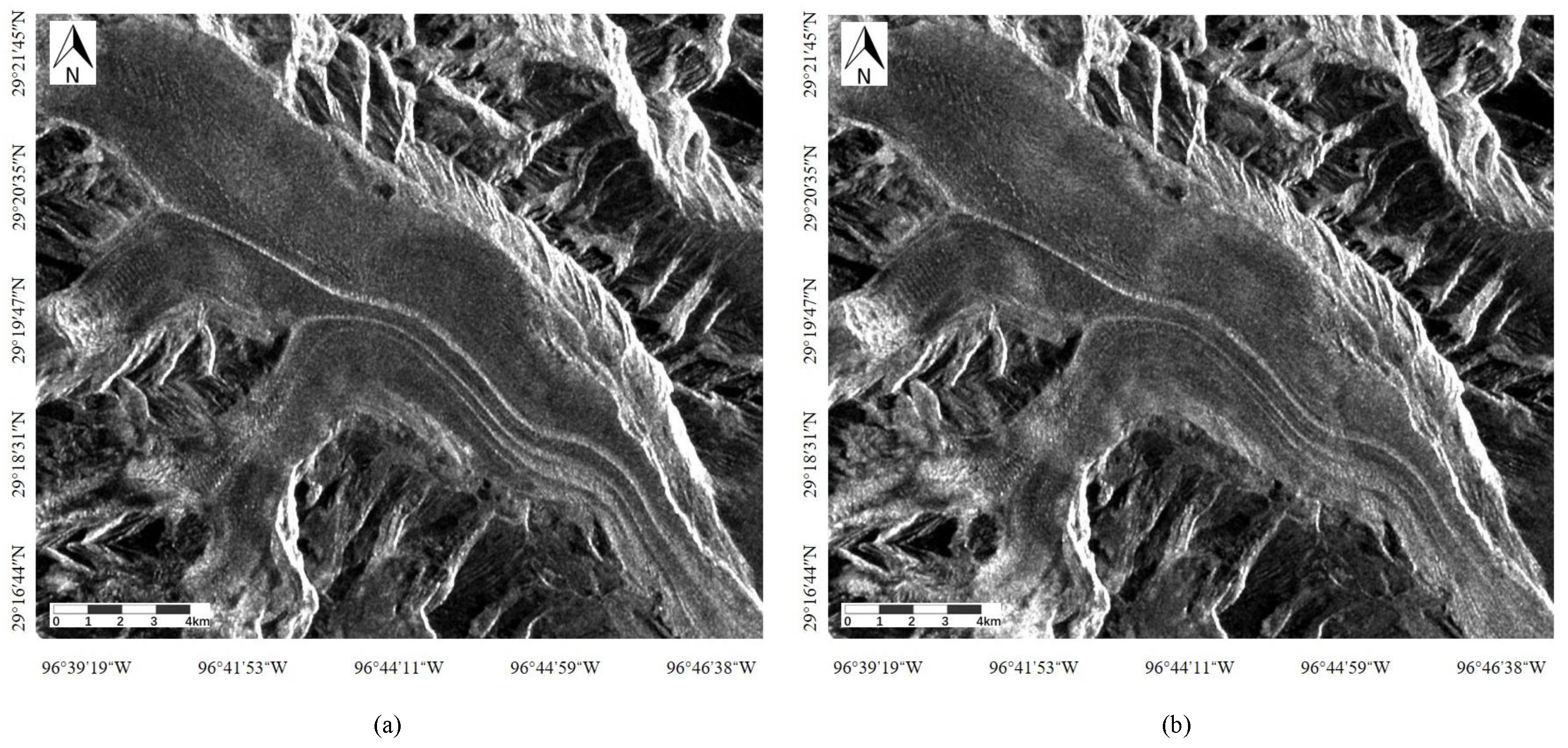
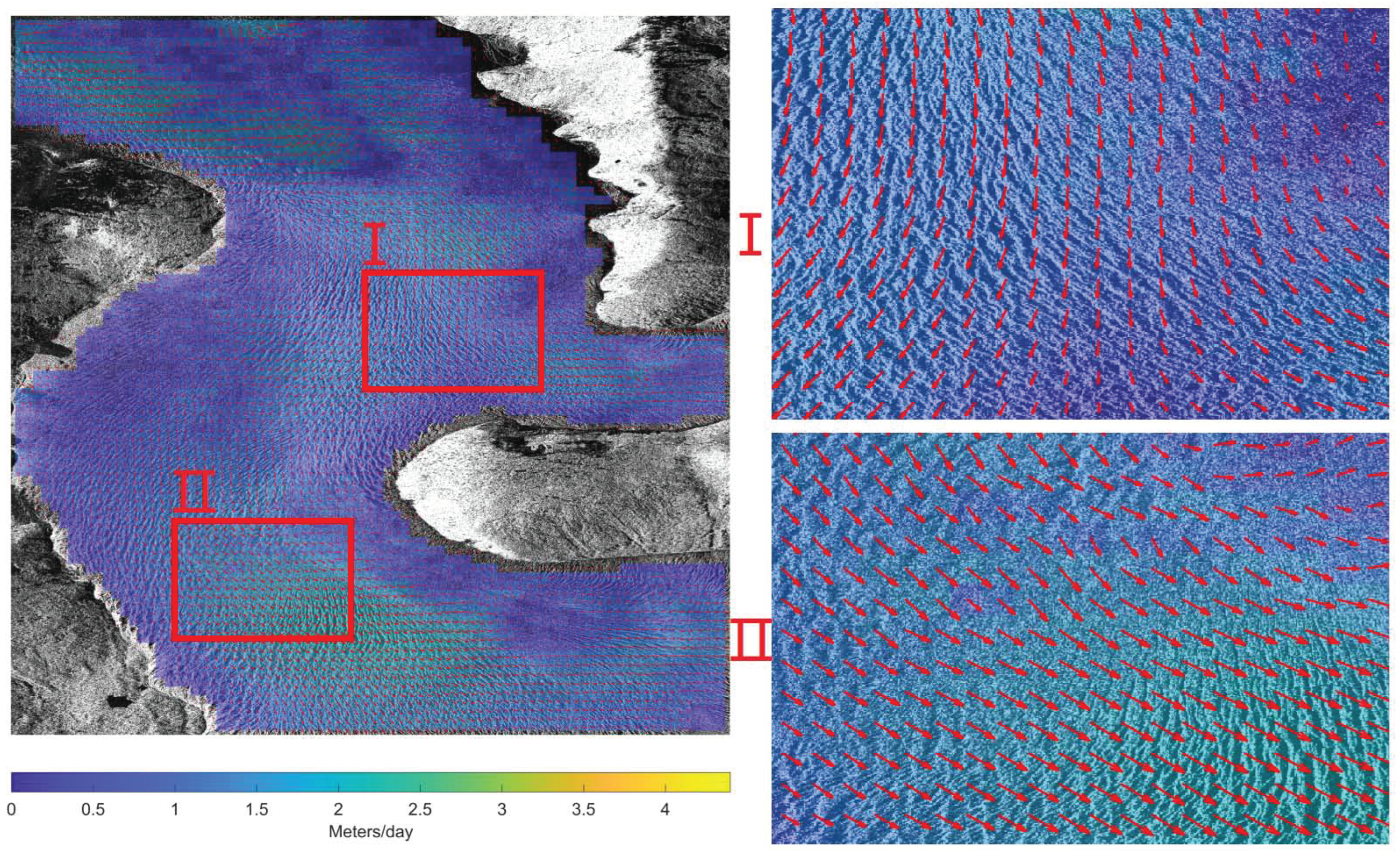
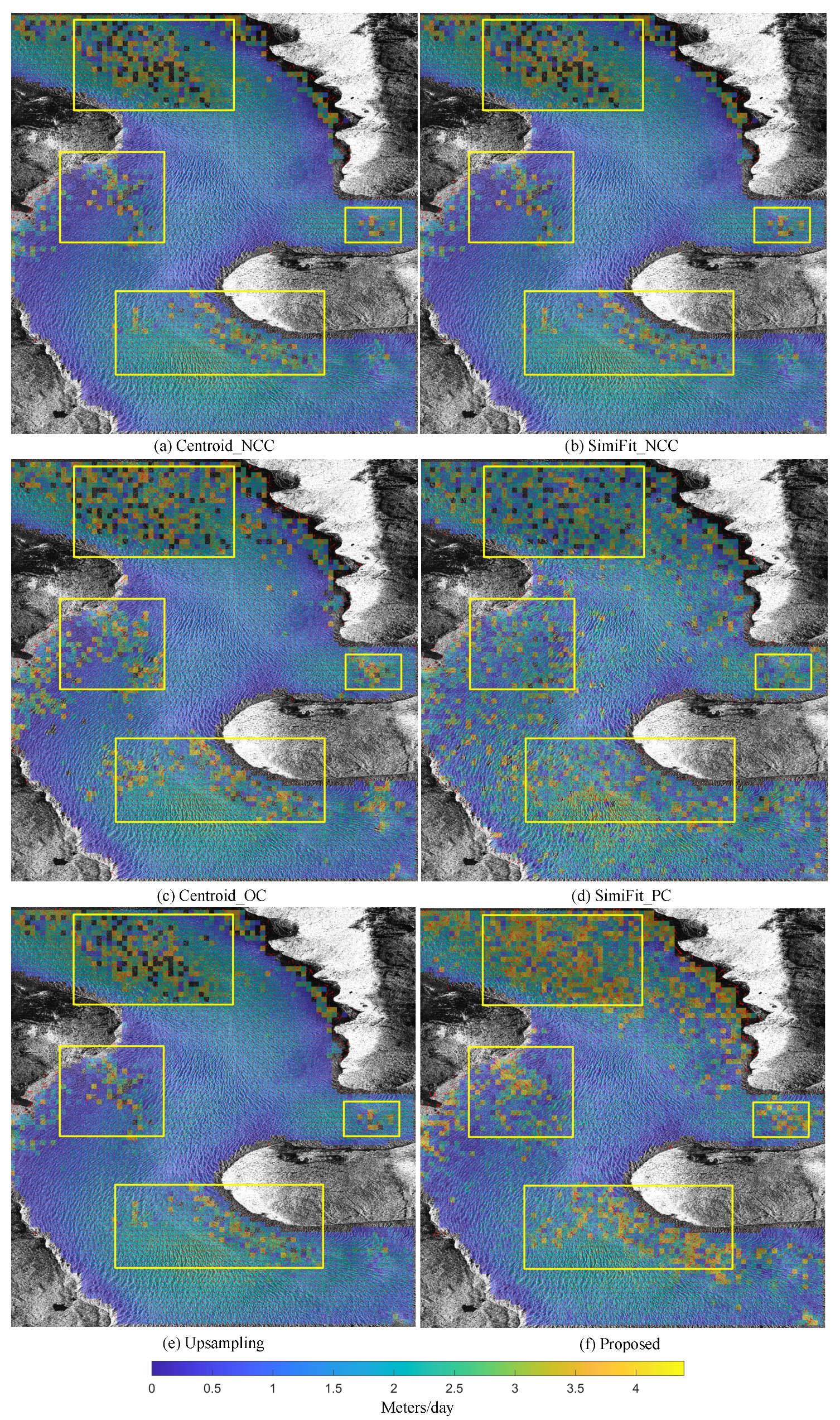
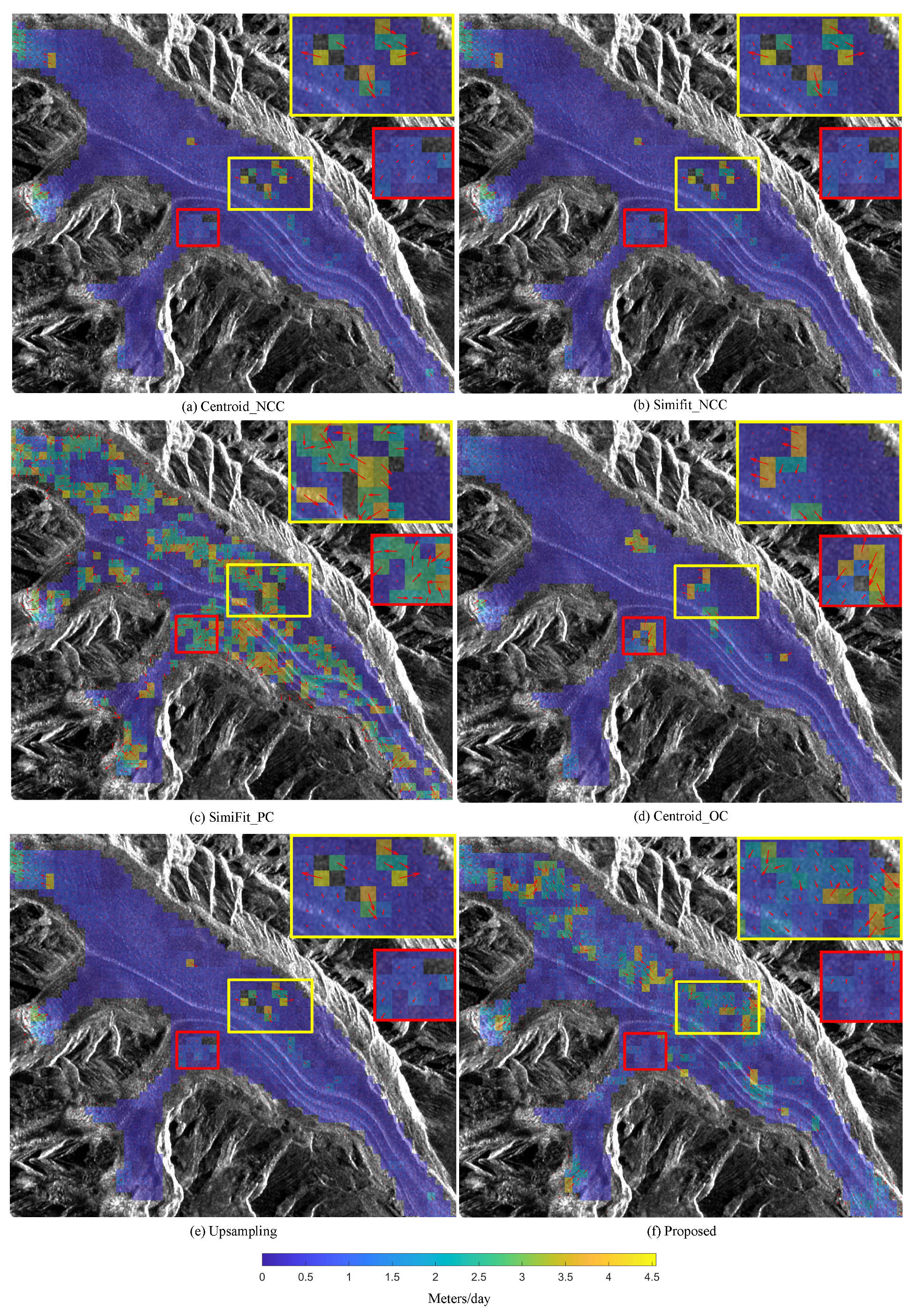
Synthetic Aperture Radar technology is highly convenient for monitoring the glacier surface motion in unfavorable areas due to its advantages of being independent of time and weather conditions. A novel glacier motion monitoring method based on the deep matching network (DMN) is proposed in this paper. The network learns the relationship between the glacier SAR image patch-pairs and the corresponding matching labels in an end-to-end manner. Unlike conventional methods that utilize shallow feature tracking, the DMN performs a similarity measurement of deep features, which comprises feature extraction and a metric network. Feature extraction adopts the framework of a Siamese neural network to improve the training efficiency and dense connection blocks to increase the feature utilization. In addition, a self-sample learning method is introduced to generate training samples with matching labels. The experiments are performed on simulated SAR images and real SAR intensity images of the Taku Glacier and the Yanong Glacier, respectively. The results confirm the superiority of the DMN presented in the paper over other methods, even in case of strong noise. Furthermore, a quantitative 2D velocity field of real glaciers is obtained to provide reliable support for high-precision, long-term and large-scale automatic glacier motion monitoring.
Keywords: glacier surface motion; SAR intensity images; deep learning; dense connection glacier surface motion; SAR intensity images; deep learning; dense connection