Article

Primary Evaluation of the GCOM-C Aerosol Products at 380 nm Using Ground-Based Sky Radiometer Observations


by
Hossain Mohammed Syedul Hoque
1,*,
Hitoshi Irie
2,
Alessandro Damiani
2 and
Masahiro Momoi
2
1
Graduate School of Environmental Studies, Nagoya University, Furocho, Chikusa Ward, Aichi 464-8601, Japan
2
Center for Environmental Remote Sensing(CEReS), Chiba University, 1-33, Yayoicho, Inage Ward, Chiba 263-8522, Japan
*
Author to whom correspondence should be addressed.
Remote Sens. 2020, 12(16), 2661; https://doi.org/10.3390/rs12162661
Submission received: 16 July 2020 / Revised: 15 August 2020 / Accepted: 16 August 2020 / Published: 18 August 2020
(This article belongs to the Section Atmospheric Remote Sensing)

Abstract

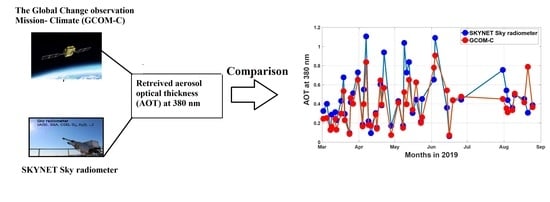
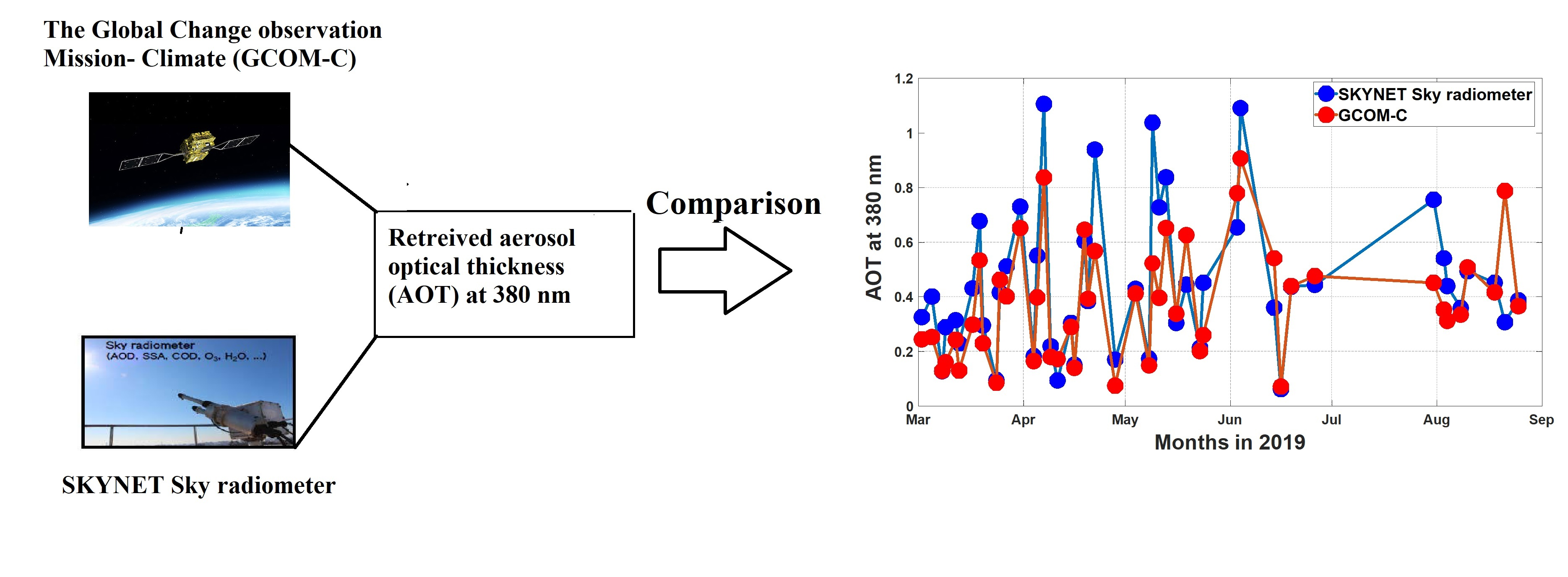
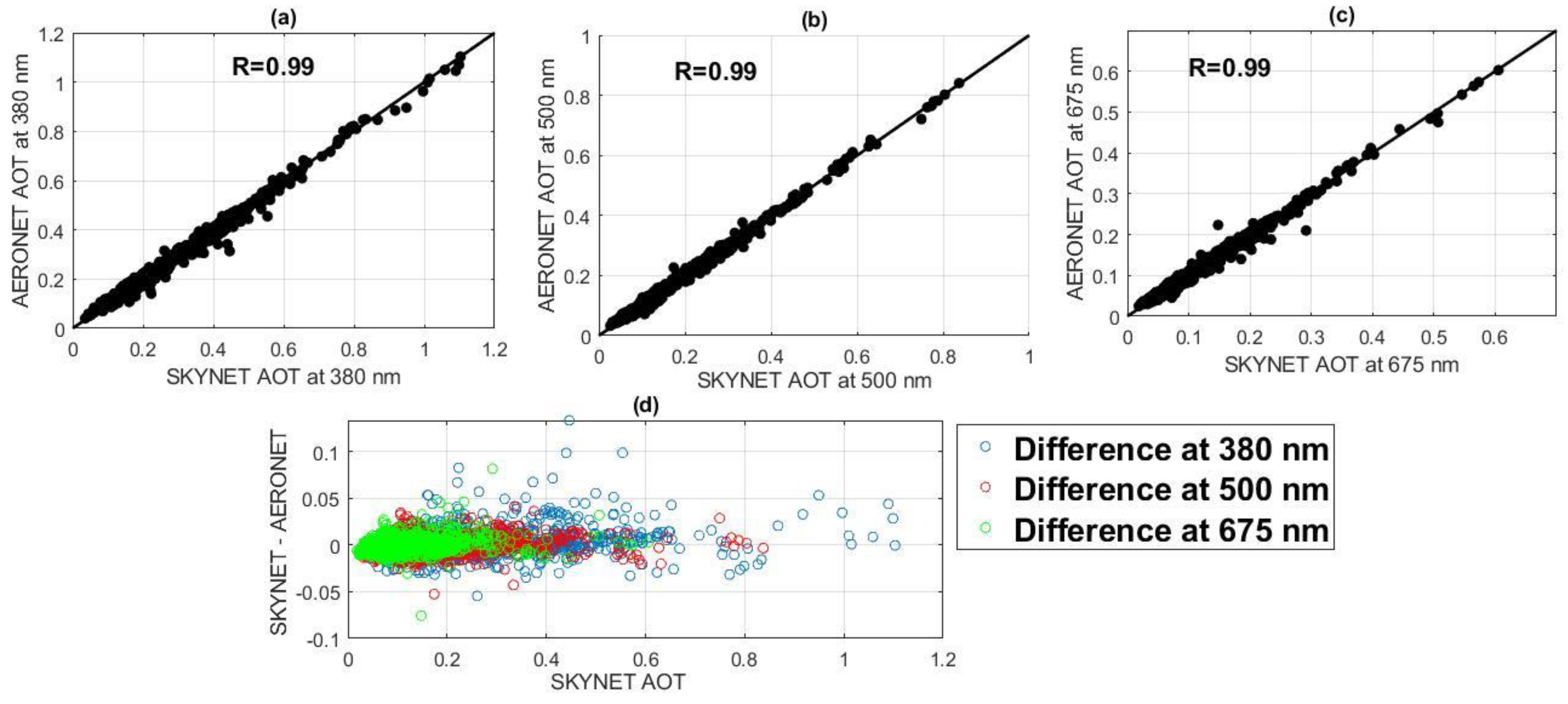
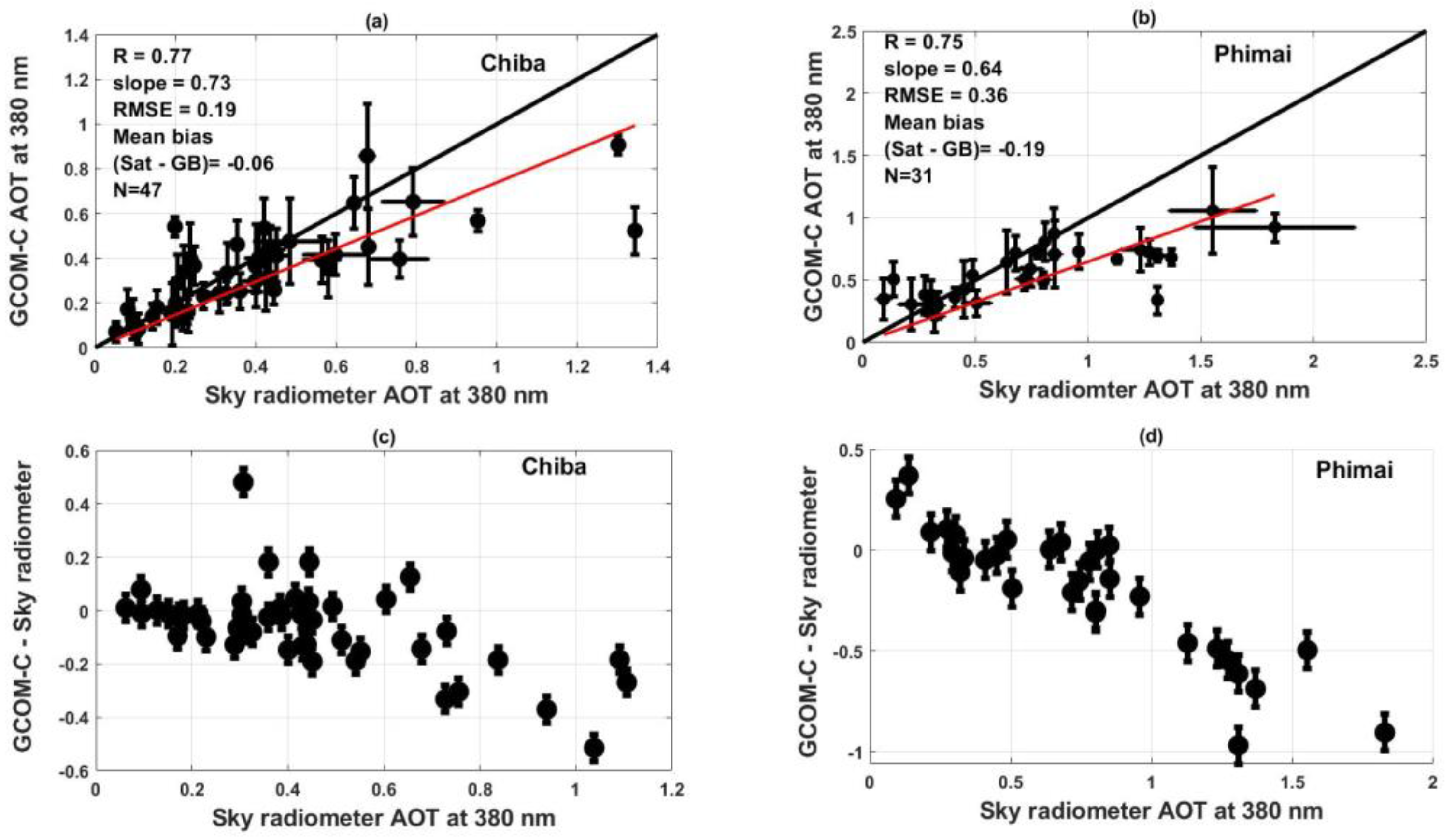
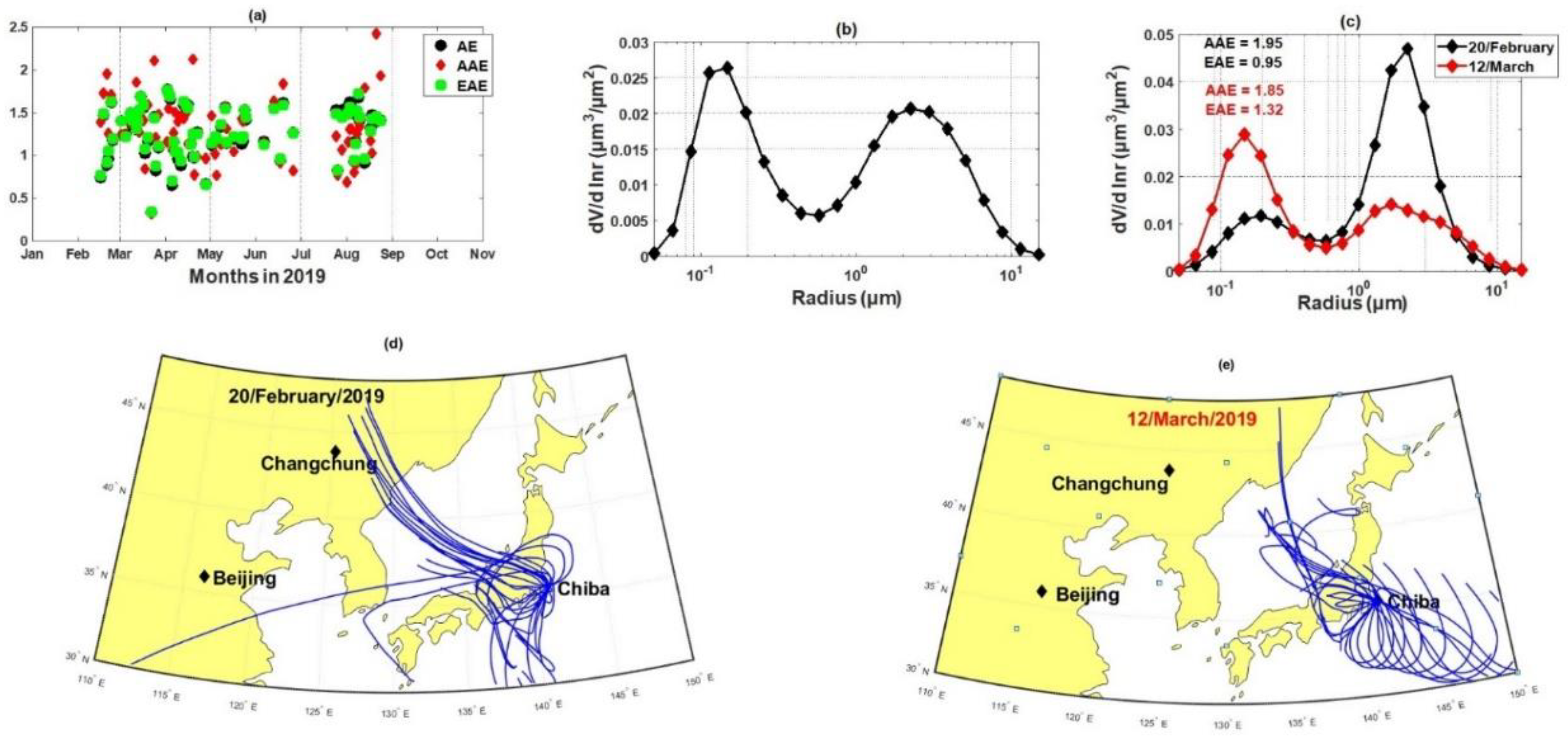
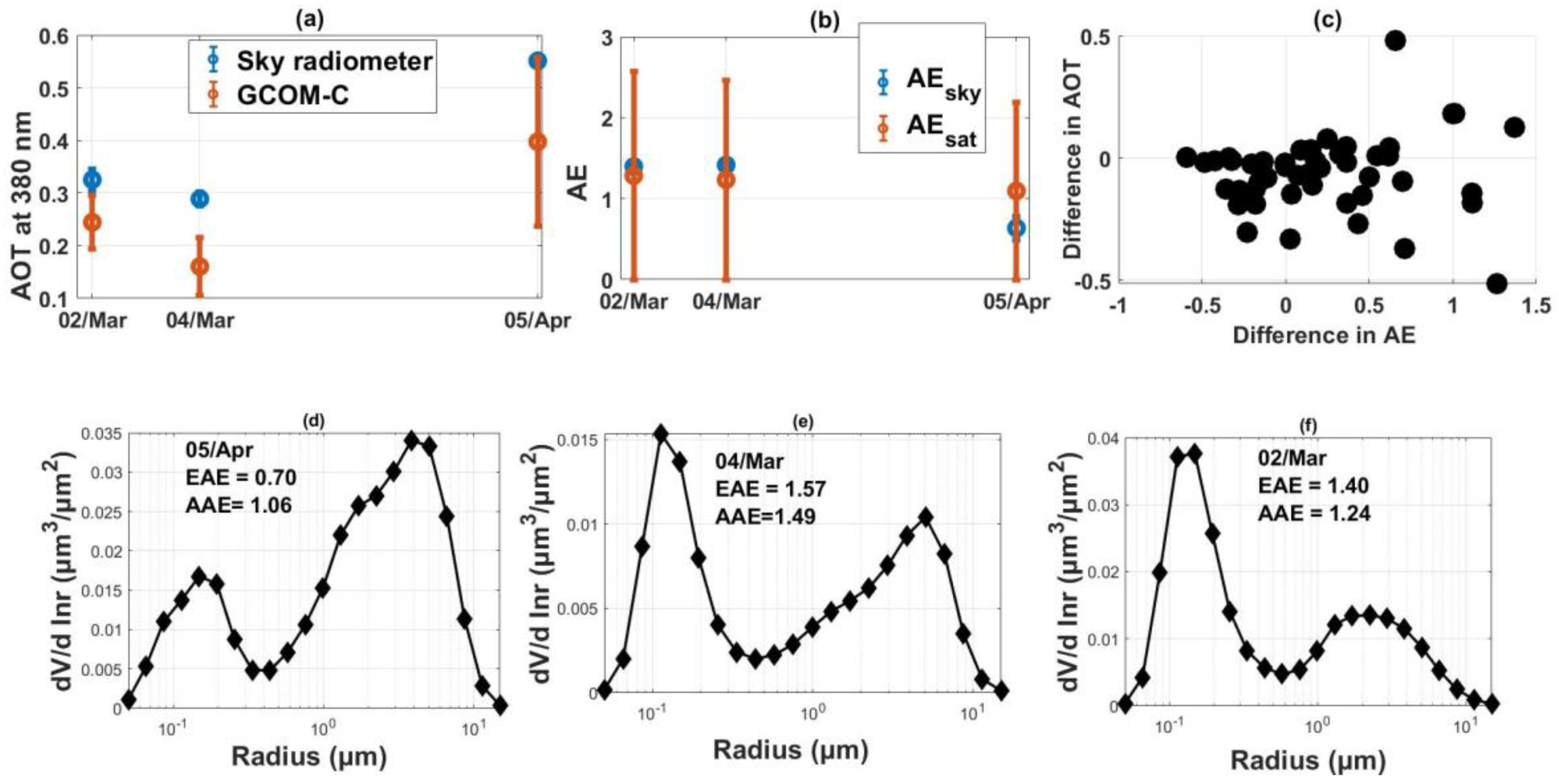
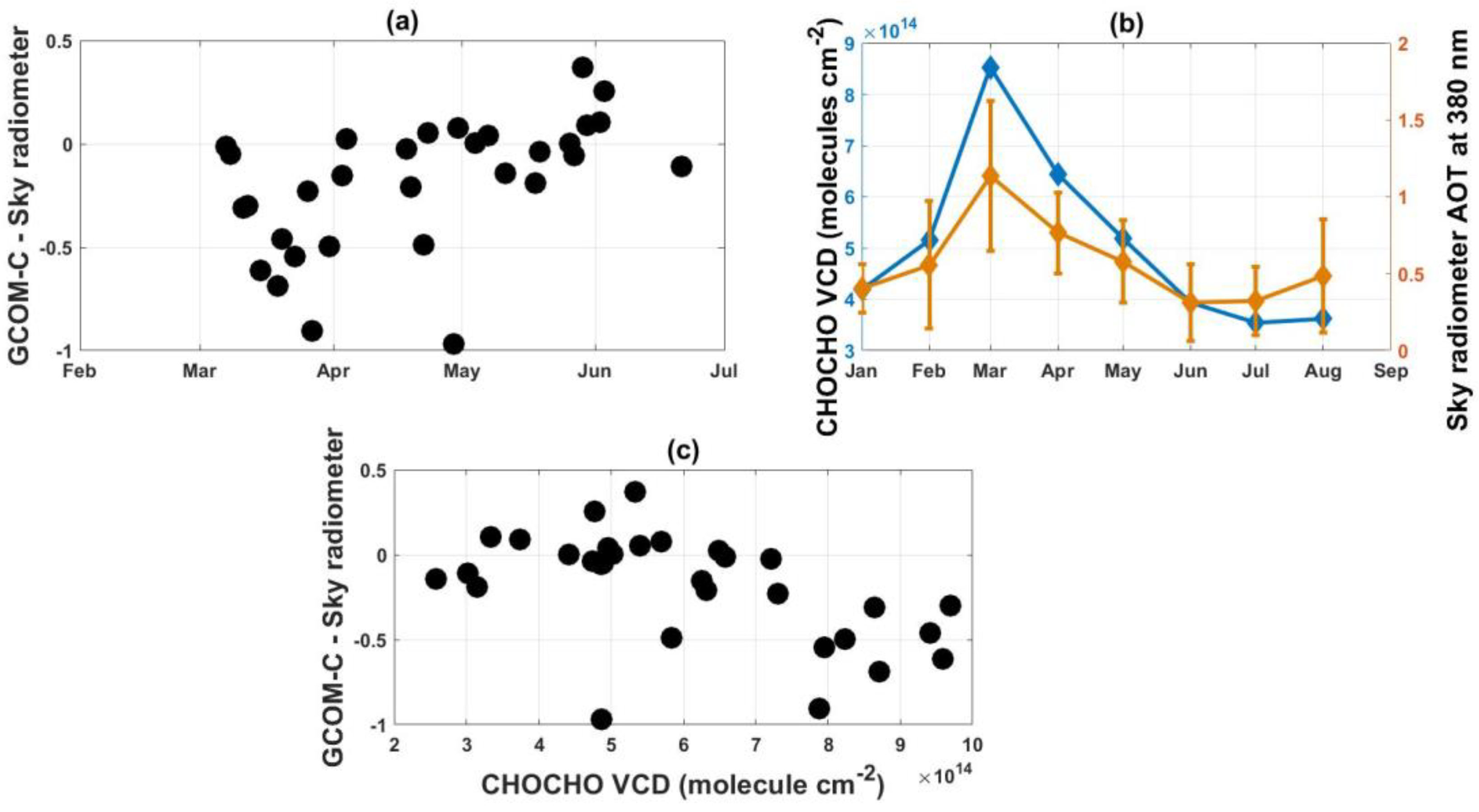
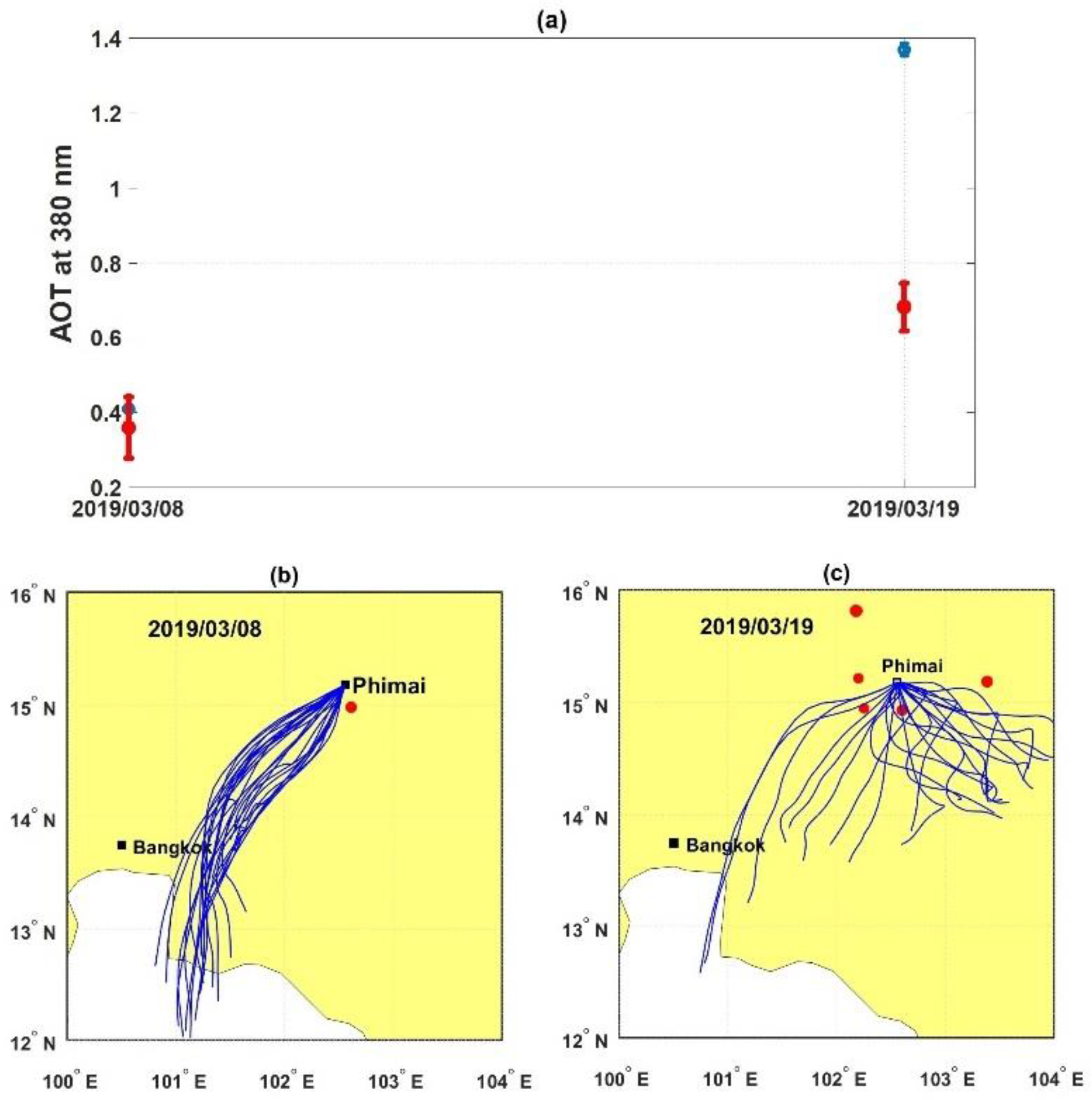
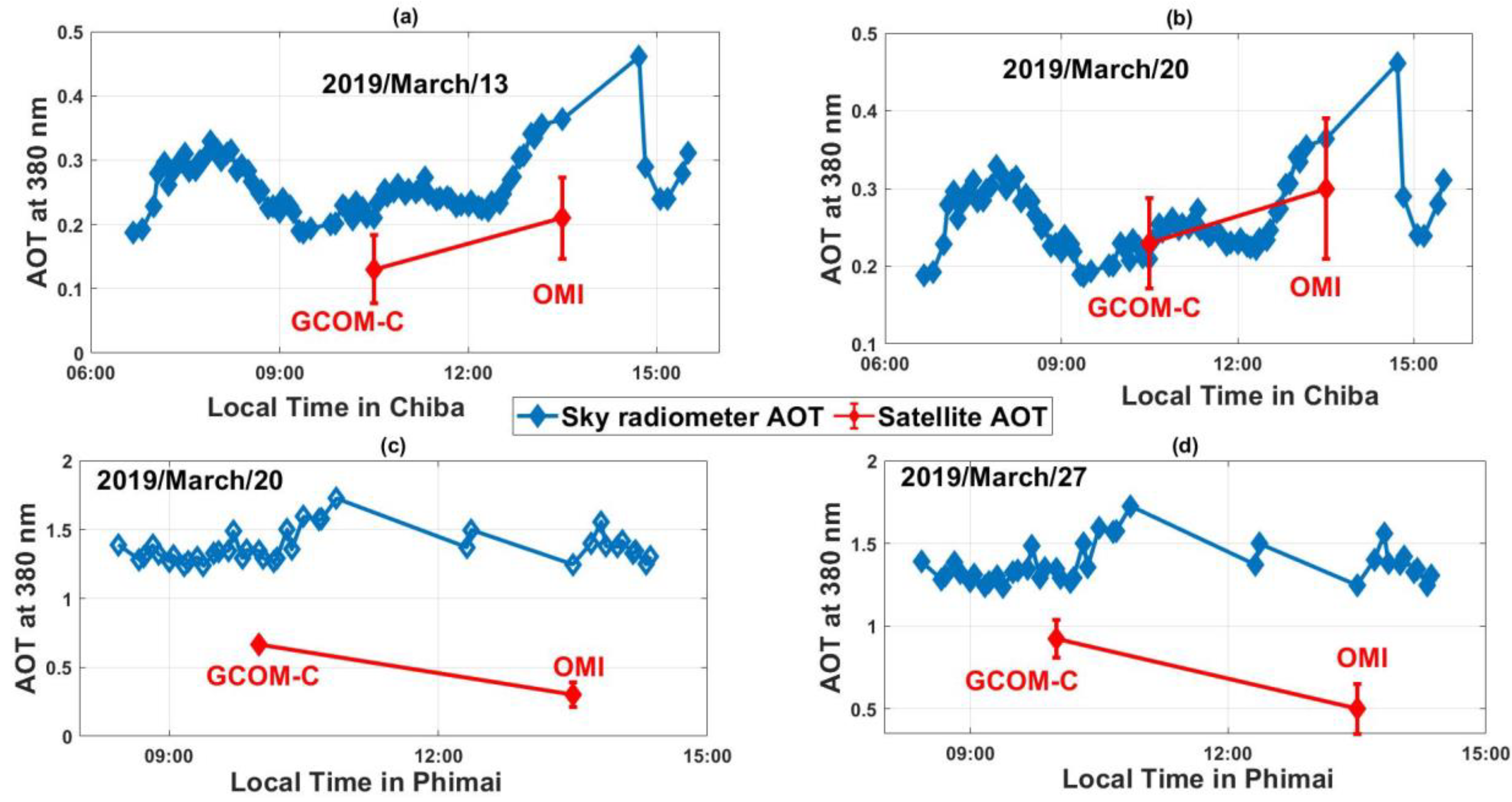
The Global Change Observation Mission-Climate (GCOM-C) is currently the only satellite sensor providing aerosol optical thickness (AOT) in the ultraviolet (UV) region during the morning overpass time. The observations in the UV region are important to detect the presence of absorbing aerosols in the atmosphere. The recently available GCOM-C dataset of AOT at 380 nm for January to September 2019 were evaluated using ground-based SKYNET sky radiometer measurements at Chiba, Japan (35.62° N, 140.10° E) and Phimai, central Thailand (15.18° N, 102.56° E), representing urban and rural sites, respectively. AOT retrieved from sky radiometer observations in Chiba and Phimai was compared with coincident AERONET and multi-axis differential optical absorption spectroscopy (MAX-DOAS) AOT values, respectively. Under clear sky conditions, the datasets showed good agreement. The sky radiometer and GCOM-C AOT values showed a positive correlation (R) of ~0.73 for both sites, and agreement between the datasets was mostly within ±0.2 (the number of coincident points at both sites was less than 50 for the coincidence criterion of ≤30 km). At Chiba, greater differences in the AOT values were primarily related to cloud screening in the datasets. The mean bias error (MBE) (GCOM-C – sky radiometer) for the Chiba site was −0.02 for a coincidence criterion of ≤10 km. For a similar coincidence criterion, the MBE values were higher for observations at the Phimai site. This difference was potentially related to the strong influence of biomass burning during the dry season (Jan–Apr). The diurnal variations in AOT, inferred from the combination of GCOM-C and ozone monitoring instrument (OMI) observations, showed good agreement with the sky radiometer data, despite the differences in the absolute AOT values. Over Phimai, the AOT diurnal variations from the satellite and sky radiometer observations were different, likely due to the large differences in the AOT values during the dry season.
Keywords: GCOM-C; sky radiometer; aerosol optical thickness (AOT) GCOM-C; sky radiometer; aerosol optical thickness (AOT)
Graphical Abstract