Skip Content
You are currently on the new version of our website. Access the old version .
SustainabilitySustainability
  • Article
  • Open Access

10 February 2017

Plans and Living Practices for the Green Campus of Portland State University


,
,
and
1
Department of Housing & Interior Design, Chungbuk National University, Cheongju, Chungbuk 28644, Korea
2
Department of Urban Planning & Engineering, Yonsei University, Seoul 03722, Korea
3
Toulan School of Urban Studies and Planning, Portland State University, Portland, OR 97201, USA
*
Author to whom correspondence should be addressed.
This article belongs to the Section Environmental Sustainability and Applications

Abstract

This study aims to comprehend Portland State University (PSU)’s green campus strategies, and students’ level of knowledge and living practices relating to green campus. PSU’s sustainable campus plan has been nationally and internationally recognized. A literature review, field investigation, and interviews were conducted to ascertain the PSU green campus strategies. This study also used a survey to understand students’ level of knowledge and practices. The survey results were analyzed by SPSS. Green campus projects at PSU were operated by official organizations and funded according to PSU’s long term plans in 12 multilateral categories: administration, energy, water, climate action, green buildings, green purchasing, waste reduction and recycling, food and dining services, transportation, land use, action, and education and student activity. The survey results show that the level of students’ understanding about PSU’s green campus strategies was somewhat low, but the amount of practice of a sustainable lifestyle was higher. Students who had taken courses related with sustainability or were engaged in sustainable activities had more knowledge about green campus strategies than students who had not. Therefore, it would be important to focus more on educating students and developing related programs in order to have more positive effects of green campus projects.

1. Introduction

1.1. Purpose

A university campus is an entity that consumes a considerable amount of energy, and the level of energy-saving living practices on campuses remains lower than in housing environments, partly because individuals’ practices are not directly tied to economic incentives.
A university campus is a scaled-down form of an urban system. It has the elements of a city, with infrastructure such as roads, transportation, and electricity. It contains buildings and has systems that use energy and discharge waste products. Because of this, a university campus can serve as a testbed to analyze the effectiveness of green systems and green features that could be applied to future cities.
University students will be the decision makers of society in the future. By then, they may be in the position of making policy decisions or developing facilities and products for the general public. Even if not, they need to be educated to have sufficient knowledge and a proper set of values to vote for competent representatives who will enact green initiatives. Since a university trains future decision makers and often fosters environment-friendly education, it would be advisable to build green campuses where students can practice green living.
Consequently, it is essential to transform the currently energy-wasteful university campuses into green campuses, to tackle the urgent issues of carbon dioxide emissions, and global warming, and to enhance people’s health and well-being. However, in South Korea, the universities’ plans and initiatives for sustainability are not comprehensive, are not systematic, and are insufficient. For a more sustainable university, then, it is necessary to study the advanced plans and initiatives of other universities. There are two main aspects to building a green campus. The first concerns the physical environment to reduce energy consumption and the carbon footprint, which includes land use, green buildings, and green features. The second is the socio-cultural aspect, which involves management, education, practice, and a relationship with the local community to plan effectively and use the physical elements of a green campus.
In this study, through the literature review, field investigation, and survey, we investigated the physical environment for a green campus by examining Portland State University (PSU), one of the leading examples of green campus initiatives. However, if campus members do not practice and understand green campus plans and initiatives, the plans are hard to put into effect. Therefore, we surveyed the students’ level of knowledge and living practices as related to a green campus, representing the socio-cultural aspect. This research started as a project for Korean visiting scholars at PSU. The results of the analysis will provide valuable information for assessing the state of the green campus and foundations for the future direction of education on green campuses at PSU, as well as supporting green campus initiatives domestically, internationally, and, in particular, in Korea.

1.2. PSU: Finding a Research Subject

PSU is located in Portland, Oregon, in the United States. Both the city of Portland and the state of Oregon are widely known for their environment-friendly policies and practices.
In 2014, PSU was ranked as one of the top 10 universities as an energy-conserving college in the Campus Conservation Nationals [1]. Its president was appointed as chairman of the American College and University Presidents’ Climate Commitment (ACUPCC). While many US universities are located in suburban areas, and form a university town, PSU is located in downtown Portland, Oregon’s largest city, and it shares many overlapping features with typical university campuses in South Korea. Thus, PSU could serve as a useful benchmark for South Korean universities

2. Literature Review

2.1. Green Campus Policies in the United States

In the United States, the ACUPCC, the Association for the Advancement of Sustainability in Higher Education (AASHE), the US Green Building Council (USGBC), the International Sustainable Campus Network (ISCN), and the United States Environmental Protection Agency (EPA) are some of the organizations that address the green campus issue. The ACUPCC was organized in 2006 to build a college network that shares information about climate change and greenhouse gas emissions; it provides a frame for universities to formulate their plans and practices that plan for climate neutrality. The ACUPCC suggests three steps for climate neutrality. The first step is making a comprehensive plan. The second step is a plan for reducing greenhouse gas emissions and the implementation of tangible actions that are provided by the ACUPCC. The third step is the submitting of regular reports. In this way, the ACUPCC helps the universities to take actions against climate change [2,3,4].
The AASHE is a non-government organization engaged in educational activities. Specifically, it supports the generalization of sustainability in higher education and research on sustainability. It also provides information and activities that are about sustainability, and it promotes the sharing of this information among institutions and individuals. It supports institutions and individuals to cooperate for sustainability. The AASHE provides the Sustainability Tracking, Assessment & Rating System (STARS), which that is a scale/criterion for assessing the degree of sustainability, and it provides guidelines for universities to be sustainable. Thus, the AASHE supports sustainability in educational aspects [5,6]. The USGBC introduced a green building certification program, Leadership in Energy and Environmental Design (LEED), and it provides and assesses guidelines for eco-friendly buildings. It also facilitates efforts to build green campuses through its Center for Green Schools. The Center for Green Schools promotes the operation and management of schools for improved sustainability. It supports improvements to the environment of schools and promotes a sustainable campus through the Whole School Sustainability Framework, the Roadmap to a Green Campus, and other programs [7,8,9]. The ISCN facilitates network building and cooperation among colleges and assists in the development of sustainable campuses in conjunction with the Global University Leadership Forum. Through the Working Groups Program, information can be exchanged and various studies are conducted. In addition, the sustainable campus is discussed in the Conference Symposia program. The ISCN identifies advanced sustainable universities through the Sustainable Campus Excellence Awards. In this way, the ISCN supports the development of sustainable universities at the national and international levels [10,11,12]. The EPA is a government-level organization that supports various activities to create a healthier living environment, from the enactment of laws to research and environmental education. Through environmental education, students become more interested in sustainability and participate in solving environment problems. With regard to the green campus, it operates EPA Schools and provides information about planning, renovation, management, and repair of facilities to promote a green campus. The EPA provides support at the government level [13,14,15,16,17].

2.2. Previous Research

Earlier studies can be grouped into two categories: research into the green campus system and research into users’ knowledge and understanding of the green campus.
The former includes the research of Taylor (2013), who introduced the case of Kingston University in the United Kingdom. Kingston University has staff for sustainability and includes sustainability in the curriculum. The university shares information through workshops and seminars. As a result, Taylor notes, the sustainable campus is promoted by understanding sustainability, research, and cooperation with local communities [18]. It also includes Cho (2011), who investigated five universities in Seoul to identify the characteristics of a green campus, based on site visits and interviews with university staff. As a result, among the characteristics of the green campus, the efforts for reduction of CO2 emissions and saving energy are insufficient [19]. Kim et al. (2013) examined the green campus system in the United States using the case of Harvard University as an example and compared the US green campus system with that of South Korea through a literature review. According to the research results, the number of organizations supporting green campuses in Korea is lacking. Therefore, they said, organizations should be established and cooperation between such organizations and universities is needed to promote participation [20]. Both studies involving South Korea focused on particular aspects of the green campus rather than following a comprehensive approach.
Habib et al. (2016) said universities or other higher education institutions should consider sustainability. They said that the initiatives for sustainability are inadequate in Saudi Arabia compared with other countries, such as the United States, Canada, or European countries. They therefore reviewed and conducted a survey to assess the status of universities’ efforts or initiatives for sustainability in Saudi Arabia in terms of teaching and curriculum, research and scholarship, campus operations, community management, and financial management. In addition, they made suggestions for each aspect for the sustainability of universities located in Saudi Arabia [21]. Lauri et al. (2015) researched the integrated sustainability plan of higher education institutions like universities, focusing on the sustainability plans of universities in Canada. They found that many universities had relevant plans, which emphasized environmental aspects more than social and economic aspects and campus life. Through the analysis of the sustainability plans of the universities, they came to understand the overall status of universities’ efforts and provided a direction for sustainability plans [22]. Lastly, Habib and Ismaila (2008) studied integrated plans for sustainability. They argued that campus sustainability is a critical issue globally because universities impact on the environment directly and indirectly. Therefore, plans for sustainability are critical and needed to be systematic and cover multidimensional aspects. They suggest making sustainability plans in terms of campus operation and educational organizations to promote sustainable universities [23]. Thus, these three studies emphasized the need for plans for sustainability, including both the physical environment and educational aspects in the sustainability of universities.
Velazquez et al. (2006) surveyed 35 universities regarding their green practices, including policies, missions, strategies, and sustainability level. Based upon the survey, they suggested a 4-phase framework for creating a sustainable university: vision, mission, committee, and strategy [24]. Weenen (2000) examined sustainable development by examining universities in the US and Europe with sustainability plans. Through this investigation, they also suggested a sustainable university classification model with four levels of university engagement [25]. These studies all include suggestions or recommendations for sustainable universities and green campuses.
As for studies on knowledge and understanding of the green campus, surveying represents the most common methodology. Speake et al. (2013) surveyed students at Liverpool Hope University to determine their understanding of green space, frequency of use, and level of satisfaction. The survey also sought out information on how to improve green space [26]. Kim (2010) surveyed college students regarding their knowledge of the green campus and environment, their perceptions of environmental preservation, and relevant green actions [27]. These two studies suggested that there is a need to promote and strengthen education for green campuses.
Emanuel et al. (2011) surveyed students in Hawaii and Alabama about their perceptions of sustainability, finding that there was no gap of knowledge between the two states. However, there were some gaps of willingness to engage in sustainability practices. According to these results, the researchers suggested that universities play an important role in helping students participate in sustainability initiatives. They must provide students the opportunity to participate [28]. Ultimately, these studies suggested that universities in being more sustainable and promoting green campuses are necessary.
Abd-Razak et al. (2011) examined four universities in Malaysia to research the effectiveness of the physical environment for sustainability. They used a survey, behavioral observation, and visual research. Through the survey, they came to understand respondents’ perceptions about the physical design of the universities and compared them with other universities’ survey results. They identified some problems to be resolved, such as a campus transportation system for the students’ convenience. In addition, they argued that the physical environment of a campus influences its sustainability and so is a critical part for sustainability [29].
Horhota et al. (2014) conducted a focus group, surveys, a behavioral assessment, and an intervention. Through those methods, they identified the behavioral barriers to the sustainability of a campus. Communication/awareness, inconvenience, financial concerns, and lack of engagement are factors that affect campus sustainability. After examining the obstacles, they made some suggestions for each. For example, they suggest a curriculum that includes sustainability, connecting disciplines with sustainability, website postings, and a campus newspaper covering the universities’ sustainability plans [30]. The study thus examined problems and made recommendations for campus sustainability. These studies conducted a survey and examined perceptions about the physical environment and some problems disturbing campus sustainability. In addition, after examining them, they suggest directions for plans and initiatives for sustainability in university. Generally, the previous studies emphasized the importance of a sustainable campus, referred to as a green campus in this research, and the role of the university for sustainability. These studies found that many universities had made efforts to be sustainable, but it is necessary to be more comprehensive and to improve.

3. Methods

3.1. Literature Review and Internet Survey

We reviewed the reports related to campus sustainability published by PSU and postings on its website to figure out the categories of the PSU green campus plans and the specific plans of each category. After reviewing the reports and postings, the survey questionnaire was designed.

3.2. Interviews

We conducted interviews with university staff to obtain additional information about PSU’s green campus initiatives. In total, five rounds of interviews were conducted, including interviews during the field investigation. In the PSU, the official organizations for the green campus were composed of the Institute for Sustainable Solutions (ISS), Campus Sustainability Office (CSO), and the Sustainability Leadership Center (SLC). The first and second rounds of interviews were conducted with the staff worked at those organizations. The contents of those interviews were the PSU’s plans and goals for the green campus and PSU’s sustainable educational programs, as shown in the Table 1.
Table 1. Interview Outline.

3.3. Field Investigation

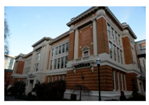
To identify the physical environmental elements of PSU’s green campus, we visited the campus and took photographs. We examined all the green features and the condition of LEED-certified buildings on campus. If the approval was needed to visit the certain green features and buildings, we made appointments in advance and then visited them. We also interviewed the users and related staff during field investigation as shown in the Table 1. Through the interviews, we examined the certain green features or facilities in detail.

3.4. Survey

The green features, green buildings, or specific plans are important parts in terms of the physical environment for the green campus. However, for the literature review, internet survey, interviews, and field investigations, understanding of the green campus by staff and users and the actual practices in relation to the green campus plans by the staff, students, and other users are critical. Therefore, a survey of the students is needed. We conducted a survey during the period of 5–13 February 2015, to examine students’ knowledge of PSU’s sustainability plans and their living practices.
The survey was designed as shown in Table 2. It was modified and revised based on consultation with the Survey Research Lab (SRL) and a preliminary survey was conducted to test the level of understanding of the survey. For the level of knowledge, respondents were asked to check items they felt they can explain to a friend. For living practice for sustainability, a four-point scale (from “never” to “often”) with the additional category of “not applicable” was used. After completing the survey design, we applied for exemption, obtained an approval from the Institutional Review Board (IRB), and launched our survey.
Table 2. Survey questions.
The respondents were PSU’s undergraduate students. We selected 5 relatively large classes and mentoring sections that were composed of various students in terms of gender, grade, and majors. We then visited the classes to distribute the surveys and collect the responses after receiving permission from the instructors.
A total 264 copies of the survey were distributed, of which 216 were collected and 209 were used for analysis.
The analysis method was a statistical analysis with simple frequencies and percentages, cross-tabbing, t-testing, and ANOVA.

4. Results

4.1. Field Investigation Results: Plans for the Green Campus

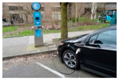
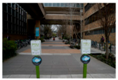
Green campus projects at PSU are operated by official organizations and funded through the university’s long-term plans in 12 multilateral categories: administration, energy, water, climate action, green buildings, green purchasing, waste reduction and recycling, food and dining services, transportation, land use, action, and education and student activity. Distinctive sustainable plans or features include the following: a district heating and cooling loop; a storm water plan; a climate action plan and progress; waste audit reports; public transportation on campus; “Electric Avenue”, providing multiple charging stations for electric cars; the “Park Block”, reflecting the “Sustainability of PSU”, a large green space located in the campus where a farmers’ market and events are held; and large numbers of sustainability-related courses and student groups (Table 3).
Table 3. Categories of PSU green campus plans.
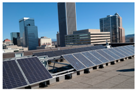
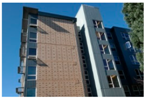
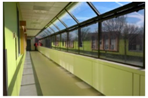
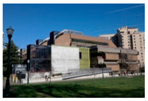
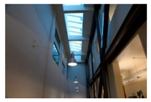
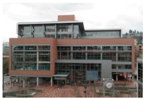
Buildings’ energy consumption represents the most important category for the green campus. PSU has worked to integrate numerous sustainability guidelines into the technical design standards. Since 2004, PSU has implemented a green building policy requiring all new construction and major renovations to meet LEED certification standards by the US Green Building Council. There are eight LEED-certified buildings on campus, three of which were certified through renovation. These renovations included non-toxic finishes, preservation of historical façades, rooftop solar arrays, rainwater capturing systems, radiant heating and cooling panels, and extensive daylighting. The other LEED-certified buildings were newly constructed with reused, recycled, or local materials, natural ventilation (windows or systems), reduced energy-use in terms of code, rainwater harvesting for reuse in toilets and irrigation, less potable water demand in terms of code, eco-roofs, or geothermal heating and cooling (Table 4).
Table 4. PSU’s LEED-certified buildings.

4.2. Survey Results: Living Practices

4.2.1. Respondents

There were similar number of male and female respondents. The study period of “less than 1 year” (33%) was the most frequent response followed by “1–less than 2 years” (27.3%). There were low percentages of students in the following categories: those who live on campus (29.2%), those who took a sustainability-related course (15.3%), and those enrolled in activities focused on sustainability (4.8%) (Table 5).
Table 5. Respondent Information (N = 209).

4.2.2. Knowledge and Living Practices

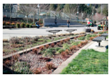
The survey results show that the level of the students’ understanding about green campus strategies was somewhat low (Table 6). On the average, 16.8% of 209 respondents answered “yes” to each question. Among the survey questions, “Transit passes through campus” shows the highest of understanding. However, there are no students who answered “yes” to the following two questions: “Ventilation system for IAQ” and “Sustainability scholar group”. The ventilation system is a facility that automatically ventilates without opening windows. Thus, if the users who do not know how the system works, open the windows during the operation of the ventilation system, it can increase energy consumption. The behavior of the users is directly related to energy consumption. Considering the survey and the field investigation results, the level of students’ understanding about “Storm water planters” and “Bioswales” is lower than the average. We found that there were trash the users left in the storm water planters and bioswales during the field investigation. Therefore, the education about these green campus plans is necessary.
Table 6. Students’ understanding of Green Campus Plans/Features (N = 209).
The average number of survey questions the each respondent answered “yes” is about seven rounding off the numbers. The minimum and maximum number of the survey questions the respondents answered “yes” are zero and thirty-four, and the most frequent number of the survey questions the respondents answered “yes” are one and five. The survey results show that, even though the students use the university facilities more frequently than the other people and the university promotes the green campus through the administration, the students’ understanding on green campus plans operated in PSU is at a low level.
The next part of survey, Living Practices for Sustainability, shows the degree of sustainable lifestyle practice among the students. As shown in the Table 7, The response average for each question is from 1.79 to 3.62, and the total average is 2.85 on a four-point scale ranging from “never” (1) to “often” (4). The highest degree of practice is shown for “Turning off lights, electronic equipment, and appliances when not using them.” “Avoiding waste by drinking from reusable water bottles or the tap instead of purchasing single-use water bottles”, and “Using durable dishes” show a high degree of practice. The lowest degree of practice is shown for “Checking with PSU’s Reuse Room and Surplus Property Program before purchasing.” In addition, “Seeking out fair or direct trade labeled products” and “Eating sustainable seafood” are lower than the average.
Table 7. Living practice for sustainability. N = 209, ( ): %.
With regard to the results of the analysis between understanding and the level of actual practice of the students, students who previously took courses related to sustainability or were engaged in sustainable student activities were more knowledgeable about PSU green campus strategies and plans than those students who had not, as shown in Table 8. Therefore, it would be important to focus more on educating students and to develop related programs in order to have more positive effects for green campus projects.
Table 8. Differences in knowledge by respondents’ backgrounds.

5. Conclusions

This field investigation results are as follows. In acknowledging the enormity of climate change issues, PSU has made diversified efforts to reduce carbon dioxide emissions and waste disposal. The university formed an official committee dedicated to making a green campus, with designated staffs for budgeting and research. Based on research, they establish a long-term plan to address the issue from multiple perspectives. Green campus projects in PSU were operated by official organizations, funding, with long term plans of PSU in multilateral 12 categories. Those were administration, energy, water, climate action, green buildings, green purchasing, waste reduction and recycling, food and dining services, transportation, land use, action, and education and student activity. Distinctive sustainable plans or features were district heating and cooling loop, storm water plan, climate action plan and progress, achieving LEED certifications for newly constructed or renovated facilities, waste audit reports, public transportation in campus, “Electric Avenue” providing multiple charging stations for electric cars, “Park Block”, as well as large numbers of sustainability-related courses and student groups. This sets the PSU green campus apart from similar initiatives in Korea in that it has a dedicated organization, budget and research resources that enable long-term planning and implementation of diversified efforts. Efforts to establish a physical environment for a green campus can be used as educational materials that students learn about in classes. They are also used in various areas, ranging from student activities, to leadership programs, and community programs, for greater participation in green campus initiatives and related education.
The survey results show that the level of students’ understanding about green campus strategies was somewhat low, but the amount of practice about sustainable lifestyle was higher. Students who previously took sustainable related courses or were engaged in sustainable activities had more knowledge about PSU green campus strategies and plans than students who were not. Therefore, it would be important to focus more on educating students and develop related programs in order to have more positive effects of green campus projects. The findings of this study, strategies of PSU green campus project and necessity of educating current students, would help other universities initiating green campus projects to create and develop related programs.
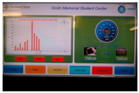
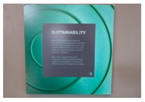
The PSU’s most distinctive plans could be compared with Korea or the plans could be benchmarked in six ways. (1) The most critical differences are the administrative organizations, budgets, and long-term plans reflecting research; (2) Through the green revolving fund, each building can be renovated to be made energy efficient and energy cost savings be repaid; these processes continuously help to reduce building energy in whole campus; (3) As one of the green campus plans, information about the physical environment, such as dashboards, signs, or posters are installed at university buildings to provide details of the educational functions; (4) For promoting public transportation, PSU has cooperated with Oregon State and Portland City. Consequently, the students and staff of the university can use the Electric Avenue for electric car charging and public transit free of charge; (5) There are a lot of courses related to sustainability in various fields, and we could identify a list of such courses on the university website. Indeed, majors that are less related to sustainability, such as Accounting, have one or more courses reflecting sustainability. That is, students can study the concept of sustainability and apply it to their majors. In graduate courses, there are interdisciplinary majors with sustainability. Thus, the students can achieve sustainability certification; (6) There are many students’ programs, leadership programs, and programs cooperating with communities. Through these programs, the students can participate in conducting green campus plans and learn sustainability. One of the dedicated organizations in PSU plans these programs and promotes them.
This study analyzed green campus plans and living practices in PSU as an example through field investigation and survey. Future study will be planned to suggest Korean-style strategies for green campuses. For this purpose, it will be necessary to study the actual conditions of Korean green campuses and various advanced cases in other countries to benchmark for Korea.

Acknowledgments

This research was supported by Basic Science Research Program through National Research Foundation of Korea (NRF) funded by the Ministry of Education (2015R1D1A3A01019328). This study has been revised after presentation at the International Conference on Environmental Sustainability, Development, and Protection (ICESDP’16).

Author Contributions

Yoon Jung Choi conceived and designed the research framework; Minjung Oh performed the statistics process for survey data; Yoon Jung Choi and Minjung Oh wrote the paper; Yoon Jung Choi and Jihye Kang performed the interview, field investigation, and survey; Loren Lutzenhiser invited Choi as a visiting scholar and advised through research process.

Conflicts of Interest

The authors declare no conflict of interest.

References

  1. Portland State University (PSU). Green Rankings. Available online: http://www.pdx.edu/sustainability/green-rankings (accessed on 10 May 2015).
  2. American College & University Presidents’ Climate Commitment. Available online: http://secondnature.org/wp-content/uploads/2015/09/Climate-Commitment-Second-Nature.pdf (accessed on 13 May 2015).
  3. Mission and History. Available online: http://secondnature.org/who-we-are/background/, http://secondnature.org/who-we-are/mission/ (accessed on 13 May 2015).
  4. Program Overview. Available online: https://www.ohio.edu/pacsp/documents/acupcc_program_overview.pdf (accessed on 13 May 2015).
  5. About AASHE. Available online: http://www.aashe.org/about (accessed on 13 May 2015).
  6. Association for the Advancement of Sustainability in Higher Education (AASHE). 2014 Annual Report. Available online: http://www.aashe.org/files/aashe_annual_report_2014.pdf (accessed on 13 May 2015).
  7. U.S. Green Building Council (USGBC). The Center for Green Schools. Available online: http://www.centerforgreenschools.org/ (accessed on 13 May 2015).
  8. Green Schools. The Center for Green Schools. Available online: http://www.centerforgreenschools.org/green-schools-and-campuses-where-we-learn-matters (accessed on 13 May 2015).
  9. The Center for Green Schools. The Roadmap to a Green Campus. Available online: http://www.centerforgreenschools.org/sites/default/files/resource-files/RoadmaptoaGreenCampus_online_121611.pdf (accessed on 13 May 2015).
  10. International Sustainable Campus Network. Available online: http://www.international-sustainable-campus-network.org/ (accessed on 13 May 2015).
  11. International Sustainable Campus Network (ISCN). Purpose. Available online: http://www.international-sustainable-campus-network.org/about/purpose (accessed on 13 May 2015).
  12. International Sustainable Campus Network (ISCN). Program Offerings. Available online: http://www.international-sustainable-campus-network.org/about/program-offerings (accessed on 13 May 2015).
  13. United States Environmental Protection Agency (EPA). EPA History. Available online: http://www2.epa.gov/aboutepa/epa-history (accessed on 10 May 2015).
  14. United States Environmental Protection Agency (EPA). Our Mission and What We Do. Available online: http://www2.epa.gov/aboutepa/our-mission-and-what-we (accessed on 13 May 2015).
  15. United States Environmental Protection Agency (EPA). What Is Environmental Education? Available online: http://www2.epa.gov/education/what-environmental-education (accessed on 13 May 2015).
  16. United States Environmental Protection Agency (EPA). Healthy Schools, Healthy Kids. Available online: http://www2.epa.gov/schools (accessed on 29 October 2015).
  17. United States Environmental Protection Agency (EPA). Schools: Healthy Buildings. Available online: http://www2.epa.gov/schools-healthy-buildings (accessed on 29 October 2015).
  18. Taylor, R. Bottoms up for sustainability-The Kingston experience. In The Sustainable University: Progress and Prospects, 1st ed.; Routledge: Abingdon, UK, 2013; pp. 256–280. [Google Scholar]
  19. Cho, K.C. A Study on Comparative Analysis of Characteristic for Sustainable University Campuses (Analysis on the Green Campus). Ph.D. Thesis, University of Seoul, Seoul, Korea, 2010. [Google Scholar]
  20. Kim, D.H.; Lee, H.J.; Kang, E.; Kim, S.Y. A Case study on the green campus operating system-focused on the green campus support institutions of the United States and Harvard University. J. Korean Inst. Educ. Facil. 2013, 95, 11–22. [Google Scholar] [CrossRef]
  21. Habib, M.A.; Yusuf, A.A.; Bilal, S. Sustainability Assessment of Higher Education Institutions in Saudi Arabia. Sustainability 2016, 8, 750. [Google Scholar]
  22. Lauri, L.; Tarah, W.; Kate, S. Canadian STATS-Rated Campus Sustainability Plans: Priorities, Plans Creation and Design. Sustainability 2015, 7, 725–746. [Google Scholar]
  23. Habib, M.A.; Ismaila, A. An integrated approach to achieving campus sustainability: assessment of the current campus environmental management practices. J. Clean. Prod. 2008, 16, 1777–1785. [Google Scholar]
  24. Velazquez, L.; Munguia, N.; Platt, A.; Taddei, J. Sustainable University: What can be the matter? J. Clean. Prod. 2013, 14, 810–819. [Google Scholar] [CrossRef]
  25. Weenen, H.V. Towards a vision of a sustainable university. Int. J. Sustain. High. Educ. 2000, 1, 20–34. [Google Scholar] [CrossRef] [PubMed]
  26. Speake, J.; Edmondson, S.; Hawaz, H. Everyday encounters with nature: Students’ perceptions and use of university campus green spaces. J. Stud. Res. Hum. Geogr. 2013, 7, 21–31. [Google Scholar] [CrossRef]
  27. Kim, S.Y. A Study on the Environmental Consciousness and Behaviors of University Students for construct Eco-Campus. Master’s Thesis, University of Seoul, Seoul, Korea, 2010. [Google Scholar]
  28. Emanuel, R.; Adams, J.N. College students’ perceptions of campus sustainability. Int. J. Sustain. High. Educ. 2011, 12, 79–92. [Google Scholar] [CrossRef]
  29. Abd-Razak, M.Z.; Utaberta, N.; Abdullah, N.A.G.; Tahir, M.; Ani, A.C. Sustainable campus design in Malaysia: An evaluation of student’s perception on four research university campuses. Appl. Mech. Mater. 2011, 71, 4313–4316. [Google Scholar] [CrossRef]
  30. Horhota, M.; Asman, J.; Jeanine, P.S.; Angela, C.H. Identifying behavioral barriers to campus sustainability a multi-method approach. Int. J. Sustain. High. Educ. 2014, 15, 343–358. [Google Scholar] [CrossRef]
  31. Portland State University. Sustainability. Available online: http://www.pdx.edu/planning-sustainability/greencampus (accessed on 15 September 2014).

Article Metrics

Citations

Article Access Statistics

Multiple requests from the same IP address are counted as one view.