Article

Evaluating the Environmental Consequences of Swedish Food Consumption and Dietary Choices


1
IVL Swedish Environmental Research Institute, Valhallavägen 81, 114 27 Stockholm, Sweden
2
KTH—Royal Institute of Technology, Department of Sustainable Development, Environmental Science and Engineering, Teknikringen 34, 114 28 Stockholm, Sweden
*
Author to whom correspondence should be addressed.
Sustainability 2017, 9(12), 2227; https://doi.org/10.3390/su9122227
Submission received: 29 September 2017 / Revised: 27 November 2017 / Accepted: 28 November 2017 / Published: 1 December 2017
(This article belongs to the Special Issue Sustainable Action in Consumption and Production)

Abstract

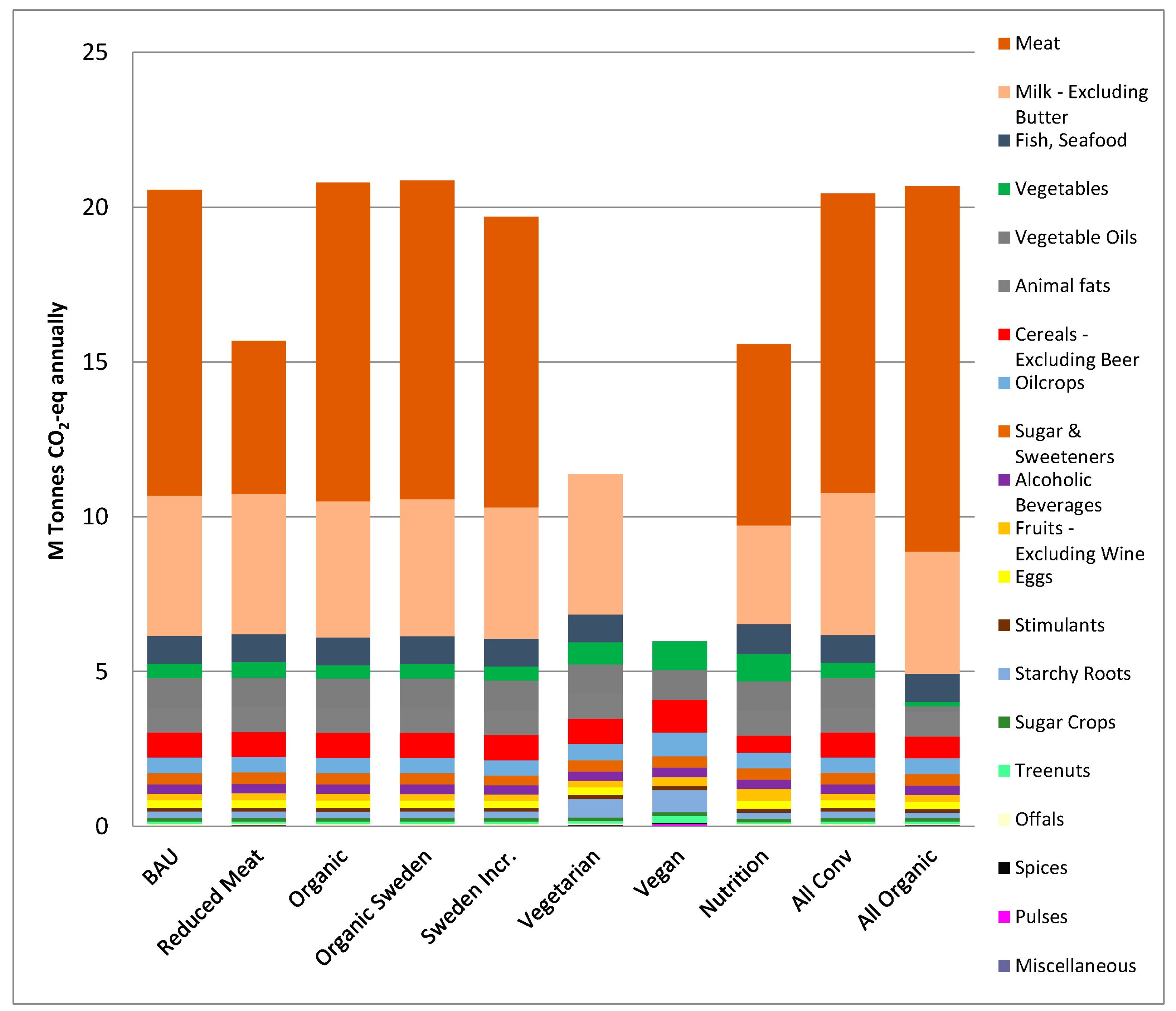
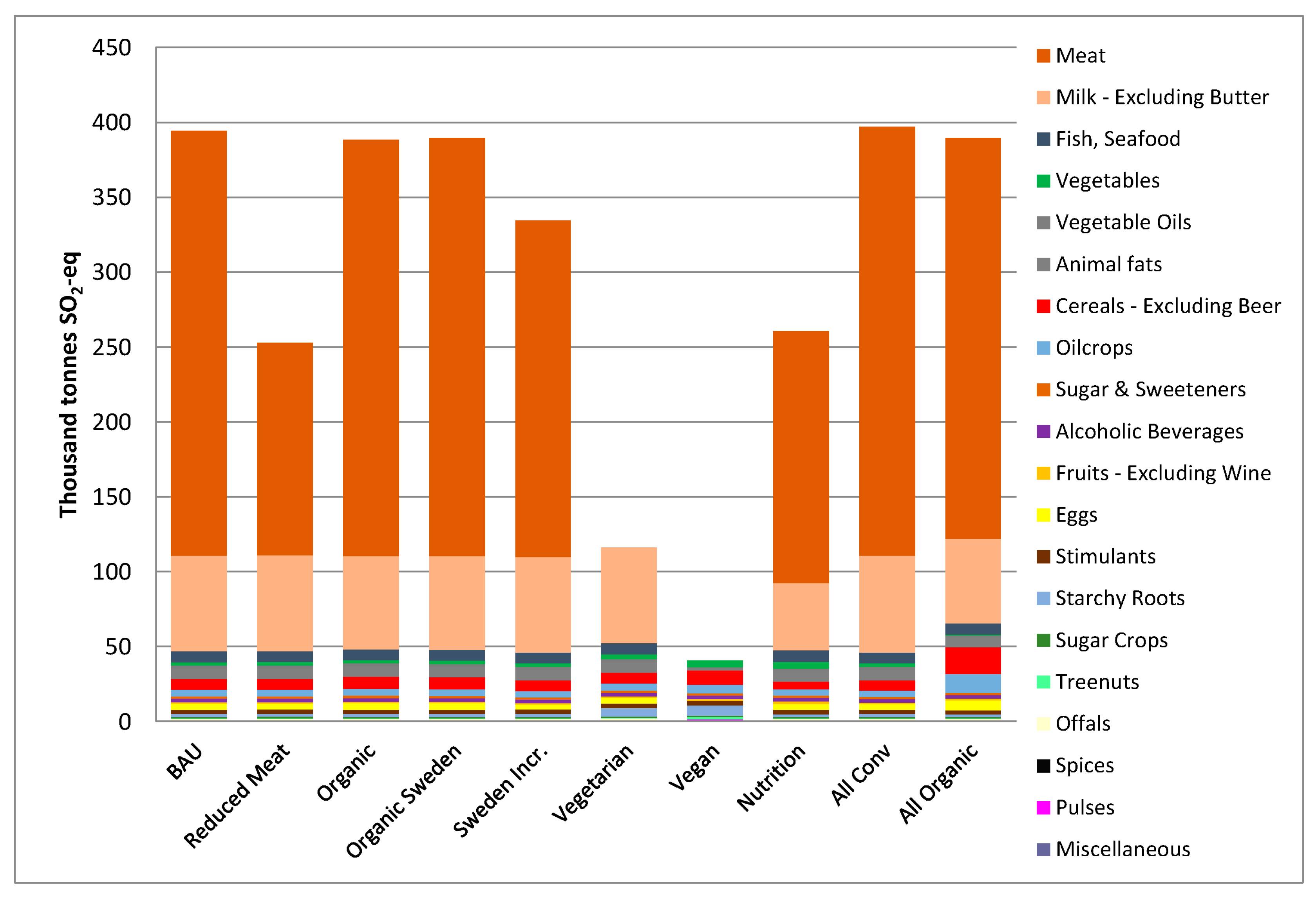
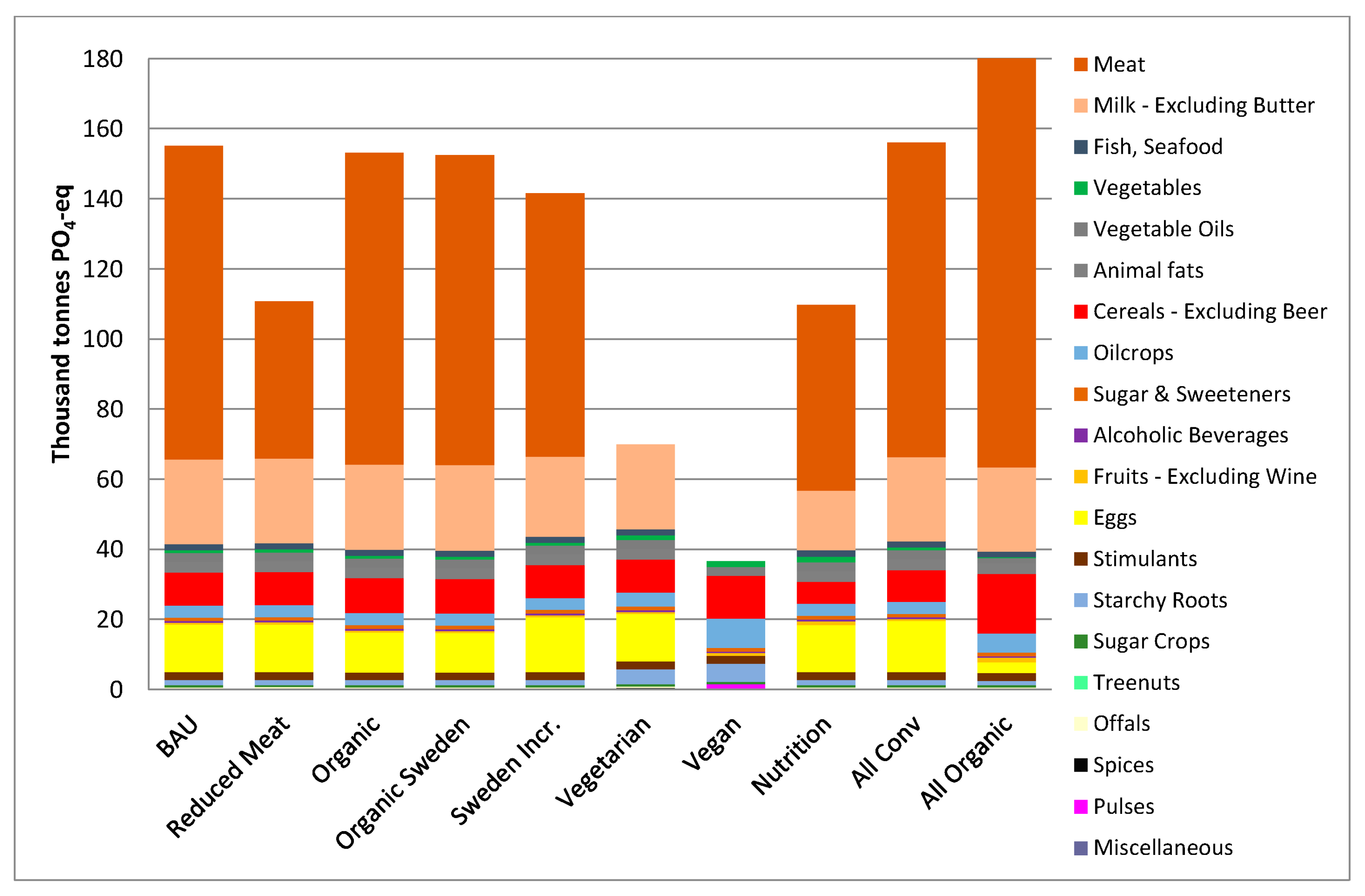
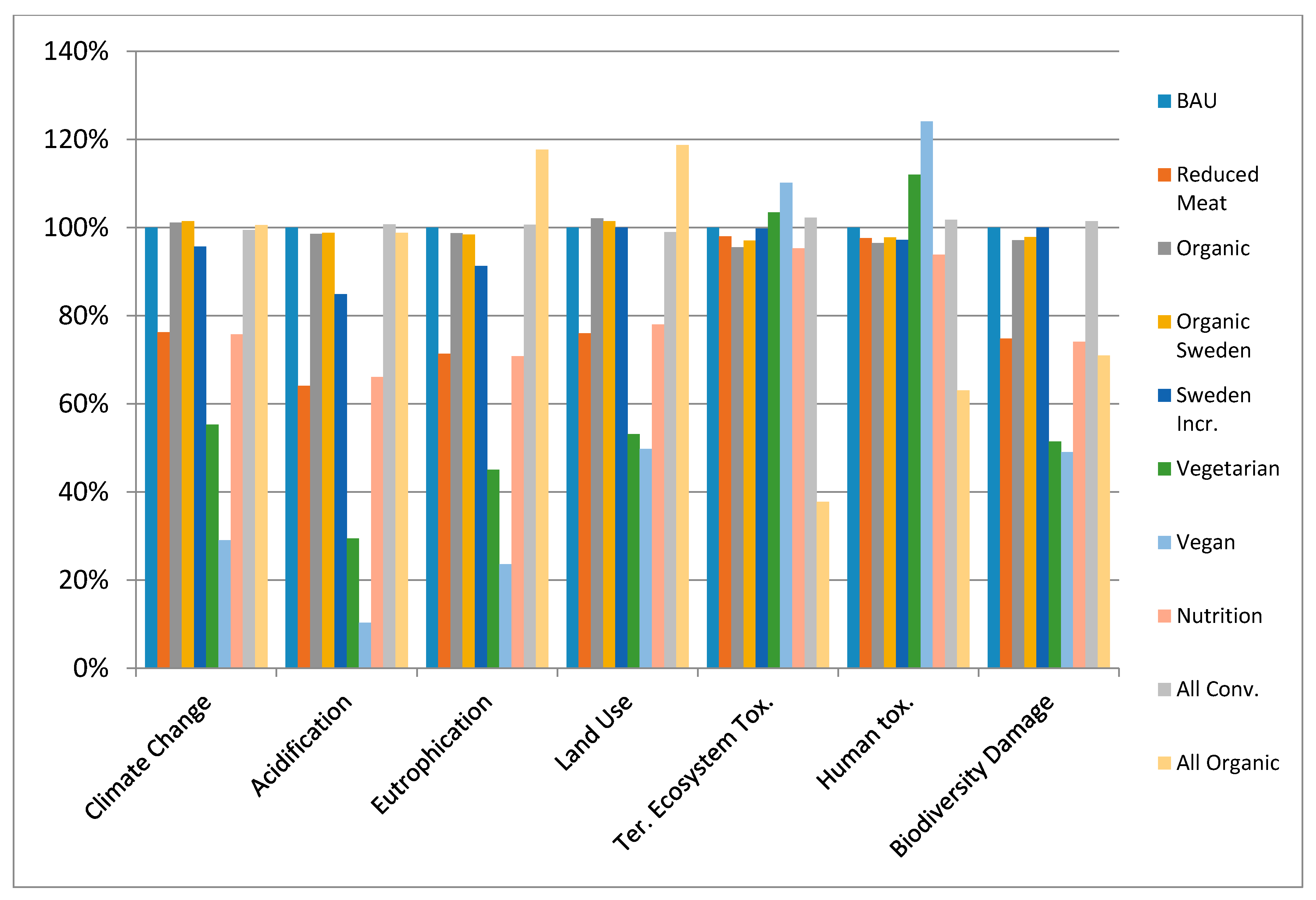
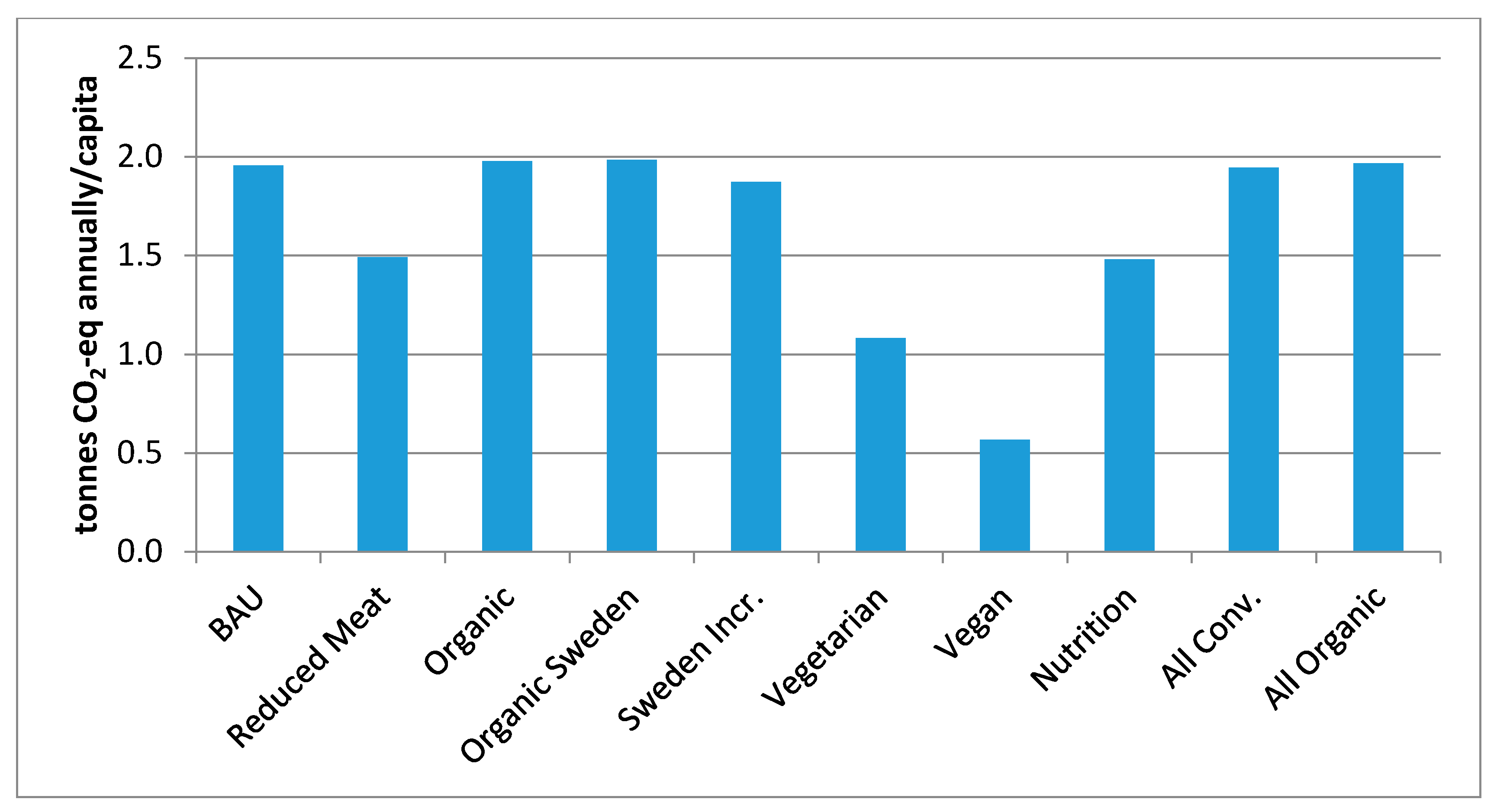
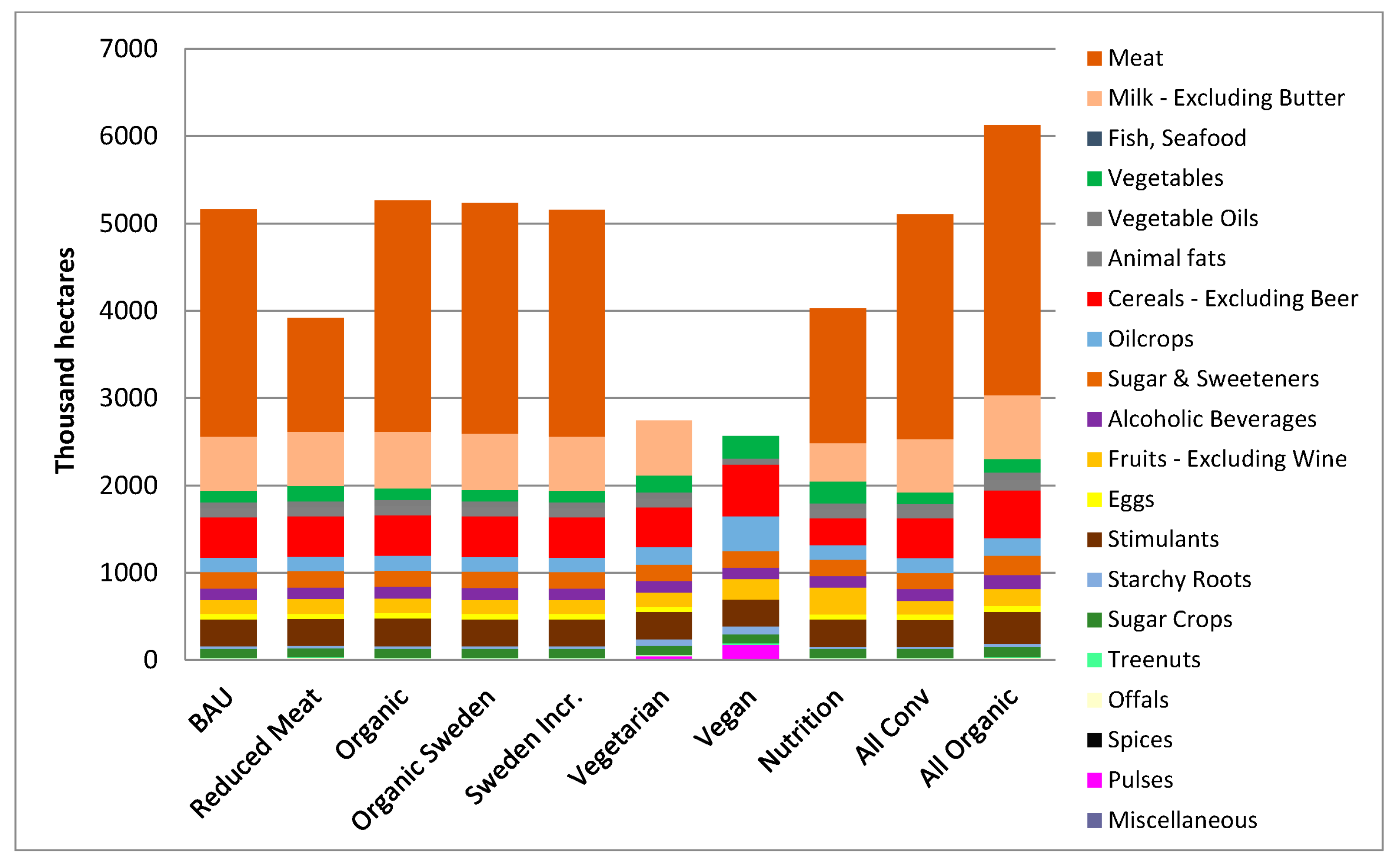
In recent years, a growing interest from consumers to know the origins and contents of foods has put alternative choices, such as organic foods and dietary changes, on the agenda. Dietary choices are important to address, as many studies find that activities related to food production account for nearly 20–30% of anthropogenic greenhouse gas (GHG) emissions. Nonetheless, while GHG emissions are important, often other environmental impact categories are not considered in the assessment of the sustainability of different foods, diets and choices. This study aims to quantify the implications of dietary choices for Swedish food consumption on a broad range of environmental impact categories using life cycle assessment to provide insight into the impacts, and potential tradeoffs, associated with certain food products and dietary choices. Scenarios are used to assess the implications of diets with reduced meat, increased Swedish food consumption, increased organic foods, vegan and semi-vegetarian diets. The results indicate that tradeoffs could be possible with certain dietary choices. Increasing Swedish food production and consumption may lead to lower impacts for all impact categories by reducing imports, although limitations in growing season and availability of foods in Sweden allows only for minor increases. The results also indicate that large reductions of greenhouse gas emissions are possible by reducing meat consumption, i.e., by halving meat consumption and through vegan and vegetarian diets. Nonetheless, an increase in vegetable, legume and fruit products may lead to a potential increase in human and ecosystem toxicity. Diets based on nutritional guidelines, show reductions in all impact categories, as these guidelines call for an increase in vegetables and fruits and a reduction in meat consumption. An increase in organic foods showed no significant change in climate impact, although toxicity potential was reduced significantly. Increasing consumption of organic foods may also lead to a reduction in biodiversity damage potential, and if all food is produced organically, it risks increasing eutrophication and land use.
Keywords: Life cycle assessment (LCA); food consumption; diets; Sweden; sustainable consumption Life cycle assessment (LCA); food consumption; diets; Sweden; sustainable consumption