Article

Positioning Nuclear Power in the Low-Carbon Electricity Transition
by
Aviel Verbruggen
1 and
Yuliya Yurchenko
2,*
1
Department of Engineering Management, University of Antwerp, 2000 Antwerpen, Belgium
2
Department of International Business and Economics, University of Greenwich, London SE10 9LS, UK
*
Author to whom correspondence should be addressed.
Sustainability 2017, 9(1), 163; https://doi.org/10.3390/su9010163
Submission received: 4 December 2016 / Revised: 15 January 2017 / Accepted: 18 January 2017 / Published: 23 January 2017
(This article belongs to the Special Issue Sustainability and Nuclear Power)

Abstract

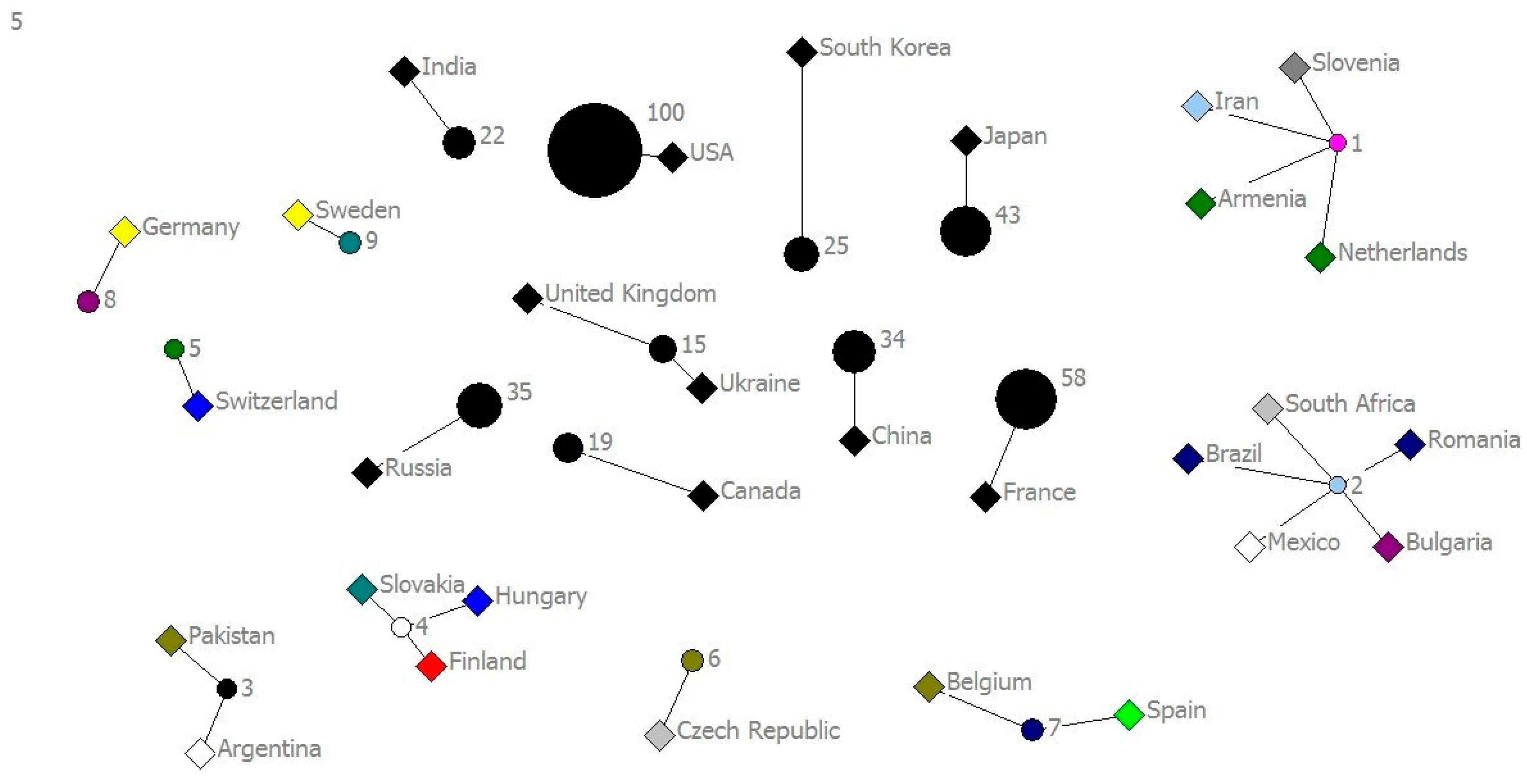
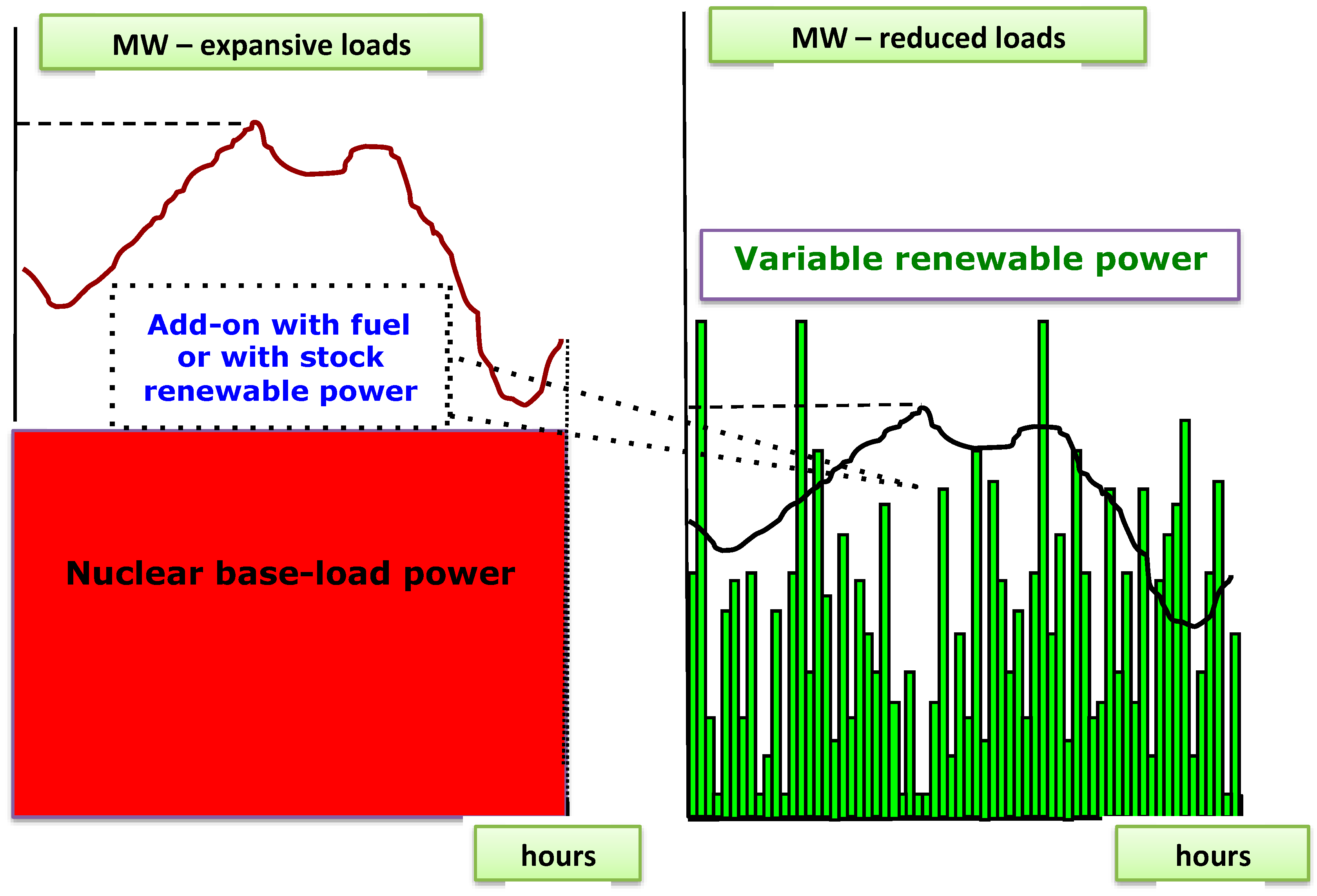
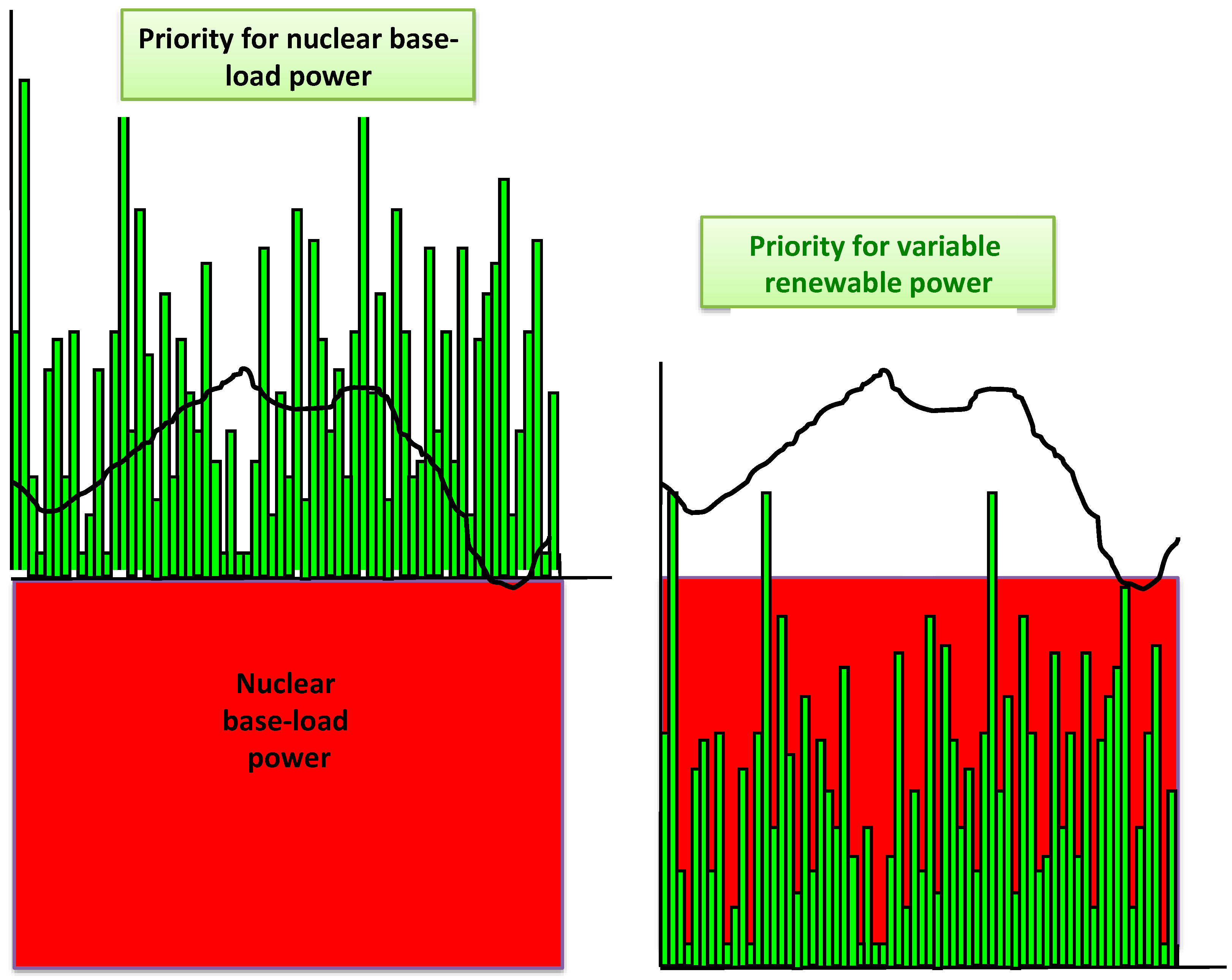
Addressing climate change requires de-carbonizing future energy supplies in an increasingly energy-dependent world. The IEA and the IPCC (2014) mention the following as low-carbon energy supply options: ‘renewable energy, nuclear power and fossil fuels with carbon capture and storage’. Positioning nuclear power in the decarbonization transition is a problematic issue and is overridden by ill-conceived axioms. Before probing these axioms, we provide an overview of five major, postwar energy-related legacies and some insight into who is engaged in nuclear activities. We check whether low-carbon nuclear power passes the full sustainability test and whether it is compatible with the unfettered deployment of variable renewable power sourced from the sun and from wind and water currents, which delivers two negative answers. We show that the best approach of the sustainable energy transition was Germany’s 2011 decision to phase out nuclear power for a fast development and full deployment of renewable power. This is the best approach for the sustainable energy transition. We offer five practical suggestions to strengthen and accelerate carbon- and nuclear-free transitions. They are related to institutional issues like the role of cost-benefit analysis and the mission of the International Atomic Energy Agency, to the costs of nuclear risks and catastrophes, and to the historical record of nuclear technology and business.
Keywords: nuclear power; nuclear risks; sustainability; low-carbon transition; electricity sector; renewable energy; IAEA International Atomic Energy Agency; IPCC Intergovernmental Panel on Climate Change nuclear power; nuclear risks; sustainability; low-carbon transition; electricity sector; renewable energy; IAEA International Atomic Energy Agency; IPCC Intergovernmental Panel on Climate Change