3.3. Performance Evolution at Different Curing Ages
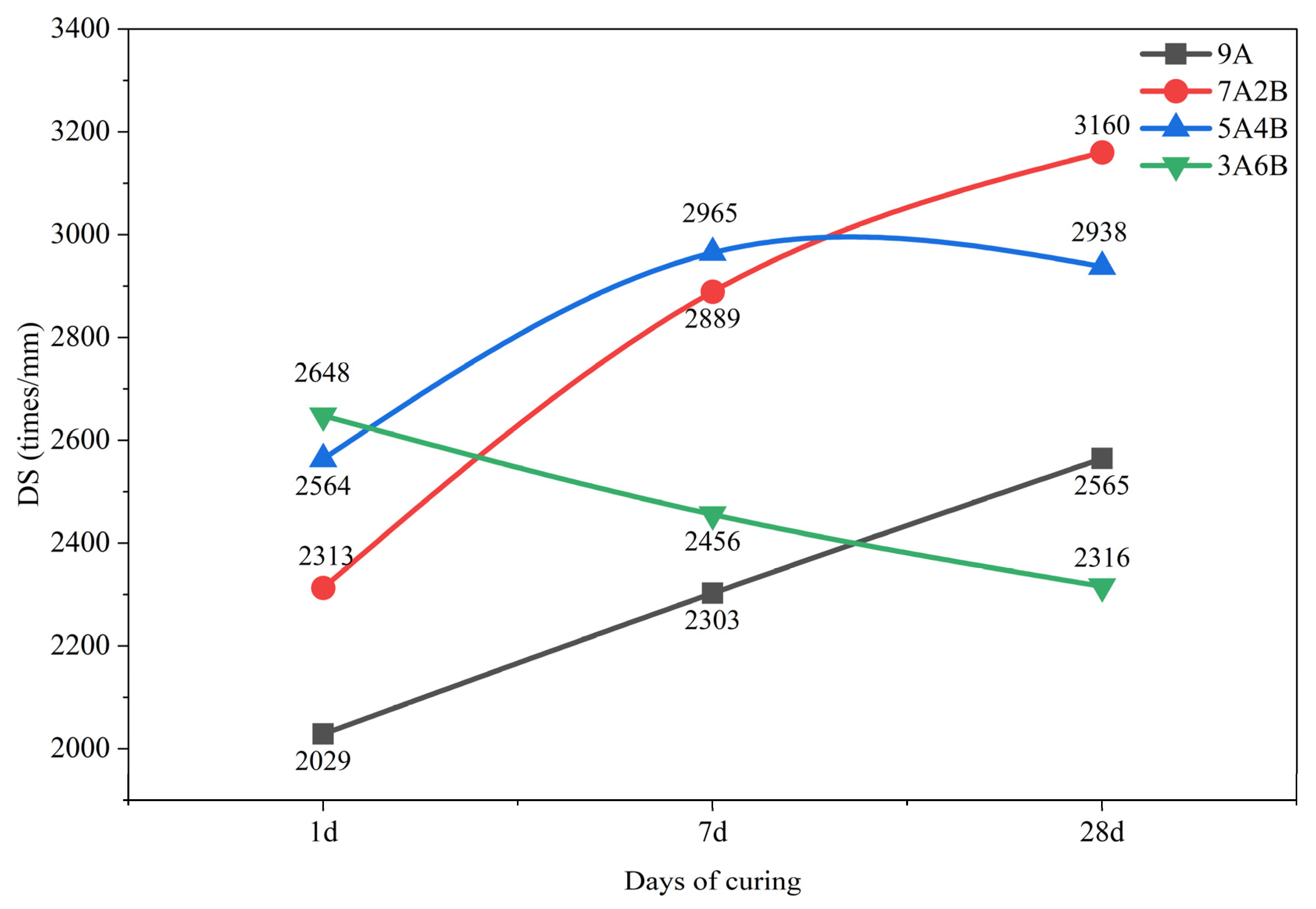
The mechanical property development of cold-recycled mixtures is a time-dependent process, governed by the synchronous kinetics of cement hydration and emulsified asphalt demulsification. The evolution of ITS, TSR, and DS over a 28-day period is depicted in
Figure 9,
Figure 10 and
Figure 11.
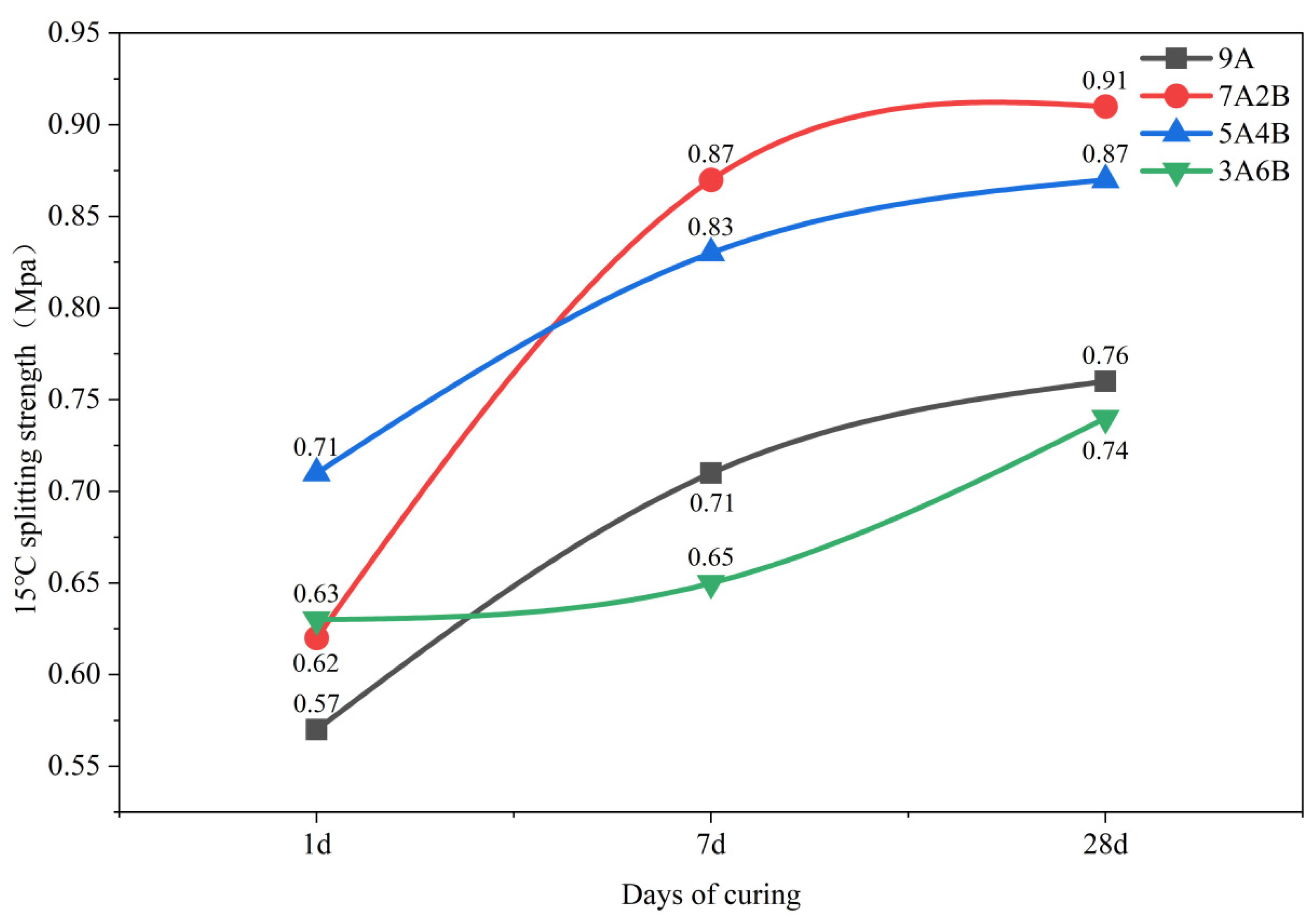
Figure 9 illustrates the 15 °C splitting strength of the four mixture groups (9A, 7A2B, 5A4B, and 3A6B) at curing ages of 1, 7, and 28 days. The results reflect the mechanical strength gain and the hardening kinetics of the cold recycled mixtures.
All mixtures showed a continuous increase in splitting strength as the curing period extended from 1d to 28d. The most rapid growth occurred between 1d and 7d, which can be attributed to the active hydration of cement and the initial breaking of the asphalt emulsion, forming an early-stage cement–asphalt mastic.
The incorporation of RCSB significantly enhanced the splitting strength compared to the high-RAP control group (9A), with the exception of the early-stage performance of group 3A6B. Group 7A2B achieved the highest ultimate strength at 28 days (0.91 MPa), followed by 5A4B (0.87 MPa). This suggests that a specific replacement ratio of RCSB (20% to 40%) provides the optimal aggregate skeleton to work synergistically with the cement-asphalt binder. Although group 9A showed steady growth, its ultimate strength (0.76 MPa) was markedly lower than that of the 7A2B and 5A4B groups, indicating that excessive RAP content without sufficient RCSB reinforcement limits the structural capacity. Interestingly, while group 3A6B had a higher 1d strength than 9A, its growth rate was slower, resulting in a 28d strength of 0.74 MPa. This implies that beyond a certain threshold (e.g., 60%), the increase in RCSB may lead to a higher void ratio or interfere with the binder distribution, slightly reducing the mechanical gain.
The results demonstrate that moderate substitution of RAP with RCSB (Groups 7A2B and 5A4B) is highly effective in improving the mechanical properties of cold recycled mixtures. The superior performance of Group 7A2B underscores the importance of a balanced gradation in fostering a dense internal structure and promoting the efficient development of hydration products (such as C-S-H gel) within the mixture matrix.
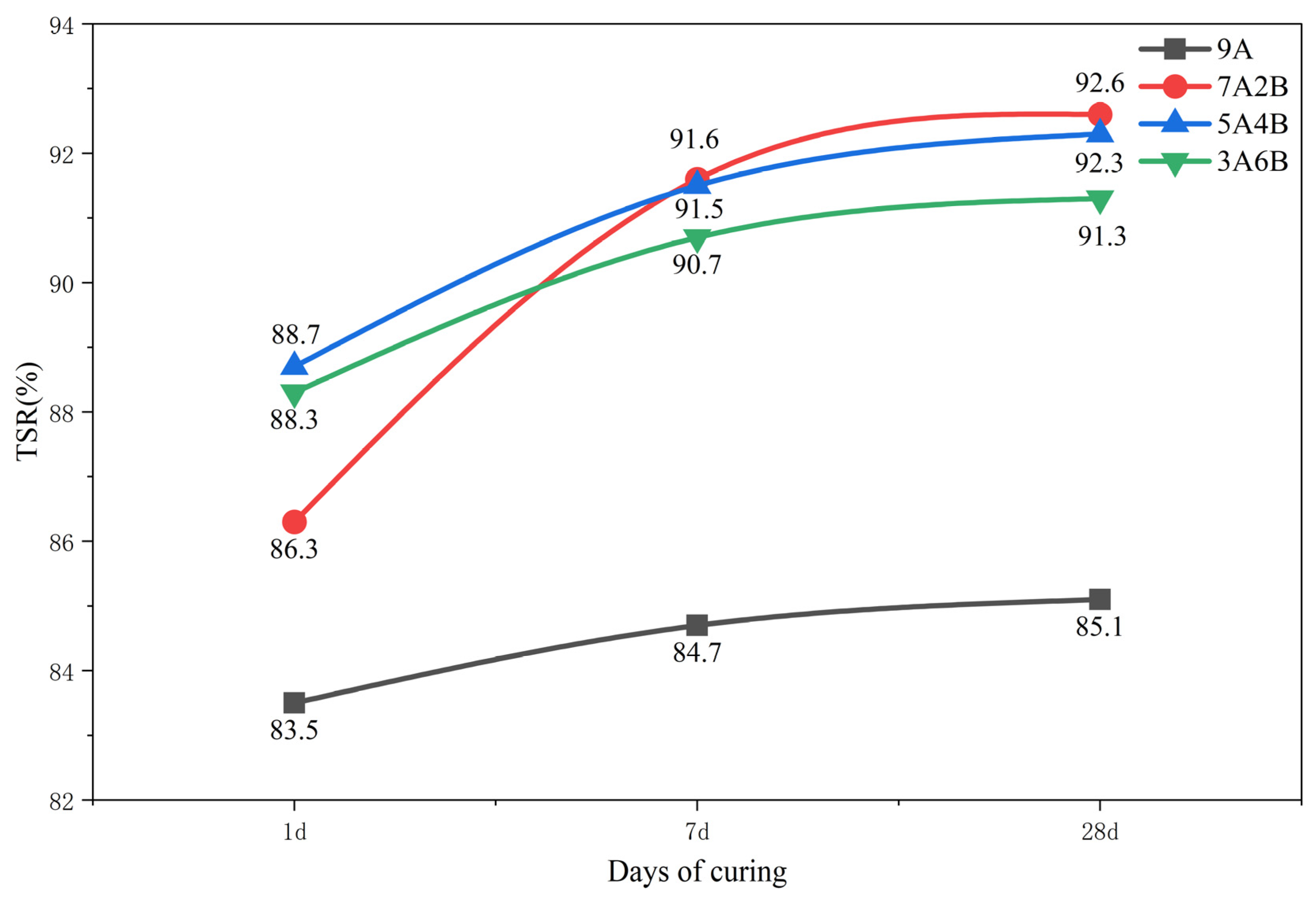
The TSR results (
Figure 10) for the four groups of mixtures over different curing periods (1d, 7d, and 28d) are illustrated in the figure. As curing time increased, the TSR of all mixture groups exhibited a significant upward trend, particularly between 1d and 7d. This indicates that the development of internal bonding strength and the completion of hydration processes over time effectively enhance the mixtures’ resistance to freeze–thaw damage. Across all curing stages, Groups 7A2B, 5A4B, and 3A6B (which contain RCSB) consistently outperformed the control group 9A. By 28 days of curing, the TSR values for these groups with RCSB reached 91.3% to 92.6%. Among them, Group 7A2B achieved the highest ultimate TSR of 92.6%, showing superior long-term resistance to freeze–thaw cycles. Control Group (9A) consistently exhibited the lowest TSR values, starting at 83.5% (1d) and only reaching 85.1% (28d). The growth rate was also markedly lower than that of the other groups.
These findings suggest that the incorporation of RCSB significantly improves the freeze–thaw resistance of the mixtures compared to the high-RAP control group. The higher TSR values in the experimental groups imply that the combination of RCSB and new aggregates forms a more robust and durable internal structure that is less susceptible to the damaging effects of water expansion during freezing.
Deformation Resistance (
Figure 11): The high-temperature stability of Group 9A relies on the gradual fusion of new and old asphalt, a relatively slow process. In contrast, Groups 7A2B and 5A4B demonstrated high and stable DS throughout the curing cycle. Notably, for Group 3A6B, a decline in DS was observed at 28 d, suggesting that an overly brittle semi-rigid matrix may develop shrinkage micro-cracks over time, compromising the overall structural stability under cyclic loading.
Above all, the curing process represents a competitive synergy between the formation of a rigid crystalline skeleton (cement) and a flexible viscoelastic film (asphalt). Group 7A2B emerges as the optimal design, exhibiting the most stable structural evolution and mechanical reliability.
3.4. Influence of Mixing Sequence on Homogeneity and Performance
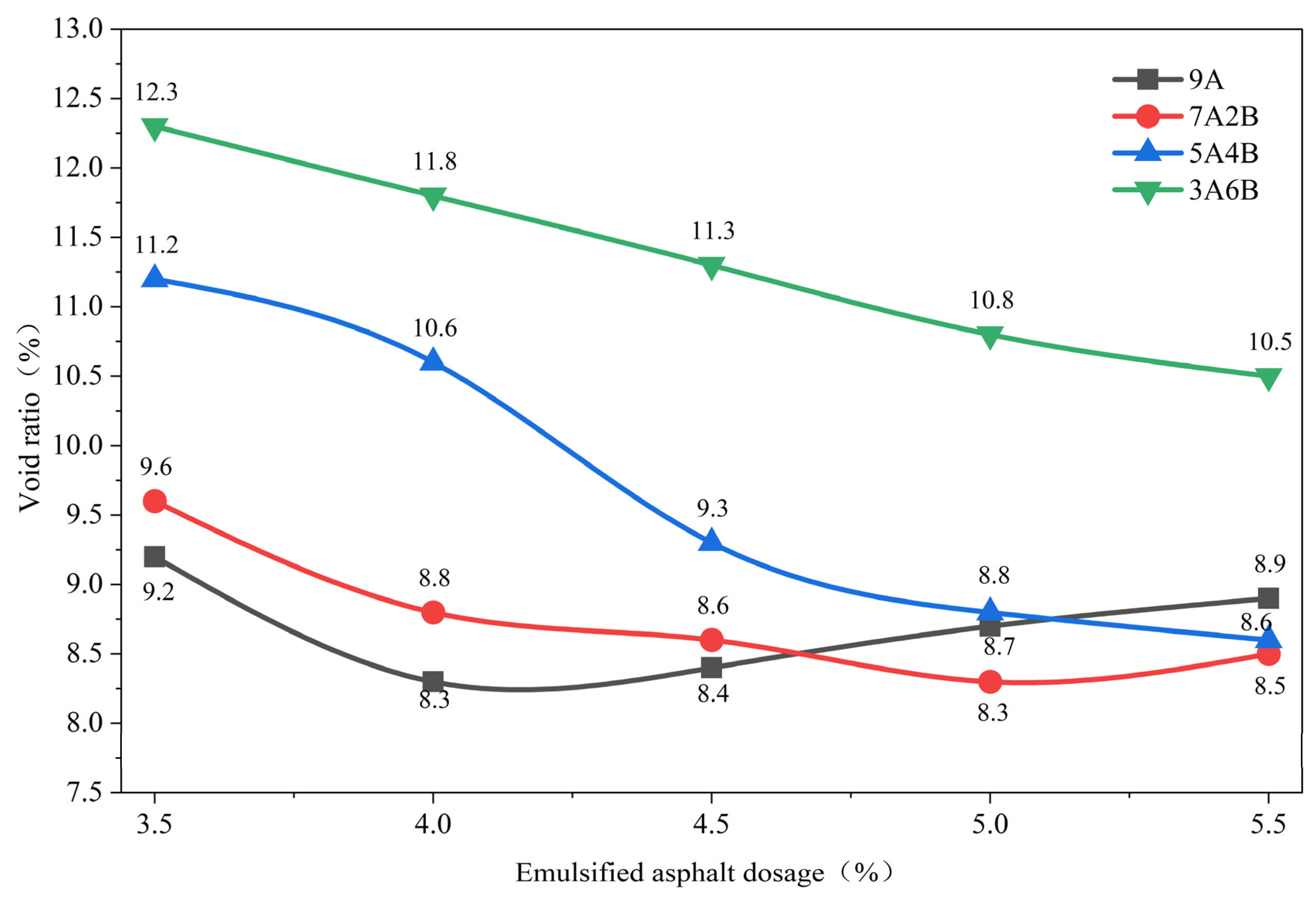
The mixing sequence dictates the spatial distribution of binders and the initiation of chemical reactions, fundamentally altering the mixture’s internal structure. The void content results are in
Table 12, and the mechanical properties are drawn in
Figure 12 and
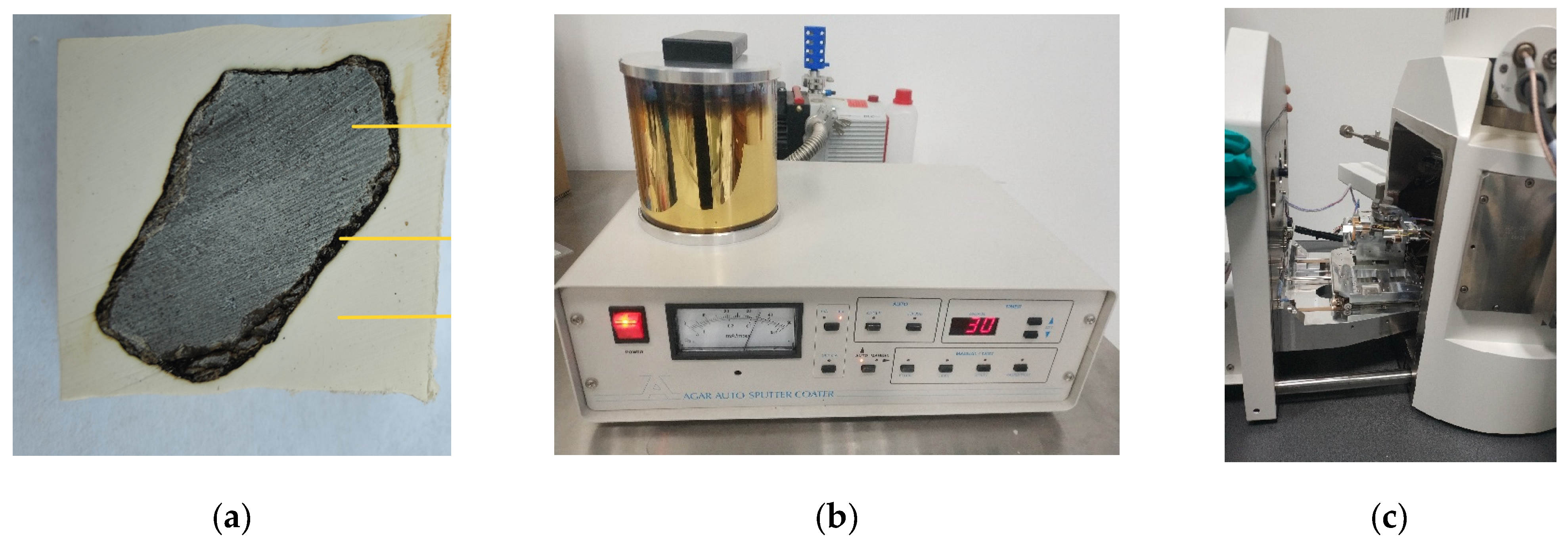
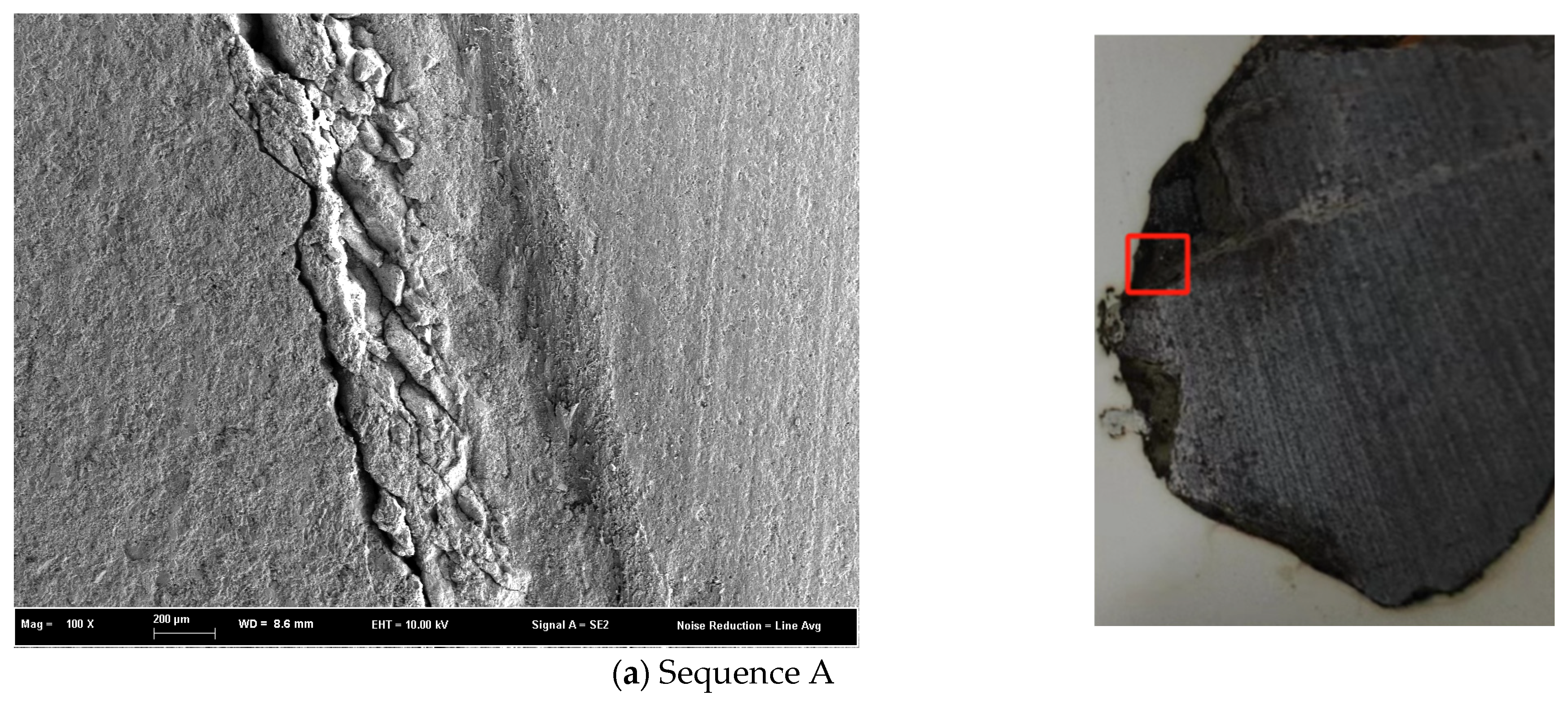
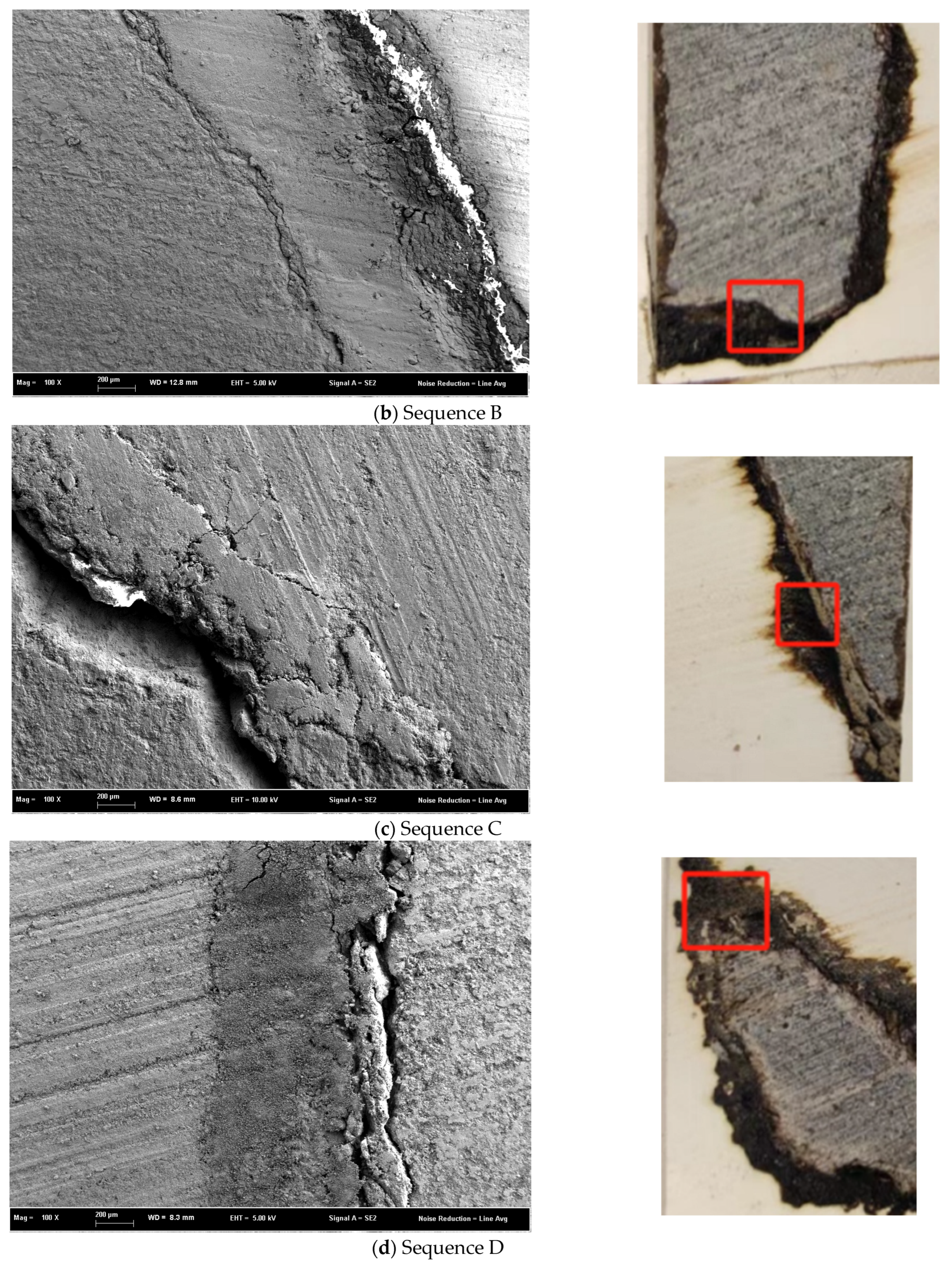
Figure 13. To elucidate the mechanisms behind the macro-performance variations, the aggregate–mastic interfaces were examined at 100× magnification (8.3 mm Field of View), as shown in
Figure 14.
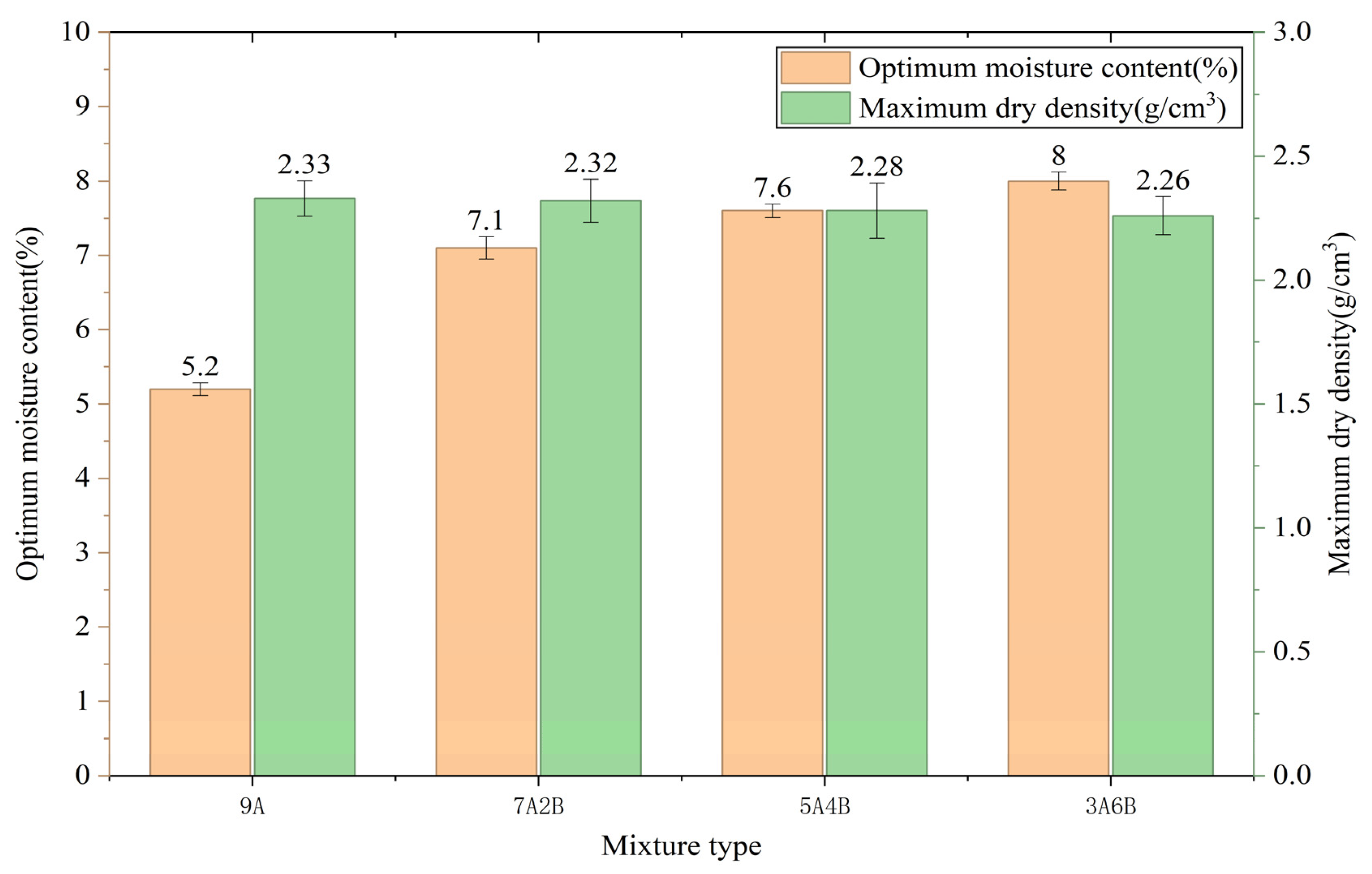
Table 12 reveals that the mixing sequence exerts a profound influence on the volumetric packing of the cold recycled mixtures. Sequence B achieved the lowest air void content of 8.3%. This suggest that the standard addition (Water, Cement, Emulsion) facilitates the most efficient filling of internal voids by the cement–asphalt mastic, leading to a highly dense mineral–binder matrix. Sequence A exhibited the highest porosity (12.8%), followed by Sequence C (11.3%). These values significantly exceed the baseline (Sequence B), indicating that premature blending of cement and asphalt (A) or delayed addition of cement (C) hinders the development of a compact structural skeleton. The “one-shot” mixing sequence (D) yielded a moderate air void content of 9.6%, which may be due to a random chaotic of blending.
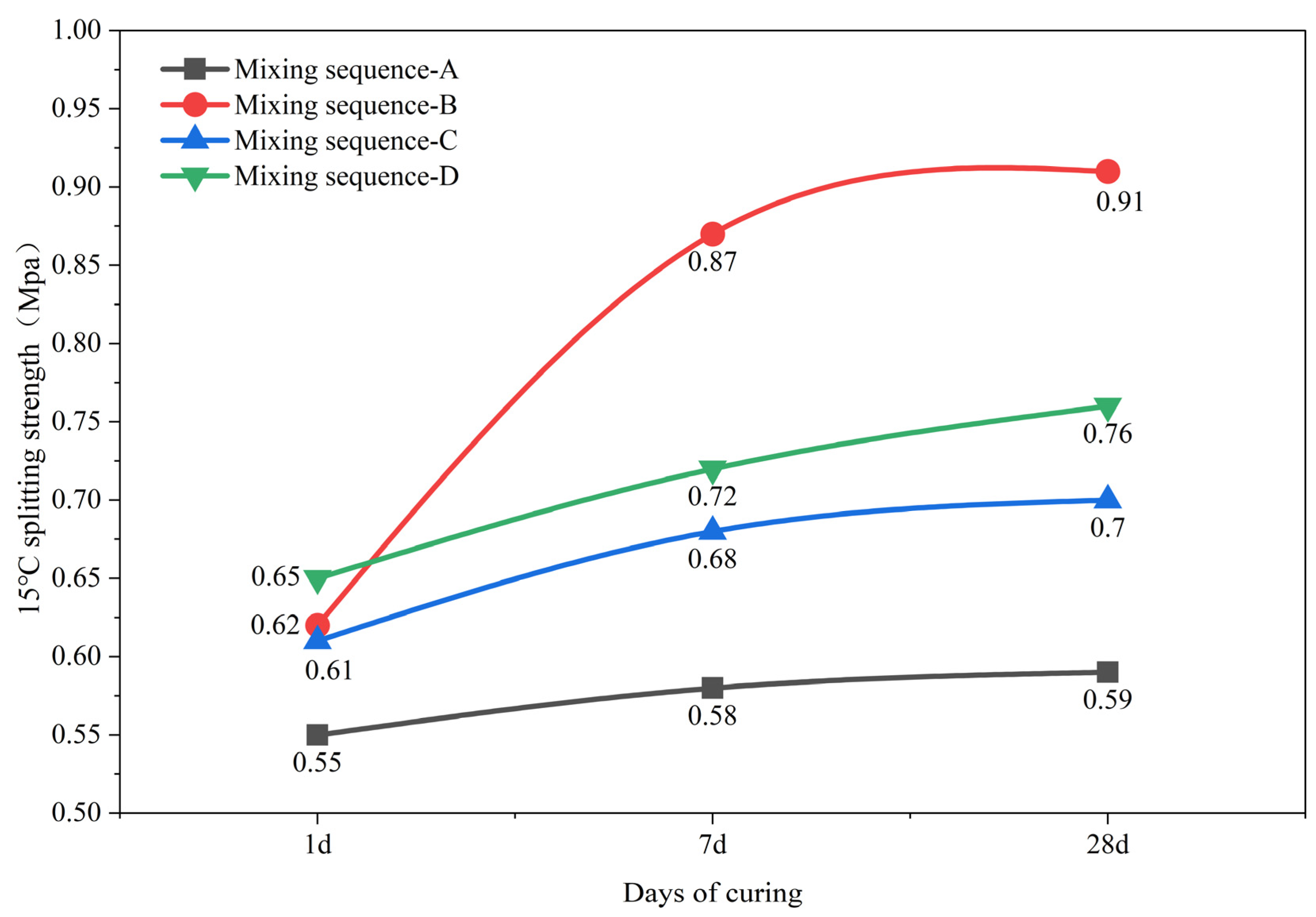
Figure 12 presents the 15 °C splitting strength of the cold-recycled mixtures prepared with four different mixing sequences over a 28-day curing period. The results further validate the critical role of the mixing order in determining the mechanical properties of the mixture.
Mixing sequence A (Cement–Asphalt Paste) produced the lowest splitting strength across all stages, only reaching 0.59 MPa after 28 days. The minimal strength gain from 1d to 28d confirms that pre-mixing cement with emulsion severely inhibits hydration, preventing the development of a structural matrix.
Mixing sequence B (Standard) exhibited the most significant strength growth and the highest ultimate strength, reaching 0.91 MPa at 28d. The rapid increase from 1d (0.62 MPa) to 7d (0.87 MPa) suggests that allowing cement to contact pre-wetted aggregates first facilitates the formation of a strong mineral–cement skeleton, which is then effectively stabilized by the subsequent emulsion addition.
Mixing sequence C (Emulsion then Cement) resulted in a lower strength of 0.70 MPa at 28d. The initial coating of aggregates by the emulsion likely creates an asphalt film that interferes with the cement’s ability to form direct hydration bonds with the aggregate surface, limiting the overall mechanical gain.
Mixing sequence D (One-shot) showed a steady but lower strength development compared to B, peaking at 0.76 MPa. While the simultaneous addition is efficient, it likely results in a less optimized distribution of the binder components compared to the staged addition in Sequence B.
For all groups, the splitting strength increased with curing time, with the most substantial gains occurring within the first 7 days. This period corresponds to the active hydration of cement and the primary breaking and curing of the asphalt emulsion. From 7d to 28d, the strength continued to grow but at a reduced rate, indicating the gradual maturation of the composite binder.
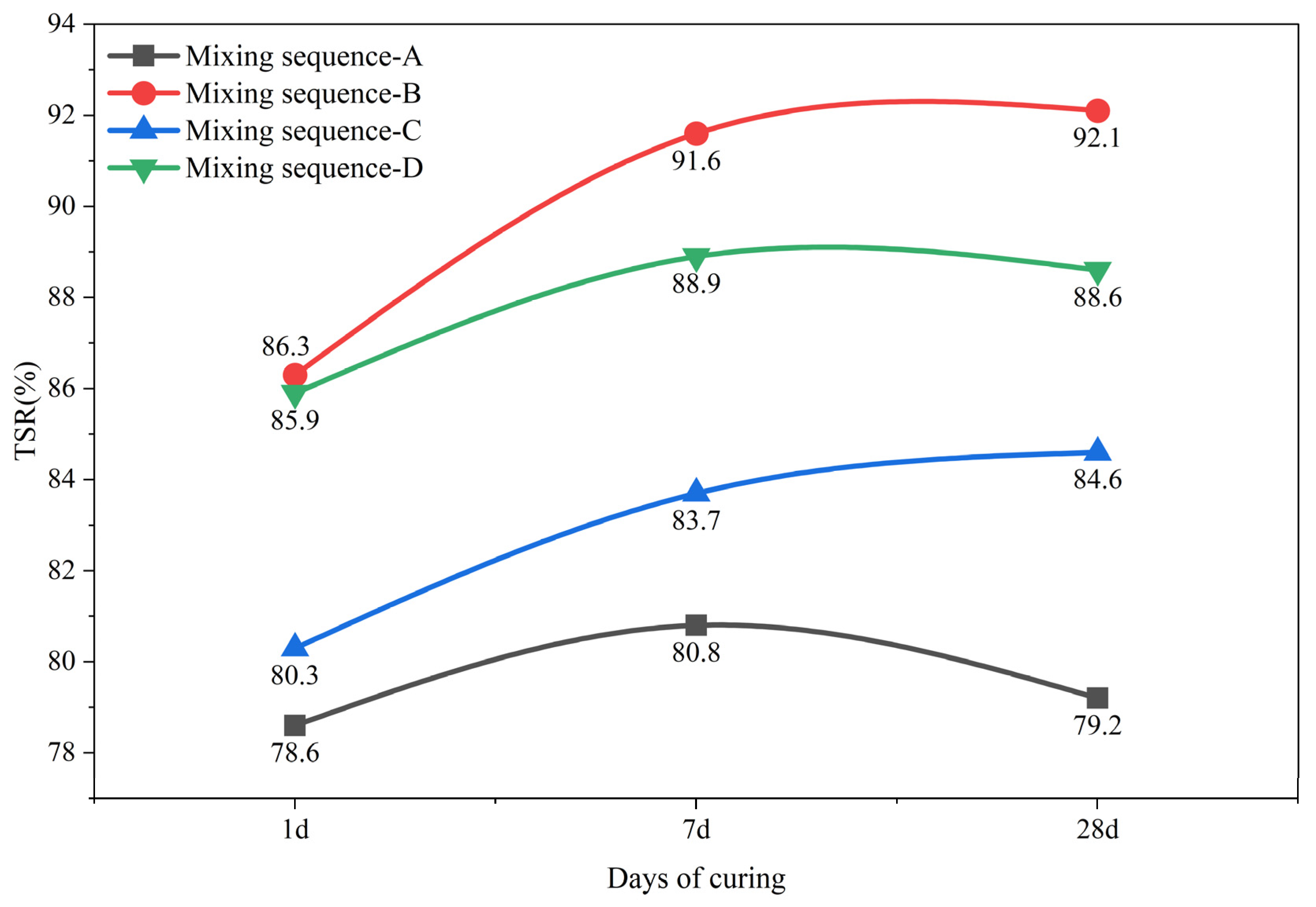
Figure 13 (TSR) illustrates the evolution of TSR for mixtures prepared via four distinct mixing sequences over a 28-day curing period. The results indicate that the mixing order significantly influences the moisture stability and long-term durability of the cold recycled mixture.
Mixing sequence A (Pre-blended Paste) exhibited the lowest freeze–thaw resistance, with TSR values failing to exceed 81% and even showing a slight decline to 79.2% at 28d. Pre-mixing cement and asphalt likely causes “competitive adsorption,” where asphalt particles encapsulate cement grains prematurely, significantly inhibiting cement hydration and preventing the formation of a continuous C-S-H gel network.
Mixing sequence B (Standard) consistently achieved the highest TSR values throughout the curing process, reaching 91.6% at 7d and 92.1% at 28d. By adding cement to the pre-wetted aggregate before the emulsion, this method likely promotes a more uniform distribution of cement particles on the aggregate surface, facilitating a robust hydration-bonded skeleton before the asphalt film forms.
Mixing sequence D (One-shot Addition) showed the second-best performance, with a 28d TSR of 88.6%. Although less controlled than sequence B, the simultaneous addition allows for a relatively balanced interaction between hydration and emulsion breaking, though it lacks the optimized surface-coating benefit of staged addition.
Mixing sequence C (Emulsion before Cement) performed poorly compared to B and D, with a 28d TSR of only 84.6%. Introducing the emulsion before the cement may cause the asphalt to coat the aggregate prematurely, creating a barrier that hinders the cement’s ability to bond directly with the aggregate surface, thus weakening the overall mechanical interlocking.
All sequences showed a notable increase in TSR from 1d to 7d, corresponding to the rapid phase of cement hydration and emulsion breaking. However, after 7 days, the growth rate for Sequences B, C, and D leveled off, while Sequence A showed a slight reduction in stability. This suggests that the internal structure formed during the initial mixing stage dictates the ultimate durability of the mixture.
The results of splitting strength and TSR both demonstrate that Sequence B (Water, Cement, Emulsion) is the optimal mixing practice for enhancing the mechanical performance of the mixture. The superior strength achieved by Sequence B underscores the importance of a “mineral-first” bonding strategy in cold recycled materials containing both cement and emulsified asphalt. It effectively balances the dispersion of cement particles and the breaking behavior of the asphalt emulsion, leading to a superior composite binder structure. Conversely, pre-mixing cement and asphalt (Sequence A) should be avoided as it severely compromises the material’s resistance to moisture and freeze–thaw damage.
The observed failure modes in
Figure 14 provide a direct explanation for the porosity and performance trends.
Sequence B emerged as the optimal practice, achieving the lowest air void content (8.3%), the highest 28d splitting strength (0.91 MPa), and superior moisture stability (TSR = 92.1%). The microscope powdery (pulverized) failure observed indicates that Sequence B successfully established a robust “mineral–cement–asphalt” ITZ. By pre-wetting the aggregate, cement hydration products can bond directly to the stone surface before being encapsulated by asphalt. This creates a dense, continuous skeleton that minimizes internal voids and maximizes the effective contact area, resulting in peak mechanical and moisture-resistant properties.
In contrast, Sequence A (Cement–Asphalt Paste) exhibited the worst overall performance (12.8% void ratio, 0.59 MPa 15 °C split strength, 79.2% TSR). The ~0.2 mm interfacial grooves and aggregate crushing provide the visual origin for its poor macro-performance. The premature encapsulation of cement by asphalt inhibits hydration, leading to a brittle and discontinuous binder. These 0.2 mm gaps act as “stress concentrators” and “water channels,” leading to low splitting strength and making the mixture highly susceptible to freeze–thaw damage. The high porosity is not just a packing issue but a structural failure of the binder phase.
Sequence C (Emulsion before Cement) showed intermediate results. The ductile/extensional cracking observed at the interface explains its limited strength development. Because asphalt coats the aggregate first, the cement acts more like a filler within the asphalt mastic rather than a structural bridge. Under 15 °C splitting stress, the flexible asphalt film “stretches” (ductile failure), providing some cohesion but lacking the rigidity required for high strength. This “soft” interface also allows for higher moisture penetration, explaining the moderate TSR.
Sequence D (One-shot) maintained a surprisingly moderate porosity (9.6%), yet its strength (0.76 MPa) and TSR (88.6%) were lower than Sequence B. The structural looseness observed at the 8.3 mm scale reveals that while D-type mixtures are relatively compact in volume, their internal quality is highly inconsistent. The “loose” interfacial regions represent weak links in the skeleton. Unlike Sequence B, where hydration is optimized, Sequence D suffers from “competitive occupancy” on the aggregate surface. This lack of micro-scale homogenization results in a material that is “globally dense but locally weak.”
3.5. SEM + EDS Microscopic Interface Characteristics
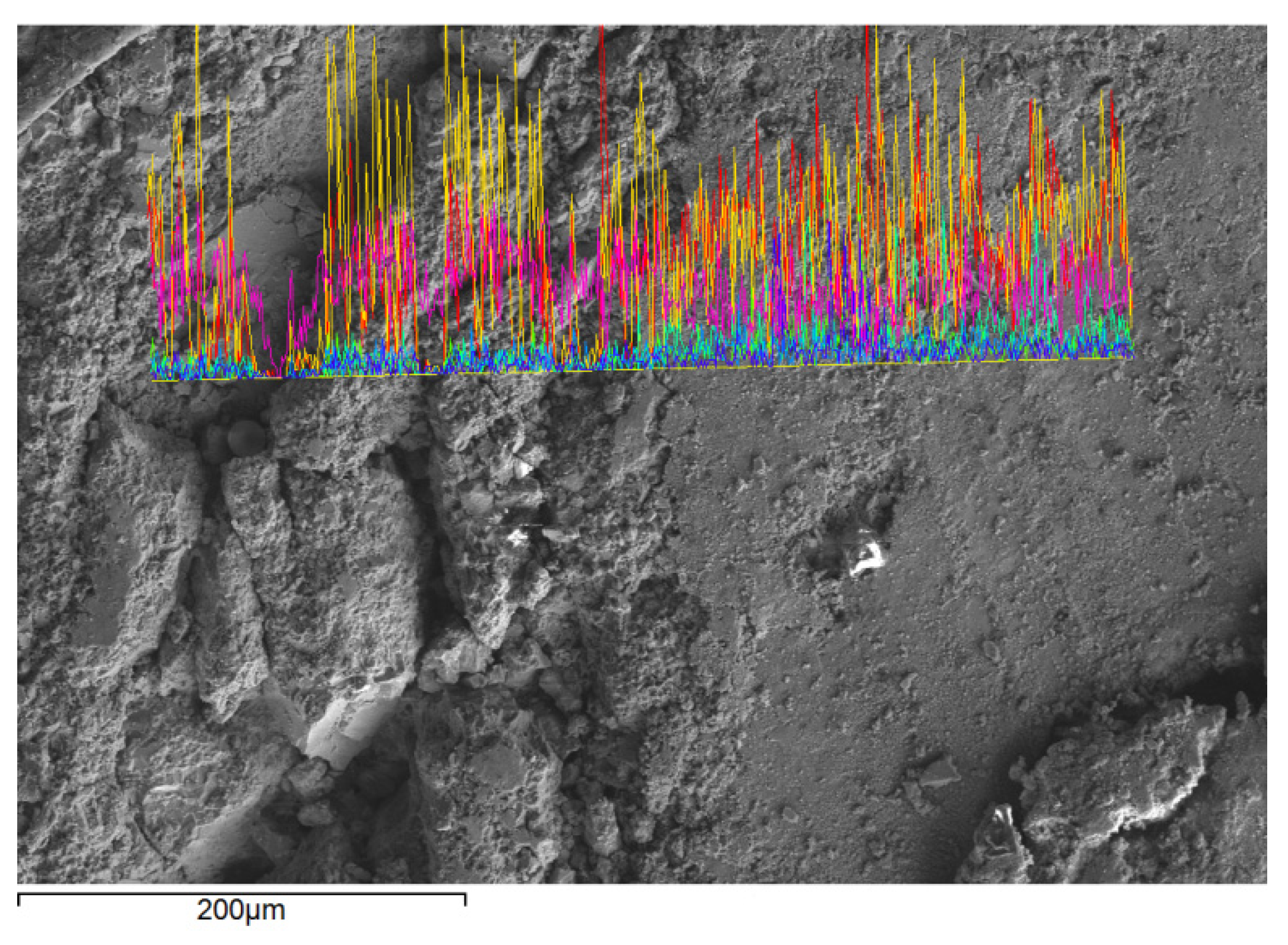
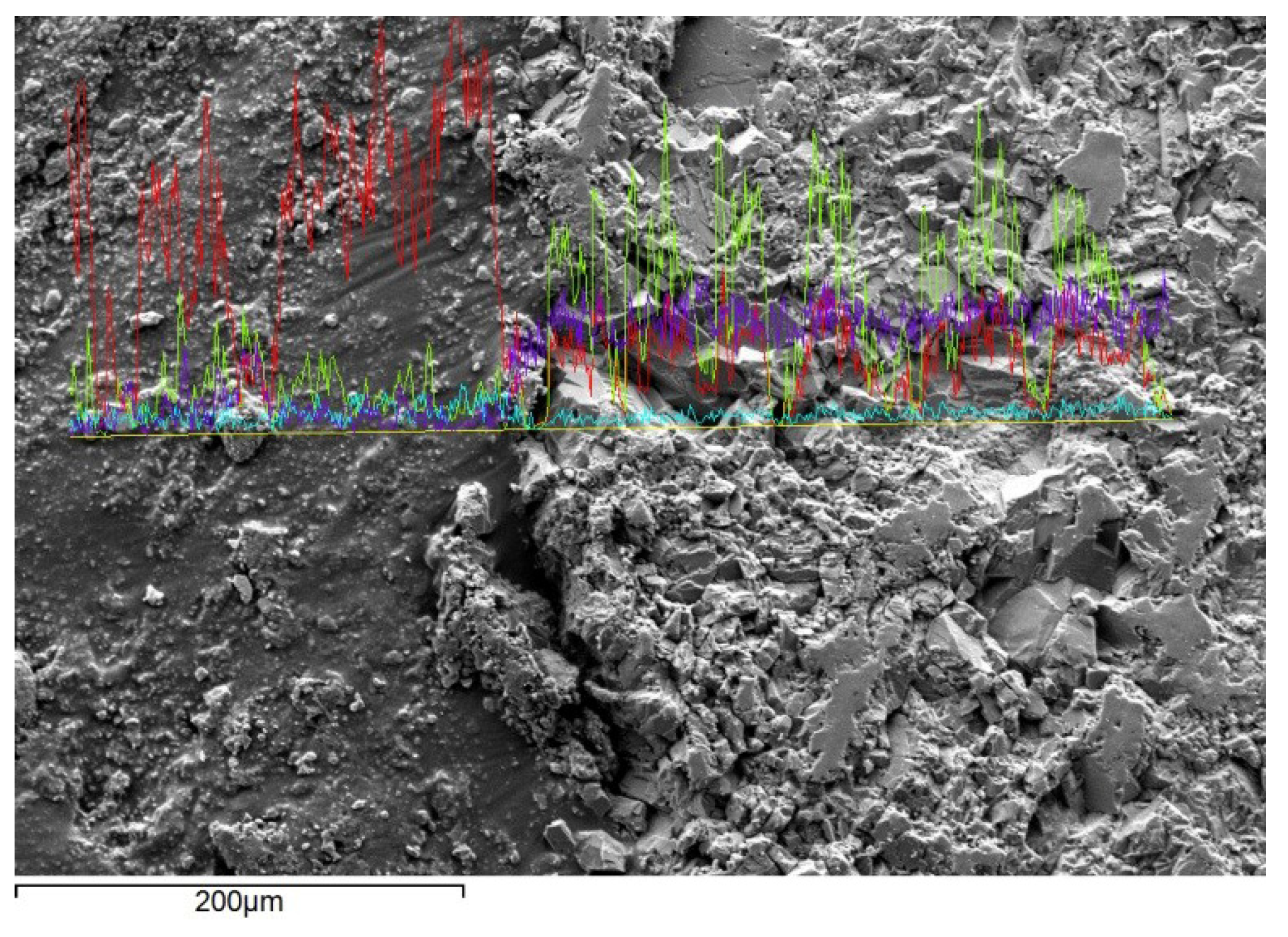
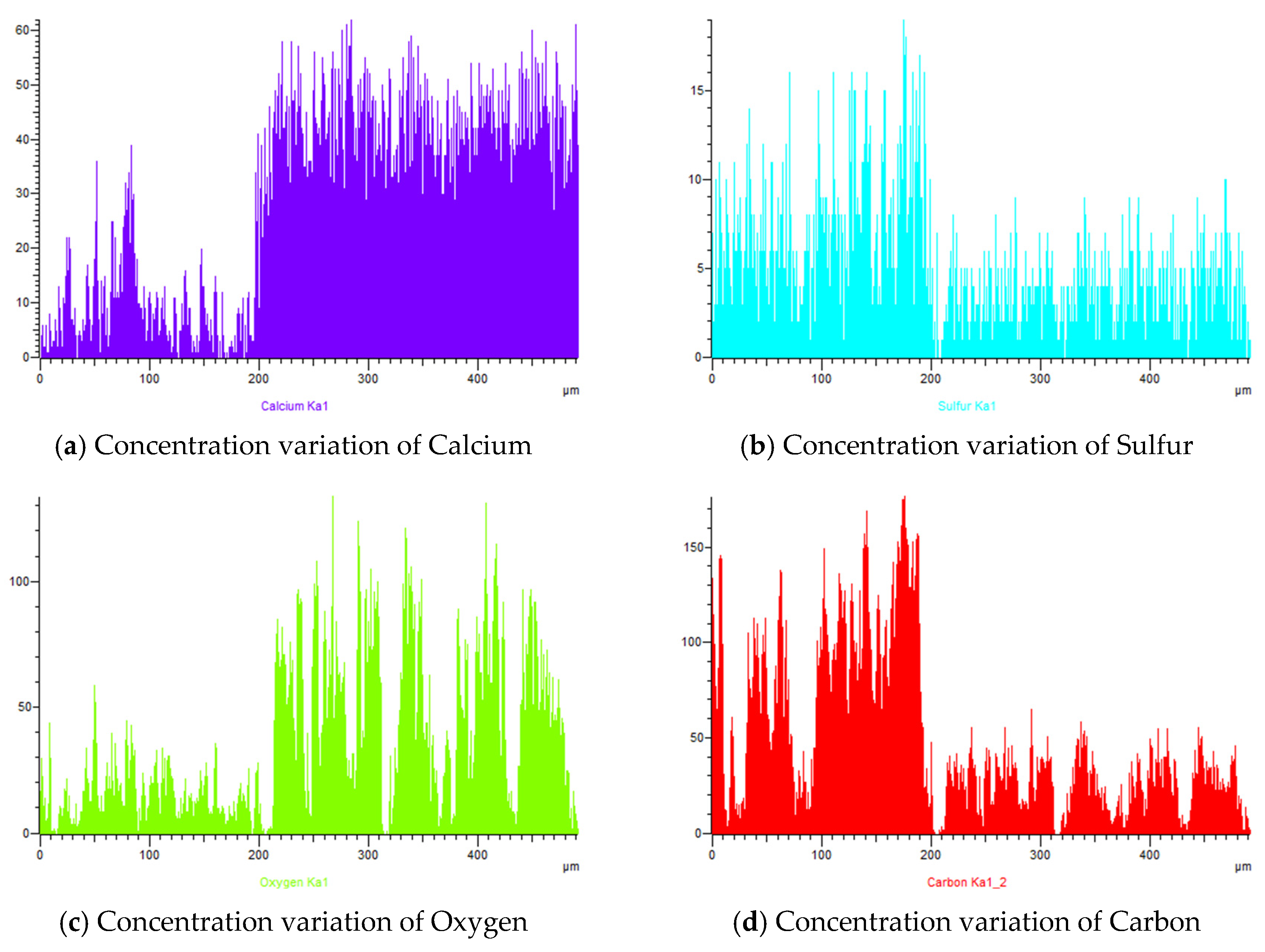
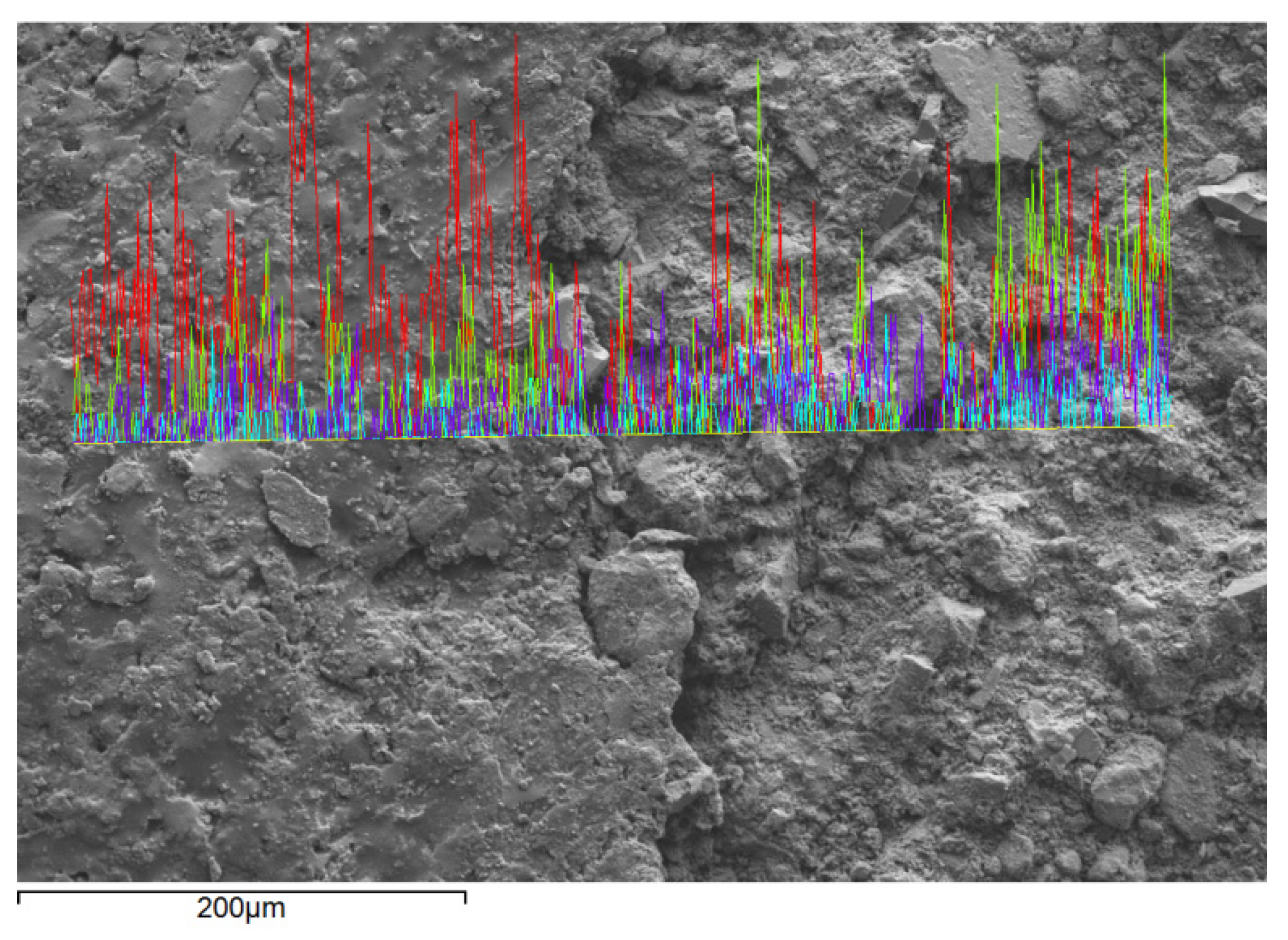
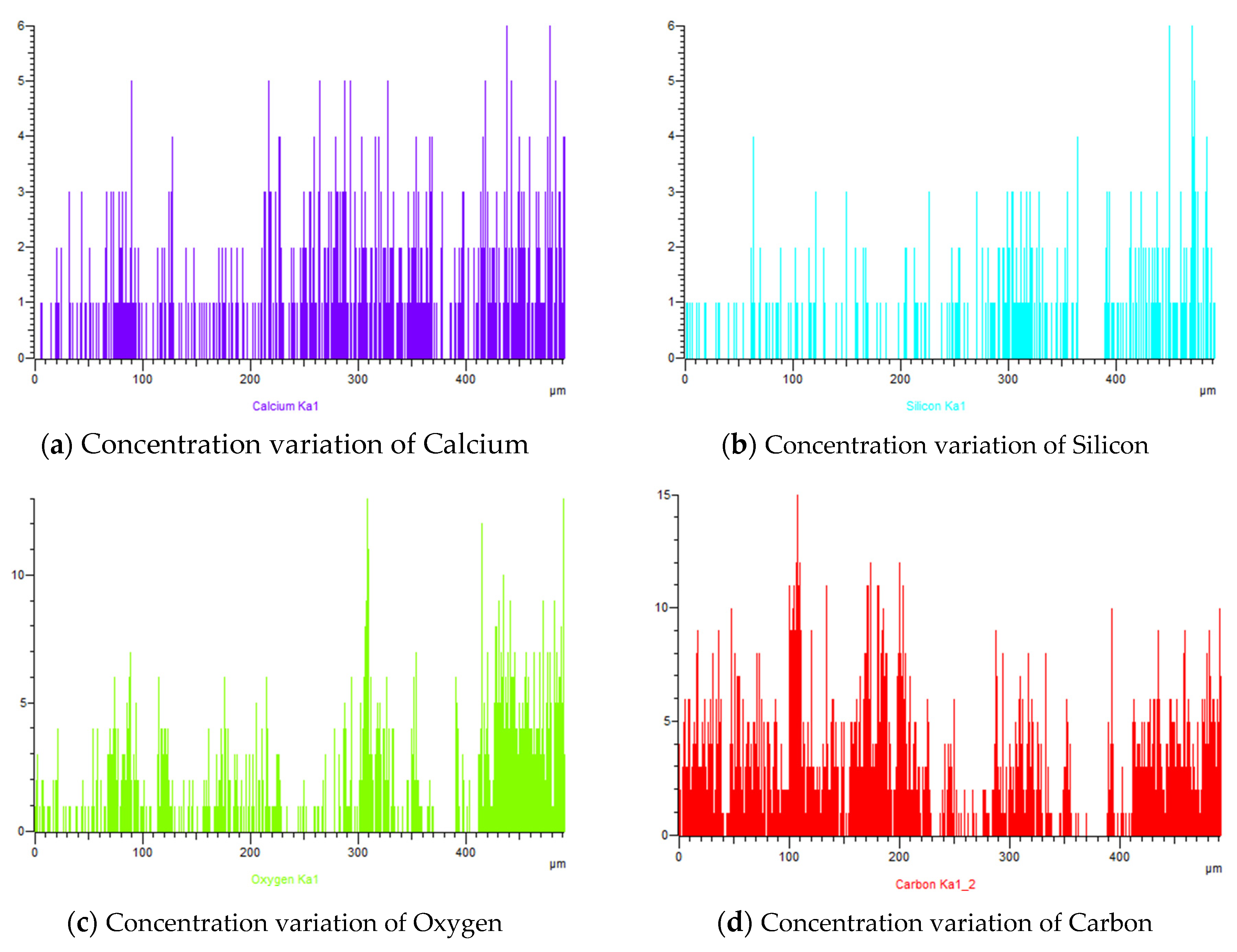
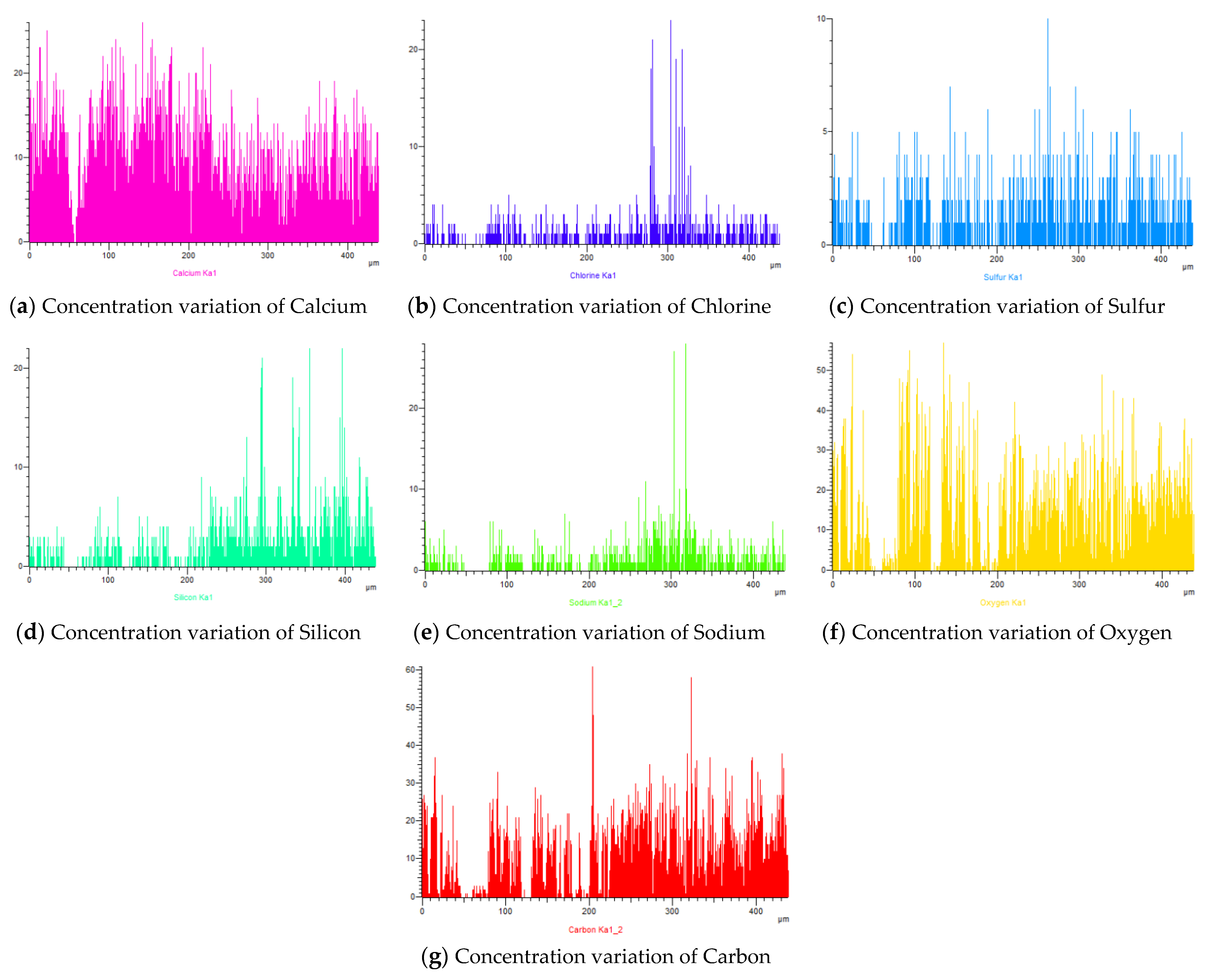
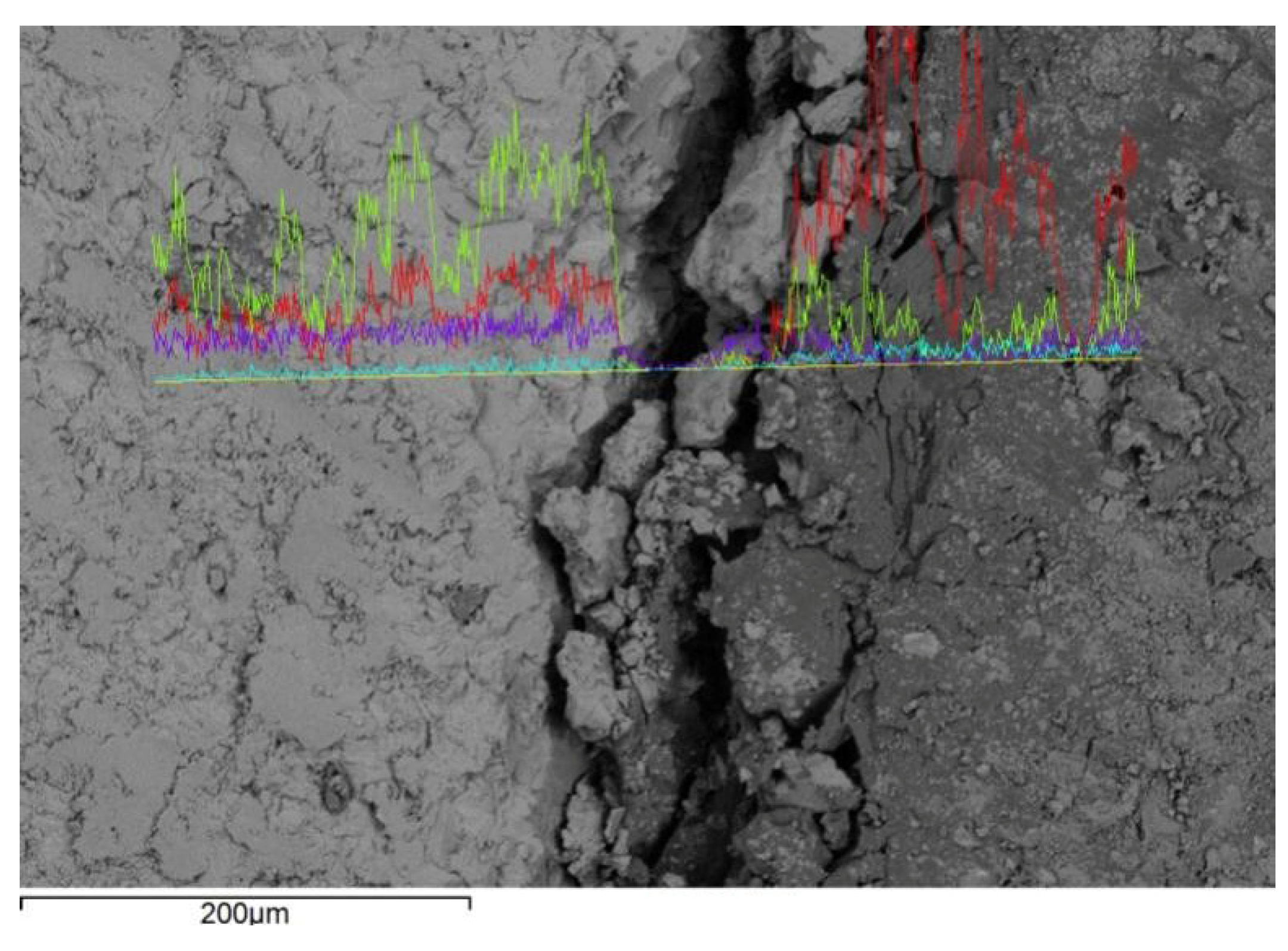
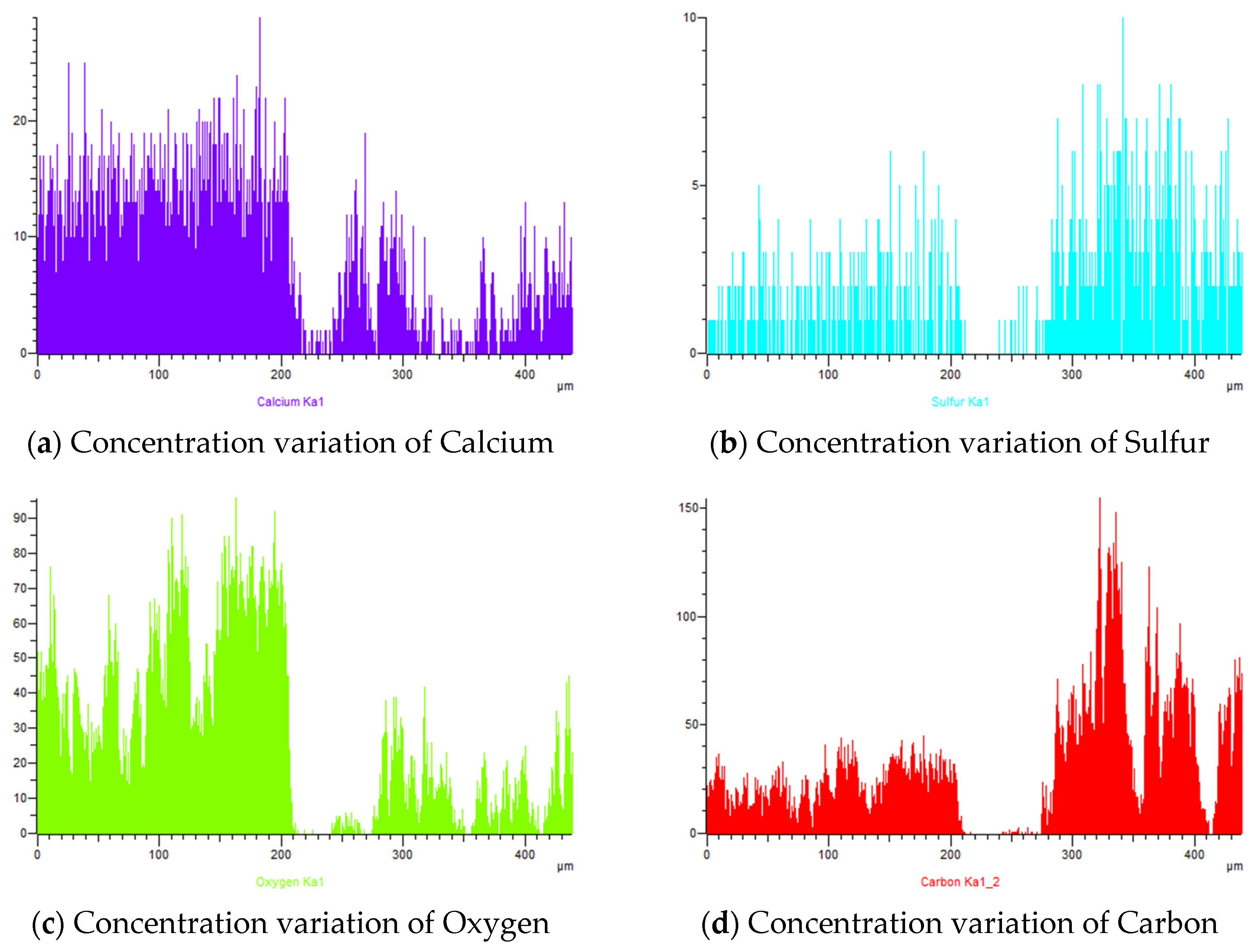
To elucidate the intrinsic mechanisms governing the macroscopic performance of the RCSB/RAP composite system, SEM and EDS analyses were employed to characterize the ITZs, as shown in
Figure 15,
Figure 16,
Figure 17,
Figure 18,
Figure 19,
Figure 20,
Figure 21 and
Figure 22. In this multi-phase system, the overall mechanical integrity is dictated by four distinct interfaces: (1) the aggregate–asphalt mastic ITZ; (2) the aggregate–cement hydration product ITZ; (3) the binder–binder fusion zone; and (4) the cement hydration product–asphalt mastic interphase.
Group 9A (Physical Adhesion Dominance): As illustrated in
Figure 15 and
Figure 16, the microstructure of Group 9A (pure RAP) is characterized by the fusion of aged asphalt from the RAP surfaces with the newly demulsified asphalt. In regions of high compatibility, the interface appears integrated and blurred. However, cement hydration products, such as fibrous C-S-H gels, are only sporadically distributed, acting as isolated “micro-fillers” within the asphalt mastic rather than forming a continuous structural network.
The EDS line scan at the aggregate–asphalt interface reveals a sharp, cliff-like elemental transition: the Carbon (C) signal from the binder plunges abruptly at the aggregate boundary, while the Calcium (Ca) signal from the aggregate increases sharply. This signifies that the interface is predominantly governed by physical adhesion with negligible chemical bonding—a microscopic characteristic that explains the relatively high moisture susceptibility observed in pure recycled asphalt mixtures.
Groups 7A2B and 5A4B (The Interpenetrating Network Structure): For mixtures with moderate RCSB content (20–40%), the SEM images (
Figure 17 and
Figure 19) reveal a fundamental structural shift. Cement hydration products and the asphalt film interweave to form a dense “interpenetrating network structure”. Notably, fibrous C-S-H gels and flaky Ca (OH)
2 crystals are not merely dispersed but are deeply embedded within the asphalt matrix or co-encapsulate the aggregates alongside the bitumen film. This results in an ITZ that is notably broader, more diffuse, and significantly denser, with a marked absence of micro-cracks or structural defects.
The EDS line scans (
Figure 18 and
Figure 20) across these interfaces demonstrate a broad overlap zone where Ca and C signals coexist and vary gradually. This indicates a gradual chemical gradient rather than the abrupt interface seen in Group 9A, providing empirical evidence of a robust chemo-physical composite bond. This microscopic synergy between the rigidity of the hydration products and the flexibility of the asphalt binder is the primary driver for the mixture’s enhanced retained strength and superior water stability.
Group 3A6B (Skeleton-Dominated Phase and Interfacial Defects): In Group 3A6B (
Figure 22), the microstructure transitions into a continuous phase dominated by a rigid skeleton of hydration products and RCSB particles. Here, the asphalt phase is sequestered into discontinuous “islands” or thin films filling the interstitial pores of the rigid matrix. SEM observations further reveal localized agglomeration of RCSB fines and micro-cracks potentially induced by desiccation shrinkage or compaction resistance.
Due to the relative binder deficiency in this high-surface-area system, certain RCSB surfaces remain incompletely coated. The EDS element distribution (
Figure 22) returns to a sharp, “cliff-like” transition for Ca and C signals at the ITZ, indicating that excessive RCSB content prevents the asphalt from forming a cohesive coating. This microscopic discontinuity correlates directly with the observed decline in the mixture’s mechanical strength and dynamic stability.
In summary, the SEM and EDS analyses provide consistent and reliable comparative evidence for the macro-performance variations observed in the RCSB/RAP composite system. The formation of a high-performance recycled mixture is fundamentally governed by the interfacial synergy between the viscoelastic asphalt film and the rigid cementitious hydration products. Within the optimal RCSB range (20–40%), the most desirable “interpenetrating network” is established. In this state, the flexibility of the asphalt matrix effectively blunts micro-crack propagation, while the rigid crystalline framework of the RCSB and C-S-H gels provides the necessary structural stability. This dual-phase reinforcement explains why Group 7A2B achieved the peak splitting strength and superior moisture resistance. Conversely, both the “asphalt-dominated” phase (Group 9A) and the “skeleton-dominated” phase (Group 3A6B) exhibit interfacial weaknesses—either due to a lack of rigid reinforcement or an insufficient binder coating. These microscopic findings validate that 20–40% RCSB incorporation represents the “Goldilocks zone” for achieving a balanced, robust, and durable pavement material.
3.6. Proposed Mix Design Framework and Engineering Recommendations
Based on the multi-objective evaluation of mechanical strength, durability, and microscopic synergy, a function-oriented design strategy for the “Dual-Recycling” (RAP + RCSB) system is proposed. The core philosophy is to leverage the complementary nature of RAP’s ductility and RCSB’s structural rigidity.
- (1)
Layer-specific material selection
To achieve optimal pavement performance, the blending ratio of reclaimed materials should be tailored to the specific functional requirements of the structural layer: (1) For layers requiring high resilient modulus and rutting resistance, a RAP:RCSB ratio of 50:40 to 70:20 is recommended. In this configuration, RCSB acts as the primary rigid skeleton. The inclusion of 1.5–2.0% cement is essential to foster the “rigid–flexible” composite matrix, ensuring the base can withstand heavy traffic loads without significant permanent deformation. (2) For layers where flexibility and fatigue life are paramount, a higher RAP content is preferred (e.g., 70% RAP + 20% RCSB). Here, the RCSB serves primarily as an alkaline anti-stripping agent rather than a structural skeleton. Reducing the cement content to 1.0–1.5% helps maintain the viscoelastic properties of the mixture, preventing brittle reflective cracking.
- (2)
Optimization of the mixing protocol
The experimental results from
Section 3.4 underscore that the mixing sequence is a critical determinant of the mixture’s “performance ceiling.” The Recommended Sequence (Sequence B): aggregates + water, cement, emulsified asphalt. Pre-wetting the reclaimed aggregates ensures the uniform adsorption of cement particles, which prevents the formation of detrimental cement–asphalt agglomerates. This ordered process allows for a controlled demulsification rate, leading to a higher compaction density and a more homogeneous ITZ.
- (3)
Curing and traffic opening guidelines
The time-dependent evolution of performance (
Section 3.3) indicates that a 7-day accelerated curing period is a reliable threshold for structural maturation. It is recommended that heavy traffic be restricted until the 7-day splitting strength reaches at least 85% of the design value. For mixtures with high RCSB content (e.g., Group 5A4B), stringent moisture curing in the first 72 h is vital to support cement hydration and prevent desiccation-induced strength loss.