1. Introduction
Water scarcity has become one of the most critical environmental challenges in arid and semi-arid regions, particularly in countries such as Egypt, where freshwater resources are limited. Egypt relies almost entirely on the Nile River, which provides approximately 55.5 billion m
3 of water annually, while the increasing population and expanding agricultural activities place growing pressure on this limited supply. Rapid population growth, climate change, and the operation of the Grand EthiopianRenaissanceDam have intensified concerns regarding water availability for agriculture and domestic use [
1,
2]. Consequently, alternative water resources such as treated wastewater are increasingly being considered as an essential component of sustainable water management strategies [
3]. Wastewater reuse offers several advantages, including water conservation and nutrient recycling within circular economy frameworks [
4,
5]. However, untreated or inadequately treated wastewater may contain significant levels of heavy metals, dissolved salts, organic pollutants, and pathogenic microorganisms, posing serious environmental and health risks. Among these contaminants, heavy metals such as copper (Cu
2+), cadmium (Cd
2+), manganese (Mn
2+), and zinc (Zn
2+) are of particular concern because of their toxicity, persistence, and bioaccumulation in soils and food chains [
6,
7,
8]. The non-biodegradable nature of heavy metals leads to their bioaccumulation over time, increasing their engagement in living organisms [
9]. Continuous irrigation with contaminated wastewater may lead to soil degradation, crop contamination, and long-term ecological damage [
10]. Therefore, it is necessary to devise efficient and environmentally friendly methods for reducing heavy metal and inorganic pollutants.
Various technologies have been developed for wastewater treatment, including chemical precipitation, membrane filtration, ion exchange, and biological treatment processes. However, many of these methods suffer from limitations such as high operational costs, sludge generation, or complex operational requirements. In this context, adsorption-based technologies have attracted considerable attention due to their high efficiency, operational simplicity, and environmental compatibility. Adsorbent materials with high surface area and suitable functional groups can effectively capture metal ions and other contaminants from aqueous solutions [
11]. Among the available adsorbent materials, activated carbon, biochar, and clay minerals have demonstrated promising performance for pollutant removal from wastewater [
12]. Activated carbon is widely recognized for its high surface area and well-developed microporous structure, which enables efficient adsorption of organic compounds and heavy metals [
13]. Biochar, produced through the pyrolysis of biomass, is a carbon-rich porous material containing various functional groups that enhance its adsorption capacity and ion-exchange properties. Meanwhile, clay minerals such as kaolinite possess layered aluminosilicate structures that provide ion exchange sites and surface complexation capabilities, making them effective for the adsorption of inorganic contaminants [
14].
Although numerous studies have examined the individual performance of activated carbon [
15], biochar [
16], or clay minerals in wastewater treatment, relatively few investigations have explored the synergistic interactions between these [
17,
18,
19] materials when used as composite adsorbents in column systems. Combining carbonaceous materials with clay minerals may enhance adsorption efficiency through complementary mechanisms, including micropore adsorption, surface complexation, and ion exchange processes. Such hybrid systems may provide improved removal efficiencies for multiple contaminants simultaneously while maintaining low operational costs [
20,
21].
The novelty of the present research lies in the development and evaluation of a ternary composite adsorption system consisting of activated carbon derived from date palm kernels, biochar produced from the same biomass precursor, and natural kaolinite clay for the simultaneous removal of heavy metals, dissolved salts, organic pollutants, and pathogenic microorganisms from wastewater. Unlike many previous studies that focused on batch adsorption experiments or single adsorbent systems, this study employs fixed-bed column adsorption reactors to simulate continuous treatment conditions more representative of real wastewater treatment applications. Furthermore, the work provides a comprehensive multi-parameter assessment, including physicochemical water quality parameters, heavy metal removal efficiency, microbial contamination, and irrigation suitability indicators such as the sodium adsorption ratio (SAR) [
16,
22]. It is hypothesized that combining activated carbon, biochar, and kaolinite in a composite adsorption system will significantly enhance wastewater purification efficiency compared to individual adsorbents due to synergistic physicochemical interactions between the carbonaceous and mineral components. These interactions are expected to improve adsorption capacity, expand active surface sites, and promote multiple contaminant removal mechanisms.
Overall, this study aims to develop an efficient, environmentally friendly, and low-cost adsorption-based wastewater treatment strategy that supports sustainable agriculture and circular water resource management.
2. Materials and Methods
2.1. Materials
All chemicals used in this study were of analytical grade. Sulfuric acid (H2SO4), Nitric acid (HNO3), hydrochloric acid (HCl, 37%), potassium chloride (KCl), sodium hydroxide (NaOH, ≥98%, pellets anhydrous), and absolute ethanol (C2H6O, ≥95%) were purchased from Merck, Darmstadt, Germany. All preparations in our study have been performed with distilled water.
2.2. Study Area and Sampling Site
The study area is located in El-Waleidya district, a suburban region of Assiut, Egypt, situated on the eastern bank of the Nile River northeast of Assiut city. Geographically, the area lies between latitudes 27°00′–27°45′ N and longitudes 30°15′–32°30′ E. The region forms part of the Eastern Desert and includes the drainage basin of Wadi El-Assiuty, one of the most prominent dry valleys in the Assiut region.
Geologically, the study area is characterized by Eocene limestone plateau margins toward the western side, while the valley floor is dominated by Quaternary alluvial deposits consisting primarily of sand and gravel sediments. These geological formations result in relatively high soil permeability, allowing rapid infiltration of surface water and wastewater into the subsurface environment.
The hydrogeological conditions of the site include shallow groundwater levels, which increase the vulnerability of the aquifer to contamination. Due to the permeable soil structure and the presence of drainage channels carrying untreated or partially treated wastewater, the area is considered highly susceptible to groundwater contamination through wastewater infiltration. Such conditions make the region an appropriate location for evaluating wastewater treatment strategies and assessing the environmental risks associated with wastewater reuse in agricultural systems.
2.3. Wastewater Sampling
Wastewater samples used in this study were collected from a drainage canal receiving municipal sewage effluent in the El-Waleidya district of Assiut, Egypt. Approximately 20 L of wastewater were collected from a depth of 20–30 cm below the water surface in order to avoid surface debris and floating contaminants.
The samples were collected in polyethylene plastic bottles that had been previously cleaned with diluted HNO3 and thoroughly rinsed with distilled water. Before sampling, the bottles were rinsed several times with the wastewater to be sampled to minimize potential contamination. After proper cleaning with diluted HNO3, the bottles were again rinsed with distliated water prior to use.
To preserve the samples for heavy metal analysis, a portion of the collected wastewater was immediately acidified with concentrated HNO3 (2 mL HNO3 per liter of sample) at the time of collection. This procedure was applied to prevent microbial growth and to minimize the adsorption of metal ions onto the walls of the containers. The containers were carefully labeled with the sampling date, sample number, and sampling location.
The collected samples were transported to the laboratory under cooled conditions and subsequently analyzed for physicochemical parameters, including pH, electrical conductivity (EC), total dissolved solids (TDS), soluble ions, and heavy metals, both before and after the treatment process. In addition, blank samples prepared with deionized water were used as quality control samples during the analytical procedures.
2.4. Sample Digestion for Heavy Metal Analysis
For heavy metal determination, wastewater samples were subjected to an acid digestion procedure prior to analysis. A 50 mL aliquot of wastewater was transferred into a clean beaker, followed by the addition of 5 mL concentrated nitric acid (69%). The mixture was then heated carefully on a hot plate until the sample volume was reduced to approximately 20 mL, while avoiding boiling. After cooling to room temperature, the digested sample was filtered to remove suspended particles. The filtrate was collected in a volumetric flask along with washings from the digestion vessel and then diluted with distilled water. Finally, the total volume was adjusted to 100 mL with distilled water for subsequent heavy metal analysis, following the standard procedure described in reference [
23].
2.5. Preparation of Date Palm Kernel Powder
Date palm kernels were collected from a local market in Assiut, Egypt. The collected kernels were first cut into small pieces and thoroughly washed with hot distilled water to remove adhering impurities. The cleaned kernels were then oven-dried at 75 °C for 24 h to remove residual moisture. After drying, the kernels were ground and sieved to obtain particle sizes ranging between 0.08 and 0.25 mm. The prepared date palm kernel powder was subsequently stored in a desiccator to prevent moisture absorption until further use. This powder served as the raw precursor material for the preparation of BC and AC used in the adsorption experiments.
2.6. Biochar (BC) Derived from Date Palm Kernels
Biochar (BC) was produced from date palm kernel powder via pyrolysis under oxygen-limited conditions. The prepared powder was placed in a covered ceramic crucible and heated in a muffle furnace to 550 °C at a rate of 10 °C/min, then maintained at this temperature for 90 min to allow complete carbonization. No chemical activation was applied. After cooling naturally to room temperature inside the furnace, the biochar was ground, sieved to a uniform particle size (0.1–0.8 mm), and stored in airtight containers for use in adsorption experiments.
2.7. Preparation of Activated Carbon (AC)
Activated carbon (AC) was prepared from the same date palm kernel powder using a chemical activation step prior to pyrolysis. First, the powder was impregnated with 5 N H2SO4 at 50 °C for 4 h to promote pore development and surface activation. After cooling to room temperature, the impregnated powder underwent pyrolysis under the same conditions as BC (550 °C for 90 min under limited oxygen). Post-pyrolysis, the AC was washed with 0.1 M HCl to remove residual ash and inorganic impurities, followed by thorough rinsing with distilled water until neutral pH (~6.5–7.5) was achieved. The material was then dried, ground, sieved (0.1–0.8 mm), and stored in airtight containers.
2.8. Kaolinite (KA)
KA is a naturally occurring clay mineral widely distributed in several regions of Egypt, including the Sinai Peninsula, the Eastern Desert, and the southern part of the Western Desert. Among these areas, Wadi Qena in the Eastern Desert represents one of the largest drainage valleys in Egypt and contains extensive clay-rich sedimentary deposits. For the present study, kaolinite samples were collected from the vicinity of the Aswan High Dam in Aswan, Egypt. The collected material was first air-dried and mechanically ground to break down aggregates. The KA was then separated by sedimentation techniques based on particle settling velocity according to Stokes’ law. Subsequently, the separated kaolinite fraction was sieved and isolated to obtain particles with diameters smaller than 0.002 mm, corresponding to the clay-size fraction. The prepared kaolinite was finally dried, stored in airtight containers, and used as an adsorbent material in the wastewater treatment experiments.
2.9. Adsorption Measurement
2.9.1. Preparation of KA
The collected KA sample was first washed several times with distilled water to eliminate soluble impurities and unwanted fine particles. The cleaned material was then oven-dried at 103–105 °C for 24 h to eliminate residual moisture. To ensure consistent solid concentrations during the adsorption experiments, kaolinite suspensions (25 g/L) were prepared as stock solutions. These suspensions were prepared in 0.001 M of KCl as the background electrolyte in order to maintain a constant ionic strength during the adsorption process. The adsorption experiments were conducted at pH 5, and the prepared suspensions were equilibrated for 14 days to ensure stability and homogeneity of the kaolinite particles in the solution. Throughout the experimental period, the pH values were regularly monitored and adjusted when necessary to maintain constant experimental conditions.
2.9.2. Preparation of Activated Carbon (AC) Suspension
AC suspensions were prepared to obtain consistent solid concentrations during the equilibrium adsorption experiments. A stock suspension of AC (25 g/L) was prepared by dispersing the required amount of activated carbon in 0.001 M KCl solution to maintain a constant ionic strength. The adsorption experiments were conducted at pH 5, which was adjusted and maintained throughout the experimental period. The prepared AC suspension was allowed to equilibrate for 7 days prior to conducting the adsorption isotherm experiments to ensure proper dispersion and stability of the activated carbon particles in the solution.
2.9.3. Preparation of Biochar (BC) Suspension
BC suspensions were prepared to obtain consistent solid concentrations for the equilibrium adsorption experiments. A stock suspension of BC (25 g/L) was prepared by dispersing the required amount of biochar in 0.001 M KCl solution to maintain a constant ionic strength during the adsorption studies. The adsorption experiments were conducted at pH 5, which was adjusted and monitored throughout the experimental period. The prepared BC suspension was allowed to equilibrate for 14 days prior to performing the adsorption isotherm experiments to ensure proper dispersion and stabilization of the biochar particles in the solution.
2.10. Characterization and Measurements
The prepared materials were characterized by various techniques. The functional groups were studied by Fourier transform infrared spectroscopy (FT-IR). The FTIR spectrum was recorded in the 4000–400 cm−1 regions at a resolution of 2 cm−1 on a Nicolet spectrophotometer (Nicolet 6700; Thermo Fisher Scientific; Madison, WI, USA) by using the KBr pellet technique. The phase composition of KA, BC, and AC derived from palm kernels was determined by X-ray diffraction (XRD) using a Bruker D8 Advance diffractometer (Karlsruhe, Germany) with CuKα radiation (λ = 1.5406 Å) at 30 mA and 40 kV. The surface morphology and microstructure were evaluated using a field emission scanning electron microscope (SEM, JSM-6610, JEOL Ltd., Tokyo, Japan). Energy dispersive X-ray (EDX; JEOL Ltd., Tokyo, Japan) analysis was performed to assess the elemental composition of the samples.
2.11. Chemical and Physical Measurements of Wastewater
The collected wastewater samples were analyzed for various physicochemical parameters to evaluate their quality before and after treatment. Parameters measured included temperature, biochemical oxygen demand (BOD), chemical oxygen demand (COD), total dissolved solids (TDS), electrical conductivity (EC), pH, soluble cations, and soluble anions. Standard methods were applied for each analysis to ensure accuracy and reproducibility.
2.12. Analysis of Water Samples
Wastewater and freshwater samples were analyzed for physicochemical, heavy metal, and microbiological parameters. Physicochemical parameters included pH, EC, TDS, dissolved oxygen (DO), total phosphorus (P), potassium (K), sodium (Na), calcium (Ca), magnesium (Mg), manganese (Mn), iron (Fe), copper (Cu), zinc (Zn), boron (B), BOD, and COD.
pH was measured using a glass-electrode pH meter(INESA Scientific Instrument Co., Ltd., Shanghai, China), and EC was determined by a digital conductivity meter at 25 °C. TDS was measured by evaporating filtered samples to dryness and weighing the residues. DO was measured using a DO meter (model JENWAY 9015; Stone, Staffordshire, UK) according to APHA [
24] BOD and COD were determined following standard procedures [
25]. Total nitrogen (N) was measured using the Kjeldahl method, while total phosphorus was quantified colorimetrically using ammonium molybdate and stannous chloride. Ca and Mg concentrations were measured via EDTA titration, and K and Na were determined by flame photometry. Carbonate (
) and bicarbonate (
) were quantified by titration with 0.02 N HCl using phenolphthalein and methyl orange indicators.
For heavy metal analysis, samples were filtered through Whatman No. 541 filter paper and acidified to pH 3.5 with HCl. Concentrations of Cd, Cr, Cu, Mn, and Pb were determined by atomic absorption spectrophotometry (AAS, Model AA-6800, Shimadzu, Kyoto, Japan) using air/acetylene flame. Specific hollow cathode lamps were used for each metal (Cd: 228.8 nm, Cr: 357.9 nm, Cu: 324.8 nm, Mn: 279.5 nm, Pb: 283.3 nm). Calibration curves were prepared from standard solutions, with correlation coefficients of 0.998–0.999. Samples were diluted as necessary to remain within the analytical range.
For microbiological analysis, samples were analyzed for total coliform (TC), fecal coliform (FC), and other microbial populations. Nonpathogenic microflora were grown on Nutrient Agar (non-spore-forming bacteria) and Malt Agar (molds). Pathogenic microflora were assessed using Desoxycholate Citrate Agar (Salmonella sp.), Bacillus cereus Agar, and MacConkey Agar (Escherichia coli and coliforms) with oxidase confirmation. Colony-forming units (CFU) per gram of substrate were calculated based on the inoculation volume and dilution.
The analytical method detection limits (MDLs) for heavy metals determined by atomic absorption spectrophotometry (AAS) were 0.002 mg/L for Cd, 0.005 mg/L for Cu, 0.003 mg/L for Mn, 0.004 mg/L for Zn, and 0.005 mg/L for Pb. For major ions analyzed by flame photometry, the detection limits were approximately 0.01 mg/L for Na+ and K+. Electrical conductivity measurements had a detection limit of 0.01 mS cm−1, and the gravimetric method used for TDS determination had a detection limit of 1 mg/L.
2.13. Treatment of Wastewater by Column Adsorption Process
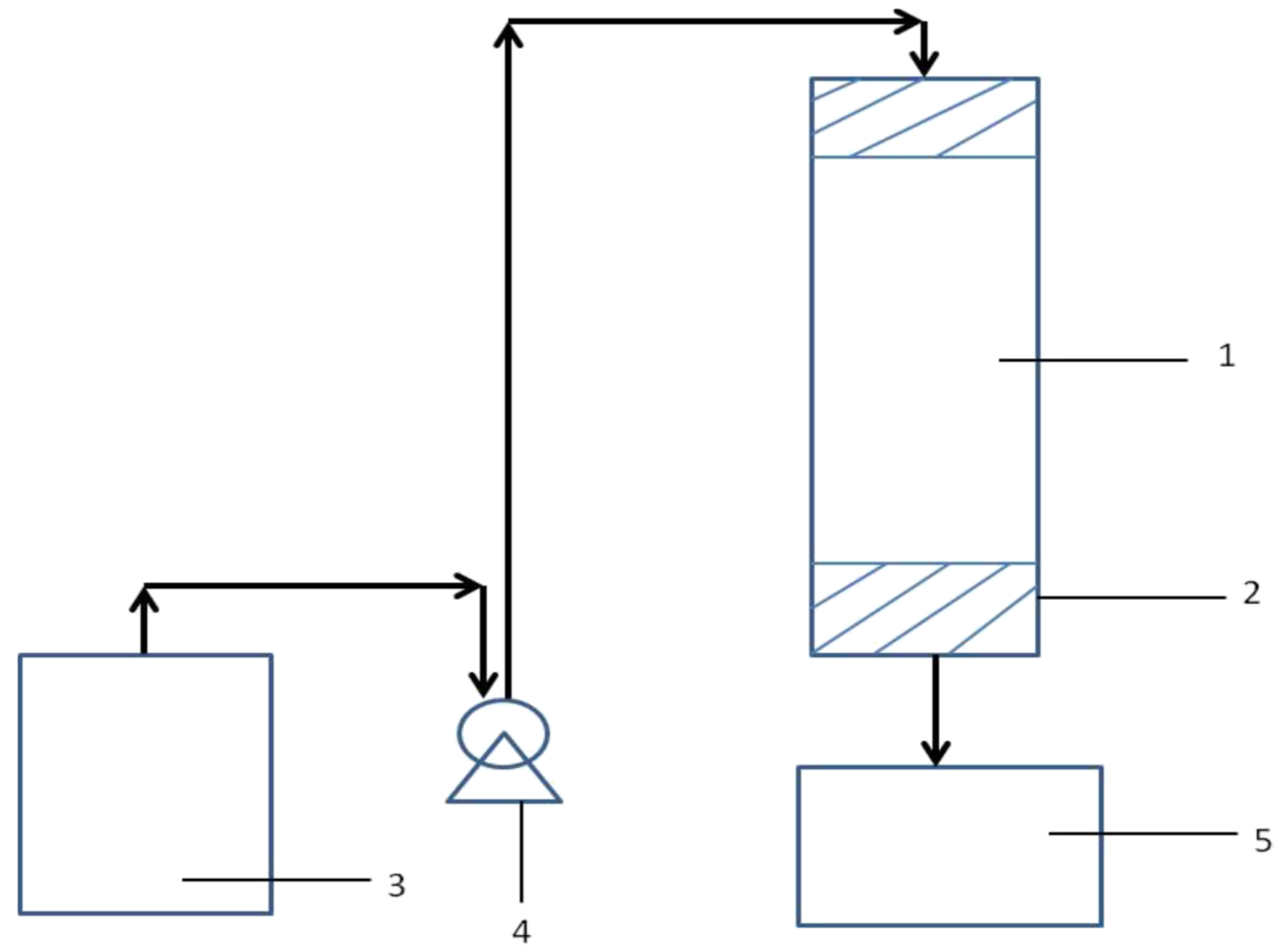
To determine the adsorption capacity of palm date pits under various conditions to remove contaminants from wastewater, we used six fixed-bed columns consisting of vertical tubes packed with various biosorbents: (i) AC, (ii) BC, (iii) KA, (iv) KA + BC, (v) AC + KA, and (vi) AC + BC + KA. The metal-laden effluents pass through the vertical tube where metals are adsorbed by the biosorbent. The metal-laden effluents were passed through the vertical columns, allowing metals to be adsorbed by the packed biosorbents. Flow was controlled using a peristaltic pump (
Figure 1). This system allows the treatment of relatively large volumes of wastewater, and the saturation level of each column was determined after a certain contact time.
Each column (diameter: 3 cm, length: 30 cm) was prepared by packing the adsorbent materials above a sand layer at the bottom. A sand-to-adsorbent ratio of 1:1.5 was maintained. Prior to starting the experiment, columns were filled with deionized water for 2 h to remove air pockets, which prevents channeling and ensures uniform flow [
26]. For each column, 15 g of the respective adsorbent was mixed with 250 mL of the target wastewater and packed accordingly. The studied materials were (i) AC, (ii) BC, (iii) KA, (iv) KA + BC, (v) AC + KA, (vi) AC + BC + KA. Wastewater was pre-filtered through a wool cloth to remove large debris and then introduced into the columns via gravitational flow. Flow rates were individually controlled for each column at 19, 22, 47, 17, 15, and 6 mL/h, corresponding to columns (i) through (vi), respectively. Effluent samples were collected daily and analyzed for physicochemical parameters (EC, pH, TDS, major ions), microbiological indicators (pathogens), and heavy metals, following the procedures described in
Section 2.4. The performance of each column was evaluated based on contaminant removal efficiency and the saturation behavior of the adsorbents.
All experiments, including column adsorption tests, physicochemical measurements, heavy metal analyses, and microbiological assessments, were conducted in triplicate to ensure reproducibility. The results are reported as the mean. Untreated wastewater samples were included as controls to provide baseline comparisons. Statistical analyses were performed using standard deviation calculations to assess variability among replicates, ensuring the reliability and validity of the reported data.
3. Result and Discussion
3.1. XRD Analysis
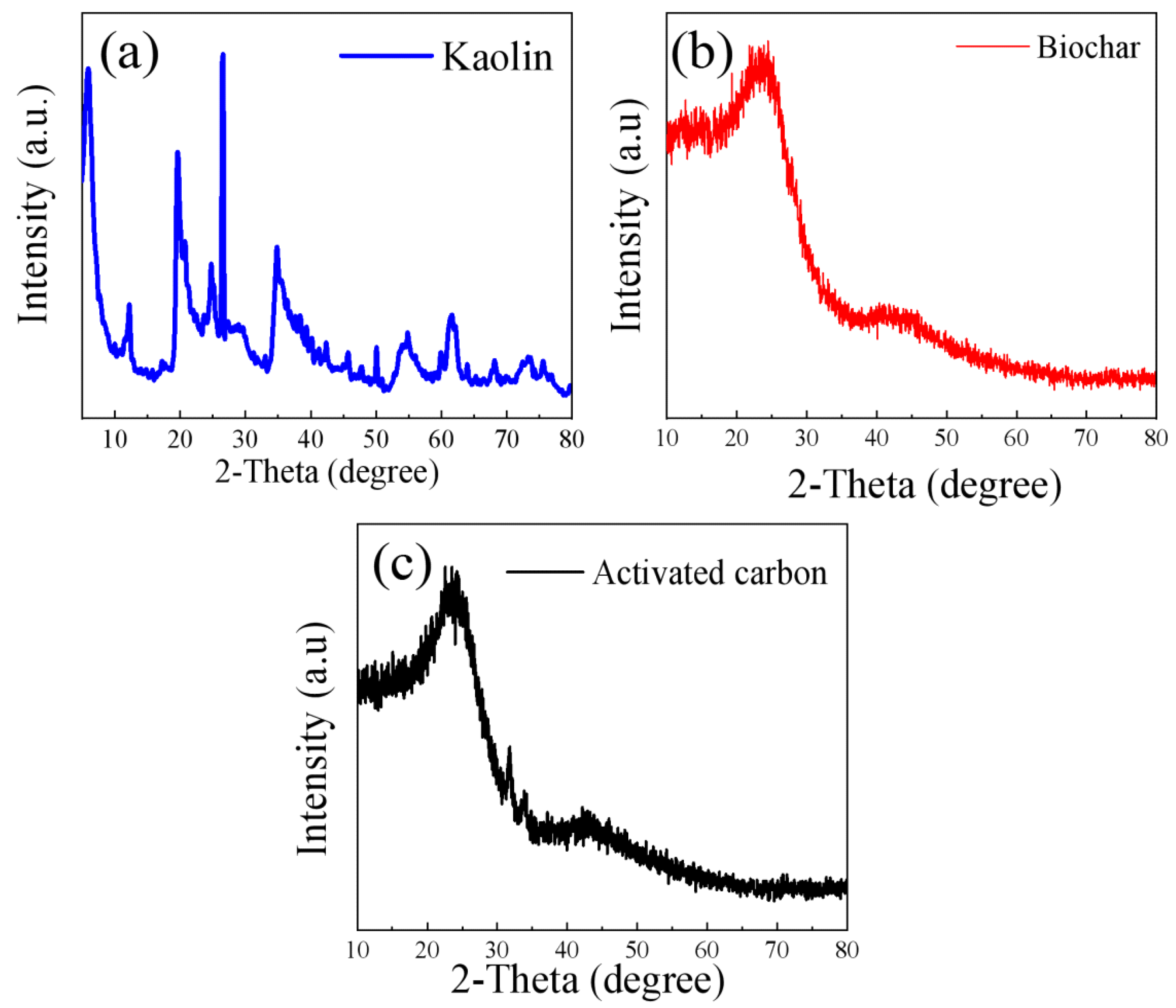
Figure 2 presents the XRD patterns of KA, BC, and AC, highlighting the progressive transition from a crystalline layered aluminosilicate to increasingly disordered carbonaceous structures. The XRD pattern of KA (
Figure 2a) exhibits well-defined, sharp diffraction peaks, indicative of a highly ordered crystalline structure. The prominent basal reflection at low diffraction angle (2θ ≈ 12.3°), corresponding to the (001) plane, confirms the presence of a well-stacked 1:1 layered aluminosilicate framework. Additional reflections at higher angles further corroborate the long-range structural order and periodicity characteristic of KA. The narrow peak widths and high intensities reflect low lattice strain and minimal structural disorder [
27].
By contrast, the XRD pattern of BC (
Figure 2b) reveals a significant loss in peak intensity and long-range order. The disappearance of sharp mineral reflections and the appearance of a broad diffraction halo centered at 2θ ≈ 20–30° indicate the formation of an amorphous or turbostratic carbon structure. This broad feature is assigned to the (002) reflection of disordered carbon layers with limited stacking coherence. The residual shoulders or weak features imply possible inorganic ash components or partially preserved aromatic domains inherited from the precursor biomass [
28].
In contrast, the XRD pattern of AC,
Figure 2c, is dominated by an even broader and more diffuse diffraction hump without any sharp peaks that might be considered as characteristic of crystalline carbon, confirming a highly disordered, mainly amorphous carbon framework. Extensive peak broadening reflects reduced crystallite size, increased interlayer spacing, and significant structural defects introduced during activation. This loss in long-range order is consistent with the development of a highly porous structure where extensive micro- and mesoporosity disrupts graphitic stacking [
29].
3.2. FTIR Analysis
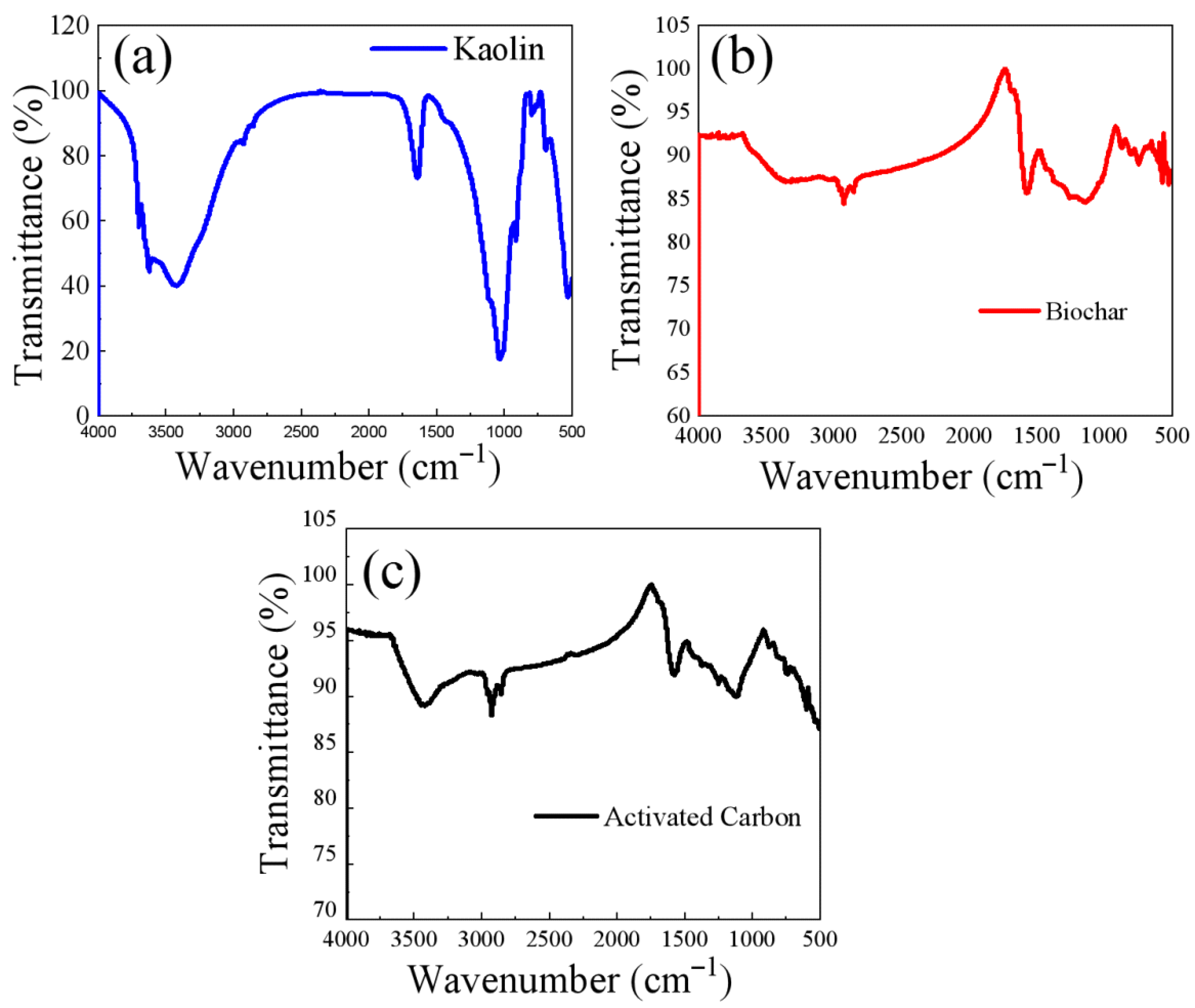
The FTIR spectrum of the KA shown in
Figure 3a displays a broad absorption band observed around 3400 cm
−1, attributed to O-H stretching vibrations of structural hydroxyl groups and adsorbed water molecules. The band near 1630 cm
−1 corresponds to H-O-H bending vibrations of physically adsorbed water. The strong bands in the region of 1000–1100 cm
−1 are associated with Si-O stretching vibrations of the silicate framework, while the bands observed around 540–470 cm
−1 correspond to Al-O-Si bending vibrations characteristic of kaolinite minerals.
The FTIR spectrum of BC (
Figure 3b) shows a broad band around 3400 cm
−1, indicating the presence of hydroxyl (-OH) functional groups. The absorption band near 1600 cm
−1 can be attributed to C=C stretching vibrations of aromatic structures. Additionally, bands detected in the range of 1000–1200 cm
−1 are associated with C-O stretching vibrations, indicating the presence of oxygen-containing functional groups on the biochar surface.
For AC (
Figure 3c), the FTIR spectrum exhibits absorption bands around 3400 cm
−1 corresponding to O-H stretching vibrations, which may arise from phenolic or carboxylic groups. The band near 1600 cm
−1 is attributed to aromatic C=C stretching vibrations, while the bands observed between 1000 and 1200 cm
−1 correspond to C-O stretching vibrations of alcohols, phenols, or ether groups. These functional groups play an important role in the adsorption of heavy metals and other contaminants from wastewater.
Overall, the FTIR analysis confirms the presence of oxygen-containing functional groups on the surfaces of KA, BC, and AC, which contribute to their adsorption capacity through mechanisms such as surface complexation, ion exchange, and electrostatic interactions.
3.3. EDX Elemental Analysis
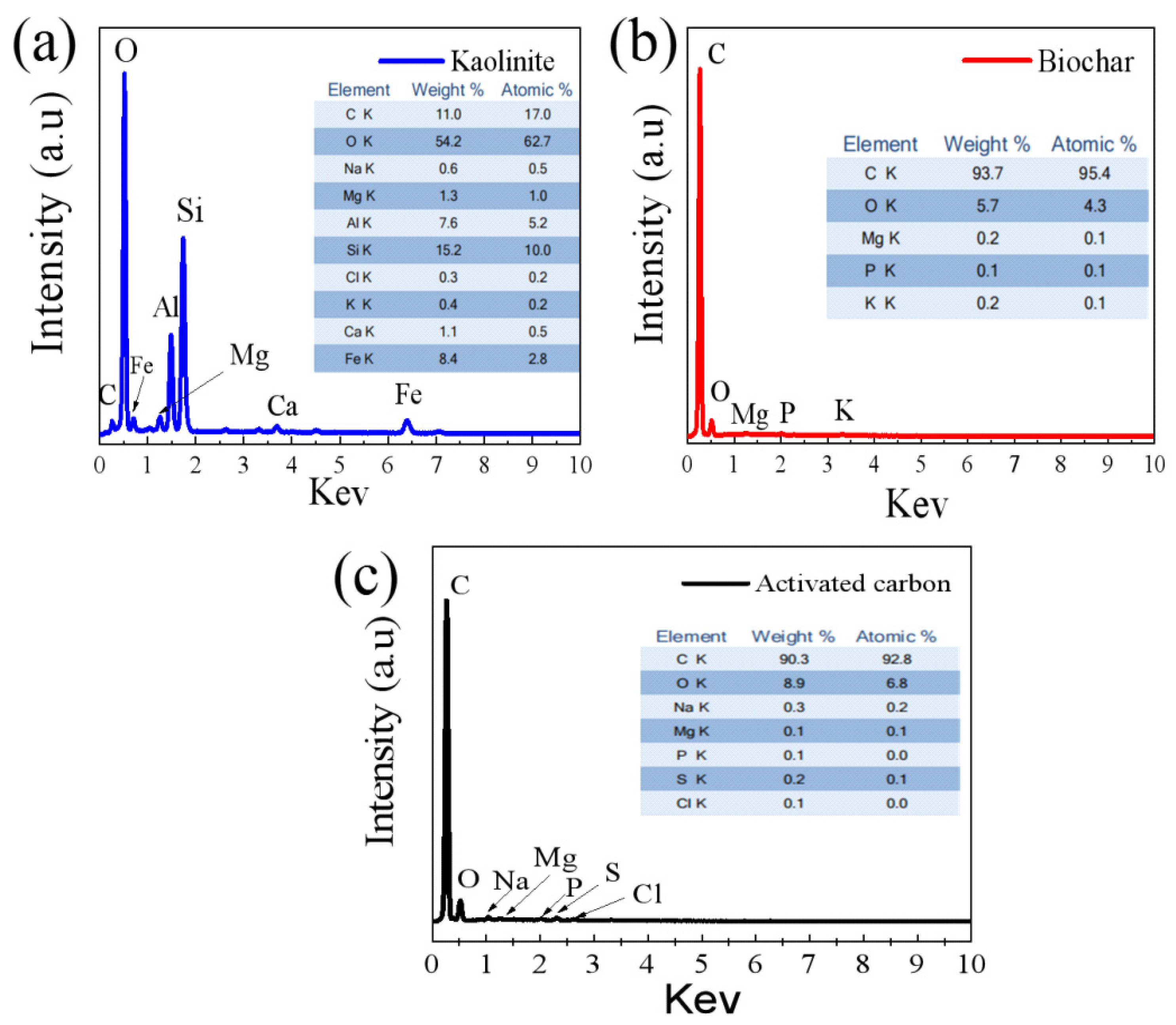
Figure 4 presents the EDS spectra along with the elemental compositions of KA, BC, and AC, illustrating clear compositional changes from the mineral precursor through carbonization to activation. The spectra confirm a progressive transformation from an inorganic aluminosilicate material to carbon-rich, impurity-depleted porous carbon frameworks.
The EDS spectrum of KA (
Figure 4a) is dominated by strong signals for oxygen and silicon, with a measurable contribution from aluminum, consistent with its stoichiometric aluminosilicate composition. Minor contributions from alkali and alkaline earth elements, including Na, Mg, K, and Ca, likely originate from naturally occurring mineral impurities or exchangeable interlayer cations. The low carbon content of KA corroborates its inorganic nature, aligning with XRD and FT-IR results that indicate a well-ordered crystalline structure. Environmentally, the oxygen-rich functional sites facilitate surface complexation and ion-exchange interactions, explaining KA’s affinity for certain metal ions, although it exhibits limited adsorption of organic contaminants.
In contrast, the EDS spectra of BC (
Figure 4b) demonstrate a substantial increase in carbon content accompanied by a decrease in oxygen, indicative of partial carbonization of the feedstock. Residual oxygen corresponds to hydroxyl, carbonyl, and ether functional groups, as confirmed by FT-IR. Trace inorganic elements, including K, Na, Mg, Ca, P, and S, are retained from the feedstock, contributing to surface polarity and providing active adsorption and catalysis sites. The combination of carbon-rich surfaces and residual inorganic compounds creates chemically heterogeneous surfaces with enhanced multi-mechanistic adsorption capacities, including electrostatic interactions, hydrogen bonding, and π–π interactions between aromatic adsorbates and the BC surface.
The AC sample (
Figure 4c) is predominantly carbon, with minimal oxygen and trace heteroatoms, reflecting the effectiveness of the activation process in devolatilization and ash reduction. The high carbon purity, combined with the micro- and mesoporous structure revealed by BET analysis, favors non-specific interactions such as π–π stacking, which enhance adsorption capacity and catalytic efficiency, particularly during oxidation reactions.
3.4. Scanning Electron Microscope (SEM)
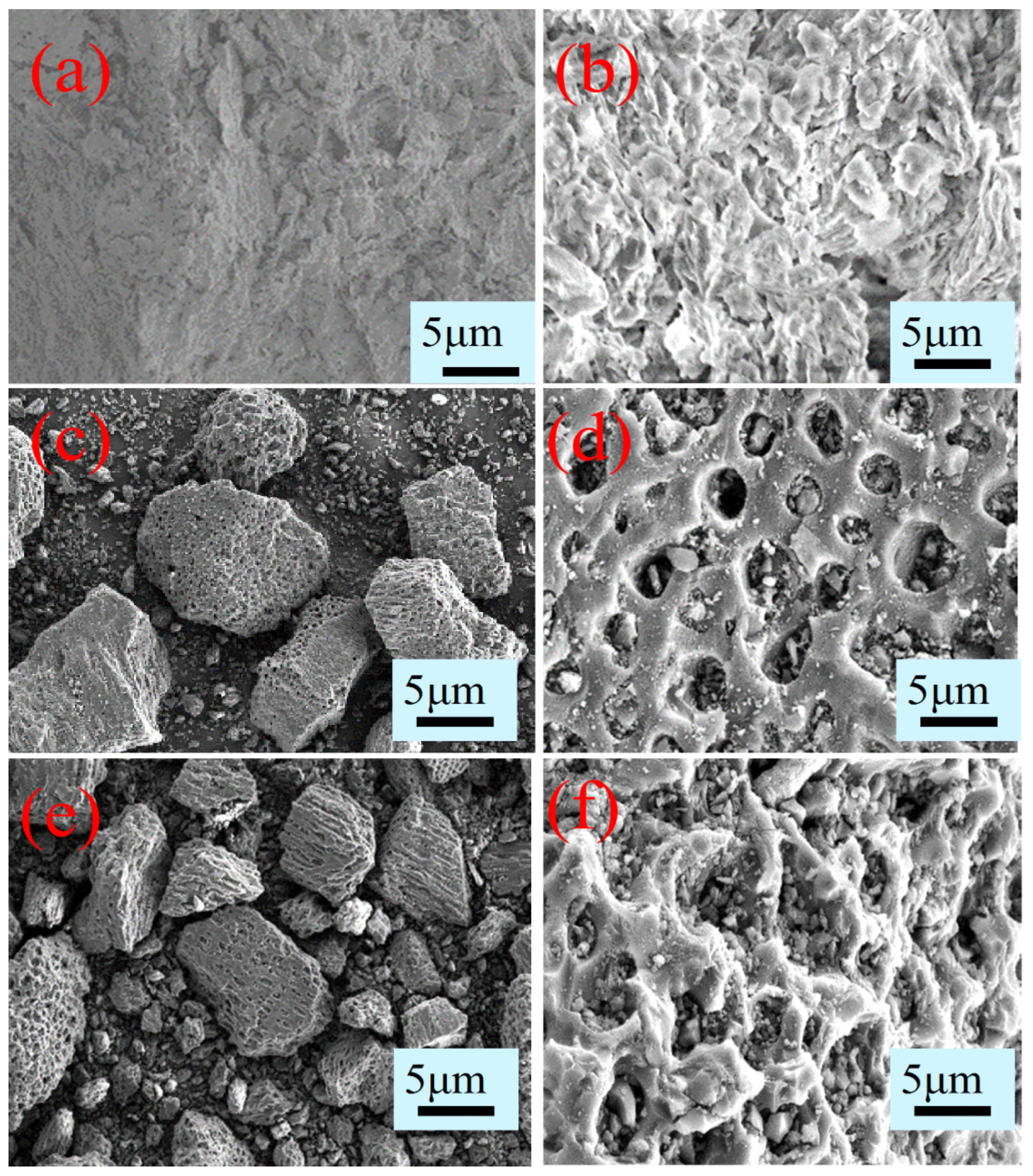
SEM analysis of raw K (
Figure 5a,b) shows a typical compact, flake-like shape with a smooth surface. The pseudo-hexagonal flakes are closely packed, signifying a lack of porosity. However, the closely packed structure suggests that the surface activity occurs mainly on the exposed basal surfaces and margins, forming a reference point to assess the improved texture evolution in the resultant carbonaceous materials. The palm-date biomass conversion to BC indicates a visible structural evolution. However, the BC (
Figure 5c,d) features a morphologically conserved cellular structure to form a highly ordered honeycomb-like macroporous structure. The micropores with a 2–5 µm diameter correspond to the original vascular tissue in plants. Even though these pores function as ‘superhighways’ for molecule diffusion within the entire carbon system, their pronounced surfaces indicate the somewhat reduced usage of the interior surfaces at this point in time. A transition between BC and AC (
Figure 5e,f) indicates a visible evolution in the structural features with a great deal of enhanced surface complexity. The chemical activation process brings big changes at the surfaces, with intense pitting and fragmentation of the surfaces. This hierarchy is critical for high-performance applications: macropores enable rapid mass transfer, while activation-induced meso-and micropores offer high-energy adsorption sites for efficient sequestration of target pollutants, such as heavy metals or inorganic pollutants.
3.5. Adsorption-Based Removal of Heavy Metals Using Column Systems
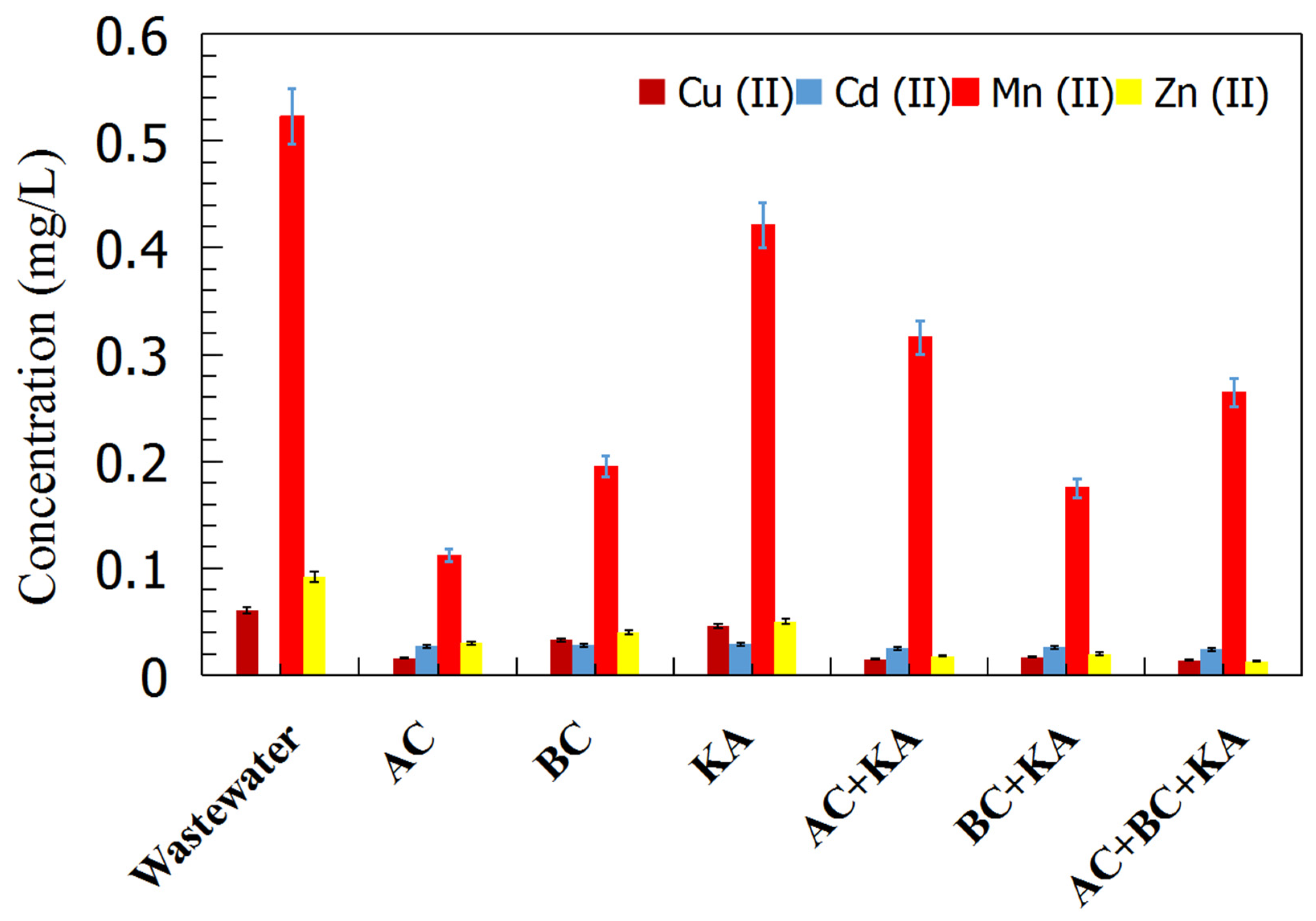
The removal capacity of the heavy metals in the wastewater was determined using column adsorption reactors that involved the use of sand, AC, BC, KA, and their respective composites. Fixed-bed adsorption is preferred for the continuous treatment of wastewater since this method is less complicated, has a high capacity, and is highly efficient in micropollutant removal. As illustrated in
Table 1 and
Figure 6, the raw wastewater showed high levels of Cu
2+, Cd
2+, Mn
2+, and Zn
2+, hence the need for advanced treatment of the wastewater. The removal efficiencies for single-component adsorbents were moderate, but better results were obtained with the use of composite adsorbents. Of all the configurations, the combination of AC, BC, and KA, referred to as AC–BC–KA, recorded the highest removal percentages, which were 77.05% for Cu
2+, 82.98% for Cd
2+, 57.17% for Mn
2+, and 85.87% for Zn
2+. Additionally, in some instances, complete removal was attained, indicating the complementary capacities of the carbonaceous and clay materials to function in an efficient, collective manner.
The improved performance of composite adsorbents can be attributed to the complementary physicochemical properties that the materials possess. The AC has a high surface area and microporous structure that enables quick capture of the metal ions through the process of adsorption. The BC has mesoporosity and variable oxygen functionality that enhances the surface complexity and selectivity of the material toward the target substances. The KA further enhances the process through the provision of ion-exchange sites that improve the stability of the column system. Grainy clay–carbonaceous composites were shown to possess faster adsorption kinetics and wider ranges of contaminant removal than regular adsorbents [
30]. These experimental data support these observations, since they show that the AC-BC-KA composite has a wider distribution of active sites and superior mass transfer routes, thus leading to a greater efficiency of adsorbing various heavy metals. The adsorption of divalent metal ions on composite adsorbents follows various mechanisms. Electrostatic attraction between the positive charges of metal ions, such as Cu
2+, Cd
2+, Mn
2+, and Zn
2+, and negative charges on the surface of the composite adsorbents is the primary force in this process, especially in the presence of a desirable pH in solutions, alongside van der Waals forces [
31].
The mechanisms of complexation and chelation can further improve the immobile nature of metal ions. The mechanism of complexation is based on the interaction between metal ions and the functional groups, namely carboxyl and hydroxyl groups, while chelation takes place by forming complexes in the form of rings with the ligands having multiple bonds attached to the surface of the adsorbent material [
32]. The presence of multiple mechanisms in one adsorption system is responsible for its high and selective adsorption capacity. There was further evaluation of the effectiveness of the column adsorption systems by comparing the concentration levels of the treated wastewater with the desired safety levels. The maximum allowable concentration levels are Fe
2+ (150 mg/kg), Pb
2+ (2 mg/kg), Cu
2+ (10 mg/kg), Ni
2+ (10 mg/kg), Cd
2+ (0.02 mg/kg), and Cr
2+ (1.3 mg/kg). The heavy metal concentration levels in the unfiltered wastewater samples were higher than the desired levels, while filtered water contained lower levels [
33].
The above results suggest that the heavy metal concentration can be decreased by filtration through columns made from composite adsorbents. This reflects a more pronounced reduction with the composite materials compared to the single-component adsorbents and brings into focus the importance of synergistic design in adsorption systems.
Generally, results have demonstrated that fixed-bed column adsorption using carbonaceous–clay composite materials presents a robust, scalable, and environmentally sustainable approach for heavy metal removal from wastewater.
The high removal efficiencies, operational simplicity, and potential for adsorbent regeneration make such systems particularly applicable to decentralized wastewater treatment and reuse applications. The findings give important insights into the development of advanced adsorption-based treatment technologies that might be harnessed toward meeting increasingly stringent environmental regulations.
The efficiency of pollutant removal (R%) from water samples was calculated as shown in Equation (1) [
34].
where C
i and C
f are the initial and final concentrations, respectively.
3.6. Physicochemical Water Quality Improvement via Adsorption Treatments
Physicochemical wastewater quality, represented by pH, electrical conductivity, and total dissolved solids, is a key determinant of its fitness for agricultural or industrial reutilization. The issues such as soil salinization, mobility of heavy metals, and the corrosion of infrastructure are posed by high pH and TDS, while high values of EC suggest the high content of ions, which makes water unsafe for irrigation. Therefore, single and composite material-based adsorption treatments have been pursued as the mitigation approach for such risks.
3.6.1. pH Stabilization
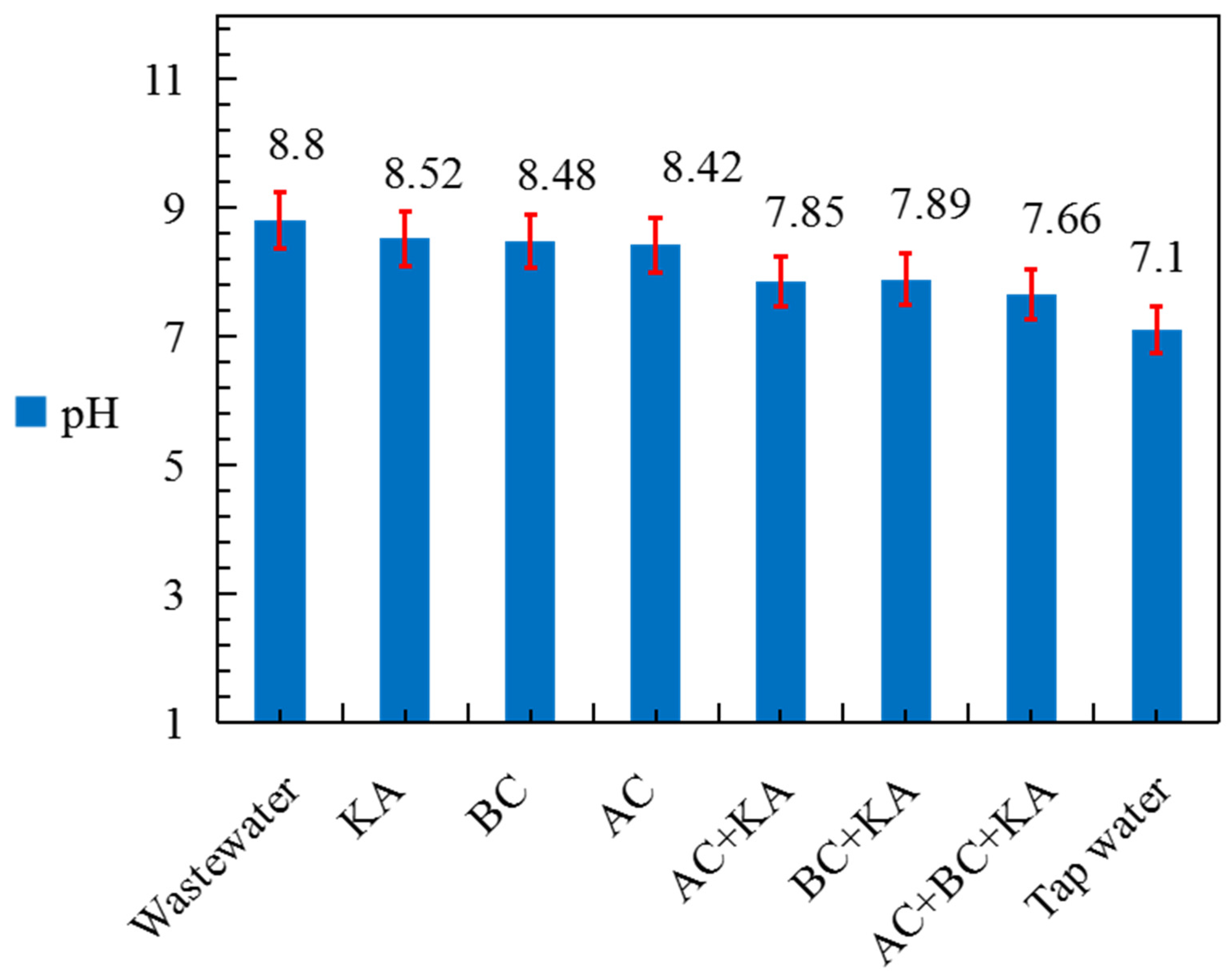
pH values in wastewater affect metal migration, nutrient cycling, and infrastructure. As in
Figure 7, pH values in untreated wastewater were strongly alkaline (8.80 pH units), which is above irrigation standards set between 6.5 and 8.5 pH units. Treatment using individual adsorbents (KA, BC, and AC) moderately lowered pH values to 8.42–8.52, while binary mixtures (AC + KA and BC + KA) further reduced pH values to 7.85–7.89. pH values reached 7.66 in treatment using a ternary composite mixture (AC + BC + KA), which is within the desired irrigation pH range. This is due to combined processes that neutralize pH values. Ion exchange is a process in which KA and BC react and remove excess alkaline cations. Other processes include adsorption, in which active sites in AC and BC absorb and neutralize alkaline materials.
3.6.2. Electrical Conductivity Reduction
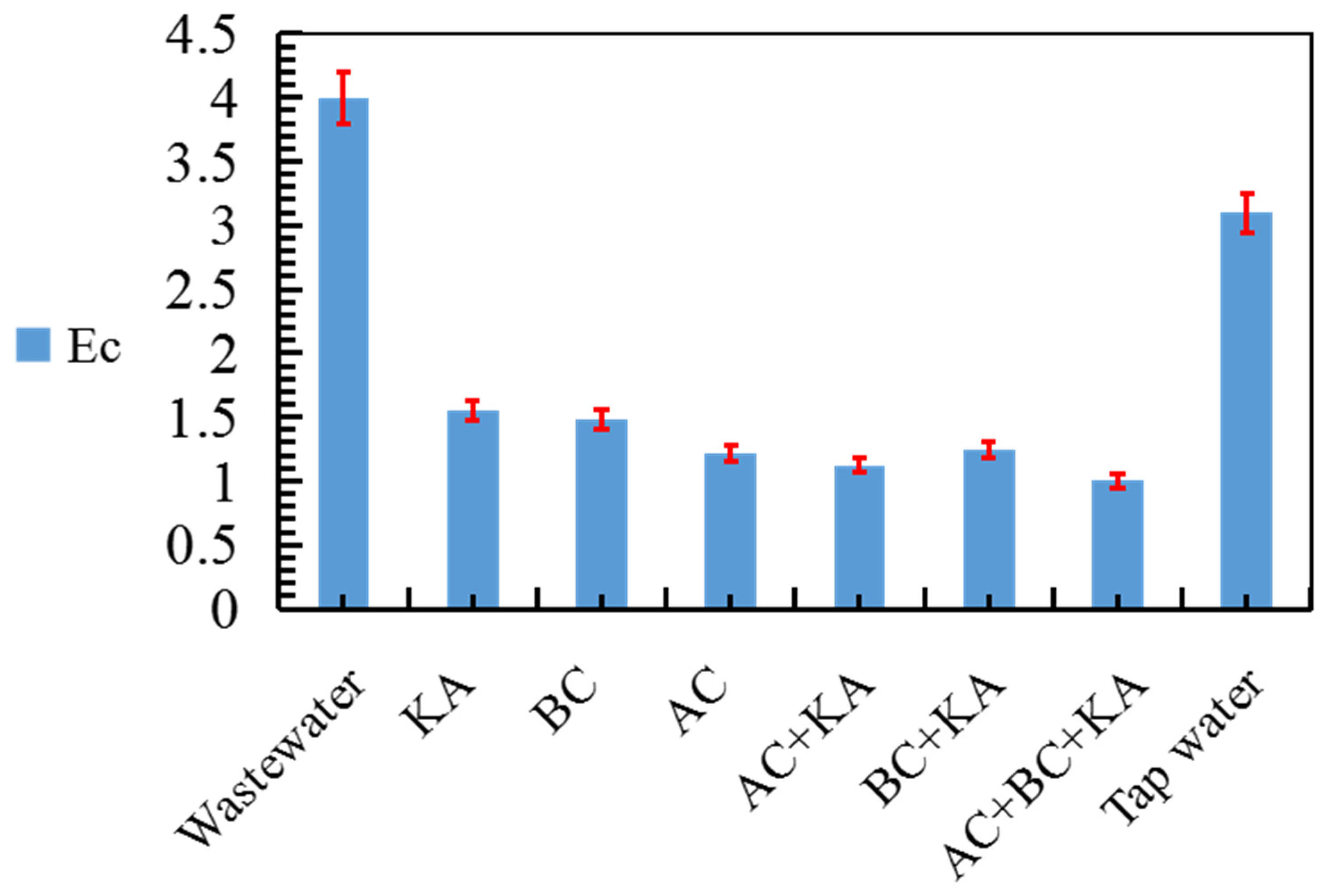
EC stands for ionic concentration in wastewater. As in
Figure 8, the untreated samples displayed an EC value of 4.0 mS/cm, indicating high ionic concentrations. Separately, the adsorbents caused a moderate reduction in EC, whereas in the ternary mixtures, it reached 1.0 mS/cm, a 75% reduction and 67.7% lower than that of the tap water sample (3.1 mS/cm). Several mechanisms are involved in lowering the EC value. These include ion exchange processes, whereby cations are trapped by KA and BC; adsorption processes, whereby AC has a high capacity to retain dissolved salts through van der Waals forces; and surface complexation processes, whereby BC and AC functional groups form stable complexes with dissolved ions.
3.6.3. Total Dissolved Solids (TDS) Reduction
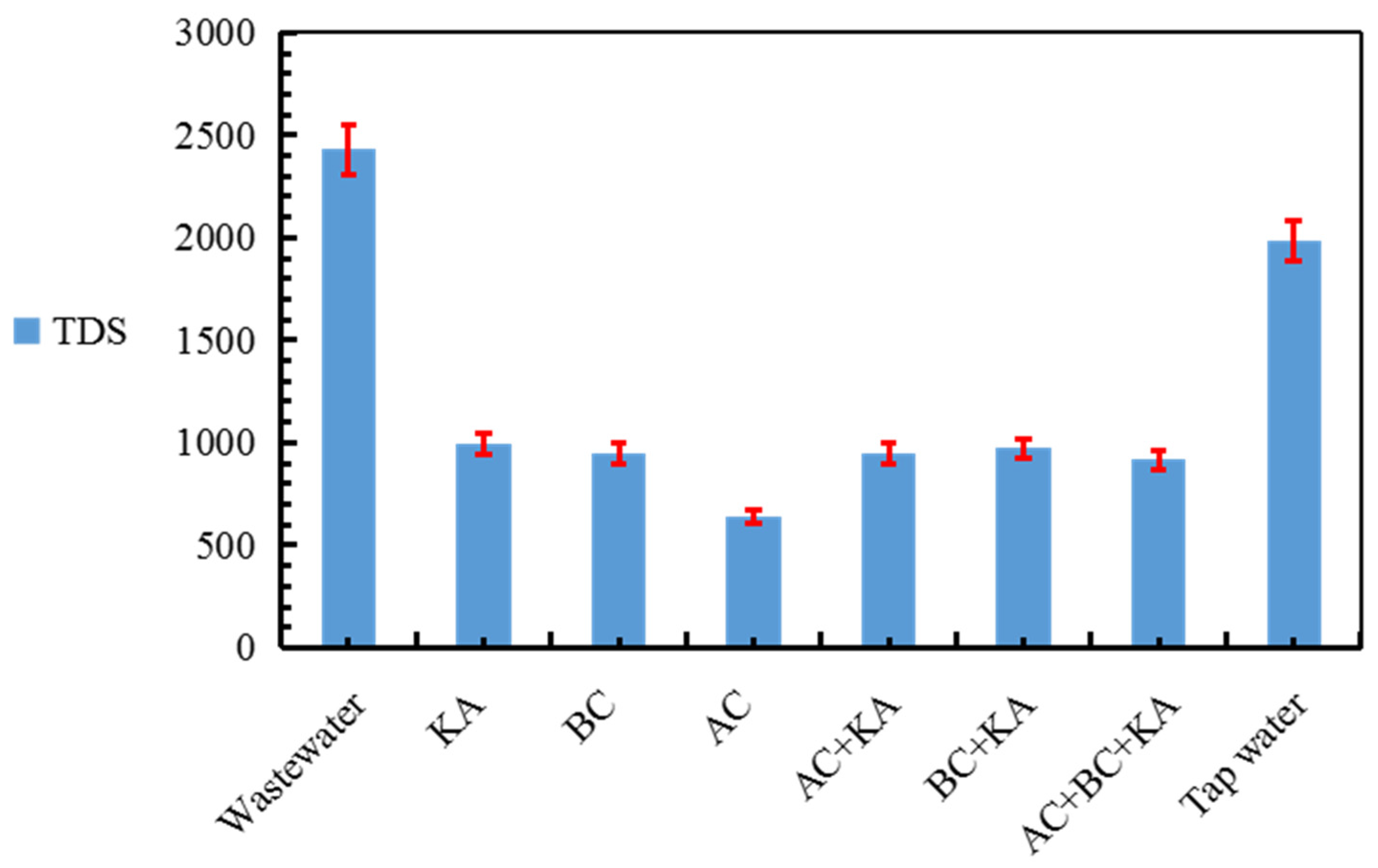
TDS stands for totally dissolved salts and trace amounts of organic compounds. As in
Figure 9, initial concentrations in untreated wastewater were 2560 mg/L, which is highly saline. AC alone resulted in 640 mg/L TDS removal (75% reduction), while in combination, 915.2 mg/L TDS was removed, resulting in 64.2% removal by the ternary composite. All treated solutions had TDS lower than tap water in the region, with a concentration of 1984 mg/L. The TDS was calculated using Equation (2).
Although total dissolved solids (TDS) are directly proportional to electrical conductivity (EC), presenting TDS values provides a clearer and more interpretable measure of water quality for wheat irrigation. This allows the treatment performance to be more directly related to agricultural standards, ensuring practical relevance for crop growth assessment.
Mechanistically, TDS reduction is mainly attributed to physical adsorption in the micropores of the AC material, ion exchange processes involving the presence of KA and BC, and surface complexation reactions involving functional groups in the BC material. A small increment in TDS within the composite system can be explained by the dilution effect, wherein the proportion within the activation carbon is lowered due to the co-presence of KA or BC material that can fill up some micropores. Meanwhile, the combination still attains a fair balance in the optimization parameters involving EC, pH, and TDS.
3.7. Environmental and Agricultural Implications
As mentioned in
Table 2, the removal of heavy metals, pH optimization at 7.66, reduction in electrical conductivity from 1.0 mS/cm, and TDS make the treated wastewater apt for agricultural use, countering salinization and nutrient disorders in soils. Using biochar, KA, and AC together makes the process cost-effective, eco-friendly, and in line with the tenets of Green Chemistry. It is to be noted that AC contributes largely to TDS removal, while the ternary combination is efficient in optimizing EC and pH, thereby underlining the significance of judicious selection of adsorbents depending on the objectives of improving water purity. All these results prove that hybrid systems can treat multiple variables in wastewater simultaneously, making it an efficient solution for wastewater treatment and reuse.
3.8. Wastewater Quality Assessments
Sodium Adsorption Ratio (SAR)
The SAR is an important parameter in determining irrigation water quality. The ratio depends on the relative concentration of Na
+ as compared to that of Ca
2+ and Mg
2+ ions [
33]. Excess levels of sodium result in reduced permeability of water in the soil. It inhibits water intake by plants despite adequate moisture content in soil [
35]. The SAR% are calculated by Equation (3).
where all ionic concentrations are expressed in milliequivalents per liter (meq/L).
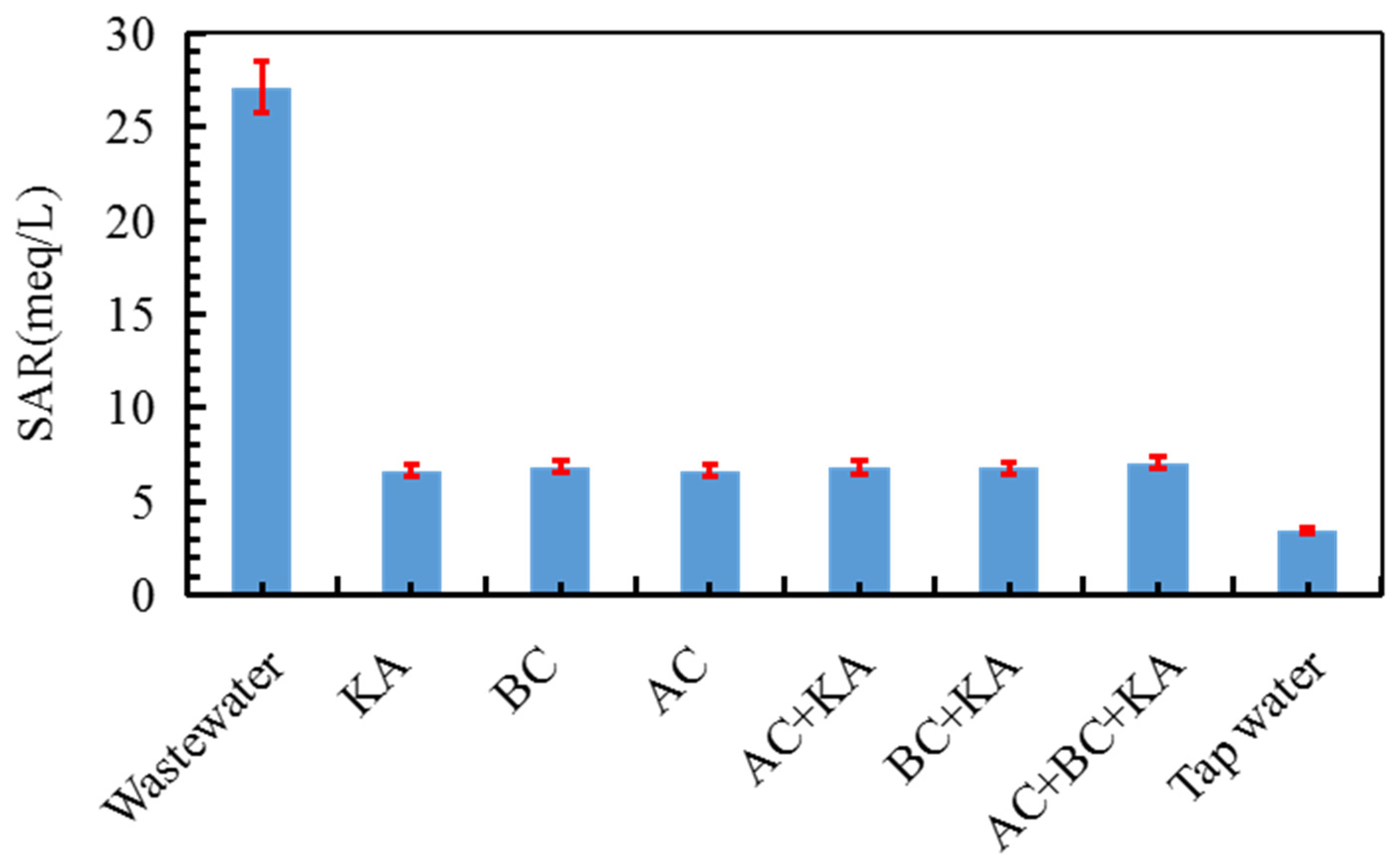
From
Figure 10, SAR values above 9 reveal a high sodium hazard, capable of causing soil dispersion, crusting, and lower infiltration rates, while SAR values below 3 to 6 are regarded as safe. Based on the data analysis, the sodium hazard reduction capability of the treated adsorbent has been determined. The SAR value of the raw wastewater was dangerously high at 27.14, which fell short of safety, thereby expected to cause soil sodicity and poor water and nutrient absorption. However, the treatment with individual components KA, BC, and AC resulted in a moderate SAR value ranging from 6.62 to 6.75 and 7.06 with the ternary composite AC + BC + KA. Even though higher than other components, respectively, the ternary combination still indicated a pronounced improvement because the water became a ‘moderate hazard.’ Prior data indicated a lower SAR value of 3.45 in tap water, symbolically indicating basic safety. Reduction in SAR values has been credited to the mechanisms of ion exchange and cation balancing. In kaolinite, aluminosilicate layers, along with functional groups in BC, remove an excess of sodium ions through replacement with calcium and magnesium ions, while a high surface area in AC enables efficient entrapment of cations.
Notably, the minor increase in SAR in the ternary mixture implies that although mixtures work towards creating multi-modal advantages in water quality, individual adsorbents already account for most of the sodium elimination. In terms of soil quality, the decrease in SAR from 27.14 to a value of approximately 6.7–7.0 reduces concerns relating to soil crusting, water drainage, and nutrient deficiencies; thus, soil infiltration and nutrient uptake can be enhanced. This implies that the adsorption treatment method has the ability to convert sodic water into water suitable for irrigation while promoting soil quality.
3.9. Biochemical Oxygen Demand (Bod) and Chemical Oxygen Demand (Cod)
Both BOD and COD are important parameters in measuring the level of organic pollution as well as biodegradability in wastewater. Organics in wastewater are oxidizable by microorganisms; hence, a higher level of BOD and COD was considered as higher organic pollution in wastewater. The ratio of BOD/COD was used in evaluating the level of biodegradability of wastewater, in which higher values represent higher biodegradation capabilities of wastewater. The untreated wastewater has a BOD of 500 mg/L and COD of 900 mg/L, giving a BOD/COD ratio of 0.55 (
Table 3). This showed high organic pollution and moderate biodegradability. However, after the adsorption treatment using separate adsorbents as well as binary and ternary combinations of K, BC, and AC, or (AC + KA), (BC + KA), (AC + BC + KA), respectively, the values of both BOD and COD dropped to zero, hence giving a BOD/COD of 0. This represents the highly effective removal of organic pollution in wastewater by the adsorption systems developed here, in both biodegradable organic and chemically resistant substances of organic pollution in wastewater. It should be noted that the treated wastewater was of the same quality as tap water, representing nearly complete purification [
36].
3.10. Pathogen Evaluation
The existence of pathogenic microbes in these wastewaters poses serious threats to environmental safety, as well as to the human health of farmers, workers, and people consuming such wastewater.
F. coliforms and
E. coli are generally used to detect microbial pollution in municipal wastewaters, and other microbes like
Shigella sp. and Bacillus cereus have also been shown to pose threats to human welfare by causing gastrointestinal and systemic infections.
F. coliform analysis of untreated wastewaters showed the existence of
E. coli, Shigella sp., and
B. cereus, showing high microbial pollution in these wastewaters (
Table 4). Chloride agents were introduced in these wastewaters to counteract microbial populations before undergoing treatment processes. After undergoing adsorption treatment using individual materials: KA, BC, AC, and binary and ternary mixtures: (AC + KA, BC + KA, and AC + BC + KA), no pathogenic bacteria existed in wastewaters treated with these agents, exhibiting similar microbial quality to tap water. The absence of pathogenic microbes in treated wastewater with these adsorbents articulates high antimicrobial activity, which might be evidenced by the simultaneous action of these three aspects: high-level adsorption forces, functional group reactions, and remaining oxidative forces in pre-chlorination treatment processes. The high surface area of AC, as well as the presence of micropores, can be advantageous in the retention of bacteria, while the presence of BC and KA can be effective as additional sites of adsorption. The combination of AC, BC, and KA showed the principle of synergy, ensuring the sanitized water was obtained. The outcome of the study has confirmed that the combination of the processes of the adsorption technology can be effective not only in ensuring the physicochemical aspects of the water are improved but also in ensuring the microbial content of the water is eliminated.
3.11. Effect of Treatment on Chemical Properties of Collected Wastewater
The chemical composition of wastewater, especially the concentration of major cations such as Ca2+, Mg2+, Na+, K+, and major anions such as Cl+, , and plays an important role in determining the salinity level and irrigation usability of the wastewater. Salinity level of wastewater is determined by the nature of the parent material of the soil, the presence of shallow groundwater, and the nature of irrigation. Variations in major components of the constituents are also influenced.
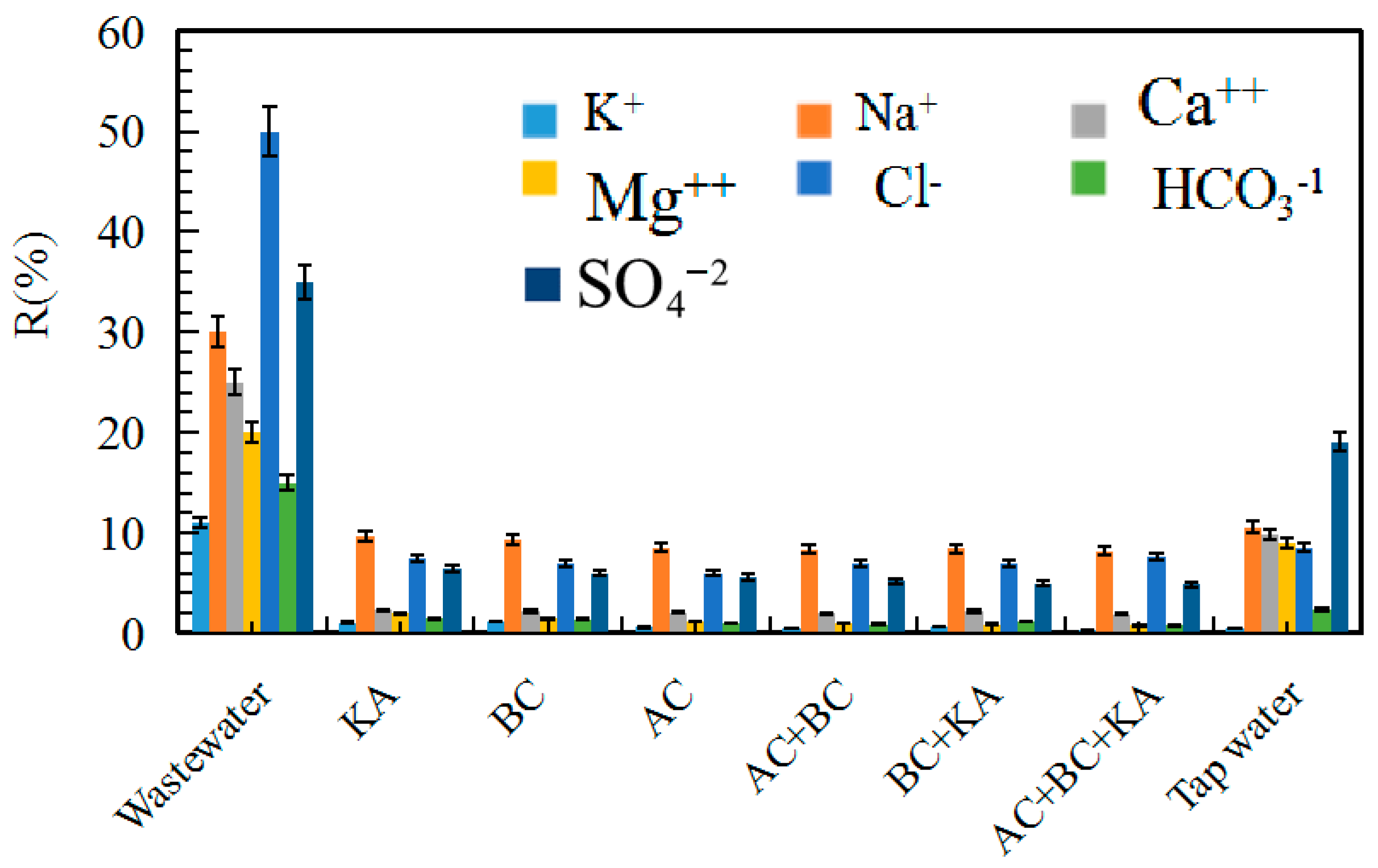
The untreated wastewater sample contained the highest levels of all the major cations and anions, marking high levels of saltiness and possible hazards associated with soil sodicity and crop fertility. From
Figure 11, the adsorption treatment using separate materials (KA, BC, AC), binary mixtures (AC + KA, BC + KA), and the ternary mixture (AC + BC + KA), there was a considerable decrease in ion levels. As listed in
Table 5, the ternary mixture (AC + BC + KA) proved most effective in removing ions, with an abundance of 86% for
, 94.66% for
, 36.66% for Ca
2+, 81.77% for Mg
2+, 97.27% for Na
+, and almost total for K
−, Cl
− was reduced by an impressive 88%.
The marked decrease in cations and anions shows the great ion removal efficiency of the hybrid adsorption process. The KA shows ion exclusion capacity in the cation form, while BC shows functional groups adsorption and additional ion-trapping capacity, and finally, AC shows adsorption of soluble salts via micropore entrapment. The three-component composite material (AC + BC + KA) takes advantage of several different mechanisms and thus shows the efficiency of removing all Na+ and K+, which play a very important role in reducing soil sodicity and salinization. The removal of sulfate and bicarbonate reduces alkalinity danger, and chloride removal reduces corrosion and plant osmosis injury. These findings clearly show the efficiency of hybrid adsorption processes in neutralizing wastewater salinity and improving its chemical quality, thus making wastewater suitable for irrigation of agriculture and other domestic purposes.
4. Conclusions
This study investigated the potential of date palm kernel-derived biochar (BC), activated carbon (AC), and natural kaolinite (KA) as low-cost adsorbents for the treatment of municipal wastewater using a fixed-bed column adsorption system. Six adsorption configurations (AC, BC, KA, KA + BC, AC + KA, and AC + BC + KA) were evaluated to determine their efficiency in removing physicochemical pollutants, heavy metals, and microbial contaminants.
The characterization results obtained from FTIR, XRD, SEM, and EDX analyses confirmed the presence of functional groups and porous structures on the surfaces of the prepared adsorbents, which are favorable for adsorption processes. The column experiments demonstrated that the combined adsorbent system (AC + BC + KA) exhibited the highest removal efficiency for several wastewater contaminants, including heavy metals (Pb, Cd, Cu, and Mn), dissolved salts, and microbial indicators. The treated wastewater showed significant improvements in pH, electrical conductivity (EC), total dissolved solids (TDS), and major ion concentrations, indicating that the adsorption system effectively improved water quality.
The results suggest that date palm waste materials can be successfully converted into efficient and environmentally friendly adsorbents for wastewater treatment, providing a sustainable approach for waste valorization and water purification. The fixed-bed column configuration also demonstrated the potential for continuous treatment of relatively large volumes of wastewater, which is advantageous for practical wastewater management applications.




 ,
,