

Article

Research on the Multidimensional Configuration Pathways of Smart Logistics Driving New Quality Productive Forces

School of Air Transport, Shanghai University of Engineering Science, Shanghai 201620, China
*
Author to whom correspondence should be addressed.
Sustainability 2026, 18(6), 3128; https://doi.org/10.3390/su18063128
Submission received: 12 January 2026 / Revised: 11 March 2026 / Accepted: 17 March 2026 / Published: 23 March 2026

Abstract

This study uses panel data from 30 Chinese provinces spanning 2010–2023. It applies Fuzzy Set Qualitative Comparative Analysis (fsQCA) to examine how different aspects of Smart Logistics affect New Quality Productive Forces. Analysis covers three areas: overall configuration, changes over time, and regional differences. The findings show: (1) New Quality Productive Forces develop from the interaction of Smart Logistics factors, not just one. System coordination limits development more than hardware does. (2) There is a strong link between Smart Logistics and New Quality Productive Forces. The connection moves from basic support to innovation and then to broader ecosystem development. (3) Regions differ: Eastern areas benefit from digital tools and innovation; central areas rely on system change and efficiency; Western areas focus on building up basics and capabilities.

1. Introduction

A new wave of technological revolution and industrial transformation is profoundly reshaping the global economic landscape. New Quality Productive Forces, characterized by digitalization, intelligentization, and green development, have become the key engine driving high-quality development. The report of the 20th National Congress of the Communist Party of China explicitly states that we must “promote the integrated and clustered development of strategic emerging industries” and “accelerate development of the Internet of Things and build an efficient and smooth logistics system”, charting the course for the transformation and upgrading of the logistics industry. As a modern logistics model integrating next-generation information technologies such as IoT, big data, artificial intelligence, and blockchain, Smart Logistics serves not only as the core pathway for enhancing the quality and efficiency of the logistics industry itself, but also as a vital support for connecting industrial and supply chains, optimizing the allocation of factors and resources, and empowering innovation in the real economy. Against this backdrop, exploring how Smart Logistics drives the development of New Quality Productive Forces through the coordinated interaction of multiple factors, as well as revealing its inherent complex causal mechanisms and differentiated implementation pathways, holds significant theoretical value and practical urgency.
Smart Logistics is a modern integrated logistics system that leverages next-generation information technologies—including IoT, big data, and AI—as core drivers. Through comprehensive sensing, intelligent decision-making, and dynamic optimization, it enables intelligent transformation and integrated application across all logistics segments, achieving cost reduction, efficiency gains, green sustainability, and enhanced industrial competitiveness [1,2,3,4,5,6]. Globally, Smart Logistics development exhibits multi-tiered technological evolution and application patterns. Developed nations, leveraging robust industrial foundations and early advantages in information technology, have established mature commercial applications in smart warehousing, autonomous delivery, and supply chain control towers, while continuously advancing the digitalization, standardization, and greening of logistics systems. For instance, Germany leverages its Industry 4.0 framework to advance the intelligent upgrading of logistics equipment, extensively deploying automated guided vehicles (AGVs) and smart material handling systems. The United States widely implements IoT sensors and AI algorithms in e-commerce logistics and cold-chain transportation, enabling dynamic route optimization and real-time monitoring. Japan focuses on the deep integration of automated sorting technology and robotics to address labor shortages and high-efficiency delivery demands. In comparison, China’s Smart Logistics development began later but has achieved significant breakthroughs in big-data platform scheduling, smart parcel lockers, drone delivery, and freight-matching platforms. This progress stems from its advantages of a massive market scale, rapid digital infrastructure adoption, and strong policy guidance, forming a scaled, scenario-based application path with Chinese characteristics. Technologically, China’s Smart Logistics extensively integrates cutting-edge technologies, including Radio Frequency Identification (RFID), Global Positioning System (GPS), Geographic Information System (GIS), cloud computing platforms, and digital twins, progressively evolving from single-link automation to full-chain intelligent coordination. Overall, global Smart Logistics is evolving toward system integration, intelligent decision-making, and green operations. China demonstrates unique advantages in the breadth of technology application, the dynamism of business model innovation, and the efficiency of market scale conversion.
The essence of Smart Logistics lies in driving the industry toward automation, controllability, networking, and ecological development through synergistic innovation in technology, processes, and systems [7,8,9,10,11]. Existing research on Smart Logistics primarily examines it through five dimensions. Regarding horizontal measurement and spatio-temporal distribution, scholars have constructed multidimensional evaluation systems, confirming China’s regional imbalance in Smart Logistics: “leading in the east, moderate in the central regions, and lagging in the west” [5,7,10]. Infrastructure and talent reserves are key constraints [12]. Regarding industrial and supply chain resilience, Smart Logistics directly optimizes business processes through digital means [13] and indirectly promotes information and resource integration [14], thereby enhancing resilience against risks [15]. However, its effectiveness is constrained by factors such as regional industrial structures [13]. Regarding economic resilience and enterprise development, Smart Logistics enhances regional economic resilience [16] and improves corporate performance through cost savings and market integration [17]. From a systems perspective, Smart Logistics is viewed as a complex adaptive system [18], where its network balances cost and efficiency through multi-level node deployment [19], while innovative factor combinations provide sustained momentum for system development [20]. At the technological application level, Smart Logistics improves response efficiency in emergency management [21], while its level variables enhance the accuracy of predictive models [22]. Environmental regulations, traffic density, and technological innovation serve as primary drivers, whereas cost pressures exert a restraining effect [5].
From an academic historical perspective, while “New Quality Productive Forces” is rooted in China’s policy context of high-quality development, its theoretical core resonates profoundly with classic discourses in Western evolutionary economics and innovation management. Specifically, this concept echoes the “technology-economic paradigm” theory proposed by Perez [23], which emphasizes how technological revolutions generate new best practices and reshape factor allocation within economic systems. It also aligns with Teece et al.’s [24] “dynamic capabilities” framework, focusing on how systems integrate and reconfigure internal and external resources to adapt to environmental upheavals amid technological change. Based on this, this paper attempts to position the domestic policy concept of “New Quality Productive Forces” within the aforementioned international academic mainstream for dialogue.
New Quality Productive Forces represent an advanced productive force, driven by technological innovation as its core engine, characterized by digitalization and greening, and generated through the innovative allocation of production factors and deep industrial transformation. For clarity, it can be explained through three core dimensions: First, it emphasizes qualitative leaps rather than mere quantitative expansion—shifting focus from pursuing output scale to systematically enhancing production efficiency, resource utilization efficiency, and environmental sustainability. Second, it is underpinned by new production factors such as data, knowledge, technology, and talent. Through the deep integration of digital technology with the real economy, it drives the intelligent and green transformation of traditional industries, forming high-value-added industrial structures. Third, it manifests as the deep integration and synergistic evolution of industrial, innovation, capital, and talent chains, ultimately achieving a fundamental shift in economic development patterns and a comprehensive enhancement of global competitiveness. Academic research on New Quality Productive Forces focuses on four dimensions: theoretical framework construction, measurement and evaluation, driving mechanisms, and application empowerment. At the theoretical level, New Quality Productive Forces represent an advanced quality of productive forces characterized by informatization, digitization, and greening. They are driven by revolutionary technological breakthroughs and innovative reallocation of production factors, with innovation playing a leading role. This advanced quality of productive forces aims to propel deep industrial transformation and high-quality development [25,26,27,28,29]. A multidimensional theoretical framework and analytical system [26,30,31] are gradually being constructed, laying the foundation for quantitative research. Regarding empirical measurement and evaluation, research reveals through a comprehensive evaluation system that China’s New Quality Productive Forces exhibit an overall upward trend in development levels, yet are characterized by significant regional imbalances—higher in the east and lower in the west—along with spatial clustering patterns [28,30,32]. Its formation and development constitute a complex process driven by the synergistic interaction of multiple factors. The core engine lies in the deep integration of technological innovation with the “four chains” [26], while comprehensive empowerment is provided by multiple factors, including new infrastructure [33], data element governance [34], entrepreneurship [35], technology finance [36], and industry-finance integration [37]. At the practical application level, New Quality Productive Forces can drive macro-level industrial structure upgrading through platform construction, leverage adjustment, and technological integration [38,39,40]. At the micro level, they enhance corporate efficiency and innovation capabilities via pathways such as digital trade [41] and digital transformation [42], while also demonstrating a promotional effect on urban green innovation efficiency and spatial spillover effects [43].
A deep understanding of the intrinsic connection between Smart Logistics and New Quality Productive Forces is a key element of this paper’s theoretical framework. A complex, bidirectional, interactive, and co-evolutionary relationship exists between the two. On one hand, as a new form of productive forces driven primarily by technological innovation, New Quality Productive Forces can provide systemic empowerment and structural reshaping to Smart Logistics [44]. Specifically, this structural empowerment manifests across three dimensions: digital reconstruction drives the intelligent upgrading of logistics infrastructure, endowing traditional warehousing and transportation nodes with sensing, connectivity, and computational capabilities; synergistic evolution fosters cross-sector integration between logistics and manufacturing, commerce, finance, and other industries, forming an ecosystem-based service system with precise supply-demand matching; and innovation-driven capabilities catalyze new business models like platform-based logistics, shared logistics, and cloud warehousing, reconfiguring industrial organization and value creation paradigms [44,45]. Concurrently, the inherent green orientation of New Quality Productive Forces continuously guides Smart Logistics toward low-carbon and circular transformations, driving the integrated application of green technologies, such as new-energy delivery vehicles, multimodal transport optimization, and packaging recycling [46].
On the other hand, as an application system integrating cutting-edge technologies like IoT, AI, and big data, Smart Logistics can generate multi-path feedback and reinforcement effects on the development of New Quality Productive Forces. First, by enhancing circulation efficiency and resource allocation effectiveness, Smart Logistics directly elevates the overall quality of economic operations. This impact exhibits dynamic nonlinearity and spatial spillover characteristics—advancements in Smart Logistics within developed regions radiate to surrounding areas through demonstration effects and industrial linkages [47,48]. Second, Smart Logistics stimulates technological innovation demands (e.g., algorithm optimization, equipment R&D), driving industrial structure transformation (e.g., integrating high-end manufacturing with modern services), reducing institutional transaction costs (e.g., streamlining customs clearance and optimizing regulatory approaches), and synergizing with government digital governance (e.g., integrating smart city platforms with Smart Logistics systems). These multifaceted pathways provide systematic support for consolidating the technological foundation, advancing industrial sophistication, optimizing market environments, and cultivating core elements of New Quality Productive Forces [47,48,49,50]. Thus, the relationship between Smart Logistics and New Quality Productive Forces is not unidirectional but constitutes a multidimensional, multi-loop, mutually reinforcing complex feedback system. This provides a robust theoretical basis for this paper’s use of a configuration perspective to explore the multiple concurrent causal mechanisms.
In summary, existing research provides a solid foundation for this study, yet certain research gaps remain to be addressed. On one hand, there is a lack of studies treating Smart Logistics as a multidimensional conditional system to explore how its factor combinations form sufficient relationships with New Quality Productive Forces. On the other hand, few studies examine the variability of configuration pathways across different developmental stages or regional contexts. Therefore, this paper employs Fuzzy Set Qualitative Comparative Analysis (fsQCA) to systematically investigate the configuration pathways and sufficiency relationships between Smart Logistics-related conditions and New Quality Productive Forces. It further analyzes their temporal evolution characteristics and spatial heterogeneity, aiming to provide theoretical foundations and practical insights for understanding the stable association between Smart Logistics condition combinations and New Quality Productive Forces.

2. Theoretical Foundation and Research Framework

2.1. Theoretical Foundation

This study aims to systematically explore the multifaceted conditions driving high-level New Quality Productive Forces in Smart Logistics, analyzing their differentiated manifestations across different time periods and regional contexts. The theoretical framework is primarily grounded in configuration theory and holistic systems perspectives. Leveraging the Technology–Organization–Environment (TOE) framework, it systematically deconstructs the conditions of Smart Logistics. By integrating the New Quality Productive Forces theory to define target outcomes, the study explicitly adopts Fuzzy Set Qualitative Comparative Analysis (fsQCA) as its core methodology. This approach reveals complex causal relationships and their spatio-temporal characteristics under the concurrent influence of multiple factors.
As an advanced form of modern logistics systems, Smart Logistics development is influenced by a range of multidimensional factors. To systematically analyze its key determinants, this study adaptively expands the classical Technology–Organization–Environment (TOE) framework [51], deconstructing critical factors into four dimensions. Among these, Development Drivers belong to the “organizational” and capability dimensions, reflecting the human capital foundation and the technological output level that support system innovation. It can be further decomposed into two variables: Talent Scale and Technological Returns [52,53]. Development Environment belongs to the “environmental” dimension, encompassing both the hard infrastructure supporting system operation and the soft market ecosystem. It is further decomposed into two variables: Base Environment and Logistics Market Vitality [54,55]. Intelligent Applications directly embody the “technology” dimension, reflecting the depth of integration between digital technology and physical operations, and are specifically divided into two variables: Information Network Infrastructure and Platform Service Efficiency [56]. Development Benefits represent the comprehensive “effectiveness” output of system operation, signifying value realization, manifested in Platform Service Efficiency [57,58]. These four dimensions and their seven constituent conditional variables form an interconnected, synergistic set of prerequisite conditions, providing a foundation for exploring complex causal relationships [59].
New Quality Productive Forces, as a key indicator of high-quality development, emphasize achieving qualitative leaps in productivity through technological innovation [25]. This study deconstructs it into three dimensions: Scientific and Technological Productivity, Green Productivity, and Digital Productivity. High-level New Quality Productive Forces signify the coordinated development of these three dimensions [25,28]. High-level New Quality Productive Forces imply the realization of coordinated development and systemic leaps across these three dimensions. This outcome exhibits multidimensional, holistic complexity, making it suitable for examination through set-theoretic concepts. When exploring the impact of Smart Logistics condition combinations on New Quality Productive Forces, spatio-temporal heterogeneity is also a critical factor that cannot be overlooked. Structural differences among regions in resource bases, institutional contexts, and development levels directly influence the allocation and effectiveness of innovation factors. Simultaneously, the system’s capacity to adapt to environmental changes itself evolves dynamically, manifesting distinct characteristics over time.
Linking the diverse preconditions of Smart Logistics to the complex outcomes of New Quality Productive Forces requires a corresponding nonlinear, configuration-based approach. Configuration theory posits that specific outcomes (such as high-level New Quality Productive Forces) are not determined by isolated factors alone, but rather jointly induced by specific combinations of multiple preconditions [60]. These conditions interact through “intersection” (AND) relationships in set theory, potentially involving complex causal relationships such as equivalence and causal asymmetry [61]. Fuzzy Set Qualitative Comparative Analysis (fsQCA), grounded in set theory and Boolean algebra, is a research method specifically designed to identify such multiple concurrent causal configurations [62]. It focuses on uncovering sufficient or necessary combinations of multiple conditions that lead to the emergence or absence of outcomes, thereby revealing the diverse equivalent pathways underlying phenomena. This aligns closely with this paper’s research objective: exploring how combinations of Smart Logistics elements form sufficient associations with New Quality Productive Forces.
To enhance the global potential of the “New Quality Productive Forces” concept, rooted in China’s policy context, this study undertakes its theoretical reconstruction. As previously outlined, we deconstruct “New Quality Productive Forces” into three dimensions: Scientific and Technological Productivity, Green Productivity, and Digital Productivity. This operational definition draws on the “multidimensional performance” frameworks from sustainability and innovation systems theories. More importantly, this study employs configuration theory and the TOE framework as analytical tools, not through simplistic application but based on the following logic: The formation process of “New Quality Productive Forces” is fundamentally the emergence of higher-order systemic properties within a complex system (i.e., the regional logistics-economic system) under the concurrent influence of multiple conditions—technology (T), organization (O), and environment (E). Configuration theory excels precisely at identifying the complex causal relationships where “multiple concurrent conditions” lead to “emergent outcomes”, providing a methodological bridge to break down barriers between “policy discourse” and “academic analysis”. Through this theoretical framework, this paper argues that while the term “New Quality Productive Forces” carries regional specificity, its generative mechanism—namely the synergistic alignment of digital technology (Intelligent Applications), organizational capacity (Development Drivers), and institutional environment (Development Environment)—offers a valuable observation window for other nations.

2.2. Research Framework

This study constructs a three-tiered analytical framework based on the above theoretical and methodological considerations. First, it identifies the core configuration of Smart Logistics conditions at the macro level that align with high-level New Quality Productive Forces, revealing universal associative patterns. Second, it analyzes the evolutionary trajectory of these condition configurations across distinct phases, thus exploring the moderating effects of developmental stages on pathways. Third, it compares configuration differences across eastern, central, and western regions to show the moderating role of regional characteristics. By integrating spatiotemporal perspectives with configuration thinking, this framework aims to systematically uncover the complex mechanisms linking Smart Logistics to New Quality Productive Forces and reveal their spatiotemporal heterogeneity. Figure 1 illustrates the research framework.

3. Methods and Materials

3.1. Research Methods

This study employs Fuzzy Set Qualitative Comparative Analysis (fsQCA) as its core research methodology. Although the research data are sourced from official publications such as the China Statistical Yearbook and represent typical objective secondary data, the nature of the data source does not constitute an obstacle to the application of the fsQCA method. On the contrary, the logical foundation of fsQCA lies in its systematic calibration procedures. These integrate external theories and existing empirical knowledge into the analysis of objective data, endowing it with set membership significance. This facilitates a paradigm shift from traditional “variable-centered” research to a “configuration-oriented” approach [61,62]. This method exhibits significant methodological advantages in addressing causal complexity: it adheres to the logical framework of “conjunctural causation”, aiming to identify equivalent configurational pathways formed by combinations of multiple preconditions that can lead to high-level outcomes [59]. This characteristic aligns closely with the theoretical objective of this study—to reveal how conditions across various dimensions of Smart Logistics synergistically influence New Quality Productive Forces.
To further elucidate the appropriateness and advantages of this methodological choice, this study contrasts it with traditional regression analysis methods. Conventional regression approaches (such as multiple linear regression or panel data models) typically focus on identifying the “net effect” of a single variable while controlling for other variables, and tend to assume symmetric, linear causal relationships between variables. However, the relationship structure between Smart Logistics and New Quality Productive Forces may exhibit the complex characteristic of equifinality. fsQCA permits antecedent conditions to constitute sufficient conditions for outcome variables through asymmetric, multidimensional combinations. This facilitates the revelation of underlying asymmetric causal relationships between high and low outcome states—patterns that are often difficult to capture effectively in traditional quantitative research. Therefore, this study employs fsQCA not only for sample-size considerations but also to address the need for deep theoretical exploration. It aims to uncover the intricate mechanisms underlying macro-level statistical data, thereby providing a more systematic and insightful theoretical explanation of the diverse pathways through which Smart Logistics drives the formation and evolution of New Quality Productive Forces.

3.2. Sample Selection and Data Sources

Given that China’s statistical yearbooks only update data through 2023 and multiple indicators for Tibet are missing, this study selected 30 provinces across China (excluding Tibet) from 2010 to 2023 as the research sample. This study primarily employs panel data from each province for analysis. The data primarily originates from authoritative statistical sources, including the National Bureau of Statistics, provincial statistical yearbooks, the China Environment Yearbook, the China Energy Statistical Yearbook, the China Statistical Yearbook on Science and Technology, and the China Statistical Yearbook of the Information Industry. During data collection and organization, minor data gaps were identified in certain years for some provinces. To ensure sample integrity and continuity, missing data were imputed using scientific methods. Specifically, missing values primarily manifested as isolated indicator data gaps in specific years for individual provinces, with a random distribution and no systematic omissions or large-scale data discontinuities. To address these gaps, linear interpolation was employed: for single missing points within a time series, the missing value was estimated by linearly fitting the valid observations from the two adjacent years. For missing values at the endpoints of a series, reasonable projections were made based on the average growth rate of the preceding years. All interpolated results align with the original data trends, ensuring the reliability of both data quality and analytical outcomes.

3.3. Variable Measurement and Data Calibration

3.3.1. Result Variable

The level of New Quality Productive Forces serves as the outcome variable. New Quality Productive Forces represent an entirely new form of productive capacity born from the synergistic interaction between profound industrial transformation and cutting-edge technological revolution. They drive qualitative leaps and upgrades within the constituent elements of productive forces, propelling the continuous evolution and constant innovation of the overall productive system. New Quality Productive Forces originate from the profound transformation and restructuring of traditional productive factors. This process gives rise to diverse new forms, such as Scientific and Technological Productivity, Green Productivity, and Digital Productivity, facilitating the structural upgrading of the productive forces system [25]. Scientific and Technological Productivity focuses on innovation capabilities and technological application levels, while Green Productivity assessment prioritizes resource utilization efficiency and environmental friendliness as key criteria. Digital Productivity reflects the impact of digital development processes on economic activities. Accordingly, this study draws upon the research approaches of Lu Jiang et al. [28] and Chen Yufen et al. [63] to construct an evaluation index system for New Quality Productive Forces (see Table 1), employing the entropy weight method for calculation.
The data sources for the calculated indicators in the table above are as follows. Industrial added value, total national employment, internet users, total population, and GDP all come from the National Bureau of Statistics’ annual provincial-level data. Average number of employees, provincial employment figures, and total postal and telecommunications services volume are from provincial statistics bureaus. Total energy consumption is from the China Energy Statistical Yearbook, while carbon dioxide emissions are from the China Emissions Database (CEADs). Industrial solid waste utilization volume and industrial solid waste generation volume are sourced from the China Environment Yearbook. National industrial robot installations are sourced from the International Federation of Robotics (IFR).

3.3.2. Condition Variable

Drawing upon existing research [10,14,64], Smart Logistics is deconstructed into a causal framework comprising four dimensions: Development Drivers, Development Environment, Intelligent Applications, and Development Benefits. The Development Drivers dimension includes two conditional variables: Talent Scale and Technological Returns. The Development Environment dimension includes two conditional variables: Base Environment and Logistics Market Vitality. The Intelligent Applications dimension comprises two conditional variables: Information Network Infrastructure and intelligent equipment utilization. The Development Benefits dimension features one conditional variable: Platform Service Efficiency (see Table 2).
The Talent Scale is comprehensively measured by multiplying the proportion of logistics industry employees by the population with higher education, thereby reflecting the industry’s reserve of human resources with advanced educational backgrounds. The proportion of logistics industry employees is calculated by dividing the number of logistics workers in each province by the province’s total employment. Data on logistics employees, total employment, and the population with higher education are sourced from the National Bureau of Statistics’ annual provincial-level statistics. Technological Returns are quantified by the ratio of high-tech industry operating revenue to total population, aiming to assess the per capita economic output of technological innovation achievements at the macro level. High-tech industry operating revenue is sourced from the China Statistical Yearbook on Science and Technology. The Base Environment is evaluated through a combined assessment of industrial structure rationalization and internet infrastructure development, reflecting the quality of macro-level foundational conditions supporting the industry’s sustainable development. Logistics Market Vitality employs express delivery volume as a proxy variable to intuitively represent overall market activity and growth momentum. Information Network Infrastructure is quantified through composite data of year-end mobile phone subscribers and optical fiber line length, reflecting the penetration and capacity of information networks. Intelligent equipment application combines industrial robot installations and the smart parcel locker market size to provide comprehensive quantification, objectively reflecting penetration and scale effects in practical logistics operations. Platform Service Efficiency is comprehensively quantified through three dimensions: platform operational scale, logistics hub processing capacity, and overall logistics industry profitability. This provides a systematic assessment of Smart Logistics’ effectiveness at the service delivery level. Software business revenue, logistics industry value-added, and freight turnover are all sourced from annual provincial-level data released by the National Bureau of Statistics.

3.3.3. Data Preprocessing and Variable Calibration

Data calibration is the process of preprocessing and standardizing raw data to eliminate biases arising from differences in measurement scales, data units, or variability [65]. To ensure analytical reproducibility, all variables were preprocessed and calibrated in this study.
First, for variables composed of multiple indicators—including Base Environment (X3), Information Network Infrastructure (X5), Platform Service Efficiency (X6), New Quality Productive Forces (Y)—the entropy weight method was used to calculate the weight of each indicator. Based on this, the composite scores for each variable were synthesized. The entropy weight method determines weights based on indicator variability, effectively avoiding biases from subjective weighting, and is suitable for multi-indicator comprehensive evaluation.
Second, to eliminate differences in units and scales among variables, after calculating composite scores via the entropy-weight method, all condition variables (X1–X7) and the outcome variable (Y) were range-normalized to the [0, 1] interval. This process preserves the original data distribution structure while enabling comparability across variables on a unified scale, laying the groundwork for subsequent calibration.
Finally, this study employs the direct calibration method to convert normalized data into fuzzy set membership scores [59], facilitating subsequent fuzzy set qualitative comparative analysis (fsQCA). The calibration anchors for all variables were uniformly set as follows: the full-membership point corresponds to the 95th percentile of the sample data, the intersection point to the 50th percentile, and the full-non-membership point to the 5th percentile. All condition variables and outcome variables adhered to these unified calibration standards to ensure analytical consistency and comparability. Descriptive statistics for variables prior to normalization are presented in Table 3, while normalized descriptive statistics and calibrated anchor values are shown in Table 4.

4. Results and Analysis

4.1. Necessary Condition Analysis

Following the standard procedure for fsQCA, prior to constructing the truth table for the condition configuration sufficiency analysis, the fsQCA 4.1 software (University of California, Irvine, CA, USA) was used to conduct necessity tests on all antecedent conditions and their non-sets. The test results are presented in Table 5. In fsQCA, the consistency level is typically used as a key indicator of necessary conditions, with the consistency threshold generally set at 0.9 [61]. Preliminary test results (see Table 5) indicate that, except for Logistics Market Vitality (X4), the consistency of all other condition variables and their negations fell below the 0.9 threshold, failing to constitute necessary conditions for promoting New Quality Productive Forces. The consistency of Logistics Market Vitality was 0.919, exceeding the 0.9 threshold, preliminarily indicating it may be a necessary condition for promoting New Quality Productive Forces. To rigorously demonstrate the necessity of X4, its necessity coverage was further examined. Necessity coverage measures the empirical significance of a necessary condition—specifically, the extent to which it accounts for outcome cases—helping to rule out the possibility of trivial necessary conditions [61,62]. Results show that X4’s necessity coverage is 0.827, indicating this necessary condition explains approximately 82.75% of cases and confirming its non-triviality in empirical terms.
To ensure the robustness of this conclusion, this study conducted a sensitivity analysis to examine whether the necessity of X4 remains valid under alternative calibration schemes. The necessity test was re-conducted using two alternative calibration schemes: Scheme 1 adjusted the calibration anchor points to 90% (complete membership), 50% (intersection point), and 10% (complete non-membership) [59]; Scheme 2 adjusted the anchor points to 96% (complete membership), 50% (intersection point), and 4% (complete non-membership) [61,62]. These schemes respectively tested the stability of the conclusion when thresholds contracted toward the center and expanded toward the extremes. The necessity test results are presented in Table 6. Findings indicate (see Table 6) that under Scheme 1 (90-50-10), X4 achieved a consistency index of 0.907 and a coverage index of 0.802; under Scheme 2 (96-50-04), X4 attained a consistency index of 0.915 and a coverage index of 0.832. Under all alternative calibration schemes, X4’s consistency exceeds the critical threshold of 0.9, while its coverage remains above 0.80. This indicates that X4, as a condition necessary for the existence of New Quality Productive Forces, yields conclusions that are not dependent on specific calibration settings, demonstrating strong robustness.
From a theoretical perspective, it is reasonable that Logistics Market Vitality (X4) constitutes a necessary condition for the emergence of New Quality Productive Forces. The core of New Quality Productive Forces lies in technological breakthroughs, innovative allocation of production factors, and deep industrial transformation and upgrading processes, all of which are highly dependent on an efficient, convenient, and reliable modern logistics system. A dynamic logistics market accelerates cross-regional flows and the allocation of innovative factors (such as talent, capital, and data) and products, reduces transaction costs, and promotes industrial chain collaboration. This provides foundational support for the emergence of new technologies, business models, and operational paradigms. Therefore, while Logistics Market Vitality alone may not constitute a sufficient condition for New Quality Productive Forces, a stagnant logistics market will create bottlenecks that constrain the formation and development of the associated conditions.

4.2. Configuration Path Analysis of Smart Logistics-Driven New Quality Productive Forces

After completing the necessity test, the fsQCA 4.1 software was used to construct a truth table for the sufficiency analysis. The frequency threshold was set to 3, the raw consistency threshold to 0.8, and the PRI consistency threshold to 0.7 [61,62]. The results of the configurational analysis are shown in Table 7.

4.2.1. Analysis of the Path to High New Quality Productive Forces

Five configuration paths were identified for High New Quality Productive Forces. The consistency level of each path and the overall solution both exceeded 0.9, meeting the consistency requirements for configuration analysis solutions. This indicates that all five paths are sufficient conditions for the emergence of New Quality Productive Forces. The overall solution coverage reached 0.760, meaning 76% of cases can be explained by these five conditional configurations. Based on the intrinsic logic of the core condition combinations within the configuration paths, these can be categorised into three distinct driving modes.
(1)
Market–Technology Synergy Configuration (1a–1b). This pathway centres on Logistics Market Vitality, intelligent equipment application, and Platform Service Efficiency as core conditions, supplemented by supporting factors such as Talent Scale and Information Network Infrastructure effectiveness. Together, these elements form a comprehensive configuration aligned with high-level New Quality Productive Forces. Configuration 1a exhibits a consistency level of 0.972 and an original coverage of 0.647, accounting for 64.7% of the sample cases. This configuration demonstrates that, under active logistics market conditions, the widespread deployment of intelligent equipment and the efficient operation of platform services can establish a stable linkage model that converts technological advantages into market competitiveness. Representative provinces include Guangdong, Jiangsu, Zhejiang, and Shandong. Taking Guangdong Province as an example, it possesses China’s largest and most diverse commercial and manufacturing logistics market. Its robust demand provides a vast testing ground and commercialisation space for Smart Logistics technology applications. Concurrently, Guangdong explicitly prioritises Smart Logistics in the 14th Five-Year Plan, vigorously promoting intelligent equipment such as automated terminals, smart warehousing, and unmanned delivery systems. It has also cultivated globally influential logistics technology platforms, such as SF Technology and Cainiao Network. This synergy between rapid market feedback and iterative technological application constitutes a crucial mechanism linking the region’s Smart Logistics conditions to the stable and robust formation of New Quality Productive Forces.
Configuration 1b exhibits a consistency level of 0.976 and an original coverage of 0.507, explaining 50.7% of the sample cases. This configuration represents a stable associative model where intelligent technology applications and platform services integrate more deeply and systematically into the logistics system, supported by high-quality talent reserves and a favourable Base Environment, thereby continuously amplifying technological effects. Representative provinces include Jiangsu, Guangdong, and Shandong. Taking Jiangsu as an example, the province not only possesses robust logistics market demand but also boasts substantial talent reserves and an excellent Base Environment. Numerous universities within the province provide continuous talent and intellectual support for Smart Logistics. Its comprehensive industrial chain support and advanced manufacturing foundation offer favourable conditions for the R&D, integration, and large-scale application of intelligent logistics equipment. Thus, Jiangsu’s path embodies a sufficient relationship aligned with higher-quality, more sustainable New Quality Productive Forces driven by market and technology synergy, supported by premium talent and industrial ecosystems.
(2)
Talent–Innovation-Driven Configuration (2a–2b). This pathway centres on Talent Scale, Technological Returns, Base Environment, and Logistics Market Vitality as core conditions. It is further supported by factors such as the application of intelligent equipment and Platform Service Efficiency, which together form a sufficient configuration aligned with High-Level New Quality Productive Forces. Configuration 2a exhibits a consistency level of 0.978 and an original coverage of 0.261, accounting for 26.1% of the sample cases. This configuration demonstrates that leveraging top-tier talent clusters and superior innovation environments, coupled with high-value-added technical solutions and service models, can establish stable linkage patterns matching the demands of high-end specialised logistics markets. Representative provinces include Beijing, Shanghai, and Tianjin. Taking Beijing as an example, as the national hub for scientific innovation and international exchanges, its Logistics Market Vitality stems not from traditional bulk cargo turnover but from urgent demand for high-end, agile, customised supply chain management, international logistics, and tech-driven logistics services. Its unique talent aggregation advantages (top universities, research institutes, corporate R&D headquarters) and superior innovation and entrepreneurship environment enable it to continuously generate high-value Technological Returns. This fosters a comprehensive relationship aligned with New Quality Productive Forces such as supply chain design, logistics algorithms, and green logistics solutions, thereby securing a dominant position at the high end of the value chain.
The consistency level of Configuration 2b is 0.976, with an original coverage of 0.509, explaining 50.9% of the sample cases. This configuration demonstrates that, building upon talent and innovation ecosystems, the deep integration of hard technologies (such as information networks and intelligent equipment) with management innovation can establish a stable linkage pattern between Smart Logistics innovation capabilities and the competitiveness of physical industries. Representative provinces include Sichuan, Jiangsu, Guangdong, Zhejiang, and Shandong. Taking Sichuan as an example, leveraging its robust electronics industry foundation and its status as the Silicon Valley of Western China, the province deeply integrates IT advantages into logistics scenarios. It has achieved significant results by integrating 5G, IoT, and big data with intelligent warehousing and unmanned delivery equipment, advancing smart operations at hubs such as Chengdu Tianfu International Airport and the Southwest Railway Logistics Centre. This pathway demonstrates how Sichuan combines its local talent and information technology innovation advantages with Smart Logistics infrastructure to build a mutually reinforcing relationship aligned with the industrial upgrading of the Chengdu-Chongqing Economic Circle.
(3)
Breakthrough-Focused Catch-Up Configuration. Configuration 3 centres on intelligent equipment applications and Platform Service Efficiency as core conditions, supplemented by supporting factors such as Talent Scale and Technological Returns. This constitutes a sufficient configuration aligned with New Quality Productive Forces. This configuration demonstrates that, even with relatively limited comprehensive foundational conditions, prioritising investments in the scaled application of intelligent equipment and enhancing logistics platform service efficiency can create localised advantages in critical logistics segments. This, in turn, fosters a stable linkage pattern consistent with overall system upgrades. Its consistency level is 0.959, with an original coverage of 0.320, accounting for 32% of the sample cases. Representative provinces include Henan and Shandong. Taking Henan as an example, as a traditional agricultural province with a large population, some regions lack an optimal logistics base environment. However, by focusing on core hubs (Zhengzhou National Central City, Zhengzhou Airport Economic Zone) and critical links, it has extensively deployed automated sorting systems and intelligent warehouses (e.g., the smart warehouse in Zhengzhou International Logistics Park). Leveraging policy advantages from the “China (Zhengzhou) Cross-border E-commerce Comprehensive Pilot Zone”, it has vigorously developed cross-border logistics public service platforms and network freight platforms. This dual-core investment strategy, centred on intelligent equipment and platform services, has enabled Henan to establish a competitive edge in specialised sectors such as cross-border e-commerce logistics and air cargo transportation that align with national standards. This approach has effectively driven the modernisation of the province’s entire logistics system.

4.2.2. Analysis of the Path to Non-High New Quality Productive Forces

Five configuration paths were identified for Non-high New Quality Productive Forces. The consistency level of each path, as well as that of the overall solution, exceeded 0.9, meeting the consistency requirement for the configuration analysis solution. This indicates that all five paths are sufficient conditions for the emergence of New Quality Productive Forces. The overall solution coverage reached 0.648, meaning 64.8% of cases can be explained by these five conditional configurations. Based on the common characteristics of the core missing conditions, these paths can be categorised into two typical suppression patterns.
(1)
Dual Deficiencies in Digital and Organisational Foundations (4a–4c). The core characteristic of this pathway lies in the absence of two fundamental prerequisites: Information Network Infrastructure and Platform Service Efficiency. Together, these form a configuration consistent with low-level New Quality Productive Forces. Configuration 4a reflects a combination of conditions arising from dual weaknesses in the Base Environment and Logistics Market Vitality. Regions like Gansu Province, with overall weak economic foundations, face systemic challenges in developing Smart Logistics due to missing prerequisites. Configuration 4b highlights the constraints arising from the overlapping effects of talent shortages and insufficient Logistics Market Vitality. Qinghai Province exemplifies this in the logistics sector, where a lack of specialised logistics professionals hinders the effective transformation of existing foundational conditions for Smart Logistics development into operational models. Configuration 4c presents a unique scenario in which certain regions possess a talent base but struggle to advance digital infrastructure due to incomplete conditions for technology transfer and for the development of industrial ecosystems. Heilongjiang and Hubei Provinces are particularly notable in this regard. Their development trajectories confirm the tight systemic interconnection between talent, technology transfer, and environmental support conditions. The absence of any single link may compromise the adequacy relationship between the overall condition combination of Smart Logistics and New Quality Productive Forces.
(2)
Innovation Value Chain Disruption (5a–5b). This pathway is characterised by the absence of conditions in three critical innovation segments: Technological Returns, Base Environment, and Platform Service Efficiency. Together, these form a sufficient configuration aligned with Low-Level New Quality Productive Forces, creating a chain break from technological innovation to industrial application. Configuration 5a illustrates the combination of conditions in which Platform Service Efficiency struggles to develop effectively under the dual constraints of insufficient Technological Returns and insufficient environmental support. Gansu Province and Inner Mongolia Autonomous Region represent this category, reflecting systemic weaknesses in their mechanisms for transforming technological achievements and their Development Environments, which significantly constrain the application of intelligent equipment. Pathway 5b further reveals a compound constraint arising from overlapping deficiencies in talent, technology, and environment. Guizhou Province and Inner Mongolia Autonomous Region exemplify this category, highlighting pronounced shortcomings in the comprehensive support system for innovation transformation and the inability to effectively coordinate conditions. Gansu Province is a common representative in both configuration paths, fully highlighting the multidimensional and systemic constraints it faces in establishing stable links between Smart Logistics-related conditions and the formation of New Quality Productive Forces. The intrinsic mechanism of this pathway lies in the lack of expected economic returns from technological investment, which dampens innovation incentives. A weak Development Environment creates a technology application gap, ultimately hindering the effective implementation of physical carriers like smart equipment. This results in a complete disconnect between the conditions for innovation and the actual output conditions throughout the entire process.

4.3. Stagewise Evolution Analysis of Smart Logistics-Driven New Quality Productive Forces

This study categorises Smart Logistics development into three phases based on dimensions such as core technological drivers, industry application depth, and market maturity. The period from 2010 to 2015 constituted the foundational stage, driven by the e-commerce boom, with a focus on digitising logistics elements and building collaborative networks. From 2016 to 2020, the industry entered a deepening development phase, propelled by new retail and cloud computing, advancing into data-driven scheduling and the integrated application of intelligent technologies. From 2021 to 2023, the industry entered the high-quality development phase. Guided by dual objectives of supply chain resilience and carbon peaking and carbon neutrality goals (the goal of achieving peak carbon emissions by 2030 and carbon neutrality by 2060), technologies such as artificial intelligence and the Internet of Things permeated the entire supply chain, propelling systems toward green, autonomous decision-making. Accordingly, sample cases were mapped to these three phases to explore the configurational path-evolution characteristics of the preconditions for Smart Logistics at different stages and the New Quality Productive Forces. Using the fsQCA 4.1 software, tests for necessary and sufficient conditions were conducted for each stage, maintaining the parameter settings from Section 4.1 and Section 4.2. The configuration results are presented in Table 8.
During the 2010–2015 foundational infrastructure phase, configurations s1a, s1b, and s1c all centred on core conditions of the Base Environment and Platform Service Efficiency, while other elements remained largely supplementary or peripheral. This indicates that during the early development of Smart Logistics, the driving model of this phase can be summarised as “infrastructure-led”. A well-developed physical infrastructure and foundational service platforms formed the key combination of conditions establishing a stable and sufficient connection with New Quality Productive Forces. From the perspective of policy and technological evolution, the policy focus during this period centred on guidance from the 12th Five-Year Plan for informatisation development and on market regulation demands during the initial legislative phase of the E-commerce Law. Technologically, it primarily achieved initial digitisation of logistics elements (e.g., GPS positioning and the widespread adoption of Warehouse Management Systems (WMS)). The configuration characteristics aligned with New Quality Productive Forces during this stage were mainly reflected in the standardisation, normalisation, and preliminary informatisation of logistics systems. By establishing a Base Environment, the conditions for Smart Logistics were provided, thereby establishing the necessary prerequisites for the subsequent integration of productivity elements.
Entering the 2016–2020 deepening development phase, configuration pathways exhibited diversification, signalling a shift toward “element-synergistic” models. Configurations s2a and s2b are centred on Talent Scale and Logistics Market Vitality as core conditions, forming a comprehensive configuration aligned with New Quality Productive Forces alongside the Base Environment and platform efficiency. This corresponded to the urgent demand for composite talents and on-demand delivery markets driven by the “New Retail” policy’s push for online–offline integration. Policy initiatives encouraged deep integration of big data and cloud computing with the real economy, elevating professionals like algorithm engineers and data analysts to key drivers of supply chain optimisation. Configurations s3a and s3b further emphasised the centrality of the Base Environment and Logistics Market Vitality, closely tied to this phase’s emergence of cloud computing and big data technologies, empowering warehousing and route planning. This suggests that, in certain regions or scenarios, continuously improving infrastructure to respond to high market demand can also effectively drive productivity leaps. Configuration s4 indicates that, in specific scenarios, the Base Environment can be functionally substituted through the synergistic effects of Talent Scale, Platform Service Efficiency, and Logistics Market Vitality. This reveals that during the deepening phase of rapid technological iteration, the weight of “soft” factors like software, algorithms, and talent begins to rise. The system as a whole transitions from single-factor-driven to multi-system-cooperative characteristics. Smart Logistics is advancing the evolution of logistics systems toward intelligence and networking by deeply integrating these factors.
During the 2021–2023 high-quality development phase, configurations s5a, s5b, and s6 exhibit a stable dual-core driving model where Logistics Market Vitality and Platform Service Efficiency operate in tandem, forming an “ecosystem platform-driven” paradigm. Traditional core elements like Technological Returns, Base Environment, and Talent Scale have transformed into supporting conditions, indicating that these factors have been internalised as fundamental supports for the industrial ecosystem through prior accumulation. This qualitative shift stems from profound policy and technological transformations. As the carbon peaking and carbon neutrality goals (the goal of achieving peak carbon emissions by 2030 and carbon neutrality by 2060) and supply chain autonomy become national strategies, policy guidance has shifted from singular economic efficiency toward green, resilient, and secure development. Technologically, the proliferation of AI large models and IoT has made data intelligence a foundational capability of platforms rather than a scarce resource. Consequently, previously accumulated technology, talent, and infrastructure have been internalised as “public goods” or underlying supports for the industrial ecosystem. At this advanced stage, the emergence of New Quality Productive Forces manifests in three ways: First, platform empowerment becomes a critical lever, enabling network synergy and economies of scale through data-driven mechanisms. Second, market vitality and platform integration have spawned new business models, such as instant retail and supply chain finance. Third, the S6 configuration demonstrates that robust platform capabilities can maintain system stability even amid market volatility. This perfectly aligns with high-quality development’s demands on productivity, signalling that the conditions for Smart Logistics and New Quality Productive Forces have reached a mature, ecologically synergistic stage.
In summary, the phased evolution of China’s Smart Logistics development provides a temporal observation window for understanding the dynamic relationship between Smart Logistics and productivity leaps. It is important to emphasise that this finding stems from China’s specific developmental stage and that its cross-context applicability requires further verification in future research. Nevertheless, it offers a reference analytical framework for exploring technological catch-up pathways in late-developing regions. First, “infrastructure first” is a necessary prerequisite for the emergence of productive forces. The infrastructure-led phase from 2010 to 2015 demonstrates that during the early stages of Smart Logistics development, policy resources should be prioritised for physical infrastructure and the construction of a foundational service platform. This finding suggests that for late-developing economies in their early stages with insufficient institutional capacity or market development, moderately advanced infrastructure investment may serve as an effective breakthrough to escape low-level equilibrium traps. Second, “factor integration” serves as the core driver for deepening productivity. The 2016–2020 phase of factor synergy demonstrates that once infrastructure reaches a certain scale, the development focus should shift toward deep integration of soft factors like talent, technology, and markets. This implies that after completing infrastructure catch-up, late-developing regions must promptly pivot policy emphasis from “hard investments” to “soft connectivity”. Failure to do so risks falling into the investment trap of “having roads but no vehicles, having networks but no traffic”. Finally, “ecosystem empowerment” represents the advanced form of productivity leapfrogging. The 2021–2023 ecosystem platform-driven phase reveals that as market maturity increases, platform efficiency becomes the core hub for resource allocation. Policy focus must shift from direct intervention to indirect empowerment. This stage demands higher institutional quality, transforming the government’s role from a leader in resource allocation to a rule-maintainer and an ecosystem facilitator of evolution. China’s fifteen-year development trajectory demonstrates that the synergistic evolution of Smart Logistics and New Quality Productive Forces follows a phased progression—core driving conditions at each stage cannot be easily bypassed. However, by accurately identifying stage characteristics and implementing tailored policy interventions, late-developing economies can achieve sequential advancement and accelerated breakthroughs at critical junctures. This provides a testable, temporally analytical framework for Global South nations to formulate Smart Logistics development strategies rather than a rigid, one-size-fits-all template.

4.4. Regional Heterogeneity Analysis of Smart Logistics-Driven New Quality Productive Forces

This study adopts existing research methodologies [14,66] by dividing the research sample into eastern, central, and western regions to investigate spatial configuration differences in the antecedents of Smart Logistics and high-level New Quality Productive Forces across these areas. Using the fsQCA 4.1 software, tests for necessary and sufficient conditions were conducted for each region while maintaining the parameter settings from Section 4.1 and Section 4.2. The configuration results are presented in Table 9.
First, the eastern region exhibits a dual-core configuration driven by both market forces and platforms, alongside innovation-led development, which can be summarised as “innovation spillover and market-driven”. Configurations k1a and k1b reveal that in the highly marketised and institutionally robust eastern region, Logistics Market Vitality and Platform Service Efficiency serve as core conditions, forming a solid foundation for high-level New Quality Productive Forces. This reflects the mature policy environment in the east, where the government’s role has shifted from direct investment to fostering an institutional environment that promotes fair competition and encourages innovation, enabling market mechanisms to fully play their decisive role in resource allocation. Configurations K3a and K3b reveal that this region also follows a “technology-forward deployment” path centred on intelligent equipment applications. Even under constraints such as talent shortages or insufficient platform services, it can establish a sufficient relationship aligned with productivity transformation through the large-scale application of high-end equipment. This stems from the eastern region’s policy support and industrial agglomeration advantages in cutting-edge fields like high-end equipment manufacturing and artificial intelligence, enabling it to achieve productivity leaps through “technology-for-space” and “technology-for-labour” strategies.
Second, the central region exhibits balanced configuration characteristics in which facilities, markets, and equipment synergise, which can be classified as the “infrastructure catch-up and industrial transfer model”. Configurations k5a, k5b, and k5c all centre on Logistics Market Vitality, Information Network Infrastructure, and Platform Service Efficiency as core conditions. This configuration precisely captures the unique development path of the central region as a national logistics hub. As a pivotal junction connecting east and west, linking north and south, the central region—under the dual policy overlap of the national “Central China Rise” strategy and “Belt and Road” node city development—does not prioritise business model innovation through “Platform Service Efficiency” as the eastern region does. Instead, its core mission focuses on addressing deficiencies in physical and information infrastructure to activate its vast latent market. Consequently, the absence of “Platform Service Efficiency” in this configuration precisely reveals its strategic focus: prioritising substantial policy funding to solidify foundational elements like “Information Network Infrastructure” and “intelligent equipment application”. Technologically, the central region is not a pioneer of cutting-edge innovations. However, by leveraging its geographic advantage in receiving industrial transfers from the east, it can rapidly introduce and deploy mature automation equipment and information systems. This “introduce–absorb–reoptimize” technological pathway enables “information networks” and “intelligent equipment” to rapidly synergise with the region’s robust “Logistics Market Vitality”. This synergy significantly enhances the productivity of traditional logistics systems, establishing the necessary conditions for driving New Quality Productive Forces.
Third, the western region exhibits a catch-up configuration characterised by the triadic integration of talent, facilities, and equipment, defined as a “policy-supported leapfrog development model”. Configurations k6a, k6b, and k6c all centre on Talent Scale, Information Network Infrastructure, and intelligent equipment application as core conditions. In the western region, talent recruitment and cultivation, combined with infrastructure development, form the key condition for establishing a stable and sufficient linkage with New Quality Productive Forces. This model is profoundly influenced by national macro-policies such as the “Western Development Strategy” and “Rural Revitalisation”, leveraging government-led investments to rapidly build digital infrastructure (e.g., the “East Data, West Computing” initiative) while implementing talent-attraction policies to achieve leapfrog development. The configuration characteristics of this region aligned with New Quality Productive Forces exhibit distinct catch-up traits. This is primarily manifested through the accumulation of talent factors and the conditional introduction of technological equipment, forming a sufficient relationship consistent with the rapid advancement of logistics system modernisation. This model demonstrates that in regions with relatively weak foundations, addressing shortcomings requires systematic policy intervention and resource allocation. It clearly illustrates how lagging regions, through policy guidance, can precisely allocate limited resources to critical leverage points—talent, facilities, and equipment—thereby driving the modernisation of logistics systems and providing robust support for regional economic development.
In summary, China’s regional practices in Smart Logistics development offer valuable insights into the universal patterns linking Smart Logistics with productivity leaps. First, “infrastructure-first” constitutes the foundational support for productivity growth. Practices across the eastern, central, and western regions collectively demonstrate that refining physical hubs and digital networks is a prerequisite for unlocking Smart Logistics’ potential, echoing development economics’ core assertion that infrastructure drives growth. Second, “policy alignment” is crucial for addressing market failures. Targeted regional policies effectively guide resource flows, helping underdeveloped areas overcome talent and capital bottlenecks. This provides an institutional analysis case for exploring the boundaries of an “active government” in the diffusion of technology. Finally, “model stratification” provides pathways for economies at different stages of development. Advanced regions can draw on the eastern model of “innovation spillover” to maintain leadership, while developing regions can draw on central and western experiences to achieve a sequential evolution from “infrastructure-driven” to “ecosystem-empowered” development. China’s practice demonstrates that combining targeted policies with moderately advanced infrastructure can shorten technology catch-up cycles, contributing a verifiable “Chinese solution” for Global South nations exploring Smart Logistics and industrial upgrading pathways.

4.5. Robustness Checks

To ensure the robustness of the configuration analysis results, this study conducted sensitivity tests using two approaches: changing the calibration anchor points and increasing the case threshold. Specific schemes included: Scheme 1 (90%-50%-10% quantiles), Scheme 2 (96%-50%-4% quantiles), and raising the case threshold from 3 to 4. The full fsQCA procedure was then rerun under these conditions and compared with results from the original scheme (95%-50%-5% percentiles). Test results (see Table 10) show that at the overall solution level, consistency remained above 0.85 and coverage exceeded 0.70 across all testing schemes, indicating stable overall model explanatory power. At the configuration path level, compared to the original scheme, the revised calibration scheme identified one fewer configuration path. However, the core conditions of the remaining paths (e.g., Talent Scale, Logistics Market Vitality, and Platform Service Efficiency) remained consistent, with sub-path consistency consistently exceeding 0.95. In summary, despite a slight reduction in configuration count, core conditions were stably represented, and both model consistency and coverage remained within acceptable ranges. This indicates that the research conclusions retain robust validity.

5. Conclusions and Implications

5.1. Conclusions

This study, based on the constituent elements of Smart Logistics, selected seven antecedent variables across four dimensions—Development Drivers, Development Environment, Intelligent Applications, and Development Benefits—and employed the Fuzzy Set Qualitative Comparative Analysis (fsQCA) method to explore the complex configurational relationships and sufficiency links between Smart Logistics-related conditions and New Quality Productive Forces. The primary conclusions are as follows:
First, the sufficiency link between Smart Logistics conditions and New Quality Productive Forces hinges on element synergy and the adaptability of configuration paths. On the one hand, three condition-combination modes—technology, integration, and governance—along with five specific configuration paths form a diverse, dynamic implementation framework. The market–technology synergy configuration centres on Logistics Market Vitality, intelligent equipment application, and Platform Service Efficiency as core conditions. Configuration 1a establishes a stable relationship between market dynamism and the conversion of technological advantages into production efficiency, while Configuration 1b achieves sustained amplification of technological effects and systemic optimisation through support for talent and the industrial environment. The talent-innovation-led configuration focuses on the synergistic effects of Talent Scale, Technological Returns, Base Environment, and Logistics Market Vitality. Configuration 2a establishes a sufficiency relationship aligned with high-end market demands through top talent and an innovative environment, while Configuration 2b promotes deep integration of hard technology and soft innovation, forming an association pattern consistent with the systematic transformation of Smart Logistics capabilities. Additionally, Configuration 3 establishes localised advantages in critical segments through prioritised investments in intelligent equipment and platform services despite limited foundational conditions, forming a sufficiency relationship aligned with overall upgrading. These findings indicate that configuration relationships consistent with New Quality Productive Forces do not depend on singular conditions or fixed patterns, but rather arise from differentiated combinations and dynamic synergies among key conditions. This provides theoretical grounding for regions to formulate tailored development strategies. On the other hand, the study identifies two configuration patterns consistent with low development levels: the structural barrier of a lack of synergy between digital infrastructure and organisational services, and the process bottleneck of fragmented innovation transformation capability systems. Their frequent occurrence in some provinces reveals deep structural constraints, indicating that the adequacy relationship between Smart Logistics-related conditions and New Quality Productive Forces depends not only on hardware support but more critically on systemic condition coordination.
Second, the configuration relationship between Smart Logistics-related conditions and New Quality Productive Forces exhibits a clear phased evolutionary trajectory. It has progressively evolved from the foundational support phase (2010–2015), characterised by reliance on hardware environments and basic platform construction, to the innovation–collaboration phase (2016–2020), emphasising the integration of multiple factors, including talent, technology, and market dynamics. Ultimately, it has ascended to the ecosystem–empowerment phase (2021–2023), focusing on the high-level interaction between platform efficiency and market vitality. This configurational evolution trajectory not only reflects the maturation process of Smart Logistics systems—from initial integration to progressive advancement—but also mirrors the intrinsic logical evolution of New Quality Productive Forces: transitioning from factor accumulation to systemic innovation and ultimately achieving ecological restructuring.
Third, the configuration relationship between Smart Logistics-related conditions and New Quality Productive Forces exhibits significant regional heterogeneity. Eastern regions, leveraging well-developed market mechanisms and mature platform ecosystems, demonstrate configuration characteristics aligned with New Quality Productive Forces—specifically, a pattern of deep digital technology-enabled empowerment and innovation-led development. Central regions, prioritising infrastructure enhancement and industrial system transformation, exhibit a configuration relationship aligned with New Quality Productive Forces primarily through the combination of conditions for modernising traditional systems and improving efficiency. Western regions, focusing on factor accumulation and foundational infrastructure, develop configuration characteristics consistent with New Quality Productive Forces, mainly through the synergistic conditions that build systemic capabilities during their catch-up development.

5.2. Implications

Establishing the relationship between Smart Logistics prerequisites and the adequacy of New Quality Productive Forces requires moving beyond linear thinking focused on individual factors. Instead, it demands a shift toward composite governance, emphasising systemic coordination, phased adaptation, and regional linkage.
(1)
Construct a system of coordinated prerequisite combinations. The key to forming a stable and adequate connection with New Quality Productive Forces lies in overcoming obstacles to factor coordination and bottlenecks in innovation transformation. Regions must transcend narrow hardware investment thinking by simultaneously advancing digital infrastructure development alongside organisational process reengineering and institutional innovation, thereby bridging the gap in foundational conditions between hardware and software. Concurrently, they should refine end-to-end conversion mechanisms spanning R&D to market application to overcome process-related bottlenecks. This necessitates establishing cross-departmental collaborative governance frameworks to facilitate secure data sharing, fostering an ecosystem where technological, organisational, and governance conditions evolve synergistically.
(2)
Implement dynamic adaptation strategies aligned with evolutionary phases. The configuration relationship between Smart Logistics conditions and New Quality Productive Forces exhibits phased characteristics: foundational support, innovation synergy, and ecosystem empowerment. Policy design must dynamically adapt accordingly. During the foundational phase, focus on building critical infrastructure and data platforms to establish the conditions for stable linkage with New Quality Productive Forces. Upon entering the innovation–collaboration phase, deep integration of talent, technology, capital, and data must be fostered to unleash the multiplier effect of combined conditions. Reaching the ecosystem–empowerment phase requires optimising platform governance and driving value co-creation with industrial ecosystems, achieving a transformative leap from efficiency enhancement to ecosystem reconstruction.
(3)
Implement a gradient-linked development model grounded in regional heterogeneity. Given regional variations in configuration pathways, Eastern regions should leverage first-mover advantages to establish internationally competitive Smart Logistics innovation hubs and ecological centers, forming innovation-driven condition combinations. Central regions should prioritize the deep integration of traditional hubs’ intelligent upgrades with industrial digital transformation, building a system-transformation and efficiency-enhancement-oriented combination of conditions. Western regions must balance infrastructure reinforcement with localized capability cultivation, solidifying a foundation-accumulation- and capability-building-oriented combination of conditions. At the national level, top-level design must be strengthened to promote the interconnectivity of infrastructure, standards, rules, and data resources across regions, thereby constructing a unified national Smart Logistics network to maximise the overall effectiveness of the combined conditions.

5.3. Theoretical Contributions

The primary theoretical contributions of this study are reflected in the following three aspects:
First, it facilitates dialogue between Chinese policy discourse and international mainstream theories. By conceptualising “New Quality Productive Forces” through three-dimensional performance indicators—Scientific and Technological Productivity, Green Productivity, and Digital Productivity—and examining its formation mechanism through the lens of the TOE framework and configurational theory, this study demonstrates that the concept is not an isolated policy slogan. Rather, it represents a concrete response in the digital era to the “technology–economy paradigm” theory in evolutionary economics and the “dynamic capabilities” theory in strategic management. This provides an analytical paradigm for navigating the relationship between “contextualised concepts” and “universal theories”.
Second, it expands the application of configurational theory in regional innovation studies. While existing configurational research primarily focuses on the enterprise level, this study extends it to the macro level of “regional productivity quality”. It reveals that high-level New Quality Productive Forces stem from the “systemic synergy” or “breakthroughs in critical links” across four-dimensional factors, rather than the linear accumulation of a single factor. This provides new evidence for understanding the nonlinear evolutionary mechanisms of regional innovation systems. It should be noted that these macro-level configurational patterns represent a high-level abstraction of complex micro-level processes. Future research must open the “black box” of these processes at the micro-level to reveal specific operational mechanisms at the enterprise level.
Third, it reveals the spatiotemporal heterogeneity of configurational pathways, enriching comparative institutional theory research. The study finds that driving pathways exhibit distinct stage-based evolution and regional differentiation, indicating that institutional environments and infrastructure endowments profoundly shape the “starting points” and “pathways” of technology adoption. For international readers, this implies that phenomena akin to “institutional diversity” and “path dependence” observed in cross-national comparisons can be observed within a single country, providing micro-level evidence for comparative institutional analysis. It should be noted that while this “internal diversity” partially simulates gradient differences, it ultimately cannot replace the institutional shock tests derived from fundamental differences in sovereign boundaries, legal systems, and political institutions found in cross-national comparisons. Future research will still require cross-national studies to further validate the external validity of these conclusions.

5.4. Limitations of the Study and Prospects

Despite the active theoretical and methodological exploration undertaken in this study, three limitations remain that require further refinement in future research.
First, limitations in external validity due to a single-country context. The conclusions are based on provincial-level data from China. While internal variations provide gradient diversity, China’s central–local relationships, governance models, and cultural context profoundly shape the discovered configuration pathways. Therefore, caution is warranted when generalising these findings to economies with vastly different institutional environments (such as federal systems in Europe and America or emerging markets with weaker institutional capacity). This study reveals “sufficiency relationships within the Chinese context” rather than universal laws.
Second, limitations of the static nature of configurational methods. fsQCA excels at answering “which combinations of conditions produce outcomes”, but struggles to fully reveal “how combinations dynamically evolve” and “causal time-lag effects”. Investments in Smart Logistics infrastructure often yield productivity gains only after extended return cycles, and fsQCA’s static nature may underestimate the causal complexity across time dimensions.
Third, limitations in interpretive depth at the macro level. Provincial-level macro data may reveal regional patterns but potentially obscure micro-level heterogeneity at the enterprise and supply chain levels. The ultimate realisation of Smart Logistics empowering productivity requires micro-level mechanisms such as enterprise digital transformation, supply chain collaboration, and organisational change—processes that remain “black-boxed” within the current macro design.
Future research may expand in three directions: (1) Introducing a cross-national comparative perspective to examine the moderating effects of institutional variables on configuration pathways; (2) integrating panel econometrics or system dynamics methods to capture dynamic relationships and time-lag effects, forming triangular validation with fsQCA; (3) employing a multi-level analytical framework to combine macro-level provincial characteristics with micro-level enterprise data, revealing the micro-level mechanisms through which macro-level conditions exert influence.

Author Contributions

Conceptualization, Y.X., J.Z. and H.L.; methodology, Y.X., J.Z. and H.L.; software, Y.X.; validation, Y.X.; formal analysis, Y.X.; data curation, Y.X.; writing—original draft preparation, Y.X.; writing—review and editing, Y.X. and J.Z.; visualization, Y.X.; supervision, J.Z.; project administration, J.Z. All authors have read and agreed to the published version of the manuscript.

Funding

This research was funded by the Shanghai Philosophy and Social Science Planning Project. (General Project), grant number 2024BJC002 (Project Title: Research on the Coupling Mechanism and Empowerment Path between Green Efficiency of Transportation and High-Quality Economic Development in the Yangtze River Economic Belt).

Institutional Review Board Statement

Not applicable.

Informed Consent Statement

Not applicable.

Data Availability Statement

The original contributions presented in this study are included in the article. Further inquiries can be directed to the corresponding author.

Conflicts of Interest

The authors declare no conflicts of interest.

References

  1. Sun, L.; Zhang, S.S. Driving Factors of Smart Upgrading and Its Effect on Logistics Enterprises’ Performance. China Bus. Mark. 2020, 34, 15–26. [Google Scholar]
  2. Zhang, W.L.; Xuan, Y.; Sui, B.; Wei, W. Industrial intelligence, labor structure and industrial structure upgrading. Stud. Sci. Sci. 2021, 39, 1384–1395. [Google Scholar]
  3. Li, L.S.; Shi, X.A.; Liu, J. 40 Years of Manufacturing in China: Intelligentization Process and Outlook. China Soft Sci. 2019, 1–9+30. [Google Scholar] [CrossRef]
  4. Li, Y.Y.; Wang, L.; Peng, Y.T. The Intelligent Development of Logistics Industry and the Improvement of Its Performance—An Empirical Test based on WIOD Data and Regression Model. China Bus. Mark. 2018, 32, 36–43. [Google Scholar]
  5. Sun, L.; Zhang, S.S.; Guo, K. Research on the Measurement of Intelligent Level and Driving Factors of China’s Logistics Industry. China Bus. Mark. 2021, 35, 30–38. [Google Scholar]
  6. Guo, J.W. Current Status and Directions for the Transformation and Upgrading of Smart Logistics. People’s Trib. 2024, 87–89. [Google Scholar] [CrossRef]
  7. Ma, M.Q.; Li, C.D.; Yang, W.M. Dynamic Evaluation of Intelligent Logistics Development Level: An Empirical Study of Interprovincial Panel Data Based on China. Sci. Technol. Manag. Res. 2022, 42, 189–198. [Google Scholar]
  8. Chinese Academy of Social Sciences Institute of Industrial Economics. Research on the Path of Upgrading the Modernization of Industrial Chain and Supply Chain. China Ind. Econ. 2021, 38, 80–97. [Google Scholar]
  9. Tao, F.; Wang, X.R.; Xu, Y.; Zhu, P. Digital Transformation, Resilience of Industrial Chain and Supply Chain, and Enterprise Productivity. China Ind. Econ. 2023, 40, 118–136. [Google Scholar] [CrossRef]
  10. Gu, C.; Zhang, S.S. Research on Distribution Dynamics, Regional Differences and Spatial Convergence of Intelligent Development of China’s Logistics Industry. China Bus. Mark. 2023, 37, 17–31. [Google Scholar]
  11. Gumzej, R. Intelligent logistics systems in E-commerce and transportation. Math. Biosci. Eng 2023, 20, 2348–2363. [Google Scholar] [CrossRef]
  12. Tang, Z.Y.; Zhang, J.M.; Fang, Z.B. Measurement of Intelligent Logistics Level and Analysis of Obstacle Factors in Beijing-Tianjin-Hebei Urban Agglomeration Based on the Perspective of Regional Synergistic Development. Areal Res. Dev. 2025, 44, 48–54+72. [Google Scholar]
  13. Du, J.; Wang, J.; Liang, J.; Liang, R. Research on the impact of smart logistics on the manufacturing industry chain resilience. Sci. Rep. 2025, 15, 1–18. [Google Scholar] [CrossRef] [PubMed]
  14. Xia, M.L.; Zhang, S.S.; Gu, C. Research on the Impact of Intelligent Logistics on the Resilience of Industrial Chain. China Bus. Mark. 2023, 37, 23–33. [Google Scholar] [CrossRef]
  15. Zhang, S.S.; Gu, C.; Zhang, P.W.; Dong, X. Intelligent logistics empowers supply chain resilience: Theory and empirical evidence. China Soft Sci. 2023, 54–65. [Google Scholar] [CrossRef]
  16. Gu, C.; Zhang, S.S. The Impact of the Development of Intelligent Logisties Industry on Economic Resilience: Effects and Mechanisms. J. Guangdong Univ. Financ. Econ. 2024, 39, 20–34. [Google Scholar] [CrossRef]
  17. Zhang, S.S.; Gu, C. Smart logistics and sustainable development of enterprises: From the perspective of economic and environmental performance. Ind. Econ. Res. 2024, 39, 42–55. [Google Scholar] [CrossRef]
  18. Xu, X.M.; Liu, M.K.; Huang, S.Z. Investigating the Intelligent Logistics Innovation System and Its Innovation Behavior Pattern within Complex Adaptive System(CAS) Theory. J. Dalian Univ. Technol. (Soc. Sci.) 2024, 45, 16–28. [Google Scholar] [CrossRef]
  19. Liu, W.H.; Li, C.F.; Long, S.S. Research on a Layout Method of Urban Spatial Logistics Network Oriented to Smart Logistics. Front. Sci. Technol. Eng. Manag. 2023, 42, 10–18. [Google Scholar]
  20. Xu, C.; Wang, Z.; Wang, D. Research on the Combination of Elements in Disruptive Innovation and Development of Smart Logistics. J. Beijing Jiaotong Univ. (Soc. Sci. Ed.) 2021, 20, 105–115. [Google Scholar] [CrossRef]
  21. Lv, J.; Zhang, Y.H.; Zhuang, Y.L. Research on Optimization of Emergency Logistics Capability Based on Smart Logistics under the Public Health Crisis. China Soft Sci. 2020, 16–22. [Google Scholar] [CrossRef]
  22. Liu, W.H.; Guo, Y.Z.; Hou, J.H. A Regional Logistics Volume Prediction Method Based on the Development Level of Smart Logistics. Front. Sci. Technol. Eng. Manag. 2024, 43, 37–45. [Google Scholar]
  23. Perez, C. Technological revolutions and financial capital: The dynamics of bubbles and golden ages. In Technological Revolutions and Financial Capital; Edward Elgar Publishing: Cheltenham, UK, 2002. [Google Scholar]
  24. Teece, D.J.; Pisano, G.; Shuen, A. Dynamic capabilities and strategic management. Strateg. Manag. J. 1997, 18, 509–533. [Google Scholar] [CrossRef]
  25. Song, D.Y.; Cen, L. Theoretical Logic, Key Issues and Practical Path of Developing New Quality Productivity. Rev. Econ. Manag. 2024, 40, 55–68. [Google Scholar] [CrossRef]
  26. Shen, K.R.; Jin, T.Y.; Zhao, Q. To Energize High-quality Development by New-quality Productivity. Nanjing J. Soc. Sci. 2024, 37–42. [Google Scholar] [CrossRef]
  27. Guo, B.B. Empowering New Quality Productivity through “Four-Chain” Integration: Logical Mechanism and Practical Pathways. Soc. Sci. Hunan 2025, 5, 53–60. [Google Scholar]
  28. Lu, J.; Guo, Z.A.; Wang, Y.P. Levels of development of new quality productivity, regional differences and paths to enhancement. J. Chongqing Univ. (Soc. Sci. Ed.) 2024, 30, 1–17. [Google Scholar] [CrossRef]
  29. Zhou, W.; Xu, L.Y. On New Quality Productivity: Connotative Characteristics and Important Focus. Reform 2023, 1–13. [Google Scholar]
  30. Liu, J.Y.; Yu, L.N.; Zhou, L. China’s New Quality Productivity: Level Measurement and Spatial-Temporal Characteristics. Stat. Decis. 2025, 41, 23–29. [Google Scholar] [CrossRef]
  31. Su, Y.; Huang, B.T.; Pan, W. Multidimensional Connotation, Measurement Index, and Development Measures of New Quality Productive Forces. East China Econ. Manag. 2026, 40, 11–20. [Google Scholar] [CrossRef]
  32. Chen, H.F.; Zhang, W.J.; Du, R.Y.; Niu, D.X. Measurement of New Quality Productivity Levels in Chinese Cities, Sources of Differences and Formation Mechanisms. Stat. Decis. 2025, 41, 29–35. [Google Scholar] [CrossRef]
  33. Cheng, G.B.; Shen, Y.Y. How Can New Infrastructure Empower the Enhancement of New Quality Productive Forces? Mod. Econ. Res. 2025, 1–13. [Google Scholar] [CrossRef]
  34. Zeng, H.; Pan, L.Y.; Jiang, Y.M. Digital Government, Data Elements Governance, and Enhancement of New Quality Productivity. Collect. Essays Financ. Econ. 2026, 42, 15–25. [Google Scholar] [CrossRef]
  35. Yue, Y.J.; Du, Y. The Driving Effect and Mechanism of Entrepreneurship on New Quality Productive Forces. East China Econ. Manag. 2025, 39, 35–45. [Google Scholar] [CrossRef]
  36. Yang, Q.Y. Impact of Technology Finance Policies on New Quality Productivity—From the Perspective of High-end Disruptive Technological Innovation. Stat. Decis. 2025, 41, 128–134. [Google Scholar] [CrossRef]
  37. Cai, K.X.; Jin, X.J. Research on the impact of financial-industrial integration on the new quality productive forces of enterprises. Stud. Sci. Sci. 2025, 1–14. [Google Scholar] [CrossRef]
  38. Xu, J. Y Research on Empowering High Quality Development of Circulation Industry with New Quality Productivity. Theor. Explor. 2024, 13–19. [Google Scholar] [CrossRef]
  39. Peng, X.W.; Fu, X.P.; Li, Y.S. The Mechanisms and Pathways of New Quality Productive Forces Empowering the Development of Strategic Emerging Industries: An Empirical Study Based on the Impact of Corporate Leverage Ratios on Operational Efficiency. Jiangxi Soc. Sci. 2025, 45, 93–104. [Google Scholar]
  40. Zhang, L.H.; Zhang, J.C. Mechanisms of Digital-Real Technology Integration Empowering New Quality Productivity of New Substantive Enterprises. Stat. Decis. 2025, 41, 29–34. [Google Scholar] [CrossRef]
  41. Zhou, K.X.; Chen, Z.; Yu, L.H. Impact of Digital Trade on the Formation of New Quality Productive Forces of Export Enterprises: Evidence from the Establishment of Cross-border E-commerce Comprehensive Pilot Zones. Soft Sci. 2025, 39, 39–45+144. [Google Scholar] [CrossRef]
  42. Wei, M.; Peng, Q. The Mechanism of Digital Transformation Empowering the Improvement of New Quality Productive Forces in Tourism Enterprises. Tour. Sci. 2025, 1–23. [Google Scholar] [CrossRef]
  43. Lu, Y.; Wang, Y.B. New Quality Productivity, Dual Innovation Network Embedding and Green Innovation Efficiency. Stat. Decis. 2025, 41, 11–16. [Google Scholar] [CrossRef]
  44. Wang, X.H.; Duan, Y.J. Mechanisms and Path for Lowering Logistics Cost in the Whole Society Driven by New Quality Productive Forces. China Bus. Mark. 2024, 38, 15–24. [Google Scholar] [CrossRef]
  45. Song, D.; Xu, Z. New Quality Productive Forces and Digital Logistics Two-way Interaction Logic and Path. China Bus. Mark. 2024, 38, 54–65. [Google Scholar] [CrossRef]
  46. Liu, C.X. New Quality Productive Forces Empowering the Green Logistics: Inner Value, Practical Challenges, and Practice Conception. Contemp. Econ. Manag. 2024, 46, 42–49. [Google Scholar] [CrossRef]
  47. Liu, S.; Wu, Y.C. Study on the Impact of Smart Logistics Parks on the High Quality Development of Urban Economy—Empirical Analysis Based on DID Method. J. China Univ. Min. Technol. (Soc. Sci.) 2023, 25, 105–124. [Google Scholar] [CrossRef]
  48. Jiang, G.X.; Wu, Y.C. The Influence Mechanism of Smart Logistics Driving High-Quality Economic Development. China Bus. Mark. 2025, 39, 42–55. [Google Scholar] [CrossRef]
  49. Hao, C.W. Analysis of the Impact Mechanism of Smart Logistics on the Development Level of New Quality Productivity. J. Commer. Econ. 2025, 73–77. [Google Scholar] [CrossRef]
  50. Gu, C.; Zhang, S.S. The Digitalization of Government Governance Empowers the Development of New Quality Productive Forces: Theory and Empirical Test. Soc. Sci. Beijing 2024, 12, 73–87. [Google Scholar] [CrossRef]
  51. Tomatzky, L.; Fleischer, M. The Processes of Technological Innovation Lexington Books; Lexington Books: Lexington, MA, USA, 1990. [Google Scholar]
  52. Cohen, W.M.; Levinthal, D.A. Absorptive capacity: A new perspective on learning and innovation. Adm. Sci. Q. 1990, 35, 128–152. [Google Scholar] [CrossRef]
  53. Zhou, K.Z.; Li, C.B. How knowledge affects radical innovation: Knowledge base, market knowledge acquisition, and internal knowledge sharing. Strateg. Manag. J. 2012, 33, 1090–1102. [Google Scholar] [CrossRef]
  54. Myovella, G.; Karacuka, M.; Haucap, J. Digitalization and economic growth: A comparative analysis of Sub-Saharan Africa and OECD economies. Telecommun. Policy 2020, 44, 101856. [Google Scholar] [CrossRef]
  55. Viu-Roig, M.; Alvarez-Palau, E.J. The impact of E-Commerce-related last-mile logistics on cities: A systematic literature review. Sustainability 2020, 12, 6492. [Google Scholar] [CrossRef]
  56. Tao, F.; Zhang, H.; Liu, A.; Nee, A.Y.C. Digital twin in industry: State-of-the-art. IEEE Trans. Ind. Inform. 2018, 15, 2405–2415. [Google Scholar] [CrossRef]
  57. Nie, Y.Q.; Ma, X.J.; Xiao, X. Construction and Authentic Proof of China’s Digital Logistics Index Evaluation System——Based on Delphi Method and AHP Method. Logist. Res. 2024, 1–12. [Google Scholar]
  58. Ye, A.; Cai, J.; Yang, Z.; Deng, Y.; Li, X. The Impact of Intelligent Logistics on Logistics Performance Improvement. Sustainability 2025, 17, 659. [Google Scholar] [CrossRef]
  59. Fiss, P.C. Building better causal theories: A fuzzy set approach to typologies in organization research. Acad. Manag. J. 2011, 54, 393–420. [Google Scholar] [CrossRef]
  60. Misangyi, V.F.; Greckhamer, T.; Furnari, S.; Fiss, P.C.; Crilly, D.; Aguilera, R. Embracing causal complexity: The emergence of a neo-configurational perspective. J. Manag. 2017, 43, 255–282. [Google Scholar] [CrossRef]
  61. Ragin, C.C. Redesigning Social Inquiry: Fuzzy Sets and Beyond; University of Chicago Press: Chicago, IL, USA, 2009. [Google Scholar]
  62. Schneider, C.Q.; Wagemann, C. Set-Theoretic Methods for the Social Sciences: A Guide to Qualitative Comparative Analysis; Cambridge University Press: Cambridge, UK, 2012. [Google Scholar]
  63. Chen, Y.F.; Gong, J.Y.; Pan, X.Y. Measurement and Comparison of the Development Level of the New Quality Productive Forces. Sci. Sci. Manag. Sci. Technol. 2025, 46, 166–183. [Google Scholar] [CrossRef]
  64. Gu, C.; Zhang, S.S.; Liu, Z.N. The Impact of Intelligent Development of the Logistics Industry on Enterprise Performance and Its Mechanism—From the Perspective of Supply Chain Resilience. China Bus. Mark. 2024, 38, 87–100. [Google Scholar] [CrossRef]
  65. Nan, R.; Xiao, Y.J.; Cao, D.T. How Does Data Enablement Affect Government Governance Efficiency? An fsQCA Analysis Based on 31 Provinces in China. E-Gov. 2025, 89–100. [Google Scholar] [CrossRef]
  66. Gu, C.; Zhang, S.S. Level Measurement, Regional Differences and Convergence Study of the Industrial Chain Resilience. Inq. Econ. Issues 2023, 123–139. [Google Scholar]
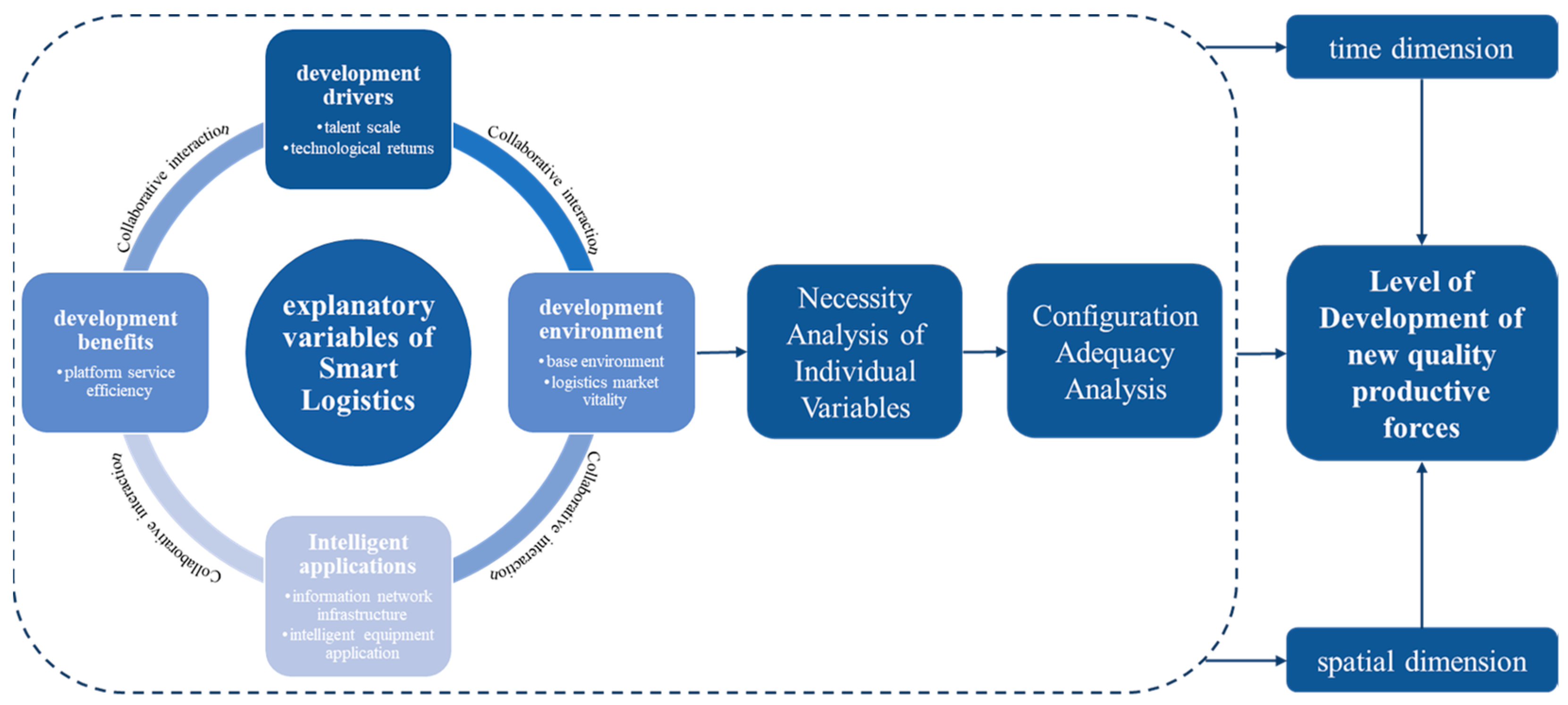
Figure 1. Theoretical Analysis Framework.
Sustainability 18 03128 g001
Table 1. Indicator System of New Quality Productive Forces.
Indicator
Category
VariableVariable DescriptionMeasurement MethodAttribute
New Quality Productive Forces
(Y)
Scientific and Technological ProductivityInnovative ProductivityNumber of domestic patents grantedCompiled from the China Statistical Yearbook on Science and Technology+
Revenue from high-tech industry operationsCompiled from the China Statistical Yearbook on Science and Technology+
R&D expenditure on product innovation in large-scale industrial enterprisesCompiled from the China Statistical Yearbook on Science and Technology+
Technological ProductivityLabor productivity in large-scale industrial enterprisesIndustrial Value Added/Average Number of Employees+
Installation density of industrial robotsEmployment by Province/Total National Employment ∗ Number of industrial robots installed nationwide+
Green ProductivityResource-conserving ProductivityEnergy consumption intensityTotal Energy Consumption/GDP
Carbon dioxide emission intensityCarbon Dioxide Emissions/GDP
Environment-friendly ProductivityComprehensive utilization rate of industrial solid wasteIndustrial Solid Waste Utilization Volume/Industrial Solid Waste Generation Volume+
Treatment capacity of industrial wastewater facilitiesCompiled from the China Environmental Yearbook+
Treatment capacity of industrial exhaust gas control facilitiesCompiled from the China Environmental Yearbook+
Digital ProductivityProductivity of the Digital IndustryRevenue from electronic information manufacturingCompiled from the China Statistical Yearbook of the Information Industry+
Total volume of telecommunications servicesCompiled from provincial statistical yearbooks+
Number of internet broadband access portsCompiled from annual provincial data by the National Bureau of Statistics+
Software business revenueCompiled from provincial annual data by the National Bureau of Statistics+
Level of Penetration and Application of DigitalizationInternet penetration rateInternet users/Total population+
Level of digital and information developmentTotal postal and telecommunications services volume/GDP+
E-commerce sales volumeCompiled from annual provincial data by the National Bureau of Statistics+
Note: “+” indicates a positive indicator, and “−” indicates a negative indicator.
Table 2. Smart Logistics indicator system.
Indicator
Category
VariableVariable DescriptionMeasurement Method
Smart Logistics (X)Development DriversX1: Talent ScaleProportion of logistics industry workforce ∗ population with higher educationCompiled from provincial statistical yearbooks and annual data provided by the National Bureau of Statistics for each province
X2: Technological ReturnsRevenue of high-tech industries/total populationCompiled from the China Statistical Yearbook on Science and Technology and annual provincial data by the National Bureau of Statistics
Development EnvironmentX3: Base EnvironmentRationalization of industrial structureln(1/Theil Index)
Internet infrastructureInternet Broadband Access Ports/Total Population
X4: Logistics Market VitalityExpress delivery volumeCompiled from annual provincial data by the National Bureau of Statistics
Intelligent ApplicationsX5: Information Network InfrastructureNumber of mobile phone users at year-endCompiled from provincial annual data by the National Bureau of Statistics
Length of optical fiber cable linesCompiled from provincial annual data by the National Bureau of Statistics
X6: Intelligent Equipment ApplicationNumber of industrial robot installationsCompiled by the International Federation of Robotics (IFR)
Market size of smart express lockersInternal industry data
Development BenefitsX7: Platform Service EfficiencyScale of platform operationsSoftware Revenue ∗ (Logistics Value Added/GDP)
Hub capacityFreight turnover
Logistics industry efficiencyValue Added of Logistics Industry/Total Population
Table 3. Descriptive Statistics for All Variables Used in the Analysis.
VariableMeanStd. Dev.Min.Max.
X12677.65586.3277743.126919028.959
X29211.174507.357775.011147,103.7
X30.369720.0098570.0064710.91503
X4160,781.119,476.8162.73,456,729
X50.2501110.0094530.0010080.947763
X60.1114910.0065030.000010.91287
X70.1133360.0051760.0096370.714843
Y0.134460.0061130.0058560.859296
Table 4. Description of Normalized Data and Calibration Anchor.
VariableFuzzy Set CalibrationDescriptive Statistics
Full MembershipCrossover PointFull Non-MembershipMean (Norm.)SD (Norm.)
X10.686522570.2620696330.0350538390.2931868920.196886913
X20.6728585720.1061006990.0101827580.194267860.221093534
X30.8233764620.390076920.082619560.3998083010.222331021
X40.1756689380.0096167420.0003904540.0464676190.115477515
X50.6944237030.2047803250.0281684980.2631121630.204625009
X60.4068041750.0663936770.0047415740.1221232750.146001237
X70.4275387870.1018656350.0149224550.14704730.150428361
Y0.4207286030.1073567830.0187551450.1506884550.146800988
Table 5. Necessity Analysis of Individual Conditions.
AntecedentsHigh New Quality Productive ForcesNon-High New Quality Productive Forces
ConsistencyCoverageConsistencyCoverage
X10.7727490.8253210.4845870.428782
~X10.4651670.5213850.8025870.745285
X20.8644460.8384630.5754010.462378
~X20.4457170.5589010.7989770.830024
X30.7529430.8274040.4473290.407252
~X30.4605960.5014810.8104200.731013
X40.9186590.8273310.6649960.496164
~X40.4405450.6134970.7685760.886726
X50.8200800.8299810.5192240.435358
~X50.4420950.5260490.7972300.785914
X60.8779140.8395020.5604980.444043
~X60.4186040.5348060.7974100.844024
X70.8441310.8516060.5138400.429475
~X70.4344820.5189370.8224550.813833
Note: Bold text indicates data corresponding to that mentioned above.
Table 6. Necessity Test Results for Logistics Market Vitality Under Different Calibration Schemes.
Calibration PlanFull MembershipCrossover PointFull Non-MembershipConsistencyCoverage
Original Plan95%50%5%0.9186590.827331
Plan One90%50%10%0.9074120.802844
Plan Two96%50%4%0.9152060.83228
Threshold for determination------------>0.9----
Table 7. Configuration Analysis of New Quality Productive Forces.
AntecedentsConfiguration of
High New Quality Productive Forces
Configuration of
Non-High New Quality
Productive Forces
1a1b2a2b34a4b4c5a5b
X1 Talent Scale
X2 Technological Returns
X3 Base Environment
X4 Logistics Market Vitality
X5 Information Network Infrastructure
X6 Intelligent Equipment Application
X7 Platform Service Efficiency
Raw Coverage0.6470.5070.2610.5090.3200.5130.5220.2470.5180.504
Unique Coverage0.0820.0220.0610.0250.0050.0070.0460.0190.0120.027
Consistency0.9720.9760.9780.9860.9590.9770.9620.9910.9620.950
Solution Coverage0.7600.649
Solution Consistency0.9590.943
Note: ⬤ indicates the presence of a core condition; indicates the absence of a core condition; ● indicates the presence of a peripheral condition; ⊗ indicates the absence of a peripheral condition; and blank spaces indicate that the antecedent variable is irrelevant to the occurrence of the outcome; the same applies below.
Table 8. Analysis of the Stage-wise Evolution of high New Quality Productive Forces.
Antecedents2010–20152016–20202021–2023
s1as1bs1cs2as2bs3as3bs4s5as5bs6
X1 Talent Scale
X2 Technological Returns
X3 Base Environment
X4 Logistics Market Vitality
X5 Information Network Infrastructure
X6 Intelligent Equipment Application
X7 Platform Service Efficiency
Raw Coverage0.3320.5700.6030.3300.4990.4840.5330.5520.5540.4960.285
Unique Coverage0.0580.0080.0410.1030.0270.0120.0610.0800.1130.0550.105
Consistency0.9670.9560.9710.9560.9860.9910.9890.9580.9730.9990.986
Solution Coverage0.6680.7550.714
Solution Consistency0.9560.9460.974
Note: ⬤ indicates the presence of a core condition; ● indicates the presence of a peripheral condition; ⊗ indicates the absence of a peripheral condition; and blank spaces indicate that the antecedent variable is irrelevant to the occurrence of the outcome.
Table 9. Configuration Analysis of New Quality Productive Forces (by East, Central, and West regions).
AntecedentsEastCentralWest
k1ak1bk2k3ak3bk4k5ak5bk5ck6ak6bk6c
X1 Talent Scale
X2 Technological Returns
X3 Base Environment
X4 Logistics Market Vitality
X5 Information Network Infrastructure
X6 Intelligent Equipment Application
X7 Platform Service Efficiency
Raw Coverage0.5330.4860.1550.2160.1330.2300.4930.5310.5450.5420.6260.546
Unique Coverage0.1070.0350.0300.0270.0130.0630.0270.0650.0790.0210.1050.024
Consistency0.9810.9820.9300.9580.9990.9620.9790.9700.9810.9850.9640.942
Solution Coverage0.7830.6380.672
Solution Consistency0.9530.9750.931
Note: ⬤ indicates the presence of a core condition; indicates the absence of a core condition; ● indicates the presence of a peripheral condition; ⊗ indicates the absence of a peripheral condition; and blank spaces indicate that the antecedent variable is irrelevant to the occurrence of the outcome.
Table 10. Results of Robustness Checks.
AntecedentsReplace Calibration AnchorIncrease Case Threshold
90%-50%-10%96%-50%-4%
j1aj1bj2j4j5aj5bj6aj6by1ay1by2ay2by3
X1 Talent Scale
X2 Technological Returns
X3 Base Environment
X4 Logistics Market Vitality
X5 Information Network Infrastructure
X6 Intelligent Equipment Application
X7 Platform Service Efficiency
Raw Coverage0.5930.4680.2120.4730.5430.2730.6650.3370.3200.5070.2610.5090.535
Unique Coverage0.1530.0280.0760.0320.0470.0580.0850.0050.0860.0220.0610.0250.050
Consistency0.9590.9670.9580.9760.9630.9830.9700.9600.9590.9760.9780.9860.989
Solution Coverage0.7300.7740.729
Solution Consistency0.9450.9510.961
Note: ⬤ indicates the presence of a core condition; ● indicates the presence of a peripheral condition; ⊗ indicates the absence of a peripheral condition; and blank spaces indicate that the antecedent variable is irrelevant to the occurrence of the outcome.
Disclaimer/Publisher’s Note: The statements, opinions and data contained in all publications are solely those of the individual author(s) and contributor(s) and not of MDPI and/or the editor(s). MDPI and/or the editor(s) disclaim responsibility for any injury to people or property resulting from any ideas, methods, instructions or products referred to in the content.


