1. Introduction
As the United Nations’ Agenda 2030 approaches its conclusion, the global community faces a pivotal moment to reassess priorities and frameworks for the next era. Adopted in 2015, the United Nations Sustainable Development Goals (SDGs) provide a comprehensive framework consisting of 17 goals that address global urgencies such as poverty, inequality, hunger, and climate action [
1]. With 193 member states, the UN represents the most inclusive intergovernmental body worldwide. As of 2025, 190 countries have submitted at least one Voluntary National Report (VNR) to monitor and share progress towards meeting the SDGs [
2]. This near-universal participation underscores the SDGs’ significance for shaping national policies and development strategies and highlights the importance of examining their gaps.
‘Culture’ encompasses a complex set of spiritual, material, intellectual, and emotional features that characterize a community, society, or social group. It includes not only art and literature, but also modes of life, the fundamental rights of human beings, value systems, traditions, and beliefs. Culture encompasses the living or contemporary characteristics and values of a community, as well as those that have survived from the past [
3,
4]. It combines both tangible elements (e.g., heritage sites, artifacts, and built environments) and intangible aspects (e.g., traditions, languages, skills, worldviews, and social norms). Culture is inherently multi-sectoral and multidisciplinary, influencing economic activity, social organization, education, governance, and environmental relationships [
5,
6,
7]. It shapes economic behavior (e.g., circular economy, consumption patterns, and markets), social structures (e.g., education, identity, tradition, and inclusion), political processes (e.g., governance and public participation), and environmental interactions (e.g., land use, vernacular material and know-how, and traditional ecological knowledge). Because culture is embedded in everyday life and social organization, it cannot be fully understood or addressed through a single disciplinary lens; rather, it requires an interdisciplinary approach drawing on anthropology, sociology, economics, political science, and environmental studies. Its multidimensional and cross-cutting nature makes culture a phenomenon that permeates diverse societal processes, rather than residing within a single institutional silo [
8]. Despite its pervasive role, culture is explicitly recognized in only one SDG target out of 169 targets among the 17 SDGs (Target 11.4), which focuses on protecting cultural and natural heritage in sustainable cities. The corresponding indicator relies on a narrow financial metric (monetary indicator), neglecting broader cultural dimensions such as indigenous knowledge, intangible heritage, creative economies, quality rehabilitation, and community-driven heritage management [
9]. While culture is implicitly referenced in other targets—such as 4.7 (education for sustainable development), 8.3 (support for creative industries), and 8.9 (sustainable tourism), among many others—these references are scattered and lack systematic integration, resulting in limited policy visibility and operational relevance [
10].
In order to remedy cultural visibility, increasing initiatives and proposals now advocate for establishing an 18th SDG dedicated to culture [
11,
12,
13,
14]. While these advances have opened dialogues for policy discussions, this paper argues that a standalone cultural SDG could risk further isolating culture, duplicating existing targets, and emphasizing sectoral silos. Instead, the study advocates for the mainstreaming of culture throughout the SDG framework, embedding cultural indicators, narratives, and practices across goals to improve relevance, accountability, and inclusivity. This debate can also be situated within broader literature on policy integration and cross-sectoral governance that encourages coordination across institutions and policy domains rather than fragmentation into isolated objectives [
15,
16,
17,
18]. At the same time, academic discussions on culture and sustainable development have expanded considerably over the past decade. Studies have examined culture as a form of heritage protection, as a driver of the creative economy, and as a dimension of social cohesion and identity formation [
19,
20,
21]. Institutional actors—particularly UNESCO—have advanced normative arguments for recognizing culture as both an enabler and a driver of sustainable development [
12]. Academic contributions have proposed conceptual frameworks and indicator models to integrate culture into the SDGs, while assessing policy discourse on Target 11.4 and related goals [
22,
23,
24]. Yet, despite this growing body of work, the translation of cultural recognition into systematically embedded and operational policy guidance remains uneven. Building on prior analyses of cultural marginalization within the SDGs and UNESCO World Heritage Cities [
9], this paper extends the focus to broader policy frameworks, raising important questions for the post-2030 agenda: How is culture currently represented within the 2030 Agenda for Sustainable Development? To what extent do Voluntary National Reports (VNRs) reveal the visibility, framing, and practical integration of culture across the SDGs? What mechanisms or conceptual approaches could strengthen the visibility and operationalization of culture within the existing SDG framework? Finally, what are the potential implications and limitations of establishing a standalone Sustainable Development Goal for culture beyond the 2030 agenda, as increasingly advocated by scholars and practitioners? By systematically analyzing 120 Voluntary National Reports, the study provides evidence on how culture is currently embedded in 2030 SDG national progress reporting, thereby contributing to wider debates on policy coherence, institutional embedding, and the governance of cross-sectoral priorities beyond 2030. Using qualitative content analysis in NVivo, policy briefs, and implementation reports, the study identifies persistent exclusion, limited thematic coverage, and uneven regional representation. The findings highlight pathways to strengthen the SDGs, ensuring that culture becomes a central, actionable dimension of sustainable development and providing guidance for post-2030 governance frameworks.
3. The Silent Dimension: Culture in the SDG Framework
The marginalization of culture within the UN Sustainable Development Goals has been well established in current policy debates. Leading voices include UNESCO, ICOMOS, and the Culture 2030 Goal Campaign, which consistently argue that culture is underrepresented in SDG targets and indicators [
10,
13,
25,
26]. While institutional advocacy dominates the debate, an increasing body of scholars is also highlighting the need for more contextually grounded and culturally responsive approaches among the SDGs, such as Zheng et al. [
22], Ferran Vila et al. [
27], Brennert et al. [
28], and others. The underrepresentation of culture in the SDGs is often attributed to challenges in establishing standardized, globally comparable indicators that effectively capture cultural dimensions [
9,
28,
29]. Within the UN justification, this difficulty stems from the inherently context-specific and often intangible nature of cultural expressions and values- unlike sectors such as health or education, which provide relatively straightforward metrics. UNESCO Culture for Development Indicators (CDIS) framework attempted to bridge this gap by introducing quantitative measures such as the contribution of cultural employment to GDP or the share of household expenditure on cultural goods [
26,
30]. However, even this initiative faced challenges in data availability and cross-country comparability, particularly in the Global South, where cultural data systems are underdeveloped [
31,
32].
This limited visibility is not merely a conceptual oversight but an operational gap. National implementation strategies—particularly those reflected in Voluntary National Reviews (VNRs)—often neglect cultural dimensions or reduce them to narrow financial indicators, such as the expenditure on culture [
1]. Metrics for the transmission of intangible heritage, local cultural participation, or community agency in heritage-led development are largely missing. The multi-dimensional role of culture in fostering identity, social cohesion, and resilience is not easily reducible to numbers. The lived meanings of heritage for local communities require qualitative methodologies like ethnography or participatory mapping, which are difficult to integrate into global reporting frameworks. This is particularly relevant in heritage-rich contexts, where cultural identity, memory, and local practice are deeply entangled with development challenges. This entanglement requires adopting new approaches that identify the time dimensions through which particular patterns span time and others change over time. Urban planning strategies, focused on economic growth or infrastructure delivery, often ignore or override cultural landscapes and traditions when culture is not embedded as a cross-cutting concern. This results in fragmented outcomes, where heritage is either commodified for tourism or preserved in isolation from the living community. Therefore, a systematic review of the VNRs is extremely important to understand and provide solid evidence on the marginalization of culture and the need to address it post-2030 Agenda. They show the perspective of the UN member states on achieving the SDGs and how cultural references are mentioned and viewed.
3.1. VNRs—Limited and Superficial Representation of Culture in the SDG Discourse
In UNESCO’s Re|Shaping Policies for Creativity Report, it was noted that fewer than 30% of countries include cultural strategies in their VNRs, highlighting a significant gap in policy integration and monitoring mechanisms [
10]. Initial findings from the NVivo-based quantitative and qualitative analysis (of 120 VNRs submitted between 2016 and 2023) demonstrate that culture references are relatively sparse and often superficial. To do the analysis, three analytical dimensions were derived through a combined deductive–inductive approach. Deductively, the distinction reflects established debates in cultural policy and heritage studies that differentiate between:
- I.
Culture as embedded cultural expressions, practices, norms, values, creative production, and participation. It reflects an understanding of culture as a dynamic, lived process rather than a static asset. Cultural practices shape collective meaning-making, identity construction, social cohesion, and institutional trust [
33,
34]. This dimension also aligns with the framing of culture as both a driver and enabler of sustainable development, particularly in relation to social transformation and behavioral change [
19].
- II.
Heritage as tangible and intangible cultural heritage, including monuments, historic environments, archaeological sites, cultural landscapes, safeguarding practices, and intergenerational memory. This dimension is grounded in international normative frameworks such as the 1972 World Heritage Convention and the 2003 Convention for the Safeguarding of the Intangible Cultural Heritage [
35,
36], as well as policy guidance developed by ICOMOS [
14]. It conceptualizes heritage not merely as physical remains but as a socially constructed process embedded in identity, memory, and governance structures. Distinguishing heritage as a separate dimension allows for clearer analytical attention to place-based conservation, safeguarding mechanisms, and institutional heritage governance within SDG reporting
- III.
Knowledge systems, traditional ecological knowledge, intergenerational knowledge transmission, and culturally grounded epistemologies—where culture informs development not primarily through heritage assets or creative practice, but through cognitive frameworks, ecological understanding, and locally embedded expertise. It recognizes that development pathways are shaped by culturally situated ways of knowing, particularly in climate adaptation, biodiversity governance, and resilience strategies [
17,
19]. UNESCO’s Culture for Development Indicators framework similarly identifies knowledge transmission and education as core cultural dimensions [
10].
Inductively, preliminary NVivo coding of a sub-sample of VNRs revealed that cultural references clustered consistently around these three institutional modalities: creative/social practice, heritage governance, and knowledge transmission.
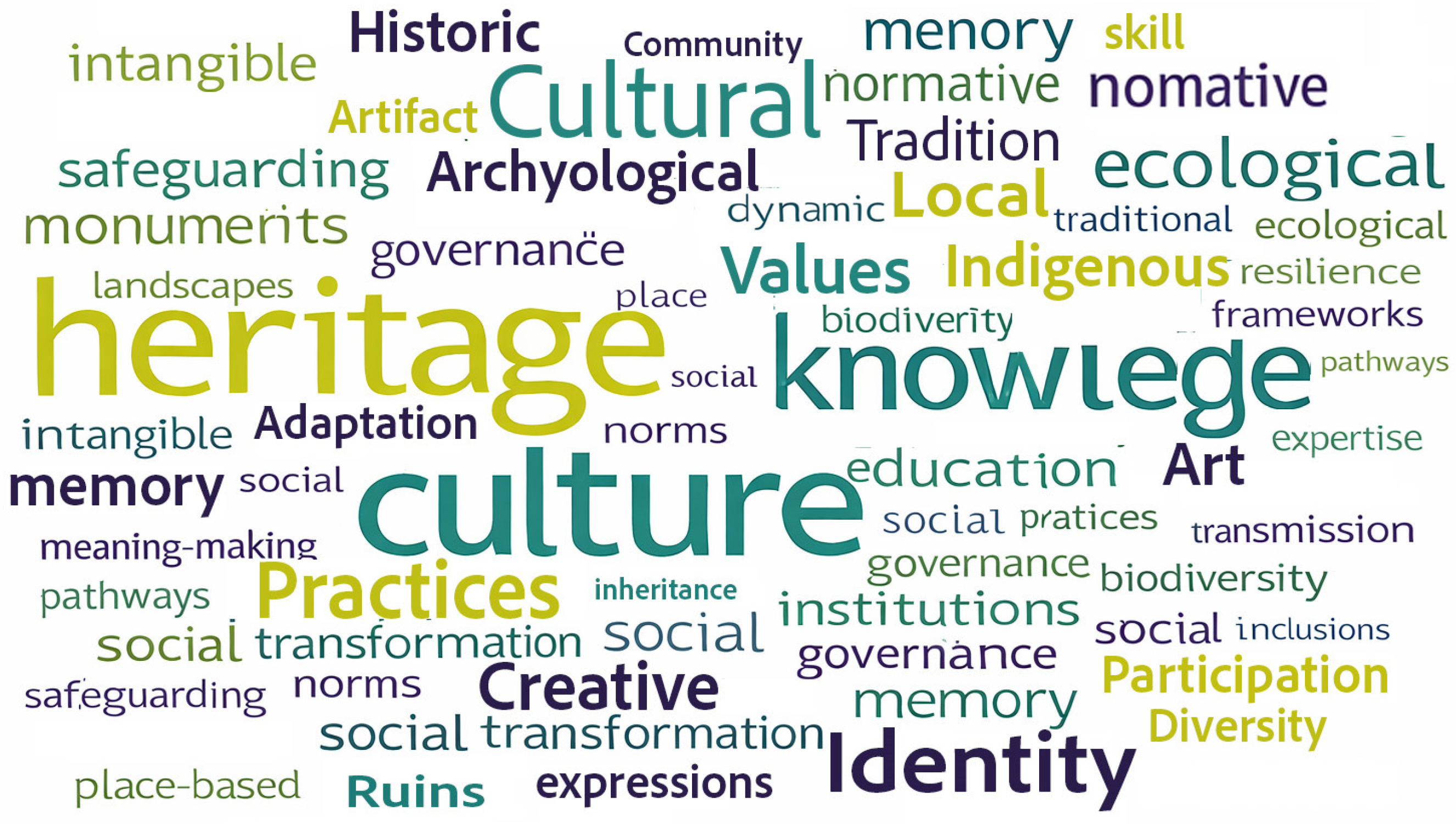
Figure 2 below demonstrates the NVivo word cloud of the relevant Culture terminology mentioned in the VNRs.
Rather than imposing an externally fixed typology, the framework was refined iteratively to reflect the principal ways culture is operationalized within SDG reporting. While overlaps exist, the tripartite structure captures the dominant representational logics observed across the corpus. The NVivo coding process combined keyword searches with contextual verification. These terms were then reviewed in context to determine their institutional function within the text. Words referring to creative production, participation, norms, and identity were coded under Culture; references to conservation, safeguarding, monuments, historic sites, or UNESCO conventions were coded under Heritage; and mentions of indigenous knowledge, traditional ecological knowledge, intergenerational transmission, or locally embedded expertise were coded under Knowledge. Ambiguous cases were resolved through contextual reading rather than automated frequency counting alone.
This framework directly informed the NVivo coding schemes, the thematic categorization in
Figure 3 and
Figure 4, and the interpretation of regional and sectoral variation. Using these dimensions,
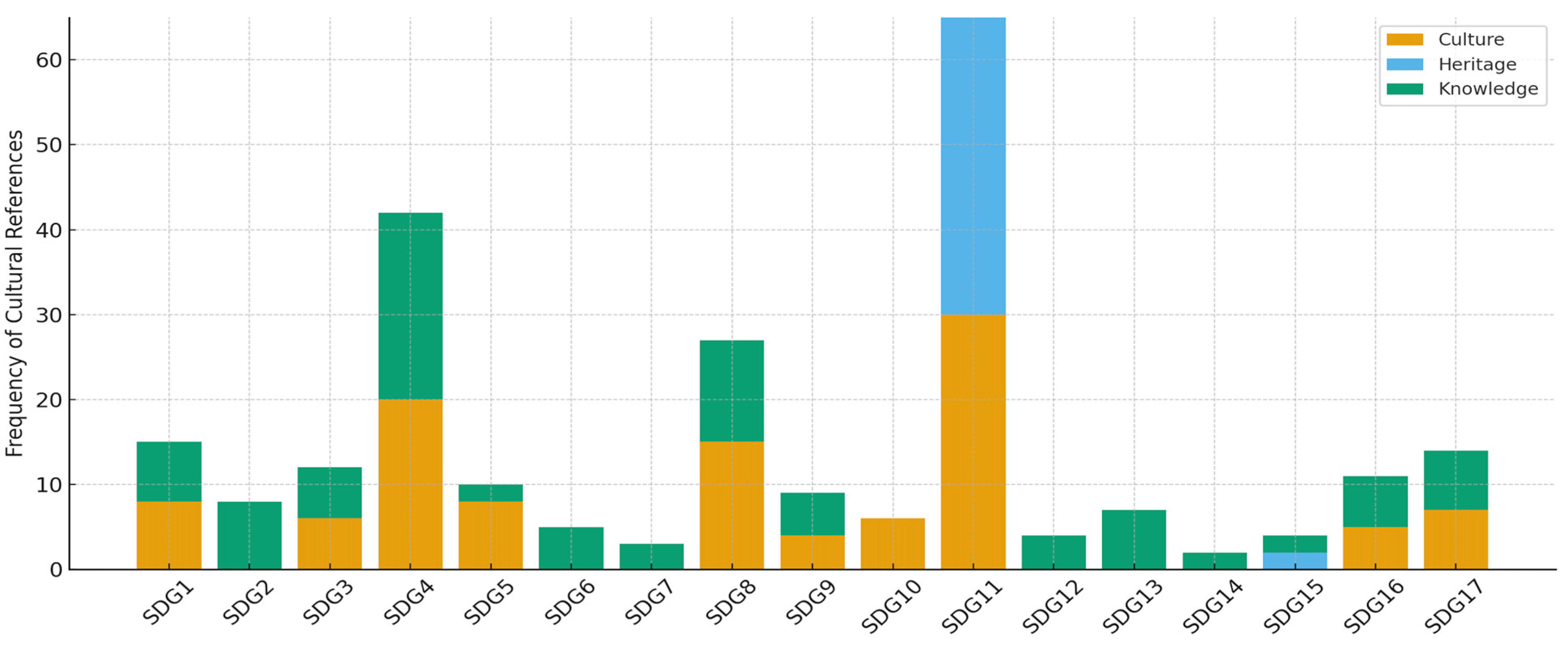
Figure 3 presents their frequency across the SDG corpus, showing which SDGs reflect the most cultural attention and in which category.
Table 1 gives a sharper understanding of the contexts in which they are mentioned within the reports.
This demonstration confirms that cultural references within the SDG framework are highly uneven, with the majority concentrated in SDG 11 (Sustainable Cities and Communities), where they are framed narrowly around heritage protection under Target 11.4. Secondary clusters appear in SDG 4 (Quality Education), largely tied to knowledge systems and education for sustainability, and in SDG 8 (Decent Work and Economic Growth) through mentions of the creative economy and cultural tourism. Beyond these, cultural references are scattered, inconsistent, and largely absent from environmental goals (SDGs 12–15), despite the relevance of indigenous knowledge and cultural practices to climate adaptation and biodiversity. Thematically, references emphasize heritage, with knowledge as a secondary strand, while broader cultural expressions—creative industries, identity, traditions—remain marginal. Since VNRs are prepared and submitted by UN member states themselves, this lack of cultural emphasis reflects how governments interpret and operationalize the SDGs, shaping the policies and narratives they report back to the UN. This highlights not only the narrow treatment of culture in the SDG framework but also the way member states’ practices reinforce its marginalization, underscoring the urgency of mainstreaming culture across all goals.
3.2. Regional Disparities in Cultural Integration
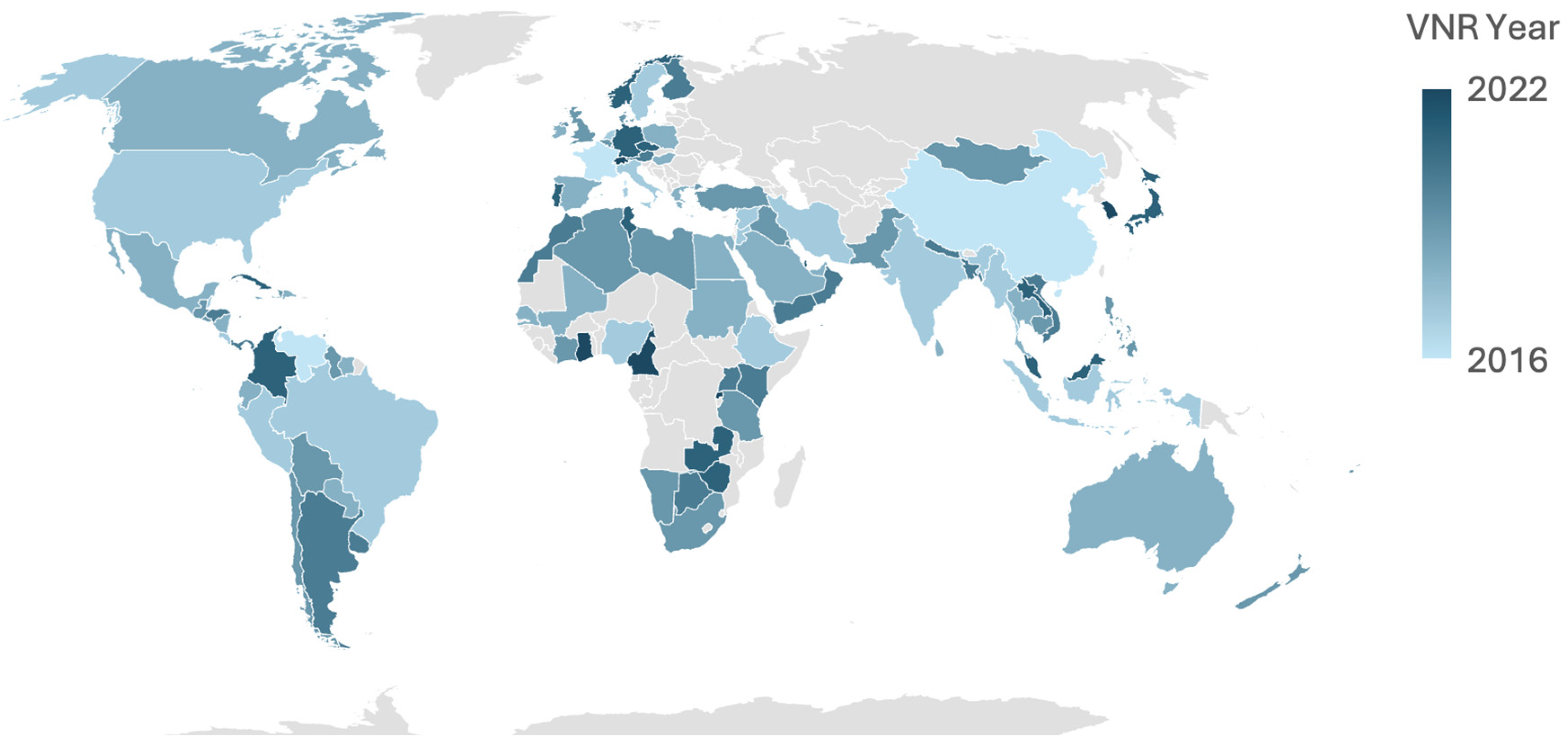
Complementing the textual analysis, the quantitative mapping of UNESCO’s VNRs from 2016 to 2023 reveals significant regional disparities in the integration of culture into SDG implementation. Data were drawn from a purposive sample of 40 countries across six world regions.
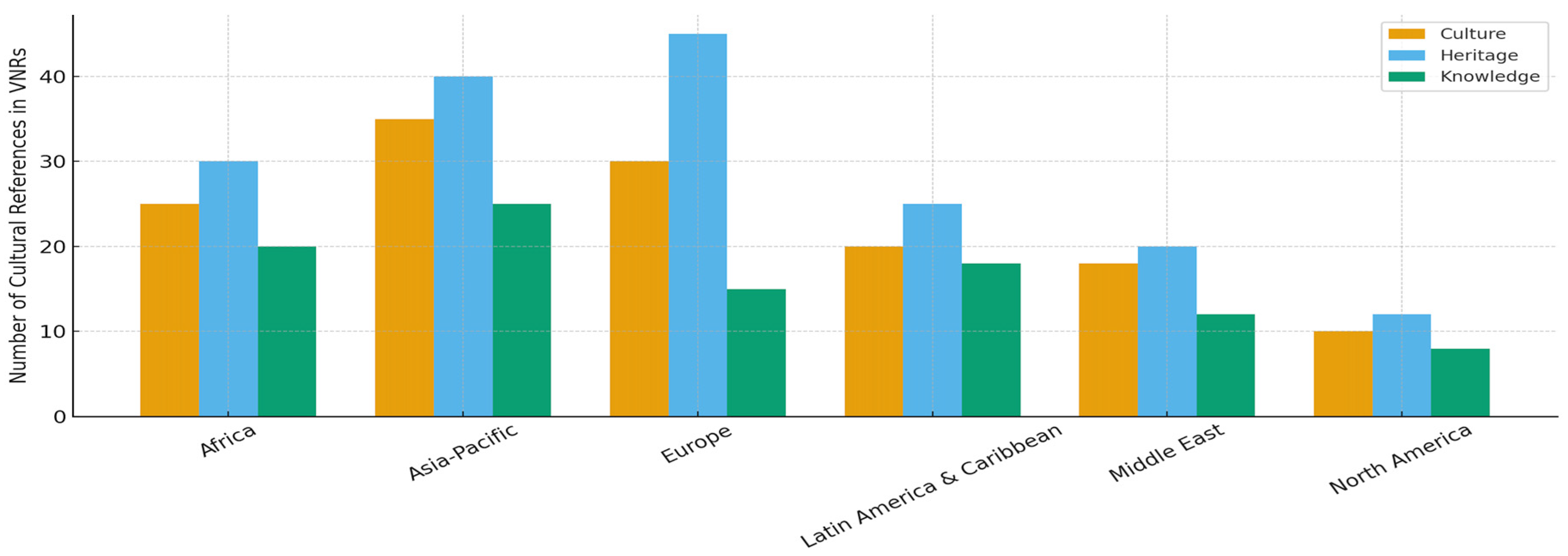
Figure 4 and
Figure 5 summarize the frequency and thematic focus of cultural references in VNRs by region, highlighting how these references are emphasized within regional reporting. This elucidates distinct disparities in the manner by which different global regions report on culture within the SDG framework. Europe and the Asia-Pacific exhibit the highest prevalence of cultural inclusion, characterized by a pronounced emphasis on heritage. This trend reflects both the presence of established heritage management infrastructures and comparatively robust institutional capacities for reporting on cultural assets. Latin America and the Caribbean demonstrate similarly elevated levels of cultural reporting; however, their approach is distinguished by a more equilibrated focus on both culture and knowledge, underscoring the region’s prioritization of identity, traditions, and indigenous epistemologies. The Middle East presents notably lower frequencies of cultural references, with North America’s VNRs evidencing particular deficiencies in the documentation of knowledge systems. This pattern suggests the existence of both capacity constraints and a lack of institutional recognition for intangible cultural heritage within formal reporting processes.
These disparities indicate that the integration of culture within SDG reporting is inherently uneven, predominantly shaped by regional priorities, institutional capacities, and policy legacies. These factors ultimately reflect the varying conceptualizations among member states regarding the role of culture in sustainable development. To clarify these regional patterns,
Table 2 summarizes the dominant cultural framings identified across UN regional groupings. While culture references appear in all regions, their thematic emphasis varies considerably. In Africa and Latin America & the Caribbean, culture is often linked to heritage and knowledge systems, particularly in relation to resilience, identity, and community-based development. By contrast, Europe and North America tend to emphasize culture as part of the creative economy and innovation agendas. The Asia-Pacific region reflects a mixed approach, combining heritage preservation with creative industry narratives, while the Middle East & North Africa show a stronger heritage-centered focus. The table illustrates that cultural integration within VNRs is not uniform but reflects regionally distinct institutional traditions and policy priorities.
The findings show that there is a lack of understanding of the complex interwoven cultural dimensions of sustainable development. This gap is unlikely to stem from a lack of awareness of culture’s importance. Rather, it reflects an implicit signal within the SDG framework that culture is perceived as secondary to other objectives and goals. Consequently, there is a pressing need to strengthen and elevate the role of culture within the SDGs. Now that the UN Secretary General has launched the Decade of Action to accelerate sustainable solutions to the world’s biggest challenges, culture has the potential to be a transformative force in helping fill implementation gaps in the 2030 Agenda [
10,
12]. 75% of UNESCO’s Member States have ratified the organization’s six cultural conventions, strengthening mechanisms for protecting and promoting culture and ensuring access to it [
10]. This raises a critical question: how can the role of culture be effectively reinforced and re-embedded beyond the 2030 Agenda? Two main pathways have emerged. The first is the creation of a standalone SDG post-2030 (SDG-18) dedicated to culture, with a set of associated targets and indicators specifically tailored to cultural advancement. The second approach advocates for the systematic mainstreaming and restructuring of culture and heritage across the existing SDGs, rather than isolating them within a single goal. The following sections outline and justify both approaches.
4. The Cases for and Against a Standalone Cultural SDG
4.1. The Case for a Standalone Cultural Sustainable Development Goal (SDG-18)
The underrepresentation of culture among the SDGs has catalyzed global campaigns and multilateral dialogues advocating for a dedicated cultural goal. The most prominent of these efforts is the “Culture2030Goal campaign” led by the international cultural organizations, including the International Council on Monuments and Sites (ICOMOS), the United Cities and Local Governments (UCLG), the International Federation of Arts Councils and Culture Agencies (IFACCA), and Culture Action Europe. This coalition frames culture as the “missing pillar” of sustainable development, arguing that its exclusion from the SDGs has resulted in a lack of coherent global strategies, resource mobilization, and accountability frameworks for cultural sustainability [
11,
13,
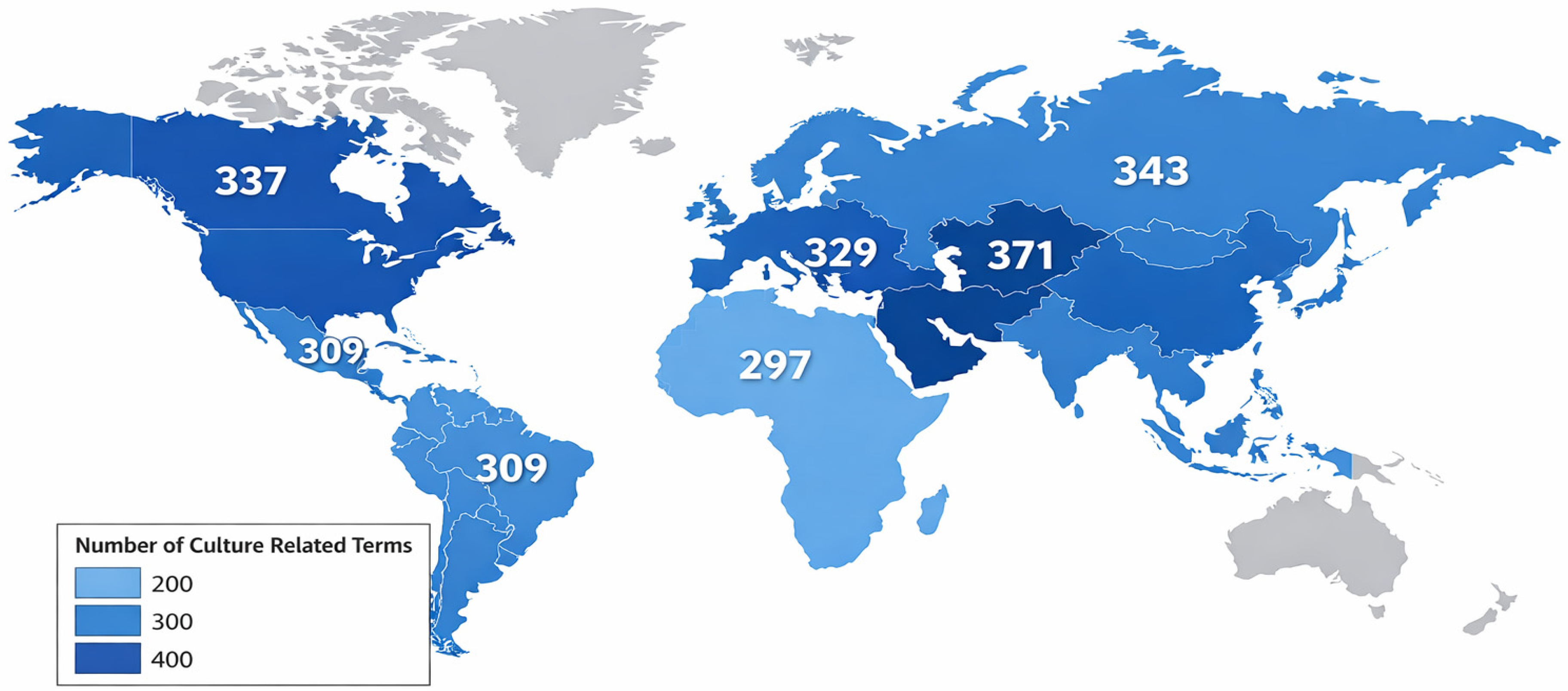
25]. In fact, the Culture2030Goal campaign (one of the main advocates for a cultural SDG) did a similar cultural word frequency analysis of culturally related terms within the VNRs [
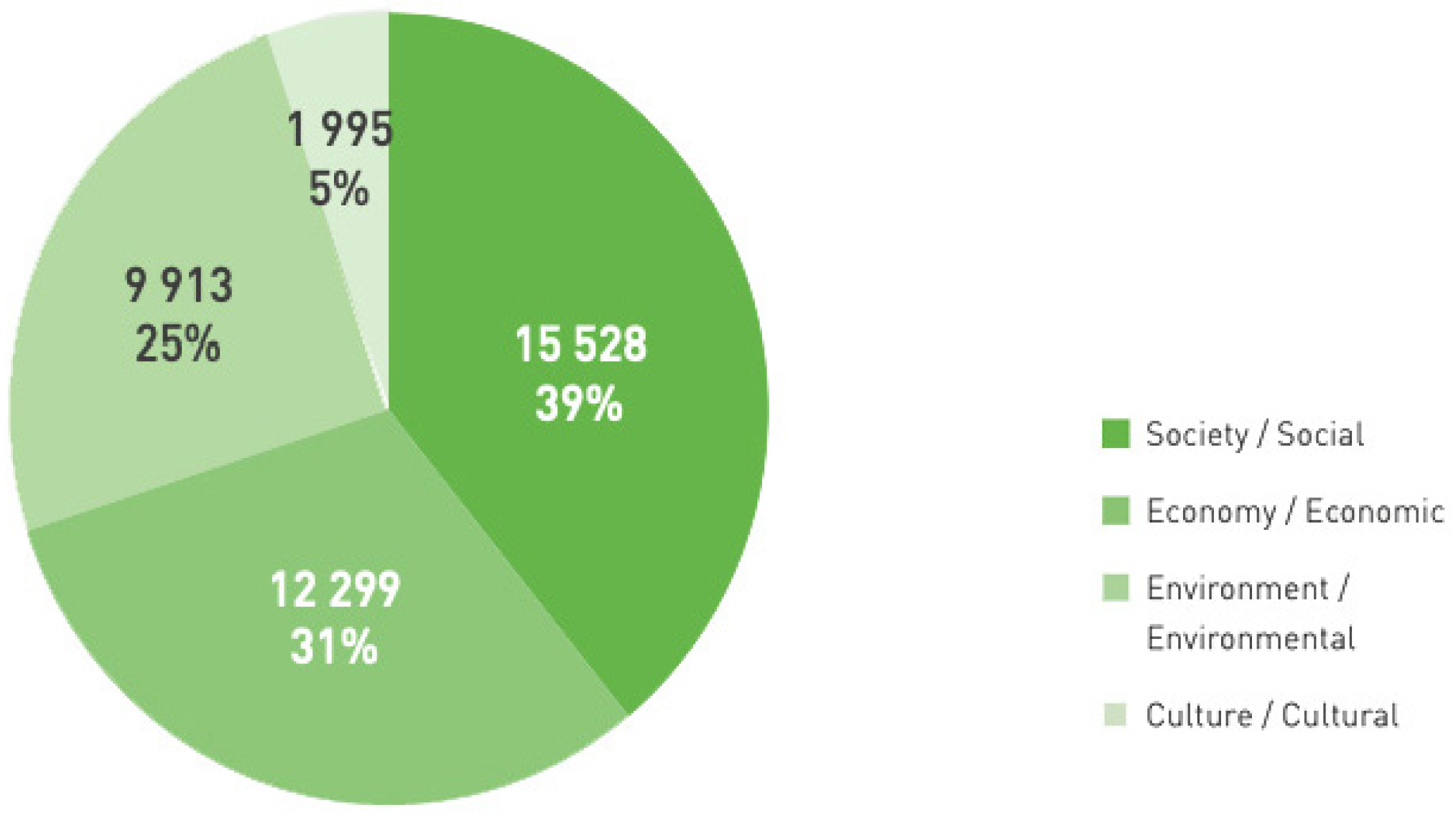
37]. While quantitative analyses of VNRs and VLRs done by Culture2030Goal reveal a limitation in explicitly acknowledging cultural references in SDG reporting; see
Figure 6 below. The campaign concludes that, without a dedicated cultural goal, culture references remain inconsistent and weakly connected to planning, implementation, and monitoring processes—an assessment that strongly corroborates the conclusions of this paper.
Advocates for a standalone cultural SDG (e.g., ICOMOS, UNESCO, Culture2030goal, Culture21 campaign, etc.) supported their claim by several key reasons. First, they argue that culture meets the same criteria that justified other standalone SDGs: it is universally relevant and essential for both individual and collective well-being. Protecting Indigenous knowledge systems, safeguarding languages, and encouraging freedom of cultural expression are seen not only as enablers of other goals but also as rights-based outcomes [
12,
13,
20]. Second, culture is considered a crucial resource during global crises such as climate change, pandemics, or digital transformation because of its ability to mobilize local knowledge and support community-led adaptation [
12,
21]. Third, culture plays a central role in promoting social inclusion, intercultural dialogue, and post-conflict reconciliation, all essential for building peaceful and resilient societies [
38,
39].
Fourth, without a dedicated SDG, culture remains politically invisible and financially disadvantaged. Development financing and donor streams are often structured around the SDGs, meaning that cultural programs struggle to attract investment compared to health, education, or climate. UNESCO’s UIS data on Indicator 11.4.1 reveal low expenditure levels and uneven reporting of heritage protection, underscoring how culture is financially under-resourced under the current SDG framework [
40,
41]. Similarly, the British Council’s Missing Foundation report argues that culture’s absence as a formal goal results in political invisibility, which in turn limits resource mobilization [
42]. These insights reinforce the claim that a separate cultural goal might help elevate culture’s visibility and funding opportunities.
Fifth, advocates emphasize that cultural rights are already recognized under international frameworks such as the Universal Declaration of Human Rights and UNESCO’s 2005 Convention on the Diversity of Cultural Expressions; embedding culture as an SDG would align the development agenda with these global normative commitments. Finally, critics often cite the challenge of measurement and defining “culture”, particularly an multi cultural societies in the strong Global influences. Advocates point to emerging tools such as UNESCO’s Culture|2030 Indicators as evidence that culture can indeed be tracked and measured through standardized, comparable metrics like the number of people attending museums, theaters, concerts, festivals, or the percentage of the population engaged in cultural education or workshops, among others [
12,
22,
25,
38,
43].
Mondiacult is referenced by many as “the world’s biggest cultural policy conference” [
41,
44]. The 2022 Mondiacult conference in Mexico City, convened by UNESCO, echoed these arguments. The resulting declaration called for the recognition of culture as a “global public good” and explicitly urged the inclusion of a standalone cultural SDG in the post-2030 global development agenda [
44]. It linked cultural policy to a range of cross-sectoral issues—digital rights, youth employment, and climate justice—arguing that without a cultural lens, the SDGs risk becoming overly technocratic and socially disconnected. The upcoming Mondiacult 2025 conference in Barcelona is expected to further reinforce this position and continue the argument [
39].
4.2. Beyond a Separate Goal: A Case for Integrating Culture Across the Existing SDGs
It is acknowledged that the calls for a dedicated cultural Sustainable Development Goal (SDG) have increased the visibility of culture in global development discourse and would significantly boost the attention and funding allocated to culture. However, this paper argues that creating a separate SDG for culture risks fragmenting rather than strengthening its role in sustainable development. So far, limited scholarly literature has explicitly questioned against establishing a standalone SDG. This stance is justified as follows:
First, the SDG framework was designed as an integrated and indivisible model—none of the sustainability pillars is meant to be pursued in isolation. Isolating culture into its own goal would contradict this principle, positioning culture as peripheral rather than central to sustainable development. Second, culture by nature is not an isolated sector; it is a relational and enabling force that intersects with every domain of the SDGs. It influences how communities engage with education (SDG 4), build inclusive cities (SDG 11), respond to climate change (SDG 13), promote gender equality (SDG 5), ensure health and well-being (SDG 3), and generate sustainable economic livelihoods (SDG 8). Traditional knowledge systems, rituals, built heritage, arts, and shared historical narratives all contribute to human development, social cohesion, and resilience. However, these contributions often remain unseen within the current indicator framework, and proposals to remedy this by creating a new Goal 18 risk further siloing culture instead of embedding it.
Third, establishing a separate goal for culture could lead to duplication or fragmentation within the SDG framework. Culture is already integrated across existing goals, highlighting their crosscutting relevance—although it could be better represented, it is still directly or indirectly referenced. For example, Target 11.4 within SDG 11 focuses on safeguarding cultural and natural heritage, while Target 4.7 in SDG 4 emphasizes cultural diversity and culture’s contribution to sustainable development within education. If a new cultural goal were introduced, these targets would need to be duplicated—appearing both under their original goals and under Goal 18—or removed from their current contexts and reassigned to the new goal. In the first scenario, the framework would become cluttered with repetitive targets, confusing rather than clarifying priorities. In the second, removing culture-related elements from goals like education, cities, or climate would weaken the vital links that make the SDGs holistic and indivisible. Either approach would increase monitoring burdens for member states, complicate reporting structures, and ultimately diminish the coherence and effectiveness of the agenda. Fourth, countries tend to prioritize SDG implementation based on their specific needs, resources, population pressures, and development contexts. Separating culture into its own SDG could result in it being deprioritized, especially in countries facing urgent challenges such as water scarcity, economic hardship, high unemployment, poor health outcomes, or educational deficits. In such cases, governments might focus on SDGs addressing immediate survival and development needs, leaving SDG 18—and by extension, culture—in the background. This could weaken the delicate balance among the social, economic, and environmental pillars of sustainable development.
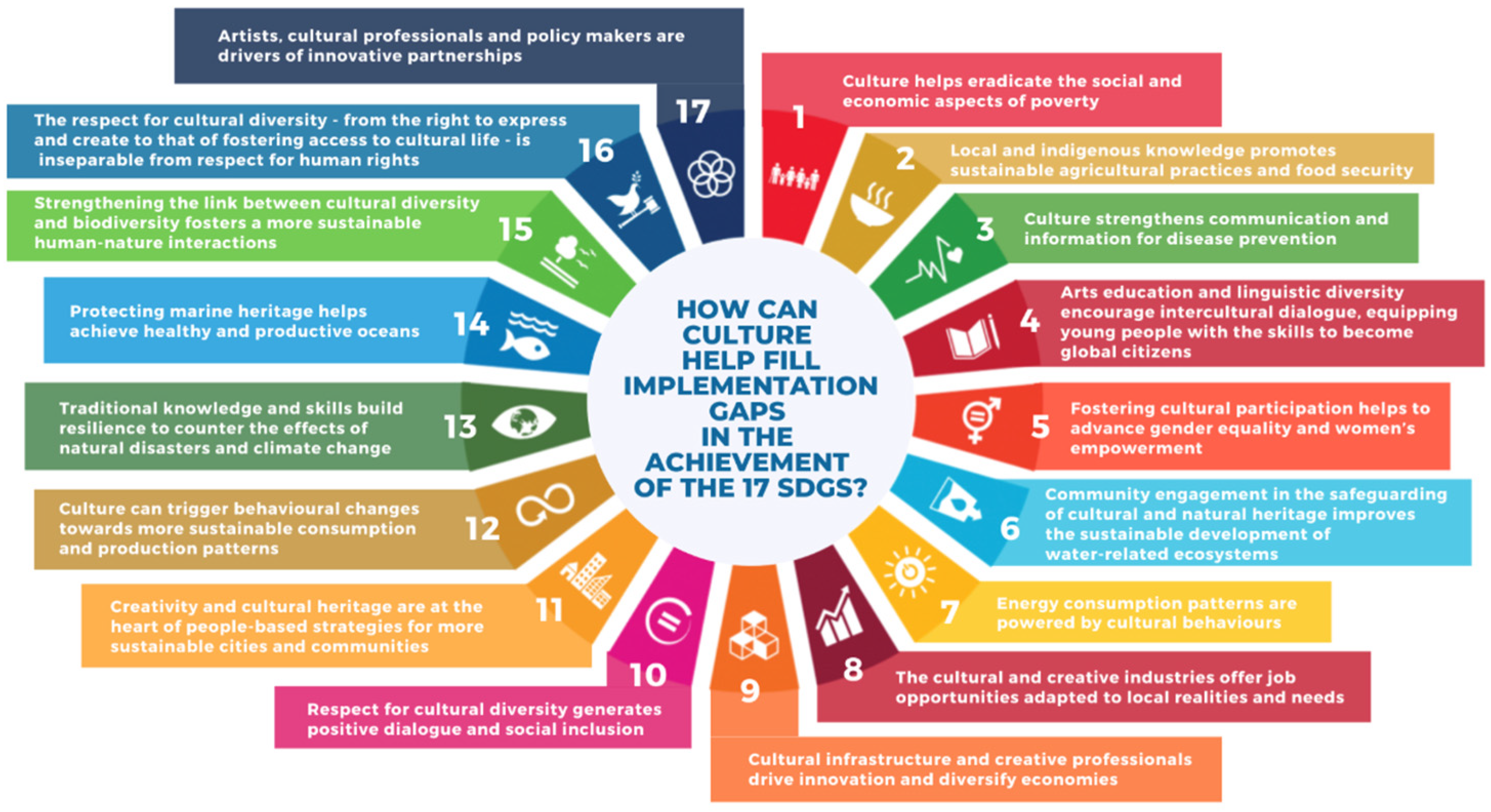
Research by UNESCO “Tracker Culture & Public Policy|MONDIACULT Special Issue n°1: Culture in the 2030 Agenda” [
10] shows concretely that culture contributes to all 17 Sustainable Development Goals (SDGs): in their Voluntary National Reviews submitted to the UN to monitor progress towards the SDGs, countries have cited concrete examples with linkages to culture [
10].
Figure 7 below demonstrates the link between Culture and the different SDGs. Their work highlighted that while analyzing VNRs between 2016 and 2022, culture has significantly contributed to many SDGs: + 45% of education and training in the cultural and creative sector focus on digital literacy for creation and experimentation. More that 48% of work in the culture sector is done by women. Fifty million jobs are created by the cultural and creative sectors worldwide. Thirteen percent of employment at the city level worldwide is in the creative and cultural industries. Ten million km
2 of UNESCO-designated cultural and natural sites around the world contribute to global climate change mitigation action.
This demonstrates that while the frequency analysis of culture-related terminologies remains limited, the actual contribution of the SDGs is highly visible. Therefore, the solution for advancing the SDGs is not to add to it, but to actually reinforce the cultural language and terminologies, as well as the indicators attached.
Finally, the challenge of separating culture into its own SDG becomes more apparent when considering the other three pillars of Sustainability: economic, environmental, and social. None of these has been assigned a standalone SDG; they are systematically integrated across the framework, recognizing their deep entanglement with each other and with broader human development outcomes. For example, economic sustainability is embedded throughout several goals—SDG 1 (no poverty), SDG 8 (decent work), SDG 9 (industry and innovation), and SDG 10 (reduced inequalities). Yet there is no “economic SDG” because economic factors are too interdependent with education, health, social justice, and environmental sustainability to be treated separately. Silos would undermine the holistic approach of sustainable development. Environmental sustainability is also a core concern across SDG 6 (clean water), SDG 7 (energy), SDG 13 (climate action), and SDG 15 (biodiversity)—but it is not confined to any one of them. Even social sustainability, which is central to issues such as gender equality (SDG 5), peace and justice (SDG 16), and education (SDG 4), is dispersed across the goals rather than being segregated. It is therefore paradoxical that only culture, one of the four pillars of sustainability, is being proposed for isolation into its own SDG. This approach not only misrepresents the integrated purpose of the 2030 Agenda but also diminishes Culture’s potential to influence other sectors. It implicitly treats culture as a secondary concern, rather than recognizing it as a fundamental component of sustainability itself.
5. Result: Toward a Culturally Integrated SDG Framework
While this paper opposes the position of establishing a separate SDG for culture, it does not underestimate the urgent need to systematically restructure the SDGs beyond 2030, ensuring that the cultural dimension is balanced alongside economic, environmental, and social priorities. Therefore, instead of adding a separate SDG, a more effective approach is to embed cultural dimensions explicitly and systematically across existing goals, targets, and indicators within the SDG platform. For example, SDG 4 (Education) can include intercultural learning and Indigenous knowledge transmission as core competencies or add more cultural preferences to the education curriculum. SDG 11 (Sustainable Cities) can go beyond infrastructure to measure cultural participation, urban memory, and heritage-sensitive regeneration. SDG 5 (Gender Equality) can recognize how cultural norms shape gender relations and influence empowerment strategies.
The same concept should also be localized within contexts. In Colombia, cultural policies are used to support post-conflict reconciliation and peacebuilding, linking SDG 16 (peace and justice) with SDG 11 and SDG 4 [
45]. In Finland, public libraries and museums are measured as indicators of civic participation and education [
46]. In Jordan’s World Heritage city of As-Salt, the lack of cultural indicators in urban planning undermines heritage conservation and weakens community ownership [
47]. These examples show that cultural integration is not only possible but also essential for context-sensitive, resilient, and inclusive development.
The lack of culture visibility among the 2030 Agenda is also very clear within the VNRs of the UN member states. While the VNRs already contain scattered references to culture, these are inconsistently applied and rarely tied to measurable indicators [
10]. A revised post-2030 framework should move beyond these inconsistencies by developing integrated cultural indicators across sectors, enabling states to report on how cultural heritage, values, and participation intersect with other development outcomes and vary in time and space [
25,
32]. An integrated model allows for cultural responsiveness—the capacity to design policies and practices that are sensitive to local worldviews, histories, and forms of expression. It should have a degree of flexibility that offers room for localizing those target indicators based on local resources, narratives, and needs. Such responsiveness is particularly essential in culturally diverse societies and heritage cities, where standardized development models frequently clash with the lived realities and priorities of communities. The impact of globalization on culture calls for immediate and urgent actions to preserve local traditions, knowledge, and know-how [
48]. By embedding cultural dimensions within all goals, rather than allocating them to a separate goal, policy design can reflect the complexity and interconnectedness of human development.
The challenge that remains is searching for measurable quantitative indicators for culture [
32,
42]. A difficulty that stems from the inherently qualitative, context-specific, and often intangible nature of cultural expressions and values. Unlike sectors such as health or education, where indicators like mortality rates or school enrolment provide relatively straightforward metrics, cultural processes resist standardization despite the different attempts made by ICOMOS and UNESCO, among others, to cover this gap [
26,
43]. This issue is further highlighted by the only Target that explicitly mentions culture and heritage, Target 11.4 “strengthen efforts to protect and safeguard the world’s cultural and natural heritage”, and its indicator is: “total per capita expenditure on the preservation, protection and conservation of all cultural and natural heritage” [
1]. This indicator overlooks broader cultural dimensions such as indigenous knowledge systems, intangible heritage, and creative economies. As a result, many cultural contributions to sustainable development remain unrecognized in official monitoring tools.
The integration of culture into sustainable development requires not only better indicators but also a paradigm shift in thinking: from treating culture as an add-on or standalone pillar to recognizing it as a cross-cutting enabler of transformative change. Such an approach is not only more consistent with how economic, environmental, and social dimensions are handled within the SDGs but also more reflective of real-world interdependencies. It aligns with the original spirit of the 2030 Agenda—universality, interdependence, and equity—and offers a more coherent and culturally grounded pathway for global sustainability beyond 2030.
Thus, instead of adding a separate SDG, existing SDGs, targets, and indicators need to be restructured and reframed with cultural references. We can start by relating culture to the most visible connections in
Figure 2, which shows the interlinked connections with SDG 11, 4, and 8. Below, an example is provided for one Target in each goal. The proposed indicators are presented in
Table 3 below.
SDG 11.4—Safeguard the world’s cultural and natural heritage
Original target:
“Strengthen efforts to protect and safeguard the world’s cultural and natural heritage.”
Cultural reframing:
Promote community-led heritage programs that integrate local knowledge, traditional skills, and storytelling into urban planning and conservation, fostering social inclusion, heritage values, and sustainable, resilient cities.
DG 4.7–Quality Education for Sustainable Development
Original target:
“By 2030, ensure that all learners acquire the knowledge and skills needed to promote sustainable development, including education for sustainable lifestyles, human rights, gender equality, promotion of a culture of peace and non-violence, global citizenship, and appreciation of cultural diversity and culture’s contribution to sustainable development.”
Cultural reframing:
Implement culturally grounded education programs that integrate local knowledge, heritage, indigenous practices, and arts into formal and non-formal learning. Programs should foster intercultural understanding, sustainable lifestyles rooted in local contexts, and active participation of communities in shaping education content and pedagogy.
SDG 8.9—Promote Sustainable Tourism that Creates Jobs and Promotes Local Culture and Products
Original target:
“By 2030, devise and implement policies to promote sustainable tourism that creates jobs and promotes local culture and products.”
Cultural reframing:
Develop sustainable tourism initiatives that actively engage local communities, celebrate cultural heritage, and integrate traditional knowledge and practices. Tourism programs should support local livelihoods, preserve heritage, and foster creativity while promoting environmentally and socially responsible development.
This approach makes SDG Targets such as Target 4.7 contextually relevant and socially inclusive, especially for Indigenous communities, rural populations, or those with low literacy. It also acknowledges the value of non-Western knowledge systems in advancing global sustainability. Such cultural considerations can also be implemented for other SDGs: For SDG 5 (Gender Equality), programs that challenge cultural norms and promote women in cultural leadership can be tracked through the number of initiatives advancing gender equity. SDG 10 (Reduced Inequalities) can incorporate cultural rights of minorities by monitoring the inclusion of minority languages in media and public life. In SDG 13 (Climate Action), indigenous knowledge and local storytelling can inform adaptation strategies, measured by the number of climate adaptation plans that explicitly reference cultural knowledge. For SDG 16 (Peace and Institutions), cultural diplomacy and heritage-based interventions in conflict recovery can be assessed through the number of post-conflict programs utilizing heritage reconciliation. Finally, for SDG 11 (Sustainable Cities and Communities), heritage-led regeneration can be monitored by the percentage of cities integrating cultural considerations into local urban planning and development strategies.
Therefore, beyond 2030, there is a need to translate the recognition of culture into tangible actions and adopt strategies that embed cultural dimensions across existing SDGs. The main policy recommendations provided for more comprehensive and inclusive SDGs are as follows:
First, the concept of having a separate, standalone cultural goal (SDG-18) should be put aside. The UN, in cooperation with relevant agencies, needs to integrate and mainstream cultural dimensions across existing SDGs and targets, rather than creating new goals. This requires refining current goals, targets, and indicators to explicitly recognize cultural sustainability as a fourth, equally important pillar alongside economic, environmental, and social sustainability. It also requires not only better indicators but also a paradigm shift in thinking: from treating culture as an add-on or standalone pillar to recognizing it as a cross-cutting enabler of transformative change, particularly across Goals 4, 5, 8, 10, 11, 13, 16, and 17 [
30].
Second, international and national organizations should support localized implementation of the SDGs, especially in World Heritage cities. This needs to be established to allow a certain degree of flexibility that offers room for localizing those target indicators based on local resources, narratives, and needs.
Third, develop a cultural integration toolkit: Publish a set of policy briefs and methodological guides for SDG planners and national statisticians to include cultural data and participatory evaluation methods in their national strategies. Supporting it with case studies and actionable policy recommendations would provide practical guidance for translating cultural commitments into measurable outcomes [
10,
49].
Third, the UN needs to revise the Voluntary National Reports (VNRs) Guidelines and update the VNR templates to require states to report on cultural indicators within education (Goal 4), economic development (Goal 8), social equity (Goal 10), climate resilience (Goal 13), peacebuilding (Goal 16), and partnership (Goal 17).
Fourth, foster inter-agency coordination and strengthen collaboration between UNESCO, UN-Habitat, and UNDP to harmonize the role of culture in sustainable development planning and reporting. This collaboration should also be extended among the regional, national, and governmental stakeholders to foster exchange as well as sharing data and statistics in order to move forward with a more comprehensive monitoring scheme.
Fifth, address Regional Disparities through targeted capacity-building, including establishing region-specific support programs (that prioritize the needs of the region) to overcome disparities in cultural integration within SDG reporting. This includes technical assistance, resource-sharing, and training initiatives tailored to regions with lower representation of culture (e.g., the Middle East and North America).
Finally, at the national level, governments should incorporate culture-specific metrics within Voluntary National Reports (VNRs) and promote more balanced reporting that reflects culture’s cross-cutting contributions to sustainable development. This should be accompanied by targeted support for heritage-led local development initiatives, particularly in World Heritage Cities, and by dedicating funding for capacity-building and training in culturally responsive SDG planning [
27].
6. Discussion and Conclusions
As the world approaches the final years of the 2030 Agenda, the question of how culture will be positioned in the post-2030 sustainable development framework has become both urgent and politically consequential. Various platforms have placed this issue at the top of their international agenda. The High-Level Political Forum (HLPF) has repeatedly emphasized the transformative role of culture, yet its absence as a formal pillar in the SDG architecture has limited its visibility, institutionalization, and funding resources [
2]. The UNESCO World Conference on Cultural Policies and Sustainable Development (Mondiacult 2022) went further, with 150 Member States adopting a Declaration that recognized culture as a “global public good” and called for its inclusion “as a specific objective” in the next generation of global development goals [
10]. Networks such as the Culture2030Goal campaign, led by United Cities and Local Governments (UCLG), have consistently argued that culture remains “effectively missing” from the SDGs despite underpinning many of their ambitions [
11]. ICOMOS has also advanced this agenda through its “Heritage and the Sustainable Development Goals: Policy Guidance”, which underscores that cultural and natural heritage are relevant to all 17 SDGs but remain under-mobilized in reporting frameworks [
14]. Against this backdrop, this paper enriches the debate by revealing the uneven and often superficial integration of culture in the existing SDG framework. Culture is typically confined to heritage, creative industries, or tourism, and rarely embedded within cross-cutting goals such as climate resilience, equity, peacebuilding, or urban sustainability. Voluntary National Reports (VNRs) further demonstrate strong regional disparities, with Europe and Latin America showing comparatively higher levels of cultural inclusion, while regions such as the Middle East and North America demonstrate weaker engagement with intangible heritage and knowledge systems. The observed regional variation in cultural representation within VNRs likely reflects structural and institutional differences rather than purely discursive preference. Variations in governance capacity, statistical infrastructure, and established cultural policy frameworks shape how states integrate and report cultural dimensions within SDG implementation [
14,
18]. It is also important to highlight that culture is not static and evolves, as evidenced by tracing the cultural input in the VNRs throughout the period (2016–2023). The SDG framework needs to be dynamic, encompassing systemic relationships between the different goals that vary over time and across geographic locations. Therefore, there is a need to tackle and address not only the underrepresentation of culture in the SDGs but also to make visible the systemic relationships among the different components of culture and the SDGs, as well as among the SDGs themselves. These are dependent on local Governance structures and processes and are context-specific
While advocacy for a standalone cultural SDG (Goal 18) has raised important visibility and normative justification, the risk of siloing culture as an isolated sector may perpetuate its marginalization rather than correct it. Acknowledging the contributions of those advocating for a dedicated cultural goal is essential, as their work has provided the political momentum and legitimacy necessary to bring culture into the global sustainability discourse [
21,
50]. This paper suggests that integration offers a more effective route: one that ensures culture is not an add-on but woven directly into education, climate action, gender equality, equity, and peacebuilding. Such integration also addresses regional imbalances by coupling systemic reform with targeted capacity-building for regions with weaker institutional recognition of cultural assets. This approach demonstrates how culture, heritage, and knowledge can be embedded into concrete targets, as illustrated by the reformulation of SDG Targets 4.7, 8.9, and 11.4. Such integration allows culture to function not merely as a supportive element but as a structural enabler of transformation, reinforcing sustainability through local knowledge, indigenous practices, and creative innovation. This paper has shown that measurable indicators are possible and can be framed within a timeline (see
Table 3). Therefore, the UN not including culture in 2015 is not acceptable [
26,
30]. This proposal aligns with the MONDIACULT Declaration’s call for culture as a global public good and provides a pathway for UNESCO, ICOMOS, and UCLG to move beyond the dichotomy of inclusion versus isolation and toward systemic coherence.
The impulse to correct culture’s near-absence from the original SDGs by creating a single, high-visibility goal is understandable; visibility secures political attention and finance. Yet corrective impulses must be governed by logic: a new cultural SDG should only be pursued if it comes with binding institutional safeguards that prevent siloing and guarantee cross-sectoral integration. Otherwise, the very measure intended to remedy invisibility may reproduce it by isolating culture from climate, education, equity, and peacebuilding. A defensible path—one that reconciles visibility with systemic coherence—is either a conditional, bold SDG accompanied by mandatory cross-referencing, joint indicators, and a UN inter-agency governance mechanism, or a twin-track approach combining firm mainstreaming across existing goals with an explicit high-level political commitment (e.g., a culture decade and dedicated cross-sectoral financing). This logic ensures that correcting past omissions does not create new institutional blind spots, and places culture where it belongs: visibly championed but structurally embedded in how sustainable development is measured and delivered.
Ultimately, the debate about whether culture should be isolated as a new SDG or mainstreamed across the existing framework is not merely a technical one but a normative decision with far-reaching implications. It will determine whether sustainable development continues to be framed predominantly through economic and environmental metrics, or whether it embraces the cultural foundations that give meaning, legitimacy, and resilience to human progress. By offering a refined model for integration, this study provides UNESCO, ICOMOS, UCLG, and the broader UN system with a practical and politically feasible mechanism to address this dilemma [
51]. The path toward a post-2030 agenda that is not only technically sound but also socially and culturally grounded depends on moving beyond visibility alone to systemic coherence—embedding culture at the heart of sustainability where it rightfully belongs.