Article

Lost Fishing Gear Generated by Artisanal Fishing Along the Moroccan Mediterranean Coast: Quantities and Causes of Loss


by
Nadia Jellal
1,
Soria Azaaouaj
2,
Mounia Touaf
1,
Angela Rizzo
3,
Giorgio Anfuso
4,*,
Driss Nachite
2 and
Mustapha Aksissou
1
1
Laboratory of Ecology, Systematics and Conservation of Biodiversity (LESCB), URL-CNRST N◦18, Faculty of Sciences, Abdelmalek Essaadi University, Tetouan 93000, Morocco
2
Laboratory of Applied and Marine Geosciences, Geotechnics and Geohazards (LR3G), Faculty of Sciences, University of Abdelmalek Essaadi, Tetouan 93000, Morocco
3
Department of Earth and Geo-Environmental Sciences, University of Bari Aldo Moro, Campus Universitario, Via E. Orabona, 4, 70125 Bari, Italy
4
Department of Earth Sciences, Faculty of Marine and Environmental Sciences, University of Cadiz, 11510 Puerto Real, Spain
*
Author to whom correspondence should be addressed.
Sustainability 2026, 18(3), 1641; https://doi.org/10.3390/su18031641 (registering DOI)
Submission received: 10 December 2025 / Revised: 28 January 2026 / Accepted: 30 January 2026 / Published: 5 February 2026

Abstract

Lost fishing gear (LFG), also known as “ghost gear,” is a global environmental problem that constitutes a substantial portion of marine plastic pollution, resulting in significant socio-economic and ecological impacts. This paper estimates the quantities and primary causes of gear loss along the Moroccan Mediterranean coast through surveys conducted with 138 artisanal fishermen, covering a total of twelve different types of fishing gear. In total, 20,115 kg of fishing gear was lost, averaging 138.29 ± 120.69 kg boat−1 year−1. This represents approximately 28.97% of all gear used across 26,568 annual fishing trips (averaging 192 trips boat−1 year−1). The study period spanned from January 2022 to February 2023. Net-gear emerged as the most frequently lost category (65.91%). Substantial percentages of gear loss were also recorded for trammel nets (36.93%), gillnets (24.65%), and octopus jigs (23.41%). According to the responses of the fishermen surveyed, adverse meteorological and oceanographic conditions were the main cause of loss (57%), followed by marine animal attacks (19%) and fishing gear conflicts (14%). These findings are crucial for addressing data gaps on quantities of lost fishing gear released from the artisanal fisheries sector, and to contribute to the development of strategies to reduce this environmental problem. These include the regular maintenance of fishing gear, improved gear marking, the adoption of tracking devices to ensure the traceability of lost gear, and the implementation of awareness-raising and incentive programs for fishermen. These measures help to limit gear loss while promoting the sustainability of fishing activities and the protection of marine ecosystems.

1. Introduction

Coastal and marine environments are considered among the most vulnerable to pollution, especially to plastic pollution related to marine and coastal activities [1,2,3,4]. Fishing is one of the marine activities of substantial socio-economic interest worldwide since it provides revenue, food security, and economic development for coastal communities [5,6,7]. Nevertheless, it is also considered one of the main contributors to marine pollution [8], accounting for, at least, 10% of the total marine litter discharged annually into the global oceans, of which 640,000 tonnes consist of “abandoned fishing gear, lost or discarded” at sea [9,10]. Abandoned, lost, and discarded fishing gear (ALDFG)—also known as “derelict fishing gear”—is one of the most dangerous types of marine litter. It represents a form of pollution commonly referred to as “ghost fishing”, primarily consisting of gillnets, trammel nets, longlines, and traps. These vary according to the fishery type, whether deep-sea, coastal, or artisanal [9,11,12,13,14]. They are responsible for a large proportion of marine plastic pollutants (such as nylon) and are a source of concern for many countries around the world. Kuczenski et al. [15] estimated that approximately 49,000 tonnes of plastic fishing gear, excluding plastic from abandoned and discarded gear, are lost in the world’s seas and oceans each year, with industrial fisheries accounting for 74% of this total. Lebreton et al. [16] showed that the quantity of plastic waste floating in the North Pacific Gyre is estimated at between 45,000 and 129,000 tonnes, c.a. 46% of which is made up of nets, lines, and ropes from fishing activities. Thomas et al. [17] indicated that, in India, approximately 25% of fishing gear used for gillnets and trammel nets is lost or abandoned each year.
Lost fishing gear is defined as “fishing gear that is involuntarily or accidentally lost by fishermen during daily fishing activities”. This is due to several environmental causes, such as metocean conditions and interactions with marine fauna, as well as gear conflicts. The causes of gear loss vary depending on the specific type of fishing gear and the geographical area [9,18,19,20,21].
ALDFG has adverse impacts on marine biodiversity, human health, and the economy. It contributes to the destruction of marine habitats and ecosystems (such as coral reefs, macroalgae forests, etc.), and result in socio-economic losses for fishermen, coastal communities, and the global fishing industry [9,12,13,14,19,22,23]. For several years, ghost fishing has been reported as one of the most significant ALDFG impacts, since it is able, sometimes over several decades, to trap and entangle marine species such as sea turtles, dolphins, sea lions, seabirds, and crabs. The length of time this ghost fishing remains active depends on the type and material of gear [12,22,23,24,25,26,27]. Several studies on the effects of ghost fishing on the environment have been carried out for different types of fishing gear. In this regard, a synthesis conducted by Stelfox et al. [22] is a major reference, highlighting that more than 5400 individuals, belonging to 40 different species in the Salish Sea, have been reported as affected by ghost fishing gear. The authors show that ghost nets (gillnets, trammel nets) are the main gear responsible for entanglement of pinnipeds and sea turtles. On the other hand, monofilament lines and ropes are identified as the ghost gear most frequently involved in cetacean entanglement. Wilcox et al. [28] indicated that 50% of seabirds, 66% of aquatic mammals, and all species of ocean turtles are impacted by lost fishing gear, which is most probably a deadly type of marine plastic waste. For example, in Australia, 1500 Australian sea lions die each year after becoming entangled in gillnets [23]. The expansion of invasive alien species, the proliferation of microalgae that can result in hazardous blooms of algal species, and the spread and transmission of hazardous materials and microplastics in the marine food chain are further related effects [29]. Gillnets and trammel nets are the main types of fishing gear that can become “ghost nets”. Approximately 20% of global artisanal fishing landings are attributed to their use [6,12,30,31].
Although the Mediterranean Sea is considered one of the hotspots of ALDFG [32,33], studies on lost fishing gear are generally rare and mostly focused on industrial fishing gear, resulting in a data gap for artisanal fisheries. Only a few studies have been conducted in the eastern Mediterranean, in Türkiye [34], Cyprus [35], Tunisia [36,37], and Morocco [19].
In Morocco, information and data on the quantities of lost gear is limited and largely insufficient, particularly along the Moroccan Mediterranean coast, where artisanal fishing is intense and plays an essential role in the blue economy. Fishing activities are characterized by a wide diversity of gear and a significant number of artisanal boats [38,39,40,41,42] and have adverse effects on Moroccan marine life, as they constitute a major source of ALDFG [43,44,45].
This is the first study to assess the quantities and causes of losses of artisanal fishing gear along the Moroccan Mediterranean coast, by quantifying and estimating the annual losses for each type of gear used by artisanal fishing boats. Thus, the present paper fills the existing data gap by generating a fundamental reference database that enables an understanding of the extent of fishing gear losses in the region. The implementation of such strategies would reduce ALDFG, enabling a shift toward environmentally friendly fishing. This transition not only combats ghost fishing but also ensures long-term sustainability while minimizing unnecessary economic losses.

2. Materials and Methods

A questionnaire-based survey was carried out with 138 artisanal fishermen (each participant represented an independent boat) using twelve gear types across seven sites along the Moroccan Mediterranean coast (Figure 1).
The survey was composed of the following parts:
(i)
The first part covered fishing activity, including the number of trips (fishing effort) and the types of gear used, as well as their periods of use.
(ii)
The second part concerned the annual quantities of gear loss per boat.
(iii)
The final section focused on the primary causes of gear loss associated with each specific gear type used.
Questions were selected based on questionnaires used in the existing literature, such as previous studies on artisanal fishing, and were then modified in this paper according to the specific objectives of this study and the characteristics of artisanal fishing in Morocco. A particular focus was devoted to the United Nations Environment Programme (UNEP) regional survey regarding abandoned, lost, or discarded gear in the Mediterranean Sea [32]. The questions were formulated using plain language and translated into Arabic to ensure clarity and full comprehension of the respondents. In order to prevent incorrect answers, difficult terminology was avoided unless the fisherman was familiar with it. The questionnaire included closed questions to facilitate analysis and open questions to allow fishermen to describe their experiences in detail. Other studies on fishing gear used different approaches including on-site observations, GPS tracking for gear localization, and real-time data reporting directly from the boats. These approaches offer a high degree of spatial exactitude, but often require considerable technical and human resources. On the other hand, surveys using questionnaires administered to fishermen provide more detailed qualitative information, e.g., the quantities of losses per boat, from a larger sample of fishermen while remaining compatible with available resources. These methods also allow for the assessment of different gear types at the regional community level, an approach that has proven effective in similar regional studies. In addition, the questionnaire allows for the collection of qualitative data, such as the types of fishing gear used and the main causes of losses, forming a comprehensive tool that meets the aims of this study on fishing gear loss rates and causes on the Moroccan Mediterranean coast.

2.1. Data Collection

Data were collected from January 2022 to February 2023. A field-based opportunistic sampling strategy was employed, selecting fishermen based on their availability at landing sites and their willingness to participate in the study. In the few cases where it was difficult to find available fishermen, the local fishermen’s associations (NGOs) were contacted. Surveys were conducted across seven artisanal fishing sites along the Moroccan Mediterranean coast to ensure broad spatial representativeness. One fisherman per active artisanal boat was interviewed. To enhance data reliability, the following measures were implemented:
(i)
Strict anonymity was guaranteed to the fishermen to dissociate the data from any regulatory enforcement.
(ii)
Technical characteristics of fishing gear were validated through direct field measurements, including the weighing of gear components, allowing standardization of reported losses.
(iii)
Collaboration with local fishermen’s associations facilitated trust and contextual verification of respondents’ active fishing status.
(iv)
The completed questionnaires were checked for completeness and consistency, and any responses that were ambiguous were clarified with the respondents wherever possible.
(v)
After the interviews were completed, a comparison and cross-check of the responses provided by fishers at the same fishing site was necessary in order to identify any potential discrepancies.
(vi)
Quantification relied on average values and cautious estimates to quantify lost fishing gear, given the self-reported nature of part of the data.

Fishing Gear Used, Types of Lost Fishing Gear, and Main Causes of Loss

The type of fishing gear was selected based on the fishing techniques practiced by the fisherman surveyed. Each fisherman operates between one and four different gear types annually, depending on the seasonality of the target species. The fishermen indicated the names of the equipment according to the local terms with which they were familiar to. Based on previous studies, the fishing gear was identified and grouped into three main categories (Table 1), including “net-gear”, “trap-gear”, and “line–hook gear” [38,41,46]. In order to obtain quantitative and qualitative data on fishing gear loss, the surveyed fishermen were invited to report the types of gear used, the quantity of gear used per boat, the quantity of fishing gear lost, fishing effort, and the main causes of loss. The quantities of loss reported by fishermen were expressed in different units adapted to the local context (meters, pieces, kilograms). In order to normalize the data in terms of weight (Table 1), the declared units of measurement were converted into kilograms by weighing the gear components to estimate the mass of losses.

2.2. Statistical Analysis

Data for the quantity of loss and use of each type of fishing gear, fishing effort, and the main causes of loss were processed using Microsoft Excel to obtain descriptive statistics such as weight (kg), percentage (%), and average ( X ¯ ) per boat per year (kg boat−1 year−1). Statistical data processing was carried out using SPSS 20.0 software (IBM, SPSS, Statistics). Due to the absence of a normal distribution in the gear loss data (Shapiro–Wilk normality test), non-parametric tests were carried out to compare the results. The non-parametric Kruskal–Wallis H test was performed to analyze multiple comparisons. Statistical significance was accepted at p < 0.05.

2.3. Study Limitations

The present study acknowledges certain limitations inherent to the use of questionnaire-based surveys for estimating the quantities of fishing gear loss. The exclusive reliance on self-reported data may introduce social desirability bias; fishermen might underreport gear loss due to fear of regulatory repercussions, stigma associated with marine pollution, or a desire to present their activity in a positive light. Additionally, recall bias may affect the accuracy of the reported quantities, particularly for losses that occurred months prior to the survey. Ideally, survey data would be cross-referenced with independent sources such as onboard observer programs or formal gear sales records from local cooperatives. However, such mechanisms are currently non-existent within the artisanal fisheries sector in this region of Morocco. As a result, external validation of the loss data through independent sources was not feasible within the current regional framework. To mitigate these biases, strict anonymity was guaranteed to respondents, and collaboration with local NGOs helped establish trust to encourage honest reporting. While these constraints suggest that our figures should be interpreted as conservative estimates, the loss rates observed are consistent with those reported in similar Mediterranean fisheries, supporting the relevance of this dataset as a first quantitative baseline for the region.

3. Results and Discussion

3.1. Types of Fishing Gear

Based on fishermen responses, 387 fishing gear units were used in the study area during the study period, grouped into twelve distinct gear types: trammel nets, drift gillnets, bonitard, bottom gillnets, beach seine nets, purse seine nets, palanza, pots (for octopus), octopus jigs, trolling lines, handlines, and longlines. Trammel nets, octopus jigs, drift gillnets, and longlines are commonly used in all sites along the study area. Other types are used only at specific sites, such as the palanza in Sidi Ali (Nador), the bonitard in M’diq, the beach seine nets in Oued Laou, and pots (for octopus) in Martil (Table 2). Previous studies have identified the same types of fishing gear used by artisanal fisheries along the Moroccan Mediterranean coast [38,39,41]. The number of gear types used varies from site to site, depending on the fishing practices of the surveyed fishermen.
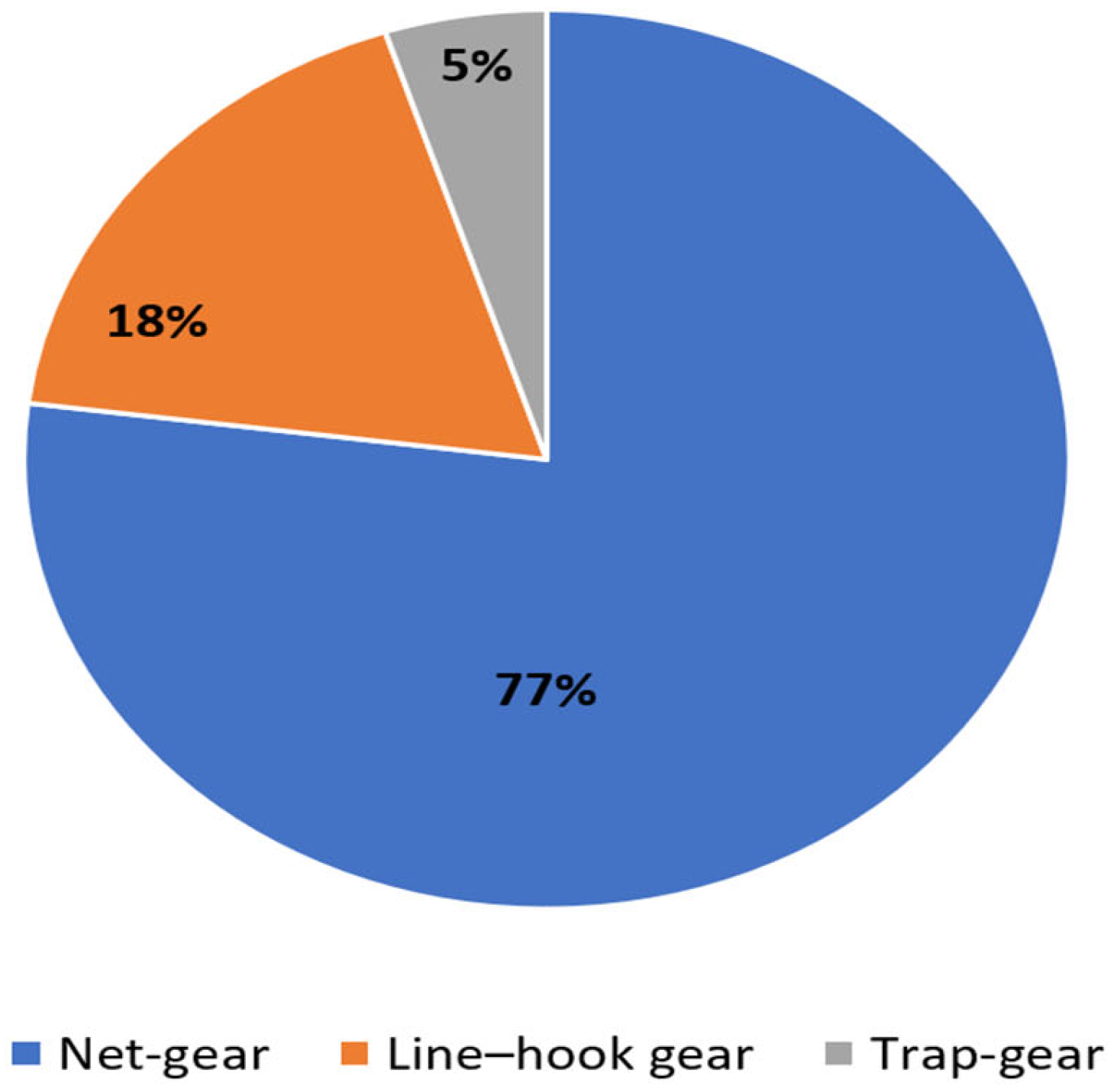
The fishing gear used was grouped into three main categories: “net-gear”, “trap-gear”, and “line–hook gear”. The data collected indicated an average use of fishing gear of 502.37 ± 274.61 kg boat−1 year−1 (Table 3), ranging from 1501 to 51.77 kg boat−1 year−1. “Net-gear” was the most used category, accounting for 77% of all gear types used by artisanal fishermen, followed by “line–hook gear” at 18%, while “trap-gear” only represented 5% of the total (Figure 2).

3.2. Estimates of Fishing Gear Loss

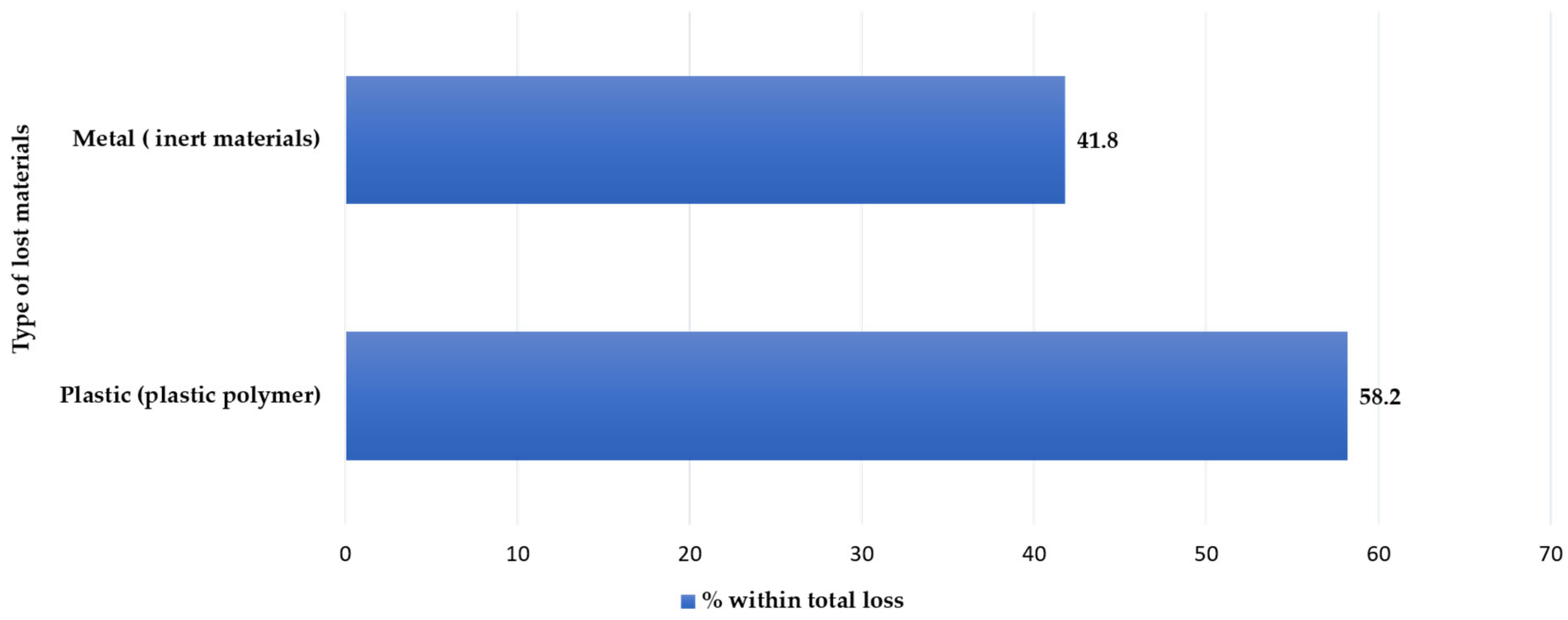
Across the 138 surveyed fishermen, a total of 20,115 kg of fishing gear was lost, representing 28.97% of the total mass of gear utilized between January 2022 and February 2023. The total annual fishing effort was 26,568 trips at sea, corresponding to an average of 192 trips per boat per year. Statistically, there was no significant difference in the quantification of fishing gear lost between the different boats in the study area (Kruskal–Wallis, H = 147.999, df = 137, p = 0.246 > 0.05). The fishing gear lost in the study area was mainly composed of plastic and metal components. Plastic components, including nets, lines, ropes, floats, buoys, and pots, accounted for the majority of the lost gear mass (58.2% of the total weight of gear lost). Metal components, such as hooks and sinkers, accounted for 41.8% of the total weight (Figure 3). The predominance of plastic components in lost fishing gear can be explained by the intensive use of synthetic polymeric materials (such as nylon, polypropylene, and polyethylene) in the fabrication of nets, ropes, lines, floats, and pots. These materials are extensively utilized by artisanal fishermen due to their favorable physical characteristics—notably their low density and durability—as well as their economic viability [47,48]. The obtained results show that trammel nets recorded the highest quantity of gear loss, with 7429.40 kg·year−1 or 36.93% of the total weight of gear lost, followed by octopus jigs with 4708.14 kg year−1 (23.41%), drift gillnets with 3701.59 kg year−1 (18.40%), longlines with 1704.06 kg year−1 (8.47%), bottom gillnets with 1257.5 kg year−1 (6.25%), and purse seine nets with 754.68 kg year−1 (3.75%), while the other remaining types of gear did not exceed 1% of the total weight. The average loss was 138.29 ± 120.68 kg boat−1 year−1, ranging from 716.69 to 0.91. It should be noted that higher losses were reported on boats using multiple fishing gear types, while lower losses were recorded on boats using only one fishing gear type (Table 3).
The Kruskal–Wallis test revealed a statistically significant difference in the quantity of losses per type of fishing gear (Kruskal–Wallis, H = 101.791, df = 11, p = 0.000 <0.05). Net-gear shows the greatest losses, with some disparities. Bottom gillnets, purse seine nets, and trammel nets show the greatest weight losses, with an average of 157.19 ± 149.82, 94.34 ± 78.14, and 92.86 ± 104.58 kg boat−1 year−1, respectively. Drift gillnets and bonitard nets showed relatively moderate losses, with 45.14 ± 72.96 and 34.68 ± 24.53 kg boat−1 year−1, respectively. Beach seine nets, with 9.92 kg boat−1 year−1, were used only once during the study period, which explains the low loss amount.
Regarding line–hook gear, trolling lines and handlines recorded low loss quantities, i.e., 3.95 ± 3.4 and 7.58 ± 5.67 kg boat−1 year−1, while longlines and octopus jigs recorded fairly substantial losses: 21.3 ± 23.33 and 59.6 ± 42.23 kg boat−1 year−1, respectively, probably related to their intensive use. As for trap-gear, pots (for octopus) show low losses of 8.73 ± 8.27 kg boat−1 year−1, while palanza traps show relatively high losses of 25.86 ± 17.8 kg boat−1 year−1, despite almost having the same frequency of use (11 and 8, respectively). The difference is probably due to the nature of the gear: while palanza (a kind of fyke net) consists of a net that can exceed 100 m in length, pots (for octopus) can exceed 1 kg in weight per unit [49].
Regarding the proportion of loss by gear type, line-and-hook gear exhibited the highest loss rates; specifically, trolling lines, handlines, and longlines showed loss proportions of 62.44%, 49.14%, and 44.46%, respectively. Octopus jigs, on the other hand, show a loss rate of 54.76% per fishing gear used. High loss proportions were also observed for netting gears; specifically, bottom gillnets recorded a loss rate of 46.56%, followed by trammel nets (28.18%), drift gillnets (20.71%), and purse seine nets (14.58%).
Despite the low frequency of their use, the proportions for bonitard and beach seine nets were 8.11% and 5.80%, respectively. For trap-gear, the proportions of losses were 15.7% and 8.05% for pots (for octopus) and palanza, respectively.
Concerning the categories of fishing gear used in the study area, “net-gear” accounted for the largest percentage of losses (65.91% of the total weight of gear lost), followed by “line–hook gear” with 32.59%, while “trap-gear” accounted only for 1.51% of the total losses (Table 4).
Fishing gear loss rates varied significantly from one fishery to another and from one region to another [9]; therefore, the analysis of the results obtained must be performed from the perspective of the nature of artisanal fishermen in the Moroccan Mediterranean and its fishing area. Indeed, the Moroccan Mediterranean fishing zone is characterized by a rugged seabed with rocky outcrops, on a very narrow continental shelf averaging no more than 18.52 km in width and bounded by the 120 m isobath [50]. The operational artisanal fishing fleet in the Mediterranean comprises around 2600 boats [51]. These boats are comparable in terms of technical characteristics, with small differences in size and shape. The average length is nearly 5 m, and the average gross tonnage is around 1.7 GT. Most boats are equipped with an outboard motor from 8 to 20 hp, while a few have an inboard engine averaging nearly 18 hp. The artisanal fleet is characterized using several gear types, with up to three gear types used at the same time during a single fishing trip. Operations are characterized by a variety of fishing methods carried out at close proximity to the shore, with most activities occurring at distances of less than 4 km from the coast [40]. Thus, the heavy losses of net-gear (65.91%), in which gillnets and trammel nets account for 55.34%, can be related to the frequent and intensive use of nets. This finding is consistent with previous studies conducted along the Moroccan Mediterranean coast, where gillnets and trammel nets are predominantly used in artisanal fisheries [38,39,40,41], as well as in other Mediterranean regions [52,53] and in India [17]. The frequent and intensive use of fishing gear increases their vulnerability to loss at sea due to various factors mentioned by different authors [9,30].
If the proportions of loss per fishing gear are considered, the obtained values are relatively higher compared to those noted by Richardson et al. [13] in a global estimate (all types of fisheries, from inland to offshore) that gives, depending on the nature of the seabed, proportions between 2.7% and 19% for bottom gillnets and trammel nets, 3.1% for drift gillnets, and 6.6% for purse seine nets, which are significantly lower than the rates of 46.56%, 28.18%, 20.71%, and 14.58% observed in the present study for bottom gillnets, trammel nets, drift gillnets, and purse seines, respectively. These differences can be attributed to the heavy use of these gear types at shallow depths and on partly rocky bottoms. Despite this, the high relative proportion obtained is comparable to the trends reported by MacFadyen et al. [9], who identified gillnets as the most frequently lost or abandoned type of gear at sea worldwide. Similar results were observed in previous studies that revealed that gillnets and trammel nets are one of the main types of gear lost [37,54,55,56]. The Food and Agriculture Organization of the United Nations (FAO) also reported that one-fifth of all marine fisheries landings worldwide come from gillnets and trammel nets, which present a relatively high potential for ghost fishing [30]. Loss proportions of bonitard and beach seine nets, 8.11% and 5.80%, respectively, are close to the values for all net types (5.7%) [13]. Given the very low frequency of use of these two gear types (three and one times, respectively, during the study period), it is not possible to confirm this trend.
Concerning trap-gear, proportions of losses per fishing gear remain comparable to those reported in the literature. Palanza traps (8.05%) and octopus pots (15.7%) are close to the values given by Richardson et al. [13] for octopus pots—18% for soft bottoms and 25% for hard bottoms—and for palanza (fyke nets)—4.1% in general and 5.9% for hard bottoms. Similar values were noted in the Red Sea and Gulf of Aden by Al-Masroori. [57], who estimated that trap loss rates may reach 20 % annually. Nevertheless, Loulad et al. [49] reported that in the Moroccan South Atlantic, octopus pots represent more than 75% of all debris items linked to the different types of artisanal fisheries.
For line–hook gear, the recorded loss proportions per fishing gear were quite high, at 62.44%, 49.14%, and 44.46% for trolling lines, handlines, and longlines, respectively, compared to those in a global estimation that gave average loss proportions of 22%, 23%, and 20%, respectively [13]. These values especially reflect their high vulnerability to tearing due to their interaction with the seabed, their facility of entanglement with other fishing gear types (especially with passive fishing gear types), and their low resistance to strong marine currents, and secondly the nature of artisanal fishing in the study area, carried out in shallow waters and often on rocky bottoms. Octopus jigs show loss rates of 54.76%.
It is difficult to compare the proportions of gear loss in artisanal fishery in different regions of the Mediterranean Sea or in other regions of the world due to a significant lack of data and/or the way in which they are presented. The majority of studies on lost fishing gear are limited to certain gear types and specific fisheries and loss are expressed as percentages, making it difficult to estimate the quantity of lost fishing gear entering seas and oceans [13,15]. This paper estimates the weight of lost fishing gear rather than the percentage of losses, making comparison with other studies very difficult.
This study was the first to provide a comprehensive quantitative estimation of the loss of different fishing gear types linked to artisanal fishing in the Moroccan Mediterranean coast. The total quantity of lost fishing gear represents nearly 28.97% of all gear used in the study area. This result corresponds to the 0-30% range estimated by Richardson et al. [13] through a meta-analysis of global fishing gear losses, falls in the mid-range of 0–79.2% losses estimated by Ayaz et al. [34] in Türkiye, and is higher than the 11.6% estimated by Daniel and Thomas [21] in Kerala, India. Estimates of fishing gear loss varied from one area to another due to various specific causes related to the types of fishing gear used (MacFadyen et al., 2009) [9].
This quantity of lost fishing gear from artisanal fisheries must contribute significantly to the sea-based source of marine litter flow entering Moroccan waters. In this respect, Loulad et al. [49] report that in the southern Moroccan Atlantic, 94% of the plastics found on the seabed at depths from 10 to 266 m originate from artisanal fishing gear, particularly octopus pots. This finding should prompt a reassessment of the role of artisanal fishing in the flow of plastic debris leaked into the Moroccan Mediterranean waters.
WWF [58] reported that fisheries and shipping lanes contribute only 3% of the 5.3 KT of plastics that leak into the Moroccan Mediterranean Sea, or nearly 0.2 KT. Based on the results of this study, and with an average of 138.29 ± 120.69 kg boat−1 year−1 and a fleet of 2600 operational artisanal boats, a first approximation gives an average plastic flow of 0.36 KT per year just for artisanal fishing. This does not include coastal fishing (nearly 160 operational boats, SECPM [43], and maritime traffic (mainly from the ports of Tangier-Med, Ceuta, Melilla, and Nador). Therefore, if 5.3 KT is considered as the total quantity of plastic leaked into Moroccan Mediterranean waters, the proportion leaked due only to artisanal fishing would be nearly 6.7%, which doubles the proportion given by WWF [58]. This proportion is close to that mentioned by Vlachogianni et al. [59], in a study in the Adriatic Sea, on an aggregated regional basis, according to which marine debris from sea-based activities accounted for 6.3%. In this regard, MacFadyen et al. [9] reported that the very large number of fishing boats, particularly in Greece and Italy, and the heavy use of trammel nets, gillnets, and traps in many artisanal fisheries make ALDFG a potentially significant problem in Mediterranean waters, which is in accordance with GESAMP [60], which considers ALDFG a major component of sea-based marine litter.

3.3. Causes of Fishing Gear Losses

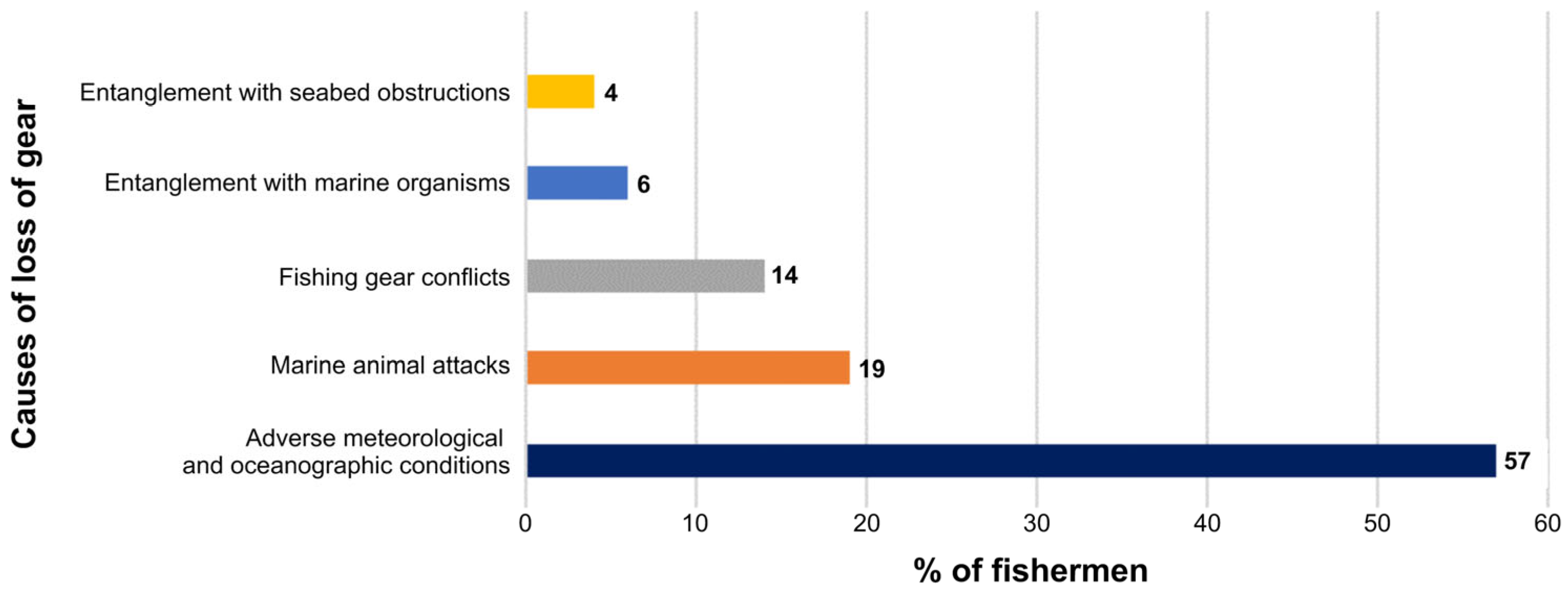
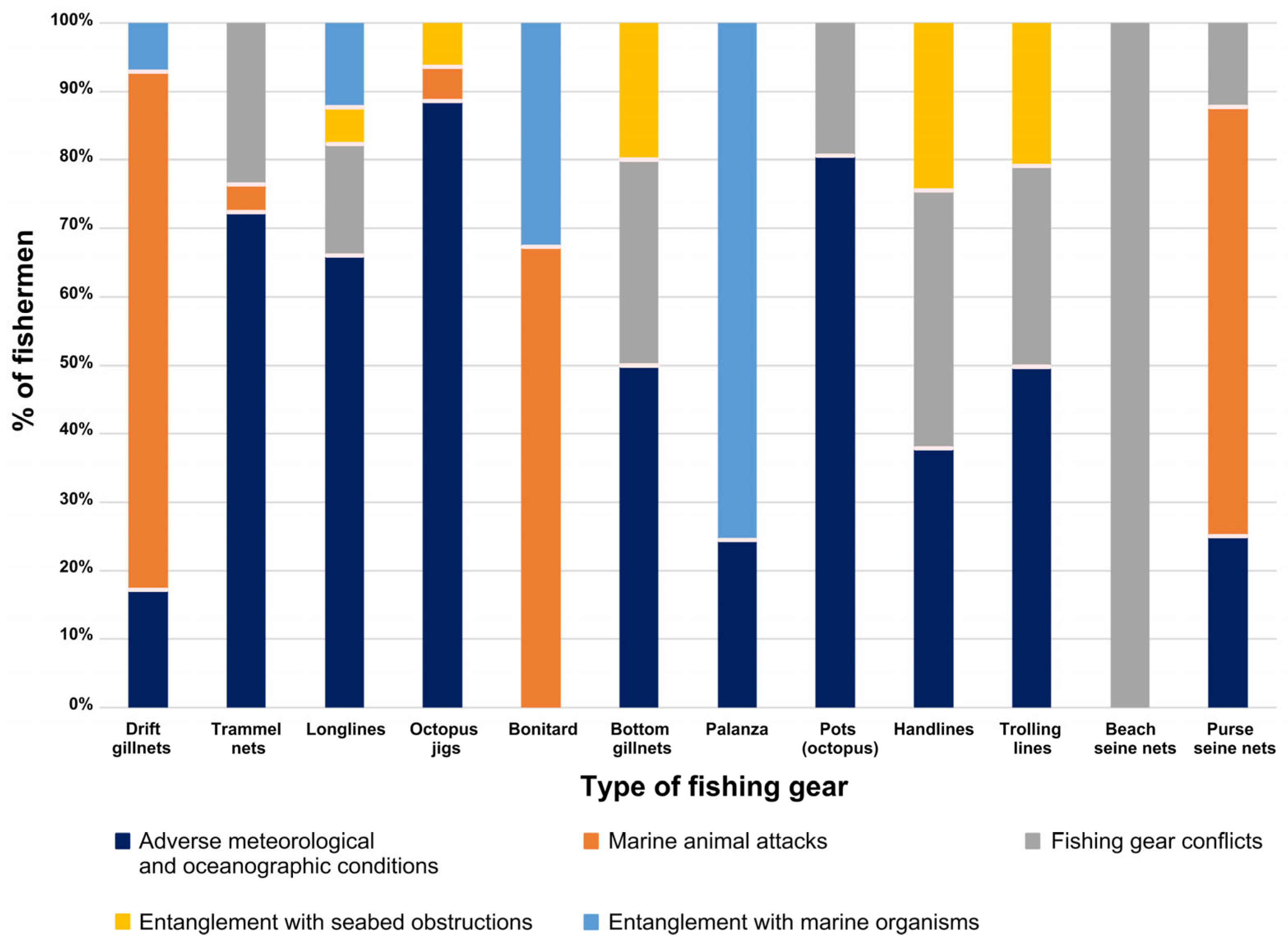
Any loss of fishing gear can be attributed to a variety of well-documented causes worldwide, most of which are also evident in the study area. The main causes (57%) of lost fishing gear reported by the fishermen surveyed were adverse meteorological and oceanographic conditions, followed by marine animal attacks (19%), fishing gear conflicts (14%), and entanglement with marine organisms (6%), while entanglement with seabed morphology constituted only 4% of reported causes (Figure 4). The above is consistent with the causes of loss reported in the literature [9,17,18,19,20,21,22,23,24,25,26,27,28,29,30,31,32,33,34,35,36,37,38,39,40,41,42,43,44,45,46,47,48,49,50,51,52,53,54,55,56,57,58,59,60,61,62]. Adverse meteorological and oceanographic conditions were the most common cause of loss for most types of gear, especially octopus jigs, longlines, trolling lines, bottom gillnets, and trammel nets (Figure 5). This cause of fishing gear loss has also been reported as the main cause on a global scale [9,19,34,56]. Adverse hydrodynamic conditions characterized by strong currents and waves, in conjunction with strong winds, constitute a determining factor in losses during the autumn and winter periods. During such seasons, in the Mediterranean Sea of Morocco, westerly and southwesterly winds strengthen, waves rise, and currents become more complex, increasing the risk of loss and/or displacement of fishing gear. Gear types such as trammel nets, bottom gillnets, longline hooks, and octopus jig marker buoys can be damaged until they are irretrievable [30,34,63,64]. Since the main cause of gear loss is related to adverse meteorological and oceanographic conditions, the highest rates likely occur in autumn and winter, when such conditions are most severe in the study area and during the day when most of activities are carried out. In addition to these natural factors, there are anthropogenic causes, including the poor anchoring of gear, the use of ancient or damaged gear due to a lack of regular maintenance, the absence of effective early weather warning systems, and the decision of some fishermen to operate despite unfavorable weather conditions. All these factors increase the vulnerability of the gear to adverse weather and oceanographic conditions. This is in accordance with Richardson et al. [13], who found that 69% of the papers analyzed reported adverse meteorological and oceanographic conditions as the most common reason for gear loss. On the other hand, the study conducted by Daniel and Thomas [21] in Kerala, India, reported marine animal attacks as the main cause of loss (37.3%). This discrepancy could probably be explained by the frequent use of seines by Indian fishermen and by the high diversity of gear types used to target species, which differ depending on the area. Moreover, attacks by marine animals were identified as the main cause of drift gillnets and purse seine nets losses (Figure 5). In the study area, 19% of artisanal fishers using these gear types reported damage caused by the common bottlenose dolphin (Tursiops truncatus), locally known as “Negro”. These attacks often result in large holes in the nets and, in some cases, lead to the complete loss of the gear. A similar problem was mentioned by Indian fishermen in the study of Daniel and Thomas [21]. Spatial conflicts with other gears or fishing boats were a primary driver of loss, with trammel nets being the most affected category (13%), Figure 5. A similar result was reported in Iskenderun Bay, Türkiye, by Ozyurt et al. [65] and in the Gulf of Gabes, Tunisia, by Ghaouar et al. [37], where gear conflicts with other fishing practices were identified as the main cause of trammel net losses. The passage of coastal fishing vessels, such as dredgers and trawlers in the study area, particularly in M’diq, Fnideq, Oued Laou, and Martil, may accidentally or deliberately result in the removal of marking buoys and the cutting of artisanal fishermen’s nets [30].

4. Conclusions

The alarming increase in marine plastic debris, particularly lost fishing gear, highlights the urgent need to assess its sources to design effective solutions to mitigate its production and ecological consequences. The results showed that “net-gear” is the most used (65.91%) by artisanal fishermen, which also makes it the category with the highest proportion of losses compared to other fishing gear types. An average of 138.29 ± 120.69 kg boat−1 year−1 of lost fishing gear was estimated in the study area with a total annual loss of 20,115 kg. This quantity significantly contributes (6.7%) to the total amount of sea-based source of marine litter flow leaked into the Moroccan Mediterranean environments. A significant difference was noted in the quantity of fishing gear lost among the different types of fishing gear types: trammel nets contributed 36.93%, gillnets (bottom and drift) 24.65%, and octopus jigs 23.41% of the total losses during the study period.
The causes of loss varied according to the type of fishing gear and also depended on different environmental and anthropogenic factors. Adverse meteorological and oceanographic conditions, marine animal attacks, spatial conflicts with other boats or gears, and entanglement with marine organisms or complex seabed morphology were the primary drivers of fishing gear loss in the study area.
The quantity of lost fishing gear generated by artisanal activities in this study serves as a stark warning regarding the scale of gear entering the Moroccan Mediterranean. This underscores the urgent need for sustainable management measures to mitigate this significant source of marine pollution. Regular maintenance of fishing gear, improved marking of fishing gear, adoption of tracking devices, and prompt reporting by fishermen of any lost gear on the same day as the incident are essential measures to ensure tracking of lost gear, facilitate its recovery, and minimize its impact on the environment. In addition, raising awareness among artisanal fishermen about the effects of lost fishing gear and the requirement to reduce fishing efforts and the duration of sea trips, particularly during periods of adverse metocean conditions, will also be of great importance. To mitigate the environmental footprint of artisanal fisheries, local programs must be implemented to transition current operations toward a circular or preventative model that minimizes gear loss and abandonment at the source. Thus, future collaboration will be necessary among researchers, fishermen, decision-makers, NGOs, and stakeholders in the fishery sectors (artisanal, coastal, and deep-sea fishery) to develop strategies to reduce the impact of this type of marine litter, thereby enhancing the long-term sustainability of the artisanal fishing sector.

Author Contributions

Conceptualization, N.J. and D.N.; methodology, N.J. and D.N.; software, N.J., S.A., and M.T.; validation, D.N., G.A., and M.A.; formal analysis, N.J., S.A., and M.T.; investigation, N.J. and S.A.; resources, D.N., A.R., M.A., and G.A.; data curation, N.J., D.N., and G.A.; writing—original draft preparation, N.J., D.N., and A.R.; writing—review and editing, N.J., A.R., D.N., G.A., S.A., and M.T.; supervision, D.N., G.A., and M.A.; project administration, D.N. and M.A. All authors have read and agreed to the published version of the manuscript.

Funding

This research received no external funding.

Institutional Review Board Statement

Ethical review and approval were waived for this study by Institution Committee due to Legal Regulations (This decision is based on the fact that the study is observational and non-interventional study that did not involve any clinical procedures, experimental interventions, or the collection of identifiable sensitive data. In accordance with local and national regulations governing non-interventional research, ethical approval is not mandatory for this type of study; therefore, no IRB review was sought).

Informed Consent Statement

Informed consent was obtained from all participants prior to data collection. Participation was entirely voluntary, and respondents were fully informed about the objectives of the study, the confidentiality and anonymity of their responses, and their right to withdraw at any time without any consequences for their care.

Data Availability Statement

The original contributions presented in this study are included in the article. Further inquiries can be directed to the corresponding author.

Conflicts of Interest

The authors declare no conflicts of interest.

Abbreviations

The following abbreviations are used in this manuscript:
ALDFGAbandoned, Lost, and Discarded Fishing Gear
LFG Lost Fishing Gear
NGOsNon-Governmental Organizations

References

  1. Bergmann, M.; Gutow, L.; Klages, M. Marine Anthropogenic Litter; Springer: Cham, Switzerland, 2015; pp. 18–447. [Google Scholar] [CrossRef]
  2. Cózar, A.; Sanz-Martín, M.; Martí, E.; González-Gordillo, J.I.; Ubeda, B.; Gálvez, J.Á.; Irigoien, X.; Duarte, C.M. Plastic Accumulation in the Mediterranean Sea. PLoS ONE 2015, 10, e0121762. [Google Scholar] [CrossRef] [PubMed]
  3. Jambeck, J.R.; Geyer, R.; Wilcox, C.; Siegler, T.R.; Perryman, M.; Andrady, A.; Narayan, R.; Law, K.L. Plastic waste inputs from land into the ocean. Science 2015, 347, 768–771. [Google Scholar] [CrossRef] [PubMed]
  4. Thushari, G.G.N.; Senevirathna, J.D.M. Plastic pollution in the marine environment. Heliyon 2020, 6, e04709. [Google Scholar] [CrossRef] [PubMed]
  5. FAO. Voluntary Guidelines for Securing Sustainable Small-Scale Fisheries in the Context of Food Security and Poverty Eradication; Food and Agriculture Organization of the United Nations: Rome, Italy, 2015; 39p. [Google Scholar]
  6. FAO. Report of the Technical Consultation on Marking of Fishing Gear; Fisheries and Aquaculture Report No. 1236; FAO: Rome, Italy, 2018; 39p. [Google Scholar]
  7. FAO. The State of World Fisheries and Aquaculture 2022: Towards Blue Transformation; Food and Agriculture Organization of the United Nations: Rome, Italy, 2022; 32p. [Google Scholar]
  8. UNEP. From Pollution to Solution: A Global Assessment of Marine Litter and Plastic Pollution; United Nations Environment Programme: Nairobi, Kenya, 2021; Available online: https://www.unep.org/beatpollution/forms-pollution/marine-and-coastal (accessed on 13 August 2025).
  9. MacFadyen, G.; Huntington, T.; Cappell, R. Abandoned, Lost or Otherwise Discarded Fishing Gear; Technical Paper No. 523; UNEP/FAO: Rome, Italy, 2009. [Google Scholar]
  10. Duhec, A.; Jeanne, R.; Maximenko, N.; Hafner, J. Composition and potential origin of marine debris stranded in the Western Indian Ocean on remote Alphonse Island, Seychelles. Mar. Pollut. Bull. 2015, 58, 76–86. [Google Scholar] [CrossRef]
  11. Gilman, E. Status of international monitoring and management of abandoned, lost and discarded fishing gear and ghost fishing. Mar. Policy 2015, 60, 225–239. [Google Scholar] [CrossRef]
  12. NOAA Marine Debris Program. Report on the Impacts of “Ghost Fishing” via Derelict Fishing Gear; NOAA Marine Debris Program: Silver Spring, MD, USA, 2015; p. 25. [Google Scholar]
  13. Richardson, K.; Hardesty, B.D.; Wilcox, C. Estimates of fishing gear loss rates at a global scale: A literature review and meta-analysis. Fish Fish. 2019, 20, 1218–1231. [Google Scholar] [CrossRef]
  14. Suka, R.; Huntington, B.; Morioka, J.; O’Brien, K.; Acoba, T. Successful application of a novel technique to quantify negative impacts of derelict fishing nets on Northwestern Hawaiian Island reefs. Mar. Pollut. Bull. 2020, 157, 111312. [Google Scholar] [CrossRef]
  15. Kuczenski, B.; Vargas Poulsen, C.; Gilman, E.L.; Musyl, M.; Geyer, R.; Wilson, J. Plastic gear loss estimates from remote observation of industrial fishing activity. Fish Fish. 2022, 23, 22–33. [Google Scholar] [CrossRef]
  16. Lebreton, L.; Slat, B.; Ferrari, F.; Sainte-Rose, B.; Aitken, J.; Marthouse, R.; Hajbane, S.; Cunsolo, S.; Schwarz, A.; Levivier, A.; et al. Evidence that the Great Pacific Garbage Patch is rapidly accumulating plastic. Sci. Rep. 2018, 8, 4666. [Google Scholar] [CrossRef]
  17. Thomas, S.N.; Edwin, L.; Chinnadurai, S.; Harsha, K.; Salagrama, V.; Prakash, R.; Prajith, K.K.; Diei-Ouadi, Y.; He, P.; Ward, A. Food and Gear Loss from Selected Gillnet and Trammel Net Fisheries of India; FAO: Rome, Italy, 2020. [Google Scholar] [CrossRef]
  18. Al-Masroori, H.; Al-Oufi, H.; McShane, P. Causes and Mitigations on Trap Ghost Fishing in Oman: Scientific Approach to Local Fishers’ Perception. J. Fish. Aquat. Sci. 2009, 4, 129–135. [Google Scholar] [CrossRef]
  19. Richardson, K.; Hardesty, B.D.; Vince, J.Z.; Wilcox, C. Global Causes, Drivers, and Prevention Measures for Lost Fishing Gear. Front. Mar. Sci. 2021, 8, 690447. [Google Scholar] [CrossRef]
  20. Stephen, H. Legal Aspects of Abandoned, Lost or Otherwise Discarded Fishing Gear; Food and Agriculture Organization of the United Nations, Ed.; Food & Agriculture Org: Rome, Italy, 2022; Available online: https://scholar.google.com/scholar?hl=fr&as_sdt=0%2C5&q=Legal+aspects+of+abandoned%2C+lost+or+otherwise+discarded+fishing+gear&btnG= (accessed on 6 August 2025).
  21. Daniel, D.B.; Thomas, S.N. Derelict fishing gear abundance, its causes and debris management practices—Insights from the fishing sector of Kerala, India. Mar. Policy 2023, 148, 105429. [Google Scholar] [CrossRef]
  22. Stelfox, M.; Hudgins, J.; Sweet, M. A review of ghost gear entanglement amongst marine mammals, reptiles and elasmobranchs. Mar. Pollut. Bull. 2016, 111, 6–17. [Google Scholar] [CrossRef] [PubMed]
  23. Nama, S.; Prusty, S. Ghost gear: The most dangerous marine litter endangering our ocean. Food Sci. Rep. 2021, 2, 34–38. [Google Scholar]
  24. Ayaz, A.; Acarli, D.; Altinagac, U.; Ozekinci, U.; Kara, A.; Ozen, O. Ghost fishing by monofilament and multifilament gillnets in Izmir Bay, Turkey. Fish. Res. 2006, 79, 267–271. [Google Scholar] [CrossRef]
  25. Good, T.; June, J.; Etnier, M.; Broadhurst, G. Derelict fishing nets in Puget Sound and the Northwest Straits: Patterns and threats to marine fauna. Mar. Pollut. Bull. 2010, 60, 39–50. [Google Scholar] [CrossRef] [PubMed]
  26. Abid, S.; Abdul Razzaque, S.; Ahmed, S. Improving Monitoring and Conservation Strategies in Pakistani Waters: Addressing Impacts of NonBiodegradable Fishing Gear on Marine Turtle Health. 2023. Available online: https://scholar.google.com/scholar?hl=fr&as_sdt=0%2C5&q=Improving+Monitoring+and+Conservation+Strategies+in+Pakistani+Waters%3A+Addressing+Impacts+of+NonBiodegradable+Fishing+Gear+on+Marine+Turtle+Health&btnG= (accessed on 9 August 2025).
  27. Pandey, A.; Kawade, S.; Sedyaaw, P.; Aitwar, V.; Chopra, P.; Raj Keer, D.; Nalwade, P. Ghost Fishing Gear: An Overlooked Threat in Marine Debris Management. J. Ecol. Environ. Sci. 2025, 51, 351–360. [Google Scholar] [CrossRef]
  28. Wilcox, C.; Mallos, N.J.; Leonard, G.H.; Rodriguez, A.; Hardesty, B.D. Using expert elicitation to estimate the impacts of plastic pollution on marine wildlife. Mar. Policy 2016, 65, 107–114. [Google Scholar] [CrossRef]
  29. Gilman, E.; Humberstone, J.; Wilson, J.R.; Chassot, E.; Jackson, A.; Suuronen, P. Matching fishery-specific drivers of abandoned, lost and discarded fishing gear to relevant interventions. Mar. Policy 2022, 141, 105097. [Google Scholar] [CrossRef]
  30. Gilman, E.; Chopin, F.; Suuronen, P.; Kuemlangan, B. Abandoned, Lost and Discarded Gillnets and Trammel Nets: Methods to Estimate Ghost Fishing Mortality, and Status of Regional Monitoring and Management; FAO: Rome, Italy, 2016; p. 96. [Google Scholar]
  31. Gilman, E.; Musyl, M.; Suuronen, P.; Chaloupka, M.; Gorgin, S.; Wilson, J.; Kuczenski, B. Highest risk abandoned, lost and discarded fishing gear. Sci. Rep. 2021, 11, 7195. [Google Scholar] [CrossRef]
  32. UNEP; MAP. Regional Survey on Abandoned, Lost or Discarded Fishing Gear & Ghost Nets in the Mediterranean Sea—A Contribution to the Implementation of the UNEP/MAP Regional Plan on Marine Litter Management in the Mediterranean; United Nations Environment Programme: Athens, Greece, 2015; p. 23. Available online: https://wedocs.unep.org/handle/20.500.11822/9920 (accessed on 8 November 2025).
  33. Iburahim, A.; Ramteke, K.; Kumar, R.; Mano, A.M.R.; Bhole, P. Abandoned, Lost, and Discarded Fishing Gear (ALDFG): A Metanalysis of Global Trends, Environmental Impact, and Scientific Advancements. In Proceedings of the 2nd Indian Fisheries Outlook 2025 on “Envisaging Blue Transformation in Indian Fisheries and Aquaculture”, Berhampur, India, 12–14 July 2025. [Google Scholar]
  34. Ayaz, A.; Ünal, V.; Acarli, D.; Altınağaç, U. Fishing gear losses in the Gökova Special Environmental Protection Area (SEPA), eastern Mediterranean, Turkey. J. Appl. Ichthyol. 2010, 26, 416–419. [Google Scholar] [CrossRef]
  35. Jimenez, C.; Resaikos, V. Chasing Ghosts: Evidence-Based Management of Abandoned Fishing Gear in the Eastern Mediterranean. J. Mar. Sci. Eng. 2025, 13, 1574. [Google Scholar] [CrossRef]
  36. Boussellaa, W.; Bradai, M.N.; Mallat, H.; Enajjar, S.; Saidi, B.; Jribi, I. Ghost Gear in the Gulf of Gabès (Tunisia): An Urgent Need for a Conservation Code of Conduct. Sustainability 2024, 16, 8003. [Google Scholar] [CrossRef]
  37. Ghaouar, H.; Boussellaa, W.; Jribi, I. Ghost Gears in the Gulf of Gabès: Alarming Situation and Sustainable Solution Perspectives. Sustainability 2024, 16, 2632. [Google Scholar] [CrossRef]
  38. Idrissi, M.M.; Houssa, R.; Slimani, A.; Essekelli, D. Situation Actuelle de la Pêche Artisanale en Méditerranée Marocaine; FAO: Rome, Italy, 1999; 25p. [Google Scholar]
  39. Idrissi, M.M.; Zahri, Y.; Houssa, R.; Abdelaoui, B.; Ouamari, N.E. Pêche Artisanale dans la Lagune de Nador, Maroc: Exploitation et Aspects Socio-Économiques; Institut National de Recherche Halieutique—Centre Régional de Nador: Nador, Morocco, 2002. [Google Scholar]
  40. Najih, M.; Berday, N.; Abdeljaouad, L.; Nachite, D.; Zahri, Y. Situation de la pêche aux petits métiers après l’ouverture du nouveau chenal dans la lagune de Nador. Rev. Mar. Sci. Agron. Vét. 2015, 3, 19–30. [Google Scholar]
  41. Darasi, F.; Awadh, H.; Aksissou, M. Des engins de pêche artisanale utilisés en partie ouest Méditerranée marocaine. Int. J. Innov. Sci. Res. 2019, 40, 276–286. [Google Scholar]
  42. DPM. Rapport d’Activité du Département de la Pêche Maritime; Ministère de l’agriculture, de la Pêche Maritime, du Développement Rural et des Eaux et Forêts: Rabat, Morocco, 2022. [Google Scholar]
  43. Bouzekry, A.; Mghili, B.; Aksissou, M. Addressing the challenge of marine plastic litter in the Moroccan Mediterranean: A citizen science project with schoolchildren. Mar. Pollut. Bull. 2022, 184, 114167. [Google Scholar] [CrossRef]
  44. Mghili, B.; Keznine, M.; Aksissou, M. The impacts of abandoned, discarded and lost fishing gear on marine biodiversity in Morocco. Ocean Coast. Manag. 2023, 239, 106593. [Google Scholar] [CrossRef]
  45. Mghili, B.; Keznine, M.; Hasni, S.; Aksissou, M. Abundance, composition and sources of benthic marine litter trawled-up in the fishing grounds on the Moroccan Mediterranean coast. Reg. Stud. Mar. Sci. 2023, 63, 103002. [Google Scholar] [CrossRef]
  46. He, P.; Chopin, F.; Suuronen, P.; Ferro, R.D.T.; Lansley, J. Classification and Illustrated Definition of Fishing Gears; FAO: Rome, Italy, 2023. [Google Scholar] [CrossRef]
  47. Kim, S.; Kim, P.; Jeong, S.; Lee, K.; Oh, W. Physical Properties of Biodegradable Fishing Net in Accordance with Heat-Treatment Conditions for Reducing Ghost Fishing. Turk. J. Fish. Aquat. Sci. 2019, 20, 127–135. [Google Scholar] [CrossRef]
  48. Nelms, S.E.; Duncan, E.M.; Patel, S.; Badola, R.; Bhola, S.; Chakma, S.; Chowdhury, G.W.; Godley, B.J.; Haque, A.B.; Johnson, J.A.; et al. Riverine plastic pollution from fisheries: Insights from the Ganges River system. Sci. Total Environ. 2021, 756, 143305. [Google Scholar] [CrossRef]
  49. Loulad, S.; Houssa, R.; Rhinane, H.; Boumaaz, A.; Benazzouz, A. Spatial distribution of marine debris on the seafloor of Moroccan waters. Mar. Pollut. Bull. 2017, 124, 303–313. [Google Scholar] [CrossRef] [PubMed]
  50. Par Bazairi, H.; Mellouli, M.; Aghnaj, A.; El Khalidi, K.; Limam, A. (Eds.) Rapport Synthétique de la Liste «Prioritaire» des Sites Méritant une Protection au Niveau des Côtes Méditerranéennes au Maroc; CAR/ASP-Projet MedMPAnet: Tunis, Tunisia, 2012; 60p. [Google Scholar]
  51. SECPM. La Mer en Chiffre 2024; SECPM: Rabat, Morocco, 2024; Available online: http://www.abhatoo.net.ma/maalama-textuelle/developpement-economique-et-social/developpement-economique/peche/peche-generalites/la-mer-en-chiffres-annee-2024 (accessed on 26 November 2025).
  52. Battaglia, P.; Romeo, T.; Consoli, P.; Scotti, G.; Andaloro, F. Characterization of the artisanal fishery and its socio-economic aspects in the central Mediterranean Sea (Aeolian Islands, Italy). Fish. Res. 2010, 102, 87–97. [Google Scholar] [CrossRef]
  53. Falautano, M.; Castriota, L.; Cillari, T.; Vivona, P.; Finoia, M.G.; Andaloro, F. Characterization of artisanal fishery in a coastal area of the Strait of Sicily (Mediterranean Sea): Evaluation of legal and IUU fishing. Ocean Coast. Manag. 2018, 151, 77–91. [Google Scholar] [CrossRef]
  54. Richardson, K.; Hardesty, B.D.; Vince, J.; Wilcox, C. Global estimates of fishing gear lost to the ocean each year. Sci. Adv. 2022, 8, eabq0135. [Google Scholar] [CrossRef]
  55. Gallagher, A.; Randall, P.; Sivyer, D.; Binetti, U.; Lokuge, G.; Munas, M. Abandoned, lost or otherwise discarded fishing gear (ALDFG) in Sri Lanka—A pilot study collecting baseline data. Mar. Policy 2023, 148, 105386. [Google Scholar] [CrossRef]
  56. Mengo, E.; Randall, P.; Larsonneur, S.; Burton, A.; Hegron, L.; Grilli, G.; Russell, J.; Bakir, A. Fishers’ views and experiences on abandoned, lost or otherwise discarded fishing gear and end-of-life gear in England and France. Mar. Pollut. Bull. 2023, 194, 115372. [Google Scholar] [CrossRef]
  57. Al-Masroori, H. Trap Ghost Fishing Problem in the Area Between Muscat and Barka (Sultanate of Oman): An Evaluation Study; Sultan Qaboos University: Muscat, Oman, 2002. [Google Scholar]
  58. WWF. Stop the Flood of Plastic—A Guide for Policy-Makers in Morocco; Report: 199; World Wide Fund for Nature (WWF): Gland, Switzerland, 2019; Available online: https://wwfeu.awsassets.panda.org/downloads/05062019_wwf_marocco_guidebook.pdf (accessed on 11 November 2025).
  59. Vlachogianni, T.; Fortibuoni, T.; Ronchi, F.; Zeri, C.; Mazziotti, C.; Tutman, P.; Varezić, D.B.; Palatinus, A.; Trdan, Š.; Peterlin, M.; et al. Marine litter on the beaches of the Adriatic and Ionian Seas: An assessment of their abundance, composition and sources. Mar. Pollut. Bull. 2018, 131, 745–756. [Google Scholar] [CrossRef]
  60. GESAMP. Sea-Based Sources of Marine Litter; Gilardi, K., Ed.; International Maritime Organization. Rep. Stud. GESAMP: London, UK, 2021; 112p, Available online: http://www.gesamp.org/site/assets/files/2213/rs108e.pdf (accessed on 26 November 2025).
  61. Matthews, T. Assessing Opinions on Abandoned, Lost, or Discarded Fishing Gear in the Caribbean. In Proceedings of the Gulf and Caribbean Fisheries Institute; Gulf and Caribbean Fisheries Institute: Marathon, FL, USA, 2009. [Google Scholar]
  62. Haghighatjou, N.; Gorgin, S.; Ghorbani, R.; Gilman, E.; Naderi, R.A.; Raeisi, H.; Farrukhbin, S. Rate and amount of abandoned, lost and discarded gear from the Iranian Persian Gulf Gargoor pot fishery. Mar. Policy 2022, 141, 105100. [Google Scholar] [CrossRef]
  63. UNFCCC. 4éme Communication Nationale du Maroc à la Convention Cadre des Nations Unies sur le Changement Climatique; UNFCCC: Rabat, Morocco, 2021. [Google Scholar]
  64. Britannica. Climat of Morocco—Morocco Land. 2026. Available online: https://www.britannica.com/place/Morocco/Climate (accessed on 12 January 2026).
  65. Ozyurt, C.; Mavruk, S.; Kiyağa, V. The rate and causes of the loss of gill and trammel nets in Iskenderun Bay (north-eastern Mediterranean). J. Appl. Ichthyol. 2012, 28, 612–616. [Google Scholar] [CrossRef]
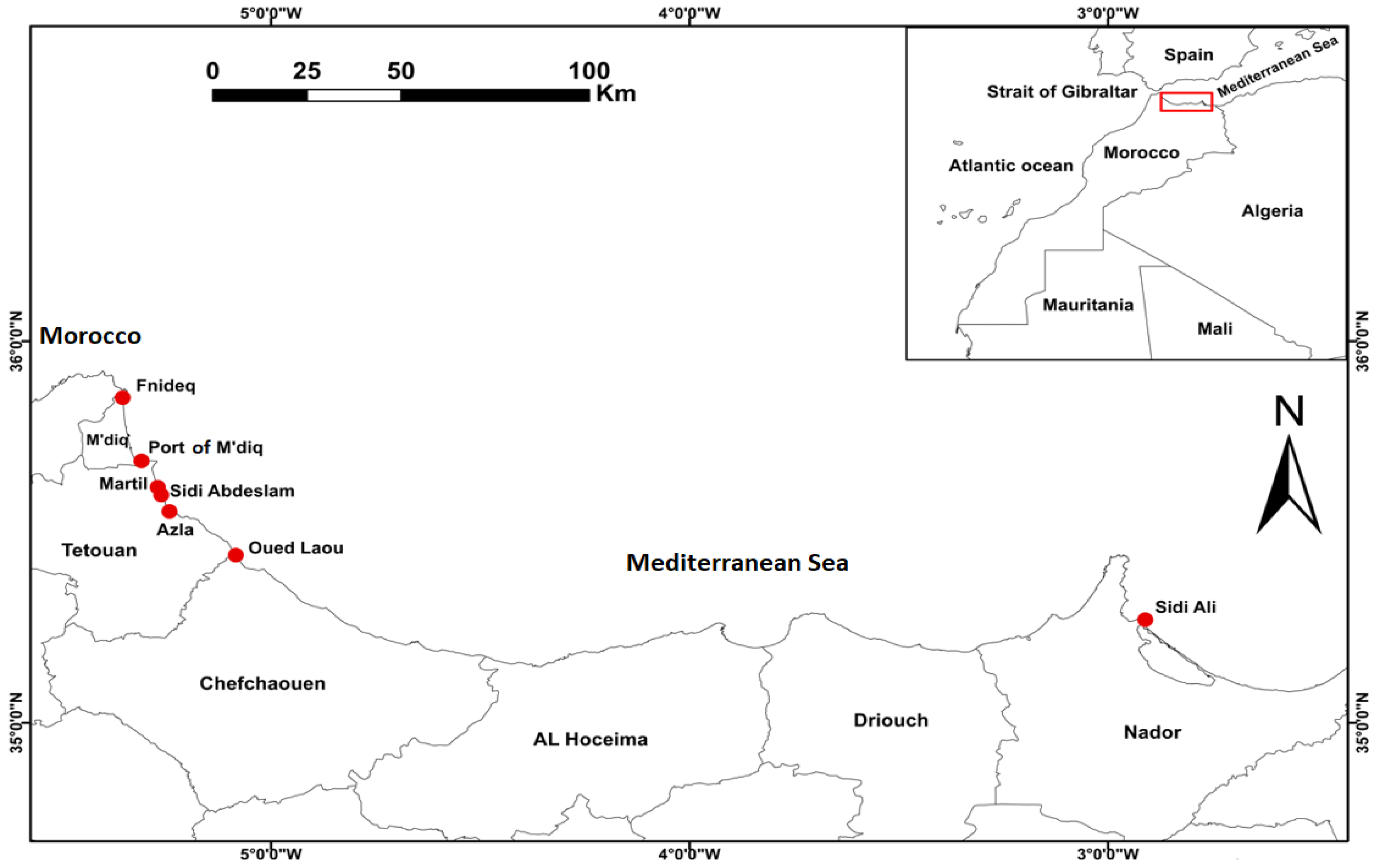
Figure 1. Location of artisanal fishing sites studied along the study area (Mediterranean coast of Morocco).
Sustainability 18 01641 g001
Figure 2. Percentage by category of fishing gear types used in the study area.
Sustainability 18 01641 g002
Figure 3. Percentage of plastic and metallic components in the total loss of fishing gear in the Moroccan Mediterranean Sea.
Sustainability 18 01641 g003
Figure 4. Causes of loss of fishing gear reported by artisanal fishermen (%) in the study area.
Sustainability 18 01641 g004
Figure 5. Main causes of losses according to the type of gear reported by artisanal fishermen (%).
Sustainability 18 01641 g005
Table 1. Description of the fishing gear types used in the study area.
Category of GearType of GearPeriod of Use/YearMain Gear ComponentsSize of ComponentWeight of Component (kg)
Net-gearTrammel nets12 monthsNet100 m/40 mm2.482
Drift gillnet4 monthsNet
Ropes
100 m/35 mm
100 m
2.196
1.76–3.24
Bonitard4 monthsBuoy1 item0.11–1.8
Bottom gillnets12 monthsFloats1 item0.026–0.038
Beach seine nets4 monthsSinkers1item0.007–0.012
Purse seine nets12 months
Trap-gearPalanza10 monthsNet100 m/15 mm3.45
Pots (octopus)3 monthsPots1 item1
Ropes100 m1.76–3.24
Line–hook gearOctopus jigs5 monthsLine500 m0.254
Hook1 item0.003
Buoy1 item0.106
Sinkers1 item0.12
Trolling lines12 monthsLine500 m0.254
Hook1 item0.002–0.003
Handlines12 monthsLine500 m0.254
Hook1 item0.003
Sinkers1 item0.5
Longines12 monthsLine500 m1.082
Ropes500 m4.36
Hook1 item0.003
Buoy1 item0.106
Table 2. Fishing gears used in each studied site.
SitesGeographic CoordinatesFishing Gear Used
Martil35.6166° N, −5.2752° WTrammel nets, drift gillnets, bottom gillnets, pots (octopus), octopus jigs, longlines, handlines, trolling lines.
Port of M’diq35.67917° N, −5.30139° OBonitard, trammel nets, drift gillnets, octopus jigs, longlines, handlines, trolling lines.
Fnideq35.8525° N, −5.3556° OTrammel nets, drift gillnets, octopus jigs, longlines, purse seine nets, trolling lines.
Azla35.5564° N, −5.24528° OTrammel nets, drift gillnets, octopus jigs, longlines, purse seine nets, handlines.
Plage Sidi Abdeslam35.548° N, −5.229° OTrammel nets, drift gillnets, longlines, octopus jigs.
Oued laou35.4484° N, −5.0963° OTrammel nets, drift gillnets, bottom gillnets, purse seine nets, beach seine nets, octopus jigs, longlines.
Sidi Ali (Nador)35°10′ N, 2°45′ WPalanza, trammel nets, octopus jigs, longlines, bottom gillnets.
Table 3. Percentage and quantity of losses per type of fishing gear in the study area (*SDV: standard deviation value, N: number of uses for fishing gear).
NType of GearAverage Use ± SDVAverage Loss ± SDVTotal Quantity of UseTotal Quantity of Loss% of Loss per Type of Fishing Gear% of Fishing Gear Lost in the Total Loss
(kg·Boat−1·Year−1)(kg·Boat−1·Year−1)(kg·Year−1)(kg·year−1)
82Drift gillnets217.93 ± 102.9845.14 ± 72.9617,870.003701.5920.71%18.40%
80Trammel nets329.55 ± 140.8592.86 ± 104.5826,364.337429.4028.18%36.93%
80Longlines47.91 ± 35.3721.3 ± 23.333832.831704.0644.46%8.47%
79Octopus jigs108.84 ± 48.9159.6 ± 42.238598.124708.1454.76%23.41%
17Trolling lines6.32 ± 4.473.95 ± 3.4107.4767.1062.44%0.33%
11Pots (octopus)55.54 ± 35.138.73 ± 8.27610.9695.9815.71%0.48%
10Handlines15.42 ± 11.537.58 ± 5.67154.2275.7949.14%0.38%
8Bottom gillnets337.58 ± 138.10157.19 ± 149.822700.61257.546.56%6.25%
8Purse seine nets646.92 ± 183.9994.34 ± 78.145175.38754.6814.58%3.75%
8Palanza321.07 ± 200.1325.86 ± 17.82568.59206.858.05%1.03%
3Bonitard427.51 ± 121.634.68 ± 24.531282.53104.038.11%0.52%
1Beach seine nets 1719.925.80%0.05%
All gear types502.37 ± 274.61138.29 ± 120.6969,436.0220,115.0428.97%100%
Table 4. Quantity and percentage of loss by category of fishing gear respect to the total amount.
Fishing Gear CategoriesTotal Quantity of Loss (kg·Year−1)% of Category Lost in the Total Loss
Net-gear (Trammel nets, drift gillnets, bonitard, bottom gillnets, beach seine nets, and purse seine nets).13,257.6265.91
Line–hook gear (Octopus jigs, trolling lines, handlines, and longlines).6555.0832.59
Trap-gear (Pots (octopus) and palanza).302.831.51
Total20,115.04
Disclaimer/Publisher’s Note: The statements, opinions and data contained in all publications are solely those of the individual author(s) and contributor(s) and not of MDPI and/or the editor(s). MDPI and/or the editor(s) disclaim responsibility for any injury to people or property resulting from any ideas, methods, instructions or products referred to in the content.