Article

Technosols from Household Solid Waste to Restore Urban Residential Soils: A Case Study in Sabanalarga, Colombia

by
Lina Henriquez Sarmiento
1,
Hugo Hernández
2,
Anderson Nieto Granados
2,
Jorge Rodas
3,
Andrea Liliana Moreno-Ríos
1,
Andreas Hasse
4,
Diana Pinto
1 and
Claudete Gindri Ramos
1,*
1
Department of Civil and Environmental, Universidad de la Costa, Calle 58 #55-66, Barranquilla 080002, Atlántico, Colombia
2
Industrial Engineering Program, Faculty of Engineering, Corporación Universitaria Iberoamericana, Bogotá 110231, Cundinamarca, Colombia
3
Department of Electronics and Mechatronics Engineering, Faculty of Engineering, Universidad Nacional de Asunción, Luque 110948, Paraguay
4
HRES Development GmbH, Erst-Bode-Straße 7, 27432 Bremervörde, Germany
*
Author to whom correspondence should be addressed.
Sustainability 2026, 18(3), 1565; https://doi.org/10.3390/su18031565
Submission received: 22 November 2025 / Revised: 19 December 2025 / Accepted: 26 December 2025 / Published: 4 February 2026

Abstract

Technosols are artificial soils produced from organic and inorganic solid waste to improve soil fertility and functionality. This study evaluated the potential of Technosols produced from household waste from the Altos de Guadalupe residential complex in Colombia to fertilize green areas and promote the growth of Duranta erecta. A physical characterization of waste from 46 houses was performed to estimate per capita production (PPC) and waste composition. Technosols were produced in 20, 50, and 200 L bioreactors using recyclable organic and inorganic waste arranged in 10 layers and composted for three months. A field trial was established with two treatments, soil without Technosols (T1) and soil with Technosols (T2), with three replicates and ten plants per plot (60 plants total). Soil fertility parameters and plant growth variables were evaluated over 300 days. The PPC reached 0.56 kg·capita−1·day−1, and 56.4% of the residues were suitable for Technosol production. Technosol exhibited a pH of approximately 7.1, an organic matter content of 11.1%, and phosphorus and potassium concentrations of 50.3 mg·kg−1 and 2573 mg·kg−1, respectively. Technosol increased soil organic matter by 5.4 percentage points and improved nutrient availability. After 300 days, plant height and root dry matter in T2 were 30% and 41% higher, respectively, than in T1 (p < 0.05). These results show that the use of Technosols on a residential scale can improve urban soil fertility and plant productivity, contributing to the principles of the circular economy and Sustainable Development Goals 11 and 12.

1. Introduction

Global population growth and accelerated urbanization have intensified anthropogenic pressures on terrestrial ecosystems, resulting in a simultaneous increase in municipal solid waste (MSW) generation and progressive degradation of urban soils [1,2]. Projections indicate that global waste generation will rise by approximately 70% by 2050, reinforcing the urgency of transitioning from linear disposal models toward circular economy strategies that reintegrate waste-derived materials into productive systems [3,4]. In Latin America and the Caribbean, MSW streams are dominated by biodegradable organic fractions, yet recovery and valorization rates remain limited due to infrastructural and institutional constraints [5].
In Colombia, the National Policy for Integrated Solid Waste Management (CONPES 3874) promotes waste recovery and reduced landfill disposal [6]. Nevertheless, in intermediate-sized municipalities, low recovery rates of usable organic and inorganic fractions continue to contribute to landfill saturation and the loss of nutrients and organic matter with potential for productive reuse [4]. At the same time, urban and peri-urban soils frequently exhibit reduced ecological functionality due to anthropogenic sealing, compaction, low soil organic carbon, and nutrient imbalances, limiting the establishment of green infrastructure and ornamental vegetation and affecting key urban ecosystem services [7,8,9].
Technosols have been considered a comprehensive biotechnological strategy capable of simultaneously addressing soil degradation and waste management challenges. According to the World Reference Base for Soil Resources, Technosols are soils constructed from technical materials or waste in which soil properties and processes are dominated by anthropogenic inputs [10]. Originally conceptualized by Macías [11], Technosols are designed using mixtures of non-hazardous organic and inorganic waste to restore specific soil functions such as water retention, nutrient supply, and contaminant immobilization [12,13]. Their role within circular economic frameworks has been widely recognized, as they enable the transformation of waste streams into functional soils for restoration and urban applications [14,15].
Most reported Technosol applications focus on the rehabilitation of soils degraded by mining, industrial activities, or extreme edaphic conditions, where their capacity to improve soil structure, organic matter content, nutrient availability, and plant establishment has been well documented [16,17,18,19,20,21]. More recently, Technosols formulated with stabilized organic waste have demonstrated carbon sequestration potential and agronomic versatility in urban agriculture and green infrastructure systems, achieving yields comparable to conventional soils without increasing the transfer of potentially toxic elements to plants [22,23].
Despite these advances, decentralized in situ “waste-to-soil” strategies implemented at the residential scale remain poorly documented. Such approaches could reduce transport-related emissions, enhance local nutrient cycling, and increase the resilience of urban green spaces, particularly in intermediate cities where fertile substrates are scarce and waste valorization infrastructure is limited [3,14]. In Colombia, residential green areas are often established on low-fertility soils, while household-derived MSW with valorization potential remains underutilized, representing an opportunity for integrated waste and soil management [5,24].
In the municipality of Sabanalarga (Atlántico, Colombia), the Altos de Guadalupe residential complex generates MSW daily, of which a substantial fraction of non-hazardous organic and inorganic materials remains unused. Concurrently, residential green areas develop on soils with low organic matter content and chemical limitations. Valorizing household-derived MSW through the formulation of Technosols offers a pathway to integrate local waste management with soil restoration and green infrastructure enhancement, contributing to urban sustainability objectives [6]. The ornamental shrub Duranta erecta, widely used in tropical and subtropical urban landscaping due to its hardiness and rapid growth, provides a suitable model species to evaluate the agronomic performance of alternative soil substrates under real residential conditions [25].
Within this framework, the present study addresses a relevant knowledge gap by evaluating an in situ, residential-scale Technosol formulation and application strategy based exclusively on household-derived municipal solid waste. We hypothesized that: (i) household waste-derived Technosols significantly improve soil chemical fertility compared with unamended urban soil; (ii) these improvements enhance the growth and biomass accumulation of Duranta erecta in residential green areas; and (iii) the Technosol functions as an effective surface soil layer promoting soil–plant interactions without inducing adverse chemical effects.
Accordingly, this study evaluated the potential of Technosols produced from municipal solid waste generated in the Altos de Guadalupe residential complex (Sabanalarga, Atlántico) to restore soil fertility and enhance the agronomic performance of Duranta erecta in urban green spaces. Organic and inorganic waste fractions were characterized to identify usable materials, followed by Technosol formulation, chemical characterization, and field application in residential gardens to assess their effects on soil properties and plant growth. Beyond its local relevance, this work contributes to international research on Technosols as nature-based solutions for urban soil restoration within circular economy frameworks, addressing the limited evidence available on decentralized, residential-scale “waste-to-soil” strategies. By evaluating an in situ production and application scheme based exclusively on household-derived municipal solid waste, this study provides transferable insights into how neighborhood-scale systems can enhance urban soil functions, support vegetation growth, and contribute to resource efficiency and climate mitigation goals in rapidly urbanizing intermediate cities, in line with Sustainable Development Goals 11 and 12.

2. Materials and Methods

2.1. Study Area

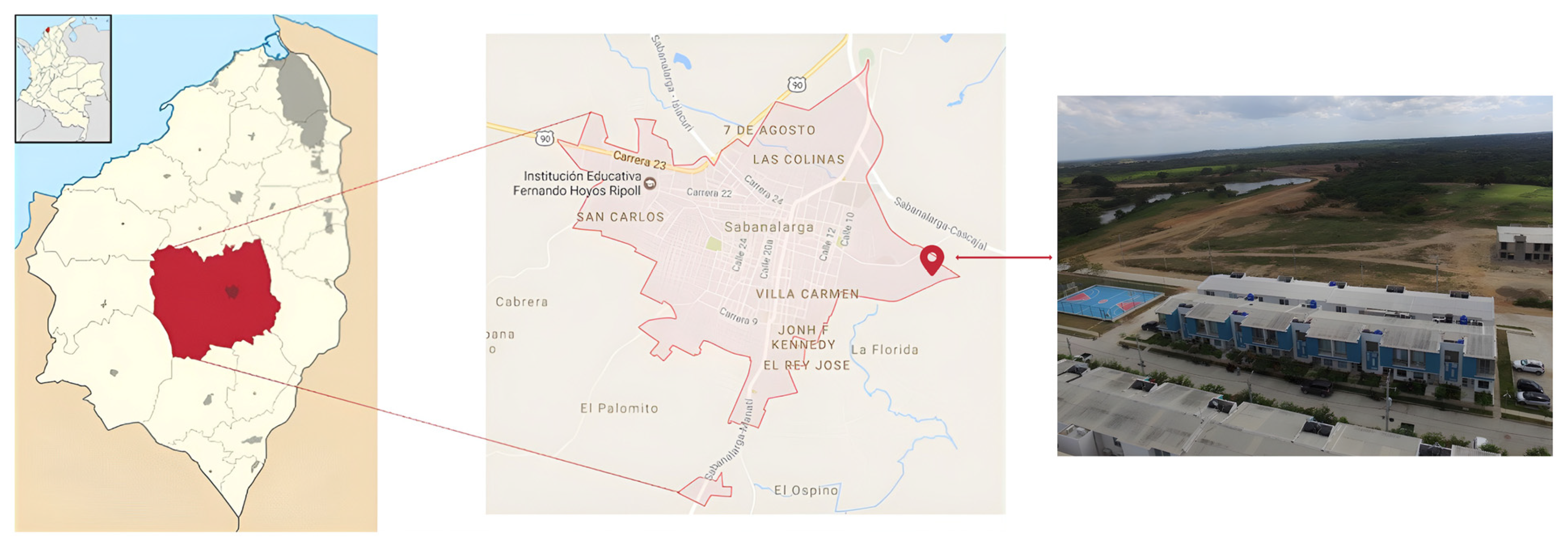
The study was conducted at the Altos de Guadalupe residential complex in the municipality of Sabanalarga, Atlantico, Colombia (10°37′48″ N, 74°55′25″ W). The region exhibits a Tropical Savanna climate (Aw), according to the Köppen–Geiger classification [26], with a mean annual temperature of 28.4 °C, annual precipitation of 1328 mm, and relative humidity of 76%.
Within the complex, the experiment was established in common green areas that showed visible signs of soil degradation, low vegetative cover, and poor soil structure before the intervention. These areas were selected because they represent typical planting conditions for ornamental species in intermediate Colombian cities and align with the study objective of improving urban soil fertility through locally produced Technosols (Figure 1).
The predominant natural soils in the study area are primarily young, poorly developed tropical soils derived from unconsolidated alluvial and aeolian sediments, commonly classified as Entisols according to United States Department of Agriculture soil taxonomy [27]. These soils are typically characterized by coarse textures, low clay content, limited organic matter accumulation, and restricted cation exchange capacity, which limits nutrient retention and plant growth in urban landscapes. Similar characteristics have been reported in urban and peri-urban areas of the Colombian Caribbean region, where soil degradation is further intensified by construction activities, compaction, and topsoil removal.

2.2. Characterization of Municipal Solid Waste (MSW)

To determine the potential feedstock for Technosol production and to quantify the recoverable fraction of municipal solid waste (MSW) generated within the complex, a stratified random sampling of 30% of the occupied dwellings (n = 46 of 156) was carried out. Sampling and per capita (PPC) calculations were designed following the guidelines of the Colombian Technical Regulation for the Water and Sanitation Sector [28].
Households were previously informed and instructed to separate their daily waste into labeled bags. On the sampling day, all MSW generated in the selected dwellings during a 24 h period was collected and weighed. Per capita waste production (kg·inhabitant−1·day−1) was calculated using the total mass of waste, the number of inhabitants per dwelling, and the equations proposed by [28].
Physical characterization of the MSW was performed using the coning and quartering method, following ASTM D5231-92 for unprocessed MSW [29]. A composite sample of approximately 50 kg was formed, coned, flattened, and quartered successively until a manageable representative subsample was obtained. The waste was manually sorted into the organic fraction (food scraps, paper, cardboard, wood, and garden waste (leaves, prunings), inorganic recyclable fractions (glass and construction and demolition waste).
The mass and percentage of each category were recorded to determine the composition of MSW and the proportion of material potentially suitable as feedstock for Technosol construction.

2.3. Per Capita Waste Generation (PPC)

Per capita waste generation (PPC, kg·inhab−1·day−1) was estimated to quantify the amount of municipal solid waste produced per person in the Altos de Guadalupe residential complex. The calculation followed the procedure established in Title F of the Colombian Technical Regulation for the Potable Water and Basic Sanitation Sector—RAS 2000, which provides indicative PPC values for municipalities according to their level of complexity [28].
In this framework, the total PPC for the sampled residential sector was obtained as:
PPCtotal = VP × Nusers
where VP is the average PPC value (kg·inhab−1·day−1) associated with the municipality’s complexity level according to RAS 2000, and Nusers is the total number of inhabitants in the sampled dwellings. This step allowed us to contextualize the waste generation level of the complex within the municipal reference values.
Subsequently, the weekly waste production per dwelling in the residential sector was estimated as:
Pweek = PPCtotal × 7
Expressed in kg·week−1, providing a practical basis for planning local waste management and for scaling the potential Technosol production from the residential MSW stream.

2.4. Technosol Formulation and Production

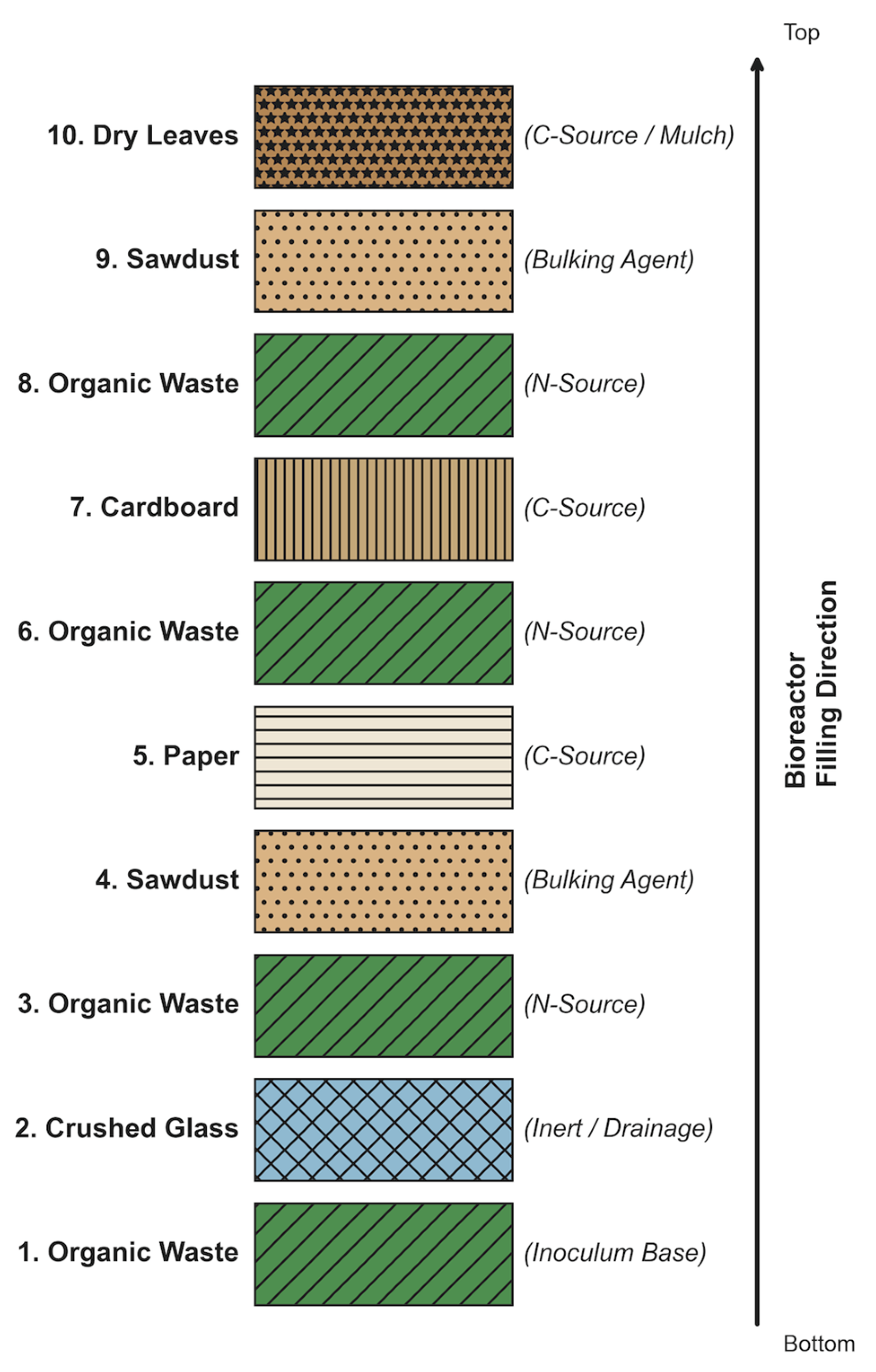
Technosols were produced using composting bioreactors to stabilize the organic fraction and integrate selected mineral components, according to previous Technosol formulations from waste materials [15,16]. Three bioreactor prototypes with working volumes of 20 L, 50 L, and 200 L were used to represent scalable residential composting configurations, from household units to small community-scale systems, and to evaluate the technical feasibility and operational stability of the Technosol production process. The ten-layer sequence alternated nitrogen-rich organic waste with structural carbon sources (paper, cardboard, sawdust, dried leaves) and an inert mineral fraction (crushed glass and CCW). The specific mass of each waste used in each layer and the size of the bioreactor are shown in Table 1.
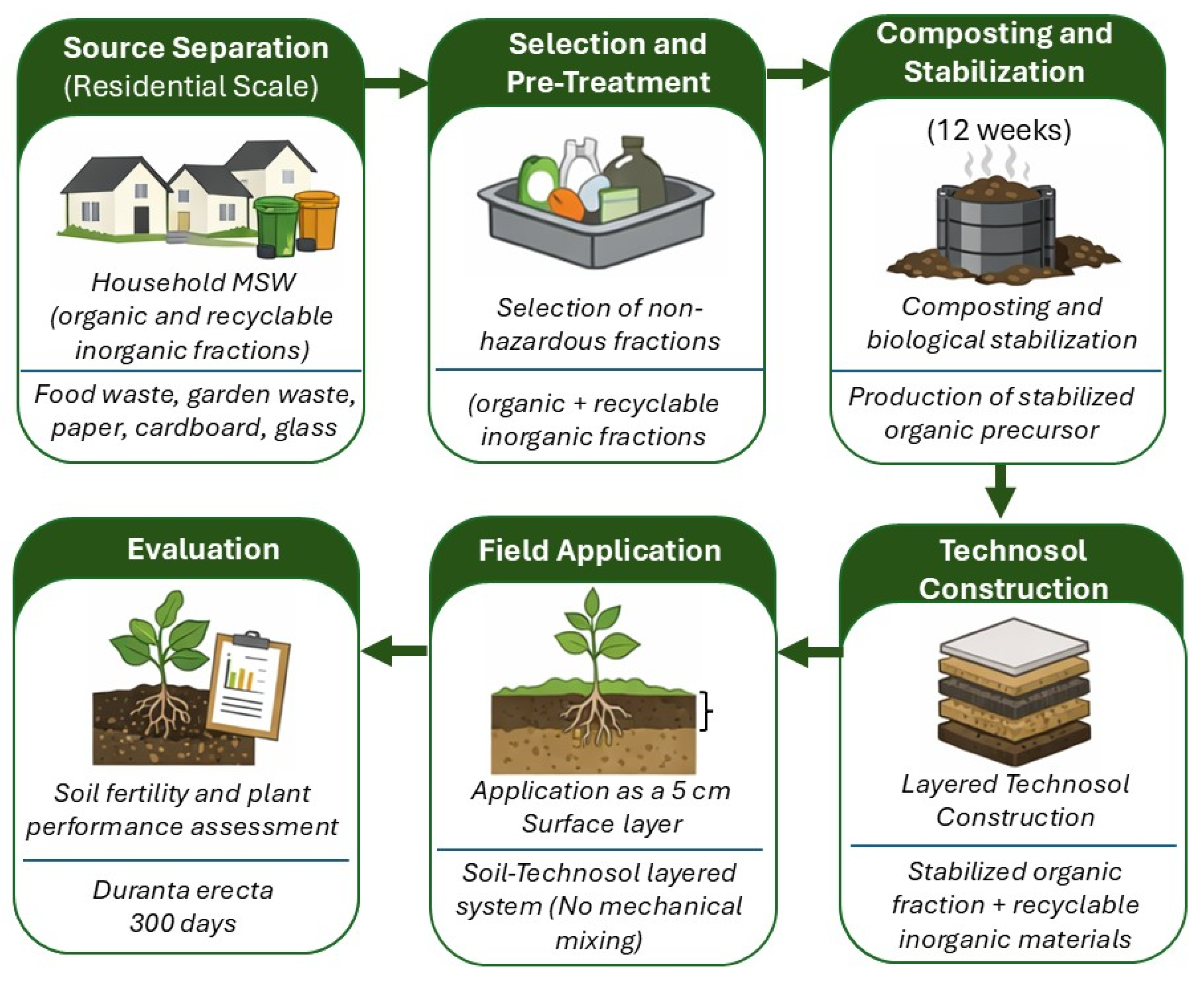
The workflow of the residential-scale Technosol production and application process is shown in Figure 2.
The substrate was constructed by alternating ten layers of pre-selected waste materials to promote an appropriate C/N ratio during the preparation stage and ensure structural stability, following the stratified approach proposed by Asensio et al. [16] for Technosols made from waste. Although the C/N ratio was not directly measured, the vertical profile adopted for the preparation of the Technosols (Figure 3) reflects an intentional design aimed at promoting adequate aeration and a functional balance between nitrogen- and carbon-rich materials. The profile alternates nitrogen sources (organic waste) with carbon-rich structural agents (sawdust, paper, cardboard, and dry leaves), along with an inert mineral fraction (crushed glass and construction waste) intended to improve drainage and texture. Layer 1 corresponds to the base of the reactor.
The glass waste was crushed and mechanically centrifuged to remove sharp edges, producing a fraction of ground glass sand (<2 mm) safe for handling. The CCW was classified to include only unpainted and untreated concrete and masonry waste, excluding paint, plaster, or industrial materials, to minimize the risk of heavy metal or sulfate contamination. The proportions of CCW incorporated into the total mass of the Technosol formulations were 1.7%, 1.2%, and 1.3% for the 20, 50, and 200 L bioreactors, respectively. The function of the CCW was strictly structural, aimed at improving aeration and drainage rather than chemically contributing to the soil matrix. The organic waste was chopped manually to improve homogeneity and aeration, and the proportion of each component was adjusted according to the volume of each bioreactor, with the aim of facilitating oxygen diffusion and moisture retention throughout the composting phase, according to the established Technosol formulation strategies [15,30].
The mixtures underwent a 90-day composting and maturation process under aerobic conditions. Bioreactors were located in a covered, well-ventilated area, protected from direct rainfall, and were periodically opened and manually turned to maintain oxygen availability and favor microbial activity. Moisture was kept within the optimal range for composting (approximately 50–60%) by occasional water addition, when necessary, as recommended for biowaste-based substrates [15]. At the end of the maturation period, the material was visually homogeneous, dark in color, and had a characteristic earthy odor, indicative of biological stability.
A composite sample of the mature Technosol from each bioreactor type was taken by combining several subsamples. These composite samples were air-dried, sieved (<2 mm), and sent to the Soil Laboratory of Universidad de Medellín for chemical characterization using the same analytical procedures.

2.5. Experimental Design and Agronomic Management

A field experiment was established in one of the residential common green areas to evaluate the agronomic performance of the Technosol as a soil amendment for Duranta erecta, a widely used ornamental shrub in urban landscaping due to its rapid growth and adaptability to different soil conditions. Blocks were defined along the longitudinal slope of the planting strip to account for the potential spatial variability of soil conditions and microenvironmental factors within the residential green area.
The experiment followed a Randomized Complete Block Design (RCBD) with two treatments and three replicates (blocks). The treatments were T1 Control: Local soil without amendments, and T2 Tecnosol: Local soil with a 5 cm surface layer of the produced Tecnosol, applied uniformly to the surface before planting, following the procedure proposed by [16]. The selection of a 5 cm surface layer of Tecnosol was based on practical and functional considerations aligned with the study objectives, as this thickness represents a realistic and minimally invasive intervention for residential green areas. It allows for the application of Tecnosol without soil excavation or mechanical mixing, while remaining sufficient to influence the soil’s chemical properties and root development through biological activity and downward nutrient transfer.
As Figure 2 shows, the Technosol was applied as a surface layer, forming a layered soil–Technosol system without mechanical mixing. The local soil corresponds to a disturbed urban soil typical of residential green areas in Sabanalarga, Atlántico (Colombia), characterized prior to Technosol application by low organic matter content, limited nutrient availability, and moderate compaction, conditions commonly reported for urban and peri-urban soils in tropical intermediate cities [2,7].
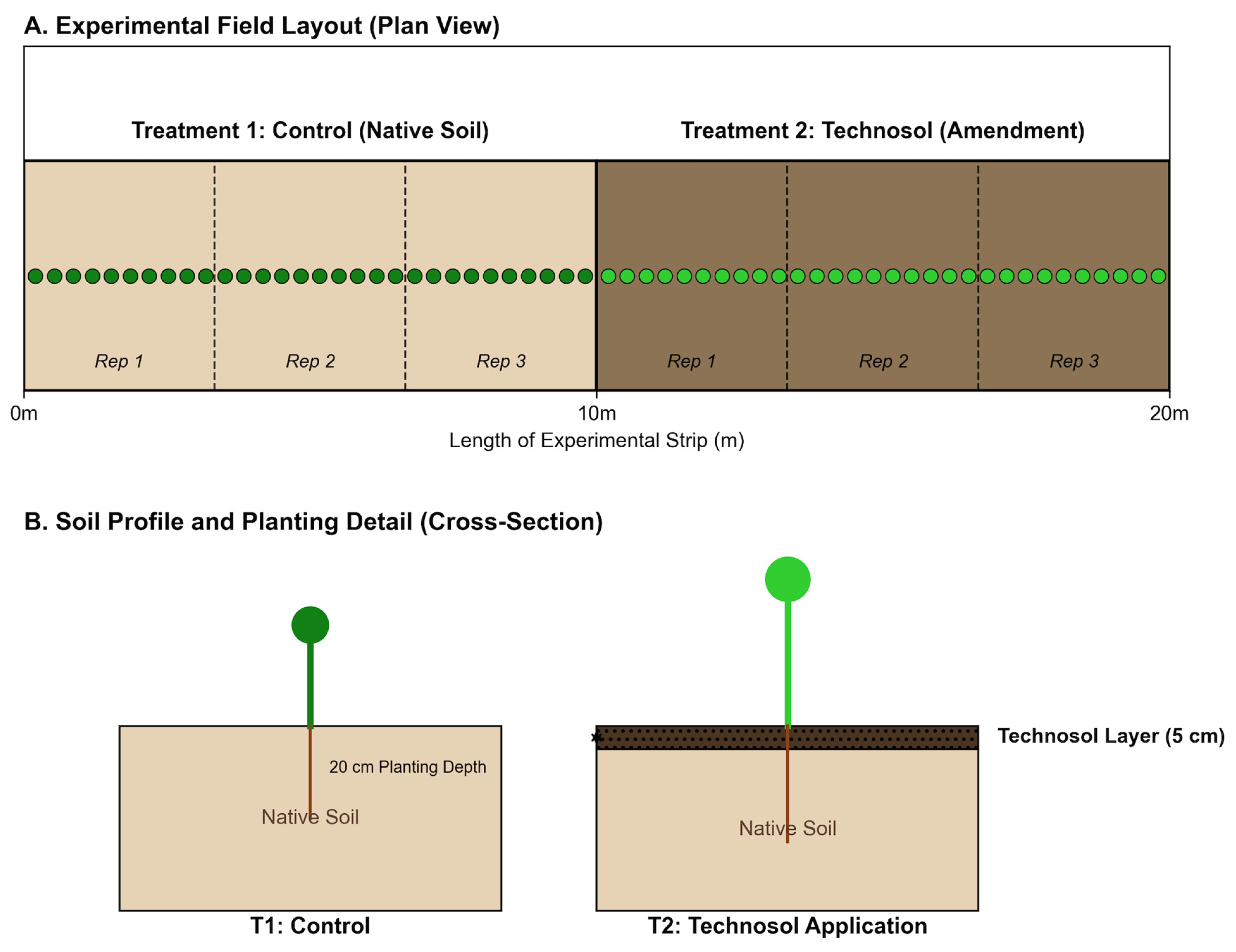
The experimental area consisted of a 20 m-long planting strip within the green zone. This strip was divided into two 10 m sections corresponding to the two treatments, and each treatment section was further subdivided into three blocks (replicates). In each block and treatment combination, 10 Duranta erecta plants were transplanted in a single row with uniform spacing, resulting in a total of 60 plants (2 treatments × 3 blocks × 10 plants per block) (Figure 4).
Before the Technosol application, the soil surface was cleaned of debris and lightly loosened to improve contact between the Technosol and the underlying soil. The 5 cm Technosol layer in T2 corresponded to approximately 124.8 kg of material applied on the treated area, calculated from the bulk density of the mature Technosol. Planting holes were opened through the Technosol layer to a depth of approximately 20 cm to accommodate the root ball of the seedlings.
During planting, no intentional mixing between the Technosol layer and the native soil was performed. Planting holes were opened vertically through the 5 cm Technosol layer into the underlying soil to accommodate the root ball, preserving the stratified configuration of the substrate. Any subsequent interaction between Technosol and the native soil occurred progressively as a result of root growth, biological activity, and the downward movement of water and dissolved compounds during the evaluation period.
Duranta erecta seedlings were purchased from a local nursery. The substrate that came with the plants was not incorporated into the soil at planting time for any of the treatments, to avoid altering the soil’s chemical properties and affecting plant performance between treatments. All plants received the same agronomic management throughout the 300-day evaluation period. Irrigation was performed using the existing residential watering schedule, supplemented when necessary, during dry spells to avoid water stress. No additional fertilizers or pesticides were applied to isolate the effect of the Technosol amendment on soil fertility and plant growth. Weeds were controlled manually as needed

2.6. Soil Sampling and Analysis

Soil samples were collected from the topsoil (0–20 cm) at two moments: (i) before Technosol application and planting (baseline), and (ii) at the end of the experiment (300 days after transplanting, DAT). In each treatment × block combination, five subsamples were taken along the planting row using an auger and combined into one composite sample. Composite samples were air-dried, gently disaggregated, passed through a 2 mm sieve, and stored for laboratory analyses. Soil physicochemical properties were determined at the Soil Laboratory of Universidad de Medellín following standard procedures for tropical soils (Table 2).
Fertility levels were interpreted according to reference ranges for tropical soils [24].

2.7. Plant Growth and Biomass

Plant response was evaluated by measuring plant height (cm) at 0, 90, and 300 days after transplanting (DAT). Height was measured from the soil surface to the apical meristem of the main stem using a measuring tape.
At 300 DAT, three representative plants per treatment and block (nine plants per treatment) were uprooted to quantify root biomass. Roots were thoroughly washed with tap water to remove adhering soil and then rinsed with distilled water. Root samples were placed in paper bags and dried in a forced-air oven at 65 °C for 48 h, or until constant weight was achieved, to determine dry matter content [36]. Dry mass was recorded using an analytical balance.

2.8. Statistical Analysis

Data on mean plant height and shoot dry biomass were analyzed using a General Linear Model (GLM) under a Randomized Complete Block Design (RCBD), considering the Treatment as a fixed effect and the Block as a random effect to account for spatial variability across the experimental area. When treatment effects were significant, mean comparisons were performed using Tukey’s Honestly Significant Difference (HSD) test with a p-value < 0.05. Although only two treatments were evaluated, the use of Tukey’s test ensured methodological consistency between variables and is statistically equivalent to a pairwise comparison under these conditions. All analyses were performed using SAS versión 9.2.

3. Results

3.1. Improvements in Soil Fertility and Chemical Properties

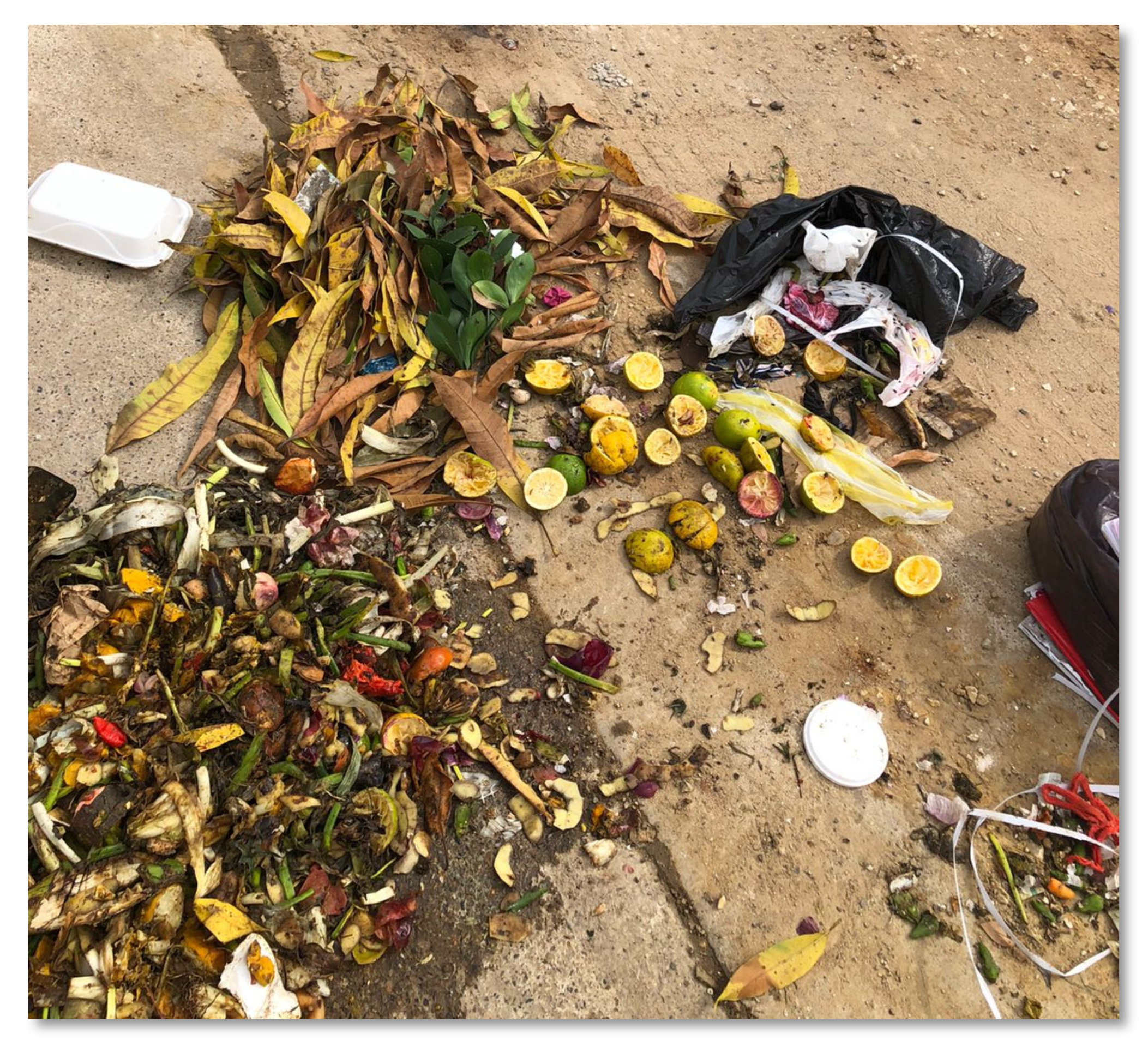
The characterization of municipal solid waste (MSW) in the Altos de Guadalupe residential complex resulted in a per capita production (PPC) of 0.56 kg·inhab−1·day−1, consistent with intermediate cities in Latin America. Of this, 56.4% corresponded to fractions suitable for Technosol formulation, including food residues, paper, cardboard, garden waste, glass, and civil construction residues (Figure 5).
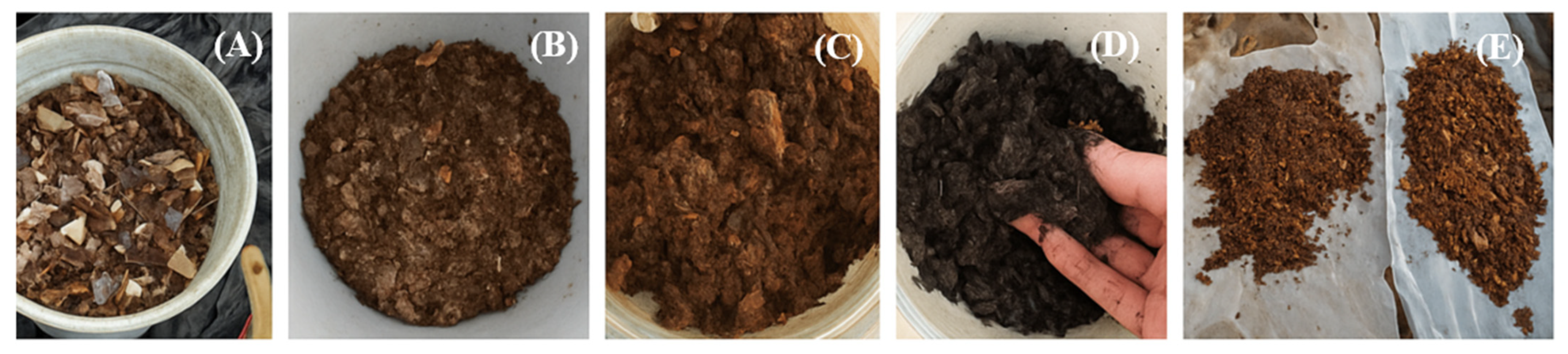
The organic fraction of municipal solid waste used as a precursor material for Technosol construction underwent marked visual changes during the 12-week composting and stabilization process, as illustrated in Figure 5. In the initial phase, the material consisted of recognizable household residues (leaves, peels, and food scraps) with a heterogeneous texture and light brown color. After 4 and 6 weeks, the mixture became progressively darker and more homogeneous, with partial loss of the original structure of the residues. By weeks 8 and 12, the material exhibited a granular structure, a dark brown color, and an earthy odor, with very few visible fragments of the original waste, indicating an advanced degree of organic matter transformation and biological stabilization. This stabilized organic component provided a suitable and safe substrate for subsequent incorporation into the Technosol matrix, and Figure 6 shows the visual evolution of the organic waste fraction from the initial mixture to the stabilized material obtained after 12 weeks of composting.
Application of Technosol as a 5 cm surface layer generated clear contrasts between treatments after 300 days. Table 3 summarizes the physicochemical properties of the original soil, unamended soil (T1), Technosol-treated soil (T2), and the Technosol material. The local soil (Table 3), representative of degraded urban soils in residential complexes, was very sandy and poor in organic matter. It contained only 5.3% clay, 0.8% OM, and had a CEC of 3.71 cmol(+)/kg, with low available P (6.3 mg/kg) and K (0.08 mg/kg) (Table 3).
After 300 days without amendment (T1), the soil showed only slight improvements, with clay content increasing to 8%, OM to 0.9% and CEC to 6.30 cmol(+)/kg, and still relatively low P and K (15.2 and 74 mg/kg, respectively). These values confirm the limited natural fertility of the substrate under conventional management.
In contrast, the soil Technosol layered system (T2) exhibited markedly higher values for all fertility indicators. Clay content doubled relative to T1, reaching 16%, OM increased to 6.3%, and CEC rose to 19.50 cmol(+)/kg. Available P increased more than threefold compared with T1 (from 15.2 to 50.3 mg/kg), while K concentrations rose from 74 to 268 mg/kg. Exchangeable Ca and Mg also increased substantially, from 4.6 to 15.0 cmol(+)/kg and from 0.6 to 2.7 cmol(+)/kg, respectively. These changes reflect a clear improvement in the soil’s capacity to retain nutrients and buffer changes in soil solution chemistry.

3.2. Agronomic Response of Duranta erecta

The improvements in soil properties translated into clear agronomic benefits for Duranta erecta. Table 4 presents the mean plant height and shoot dry biomass per treatment and block, while Table 5 shows the results of Tukey’s multiple comparison test. At the beginning of the experiment (0 days after transplanting DAT) and at 90 DAT, no statistically significant differences in plant height were observed between T1 and T2, reflecting the initial similarity in planting conditions and the time required for roots to explore the amended soil. However, by 300 DAT, plants grown in soil with a surface Technosol layer (T2) were significantly taller than those in the unamended control (T1), as confirmed by the Tukey groupings in Table 5. This temporal pattern indicates that the benefits of the Technosol become more evident as the root system develops and exploits the improved soil environment.
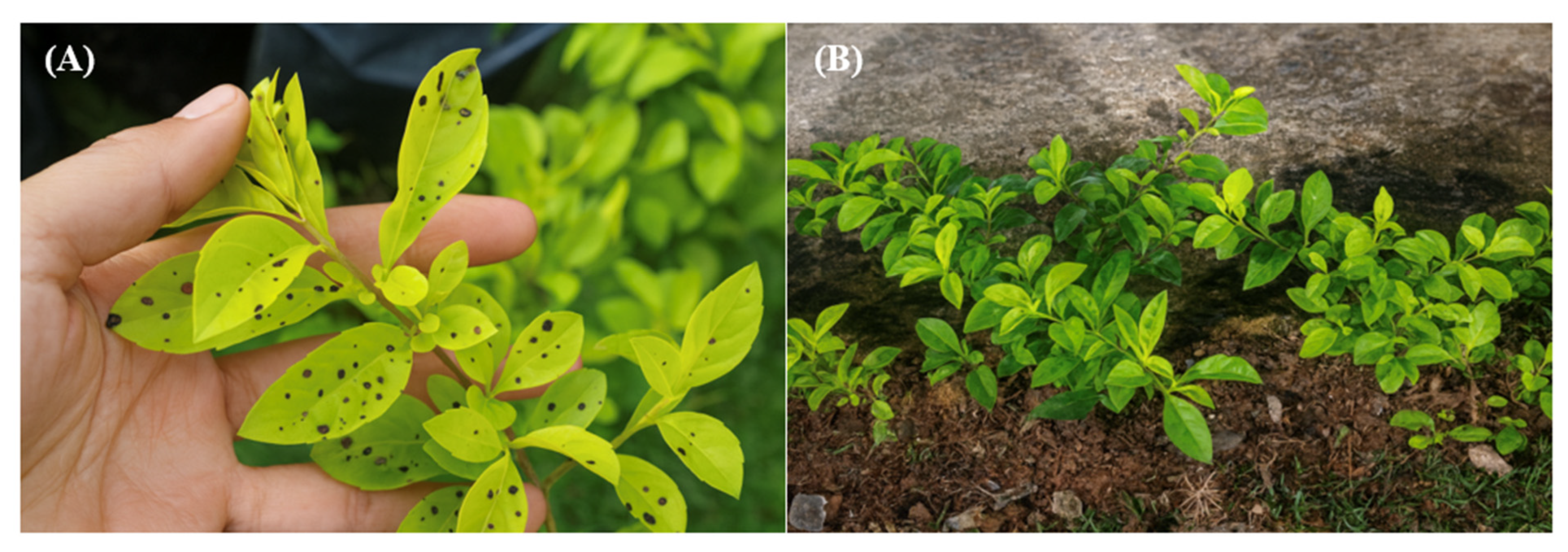
Beyond growth and biomass, plant health indicators also pointed to the beneficial role of the Technosol. Figure 7A,B illustrates the contrasting visual development of Duranta erecta in T1 and T2. Plants in T1 exhibited sparser foliage, smaller leaves, and more frequent chlorosis and necrotic spots, consistent with nutrient limitations and possible abiotic stress in the poor, unamended soil. In contrast, plants in T2 showed denser canopies, more intense green coloration, and fewer visible disease symptoms.

4. Discussion

4.1. Improvements in Soil Fertility and Chemical Properties

The characterization of municipal solid waste (Figure 5) shows value falls within the lower range reported for small and medium-sized municipalities in Latin America (0.6–0.9 kg·inhab−1·day−1), and is clearly below the average for high-income countries, where per capita generation is substantially higher [1,5,37]. From a circular economic perspective, this indicates that even residential complexes with moderate PPC can generate meaningful volumes of potentially recoverable material.
It is also important to recognize that reported waste collection percentages (WCPs) are influenced by how waste is collected and recorded. Comparative analyses of urban systems show that formal and informal collection systems often coexist, particularly in low- and middle-income settings, and that the informal sector may serve a large proportion of households without being reported in official MSW data [38,39]. In Suame Township (Ghana), for example, 61.5% of households rely on informal waste pickers, 35% on formal services, and 3.5% resort to indiscriminate dumping, with formal operators being the most efficient in terms of collection capacity and time management [39]. In contrast, the Altos de Guadalupe residential complex operates as a relatively closed system with a defined collection coverage, which improves the reliability of the PRE estimate and makes it a solid benchmark for designing decentralized waste-to-soil conversion strategies at the neighborhood scale.
The physical composition of the MSW showed a predominance of the organic fraction—food waste, paper and cardboard, and garden residues, along with recyclable inorganic materials such as glass and CCW (Figure 5). This pattern is consistent with regional assessments that identify organics as the dominant fraction of MSW in Latin America and the Caribbean [5,6]. Similar compositions have been reported in Colombian cities, where organic waste typically represents 50–65% of household MSW [4]. From the perspective of Technosol construction, this is advantageous because it guarantees a continuous supply of biodegradable material suitable for composting and soil formulation [14,15].
The fact that more than half of the waste generated can be diverted towards Technosol production illustrates the potential of decentralized “waste-to-soil” schemes at the neighborhood scale. This aligns with broader circular economy approaches that seek to transform MSW into value-added products rather than treating it as a disposal problem [3,15]. Similar diversion potentials have been reported in European and Brazilian experiences where biowaste and recyclables are selectively collected and used as inputs for Technosols and compost-based substrates [13,18,22].
From a quantitative standpoint, the diversion potential in Altos de Guadalupe is non-trivial. With a per capita MSW generation of 0.56 kg·inhab−1·day−1 and 56.4% of this stream technically suitable for Technosol formulation, full implementation of the scheme would divert about 0.32 kg·inhab−1·day−1 (≈115 kg·inhab−1·yr−1) from conventional collection and landfilling. For a residential complex of this size, this corresponds to roughly 50–60 t of material per year that can be transformed into Technosol instead of being landfilled. Using conservative emission reduction factors for landfill-to-compost diversion of organic waste, on the order of 0.4–0.7 t CO2-eq avoided per ton of organic waste not landfilled [40,41], this would translate into approximately 20–40 t CO2-eq of potential greenhouse gas emissions avoided annually. Although these values are indicative and do not account for the emissions associated with Technosol production itself, they highlight that decentralized “waste-to-soil” initiatives at the residential-complex scale can generate measurable climate co-benefits in addition to improving soil fertility.
These results directly support the first objective of the study, to identify and quantify the fraction of residential MSW suitable for Technosol production and confirm that the Altos de Guadalupe complex generates a sufficiently rich and stable feedstock for the construction of waste-derived soils.
The visual evolution of Technosols (Figure 6) is consistent with the typical trajectory of composting processes, in which organic residues transition from a fresh, labile state to a biologically stabilized and humified organic component [13]. Constructed Technosols reported in the literature rely on such stabilized organic fractions, commonly derived from composts, biosolids, or green waste, as key precursor materials for Technosol construction, contributing to the development of soil-like matrices with adequate structure, nutrient supply, and biological functionality [8,14,15].

4.2. Agronomic Response of Duranta erecta

In this study, the Technosol was applied as a constructed surface layer placed above the native soil, forming a layered soil–Technosol system rather than a conventionally amended soil. The Technosol itself was previously constructed using stabilized organic and inorganic waste materials, and its interaction with the underlying soil occurred progressively through root growth, biological activity, and the downward movement of water and dissolved compounds. Consequently, the effects discussed below reflect the functional behavior of this layered system, in which the Technosol acts as a biologically active surface horizon influencing soil chemical properties and plant performance without direct mechanical mixing with the native soil.
Since the soil samples were collected from the 0–20 cm layer and the Tecnosol was applied as a 5 cm surface layer, it represented approximately 25% of the sampled soil profile in terms of thickness. This proportion may have influenced the chemical properties of the composite samples due to the interaction between Tecnosol and the underlying native soil, as previously documented [16,36].
The slight increases observed in the chemical properties of the unamended control soil (T1) after 300 days can be attributed to the presence of dissolved ions in the irrigation water, atmospheric deposition of fine particles and dust, and the redistribution of nutrients within the soil profile driven by root activity and biological processes. Furthermore, the gradual mineralization of the small amount of native organic matter present in the soil may have contributed to a limited release of nutrients over time. These processes are well documented in urban and peri-urban soils and typically result in moderate nutrient enrichment in the absence of direct fertilization [2,7,42,43].
The increase in the fine particle size observed in soils associated with the Technosol treatment is primarily attributed to the stabilization and redistribution of native mineral fractions rather than to anthropogenic particles. Although crushed glass and CCW were incorporated into the Technosol, their contribution was low (approximately 1.2–1.7% of the total Technosol mass) and predominantly coarse-textured and structural in nature. Consequently, these materials did not dominate the fine soil fractions. Instead, the observed increase in apparent fine particles reflects enhanced aggregation processes driven by organic matter inputs and biological activity. Similar mechanisms have been widely reported in Technosols and organically amended urban soils [7,16].
These results are consistent with previous studies demonstrating that Technosols constructed from organic and mineral wastes can substantially improve soil physicochemical properties in degraded environments. Significant increases in OM, CEC, and base cations have been reported following the application of Technosols to mine spoils and urban substrates [17,20,21,23]. In urban contexts, constructed Technosols based on composts and excavation materials have achieved OM and CEC levels comparable to fertile agricultural soils, leading to improved water-holding capacity and nutrient supply [8,22].
The Technosol material itself exhibited very high OM content (11.1%) and a CEC of 29.40 cmol(+)/kg, together with neutral pH (7.1) and high concentrations of P (50.3 mg/kg) and K (2573 mg/kg). In contrast, the unamended control soil (T1) showed a clear alkalinization trend, shifting from pH 6.4 to 7.5 over the 300-day period, likely associated with carbonate inputs from irrigation water and calcareous dust deposition typical of urban environments [43]. The Technosol-amended soil (T2), however, maintained a near-neutral pH, suggesting a buffering effect provided by organic matter that helped stabilize soil reaction and preserve micronutrient availability.
Micronutrients such as Zn and B, together with sulfur, increased in the Technosol-amended soil (T2) compared to the local soil, while Cu and Mn remained largely unchanged. The combined increases in organic matter, cation exchange capacity, macronutrient availability, and pH buffering capacity demonstrate that Technosols derived from household waste are effective in restoring edaphic fertility in residential green areas.
Although the Technosol was applied as a relatively thin surface layer (5 cm), its influence can extend beyond its physical thickness. In ornamental shrubs, the fine roots responsible for nutrient and water absorption are preferentially distributed in the upper soil layers, where organic matter and nutrient availability are higher. Furthermore, the progressive downward movement of dissolved nutrients and organic compounds, along with root growth and biological activity, promotes interaction between the Technosol layer and the underlying soil over time. Similar effects have been reported for Technosols and organic matter-rich surface layers applied to degraded soils, where relatively thin amendments act as active fertility horizons that boost root development and plant yield beyond their immediate thickness [16,36].
Shoot dry biomass followed a similar trend: while early differences between treatments were minimal, by 300 DAT, plants in T2 accumulated substantially more shoot biomass than those in T1 (Table 4). This pattern indicates that the higher nutrient availability and the improved water retention observed in the soil with a surface Technosol layer (Table 3) supported greater photosynthetic activity and carbon allocation to aboveground tissues. Comparable responses have been reported in studies where substrates or Technosols based on organic wastes were used for ornamental plants under tropical and subtropical conditions, with significant gains in plant height, canopy development, and biomass relative to conventional soils or commercial substrates [22,25]. Substrates formulated with agro-industrial residues have consistently increased shoot dry mass and floral traits in Zinnia elegans and other ornamentals [44,45], while agriwaste- and biochar-based media in constructed wetlands have enhanced biomass and nutrient uptake of ornamental species such as Canna indica and Lilium wallichianum [46]. Likewise, Technosols designed from construction and excavation waste combined with compost and wood chips have supported vigorous vegetative growth and flowering of multiple ornamental species without mineral fertilization, confirming the agronomic robustness of waste-derived substrates [47].
Root biomass was quantitatively assessed and is reported in Table 4. Plants in T2 showed more extensive and better-branched root systems than those in T1, which is consistent with the higher organic matter content, cation exchange capacity, and improved structure of the amended soil. Organic matter, through its effects on aggregation, porosity, and nutrient retention, is known to promote root proliferation and enhance nutrient and water uptake [2,24]. Similar improvements in root architecture and biomass have been documented in ornamental plants grown on agro-industrial waste-based substrates [44,45] and in Technosols constructed from urban and construction wastes [22,47], where better rooting has been directly associated with increased plant vigor, survival, and aesthetic quality. Within this broader context, the shoot and root biomass values obtained for Duranta erecta in the Technosol treatment fall within the range reported for ornamental species cultivated on high-quality waste-derived substrates, reinforcing the suitability of residential Technosols as functional growing media for urban landscaping [44,46,47].
Figure 7 suggests that Technosol not only improved nutrient supply but may also have contributed to a more favorable rhizosphere, as compost- and Technosol-based substrates have frequently been associated with enhanced microbial activity and suppression of certain soil-borne diseases [8,13,15].
The agronomic responses of Duranta erecta observed in this study are consistent with the broader literature on Technosols and organic waste–based substrates and confirm that the improvements in edaphic fertility documented in Table 3 are functionally meaningful for plant performance. These findings address the third objective of the study by demonstrating that Technosols derived from household MSW can sustain healthy ornamental vegetation under real residential conditions.

4.3. Environmental and Circular Economic Implications of Residential Technosols

From a broader perspective of sustainability and urban planning, the results indicate that residential complexes can function as decentralized micro-centers of the circular economy by converting their own municipal solid waste into Technosols capable of restoring soil fertility and maintaining resilient urban vegetation. By closing nutrient and organic matter cycles at the neighborhood scale, this approach reduces the volume of waste sent to landfills and the greenhouse gas emissions associated with organic waste disposal, while generating a valuable soil resource for local use [3,4].
Beyond waste diversion, the observed improvements in soil organic matter, cation exchange capacity, and nutrient availability highlight the potential role of residential Technosols in urban soil conservation. Technosols rich in organic matter have been shown to improve soil fertility, carbon sequestration, water retention, and structural stability, all of which are relevant for maintaining the long-term functionality of urban green spaces established on degraded or compacted substrates [2,8,23]. In this context, the stratified soil-Technosol system evaluated here represents a favorable alternative compared to conventional soil replacement or intensive amendment practices, offering a minimally invasive strategy for improving soil quality while preserving the underlying soil profile.
From a landscape design perspective, the use of Technosols produced from household waste provides a locally available and low-cost substrate for residential green infrastructure. Previous studies have shown that Technosols and compost-based substrates derived from urban byproducts can promote vegetation establishment in parks, gardens, green roofs, and other urban green spaces, often achieving soil fertility levels comparable to or higher than those of imported topsoil [14,15,22]. By reducing reliance on externally sourced fertile soils and synthetic fertilizers, residential Technosols can decrease the demand for material transportation and the associated environmental footprint, contributing to more resource-efficient urban landscaping strategies.
Regarding ecosystem services, although this study did not directly quantify parameters such as soil temperature regulation, infiltration rates, or microclimatic effects, the documented improvement in soil quality and plant performance suggests that residential Technosols can promote multifunctional green spaces with potential contributions to urban climate regulation and human well-being. Urban soils rich in organic matter and vegetated areas have been widely associated with improved thermal buffering, mitigation of the urban heat island effect, and greater aesthetic and recreational value in cities [2,8,9].
The integration of residential Technosols into urban land management and green space design aligns closely with Sustainable Development Goals 11 and 12, providing an operational pathway to link responsible consumption and production with sustainable cities and communities. While current results demonstrate the technical feasibility and immediate benefits of this approach, future research should incorporate microbiological, ecotoxicological, and long-term monitoring to assess the persistence of soil improvements, carbon dynamics, and the potential behavior of contaminants under urban residential conditions.

5. Conclusions

This study confirms that municipal solid waste from households can be effectively transformed into functional Technosols at a residential scale, supporting the claim that Technosols derived from waste significantly improve the chemical fertility of urban soil. In the Altos de Guadalupe residential complex, per capita waste generation reached 0.56 kg/person/day, of which 56.4% corresponded to recyclable organic and inorganic fractions suitable for Technosol production, demonstrating the viability of decentralized waste valorization in medium-sized residential communities.
The Technosols formulated from residential waste exhibited a near-neutral pH (≈7.1), a high organic matter content, and elevated concentrations of essential macro- and micronutrients. When applied as a 5 cm topsoil layer, the stratified soil-Tecnosol system increased soil organic matter by 5.4 percentage points compared to the unamended control, significantly improved the availability of P, K, Ca, and Mg, and increased cation exchange capacity, indicating a greater ability to retain and supply nutrients.
These improvements resulted in better agronomic performance of Duranta erecta. After 300 days, plants grown with a Tecnosol topsoil layer reached an average height of 83.5 cm, approximately 42% greater than those grown in unamended soil, and showed a significantly higher amount of root dry matter (58.29% vs. 34.38%). With this configuration, the Tecnosol functioned as a biologically active surface horizon that interacted with the underlying native soil, rather than as a conventional amendment.
This study demonstrates that residential waste-to-soil conversion strategies can simultaneously address soil degradation and household waste management, in line with the principles of the circular economy and Sustainable Development Goals 11 and 12.
From a future research and management perspective, long-term studies are needed to assess the stability of soil improvements, nutrient dynamics, and potential environmental implications in residential urban settings, including microbiological and ecotoxicological aspects. At the planning level, integrating residential Technosols into municipal waste management and urban green infrastructure strategies could foster scalable and context-specific approaches to the circular management of urban soil.

Author Contributions

L.H.S., original draft, writing. H.H. and A.N.G., writing and preparation. J.R., A.L.M.-R., A.H. and D.P., writing and review. C.G.R., reviewing, preparation, and visualization. All authors have read and agreed to the published version of the manuscript.

Funding

This research received no external funding.

Institutional Review Board Statement

Not applicable.

Informed Consent Statement

Not applicable.

Data Availability Statement

Any requested data will be given upon request.

Acknowledgments

The authors would like to express their sincere gratitude to the Universidad de la Costa (CUC) for the academic support and institutional backing that made this research possible. Special thanks are extended to the staff of the Soil Laboratory at Universidad de Medellín for their technical assistance in the physicochemical analyses of soil and Technosol samples. We are also deeply grateful to the residents and administration of the Altos de Guadalupe residential complex for their collaboration during the waste separation and field experimentation phases. Their commitment to source separation and participation in the project was relevant to the successful implementation of the “waste-to-soil” strategy.

Conflicts of Interest

Author Andreas Hasse was employed by the company HRES Development GmbH. The remaining authors declare that the research was conducted in the absence of any commercial or financial relationships that could be construed as a potential conflict of interest.

References

  1. Kaza, S.; Yao, L.C.; Bhada-Tata, P.; Van Woerden, F. What a Waste 2.0: A Global Snapshot of Solid Waste Management to 2050; World Bank: Washington, DC, USA, 2018; Available online: http://hdl.handle.net/10986/30317 (accessed on 21 November 2025). [CrossRef]
  2. Lal, R. Restoring soil quality to mitigate soil degradation. Sustainability 2015, 7, 5875–5895. [Google Scholar] [CrossRef]
  3. Chenavaz, R.Y.; Dimitrov, S. From waste to wealth: Policies to promote the circular economy. J. Clean. Prod. 2024, 443, 141086. [Google Scholar] [CrossRef]
  4. Gómez-Maldonado, A.; Ospina-Espita, L.C.; Rodríguez-Lesmes, P.; Rodríguez-Rodriguez, M.A. Barriers and opportunities for waste pickers within solid waste management policy in Colombia. Waste Manag. 2023, 163, 1–11. [Google Scholar] [CrossRef]
  5. Hernández-Berriel, M.d.C.; Aguilar-Virgen, Q.; Taboada-González, P.; Lima-Morra, R.; Eljaiek-Urzola, M.; Márquez-Benavides, L.; Buenrostro-Delgado, O. Generación y composición de los residuos sólidos urbanos en América Latina y el Caribe. Rev. Int. Contam. Ambient. 2017, 33, 11–22. [Google Scholar] [CrossRef]
  6. Departamento Nacional de Planeación. Política Nacional para la Gestión Integral de Residuos Sólidos (Documento CONPES 3874). 2016. Available online: https://colaboracion.dnp.gov.co/CDT/Conpes/Económicos/3874.pdf (accessed on 21 November 2025).
  7. Joimel, S.; Schwartz, C.; Hedde, M.; Kiyota, S.; Krogh, P.H.; Nahmani, J.; Pérès, G.; Vergnes, A.; Cortet, J. Urban and industrial land uses have a higher soil biological quality than expected from physicochemical quality. Sci. Total Environ. 2017, 584, 614–621. [Google Scholar] [CrossRef]
  8. Rodríguez-Espinosa, T.; Navarro-Pedreño, J.; Gómez-Lucas, I.; Jordán-Vidal, M.M.; Bech-Borras, J.; Zorpas, A.A. Urban areas, human health and technosols for the green deal. Environ. Geochem. Health 2021, 43, 5065–5086. [Google Scholar] [CrossRef]
  9. United Nations. Transforming Our World: The 2030 Agenda for Sustainable Development; United Nations: New York, NY, USA, 2015; Available online: https://sdgs.un.org/2030agenda (accessed on 21 November 2025).
  10. IUSS Working Group WRB. World Reference Base for Soil Resources 2014, Update 2015: International Soil Classification System for Naming Soils and Creating Legends for Soil Maps (World Soil Resources Reports No. 106); FAO: Rome, Italy, 2015; Available online: https://openknowledge.fao.org/server/api/core/bitstreams/bcdecec7-f45f-4dc5-beb1-97022d29fab4/content (accessed on 21 November 2025).
  11. Macías, F. Recuperación de suelos degradados, reutilización de residuos y secuestro de carbono. Una alternativa integral de mejora de la calidad ambiental. Recur. Rurais 2004, 1, 49–56. Available online: https://www.ibader.gal/archivos/RR_SerieCursos_N01_2004-66.pdf#page=59 (accessed on 21 November 2025).
  12. Bolaños-Guerrón, D.; Verde-Vilanova, R.; Macías-García, F.; Macías, F. Diseño y Empleo de Tecnosoles “A la Carta” Para la Recuperación de la Calidad del Agua; Laboratorio de Tecnología Ambiental, Universidad de Santiago de Compostela: Santiago, Spain, 2014. Available online: https://www.researchgate.net/profile/Dario-Bolanos-3/publication/274314614_DISENO_Y_EMPLEO_DE_TECNOSOLES_A_LA_CARTA_PARA_LA_RECUPERACION_DE_LA_CALIDAD_DEL_AGUA/links/551b697d0cf2fdce84389ce0/DISENO-Y-EMPLEO-DE-TECNOSOLES-A-LA-CARTA-PARA-LA-RECUPERACION-DE-LA-CALIDAD-DEL-AGUA.pdf (accessed on 21 November 2025).
  13. Koetz, G.M.; Dalmora, A.C.; Hernández Palma, H.G.; Dick, D.; Selbach, P. Characterization of humic substances developed during the composting of class II A organic solid waste: A case study in a composting plant in Montenegro, Brazil. Lat. Am. Dev. Energy Eng. 2022, 3, 11–22. [Google Scholar] [CrossRef]
  14. Fabbri, D.; Pizzol, R.; Calza, P.; Malandrino, M.; Gaggero, E.; Padoan, E.; Ajmone-Marsan, F. Constructed Technosols: A strategy toward a circular economy. Appl. Sci. 2021, 11, 3432. [Google Scholar] [CrossRef]
  15. Ferrández-Gómez, B.; Jordá, J.D.; Sánchez-Sánchez, A.; Cerdán, M. Characterization of Technosols for Urban Agriculture. Sustainability 2023, 15, 15769. [Google Scholar] [CrossRef]
  16. Asensio, V.; Vega, F.A.; Andrade, M.L.; Covelo, E.F. Technosols made of wastes to improve physico-chemical characteristics of a copper mine soil. Pedosphere 2013, 23, 1–9. [Google Scholar] [CrossRef]
  17. Santos, E.S.; Abreu, M.M.; Macías, F. Rehabilitation of mining areas through integrated biotechnological approach: Technosols derived from organic/inorganic wastes and autochthonous plant development. Chemosphere 2019, 224, 765–775. [Google Scholar] [CrossRef] [PubMed]
  18. Gonçalves, J.O.; Fruto, C.M.; Barranco, M.J.; Oliveira, M.L.S.; Ramos, C.G. Recovery of degraded areas through technosols and mineral nanoparticles: A review. Sustainability 2022, 14, 993. [Google Scholar] [CrossRef]
  19. Soria, R.; González-Pérez, J.A.; de la Rosa, J.M.; San Emeterio, L.M.; Domene, M.A.; Ortega, R.; Miralles, I. Effects of technosols based on organic amendments addition for the recovery of the functionality of degraded quarry soils under semiarid Mediterranean climate: A field study. Sci. Total Environ. 2022, 816, 151572. [Google Scholar] [CrossRef]
  20. Aguilar-Garrido, A.; Vidigal, P.; Caperta, A.D.; Abreu, M.M. An integrated approach to remediate saline soils and mining waste using technosols and pasture development. Soil Syst. 2024, 8, 103. [Google Scholar] [CrossRef]
  21. Fernández-Caliani, J.C.; Fernández-Landero, S.; Giráldez, M.I.; Hidalgo, P.J.; Morales, E. Unveiling a Technosol-based remediation approach for enhancing plant growth in an iron-rich acidic mine soil from the Rio Tinto Mars analog site. Sci. Total Environ. 2024, 922, 171217. [Google Scholar] [CrossRef]
  22. Grard, B.J.; Manouchehri, N.; Aubry, C.; Frascaria-Lacoste, N.; Chenu, C. Potential of technosols created with urban by-products for rooftop edible production. Int. J. Environ. Res. Public Health 2020, 17, 3210. [Google Scholar] [CrossRef]
  23. Ruiz, F.; Rumpel, C.; Silva, B.M.; de Camargo, P.B.; Ferreira, T.O. Soil organic matter stabilization during early stages of Technosol development from Ca, Mg and pyrite-rich parent material. Catena 2023, 232, 107435. [Google Scholar] [CrossRef]
  24. Osorio, G.I. Manejo de nutrientes en suelos del trópico. Cuad. Act. 2014, 5, 140. Available online: https://ojs.tdea.edu.co/index.php/cuadernoactiva/article/view/210 (accessed on 21 November 2025).
  25. Moreira, L.L.; Calvelli, J.V.B.; Cunha, A.R.D.; Alves, P.I.; Bastos, R.G.; Trindade, L.D.O.R.; da Silva, G.A.; Barbosa, S. Can pruning enhance the allelopathic effect? A study with Golden-Dewdrop. Ornam. Hortic. 2024, 30, e242705. [Google Scholar] [CrossRef]
  26. Peel, M.C.; Finlayson, B.L.; McMahon, T.A. Updated world map of the Köppen–Geiger climate classification. Hydrol. Earth Syst. Sci. 2007, 11, 1633–1644. [Google Scholar] [CrossRef]
  27. Soil Survey Staff. United States Department of Agriculture Keys to Soil Taxonomy, 12th ed.; Natural Resources Conservation Service, U.S. Department of Agriculture: Washington, DC, USA, 2014. [Google Scholar]
  28. Reglamento Técnico del Sector de Agua Potable y Saneamiento Básico, RAS—2000. República de Colombia, Ministerio de Desarrollo Económico, Dirección de Agua Potable y Saneamiento Básico. 2000. Available online: https://www.emvarias.com.co/emvarias/Portals/0/archivos/gestionsocial/RAS%202000%20TITULO%20F.pdf?ver=mRciecbNhGO0Q1j0AmUbOg%3D%3D&timestamp=1656360008411 (accessed on 21 November 2025).
  29. ASTM D5231-92(2016); Standard Test Method for Determination of the Composition of Unprocessed Municipal Solid Waste. ASTM International: West Conshohocken, PA, USA, 2016. [CrossRef]
  30. Moreno-Ríos, A.L.; Lugo-Sierra, D.P. Innovation in Technosols to promote urban agriculture in Barranquilla, Colombia: Innovation in Technosols to promote urban agriculture in Barranquilla, Colombia. Lat. Am. Dev. Energy Eng. 2025, 5, 44–50. [Google Scholar] [CrossRef]
  31. Bouyoucos, G.J. Hydrometer method improved for making particle size analyses of soils. Agron. J. 1962, 54, 464–465. [Google Scholar] [CrossRef]
  32. ICONTEC. Norma Técnica Colombiana NTC 5403: Calidad del Suelo. Determinación del Carbono Orgánico. Instituto Colombiano de Normas Técnicas y Certificación. 2021. Available online: https://tienda.icontec.org/gp-calidad-del-suelo-determinacion-del-carbono-organico-ntc5403-2021.html (accessed on 21 November 2025).
  33. Bray, R.H.; Kurtz, L.T. Determination of total, organic, and available forms of phosphorus in soils. Soil Sci. 1945, 59, 39–46. Available online: https://journals.lww.com/soilsci/citation/1945/01000/determination_of_total,_organic,_and_available.6.aspx (accessed on 21 November 2025). [CrossRef]
  34. Sparks, D.L.; Page, A.L.; Helmke, P.A.; Loeppert, R.H. (Eds.) Methods of Soil Analysis, Part 3: Chemical Methods; Soil Science Society of America/John Wiley & Sons: Hoboken, NJ, USA, 2020. [Google Scholar]
  35. Lindsay, W.L.; Norvell, W.A. Development of a DTPA soil test for zinc, iron, manganese, and copper. Soil Sci. Soc. Am. J. 1978, 42, 421–428. [Google Scholar] [CrossRef]
  36. Ugolini, F.; Baronti, S.; Lanini, G.M.; Maienza, A.; Ungaro, F.; Calzolari, C. Assessing the influence of topsoil and technosol characteristics on plant growth for the green regeneration of urban built sites. J. Environ. Manag. 2020, 273, 111168. [Google Scholar] [CrossRef]
  37. Hoornweg, D.; Giannelli, N. Managing Municipal Solid Waste in Latin America and the Caribbean: Integrating the Private Sector, Harnessing Incentives (Gridlines Note No. 28); World Bank: Washington, DC, USA, 2007; Available online: https://www.ppiaf.org/sites/default/files/documents/2007-01/Gridlines-28-Managing_20Municipal_20Solid_20Waste_20in_20LAC_20-_20DHoornweg_20NGiannelli.pdf (accessed on 21 November 2025).
  38. Wilson, D.C.; Rodic, L.; Scheinberg, A.; Velis, C.A.; Alabaster, G. Comparative analysis of solid waste management in 20 cities. Waste Manag. Res. 2012, 30, 237–254. [Google Scholar] [CrossRef]
  39. Ampong, R.O.; Miezah, K.; Banunle, A.; Amuah, E.E.Y.; Amoah, E.G. Comparative analysis of the effectiveness and efficiency of formal and informal waste collectors in urban waste management system. Heliyon 2024, 10, e39017. [Google Scholar] [CrossRef]
  40. Intergovernmental Panel on Climate Change. 2006 IPCC Guidelines for National Greenhouse Gas Inventories; Eggleston, H.S., Buendia, L., Miwa, K., Ngara, T., Tanabe, K., Eds.; Institute for Global Environmental Strategies: Tokyo, Japan, 2006; Available online: https://www.ipcc-nggip.iges.or.jp/public/2006gl/ (accessed on 21 November 2025).
  41. United States Environmental Protection Agency. Documentation for Greenhouse Gas Emission and Energy Factors Used in the Waste Reduction Model (WARM), Version 16; U.S. Environmental Protection Agency: Washington, DC, USA, 2023. Available online: https://www.epa.gov/system/files/documents/2023-12/warm-background_v16_dec.pdf (accessed on 21 November 2025).
  42. Nordahl, S.L.; Preble, C.V.; Kirchstetter, T.W.; Scown, C.D. Greenhouse gas and air pollutant emissions from composting. Environ. Sci. Technol. 2023, 57, 2235–2247. [Google Scholar] [CrossRef]
  43. Dalmora, A.C.; Müller Kautzmann, R.; Staub, J.; Homrich Schneider, I.A. Crushed amygdaloidal basalt rock and its effects on tomato production. Lat. Am. Dev. Energy Eng. 2022, 3, 1–10. [Google Scholar] [CrossRef]
  44. Cavalcante, D.F.; Vendruscolo, E.P.; Bastos, F.E.A.; Bortolheiro, F.P.A.P.; Costa, E.; Binotti, F.F.S.; Ribeiro, B.L.Q. Substrate based on agro-industrial waste and color of cultivation benches influence the production of Zinnia elegans. Ornam. Hortic. 2024, 30, e242726. [Google Scholar] [CrossRef]
  45. Vendruscolo, E.P.; Seron, C.C.; Cavalcante, D.F.; Batista, G.A.; Seleguini, A. Production of mini plants of Zinnia elegans in substrate based on agro-industrial waste. Res. Soc. Dev. 2020, 9, e272985332. [Google Scholar] [CrossRef]
  46. Sharma, M.; Sharma, N.R.; Kanwar, R.S. Assessment of agriwaste derived substrates to grow ornamental plants for constructed wetland. Environ. Sci. Pollut. Res. 2023, 30, 84645–84662. [Google Scholar] [CrossRef]
  47. Abbruzzini, T.F.; Mora, L.; Prado, B. Evaluation of Technosols constructed with construction and excavation debris for greenhouse production of ornamental plants. J. Soils Sediments 2022, 22, 745–756. [Google Scholar] [CrossRef]
Figure 1. Geographic location of the Altos de Guadalupe residential complex in Sabanalarga (Atlántico, Colombia) and layout of the experimental area within the common green spaces.
Sustainability 18 01565 g001
Figure 2. Schematic overview of the residential-scale Technosol production, application, and evaluation process.
Sustainability 18 01565 g002
Figure 3. Stratigraphic arrangement of the Technosol production system. Each rectangle (1–10) represents the order and composition of the waste layers to produce Technosol.
Sustainability 18 01565 g003
Figure 4. Experimental design layout and soil profile configuration. (A) Plan view of the 20 m planting strip divided into two main sections for Control (T1) and Technosol (T2) treatments. (B) Cross-section illustrating the edaphic profile. T1 consists of native soil, while T2 incorporates a 5 cm top layer of Technosol (approx. 124.8 kg applied). Seedlings were transplanted to a depth of 20 cm, ensuring root contact with the underlying soil in both treatments. The green dots represent the plants.
Sustainability 18 01565 g004
Figure 5. Physical composition of municipal solid waste generated in the residential complex, showing the predominance of organic fractions.
Sustainability 18 01565 g005
Figure 6. Visual evolution of organic and inorganic waste during the 12-week composting and stabilization process prior to Technosol construction. (A) initial mixture (week 0) and after (B) 4, (C) 6, (D) 8, and (E) 12 weeks.
Sustainability 18 01565 g006
Figure 7. (A) Development of the green Duranta erecta plant in soil without Tecnosol (T1). (B) Development of the green Duranta erecta plant in soil with Tecnosol (T2).
Sustainability 18 01565 g007
Table 1. Amount of residues used in each layer according to the bioreactor capacity.
Bioreactor Capacity (L)Organic Waste (kg)Crushed Glass and CCW (kg)Sawdust (kg)Paper (kg)Cardboard
(kg)
Dry Leaves
(kg)
Total
Weight
(kg)
205.000.300.300.350.540.3717.51
5015.000.800.800.851.400.8565.50
20035.002.002.503.502.502.00154.50
Layers1, 3, 6 and 824 and 95710
Table 2. Summary of soil variables, analytical methods, and references.
VariableMethod/ExtractantMeasurement TechniqueReferences
TextureBouyoucos hydrometer methodHydrometer reading[31]
pH1:1 soil–water suspensionPotentiometric (pH meter)
Organic matter (OM)NTC 5403—Walkley–Black wet oxidationTitrimetric[32]
Available phosphorus (P)Bray II extractantColorimetric determination[33]
Exchangeable cations (Ca, Mg, K, Na)1 N NH4OAc extractant at pH 7.0Atomic Absorption Spectrophotometry (AAS)[34]
Micronutrients (Zn, Cu, Mn, B) and SDTPA (diethylenetriaminepentaacetic acid) extractionAtomic Absorption Spectrophotometry (AAS)[35]
Table 3. Physical and chemical properties of the local soil, soils with and without Technosol after 300 days, and the Technosol material.
Material/TreatmentClay (%)pH (1:2.5)OM (%)CEC (cmol(+)/kg)P (mg/kg)K (mg/kg)Ca (cmol(+)/kg)Mg (cmol(+)/kg)Zn (mg/kg)Cu (mg/kg)Mn (mg/kg)B (mg/kg)S (mg/kg)
Local soil (before experiment)5.36.40.83.716.30.081.820.234.36.090.10.426.8
Soil without Technosol after 300 days (T1)8.07.50.96.315.2744.60.64.30.30.10.427.1
Soil with Technosol after 300 days (T2)16.07.16.319.550.326815.02.714.90.30.11.246.6
Technosol (composted material)16.07.111.129.450.3257317.83.914.40.30.13.146.6
Table 4. Mean height (cm), shoot fresh biomass and shoot dry biomass (g plant−1) per treatment and replicate.
TreatmentReplicateHeight at 0 Days (cm)Height at 90 Days (cm)Height at 300 Days (cm)Shoot Fresh Biomass (g)Shoot Dry Biomass (g)
T1111.035.060.030.010.0
T129.029.054.031.021.0
T1311.636.062.529.011.0
T2111.040.085.050.040.0
T2210.036.082.052.035.0
T2310.537.083.550.042.0
Table 5. Tukey’s multiple mean comparison test for plant height and shoot dry biomass.
VariableT1 (Mean)T2 (Mean)
Height at 0 days (cm)10.53 a10.50 a
Height at 90 days (cm)33.33 a37.67 a
Height at 300 days (cm)58.83 a83.50 b
Shoot dry biomass (g)14.00 a39.00 b
Note. Different letters indicate statistically significant differences between treatments within each variable according to Tukey’s test (p < 0.05).
Disclaimer/Publisher’s Note: The statements, opinions and data contained in all publications are solely those of the individual author(s) and contributor(s) and not of MDPI and/or the editor(s). MDPI and/or the editor(s) disclaim responsibility for any injury to people or property resulting from any ideas, methods, instructions or products referred to in the content.