1. Introduction
Since the onset of reform and opening-up, China has experienced rapid economic growth, leading to a substantial rise in residents’ income levels. According to national statistics, the country’s per capita disposable income soared from CNY 171 in 1978 to CNY 39,218 in 2024—an increase of more than 229-fold over 45 years. Despite this remarkable progress, rural development has lagged behind and is increasingly characterized by three closely related challenges: relatively low income levels, a highly unbalanced income composition, and widening intra-rural inequality [
1,
2,
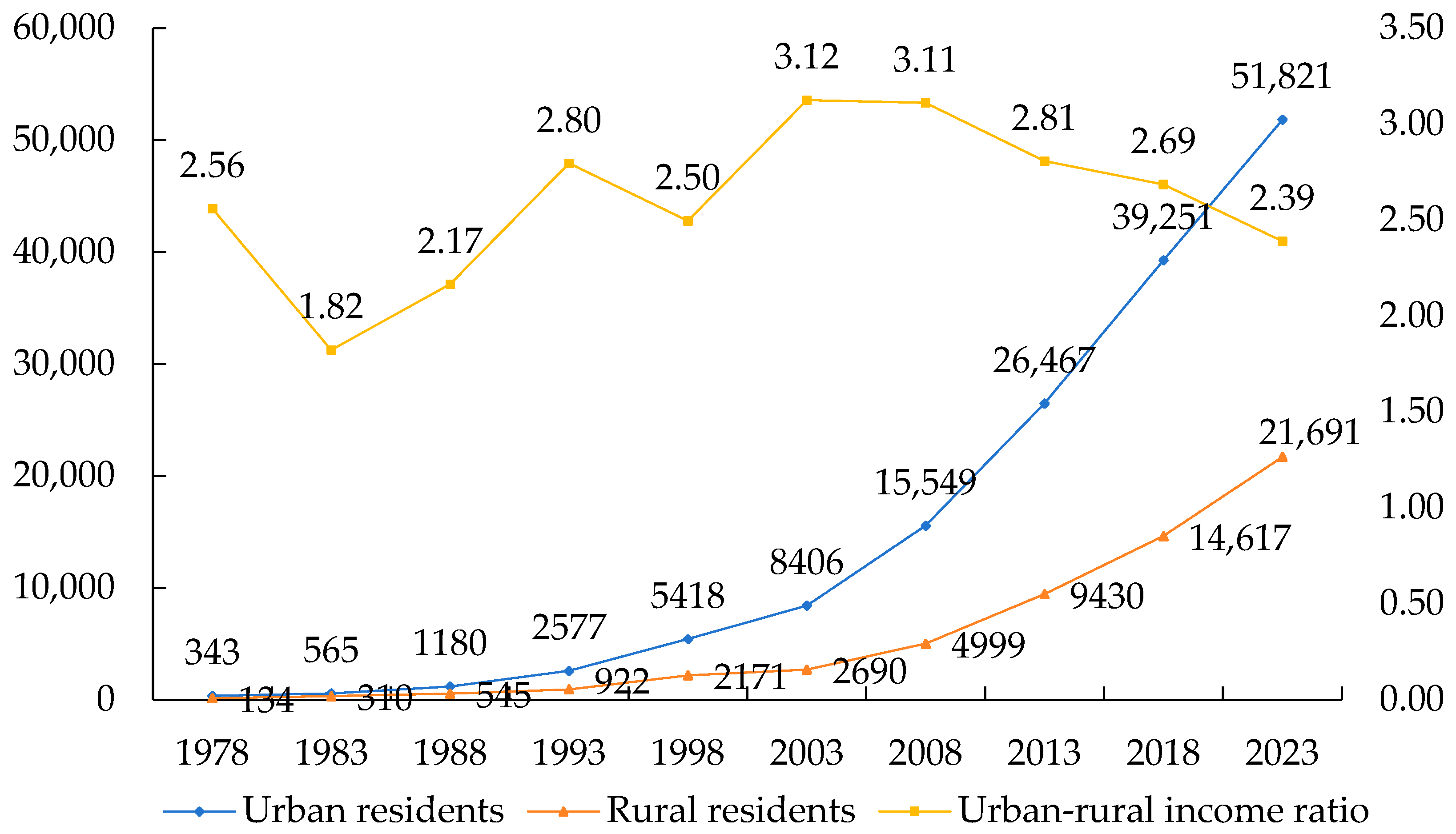
3]. First, rural residents’ per capita disposable income reached CNY 21,691 in 2023 (
Figure 1), yet urban residents’ per capita disposable income had already exceeded CNY 24,000 as early as 2012, underscoring the persistent gap in absolute income levels.
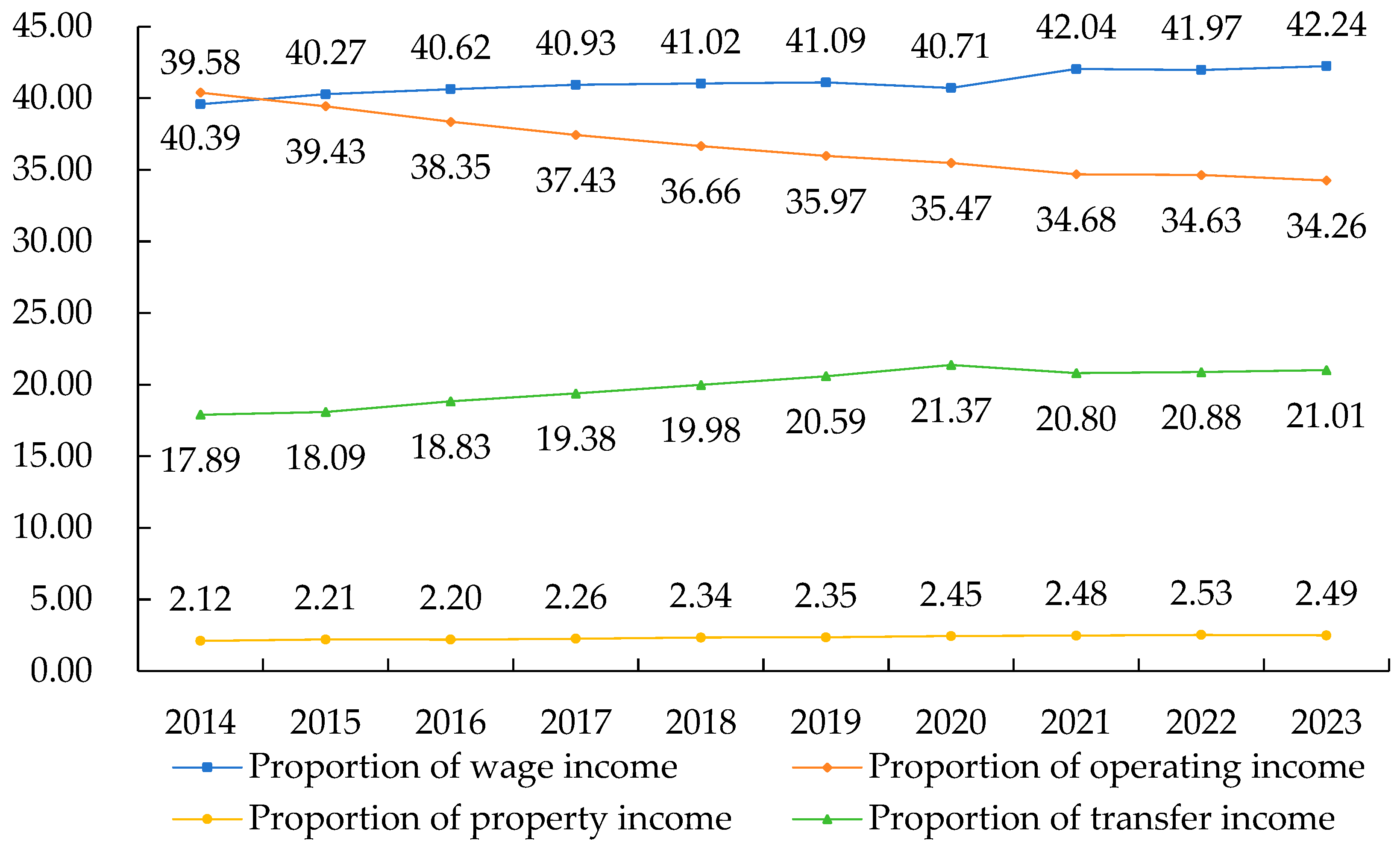
Second, the rural residents’ income structure remains skewed (
Figure 2): wage and operating incomes consistently account for more than 70% of total income, whereas property income has long constituted below 3%, limiting wealth accumulation and inter-temporal income smoothing. Third, inequality within rural areas has intensified (
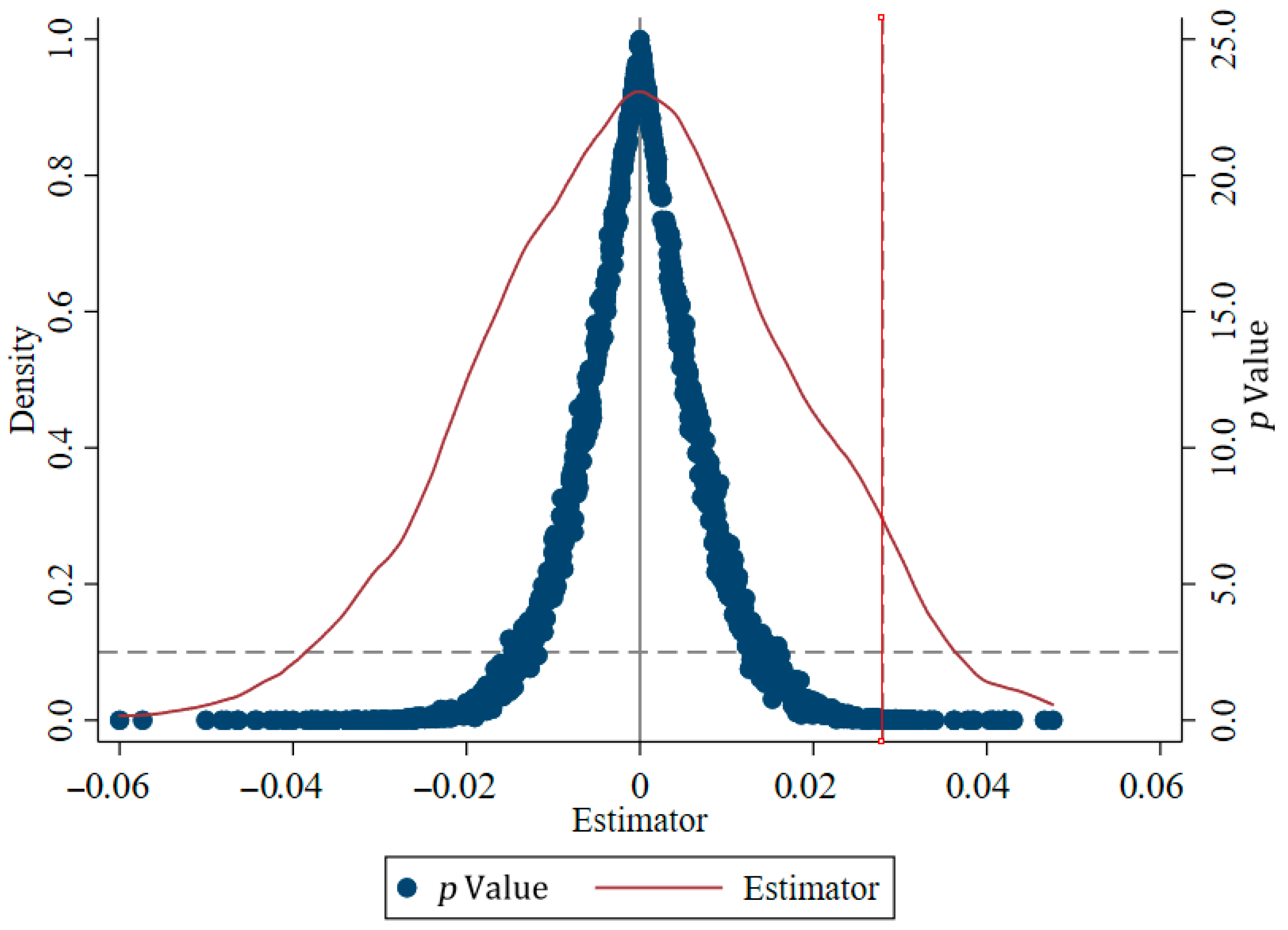
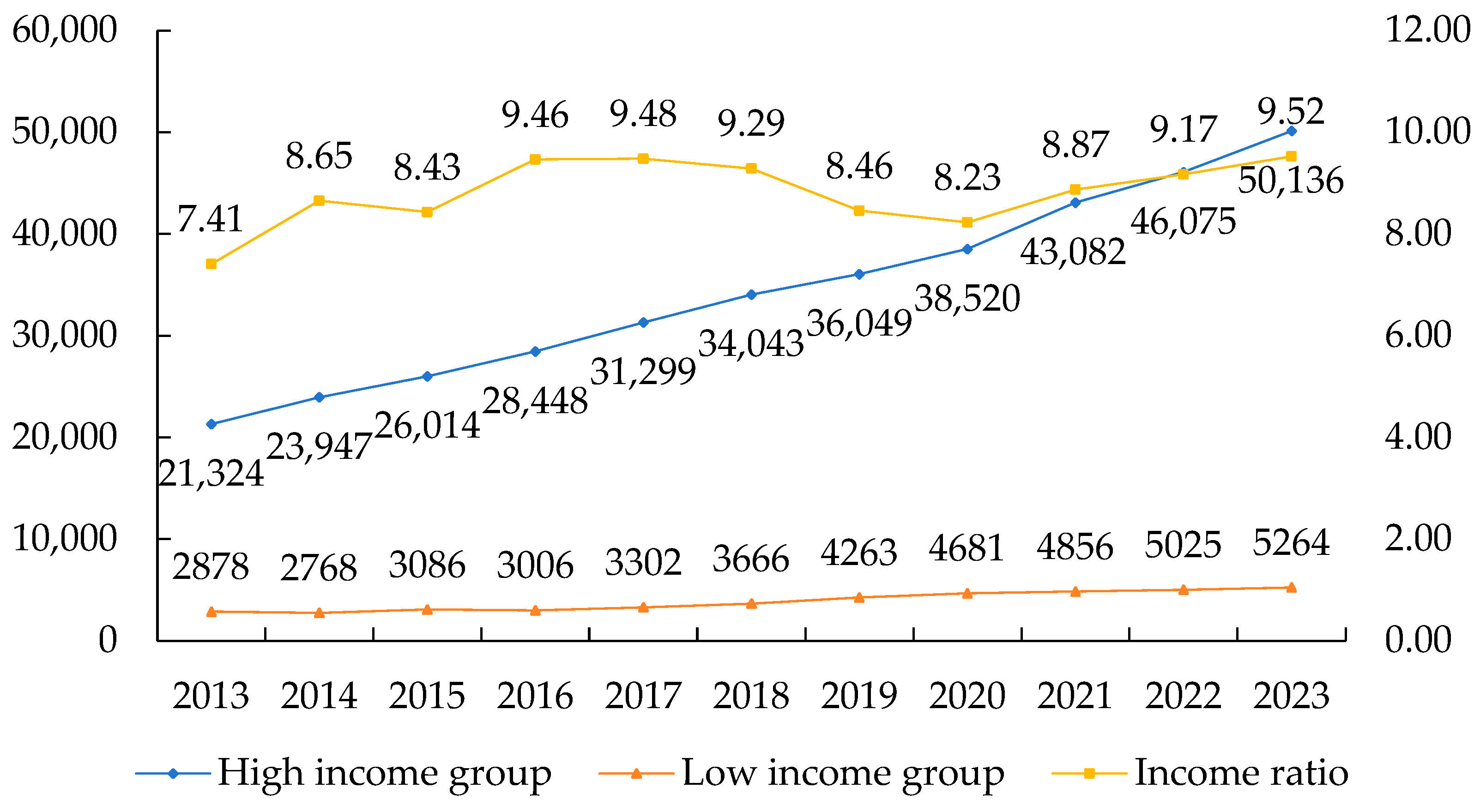
Figure 3), with the income ratio between the highest and lowest rural quintiles increasing from 7.41 in 2013 to 9.52 in 2023. In the context of common prosperity and Chinese modernization, mitigating these interconnected income constraints has become a pressing policy priority.
Given China’s fundamental national condition of being a “large agricultural country with small-scale farming,” advancing agricultural modernization represents a vital pathway for raising rural residents’ income. On the one hand, limited arable land per capita means that Chinese agriculture remains predominantly small-scale and fragmented. Data from the Third National Agricultural Census show that around 210 million farming households operate plots smaller than 10 mu (approximately 0.67 ha), accounting for over 98% of all agricultural operators [
4]. Promoting agricultural modernization can facilitate moderate-scale land transfer, mitigate land fragmentation, and realize economies of scale, thereby enabling rural households to earn higher returns from agriculture [
5]. On the other hand, modernization-driven productivity improvements transform rural production relations, releasing a large surplus labor force from the land. This reallocation supports the shift of rural households into higher paying non-agricultural jobs, creating an additional channel for sustained income growth [
6].
Existing research has mainly explored how agricultural technological progress, fiscal support, and rural financial development affect rural residents’ income [
7,
8,
9]. However, relatively little attention has been paid to the role of agricultural industrial parks in shaping rural residents’ income, despite their growing recognition as a key vehicle for agricultural modernization and high-quality agricultural growth [
10,
11]. A significant portion of the existing literature, particularly in the Chinese context, is descriptive or policy-oriented, lacking rigorous causal inference on their income effects. In the international literature, while the role of agricultural clusters in rural development is acknowledged, comprehensive empirical evaluations that specifically quantify their impact on farm household income remain limited [
12].
The mechanisms through which agricultural industrial parks or clusters influence rural incomes have been theorized and examined in various contexts. Studies suggest they can boost income by enhancing market access and value chain integration for smallholders, facilitating technology adoption and knowledge spillovers, and creating local off-farm employment opportunities [
13]. Industrial parks have long played an important role in the economic and industrial development of high-income countries. It also known as industrial estates or business parks, are purposefully planned and managed geographic areas that provide integrated infrastructure, shared facilities, and a conducive policy environment to attract and concentrate firms, thereby fostering industrial clustering, innovation, and economic growth [
14]. Notable examples include Silicon Valley in the United States, Tsukuba Science City in Japan, and the Cambridge Science Park in the United Kingdom. In the agricultural domain, empirical case studies from developing regions offer valuable insights. For instance, research on the integrated agro-industrial park in Ethiopia highlights its potential to increase smallholder farmers’ income by linking them to processors and export markets, though success heavily depends on supportive contract farming arrangements and infrastructure [
15,
16]. In contrast, agricultural industrial parks—a specialized variant focused on the agro-food sector—emerged later, arising in the late 19th and early 20th centuries in response to the Industrial Revolution and subsequent socio-economic transformations. These parks facilitated the rise of large-scale, concentrated agricultural enterprises [
17,
18].
By applying industrial principles and advanced technologies to agriculture, developed countries have modernized agricultural production and spurred the establishment of specialized agricultural industrial parks. However, the international literature also cautions that the benefits are not automatic. Evaluations of cluster programs in countries like Kenya point to challenges, including the risk of excluding the poorest farmers, exacerbating local inequalities, or creating enclaves with limited positive spillovers to the surrounding rural economy [
19,
20]. The continued evolution of agricultural industrial parks responds to growing demand for agricultural products, which increasingly depends on the adoption of new technologies, improved processing methods, and higher agricultural productivity [
21].
Such parks typically bring together geographically clustered businesses within the same or related sectors, providing essential infrastructure—such as roads, electricity, communications, storage, packaging, wastewater treatment, logistics, and laboratory facilities—that supports production, processing, and sales. This concentration enables economies of scale, fosters industrial agglomeration, and stimulates regional economic development [
22]. Methodologically, the most robust evidence on the causal impact of such place-based policies comes from studies employing quasi-experimental designs like the Difference-in-Differences (DID) method. While widely applied to evaluate general industrial parks in China [
23,
24], its rigorous application to assess the specific income effects of agricultural industrial parks, especially from a comparative international perspective, is an emerging and critical area for research. This gap underscores the contribution of the present study. In developed economies, agricultural industrial parks have matured into diverse models, including demonstration farms that promote advanced technologies, leisure farms that integrate agriculture with tourism, educational farms that offer learning experiences, and science parks dedicated to agricultural innovation [
25].
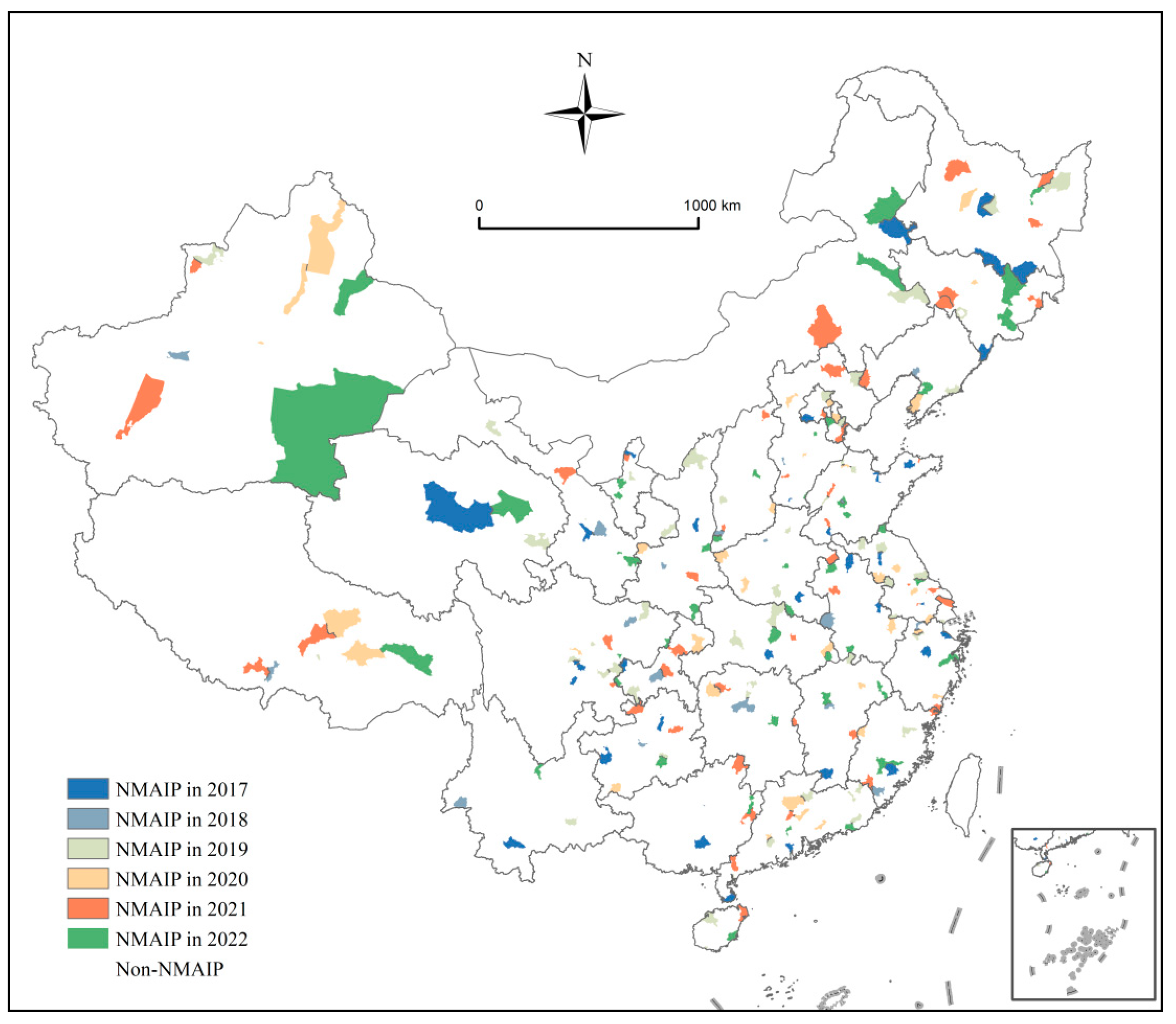
Since the 1990s, the Chinese government has increasingly prioritized agricultural industrial parks as a strategy to transition from traditional to modern agriculture, raise rural incomes, and improve living standards. However, many early initiatives were constrained by a narrow focus on specific segments of agricultural value chains or on regional development, limiting their broader impact on rural economies and residents’ incomes. In contrast, the launch of the National Modern Agricultural Industrial Parks (NMAIP) program in March 2017 marked a shift toward a more integrated and sustainable approach to agricultural modernization. By August 2022, 250 NMAIPs had been established nationwide, underscoring the program’s strategic importance [
10].
The existing literature on agricultural industrial parks primarily focuses on their theoretical frameworks, such as the formation models of agricultural industry organizations and their broader social effects [
26]. Among the studies specifically addressing NMAIPs, topics include the effectiveness of park construction [
25], the challenges associated with park development, and the influence of various construction models on park outcomes [
27]. However, empirical research directly investigating how NMAIP construction influences rural residents’ income remains sparse. This study aims to fill this gap by analyzing the impact of NMAIP development on rural residents’ income using county and household-level panel data from 2014 to 2022 and employing a staggered DID model.
This paper makes three main contributions to the literature. First, it introduces a new perspective by identifying and empirically analyzing multiple channels through which rural residents’ income is influenced. While prior studies have emphasized the direct role of rural industrial integration and agricultural clustering on income growth [
28,
29,
30,
31,
32,
33,
34], less attention has been paid to the specific function of NMAIP. Our findings reveal that NMAIP construction not only directly raises rural residents’ incomes but also does so indirectly by expanding employment, stimulating technological innovation, and attracting capital inflows. This multi-dimensional analysis fills an important gap in the literature and clarifies the broader economic effects of NMAIP development.
Second, by leveraging the establishment of NMAIP as an exogenous policy shock, this study provides a rigorous empirical examination of their specific impact on rural residents’ income, mitigating endogeneity concerns common in traditional quantitative analyses. The relationship between agricultural industrial park construction and income is often bidirectional: income growth can spur park development, while parks can, in turn, accelerate income growth [
35,
36]. To address this simultaneity, we treat NMAIP construction as a quasi-natural experiment and apply a staggered DID model to identify the causal effect of NMAIP on income. This methodology enhances the reliability of our findings and offers robust evidence for evaluating NMAIP policy effectiveness.
Finally, this study enriches understanding of the economic impacts of agricultural industrial parks, particularly within China’s unique socio-economic context. The effectiveness of such parks varies across regions due to differences in construction models, industrial features, and resource allocation [
10,
21], yet existing research has largely overlooked this heterogeneity. Our study categorizes park types and examines how the income effects of NMAIP construction vary according to local agricultural conditions. This nuanced analysis provides a theoretical basis for local governments to design more targeted agricultural policies and offers practical insights for optimizing the development strategies of agricultural industrial parks.
5. Further Analysis
5.1. Impact on the Urban–Rural Income Gap
While the preceding analyses establish that NMAIP construction raises rural residents’ income through employment creation, technological upgrading, and capital attraction, its broader distributional consequences—particularly for urban residents and the urban–rural income gap—remain unclear. To examine these effects, we introduce two additional outcome variables: urban residents’ income and the urban–rural income gap [
1].
Column (1) of
Table 11 shows that the coefficient on the NMAIP variable is 0.094 and statistically significant at the 1% level, implying that urban residents in counties with NMAIPs experience an average annual income increase of approximately 940 yuan. Column (2) further indicates that NMAIP construction is associated with a significant widening of the urban–rural income gap. This dynamic is theoretically consistent with an agglomeration then diffusion logic widely discussed in development and regional economics: in the early stage, new growth poles tend to concentrate higher-return factors and high value-added activities, raising inequality, whereas in the later stage, production linkages, technology spillovers, and market integration gradually extend benefits to lagging areas, allowing disparities to narrow. In other words, NMAIPs may generate a county-level distributional path resembling an urban–rural Kuznets-type pattern, where structural transformation initially favors better-endowed urban and peri-urban groups but becomes more inclusive as the park and its value chain mature.
Several mechanisms can account for early widening. First, NMAIPs often attract capital intensive processing, logistics, and business services that are complementary to skilled labor and formal employment, which are disproportionately concentrated in urban areas. This skill and capital complementarity can raise urban wages and business income faster than rural income in the initial years. Second, the early phase of park development typically concentrates infrastructure upgrading, public investment, and industrial land allocation around county seats or peri-urban zones where connectivity and administrative support are stronger, enabling urban residents and firms to capture larger rents from land appreciation, procurement, and service outsourcing. Third, value-added segments such as branding, marketing, certification, cold-chain logistics, and finance are often located closer to urban markets and institutions, so the first-round gains accrue more to urban households even when agricultural production expands. Together, these channels imply that the distributional impact can be urban-biased in the short run, leading to a temporary widening of the urban–rural income gap.
Over time, however, the gap may narrow as NMAIPs shift from construction and clustering to consolidation and outward linkage. As the park becomes operationally mature, downstream processing and market access can raise farm-gate prices and stabilize demand through contract farming, standardized procurement, and integrated supply chains, increasing returns to rural land and labor. At the same time, technology extension, training, and demonstration effects diffuse to surrounding villages, improving productivity and enabling rural households to participate in higher-value activities such as specialized production, sorting and packaging, and local agricultural services. Moreover, as employment expands beyond core firms to supporting rural services and satellite workshops, rural non-farm income opportunities rise and become less concentrated near the county seat. These diffusion and linkage effects imply that rural income growth can accelerate relative to urban income growth in the later stage, gradually compressing the urban–rural income gap.
To test whether the distributional effect evolves with policy duration, we include both the number of years since NMAIP establishment and its square term in the model. As shown in column (3), the linear term is positive and significant, while the square term is negative and significant. This pattern indicates an inverted U-shaped relationship: the urban–rural income gap initially widens due to early-stage agglomeration and urban-biased capture of high-return activities, but later narrows as value-chain linkages, technology diffusion, and broader rural participation expand the income gains of rural households.
5.2. Impacts on Rural Residents’ Income Structure
Rural households typically rely on multiple income sources, and the construction of NMAIP may differentially affect these various channels, thereby altering the overall composition of rural residents’ income. To examine this, we draw on household-level data from the China Family Panel Studies (CFPS) from 2014 to 2022 [
84,
85].
Table 12 reports the estimated effects of NMAIP construction on four income categories: operating income, wage income, property income, and transfer income.
As shown in column (1) of
Table 12, the coefficient on the NMAIP variable is positive and statistically significant at the 5% level, indicating that NMAIP construction raises rural residents’ operating income. This result is consistent with the introduction of advanced agricultural technologies, equipment, and management practices within these parks, which help improve productivity and strengthen the market competitiveness of agricultural products. Column (2) shows that NMAIP construction also has a positive and significant effect on wage income at the 1% level. Beyond technological upgrading, NMAIP development creates substantial non-agricultural employment in processing, manufacturing, and service sectors located within or around these parks. This diversification of local employment structures provides stable wage-earning opportunities, thereby boosting wage income.
In contrast, columns (3) and (4) show positive but statistically insignificant coefficients for property and transfer income. Rather than being surprising, this pattern is consistent with the institutional setting of rural factor markets and fiscal redistribution in China, where the channels that generate property and transfer income are less directly connected to localized industrial park policies and often face structural constraints.
For property income, the key barrier is that the assetization and marketization of rural resources remain incomplete. Rural households’ largest “asset” is typically land use rights, but constraints on land transactions, limited standardization of contracts, and frictions in scaling up and monetizing land rights restrict the extent to which NMAIP-driven demand can be translated into stable rental income for ordinary households. In many places, land consolidation and scale operation linked to NMAIPs are implemented through village-level coordination or enterprise-led arrangements, which may raise agricultural efficiency without necessarily generating broad-based, measurable rental returns captured in household property income. Moreover, rural financial assets and formal investment opportunities are still limited, and many households have low initial asset holdings; therefore, short- to medium-term park development is more likely to affect labor and operating returns than to materially increase interest, dividends, or other financial property income. These features imply that even if NMAIPs improve local economic vitality, the gains may not immediately appear as household-level property income in survey data.
For transfer income, a major explanation is the limited degree to which local industrial policies can reshape redistribution mechanisms in the short run. Transfer income in rural China is dominated by nationally or provincially standardized programs such as pensions, medical insurance reimbursements, minimum living allowances, and other social assistance schemes. These are primarily determined by eligibility rules, demographic structure, and higher-level fiscal arrangements rather than by county-level industrial upgrading initiatives. In addition, county governments often face hard budget constraints, and the fiscal space created by industrial development does not automatically translate into higher transfers to rural households unless accompanied by explicit redistribution policies and earmarked funding. Therefore, while NMAIPs may expand the local tax base or economic activity, the pass-through to household transfer income can be weak and delayed because it depends on broader intergovernmental fiscal systems and program design rather than market-mediated income generation.
Taken together, the absence of statistically significant effects on property and transfer income suggests that, at least during our sample period, NMAIPs mainly operate through production and labor-market channels, while asset-return and redistribution channels remain constrained by land market frictions and the limited responsiveness of fiscal transfer mechanisms. Consequently, while NMAIPs effectively raise income from agricultural operations and local employment, their impact on property and transfer income remains marginal.
5.3. Impact on Rural Internal Income Inequality
Although NMAIP construction raises rural residents’ income on average, its benefits may be unevenly distributed across households, potentially altering the degree of income inequality within rural areas. To examine this distributional effect, we again draw on CFPS household survey data from 2014 to 2022 and measure inequality using the Kakwani index [
3].
As reported in column (1) of
Table 13, the coefficient on the NMAIP variable is negative and statistically significant at the 1% level, indicating that NMAIP development significantly reduces overall rural income inequality. We further explore how this equalizing effect varies across income sources. Columns (2) to (5) present results for inequality in operating, wage, property, and transfer income, respectively. Column (2) shows a significant reduction in operating income inequality, likely because NMAIPs broaden access to modern agricultural technologies, market opportunities, and productive resources. This allows lower-income households engaged in traditional farming to raise their operating income, thereby narrowing the gap with higher-earning counterparts. Column (3) indicates that NMAIP construction also significantly reduces wage income inequality. These parks create a wide range of employment opportunities in agriculture, processing, and services, improving job access and wage levels for a broad segment of the rural labor force, which helps compress the wage distribution. In contrast, column (4) shows no statistically significant effect on property income inequality. While NMAIPs may eventually influence asset accumulation through mechanisms such as land transfer or collective economic development, such effects appear limited in the short term, possibly due to slow-moving asset valuation, underdeveloped rural capital markets, or institutional constraints. Finally, column (5) reports a significant negative coefficient at the 5% level for transfer income inequality. This may reflect improved local fiscal capacity and social security systems accompanying NMAIP development, which reduce households’ dependence on transfers while strengthening their self-earning capacity through employment. As NMAIPs raise local living standards and strengthen social welfare institutions, disparities in transfer income reliance tend to decline.
6. Conclusions and Discussion
6.1. Main Findings
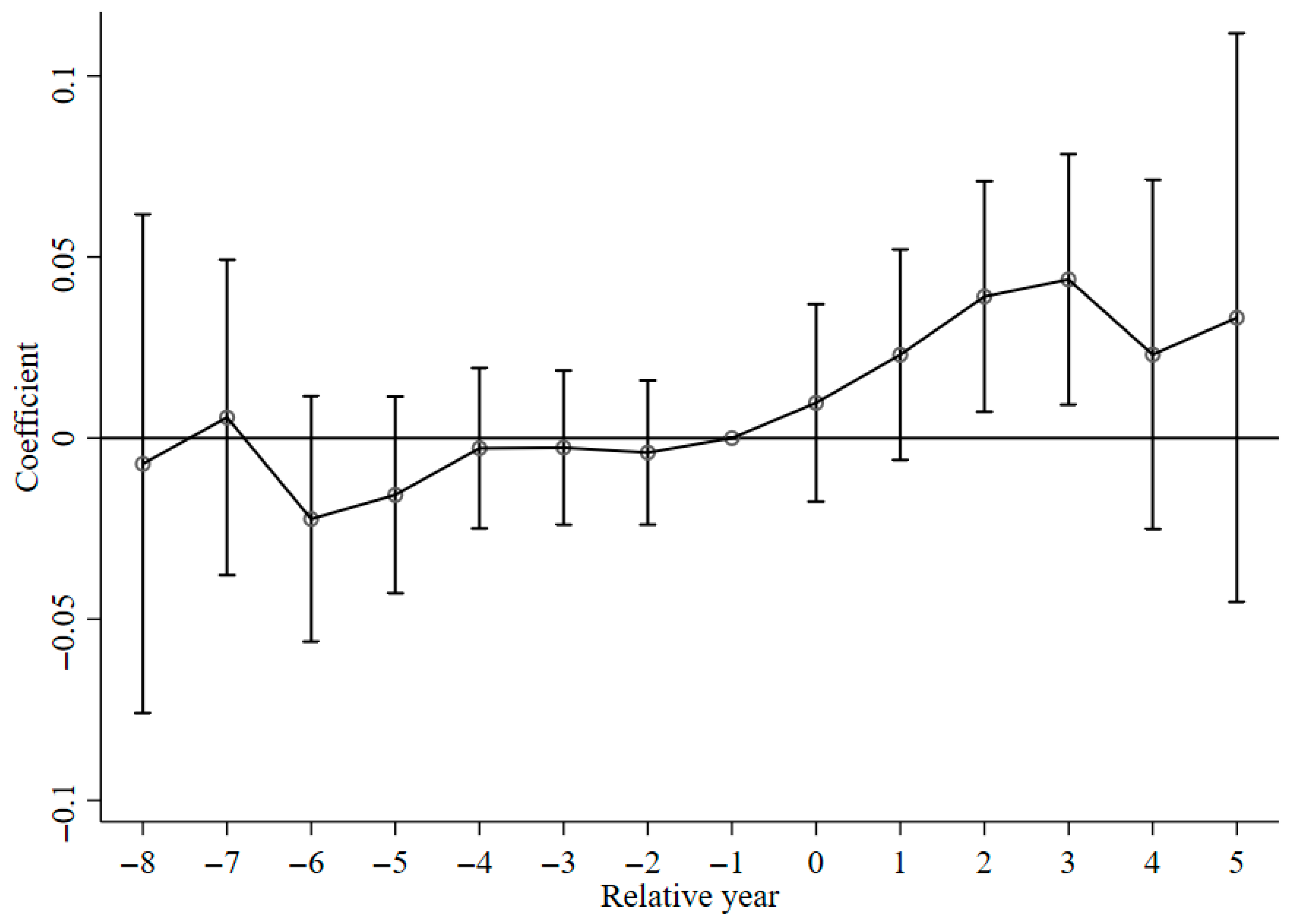
Against the backdrop of China’s Rural Revitalization Strategy, NMAIPs have become a prominent place-based policy instrument for promoting agricultural modernization and rural income growth. Using county- and household-level panel data from 2014 to 2022 and a staggered DID framework, this study evaluates the impacts of NMAIP establishment on the level, structure, and distribution of rural residents’ income. We find that NMAIP construction significantly increases rural residents’ income by about 1.83%, and the result remains robust across alternative specifications.
Our empirical evidence provides direct support for the hypotheses: the estimated income gains are explained by employment expansion (supporting Hypothesis 1), productivity and innovation improvement (supporting Hypothesis 2), and strengthened local economic activity consistent with capital agglomeration (supporting Hypothesis 3). At the same time, the insignificant effects on property and transfer income indicate that the capital-related channel mainly materializes through operating and wage income within our sample period, rather than via asset returns or fiscal redistribution, which refines the scope of Hypothesis 3.
The household analysis further shows that NMAIPs mainly raise wage and operating income, while the effects on property and transfer income remain limited, which is consistent with institutional constraints in rural asset monetization and the relatively weak responsiveness of redistribution channels to localized industrial initiatives.
Beyond average effects, the distributional results imply a dynamic adjustment process. Although NMAIPs also raise urban residents’ income, the urban–rural income gap displays an inverted U-shaped trajectory, widening in the early stage when higher value-added segments and supporting services tend to concentrate in county seats and peri-urban areas, and narrowing as procurement linkages, technology diffusion, and employment spillovers extend more broadly into surrounding villages. At the same time, NMAIPs are associated with reduced intra-rural income inequality, suggesting that job creation and productivity improvements can generate relatively inclusive gains when rural households are able to participate in multiple segments of the local value chain. Taken together, these findings support the view that NMAIPs are an effective lever for rural income growth, but their longer-run inclusiveness depends on whether park benefits diffuse beyond the core area and whether complementary institutional reforms strengthen factor mobility, rural services, and household participation.
6.2. Policy Implications
The findings of this study offer several important policy implications.
First, policy support should be strengthened to accelerate the development of NMAIPs. As an important instrument for advancing agricultural and rural modernization in China, NMAIPs contribute to rural residents’ income growth through capital inflows, technological upgrading, and the creation of non-agricultural employment. Therefore, governments should take concrete steps to establish more NMAIPs that exemplify strong industrial leadership, concentrated resources, and broad-based benefits for farmers, thereby generating new momentum for modernization and sustained income growth. As a top-down national strategy, NMAIP construction requires substantial public financial support. In addition to central fiscal incentives, local governments should adopt proactive fiscal policies and establish coordinated funding mechanisms across central, provincial, municipal, and county levels to maximize the catalytic role of public investment. Furthermore, since NMAIPs fundamentally operate through agribusiness clustering, complementary policies—such as preferential tax treatment and streamlined farmland transfer procedures—are essential to attract enterprises and facilitate development.
Second, deepening market-oriented reforms in rural factor allocation is necessary to sustain the income-enhancing effects of NMAIPs. Empirical evidence confirms that NMAIPs raise rural residents’ income primarily by optimizing the allocation of capital, technology, and labor. However, since the start of China’s reforms and opening-up, progress in factor market reforms has lagged behind that in product markets, resulting in persistent inefficiencies in resource allocation. Therefore, further reforms should aim to facilitate more efficient factor allocation in rural areas. These reforms should systematically integrate capital, land, technology, and labor markets, while also incorporating emerging production factors such as data. Importantly, policymakers should ensure coordination between factor markets and complementary institutions—including fiscal and taxation systems, and rural social security schemes—to enhance policy synergy.
Third, targeted efforts are needed to manage the urban–rural income gap during the high-quality development of NMAIPs. Income gains induced by NMAIPs inevitably influence this disparity, with effects that vary across implementation stages. In the initial phase of park development, a “trickle-down” effect may disproportionately benefit urban residents, who typically possess superior factor endowments. This may temporarily widen the income gap, as rural incomes grow at a slower pace. As NMAIP systems mature, this imbalance tends to weaken significantly, enabling rural residents to capture more benefits and gradually narrow the gap. Accordingly, governments should adopt phased interventions: during early development, they should mitigate gap-widening forces, and during maturity, they should actively reinforce gap-narrowing trends to accelerate progress toward common prosperity.
6.3. Limitations and Future Research
This study has several limitations that should be acknowledged to provide a balanced interpretation of the findings. First, data availability constraints may affect both mechanism identification and external validity. For example, the patent indicator is not observed for all county-year observations, which reduces the sample size in the innovation-related mechanism regressions. Although the key results remain consistent across alternative mechanism measures, the patent-based evidence should be interpreted as supportive rather than definitive, and future research could integrate more complete administrative innovation records or alternative innovation proxies to improve coverage. More broadly, due to data availability, our observation window and mechanism measures remain imperfect proxies for deeper structural processes; future work could build longer time series panels to track whether income gains persist, accumulate, or fade as parks transition from construction to maturity. Such longitudinal designs would also help assess whether delayed channels, including asset returns and social protection, become more salient over a longer horizon.
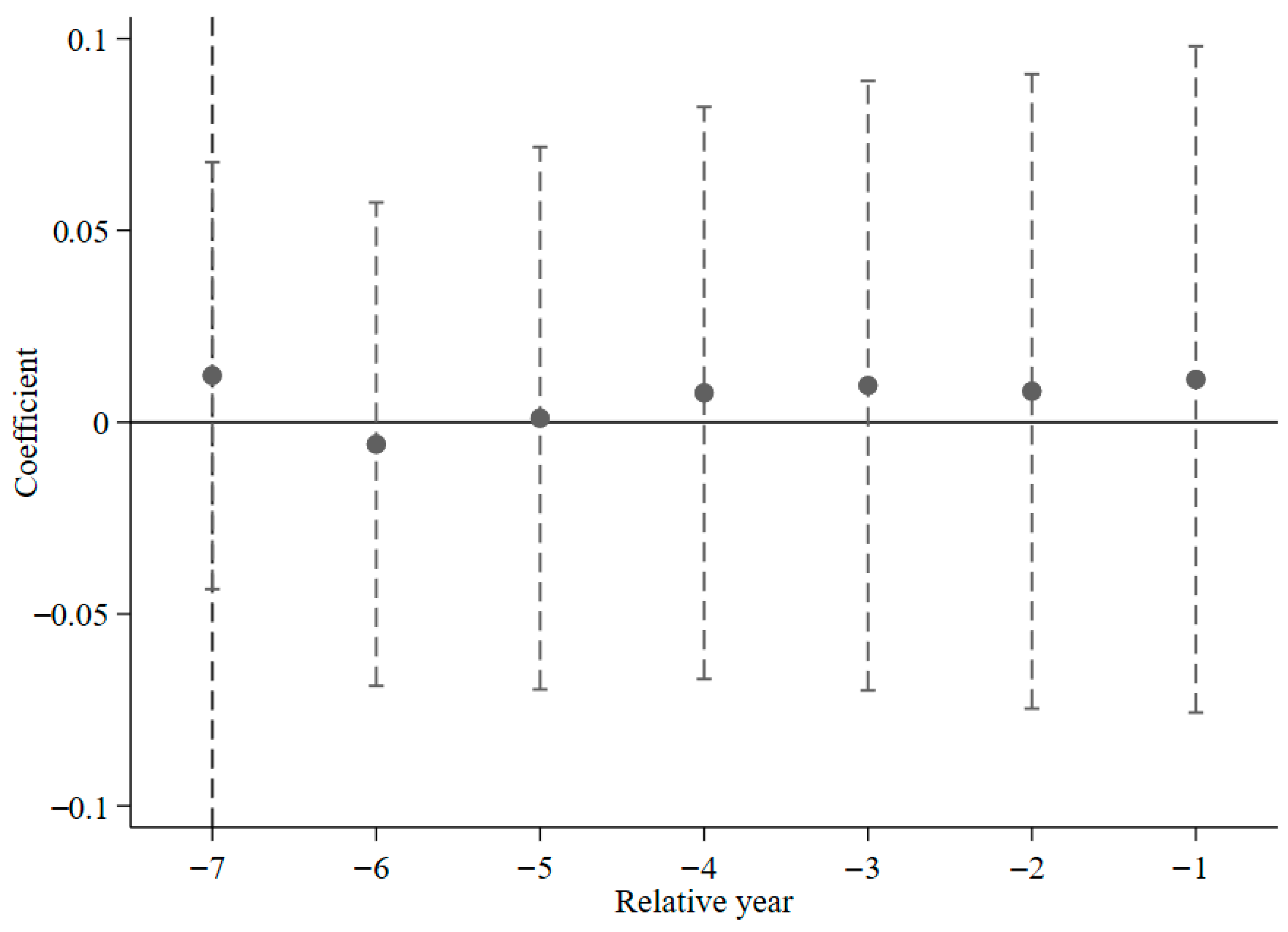
Second, although we treat NMAIP establishment as a quasi-natural experiment and employ a staggered DID framework with extensive fixed effects and robustness checks, policy placement may still be influenced by time-varying local development strategies and administrative capacity. Counties selected into the program could differ in unobserved trajectories related to governance quality, investment promotion efforts, or industrial foundations. Such selection dynamics may generate residual bias even after controlling for observables and fixed effects, suggesting that future work could further strengthen identification by combining staggered DID with designs that exploit more granular program rules, discontinuities, or matched policy evaluation frameworks. In addition, future research could conduct comparative evaluations across policy systems, for example by examining similar agricultural industrial park programs in other developing economies, which would clarify the extent to which our findings depend on China’s specific institutional context and rural governance structure. Cross-country comparisons would also allow researchers to test whether the same mechanisms operate under different land regimes, fiscal systems, and market integration levels.
Third, measurement issues may influence the magnitude of estimated effects. County-level indicators such as GDP and fiscal variables can be correlated with each other and may be measured with error, which could contribute to coefficient instability in high-dimensional specifications. Likewise, household survey measures of rural income components may contain reporting errors and compositional changes over time, potentially attenuating estimated impacts for categories such as property and transfer income. Future research could triangulate survey-based outcomes with administrative income records, incorporate price deflators and alternative scaling choices, and explore additional micro mechanisms such as land rent capture and social security participation to better track how policy gains are distributed.
Finally, a notable limitation is that our analysis cannot meaningfully engage with the architectural and spatial design of parks. Because systematic county-level data on internal park layout and spatial planning are unavailable, we are unable to evaluate how design features such as functional zoning, the placement of processing and logistics nodes, transport connectivity within the park, or the spatial organization of service facilities shape resource circulation and employment accessibility. Future research could integrate geospatial data, remote sensing, and detailed park-level planning documents to quantify spatial configurations and then examine whether more connected and well-zoned layouts facilitate factor mobility, shorten supply chain distances, and strengthen spillovers to surrounding villages.