1. Introduction
With the deepening of globalization and the increasing severity of environmental challenges, sustainable development has become a core concern for governments and international organizations worldwide [
1]. In particular, the current global political and economic landscape is undergoing profound transformations, where resource scarcity, environmental pollution, climate change, and trade frictions are increasingly intertwined [
2]. These external risks pose unprecedented challenges to firms’ survival and long-term development. Firms often struggle to withstand such external shocks independently. Therefore, strengthening the internal links within supply chains and forming tightly integrated supply chain networks have become critical for jointly addressing external risks and ensuring firms’ sustainable development [
3].
However, interest divergence and transaction-level information asymmetry among supply chain firms often reduce resource allocation efficiency and may induce destructive competition, thereby adversely affecting the sustainable development of firms throughout the entire supply chain system [
4]. Given these challenges, reinforcing internal coordination among supply chain firms, reducing destructive competition, and fostering healthy competition and collaborative innovation are essential pathways toward corporate sustainable development [
5]. At the same time, ongoing digital transformation and the restructuring of supply chain architectures have further tightened supply chain networks. Shocks to a single firm may propagate throughout the entire network, creating systemic interdependence among firms and increasing the complexity of their operating environments [
6]. Within the process of China’s modernization, the strategic objective of promoting high-quality economic development places greater emphasis on corporate sustainable development, defined as the sustained and simultaneous improvement of firms’ economic, social, and environmental performance.
Against this backdrop, the Chinese government introduced the Supply Chain Innovation and Application Pilot policy, aiming to foster supply chain innovation through policy guidance. The policy also seeks to leverage market mechanisms to stimulate the real economy and support high-quality economic development. It requires pilot firms to enhance coordination through technological and business model innovation, promote low-carbon and efficient development, and increase investments in supply chain optimization, collaborative innovation, and risk management initiatives in response to evolving market conditions and competitive pressures.
The literature related to this study can be grouped into three main strands. The first is the concept, division and related economic consequences of supply chain innovation. Supply chain innovation fundamentally refers to incremental or radical transformations occurring within supply chains and is a strategic response by firms to dynamic market conditions, environmental changes, and technological uncertainty [
7]. Existing studies primarily classify supply chain innovation from two perspectives. One emphasizes digital technology innovation, highlighting the role of digital transformation in facilitating information sharing and resource integration, thereby enabling the intelligent evolution of supply chain management [
8]. The other focuses on business model innovation, which centers on innovations in products and services, process reengineering, and changes in network organizational structures aimed at enhancing firms’ value creation capacity and overall operational efficiency [
9]. In addition, some scholars have redesigned supply chain networks in terms of survivability, open innovation, and blockchain technology [
10]. With respect to economic consequences, studies at the micro-firm level show that supply chain innovation contributes to productivity improvement [
11], enhances market responsiveness and risk management capabilities [
12], and promotes corporate green innovation [
13]. At the macro level, existing research documents that supply chain innovation facilitates industrial structure upgrading [
14] and affects employment structures and labor demand [
15].
The second is the concept, measurement, and determinants of corporate sustainable development. The notion of corporate sustainable development has evolved from a unidimensional to a multidimensional framework. Early studies primarily emphasized economic performance [
16], whereas more recent research adopts the triple bottom line principle, which integrates economic, social, and environmental dimensions of sustainability [
17]. Correspondingly, measurement approaches have shifted from single economic indicators [
16] to multidimensional evaluation systems encompassing economic, social, and environmental dimensions [
17]. Although ESG indicators have been increasingly recognized and widely applied as a comprehensive proxy for firms’ sustainable development capacity [
18], outcome-based ESG assessment systems are often criticized for inherent subjectivity and potential bias [
19,
20]. With respect to determinants, corporate sustainable development is a complex, multidimensional, and dynamically balanced process shaped by both internal and external factors. With respect to internal factors, strategic management plays a pivotal role, including corporate governance structures [
21], entrepreneurial orientation and leadership capabilities [
22], and firms’ development strategies [
21]. Firm-specific resources constitute the foundation of sustainable development, encompassing human capital [
22], technological innovation [
23], and financing constraints [
24]. Moreover, corporate culture and organizational values [
25] directly influence employee behavior, organizational cohesion, and firms’ capacity to implement sustainability-oriented practices. With respect to external factors, existing studies show that policy regulations and environmental institutions exert both guiding and constraining effects on corporate sustainable development [
26]. Pressure from consumers and regulatory authorities also induces firms to pursue differentiated innovation strategies and increase investments in sustainability in order to gain competitive advantages [
27].
The third is the impact of supply chain innovation on corporate sustainable development. Existing studies mainly analyze from the three dimensions of economy, society and environment. From the economic dimension, research focuses on firms’ profitability [
28], production efficiency [
11], and investment efficiency [
29]. From the social dimension, studies primarily emphasize corporate social responsibility [
30], labor conditions and social integrity [
31]. From the environmental dimension, the research highlights improvements in resource utilization efficiency [
28,
32], corporate green transformation [
33], and environmental performance [
28]. Some scholars also adopt ESG indicators as a comprehensive proxy for corporate sustainable development to examine the effects of supply chain innovation on firms’ sustainability performance [
34]. In addition, a growing body of research takes a supply chain ecosystem perspective, exploring how supply chain digital transformation [
34] and supply chain resilience [
35] affect sustainable development, and argues that supply chain innovation influences firm-level decision-making through dynamic network interactions within the supply chain, thereby generating cascading and amplifying effects [
12].
Overall, although existing studies have explored issues related to supply chain innovation and corporate sustainable development from multiple perspectives, a systematic review of the literature indicates several gaps that remain to be addressed, which also constitute the primary motivation for this study. One of these is regarding the measurement of corporate sustainable development; while the triple bottom line (TBL) concept has been widely recognized at the theoretical level, empirical research often simplifies corporate sustainability into a single-dimensional indicator or employs ESG scores as a composite proxy variable. Prior studies have noted that existing ESG evaluation systems are highly subjective in terms of indicator selection, weight assignment, and outcome orientation, and their scores are often strongly correlated with firms’ existing economic conditions, potentially weakening their ability to accurately capture the “true” sustainability performance of firms. In addition, in terms of research perspective, although some literature has examined the effects of supply chain innovation on firm performance, green innovation, or environmental outcomes, systematic research linking supply chain innovation to comprehensive corporate sustainability performance remains limited, particularly studies that identify causal effects based on exogenous policy shocks. Moreover, regarding the mechanisms, existing research largely explains the economic consequences of supply chain innovation through firm-specific characteristics or external institutional environments, with insufficient attention to relational embeddedness and information transmission mechanisms within supply chain operations, leaving these internal pathways empirically underexplored.
Hence, in order to address these gaps, this study uses data on Chinese A-share listed companies from 2013 to 2023 to construct a comprehensive corporate sustainability indicator system encompassing economic, social, and environmental dimensions under the triple bottom line framework, and measures it using the entropy method. Meanwhile, the Supply Chain Innovation and Application Pilot policy is treated as a quasi-natural experiment, and a Staggered Difference-in-Differences (DID) approach is employed to systematically examine the impact of supply chain innovation on corporate sustainable development and its underlying mechanisms.
This study not only extends the literature on the economic consequences of supply chain innovation and the pilot policy but also provides new empirical evidence for understanding the pathways through which firms achieve sustainability under institutional interventions. The specific marginal contributions are threefold. First, in terms of measuring corporate sustainability, this study constructs a comprehensive index covering economic efficiency, social responsibility, and environmental compliance, and quantifies firms’ sustainability performance using the entropy method. Second, regarding research design and causal identification, this study treats the pilot policy as an exogenous policy shock to construct a quasi-natural experimental setting, and employs a Staggered Difference-in-Differences model to systematically identify the causal effect of supply chain innovation on corporate sustainable development; the results remain robust after a series of robustness and endogeneity tests. Third, in terms of mechanisms, this study moves beyond the traditional approach that explains the economic consequences of supply chain innovation primarily through firm-specific traits or macro-institutional factors, by focusing on supply chain processes and introducing two key mechanisms—relational effects and informational effects—to systematically reveal the internal transmission pathways through which supply chain innovation affects corporate sustainability.
The remainder of this paper is organized as follows.
Section 2 introduces the policy background and develops the research hypotheses.
Section 3 describes the research design.
Section 4 reports and discusses the empirical results.
Section 5 presents the conclusions, theoretical contributions, and policy implications.
Section 6 discusses the limitations of this study.
2. Policy Background and Theoretical Hypotheses
2.1. Policy Background
The triple bottom line principle of corporate sustainable development emphasizes that firms should achieve coordinated progress in economic, social, and environmental dimensions. As a critical carrier of resource, information, and value flows, supply chains provide an important pathway for firms to overcome internal resource constraints, coordinate external relationships, and ultimately realize sustainable development.
Within this theoretical framework, the Supply Chain Innovation and Application Pilot policy jointly issued in 2018 by the Ministry of Commerce of China and seven other ministries offers an institutional setting for examining the sustainability implications of supply chain innovation. The policy aims to cultivate leading firms through supply chain innovation, promote economic structural upgrading, and foster high-quality development of the real economy. It focuses on several key areas, including supply chain collaboration and visibility enhancement, financing support and risk prevention for small and medium-sized enterprises, green supply chain development, and the improvement of quality and safety systems.
From the policy content, it promotes information sharing and coordination efficiency along the supply chain through the application of digital technologies; builds open supply chain networks by encouraging business innovation, product and service innovation, and innovation in organizational collaborative relationships; strengthens the fulfillment of corporate social responsibility by improving quality and safety systems and risk prevention mechanisms; and guides firms toward low-carbon transformation through the establishment of green standards and the development of green circulation.
In essence, the policy reflects the role of supply chain innovation in improving firms’ economic benefits, promoting the fulfillment of social responsibilities and social welfare, and strengthening environmental protection and governance. As such, it is highly aligned with the triple bottom line principle of corporate sustainable development in terms of both objectives and implementation pathways. Accordingly, the promoting mechanism through which supply chain innovation enhances corporate sustainable development is supported by a clear policy basis.
Hence, taking the Supply Chain Innovation and Application Pilot Policy as a quasi-natural experiment, this study systematically evaluates its impact on corporate sustainable development and the underlying mechanisms.
2.2. Theoretical Hypotheses
Driven by the dual forces of global supply chain restructuring and a new wave of technological revolution, building secure and efficient modern supply chains has become an important pathway for firms to establish competitive advantages and achieve sustainable development. The core of the Supply Chain Innovation and Application Pilot Policy lies in the reconfiguration of factor coordination mechanisms and value creation. This process not only involves the linear optimization of internal processes and technological structures across upstream and downstream segments, but also extends to a network-based restructuring that enhances the overall operational resilience of the supply chain. Such structural reshaping directly influences firms’ resource integration, mitigation of environmental pressures, and governance capacity, thereby promoting firms’ sustainable development across the economic, environmental, and social dimensions. The specific mechanisms are as follows.
First, supply chain innovation enhances firms’ operational stability and value creation capacity, thereby strengthening economic sustainability. On the one hand, by reinforcing vertical linkages among key upstream and downstream nodes, supply chain innovation reduces uncertainty in information transmission, stabilizes supply–demand relationships, and improves supply chain resilience, contributing to supply chain stabilization and consolidation. Such stable supply chain relationships enable firms to improve output efficiency without requiring additional resource inputs beyond existing allocations, while shortening delivery cycles and reducing transaction complexity and risks, thereby sustaining profitability with lower volatility. On the other hand, supply chain innovation leverages platform-based mechanisms to integrate dispersed nodes into a dynamic collaborative network. This not only reduces firms’ dependence on a single supply chain and enhances their ability to withstand supply chain disruptions, but also increases flexibility in resource allocation and responsiveness to market changes, optimizes operational processes, and facilitates rapid and precise matching. Consequently, inter-firm collaboration shifts from economies of scale toward economies of scope. Under the dual support of vertical stability and dynamic network coordination, firms’ operational security and long-term value creation are continuously strengthened, leading to stable and sustained growth in output.
Second, supply chain innovation enhances firms’ environmental sustainability by improving resource utilization efficiency, optimizing logistics processes, reducing environmental pollution, and promoting green finance. On one side, the application of digital technologies significantly accelerates information transmission along the supply chain, breaks down information silos between firms, and facilitates the integration of traditional production factors with digital elements, thereby strengthening firms’ resource integration capabilities [
36]. The construction of standardized supply chain platforms improves the transparency and controllability of production planning and logistics operations, standardizes loading, transportation, and warehousing activities, and enables seamless coordination in the circulation of products and services across firms, effectively reducing disorderly resource waste. On the other side, supply chain platforms integrate logistics demands from multiple firms and optimize distribution arrangements, reducing redundant transportation, lowering carbon emissions per unit of transport, and shortening delivery times. This helps mitigate excessive production driven by transportation uncertainty and reduces the resulting overconsumption of resources. Moreover, the supply chain innovation and application pilot policy supports the development of green finance, guiding capital toward energy-saving, environmentally friendly, and ecological optimization projects. This encourages firms to internalize environmental risks, strengthen environmental governance, and manage supply chain relationships in accordance with the principles of sustainable development [
37].
Third, supply chain innovation strengthens corporate governance structures and enhances coordination among stakeholders, thereby improving firms’ fulfillment of social responsibility and reinforcing social sustainability. Clear responsibilities across all segments of the supply chain ensure product quality and compliance, mitigate the risks of contract breaches and trust violations in firm operations, and strengthen firms’ reputational capital. Transparency mechanisms enable firms to more promptly identify potential social risks—such as labor standards, product safety, or ethical concerns—thereby reducing the negative externalities arising from contract breaches and trust violations. Strengthening internal and external monitoring mechanisms within the supply chain further supports firms in establishing a credible and trustworthy social image. Through signaling effects, supply chain transparency reinforces trust-building mechanisms and facilitates the formation of shared strategic objectives, which, to some extent, constrains conflict-of-interest behavior among firms. This reduces the negative externalities imposed on social sustainability and, in turn, promotes the joint adoption of sustainable development strategies among supply chain stakeholders.
Based on the above analysis, this study proposes:
H1. Supply chain innovation enhances firms’ sustainable development.
In addition to its direct impact on firms’ sustainable development, supply chain innovation may also affect firms’ sustainable development indirectly through relational effects and information effects, as discussed below.
2.2.1. Relational Effects
Supply chain innovation can strengthen the intensity and stability of inter-firm linkages within the chain, generating relational effects. These relational effects are manifested in four dimensions: capital flows and investment expansion, resource acquisition and integration diffusion, transactional transparency and cost reduction, and mutual benefits and risk-sharing. From the perspective of resource dependence theory, firms reduce environmental uncertainty and secure critical resources by establishing stable external relational networks. Social network theory further suggests that firms embedded in stable relationship networks can reduce transaction costs and restrain opportunistic behavior through trust-based mechanisms, reputational constraints, and repeated interactions. Supply chain innovation reshapes interfirm relationship structures and enhances network embeddedness, thereby strengthening these mechanisms and giving rise to relational effects. One instance is the focal firm of the supply chain attracts external investment, forming a capital flow network centered around itself, optimizing financing channels among supply chain members, and driving the overall expansion of the supply chain. This process, in turn, reinforces the focal firm’s control capability and strategic position, and simultaneously initiates a new round of capital networks, thereby generating a spiraling upward effect of capital linkage. Furthermore, establishing an open and transparent transaction network reduces intra-chain transaction costs and optimizes the structure of external market transactions. As transactional complexity and uncertainty decrease, efficiency and trust among supply chain members increase, further strengthening transactional cooperation among the chain’s firms. In addition, through strong centralization, on-chain resources are integrated to form an ecological resource-sharing platform. This enhances the acquisition and diffusion of resources among firms, stabilizes resource flows, facilitates inter-firm resource sharing, and ultimately achieves optimal resource allocation. Moreover, under an inclusive governance framework, upstream and downstream firms are driven to achieve a deep coupling of governance and performance. Deep collaboration among supply chain members strengthens inter-firm stakeholder relationships, forming a stable relational network that enhances the overall sustainability of the supply chain.
By promoting resource flows, enhancing transactional stickiness, facilitating resource sharing, and fostering mutualistic relationships, supply chain innovation strengthens relational effects among inter-firm linkages, thereby further promoting corporate sustainability. Specifically, the mechanisms are as follows:
First, the relational effects induced by supply chain innovation strengthen transactional, financing, and innovation collaboration among supply chain firms, thereby enhancing firms’ economic sustainability. One instance is transactional collaboration. Close collaboration among supply chain firms helps enterprises better identify market demand, reduce transaction volatility risks and costs, and improve operational efficiency [
38]. Additionally, this finances expansion. Stable supply chain linkages provide new channels for firms to alleviate external financing constraints, attract external capital, and optimize ownership structures and equity financing methods, thereby improving investment precision and restraining managerial short-termism [
39]. Furthermore, there is collaborative innovation. A highly concentrated supply chain increases the frequency of interactions among firms, facilitating resource sharing and joint R&D [
38]. Moreover, the application of digital technologies enhances firms’ willingness to proactively release core resources, accelerates innovation processes, and improves production efficiency [
40].
Second, supply chain innovation strengthens social trust, supervisory governance, and responsibility linkages among supply chain firms, thereby enhancing firms’ social sustainability. Through pressure transmission and peer imitation mechanisms, supply chain firms promote linkages among nodes along the chain, forming a stable institutional environment that improves transaction fairness and trust levels. Furthermore, there is supervisory governance. Monitoring by cross-shareholding parties helps prevent opportunistic behaviors by management, such as concealing labor costs, and mitigates short-term profit-driven actions that neglect employee rights. Moreover, stable inter-firm relationships enable customers, suppliers, or cross-shareholding firms to more effectively exercise supervisory and governance functions [
38]. Additionally, there is social responsibility. Among firms connected through interlocking directorates, peer imitation effects encourage firms to emulate reference firms’ behaviors, engage in social activities, and enhance corporate social responsibility [
41].
Finally, supply chain innovation strengthens green innovation and technology diffusion among supply chain firms, consolidates collective environmental responsibility, and promotes firms’ environmental sustainability. An example of this is green innovation efficiency. Competitive pressure among upstream and downstream firms accelerates firms’ timely adjustments in line with relevant partners’ green strategic planning in order to maintain stable supply chain relationships, thereby driving green technological innovation [
42]. Furthermore, there is green technology diffusion. A close and efficient supply chain collaboration network not only enables firms to achieve economies of scale in green innovation and facilitates green technology cooperation and patent sharing, but also strengthens herd effects among peer firms [
43], thereby inducing other firms to follow or imitate, promoting green technology diffusion and enhancing overall environmental awareness across the supply chain. Additionally, there is environmental governance. Through the transmission of supply chain pressure, supply chain firms jointly assume environmental responsibilities [
44]. Customers constrain suppliers’ pollutant emissions through contractual provisions, while joint investors coordinate affiliated firms to share environmental technologies and optimize pollution emissions, thereby safeguarding the overall environmental reputation of the supply chain.
However, it is worth noting that excessive reliance on a single key partner may, in theory, increase systemic vulnerability within the supply chain. Disruptions at such a critical node could undermine the stability of the entire supply chain. Nevertheless, while strengthening relational effects, supply chain innovation simultaneously mitigates the risk of single-point dependence and thereby attenuates this potential vulnerability. Specifically, supply chain innovation enhances interfirm capital flows, resource integration, transaction efficiency, and risk-sharing capacity, while dispersing dependency, increasing network redundancy, and improving flexibility. As a result, potential single-point fragilities are effectively alleviated, leading to an overall improvement in supply chain robustness and resilience. Consequently, the net effect of relational embeddedness on corporate sustainable development is positive.
Based on the above analysis, this study proposes:
H2. Supply chain innovation promotes the sustainable development of pilot firms through relational effects.
2.2.2. Information Effects
Supply chain innovation can break information transmission barriers, strengthen information connectivity and share among supply chain firms, and generate information effects. These effects are manifested in enhanced information availability, shareability, transparency, and disclosure, thereby forming an interconnected information network. Information processing theory posits that organizational performance depends on the alignment between an organization’s information-processing capacity and the level of environmental uncertainty; when information-processing capacity is insufficient, firms are more likely to experience decision biases and higher governance costs. Supply chain innovation enhances firms’ capabilities in information acquisition, transmission, and processing, thereby effectively alleviating information overload and information asymmetry in complex supply chain environments and providing a theoretical foundation for the formation of informational effects.
First, supply chain innovation narrows the information gap among supply chain firms, breaks information silos, and enhances information availability. Digital technologies are applied across all stages of the supply chain to construct real-time and traceable information flow systems. The Internet of Things enables real-time tracking of activities across supply chain nodes, ensuring information transparency and traceability, while blockchain technology records data from all stages of the supply chain through immutable distributed ledgers, thereby enhancing trust and transparency within the supply chain.
Second, supply chain firms establish open and transparent information-sharing platforms. By formulating platform rules and unifying data disclosure standards, supply chain firms are required to share information and accept third-party certification. Firms transmit clear, heterogeneous, and credible signals of their sustainability intentions to capital markets, customers, and partners, thereby reducing identification bias and transaction uncertainty caused by information asymmetry.
Third, institutional innovation strengthens external information disclosure constraints and reduces corporate moral hazard. Through administrative measures such as environmental credit evaluations, mandatory information disclosure, and supply chain information disclosure lists, governments compel pilot firms to improve the quality of environmental information disclosure and enhance supply chain transparency, thereby suppressing adverse selection and moral hazard behaviors.
Finally, supply chain innovation facilitates the construction of a comprehensive information network and improves information processing efficiency. Big data technologies enhance firms’ capabilities in information collection, identification, and prediction, increasing the speed and accuracy of information flows among supply chain firms. As a result, information matching efficiency across the supply chain is enhanced, forming a stable and efficient information transmission network that lays the foundation for the robust operation of the supply chain system.
By enhancing information availability, transparency, and traceability among supply chain firms, supply chain innovation alleviates the adverse selection and moral hazard problems inherent in traditional supply chains, facilitates the formation of information transmission networks, induces information effects among supply chain firms, and thereby further promotes corporate sustainable development. Specifically, the mechanisms are as follows:
First, supply chain innovation promotes economic sustainability by breaking information transmission barriers, reducing information transmission uncertainty, and improving the efficiency of factor resource allocation. By enhancing the observability of transactional information along the supply chain, a complete and traceable information flow can be established. Improved information observability enables market participants to more accurately identify firms’ operating conditions, thereby alleviating adverse selection and risk premia. Moreover, enhanced information transparency reduces the frictions in risk assessment faced by financial institutions and investors, alleviates financing constraints, and improves financing efficiency [
45]. At the same time, firms transmit key signals to external stakeholders through selective information disclosure, allowing them to more precisely capture market demand, build differentiated competitive advantages, and expand market share. In addition, visualized monitoring systems enable firms to timely identify potential risks, construct alternative supplier networks, accurately assess upstream and downstream capacity and demand, and adjust production plans and inventory allocation in a timely manner. Through resource sharing and complementary advantages, firms can mitigate supply chain disruption risks and enhance overall operational performance [
46].
Second, supply chain innovation enhances information visibility, enabling corporate information disclosure and social supervision, thereby promoting firms’ social sustainability. Improved information transparency among supply chain firms not only strengthens external monitoring and reduces the scope for concealed profit extraction through related-party transactions, but also encourages firms to optimize internal governance and risk control. By constraining managerial self-interested behavior and reducing opaque operations, enhanced information visibility helps protect shareholder interests and improve the safeguarding of employee rights. At the same time, greater information visibility among supply chain firms incentivizes enterprises to actively participate in social public-interest activities and strengthens the fulfillment of corporate social responsibility. Moreover, through peer effects within industries, firms are further driven to actively fulfill social responsibilities, thereby promoting corporate social sustainability [
47].
Moreover, supply chain innovation promotes environmental sustainability by enhancing the transparency of green information disclosure and improving the identifiability of environmental information among supply chain firms.
The public and transparent disclosure of firms’ information on energy conservation, emission reduction, and pollution control enables the market to more accurately assess corporate environmental risks and increases the default costs, thereby exerting pressure on target firms to undertake green transformation [
47]. Higher information transparency also facilitates the effective screening of green and environmentally friendly projects by capital markets, guiding resources toward firms with superior environmental performance. While reducing resource misallocation and improving utilization efficiency, such transparency further generates incentives for firms’ green behaviors [
48]. Moreover, environmental information is transmitted through supply chain networks to upstream and downstream affiliated firms, placing supply chain firms under heightened environmental standards and green development requirements. The resulting supply-chain-wide response mechanism promotes coordinated green development across the entire supply chain, reduces environmental governance costs along the full chain, and improves resource allocation efficiency, thereby achieving firms’ green and sustainable development [
48].
Based on the above analysis, this study proposes:
H3. Supply chain innovation promotes the sustainable development of pilot firms through information effects.
5. Conclusions and Implications
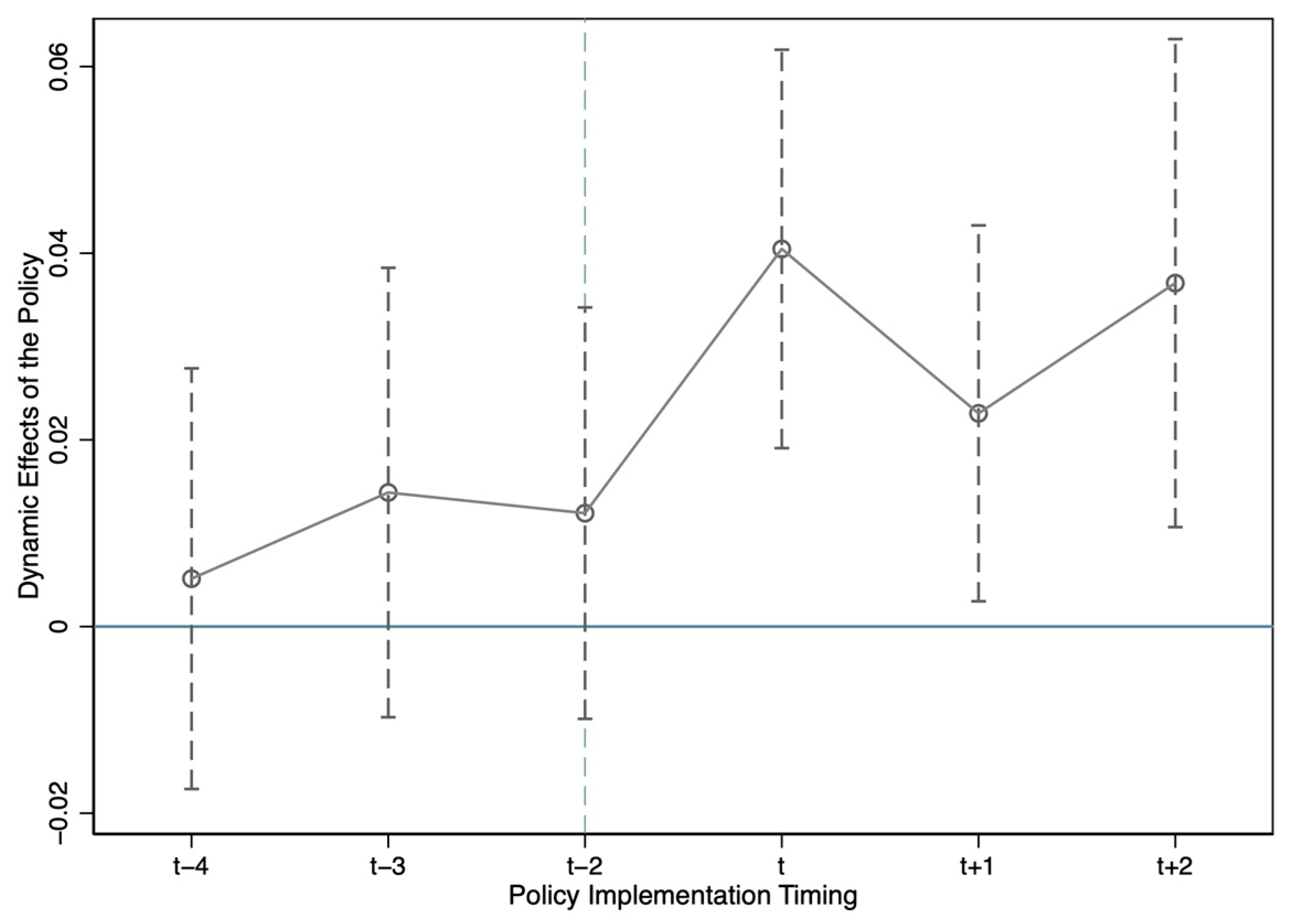
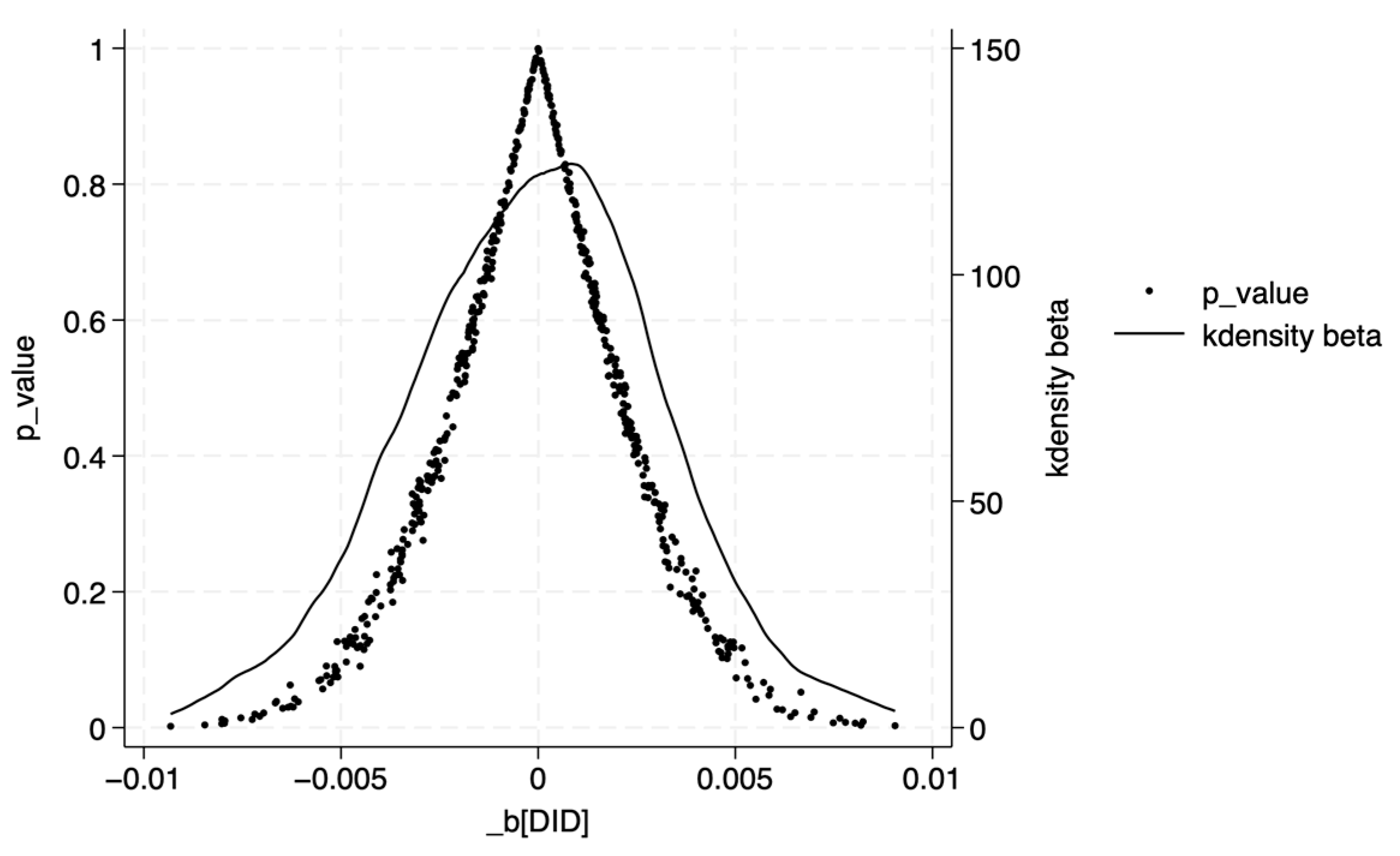
Based on data from listed companies from 2013 to 2024 and a firm-level sustainability index constructed along economic, social, and environmental dimensions, this study treats the Supply Chain Innovation Pilot Program as a quasi-natural experiment and employs a staggered difference-in-differences (DID) model to examine the impact of supply chain innovation on corporate sustainable development and its underlying mechanisms. The main findings are as follows. First, supply chain innovation significantly enhances firms’ sustainability development, and this result remains robust after a series of robustness tests. Second, supply chain innovation primarily exerts its effects on corporate sustainable development through relational and information effects.
More specifically, on the one hand, supply chain innovation strengthens the stability and stickiness of collaboration among supply chain firms by increasing the supply chain concentration and chain shareholder linkages, facilitating multi-dimensional linkages in capital investment, market transactions, resource allocation, social responsibility, and environmental governance, thereby generating robust relational effects and promoting sustainable development. On the other hand, supply chain innovation improves supply chain information transparency and reduces information asymmetry, forming a robust information network that alleviates financing constraints and governance frictions, enhances environmental and carbon disclosure, and ultimately fosters corporate sustainable development. Finally, heterogeneity analyses indicate that the implementation effect of the policy varies significantly across firms, industries, and regions.
At the firm level, supply chain innovation exerts a more pronounced positive effect on firms with higher levels of digital transformation and stronger market pricing power. At the industry level, the policy impact is stronger in downstream segments of the value chain, in industries with higher shares of warehousing and transportation costs, and in industries characterized by lower levels of market competition. At the regional level, the effect of the policy is more evident in regions with better digital infrastructure and relatively richer resource endowments.
5.1. Theoretical Contributions
This study extends and complements the existing literature in the following three aspects.
First, from the perspective of institutional innovation at the supply chain level, this paper enriches the research on the determinants of corporate sustainable development. Existing studies have primarily focused on internal governance characteristics, environmental regulation, or external market pressures, while paying relatively limited attention to supply chain innovation as a cross-firm and cross-organizational institutional arrangement. By examining the Supply Chain Innovation and Application Pilot policy, this study provides causal evidence that supply chain innovation can systematically promote the coordinated development of firms’ economic, environmental, and social dimensions, thereby extending the theoretical boundaries of corporate sustainability research.
Second, this paper develops and empirically validates an integrated analytical framework of “relationship effects–information effects”, deepening the theoretical explanation of the mechanisms through which supply chain innovation operates. Unlike prior studies that separately examine supply chain relational embeddedness or information disclosure, this study demonstrates that supply chain innovation simultaneously reshapes inter-firm relationship networks and information structures, strengthening collaborative governance, risk sharing, and sustainability-oriented decision-making, and thus forming an endogenous mechanism that promotes corporate sustainable development. This finding helps address the existing literature’s insufficient explanation of how supply chain innovation exerts its effects.
Third, through a systematic heterogeneity analysis, this paper reveals the context-dependent effects of supply chain innovation policies, enriching the research on the interaction between institutional innovation and corporate behavior. The results show that firms’ digitalization levels, market power, industry characteristics, and regional development conditions significantly influence policy effectiveness, providing empirical evidence for understanding the differentiated impacts of institutional innovation across diverse micro- and meso-level contexts.
5.2. Policy Implications
Based on the above conclusions, this study proposes the following implications:
Implication 1: Policies for supply chain innovation should be continuously strengthened and refined, and positioned as a key institutional instrument for promoting corporate sustainable development.
First, a coordinated approach that combines policy guidance with incentive and constraint mechanisms should be adopted to systematically enhance the role of supply chain innovation in promoting corporate sustainability. On the one hand, “soft” policy instruments—such as fiscal incentives, pilot demonstrations, and regulatory supervision—should be employed to encourage firms to strengthen collaborative governance, standardize business practices, and fulfill their social responsibilities. On the other hand, “hard” supporting measures, including the improvement of logistics networks and the development of digital infrastructure, should be advanced to provide a solid material and technological foundation for the implementation of supply chain innovation. The synergistic interaction of these soft and hard policy measures can transform supply chain innovation into a critical driver for enhancing firms’ economic performance, strengthening social responsibility, and improving environmental governance. Under effective government guidance, supply chain firms can improve internal governance, deepen collaborative specialization, and build structurally sound and operationally stable supply chain networks, thereby achieving risk sharing and value co-creation.
This would guide supply chain firms to improve internal governance, foster collaborative development, and build a reasonable supply chain network. The aim is to collectively share risks and promote sustainable development across the entire supply chain. On the other hand, firms should actively leverage the benefits of the Supply Chain Innovation Pilot Program. This can be achieved by integrating into supply chain networks led by core firms, enhancing relational capital, and improving governance transparency. Firms should also focus on information disclosure, enhancing market trust, shaping their brand image, and committing to green development. Ultimately, this leads to a virtuous cycle where economic performance, social value, and environmental responsibility are balanced, enabling true corporate sustainable development.
Implication 2: Efforts should be directed toward building efficient, stable, and transparent supply chain networks so as to fully unleash relational effects and information effects.
On the one hand, by fostering long-term and stable multi-party collaboration mechanisms, efforts should be made to promote the formation of a supply chain ecosystem based on trust and cooperation. Policy guidance should focus on optimizing capital allocation among supply chain firms, thereby forming a capital network that helps alleviate internal financing constraints. A standardized transaction network platform should be built to reduce transaction uncertainties and costs. This enhances trust and cooperation among firms in the supply chain, creating an efficient operational model. A resource-sharing platform should be established to facilitate optimal resource allocation, achieving economies of scale. Joint audits and cross-board directorships can help bind governance and social responsibility to economic interests, forming a sustainable economic community where risks and benefits are shared.
On the other hand, the information network should be strengthened by building a trustworthy and transparent digital supply chain system. Reliable information infrastructure needs to be developed, and the standardization of supply chains and third-party certification should be promoted. Applying digital technologies and establishing traceable information flows can break down information “silos”. Encouraging financial institutions to use supply chain data for dynamic risk assessments would provide financing advantages and alleviate corporate financing constraints. Strengthening governance and supervision functions will also enhance the transparency of supply chain operations. This should leverage market and public forces to supervise CSR compliance and environmental management improvements. The goal is to foster internal governance, shared responsibility, and healthy competition through network effects.
Additionally, encouraging companies to use big data for market forecasting and risk intelligence can help improve coordinated scheduling and enhance resilience. This will strengthen firms’ ability to withstand market fluctuations and disruptions, ultimately supporting corporate sustainable development.
Implication 3: Heterogeneity in policy implementation should be fully recognized, and differentiated and targeted policy design should be advanced.
Given that supply chain innovation policies exhibit significant heterogeneous effects across firms, industries, and regions, policymakers should avoid a one-size-fits-all approach in both policy formulation and implementation. Instead, differentiated and precision-oriented policy designs should be promoted. Policy instruments should be appropriately matched to the resource endowments, development stages, and constraint conditions of different entities, so as to enhance policy implementation efficiency and practical effectiveness.
For enterprises, the policy should be tailored to the individual company. For firms with high digitalization and stronger market pricing power, they should be granted a “lead firm” position, encouraged and guided to set industry standards and development guidelines for corporate sustainable development, and incentivized to open public data interfaces to drive the development of firms in the supply chain. For firms with lower digitalization and weaker market pricing power, inclusive support measures and access to supply chain networks should be provided, focusing on key assistance and addressing their weaknesses.
For industries, the policy should focus on the supply chain. Industries located upstream in the value chain, those with high warehousing and transportation costs, or those characterized by relatively low levels of market competition should prioritize the establishment of digital supply chain platforms, enhance intelligent infrastructure transformation, increase investments in smart warehousing and transportation, and optimize process configurations to achieve digital transportation. Conversely, industries downstream in the value chain or with low warehousing and transportation costs should strengthen their market responsiveness and customer-oriented collaborative innovation, supporting the construction of data platforms to accurately forecast market demand and adjust inventory, thus creating a flexible supply chain system.
For regions, the policy should be implemented based on zones. In regions with strong digital infrastructure or rich resource endowments, enterprises should be encouraged to collaborate across chains, driving the transformation and upgrading of the entire supply chain through economies of scale and the advantages of collaborative development. In regions with weak digital infrastructure or poor resource endowments, the focus should be on optimizing layout. The speed of digital infrastructure development should be accelerated, and the regional corporate collaboration mechanism should be optimized to lower the barriers for sustainable development, thus stimulating vitality within the supply chain.
6. Limitation
Despite the discussion of the impact of supply chain innovation on corporate sustainable development, this study is subject to several limitations.
First, there are limitations related to data and sample selection. This study is based on data from Chinese listed firms. Due to data availability constraints, the sample does not cover the entire population of Chinese firms, and small and medium-sized enterprises—which play an important role within supply chain systems—are not observed. Moreover, China’s unique institutional environment, policy implementation mechanisms, and market conditions may affect the external validity of the findings. Consequently, the extent to which the results can be generalized to other countries or regions with economic structures and market environments substantially different from those of China remains to be further examined.
Second, there are limitations in measuring corporate sustainable development. Although this study constructs a comprehensive multidimensional index to capture corporate sustainable development across economic, social, and environmental dimensions, the indicator remains a proxy variable. As such, it may not fully reflect the dynamic characteristics and complex nature of corporate sustainability in actual production and operational practices. Future research may incorporate survey data, textual information, or alternative non-financial indicators to achieve more refined and dynamic measurements of corporate sustainable development.
Third, there are limitations in the analysis of underlying mechanisms. This study primarily explores the effects of supply chain innovation on corporate sustainable development through information and relational mechanisms from a supply chain perspective. However, supply chain innovation may also affect corporate sustainability through other channels, such as technological diffusion and improvements in resource allocation efficiency. Due to space constraints, these additional mechanisms are not empirically examined in this study. Future research could further extend the scope and depth of mechanism analyses.
Finally, there are limitations related to research methods and policy context. Although the Supply Chain Innovation and Application Pilot Policy employed in this study exhibits quasi-natural experiment characteristics, variations in policy implementation intensity across regions and differences in firms’ responsiveness may introduce potential biases in the estimation results. While this study conducts a series of robustness and heterogeneity analyses, these limitations cannot be fully eliminated. Future research may consider alternative policy instruments or employ different identification strategies to further enhance the robustness of the empirical findings.