


Abstract
As a critical carbon offset mechanism, China’s Certified Emission Reduction (CCER) plays a pivotal role in achieving the “dual carbon” targets. With the relaunch of its trading market, refining the CCER valuation framework has become imperative. This study develops a multidimensional CCER valuation methodology based on both the income and market approaches. Under the income approach, two probabilistic models—discrete and continuous emission distribution frameworks—are proposed to quantify CCER value. Under the market approach, a Geometric Brownian Motion (GBM) model and a Long Short-Term Memory (LSTM) neural network model are constructed to capture nonlinear temporal dynamics in CCER pricing. Through a systematic comparative analysis of the outputs and methodologies of these models, this study identifies optimal pricing strategies to enhance CCER valuation. Results reveal significant disparities among models in predictive accuracy, computational efficiency, and adaptability to market dynamics. Each model exhibits distinct strengths and limitations, necessitating scenario-specific selection based on data availability, application context, and timeliness requirements to strike a balance between precision and efficiency. These findings offer both theoretical and practical insights to support the development of the CCER market.
1. Introduction
Global climate governance faces formidable challenges, with greenhouse gas emission reduction emerging as a collective imperative for the international community. As a responsible major economy, China has explicitly articulated its “Dual Carbon” goals—peaking carbon emissions by 2030 and achieving carbon neutrality by 2060—demonstrating its commitment to advancing global climate governance. On 22 January 2024, the inauguration of the national greenhouse gas voluntary emission reduction trading market in Beijing marked the market’s official relaunch. This milestone marks the formal integration of the Chinese Certified Emission Reduction (CCER) mechanism, a carbon offset instrument, into the national carbon market, signaling a new phase of development. As a critical supplementary mechanism, CCER plays a crucial role in incentivizing corporate emission reductions and promoting green, low-carbon transitions.
The carbon market serves as a pivotal mechanism for addressing global climate change challenges and facilitating the transition toward green and low-carbon development. At its core lies the effectiveness of the pricing mechanism, which constitutes a fundamental basis for ensuring market stability and efficient resource allocation. As an integral component of the carbon market, the CCER pricing mechanism not only reflects the cost-effectiveness of emission reduction projects but also provides a scientific foundation for policy formulation, thereby accelerating the achievement of the “Dual Carbon” goals. However, compared to mature carbon emission trading systems, the CCER market remains in its early stages, with its value assessment framework requiring further refinement. Against this backdrop, this study constructs distinct CCER valuation models based on the theoretical frameworks of the income approach and market approach. The research aims to elucidate discrepancies between models, delineate their applicable boundaries, and establish selection criteria under different market conditions. By doing so, it seeks to contribute empirical evidence for refining the theoretical framework of carbon asset pricing, enhance the efficiency of carbon market pricing mechanisms, and promote the standardized development of carbon markets.
2. Literature Review
2.1. Research on the Pricing of Intangible Assets
The valuation of intangible assets has evolved into a critical research domain, driven by their escalating contribution to enterprise value creation and macroeconomic growth trajectories. Contemporary scholarship identifies intellectual property portfolios, data capital, and brand equity as strategic drivers of market differentiation and sustained financial outperformance [1,2]. Empirical studies in the fast-moving consumer goods (FMCG) sector demonstrate a statistically significant correlation between intangible asset investments and global market capitalization premiums, highlighting their role in competitive positioning [3]. Despite these advancements, persistent methodological challenges hinder standardized measurement protocols, particularly within accounting frameworks plagued by inconsistencies in recognition criteria and disclosure transparency [4,5]. Recent theoretical innovations propose structured methodologies for quantifying emergent intangible assets, such as digital data repositories, to align valuation practices with their economic significance in knowledge-driven economies [6]. These developments underscore the imperative for adaptive valuation frameworks capable of addressing the heterogeneous and evolving nature of intangible assets in globalized markets.
Emerging scholarship has extended this discourse to examine the nexus between intangible asset valuation and transfer pricing dynamics within multinational enterprises (MNEs). Cross-sectional analyses of Indonesian MNEs reveal that intangible assets exert a statistically significant influence on transfer pricing strategies, mediated by regulatory tax regimes, foreign exchange volatility, and incentive alignment mechanisms [7,8]. Further econometric investigations corroborate that intangible asset intensity, foreign equity participation, and tax burden optimization collectively shape corporate fiscal decision-making in emerging market economies [9,10]. Notably, empirical evidence suggests firms strategically deploy intangible assets to calibrate transfer pricing thresholds, thereby optimizing tax efficiency while navigating compliance obligations [11,12]. Collectively, these findings emphasize the multidimensionality of intangible assets in organizational strategy and the urgency for harmonized valuation frameworks to mitigate regulatory arbitrage risks and enhance fiscal transparency.
2.2. Research on Carbon Asset Trading
Carbon asset trading mechanisms have emerged as pivotal instruments for mitigating climate change and promoting sustainable development. The evolution of China’s carbon market, transitioning from reliance on international offset systems to a domestic cap-and-trade framework, exemplifies the dynamic interplay between policy innovation and market restructuring [13,14,15,16]. Voluntary carbon markets, while complementing regulatory efforts through private-sector engagement, face persistent challenges such as market fragmentation and information asymmetry [17]. The China Certified Emission Reduction (CCER) scheme has demonstrated the potential to accelerate renewable energy adoption and CO2 abatement via systematic pricing strategies [18,19]. Furthermore, the integration of blue carbon ecosystems into trading frameworks highlights the need for legal and policy adjustments to enhance market effectiveness [20]. However, the dual imperatives of achieving carbon neutrality and promoting economic growth necessitate continuous refinement of trading mechanisms to reconcile environmental integrity with financial viability [21].
International institutions, notably the World Bank, have played a catalytic role in advancing carbon markets by mobilizing public–private partnerships for climate action [22]. Concurrently, the concept of “brown assets” has gained traction, highlighting the financial risks associated with carbon-intensive investments and advocating for proactive asset management strategies [23]. Research on carbon-conscious project development further highlights the importance of aligning trading strategies with sustainability objectives, particularly in optimizing lifecycle emissions [24]. These insights collectively affirm the criticality of embedding carbon trading mechanisms within global climate governance architectures to achieve long-term environmental and economic resilience.
2.3. Research on Carbon Asset Pricing
Carbon asset pricing models are indispensable for synchronizing market operations with climate targets. Option pricing frameworks, when applied to carbon assets, demonstrate the utility of financial derivatives in optimizing emission reduction strategies [25,26]. China’s dual carbon goals have been shown to exert measurable impacts on asset pricing, with carbon costs acting as a primary lever for low-carbon transitions [27,28,29]. Risk assessment paradigms increasingly classify carbon dioxide as a volatile financial instrument, necessitating robust hedging mechanisms to mitigate market exposure [30]. System dynamics modeling quantifies the stabilizing effects of CCER schemes on carbon markets, particularly in incentivizing investments in renewable energy. Stranded asset analyses further warn of fiscal vulnerabilities arising from delayed decarbonization, advocating for anticipatory portfolio reallocation [31]. The efficiency of the Carbon valuations can also be tangentially calibrated using a recent trigonometric test as developed in [32].
Context-specific valuations, such as forest carbon sink assessments in Fujian Province, China, illustrate the dual environmental and economic benefits of carbon asset monetization [33]. The formal integration of carbon emission rights into accounting systems has also been proposed to enhance the measurability of assets and improve governance [34]. Notably, studies on renewable energy consumption highlight the interdependence between financial capacity and sustainable energy transitions, with carbon pricing serving as a critical enabler [35]. These advances collectively advocate for multidimensional pricing frameworks that harmonize regulatory, ecological, and market variables to bolster carbon market resilience.
A systematic review reveals that carbon assets are predominantly classified as intangible assets in international scholarship, providing foundational support for pricing methodologies. While the intangible asset framework provides a useful accounting and valuation baseline, CCERs are fundamentally regulatory instruments designed for compliance within cap-and-trade systems. Their value is derived not only from intrinsic emission reduction benefits but also from their fungibility with Carbon Emission Allowances (CEAs) and their role in meeting regulatory obligations. This dual nature as both a compliance tool and a tradable commodity places CCERs at the intersection of environmental policy and financial markets. Therefore, while the intangible asset lens aids in valuation modeling, the primary economic rationale for CCERs rests on their function within carbon pricing mechanisms and their ability to lower compliance costs for regulated entities. While developed economies benefit from mature carbon trading systems and advanced pricing models stemming from decades of market evolution, China’s nascent carbon market exhibits significant gaps in theoretical frameworks and empirical methodologies.
Recent scholarship following the 2024 CCER reboot has begun to recalibrate both policy and valuation lenses, revealing new empirical and methodological contours. Macro-system analyses coupling CGE with GAINS indicate that the market restart reshapes abatement cost curves and cross-sectoral allocation efficiency, with implications for discount rates, baseline setting, and policy risk premia in CCER valuation [36]. Sectorally, feasibility work on methane abatement methodologies in oil and gas highlights protocol design, MRV credibility, and leakage control as key determinants of price differentiation, informing attribute-based pricing under the market approach [37]. At the same time, regulatory assessments of forestry offsets identify durability buffers, additionality verification, and permanence risk as salient uncertainties, suggesting that volatility and compliance convertibility must be explicitly priced under both income and market paradigms [38]. Complementing these supply- and rule-side insights, evidence from litigation involving CCER firms underscores how legal credibility and enforcement outcomes feed back into credit quality and risk-adjusted returns, shaping both liquidity premia [39] and inter-market pricing coordination with voluntary standards such as VCS and GS [40]. Noting that Valadkhani studies inflation-driven instability in sectoral betas using a risk-free CAPM perspective [41], CAPM is not employed here to price CCER because the economic payoff of CCER is primarily compliance-related and realized through cost savings under explicit regulatory constraints, rather than through a stable market risk premium mechanism. In addition, CAPM implementation requires a sufficiently deep and continuous return history and a credible market portfolio proxy to estimate betas, while CCER trading remains thin and policy-mediated, making such inputs difficult to support empirically. The possibility of regime-dependent beta instability highlighted in [41] further reduces the reliability of a constant-beta representation in this setting. Accordingly, the paper focuses on income-approach valuation and market-anchored pricing references (GBM/LSTM) that are feasible under the available data and institutional conditions.
As an emerging carbon asset category, CCER pricing research remains in its infancy, characterized by fragmented theoretical constructs and limited empirical validation. To address these limitations, this study proposes a multi-dimensional valuation framework for CCER under income and market approach paradigms. This approach not only advances CCER valuation theory but also offers methodological innovations applicable to broader carbon and intangible asset pricing research, thereby bridging critical gaps in sustainable finance scholarship.
3. Valuation of CCER Under the Income Approach Framework
The income approach is a methodology for evaluating the value of assets, projects, or enterprises based on their anticipated future benefits. In this study, we construct two distinct models for assessing the value of CCER: a discrete distribution-based CCER valuation model and a continuous distribution-based CCER valuation model. These models are developed by analyzing the cost differentials incurred by enterprises when utilizing CCER to offset carbon emissions versus operating without such carbon offset mechanisms.
3.1. Assumptions and Prerequisites Related to Pricing Within the Income Approach
This study establishes a CCER valuation framework based on the income approach, with its core logic rooted in determining the CCER pricing mechanism by quantifying cost differentials across different carbon offset strategies. Specifically, the discrete distribution model defines intervals for potential corporate CCER procurement volumes based on predicted emission ranges. The model segments these intervals into discrete bins, systematically computing the cost difference between two scenarios: (1) exclusive reliance on Carbon Emission Allowances (CEA) for offsetting total emissions, and (2) a hybrid approach combining CCER utilization with residual CEA offsets. This differential is then normalized by the expected CCER purchase volume to derive the unit CCER value. Conversely, the continuous distribution model employs probability density functions to characterize the full spectrum of predicted emissions. Through integral calculus, it evaluates the cost disparity between the CEA-only scenario and the CCER-CEA hybrid scenario across the continuous emission domain. The resulting cost differential is similarly divided by anticipated CCER demand to determine the marginal CCER valuation. Both methodologies leverage systematic cost-difference analysis to achieve a quantitative assessment of CCER asset values, providing distinct yet complementary approaches for emissions market pricing.
In the empirical investigation, this study focuses on carbon-intensive industries, selecting representative listed companies from three high-energy-consumption sectors (thermal power, steel, and construction) as research subjects for model construction and in-depth analysis. Given that the corporate carbon emissions in 2024 have not yet been publicly disclosed, we employ panel data on corporate emissions from 2017 to 2023 to establish a linear regression model. Based on historical emission trends and industry-specific parameters, the model predicts the expected carbon emissions for 2024. This approach ensures both data timeliness and effective control over-prediction errors, thereby providing a robust empirical foundation for subsequent analysis.
Within corporate carbon emission management systems, the maximum allowable offset ratio of CCER is explicitly capped at 5% of an enterprise’s total annual compliance quota. Notably, the Ministry of Ecology and Environment of the People’s Republic of China (MEE; https://www.mee.gov.cn/) issued an official announcement on 24 October 2023, stipulating that CCERs registered before 14 March 2017 remained eligible for compliance offsetting in the national carbon emission trading market until 31 December 2024, after which this eligibility was terminated effective 1 January 2025. Concurrently, the Beijing Municipal Ecology and Environment Bureau (https://sthjj.beijing.gov.cn/) specified 15 November 2024 as the deadline for submitting quota compliance, requiring key emission units to complete their offsetting procedures via the designated management platform by this date. Given these regulatory timelines, this study observes market stagnation in CCER transactions between 15 November and 31 December 2024, and surplus CCER holdings likely lost their market value by year-end. This temporal policy constraint serves as a critical exogenous parameter in model specification, directly influencing the valuation of CCER assets.
To summarize the dependence structure among the key inputs, we report a correlation analysis and visualize it using correlation heat maps for both the market-side daily variables and the income-approach firm-level variables. On the market side, CEA and CCER price levels are strongly positively correlated, while the CCER-to-CEA price ratio is less tightly linked to either price level; correlations between price levels and log returns are close to zero, and the comovement is more apparent in the return space. On the income-approach side, forecast emissions are strongly associated with historical emission levels and with the implied CCER demand determined by the offset constraint, whereas dispersion measures constructed from year-to-year changes show weaker linear association with levels. These heat maps provide a compact check on comovement and potential collinearity and support the interpretation of model inputs in the subsequent valuation and forecasting results.
The empirical analysis uses two main data blocks. Firm-level annual carbon emissions for listed companies in thermal power, steel, and construction are obtained from the CSMAR database for 2017–2023 and are used to construct the 2024 firm emission point forecasts, which then determine each firm’s implied CCER demand under the 5% offset cap and the 1300-ton purchase rule described in Section 3.2. Daily transaction prices of CEA and CCER are taken from the Beijing Green Exchange for 2023 and 2024 and are used as inputs for the GBM parameter calibration and the LSTM training and evaluation, as well as for the out-of-sample comparison against realized 2024 CCER prices. Unless stated otherwise, all prices are in CNY/ton and emissions are in tons.
3.2. Valuation of CCER Based on Discrete Distribution Model of Emissions
3.2.1. Discrete Model Construction for Quantitatively Expressing the Return of CCER
This study establishes a quantitative analytical framework for CCER valuation based on a discrete distribution model. Let A denote the value of CEA that the enterprise needs to purchase to offset its remaining emissions after partial CCER compensation; represents the quantity of CCERs acquired by the j-th enterprise; and c stands for the unit price of CCERs. Under these defined conditions, the CCER pricing model can be formulated as follows:
3.2.2. Computation and Resolution of the Model
We adopt a ±10 percent interval with 25–50–25 discrete probabilities as a pragmatic, statistically grounded approximation that balances empirical plausibility and analytical tractability. First, for many carbon-intensive industries, annual firm emissions arise from aggregating numerous quasi-independent operational drivers such as load factors, fuel mix, maintenance outages, and weather-adjusted demand, which motivates a near-normal error structure (refer to [42,43]) by the central limit effect (refer to [44,45,46]); a symmetric three-point distribution (refer to [47,48,49,50] for its definition and more applications) centered at the mean with equal mass in the tails approximates a truncated normal (refer to [51,52,53] for definition and more applications) with modest variance while keeping closed-form expressions for expected costs and marginal values. Second, the ±10 percent band is consistent with typical short-horizon forecasting dispersion reported for operational and energy quantity forecasts in practice and with the year-over-year variability observed in our panel, where the vast majority of firms fall within that range, thereby preventing the valuation from being dominated by tail scenarios that are poorly identified in a nascent market with limited disclosure. Third, this coarse discretization materially reduces parameterization risk relative to fitting a continuous distribution on short samples and enables transparent scenario replication, sensitivity analysis, and closed-form robustness checks; in Section 3.2.3, we show that the results are stable to small perturbations of the key inputs, and in extensions, the 25–50–25 scheme can be nested straightforwardly into a normal approximation by matching the first two moments or can be relaxed to data-driven probabilities when longer firm-level histories become available.
Recognizing the potential forecasting deviations inherent in this methodology, we conducted a systematic analysis of historical data and found an approximate 10% error margin (refer to [54,55] for definition and more discussions). Specifically, among the 205 companies (as mentioned in Section 3.1, we focus exclusively on three high-energy-consumption sectors: thermal power, steel, and construction; within these sectors, the population comprises listed enterprises whose emissions exceeded one million tons in at least one year during the most recent three-year period, totaling 205 companies) in Appendix A, only 6 exhibited year-over-year emission changes exceeding 10% from 2023 to 2024, implying that for 97.1% of firms, the deviation remains within the ±10% band, which supports our assumed error range.
To better reflect heterogeneity in emissions uncertainty, we clarify that the ±10% range and the 25%, 50%, and 25% discrete weights (and the uniform assumption in the continuous case) are used as a parsimonious benchmark rather than as an estimated universal distribution. The panel evidence that 97.1% of firms’ year-over-year emission changes fall within ±10% supports the baseline interval as a conservative short-horizon error band, but it does not imply that all firms share the same distributional shape or tail risk. Because the CCER unit value is computed as an expectation of cost differentials over the assumed emissions distribution, the valuation can vary with both the bandwidth and the probability shape. To directly address this dependence, we perform robustness checks by varying the uncertainty band (±5%, ±10%, ±15%) and, in the discrete model, by varying the probability weights while keeping symmetry (20%, 60%, 20% versus 25%, 50%, 25%); the resulting CCER valuations remain in the same order of magnitude and preserve the qualitative ranking, showing that the income approach models track the 2024 price curve more closely than the market approach models. We also examine heterogeneity by assigning wider bands to firms with larger historical year-over-year volatility (computed from 2017 to 2023 firm-level emissions), which increases the dispersion of implied CCER values for that subset but does not change the main conclusion that the income approach provides stable and operationally implementable benchmarks under limited market data. These results indicate that, while the assumed uncertainty shape affects point estimates, the core findings are not driven by a single ad hoc specification, and tail-sensitive firms mainly experience wider valuation intervals rather than a reversal of conclusions.
Accordingly, we define as the estimated carbon emissions for enterprises in 2024. Incorporating this error range, we establish upper and lower bounds for the emission estimates as and , respectively, where . The expected value is calculated as .
To address the interval-bound nature of these emission estimates, we introduce a probability distribution assumption to quantify emission uncertainty. Specifically, we assign probabilities of 25%, 50%, and 25% to , and , respectively. This probabilistic framework effectively captures the dynamic characteristics of carbon emissions while providing robust quantification of uncertainty, thereby establishing a reliable basis for CCER pricing mechanisms.
Building upon these 2024 emission projections, our analysis proceeds with a case-specific examination of . Let denote the expected value of additional CEA purchases required by enterprise after partial CCER compensation for residual emissions.
First, when ,
Since , when , the value of is at its minimum, and substituting and into the following expression, the minimum cost is
Subsequently, by substituting and into Equation (1), we derive the CCER pricing formula as
Second, when ,
Since , when , the value of is at its minimum, and substituting and into the following expression, the minimum cost is
Subsequently, by substituting and into Equation (1), we derive the CCER pricing formula as
However, the scarcity of tradable CCERs in the market has resulted in significant challenges for some enterprises in achieving their offset targets. Against this backdrop, this study conducts a comprehensive analysis of historical CCER transactions in the carbon market, accompanied by a detailed statistical examination of carbon emissions from enterprises in the thermal power, steel, and construction sectors. The results demonstrate that low-emission enterprises encounter substantially greater difficulties in acquiring CCERs compared to their high-emission counterparts. Particularly when annual CCER demand falls below the threshold of tons, market accessibility becomes even more constrained. This phenomenon can be primarily attributed to the economies of scale and dominant market position enjoyed by high-emission enterprises, while low-emission enterprises face structural resource constraints.
By the CCER offset ratio regulations, enterprises with annual carbon emissions exceeding 26,000 tons (according to “Notice on Doing a Good Job in Relevant Work of the National Carbon Emission Trading Market in 2025” issued by the Ministry of Ecology and Environment, China) are permitted to offset more than 1300 tons of CCERs. In comparison, those below this threshold are restricted to offsets not exceeding 1300 tons. This regulatory framework has led to differentiated CCER procurement behaviors: enterprises with emissions approaching but not reaching 26,000 tons typically choose to purchase exactly 1300 tons of CCERs to achieve optimal emission reduction benefits through cost optimization, whereas enterprises with significantly lower emissions tend to rely solely on CEAs for compliance due to the 5% offset ratio limitation, thereby avoiding economic losses from idle CCER quotas. To quantitatively validate this theoretical mechanism, we conduct a numerical analysis with the following parameters: for an enterprise with annual emissions of 55,000 tons, given that CEA prices (100 CNY/ton) are typically higher than CCER prices (90 CNY/ton), and using parameters and , we calculate CNY and CNY. The result demonstrates that enterprises with emissions near but below 6000 tons should optimally purchase exactly 1300 tons of CCERs for emissions offsetting. Conversely, for an enterprise emitting 40,000 tons under identical assumptions, the inequality indicates that CEA-based compliance is more economically efficient for enterprises with substantially lower emissions.
Based on this mechanism, we implemented rigorous selection from three target industries, excluding enterprises with annual emissions significantly below 26,000 tons (i.e., those purchasing fewer than 1300 tons of CCERs). The final sample consists of enterprises with emissions exceeding 26,000 tons (CCER purchases >1300 tons) and enterprises with emissions approaching but not reaching 26,000 tons (CCER purchases =1300 tons). For analytical clarity, we categorize the former as “normal-emission enterprises” and the latter as “low-emission enterprises”, and proceed with model construction and subsequent analysis based on this classification.
Based on the aforementioned assumption that the estimated carbon emissions of enterprises in 2024 are denoted as , for clarity of expression, we define this as the emission estimate for normal-emitting enterprises, while the emission estimate for low-emitting enterprises is designated as . Considering a potential 10% deviation in the forecast data, we establish the upper bound of emission estimates for normal-emitting enterprises in 2024 as and the lower bound as . Correspondingly, for low-emitting enterprises, the upper and lower bounds are defined as and , respectively, where and . Detailed relevant data are provided in Table A1 and Table A2 in Appendix A. Consequently, the expected value of carbon emissions for the ith enterprise in 2024 is defined as , where . Specifically, for low-emitting enterprises, let represent the number of enterprises for which employing CCER proves more cost-effective than non-utilization in offsetting carbon emissions. Therefore, under the discrete distribution model, the CCER pricing model can be further expressed as
This study requires a case-specific analysis of . First, when , based on the previously derived computational results, we substitute , , and into Equation (4), yielding
Thus, the CCER pricing formula is given by
Based on the carbon trading data published by the Beijing Green Exchange (https://www.cbgex.com.cn/), the price of CEA at the end of 2023 was (CNY), with the maximum allowable offset ratio of CCER to carbon emission allowances being . Meanwhile, according to the predicted carbon emission data of listed companies across three major industries (see Table A1 and Table A2 in Appendix A), the number of normal-emission enterprises was , while the number of low-emission enterprises was . By substituting these parameters into Equation (5), the derived price of CCER is calculated as (CNY).
Second, when , based on the previously derived computational results, we substitute , , and into Equation (4), yielding
Thus, the CCER pricing formula is given by
Substituting the aforementioned data into Equation (6) yields the CCER price (CNY).
Since the cost incurred by enterprises to offset carbon emissions using CCER under conditions where and is higher than the values in the two cases mentioned above, these scenarios do not represent optimal CCER pricing strategies. Consequently, they are not considered further in this study.
3.2.3. Robustness Testing of the Model
The robustness of a model directly influences its reliability and applicability across diverse environments and data conditions. To validate the stability of the discrete distribution model, this section employs sensitivity analysis (refer to [56,57,58] for its applications with standard approaches). Based on the analysis of the model, the evaluation results of the CCER value may fluctuate with changes in the initial CEA price . Therefore, assuming all other variables remain constant, when the initial price increases by 1%, i.e., , the predicted CCER prices are and , respectively. By calculation, the sensitivity of to the initial price is , while the sensitivity of to the initial price is . It can be seen that in the discrete distribution model, the sensitivity of to the initial price is higher than that of , which indicates that is more sensitive to the change in the initial price. Therefore, in practical applications, special attention must be paid to the impact of the initial price on to ensure the accuracy and reliability of the model’s predictions.
3.3. Valuation of CCER Based on Continuous Distribution Model of Emissions
3.3.1. Construction of a Continuous Model for Quantifying the Return of CCER
This section establishes a quantitative analysis framework for CCER returns based on a continuous distribution model. Given the analogous underlying principles to the discrete distribution approach, the CCER pricing model can be formulated as follows:
3.3.2. Model Calculation and Solution
Within the continuous distribution framework, let the quantity of CCER utilized by each enterprise to offset carbon emissions be defined as . According to the properties of uniform distribution (refer to [59,60,61,62] for details of similar applications), the corresponding probability density function is denoted as . Consequently, after employing CCER to partially offset its emissions, enterprise j must still purchase CEA to compensate for the remaining carbon emissions, with the associated cost expressed as
Notably, when , the value of reaches its minimum. Under this condition, substituting and into the expression yields
Subsequently, by incorporating and into Equation (7), we obtain the CCER pricing formula
However, analogous to the discrete distribution model, the continuous distribution model must also account for potential constraints on enterprises’ CCER purchase quantities. Specifically, we consider the scenario where CCER demand reaches the threshold of tons. Under these conditions, the CCER pricing formula in the continuous distribution framework can be further expressed as
By substituting , and into Equation (9), we obtain
Consequently, the CCER pricing formula can be expressed as
Utilizing the aforementioned parameters, including the CEA price (CNY), the maximum CCER offset ratio , the number of normal-emission enterprises , and low-emission enterprises along with the enterprise-level carbon emission data presented in Appendix A, and applying these values to Equation (10), we derive the CCER price (CNY).
3.3.3. Robustness Testing of the Model
To validate the stability of the continuous distribution model, this section employs sensitivity analysis. Based on the aforementioned model analysis, the evaluation results of CCER value may fluctuate with the variation in the initial CEA price . Therefore, assuming all other variables remain constant, when the initial price increases by 1%, i.e., , the predicted CCER price is CNY. Through analytical computations, the sensitivity of in relation to the initial price is . It is evident that the sensitivity of to the initial price A does not surpass a value of 1, suggesting that alterations in the initial price result in only minor fluctuations in , thereby demonstrating a lower degree of sensitivity.
3.4. Comparative Interpretation of Discrete and Continuous Model Results
The similarity in valuation outcomes between the discrete and continuous income models, despite their distinct distributional assumptions, reflects the robustness of the income approach to structural specification. This convergence arises because both models fundamentally capture the same economic mechanism: the cost savings from substituting CCERs for more expensive CEAs within a regulated offset limit. The discrete model approximates the emission distribution through a simplified three-point representation, while the continuous model treats emissions as uniformly distributed over the same range. Their close results indicate that the core valuation driver is the expected cost differential rather than the specific shape of the emission distribution, provided the distribution’s central tendency and support are consistent. This insensitivity to distributional detail enhances the practical applicability of the income approach, as it reduces reliance on precise probability specifications in data-scarce environments. Further sensitivity analyses confirm that moderate variations in distribution parameters do not materially alter the valuation conclusions, underscoring the stability of the income-based framework under its core assumptions.
4. Valuation of CCER Under the Market Approach Framework
4.1. Analysis of the Carbon Asset Value Theory Based on Real Options Method
The real options approach, initially introduced by Myers in 1977, serves as a framework for assessing investment valuations by integrating principles from financial options theory [63]. This methodology accounts for uncertainty in evaluating investment projects, thereby enabling investors to make informed decisions in response to fluctuations in market conditions. Within the realm of absolute options pricing, prevalent models include the Black–Scholes (B-S) pricing model and the Binomial pricing model. The B-S pricing model is particularly well-suited for valuing assets characterized by uncertainty and volatility, and it has proven to be widely applicable in both theoretical and practical contexts. Consequently, this study selects the B-S pricing model as the primary method for valuing carbon assets. The fundamental principle of the B-S pricing model involves utilizing the historical volatility of the underlying asset’s price to forecast its future price distribution. Subsequently, the expected return of the option is calculated and discounted to its present value using the risk-free interest rate, thereby determining the fair market price of the option. Therefore, the application of the B-S model in valuing carbon assets, as per the CCER, is posited to yield a more accurate reflection of their intrinsic value.
4.2. Valuation of CCER by Geometric Brownian Motion Within the Market Approach
4.2.1. Price Modeling Based on the Real Options Method
As a novel asset in the carbon market, CCER functions similarly to CEA, aiming to offset carbon emissions. Therefore, its pricing mechanism can be constructed and optimized by referencing the pricing logic of CEA. In the valuation of carbon assets, the real options approach has been widely adopted. This method, through the construction of a pricing model incorporating multiple variables, enables a relatively accurate assessment of the value of carbon assets. Let denote the trading day of the underlying asset, i.e., the date on which the underlying asset is traded or related rights are exercised; represent the market price of CEA; signify the net profit per unit of carbon emission, which can be regarded as the usage value of a unit carbon emission allowance; denote the discount factor; and represent the risk-free rate of return on capital. Based on the scenario above, the pricing model for CEA is formulated as follows:
The pricing model for CCER exhibits similarities to that of CEA. Let denote the market price of CCER, and represent the total carbon emissions of an enterprise. At any given time , the market price of CCER is subject to well-defined boundary constraints. Assuming that the ratio of the prices of CCER to CEA traded on the same day is , i.e., , the minimum value of this ratio is 0.56, based on statistical data of actual transaction prices for the two types of carbon assets in 2023 from the Beijing Green Exchange (Table 1). Furthermore, the market price of CCER is also constrained by the upper limit of the market price of CEA. Given that both CCER and CEA serve the function of offsetting carbon emissions in the carbon market, the market price of CCER is typically lower than that of CEA; otherwise, market participants would prioritize purchasing CEA over CCER. Therefore, . Consequently, the pricing model for CCER is formulated as follows:
Table 1.
Transaction prices and ratios of CCER to CEA on the Beijing Green Exchange in 2023.
In Equations (11) and (12), denotes the net profit per unit of carbon emissions. Analogous to the option pricing formula, in the real options approach, serves as a critical indicator for trade-off decisions between market price and practical price, functioning equivalently to the strike price [64]. Given the constrained price ranges of CEA and CCER, different price levels correspond to distinct values of . The carbon emissions of the enterprise influence the range of . As demonstrated by the algorithmic implementation in Appendix B, varying values of can be substituted into Equations (11) and (12) to simulate the corresponding prices of CEA and CCER. This methodology not only ensures the precision of price calculations but also strengthens the logical relationship between prices and . Furthermore, even in cases where is unknown, the valuation of carbon assets can still be estimated effectively.
The market price of CEA can be modeled through geometric Brownian Motion (GBM). GBM is a continuous-time stochastic process that effectively encapsulates the volatility, growth patterns, and inherent randomness associated with carbon emission allowance prices. This modeling approach offers market participants a quantitative framework for understanding and predicting price dynamics. We refer to [65,66,67] for its applications. Therefore, this paper applies the geometric Brownian motion to represent the market price of CEA, which is
Among them, is the initial price of CEA, is the drift coefficient, is the volatility, and is the standard Brownian motion. According to Equation (13), we can obtain . Let , then
Taking the expectation of and , we obtain , . Therefore, , . The transaction prices of CCER on the Beijing Green Exchange in 2023 are presented in Figure 1. By incorporating the daily transaction prices of CEA throughout the year into our analysis, we estimated the parameters of the geometric Brownian motion price model as , . Similarly, the market price of CCER can be modeled using geometric Brownian motion, with the CCER market price expressed as
where represents the initial price of CCER. Subsequent calibration using the daily transaction prices of CCER in 2023 yielded parameter estimates of , .
Figure 1.
Trends in CCER transaction prices and trading volumes on the Beijing Green Exchange in 2023.
4.2.2. Numerical Simulation and Pricing Based on Model Frameworks
As stipulated by the Beijing Municipal Ecology and Environment Bureau, the statutory deadline for compliance and settlement in 2023 was 31 October 2023. Before this deadline, the trading days for CEA and CCER were 85 and 56 days, respectively. Consequently, it is anticipated that the trading days for CEA and CCER before the compliance and settlement date in 2024 would also be 85 and 56 days, respectively. Based on these conditions, the constructed Geometric Brownian Motion model was simulated using MATLAB (version: 2023b) codes in Appendix B, as depicted in Figure 2 below.
Figure 2.
Simulation of CEA and CCER price dynamics under GBM (the color depth represents the value of CCER).
By analyzing Figure 2, it is clear that the simulation process can measure the price of CCER at different points in time and the corresponding CEA price levels. From a macroeconomic standpoint, as the total number of trading days increases, the price of CCER exhibits a slight, gradual decline characterized by minimal overall volatility. However, when T = 100 is reached, the price of CCER drops abruptly and then rises rapidly. This phenomenon can be attributed to the pronounced short-term fluctuations in market supply and demand, as well as potential shifts in policy expectations. Based on the compliance clearance date of CCER, when T = 56, A = 111.38, the price of CCER is c4 = 63.27 CNY at this time, as shown in Figure 2.
4.3. Value Assessment of CCER with LSTM Under the Market Approach Framework
4.3.1. Learning and Prediction in Long Short-Term Memory
The Long Short-Term Memory (LSTM) network, initially proposed by Hochreiter and Schmidhuber, has gained widespread application in sequential data processing domains such as speech recognition and machine translation due to its exceptional capacity to capture long-term dependencies [68]. We refer to [69,70,71,72,73] for its applications. Subsequent advancements by Graves further optimized LSTM architectures and systematically elucidated technical details and potential limitations [74]. As a specialized variant of Recurrent Neural Networks (RNNs), LSTM was designed to address the vanishing and exploding gradient issues encountered by traditional RNNs (refer to [75,76] for more details) when processing long sequential data, thereby enhancing the stability and accuracy of temporal pattern recognition through improved long-term dependency modeling.
LSTM demonstrates significant potential in extracting historical patterns from carbon asset data, offering robust support for scientific price trend forecasting. This study employs LSTM to predict future CCER market prices. The model construction process involves the following steps: First, historical CCER price data are collected as the foundational dataset and partitioned into training and testing sets at a predefined ratio. The training set facilitates model optimization by identifying latent temporal patterns, while the testing set evaluates predictive performance to ensure objective and reliable validation. This data partitioning strategy ensures sufficient sequential depth for model training while retaining adequate samples for performance verification. Prediction accuracy is quantified using the Root Mean Square Error (RMSE) metric (see [77,78] for more details of its applications), based on testing set outcomes, which enables precise forecasting of CCER market price trajectories.
4.3.2. Implementation Process of Sample Generation Based on LSTM Technology
This study employs LSTM neural network technology to predict the market price of CCER. To mitigate the potential random errors introduced by single-sample generation, the research enhances the stability and accuracy of the prediction results through multiple simulations (see [79,80] for instance) to generate samples. To elucidate the underlying mechanisms, this section provides a detailed description of the generation process for a single sample.
Firstly, the historical data is derived from the average transaction prices of CCER trading days in 2023 at the Beijing Green Exchange, which is then partitioned into a training set and a test set at a ratio of 4:1. Subsequently, systematic training is conducted on the data. During the model training process, the trends of RMSE and loss values concerning the number of iterations are depicted. The RMSE value stabilizes at approximately 0.2 throughout the iterations, indicating that the model’s prediction error is effectively controlled. The loss value decreases significantly in the early stages of training and subsequently maintains a relatively low level of around 0.02, further validating the model’s robust fitting performance and predictive capability. Upon completion of the training, a comparison of the prediction results between the training set and the test set is presented in Figure 3.
Figure 3.
Comparison of prediction results between the training set and the test set.
Based on the trained LSTM model, the study further predicts the market prices of CCER at multiple future time points. As illustrated in Figure 4, this figure visually compares the historical price trends of CCER with the predicted future prices. Historical prices reflect the actual fluctuations in the market, while predicted prices provide a forward-looking analysis of future market dynamics. The comparison reveals that the predicted prices align with the historical price trends and are capable of capturing potential future price fluctuations, thereby offering valuable insights for the analysis of carbon market price dynamics.
Figure 4.
Predicted market prices of CCER.
In summary, the samples generated through the LSTM technology in this study not only effectively reflect the historical price fluctuations of the CCER market but also provide reliable predictions for future price trends. This contributes scientific support for carbon asset pricing and market decision-making.
4.3.3. Model-Based Numerical Simulation and Pricing
The previous section systematically elaborated on the CCER market price generation mechanism based on the LSTM model. Building on this, the present study innovatively integrates the honest options approach with the LSTM neural network model. Using MATLAB (see Appendix C), the dynamic CCER prices under different trading days and CEA price conditions for 2024 were simulated, with the results illustrated in Figure 5.
Figure 5.
Simulation of CEA and CCER price dynamics u under the LSTM network (the color depth represents the value of CCER).
By analyzing Figure 5, it can be observed that the price range of CEA is [100, 160], and the predicted price range of CCER is [60, 160]. Overall, the surface exhibits a progressive upward trend from the lower left corner to the upper right corner, indicating a positive correlation between the prices of CCER and CEA. Furthermore, the rate of increase in CCER prices remains relatively modest when CEA prices are low; in contrast, a more pronounced increase in CCER prices is observed when CEA prices are elevated. According to the settlement date of CCER compliance, when , , it can be seen from Figure 5 that the price of CCER is CNY at this time.
4.3.4. Robustness Testing of the Model
To validate the robustness of the LSTM recurrent neural network model, this section employs sensitivity analysis. Based on the aforementioned model analysis, the evaluation results of the CCER value may fluctuate with changes in the initial CEA price . Therefore, assuming all other variables remain constant, when the initial price increases by 1%, i.e., , the predicted CCER price is CNY. Therefore, the sensitivity of to the initial price in the model is . The results indicate that the sensitivity to the initial price is below 1, suggesting that the CCER value exhibits a relatively small response magnitude to changes in the initial price , with a low sensitivity level. This finding further supports the robustness of the LSTM model in evaluating CCER values, demonstrating its ability to maintain stability under variations in input parameters.
4.4. Discussion of Market-Approach Models
The GBM and LSTM specifications in this section are intended to provide market-anchored reference valuations rather than structural price laws. Because the CCER market is thin and strongly policy mediated, prices may display regime shifts, discontinuities, and time-varying volatility that are not well captured by a constant drift and volatility GBM. This limitation is consistent with the empirical finding in Section 5.1 that GBM increasingly diverges from the realized 2024 price path, and with the relatively high sensitivity of the GBM-based valuation to the initial CEA price. To address this misspecification risk, we complement the GBM valuation with simple baseline forecasts that are commonly used in carbon and energy price work, including a random walk and a drifted random walk constructed from the same 2023 daily series. In our data, these baselines match or outperform GBM in level tracking over parts of the 2024 trading window, confirming that the GBM fit is not robust in this market regime and that the GBM results should be interpreted with caution as scenario outputs rather than as preferred benchmarks.
For the LSTM, a low RMSE within the 2023 sample did not guarantee correct level and trend extrapolation into 2024, especially when the market experienced an upward re-pricing associated with the CCER relaunch and compliance timing. Consistent with this point, the LSTM-predicted 2024 path in Figure 6 below underestimates the realized upward trend. Therefore, in this paper, the role of LSTM is restricted to representing nonlinear short-term temporal patterns and generating a smooth price surface for option-style simulations, while the reliability of that surface is judged primarily by its out-of-sample directional consistency and level alignment with 2024 prices, not only by within-sample RMSE or by the small one-dimensional sensitivity to the initial CEA price. In other words, the small sensitivity value indicates local input stability conditional on the trained network, but it does not imply that the LSTM-based valuation is accurate when the underlying market regime shifts. Under these criteria, the market approach models are positioned as complementary references, whereas the income approach models remain the main pricing benchmarks in our 2024 validation because they better match the observed price level and trajectory.
Figure 6.
Comparison of CCER daily trading price data and forecasted price data at the Beijing Green Exchange in 2024 (the purple line “Discrete Distribution Model Price Prediction (Scenario 1)” completely overlaps with the blue line “LSTM Model Predicts Prices” in the graph).
5. Comprehensive Comparison of the Income Approach and the Market Approach to CCER Valuation
5.1. Comparison of Numerical Results for Valuation of CCER
Based on the actual CCER price data released by the Beijing Green Exchange in 2024, the actual price curve obtained through linear regression fitting (see [81,82] for details on standard approaches) is . By comparing the predicted price trends of the LSTM model, GBM model, discrete distribution model (Scenario 1 and Scenario 2), and continuous distribution model (see Figure 6), it is observed that the predictive performance of each model varies in terms of its alignment with the actual price curve. Analysis reveals that the predicted trajectories of the discrete distribution model (Scenario 1) and the continuous distribution model exhibit a high degree of overlap, indicating their consistent ability to capture price dynamics under distributional assumptions, with their overall trends closely approximating the evolution of the actual price curve.
In the initial trading period ( to ), the LSTM model’s predicted prices show a significant downward trend, contrasting sharply with the upward trend of the actual price curve, suggesting that the model significantly underestimates prices during this phase. In the later trading period ( to ), its predictions stabilize but remain consistently below the actual price levels, indicating that the LSTM model fails to capture the actual price trajectory throughout the entire trading period. The GBM model exhibits a gradual decline in predicted prices during the early trading phase ( to ), diverging from the upward trend of actual prices, leading to underestimation in this stage. From onwards, its predicted prices begin to decline more rapidly, dropping to approximately 60 CNY by , which significantly deviates from the high-level performance of the actual price curve during to . This reflects an increasing valuation bias in the later trading period, suggesting that the GBM model’s response to price fluctuations is delayed, resulting in poor fitting in extreme value regions. Although the discrete distribution model (Scenario 2) shows minor deviations on certain trading days, its overall trend aligns well with the actual prices.
A comprehensive comparison demonstrates that the discrete distribution model (Scenario 1) and the continuous distribution model exhibit greater robustness in overall predictions, with their predicted trajectories showing the smallest deviations from actual prices. Their convergence trends, particularly over the long term (), more closely approximate the actual price evolution, reflecting their effective characterization of market equilibrium mechanisms.
In conclusion, models constructed under the income-based framework demonstrate stronger theoretical explanatory power and practical applicability in CCER valuation, exhibiting higher accuracy in predicting CCER prices, with their predictions being closer to the actual price curve derived from regression analysis. In contrast, market-based approaches, constrained by market volatility and model assumptions, show certain deviations from actual prices. This finding not only provides a new perspective for theoretical research on CCER pricing mechanisms but also offers valuable insights for policy formulation and market participants.
5.2. Comparison of the Advantages and Disadvantages of Valuation Methods of CCER
In the valuation of CCER, both the income approach and the market approach exhibit distinct advantages and limitations. Under the income approach framework, the discrete distribution model and continuous distribution model demonstrate high computational efficiency, as they require only enterprise-level carbon emission data for model construction, resulting in lower data processing demands and a more straightforward modeling pathway. However, this approach struggles to fully account for market dynamics and the influence of uncertainty factors. In contrast, the GBM model and LSTM model, constructed under the market approach framework, incorporate a broader range of market-driven variables—such as carbon asset trading prices and transaction frequency—thereby yielding valuation results that better align with real-world market conditions. Nevertheless, the market approach introduces additional complexities. The GBM model relies on parameters such as the initial price and drift coefficient, along with historical data, for price simulation and forecasting.
In contrast, the LSTM model necessitates extensive historical datasets for training, which requires data preprocessing (see [83,84] for instance), normalization, and input format transformation, significantly increasing computational time. Furthermore, to enhance predictive accuracy, both models typically require multiple iterations and hyperparameter tuning (see [85,86] for more details of standard approaches), which further prolongs the processing duration. Consequently, the primary drawbacks of these models lie in their prolonged runtime and low computational efficiency. Thus, the income approach is better suited for scenarios where rapid valuation is prioritized over dynamic market considerations. In contrast, the market approach is more suitable for complex assessments that require the comprehensive integration of market factors and evolving conditions.
Through comparative analysis of the sensitivity of different models to initial prices, it is observed that the discrete distribution model and continuous distribution model under the income approach framework, as well as the LSTM model under the market approach framework, exhibit sensitivity of predicted CCER prices to initial prices of less than 1. Specifically, the sensitivity of the CCER price to the initial price in the LSTM model is only 0.06, which is significantly lower than that of the other models. In contrast, the sensitivity of the CCER price predicted by the GBM model to the initial price is as high as 2.03, substantially exceeding that of the other models. This discrepancy suggests that the first three models exhibit lower sensitivity to changes in the initial price, thereby maintaining better stability in their price predictions. On the other hand, the GBM model shows a more pronounced response to changes in the initial price, which may lead to significantly increased volatility in the predicted price outcomes, thereby reducing its robustness in practical applications. This finding provides critical insights into the applicability of different models for CCER price prediction, particularly in scenarios involving initial price uncertainty, where the LSTM model and the models under the income approach framework demonstrate higher reliability.
The outputs of the income approach and the market approach are interpreted as complementary. The income-approach models estimate a compliance-based use value per ton implied by expected cost savings under binding offset rules and emissions uncertainty, whereas the GBM and LSTM models characterize short-horizon transaction price dynamics conditional on observed trading and liquidity. Differences between the two are therefore informative signals of policy timing, market thinness, and risk premia rather than simple “model error”. Finally, valuation is meaningful only under environmental integrity: credible additionality, MRV quality, and permanence are prerequisites for CCER to preserve abatement incentives and generate welfare gains, while low-integrity credits can reduce net environmental effectiveness even if they lower compliance costs.
6. Conclusions
This study constructs four CCER pricing models under the income approach and market approach frameworks to explore optimization pathways for carbon asset valuation. The results demonstrate significant disparities among the models in terms of predictive accuracy, computational efficiency, and adaptability to market dynamics.
Within the income approach framework, both the discrete and continuous distribution models exhibit a simple structure and high computational efficiency. Empirical findings reveal that these models achieve a strong fit with actual 2024 market prices, with the continuous distribution model demonstrating superior stability in forecasting performance. However, constrained by their static modeling framework, these models fail to capture dynamic market fluctuations and uncertainty factors adequately. In contrast, the market approach-based GBM and LSTM models, despite their higher complexity, enhance market adaptability by incorporating dynamic variables such as transaction prices and market liquidity. Nevertheless, both models systematically underpredict actual market prices. These findings highlight a critical trade-off among model selection, predictive accuracy, computational efficiency, and market responsiveness. During the early stage of carbon market development, when data availability is limited, the income approach should be prioritized for efficient valuation. As the market matures and comprehensive datasets become more accessible, a market approach should be adopted to enhance dynamic forecasting capabilities. This study provides methodological guidance for carbon asset valuation and contributes to the optimization of carbon pricing mechanisms. The framework developed herein provides policymakers and market participants with a structured approach to selecting valuation models that are aligned with specific market development phases.
This research establishes a differentiated methodological framework for CCER pricing, expanding the theoretical and practical boundaries of carbon asset valuation. Future research could focus on two directions: first, refining the parametric systems of existing models, such as introducing dynamic adjustment mechanisms into the income approach to improve responsiveness to market volatility; second, advancing hybrid model architectures that combine the computational efficiency of income-based methods with the dynamic capture capabilities of market-based approaches. Additionally, as carbon market transaction data accumulate, future studies should validate model robustness over extended horizons and investigate external influences such as policy interventions and market sentiment on pricing mechanisms, as well as the impact of industry heterogeneity on the CCER demand threshold, thereby supporting more precise decision-making for carbon asset financialization.
Author Contributions
Conceptualization, Y.L.; Methodology, H.T. and B.Z.; Software, H.T. and B.Z.; Formal analysis, H.T.; Writing—original draft, J.W.; Writing—review & editing, H.T. and H.L.; Visualization, H.T. and H.L.; Supervision, Y.L.; Funding acquisition, B.Z. All authors have read and agreed to the published version of the manuscript.
Funding
Supported by the Major Program of the National Social Science Fund of China (22&ZD136).
Institutional Review Board Statement
Not applicable.
Informed Consent Statement
Not applicable.
Data Availability Statement
The original contributions presented in this study are included in the article. Further inquiries can be directed to the corresponding author.
Conflicts of Interest
The authors declare no conflicts of interest.
Appendix A
Table A1.
Annual carbon emission data for low-emission enterprises (tons).
Table A2.
Annual carbon emission data for normal-emission enterprises (tons).
Appendix B
- function wjy5()
- m=10,000;
- T1=100;x0=111.38;sig1=0.1124;%sp1=randn(m,T1);xt=ones(m,T1)*x0;miu1=0.0052;ft1=miu1-0.5*sig1^2;
- T2=68;y0=72;sig2=0.1543;%sp2=randn(m,T2);yt=ones(m,T2)*y0;miu2=0.0086;ft2=miu2-0.5*sig2^2;
- r=log(1+0.0435)/T1;ft1=r-0.5*sig1^2;ft2=r-0.5*sig2^2;
- tlist=1:80;nt=length(tlist);xfst=100.38;xlist=xfst:xfst+49;nx=length(xlist);
- yfaceadd=zeros(nt,nx); rept=10;
- for jj=1:rept
- yface=zeros(nt,nx);
- for ii=1:nt
- T3=ii; xt=ones(m,T3+1)*x0; yt=ones(m,T3+1)*y0;
- spn=randn(m,T3+1);
- for is=1:m
- for it=2:T3+1
- xt(is,it)=xt(is,it-1)*exp(ft1+sig1*spn(is,it));
- end
- end
- klist=5:150; nk=length(klist); xv=klist; yc=xv;
- for ik=1:nk
- xv(ik)=sum(max(xt(:,end),klist(ik)))*exp(-r*T3)/m;
- end
- spn=randn(m,T3+1);
- for is=1:m
- for it=2:T3+1
- yt(is,it)=yt(is,it-1)*exp(ft2+sig2*spn(is,it));
- end
- end
- toadd=[];
- for is=1:m
- xsp=repmat(xt(is,:),m,1); judge=xsp>yt & yt>xsp*0.56; judge=min(judge’);yT=yt(:,end)’;
- toadd=[toadd,yT(judge’)];
- end
- nfind=length(toadd);%sum(toadd)/nfind
- for ik=1:nk
- yv(ik)=sum(max(toadd,klist(ik)))*exp(-r*T3)/nfind;
- end
- for ix=1:nx
- xx=xlist(ix);[m1,m2]=min(abs(xv-xx)); yface(ii,ix)=yv(m2);
- end
- end
- yfaceadd=yfaceadd+yface;
- end
- yfaceadd=yfaceadd/rept;
- surf(xlist,tlist,yfaceadd); xlabel(‘CEA’); ylabel(‘T’); zlabel(‘CCER’);
- end
Appendix C
- function wjy6()
- m=20;rept=200;m0=30;tic; global aprice; global cprice;
- aprice=[138.00 110.40 90.00 72.00 59.00 51.47 61.80 74.20 74.20 74.20 89.00 74.00 106.80 86.00 102.00 115.64 138.50 111.00 92.22 73.80 75.00 88.77 106.60 125.00 149.64 144.30 131.75 134.00 124.00 100.90 121.00 130.12 139.00 127.00 127.00 121.77 142.00 121.88 127.00 120.00 130.00 127.00 130.00 132.53 122.50 133.50 128.00 128.00 123.03 124.00 127.50 119.18 123.57 123.77 121.28 123.00 130.29 121.35 115.13 125.25 124.94 124.17 127.93 125.17 121.38 117.72 126.25 123.03 116.89 105.28 120.71 118.88 118.44 121.37 124.41 113.92 119.90 115.96 119.96 113.01 109.92 118.49 109.91 108.16 121.72 116.00 103.32 100.00 110.00 109.00 110.00 114.34 95.00 85.06 102.00 107.00 115.00 116.00 112.00 111.38]’;
- cprice=[95.00 95.00 95.00 109.00 88.00 80.00 90.00 90.89 47.00 78.00 80.00 80.00 56.40 90.00 80.00 82.00 80.00 80.00 80.00 80.34 80.00 75.00 80.00 80.00 86.96 80.00 80.01 84.81 88.00 65.64 80.00 69.70 81.40 80.00 69.38 70.50 80.44 83.90 78.23 86.00 86.99 80.00 80.00 74.77 77.63 74.50 75.00 80.10 85.40 80.00 74.00 70.42 78.00 79.51 79.14 85.00 80.00 75.00 65.00 65.00 74.60 65.01 70.00 90.00 70.00 72.00 72.00 72.00]’;
- T1=100;x0=111.38;T2=68;y0=72;r=log(1+0.0435)/T1;
- tlist=1:5:80; %before: tlist=61:120;
- nt=length(tlist);xfst=111.38;xlist=xfst:xfst+49;nx=length(xlist);yfaceadd=zeros(nt,nx); klist=5:150; nk=length(klist);
- for jj=1:rept
- yface=zeros(nt,nx);
- for ii=1:nt
- T3=ii; xv=klist; toadd=[];
- for rr=1:m0
- xt=lstmgene(T3,aprice,m); yt=lstmgene(T3,cprice,m);
- for ik=1:nk
- xv(ik)=sum(max(xt(:,end),klist(ik)))*exp(-r*T3)/m;
- end
- for is=1:m
- xsp=repmat(xt(is,:),m,1); judge=xsp>yt & yt>xsp*0.56; judge=min(judge’); yT=yt(:,end)’;
- toadd=[toadd,yT(judge’)];
- end
- nfd=length(toadd);
- if nfd>0
- break;
- end
- end
- nfind=max(nfd,1);
- for ik=1:nk
- yv(ik)=sum(max(toadd,klist(ik)))*exp(-r*T3)/nfind;
- end
- for ix=1:nx
- xx=xlist(ix);[m1,m2]=min(abs(xv-xx)); yface(ii,ix)=yv(m2);
- end
- end
- yfaceadd=yfaceadd+yface;
- end
- yfaceadd=yfaceadd/rept;
- surf(xlist,tlist,yfaceadd); xlabel(‘CEA’); ylabel(‘T’); zlabel(‘CCER’);
- sigma = 1;G = fspecial(‘gaussian’, [5 5], sigma); Z_smooth = imfilter(yfaceadd, G, ‘same’);
- figure(); surf(xlist,tlist, Z_smooth); xlabel(‘CEA’); ylabel(‘T’); zlabel(‘CCER’);
- Z_smooth(1,:)=yfaceadd(1,:); Z_smooth(:,1)=yfaceadd(:,1);
- figure(); surf(xlist,tlist, Z_smooth); xlabel(‘CEA’); ylabel(‘T’); zlabel(‘CCER’);
- filter_size = 3; Z_smooth = imfilter(yfaceadd, ones(filter_size)/filter_size^2, ‘replicate’);
- figure(); surf(xlist,tlist, Z_smooth); xlabel(‘CEA’); ylabel(‘T’); zlabel(‘CCER’);
- function smp = lstmgene(k,data,mm) % to generate mm samples, which has k time-price points, data is the historical prices for learning.
- history = 20; %
- num_samples = length(data) - history; res = zeros(num_samples, history + 1);
- for i = 1:num_samples
- res(i, :) = data(i:i + history)’;
- end
- X = res(:, 1:end-1); Y = res(:, end); x_norm = mapminmax(X’, 0, 1); [y_norm, psout] = mapminmax(Y’, 0, 1); train_ratio = 0.8; train_num = floor(num_samples * train_ratio); x_train = mat2cell(x_norm(:, 1:train_num), history, ones(1,train_num))’;
- layers = [
- sequenceInputLayer(history)
- lstmLayer(4, ‘OutputMode’,’last’)
- reluLayer
- fullyConnectedLayer(1)
- regressionLayer
- ];
- options = trainingOptions(‘adam’,...
- ‘MaxEpochs’,100,...
- ‘MiniBatchSize’,32,...
- ‘InitialLearnRate’,0.01,...
- ‘Shuffle’,’never’,... %
- ‘Verbose’,false);
- net = trainNetwork(x_train, y_norm(1:train_num)’, layers, options);
- input_seq = y_norm(end-history+1:end)’;
- predictions = zeros(k, 1);
- for i = 1:k
- pred = predict(net, input_seq);
- predictions(i) = pred;
- input_seq = [input_seq(2:end); pred];
- end
- pred_denorm = mapminmax(‘reverse’, predictions’, psout)’;
- smp1 = [data(end); pred_denorm]; smp=zeros(mm,k+1);
- for i=1:mm
- smp(i,:) = adjust_scale(smp1, data, k);
- end
- function out = adjust_scale(pred, hist_data, len)
- hist_vol = mean(abs(hist_data - mean(hist_data)));
- pred_vol = mean(abs(pred(2:end) - mean(pred(2:end))));
- ratio = hist_vol/pred_vol;
- adjusted = pred(2:end);
- mu = mean(adjusted);
- for iz = 1:length(adjusted)
- if rand < 0.5
- adjusted(iz) = mu + (adjusted(iz)-mu)*ratio;
- end
- end
- out = [pred(1); adjusted(1:len)]’;
- end
- end
- timing=toc; disp([num2str(timing),’seconds spent.’]);
- end
References
- Buzinskiene, R.; Rudyte, D. The Impact of Intangible Assets on the Company’s Market Value. Montenegrin J. Econ. 2021, 17, 59–73. [Google Scholar] [CrossRef] [Scilit]
- Bobyleva, K.V. The Contribution of Intangible Assets to the Growth of the Russian Economy. Rev. Income Wealth 2022, 68, S52–S70. [Google Scholar] [CrossRef] [Scilit]
- Azamat, K.; Galiya, J.; Bezhan, R.; Nurdana, Z. The impact of intangible assets on the value of FMCG companies worldwide. J. Innov. Knowl. 2023, 8, 100330. [Google Scholar] [CrossRef] [Scilit]
- Bănuță, M.; Gadoiu, M. Accounting implications of the measurement and recognition of intangible assets. Ann. Constantin Brâncuși Univ. Târgu Jiu Econ. Ser. 2023, 4, 22–32. [Google Scholar]
- Penman, S. Accounting for intangible assets: Thinking it through. Aust. Account. Rev. 2023, 33, 5–13. [Google Scholar] [CrossRef] [Scilit]
- Xiong, F.; Xie, M.; Zhao, L.; Li, C.; Fan, X. Recognition and evaluation of data as intangible assets. SAGE Open 2022, 12, 21582440221094600. [Google Scholar] [CrossRef] [Scilit]
- Novira, A.R.; Suzan, L.; Asalam, A.G. Pengaruh Pajak, Intangible Assets, dan Mekanisme Bonus Terhadap Keputusan Transfer Pricing. J. Appl. Account. Tax. 2020, 5, 17–23. [Google Scholar] [CrossRef] [Scilit]
- Rahman, W.A.; Cheisviyanny, C. Pengaruh Mekanisme Bonus, Exchange Rate, Intangible Assets, dan Kompensasi Rugi Fiskal Terhadap Keputusan Transfer Pricing. J. Eksplor. Akunt. 2020, 2, 3125–3143. [Google Scholar] [CrossRef] [Scilit]
- Depari, A.B.U.S.; Ramadhan, R.; Firmansyah, A. Transfer pricing decisions at multinational companies in Indonesia: Tax expenses, foreign ownership, intangible assets. J. Terap. Manaj. Bisnis 2020, 6, 46–59. [Google Scholar] [CrossRef] [Scilit]
- Komarudin, M.; Dewi, G.C. Empirical study of transfer pricing on consumption companies on the Indonesia Stock Exchange. J. Ekon. 2022, 11, 359–365. [Google Scholar]
- Apriani, N.; Putri, T.E.; Umiyati, I. The effect of tax avoidance, exchange rate, profitability, leverage, tunneling incentive and intangible assets on transfer pricing decisions. JASS J. Account. Sustain. Soc. 2020, 2, 14–27. [Google Scholar]
- Irawan, F.; Ulinnuha, I.A. Transfer pricing aggressiveness in Indonesia: Multinationality, tax haven, and intangible assets. J. Din. Akunt. Bisnis 2022, 9, 1–18. [Google Scholar] [CrossRef] [Scilit]
- Liu, L.; Chen, C.; Zhao, Y.; Zhao, E. China’s carbon-emissions trading: Overview, challenges and future. Renew. Sustain. Energy Rev. 2015, 49, 254–266. [Google Scholar] [CrossRef] [Scilit]
- Ba, F.; Thiers, R.P.; Liu, Y.G. The evolution of China’s emission trading mechanisms: From international offset market to domestic emission trading scheme. Environ. Plan. C 2018, 36, 1214–1233. [Google Scholar] [CrossRef] [Scilit]
- Yuan, Y.; Zhang, B.; Wang, L.; Wang, L. Low-Carbon Strategies Considering Corporate Environmental Responsibility: Based on Carbon Trading and Carbon Reduction Technology Investment. Sustainability 2022, 14, 6683. [Google Scholar] [CrossRef] [Scilit]
- Liao, Z.; Bai, Y.; Jian, K.; Chalermkiat, W. The Spatial Spillover Effect and Mechanism of Carbon Emission Trading Policy on Pollution Reduction and Carbon Reduction: Evidence from the Pearl River–West River Economic Belt in China. Sustainability 2024, 16, 10279. [Google Scholar] [CrossRef] [Scilit]
- Streck, C. How voluntary carbon markets can drive climate ambition. J. Energy Nat. Resour. Law 2021, 39, 367–374. [Google Scholar] [CrossRef] [Scilit]
- Ye, F.; Xiong, X.; Li, L.; Li, Y. Measuring the effectiveness of the Chinese Certified Emission Reduction scheme in mitigating CO2 emissions. J. Clean. Prod. 2021, 294, 125355. [Google Scholar] [CrossRef] [Scilit]
- Zhang, C.C.; Lin, B.Q. Impact of introducing Chinese certified emission reduction scheme to the carbon market. Renew. Energy 2024, 222, 119887. [Google Scholar] [CrossRef] [Scilit]
- Li, X.W.; Miao, H.Z. How to incorporate blue carbon into the China Certified Emission Reduction scheme. Sustainability 2022, 14, 10567. [Google Scholar] [CrossRef] [Scilit]
- Ren, N.; Cai, Y.; Qin, Z.; Zhao, Y. Carbon market outlook in the context of global carbon neutrality. In Annual Report on China’s Petroleum, Gas and New Energy Industry; Springer: Singapore, 2024; pp. 47–61. [Google Scholar]
- Michaelowa, A.; Michaelowa, K.; Shishlov, I.; Brescia, D. Catalysing private and public action for climate change mitigation. Clim. Policy 2021, 21, 120–132. [Google Scholar] [CrossRef] [Scilit]
- Brav, A.; Heaton, J.B. Brown assets for the prudent investor. Harv. Bus. Rev. Leg. Online 2021, 12, 1. [Google Scholar] [CrossRef] [Scilit]
- Choe, D.S.; Whitworth, J.L.; Kak, A.; Bisset, G. Are you in the green? The economic impact of carbon-conscious choices on project development planning. In Proceedings of the Offshore Technology Conference, Huston, TX, USA, 16–19 August 2021. OTC-D031S040R004. [Google Scholar]
- Liu, Y.; Tian, L.; Sun, H.; Zhang, X.; Kong, C. Option pricing of carbon asset and its application in digital decision-making. Appl. Energy 2022, 310, 118375. [Google Scholar] [CrossRef] [Scilit]
- Panagiotopoulou, V.C.; Paraskevopoulou, A.; Stavropoulos, P. A Modelling-Based Framework for Carbon Emissions Calculation in Additive Manufacturing: A Stereolithography Case Study. Processes 2023, 11, 2574. [Google Scholar] [CrossRef] [Scilit]
- Zhang, C.; Yu, N.; Tan, D.; Yin, X.; Randhir, T.O. Value creation mechanism through carbon assets for sustainability. Sustain. Dev. 2021, 29, 1173–1189. [Google Scholar] [CrossRef] [Scilit]
- Huo, X.; Jiang, D.; Qiu, Z.; Yang, S. The impacts of dual carbon goals on asset prices in China. J. Asian Econ. 2022, 83, 101546. [Google Scholar] [CrossRef] [Scilit]
- Panagiotopoulou, V.C.; Stavropoulos, P. On the Sustainability Indexing of Carbon Footprint Reduction Approaches for Manufacturing Industry. In Production Processes and Product Evolution in the Age of Disruption, Proceedings of the CARV 2023, Bologna, Italy, 20–24 June 2023; Lecture Notes in Mechanical Engineering; Galizia, F.G., Bortolini, M., Eds.; Springer: Cham, Switzerland, 2023; pp. 404–412. [Google Scholar]
- Bauer, A.M.; Proistosescu, C.; Wagner, G. Carbon dioxide as a risky asset. Clim. Change 2024, 177, 72. [Google Scholar] [CrossRef] [Scilit]
- Von Dulong, A. Concentration of asset owners exposed to stranded assets may trigger climate policy resistance. Nat. Commun. 2023, 14, 6442. [Google Scholar] [CrossRef] [Scilit]
- Agrrawal, P. The Gibbons, Ross, and Shanken Test for Portfolio Efficiency: A Note Based on Its Trigonometric Properties. Mathematics 2023, 11, 2198. [Google Scholar] [CrossRef] [Scilit]
- Feng, B. Forest carbon sink resource asset evaluation: A case study of Fujian Province. Math. Probl. Eng. 2022, 2022, 7391473. [Google Scholar] [CrossRef] [Scilit]
- Ting, L. Research on confirmation and measurement of carbon emission rights. Acad. J. Eng. Technol. Sci. 2021, 4, 1–8. [Google Scholar] [CrossRef] [Scilit]
- Kwakwa, P.A.; Aboagye, S.; Acheampong, V.; Achaamah, A. Renewable energy consumption and CO2 emissions in Ghana. Int. J. Energy Sect. Manag. 2024, 18, 162–182. [Google Scholar] [CrossRef] [Scilit]
- Chi, Y.Y.; Zhang, Y.Y.; Liu, B.L.; Zhang, M.W.; Li, J.L.; Li, G.Z. Assessing the combined effect of China’s restarting of the CCER market. Adv. Clim. Change Res. 2025, 16, 433–445. [Google Scholar] [CrossRef] [Scilit]
- Wang, H.; Kang, Z.; Yu, S.; Wang, Y.; Yan, H.; Wang, Z.; Zhu, X.; Weng, H. Feasibility analysis of developing methane reduction methodologies under the CCER reboot context. Energy Storage Sci. Technol. 2025, 14, 1709. [Google Scholar]
- Xu, S. Forestry offsets under China’s CCER for carbon neutrality. Int. J. Clim. Change Strateg. Manag. 2024, 16, 140–156. [Google Scholar] [CrossRef] [Scilit]
- Goldsticker, R.P.; Agrrawal, P. The effects of blending primary and diluted EPS data. Financ. Anal. J. 1999, 55, 51–60. [Google Scholar] [CrossRef] [Scilit]
- Nian, H.; Wang, H.; Zhang, Z. Carbon credit and credibility in lawsuits: Evidence from CCER firms in China. Energy Econ. 2025, 146, 108480. [Google Scholar] [CrossRef] [Scilit]
- Valadkhani, A. Inflation-driven instability in US sectoral betas. J. Asset Manag. 2025, 26, 506–513. [Google Scholar] [CrossRef] [Scilit]
- Oladejo, A.O.; Ma, H.; Qu, W.; Zhou, C.; Wu, B. Effects of Ultrasound on Mass Transfer Kinetics, Structure, Carotenoid and Vitamin C Content of Osmodehydrated Sweet Potato (Ipomea Batatas). Food Bioprocess Technol. 2017, 10, 1162–1172. [Google Scholar] [CrossRef] [Scilit]
- Liang, Z.; Li, Y.; Xu, L.; Zhao, Z.; Tang, Z. Optimum design of an array structure for the grain loss sensor to upgrade its resolution for harvesting rice in a combine harvester. Biosyst. Eng. 2017, 157, 24–34. [Google Scholar] [CrossRef] [Scilit]
- Javed, Q.; Wu, Y.; Xing, D.; Azeem, A.; Ullah, I.; Zaman, M. Re-watering: An effective measure to recover growth and photosynthetic characteristics in salt-stressed Brassica napus L. Chil. J. Agric. Res. 2017, 77, 78–86. [Google Scholar] [CrossRef] [Scilit]
- He, W.-S.; Zhu, H.; Chen, Z.-Y. Plant Sterols: Chemical and Enzymatic Structural Modifications and Effects on Their Cholesterol-Lowering Activity. J. Agric. Food Chem. 2018, 66, 3047–3062. [Google Scholar] [CrossRef] [Scilit]
- Yan, M.; Jia, F.; Gong, C.; Kang, C. The Effect of Pesticide Solutions on the Deposition of Bubble-Containing Droplets. Agronomy 2025, 15, 1172. [Google Scholar] [CrossRef] [Scilit]
- Shi, J.; Hu, X.; Zou, X.; Zhao, J.; Zhang, W.; Holmes, M.; Huang, X.; Zhu, Y.; Li, Z.; Shen, T.; et al. A rapid and nondestructive method to determine the distribution map of protein, carbohydrate and sialic acid on Edible bird’s nest by hyper-spectral imaging and chemometrics. Food Chem. 2017, 229, 235–241. [Google Scholar] [CrossRef] [Scilit] [PubMed]
- Jiang, Y.; Liu, J.; Li, H.; Hua, L.; Yong, Y. Droplet distribution characteristics of impact sprinklers with circular and noncircular nozzles: Effect of nozzle aspect ratios and equivalent diameters. Biosyst. Eng. 2021, 212, 200–214. [Google Scholar] [CrossRef] [Scilit]
- Shi, J.; Wang, Y.; Li, Z.; Huang, X.; Shen, T.; Zou, X. Simultaneous and nondestructive diagnostics of nitrogen/magnesium/potassium-deficient cucumber leaf based on chlorophyll density distribution features. Biosyst. Eng. 2021, 212, 458–467. [Google Scholar] [CrossRef] [Scilit]
- Liu, S.; Jiang, Y.; Xu, B.; Jiang, S. Analysis of the effect of rolling speed on the texture properties of noodle dough from water-solid interaction, development of gluten network, and bubble distribution. Food Chem. 2022, 404, 134359. [Google Scholar] [CrossRef] [Scilit] [PubMed]
- Wang, D.; Cai, M.; Wang, T.; Zhao, G.; Huang, J.; Wang, H.; Qian, F.; Ho, C.-T.; Wang, Y. Theanine supplementation prevents liver injury and heat shock response by normalizing hypothalamic-pituitaryadrenal axis hyperactivity in mice subjected to whole body heat stress. J. Funct. Foods 2018, 45, 181–189. [Google Scholar] [CrossRef] [Scilit]
- Ali, Z.; Ma, H.; Rashid, M.T.; Ayim, I.; Wali, A. Reduction of body weight, body fat mass, and serum leptin levels by addition of new beverage in normal diet of obese subjects. J. Food Biochem. 2018, 42, e12554. [Google Scholar] [CrossRef] [Scilit]
- Sun, L.; Luo, S.; Huali, H.; Zhou, H.; Zhang, Y.; An, R.; Ling, J.; Li, P. Melatonin promotes the normal cellular mitochondrial function of lotus seeds through stimulating nitric oxide production. Postharvest Biol. Technol. 2021, 185, 111814. [Google Scholar] [CrossRef] [Scilit]
- Chen, Q.; Hu, W.; Su, J.; Li, H.; Ouyang, Q.; Zhao, J. Nondestructively sensing of total viable count (TVC) in chicken using an artificial olfaction system based colorimetric sensor array. J. Food Eng. 2016, 168, 259–266. [Google Scholar] [CrossRef] [Scilit]
- Han, X.; Sun, Y.; Qayum, A.; Liang, Q.; Rashid, A.; Lin, L.; Zhong, M.; Liu, Y.; Xu, B.; Lin, X.; et al. Regulatory Effect of Whole Egg Powder on the 3D Printing of Xanthan Gum and Lotus Root Starch Hydrogel and the Application of Encapsulated Chondroitin Sulfate. Food Bioprocess Technol. 2025, 18, 9615–9631. [Google Scholar] [CrossRef] [Scilit]
- Zhang, Y.; Li, M.; Cui, Y.; Hong, X.; Du, D. Using of Tyramine Signal Amplification to Improve the Sensitivity of ELISA for Aflatoxin B1 in Edible Oil Samples. Food Anal. Methods 2018, 11, 2553–2560. [Google Scholar] [CrossRef] [Scilit]
- Zhang, Y.; Sun, J.; Li, J.; Wu, X.; Dai, C. Quantitative analysis of cadmium content in tomato leaves based on hyperspectral image and feature selection. Appl. Eng. Agric. 2018, 34, 789–798. [Google Scholar] [CrossRef] [Scilit]
- Wang, Z.; Wang, B.-X.; Zhao, F.-Y.; Cao, J. Genome-Wide Analysis of Chitinase Gene Family in Rice and Arabidopsis Reveal their Mechanisms and Diverse Roles in Defense Response. Int. J. Agric. Biol. 2020, 24, 812–822. [Google Scholar] [CrossRef] [Scilit]
- Yuan, S.; Darko, R.O.; Zhu, X.; Liu, J.; Tian, K. Optimization of movable irrigation system and performance assessment of distribution uniformity under varying conditions. Int. J. Agric. Biol. Eng. 2017, 10, 72–79. [Google Scholar]
- Tang, P.; Li, H.; Issaka, Z.; Chen, C. Effect of manifold layout and fertilizer solution concentration on fertilization and flushing times and uniformity of drip irrigation systems. Agric. Water Manag. 2018, 200, 71–79. [Google Scholar] [CrossRef] [Scilit]
- Liu, J.P.; Zhu, X.Y.; Yuan, S.Q.; Liu, X.F. Droplet motion model and simulation of a complete fluidic sprinkler. Trans. Asabe 2018, 61, 1297–1306. [Google Scholar]
- Issaka, Z.; Li, H.; Jiang, Y.; Tang, P.; Chen, C. Comparison of rotation and water distribution uniformity using dispersion devices for impact and rotary sprinklers. Irrig. Drain. 2019, 68, 881–892. [Google Scholar] [CrossRef] [Scilit]
- Myers, S.C. Determinants of corporate borrowing. J. Financ. Econ. 1977, 5, 325–364. [Google Scholar] [CrossRef] [Scilit]
- Abada, I.; Belkhouja, M.; Ehrenmann, A. On the valuation of legacy power production in liberalized markets via option pricing. Eur. J. Oper. Res. 2025, 322, 1005–1024. [Google Scholar] [CrossRef] [Scilit]
- Li, W.; Zhang, C.; Ma, T.; Li, W. Estimation of summer maize biomass based on a crop growth model. Emir. J. Food Agric. 2021, 33, 742–750. [Google Scholar] [CrossRef] [Scilit]
- Liu, Y.; Sun, H.P.; Meng, B.; Jin, S.L.; Chen, B. How to purchase carbon emission right optimally for energy-consuming enterprises? Analysis based on optimal stopping model. Energy Econ. 2023, 124, 106758. [Google Scholar] [CrossRef] [Scilit]
- Liu, Y.; Lu, X.; Sun, H.P.; Chen, B.; Wang, L. Optimization of carbon performance evaluation and its application to strategy decision for investment of green technology innovation. J. Environ. Manag. 2023, 325A, 116593. [Google Scholar] [CrossRef] [Scilit]
- Hochreiter, S.; Schmidhuber, J. Long short-term memory. Neural Comput. 1997, 9, 1735–1780. [Google Scholar] [CrossRef] [Scilit]
- Chen, C.; Zhu, W.; Steibel, J.; Siegford, J.; Han, J.; Norton, T. Classification of drinking and drinker-playing in pigs by a video-based deep learning method. Biosyst. Eng. 2020, 196, 1–14. [Google Scholar] [CrossRef] [Scilit]
- Xue, Y.; Jiang, H. Monitoring of Chlorpyrifos Residues in Corn Oil Based on Raman Spectral Deep-Learning Model. Foods 2023, 12, 2402. [Google Scholar] [CrossRef] [Scilit]
- Nunekpeku, X.; Zhang, W.; Gao, J.; Adade, S.Y.-S.S.; Chen, Q. Gel strength prediction in ultrasonicated chicken mince: Fusing near-infrared and Raman spectroscopy coupled with deep learning LSTM algorithm. Food Control 2024, 168, 110916. [Google Scholar] [CrossRef] [Scilit]
- Wang, Y.; Li, T.; Chen, T.; Zhang, X.; Taha, M.F.; Yang, N.; Shi, Q. Cucumber Downy Mildew Disease Prediction Using a CNN-LSTM Approach. Agriculture 2024, 14, 1155. [Google Scholar] [CrossRef] [Scilit]
- Fan, S.; Liu, Q.; Ma, D.; Zhu, Y.; Zhang, L.; Wang, A.; Zhu, Q. Maize Seed Variety Classification Based on Hyperspectral Imaging and a CNN-LSTM Learning Framework. Agronomy 2025, 15, 1585. [Google Scholar]
- Graves, A. Supervised Sequence Labelling with Recurrent Neural Networks; Springer: Berlin/Heidelberg, Germany, 2012. [Google Scholar]
- He, P.; Wu, Y.; Wang, J.; Ren, Y.; Ahmad, W.; Liu, R.; Ouyang, Q.; Jiang, H.; Chen, Q. Detection of mites Tyrophagus putrescentiae and Cheyletus eruditus in flour using hyperspectral imaging system coupled with chemometrics. J. Food Process Eng. 2020, 43, e13386. [Google Scholar] [CrossRef] [Scilit]
- Liu, J.; Abbas, I.; Noor, R.S. Development of Deep Learning-Based Variable Rate Agrochemical Spraying System for Targeted Weeds Control in Strawberry Crop. Agronomy 2021, 11, 1480. [Google Scholar] [CrossRef] [Scilit]
- Ouyang, Q.; Zhao, J.; Pan, W.; Chen, Q. Real-time monitoring of process parameters in rice wine fermentation by a portable spectral analytical system combined with multivariate analysis. Food Chem. 2016, 190, 135–141. [Google Scholar] [CrossRef] [Scilit]
- Arslan, M.; Zou, X.; Tahir, H.E.; Hu, X.; Rakha, A.; Basheer, S.; Hao, Z. Near-infrared spectroscopy coupled chemometric algorithms for prediction of antioxidant activity of black goji berries (Lycium ruthenicum Murr.). J. Food Meas. Charact. 2018, 12, 2366–2376. [Google Scholar] [CrossRef] [Scilit]
- Xie, F.; Guo, Z.; Li, T.; Feng, Q.; Zhao, C. Dynamic Task Planning for Multi-Arm Harvesting Robots Under Multiple Constraints Using Deep Reinforcement Learning. Horticulturae 2025, 11, 88. [Google Scholar] [CrossRef] [Scilit]
- Liang, Z.; Wada, M.E. Parameter optimisation of a centrifugal fan for rice combine harvesters based on airflow resistance coefficients and CFD simulations. Biosyst. Eng. 2025, 259, 104287. [Google Scholar] [CrossRef] [Scilit]
- Zhang, Y.; Ma, H.; Wang, B.; Qu, W.; Wali, A.; Zhou, C. Relationships between the structure of wheat gluten and ACE inhibitory activity of hydrolysate: Stepwise multiple linear regression analysis. J. Sci. Food Agric. 2016, 96, 3313–3320. [Google Scholar] [CrossRef] [Scilit] [PubMed]
- Du, Z.; Hu, Y.; Buttar, N.A. Analysis of mechanical properties for tea stem using grey relational analysis coupled with multiple linear regression. Sci. Hortic. 2020, 260, 108886. [Google Scholar] [CrossRef] [Scilit]
- Khulal, U.; Zhao, J.; Hu, W.; Chen, Q. Nondestructive quantifying total volatile basic nitrogen (TVB-N) content in chicken using hyperspectral imaging (HSI) technique combined with different data dimension reduction algorithms. Food Chem. 2016, 197, 1191–1199. [Google Scholar] [CrossRef] [Scilit] [PubMed]
- Adade, S.Y.S.S.; Lin, H.; Johnson, N.A.N.; Nunekpeku, X.; Aheto, J.H.; Ekumah, J.N.; Kwadzokpui, B.A.; Teye, E.; Ahmad, W.; Chen, Q. Advanced food contaminant detection through multi-source data fusion: Strategies, applications, and future perspectives. Trends Food Sci. Technol. 2025, 156, 104851. [Google Scholar] [CrossRef] [Scilit]
- Bonah, E.; Huang, X.; Yang, H.; Aheto, J.H.; Ren, Y.; Yu, S.; Tu, H. Detection of Salmonella Typhimurium contamination levels in fresh pork samples using electronic nose smellprints in tandem with support vector machine regression and metaheuristic optimization algorithms. J. Food Sci. Technol. 2020, 58, 3861–3870. [Google Scholar] [CrossRef] [Scilit] [PubMed]
- Sadalage, P.S.; Dar, M.A.; Bhor, R.D.; Bhalerao, B.M.; Kamble, P.N.; Paiva-Santos, A.C.; Nimbalkar, M.S.; Sonawane, K.D.; Pai, K.; Patil, P.S.; et al. Optimization of biogenic synthesis of biocompatible platinum nanoparticles with catalytic, enzyme mimetic and antioxidant activities. Food Biosci. 2022, 50, 102024. [Google Scholar] [CrossRef] [Scilit]
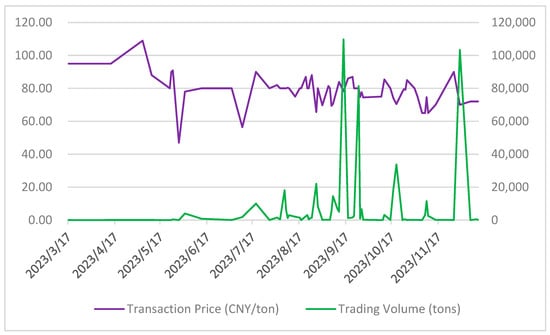
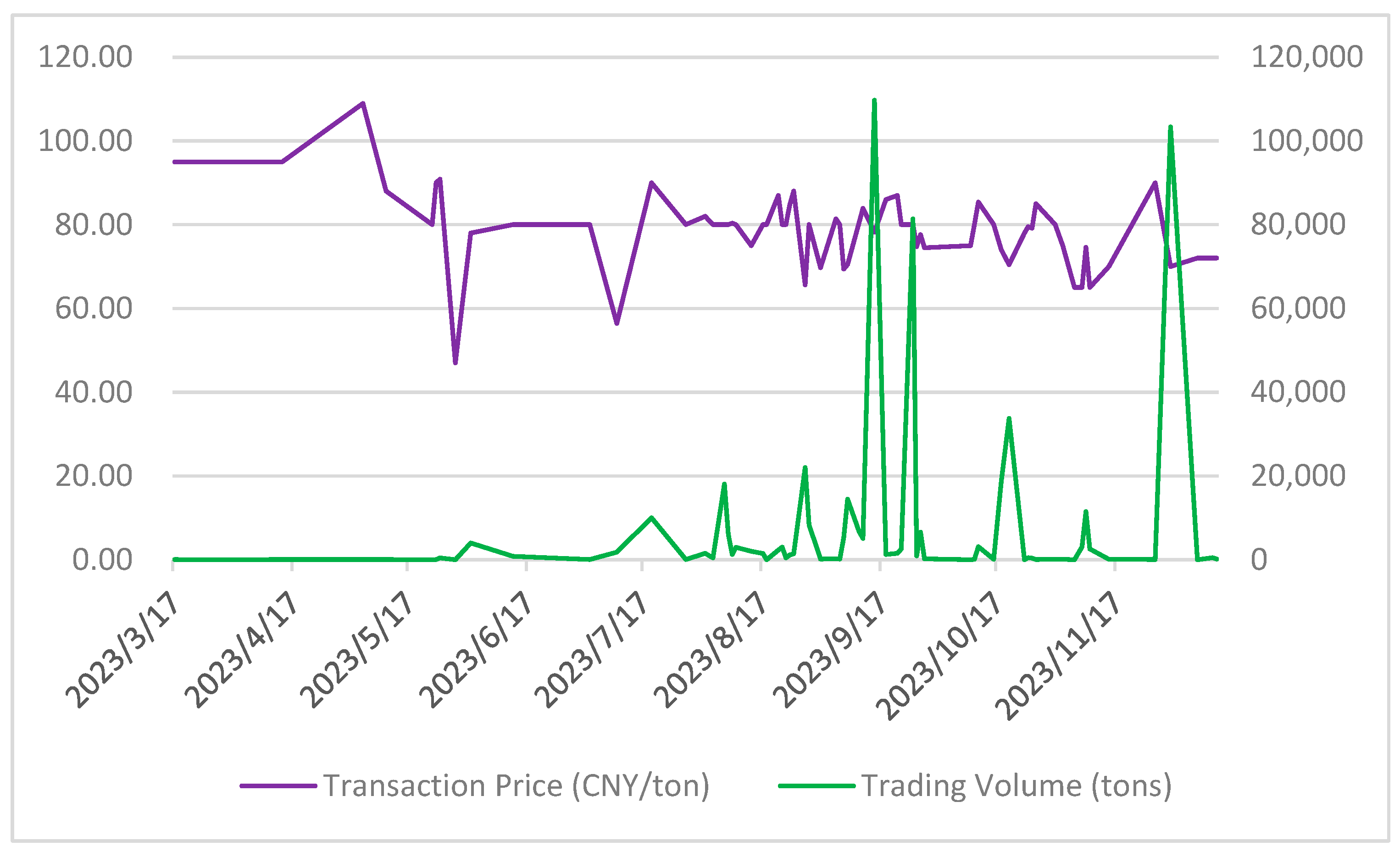
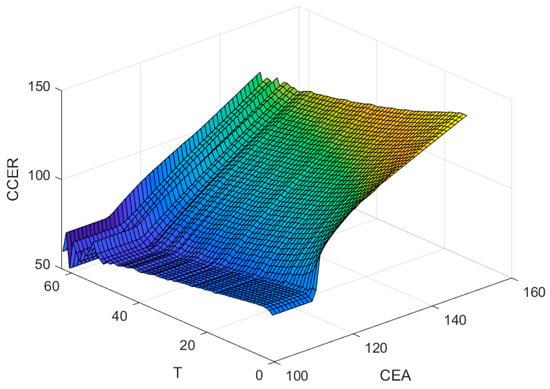
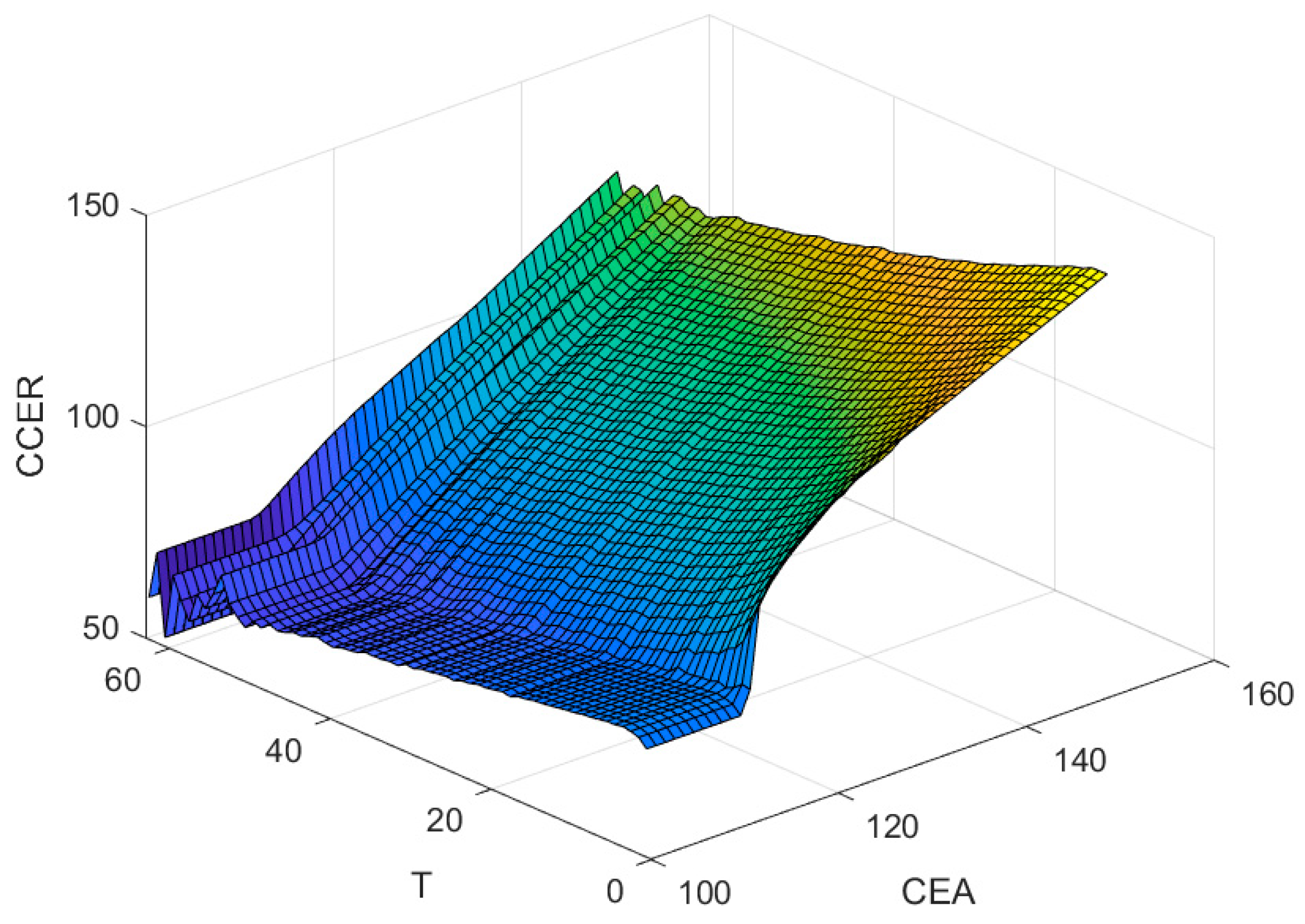
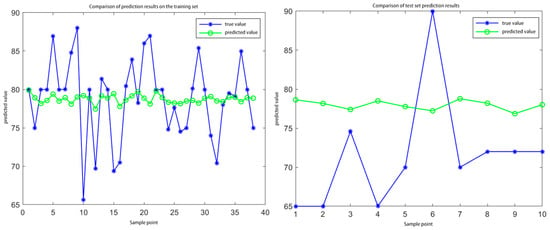
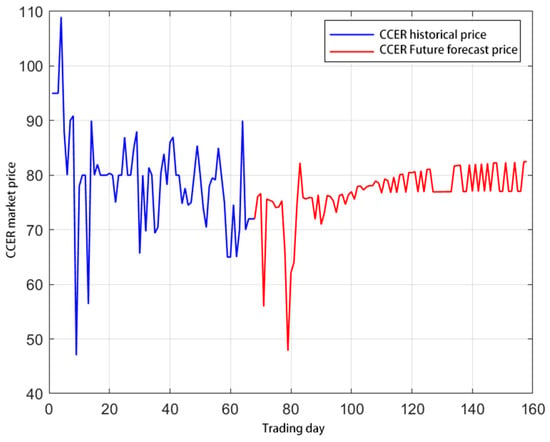
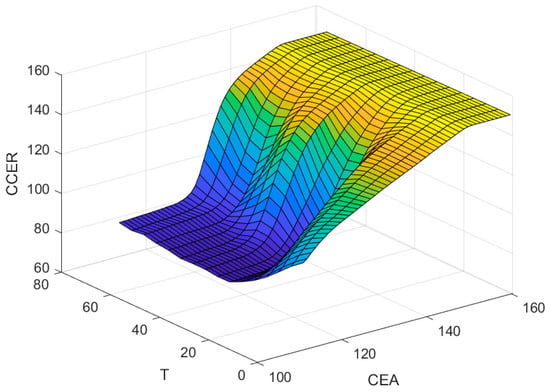
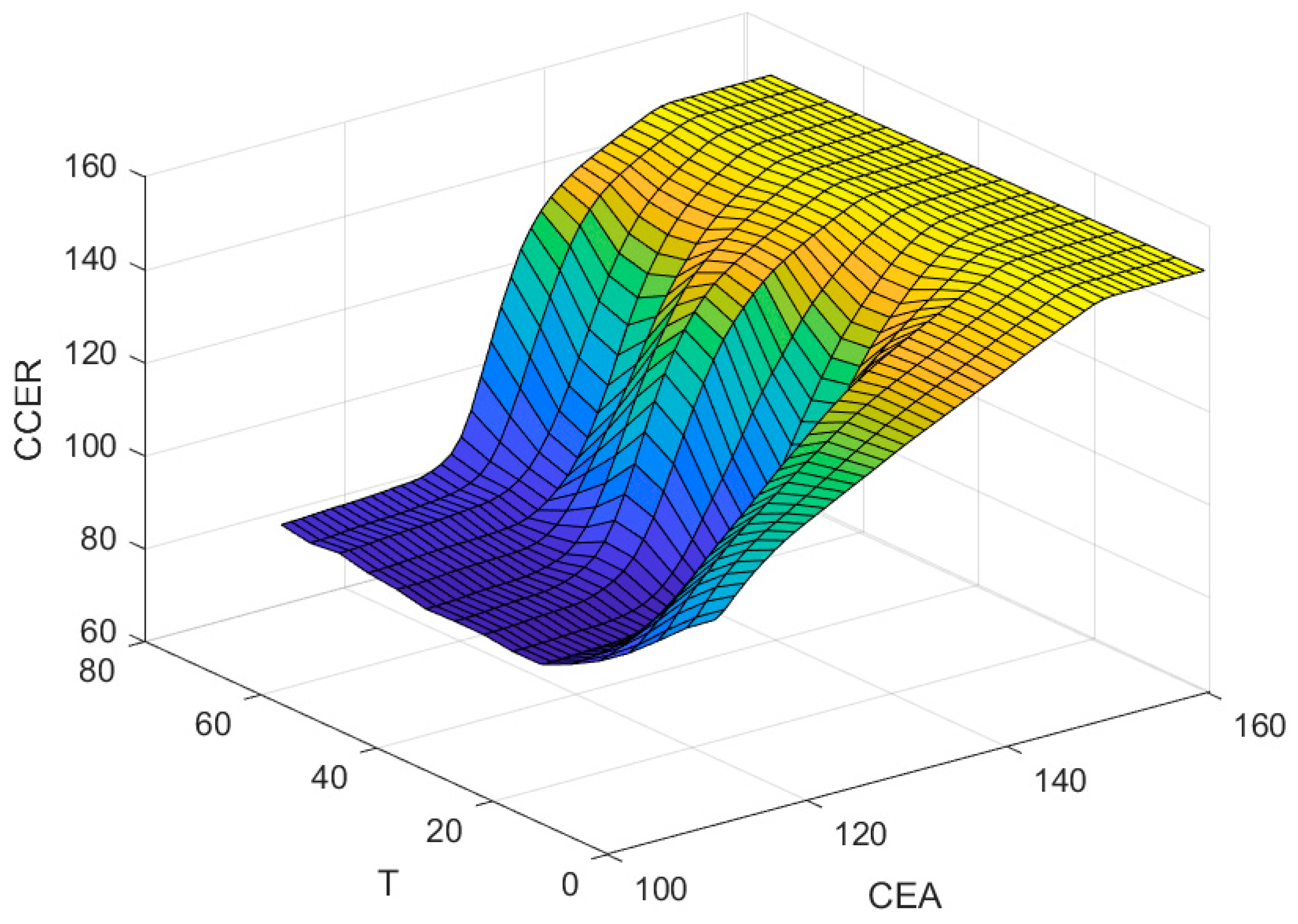
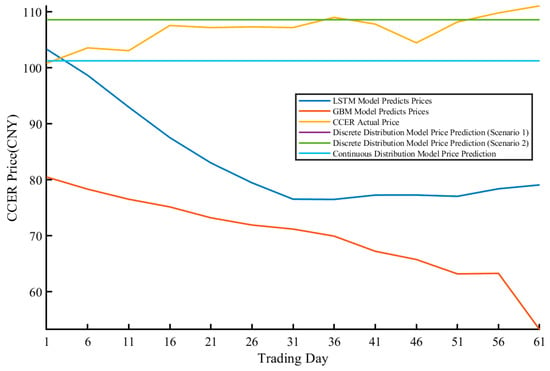
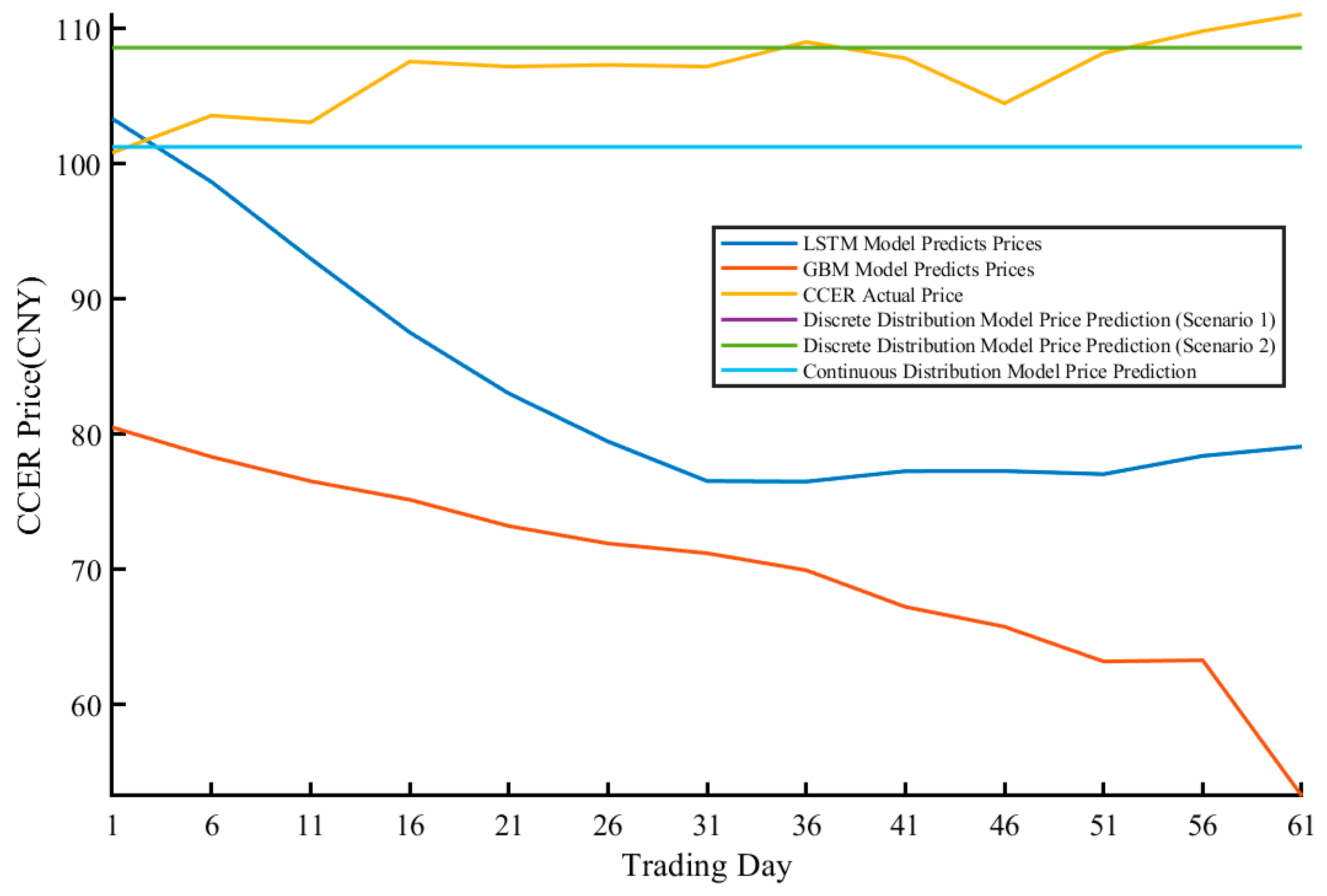

Disclaimer/Publisher’s Note: The statements, opinions and data contained in all publications are solely those of the individual author(s) and contributor(s) and not of MDPI and/or the editor(s). MDPI and/or the editor(s) disclaim responsibility for any injury to people or property resulting from any ideas, methods, instructions or products referred to in the content. |
© 2026 by the authors. Licensee MDPI, Basel, Switzerland. This article is an open access article distributed under the terms and conditions of the Creative Commons Attribution (CC BY) license.