


Abstract
Background: Functional diversity of aquatic macrophytes can provide mechanistic insight into community assembly beyond taxonomic diversity metrics. Aims: We tested whether functional diversity indices can help infer the dominant processes shaping macrophyte communities along hydromorphological and physicochemical gradients, and whether these signals remain interpretable after accounting for species richness. Methods: We surveyed aquatic macrophytes in the Dnipro–Orilsky Nature Reserve (Ukraine) during four field campaigns in 2024 (453 sampling sites), measured key environmental characteristics, and calculated functional diversity indices from plant trait data. Results: The indices showed distinct responses consistent with environmental filtering, dispersal limitation related to reduced hydrological connectivity, and biotic interactions. Anthropogenic degradation was associated with functional simplification and shifts toward opportunistic trait syndromes. Conclusions: A complementary set of functional diversity indices can distinguish major community assembly mechanisms in macrophyte assemblages and supports more robust assessment of ecosystem condition under combined natural and anthropogenic pressures.
1. Introduction
The link between species diversity and ecosystem function or stability remains debated [1]. The dynamics of species diversity within an ecosystem may exhibit a weak correlation with alterations in ecological processes, such as productivity [2]. Examining the functional traits of species may offer a more effective way of linking diversity indicators to ecosystem processes [3]. The concept of macrophyte functional traits provides a vital framework for understanding their adaptations, interactions with other ecosystem components, and assessing external factors that influence aquatic environments [4,5]. The functional traits of macrophytes demonstrate their capacity to adapt to environmental changes, influence community structure and dynamics, and respond to human-induced pressures [6]. In particular, adaptive responses operating from organismal and tissue levels to cellular and molecular levels are reflected in physiological [7] and biochemical traits [8]. The primary trait categories considered in functional-trait approaches include morphological, physiological, phenological, biochemical, biomechanical, and reproductive characteristics [9,10]. Through these trait dimensions, macrophytes regulate water clarity, stabilise sediments, provide habitat for diverse aquatic species, and compete with phytoplankton for light and nutrients [11]. Using the functional traits of macrophytes in research enables precise evaluations of aquatic ecosystems, predictions of their changes, and the development of effective water management strategies [12]. This is because functional traits link environmental constraints to plant performance [13], so trait-based metrics translate variation in habitat and water quality into predictable shifts in community composition and functioning [14,15]. The functional traits of macrophytes closely correspond to environmental gradients, as these traits influence the plants’ ability to adapt to variations in hydromorphological and physicochemical conditions within aquatic ecosystems [16,17]. The composition of macrophyte communities is shaped by key environmental factors, particularly hydrological changes, substrate type, and dissolved oxygen levels, all of which are especially significant [18].
Environmental filtering, dispersal limitations, and species interactions significantly influence the assembly of macrophyte communities, affecting the range of species traits present [18]. The rules governing the assembly of communities from a regional species pool represent a critical area of inquiry within the field of ecology, thereby enhancing our comprehension of ecosystem functioning [19]. Assembly rules are a community-level analogue of natural selection [20]. Environmental filtering plays a crucial role in determining the capacity of individuals of a specific species to survive and reproduce under particular environmental conditions [21]. The concept of limiting similarity among species, arising from interspecific competition, constitutes another filter that influences the absence of species in otherwise suitable habitats, even when environmental conditions are favourable [22]. For species to coexist, they must exploit different resources [23]. Both the environmental filtering and the limiting similarity of species exert opposing effects on the distribution of trait values within the community [24]. Environmental filtering tends to promote functional trait convergence [25,26], resulting in reduced variation in trait values compared to random selection, as traits that do not confer adaptation to local conditions are systematically excluded [25]. The divergence of traits associated with limiting similarity is evidenced by the fact that coexisting species utilise distinct resources and exhibit significant differences in relevant traits, leading to greater variation in trait values than would be anticipated from random selection [26]. Dispersal limitation also plays a vital role in the community assembly. It is argued that the taxonomic and phylogenetic aspects of biodiversity are controlled by both environmental filtering and dispersal limitations [27]. At the same time, the functional component of community diversity is predominantly structured by environmental filtering [28]. The contribution of different processes to community assembly varies with the disturbance gradient [29,30]. The influence of trait filtering increases compared to the limiting similarity as the intensity of the disturbance increases, which can lead to a decrease in functional evenness [31].
The three components of functional diversity (functional richness, functional evenness, and functional divergence) have been proposed to be differentiated by drawing an analogy with the components of species diversity [32]. The triadic conceptualisation of functional diversity implies that a large set of available indices is, at least in part, redundant because multiple metrics capture overlapping information about the same underlying components. Existing typologies of functional diversity indices were largely developed to discriminate community assembly rules, yet previous assessments relied mainly on artificial datasets and focused on only two rules (niche filtering and limiting similarity) [33]. However, this analysis was conducted using artificial datasets and only two assembly rules were examined: niche filtering and limiting similarity. The importance of functional diversity indices in assessing the role of dispersal limitation in shaping functional diversity patterns therefore remains insufficiently resolved. We hypothesise that the primary patterns of variability in functional diversity are influenced by key factors that shape community assemblages: ecological filtering, dispersal limitations, and species interactions. The aims of this study were to (i) identify the structure of relationships among functional diversity indices in aquatic macrophyte communities using empirical field data; (ii) compare the extracted dimensions with the canonical triad of functional richness, evenness, and divergence; and (iii) interpret these dimensions in terms of community assembly rules.
This study provides an empirical, field-based demonstration of the multidimensional nature of macrophyte functional diversity. Our PCA-based synthesis identified two dimensions consistent with the canonical triad of functional diversity (richness- and evenness-related structure), whereas a distinct, standalone “functional divergence” dimension was not observed; instead, divergence signals were distributed across multiple axes. Importantly, we identified two additional, ecologically meaningful dimensions beyond the classical triad—one best described as a convergence–redundancy gradient and another reflecting functional specialisation. We further interpreted these extracted dimensions in terms of community assembly processes, linking them to natural environmental filtering (convergence–redundancy), dispersal limitation driven by low connectivity (specialisation), biotic interactions and competition (richness-oriented differentiation), and community transformation under anthropogenic pressure (evenness-related structure). This integrative mapping reduces redundancy among indices and strengthens the mechanistic interpretation of trait-based diversity patterns in aquatic ecosystems.
2. Materials and Methods
2.1. Study Area
The study was conducted in 2024 over four rounds of surveys: 6–10 May, 3–7 June, 15–19 July, 19–23 August, within the water bodies of the Dnipro–Orilsky Nature Reserve (Dnipropetrovska Oblast, Ukraine) (Figure 1). The Dnipro–Orilsky Nature Reserve was established in 1990 and encompasses an area of 3766 hectares. The reserve’s water bodies are situated within the Dnipro Reservoir, a part of the Dnipro River’s cascade of reservoirs. The total area of the water bodies within the reserve is 602.8 hectares, and the database of recorded water bodies includes 302 distinct water bodies. These water bodies can be categorised into the following systems: the Dnipro riverbed (total area of 223.4 hectares), the Obukhivka ledge system (73.3 hectares), the Orilsky Canal (21.7 hectares), the Taromske ledge system (183.4 hectares), and the Mykolaivka ledge system (101.0 hectares) [34]. During each survey round, we revisited the same set of 453 sampling locations to record aquatic macrophytes and measure water properties (Figure 2).
Figure 1.
Location of the study area and the Dnipro–Orilskyi Nature Reserve (Ukraine): geographic context showing study location within Ukraine.
Figure 2.
Sampling design and water-system units within the Dnipro–Orilskyi Nature Reserve (Ukraine). The map shows the spatial distribution of sampling locations (yellow points) across the main floodplain water-system units (Dnipro riverbed, Mykolaivka ledge system, Obukhivka ledge system, Orilskyi Canal, Protich, and Taromske ledge system). The red outline delineates the boundary of the Dnipro–Orilskyi Nature Reserve.
2.2. Workflow of Data Processing and Analyses
The study workflow is summarised in Figure 3 and integrates taxonomic diversity, functional diversity, environmental gradients, and waterbody morphometry to infer community assembly mechanisms. Field surveys were conducted in 2024 over four campaigns, encompassing 453 sampling locations. At each site, macrophyte species composition was recorded, and in situ water variables were measured, including temperature, dissolved oxygen, pH, electrical conductivity, and Secchi depth. These variables were summarised into environmental gradients for subsequent analyses. Functional traits were compiled from standardised sources (the TRY database and published macrophyte trait compilations), with taxonomy harmonised according to Euro + Med. A species × trait matrix was assembled and used to compute functional diversity indices (e.g., FRic, FEve, FDiv, FDis, RaoQ, and indices of originality, specialisation, redundancy, and functional identity). In parallel, taxonomic diversity was characterised using species richness (SR) and standard diversity indices. To account for the dependence of many functional indices on SR, richness effects were controlled by regressing each index against log(SR), with residuals retained as richness-adjusted metrics. Raw and richness-adjusted indices were synthesised by principal component analysis (PCA), yielding four interpretable functional-diversity dimensions: richness-oriented differentiation, evenness-related structure, convergence–redundancy, and functional specialisation. Waterbody morphometry was derived from DEM and bathymetry using lakemorpho metrics and summarised by PCA (PC1–PC3). The extracted functional and morphometric dimensions were interpreted in relation to community assembly mechanisms, producing key outputs on mechanistic drivers and the sensitivity of diversity indices to species richness.
Figure 3.
Workflow of the study and analytical pipeline linking taxonomic and functional diversity to community assembly mechanisms. Field surveys (2024; 453 sampling locations across four campaigns) provided macrophyte species composition and in situ water variables, which were summarised into environmental gradients. Functional traits were compiled from standardised sources (TRY and macrophyte trait compilations; taxonomy aligned to Euro + Med) to assemble a trait matrix and calculate functional diversity indices. Species diversity (species richness and diversity indices) and functional indices were synthesised using PCA (raw values and richness-adjusted residuals), yielding four interpretable functional-diversity dimensions (richness-oriented differentiation, evenness-related structure, convergence–redundancy, and functional specialisation). Waterbody morphometry was derived from DEM/bathymetry (lakemorpho metrics) and summarised by PCA (PC1–PC3). The extracted dimensions were interpreted in terms of community assembly mechanisms, producing key outputs on mechanistic drivers and the sensitivity of indices to species richness.
2.3. Morphology of Water Bodies
The procedure for investigating the morphology of the water bodies and creating a digital elevation model is described in detail in our previous paper [35]. The digital terrain model was integrated with the digital model of the reservoir bottom to produce a comprehensive digital elevation model that encompasses both above and below the water surface. A total of 312 water bodies were identified within the study area. Among these, 93 (29.8%) were classified as channels, 54 (17.3%) as confluential lakes, 52 (16.7%) as Isolated floodplain lakes, 50 (16.0%) as bays, 38 (12.2%) as confluential-confluent lakes, 17 (5.5%) as confluent lakes, and 8 (2.6%) as artificial water bodies. The morphometric characteristics of the water bodies (surface area, shoreline length and shoreline development, maximum length, maximum/mean width, major and minor axes, axis ratio, fetch, maximum and mean depth, and volume) were calculated using the lakemorpho package [36]. These characteristics were then subjected to principal component analysis, resulting in the extraction of principal components with eigenvalues greater than one [35].
2.4. Measurement of Water Properties
The electrical conductivity, temperature, water transparency, and dissolved oxygen content were measured at each monitoring location. The measurements were taken between 11 a.m. and 1 p.m., when the daily temperature variation was at its lowest. This time frame was selected because it provides the closest approximation to the maximum daily temperatures. The electrical conductivity of the water was measured using a portable conductivity metre (HI 993310) Hanna Instruments, Woonsocket, RI, USA [37]. The dissolved oxygen content was assessed with a Hanna HI 98193 oximetre Hanna Instruments, Woonsocket, RI, USA [38]. Water temperature and pH were measured using a Hanna 98107 pH metre Hanna Instruments, Woonsocket, RI, USA. Water transparency was evaluated using a Secchi disc [39].
2.5. Recording of Plants
The submerged, floating, and emergent vegetation of the water bodies was surveyed. The field survey procedure employed the strip transect method [40]. This method involves observing aquatic vegetation along 20-metre-wide strips perpendicular to the shoreline, encompassing the entire vegetation zone from the upper eulittoral to the outer limit of macrophyte growth. At each site, the maximum depth of cover and the average plant cover were recorded, and all submerged, floating, and emergent plants were identified. Plant taxonomy was based on the Euro + Med Plantbase [41].
2.6. Plants’ Functional Traits
A total of 101 plant species were identified due to the surveys (see Supplementary Table S1). The following traits are considered as functional characteristics of plants: flower sexual syndrome describes how male and female reproductive functions are distributed within flowers and/or among individuals and was coded as bisexual (hermaphroditic), monoecious, dioecious, or variable (monoecious/dioecious) [42], Raunkiær plant life-form [43], pollenochores, diasporochores (ecobiochores) [44,45], competitor, stress tolerator, and ruderal (CSR) Grime’s strategies [46,47], Ellenberg indicator values (EIVs) [48,49], disturbance indicator values [50], naturalness [51,52], hemeroby [53,54], plant height, leaf area, specific leaf area, leaf thickness [42], leaf type [55], leaf water content per leaf dry mass [42], leaf nitrogen content per leaf dry mass, seed dry mass, seed number per plant, leaf carbon/nitrogen (C/N) ratio, flowering time, fruit size [42], body flexibility [55], vertical shoot architecture [55], rooting at nodes, below-ground to above-ground biomass ratio, life span [42], dispersal distance class [56], growth form [55], mode of reproduction [55], number of reproductive organs [55], leaf texture [55], leaf cover [55]. Information regarding the species composition of vegetation and the functional traits of plant species is provided in Supplementary Table S1.
2.7. Species and Functional Diversity Indices
The calculation of distances between pairs of species based on functional traits for species collected in communities was conducted via the mFD package [57]. This study considered the following species and functional diversity indices (Supplementary Table S2). Species richness (Sp_richn) [58], Gini-Simpson (GSimpson) [59], functional richness (Fric) [60], functional evenness (Feve) [61], functional divergence (Fdiv) [61], functional originality (Fori) [31], functional specialisation (Fspe) [62], functional dispersion (Fdis) [63], Rao’s quadratic entropy [64], functional redundancy (FunRed) [65], functional mean pairwise distance (Fmpd) [66], functional mean nearest neighbour distance (Fnnd) [67], functional identity (Fide) [68]. Functional axes were computed using Principal Coordinate Analysis (PCoA), which utilised the functional distance between species [69,70]. Mean Squared Deviation (mSD) is a metric that quantifies the loss of information resulting from a reduction in the number of dimensions within a feature space [71,72]. Gsimpson, FunRao, and FunRedundancy were calculated using the Rao diversity function from the SYNCSA package [73]. Ideally, indices of functional diversity should encompass dimensions of the community beyond mere species richness to effectively establish a connection between trait expression and functional performance [74]. The residuals obtained from the linear regression analysis of the diversity indices against the logarithm of species richness were utilised for subsequent analyses. This approach aimed to eliminate the variability component in the functional diversity indices and the Simpson index that is attributable to species richness. In essence, a transformation was implemented:
where Itr is the transformed value of the index, Iobs denotes the observed value of the index, k signifies the slope of the regression line (assuming a regression model with a constant equal to zero), and Sp indicates the species richness within the community.
Itr = Iobs − k × log2Sp,
3. Results
3.1. Variability of Morphometric Characteristics of the Water Bodies
The principal component analysis of the variability in the morphometric characteristics of the water bodies (surface area, shoreline length and shoreline development, maximum length, maximum/mean width, major and minor axes, axis ratio, fetch, maximum and mean depth, and volume) identified three principal components with eigenvalues exceeding one (Table 1). Principal component 1 showed a positive correlation with all morphometric characteristics of the water bodies, except for the axis ratio, which was negatively associated with PC1. This suggests that principal component 1 may be interpreted as a measure of water body size. Principal component 2 showed a positive correlation with characteristics indicating the volume and depth of the water bodies, as well as with the axis ratio; however, it exhibited a negative correlation with shoreline development, shoreline length, and the major axis. This enables the interpretation of principal component 2 as reflecting an inverse relationship between depth and the complexity of shorelines in water bodies; larger water bodies tended to have less shoreline development. Principal component 3 was positively correlated with the maximum and average widths of the water bodies, the minor axis, and the axis ratio. Thus, principal component 3 can be interpreted as a measure of reservoir elongation.
Table 1.
Principal component analysis of variability of morphometric characteristics of water bodies (n = 312, factor loadings that were statistically significant at p < 0.05).
The functional types of the water bodies accounted for 22% of the variability in principal component 1 (F = 84.9, p < 0.001). Artificial water bodies and canals exhibited the largest sizes, as indicated by the highest principal component 1 score. In contrast, confluent lakes, bays, and isolated floodplain lakes were the smallest. The functional types of the water bodies explained 37% of the variability in principal component 2 (F = 179.2, p < 0.001).
Artificial water bodies were characterised by the greatest depth and the lowest shoreline complexity, while channels and isolated water bodies exhibited the shallowest depths and the highest shoreline complexity. This pattern is expected because channels and isolated floodplain water bodies typically have sinuous, irregular shorelines shaped by fluvial processes and dense emergent vegetation, which increases shoreline length relative to area and thus elevates shoreline complexity. Additionally, the functional types of the water bodies accounted for 1.5% of the variability in principal component 3 (F = 5.6, p < 0.001). Artificial water bodies displayed the most elongated shapes, whereas isolated floodplain lakes had the least elongated shapes.
3.2. Environment Properties in Water Bodies
The temporal, functional, and morphometric characteristics of the water bodies accounted for 85% of the variability in water temperature (Table 2). Water temperature in the water bodies rose until July, after which it began to decline. The increased elongation of the water bodies is a factor that enhances their capacity to warm. The temporal, functional, and morphometric characteristics of the water bodies explained 54% of the variability in water transparency, which decreased over time. Generally, larger water bodies, in terms of overall size and depth, exhibited greater transparency. These characteristics also accounted for 79% of the variability in the electrical conductivity of water in the water bodies. This indicator showed a downward trend throughout the season, although there was a slight increase in electrical conductivity in August. The temporal, functional, and morphometric characteristics of the water bodies explained 36% of the variability in dissolved oxygen content.
Table 2.
General Linear Models of the influence of time, functional and morphometric parameters of water bodies on water properties.
The oxygen content in the water increased over the season. An increase in the overall size and depth of the water bodies contributed to higher dissolved oxygen levels. These characteristics accounted for 54% of the variability in water pH within the water bodies, which decreased over time.
3.3. Principal Component Analysis of Variability of Taxonomic and Functional Diversity Indices
A statistically significant linear relationship was established between the logarithm of species richness and the functional diversity indices, except for functional dispersion (Fdis) and the Simpson index (Table 3). This relationship accounted for 1% to 54% of the variation in the respective index. Principal component analysis of the indices confirmed the effectiveness of the applied procedure in differentiating the variability of functional diversity indices from species richness. Four principal components with eigenvalues greater than one were extracted. Notably, species richness did not load onto any of these principal components. Principal component 5 had an eigenvalue of 1 and a species richness loading of 1. Consequently, it was possible to completely differentiate the variability of other indices of community functional diversity and the Gini-Simpson index from species richness.
Table 3.
Principal component analysis of variability of species and functional diversity indices and identity factor scores (correlation coefficients are shown that are statistically significant for p < 0.001).
3.4. Principal Component 1: The Influence of Natural Environmental Filters
The first four principal components accounted for 68.6% of the variability in the diversity indices. FunRedundancy exhibited a positive loading on principal component 1 (PC1), while the other functional diversity indices, except Feve, displayed negative loadings. Fide 1 had a positive loading on PC1, whereas Fide 3 and Fide 5 showed negative loadings. The variable Fmpd had the most extensive absolute loading on PC1, and this variable, along with Fric and Fori, was unique to this principal component. PC1 demonstrated a statistically significant correlation with the Ellenberg indicator values, showing a positive correlation with continuity, acidity, and nutrients indicators, and a negative correlation with temperature (Table S3).
PC1 was sensitive to the antagonistic relationships between Helophytes, Hydrophytes, and Therophytes (Figure 4).
Figure 4.
Box-and-whiskers plots illustrating the variation in PC 1 through Fide PC4 scores and species richness across different functional traits. The ordinate represents the scores for Fide 1 to Fide 5, while the abscissa delineates the following categories: (a) flower sexual syndromes, which include B—bisexual, D—dioecious, M—monoecious, and MD—monoecious/dioecious; (b) Raunkiær plant life-forms (climamorphes), categorised as G—geophytes, Hd—hydrophytes, Hel—helophytes, HKr—hemicryptophytes, nPh—nanophanerophytes, Ph—phanerophytes, and T—therophytes; and (c) pollenochores, which include Anph—anemophilous plants, Ent—entomophilous plants, Hdgph—gametohydrophilous plants, Hdph—hydrophilous plants. The box plot displays the interquartile range, which encompasses the first quartile (Q1, 25%) and the third quartile (Q3, 75%), with the median (Q2, 50%) represented by the line within the box. The whiskers indicate the minimum and maximum values that are not classified as outliers. According to the results of the Dunn test, identical letters denote levels of factors that are statistically indistinguishable at a significance level of p < 0.05, while differing letters indicate levels of factors that are statistically significantly different.
Hydrochory and plants with an annual life span exhibited negative correlation coefficients with PC1 (Figure 5). Additionally, PC1 was responsive to the contrasting dynamics of single basal growth point preference versus multiple apical growth point preference (Figure 6). It also reflected the response of plant communities to disturbance frequency and grazing pressure. PC1 demonstrated a negative correlation with seed mass and fruit size, as well as with free-floating submerged plants. Notably, PC1 was sensitive to the mode of plant reproduction, showing a positive correlation with rhizomes and a negative correlation with tubers. Time, functional types, morphological features of the water bodies, and water properties accounted for 47% of the variability in PC1 (Table S4).
Figure 5.
Box-and-whiskers plots illustrating the variation in PC 1 through Fide PC4 scores and species richness across different functional traits. The ordinate represents the scores for Fide 1 to Fide 5, while the abscissa delineates the following categories: (a) diasporochores, which include Anch—anemochory, Bal—ballistochory, Bar—barochory, EndZ—endozoochory, EpZ—epizoochory, Hdch—hydrochory; (b) leaf types, categorised as T—tubular, C—capillary, E—entire; and (c) life spans. The box plot displays the interquartile range, which encompasses the first quartile (Q1, 25%) and the third quartile (Q3, 75%), with the median (Q2, 50%) represented by the line within the box. The whiskers indicate the minimum and maximum values that are not classified as outliers. According to the results of the Dunn test, identical letters denote levels of factors that are statistically indistinguishable at a significance level of p < 0.05, while differing letters indicate levels of factors that are statistically significantly different.
Figure 6.
Box-and-whisker plots illustrating the variation in PC 1 through Fide PC4 scores and species richness across different functional traits. The ordinate represents the scores for Fide 1 to Fide 5, while the abscissa delineates the following categories: (a) number of reproductive organs, categorised as L—low, M—medium, H—high, VH—very high; (b) vertical shoot architectures include: sag—single apical growth point, sbg—single basal growth point, mag—multiple apical growth point; and (c) rooting at nodes, which include 1—yes, 0—no. The box plot displays the interquartile range, which encompasses the first quartile (Q1, 25%) and the third quartile (Q3, 75%), with the median (Q2, 50%) represented by the line within the box. The whiskers indicate the minimum and maximum values that are not classified as outliers. According to the results of the Dunn test, identical letters denote levels of factors that are statistically indistinguishable at a significance level of p < 0.05, while differing letters indicate levels of factors that are statistically significantly different.
PC1 (waterbody size) differed significantly among functional types, with the highest scores in artificial waterbodies and channels, and the lowest (negative) scores in bays and confluent lakes, indicating smaller waterbody size in these types (Figure S1). PC1 scores peaked in June and decreased monotonically throughout the season (Figure S2). Artificial water bodies and contrafluent lakes exhibited the highest correlations with PC1. Increases in water temperature and electrical conductivity were the primary drivers of PC1 increases, while increases in transparency and dissolved oxygen had the opposite effect. The morphology of the water bodies also influenced PC1 scores; increasing the depth and elongation of the reservoir positively affected PC1, whereas enlarging the reservoir had a negative impact.
3.5. Principal Component 2: The Impact of Competition
Principal component 2 (PC2) exhibited a positive correlation with Gini-Simpson, Functional Redundancy (FunRedundancy), Functional Rao (FunRao), and Five indices. Conversely, Functional Diversity (Fdiv) demonstrated a negative correlation with PC2. Gini-Simpson, Functional Identity 2 (Fide 2), and FunRao displayed the highest loadings on PC2. This component was sensitive to contrasting dynamics within plant communities characterised by different ecological strategies, such as competitors and ruderals. PC2 showed a positive correlation with whole leaf types and a negative correlation with tubular leaf types. Additionally, PC2 was responsive to community transformations influenced by mowing frequency. Factors such as time, functional types, morphological features of the ponds, and water properties accounted for 30% of the variability in PC2. Notably, PC2 values decreased over the season. Isolated lakes exhibited the lowest correlations with PC2, while channels and bays also demonstrated minimal correlations with PC2. The characteristics of PC2 enable the interpretation of this principal component as indicative of trends in the variability of functional properties within the macrophyte community, driven by interspecific competition. Increased competition correlates with heightened functional divergence within the community and a reduction in both functional and taxonomic evenness.
3.6. Principal Component 3: The Impact of Dispersal Limitations
Principal component 3 (PC3) exhibited dynamics that contrasted with the complex of indicators, such as Fspe and Fmpd on one side, and Fori and Feve on the other. The variables Fspe, Fide 3, Fide 4, and Fide 5 displayed the largest modulus loadings on PC3. The positive correlation with the dispersal distance class underscores PC3’s sensitivity to dispersal restrictions. Generally, entomophilous plants exhibited a lower potential for seed dispersal. This principal component highlights that plants with a capillary leaf type possess a greater potential for dispersal compared to those with a whole leaf type. Temporal factors, functional types, and morphological characteristics of the ponds, along with water properties, accounted for 18% of the variability in PC3. PC3 scores increased throughout the season, peaking in July. The combination of PC3 characteristics allows for the interpretation of this principal component as a trend reflecting the variability of functional properties within the macrophyte community, induced by dispersal limitations. An increase in distributional restrictions is accompanied by heightened functional divergence and originality within the community, alongside a decrease in both functional and taxonomic evenness.
3.7. Principal Component 4: The Impact of Anthropogenic Environmental Filters
Principal component 4 (PC4) exhibited sensitivity to the contrasting dynamics of Fspe, as well as Fdiv, Fdis, and Feve. The variables Feve and Fide 1 displayed the largest absolute loadings on PC4. A notable characteristic of PC4 is its responsiveness to the opposing dynamics of the hemeroby and naturalness indices, as well as a range of environmental disturbance indicators. An increase in the slopes of this principal component signifies an enhancement in the naturalness of communities, while a decrease in the slopes indicates a rise in hemeroby. The increase in hemeroby is associated with a higher presence of monoecious plants and helophytes within the community, accompanied by a decrease in the proportion of hydrophytes. An increase in the level of hemeroby is associated with a rise in the proportion of stress-tolerant species within the community. The positive correlation between PC4 and the humidity index emphasises the predominance of hydrophytes in natural conditions. Conversely, the negative correlation between PC4 and the continuity index may suggest that pre-adaptation to broader environmental fluctuations is a factor contributing to survival under increasing anthropogenic pressure. Plants found in more natural habitats tend to have a higher seed weight but a lower seed count. Additionally, species in natural communities typically exhibit a larger specific leaf area, greater leaf water content per unit of leaf dry mass, larger fruit size, and increased stem flexibility.
Under conditions of anthropogenic pressure, the proportion of plants with rigid leaf textures has generally increased. Inhabitants of natural habitats are usually anchored plants with floating or submerged leaves. These plants often utilise tubers as a method of propagation, whereas species that reproduce via seeds are favoured under anthropogenic pressure. Time, functional types, morphological features of the water bodies, and water properties accounted for 18% of the variability in PC4.
The lowest PC4 correlations were observed in the contrafluent-confluent and isolated lakes. Water transparency and pH were positive predictors of PC4, while water temperature served as a negative predictor of this principal component. Additionally, reservoir size and elongation were identified as positive predictors of PC4. The combination of these PC4 properties enables the interpretation of this principal component as a trend in the variability of the functional properties of the macrophyte community, which is influenced by anthropogenic environmental filters. An increase in anthropogenic environmental transformation is associated with a rise in mean nearest neighbour distance and evenness in the functional space, alongside a decrease in the functional specialisation of the community (Figure 7).
Figure 7.
Variation in PC 1 through Fide PC4 scores and species richness within the survey periods (a) and the differences according to the functional type of the water bodies (b). The box plot displays the interquartile range, which encompasses the first quartile (Q1, 25%) and the third quartile (Q3, 75%), with the median (Q2, 50%) represented by the line within the box. The whiskers indicate the minimum and maximum values that are not classified as outliers. In the ordinate (a), V corresponds to May, VI to June, VII to July, and VIII to August. In panel (b), the following designations are used: Artificial refers to artificial bodies of water, Bay denotes bays, Channel indicates channels, Confluent represents confluent lakes, Contr confl refers to contrafluent lakes, Contrafluent signifies contrafluent-confluent lakes, and Isolated pertains to isolated floodplain lakes. According to the results of the Tukey test, identical letters denote levels of factors that are statistically indistinguishable at a significance level of p < 0.05, while differing letters indicate levels of factors that are statistically significantly different.
3.8. Functional Aspect of Species Richness Variability
The functional indices under consideration have undergone a preliminary transformation, resulting in the loss of variability associated with the species richness of the community. However, this does not imply that species richness is independent of its relationship with certain functional traits of plant species. The proportion of bisexual plants was higher in more species-rich communities. A positive correlation was also observed between species richness and hemicryptophytes. Conversely, a negative correlation was found between species richness and the humidity indicator value. Disturbance severity at the community level and grazing pressure can be considered factors contributing to the increase in species richness. More diverse communities are characterised by plants that exhibit earlier flowering or possess a rigid leaf texture. Time, functional types, morphological features of the water bodies, and water properties accounted for 26% of the variability in species richness. Increases in water conductivity and pH negatively affected the species richness of macrophyte communities, whereas increases in water temperature had a positive effect. Generally, the species richness of macrophytes was higher in smaller water bodies, although it was associated with greater depth and lower shoreline complexity.
4. Discussion
4.1. Species Richness Provides Information on Functional Diversity
Functional diversity of the community can be assessed using a wide range of indices [75]. It is essential to note that these indices offer valuable insights into the complexity of functional relationships within a community and the overall species richness. Petchey and Owen [60] note that increasing species richness enhances the degrees of freedom for forming more complex functional structures. This diversity index allows for the potential replacement of functional patterns with dynamics that arise solely from variability in species richness, devoid of inherent functional content. Mouchet et al. [33] proposed that functional indices can be classified according to their sensitivity to community species richness: those driven primarily by species richness and those driven mainly by trait distributions shaped by community assembly processes. Our findings support this general approach, but allow a more fine-grained classification in which functional indices show strong, moderate, or weak associations with species richness. Indices strongly related to species richness include functional redundancy, the functional mean nearest-neighbour distance, functional richness, and the Gini–Simpson species diversity index (R2 = 0.36–0.64). Indices moderately related to species richness include functional specialisation, Rao’s quadratic entropy, FIde1, FIde3, and FIde4 (R2 = 0.06–0.35). Indices weakly related to species richness include functional originality, functional evenness, functional divergence, the functional mean pairwise distance, and FIde2 and FIde5 (R2 = 0.01–0.05). Notably, functional dispersion showed no relationship with species richness. The relationship between species diversity and functional diversity facilitates the identification of the mechanisms underlying local community assembly [76]. The findings also indicate that species richness, although calculated independently of the functional properties of species, still conveys a degree of information related to the community’s functional diversity.
4.2. Functional Diversity Components and PCA-Based Interpretation
The common triadic view of functional diversity distinguishes functional richness, functional evenness, and functional divergence by analogy with the components of taxonomic diversity [32]. Our results generally support the premise that functional diversity indices are not entirely independent, as each index conveys overlapping information about multiple components, rendering an extensive list of indices partly redundant. However, the PCA-based structure suggests a more nuanced and system-specific mapping between conceptual components and operational proxies (Table 4).
Table 4.
Conceptual components of functional diversity and their operational proxies and PCA-based interpretation.
In our dataset, the richness-related dimension of functional space was primarily captured by PC2, with Rao’s quadratic entropy (RaoQ) showing the strongest alignment with this axis. This PC2 structure was interpreted as competition-related differentiation (limiting similarity), indicating that richness-oriented trait-space occupation co-varied with signals of competitive structuring. PC4 was most closely associated with functional evenness (FEve), capturing shifts in the uniformity of trait distribution; this axis was interpreted as reflecting community transformation under anthropogenic pressure. In contrast, we did not identify a single PCA axis that could be unambiguously interpreted as functional divergence sensu stricto; divergence-related signals (e.g., FDiv and related disparity measures) appeared to be distributed across multiple dimensions rather than forming a standalone component. Importantly, the dominant gradient (PC1) was sensitive to nearly all indices except FEve and, consistent with Table 4, is more parsimoniously interpreted as a convergence–redundancy gradient associated with natural environmental filtering, rather than as functional divergence. Finally, traits and indices related to functional specialisation (FSpe) and mean nearest neighbour distance (MNND) were characteristic of PC3, supporting its interpretation as a dispersal-limitation axis linked to low connectivity and an under-filled functional space. Collectively, these results emphasise that functional diversity metrics should be interpreted as overlapping descriptors of trait-space structure and assembly constraints, rather than as one-to-one proxies of a fixed triad of strictly separable components.
4.3. Functional Redundancy Is a Marker of Environmental Filtration in Natural Conditions
Functional diversity indices measure various aspects of functional diversity, and some index exhibit significant redundancy, as demonstrated by comparisons of indices calculated for model communities [33]. Our empirical results provide independent support for the conclusions obtained from modelling. The principal component analysis of the functional index exhibits that the variability in functional diversity among aquatic macrophyte communities can be attributed to three primary mechanisms of the community assembly: environmental filtration, competition, and dispersal limitation. Our findings align with those of Hedberg et al. [77] who argue that functional diversity analyses help to identify filters shaping community assembly. In this framework, the community assembly mechanisms are treated as conditionally independent drivers of community structure, which is consistent with the mathematical nature of principal components derived from PCA, i.e., mutually orthogonal axes of variation. The mathematical nature of principal components is that they are mutually orthogonal, thereby representing independent patterns of trait variability [78]. The gradient resulting from the inverse relationship between functional redundancy and functional richness is described by principal component 1. Functional diversity indices that exhibit significant weights on principal component 1 reflect an aspect of functional diversity known as functional richness. Functional richness characterises a community’s functional space [61]. It demonstrates the extent to which filtering factors influence the structural composition of a community [79]. Functional redundancy refers to the reduction in biodiversity that occurs during diversity assessments, where the interrelationships among species traits are carefully considered [4,80]. It can be argued that functional redundancy significantly enhances ecological resilience and stability. The insurance hypothesis posits that ecosystems containing a greater diversity of species performing similar ecological roles are more resilient [81]. This resilience is attributed to the mitigation of negative impacts resulting from the loss of individual species when those species are functionally redundant [82]. The results indicate that functional richness changes under the influence of natural environmental filters, such that an increase in functional redundancy accompanies a decrease in functional volume. Functional redundancy is sensitive to interspecies interactions, which should provide a limiting similarity between species [83]. The spatial and temporal variability of the environment may create opportunities for functional redundancy at smaller spatial and temporal scales; however, such redundancy is not expected to manifest at larger scales, where environmental variation plays a crucial role in facilitating coexistence [84]. Functional redundancy within a specific environment can confer functional distinctiveness when environmental conditions change. Such alterations are linked to the shifting roles and interactions among species. Species that exhibit functional redundancy in one context may assume critical roles in another [85]. Experimental evidence supports the notion that functional redundancy increases the resilience of plant communities [86]. A high degree of specialisation is crucial for the coexistence of species in diverse communities [87]. Functional redundancy enhances community resilience to natural extremes. This finding aligns with the results of a meta-analysis indicating that functional redundancy has a positive influence on the stability and resilience of communities [82]. The mechanism by which functional redundancy increases as functional diversity decreases may serve as a strategy for enhancing ecosystem resilience under natural conditions.
4.4. The Gini-Simpson Index and Rao’s Quadratic Entropy Are Sensitive Measures of Competition as a Mechanism of Assembly of Macrophyte Communities
The characteristics of the diversity indices that define principal component 2, along with the correlation of this component to the indicators of competitor and ruderal presence in Grime’s CSR model [88], suggest that this component reflects the influence of competition as a mechanism for the assembly of macrophyte communities. Ruderal species are supplanted by stress-tolerant species during the dynamics of species succession following a disturbance [89]. Environmental factors, such as temperature, affect the ratio of competitors to stress-tolerant species [90]. The contrasting dynamics of competitors and ruderals correspond to the initial stages of plant community succession under conditions of high potential productivity [88]. The predominance of stress-tolerant species characterises the subsequent stage of succession. Principal component 2 (PC2) can be interpreted as the C axis of competition, which indicates the capacity of plants to displace other species under favourable environmental conditions [91].
The Gini-Simpson index and its functional equivalent, Rao’s quadratic entropy, exhibited the highest weights on Principal component 2 (PC 2). This suggests that, although the Gini-Simpson index does not explicitly incorporate information regarding the functional properties of species, it is sensitive to the variability in community functional diversity induced by interspecies competition. The Gini-Simpson index is exceptionally responsive to the dominance structure of the community [92,93], which is influenced by competitive interactions within the community [94]. Rao’s coefficient is especially adept at analysing changes in trait variance. A trait variance that is lower than expected by chance indicates that environmental filters play a crucial role in shaping community structure. Conversely, a trait variance that exceeds expected levels suggests the presence of mechanisms that limit similarity, thereby preventing coexisting species from becoming excessively alike [95]. The high loadings of functional divergence on PC 2 support the hypothesis that this principal component is sensitive to competition within the community. Both the functional divergence index and Rao’s coefficient are regarded as indicators of the intensity of competitive relationships within a community [33]. Additionally, it is essential to highlight the significant contribution of functional evenness to the identification of PC 2, as Rao’s quadratic entropy incorporates information about the evenness of the distribution of functional traits within the community. The functional diversity of plant communities, as estimated using Rao’s entropy, enhances the spatial stability of biomass [96].
4.5. Dispersion Limitation Drives the Variation in Functional Evenness
The dispersal distance class exhibited the highest correlation with PC3, indicating that this component is sensitive to dispersal limitation as a factor influencing community assemblage. Dispersal ability is a crucial driver of metacommunity structure among aquatic organisms [97]. The capacity to disperse significantly impacts the spatial organisation of the community due to dispersal limitations [98]. Long-distance seed dispersal is vital for the regional survival of plant species [99]. Dispersal factors are more critical for hydrophytes than helophytes [100]. Experimental evidence has demonstrated that hydrochorous seed dispersal is the primary mechanism for structuring plant communities along riverbanks [101]. An increase in species richness, accompanied by greater dispersal distances, is associated with heightened variability within the community, which can be attributed to environmental factors. However, the spatial structure of the community tends to diminish [102]. The assemblages of species with low to moderate dispersal abilities can be effectively explained by spatial and environmental models [103].
PC3 is sensitive to the reverse dynamics of functional specialisation on the one hand and functional mean nearest neighbour distance and functional evenness on the other. Functional evenness indicates the equitable distribution of species’ functional traits within a multidimensional functional space. It reflects the efficiency or inefficiency with which ecological niches are utilised, avoiding both over-concentration and under-concentration of species in specific areas of the functional space [104]. Dispersion limitations of species can lead to trait rearrangement, which in turn affects functional evenness. Therefore, the ability of functional diversity indices—such as functional specialisation, functional mean nearest neighbour distance, and functional evenness—to respond sensitively to dispersal limitations as a factor in community assemblage can be understood as a consequence of the correlation of specific properties with dispersal distance.
4.6. Functional Transformation of the Community as a Result of Anthropogenic Pressure
The high correlation between hemeroby and naturalness with principal component 4 (PC4) suggests that this component reflects functional changes in the macrophyte community resulting from anthropogenic environmental transformations. The naturalness scale measures the distance of the community from its most natural state [51]. Hemeroby is discussed as a crucial indicator of the cumulative effects of both past and present human activities on vegetation cover, impeding the ecosystem’s progression toward its final stage [105]. The correlation of this component with disturbance indicator values further supports the anthropogenic impact that generates the patterns indicated by PC4. An increase in hemeroby is associated with heightened functional divergence, increased functional evenness, and increased functional dispersion, while functional specialisation decreases. Functional evenness exhibits the highest loading, suggesting that it is primarily through evenness that anthropogenic impacts on macrophyte communities can be assessed. This finding aligns with previous research indicating an increase in functional evenness in response to anthropogenic pressure [106]. Indicators of functional divergence and functional evenness are positively correlated with the hemeroby of macrophyte communities [107]. The rise in hemeroby has been found to promote the proliferation of helophytes, although it has an adverse effect on hydrophytes. Artificial eutrophication is the most significant factor driving the anthropogenic transformation of aquatic macrophyte communities. Helophytes are particularly sensitive to eutrophication, especially under conditions of substantial water body degradation [108]. The anemochory of macrophytes can be viewed as a pre-adaptation to conditions of anthropogenic pressure. This phenomenon is further explained by the fact that anemochory is most prevalent among helophytes [109], which tend to respond positively to anthropogenic influences. More hemerobic helophytes are capable of producing a greater number of seeds and possess more flexible stems. Naturally, such plants prefer seed-based reproduction. Hydrochory is the predominant method of seed dispersal for hydrophytes [101], which are highly sensitive to anthropogenic pressure. Seed mass is negatively correlated with the level of hemeroby. This relationship can be attributed to the greater sensitivity of hydrophytes to anthropogenic influences and the fact that seeds from this group of plants are typically heavier [110]. Consequently, these plants primarily reproduce through the production of tubers.
5. Limitations and Recommendations
A limitation of the present analysis is that functional diversity patterns were interpreted primarily in terms of environmental filtering, dispersal limitation, and interspecific competition, without being situated within an explicit null-model framework. In trait-based community assembly inference, conclusions regarding trait convergence versus divergence depend critically on the null hypothesis and the constraints maintained during randomisation. The inferred patterns may vary across different algorithms that randomise either the community matrix or the species-by-trait matrix. Moreover, distinct assembly processes may operate on different subsets of traits. Future investigations of assembly rules would therefore benefit from applying multiple null models and comparing standardised effect sizes derived from various trait sets.
Building on these findings, a key recommendation is to employ a functional-diversity-based diagnostic framework to disentangle the relative contributions of environmental filtering, dispersal limitation, and biotic interactions in macrophyte community assembly, and to translate this understanding into targeted management actions. In practice, applying a suite of complementary functional diversity indices can assist managers in distinguishing between natural constraints, such as morphometry, water clarity, and oxygen regime, and anthropogenic pressures, including eutrophication, heavy-metal contamination, and hydrological alteration. This approach can also indicate whether limited connectivity, competitive dominance, or biological invasions are likely to impede community recovery. Further research should prioritise the enhancement of assessment tools and the strengthening of inference under highly dynamic conditions. In Ukraine, a significant challenge for trait-based monitoring is the unprecedented disturbance of aquatic ecosystems caused by ongoing military actions. The collapse of the Kakhovka Reservoir exemplifies a catastrophic regime shift, in which baseline conditions and long-term ecological ‘memory’ were effectively lost. Under such non-stationary conditions, functional diversity remains essential for tracking recovery trajectories and identifying emerging assembly mechanisms. However, interpretations based on historical reference states become unreliable. This underscores the need for adaptive monitoring designs, repeated surveys over time, and the development of post-disturbance reference frameworks that enable comparable functional assessments across impacted freshwater systems.
6. Conclusions
Using a complementary set of functional diversity indices, we inferred the dominant mechanisms structuring aquatic macrophyte communities and distinguished environmental filtering (including anthropogenic degradation), dispersal limitation, and interspecific interactions. Environmental constraints were associated with trait convergence and functional simplification, whereas reduced connectivity corresponded to a restricted occupation of functional space and a greater contribution from functionally distinctive species. Signals consistent with stronger biotic interactions manifested as increased functional differentiation among co-occurring species. Several indices were sensitive to species richness, emphasising the need for careful index selection and/or statistical control when interpreting functional diversity patterns.
Supplementary Materials
The following supporting information can be downloaded at https://www.mdpi.com/article/10.3390/su18020939/s1. Figure S1: Variation of the first three principal components derived from the analysis of morphometric characteristics in relation to the functional types of the water bodies; Figure S2: Variation of water properties within the survey periods; Table S1: Functional traits of plants; Table S2: Species and functional diversity indices; Table S3: Relationships between all traits and the scores of the principal components extracted after analysis of the functional and species diversity indices; Table S4: General Linear Models of the influence of time, functional types and morphological features of water bodies, water properties on the variability of functional identity axes.
Author Contributions
Conceptualization, J.-C.S. and O.Z.; methodology, O.L.; software, O.K.; validation, A.Z., H.T. and O.K.; formal analysis, O.Z.; investigation, H.T.; resources, O.Z.; data curation, O.L.; writing—original draft preparation, O.Z.; writing—review and editing, J.-C.S.; visualisation, O.Z.; supervision, O.K.; project administration, A.Z.; funding acquisition, O.Z. All authors have read and agreed to the published version of the manuscript.
Funding
SARU grant (Fellowship for Scholars at Risk from Ukrainian Universities), which enabled her to continue scientific research in a safe environment during wartime. JCS was supported by Center for Ecological Dynamics in a Novel Biosphere (ECONOVO), funded by Danish National Research Foundation (grant DNRF173).
Institutional Review Board Statement
Not applicable.
Informed Consent Statement
Not applicable.
Data Availability Statement
The data presented in this study are openly available in GBIF at https://doi.org/10.15468/p3d2rh (accessed on 6 May 2025), reference number [111].
Acknowledgments
The authors thank the staff of the Dnipro–Orilsky Nature Reserve for facilitating the research and providing logistical support. They also appreciate the Armed Forces of Ukraine for ensuring their security and for their unwavering commitment to freedom and independence.
Conflicts of Interest
The authors declare no conflicts of interest.
References
- Ives, A.R.; Carpenter, S.R. Stability and Diversity of Ecosystems. Science 2007, 317, 58–62. [Google Scholar] [CrossRef] [Scilit] [PubMed]
- Cameron, T. 2002: The Year of the ‘Diversity—Ecosystem Function’ Debate. Trends Ecol. Evol. 2002, 17, 495–496. [Google Scholar] [CrossRef] [Scilit]
- Díaz, S.; Cabido, M. Vive La Différence: Plant Functional Diversity Matters to Ecosystem Processes. Trends Ecol. Evol. 2001, 16, 646–655. [Google Scholar] [CrossRef] [Scilit]
- Tutova, H.; Panchenko, K.; Lisovets, O.; Kunakh, O.; Zhukov, O. Vegetation Diversity and Ecological Factor Assessment via Phytoindication on the Arena Terrace of the Dnipro Valley. Regul. Mech. Biosyst. 2025, 16, e25131. [Google Scholar] [CrossRef] [Scilit]
- Lindholm, M.; Alahuhta, J.; Heino, J.; Hjort, J.; Toivonen, H. Changes in the Functional Features of Macrophyte Communities and Driving Factors across a 70-Year Period. Hydrobiologia 2020, 847, 3811–3827. [Google Scholar] [CrossRef] [Scilit]
- Jänes, H.; Kotta, J.; Pärnoja, M.; Crowe, T.P.; Rindi, F.; Orav-Kotta, H. Functional Traits of Marine Macrophytes Predict Primary Production. Funct. Ecol. 2017, 31, 975–986. [Google Scholar] [CrossRef] [Scilit]
- Bomfim, F.F.; Carvalho, L.S.; Sampaio, F.B.; Juen, L.; Dias-Silva, K.; Casatti, L.; Carmo, R.S.; Sousa, R.L.M.; Cabral, G.S.; Costa, A.A.S.; et al. Beta Diversity of Macrophyte Life Forms: Responses to Local, Spatial, and Land Use Variables in Amazon Aquatic Environments. Sci. Total Environ. 2025, 958, 178041. [Google Scholar] [CrossRef] [Scilit]
- Gao, Y.; Wang, L.; Hu, X.; Zhang, Z.; Liu, B.; Zhang, X.; Wang, G. Rapid Adaptive Responses of Rosette-type Macrophyte Vallisneria Natans Juveniles to Varying Water Depths: The Role of Leaf Trait Plasticity. Ecol. Evol. 2021, 11, 14268–14281. [Google Scholar] [CrossRef] [Scilit]
- Dalla Vecchia, A.; Villa, P.; Bolpagni, R. Functional Traits in Macrophyte Studies: Current Trends and Future Research Agenda. Aquat. Bot. 2020, 167, 103290. [Google Scholar] [CrossRef] [Scilit]
- Stefanidis, K.; Papastergiadou, E. Linkages between Macrophyte Functional Traits and Water Quality: Insights from a Study in Freshwater Lakes of Greece. Water 2019, 11, 1047. [Google Scholar] [CrossRef] [Scilit]
- Lesiv, M.S.; Polishchuk, A.I.; Antonyak, H.L. Aquatic Macrophytes: Ecological Features and Functions. Stud. Biol. 2020, 14, 79–94. [Google Scholar] [CrossRef] [Scilit]
- Alahuhta, J.; Heino, J.; Luoto, M. Climate Change and the Future Distributions of Aquatic Macrophytes across Boreal Catchments. J. Biogeogr. 2011, 38, 383–393. [Google Scholar] [CrossRef] [Scilit]
- Liu, H.; Yin, D.; He, P.; Cadotte, M.W.; Ye, Q. Linking Plant Functional Traits to Biodiversity under Environmental Change. Biol. Divers. 2024, 1, 22–28. [Google Scholar] [CrossRef] [Scilit]
- Nemani, S.; Misiuk, B.; Cote, D.; Edinger, E.; Mackin-McLaughlin, J.; Templeton, A.; Robert, K. Incorporating Functional Traits with Habitat Maps: Patterns of Diversity in Coastal Benthic Assemblages. Front. Mar. Sci. 2024, 11, 1141737. [Google Scholar] [CrossRef] [Scilit]
- Mykhailyuk, T.; Lisovets, O.; Tutova, H. The Importance of Terrain Factors in the Spatial Variability of Plant Cover Diversity in a Steppe Gully. Biosyst. Divers. 2023, 31, 470–483. [Google Scholar] [CrossRef] [Scilit]
- Lisovets, O.; Podorozhniy, S.; Tutova, H.; Molozhon, K.; Kunakh, O.; Zhukov, O. Hemeroby Reveals the Dynamics of Vegetation Cover Following the Destruction of the Kakhovka Reservoir. PeerJ 2025, 13, e19607. [Google Scholar] [CrossRef] [Scilit] [PubMed]
- Stefanidis, K.; Oikonomou, A.; Dimitrellos, G.; Tsoukalas, D.; Papastergiadou, E. Beyond Taxonomic Diversity Patterns—Investigating How α and β Components of Macrophyte Functional Diversity Respond to Environmental Gradients in Lotic Ecosystems of Greece. Front. Plant Sci. 2023, 14, 1204383. [Google Scholar] [CrossRef] [Scilit]
- Stefanidis, K.; Oikonomou, A.; Dimitrellos, G.; Tsoukalas, D.; Papastergiadou, E. Relationships between Environmental Factors and Functional Traits of Macrophyte Assemblages in Running Waters of Greece. Diversity 2023, 15, 949. [Google Scholar] [CrossRef] [Scilit]
- Bannar-Martin, K.H.; Kremer, C.T.; Ernest, S.K.M.; Leibold, M.A.; Auge, H.; Chase, J.; Declerck, S.A.J.; Eisenhauer, N.; Harpole, S.; Hillebrand, H.; et al. Integrating Community Assembly and Biodiversity to Better Understand Ecosystem Function: The Community Assembly and the Functioning of Ecosystems Approach. Ecol. Lett. 2018, 21, 167–180. [Google Scholar] [CrossRef] [Scilit]
- Keddy, P.A. Assembly and Response Rules: Two Goals for Predictive Community Ecology. J. Veg. Sci. 1992, 3, 157–164. [Google Scholar] [CrossRef] [Scilit]
- Tameirão, L.B.S.; Caminha-Paiva, D.; Negreiros, D.; Veloso, M.D.D.M.; Berbara, R.L.L.; Dias, L.E.; Pierce, S.; Fernandes, G.W. Role of Environmental Filtering and Functional Traits for Species Coexistence in a Harsh Tropical Montane Ecosystem. Biol. J. Linn. Soc. 2021, 133, 546–560. [Google Scholar] [CrossRef] [Scilit]
- Macarthur, R.; Levins, R. The Limiting Similarity, Convergence, and Divergence of Coexisting Species. Am. Nat. 1967, 101, 377–385. [Google Scholar] [CrossRef] [Scilit]
- Meszéna, G.; Gyllenberg, M.; Pásztor, L.; Metz, J.A.J. Competitive Exclusion and Limiting Similarity: A Unified Theory. Theor. Popul. Biol. 2006, 69, 68–87. [Google Scholar] [CrossRef] [Scilit] [PubMed]
- Götzenberger, L.; de Bello, F.; Bråthen, K.A.; Davison, J.; Dubuis, A.; Guisan, A.; Lepš, J.; Lindborg, R.; Moora, M.; Pärtel, M.; et al. Ecological Assembly Rules in Plant Communities—Approaches, Patterns and Prospects. Biol. Rev. 2012, 87, 111–127. [Google Scholar] [CrossRef] [Scilit]
- Doudová, J.; Douda, J. Along with Intraspecific Functional Trait Variation, Individual Performance Is Key to Resolving Community Assembly Processes. Funct. Ecol. 2020, 34, 2362–2374. [Google Scholar] [CrossRef] [Scilit]
- Botta-Dukát, Z.; Czúcz, B. Testing the Ability of Functional Diversity Indices to Detect Trait Convergence and Divergence Using Individual-based Simulation. Methods Ecol. Evol. 2016, 7, 114–126. [Google Scholar] [CrossRef] [Scilit]
- Guevara Andino, J.E.; Pitman, N.C.A.; ter Steege, H.; Peralvo, M.; Cerón, C.; Fine, P.V.A. The Contribution of Environmental and Dispersal Filters on Phylogenetic and Taxonomic Beta Diversity Patterns in Amazonian Tree Communities. Oecologia 2021, 196, 1119–1137. [Google Scholar] [CrossRef] [Scilit]
- García-Girón, J.; Fernández-Aláez, C.; Fernández-Aláez, M.; Alahuhta, J. Untangling the Assembly of Macrophyte Metacommunities by Means of Taxonomic, Functional and Phylogenetic Beta Diversity Patterns. Sci. Total Environ. 2019, 693, 133616. [Google Scholar] [CrossRef] [Scilit]
- Falko, N.; Tutova, H.; Panchenko, K.; Lisovets, O.; Kunakh, O.; Zhukov, O. Integrating Hemeroby into Environmental Assessment: Trends and Future Perspectives. Regul. Mech. Biosyst. 2025, 16, e25122. [Google Scholar] [CrossRef] [Scilit]
- Escobedo, V.M.; Rios, R.S.; Alcayaga-Olivares, Y.; Gianoli, E. Disturbance Reinforces Community Assembly Processes Differentially across Spatial Scales. Ann. Bot. 2021, 127, 175–189. [Google Scholar] [CrossRef] [Scilit]
- Mouillot, D.; Graham, N.A.J.; Villéger, S.; Mason, N.W.H.; Bellwood, D.R. A Functional Approach Reveals Community Responses to Disturbances. Trends Ecol. Evol. 2013, 28, 167–177. [Google Scholar] [CrossRef] [Scilit]
- Mason, N.W.H.; Mouillot, D.; Lee, W.G.; Wilson, J.B. Functional Richness, Functional Evenness and Functional Divergence: The Primary Components of Functional Diversity. Oikos 2005, 111, 112–118. [Google Scholar] [CrossRef] [Scilit]
- Mouchet, M.A.; Villéger, S.; Mason, N.W.H.; Mouillot, D. Functional Diversity Measures: An Overview of Their Redundancy and Their Ability to Discriminate Community Assembly Rules. Funct. Ecol. 2010, 24, 867–876. [Google Scholar] [CrossRef] [Scilit]
- Kunakh, O.; Lisovets, O.; Zhukov, O. Hemeroby and Naturalness Differ in Spatial Patterns: The Case of Aquatic Macrophytes. Int. J. Environ. Stud. 2024, 81, 2692–2706. [Google Scholar] [CrossRef] [Scilit]
- Ruchiy, V.; Khrystov, O.; Kunakh, O.; Zhukov, O. Morphological and Functional Diversity of Floodplain Water Bodies and Their Classification According to the Structure of the Surrounding Vegetation Cover. Biosyst. Divers. 2024, 32, 60–72. [Google Scholar] [CrossRef] [Scilit]
- Hollister, J.; Stachelek, J. Lakemorpho: Calculating Lake Morphometry Metrics in R. F1000Research 2017, 6, 1718. [Google Scholar] [CrossRef] [Scilit]
- Conductivity, W.; Meter, S.A. Hi 993310. Available online: https://www.hannainstruments.nl/mediastorage/FSDocument/A2670000/2675833/manual-hi993310-en.pdf (accessed on 13 December 2025).
- Lisovets, O.; Khrystov, O.; Kunakh, O.; Zhukov, O. Application of Hemeroby and Naturalness Indicators for Monitoring the Aquatic Macrophyte Communities in Protected Areas. Biosyst. Divers. 2024, 32, 270–277. [Google Scholar] [CrossRef] [Scilit]
- Secchi, A. Esperimente per Determinare La Transparenza Del Mare [Experiment to Determine the Transparency of the Sea]. In Sul Moto Ondoso del Mare e su le Correnti di esso Specialmente su Quelle Littorali [On the Wavy Motion of the Sea and on the Currents of it Especially on Those Littoral Ones]; Ciadi, A., Ed.; Tipographia delle belle arti: Rome, Italy, 1866; pp. 258–288. [Google Scholar]
- Kolada, A.; Ciecierska, H.; Ruszczyńska, J.; Dynowski, P. Sampling Techniques and Inter-Surveyor Variability as Sources of Uncertainty in Polish Macrophyte Metric for Lake Ecological Status Assessment. Hydrobiologia 2014, 737, 265–279. [Google Scholar] [CrossRef] [Scilit]
- Euro+Med. Euro+Med PlantBase—The Information Resource for Euro-Mediterranean Plant Diversity. 2026. Available online: https://ww2.bgbm.org/EuroPlusMed/ (accessed on 3 March 2024).
- Kattge, J.; Bönisch, G.; Díaz, S.; Lavorel, S.; Prentice, I.C.; Leadley, P.; Tautenhahn, S.; Werner, G.D.A.; Aakala, T.; Abedi, M.; et al. TRY Plant Trait Database—Enhanced Coverage and Open Access. Glob. Change Biol. 2020, 26, 119–188. [Google Scholar] [CrossRef] [Scilit]
- Raunkiaer, C. Plant Life Forms; Clarendon Press: Oxford, UK, 1937. [Google Scholar]
- Zhukov, O.; Lisovets, O.; Molozhon, K. Differential Ecomorphic Analysis of Urban Park Vegetation. IOP Conf. Ser. Earth Environ. Sci. 2023, 1254, 012023. [Google Scholar] [CrossRef] [Scilit]
- Tarasov, V.V. Flora of Dnipropetrovsk and Zaporizhia Regions; Travleev, A.P., Ed.; Lira: Dnipropetrovsk, Ukraine, 2012. (In Ukranian) [Google Scholar]
- Pierce, S.; Negreiros, D.; Cerabolini, B.E.L.; Kattge, J.; Díaz, S.; Kleyer, M.; Shipley, B.; Wright, S.J.; Soudzilovskaia, N.A.; Onipchenko, V.G.; et al. A Global Method for Calculating Plant Ecological Strategies Applied across Biomes World-wide. Funct. Ecol. 2017, 31, 444–457. [Google Scholar] [CrossRef] [Scilit]
- Grime, J.P. Vegetation Classification by Reference to Strategies. Nature 1974, 250, 26–31. [Google Scholar] [CrossRef] [Scilit]
- Ellenberg, H.; Weber, H.E.; Dull, R.; Wirth, V.; Werner, W.; Paulissen, D. Indicator values of plants in central Europe-Zeigerwerte von Pflanzen in Mitteleuropa. Scr. Geobot. 1991, 18, 1–248. [Google Scholar]
- Dengler, J.; Jansen, F.; Chusova, O.; Hüllbusch, E.; Nobis, M.P.; Van Meerbeek, K.; Axmanová, I.; Bruun, H.H.; Chytrý, M.; Guarino, R.; et al. Ecological Indicator Values for Europe (EIVE) 1.0. Veg. Classif. Surv. 2023, 4, 7–29. [Google Scholar] [CrossRef] [Scilit]
- Midolo, G.; Herben, T.; Axmanová, I.; Marcenò, C.; Pätsch, R.; Bruelheide, H.; Karger, D.N.; Aćić, S.; Bergamini, A.; Bergmeier, E.; et al. Disturbance Indicator Values for European Plants. Glob. Ecol. Biogeogr. 2023, 32, 24–34. [Google Scholar] [CrossRef] [Scilit]
- Borhidi, A. Social Behaviour Types, the Naturalness and Relative Ecological Indicator Values of the Higher Plants in the Hungarian Flora. Acta Bot. Hung. 1995, 39, 97–181. [Google Scholar]
- Mykhailyuk, T.; Lisovets, O.; Tutova, H. Steppe Vegetation Islands in the Gully Landscape System: Hemeroby, Naturalness and Phytoindication of Ecological Regimes. Regul. Mech. Biosyst. 2023, 14, 581–594. [Google Scholar] [CrossRef] [Scilit]
- Frank, D.; Klotz, S. Biologisch-Ökologische Daten Zur Flora Der DDR.; Martin-Luther-Universität: Halle, Germany, 1990. [Google Scholar]
- Ponomarenko, O.; Komlyk, Y.; Tutova, H.; Zhukov, O. Landscape Diversity Mapping Allows Assessment of the Hemeroby of Bird Species in a Modern Industrial Metropolis. Biosyst. Divers. 2024, 32, 470–483. [Google Scholar] [CrossRef] [Scilit]
- Willby, N.J.; Abernethy, V.J.; Demars, B.O.L. Attribute-based Classification of European Hydrophytes and Its Relationship to Habitat Utilization. Freshw. Biol. 2000, 43, 43–74. [Google Scholar] [CrossRef] [Scilit]
- Lososová, Z.; Axmanová, I.; Chytrý, M.; Midolo, G.; Abdulhak, S.; Karger, D.N.; Renaud, J.; Van Es, J.; Vittoz, P.; Thuiller, W. Seed Dispersal Distance Classes and Dispersal Modes for the European Flora. Glob. Ecol. Biogeogr. 2023, 32, 1485–1494. [Google Scholar] [CrossRef] [Scilit]
- Magneville, C.; Loiseau, N.; Albouy, C.; Casajus, N.; Claverie, T.; Escalas, A.; Leprieur, F.; Maire, E.; Mouillot, D.; Villéger, S. MFD: An R Package to Compute and Illustrate the Multiple Facets of Functional Diversity. Ecography 2022, 2022, 5904. [Google Scholar] [CrossRef] [Scilit]
- Magurran, A.E. Measuring Biological Diversity. Curr. Biol. 2021, 31, R1174–R1177. [Google Scholar] [CrossRef] [Scilit]
- Simpson, E.H. Measurement of Diversity. Nature 1949, 163, 688. [Google Scholar] [CrossRef] [Scilit]
- Petchey, O.L.; Gaston, K.J. Functional Diversity (FD), Species Richness and Community Composition. Ecol. Lett. 2002, 5, 402–411. [Google Scholar] [CrossRef] [Scilit]
- Villéger, S.; Mason, N.W.H.; Mouillot, D. New Multidimensional Functional Diversity Indices for a Multifaceted Framework in Functional Ecology. Ecology 2008, 89, 2290–2301. [Google Scholar] [CrossRef] [Scilit]
- Bellwood, D.; Wainwright, P.; Fulton, C.; Hoey, A. Functional Versatility Supports Coral Reef Biodiversity. Proc. R. Soc. B Biol. Sci. 2006, 273, 101–107. [Google Scholar] [CrossRef] [Scilit]
- Laliberté, E.; Legendre, P. A Distance-Based Framework for Measuring Functional Diversity from Multiple Traits. Ecology 2010, 91, 299–305. [Google Scholar] [CrossRef] [Scilit]
- Rao, C.R. Diversity and Dissimilarity Coefficients: A Unified Approach. Theor. Popul. Biol. 1982, 21, 24–43. [Google Scholar] [CrossRef] [Scilit]
- Ricotta, C.; Bacaro, G.; Caccianiga, M.; Cerabolini, B.E.L.; Pavoine, S. A New Method for Quantifying the Phylogenetic Redundancy of Biological Communities. Oecologia 2018, 186, 339–346. [Google Scholar] [CrossRef] [Scilit]
- Webb, C.O.; Ackerly, D.D.; McPeek, M.A.; Donoghue, M.J. Phylogenies and Community Ecology. Annu. Rev. Ecol. Syst. 2002, 33, 475–505. [Google Scholar] [CrossRef] [Scilit]
- Weiher, E.; Clarke, G.D.P.; Keddy, P.A. Community Assembly Rules, Morphological Dispersion, and the Coexistence of Plant Species. Oikos 1998, 81, 309. [Google Scholar] [CrossRef] [Scilit]
- Garnier, E.; Cortez, J.; Billès, G.; Navas, M.-L.; Roumet, C.; Debussche, M.; Laurent, G.; Blanchard, A.; Aubry, D.; Bellmann, A.; et al. Plant Functional Markers Capture Ecosystem Properties during Secondary Succession. Ecology 2004, 85, 2630–2637. [Google Scholar] [CrossRef] [Scilit]
- Maire, E.; Grenouillet, G.; Brosse, S.; Villéger, S. How Many Dimensions Are Needed to Accurately Assess Functional Diversity? A Pragmatic Approach for Assessing the Quality of Functional Spaces. Glob. Ecol. Biogeogr. 2015, 24, 728–740. [Google Scholar] [CrossRef] [Scilit]
- Zymaroieva, A.; Andreieva, O.; Kunakh, O.; Zymaroiev, O.; Zhukov, O. Anthropogenic Impacts, More than Climate and Area, Shape the Functional Diversity of Bird Communities in Steppe Agricultural Landscapes of Ukraine. Biodivers. Conserv. 2026, 35, 14. [Google Scholar] [CrossRef] [Scilit]
- Salvador, S.; Chan, P. Determining the Number of Clusters/Segments in Hierarchical Clustering/Segmentation Algorithms. In Proceedings of the 16th IEEE International Conference on Tools with Artificial Intelligence, Boca Raton, FL, USA, 15–17 November 2004; IEEE: New York, NY, USA, 2004; pp. 576–584. [Google Scholar]
- Satopaa, V.; Albrecht, J.; Irwin, D.; Raghavan, B. Finding a “Kneedle” in a Haystack: Detecting Knee Points in System Behavior. In Proceedings of the 2011 31st International Conference on Distributed Computing Systems Workshops, Minneapolis, MN, USA, 20–24 June 2011; IEEE: New York, NY, USA, 2011; pp. 166–171. [Google Scholar]
- Debastiani, V.J.; Pillar, V.D. SYNCSA—R Tool for Analysis of Metacommunities Based on Functional Traits and Phylogeny of the Community Components. Bioinformatics 2012, 28, 2067–2068. [Google Scholar] [CrossRef] [Scilit]
- Pla, L.; Casanoves, F.; Di Rienzo, J. Functional Diversity Indices. In Quantifying Functional Biodiversity; Springer: Dordrecht, The Netherlands, 2012; pp. 27–51. [Google Scholar]
- Schleuter, D.; Daufresne, M.; Massol, F.; Argillier, C. A User’s Guide to Functional Diversity Indices. Ecol. Monogr. 2010, 80, 469–484. [Google Scholar] [CrossRef] [Scilit]
- Pavoine, S.; Bonsall, M.B. Measuring Biodiversity to Explain Community Assembly: A Unified Approach. Biol. Rev. 2011, 86, 792–812. [Google Scholar] [CrossRef] [Scilit]
- Hedberg, P.; Kozub, Ł.; Kotowski, W. Functional Diversity Analysis Helps to Identify Filters Affecting Community Assembly after Fen Restoration by Top-Soil Removal and Hay Transfer. J. Nat. Conserv. 2014, 22, 50–58. [Google Scholar] [CrossRef] [Scilit]
- Jolliffe, I.T.; Cadima, J. Principal Component Analysis: A Review and Recent Developments. Philos. Trans. R. Soc. A Math. Phys. Eng. Sci. 2016, 374, 20150202. [Google Scholar] [CrossRef] [Scilit]
- Pakeman, R.J. Functional Diversity Indices Reveal the Impacts of Land Use Intensification on Plant Community Assembly. J. Ecol. 2011, 99, 1143–1151. [Google Scholar] [CrossRef] [Scilit]
- Fischer, F.M.; de Bello, F. On the Uniqueness of Functional Redundancy. npj Biodivers. 2023, 2, 23. [Google Scholar] [CrossRef] [Scilit]
- Yachi, S.; Loreau, M. Biodiversity and Ecosystem Productivity in a Fluctuating Environment: The Insurance Hypothesis. Proc. Natl. Acad. Sci. USA 1999, 96, 1463–1468. [Google Scholar] [CrossRef] [Scilit]
- Biggs, C.R.; Yeager, L.A.; Bolser, D.G.; Bonsell, C.; Dichiera, A.M.; Hou, Z.; Keyser, S.R.; Khursigara, A.J.; Lu, K.; Muth, A.F.; et al. Does Functional Redundancy Affect Ecological Stability and Resilience? A Review and Meta-analysis. Ecosphere 2020, 11, e03184. [Google Scholar] [CrossRef] [Scilit]
- Schwilk, D.W.; Ackerly, D.D. Limiting Similarity and Functional Diversity along Environmental Gradients. Ecol. Lett. 2005, 8, 272–281. [Google Scholar] [CrossRef] [Scilit]
- Loreau, M. Does Functional Redundancy Exist? Oikos 2004, 104, 606–611. [Google Scholar] [CrossRef] [Scilit]
- Fetzer, I.; Johst, K.; Schäwe, R.; Banitz, T.; Harms, H.; Chatzinotas, A. The Extent of Functional Redundancy Changes as Species’ Roles Shift in Different Environments. Proc. Natl. Acad. Sci. USA 2015, 112, 14888–14893. [Google Scholar] [CrossRef] [Scilit] [PubMed]
- Pillar, V.D.; Blanco, C.C.; Müller, S.C.; Sosinski, E.E.; Joner, F.; Duarte, L.D.S. Functional Redundancy and Stability in Plant Communities. J. Veg. Sci. 2013, 24, 963–974. [Google Scholar] [CrossRef] [Scilit]
- Maglianesi, M.A.; Blüthgen, N.; Böhning-Gaese, K.; Schleuning, M. Functional Structure and Specialization in Three Tropical Plant–Hummingbird Interaction Networks across an Elevational Gradient in Costa Rica. Ecography 2015, 38, 1119–1128. [Google Scholar] [CrossRef] [Scilit]
- Grime, J.P. Evidence for the Existence of Three Primary Strategies in Plants and Its Relevance to Ecological and Evolutionary Theory. Am. Nat. 1977, 111, 1169–1194. [Google Scholar] [CrossRef] [Scilit]
- Zhang, Y.; Meiners, S.J.; Meng, Y.; Yao, Q.; Guo, K.; Guo, W.; Li, S. Temporal Dynamics of Grime’s CSR Strategies in Plant Communities during 60 Years of Succession. Ecol. Lett. 2024, 27, e14446. [Google Scholar] [CrossRef] [Scilit]
- Rosenfield, M.F.; Müller, S.C.; Overbeck, G.E. Short Gradient, but Distinct Plant Strategies: The CSR Scheme Applied to Subtropical Forests. J. Veg. Sci. 2019, 30, 984–993. [Google Scholar] [CrossRef] [Scilit]
- Novakovskiy, A.B.; Maslova, S.P.; Dalke, I.V.; Dubrovskiy, Y.A. Patterns of Allocation CSR Plant Functional Types in Northern Europe. Int. J. Ecol. 2016, 2016, 1323614. [Google Scholar] [CrossRef] [Scilit]
- Smith, B.; Wilson, J.B. A Consumer’s Guide to Evenness Indices. Oikos 1996, 76, 70. [Google Scholar] [CrossRef] [Scilit]
- Tutova, H.; Lisovets, O.; Kunakh, O.; Zhukov, O. Phytoindication Is a Useful Tool for Assessing the Response of Plant Communities to Environmental Factors. Diversity 2025, 17, 738. [Google Scholar] [CrossRef] [Scilit]
- Camargo, J.A. Must Dominance Increase with the Number of Subordinate Species in Competitive Interactions? J. Theor. Biol. 1993, 161, 537–542. [Google Scholar] [CrossRef] [Scilit]
- Ricotta, C.; Moretti, M. CWM and Rao’s Quadratic Diversity: A Unified Framework for Functional Ecology. Oecologia 2011, 167, 181–188. [Google Scholar] [CrossRef] [Scilit]
- Weigelt, A.; Schumacher, J.; Roscher, C.; Schmid, B. Does Biodiversity Increase Spatial Stability in Plant Community Biomass? Ecol. Lett. 2008, 11, 338–347. [Google Scholar] [CrossRef] [Scilit]
- De Bie, T.; De Meester, L.; Brendonck, L.; Martens, K.; Goddeeris, B.; Ercken, D.; Hampel, H.; Denys, L.; Vanhecke, L.; Van der Gucht, K.; et al. Body Size and Dispersal Mode as Key Traits Determining Metacommunity Structure of Aquatic Organisms. Ecol. Lett. 2012, 15, 740–747. [Google Scholar] [CrossRef] [Scilit]
- Hájek, M.; Roleček, J.; Cottenie, K.; Kintrová, K.; Horsák, M.; Poulíčková, A.; Hájková, P.; Fránková, M.; Dítě, D. Environmental and Spatial Controls of Biotic Assemblages in a Discrete Semi-Terrestrial Habitat: Comparison of Organisms with Different Dispersal Abilities Sampled in the Same Plots. J. Biogeogr. 2011, 38, 1683–1693. [Google Scholar] [CrossRef] [Scilit]
- Soons, M.B.; Ozinga, W.A. How Important Is Long-distance Seed Dispersal for the Regional Survival of Plant Species? Divers. Distrib. 2005, 11, 165–172. [Google Scholar] [CrossRef] [Scilit]
- Alahuhta, J.; Rosbakh, S.; Chepinoga, V.; Heino, J. Environmental Determinants of Lake Macrophyte Communities in Baikal Siberia. Aquat. Sci. 2020, 82, 39. [Google Scholar] [CrossRef] [Scilit]
- Jones, P.E.; Consuegra, S.; Börger, L.; Jones, J.; Garcia de Leaniz, C. Impacts of Artificial Barriers on the Connectivity and Dispersal of Vascular Macrophytes in Rivers: A Critical Review. Freshw. Biol. 2020, 65, 1165–1180. [Google Scholar] [CrossRef] [Scilit]
- Heino, J. Does Dispersal Ability Affect the Relative Importance of Environmental Control and Spatial Structuring of Littoral Macroinvertebrate Communities? Oecologia 2013, 171, 971–980. [Google Scholar] [CrossRef] [Scilit] [PubMed]
- Thompson, R.; Townsend, C. A Truce with Neutral Theory: Local Deterministic Factors, Species Traits and Dispersal Limitation Together Determine Patterns of Diversity in Stream Invertebrates. J. Anim. Ecol. 2006, 75, 476–484. [Google Scholar] [CrossRef] [Scilit] [PubMed]
- Ricotta, C.; Bacaro, G.; Maccherini, S.; Pavoine, S. Functional Imbalance Not Functional Evenness Is the Third Component of Community Structure. Ecol. Indic. 2022, 140, 109035. [Google Scholar] [CrossRef] [Scilit]
- Kowarik, I. Zum Einfluss Des Menschen Auf Flora Und Vegetation. Theoretische Konzepte Und Ein Quantifizierungsansatz Am Beispiel von Berlin (West). Landschaftsentwicklung Umweltforsch. 1988, 56, 1–6. [Google Scholar]
- Festjens, F.; Buyse, J.; De Backer, A.; Hostens, K.; Lefaible, N.; Vanaverbeke, J.; Van Hoey, G. Functional Trait Responses to Different Anthropogenic Pressures. Ecol. Indic. 2023, 146, 109854. [Google Scholar] [CrossRef] [Scilit]
- Vukov, D.; Ilić, M.; Ćuk, M.; Igić, R. Environmental Drivers of Functional Structure and Diversity of Vascular Macrophyte Assemblages in Altered Waterbodies in Serbia. Diversity 2023, 15, 231. [Google Scholar] [CrossRef] [Scilit]
- Kolada, A. The Use of Helophytes in Assessing Eutrophication of Temperate Lowland Lakes: Added Value? Aquat. Bot. 2016, 129, 44–54. [Google Scholar] [CrossRef] [Scilit]
- Soons, M.B. Wind Dispersal in Freshwater Wetlands: Knowledge for Conservation and Restoration. Appl. Veg. Sci. 2006, 9, 271–278. [Google Scholar] [CrossRef]
- Barrat-Segretain, M.H. Strategies of Reproduction, Dispersion, and Competition in River Plants: A Review. Vegetatio 1996, 123, 13–37. [Google Scholar] [CrossRef] [Scilit]
- Tutova, H.; Ruchiy, V.; Kunakh, O.; Zhukov, O.; Lisovets, O. Macrophyte species occurrences in floodplain water bodies of the Dnipro-Orilskyi Nature Reserve, Ukraine (2024). Version 1.9. Bohdan Khmelnytsky Melitopol State Pedagogical University. 2025. GBIF Occurrence Download. Available online: https://doi.org/10.15468/p3d2rh (accessed on 6 May 2025).
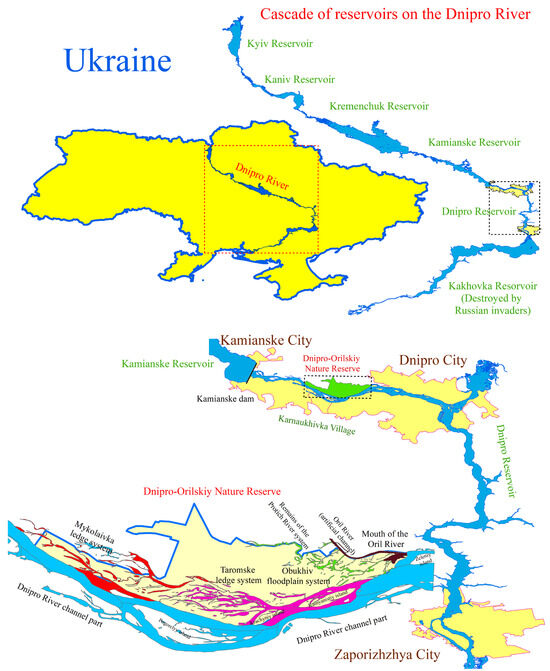
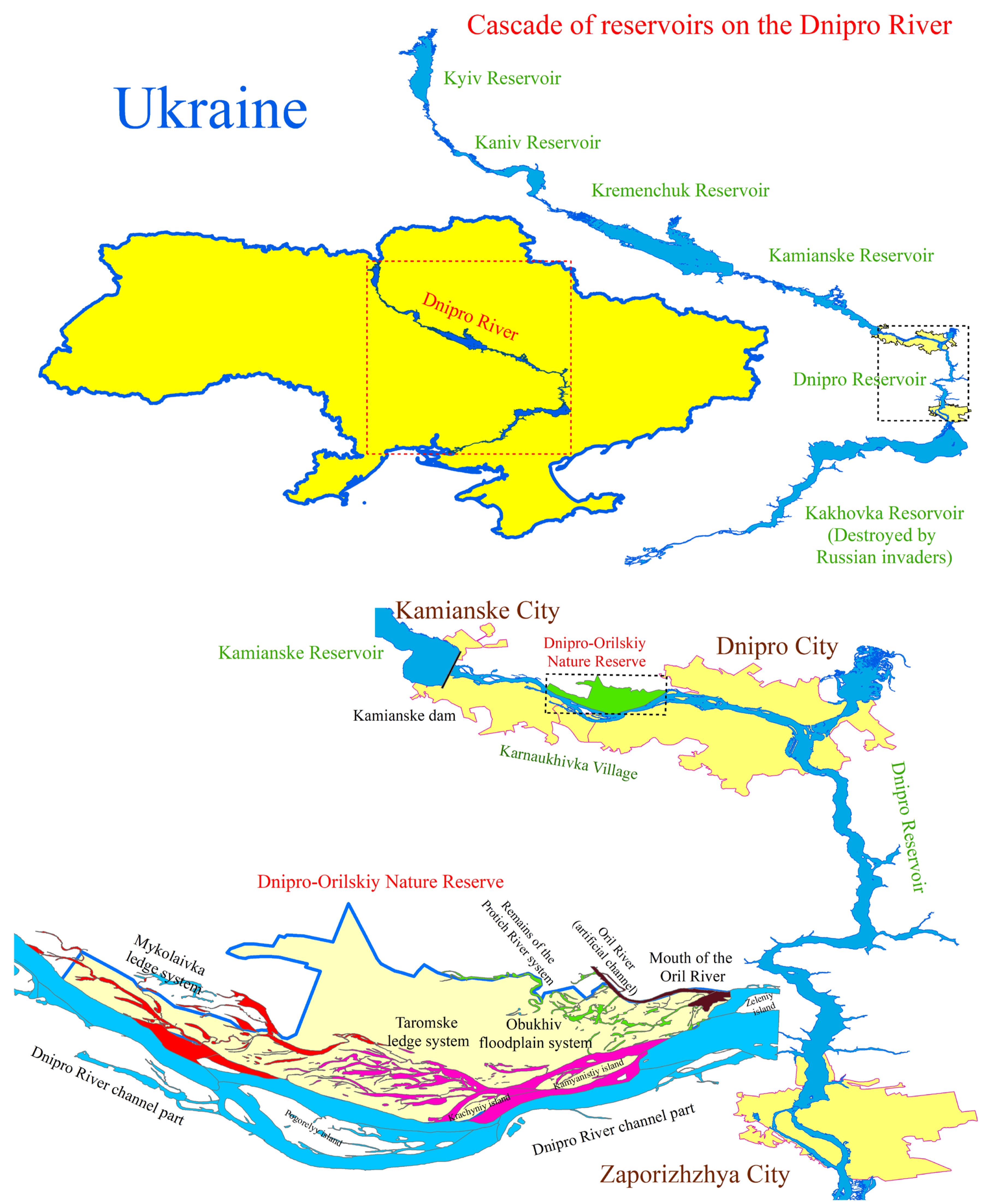
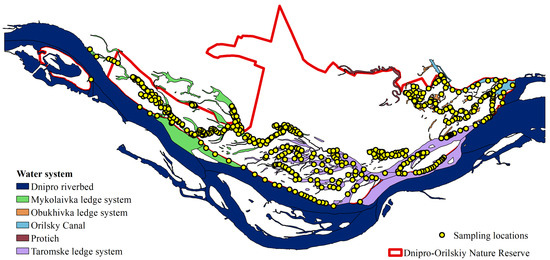
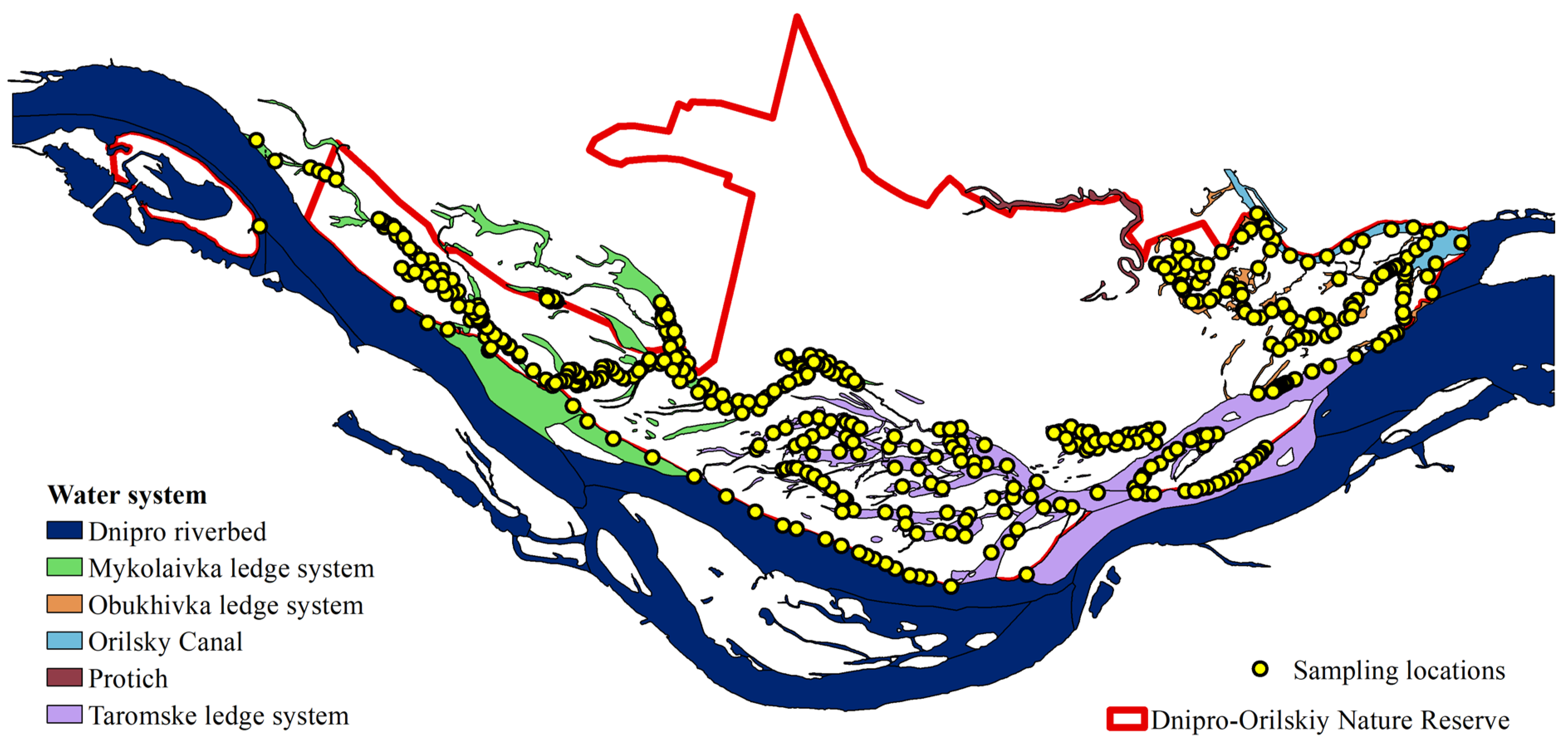
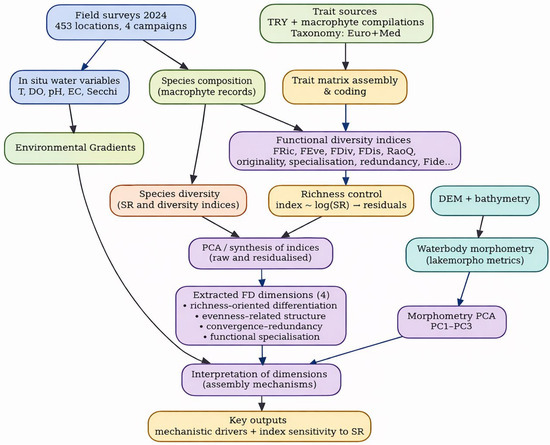
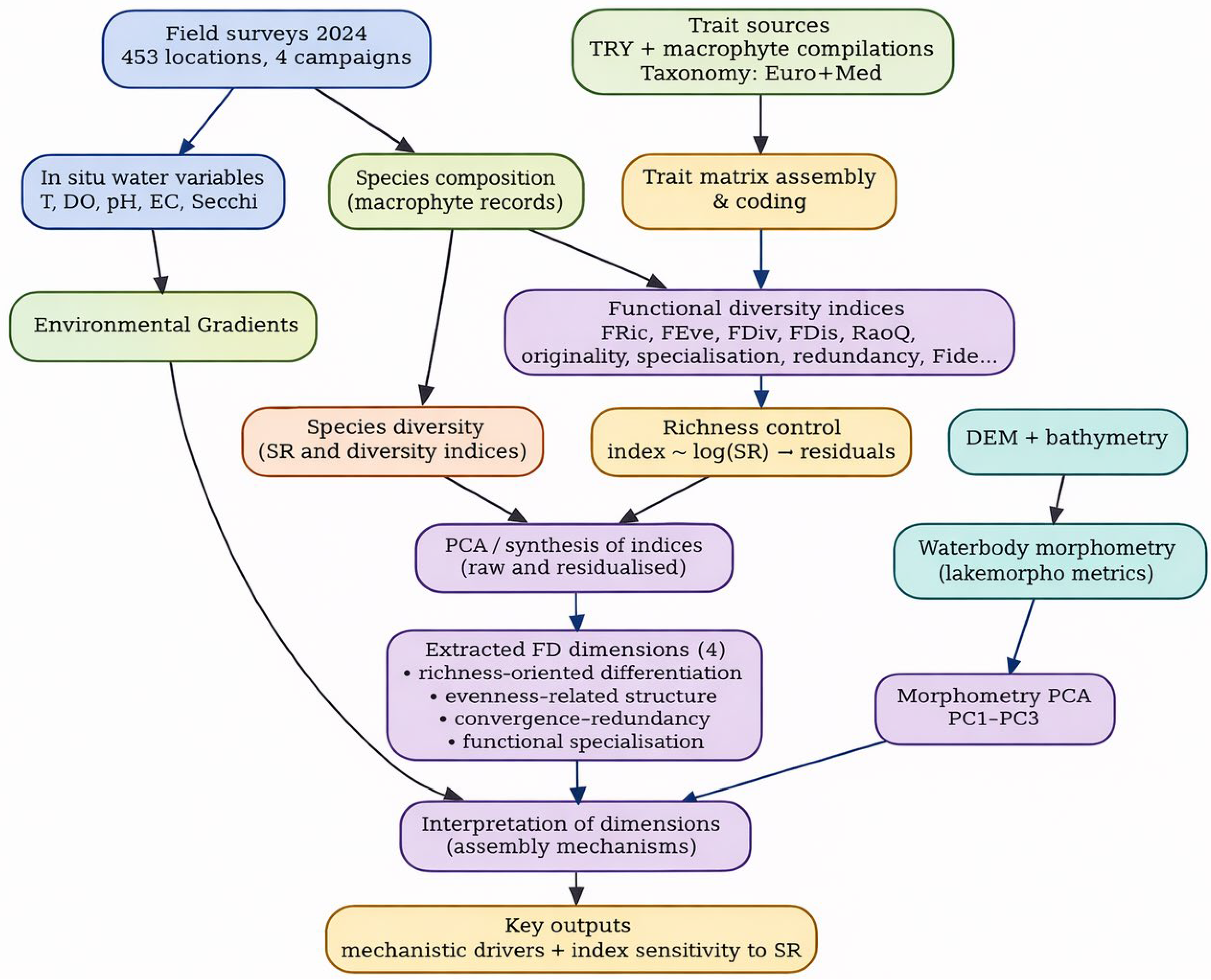
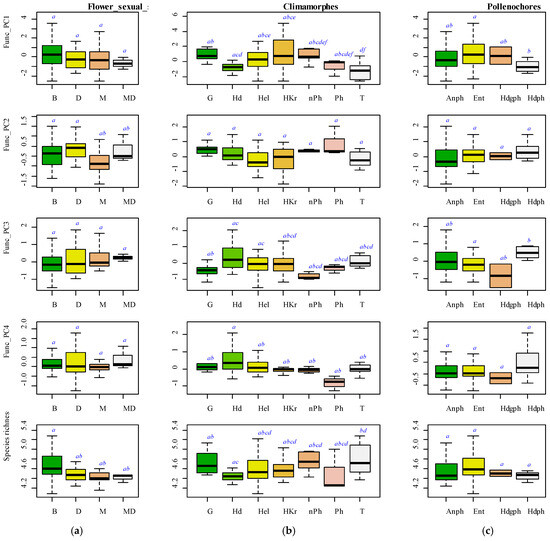
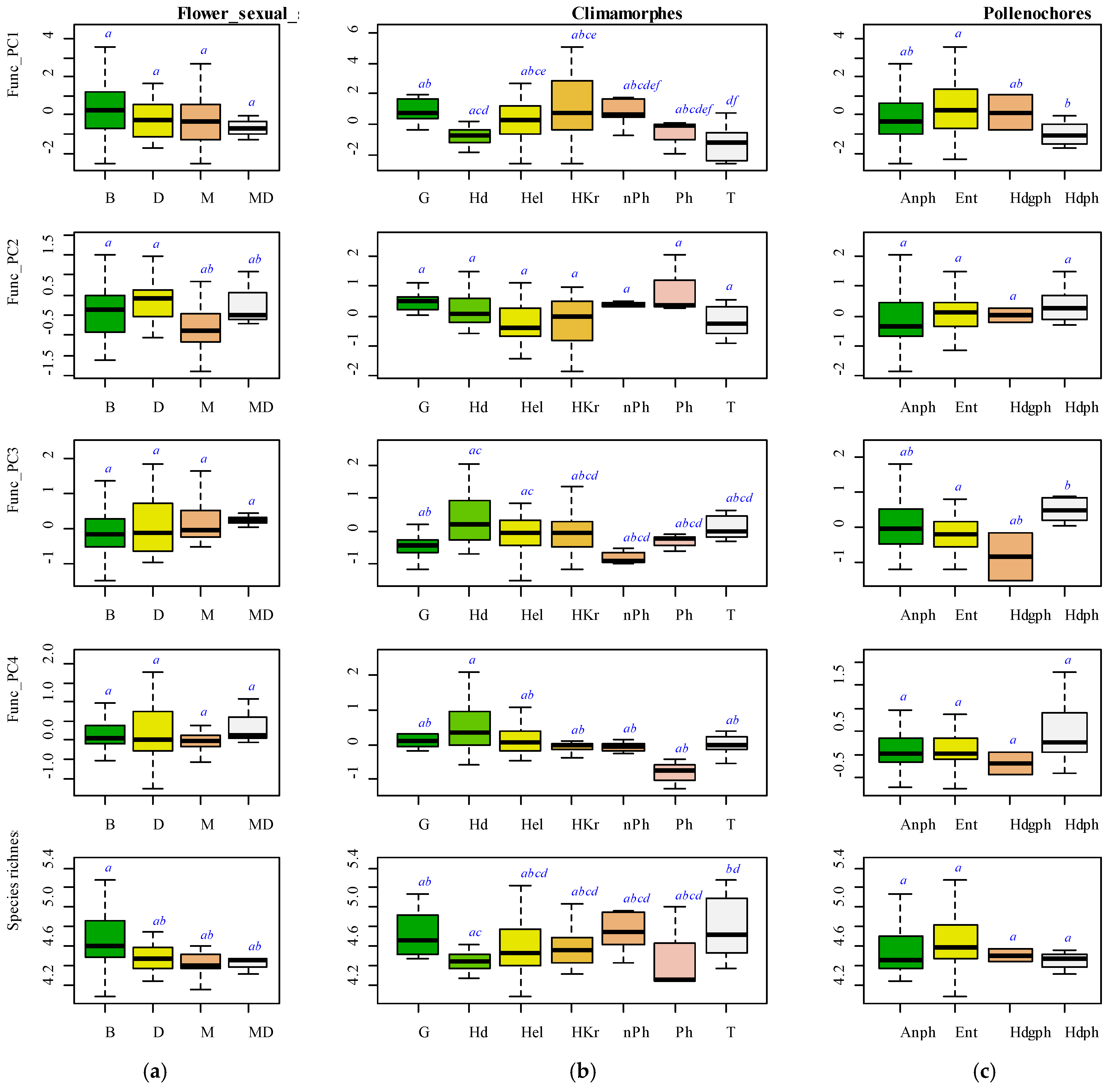
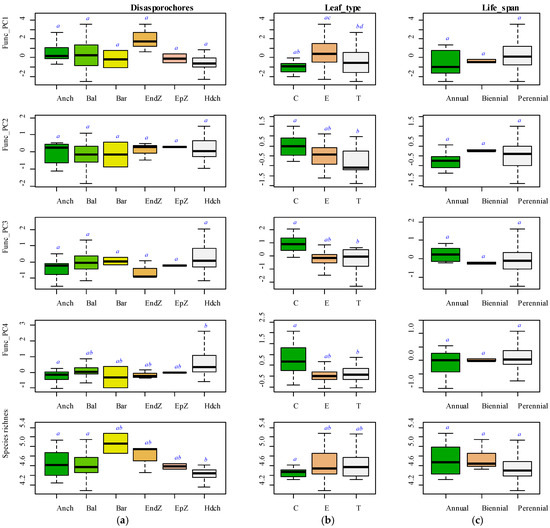
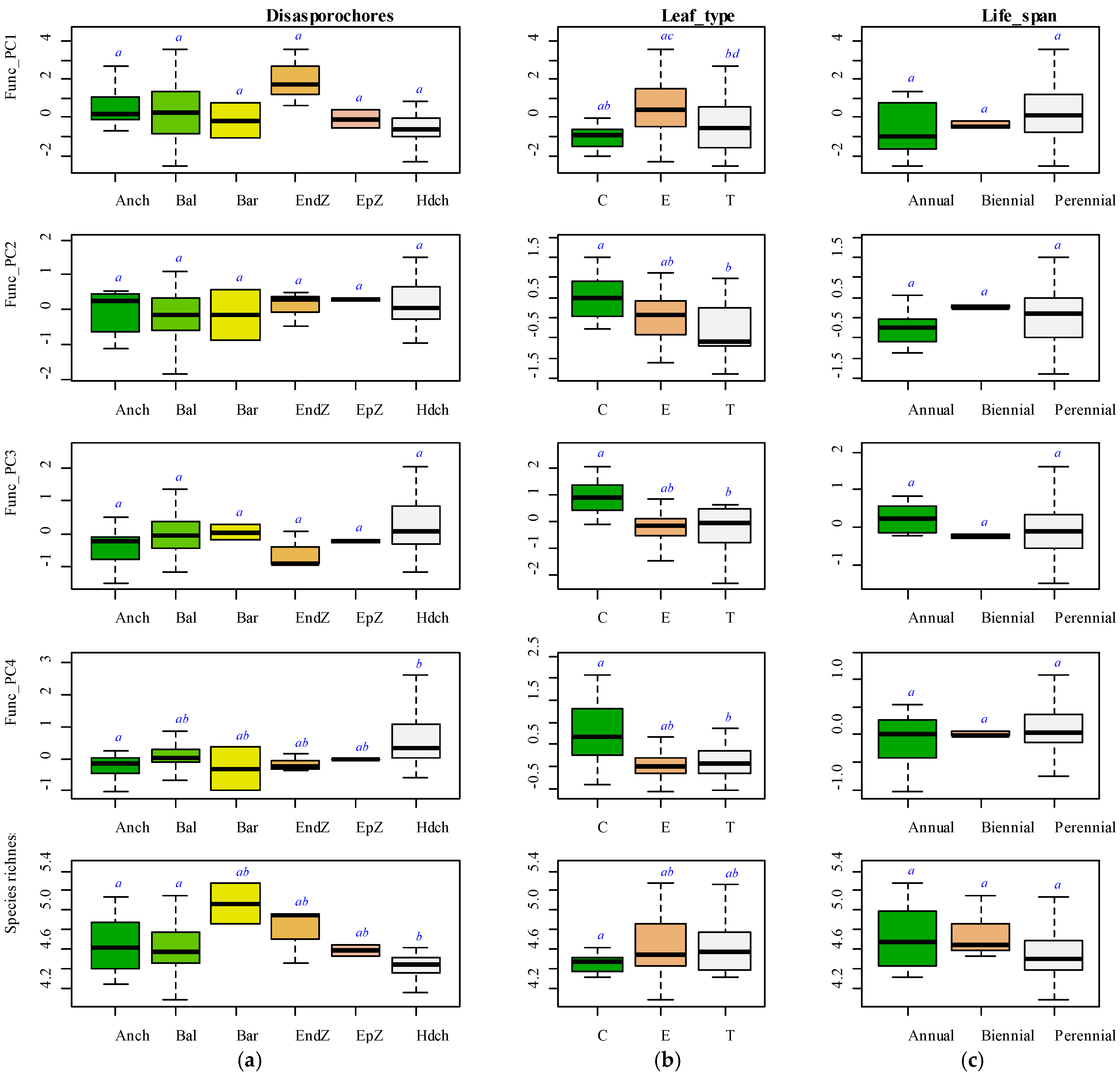
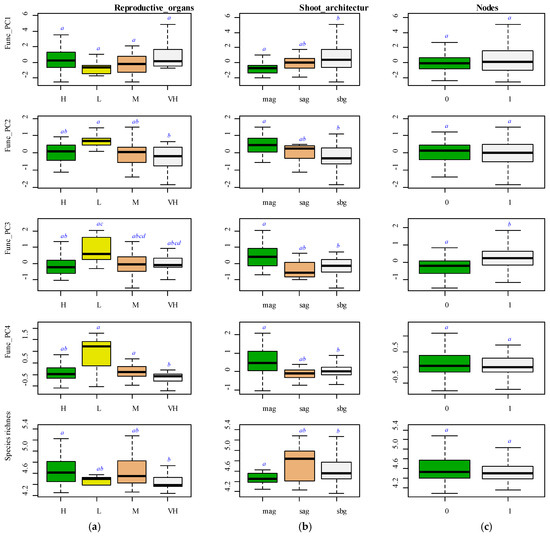
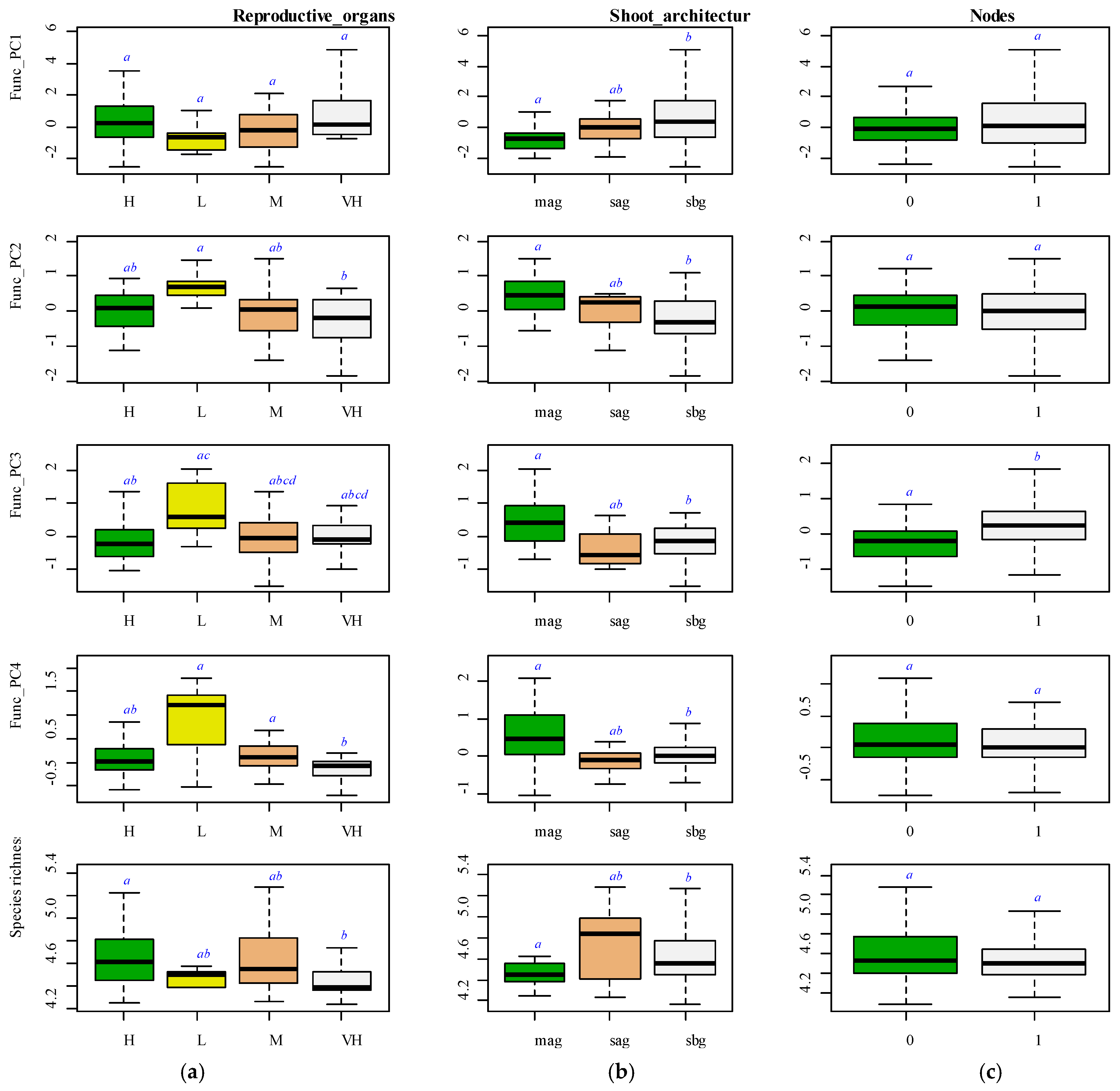
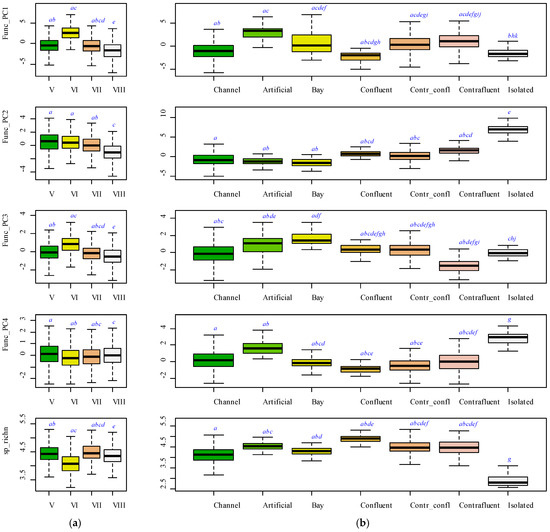
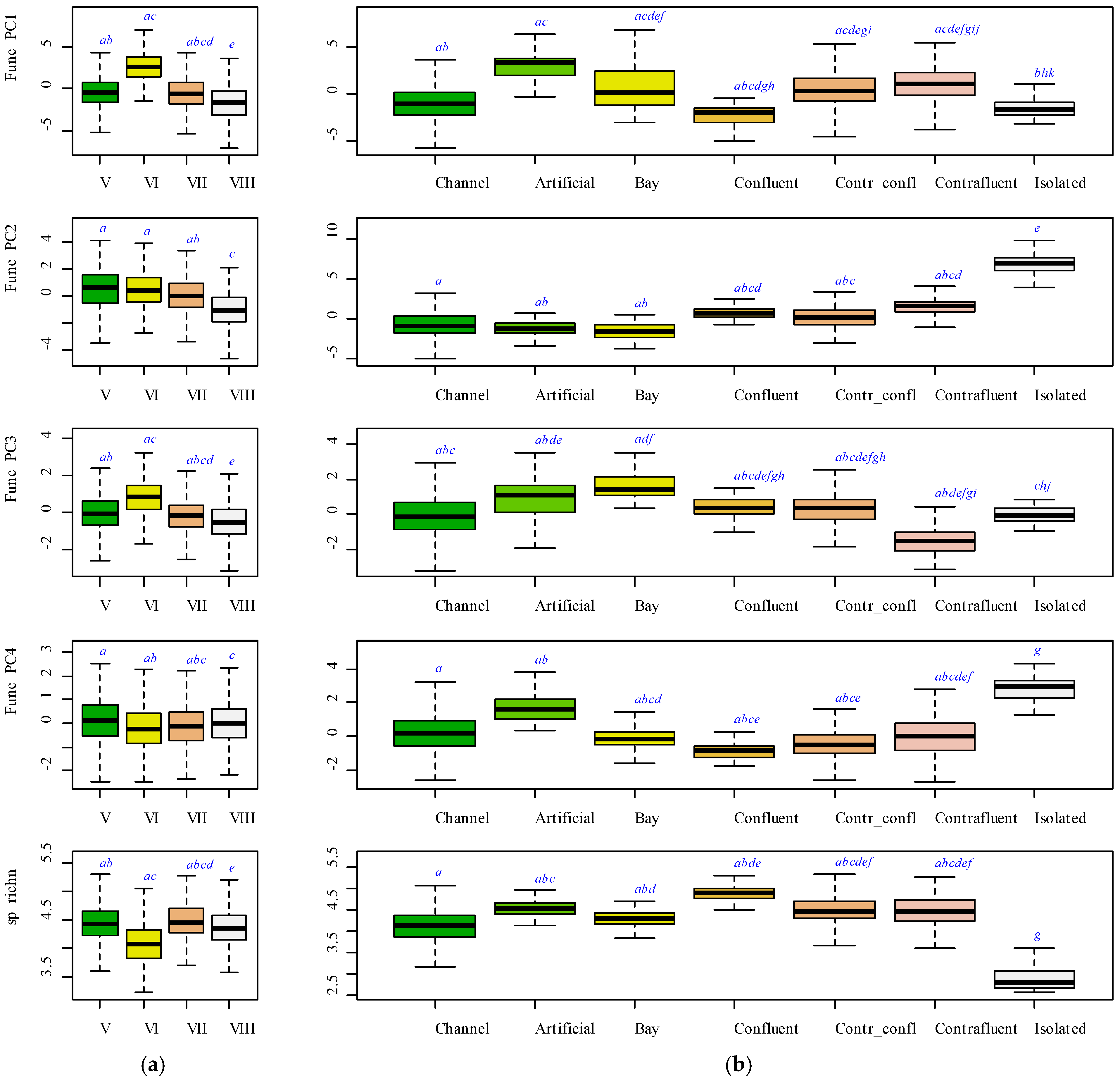

Disclaimer/Publisher’s Note: The statements, opinions and data contained in all publications are solely those of the individual author(s) and contributor(s) and not of MDPI and/or the editor(s). MDPI and/or the editor(s) disclaim responsibility for any injury to people or property resulting from any ideas, methods, instructions or products referred to in the content. |
© 2026 by the authors. Licensee MDPI, Basel, Switzerland. This article is an open access article distributed under the terms and conditions of the Creative Commons Attribution (CC BY) license.