1. Introduction
The financial performance of beef cattle operations is closely connected to the cow–calf pair’s response to management decisions, particularly those related to effective input cost management [
1]. A key aspect of this evaluation involves determining whether raising calves from birth to marketable age yields a positive return on investment. Achieving this requires the integration of farm-level financial records with cow–calf performance data to assess the economic viability of specific management practices.
Among these, the timing of calf weaning plays a critical role. As noted by Arthington & Minton [
2], calf age at plays a role in feed conversion efficiency, dam maintenance and reproductive rates. These factors are increasingly important in the face of climate variability and shifting market pressures. Adjusting weaning strategies can therefore support Sustainable Development Goal (SDG) 2: Zero Hunger by enhancing livestock productivity, reproductive performance, and the reliability of beef supply chains [
2]. Furthermore, the adoption of early and context-appropriate weaning practices contributes to SDG 12: Responsible Consumption and Production by improving the efficiency of land, forage, and water use, especially under drought-prone conditions such as those common in South Africa. In this context, re-evaluating calf weaning age presents an opportunity for beef producers to enhance both financial resilience and sustainable farm resource use [
3]. For example, early weaning (EW) is a concept that has been implemented in beef cattle when pasture is of poor quality, the growing season is short, cows have a limited milk supply, and for first-calving heifers [
4,
5,
6]. Moreover, Tatham et al. [
7] stated that EW has the potential to be used under normal conditions to increase productivity, providing a range of land use options and decreasing on-farm production costs in beef cattle. Taylor et al. [
1] and Rust & Rust [
5] observed that EW improves Feed Conversion Ratios (FCRs) in calves, leading to optimal growth rates and competitive weaning weights, especially in feedlot settings compared to calves that suckle for extended periods. This is particularly due to EW calves being preconditioned at the farm level after suckling for a shorter period than conventionally weaned (CW) calves. Feed and health preconditioning (hereafter referred to as preconditioning) is a management practice aimed at enhancing weaner immunity to ensure that weaners are better equipped to deal with the stressors associated with concentrated feeding rations, handling, transportation, and future exposure to concentrated diseases in a feedlot setting [
8]. Thus, Richeson [
9] mentioned that, in the USA, a preconditioned weaner’s value is higher for feedlot operators and cow–calf producers.
In South Africa, calves are typically weaned conventionally (CW) between six and nine months, with some cases extending to twelve months [
10]. Existing South African studies on calf weaning have largely focused on calves weaned at six months or older [
10,
11,
12], with limited attention given to the financial performance of early weaned (EW; ±90 days) calves in beef production systems. While EW is well established in the South African dairy sector [
13], its adoption in beef systems remains limited, partly due to the absence of locally grounded financial evidence under prevailing environmental, grazing, and market conditions and for regionally adapted beef breeds. To address this gap, this study applies a farm-level case study approach using partial budgeting techniques, specifically gross margin and break-even analyses, to compare the financial performance of cow–calf systems managed under EW and CW practices. A practical farm-level calculation model was developed to quantify revenues and direct production costs, including feed, labor, medication, and weaning-related inputs, allowing for transparent comparison of weaning strategies under real-world management conditions. In addition, reproductive performance of dams was evaluated using Pearson’s Chi-square and Fisher’s exact tests to assess differences in pregnancy outcomes between weaning systems. While this analysis is based on a specific case study, the findings reflect the financial and reproductive implications of EW and CW within the region’s distinct environmental, grazing, and management conditions. Although outcomes may vary under different circumstances, the results offer valuable empirical insights into the financial viability of EW practices in South Africa, an area with limited existing evidence to the authors’ knowledge. The scientific contribution of this study is threefold. First, it provides novel empirical financial evidence on early weaning at 90 days in South African beef cattle systems, an area where published data remain scarce. Second, it advances methodology by integrating a farm-level financial calculation model with reproductive performance analysis, offering decision-support evidence that can be adapted by producers to their own operational and market conditions. Third, the study generates context-specific insights into the financial feasibility and constraints of EW relative to CW, informing both producer-level management decisions and broader discussions on sustainable and financially resilient beef production in South Africa.
2. Materials and Methods
2.1. Study Area and Cattle Management
This study is presented as a case study specific to the Arcadia Bonsmara Farmland in the Vrede region of the Free State, South Africa. The cow–calf (farm) data was provided by Arcadia Bonsmara as the herds were managed throughout the production season (2023/2024). The natural vegetation of the Vrede area is classified as eastern grassveld, dominated by species such as
Themeda triandra,
Tristachya leucothrix,
Elionurus muticus,
Eragrostis racemosa, and
Digitaria tricholaenoides [
14]. The carrying capacity of the veld at Arcadia is estimated at 3–4 hectares per Large Stock Unit (LSU) [
14].
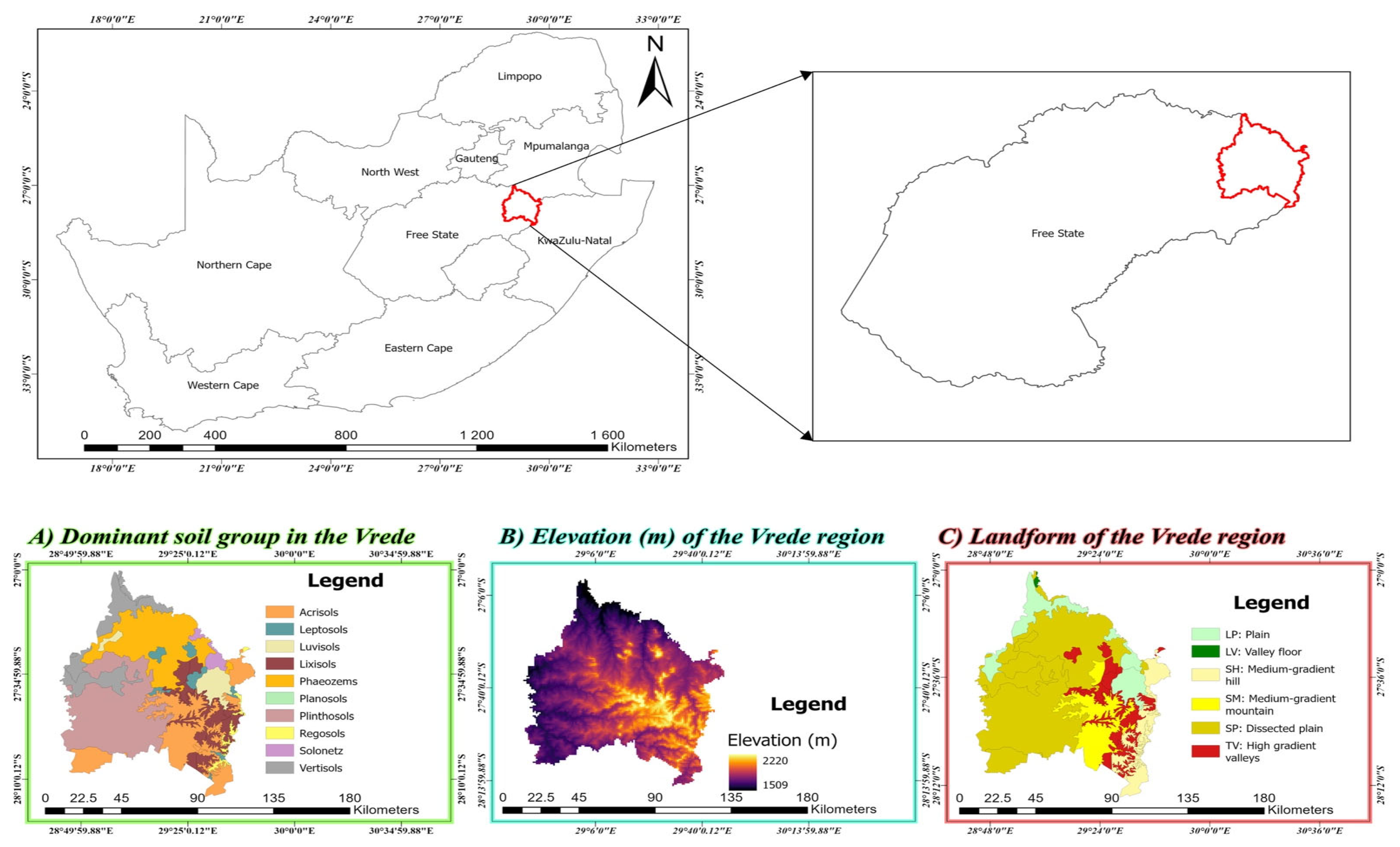
Figure 1 illustrates the geographic, and topographic characteristics of the Vrede region where the animals were managed. As shown in
Figure 1A, the dominant soil groups in the area include Luvisols, Acrisols, and Plinthosols, which are generally associated with moderate-to-high natural fertility and good water retention that enhances localized forage productivity for extensive cattle production systems.
Figure 1B also highlights the region’s elevated topography, ranging from 1509 to 2220 m above sea level, which influences both temperature regimes and the length of the growing season. Cooler temperatures at higher elevations slow plant growth in winter but may influence forage digestibility.
Figure 1C shows that the landform comprises medium-gradient hills and dissected plains, creating spatial variability in grazing access and soil moisture. These environmental attributes collectively influence veld carrying capacity. The spatial diversity of soil types and landscape features underscores the importance of tailored cattle management strategies to align with variable forage availability, cow energy demands, and breeding goals under these specific agro-ecological conditions.
The dataset represents a single production cycle and therefore captures short-term rather than long-term performance outcomes. As such, the financial and reproductive implications observed in this study may differ in the case of a longer or multi-year production timeframe. The farm data included 152 Bonsmara cow–calf pairs from the larger herd at Arcadia Bonsmara, with all cows in the case study being first-calving heifers. The financial performance of cow–calf pairs was evaluated by comparing two weaning practices: The EW group (W90) included 76 cow–calf pairs (76 male calves) weaned at 90 days with an average body weight of 103 kg. The CW Group (W205) included 76 cow–calf pairs (76 male calves) weaned at 205 days with an average body weight of 237 kg. The farm applies early weaning to heifers bred at 14–15 months, while conventionally weaned calves were from heifers bred at approximately 18–20 months of age, reflecting the farm’s standard reproductive and heifer development strategy. Group allocation was therefore based on age at first breeding and management objectives rather than randomization. While this approach enhances practical relevance, differences in physiological maturity associated with age at first breeding may influence performance outcomes and should be considered when interpreting the results. While this reflects Arcadia’s routine farm production system, it may introduce bias and should be considered when interpreting the observed outcomes. Thus, the goal of this study was to provide a baseline financial comparison of EW and CW outcomes under South African conditions. Overall, the farm operates on 3300 hectares with approximately 1300 cattle grazing on natural pastures, primarily Themeda triandra and Pennisetum clandestinum. All cow–calf pairs were managed as two groups (EW and CW) in two paddocks and had unrestricted access to natural pastures, supplementary feeding, water, shelter, and sanitary conditions during the study period. Cows were naturally mated during the November–February breeding season, following the farm’s standard management practices.
2.1.1. Weaning Application
EW calves were provided with a balanced calf grower meal ration alongside natural grazing from 90 to 205 days of age. The meal, fed for 115 days post-weaning, was introduced three weeks prior to weaning using creep feeding techniques. While still suckling, minimal feed intake was observed due to underdeveloped rumens, but early exposure improved intake post-weaning. Calf grower meal was offered ad libitum and gradually increased to meet maintenance and growth requirements, with an average intake of 4 kg per calf per day. The calf grower meal fed to EW calves is a custom-mixed creep meal for small ruminants with 20% protein that also supplies energy and minerals for the young animal’s development needs.
Table 1 illustrates the dietary composition of the calf grower meal fed to EW calves.
It is important to note that high-protein starter rations (≈20% CP) can influence early rumen development by stimulating microbial colonization, papillae growth, and volatile fatty acid production, thereby improving adaptation of early weaned calves to solid feed. However, rapid dietary transitions and high-concentrate intake may temporarily challenge immune function and increase susceptibility to stress-related disorders, particularly under extensive systems [
15]. While the custom-mixed ration used in this study has been repeatedly validated by the feed manufacturer for promoting growth and adaptation, the potential physiological risks linked to early rumen development warrant consideration when interpreting the results
On the other hand, CW calves suckled until 205 days of age with access only to the dam’s milk and natural grazing, without supplemental feeding [
16]. CW dams received a maintenance lick, of which calves may have consumed an unknown portion. Feed represents a major input cost in EW systems. Given the reliance on maize and protein sources in the grower meal, profitability is highly sensitive to fluctuations in feed ingredient prices [
17]. Rising feed costs can substantially reduce gross margins and competitiveness against CW, while lower feed prices can improve the economic viability of EW. Changes in the diet composition can result in varying prices per calf grower meal, so producers need to place emphasis on feed type, feed source availability, and recognize that costs may differ across agro-ecological production regions [
18]. These considerations highlight the importance of accounting for feed price variability when evaluating EW adoption in South African beef production systems.
2.1.2. Health Management
Welk et al. [
19] emphasized the importance of calf welfare immediately after weaning, indicating that cattle producers need to cautiously manage their health programs to ensure optimal calf growth, ultimately determining the success of a weaning practice. CW calves were only subjected to tapeworm treatment twice before weaning at 205 days. Contrastingly, EW calves had a slight difference in health management. This differentiation entailed treating EW calves more regularly (every 6 weeks) for internal parasites (coccidiosis and tapeworms, in particular) and boosters of electro guard (a vitamin, mineral, and amino acid supplement). This was done to treat and minimize stress-related symptoms, such as feed refusal, rumen stasis, dehydration, diarrhea, adaptation constraints, and the development of rumen bacteria. EW calves were weighed twice at 90 days of age and at sale to the feedlot (day 205), while CW calves were only weighed at weaning and sale to the local feedlot at 205 days.
2.2. Statistical Analysis of Pregnancy Rates
Additionally, dams were exposed to bulls through natural mating methods approximately 70 days after calving. Because cows were exposed to bulls through natural mating, the farm did not routinely record additional reproductive indicators such as the onset of postpartum oestrus, days to first oestrus, or interval to first service. As a result, pregnancy status after bull exposure was the only reproductive variable available for comparison between the EW and CW groups. Pregnancy tests were conducted before weaning on day 205, and all non-pregnant dams were then culled and sold to the feedlot and abattoir as slaughter heifers or feeder cattle [
20]. Differences in pregnancy rates between the early weaning (EW) and conventional weaning (CW) groups were evaluated using a Pearson Chi-square (χ
2) test for independence. This test examined whether the distribution of categorical outcomes (pregnant vs. not pregnant) differs significantly between two weaning management systems. Prior to analysis, expected cell frequencies were inspected to ensure that all values exceeded the recommended threshold of five, thereby satisfying the assumptions of the Chi-square test. Significance was leveled at a 5% and subsequent 10% level. The Chi-square statistic is calculated as
where
= the observed frequency in cell
i,
j, and
represents the expected frequency (row column total)/n.
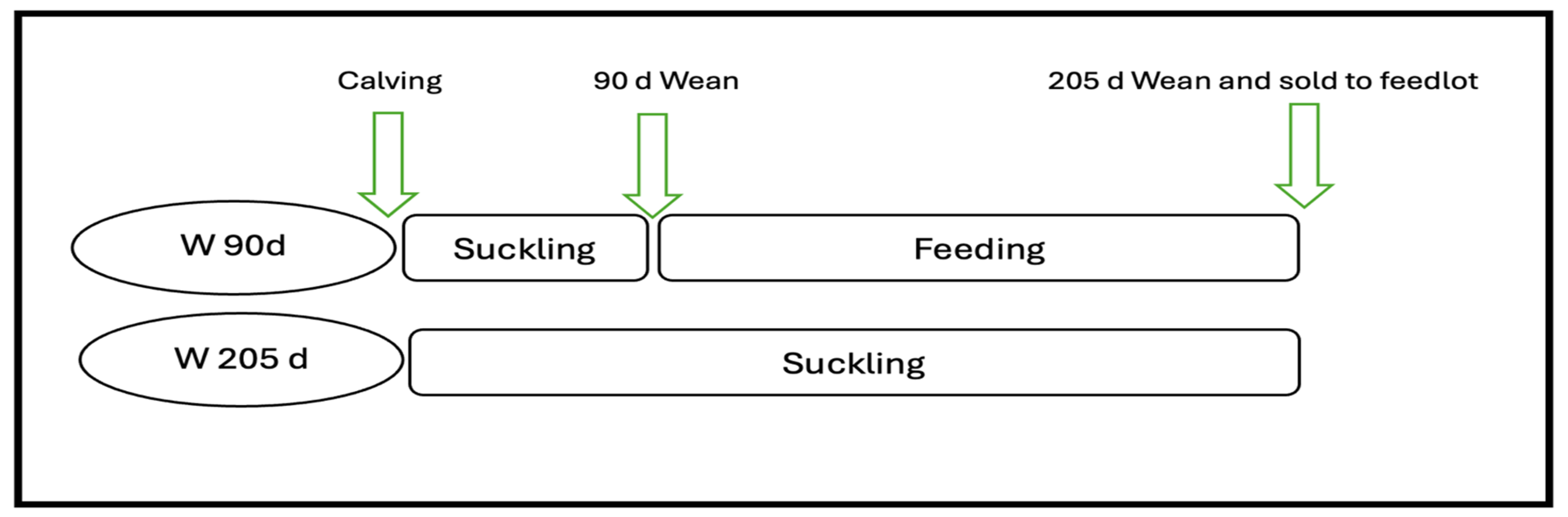
Figure 2 illustrates the management applied on the farm from calving to 205-day sale to the local feedlot.
2.3. The Farm Calculation Model
A farm financial calculation model was developed based on the realized farm production data and relevant market prices collected during the analysis to evaluate the financial performance of the two weaning systems. The model was constructed in Microsoft Excel (2013) and utilized partial budgets to calculate the gross margin (GM) per weaning practice, following the full-cost accounting methodology described by Knereim et al. [
21]. The partial budgeting (GM) approach followed, focusing on revenues minus direct production and weaning costs. Indirect and overhead costs such as opportunity costs of labor, capital, and land were excluded, partly due to limited financial disclosure from the case farm and partly because such costs vary significantly between farms (e.g., loan structures, infrastructure maintenance, and land values). Gross margin analysis provides a transparent and comparable measure of enterprise efficiency between weaning practices, although it does not capture full economic profitability, and the analysis should therefore be interpreted as a partial budget intended to inform short-term management decisions rather than a comprehensive assessment of net margins. The model focused exclusively on differences in calf weaning systems, comparing two practices: providing continuous cow–calf contact for 205 days (conventional weaning, CW) and separating the dam and calf 90 days postpartum (EW). The calculation model integrated the number of animals and total kilograms of liveweight available for sale during the weaning period to estimate costs and revenues, as outlined by Camargo et al. [
6]. Total production costs were divided into two categories: weaning and herd costs. Weaning costs included all differential expenses (feed, labor, and medicinal cost) directly associated with the specific rearing and weaning techniques. Herd costs encompassed all feed, labor, and medicinal costs directly tied to the herd throughout the season (year), irrespective of the weaning system applied. All monetary values are reported in South African Rand (ZAR). For international reference, the average exchange rate during the study period was approximately 1 USD (
$) ≈ 18.50 ZAR (R).
2.3.1. Revenue Generated
For revenue generated, the price per kilogram of liveweight calves and culled non-pregnant heifers is multiplied by the liveweight at the time of sale. Calves were sold to the local feedlot at 205 days of age, and non-pregnant heifers after the pregnancy check were performed 60 days after the breeding season. The average weekly liveweight prices (R/kg) for live weaners and dry cows were obtained from the BKB Vrede auction. It is important to note that the revenue generated excludes the auction commission percentage per live animal sold at the auction.
The following equation (Equation (2)) was used to calculate the revenue generated per weaning practice [
6]:
where
kg = Kilograms of liveweight sold;
ws = Weaners sold;
nd = Non-pregnant dams sold;
Liveweight Price = Liveweight market price (ZAR) on the day of sale (BKB livestock auction Vrede).
Based on the findings of Smythe et al. [
22] and Zimmerman et al. [
23], this study simulated a price premium for early weaned (EW) preconditioned calves to evaluate their potential financial benefits under South African market and environmental conditions. Smythe et al. [
22] reported that the average maximum premiums most feedlots were willing to pay for preconditioned calves ranged up to R2.50/kg more for health-preconditioned calves. While these figures informed our initial simulations, our analysis showed that revenue generated per EW preconditioned calf was not positive compared to conventionally weaned (CW) calves that received no preconditioning before sale at 205 days of age. To address this, we adjusted our simulation model to assume a higher price premium of R4/kg for EW preconditioned calves based on Zimmerman et al. [
23]. Additionally, the farm model incorporated the assumption that, under the management and environmental conditions in the Vrede region of the Free State province, EW (preconditioned) calves would weigh approximately 20 kg less than their CW counterparts. A sensitivity analysis was then performed to identify the weight and price thresholds where revenue per EW calf could surpass that of CW calves. This approach allowed us to evaluate whether a higher price premium for EW calves could offset their lower average weights and provide economic viability under South African conditions. Moreover, the following calculations were performed [
6].
2.3.2. Gross Margin and Break-Even Calculations
The GM per weaning practice (GM/weaning practice) was calculated at the end of the period (205 days) using the following equation (Equation (3)):
where
GM/weaning practice = Gross margin in Rands (ZAR);
Rev = Revenue in Rands (ZAR);
ProdCost = Production costs in Rands (ZAR).
Moreover, break-even point (BEP) analysis benefits management’s production and sales planning. For the financial break-even (BE) calculation, the minimum price per kilogram required to cover all costs of producing a weaner calf were established. The following equation (Equation (4)) was used.
where
BER = Financial break-even in Rands (ZAR);
c = Total production costs in Rands (ZAR);
n = Number of 205-day-old calves sold;
swkg = 205-day selling weight (kg) of calves.
For the physical break-even or break-even yield (BE
kg), Story et al. [
24] proposed the equation to determine the 250-day calf weight required to reach the break-even point without changing the price paid for a kilogram. BE-Yield determines the break-even point of body weight that must be obtained from production to cover operational costs. The following equation (Equation (5)) was used.
where
BEkg = Break-even yield in kilograms;
c = Total production costs (ZAR);
n = Number of 205-day-old calves sold;
LWR = Liveweight selling price (ZAR) of 205-day old calves.
3. Results and Discussion
The results are presented as follows:
Descriptive performance statistics, comparing EW and CW practices;
The financial results of the 205-day weight of calves weaned early or conventionally.
3.1. Descriptive Calf Performance Statistics Comparing EW and CW Practices
Table 2 represents the productive performance statistics of EW calves in this study. According to
Table 2, EW calves in this study averaged 210 kg at 205 days of age, with an average daily gain (ADG) of 889.45 g/day when sold to the feedlot. However, CW calves averaged 237 kg with an ADG of 992 g/day at 205 days (
Table 3). These observations resemble those of [
6,
24,
25]. The reduced access to milk following early weaning remains a primary driver of this weight differential, with additional factors likely contributing to the lower growth performance observed in EW calves. Weaning at approximately 90 days may expose calves to greater physiological and behavioral stress, which can temporarily suppress feed intake and growth. Furthermore, at this age, rumen development may still be incomplete, potentially limiting the efficiency with which calves utilize solid feed during the early post-weaning period. Although EW calves in this study were transitioned onto a grower ration, variation in individual adaptation to the solid diet and its nutritional adequacy relative to milk intake may have influenced growth rates. Despite these constraints, early exposure to solid feed may enhance feedlot adaptation, as EW calves are likely better accustomed to concentrate-based diets upon entry into the feedlot. This preconditioning effect may reduce transition stress and support improved feed efficiency and health outcomes later in the production cycle. Consequently, while EW calves exhibited lower weaning weights, their management history may confer downstream advantages for feedlot performance, supporting the rationale for price premiums for preconditioned calves under appropriate market conditions.
CW calves exhibited higher weights and growth rates (
Table 3); South African livestock markets present a general perspective: lighter bull calves often command a higher price than heavier calves. This particularly appeals to feedlots, as lighter calves demonstrate superior feed conversion efficiency and growth potential compared to their heavier counterparts [
12,
20].
Introducing a standardized price premium for EW (preconditioned) calves in the South African livestock market could incentivize cattle producers to adopt this practice. Such a premium would recognize the economic and production advantages EW calves offer feedlots, including improved feed efficiency and preconditioning benefits. Establishing this price premium could ensure that cattle breeders remain financially sustainable while promoting the adoption of early-weaning practices that enhance the efficiency and competitiveness of the broader beef value chain.
3.1.1. Reproductive and Pregnancy Outcomes
Table 4 illustrates the weaning practice pregnancy crosstabulation of dams subjected to early weaning (EW) and conventional weaning (CW). As seen in
Table 4, dams subjected to EW had a higher re-conception compared to dams subjected to CW practices.
Table 5 illustrates the pregnancy outcomes of Chi-square analysis comparing early weaned (EW) and conventionally weaned (CW) cows. Although EW cows exhibited a higher pregnancy rate (93.4%) than CW cows (84.2%), this difference was not statistically significant at the 5% level based on the Chi-square test (
p = 0.072) and the one-sided Fisher’s Exact Test (
p = 0.060). As such, the observed difference may still be interpreted as numerically important rather than statistically [
26].
The magnitude of the difference suggests a potentially biologically relevant pattern that warrants consideration, particularly within the management context of this case study. Early weaning may contribute to improved reproductive recovery through reduced lactational stress, as the removal of suckling alleviates inhibitory effects on the hypothalamic–pituitary–ovarian axis and lowers postpartum energy demands [
27,
28]. Reduced lactational pressure may facilitate earlier resumption of ovarian cyclicity and uterine involution, which are critical for timely re-conception. Although no statistical significance was found, these physiological mechanisms provide biological plausibility for the observed numerical difference exhibiting the possible reproductive advantages of early weaning under South African beef production conditions.
3.1.2. Understanding the Role of Maternal Milk Yield in Calf Growth and Financial Outcomes
An important factor not directly incorporated into the present economic analysis is the indirect contribution of maternal milk yield to calf growth performance. Milk production is a primary driver of pre-weaning average daily gain (ADG) in beef calves, and variation in dam milk yield can substantially influence early growth trajectories, weaning weights, and ultimately the market value of calves [
1]. Early weaning disrupts this biological pathway by shortening the lactation period, potentially reducing the total milk available to the calf. Recent modeling work by Tohumcu & Tulan Tohumcu [
29] demonstrates that profitability in cow–calf systems depend on the joint optimization of lactation length and fertility, as extended lactation improves calf growth but may delay conception, whereas shortened lactation can support reproductive efficiency but reduce milk-driven calf gains. While our study captured the growth and revenue effects directly observable on the farm, it did not quantify maternal milk yield or partition the contribution of milk-derived growth versus feed-derived growth in the early weaned calves. This omission represents a limitation and suggests that integrated modeling of lactation curves, milk yield variation, and reproductive dynamics may offer a more comprehensive evaluation of the economic implications of early weaning in future research. The following section discusses the financial results computed using the farm calculation model. In addition to the effects on calf growth and lactation length, abrupt cessation of milk removal following early weaning may pose udder health risks, including transient milk accumulation, or mastitis. Although only a single cow (1 out of 152) presented with mastitis in this study and this case occurred one week prior to 90-day weaning and was treated promptly by the farmer, potential inflammatory responses associated with sudden lactation termination remain relevant [
30]. Published evidence indicates that abrupt weaning can temporarily increase intramammary pressure and inflammatory markers, particularly in high-producing cows or systems where cows are not gradually dried off [
31].
3.2. The Financial Results of the 205-Day Weight of Calves Weaned Early and Conventionally
Table 6 presents the model simulation assumptions and realized values on Farmland, used in the gross margin comparison between early weaning (EW) and conventional weaning (CW) systems. The assumptions include average liveweights for culled cows and weaner calves, the market prices received per kilogram, and the number of animals sold within each system. While both systems sold an equal number of weaner calves (n = 76), the CW group recorded a higher average weaning weight (237 kg vs. 210 kg) and a greater number of culled cows sold (n = 12 vs. 5), resulting in differences in total marketable output. These parameters form the foundation of the farm calculation model used to evaluate financial performance under each weaning strategy.
It is important to note that these growth rates and weaning weights may vary across different regions due to variations in grazing quality, environmental conditions, and individual farmer management practices. Regions with differing climatic conditions, forage availability, or management strategies might yield distinct outcomes for both weaning practices. Therefore, while these findings from the Vrede region in the Free State province of South Africa offer valuable insights, their applicability should be contextualized to specific regional conditions and farm-level management systems.
Table 7 presents the enterprise budget results generated from the farm model simulation for the two cow–calf production systems subjected to early weaning (EW) and conventional weaning (CW) practices. The table compares gross production values, direct allocatable costs, gross margins, and break-even outcomes.
Table 7 further highlights clear differences in the cost structure between the two weaning systems. In the EW system, calf-rearing feed costs were the dominant cost component, accounting for approximately 57% of total direct allocatable costs, reflecting the additional supplementation required following early separation from the dam. Labor and veterinary costs associated with calf rearing contributed a further 13% and 6%, respectively. In contrast, the CW system exhibited a markedly different cost structure, with herd feed costs representing the largest share of total costs (approximately 74%), driven by extended lactation demands on the dam. Calf-related costs under CW were comparatively low, resulting in a lower overall cost base. These contrasting cost structures explain the higher cost sensitivity of EW systems to feed prices and management efficiency, while CW systems demonstrate greater financial resilience under prevailing market conditions.
3.2.1. Revenue Generated from Culled Cows
As shown in
Table 4, pregnancy rates were higher under EW (94%) compared to CW (84%). Although CW generated higher immediate revenue from culled cows (R92,880 vs. R38,700 for EW), this was primarily due to a greater number of non-pregnant dams being removed from the herd (
Table 7). Such culling provides short-term financial gain but undermines herd productivity in the long run.
Early weaning reduces the energy demands of lactation, allowing cows to regain body condition faster and improving fertility [
1]. Similar outcomes have been reported in other geographical production systems, where Funston et al. [
32] demonstrated that EW enhanced reproductive efficiency of primiparous beef heifers, while Arthington & Kalmbacher [
33] observed improved conception rates due to reduced metabolic stress. Improved pregnancy rates, as also reported by Alemu et al. [
34] and Moraes et al. [
35], translate into more calves born per cow lifetime, strengthening both herd sustainability and profitability. While CW may appear advantageous in terms of short-term cull income, EW supports superior reproductive performance and lifetime productivity. For South African producers, these findings highlight that the opportunity cost of culling non-pregnant cows under CW must be weighed against the long-term benefits of improved fertility, greater calf output, and ultimately more resilient production systems [
36,
37].
3.2.2. Revenue Generated from Weaners Sold to the Feedlot at 205-Day Age
Farm model results (
Table 7) showed that CW calves generated more revenue (R630,420) than EW calves (R558,600), primarily due to higher weaning weights (237 kg vs. 210 kg at 205 days). The weight gap reflects nutritional and physiological differences: EW calves, weaned at 90 days, lose prolonged access to milk, which provides high-quality nutrients and supports growth [
24]. Early transition to solid feed often results in lower feed conversion efficiency and reduced growth during the post-weaning adjustment phase [
32,
33]
Weaning stress may further reduce intake and performance if management practices are not optimal [
3]. By contrast, CW calves benefit from extended milk access, which, combined with grazing, promotes higher daily gains and heavier weaning weights [
37]. Similar findings have been reported in Brazil and the U.S., where EW calves exhibited lower weights at weaning unless supplemented with high-quality creep feed or grower rations [
38,
39]. Although EW offers advantages for cow fertility and long-term herd productivity, short-term revenue from weaner sales is constrained by lower weaning weights. This highlights the importance of context-specific management, particularly feed quality, supplementation strategies, and stress reduction to mitigate the weight penalty and improve economic returns from EW systems as emphasized by Rust & Rust [
5] and Moraes et al. [
35].
A key determinant of EW profitability is the cost of purchased or supplementary feed. Feed accounts for the most considerable single expense in EW systems, and fluctuating prices can significantly alter the competitiveness of this practice. When feed prices increase, the margin gained from improved reproductive efficiency or potential premiums for lighter calves can be eroded or even reversed. Conversely, during periods of lower feed prices, EW becomes more economically attractive, as the additional costs of supplementation are reduced. Sensitivity to feed price movements is critical in the South African context, where high variability in grain and protein prices is influenced by seasonal droughts, international markets, and input cost inflation [
17,
40]. For smallholder and resource-limited farmers, who often face liquidity constraints and limited access to bulk feed markets, these fluctuations pose an additional barrier to adopting EW at scale. Therefore, sensitivity to feed costs should be explicitly considered in models and in the broader evaluation of EW adoption across different production systems.
3.2.3. Price Premiums and Revenue Potential of EW Calves in the South African Weaner Calf Market
During the study period, no price premium existed for EW calves in South Africa, with both EW and CW calves sold at the same market price per kilogram (R35/kg), meaning lighter EW calves generated less revenue. This contrasts with systems in the United States and Argentina, where price premiums for preconditioned or EW calves are well established to compensate producers for lighter weaning weights and incentivize adoption [
41,
42]. Such premiums are justified by improved feedlot performance, including reduced morbidity, better adaptation to feedlot diets, and superior feed conversion efficiency [
9]. In South Africa, where approximately 74% of calves are finished in feedlots [
12], introducing price premiums for EW calves could be transformative. Feedlots stand to benefit from reduced mortality, lower transition stress, and more efficient growth of EW calves due to early exposure to solid feed [
9,
38]. Simulation results from this study (
Table 8 and
Table 9) demonstrate that under premium scenarios (R34–R40/kg), EW calves, even at lighter weights, can outperform CW calves in revenue per head. These findings echo international evidence that financial viability of EW is highly sensitive to feed prices, weaning weights, and market premiums [
32,
35]. Establishing contractual arrangements or certification schemes between producers and feedlots could thus bridge the gap in South Africa. Recent evidence indicates that South African feedlots are willing to pay, and cow–calf producers are willing to accept premiums for preconditioned calves [
22]. This alignment suggests a market opportunity, but challenges remain, particularly for smallholder and rural farmers, who face barriers such as feed affordability, infrastructure, and limited knowledge of precision feeding practices, as noted by Mapiye et al. [
36]. If premiums were introduced, policies would need to support these farmers through extension, subsidies, and training to ensure equitable adoption and long-term sustainability.
We now present a detailed analysis of cost differentiation between the two weaning practices and identify the minimum weight and market prices required to achieve a break-even point. Additionally, it examines the variations in gross margin (GM) generated by each weaning practice (EW and CW).
3.2.4. Gross Margin and Enterprise Comparison
Previous studies consistently note that restricted or shortened suckling systems increase calf-rearing costs relative to conventional systems [
19,
43]. The current study corroborates this, as EW calves in Vrede required higher supplementation and more intensive health management, increasing calf-rearing costs by about 20% compared to CW. Like Camargo et al. [
6], who reported that intensive rearing elevates total costs, our results showed EW calves had significantly lower gross margins (R3068/calf) than CW calves (R6446/calf). This cost barrier partly explains why South African producers may be reluctant to adopt preconditioning, as also emphasized by Smythe et al. [
22]. While EW dams benefited from reduced feed costs due to an earlier end to lactation, CW dams incurred approximately 25% higher feed expenses, consistent with Taylor et al. [
1], who linked prolonged lactation to elevated energy demands. This dual effect reflects a key trade-off: EW shifts costs away from the cow but intensifies costs on the calf-rearing side at the farm level.
The farm model further demonstrated that EW required 58% of revenue to cover production costs, compared to 22% for CW. This high cost-to-revenue ratio is in line with Story et al. [
24] and Teixeira et al. [
37], who also found that higher post-weaning inputs under EW reduce enterprise profitability. However, unlike studies in North and South America that often highlight EW’s economic benefits when market premiums exist [
7], our South African case underscores how the absence of such premiums constrains EW profitability despite its potential herd-level advantages.
3.2.5. Break-Even Analysis
The break-even analysis highlights the production and market thresholds required for each weaning strategy to cover direct costs and provides insight into the relative financial resilience of the systems. For EW calves, a minimum weaning weight of 131 kg was required to cover costs, compared to the realized 210 kg weaning weight needing a market price of R22/kg (
Table 7). This difference represents a margin of safety weight of approximately 79 kg, indicating that EW calves exceeded the break-even threshold by a moderate but meaningful buffer under the conditions evaluated. However, this buffer remains sensitive to realized weaning weights, market price fluctuations, and increases in post-weaning costs before substantial enterprise losses might be incurred. In contrast, CW calves only required 58.65 kg at R35/kg to break even, and at the observed 237 kg, profitability was ensured at a market price as low as R8.66/kg, resulting in a much wider margin of safety weight of approximately 178 kg compared to EW practices. This substantial buffer underscores the strong financial resilience of CW practices under current management and market conditions, as profitability is maintained even at substantially lower prices. Similar studies support these dynamics. Savage [
43] demonstrated that profitability in cow–calf enterprises is highly sensitive to weaning weights, with higher weights reducing the break-even price required. Likewise, Mapiye et al. [
36] found that in Southern African feedlot-driven systems, market conditions often favor heavier weaners, which in fact might limit the adoption of EW unless premiums are provided. International studies also show that EW only achieves favorable break-even points when coupled with price premiums or lower feed costs, as seen in U.S. and Argentine systems [
7]. Without such incentives, the increased post-weaning costs of EW (supplementation, labor, health inputs) shift the break-even threshold upward, reducing financial feasibility [
6]. Thus, while CW in this study maintained a wide profitability buffer under local price structures, EW viability hinges on structural adjustments such as feedlot premiums or subsidized feed, aligning with broader evidence that market incentives are critical for EW adoption. From a policy perspective, early weaning may become financially viable when supported by structured market incentives, improved feedlot–producer coordination, and targeted institutional support. The findings highlight that optimal weaning strategies are context-dependent and differ between small-scale and large-scale producers.
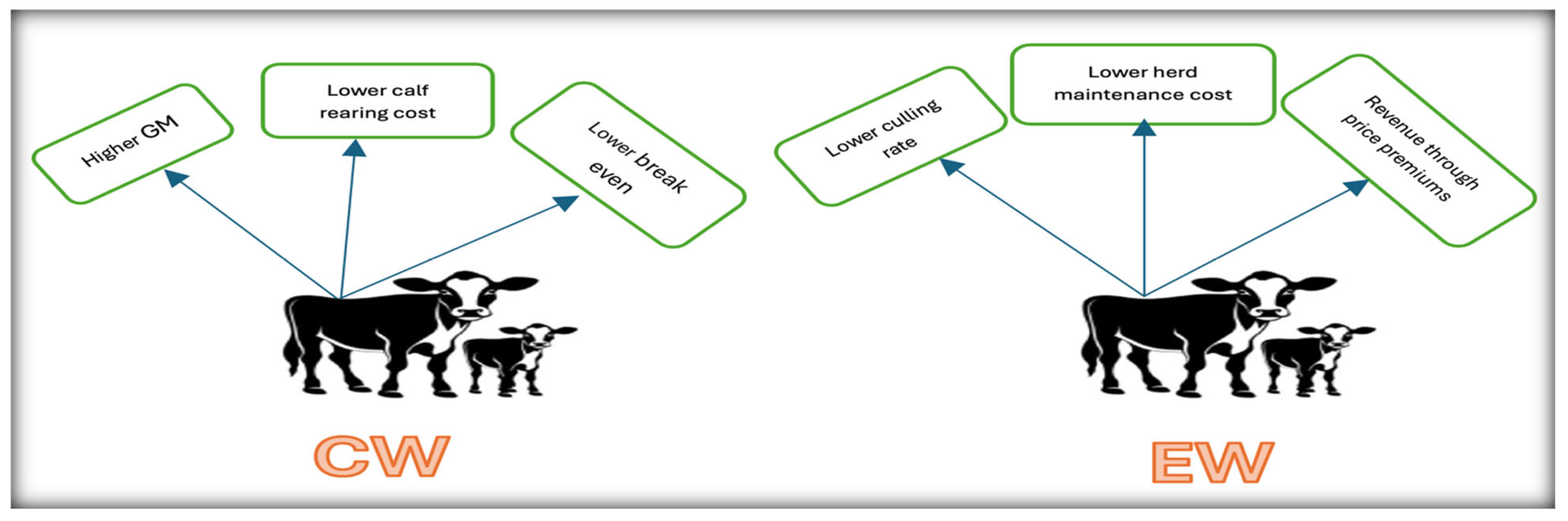
Figure 3 graphically illustrates the key financial and reproductive findings between the two weaning systems evaluated in this study.
4. Conclusions, as Well as Practical and Policy Implications for Weaning Management in South African Beef Systems
This study demonstrates that weaning age is a critical management decision influencing herd productivity, financial outcomes, and market competitiveness in South African beef cattle systems. In the absence of price premiums, EW calves generate lower immediate revenue due to reduced weaning weights compared to conventionally weaned (CW) calves. Practical strategies that could improve the financial viability and adoption of EW practices include the following:
International experience indicates that price premiums for preconditioned or early weaned calves are effective incentives. In the United States, feedlots often provide premiums for preconditioned calves, justified by reduced morbidity and mortality [
41,
42]. Similarly, in Australia, certification schemes enhance consumer confidence and justify higher premiums for producers adopting the best practices. EW preconditioned calf markets can globally become competitive, with standardized (internationally benchmarked) weaner production systems.
In South Africa, commercial and mainly small-scale and rural farmers comprise a significant proportion of the beef industry. Small-scale farmers in South Africa often face constraints such as limited infrastructure, high feed costs, and minimal knowledge of precision farming practices [
36]. Targeted policy support programs, including subsidies for supplementary feed, extension services, and infrastructure development, could enable EW adoption by improving farmer knowledge, skills, and capacity to increase uptake of best practices, as well as by enhancing beef quality especially among rural small-scale farmers. At the macro level, the findings of this case study highlight the importance of market-based incentives and institutional support in shaping weaning management decisions in South African beef systems. Policy interventions that encourage feedlot–producer coordination, such as formal contracting arrangements and certification schemes for preconditioned calves, could improve price transparency and reward management practices that enhance production efficiency. Key policy informants such as the South African Red Meat Producers Organization (RPO) would play an integral part in facilitating weaner calf incentives for the adoption of EW practices in the South African market. At the micro level, large-scale commercial producers may be better positioned to adopt early weaning strategically, using it as a reproductive and risk-management tool when supported by favorable market conditions. In contrast, small-scale producers may prioritize conventional weaning due to its lower lank of infrastructure, cost sensitivity, and greater financial resilience, unless external support or price premiums are available. These differentiated implications underscore the need for context-specific recommendations rather than uniform weaning strategies across production systems.
Collectively, these measures create an enabling environment for EW adoption, aligning producer incentives with feedlot efficiency and enhancing the long-term sustainability of the South African beef industry. Consequently, the conclusions of this study should be interpreted as indicative rather than definitive, with further multi-farm and multi-region research required to validate these outcomes across diverse South African beef production contexts.
5. Limitations of the Study
Despite providing valuable insights of cow–calf management, this study has several limitations:
Data were collected from a single farm in the Vrede region of the Free State, without randomization of cow–calf groups. While the farm’s routine management created a natural division between EW and CW groups, this non-randomized design may introduce bias, and findings may not be fully generalizable across South African production systems. Although both treatment groups consisted exclusively of first-calving heifers, differences in age at first breeding (14–15 months for EW versus approximately 18–20 months for CW) may influence milk production, nutrient partitioning, and reproductive efficiency. Younger-bred heifers are still allocating nutrients toward growth during early lactation, which may partially explain observed differences in calf growth and reproductive performance independent of weaning age. Consequently, the effects attributed to weaning strategy in this study should be interpreted within the context of heifer development stage and management objectives, rather than as isolated biological effects of weaning age alone.
The study reflects only one production cycle. Long-term financial and reproductive impacts of EW remain unverified, underscoring the need for multi-year and multi-farm studies to confirm the consistency of the observed patterns.
The farm calculation model focused primarily on direct costs and gross margins, excluding several indirect and overhead expenses (e.g., opportunity costs of labor, infrastructure depreciation, or maintenance). These costs vary substantially between farms and could confound comparisons; however, future studies should incorporate them to present a more complete economic assessment. While our study captured the growth and revenue effects directly observable on the farm, it did not quantify maternal milk yield or partition the contribution of milk-derived growth versus feed-derived growth in the early weaned calves. This omission represents a limitation and suggests that integrated modeling of lactation curves, milk yield variation, and reproductive dynamics may offer a more comprehensive evaluation of the economic implications of early weaning in future research.
Although the financial model accounted for differences in feed costs, supplementation, labor, and health-related expenses, including the full price and dosage of the anthelmintic (Eraditape) administered to both groups and the disulfox sulfate treatment provided to EW calves, it did not include several potential costs associated with early weaning. These may consist of increased risks of immunosuppression, coccidiosis, diarrhea, respiratory challenges, impaired adaptation to feedlot conditions, and related veterinary interventions, morbidity, or mortality. Because these events were not provided to the researcher, they could not be quantified or integrated into the economic model.
This study relied on pregnancy rate as the primary indicator of reproductive performance. Although the culling of open cows was included in the financial model, detailed economic tracking of culling decisions and long-term cost–benefit implications (e.g., replacement heifer development, lifetime productivity losses, or differences in cull cow revenue) was beyond the scope of the dataset.
Lastly, feed costs, particularly for the calf grower meal, represent a significant input in EW systems. Variability in feed ingredient prices, diet composition, and feed availability across agro-ecological regions may significantly influence the profitability of EW relative to CW. Producers should therefore exercise caution when applying the findings to areas with markedly different feed cost structures or resource bases.
Author Contributions
Conceptualization, B.D.J., W.A.L. and H.J.; methodology, B.D.J., W.A.L. and H.J.; software, B.D.J., W.A.L. and H.J.; validation, B.D.J., W.A.L. and H.J.; formal analysis, B.D.J., W.A.L. and H.J.; investigation, B.D.J., W.A.L. and H.J.; resources, B.D.J., W.A.L. and H.J.; data curation, B.D.J., W.A.L. and H.J.; writing—original draft preparation, B.D.J., W.A.L. and H.J.; writing—review and editing, B.D.J., W.A.L. and H.J.; visualization, B.D.J., W.A.L. and H.J.; supervision, B.D.J., W.A.L. and H.J.; project administration, B.D.J., W.A.L. and H.J. All authors have read and agreed to the published version of the manuscript.
Funding
This research received no external funding.
Institutional Review Board Statement
The farm data and cattle management practices applied was made available to the authors by the Arcadia Farmland as recorded in their farm management and record keeping system. The animals were thus not subjected to any experimental practices. The animal study protocol was approved by the Institutional Review Board (or Ethics Committee) of the University of the Free State (GHREC, Ethical clearance number: UFS-HSD2025/0013, approval date: 6 March 2025).
Informed Consent Statement
Written informed consent was obtained from the owner of the animal data.
Data Availability Statement
The data presented in this study are available on request from the corresponding author.
Acknowledgments
We acknowledge A. De Villiers of Arcadia Bonsmara Farmland, for his significant contribution to this study.
Conflicts of Interest
The authors declare no conflicts of interest.
References
- Taylor, J.K.; Stanko, R.L.; Rhoades, R.; McQuiston KCMathis, C.; Machen, R.; Turner, B.L. Can early weaning calves of first-calf heifers improve long-term herd and financial performance in a vertically integrated beef production system? A study application using system dynamics. Appl. Anim. Sci. 2021, 38, 183–199. [Google Scholar] [CrossRef]
- Arthington, J.D.; Minton, J.E. The effect of early calf weaning on feed intake, growth, and postpartum interval in thin, Brahman-crossbred primiparous cows. Prof. Anim. Sci. 2004, 20, 34–38. [Google Scholar] [CrossRef]
- Whalin, L.; Weary, D.M.; von Keyserlingk, M. Understanding behavioral development of calves in natural settings to inform calf management. Animals 2021, 11, 2446. [Google Scholar] [CrossRef]
- Meyers, S.E.; Faulkner, D.B.; Ireland, F.A.; Parrett, D.F. Comparison of three weaning ages on cow-calf performance and steer carcass traits. J. Anim. Sci. 1999, 7, 323–329. [Google Scholar] [CrossRef] [PubMed]
- Rust, J.M.; Rust, T. Climate change and livestock production: A review with emphasis on Africa. J. Anim. Sci. 2013, 43, 256–267. [Google Scholar] [CrossRef]
- Camargo, V.; Amir, T.G.S.; Pereira, G.R.; Texaira, O. Bioeconomic assessment of three ages at weaning in cow-calf systems. Livest. Sci. 2022, 267, 105032. [Google Scholar] [CrossRef]
- Tatham, A.T.; Hollier, B.; Wimalasuriya, R. Early weaning theory and enterprise benefits from beef cattle. Anim. Prod. Res. 2004, 25, 180–183. [Google Scholar]
- Schumacher, K.T.; Schroeder, T.C.; Tonsor, G.T. Value of Preconditioned Certified Health Programs to Feedlots; Kansas State University: Manhattan, KS, USA, 2011. [Google Scholar]
- Richeson, J.T. Effect of cattle health on performance during stocker and feedlot periods. In Proceedings of the Florida Beef Cattle Short Course, Gainesville, FL, USA, 9–11 May 2018; pp. 77–80. [Google Scholar]
- Strydom, P.E. Do Indigenous Southern African cattle breeds have the right genetics for the commercial production of quality meat? Meat Sci. 2008, 80, 86–93. [Google Scholar] [CrossRef]
- Van der Westhuizen, H.C.; Mohlapo, T.D.; De Klerk, J.; Majola, S.; Snyman, H.; Neser, F.W.C. Reproduction Performance of beef cattle before and after implementing a sustainable grazing system in a semi-arid grassland of Southern Africa. S. Afr. J. Agric. Ext. 2020, 48, 112–121. [Google Scholar] [CrossRef]
- Mare, F.A. The Water-Economy Nexus of Beef Is Produced from Different Breeds of Cattle. Ph.D. Thesis, University of the Free State, Bloemfontein, South Africa, 2018. [Google Scholar]
- Muya, M.C.; Nherera, F.V. Effects of limiting frequency of free access to milk on growth and intake of holstein calves during pre-and early post-weaning period. Afr. J. Agric. Res. 2014, 9, 2272–2277. [Google Scholar]
- Mukuahima, G. The Performance of Beef Cattle Bulls in the Vrede District of Free State, South Africa. Master’s Thesis, University of Pretoria, Pretoria, South Africa, 2005. [Google Scholar]
- Khan, M.A.; Weary, D.M.; Von Keyserlingk, M.A.G. Invited review: Effects of milk ration on solid feed intake, weaning, and performance in dairy heifers. J. Dairy Sci. 2011, 94, 1071–1081. [Google Scholar] [CrossRef] [PubMed]
- Mokolobate, M.C. Novelty Traits to Improve Cow-Calf Efficiency in Climate-Smart Beef Production Systems. Master’s Thesis, University of the Free State, Bloemfontein, South Africa, 2015. [Google Scholar]
- Monteiro, M.A.; Jammer, B.D. Price dynamics in South African agriculture: A study of cross-commodity spillovers between grain and livestock markets. Sustainability 2024, 16, 31–45. [Google Scholar] [CrossRef]
- Vaz, R.Z.; Cerdótes, L.; Nuñez, A.J.C.; Sartori, D.B.S.; Pacheco, R.F.; da Silva, H.R.; Bethancourt-Garcia, J.A.; Restle, J. Body mass index at calving on performance and efficiency of charolais cow herds. Trop. Anim. Health Prod. 2022, 54, 168. [Google Scholar] [CrossRef]
- Welk, A.; Neave, H.W.; Jenesen, M.B. Invited review: The effect of weaning practices on dairy calf performance, behavior, and health—A systematic review. J. Dairy Sci. 2024, 107, 5237–5258. [Google Scholar] [CrossRef]
- Spies, D.S. Analysis and Quantification of the South African Red Meat Value Chain. Ph.D. Thesis, University of the Free State, Bloemfontein, South Africa, 2011. [Google Scholar]
- Knierim, U.; Wicklow, D.; Ivemeyer, S.; Möller, D. A framework for the socio-economic evaluation of rearing systems of dairy calves with or without contact. J. Dairy Res. 2020, 87, 128–132. [Google Scholar] [CrossRef]
- Smythe, G.; Mare, F.A.; Matthews, N. Feedlot operators’ and cow-calf producers’ perspectives on the economic value of health-preconditioned weaner calves in South Africa. Prev. Vet. Med. 2023, 212, 105838. [Google Scholar] [CrossRef]
- Zimmerman, L.C.; Schroeder, T.C.; Dhyuvetter, K.C.; Olson, G.L.S.; Seeger, J.T.; Grotelueschen, D.M. The effect of value-added management on calf prices at Superior Livestock Auction Video Markets. J. Agric. Res. Econ. 2012, 37, 128–143. [Google Scholar]
- Story, C.E.; Rasby, R.J.; Clark, R.T.; Milton, C.T. Age of calf at weaning of spring-calving beef cows and the effect on cow and calf performance and production economics. J. Anim. Sci. 2000, 78, 1403–1413. [Google Scholar] [CrossRef]
- Julien, D.J.; Tess, M.W. Effects of breeding date, weaning date, and grazing season length on the profitability of cow-calf production systems in southeastern Montana. J. Anim. Sci. 2002, 80, 1462–1469. [Google Scholar] [CrossRef]
- Ciccioli, N.H.; Wettemann, R.P.; Spicer, L.J.; Lents, C.A.; White, F.J.; Keisler, D.H. Influence of body condition at calving and postpartum nutrition on endocrine function and reproductive performance of primiparous beef cows. J. Anim. Sci. 2003, 81, 3107–3120. [Google Scholar] [CrossRef] [PubMed]
- Dai, T.; Ma, Z.; Guo, X.; Wei, S.; Ding, B.; Ma, Y.; Dan, X. Study on the pattern of postpartum uterine involution in dairy cows. Animals 2023, 13, 3693. [Google Scholar] [CrossRef]
- Aires, K.V.; da Silva, A.P.; de Andrade, L.G.; Boyer, A.; Zamberlam, G.; Portela, V.M.; Antoniazzi, A.Q.; St-Jean, G. Postpartum uterine involution in cows: Quantitative assessment of structural remodelling and immune cell infiltration. Animals 2025, 15, 2520. [Google Scholar] [CrossRef]
- Tohumcu, V.; Tulan Tohumcu, D. The economic optimization of lactation and fertility in dairy cows. CABI Rev. 2024, 19, 1–13. [Google Scholar] [CrossRef]
- Holumbiiovska, T.; Bokotko, R.; Dejneka, G. Mastitis in beef cattle. Sci. Mess. LNU Vet. Med. Biotech. Ser. Vet. Sci. 2024, 26, 292–297. [Google Scholar] [CrossRef]
- Gott, P.N.; Rajala-Schultz, P.J.; Schuenemann, G.M.; Proudfoot, K.L.; Hogan, J.S. Intramammary infections and milk leakage following gradual or abrupt cessation of milking. J. Dairy Sci. 2016, 99, 4005–4017. [Google Scholar] [CrossRef]
- Funston, R.N.; Larson, D.M.; Vonnahme, K.A. Effects of maternal nutrition on conceptus growth and offspring performance: Implications for beef cattle production. J. Anim. Sci. 2012, 90, 137–142. [Google Scholar] [CrossRef]
- Arthington, J.D.; Kalmbacher, R.S. Effect of early weaning on the performance of three-year-old, first-calf beef heifers and calves reared in the subtropics. J. Anim. Sci. 2003, 81, 1136–1141. [Google Scholar] [CrossRef] [PubMed][Green Version]
- Alemu, A.W.; Janzen, H.; Little, S.; Hao, X.; Thompson, D.J.; Baron, V.; Iwaasa, A.; Beauchemin, K.A.; Kröbel, R. Assessment of Grazing Management on Farm Greenhouse Gas Intensity of Beef Production Systems in the Canadian Prairies Using Life Cycle Assessment. Agric. Syst. 2017, 158, 1–13. [Google Scholar] [CrossRef]
- Moraes, K.A.F.; Moreira, K.M.S.; Drugowick, R.M.; Bonanato, K.; Imparato, J.C.P.; Reis, J.B. Factors associated with early weaning. Pesqui. Bras. Odontopediatria Clínica Integr. 2016, 16, 491–497. [Google Scholar] [CrossRef]
- Mapiye, C.; Chimonyo, M.; Dzama, K.; Raats, J.G.; Mapekula, M. Opportunities for improving Nguni cattle production in the smallholder farming systems of South Africa. Livest. Sci. 2009, 95, 4511–4522. [Google Scholar] [CrossRef]
- Teixeira, O.S.; Camargo, V.A.; Rocha, M.K.; Alforma, A.M.P.; Sartori, E.D.; Rosa, Y.M.; Pérez-Atehortúa, M.; McManus, C.; Barcellos, J.O.J. Three ages at weaning in beef calves: Implications on performance and development. Rev. Bras. Zootecn. 2024, 53, 202–300. [Google Scholar] [CrossRef]
- Arthington, J.D.; Spears, J.W.; Miller, D.C. The effect of early weaning on calf health and performance in beef cattle. J. Anim. Sci. 2005, 83, 933–939. [Google Scholar] [CrossRef] [PubMed]
- Lobato, J.F.P.; Vaz, R.Z.; Restle, J. Productivity and efficiency of cow herds submitted to two weaning ages. Rev. Bras. Zootecn. 2010, 39, 1849–1856. [Google Scholar] [CrossRef][Green Version]
- Bureau for Food and Agricultural Policy (BFAP). Baseline Agricultural Outlook 2022–2031; Bureau for Food and Agricultural Policy: Pretoria, South Africa, 2022. [Google Scholar]
- Dhuyvetter, K.C.; Bryant, A.M.; Blasi, D.A. Case study: Preconditioning beef calves: Are expected premiums sufficient to justify the practice? Prof. Anim. Sci. 2005, 21, 502–514. [Google Scholar] [CrossRef]
- Lalman, D.L.; Ward, C. Effects of Preconditioning on health, performance and prices of weaned calves. In Proceedings of the American Association of Bovine Practitioners Conference Proceedings; VM Publishing Company: New York, NY, USA, 2014; pp. 44–50. [Google Scholar] [CrossRef]
- Savage, G.E. Net Returns to Alternative Weaning Dates in Beef Cow-Calf Operations. Master’s Thesis, The University of Tennessee, Knoxville, TN, USA, 2011. [Google Scholar]
| Disclaimer/Publisher’s Note: The statements, opinions and data contained in all publications are solely those of the individual author(s) and contributor(s) and not of MDPI and/or the editor(s). MDPI and/or the editor(s) disclaim responsibility for any injury to people or property resulting from any ideas, methods, instructions or products referred to in the content. |