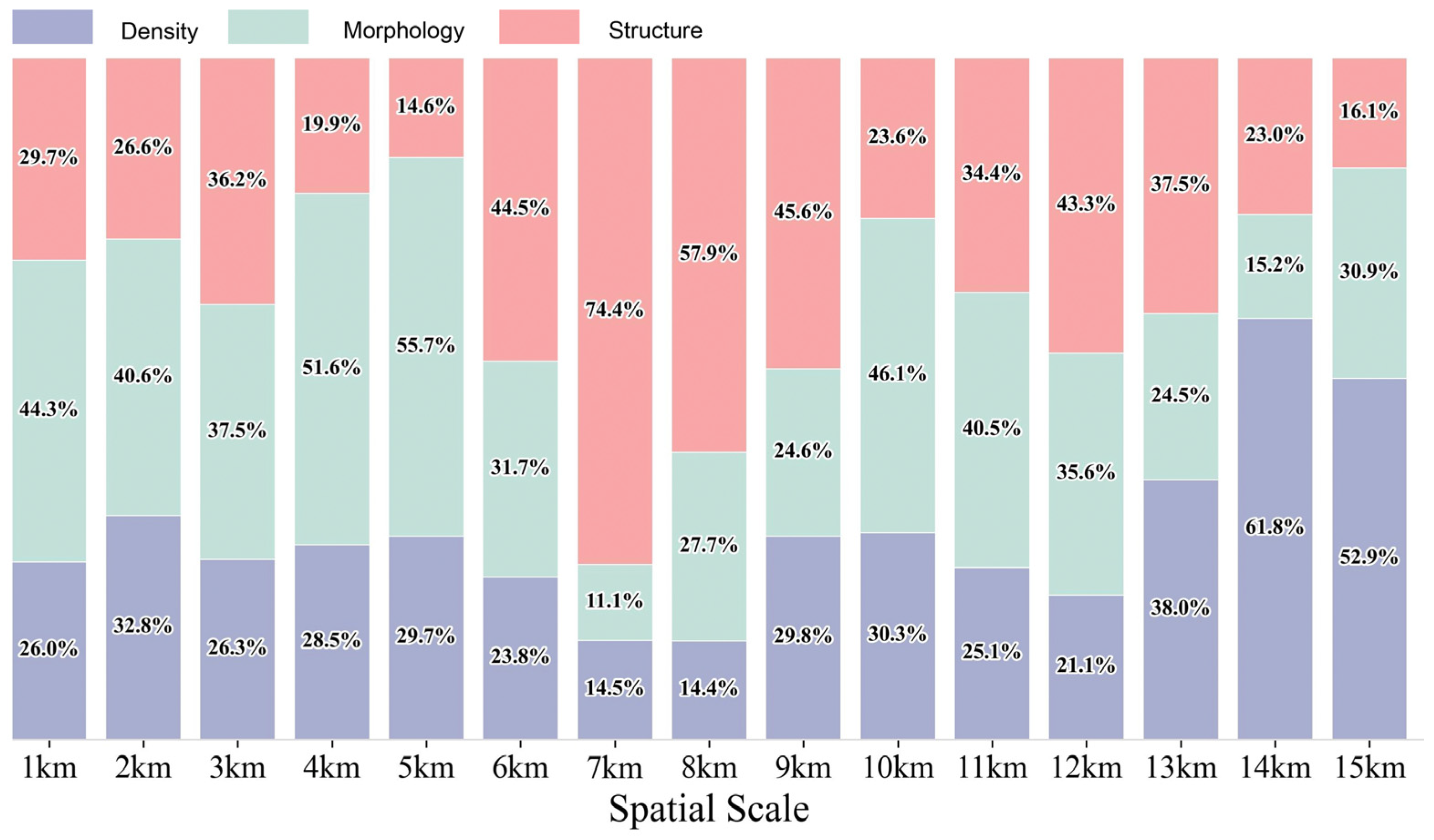
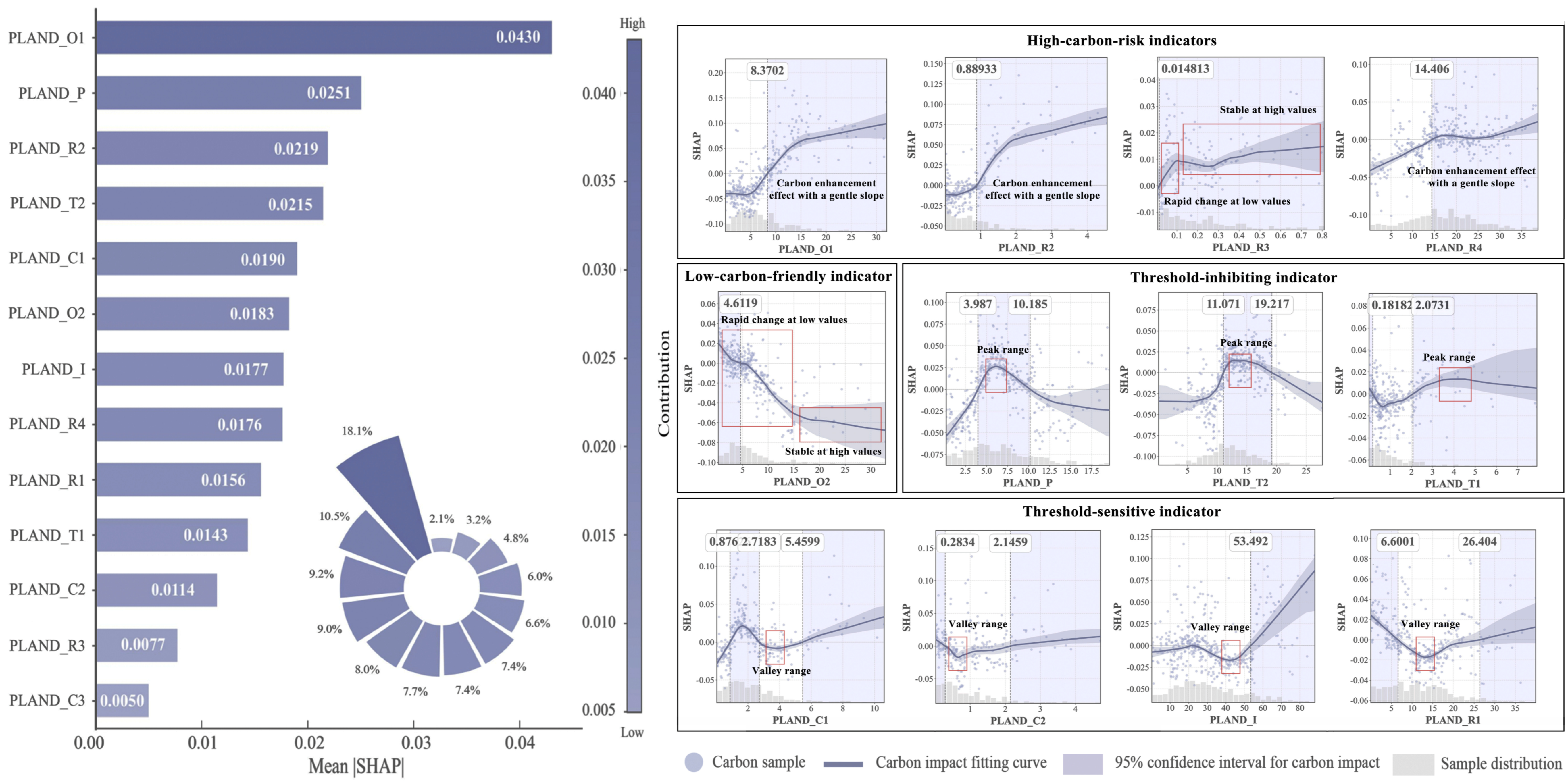
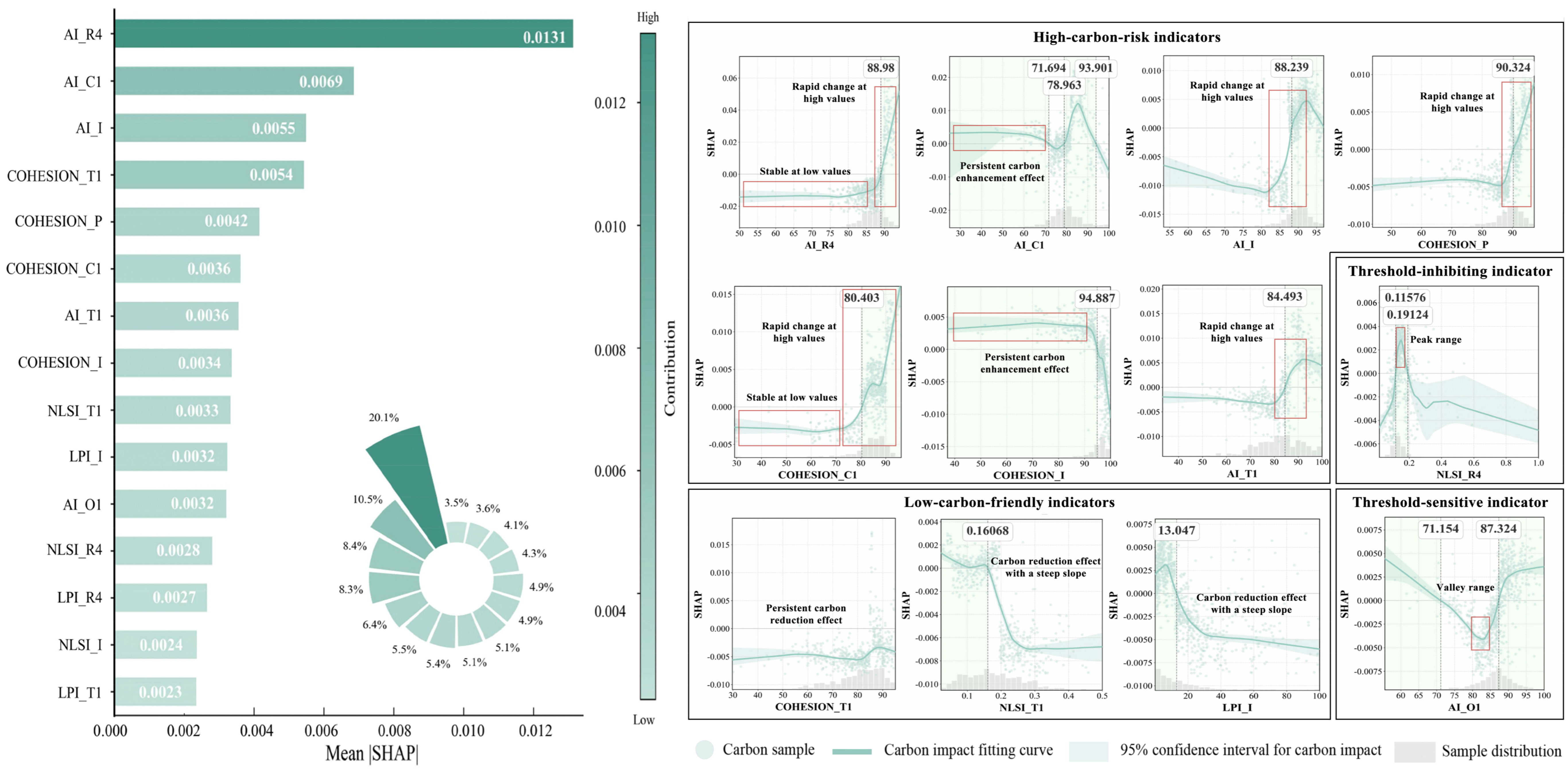
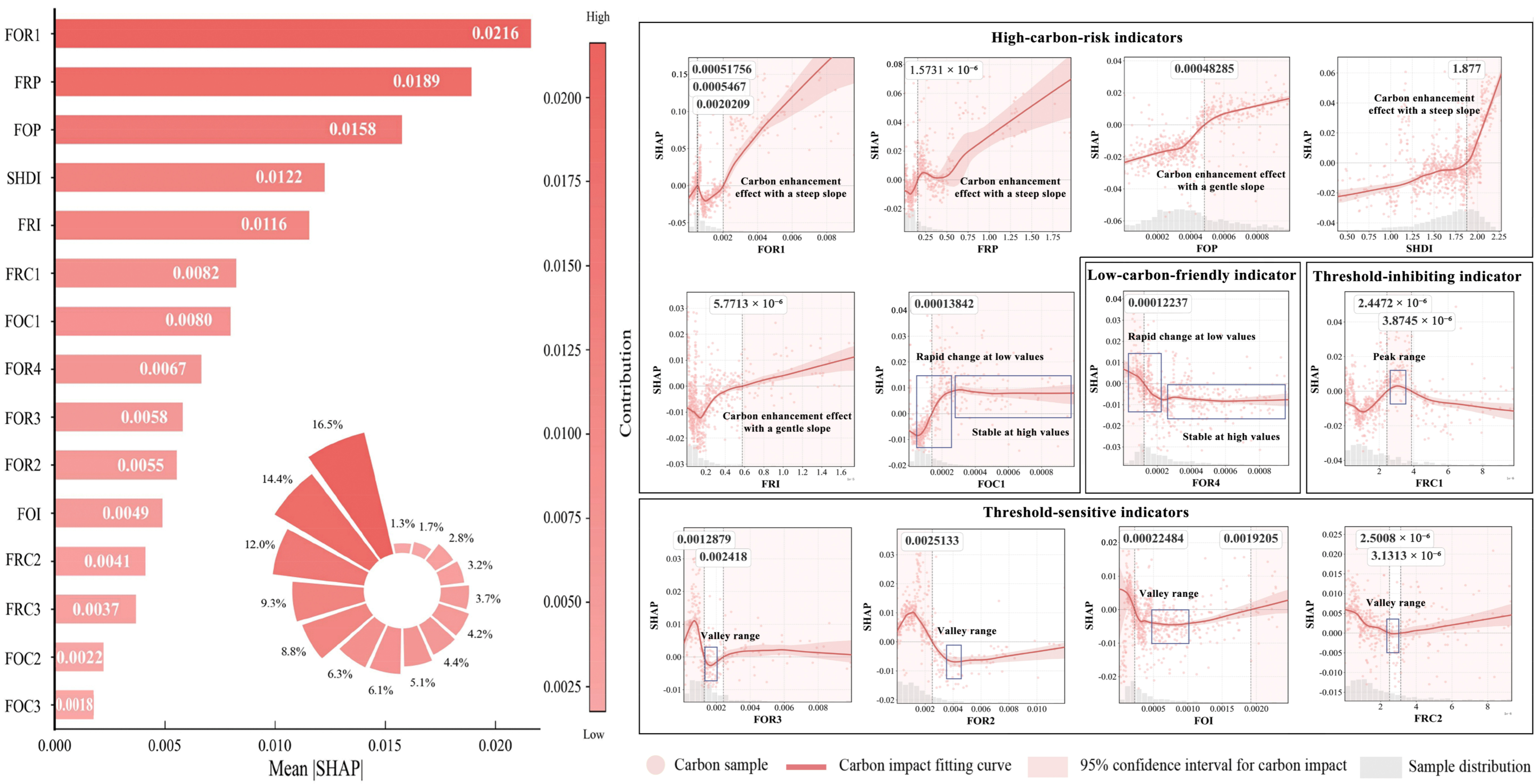
Scale Dependence and Nonlinear Effects of Urban Functional Zone Form on Carbon Emission Intensity: Evidence from Yangtze River Delta Agglomeration

Abstract
Share and Cite
Xu, W.; Wei, M.; Zuo, M.; Liu, J. Scale Dependence and Nonlinear Effects of Urban Functional Zone Form on Carbon Emission Intensity: Evidence from Yangtze River Delta Agglomeration. Sustainability 2026, 18, 7036. https://doi.org/10.3390/su18147036
Xu W, Wei M, Zuo M, Liu J. Scale Dependence and Nonlinear Effects of Urban Functional Zone Form on Carbon Emission Intensity: Evidence from Yangtze River Delta Agglomeration. Sustainability. 2026; 18(14):7036. https://doi.org/10.3390/su18147036
Chicago/Turabian StyleXu, Wanyi, Mingzhen Wei, Minghao Zuo, and Junnan Liu. 2026. "Scale Dependence and Nonlinear Effects of Urban Functional Zone Form on Carbon Emission Intensity: Evidence from Yangtze River Delta Agglomeration" Sustainability 18, no. 14: 7036. https://doi.org/10.3390/su18147036
APA StyleXu, W., Wei, M., Zuo, M., & Liu, J. (2026). Scale Dependence and Nonlinear Effects of Urban Functional Zone Form on Carbon Emission Intensity: Evidence from Yangtze River Delta Agglomeration. Sustainability, 18(14), 7036. https://doi.org/10.3390/su18147036