1. Introduction
Water has been fundamental to the emergence, continuity, and development of human settlements throughout history. Beyond sustaining life, it has shaped technological innovation, spatial organization, and socio-cultural practices. As emphasized by ICOMOS, water is inseparable from cultural heritage because successful water management has historically underpinned both human survival and cultural achievement. In this respect, water-related structures form an important component of cultural heritage, reflecting not only the architectural, engineering, and technological knowledge of the societies that produced them, but also their social and cultural life [
1,
2,
3]. Within this framework, the present study focuses on the underground water heritage of Gaziantep, Türkiye, with particular attention to its livas and kastels in relation to the broader qanat tradition. The historical development of Gaziantep was shaped by environmental conditions that made water supply a critical urban challenge. Owing to the geological structure of the region, a considerable proportion of precipitation infiltrates the ground and contributes to groundwater formation. Since the Gaziantep Plateau contains only a limited number of streams, and the water level of the Alleben River remains relatively low, the city historically required alternative systems of water conveyance. Hot summer conditions would also have caused substantial evaporation losses if water had been transported through surface channels. Under these conditions, the local geological formation, characterized by soft limestone, clayey limestone, and chalk deposits, enabled the excavation of underground tunnels in the bedrock and the conveyance of water from its source to the settlement [
2].
This underground conveyance system is associated with the broader qanat tradition, one of the most widespread historical methods of groundwater transport in arid and semi-arid regions. The qanat system is fundamentally based on gently sloping underground tunnels that convey groundwater by gravity alone [
2,
4,
5,
6,
7,
8,
9,
10]. Historical and technical sources from different periods provide important evidence regarding the construction and maintenance of qanat systems [
7,
11]. The spread of this technology across a broad geography extending from East Asia to North Africa and beyond demonstrates the long-term significance of subterranean water management as both a technical achievement and a cultural practice [
2,
10,
11,
12].
Historical underground water tunnels are known from different parts of Türkiye, including Gaziantep, Van, Özalp, Saray, Ahlat, Birecik, Suruç, Antakya, İskilip, and Zile [
10,
13]. These systems are referred to by different local names; for example, in Van, Özalp, Saray, and Zile they are known as kehriz [
10,
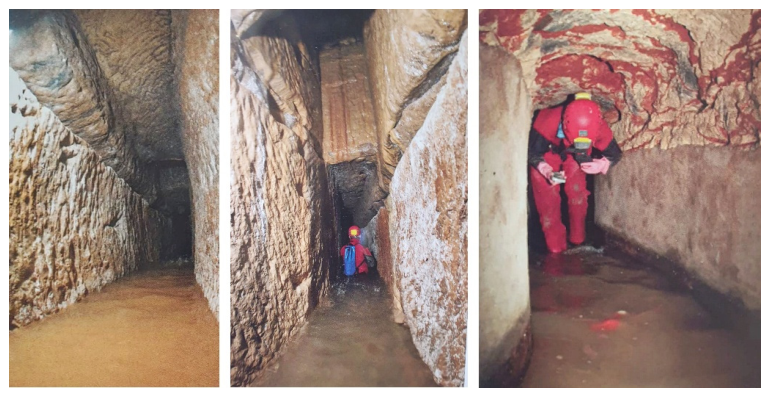
14]. In Gaziantep, by contrast, underground water tunnels are known as livas (
Figure 1). Forming an extensive subterranean network beneath the historic neighborhoods of the city, the livas system supplied water to houses through domestic wells. Two principal source areas from which water was conveyed to Gaziantep have been identified: Esenbek Spring to the south of the city and Pancarlı Spring to the west [
10,
15]. Through this system, water was reportedly conveyed not only to Gaziantep but also to Dülük and Aleppo [
9]. The network included shafts connecting the tunnels to the surface and distribution points regulating the allocation of water [
9,
10]. Ottoman records further indicate that the system supplied inns, baths, madrasas, mosques, fountains, and private houses, demonstrating its central role in urban life [
9,
15].
A major component of this infrastructure is the underground public water-use structure locally known as the kastel. Built underground and carved into rock, kastels functioned as water structures integrated into the livas system. However, their role extended beyond water collection and distribution. They incorporated multiple functions, including pools, wells, baths, toilets, washing spaces, resting areas, ablution areas, and, in some cases, a mosque, thereby operating as multifunctional social spaces within everyday urban life [
9]. In this respect, kastels were not merely hydraulic structures but also places of gathering, routine activity, and climatic relief during the hot summer conditions of the city. Among the kastels known to survive today are Pişirici, İhsan Bey, Şeyh Fethullah, Kozluca, Ahmet Çelebi, and İmam Gazali. In addition to these six extant examples, a seventh kastel has also been identified.
UNESCO identifies the Gaziantep livas system as significant not only as an example of a technology widely encountered in different parts of the world, but also because of the scale of its underground network and the distinctive character of its kastel structures [
2]. The system constitutes important evidence of intercultural interaction, local technical knowledge, and socio-cultural life. Its construction and long-term operation required substantial technical and engineering knowledge, and its evolution over time produced an integrated and complex urban water infrastructure. The Gaziantep qanat tradition can therefore be understood as both a local heritage system and part of a broader shared human heritage. Although its exact date of origin remains uncertain, the livas and kastels appear to have remained in use for centuries and continued to serve the people of Gaziantep until the 1950s. Today, some of these structures are open to visitors, some have been assigned new functions such as museum use, and some continue to exist within mosque complexes [
2].
The relationship between water management and heritage is increasingly recognized as dynamic and multidimensional [
16]. Water-related heritage is important not only for understanding historical systems of resource management, but also for addressing contemporary questions of cultural continuity, governance, and sustainability. Yet, despite the strong connection between water and heritage, water-related heritage remains underrepresented in broader global water and sustainable development discussions [
16]. In the case of Gaziantep, previous studies have examined livas and kastels primarily from architectural, historical, and infrastructural perspectives [
9,
10,
12,
17,
18,
19]. However, there remains a significant gap in interdisciplinary research addressing these structures in relation to UNESCO recognition, conservation, sustainability, heritage awareness, perceived value, and community participation.
Accordingly, this study investigates the sustainability of Gaziantep’s underground water heritage by focusing on heritage awareness, perceived value, and community participation. Unlike previous studies centered mainly on the physical and historical characteristics of livas and kastels, the present research incorporates participant-based evaluations within the broader framework of cultural heritage and sustainability. More specifically, it explores how public awareness, value attribution, and participation-related attitudes may inform more socially grounded strategies for the long-term conservation of Gaziantep’s livas and kastels.
The study addresses the following research questions:
- -
RQ1. What are the general levels of heritage awareness, perceived value, conservation support/participation intention, and governance-, promotion-, and future-oriented perceptions regarding Gaziantep’s kastels and livas?
- -
RQ2. What relationships exist among the main dimensions of the study, and do these perceptions differ according to prior UNESCO awareness, visit frequency, and relevant professional background?
Based on the theoretical framework and the sustainability-oriented heritage literature, the study considers the following hypotheses:
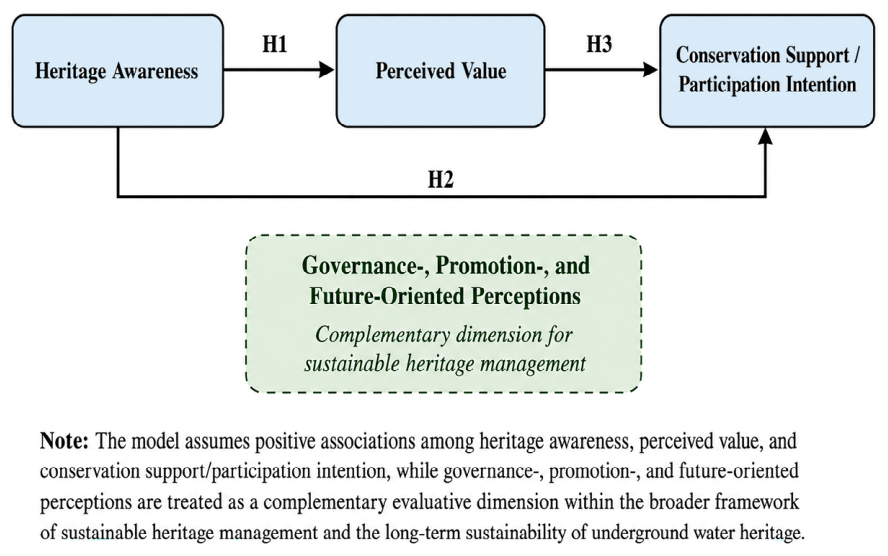
H1. Heritage awareness is positively associated with perceived value.
H2. Heritage awareness is positively associated with conservation support/participation intention.
H3. Perceived value is positively associated with conservation support/participation intention.
The conceptual model of the study assumes that heritage awareness constitutes a foundational cognitive condition shaping how participants recognize and interpret the significance of Gaziantep’s kastels and livas. Higher levels of heritage awareness are expected to be associated with stronger perceived value, while perceived value is, in turn, associated with stronger conservation support and participation-related intentions. Heritage awareness is also assumed to have a direct positive association with conservation support/participation intention. Within this framework, governance-, promotion-, and future-oriented perceptions are treated as a complementary evaluative dimension that helps situate these relationships within the broader context of sustainable heritage management (
Figure 2).
3. Materials and Methods
3.1. Study Area
The settlement history of Gaziantep dates back to at least the late fifth century, and the city is located along the banks of Alleben Creek. Due to the geological structure of the Gaziantep region, a considerable portion of precipitation infiltrates the ground and contributes to the formation of groundwater resources. Since the Gaziantep Plateau contains only a limited number of streams, the water level of Alleben Creek remains relatively low, and the hot summer conditions increase the need for water conveyance within the settlement. Under such climatic conditions, if water were transported through surface channels, a substantial amount would be lost through evaporation, particularly during the summer months. In this context, the local geological formation, characterized by soft limestone, clayey limestone, and chalk deposits, enabled the excavation of underground water tunnels in the bedrock, through which water could be conveyed from its source to the urban settlement [
2].
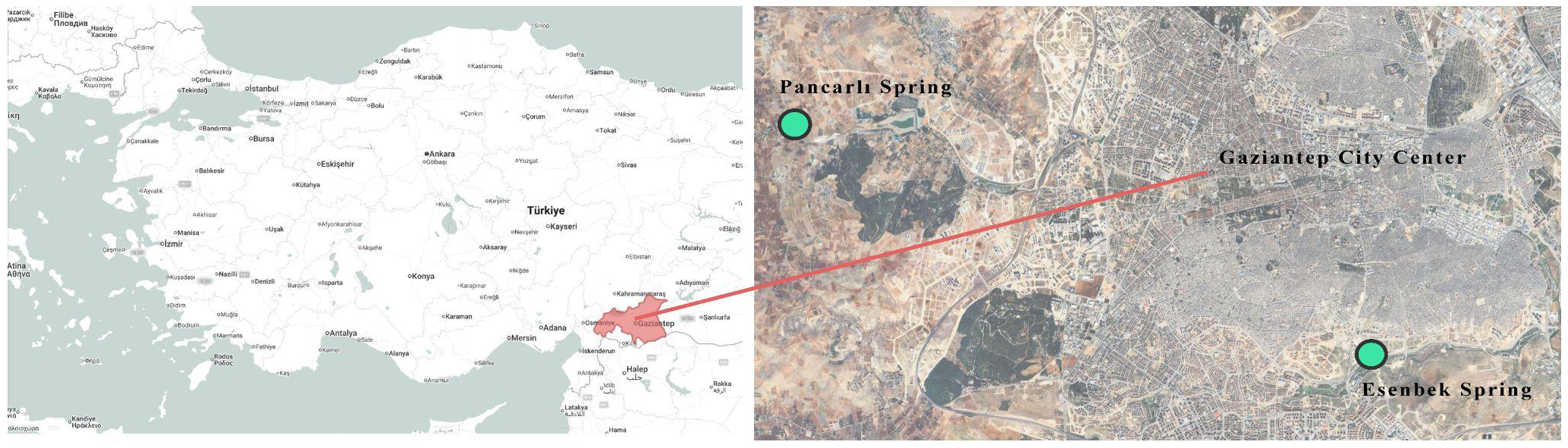
The livas, which constitute the main subject of this study as a form of underground water tunnel, formed a network beneath the historic neighborhoods of Gaziantep and supplied water to houses through domestic wells. Two principal source areas from which water is known to have been conveyed to Gaziantep through the livas system have been identified: Esenbek Spring, located to the south of Gaziantep, and Pancarlı Spring, located to the west of the city [
10,
15]. Through this system, water was reportedly conveyed not only to Gaziantep but also to Dülük and Aleppo [
9]. The spatial relationship between Pancarlı Spring, Esenbek Spring, and Gaziantep city center is shown in
Figure 3.
Within the livas system, ventilation shafts were constructed at regular intervals to connect the channels to the surface. Distribution points were also established to regulate the allocation of water conveyed through the system [
9,
10]. Water carried by the livas was delivered to users through kastels, pools, wells, fountains, and ganes. Ottoman-period records indicate that the livas line functioned as a major water supply network serving many important urban structures, including inns, baths, madrasas, mosques, fountains, and private houses [
1]. In this respect, the historical distribution system and the spatial organization of the livas network provide important evidence for understanding the relationship between water infrastructure and urban life in Gaziantep.
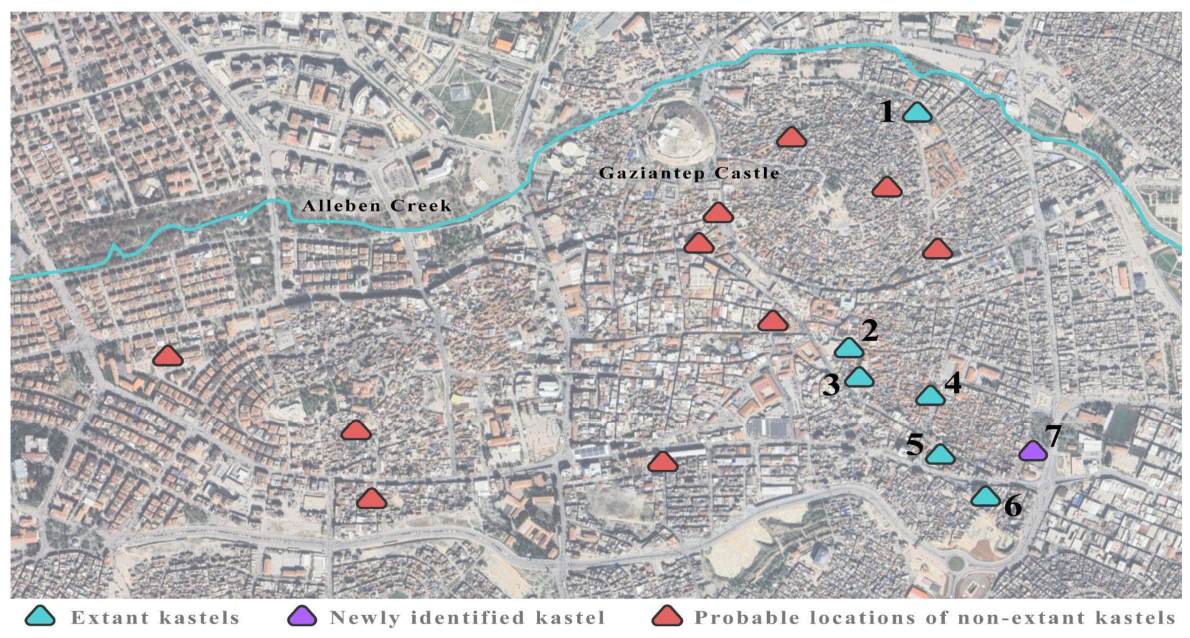
Within the scope of this study, six extant kastels and one newly identified kastel are included as part of the documentary and spatial background of the research area. Since the survey focuses on participants’ general perceptions of kastels and livas rather than on individual kastels, these structures are presented here for contextual purposes only. Their locations are shown in
Figure 4, while
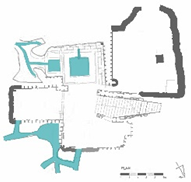
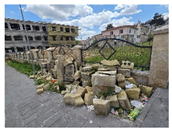
Table 1 provides their names, plans, visual materials, and brief descriptive information.
In addition to their historical and cultural significance, the kastels and the broader livas system face a range of contemporary pressures that increase their vulnerability. These include unauthorized additions or interventions in and around kastel structures, long-term neglect and insufficient maintenance, and various forms of human-induced deterioration. More recently, the damage associated with the 6 February 2023 Kahramanmaraş earthquakes has further highlighted the fragility of this underground heritage system. Environmental pressures also constitute an important concern. In particular, the reduction in water resources and water levels under conditions associated with climate change may critically affect the water-related functioning and integrity of the system. At the same time, the emergence of the seventh kastel following the 2023 earthquake suggests that additional components of this underground network may still remain undocumented or insufficiently understood. Taken together, these conditions indicate that Gaziantep’s underground water heritage should be evaluated not only as a legacy of the past, but also as a vulnerable and still only partially revealed system requiring sustained documentation, conservation, and monitoring.
3.2. Research Design
This study was designed as a cross-sectional, survey-based investigation to examine how users and residents perceive Gaziantep’s kastels and livas in relation to heritage awareness, perceived value, conservation support/participation intention, and governance-, promotion-, and future-oriented perceptions. The research was grounded in the assumption that the sustainability of underground water heritage should be assessed not only through its physical and historical attributes but also through the perceptions, evaluations, and support mechanisms of its contemporary users. In this respect, the study approaches kastels and livas as heritage assets whose long-term conservation depends on both their material preservation and their social recognition within a sustainable heritage management framework.
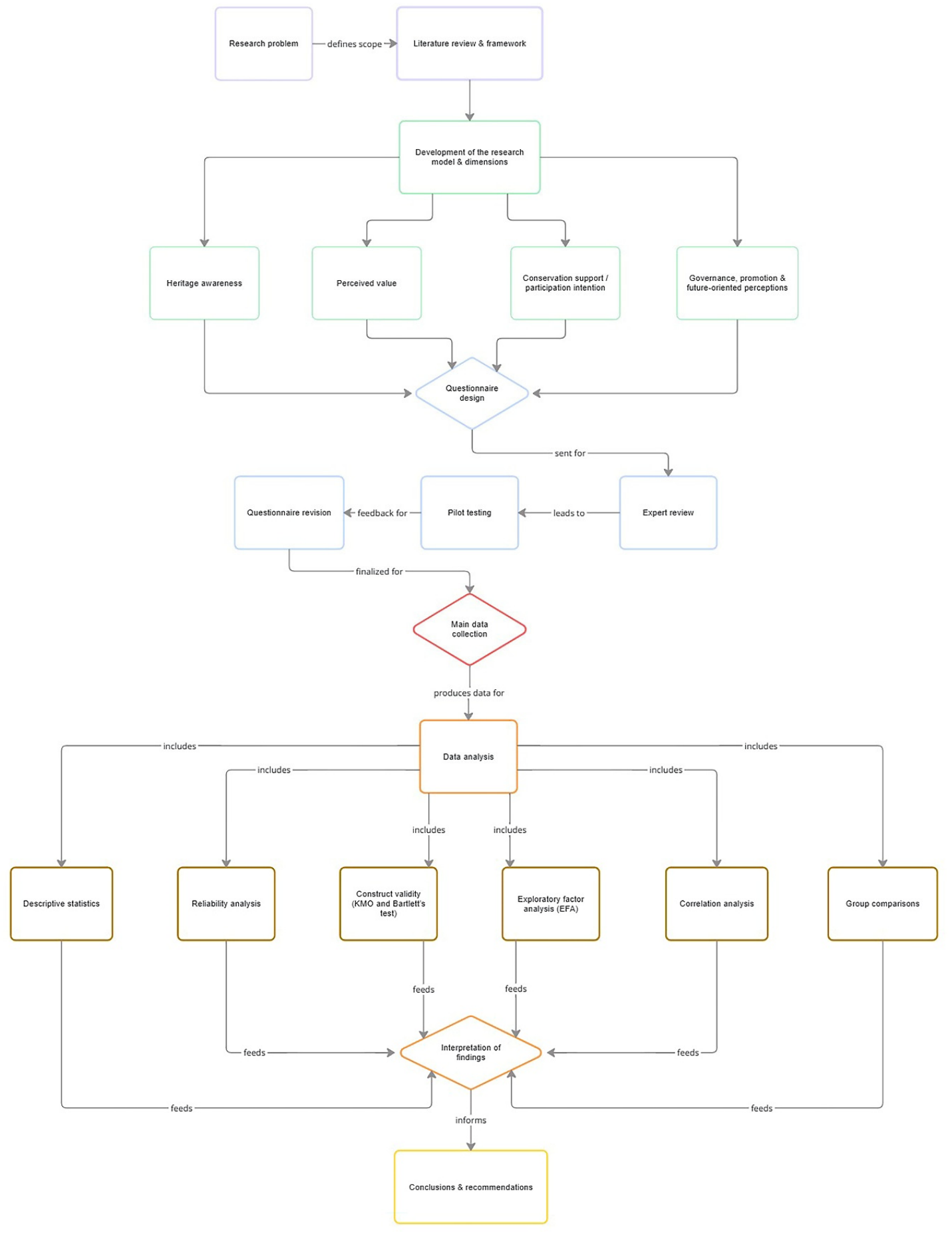
The research design followed a sequential and theory-driven structure. After defining the research problem, a review of the relevant literature was undertaken to establish the conceptual basis of the study and to identify the main analytical dimensions. On this basis, four measurement dimensions were constructed and used to guide the development of the questionnaire. The draft instrument was then subjected to expert review and pilot testing in order to improve item clarity, conceptual consistency, and measurement adequacy before the main survey was conducted. The final dataset was analyzed through descriptive, psychometric, and relational analytical procedures. The overall logic and sequence of the research design are presented in
Figure 5.
3.3. Questionnaire Design and Measurement Dimensions
The questionnaire used in this study was developed based on the relevant literature and the specific characteristics of Gaziantep kastels and livas as elements of underground water heritage. In addition to the main measurement dimensions, the questionnaire also included a set of demographic and control variables, such as age, education level, duration of residence in Gaziantep, visit frequency, and prior awareness of the UNESCO Tentative List status of kastels and livas. These variables were included to provide a general profile of the participants and to enable group-based comparisons in the later stages of analysis.
The main body of the questionnaire was structured around four dimensions. The heritage awareness dimension was designed to measure participants’ level of familiarity with the heritage asset, their knowledge of its historical and functional characteristics, and their awareness of its cultural significance [
31,
40]. The perceived value dimension was constructed to assess the historical, social, cultural, educational, and symbolic values attributed to kastels and livas by local users and residents [
22,
39,
41,
48]. The conservation support/participation intention dimension focused on participants’ attitudes toward conservation priorities, public support, civic engagement, and willingness to take part in awareness-raising or heritage-related initiatives [
52,
54,
55]. Finally, the governance, promotion, and future-oriented perceptions dimension was grounded in the literature on heritage governance, interpretation, UNESCO/World Heritage perceptions, and risk-related evaluations concerning heritage sites [
44,
48,
50,
56].
A five-point Likert scale was employed only for the items under Sections B–E, which represent the four main measurement dimensions of the study, ranging from 1 = strongly disagree to 5 = strongly agree. Section A, by contrast, consisted of demographic and control variables and therefore did not use the Likert-scale format. The wording of the items was formulated in a clear and direct manner in order to minimize ambiguity and avoid overly leading expressions. In addition, three open-ended questions were included at the end of the questionnaire to obtain participants’ views on priority actions for the conservation of kastels and livas and on the most effective ways to promote these heritage assets.
Before the main data collection, the draft questionnaire was reviewed by five experts in the fields of cultural heritage, conservation, and/or survey-based social science research in order to assess the clarity, relevance, and appropriateness of the items. Following this expert review, a pilot application was conducted with 50 participants representing the target respondent profile. The pilot process aimed to evaluate item comprehensibility, possible repetition between items, and the overall flow of the questionnaire. Based on the feedback obtained from the expert review and the pilot application, minor revisions were made to the wording and ordering of several items, and the final version of the questionnaire was established.
The final instrument consisted of 41 items in total, including demographic and control variables, Likert-type measurement items, and open-ended questions. For clarity, the questionnaire was organized into five sections. Section A included demographic and control variables, such as gender, age, education, occupation, length of residence in Gaziantep, visit frequency, and prior awareness of the UNESCO Tentative List status of kastels and livas. Since this section did not contain Likert-type measurement items, it is not included in
Table 2. The measurement structure presented in
Table 2 therefore begins with Section B and continues through Sections C, D, and E, which correspond to the four main analytical dimensions of the study. The dimensions of the study and their sub-indicators are presented in
Table 2.
3.4. Sample, Data Collection Process and Data Analysis
In this study, sample size adequacy was evaluated according to two criteria. First, the conventional sample size formula for estimating a population proportion was used. Under a 95% confidence level, a margin of error of ±5%, and the assumption of maximum variability (
p = 0.50), the following formula was applied [
57]:
where
n denotes the minimum required sample size,
z is the
z-value corresponding to the selected confidence level,
p is the estimated population proportion, and
e is the accepted margin of error. In the present study, the values
z = 1.96,
p = 0.50 and
e = 0.05 were used. Accordingly, the sample size was calculated as follows [
57]:
This value was rounded up, and the minimum required sample size was set at 385 participants. Second, the psychometric adequacy of the questionnaire was evaluated. For this purpose, only the 30 Likert-type items included in the four main dimensions were considered, while demographic and open-ended items were excluded from this calculation. Based on the widely recommended respondent-to-item ratio of 5–10 participants per item in scale development and validation studies, a more conservative 10:1 ratio was adopted [
58,
59]. Accordingly, psychometric adequacy was estimated as follows:
where
k represents the number of items included in the psychometric analyses and
r represents the number of respondents per item. In this study,
k = 30 and
r = 10. Thus:
Accordingly, the minimum sample size was determined as 385 participants based on the conventional survey formula and 300 participants based on the psychometric adequacy criterion. At the end of the data collection process, 406 valid and complete questionnaires were obtained. Therefore, the achieved sample size exceeded both the conventional minimum threshold and the psychometric adequacy threshold and was considered sufficient for the purposes of this study [
57,
58,
59].
The data collection process was carried out through both online and face-to-face administration. The study followed a non-probability sampling approach based on voluntary participation and practical accessibility. In the online phase, the questionnaire was distributed digitally through commonly used communication and social media channels targeting individuals residing in Gaziantep or familiar with the city. In the face-to-face phase, the same questionnaire was administered directly by the researchers to participants in Gaziantep. Accordingly, the final sample mainly reflects participants connected to the Gaziantep context, although it was not designed as a statistically representative sample of the entire Gaziantep population. The findings are therefore most directly relevant to the Gaziantep context and should be interpreted within this scope. In both modes, participation was voluntary, and participants were informed about the aim of the study, the anonymous nature of the questionnaire, and their right to decline or discontinue participation before completing the survey. Only fully completed questionnaires were included in the dataset. Incomplete, inconsistent, or otherwise unusable forms were excluded from the analysis; therefore, only complete cases were included in the final dataset and no additional missing-value imputation procedure was applied. The quantitative data were analyzed using IBM SPSS Statistics for Windows, Version 22.0 (IBM Corp., Armonk, NY, USA). In the data analysis stage, descriptive statistics were first used to identify the general profile of the participants and the basic tendencies in the dataset. Accordingly, frequency and percentage distributions were calculated for the demographic and control variables, while means and standard deviations were computed for the Likert-type items. Reliability analysis was then conducted to assess the internal consistency of the scale, using Cronbach’s alpha coefficients. To examine the construct validity and dimensional structure of the questionnaire, the suitability of the dataset for factor analysis was first assessed using the Kaiser-Meyer-Olkin (KMO) measure of sampling adequacy and Bartlett’s Test of Sphericity. Following these preliminary tests, an exploratory factor analysis (EFA) was conducted on the 30 Likert-type items representing the four main dimensions of the study. Principal axis factoring was used as the extraction method, and varimax rotation was applied to facilitate interpretability. In line with the theoretically defined structure of the instrument, the factor solution was examined on the basis of a four-factor structure. The factor solution was evaluated on the basis of eigenvalues greater than 1.00, the proportion of variance explained, and the interpretability of the factor structure in relation to the theoretical framework of the study. The analysis focused on factor loadings, total variance explained, and the overall interpretability of the factor pattern in relation to the conceptual framework of the study.
Pearson correlation analysis was used to evaluate the relationships among the main dimensions. To further examine the relationships among the main dimensions, a multiple regression analysis was also conducted, with conservation support/participation intention treated as the dependent variable and heritage awareness and perceived value as predictor variables. In addition, where relevant, group comparisons were performed according to variables such as UNESCO awareness, visit frequency, and professional background. In addition, responses to the open-ended questions were examined thematically and used to support the quantitative findings.
4. Results
4.1. Participant Profile
The final dataset consisted of 406 valid questionnaires. The participant profile presented in
Table 3 is based on the demographic and control variables collected in Section A of the questionnaire. As shown in
Table 3, 55.2% (
n = 224) of the participants were female and 44.8% (
n = 182) were male. The largest age group was 45–54 years (29.6%,
n = 120), followed by 35–44 years (27.6%,
n = 112) and 25–34 years (19.2%,
n = 78). In terms of educational attainment, 43.3% (
n = 176) held a bachelor’s degree and 25.1% (
n = 102) held a graduate degree. Regarding occupation, the largest group consisted of public sector employees (35.7%,
n = 145), followed by private sector employees (20.9%,
n = 85).
As also presented in
Table 3, 67.7% (
n = 275) stated that their profession or area of expertise was not related to cultural heritage, architecture, conservation, planning, art history, archaeology, museology, or related fields, while 20.7% (
n = 84) answered “yes” and 11.6% (
n = 47) answered “partly.” A considerable proportion of the participants had long-term residence in Gaziantep, with 55.2% (
n = 224) reporting 26 years or more. In terms of visit frequency, the largest group reported visiting kastels and livas 2–3 times (31.5%,
n = 128), followed by those who had never visited (28.1%,
n = 114). Finally, 45.1% (
n = 183) stated that they were aware of the UNESCO Tentative List status of Gaziantep’s kastels and livas, whereas 54.9% (
n = 223) were not.
4.2. Reliability and Validity Results
The internal consistency of the four dimensions was found to be acceptable to very high. As shown in
Table 4, Cronbach’s alpha coefficients were 0.874 for Heritage Awareness, 0.924 for Perceived Value, 0.919 for Conservation Support/Participation Intention, and 0.724 for Governance, Promotion, and Future-Oriented Perceptions. These results indicate strong reliability for the first three dimensions and acceptable internal consistency for the fourth dimension.
The suitability of the dataset for factor analysis was confirmed by both the Kaiser–Meyer–Olkin (KMO) measure and Bartlett’s Test of Sphericity. The KMO value was 0.918, indicating excellent sampling adequacy, and Bartlett’s Test of Sphericity was statistically significant, χ
2(435) = 8506.84,
p < 0.001, demonstrating that the correlation matrix was appropriate for factor analysis. An exploratory factor analysis was then conducted on the 30 Likert-type items using principal axis factoring with varimax rotation. In line with the theoretically defined structure of the questionnaire, a four-factor solution was examined. The first four factors explained 56.3% of the total variance (
Table 5). Overall, the factor pattern broadly supported the proposed four-dimensional structure of the instrument, although several items showed moderate cross-loadings. Nevertheless, the overall solution was considered conceptually interpretable and consistent with the theoretical framework of the study. The rotated factor loadings are presented in
Table 6.
4.3. Descriptive Findings on Heritage Awareness
The Heritage Awareness dimension yielded a relatively high overall mean score (M = 4.03, SD = 0.76), indicating that participants generally demonstrated a favorable level of awareness regarding kastels and livas. As presented in
Table 7, the highest mean score in this dimension was observed for B6, which concerned the importance of underground water heritage in understanding urban history and life culture (M = 4.34, SD = 0.73). This was followed by B4, evaluating kastels and livas as part of Gaziantep’s cultural heritage (M = 4.24, SD = 0.86), and B5, viewing them within the scope of underground water heritage (M = 4.23, SD = 0.83).
By contrast, comparatively lower mean values were observed for B1, familiarity with what kastels and livas are (M = 3.65, SD = 1.12), and B3, knowledge that these structures also had social functions (M = 3.72, SD = 1.12) (
Table 7). These findings suggest that participants largely recognized the cultural and historical significance of kastels and livas, while their more specific functional knowledge was comparatively less developed.
4.4. Descriptive Findings on Perceived Value
The Perceived Value dimension had the highest overall mean among the four dimensions (M = 4.29, SD = 0.62), indicating that participants attributed strong value to kastels and livas across historical, cultural, educational, and sustainability-related aspects. As shown in
Table 8, the highest item mean was recorded for C3, which referred to the need to transmit these heritage assets to future generations (M = 4.42, SD = 0.70). This was followed by C5, value in terms of sustainable water culture (M = 4.35, SD = 0.69), and C1, perception of historical value (M = 4.31, SD = 0.72).
All items in this dimension had mean scores above 4.20, including C2 cultural identity value (M = 4.21, SD = 0.79), C4 educational and awareness-raising potential (M = 4.22, SD = 0.79), C6 value in terms of urban memory and sense of belonging (M = 4.26, SD = 0.78), and C7 contribution to national and international recognition (M = 4.28, SD = 0.74) (
Table 8). These results demonstrate a consistently strong positive valuation of Gaziantep’s kastels and livas among the respondents.
4.5. Descriptive Findings on Conservation Support and Participation Intention
The overall mean score for Conservation Support/Participation Intention was also high (M = 4.17, SD = 0.60), indicating strong support for conservation-oriented actions and generally positive participation tendencies. As presented in
Table 9, the highest item mean was found for D4, support for collaboration among public institutions, universities, and civil society (M = 4.37, SD = 0.70). This was followed by D1, viewing conservation as a priority issue (M = 4.30, SD = 0.72), D8, support for making the structures more visible and accessible in a controlled manner (M = 4.28, SD = 0.68), and D10, support for conserving the structures in relation to their original functions (M = 4.28, SD = 0.70).
Relatively lower means were observed for D7, willingness to take part in voluntary or community support processes (M = 3.83, SD = 0.97), and D5, willingness to participate in awareness-raising activities (M = 3.89, SD = 0.93) (
Table 9). Although these values still indicate a generally positive tendency, they suggest that respondents expressed stronger normative support for conservation than direct personal readiness for active participation. The item concerning assigning new cultural functions within appropriate conservation principles (D9) also showed a positive but comparatively more cautious response pattern (M = 4.09, SD = 0.91).
4.6. Findings on Governance, Promotion, and Future-Oriented Perceptions
Compared with the previous dimensions, Governance, Promotion, and Future-Oriented Perceptions had the lowest overall mean (M = 3.42, SD = 0.60), revealing a more mixed evaluation pattern. As shown in
Table 10, the highest mean in this dimension was found for E7, the perception that strengthening UNESCO status would contribute to cultural tourism (M = 4.29, SD = 0.74), followed by E6, the perception that permanent inscription on the UNESCO World Heritage List would contribute to conservation (M = 4.19, SD = 0.83). Risk-related items also yielded relatively high means, including E4, risk perception related to changes in water resources (M = 3.73, SD = 0.89), and E3, risk perception related to climate change (M = 3.73, SD = 0.95).
However, the evaluation of current promotion and governance conditions was considerably lower. The lowest mean was recorded for E1, adequacy of the current level of promotion (M = 2.53, SD = 1.14), followed by E2, adequacy of digital and physical information tools (M = 2.58, SD = 1.15), and E5, adequacy of collaboration between public institutions and local communities (M = 2.92, SD = 1.08) (
Table 10). These results indicate that while participants recognized the future potential of UNESCO-related visibility and were aware of environmental risks, they regarded current promotion efforts and institutional collaboration as insufficient.
4.7. Relationships Among Main Dimensions and Group Comparisons
Pearson correlation analysis revealed positive and statistically significant relationships among all four main dimensions. As reported in
Table 11, the strongest correlation was observed between Perceived Value and Conservation Support/Participation Intention (
r = 0.743,
p < 0.001), suggesting that stronger value attribution to kastels and livas was closely associated with higher support for conservation and stronger participation-related intentions. Heritage Awareness was moderately correlated with Perceived Value (
r = 0.571,
p < 0.001) and with Conservation Support/Participation Intention (
r = 0.484,
p < 0.001). Weaker but still significant correlations were found between Heritage Awareness and Governance, Promotion, and Future-Oriented Perceptions (r = 0.310,
p < 0.001), between Perceived Value and Governance, Promotion, and Future-Oriented Perceptions (
r = 0.258,
p < 0.001), and between Conservation Support/Participation Intention and Governance, Promotion, and Future-Oriented Perceptions (
r = 0.253,
p < 0.001).
Group comparisons also revealed significant differences across several control variables. As shown in
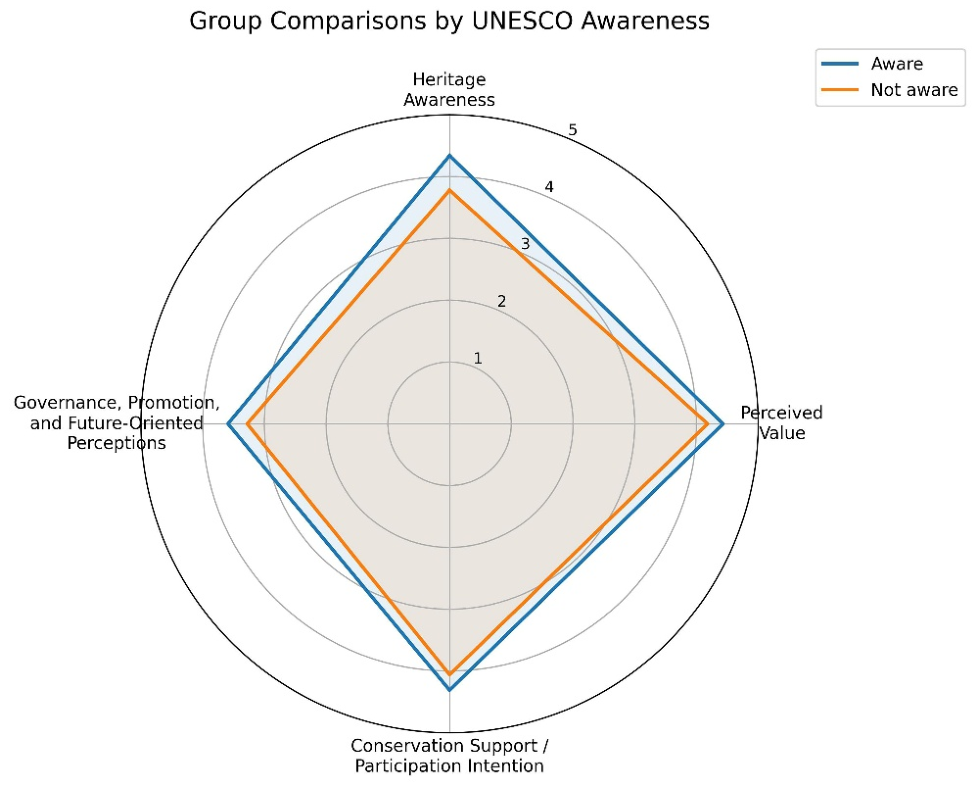
Table 12, participants who were already aware of the UNESCO Tentative List status of Gaziantep’s kastels and livas reported significantly higher scores in all four dimensions (
Figure 6). The differences were especially pronounced in Heritage Awareness (F = 63.64,
p < 0.001), but were also significant for Perceived Value (F = 18.15,
p < 0.001), Conservation Support/Participation Intention (F = 18.45,
p < 0.001), and Governance, Promotion, and Future-Oriented Perceptions (F = 28.75,
p < 0.001).
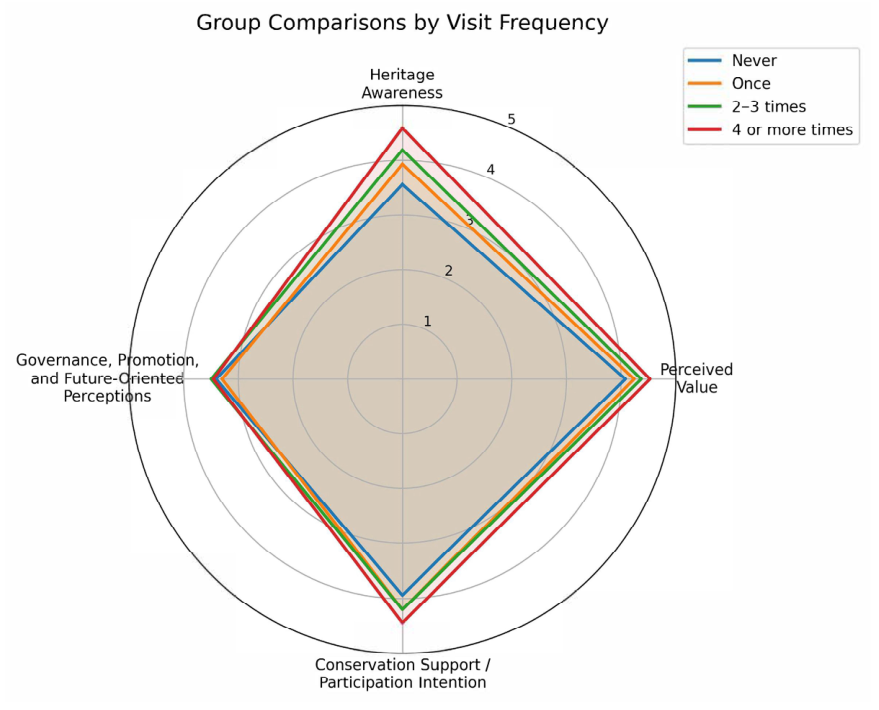
Visit frequency also produced significant differences. As presented in
Table 13, more frequent visitors reported higher scores in Heritage Awareness (F = 40.31,
p < 0.001), Perceived Value (F = 9.80,
p < 0.001), and Conservation Support/Participation Intention (F = 12.16,
p < 0.001) (
Figure 7). The highest mean scores in these three dimensions were generally observed among respondents who had visited the kastels and livas four times or more. By contrast, differences in Governance, Promotion, and Future-Oriented Perceptions according to visit frequency were not statistically significant (F = 2.05,
p = 0.106).
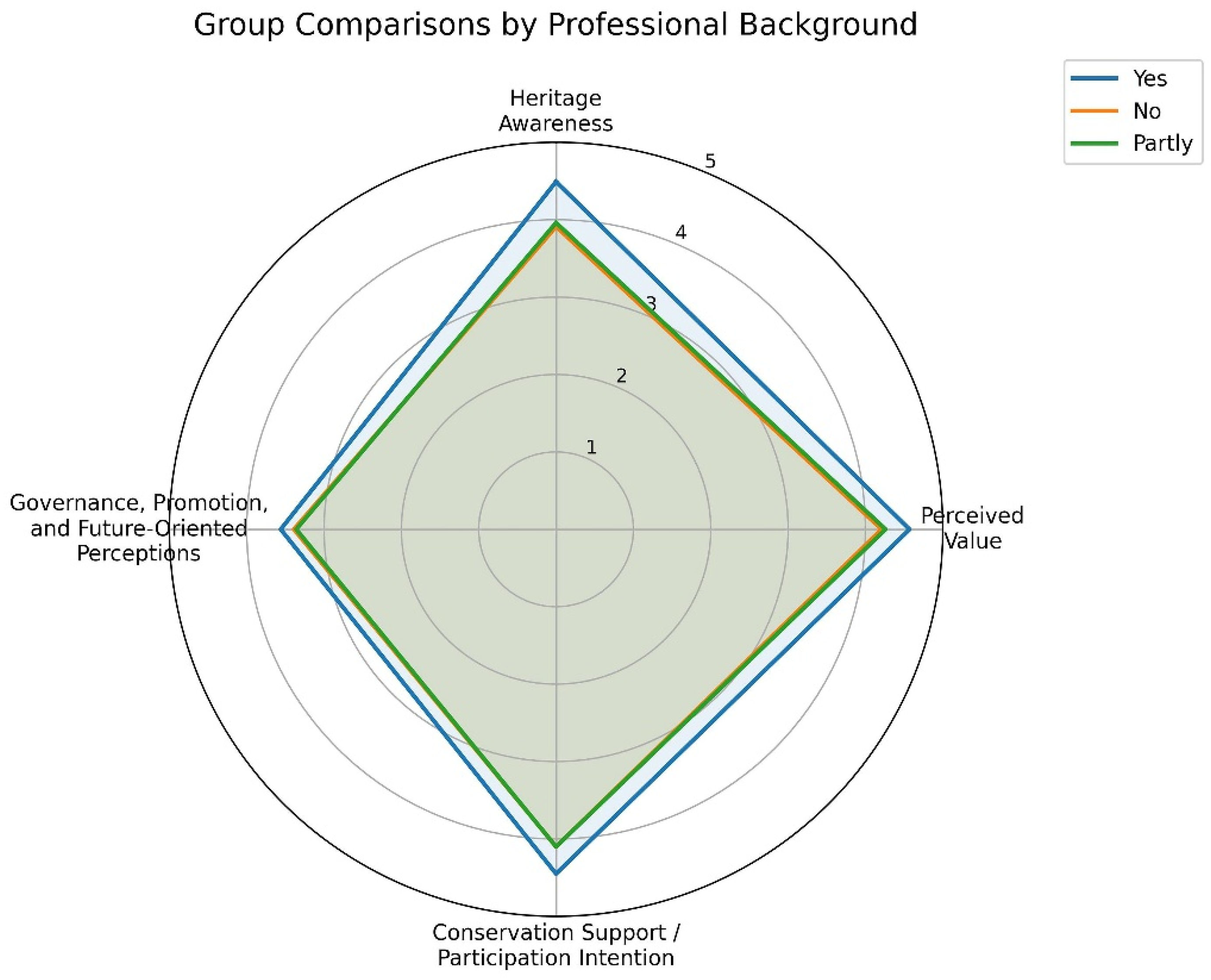
Finally, significant group differences were found according to professional background. As shown in
Table 14, participants whose profession or expertise was directly related to cultural heritage, architecture, conservation, planning, art history, archaeology, museology, or related fields scored significantly higher in Heritage Awareness (F = 21.75,
p < 0.001), Perceived Value (F = 11.87,
p < 0.001), and Conservation Support/Participation Intention (F = 11.87,
p < 0.001) (
Figure 8). However, the difference in Governance, Promotion, and Future-Oriented Perceptions was not statistically significant (F = 2.66,
p = 0.071). Overall, these findings indicate that UNESCO awareness, visit experience, and relevant professional background are associated with more favorable perceptions of Gaziantep’s underground water heritage.
4.8. Regression Results
To provide additional evidence on the relationships among the main dimensions, a multiple regression analysis was conducted with Conservation Support/Participation Intention as the dependent variable and Heritage Awareness and Perceived Value as the independent variables. As shown in
Table 15, the overall model was statistically significant, F(2, 403) = 253.70,
p < 0.001, and explained 55.7% of the variance in Conservation Support/Participation Intention (R
2 = 0.557; adjusted R
2 = 0.555). Both Heritage Awareness (B = 0.070, β = 0.088,
p = 0.030, 95% CI [0.007, 0.133]) and Perceived Value (B = 0.675, β = 0.693,
p < 0.001, 95% CI [0.597, 0.752]) were positively associated with Conservation Support/Participation Intention. However, Perceived Value emerged as the substantially stronger predictor. These findings provide additional support for the assumption that stronger heritage recognition and, especially, stronger value attribution are associated with higher levels of conservation-oriented support and participation intention.
4.9. Thematic Findings from Open-Ended Responses
The open-ended responses provided complementary insight into participants’ views on the conservation, promotion, and long-term sustainability of Gaziantep’s kastels and livas. As summarized in
Table 16, 171 valid responses were obtained for the question on priority conservation actions, 175 valid responses for the question on the most effective promotion methods, and 150 valid responses for the question on the protection and sustainability of the water-related structure of the livas system. Overall, the responses were reviewed thematically in order to identify recurrent emphases and representative concerns.
For the question on priority conservation actions (F1), participants most frequently emphasized the need for public awareness and education, together with conservation, restoration, and regular maintenance. Institutional responsibility and stronger coordination were also recurring themes. One participant, for example, stated that “people should be informed about kastels and livas, how these systems functioned, and what they contributed to urban life; awareness should be created.” Another response emphasized the physical dimension of protection more directly: “If these structures require restoration, they should be renewed in accordance with their original character and transmitted to future generations.”
For the question on promotion methods (F2), responses pointed primarily to social media and digital platforms, followed by educational activities, guided visits, and broader public communication tools. A representative response suggested that “digital promotion through social media, websites, and short videos would be effective.” Another participant highlighted experiential interpretation by noting that “students and residents should be introduced to kastels and livas through visits and on-site explanation.”
Regarding the protection and sustainability of the livas system (F3), participants mainly stressed the importance of protecting water resources, preserving the original water-related character of the system, and ensuring regular maintenance and long-term conservation. In this respect, one participant stated that “water resources should be protected, wastewater should be kept away from the original livas line, the originality of the system should be preserved, and maintenance should be carried out periodically.” Another participant similarly emphasized functional continuity by suggesting that “even if not fully active, the system should continue to operate with at least a minimum water flow.”
Overall, these qualitative responses support the quantitative findings by reinforcing the importance of awareness-building, stronger promotion, institutional responsibility, and the environmental dimension of underground water heritage. They also suggest that participants view conservation not only as a matter of physical protection, but as a combined issue of public knowledge, functional continuity, and long-term governance.
5. Discussion
5.1. Heritage Awareness and Perceived Value in Underground Water Heritage
The findings indicate that Gaziantep’s kastels and livas are perceived not merely as remnants of a historical water infrastructure, but as meaningful components of cultural heritage whose sustainability depends on public recognition and value attribution. The relatively high scores in the heritage awareness dimension, together with the even stronger scores observed in perceived value, suggest that participants largely recognize the significance of these structures even when their more specific technical or functional knowledge remains comparatively uneven. This pattern is consistent with previous studies showing that heritage awareness is not limited to factual knowledge alone, but is shaped by broader processes of recognition, interpretation, and cultural valuation [
31,
39,
40]. In this respect, the present findings support the argument that awareness develops not only through direct knowledge of a heritage asset’s original use, but also through its perceived importance within collective memory, local identity, and urban history.
The consistently high scores recorded across all items in the perceived value dimension further reinforce this interpretation. Participants strongly agreed that kastels and livas possess historical value, educational potential, intergenerational significance, and importance in relation to sustainable water culture. This finding is particularly meaningful because previous research has emphasized that heritage value is socially constructed rather than inherent, and that public support for conservation depends to a large extent on the meanings that individuals and communities attribute to heritage assets [
39,
41]. In the present study, the fact that intergenerational transmission and sustainable water culture were among the most strongly endorsed items suggests that kastels and livas are not only viewed as archaeological or historical structures, but also as cultural assets capable of carrying environmental and civic meaning into the future. This broader value framework is especially important in the case of underground water heritage, where the material system itself is closely tied to historical knowledge, resource consciousness, and urban continuity.
Beyond confirming positive relationships among awareness, perceived value, and conservation-oriented support, the Gaziantep case suggests a more specific theoretical implication for underground water heritage. Unlike many more visible heritage typologies, kastels and livas are partly hidden, infrastructural, and historically embedded in everyday water practices rather than monumental visibility alone. In such contexts, awareness may depend less on simple visual recognition and more on interpretive knowledge, local memory, and understanding of functional significance. This helps explain why perceived value emerges as a particularly strong mechanism linking recognition to conservation-oriented attitudes. Thus, the study contributes to heritage sustainability research by indicating that, in underground water heritage contexts, value formation may rely especially on making invisible or less accessible heritage socially intelligible through interpretation, communication, and public awareness.
5.2. From Perceived Value to Conservation Support and Participation Intention
One of the most important outcomes of the study is the strong positive relationship between perceived value and conservation support/participation intention. This result suggests that value attribution functions as one of the main social mechanisms through which support for heritage conservation is generated. The strongest correlation in the study was observed between these two dimensions, indicating that participants who attributed higher historical, cultural, and social value to kastels and livas were also more likely to support their conservation and to express positive attitudes toward participation-related actions. This finding closely aligns with earlier studies demonstrating that perceived value is a strong predictor of public support for heritage protection, conservation funding, and participatory engagement [
54,
55]. It also aligns with SDG 11.4, as it suggests that effective heritage safeguarding depends not only on formal protection, but also on the internalization of heritage value by local communities. This interpretation is also reinforced by the regression results. When conservation support/participation intention was modeled as the dependent variable, both heritage awareness and perceived value were positively associated with it, while perceived value emerged as the substantially stronger predictor. This suggests that awareness contributes to conservation-oriented support not only directly, but also through the social and symbolic meanings attributed to the heritage asset. In other words, recognizing kastels and livas as important heritage structures appears to matter, but the extent to which individuals perceive them as historically, culturally, and socially valuable plays a more decisive role in shaping support for conservation and participation-related intentions. This result adds further analytical support to the view that value attribution functions as a key mechanism linking heritage recognition to conservation-oriented attitudes. A similar pattern has also been noted in user-oriented evaluation studies in the built environment, where users’ perceptions, satisfaction, and value-based judgments were found to play a central role in shaping sustainability-related attitudes and evaluative outcomes [
55,
60,
61,
62]. In other words, the present results confirm that conservation-oriented behavior is not simply a product of formal recognition or institutional framing; it is also deeply rooted in how communities interpret the significance of heritage in their own social and cultural context. Studies on Persian Qanats have similarly emphasized that underground water heritage can foster conservation-oriented behavior only when local communities and visitors attribute broader cultural and social meaning to these systems, rather than viewing them solely as technical relics [
49]. More broadly, research on heritage participation has shown that community engagement depends not only on recognition, but also on opportunity structures, interpretive access, and locally meaningful value attribution [
53,
54]. In this respect, the Gaziantep case aligns with international findings suggesting that perceived value functions as a key mechanism linking heritage recognition to conservation-oriented support.
At the same time, the findings reveal a meaningful distinction between normative support for conservation and direct personal willingness to participate. Participants expressed strong support for conservation as a priority issue, for public investment, for institutional collaboration, and for protecting the structures in relation to their original functions. However, willingness to participate personally in awareness-raising activities or voluntary support processes remained somewhat lower. This pattern is significant because it reflects a gap frequently identified in the literature: positive attitudes toward heritage do not automatically translate into active participation unless communities are provided with appropriate channels, incentives, and participatory frameworks [
31,
52,
54]. In the context of Gaziantep, this suggests that the social basis for conservation is already present at the level of principle, but that more effective mechanisms are needed to convert this supportive disposition into more active and sustained forms of engagement. Thus, the issue is less one of public indifference than one of participatory opportunity and institutional mediation. This difference suggests that support for conservation may operate at two related but distinct levels. At the first level, participants may express strong normative approval for the protection of kastels and livas as valuable heritage assets. At the second level, however, participation requires more concrete forms of engagement, such as time, motivation, access to information, institutional channels, and opportunities for involvement. In this respect, the lower scores for active participation-related items do not necessarily indicate indifference; rather, they may reflect the difference between endorsing conservation as a principle and engaging in it as a practice. This interpretation is also consistent with the governance-related findings of the study, which point to relatively weaker evaluations of current promotion, information tools, and institutional collaboration.
5.3. Governance, Promotion, and the Role of UNESCO Awareness
Compared with the other three dimensions, governance, promotion, and future-oriented perceptions received the lowest mean scores, especially in relation to the adequacy of current promotion, information tools, and collaboration between public institutions and local communities. At the same time, participants strongly agreed that UNESCO inscription would contribute positively to both conservation and cultural tourism. This combination is highly revealing. It indicates that respondents clearly distinguish between the current weakness of heritage communication and governance practices and the future potential of formal recognition and stronger visibility. Previous studies have similarly shown that heritage designation, including UNESCO recognition, may strengthen local pride, symbolic legitimacy, and expectations concerning tourism and conservation; however, such outcomes do not emerge automatically without effective governance, interpretation strategies, and community-oriented planning [
44,
48,
50]. The current findings therefore imply that Gaziantep’s kastels and livas possess recognized heritage potential, but that this potential remains only partially activated under existing conditions of promotion and coordination.
The role of UNESCO awareness is especially important in this regard. Participants who were already aware of the UNESCO Tentative List status of kastels and livas scored significantly higher across all four dimensions. This suggests that UNESCO-related knowledge functions not only as a marker of information, but also as a broader indicator of interpretive engagement. Participants who are already aware of the international heritage status of these structures appear more likely to recognize their significance, attribute value to them, support conservation, and evaluate their future potential more positively. Such a pattern is compatible with earlier findings indicating that heritage interpretation and recognition frameworks shape how communities understand and respond to heritage assets [
40,
48,
52]. In the present case, UNESCO awareness appears to operate as a mediating factor between heritage visibility and conservation-oriented perception. This also strengthens the argument that better promotion and communication should be considered not as secondary additions to conservation, but as central components of sustainable heritage governance.
The governance-related findings are likewise in line with international discussions on water heritage and heritage management. Nováková (2024) emphasizes that water structures should be understood not only as historical infrastructure, but also as heritage systems requiring innovative and sustainable forms of management and interpretation [
45]. In parallel, participatory heritage management studies indicate that conservation becomes more effective when communication, institutional cooperation, and public participation are treated as integral components of governance rather than secondary support mechanisms [
53,
54]. The relatively weaker evaluations observed in the present study for promotion, information tools, and institutional collaboration therefore point to a governance gap that is also recognized in the wider international literature. In this respect, the findings are also relevant to SDG 16, particularly in terms of inclusive governance, institutional coordination, and participatory decision-making in heritage management. Unlike the first three dimensions, which correspond more directly to the awareness-value-support pathway, this dimension captures participants’ broader evaluations of the institutional and interpretive environment in which heritage conservation is situated.
A possible explanation for these relatively lower evaluations is that governance- and promotion-related perceptions depend less on participants’ personal appreciation of the heritage asset itself and more on their visible experience of institutional performance. In other words, participants may strongly value kastels and livas as heritage structures, while at the same time perceiving current promotion, information tools, and institutional coordination as insufficient in practice. This may be particularly relevant for underground water heritage, where physical invisibility, limited accessibility, and the absence of strong interpretive tools can make institutional shortcomings more noticeable. Thus, the lower scores in this dimension may reflect not a lack of public interest, but rather a perceived gap between heritage value and the current effectiveness of communication, interpretation, and governance practices.
5.4. Implications for the Sustainable Management of Gaziantep’s Kastels and Livas
Taken together, the findings suggest that the sustainability of Gaziantep’s underground water heritage cannot be reduced to the physical preservation of masonry, tunnels, or subterranean spaces alone. Instead, sustainable management depends on a broader social framework composed of heritage awareness, perceived value, conservation support, participatory potential, and interpretive capacity. This conclusion is strongly in line with participatory conservation research, which emphasizes that long-term heritage sustainability requires socially grounded management models rather than purely top-down preservation approaches [
52,
54]. In the case of Gaziantep, the high levels of value attribution and the generally strong support for conservation indicate that a substantial social basis already exists. This broader interpretation is also consistent with studies emphasizing that water culture and water structures have played a formative role in the historical development and cultural identity of Gaziantep [
63]. These findings position Gaziantep’s kastels and livas within a wider international discussion on the sustainability of water heritage. Similar to studies on qanat-related and participatory heritage contexts, the present results suggest that long-term conservation depends not only on physical protection, but also on public meaning-making, institutional coordination, and opportunities for participation [
45,
49,
54]. However, the comparatively low ratings for current promotion and collaboration also show that this social potential has not yet been translated into a sufficiently strong governance framework. Thus, future management strategies should focus not only on physical protection, but also on interpretive access, institutional coordination, and sustained community engagement.
The findings also carry an important environmental sustainability implication. Participants showed relatively strong concern regarding climate change and changes in water resources, suggesting that kastels and livas are perceived not only as historical assets, but also as vulnerable components of a water-related heritage system. This is particularly important because recent scholarship on water heritage increasingly emphasizes the need to understand such systems in relation to environmental change, climate risk, and the sustainable use of water-related cultural resources [
45,
56]. From this perspective, the sustainability of Gaziantep’s kastels and livas should be conceptualized as a combined cultural, social, and environmental challenge. Their long-term conservation requires not only architectural documentation and physical maintenance, but also stronger public interpretation, water-conscious heritage policies, and governance structures capable of linking heritage management with environmental sensitivity. In this sense, underground water heritage offers a particularly valuable lens through which sustainability can be understood as the intersection of infrastructure, memory, identity, and ecological vulnerability. This environmental dimension also connects the study to SDG 6, as kastels and livas reflect historical water knowledge while highlighting the need for water-conscious conservation under changing environmental conditions.
Overall, the study shows that Gaziantep’s kastels and livas are socially recognized as valuable heritage assets and that their conservation enjoys substantial public support. However, this support must be strengthened through more visible promotion, better information tools, and more inclusive collaboration between institutions and local communities. The results therefore suggest that socially grounded sustainable heritage management in Gaziantep should prioritize at least four interconnected areas: enhancing public awareness through interpretation and communication, reinforcing the values associated with underground water heritage, expanding participatory opportunities, and integrating environmental risk awareness into conservation policy. By doing so, kastels and livas may be sustained not only as remnants of a historic infrastructure, but as actively recognized and publicly supported components of Gaziantep’s cultural future.
6. Conclusions
This study examined the sustainability of Gaziantep’s kastels and livas as elements of underground water heritage through the dimensions of heritage awareness, perceived value, conservation support/participation intention, and governance-, promotion-, and future-oriented perceptions. The findings show that these structures are widely recognized by participants as valuable components of Gaziantep’s cultural heritage and that they are associated with strong historical, cultural, educational, and intergenerational value. The results further indicate that higher perceived value is closely linked to stronger support for conservation and participation-oriented attitudes.
At the same time, the study revealed an important contrast between the strong symbolic and social value attributed to kastels and livas and the relatively low evaluation of current promotion, information tools, and institutional collaboration. This suggests that the long-term sustainability of underground water heritage depends not only on the physical preservation of the structures themselves, but also on more effective interpretation, stronger governance mechanisms, and broader public engagement. In particular, the positive associations of UNESCO awareness, visit experience, and relevant professional background with more favorable perceptions underline the importance of visibility, knowledge, and experiential contact in shaping conservation-oriented attitudes.
Overall, the study demonstrates that the sustainability of Gaziantep’s underground water heritage should be addressed as a combined cultural, social, and environmental issue. In this respect, future strategies should prioritize public awareness, participatory conservation approaches, improved promotion and interpretation tools, and stronger collaboration among local authorities, universities, and civil society. By doing so, kastels and livas may be sustained not only as remnants of a historic water infrastructure, but also as actively recognized and socially supported heritage assets within the contemporary urban context.
Limitations and Future Research
While the study provides a useful empirical perspective on the sustainability of Gaziantep’s underground water heritage, several limitations should be considered when interpreting the findings. First, the research was based on a cross-sectional design and therefore reflects participants’ perceptions at a particular point in time. For this reason, the findings should be interpreted as indicating associations and general tendencies rather than temporal change or causal direction. Second, the study relied on self-reported data. As with survey-based heritage perception research more broadly, responses may have been influenced by social desirability, individual interpretation, or differences in prior familiarity with the subject. In addition, the psychometric evaluation of the instrument was based on exploratory factor analysis and internal consistency measures. Although these procedures supported the overall interpretability of the scale, confirmatory factor analysis was not conducted, and convergent and discriminant validity were not examined separately. Furthermore, because all measures were collected through a single self-report instrument, the possibility of common method bias should also be acknowledged. Third, although the achieved sample size was sufficient for the planned analyses, the study was conducted within the specific context of Gaziantep and the sample was not designed to represent all possible social groups proportionally. Therefore, some degree of sampling bias cannot be ruled out, and the findings should be generalized with caution beyond the local context. In addition, the survey addressed kastels and livas as a broader underground water heritage system rather than focusing on each kastel individually. This approach was appropriate for identifying general patterns of heritage awareness, perceived value, and conservation-related attitudes; however, it may have obscured site-specific differences in experience, interpretation, and perceived significance. Future research may build on this framework by conducting comparative studies in different water-heritage contexts, using more in-depth qualitative methods, and examining how site-specific experiences, governance practices, and interpretive strategies influence conservation-oriented perceptions over time. Longitudinal and mixed-method designs may also help clarify how awareness, value attribution, and participation intentions evolve under changing environmental, institutional, and cultural conditions. Future research may also explore the adaptive reuse potential of newly identified kastels within the framework of appropriate conservation principles.