1. Introduction
The rapid expansion of data centers has positioned them as one of the fastest-growing energy consumers globally. Driven by the proliferation of cloud computing, artificial intelligence, and digital services, data center electricity demand is projected to increase substantially over the coming decade [
1,
2,
3,
4]. This growth has intensified scrutiny of data center energy sourcing, reliability requirements, and long-term sustainability. Data centers operate under strict uptime constraints, typically targeting 99.98% or higher availability, and require energy supply systems that are continuous, controllable, and resilient to interruption [
5,
6,
7].
Renewable energy integration has emerged as a central strategy for decarbonizing data center operations. Solar and wind energy have received considerable attention in this context, driven by declining costs and increasing deployment at scale [
8,
9,
10,
11]. However, the intermittent and weather-dependent nature of these sources poses fundamental challenges for applications requiring uninterrupted power delivery without extensive storage or grid support [
10,
12,
13]. This limitation has increased interest in alternative renewable sources that offer greater controllability and dispatchability. The clean energy literature widely recognizes biomass energy as a dispatchable renewable resource capable of providing controllable and continuous power generation [
14]. Unlike solar and wind, biomass combustion and gasification systems can be operated on demand, making them theoretically compatible with the continuous energy requirements of data centers. However, operational availability depends on sustained feedstock supply, which is subject to logistics constraints, including seasonal harvest cycles, transport capacity, and storage limitations, that introduce uncertainty at weekly and monthly timescales.
Concurrently, smart grid technologies have transformed the landscape of energy management for large electricity consumers. Smart grids enable dynamic interaction between generation sources, storage systems, and demand-side loads through advanced monitoring, control, and optimization algorithms [
15,
16,
17]. Researchers increasingly recognize flexible loads as important components within smart grid architectures that can participate in demand response programs and provide grid balancing services through advanced demand-side management strategies [
18]. Within this context, data centers represent significant and potentially flexible loads within smart grid architectures, yet their integration with biomass specifically as a dispatchable renewable source within smart grid architectures remains underexplored relative to solar and wind integration. Among dispatchable low-carbon energy candidates, biomass occupies a distinct position. Unlike storage-supported renewables, it does not depend on real-time weather conditions. Unlike hydrogen systems, it does not require new conversion infrastructure in regions with existing biomass supply chains. Its primary constraint is feedstock logistics availability, a supply chain management challenge rather than a fundamental technological barrier, making it a viable candidate for further investigation in reliability-critical digital infrastructure applications.
The case for treating these three domains as a single integrated research problem rests on a structural dependency chain. Data centers impose sub-hourly reliability requirements that generation capacity alone cannot satisfy; the supply chain delivering that capacity must be equally reliable. Biomass generation is dispatchable at the plant level, but feedstock logistics operate at daily-to-weekly timescales, creating a fundamental temporal mismatch with data center operating requirements. This mismatch cannot be resolved within either the biomass supply or data center energy management domains in isolation. Smart grid mechanisms, including demand response, energy storage dispatch, and hybrid generation control, represent the operational layer capable of bridging supply-side logistics variability and demand-side reliability requirements. Any viable integration pathway must therefore simultaneously address feedstock logistics constraints, data center reliability thresholds, and smart grid mediation capacity. Studying any two domains without the third produces either an incomplete solution or a misleading assessment of feasibility, and this three-way dependency is the scientific basis for treating their joint examination as a distinct research problem.
Despite the theoretical alignment between biomass dispatchability, data center reliability requirements, and smart grid flexibility mechanisms, partial integration studies exist between smart grids, data centers, and renewable systems, but the literature has not systematically examined whether and under what conditions the three-way integration of all domains is feasible for reliability-critical digital infrastructure. This study addresses that gap through a comprehensive three-stream review that independently characterizes data center energy demand, biomass supply system characteristics, and smart grid integration requirements and then evaluates their cross-domain alignment. A staged analytical design is adopted that explicitly separates demand characterization from supply evaluation, ensuring that data center energy requirements emerge independently of supply-side assumptions. Four complementary analytical methods are applied: Latent Dirichlet Allocation (LDA) topic modeling, BERTopic validation, VOSviewer network analysis, and content analysis. These methods are used to identify thematic structures, validate findings, and classify the literature across 347 peer-reviewed records.
A demand–supply–grid alignment framework is introduced as the integrative contribution of this study, providing a structured diagnostic tool for evaluating compatibility between biomass supply systems, data center energy demand, and smart grid integration requirements across temporal, reliability, and control dimensions.
The remainder of this paper is organized as follows.
Section 2 describes the methodology.
Section 3 presents the results.
Section 4 introduces the alignment framework and its illustrative application.
Section 5 discusses the findings.
Section 6 concludes the study.
2. Materials and Methods
2.1. Analytical Design
This study adopted a staged analytical design that explicitly separates energy demand characterization from energy supply evaluation. The objective of this separation was to prevent demand analysis from being preconditioned toward specific energy technologies, allowing data center energy requirements to emerge independently before supply-side compatibility is assessed.
The study employed a three-stream analytical framework that independently examines data center energy demand, biomass-based energy supply systems, and smart grid integration requirements. Each stream was treated as a distinct analytical unit with its own search strategy, screening criteria, and thematic analysis. The three streams were subsequently synthesized to evaluate cross-domain alignment and identify structural gaps in the literature.
The smart grid stream served as the integrating framework, positioning biomass-powered data centers as potentially dispatchable nodes within smart grid architectures. The analytical sequence proceeded as follows: data center energy demand is characterized first, followed by biomass supply system analysis and, finally, smart grid integration requirements. Cross-stream synthesis is then conducted to evaluate alignment conditions. A demand–supply–grid alignment framework is introduced in
Section 4 as the integrative output of this sequence.
2.2. Database and Search Strategy
The authors conducted a systematic literature search across three major academic databases, Scopus, Web of Science, and ScienceDirect, to ensure comprehensive and multidisciplinary coverage of research spanning computer science, energy systems, bioenergy, and power systems engineering. The use of multiple databases reduces disciplinary bias and enhances the comprehensiveness of the resulting corpus, consistent with established practice in comprehensive literature reviews [
19,
20,
21].
The authors developed three parallel search strings, one for each analytical stream. The authors designed each string to capture the core concepts of its respective stream while remaining within the Boolean operator constraints of the selected databases. All searches were limited to peer-reviewed journal articles and review papers published in English between 2000 and 2025. The year 2000 was selected as the lower bound to capture the emergence of modern data center infrastructure while maintaining temporal relevance to the challenges faced by current energy systems.
Stream 1: Data Center Energy Demand
(“data center” OR “datacentre” OR “data centre” OR “digital infrastructure”)
AND
(“energy demand” OR “electricity consumption” OR “power consumption” OR “energy use”)
Stream 2: Biomass Energy Supply
(“biomass” OR “bioenergy” OR “biomass power”)
AND (“supply chain” OR “feedstock” OR “logistics”)
AND (“reliability” OR “availability”)
Stream 3: Smart Grid Integration
(“smart grid” OR “microgrid” OR “grid flexibility”)
AND
(“biomass” OR “bioenergy” OR “dispatchable”)
AND (“energy management” OR “demand response”)
Each search string was adapted to the syntax requirements of each database. Scopus searches used the TITLE-ABS-KEY field tag to restrict retrieval to titles, abstracts, and keywords. Web of Science searches used the TS field tag for topic-level searching. ScienceDirect searches were conducted using the Advanced Search interface restricted to title, abstract, and keyword fields to prevent full-text retrieval from inflating result counts. The searches returned a combined total of 12,093 records across all three streams and three databases as summarized in
Table 1.
2.3. Data Preparation and Removal of Duplicates
The authors exported search results from the three databases in CSV format and merged them into a single dataset for each stream. The authors identified and removed duplicate records using Digital Object Identifiers (DOIs) as the primary matching criterion and applied title-based matching where DOIs were absent, consistent with established deduplication practice in comprehensive literature reviews [
21,
22].
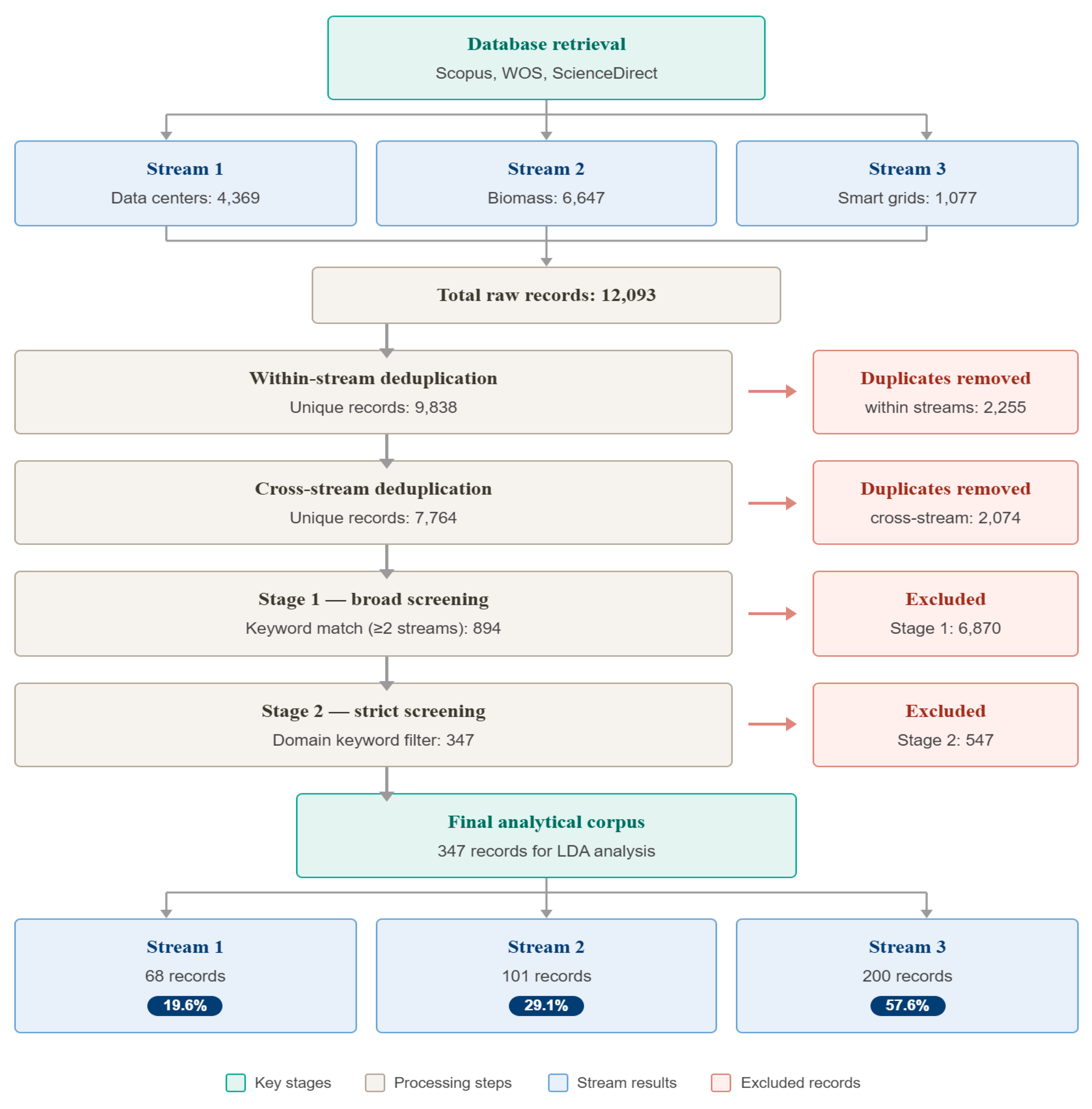
Duplicate removal proceeded in two stages. First, duplicates were removed within each stream independently across the three databases. This reduced Stream 1 from 4369 to 3098 records (1271 duplicates removed), Stream 2 from 6647 to 5761 records (886 duplicates removed), and Stream 3 from 1077 to 979 records (98 duplicates removed). Second, the three deduplicated streams were merged into a single master dataset, and cross-stream duplicates were removed, eliminating a further 2074 records. The final pre-screening corpus comprised 7764 unique records as summarized in
Table 1.
2.4. Automated Screening
The authors screened the 7764 unique records in two automated stages using Python-based keyword matching applied to title and abstract fields (
Table 2).
Stage 1—Cross-Domain Relevance Screening: The authors applied a keyword matching algorithm, requiring each record to contain terms from at least two of the three analytical streams provided in
Section 2.2. Matching was applied as case-insensitive exact substring matching on concatenated title and abstract fields with no stemming or lemmatization at the screening stage. A record was retained if its text contained at least one term from two or more streams; records matching terms from only one stream were excluded. This reduced the corpus from 7764 to 894 records, excluding 6870 records.
Stage 2—Strict Relevance Screening: The authors conducted a preliminary LDA analysis on the 894 Stage 1 records to identify the dominant thematic structure prior to final corpus refinement. This approach follows established practice in document relevance filtering by natural language processing, where topic model outputs are used as the basis for exclusion criteria rather than researcher-imposed keyword lists [
23]. The preliminary LDA analysis identified a subset of documents whose dominant terms, including crop production, soil carbon, plant growth, and agricultural yield, reflected purely agricultural or environmental science contexts with no applications of energy systems. These terms did not appear among the top keywords of any energy-relevant topic and therefore provided a data-driven basis for exclusion. The authors removed documents assigned to this off-domain thematic profile, reducing the corpus from 894 to 347 records.
This two-pass LDA design carries a potential circularity risk, whereby exclusion criteria derived from the preliminary model may predispose the final model toward the same topic structure. To assess this risk, the authors reintroduced a random 5% sample of excluded documents (17 records) into the final corpus. While this sample is small relative to the 547 records which were excluded, the validation targets topic-level stability rather than individual record classification, that is, whether reintroducing off-domain documents alters the dominant four-topic structure. Topic assignments remained stable, with no new topics emerging and no reassignment of dominant topics among the original 347 records. Further, the excluded documents were overwhelmingly assigned to the agricultural off-domain profile by the preliminary LDA model, providing content-level confirmation that the exclusion was systematic rather than arbitrary.
2.5. LDA Topic Modeling
The authors applied LDA topic modeling to the final corpus of 347 records to identify latent thematic structures across the three research streams. LDA is a probabilistic generative model that discovers hidden topics within a document collection by identifying co-occurring word patterns [
24,
25,
26]. It is widely applied in comprehensive reviews and bibliometric analyses to distill thematic content from large text corpora [
27,
28,
29].
2.5.1. Text Preprocessing
Prior to modeling, the authors combined title and abstract fields into a single text field for each record. The authors applied standard preprocessing procedures, including lowercasing, removal of punctuation and numerical tokens, elimination of English stopwords, and removal of domain-specific common terms such as
study,
method,
approach, and
result. Words fewer than four characters in length were removed. The authors lemmatized all remaining tokens to their root form using the WordNet lemmatizer version 3.0. These steps are widely adopted in text-based analysis to reduce linguistic noise and ensure thematic content drives the analysis [
30,
31,
32]. All analyses were conducted in Python version 3.11. The LDA model was implemented using Gensim version 4.3.2
2.5.2. Dictionary Construction and Corpus Representation
The authors constructed a dictionary from the preprocessed tokens. The authors removed terms appearing in fewer than two documents or more than 90% of documents to eliminate noise and overly common terms. The resulting dictionary was used to construct a bag-of-words representation of the corpus for LDA input.
2.5.3. Topic Number Optimization
The authors determined the optimal number of topics empirically by training LDA models across a range of three to ten topics and evaluating each using the coherence score metric (c_v), which measures the semantic consistency of top words within each topic [
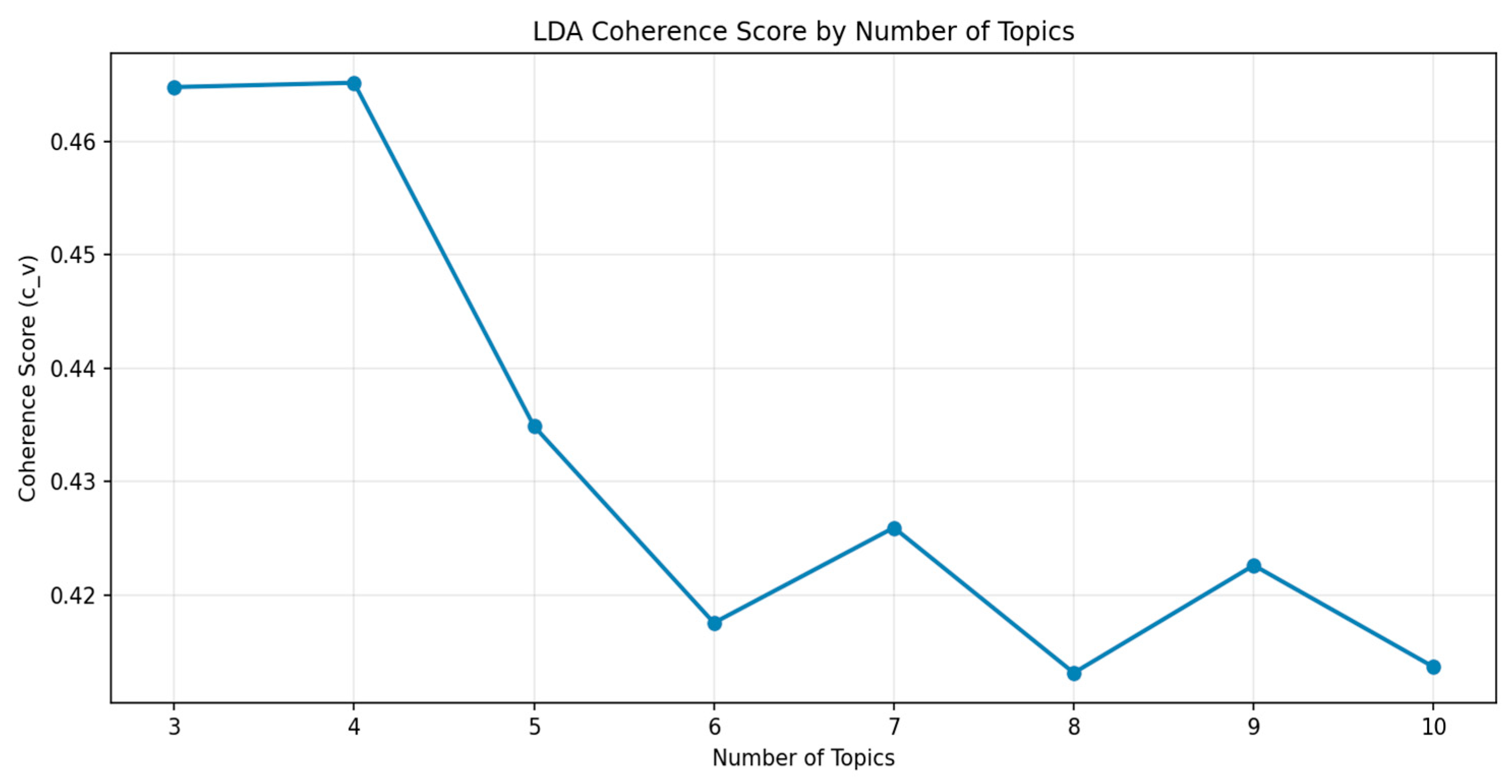
33]. Coherence scores were highest at four topics (c_v = 0.4652) and declined consistently thereafter as shown in
Figure 1. The authors therefore selected four topics used in the LDA model. While a c_v score of 0.4652 falls within the generally acceptable range of 0.4–0.6, it is modest. The convergent validation provided by BERTopic semantic clustering and VOSviewer network analysis compensates for this limitation by confirming the four-topic structure through independent analytical methods.
2.5.4. Final Model Parameters
The final LDA model was trained with the following parameters: number of topics = 4, passes = 20, iterations = 100, random state = 42, with alpha and beta set to auto for asymmetric priors. These settings follow established recommendations for when LDA is applied to academic text corpora [
34]. The authors labeled each topic through consensus interpretation of the top 12 terms and their associated weights. A sensitivity analysis examining
N = 5, 8, 10, 12, 15, and 20 terms confirmed that terms beyond position 12 introduced only semantically related concepts without altering any topic label, confirming convergence at 12 terms (
Table 3).
2.6. BERTopic Validation
To validate the LDA topic structure, the authors applied BERTopic to the same 347-record corpus as a complementary semantic analysis. BERTopic uses sentence transformer embeddings to capture contextual word meaning rather than word frequency, providing a semantically richer validation of LDA-identified themes [
35,
36,
37]. The authors generated document embeddings using the paraphrase-MiniLM-L3-v2 sentence transformer model (version 5.2.0), with term representation handled by Scikit-learn’s CountVectorizer (version 1.8.0) [
38].
The authors set the number of topics to four to match the LDA solution, enabling direct comparison. The authors assessed topic consistency between the two models by examining the overlap in top terms and thematic alignment across identified clusters.
2.7. Intercoder Reliability
The authors assessed the reliability of the thematic classification through convergence across two independent computational methods. The authors applied LDA topic modeling and BERTopic semantic analysis independently to the same 347-record corpus using different algorithmic approaches, probabilistic word co-occurrence modeling and transformer-based sentence embeddings. The consistent identification of the same two macro-level thematic clusters across both methods, biomass supply systems and data center/smart grid energy management, provides convergent evidence of classification reliability without reliance on subjective human judgment. This computational convergence approach is consistent with established validation practice in automated text classification [
39].
2.8. Keyword and Text Co-Occurrence Network Analysis
The authors conducted keyword and text co-occurrence network analyses using VOSviewer (version 1.6.20) to map bibliometric relationships across the 347-record corpus. Two complementary analyses were performed to capture both author-assigned thematic structures and naturally occurring conceptual relationships.
For the keyword co-occurrence analysis, the authors extracted author keywords and index keywords from the corpus and combined them to construct a term co-occurrence network using full counting with a minimum cluster size of two items. To minimize structural bias, the authors removed query-imposed keywords used during document retrieval prior to network construction, ensuring that co-occurrence patterns reflect organic thematic relationships rather than search string artifacts. This approach is consistent with established bibliometric practice [
40,
41,
42,
43]. A minimum keyword occurrence threshold of five was applied. A sensitivity analysis varying the threshold from three to ten confirmed stable four-cluster solutions at thresholds five and ten (
Table 4); the authors selected threshold five to maximize network density while maintaining analytical stability.
For the text co-occurrence analysis, the authors combined titles and abstracts as input to capture natural language terms reflecting finer-grained conceptual relationships beyond author-assigned keywords. The same query-imposed term removal procedure was applied. A minimum term occurrence threshold of ten was applied. A sensitivity analysis varying the threshold from three to fifteen confirmed threshold ten as the uniquely stable solution, producing a four-cluster structure consistent with the LDA topic solution (
Table 4). Lower thresholds fragmented the network into sixteen clusters, while higher thresholds collapsed meaningful terms. The keyword co-occurrence analysis used full counting with a minimum cluster size of two items. The text co-occurrence analysis used the same counting method with binary counting disabled. The resulting networks were examined to assess the structural positioning of biomass-related research relative to data center and smart grid energy research, with particular attention to cluster separation, bridge concepts, and connectivity patterns between research communities.
2.9. Content Analysis and Cross-Document Classification
The authors conducted a structured content analysis to systematically classify the 347 screened records into thematic categories derived from the LDA topic model. This stage moved beyond computational topic assignment to provide explicit, human-verified classification of each article, consistent with established content analysis procedures in comprehensive literature reviews [
29,
44].
The authors developed a standardized classification scheme comprising four thematic categories that correspond directly to the four LDA topics: smart grid energy management and demand response; data center energy demand and power management; biomass resource availability and supply economics; and biomass supply chain modeling and logistics. The authors operationalized each category through explicit inclusion criteria specifying the thematic focus, key concepts, and domain characteristics required for assignment, following recommended practices for transparent and reproducible content classification [
45,
46,
47].
The authors assigned each record to the single most appropriate category based on review of its title and abstract. Where the dominant topic assignment from LDA was ambiguous, the authors applied the inclusion criteria to determine the final classification. This procedure ensured that classifications reflected substantive thematic content rather than algorithmic assignment alone. Representative articles for each category ranked by citation count are presented in
Section 3.7.
3. Results
3.1. Corpus Overview
The systematic search and screening procedure yielded a final analytical corpus of 347 records from an initial retrieval of 12,093. The complete screening workflow is presented in
Figure 2. Stream 1 contributed 68 records, Stream 2 contributed 101 records, and Stream 3 contributed 200 records, with Stream 3 representing the largest share at 57.6% of the final corpus.
3.2. LDA Topic Modeling Results
LDA topic modeling applied to the 347-record corpus identified four distinct topics as the optimal solution based on coherence score analysis (c_v = 0.4652 at four topics).
Table 5 presents the four topics, their labels, document counts, and percentage share.
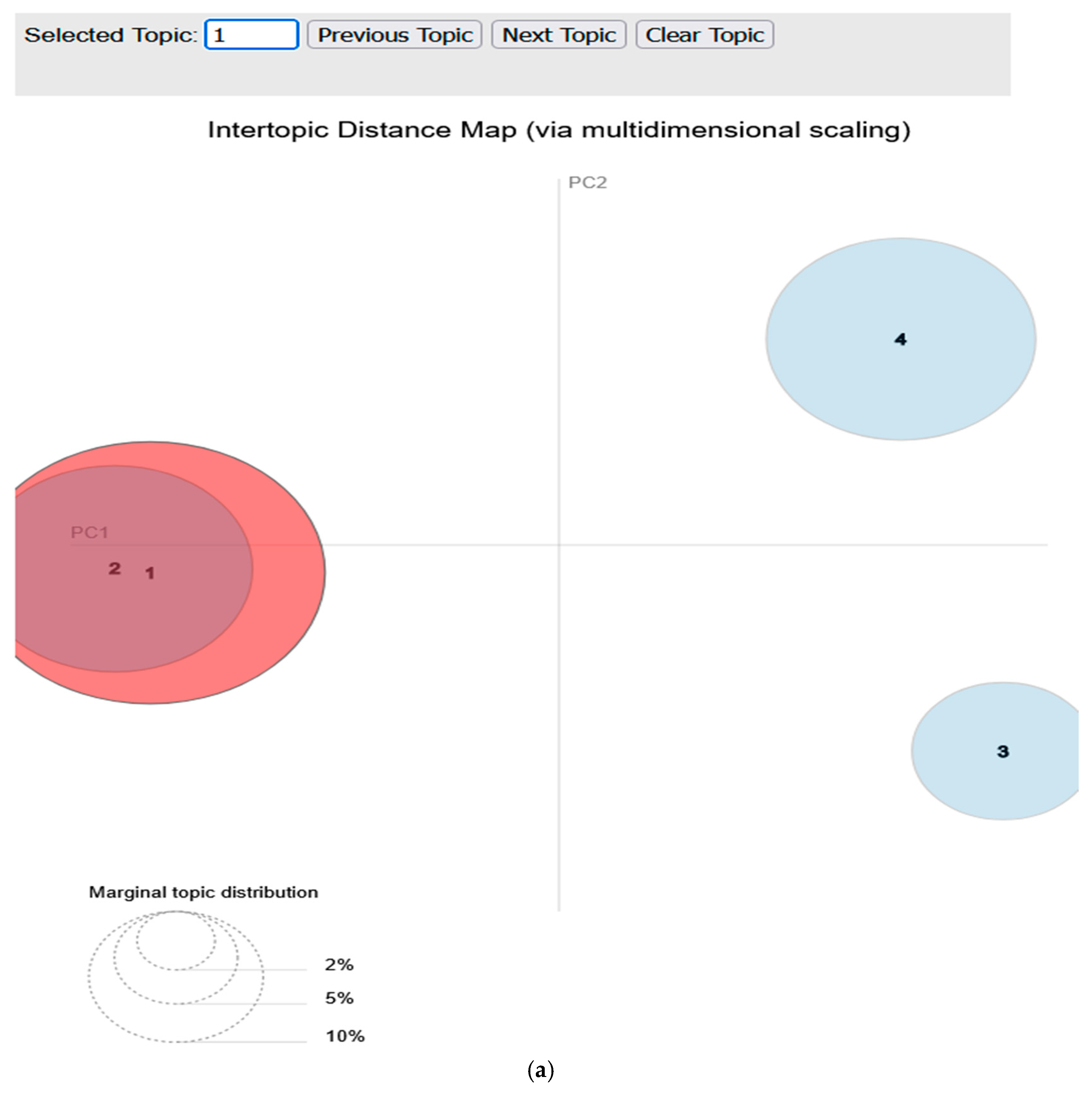
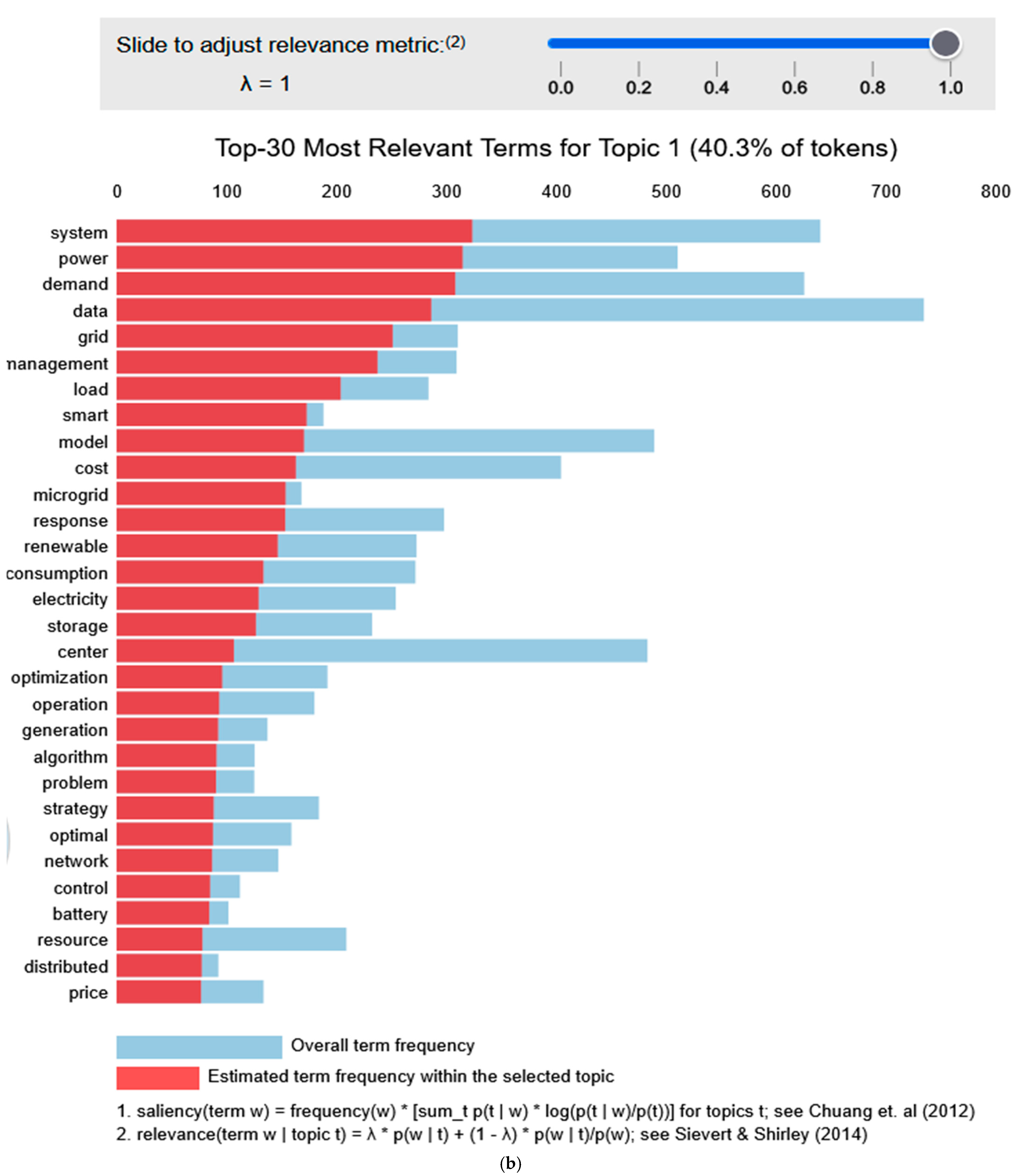
Figure 3a,b presents the pyLDAvis visualization of the four-topic model. The well-separated topic bubbles confirmed low inter-topic overlap and high thematic distinctiveness across the identified clusters.
Figure 3a shows the inter-topic distance map, where Topics 3 and 4 (biomass) are clearly separated from Topics 1 and 2 (data center and smart grid) on the PC1 axis, with circle size reflecting marginal topic prevalence. The overlap between Topics 1 and 2 reflects shared energy management vocabulary rather than thematic equivalence.
Figure 3b shows the top-30 most relevant terms per topic at λ = 1, with system, power, demand, and grid dominating Topic 1, and data, center, and consumption anchoring Topic 2, consistent with the spatial separation in
Figure 3a.
Topic 1 was the largest cluster, comprising 151 documents (43.5%), and the authors characterized it by terms including system, power, demand, grid, management, load, smart, microgrid, and response. This topic captured research at the intersection of smart grid infrastructure and demand-side energy management and reflected the dominant analytical frame in the combined corpus.
Topic 2 comprised 86 documents (24.8%) and was dominated by the terms data, center, demand, power, electricity, storage, and consumption. The strong co-occurrence of data and center as the two highest-weighted terms confirmed this topic as the data center energy demand cluster, corresponding directly to Stream 1 of the analytical framework.
Topic 3 was the smallest cluster at 37 documents (10.7%), characterized by terms including biomass, cost, potential, resource, bioenergy, pellet, emission, and availability. This topic reflects research on biomass resource assessment, feedstock economics, and environmental performance, with a focus on upstream supply-side constraints.
Topic 4 comprised 73 documents (21.0%) and was characterized by terms including biomass, supply, chain, model, feedstock, bioenergy, production, and availability. The explicit presence of chain and feedstock alongside model distinguishes this topic from Topic 3 by its emphasis on supply chain structure and operational logistics rather than resource economics.
Notably, no topic simultaneously captured data center reliability requirements, biomass supply dynamics, and smart grid integration. This structural absence confirms a cross-domain gap in the literature and directly supports the central argument of this study.
3.3. BERTopic Validation Results
BERTopic identified two macro-level semantic clusters from the 347-record corpus with zero outliers, confirming full document coverage.
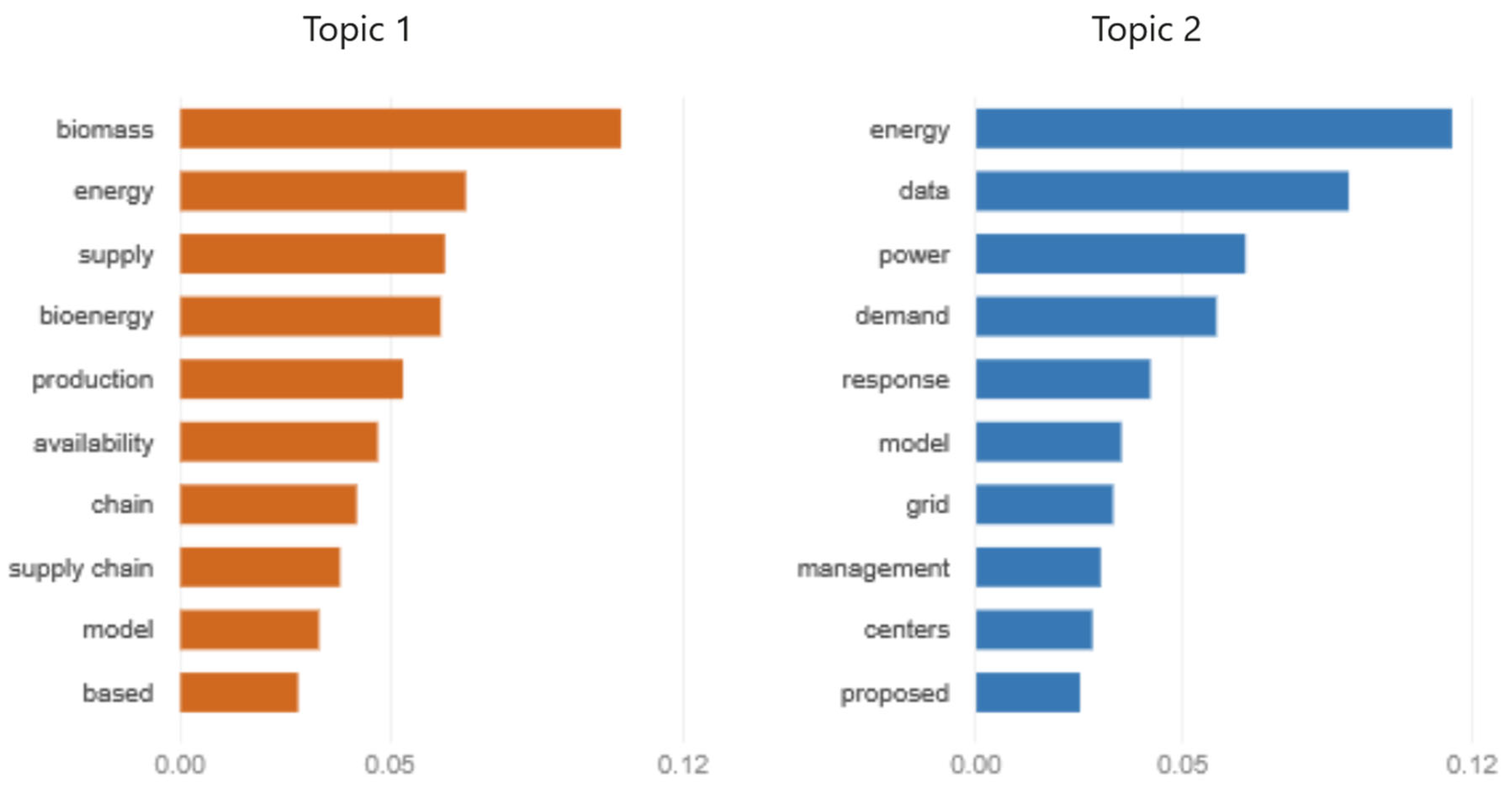
Figure 4 presents the BERTopic bar chart showing top terms per topic. Topic 1 comprised 101 documents (29.1%) and was characterized by terms including
biomass,
energy,
supply,
bioenergy,
production,
availability,
chain, and
supply chain. This cluster corresponds semantically to LDA Topics 3 and 4, both of which addressed biomass supply systems from resource and logistics perspectives respectively. Topic 2 comprised 246 documents (70.9%) and was dominated by terms including
energy,
data,
power,
demand,
response,
grid,
management, and
centers. This cluster corresponds to LDA Topics 1 and 2, capturing smart grid energy management and data center power demand themes respectively.
The BERTopic results confirmed the LDA topic structure at the macro level. The two models converged on the same fundamental division: biomass supply systems on one side and data center and smart grid energy management on the other. Critically, neither model produced a topic that bridged all three domains, thereby independently confirming the structural absence identified through LDA.
Table 6 summarizes the correspondence between LDA and BERTopic topics.
3.4. Keyword Co-Occurrence Network Analysis
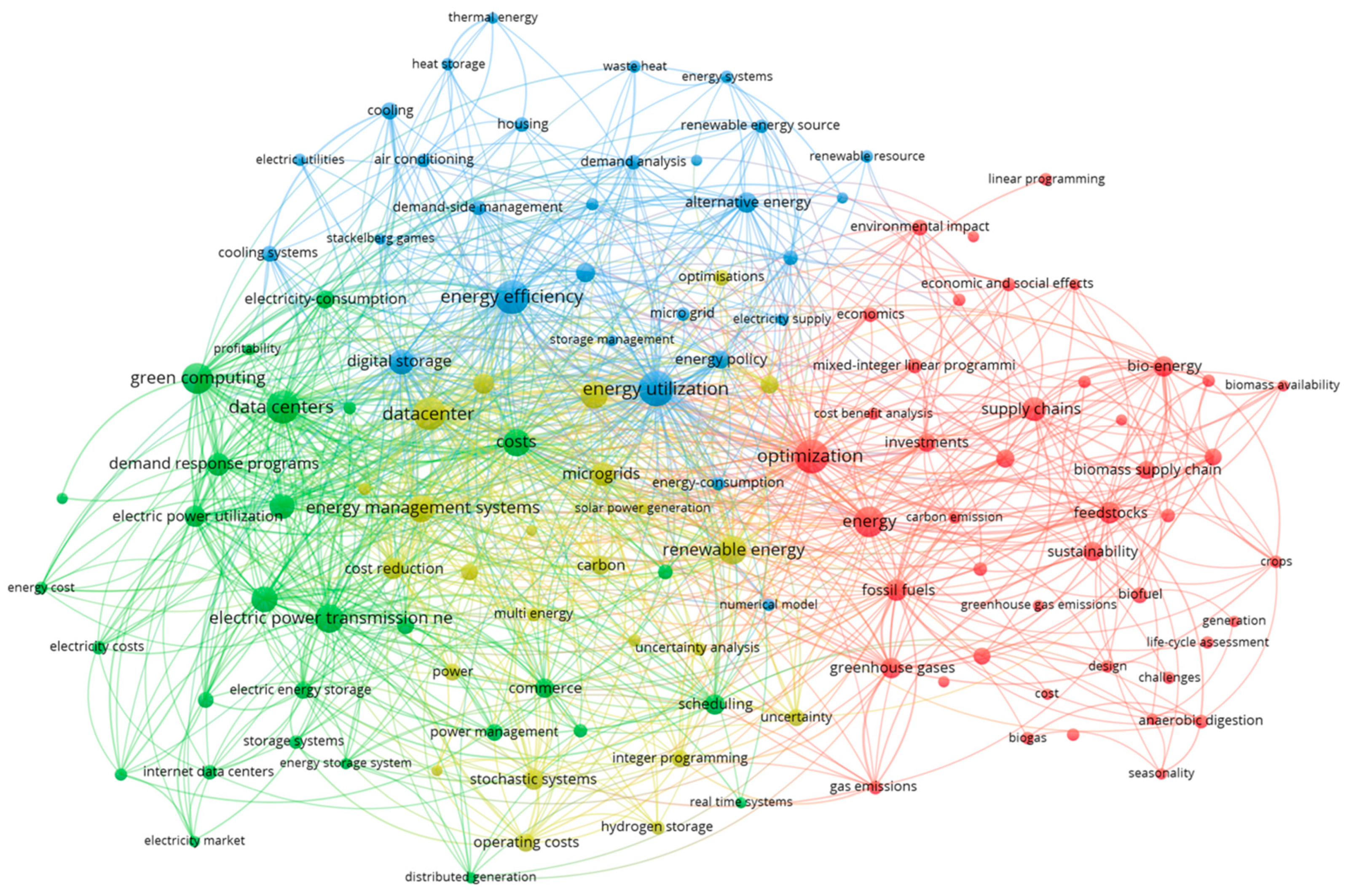
Figure 5 presents the keyword co-occurrence network generated from the 347-record corpus using VOSviewer. The network revealed four distinct clusters that represented the primary research communities within the combined corpus.
Cluster 1 captured energy-efficiency and smart-building themes (blue), centered on terms such as thermal energy, heat storage, cooling, demand-side management, and district heating. This cluster reflects building-level and grid-level energy optimization research with strong connections to infrastructure efficiency. Cluster 2 captured green computing and data center themes (green), anchored by terms including green computing, data centers, energy management systems, electricity costs, power markets, and demand response programs. This cluster directly corresponds to LDA Topic 2 and confirms the data center energy demand stream as a coherent and well-connected research community.
Cluster 3 captured renewable energy and multi-energy system themes (yellow), built around terms including renewable energy, microgrids, solar power generation, hydrogen storage, and scheduling. This cluster corresponds to LDA Topic 1 and reflects the smart grid and energy optimization literature. Cluster 4 captured biomass, supply chain, and sustainability themes (red), centered on terms including biofuel, feedstocks, anaerobic digestion, life-cycle assessment, greenhouse gas emissions, and carbon. This cluster corresponds to LDA Topics 3 and 4 and confirms the biomass supply system stream as a distinct and internally coherent research community.
Critically, the network reveals a structural separation between Cluster 4 (biomass) and Cluster 2 (data centers), with no bridging cluster connecting biomass supply themes to data center operational requirements. Bridge concepts such as carbon, costs, and energy appear at cluster intersections but connect primarily to environmental and economic dimensions rather than to operational reliability or smart grid integration. This network-level separation provides bibliometric corroboration of the thematic findings.
3.5. Text Co-Occurrence Network Analysis
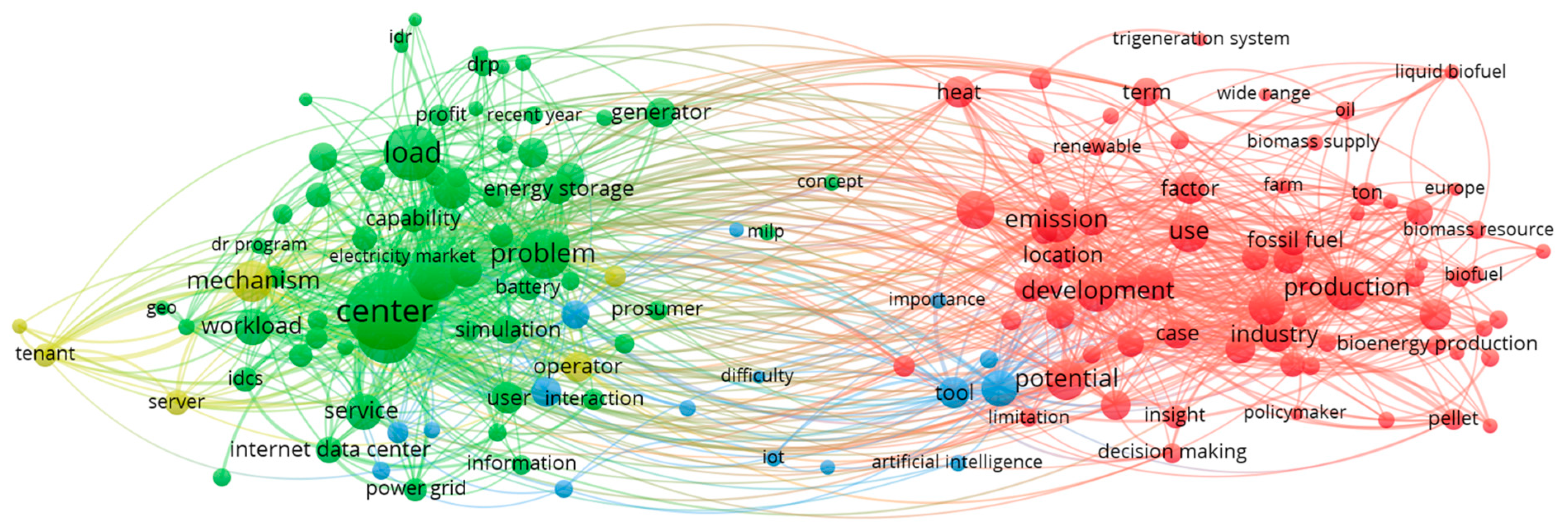
Figure 6 presents the text co-occurrence network derived from titles and abstracts of the 347-record corpus. Unlike the keyword co-occurrence map, this analysis captured natural language terms reflecting finer-grained conceptual relationships across the literature. The network revealed four clusters. Cluster 1 (green) was the dominant cluster, centered on terms including
algorithm,
center,
problem,
workload,
load,
demand response, and
energy storage systems. This cluster reflected computational and operational research focused on intelligent energy management in data centers and smart grids, corresponding to LDA Topics 1 and 2. Cluster 2 (yellow) represented cloud and internet data center infrastructure research, anchored by terms including
workload,
datacenter,
server,
tenant, and
IDC. This satellite cluster was closely linked to Cluster 1 but more specifically oriented toward IT infrastructure management rather than energy systems optimization.
Cluster 3 (blue) was a smaller but structurally significant cluster centered on integrated energy system, power grid, IoT, artificial intelligence, and scalability. This cluster functioned as a partial bridge between the computational and biomass research communities, suggesting emerging cross-disciplinary work at the intersection of digital infrastructure and industrial energy systems. However, the bridging connections remained weak, indicating that this integration is nascent rather than established. Cluster 4 (red) was the second dominant cluster, centered on terms including production, industry, development, emission, and review, branching into biomass supply chains, bioenergy production, biorefineries, and geographic references to Europe. This cluster corresponded to LDA Topics 3 and 4 and confirmed the biomass and industrial decarbonization literature as a structurally distinct research community.
Together, the two co-occurrence networks corroborate the LDA and BERTopic findings at the bibliometric level, while Cluster 3 suggests nascent bridging activity that does not yet reach data center operational requirements. These convergent results establish the analytical foundation for the alignment framework introduced in
Section 4.
3.6. Content Analysis and Cross-Document Classification
The 347 screened records were classified into four thematic categories corresponding to the LDA topic structure.
Table 7,
Table 8,
Table 9 and
Table 10 list the 10 most-cited articles per topic.
3.7. Cross-Stream Synthesis
This section presents a descriptive synthesis of what the four analytical methods found. The convergent findings across LDA topic modeling, BERTopic validation, VOSviewer network analysis, and content analysis collectively establish a coherent and multi-layered picture of the structural relationships between data center energy demand, biomass supply systems, and smart grid integration in the literature as summarized in
Table 11.
3.7.1. Finding 1: Three Research Streams Operated as Distinct Communities
All four analytical methods confirmed that data center energy demand, biomass supply systems, and smart grid integration constitute distinct and internally coherent research communities with limited cross-domain integration. LDA identified four topics mapped across three streams with no cross-domain topic. BERTopic confirmed two macro-level clusters with zero outliers. VOSviewer keyword and text networks revealed four clusters with clear structural separation between biomass and data center themes. Content analysis confirmed at the article level that no individual study simultaneously addressed all three research streams.
3.7.2. Finding 2: Smart Grid and Data Center Research Were More Closely Aligned than Biomass and Data Center Research
LDA Topics 1 and 2 and BERTopic Topic 2 both captured data center and smart grid themes within the same broad cluster, suggesting that smart grid and data center energy research shared significant conceptual overlap. VOSviewer Cluster 2 similarly grouped green computing and data center terms alongside grid management concepts. Content analysis confirmed this alignment—representative articles in Topics 1 and 2 frequently addressed both data center operations and smart grid demand response within the same study. In contrast, biomass research consistently clustered separately from both data center and smart grid themes across all four methods, indicating that biomass integration with data centers remains analytically peripheral.
3.7.3. Finding 3: Biomass Occupies a Peripheral Position Across All Analytical Layers
Biomass-related themes consistently appeared in smaller and more peripheral clusters across all four analytical methods. LDA Topics 3 and 4 together accounted for only 31.7% of the corpus. BERTopic Topic 1 captured 29.1% of documents. VOSviewer Cluster 4 showed weaker connectivity to the dominant data center and smart grid clusters. Content analysis further confirmed this peripherality. The 110 articles classified under Topics 3 and 4 focused on bioenergy, agricultural, and supply chain literature with minimal engagement with data center or smart grid operational requirements.
3.7.4. Finding 4: Biomass Research Splits into Two Distinct Sub-Themes
LDA identified two distinct biomass topics: resource availability and supply economics (Topic 3) and supply chain modeling and logistics (Topic 4). VOSviewer Cluster 4 similarly branched into resource assessment and logistics sub-themes. Content analysis confirmed this distinction at the article level. Topic 3 articles focused on feedstock economics, environmental performance, and resource potential, while Topic 4 articles addressed operational supply chain structure, routing optimization, and logistics planning. These two sub-themes represented different analytical traditions and policy orientations within the biomass research community. BERTopic consolidated both into a single macro-cluster, consistent with their shared biomass focus at the semantic level.
3.7.5. Finding 5: A Partial Bridge Exists but Remains Incomplete
The VOSviewer text co-occurrence network identified Cluster 3, centered on integrated energy systems, IoT, and artificial intelligence, as a partial bridge between computational data center research and biomass industrial energy research. However, content analysis found no individual article that explicitly connected biomass supply dynamics with data center operational reliability requirements. This confirms that the bridging activity identified through bibliometric analysis has not yet translated into integrated modeling frameworks at the study level.
3.7.6. Finding 6: No Cross-Domain Integration Exists Across Any Analytical Method
Critically, none of the four analytical methods produced a topic, cluster, or individual article that simultaneously captured all three domains: data center reliability requirements, biomass supply dynamics, and smart grid integration. While partial two-way integration studies exist across these domains, their three-way convergence has not appeared in the reviewed literature. This structural absence across four independent analytical methods, LDA, BERTopic, VOSviewer, and content analysis, provides strong, convergent evidence of a cross-domain gap in the literature. This gap represents the primary motivation for the demand–supply–grid alignment framework introduced next.
4. Demand–Supply–Grid Alignment Framework
4.1. Theoretical Grounding and Design Principles
The demand–supply–grid alignment framework introduced in this section is a conceptual diagnostic tool grounded in the bibliometric findings of
Section 3. Its conditions and illustrative simulation are intended to structure future empirical and engineering research rather than to substitute for it. The framework is grounded in contingency theory, which posits that system effectiveness depends on alignment between system characteristics and contextual requirements rather than on any universally optimal configuration [
88]. Each alignment condition maps directly onto contingency logic: temporal responsiveness represents the fit between supply response speed and demand continuity requirements; reliability consistency represents the fit between supply availability and uptime standards; and grid-mediated buffering capacity represents the fit between grid integration mechanisms and residual misalignment after supply-side constraints are accounted for. Applied here, the feasibility of biomass integration depends not on conversion efficiency alone but on alignment across demand, supply, and grid dimensions. Systems theory further informs the trilateral structure, treating the three domains as interdependent subsystems requiring holistic evaluation [
89]. The feedback loops shown in
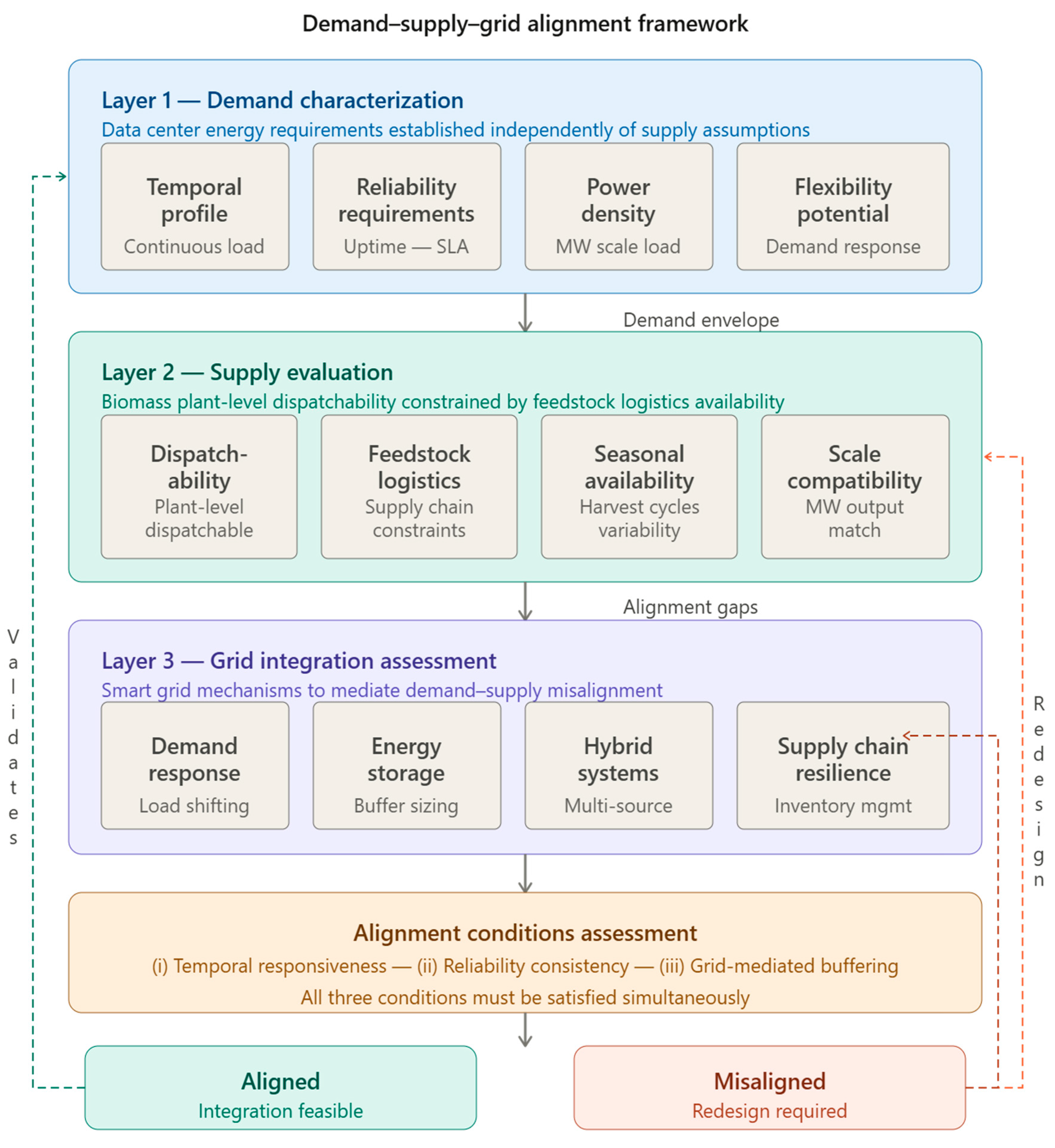
Figure 7 operationalize the system’s property of iterative adaptation. A misaligned outcome triggers redesign of either the supply layer or the grid layer until all three alignment conditions are satisfied, at which point convergence is achieved.
The framework is built around three core principles. First, the authors characterize demand requirements independently of supply assumptions before evaluating alignment. Second, alignment is assessed simultaneously across temporal, reliability, and control dimensions. Third, the framework serves as a diagnostic tool that identifies misalignments prior to optimization rather than assuming compatibility.
4.2. Framework Structure
The framework comprises three analytical layers corresponding to the three research streams.
Figure 7 presents the structure with feedback loops.
Layer 1—Demand Characterization: Data center energy requirements are established independently, capturing temporal profile, reliability requirements, power density, and flexibility potential. Reliability in this study is defined across both demand and supply dimensions. On the demand side data center reliability follows the Uptime Institute Tier Classification, where Tier III targets 99.982% availability and Tier IV targets 99.995% availability [
90]. On the supply side biomass reliability is characterized by the availability factor and capacity factor, with reported biomass plant capacity factors among the highest of all renewable power plants due to their relatively constant energy inputs [
91]. The alignment challenge concerns the gap between sub-hourly data center reliability requirements and daily to weekly biomass feedstock logistics constraints.
Layer 2—Biomass power plants are evaluated as plant-level dispatchable resources whose operational availability is constrained by upstream feedstock logistics. Key evaluation dimensions include feedstock supply chain reliability, seasonal harvest cycle variability, inventory management capacity, and scale compatibility with data center demand.
Layer 3—Grid Integration Assessment: Smart grid mechanisms—demand response, energy storage, hybrid systems, and real-time control—are evaluated as mediating instruments to bridge demand–supply gaps.
Three alignment conditions must be satisfied simultaneously:
- i.
Temporal responsiveness—supply controllability sufficient to match real-time demand
- ii.
Reliability consistency—supply availability consistent with uptime requirements
- iii.
Grid-mediated buffering capacity—storage and hybrid systems sized to cover observed deficits
Failure to satisfy all three conditions results in structural incompatibility. A misaligned outcome triggers iterative redesign of supply or grid layers as shown in
Figure 7.
4.3. Illustrative Application
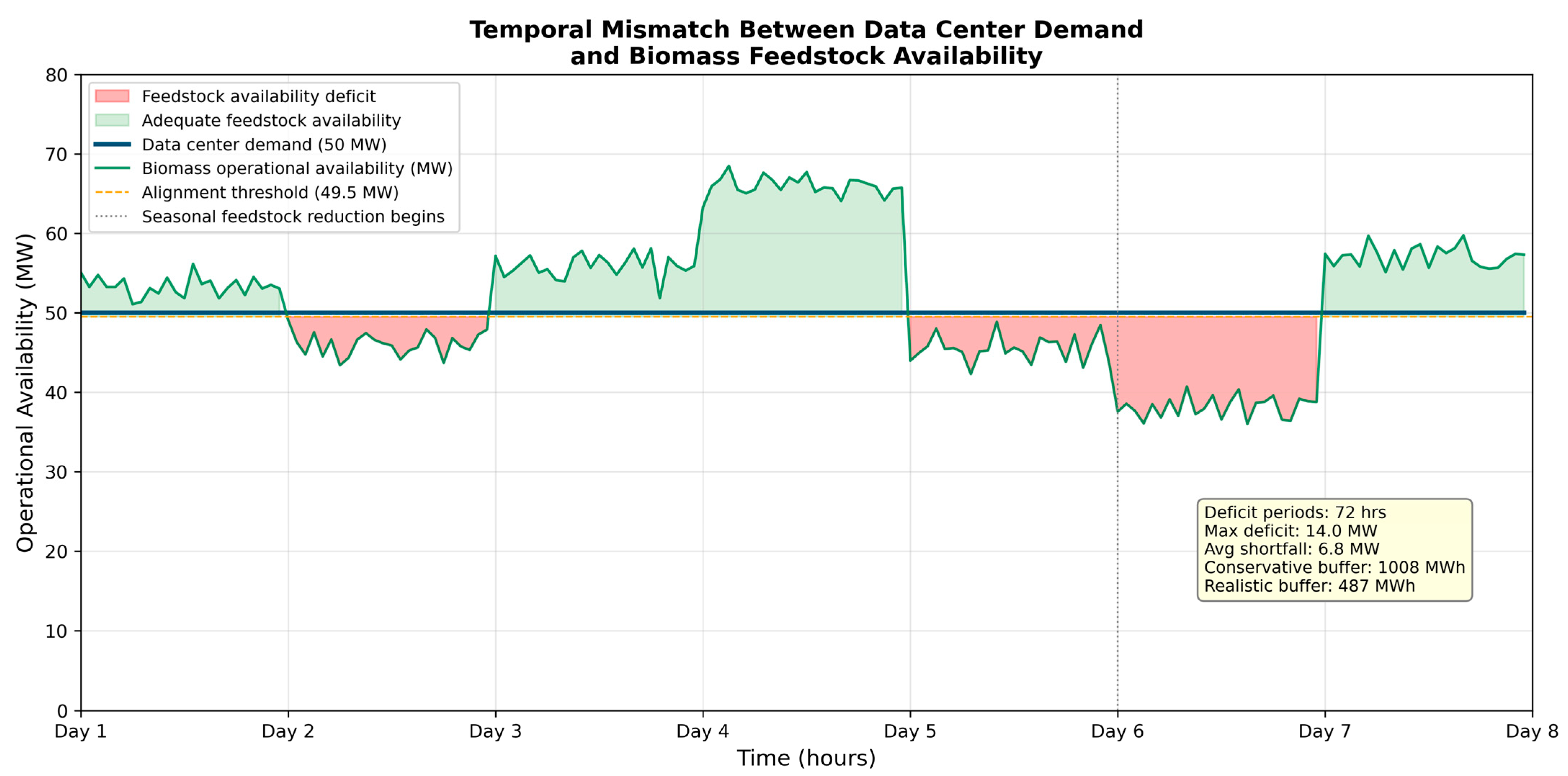
To illustrate the diagnostic capability of the alignment framework under a nominal operating scenario, a structured simulation was conducted using a 50 MW mid-scale data center operating under Tier III reliability requirements over a 168 h period. The simulation is intended as an illustrative example of structural misalignment under representative assumptions rather than a rigorous empirical analysis. Quantitative outputs should be interpreted as indicative of alignment conditions rather than precise operational estimates.
The simulation boundary encompasses a single 50 MW data center facility supplied by a dedicated biomass plant of equivalent rated capacity, without grid backup in the baseline scenario. Key assumptions include constant IT load reflecting Tier III reliability requirements, no energy storage, and feedstock logistics variability as the sole source of supply uncertainty. The simulation spans 168 h with supply variability modeled at daily intervals consistent with feedstock logistics timescales and alignment evaluated at hourly resolution. The 50 MW load reflects reported power consumption ranges for large-scale colocation and enterprise data center facilities [
4,
59] and is used here for illustrative purposes rather than as a claim of universal representativeness.
Biomass operational availability was modeled based on reported capacity utilization characteristics of biomass baseload plants, with a mean availability of 48 MW representing a 96% capacity utilization rate consistent with reported long-time average capacity factors for biomass power plants [
91]. The authors applied a standard deviation of 12 MW at daily intervals to represent feedstock logistics variability, including procurement delays, transport disruptions, and storage challenges arising from the geographic dispersion of biomass sources [
92,
93]. To assess sensitivity to this assumption, the simulation was also evaluated at standard deviations of 8 MW and 16 MW, representing lower and upper bounds of reported feedstock logistics variability. Deficit hours ranged from 73 h (43.5%) at 8 MW to 93 h (55.4%) at 16 MW, compared to 72 h (42.9%) at the baseline 12 MW, confirming that the structural misalignment finding is robust across the plausible parameter range. The authors applied a 15% seasonal reduction during the final 48 h to reflect documented winter feedstock availability constraints, where spring and winter availability are significantly lower than summer and fall periods [
94].
While the selected parameter values do not represent a specific operating facility, they are grounded in ranges commonly reported in the biomass energy and data center literature. The 50 MW facility size reflects the lower end of utility-scale data center deployments, while the assumed biomass plant utilization and seasonal availability parameters are consistent with operational performance characteristics reported for commercial biomass generation systems. Consequently, the simulation should be interpreted as a representative test case for evaluating structural alignment challenges rather than as a site-specific operational forecast.
The following results reflect a single nominal scenario and should be interpreted as illustrative of structural misalignment conditions rather than definitive operational estimates. Results showed that biomass availability fell below the 49.5 MW alignment threshold for 72 h, representing 42.9% of operating hours. The maximum deficit recorded was 14.0 MW, with an average shortfall of 6.8 MW, as illustrated in
Figure 8. Minimum storage requirements ranged from 487 MWh under realistic assumptions, reflecting average feedstock performance with partial self-correction, to 1008 MWh under conservative assumptions, which account for clustered deficit events and delayed logistics recovery. The near doubling of storage demand between scenarios underscores the system’s sensitivity to feedstock variability clustering. Against the three alignment conditions, temporal responsiveness was constrained by daily feedstock logistics variability, confirming that supply chain resilience rather than generation-level control is the primary integration challenge Reliability consistency was unachievable, as 57.1% feedstock availability falls far short of the 99.98% uptime requirement. Collectively these results confirm that grid-mediated buffering at the required scale renders hybrid configurations incorporating multiple storage technologies necessary rather than optional for viable biomass grid integration.
To translate the identified deficit patterns into actionable system-design implications,
Table 12 maps each deficit type to the smart-grid mechanisms available at the corresponding temporal scale. The results indicate that smart-grid interventions can mitigate short-duration fluctuations but become progressively less effective as deficits shift from operational variability toward feedstock supply constraints. Consequently, long-term alignment requires complementary supply-chain and storage strategies in addition to grid-side controls.
4.4. Comparative Positioning
Existing approaches to data center energy systems fall broadly into three categories: techno-economic optimization, microgrid modeling, and supply chain planning frameworks, each focusing primarily on cost efficiency and energy balance under assumed source dispatchability [
95,
96]. Smart grid integration models similarly treat generation sources as dispatchable without explicitly modeling upstream feedstock logistics constraints [
97].
The demand–supply–grid alignment framework complements these approaches by providing a diagnostic layer that identifies structural misalignment conditions prior to system optimization. Its unique contribution relative to existing approaches is threefold. First, it explicitly separates demand characterization from supply evaluation, preventing demand requirements from being preconditioned toward available supply technologies. Second it incorporates feedstock logistics constraints as a first-class design variable rather than assuming plant-level dispatchability translates directly to operational availability. Third it operates as a diagnostic tool before optimization, enabling more realistic problem framing for reliability-critical applications where supply chain constraints are fundamental rather than exceptional.
The framework’s three-layer structure maps directly onto quantitative optimization workflows. Layer 1 provides constraint parameters, Layer 2 provides decision variables and uncertainty distributions, and Layer 3 defines the solution space for storage sizing and hybrid system configuration. The framework is compatible with MILP, stochastic optimization, and multi-objective approaches, and future work should operationalize it within these workflows to move from diagnostic assessment toward prescriptive system design.
5. Discussion
The findings in this section are organized across three levels: results directly supported by the bibliometric evidence; thematic patterns derived from topic modeling and network analysis; and propositions that require future empirical or engineering work before operational conclusions can be drawn.
5.1. Interpreting the Structural Gap Between Biomass and Data Center Research
Building on the descriptive synthesis in
Section 3.7, this section interprets the findings in the context of existing literature and identifies their implications for research and practice. The convergent findings across four analytical methods confirm that the limited integration of biomass into data center energy research reflects a structural gap rather than a technological limitation. Data center studies prioritize continuous service, rapid response, and real-time control, whereas biomass research is rooted in planning paradigms that manage uncertainty through buffering and long-horizon aggregation. This divergence in analytical traditions explains biomass’s peripheral position despite its theoretical potential for dispatchability.
An important distinction must be drawn between biomass variability and generation-level intermittency. Biomass plants are dispatchable on demand, given adequate fuel supply. The alignment challenge concerns upstream feedstock logistics constraints rather than real-time output volatility. This reframes the integration challenge from a generation intermittency problem to a supply chain resilience problem, with direct implications for system design and investment strategy.
This gap is consistent with broader observations in the energy systems literature that demand-side and supply-side analyses of renewable integration often proceed independently [
98,
99,
100,
101]. However, it is particularly consequential here given the stringent reliability requirements of data center operations. As established in
Section 3.7.6, this gap is trilateral in nature spanning biomass supply systems, data center operational requirements, and smart grid management frameworks rather than a simple bilateral mismatch between two streams.
5.2. Smart Grid as a Potential Integration Pathway
Smart grid frameworks represent the most promising pathway for biomass integration into data center energy systems. Energy management systems for microgrids with renewable sources rely heavily on optimization algorithms and storage mechanisms to manage supply variability [
95,
96]. Recent advances in biomass energy management, including adaptive control systems, predictive maintenance, and integrated monitoring, have improved operational reliability at the plant level [
102]. However, none of these frameworks explicitly models feedstock logistics constraints as a design variable for reliability-critical loads. Content analysis confirmed that no identified study within the reviewed corpus explicitly modeled biomass supply variability within a smart grid-connected data center framework, representing a clear direction for future research.
A key implication of smart grid integration is the need for modeling frameworks that coordinate decisions across fundamentally different operational timescales.
Table 13 illustrates how each domain operates at a distinct temporal horizon and what modeling approach each requires. No existing framework simultaneously spans all five rows, representing the primary structural barrier to viable integration.
5.3. Implications of the Two Biomass Sub-Themes
Two distinct biomass sub-themes were consistently identified across LDA, VOSviewer, and content analysis. Resource availability studies addressed feedstock economics and regional potential relevant to long-term investment decisions. Supply chain modeling studies addressed logistics, routing, and inventory management relevant to operational reliability.
For data center integration the supply chain sub-theme is more directly relevant. Data centers require reliability guarantees at hourly or sub-hourly timescales, demanding supply chain models that explicitly represent logistics constraints, feedstock variability, and seasonal availability. This requirement is particularly consequential given the distinction between plant-level dispatchability and feedstock logistics constraints. Biomass plants can generate on demand but only if sustained fuel availability is ensured through robust supply chain management. The current supply chain literature does not address these operational timescales, representing a specific and addressable research gap.
5.4. The Role of Energy Storage in Bridging Supply and Demand
Energy storage emerges through the reviewed literature as the most frequently proposed mechanism for bridging biomass supply variability and data center reliability requirements. Thermal storage, battery systems, and hydrogen storage appear in Topic 1 and Topic 4 articles as partial solutions to the temporal mismatch between intermittent supply and continuous demand. However, the literature rarely quantifies storage requirements explicitly in terms of deficit magnitude and duration under data center operational constraints. This gap motivated the illustrative simulation in
Section 4, which characterized deficit frequency, magnitude, and duration under representative operating conditions and derived minimum buffer capacity requirements as a practical input to storage sizing and investment decisions.
5.5. Broader Implications for Decarbonizing Digital Infrastructure
Biomass represents an underexplored yet potentially viable pathway to support data center decarbonization, provided that the operational and temporal mismatches identified in this review are explicitly addressed through system design and planning. The demand–supply–grid alignment framework developed in this study contributes to a more realistic assessment of the feasibility of biomass integration by separating demand characterization from feedstock evaluation and incorporating a smart-grid as a coordinating layer. Beyond operational reliability, however, the findings reveal broader implications for environmental performance, circular resource utilization, and the feasibility of long-term deployment.
From a lifecycle assessment perspective, the environmental benefits of biomass-powered data centers depend heavily on feedstock sourcing, transportation distances, and land-use considerations. The carbon intensity of biomass energy systems varies substantially across feedstock types and geographic contexts [
74], suggesting that claims of net-zero or carbon-neutral operation should be supported by site-specific lifecycle analyses rather than assumed universally. For data centers seeking verifiable decarbonization outcomes, emissions associated with feedstock procurement, transportation, processing, and conversion must be evaluated alongside operational emissions to determine actual carbon reduction potential.
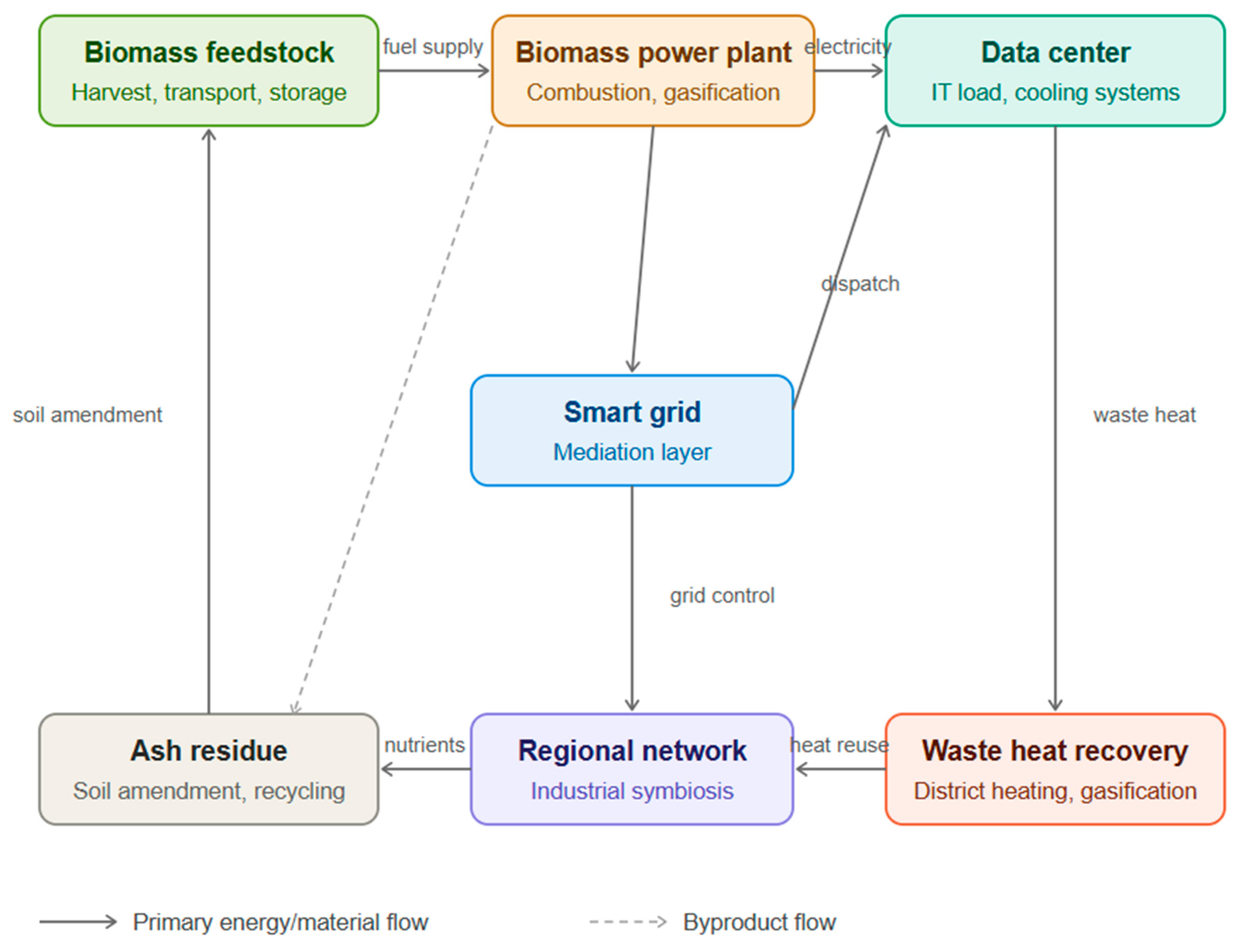
The literature further highlights opportunities to integrate biomass systems into broader circular economy frameworks. Waste heat generated from data center cooling systems represents a potentially valuable energy stream that can support biomass drying, gasification, or district heating applications [
14]. Similarly, biomass conversion residues such as biochar may create additional value through agricultural soil amendment and carbon sequestration pathways. These synergies suggest that biomass-integrated data centers may achieve greater resource efficiency when designed as components of regional industrial symbiosis networks rather than as isolated energy systems. Such configurations can improve overall system efficiency while creating additional environmental and economic benefits beyond electricity generation alone (
Figure 9).
Despite these opportunities, several barriers continue to constrain large-scale deployment. Transportation economics remain a major challenge because feedstock delivery costs increase disproportionately with distance from biomass sources, reducing the competitiveness of biomass energy in regions with dispersed feedstock availability [
84]. Geographic limitations further restrict deployment potential, as biomass resources are influenced by regional forest inventories, agricultural production patterns, climatic conditions, and competing land-use demands [
79]. In addition, variability in lifecycle emissions introduces uncertainty into investment decisions [
74], while policy and regulatory frameworks for biomass-based renewable energy remain inconsistent across jurisdictions [
72]. These factors collectively create challenges for long-term planning and may weaken the economic attractiveness of biomass relative to alternative dispatchable low-carbon energy sources, including geothermal energy and emerging green hydrogen systems [
81].
The findings also identify several promising directions for future research. Hybrid renewable microgrid architectures that combine biomass with solar, wind, battery storage, and smart-grid-enabled-demand-response mechanisms may offer more resilient and economically viable solutions than biomass-only configurations [
49]. Advances in artificial intelligence and digital energy management systems, including reinforcement learning-based dispatch control, predictive analytics, and adaptive forecasting, could further improve the coordination of feedstock availability, generation scheduling, and data center energy demand [
95]. Additionally, resilient distributed energy systems specifically designed for critical digital infrastructure warrant further investigation, particularly in regions where reliability concerns and challenges in renewable energy integration are most pronounced [
10]. Collectively, these research directions suggest that biomass may play a valuable role within diversified low-carbon energy portfolios for digital infrastructure, even if it is unlikely to serve as a standalone solution in most deployment contexts. Consequently, the future role of biomass in digital infrastructure is likely to depend less on its ability to replace conventional energy sources entirely and more on its integration within hybrid, flexible, and regionally optimized energy systems.
5.6. Limitations
Several limitations of this study should be acknowledged. First, the corpus of 347 records may not capture all emerging trends, given the rapidly evolving nature of data center energy research and smart grid development. Second, the LDA topic model, while well supported by coherence score analysis and validated through BERTopic and VOSviewer, represents a probabilistic assignment of topics that may not fully capture the complexity of individual studies. Third, the illustrative simulation represents a single nominal case and should be interpreted as indicative of structural misalignment rather than as a precise operational estimate. A more rigorous probabilistic analysis characterizing distributional ranges and scenario variability is identified as a direction for future work. Fourth, the corpus is restricted to peer-reviewed English-language publications, which may introduce geographic and linguistic bias, particularly given that significant biomass energy development is occurring in non-English-speaking regions such as Scandinavia, Central Europe, and Southeast Asia. Fifth, the search was conducted in April 2025 and may not capture studies published after that date, given the rapidly evolving nature of data center energy research and smart grid development.
5.7. Future Research Directions
Addressing the alignment challenge identified in this study requires multi-timescale modeling frameworks that coordinate hourly dispatch decisions with weekly feedstock procurement schedules and seasonal availability planning. Short-term control mechanisms such as model predictive control offer promising pathways for anticipating feedstock availability constraints over a rolling planning horizon and adjusting dispatch schedules to reduce supply deficits [
103]. Digital twin technologies present an additional pathway, enabling real-time monitoring of both biomass supply chain dynamics and data center energy systems to anticipate and mitigate supply disruptions [
102]. The integration of these approaches within smart grid energy management frameworks represents a critical direction for future research. Beyond system-control innovations, future work should also strengthen the analytical foundations of the alignment framework through more comprehensive modeling of uncertainty and environmental assessment.
Additionally, the illustrative simulation presented in
Section 4.3 warrants extension through full Monte Carlo probabilistic analysis, characterizing distributional ranges of deficit frequency, magnitude, and duration across a wider parameter space to provide more robust inputs for storage capacity and investment decisions under uncertainty. Lifecycle assessment frameworks should also be applied to evaluate the full environmental performance of biomass-integrated data center systems, particularly with respect to land use, feedstock sourcing emissions, and end-of-life considerations relevant to the goals of a circular economy. Finally, techno-economic analysis comparing biomass integration against alternative low-carbon dispatchable sources, including green hydrogen and geothermal, would strengthen the practical relevance of the alignment framework for investment and policy decisions.
6. Conclusions
This study examined the structural relationships between biomass power generation, data center energy management, and smart grid integration through a three-stream comprehensive review of 347 peer-reviewed sources. Four analytical methods, LDA topic modeling, BERTopic validation, VOSviewer network analysis, and content analysis, consistently confirmed that these three research communities operate as distinct domains with limited cross-domain integration. No topic, cluster, or individual article simultaneously addressed data center reliability requirements, biomass supply dynamics, and smart grid integration, confirming a structural gap driven by misaligned operational assumptions rather than technological infeasibility.
A demand–supply–grid alignment framework was introduced to illustrate the potential for compatibility across temporal resolution, reliability requirements, and grid management dimensions. An illustrative nominal simulation demonstrated structural misalignment between biomass feedstock availability and data center reliability requirements, confirming that grid-mediated buffering is a necessary condition for viable integration.
Three directions are identified for future research. First, integrated multi-timescale models are needed that explicitly connect biomass supply chain dynamics with data center reliability constraints within smart grid frameworks. Second, storage sizing and hybrid energy system design must be informed by quantitative deficit analysis rather than general dispatchability assumptions. Third, the smart grid layer represents the most viable integration pathway through demand response programs, energy storage, and real-time control algorithms.
The proposed framework provides a foundation for future empirical validation and positions biomass integration as a demand–supply–grid alignment problem rather than a purely technological challenge, offering a new analytical perspective for evaluating renewable energy integration in reliability-critical digital infrastructure.