


Compound Microbial Strains and Humic Acid Improve Physicochemical Properties of Salinized Soil and Physiological Characteristics of Oil Sunflower: An Experimental Investigation


Abstract
1. Introduction
2. Materials and Methods
2.1. Overview of the Test Area
2.2. Test Materials
- CMS is a yellowish-brown liquid, and a bacterial preparation independently developed by the research group led by Professor Xinhui Zhang at Ningxia Medical University, China. It is formulated from Bacillus subtilis and Bacillus cereus in a 1:1 ratio (i.e., a preparation composed of these two bacterial species). Bacillus subtilis strain CGMCC No. 16879 was previously isolated, purified, and identified from licorice root by the research group; Bacillus cereus was prepared in the laboratory by the same group. Bacteria were cultured on Nutrient Agar at 30 °C. The total viable count of fermentation broth was 108–109 CFU/mL. The inoculant was produced via strain activation and submerged liquid fermentation followed by sterile mixing. Liquid inoculants were stored at 4 °C, and solid preparations were preserved at room temperature in cool and dry conditions with a shelf life over 6 months. The survival rate in soil reached 60–85% within 7 days, and the strains maintained long-term colonization relying on endospores. Species identification was verified by 16S rRNA gene sequencing. Both are Gram-positive spore-forming bacilli with stable phenotypic traits. The strains exhibit prominent capacities of phosphate solubilization, ACC deaminase activity and EPS synthesis, acting as typical plant-growth-promoting rhizobacteria (PGPR). The used Bacillus cereus is a non-pathogenic rhizosphere strain without hemolytic activity or pathogenicity, which is safe for field application.
- HA is a black-brown granular product manufactured by Shenzhen Dugao Bio-New Technology Co., Ltd., Shenzhen, China. As a soil amendment, it contains humic acid (HA) ≥ 65%, fulvic acid (FA) ≥ 30% and potassium oxide (K2O) ≥ 12%, with a pH value ranging from 9 to 11.3.
2.3. Experimental Design
2.4. Measurements and Methods
- Soil physical and chemical properties
- 2.
- Measurement of the dry bulk density and water content in the soil
- 3.
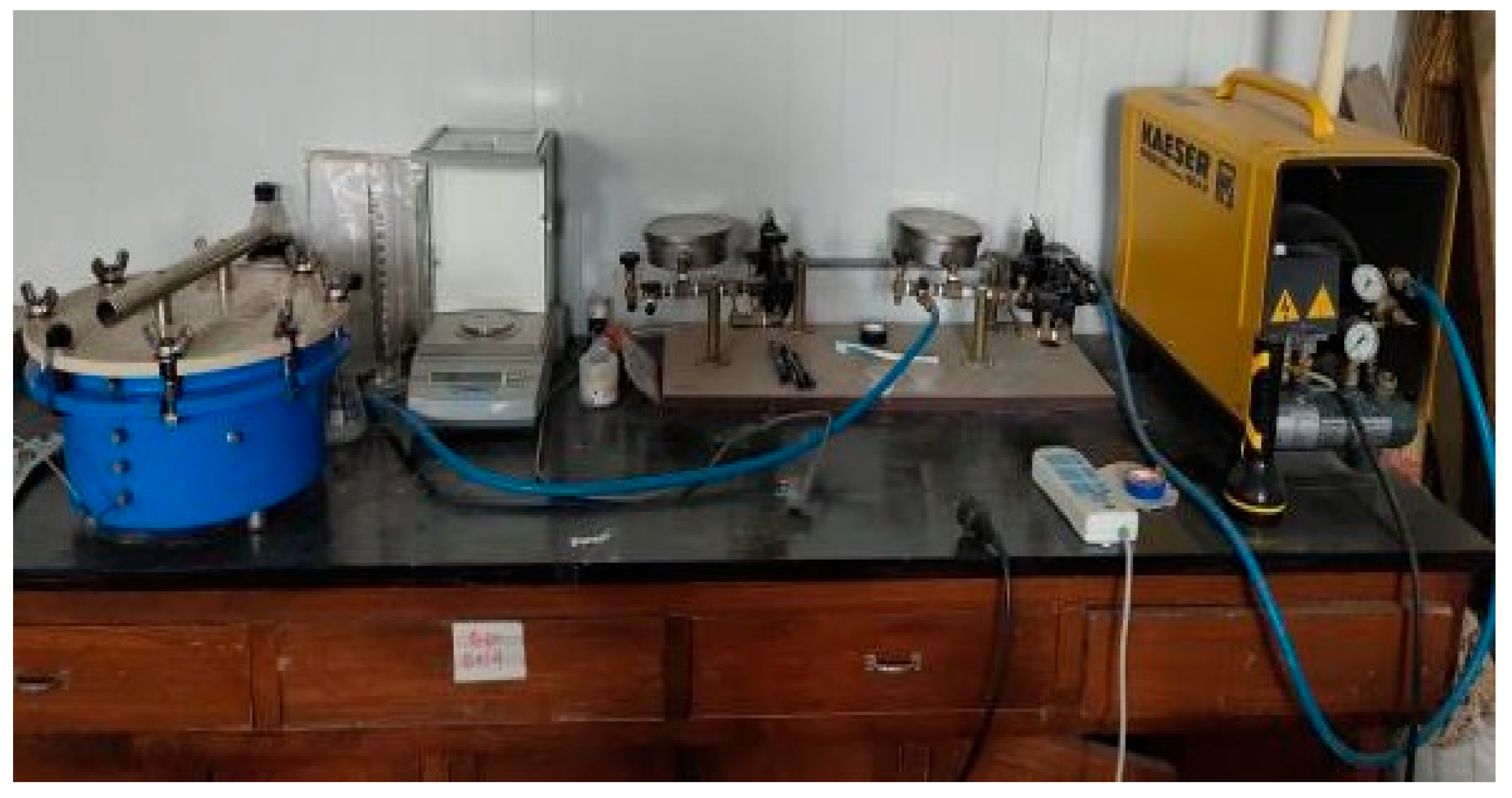
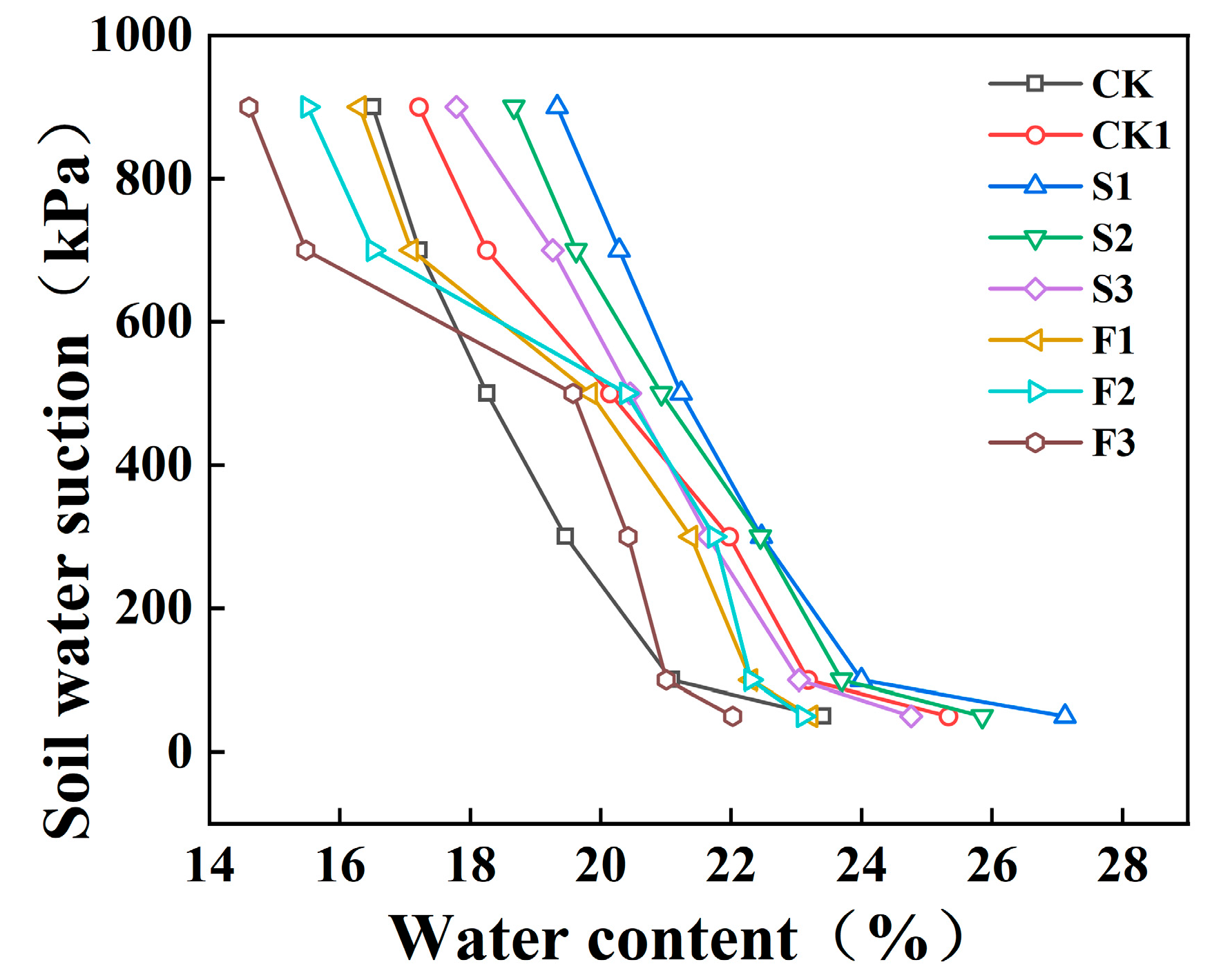
- Soil moisture characteristic curves
- 4.
- Salinity and nutrient measurement
- 5.
- Chlorophyll, proline, and MDA measurement
- (a)
- Chlorophyll: Fresh leaf samples were thoroughly ground in the dark using 80% acetone and centrifuged at 9000× g for 10 min at 4 °C. Absorbance readings at 645 nm and 663 nm in the collected supernatant were used to estimate total chlorophyll content.
- (b)
- MDA: Measured spectrophotometrically using the thiobarbituric acid (TBA) assay, with absorbance readings at 450 nm, 532 nm, and 600 nm using a UV spectrophotometer, which was manufactured by Shanghai Mapada Instruments Co., Ltd., Shanghai, China.
- (c)
- Proline: Determined using the acidic ninhydrin colorimetric method. Absorbance was measured at wavelengths of 520 nm and 625 nm using the UV spectrophotometer with pure proline as the standard.
- 6.
- Indicators to evaluate oil sunflower
- (a)
- Overground fresh weight
- (b)
- Plant height
- (c)
- Stem thickness
- (d)
- Leaf parameters
2.5. Data Processing
3. Experimental Results
3.1. Soil Moisture Characteristic Curves
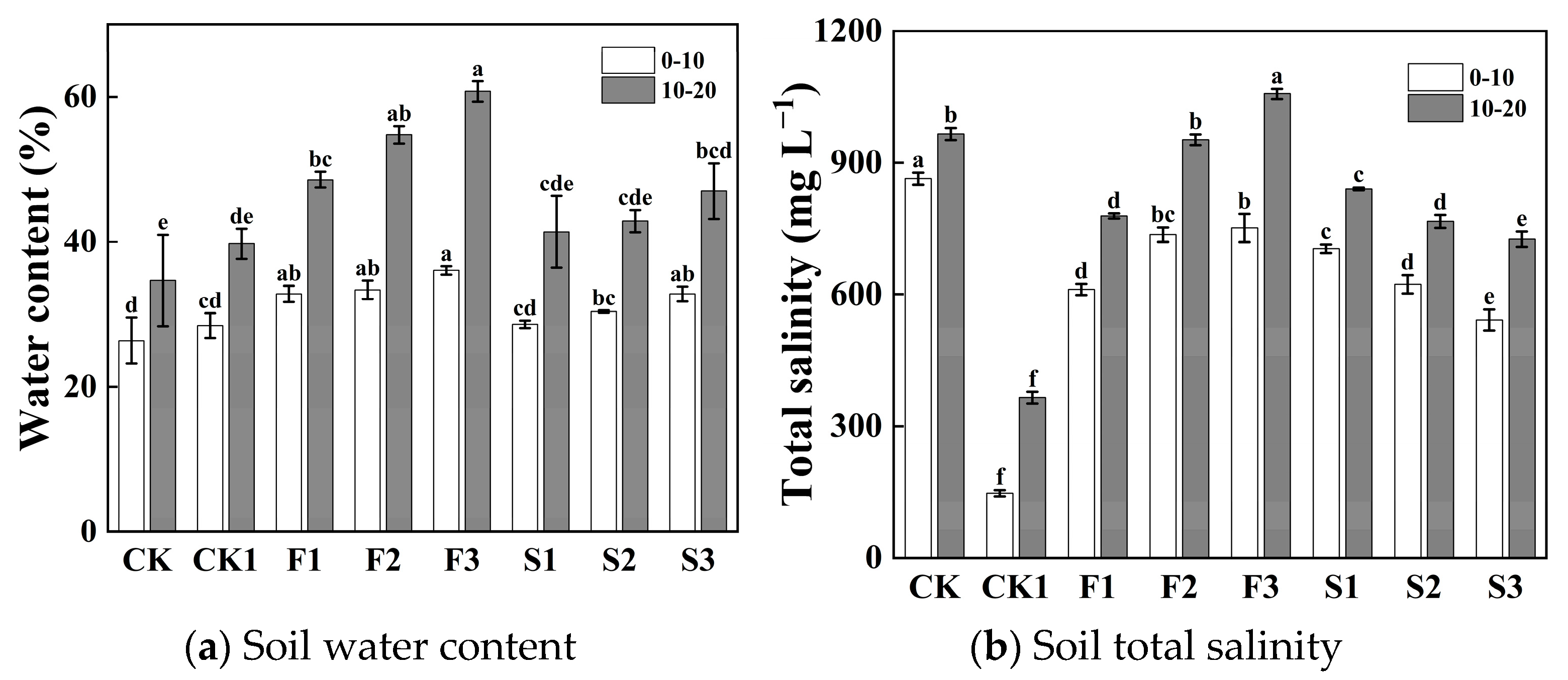
3.2. Soil Water Content and Salinity
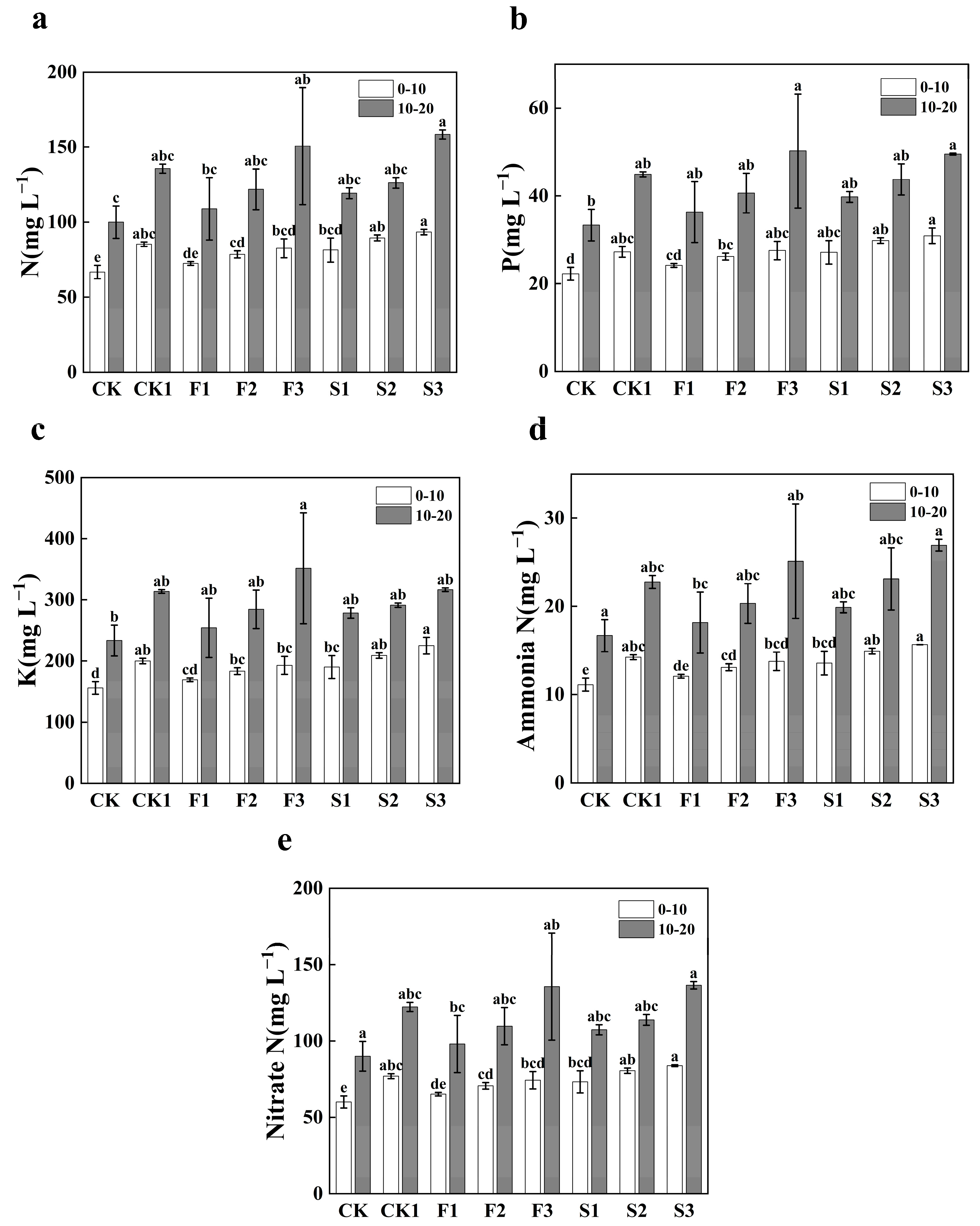
3.3. The Soil Nutrients
3.4. The Growth Indicators of Oil Sunflower
3.5. The Chlorophyll, MDA, and Proline of the Oil Sunflower
4. Discussion
4.1. Soil Structure and Water-Holding Capacity
4.2. Soil Salinity and Nutrients
4.3. Physiological Indicators of Oil Sunflower
4.4. Chlorophyll, Proline and MDA
5. Conclusions
- (1)
- Appropriate amounts of HA and CMS can improve saline soil structure and porosity, which effectively enhances the water-retaining capacity of the salinized soil, and the enhancement effect of using CMS on the water-retaining capacity is significantly better than that using HA. However, the excessive use of HA can make the soil over-dispersed and reduce the soil cohesion, so that the water cannot be effectively retained. Similarly, excessive use of CMS can increase the negative charge on the surface of soil particles, which can increase the pore diameter, and can lead to easily losing soil water.
- (2)
- Moderate amounts of HA and CMS can effectively reduce the contents of salt, proline and MDA of the soil. Among all cases for soil treatment using HA and CMS, the effect of reducing soil salinity with CMS is better than that of HA, and Case CK1 has the best effect of desalinization. However, this treatment used soil that had been improved by CMS (2 g/kg) for one year, so it cannot be compared with other treatments. Among other treatments, Case S3 (application rate of CMS is 4.5 g/kg) has the best effect of desalinization, being able to reduce the total salt by 37.24% compared with the control group (Case CK).
- (3)
- The application of HA and CMS can effectively improve the content of nutrients including N, P, K, AN, and NN in the salinized soil. Generally speaking, CMS can increase nutrient content more effectively than HA. Among these treatments, it can be found that Case S3 (application rate of CMS is 4.5 g/kg) is the best treatment, being able to increase the nutrient content of N, P, K, AN and NN in the soil by about 40–50%.
- (4)
- Moderate application rate of HA and CMS can increase growth indices such as plant height, stem thickness, number of leaves, leaf length, leaf width, leaf area, aboveground fresh weight, and chlorophyll content of the oil sunflower. Except for Case CK1, Case F1 (application rate of FA is 1.5 g/kg) can greatly increase the oil sunflower’s growth indices. However, it can be found that excessive use of HA (application rate of FA is more than 3.0 g/kg, Cases F2 and F3) is harmful to the soil physicochemical properties, specifically increasing soil salt content and inhibiting the growth of oil sunflower.
Author Contributions
Funding
Institutional Review Board Statement
Informed Consent Statement
Data Availability Statement
Conflicts of Interest
References
- Li, Q.; Sun, Z.J.; Qin, P. Summary of Ningxia saline status and improved measures. J. Anhui Agric. Sci. 2007, 35, 10808–10810. [Google Scholar] [CrossRef]
- Gupta, B.; Huang, B. Mechanism of salinity tolerance in plants: Physiological, biochemical, and molecular characterization. Int. J. Genom. 2014, 2014, 701596. [Google Scholar] [CrossRef]
- Munns, R.; Tester, M. Mechanisms of salinity tolerance. Annu. Rev. Plant Biol. 2008, 59, 651–681. [Google Scholar] [CrossRef] [PubMed]
- Jia, Z.; Tan, Y.; Guan, X.; Wang, Z.; Tao, Y. Saline-alkali soil formation and its remediation strategies in different regions of Ningxia: A comprehensive review. J. Irrig. Drain. 2023, 42, 122–134. [Google Scholar] [CrossRef]
- Jiang, J.; Wang, S. The cause of formation and improved utilization of saline-alkali land in China. J. Anhui Agric. Sci. 2020, 48, 85–87. [Google Scholar] [CrossRef]
- Barrett-Lennard, E.G. Restoration of saline land through revegetation. Agric. Water Manag. 2002, 53, 213–226. [Google Scholar] [CrossRef]
- Evelin, H.; Devi, T.S.; Gupta, S.; Kapoor, R. Mitigation of Salinity Stress in Plants by Arbuscular Mycorrhizal Symbiosis: Current Understanding and New Challenges. Front. Plant Sci. 2019, 10, 470. [Google Scholar] [CrossRef]
- Qian, S.; Zhou, X.; Fu, Y.; Song, B.; Yan, H.; Chen, Z.; Sun, Q.; Ye, H.; Qin, L.; Lai, C. Biochar-compost as a new option for soil improvement: Application in various problem soils. Sci. Total Environ. 2023, 870, 162024. [Google Scholar] [CrossRef]
- Guo, L.; Nie, Z.; Zhou, J.; Zhang, S.; An, F.; Zhang, L.; Tóth, T.; Yang, F.; Wang, Z. Effects of different organic amendments on soil improvement, bacterial composition, and functional diversity in saline–sodic soil. Agronomy 2022, 12, 2294. [Google Scholar] [CrossRef]
- Saidimoradi, D.; Ghaderia, N.; Javadi, T. Salinity stress mitigation by humic acid application in strawberry (Fragaria × ananassa Duch.). Sci. Hortic. 2019, 256, 108594. [Google Scholar] [CrossRef]
- Sánchez, E.; Zabaleta, R.; Fabani, M.P.; Rodriguez, R.; Mazza, G. Effects of the amendment with almond shell, bio-waste and almond shell-based biochar on the quality of saline-alkali soils. J. Environ. Manag. 2022, 318, 115604. [Google Scholar] [CrossRef]
- Singh, J.S.; Pandey, V.C.; Singh, D.P. Efficient soil microorganisms: A new dimension for sustainable agriculture and environmental development. Agric. Ecosyst. Environ. 2011, 140, 339–353. [Google Scholar] [CrossRef]
- Lastochkina, O.; Garshina, D.; Allagulova, C.; Fedorova, K.; Koryakov, I.; Vladimirova, A. Application of Endophytic Bacillus subtilis and Salicylic Acid to Improve Wheat Growth and Tolerance under Combined Drought and Fusarium Root Rot Stresses. Agronomy 2020, 10, 1343. [Google Scholar] [CrossRef]
- Jiang, S.; Yu, Y.; Gao, R.; Wang, H.; Zhang, J.; Li, R.; Long, X.; Shen, Q.; Chen, W.; Cai, F. High-throughput absolute quantification sequencing reveals the effect of different fertilizer applications on bacterial community in a tomato cultivated coastal saline soil. Sci. Total Environ. 2019, 687, 601–609. [Google Scholar] [CrossRef]
- Lal, R. Soil organic matter and water retention. Agron. J. 2020, 112, 3265–3277. [Google Scholar] [CrossRef]
- Yazdanpanah, N.; Mahmoodabadi, M.; Cerdà, A. The impact of organic amendments on soil hydrology, structure and microbial respiration in semiarid lands. Geoderma 2016, 266, 58–65. [Google Scholar] [CrossRef]
- Zhou, L.; Monreal, C.M.; Xu, S.; Mclaughlin, N.B.; Zhang, H.; Hao, G.; Liu, J. Effect of bentonite-humic acid application on the improvement of soil structure and maize yield in a sandy soil of a semi-arid region. Geoderma 2019, 338, 269–280. [Google Scholar] [CrossRef]
- Vlckova, Z.; Grasset, L.; Antosova, B.; Pekar, M.; Kucerik, J. Lignite pre-treatment and its effect on bio-stimulative properties of respective lignite humic acids. Soil Biol. Biochem. 2009, 41, 1894–1901. [Google Scholar] [CrossRef]
- Degens, B.P. Macro-aggregation of soils by biological bonding and binding mechanisms and the factors affecting these: A review. Soil Res. 1997, 35, 431–460. [Google Scholar] [CrossRef]
- Jastrow, J.D. Soil aggregate formation and the accrual of particulate and mineral-associated organic matter. Soil Biol. Biochem. 1996, 28, 665–676. [Google Scholar] [CrossRef]
- Ghasemzadeh, Z.; Parhizkar, M.; Mirmohammadmeygooni, S.; Shabanpour, M.; Chalmers, G. Forest soil inoculation with Bacillus subtilus reduces soil detachment rate to mitigate rill erosion. Rhizosphere 2023, 26, 100707. [Google Scholar] [CrossRef]
- de Cassia Da Fonseca, M.; Bossolani, J.W.; de Oliveira, S.L.; Moretti, L.G.; Portugal, J.R.; Scudeletti, D.; de Oliveira, E.F.; Crusciol, C.A.C. Bacillus subtilis Inoculation Improves Nutrient Uptake and Physiological Activity in Sugarcane under Drought Stress. Microorganisms 2022, 10, 809. [Google Scholar] [CrossRef] [PubMed]
- Cui, L.; Liu, Y.; Yan, J.; Hina, K.; Hussain, Q.; Qiu, T.; Zhu, J. Revitalizing coastal saline-alkali soil with biochar application for improved crop growth. Ecol. Eng. 2022, 179, 106594. [Google Scholar] [CrossRef]
- Bronick, C.J.; Lal, R. Soil structure and management: A review. Geoderma 2005, 124, 3–22. [Google Scholar] [CrossRef]
- Jing, J.; Zhang, S.; Yuan, L.; Li, Y.; Lin, Z.; Xiong, Q.; Zhao, B. Combining humic acid with phosphate fertilizer affects humic acid structure and its stimulating efficacy on the growth and nutrient uptake of maize seedlings. Sci. Rep. 2020, 10, 17502. [Google Scholar] [CrossRef]
- Zheng, L.; Ma, X.; Lang, D.; Zhang, X.; Zhou, L.; Wang, L.; Zhang, X. Encapsulation of Bacillus pumilus G5 from polyvinyl alcohol-sodium alginate (PVA-SA) and its implications in improving plant growth and soil fertility under drought and salt soil conditions. Int. J. Biol. Macromol. 2022, 209, 231–243. [Google Scholar] [CrossRef]
- Sun, B.; Gu, L.; Bao, L.; Zhang, S.; Wei, Y.; Bai, Z.; Zhuang, G.; Zhuang, X. Application of biofertilizer containing Bacillus subtilis reduced the nitrogen loss in agricultural soil. Soil Biol. Biochem. 2020, 148, 107911. [Google Scholar] [CrossRef]
- Tahir, M.; Ahmad, I.; Shahid, M.; Shah, G.M.; Farooq, A.B.U.; Akram, M.; Tabassum, S.A.; Naeem, M.A.; Khalid, U.; Ahmad, S.; et al. Regulation of antioxidant production, ion uptake and productivity in potato (Solanum tuberosum L.) plant inoculated with growth promoting salt tolerant Bacillus strains. Ecotox Environ. Safe 2019, 178, 33–42. [Google Scholar] [CrossRef]
- Xiao, X.; Wang, Q.; Ma, X.; Lang, D.; Guo, Z.; Zhang, X. Physiological Biochemistry-Combined Transcriptomic Analysis Reveals Mechanism of Bacillus cereus G2 Improved Salt-Stress Tolerance of Glycyrrhiza uralensis Fisch. Seedlings by Balancing Carbohydrate Metabolism. Front. Plant Sci. 2022, 12, 712363. [Google Scholar] [CrossRef]
- Ali, A.Y.A.; Ibrahim, M.E.H.; Zhou, G.; Zhu, G.; Elsiddig, A.M.I.; Suliman, M.S.E.; Elradi, S.B.M.; Salah, E.G.I. Interactive Impacts of Soil Salinity and Jasmonic Acid and Humic Acid on Growth Parameters, Forage Yield and Photosynthesis Parameters of Sorghum Plants. S. Afr. J. Bot. 2022, 146, 293–303. [Google Scholar] [CrossRef]
- Wu, Y.; Xia, Y.; Zhang, J.; Du, F.; Zhang, L.; Zhou, H. Low humic acids promote in vitro lily bulblet enlargement by enhancing roots growth and carbohydrate metabolism. J. Zhejiang Univ. Sci. B 2016, 17, 892. [Google Scholar] [CrossRef] [PubMed]
- Zhao, Y.; Zhang, M.; Yang, W.; Di, H.J.; Ma, L.; Liu, W.; Li, B. Effects of microbial inoculants on phosphorus and potassium availability, bacterial community composition, and chili pepper growth in a calcareous soil: A greenhouse study. J. Soil Sediment 2019, 19, 3597–3607. [Google Scholar] [CrossRef]
- Khedr, R.A.; Sorour, S.G.R.; Aboukhadrah, S.H.; Shafey, N.M.E.; Elsalam, H.E.A.; El-Sharnouby, M.E.; El-Tahan, A.M. Alleviation of salinity stress effects on agro-physiological traits of wheat by auxin, glycine betaine, and soil additives. Saudi J. Biol. Sci. 2022, 29, 534–540. [Google Scholar] [CrossRef] [PubMed]
- Noroozlo, Y.A.; Souri, M.K.; Delshad, M. Stimulation effects of foliar applied glycine and glutamine amino acids on lettuce growth. Open Agric. 2019, 4, 164–172. [Google Scholar] [CrossRef]
- Hashem, A.; Tabassum, B.; Allah, E.F.A. Bacillus subtilis: A plant-growth promoting rhizobacterium that also impacts biotic stress. Saudi J. Biol. Sci. 2019, 26, 1291–1297. [Google Scholar] [CrossRef]
- Puangbut, D.; Jogloy, S.; Vorasoot, N.; Songsri, P. Photosynthetic and physiological responses to drought of Jerusalem artichoke genotypes differing in drought resistance. Agric. Water Manag. 2022, 259, 107252. [Google Scholar] [CrossRef]
- Zhang, Y.; Cui, G.; Zhang, W.; Lang, D.; Li, Z.; Zhang, X. Bacillus sp. G2 improved the growth of Glycyrrhiza uralensis Fisch. related to antioxidant metabolism and osmotic adjustment. Acta Physiol. Plant 2021, 43, 1–16. [Google Scholar] [CrossRef]
- Lastochkina, O.; Pusenkova, L.; Yuldashev, R.; Babaev, M.; Garipova, S.; Blagova, D.; Khairullin, R.; Aliniaeifard, S. Effects of Bacillus subtilis on some physiological and biochemical parameters of Triticum aestivum L. (wheat) under salinity. Plant Physiol. Biochem. 2017, 121, 80–88. [Google Scholar] [CrossRef]
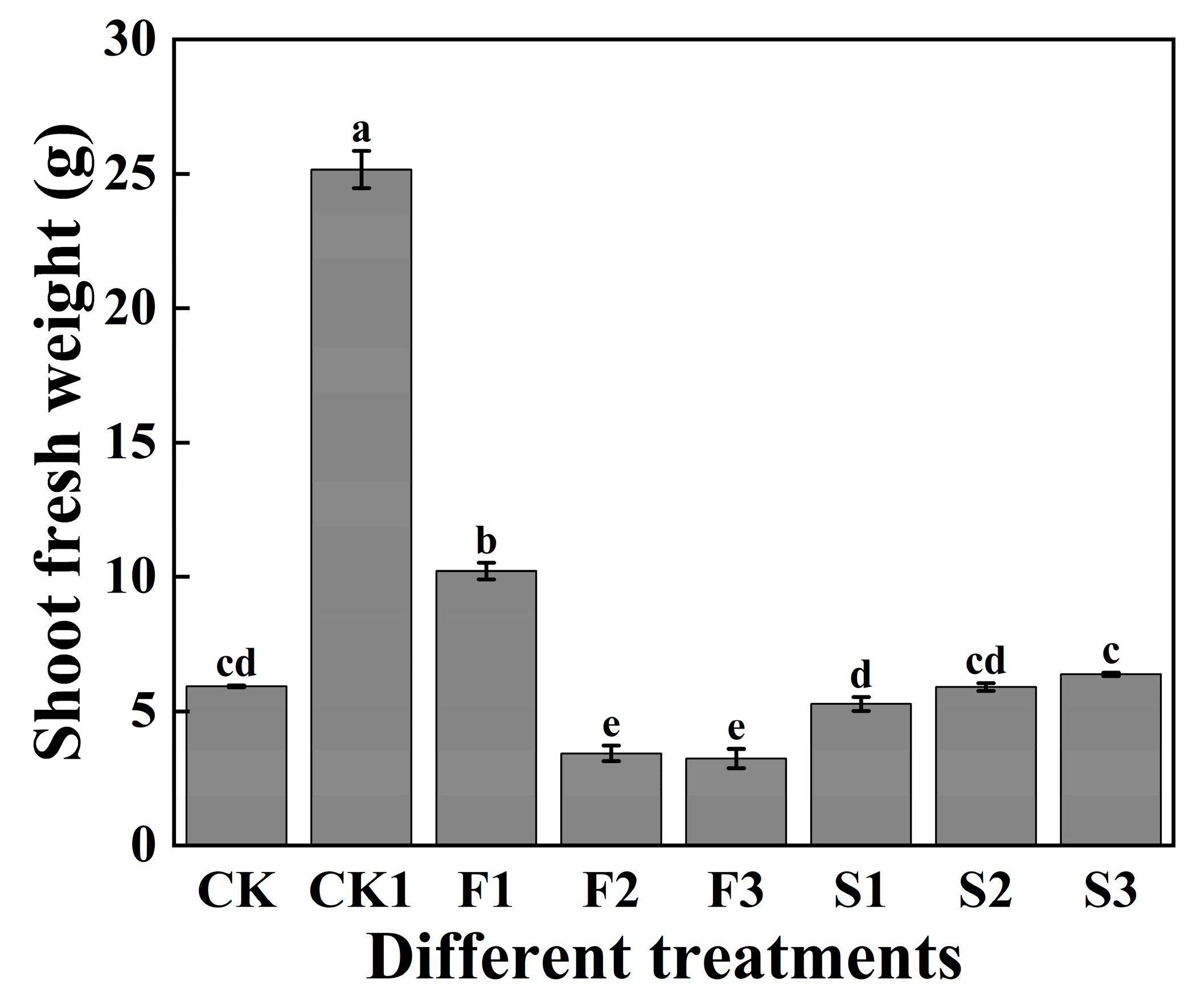
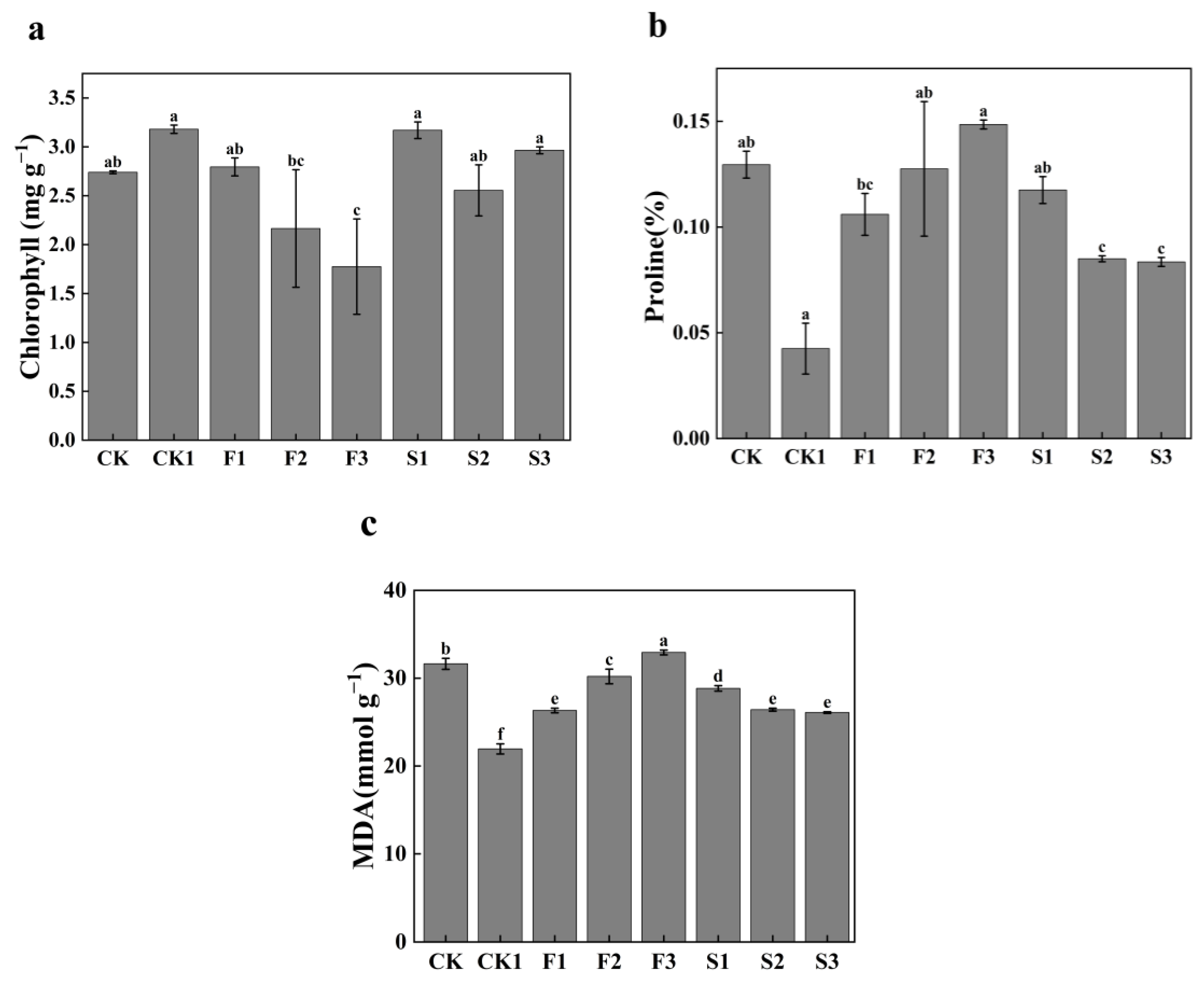

| Cases | Soil Amendments | Application Rate of the Amendments |
|---|---|---|
| CK | the control group without using any soil amendments | 0 |
| CK1 | using the soil sample that has been improved by CMS for one year | 2.0 g/kg |
| F1 | the group using the soil amendment of HA | 1.5 g/kg |
| F2 | the group using the soil amendment of HA | 3.0 g/kg |
| F3 | the group using the soil amendment of HA | 4.5 g/kg |
| S1 | the group using the soil amendment of CMS | 1.5 g/kg |
| S2 | the group using the soil amendment of CMS | 3.0 g/kg |
| S3 | the group using the soil amendment of CMS | 4.5 g/kg |
| P (mg/kg) | K (mg/kg) | TN (%) | pH | OM (g/kg) | Total Salt (g/kg) | Salt Ion Content in Soil (g/kg) | |||||||
|---|---|---|---|---|---|---|---|---|---|---|---|---|---|
| Na+ | Mg2+ | K+ | Ca2+ | Cl− | SO42− | CO32− | HCO3− | ||||||
| 38.3 | 196 | 0.028 | 8.1 | 3.76 | 5.6 | 1.2 | 0.09 | 0.06 | 0.19 | 0.8 | 2.0 | 0.034 | 0.14 |
| Treatments | Depths/cm | N/% | P/% | K/% | AN/% | NN/% |
|---|---|---|---|---|---|---|
| CK1 | 0–10 | 27.82 ± 1.24 | 22.41 ± 1.89 | 28.29 ± 2.35 | 27.97 ± 1.21 | 28.14 ± 2.41 |
| 10–20 | 35.64 ± 5.51 | 34.74 ± 2.37 | 34.43 ± 3.81 | 36.60 ± 4.56 | 35.88 ± 6.01 | |
| F1 | 0–10 | 8.56 ± 2.01 | 8.57 ± 3.50 | 8.56 ± 4.28 | 8.54 ± 7.20 | 8.56 ± 5.27 |
| 10–20 | 8.92 ± 3.30 | 8.89 ± 5.21 | 8.91 ± 5.44 | 8.91 ± 6.57 | 8.92 ± 8.32 | |
| F2 | 0–10 | 17.65 ± 1.77 | 17.65 ± 2.64 | 17.65 ± 7.45 | 17.67 ± 5.52 | 17.64 ± 4.22 |
| 10–20 | 21.88 ± 3.36 | 21.87 ± 3.69 | 21.88 ± 7.52 | 21.90 ± 4.32 | 21.88 ± 4.47 | |
| F3 | 0–10 | 23.72 ± 4.28 | 23.74 ± 3.91 | 23.72 ± 4.58 | 23.70 ± 6.54 | 23.71 ± 4.35 |
| 10–20 | 50.66 ± 2.54 | 50.64 ± 2.58 | 50.65 ± 1.26 | 50.68 ± 7.56 | 50.66 ± 4.54 | |
| S1 | 0–10 | 21.95 ± 4.21 | 21.96 ± 2.24 | 21.95 ± 2.68 | 21.94 ± 4.52 | 21.95 ± 1.89 |
| 10–20 | 19.28 ± 1.25 | 19.26 ± 4.20 | 19.28 ± 3.22 | 19.29 ± 3.57 | 19.28 ± 5.68 | |
| S2 | 0–10 | 34.13 ± 2.28 | 34.13 ± 5.30 | 34.13 ± 2.55 | 34.17 ± 2.69 | 34.12 ± 4.67 |
| 10–20 | 26.19 ± 2.87 | 31.18 ± 2.36 | 24.76 ± 3.64 | 38.67 ± 2.51 | 26.46 ± 2.98 | |
| S3 | 0–10 | 39.94 ± 2.14 | 38.94 ± 2.18 | 44.44 ± 3.66 | 40.69 ± 2.85 | 39.61 ± 3.65 |
| 10–20 | 58.44 ± 1.11 | 48.51 ± 1.84 | 35.61 ± 5.46 | 61.60 ± 7.55 | 51.66 ± 6.54 |
| Treatments | Plant Height (cm) | Stem Thickness (mm) | Number of Leaves (Piece) | Leaf Length (cm) | Leaf Width (cm) | Leaf Area (cm2) |
|---|---|---|---|---|---|---|
| CK | 16.09 ± 1.16 bc | 3.12 ± 0.07 c | 6.33 ± 1.25 b | 4.93 ± 0.36 bc | 3.08 ± 0.18 c | 9.83 ± 1.3 c |
| CK1 | 45.47 ± 3.74 a | 6.65 ± 0.12 a | 8.86 ± 0.15 a | 9.16 ± 0.15 a | 5.98 ± 0.18 a | 35.72 ± 1.05 a |
| F1 | 17.03 ± 1.58 b | 4.00 ± 0.7 b | 7.67 ± 1.25 ab | 5.90 ± 0.99 bc | 4.13 ± 0.82 b | 19.17 ± 2.89 b |
| F2 | 11.63 ± 3.23 c | 2.72 ± 0.5 c | 7.17 ± 0.94 ab | 4.54 ± 0.65 c | 2.88 ± 0.61 c | 8.78 ± 3.21 c |
| F3 | 11.27 ± 2.66 c | 2.81 ± 0.36 c | 5.83 ± 1.12 b | 4.27 ± 0.86 c | 2.61 ± 0.41 c | 7.44 ± 2.52 c |
| S1 | 13.93 ± 1.72 bc | 2.83 ± 0.28 c | 6.13 ± 0.12 b | 4.47 ± 0.27 c | 2.74 ± 0.13 c | 7.98 ± 0.79 c |
| S2 | 16.20 ± 1.02 bc | 3.18 ± 0.23 bc | 6.33 ± 0.24 b | 4.78 ± 0.12 bc | 3.08 ± 0.15 c | 9.59 ± 0.74 c |
| S3 | 17 ± 1.27 b | 3.29 ± 0.3 bc | 7.17 ± 0.62 ab | 4.97 ± 0.39 bc | 3.13 ± 0.25 c | 10.11 ± 1.54 c |
Disclaimer/Publisher’s Note: The statements, opinions and data contained in all publications are solely those of the individual author(s) and contributor(s) and not of MDPI and/or the editor(s). MDPI and/or the editor(s) disclaim responsibility for any injury to people or property resulting from any ideas, methods, instructions or products referred to in the content. |
© 2026 by the authors. Licensee MDPI, Basel, Switzerland. This article is an open access article distributed under the terms and conditions of the Creative Commons Attribution (CC BY) license.
Share and Cite
Jing, H.; Meng, X.; Zhang, L.; Wang, W. Compound Microbial Strains and Humic Acid Improve Physicochemical Properties of Salinized Soil and Physiological Characteristics of Oil Sunflower: An Experimental Investigation. Sustainability 2026, 18, 5971. https://doi.org/10.3390/su18125971
Jing H, Meng X, Zhang L, Wang W. Compound Microbial Strains and Humic Acid Improve Physicochemical Properties of Salinized Soil and Physiological Characteristics of Oil Sunflower: An Experimental Investigation. Sustainability. 2026; 18(12):5971. https://doi.org/10.3390/su18125971
Chicago/Turabian StyleJing, Hefang, Xuhui Meng, Lixin Zhang, and Weihong Wang. 2026. "Compound Microbial Strains and Humic Acid Improve Physicochemical Properties of Salinized Soil and Physiological Characteristics of Oil Sunflower: An Experimental Investigation" Sustainability 18, no. 12: 5971. https://doi.org/10.3390/su18125971
APA StyleJing, H., Meng, X., Zhang, L., & Wang, W. (2026). Compound Microbial Strains and Humic Acid Improve Physicochemical Properties of Salinized Soil and Physiological Characteristics of Oil Sunflower: An Experimental Investigation. Sustainability, 18(12), 5971. https://doi.org/10.3390/su18125971

