


Abstract
Exposure to wildfire smoke has been a growing public health issue with the increasing effects of climate change. The increasing frequency and severity of wildfires fueled by higher global temperatures and shifting climate change patterns have left more people exposed to smoke for longer periods. This exposure is primarily driven by fine particulate matter (PM2.5) and carbon monoxide (CO) and other toxic gases, causing harmful health impacts, particularly to the respiratory system and cardiovascular system. The potential to reduce health effects is dependent on the adaptive capacity of individuals, households, and communities in anticipating, responding to, and recovering from smoke events. Social vulnerability factors, including socioeconomic status, race/ethnicity, housing quality, and healthcare access, greatly influence how well individuals or communities can prepare for and respond to the effects of wildfire smoke exposure. Although simple protective steps are often possible, more expensive solutions are usually out of reach for the most marginalized groups, showing that the ability to adapt depends on the resources people have. This review aims to analyze the convergence of wildfire smoke exposure, social vulnerability, and adaptive capacity in vulnerable communities with specific reference to approaches to building community resilience. This study adopts a narrative integrative review approach to synthesize current interdisciplinary evidence on the health impacts of wildfire smoke, associated social inequities, and adaptive capacity strategies, while introducing an integrated conceptual framework linking social vulnerability, adaptive capacity, and community resilience. The findings of this review substantiate the necessity of integrated, equity-oriented adaptation responses, such as enhanced risk communication, sustainable climate change mitigation strategies, and improved access to healthcare and infrastructure. In conclusion, strengthening community resilience to wildfire smoke requires confronting structural social inequities while simultaneously enhancing the adaptive capacity of resource-constrained communities.
1. Introduction
Wildfire smoke has become a prominent and persistent public health challenge in the context of ongoing climate change. Collectively, increasing global temperatures, prolonged periods of drought, alterations in the timing and amount of precipitation, as well as land-use changes have contributed to the increasing frequency, intensity, and spatial extent of wildfires at a global scale [1,2]. What had been an episodic environmental threat has become annual, and even year-round, exposure for millions across landmasses globally [3]. Wildfire smoke contains high concentrations of fine particulate matter (PM2.5), carbon monoxide, nitrogen oxides, and other toxic organic compounds that pose substantial risks to human health [4,5].
In recent years, epidemiological studies have documented numerous adverse health effects associated with exposure to wildfire smoke, particularly affecting the respiratory and cardiovascular systems. There is convincing evidence that wildfire smoke contributes to heightened morbidity and mortality. Recent evidence indicates a fivefold increase in the annual area burned in the United States since 1972, and over 82 million people are predicted to be exposed to wildfire smoke by mid-century [6]. Meta-analyses further demonstrate robust associations between wildfire smoke exposure and adverse health outcomes, including cardiovascular mortality (RR = 1.018, 95% CI: 1.014–1.021), asthma hospitalization (RR = 1.054, 95% CI: 1.026–1.082), and asthma-related ED visits (RR = 1.117, 95% CI: 1.035–1.204) [7]. Systematic reviews also confirm associations with all-cause mortality and respiratory hospitalizations [8]. Moreover, another study estimates that in regions where there are wildfires, smoke exposure increases hospital admission rates by 15–20% and mortality rates by 10% during wildfire seasons [9]. Rates of anxiety, depression, and post-traumatic stress disorder (PTSD) increase by 20–30% during wildfire seasons, and nearly 40% of those exposed suffer from long-term symptoms. However, targeted mental health interventions have been shown to substantially mitigate these impacts by nearly 50% [10]. Yet new research suggests that public health approaches targeting short-term exposure may be inadequate as wildfire smoke patterns shift toward longer, more frequent exposure over multiple years [11]. As climate-related wildfires increase in frequency and scope, exposure risks are no longer limited to areas that have long been at risk. Places that were previously smoke-free are being affected by repeated exposure to smoke. While much of the available evidence is derived from North America, similar patterns of wildfire smoke exposure, health impacts, and vulnerable populations are increasingly reported in regions such as Australia, South America, and parts of Asia, underscoring the global relevance of this issue. This persistent global threat draws attention to the sustainability of health systems in the long run and to broader health implications associated with this new reality [12]. Despite increasing research on wildfire smoke, existing studies often examine exposure, health outcomes, and vulnerability in isolation, with limited integration of social vulnerability, adaptive capacity, and resilience into a unified framework. Certain population groups, mostly senior citizens, children, outdoor workers, indigenous people, and patients with preexisting health conditions, are disproportionately vulnerable to wildfire smoke exposure. Factors such as low socioeconomic status, poor access to medical care and poor living conditions can reduce the capacity of affected individuals for managing and mitigating the serious impact of wildfire smoke [13]. California in the USA illustrates how environmental injustices are inseparably linked to climate change, as low-income communities and other disadvantaged groups, despite playing only marginal roles in driving these changes, experience disproportionately higher exposure and reduced adaptive capacity.
Social Vulnerability (SV), Adaptive Capacity (AC), and Community Resilience (CR)
Social vulnerability can be defined as the characteristics of individuals and communities that affect their capacity to prepare for, respond to, and recover from adverse environmental conditions [14]. Social vulnerability and adaptive capacity are closely associated with community resilience for resisting harmful effects from wildland fire smoke. Communities with lower income levels are extremely vulnerable to wildfire smoke exposure, primarily due to structural constraints such as limited access to healthcare, substandard housing conditions, and reduced capacity to implement protective measures.
Adaptive capacity depends not only on the exposure to pollutants such as carbon monoxide (CO), but also on behavior changes, infrastructure, social support, and effectiveness of policy interventions [14].
Appropriate risk communication, safe indoor environments, and access to healthcare can all contribute to reducing morbidity among communities exposed [15]. New research highlights the urgency for focused adaptation efforts to address growing risks associated with smoke exposure from wildfires. Recent studies show that in areas where adaptation (e.g., early warning & built infrastructure resilience) is more comprehensive, wildfire-related hospitalizations decrease by up to 40% and reported anxiety or depression levels are less than half the levels found in areas with lower rates of adaptation [16]. The cost–benefit analysis indicates that investing in air filtration systems and public health campaigns could reduce healthcare costs by 25%. Nevertheless, smoke-related health impacts, including productivity losses, still amount to around $5 billion annually [17]. While numerous pieces of evidence suggest that the health impacts of wildfire smoke exposure are associated with social disadvantage, there remain considerable knowledge gaps regarding how different populations experience and adapt to repeated and prolonged smoke exposure events. Additionally, the current effectiveness of adaptation strategies has received limited attention, particularly in relation to community-level capacities to build resilience. This highlights the importance of further consideration of dynamic relationships between social vulnerability, community-level responses, and adaptive capacity in relation to wildfire smoke exposure. In this review, we synthesize existing evidence to examine the interconnected roles of social vulnerability, adaptive capacity, and community health in the context of wildfire smoke exposure. However, much of the existing literature remains largely descriptive, with limited critical evaluation of the effectiveness, cost-efficiency, and scalability of current adaptation strategies. Many widely recommended interventions, such as household-level filtration or behavioral adjustments, are constrained by affordability, infrastructure, and unequal access, particularly in marginalized communities. Furthermore, the long-term sustainability of these strategies under repeated and prolonged smoke exposure remains insufficiently examined. This review aims to draw attention to inequalities in smoke-hit communities, specifically in areas where health systems and development are limited, making long-term exposure a chronic challenge. This underscores the need for equitable and long-term adaptation measures. Such strategies are essential for enabling communities to manage and adapt to increasingly unpredictable and unavoidable smoke exposure events. Effective responses must prioritize high-risk populations, enhance access to healthcare, and strengthen community-level adaptive capacity to address the escalating risks associated with wildfire smoke exposure. Therefore, this review ultimately aims to develop an integrated perspective that connects these dimensions to better understand their combined influence on community health outcomes. This review follows a narrative integrative approach, drawing on peer-reviewed literature identified through databases such as Web of Science, Scopus, PubMed, and Google Scholar using keywords including “wildfire smoke,” “PM2.5,” “public health,” “social vulnerability,” “adaptive capacity,” and “community resilience.”
2. Conceptual Framework: Smoke Exposure, Vulnerability, and Community Resilience
Wildfire smoke is emerging as a more frequent, chronic climate-related environmental stressor. Human exposure to wildfire smoke is not solely determined by fire behavior and atmospheric transport processes. It is a portion of the population that lives, works and spends time, as well as their capacity to anticipate, respond to, or recover from repeated smoke episodes. Reliance on traditional hazard-based approaches is insufficient to explain the uneven distribution of population health impacts associated with wildfire smoke exposure [14,18]. A more integrative conceptual model is therefore needed. This framework builds on social-ecological systems theory by explicitly defining causal linkages in which social vulnerability shapes exposure sensitivity, adaptive capacity mediates response effectiveness, and resilience emerges as a long-term system outcome. This framework conceptualizes communities as dynamic systems and links the biological mechanisms for exposure to wildfire smoke and human behavior with social, economic, and institutional context to understand the public health effects of wildfire smoke exposure at a community level [14]. Unlike previous models that treat environmental exposures, social structure, governance, and health outcomes independently, this framework integrates them into a dynamic system, highlighting feedback mechanisms and cumulative effects under repeated exposure conditions. Figure 1 illustrates the conceptual relationships between wildfire smoke exposure, social vulnerability, adaptive capacity, and community resilience. Wildfire smoke exposure acts as the main environmental driver in this framework, whereas social vulnerability and adaptive capacity function as mediators that affect both short-term population health impact outcomes and long-term community resilience trajectories.
Figure 1.
Conceptual Framework Linking Wildfire Smoke Exposure, Social Vulnerability, Adaptive Capacity, and Community Resilience.
2.1. Wildfire Smoke as a Climate-Related Environmental Stressor
Wildfire smoke has become an enduring and pervasive environmental consequence of climate change, challenging conventional approaches to evaluating and controlling air pollution. Unlike typical urban air pollution, wildfire smoke is episodic and has recently been increasing in frequency with exposures that can differ greatly among and certainly within locations over time due to fire behavior, meteorology, and long-range atmospheric transport [11]. One of the defining characteristics of wildfire smoke is its high concentration of fine particulate matter (PM2.5), which often significantly exceeds guideline limits during severe fire events. Wildfire smoke is also chemically distinct from smoke generated during fossil fuel combustion (e.g., oil and gas), featuring a higher abundance of organic carbon, polycyclic aromatic hydrocarbons, volatile organic compounds (VOCs), and other toxic compounds that contribute to oxidative stress and inflammation [4]. Additionally, these particles are sufficiently small to penetrate deep into the respiratory system and enter systemic circulation, leading to various health hazards such as exacerbating respiratory and cardiovascular diseases, and premature death [19]. Wildfire smoke affects people through multiple pathways, including outdoor inhalation, indoor infiltration, and outdoor workplace inhalation. Importantly, wildfire smoke does not respect regulatory or political boundaries. Long-range transport of wildfire smoke can result in degraded air quality hundreds to thousands of km from fire sources for populations less accustomed to or prepared for [20]. The fact that these sources are not concentrated in one location also means that it becomes more difficult to conduct surveillance, communicate risk, and coordinate a response, particularly where air quality management may not be organized for episodic but severe pollution events (Figure 1). Climate change has transformed the timing of smoke exposure from wildfires as well. Fire seasons are becoming longer, smoke episodes begin earlier and end later in the year, and repeated exposures within a single season are increasingly common [11]. Such prolonged, synergistic exposures conflict with the historical approach to air quality, which is based on short-term thresholds and localized abatement measures. Collectively, the variation in composition, exposure pathways, and temporal dynamics of wildfire reinforces its characterization as a chronic and complex climate-related environmental stressor. The response to its health impact needs more than an episodic hazard frame. Instead, it should focus on an integrated approach that involves cumulative exposure over time, transboundary processes, and compounding effects with other climate extreme events.
2.2. Social Vulnerability in Smoke-Affected Communities
Although the impacts of wildfire smoke can be widespread geographically, its health effects are not equitably distributed, given existing social, economic, and institutional inequities. Social vulnerability largely drives the translation of wildfire smoke exposure into poor health outcomes among affected populations (Figure 1). In addition, wildfires are occurring in conjunction with other climate extremes, such as heat waves and droughts, creating compound hazards that amplify health risks, mainly to structurally disadvantaged populations [21]. Low-income families are at increased risk from wildfire smoke due to living in poorer-quality housing with weak insulation and limited ventilation, and they often lack access to air conditioning and high-mechanical-efficiency filtration, which can result in greater indoor infiltration of wildfire smoke [22]. Financial factors may also restrict purchasing protective equipment (e.g., air purifiers or respirators) and temporarily relocating during high-severity smoke events. These conditions lead to increased cumulative exposure and worsening of underlying health conditions, respiratory and cardiovascular diseases [6]. Certain traits shape susceptibility to smoke-related health effects based on demographics. Exclusively children, elderly people, pregnant women, and those with previous chronic diseases have an increased biological susceptibility to PM2.5 exposure [23]. Racial and ethnic minority communities frequently experience unequal exposure due to historical residential segregation patterns, land use decisions, and occupational distribution, with implications for broader concerns about environmental justice [24]. These disparities are further compounded by unequal access to health services, health information, and culturally relevant risk communication. As outlined in Table 1, social vulnerability in smoke-affected communities encompasses socioeconomic status, housing quality, demographic susceptibility, occupational exposure, and institutional capacity. These dimensions do not operate independently but interact to shape differential exposure, sensitivity, and adaptive capacity across populations. This interaction indicates that vulnerability is not determined by a single factor but emerges from the interaction of socioeconomic, environmental, and institutional conditions.
Table 1.
Dimensions of Social Vulnerability and Adaptive Capacity in Smoke-Affected Communities.
Occupational factors represent a key dimension of social vulnerability. Those working outdoors (e.g., agricultural, construction and emergency services workers) experience more smoke exposure due to prolonged periods spent outside and the inability to change work practices during wildland fires [36]. Barriers such as limited access to health advice, language differences, and job insecurity can further restrict access to healthcare and contribute to poorer health outcomes. Social vulnerability in smoke-impacted communities is further shaped by institutional and governance dynamics. Lack of public health infrastructure, gaps in emergency preparedness, and lack of enforcement of occupational and air quality protections can further exacerbate risks to public health, mostly in rural areas or under-resourced settings [37]. These overlapping vulnerabilities both arise from and reinforce broader structural inequalities. Therefore, reducing inequalities in smoke-related health impacts will require more than exposure reduction alone; it also demands long-term efforts to improve social equity and enhance communities’ adaptive capacity to climate change.
2.3. Adaptive Capacity and Community Resilience
Adaptive capacity is the ability of individuals, households, communities, and institutions to prepare for, respond to, and recover from environmental stressors such as wildfire smoke exposure. It is a fundamental component of longer-term resilience in a community. Community resilience is the capacity to endure and maintain or improve its health and functioning when subjected to ongoing challenges or regularly occurring adverse events (Figure 1). Building community resilience typically means addressing structural vulnerabilities [38]. It includes a range of other interventions—behavioral, social, economic and institutional—to reduce exposure to smoke, prevent the adverse health effects from particulate matter and ensure communities have basic systems in place that function during smoke events and continue operating after the smoke has cleared [37]. At the household and individual level, such adaptation efforts include air cleaner usage, reducing time outdoors on days with smoky conditions or wearing respiratory protection masks and in the most severe cases, leaving town temporarily [39].
Community-level adaptive capacity is influenced by social capital, institutional preparedness and governance efficacy. Social capital such as strong social networks facilitate the exchange of information, resistance to, and recovery from smoke events, all of which can serve to reduce exposure as well as build resistance [40]. Good governance enhances adaptive capacity by ensuring emergency preparedness, delivering public health guidance, maintaining accessible healthcare systems, and coordinating government-wide air quality management, thereby enabling communities to respond proactively rather than reactively [38]. These types of structural interventions, which expand and deepen the action space or duration of resilience, also include improvements in housing infrastructure to reduce the penetration of smoke, the implementation of fair labor policies for outdoor workers, and increased access to healthcare. In the absence of such measures, communities may adapt in the short term but will be left vulnerable to accumulating exposure, social inequities, and climate-induced compounding of wildfire risk [41]. It is a reminder of the need for multilevel, targeted decisions to deliver adaptable short-term responses and longer-term community resilience.
3. Social Determinants of Community Health Under Wildfire Smoke
Social determinants of health (SDOH) refer to the social and economic conditions that influence the health of individuals and communities either directly or indirectly. These include the conditions in which people are born, grow, live, work, and age (e.g., economic resources, education, racial discrimination, neighborhood environment, and working conditions) [42]. According to the SVI, factors associated with increased susceptibility to wildfire smoke include low socioeconomic status, racial/ethnic minority status, limited English proficiency, and domestic housing disadvantages, such as crowded conditions. These limitations directly influence adaptive capacity by constraining access to resources, information, and protective infrastructure necessary for effective response [43].
3.1. Socioeconomic Status, Housing, and the Built Environment
The home is often a shelter during smoke events; however, housing conditions powerfully influence exposure to and the capacity to adapt to wildfire smoke. Communities with lower socioeconomic status are more vulnerable or reactive to wildfire smoke exposure due to limited resources, reduced access to healthcare, higher stress levels, and challenges in managing existing conditions [44]. Populations particularly susceptible to PM2.5 include children, older adults, individuals with pre-existing health conditions (e.g., cardiovascular, respiratory, obesity, and diabetes), those with genetic susceptibilities, and socioeconomically disadvantaged groups. These sub-populations are at greater risk than the general population due to physiological differences, underlying health conditions, increased exposure, and structural factors such as limited healthcare access and poorer diet, which may amplify PM-related health effects [23]. Income is a key component of socioeconomic status and serves as a primary determinant of both exposure risk and adaptive capacity. Higher-income individuals are generally better able to protect themselves because they often have greater health literacy, more secure housing, and better access to support programs [45]. Residents of low-quality, poorly insulated rental housing or unstable housing situations often face regulatory and landlord constraints on making indoor air quality improvements, as well as limited access to clean indoor air or public clean-air spaces [46]. These factors render poverty a critical amplifier of elevated smoke exposure and reduced resilience. For example, within the residential building sector, energy poverty or energy insecurity is often associated with failure to afford adequate domestic energy. This results in trade-offs between paying energy bills and staying comfortable, such as using less air conditioning. Energy insecurity has an outsized impact on low-income families and communities of color, in particular, lower-income Black, Hispanic, and Native American households who live in older and less energy-efficient housing units [47]. Since housing characteristics influence smoke infiltration and indoor pollutant levels, recommendations to reduce PM2.5 exposure during wildfire events should focus on staying indoors, limiting smoke entry, and using effective air filtration systems [25]. Low-cost filters are known to substantially enhance indoor air quality, particularly in poorly ventilated spaces, providing an economic alternative to industrial filters. More widespread distribution of such interventions could substantially reduce indoor PM2.5 exposure in wildfire seasons [17].
3.2. Race, Ethnicity, and Marginalization
Environmental catastrophes disproportionately impact underprivileged communities worldwide. These populations experience higher mortality rates and more severe health impacts due to heightened vulnerability. Disaster events like Hurricane Katrina demonstrate that it is not merely the scale of devastation, but also the duration or long-term impacts, where race/racism and socioeconomic disparity play a critical role in determining who experiences suffering most. Poor and ethnic minority communities in many developing countries often live in areas of higher risk. For example, those on flood-prone farmland in India or near active volcanoes in Guatemala face increased exposure to environmental hazards [29,48]. These differences partly reflect variation in wildfire smoke exposure and vulnerability across groups. During wildfire events, low-SES communities and communities of color often experience higher smoke concentrations due to geographic location, housing conditions, and limited access to protective resources. This results from long-standing social and environmental inequities [24].
3.3. Occupational and Place-Based Vulnerabilities:
Workers in outdoor environments are among those at the highest risk of exposure to climate-related hazards, as their occupations require them to work outside and be directly exposed to extreme heat and wildfire smoke. A single high dose exposure could lead to long-term health and safety issues [49,50]. Literature addressing the health of wildland firefighters has predominantly investigated acute effects, with consistent reductions in lung function, increased airway responsiveness, and markers of inflammation, oxidative stress, and smoke exposure during shifts and across seasons compared to baseline levels [51]. For many rural residents, wildfire smoke is considered part of life, and they do little to protect their health. Evidence indicates that long-term risks are associated with such sustained exposure to chronic smoke, including cardiovascular disease and increased lung cancer and CVD mortality [52]. However, their inaction is informed by a lack of trust in government, strong independence, and views on how the forest should be managed, which affect people’s perceptions of smoke-related risk and their willingness to take protective action [53].
4. Impacts of Wildfire Smoke on Community Health
Wildfire smoke poses a global population health risk that has increased in frequency and intensity, causing long-term damage that can persist for years beyond the initial exposure and reducing survival time for affected populations. The long-term health impacts of wildfire smoke represent a significant public health challenge for older individuals and racial and ethnic minority populations, who often face compounded vulnerabilities. The health risks associated with wildfires are a priority for local governments, as PM2.5 levels are associated with increased hospital admissions, mainly for respiratory diseases and, to a lesser extent, cardiovascular conditions. Children and adults aged 65 years or older are particularly affected, while approximately 0.5% of all hospital admissions per year are due to wildfire smoke, with the highest burden in northern, southern, and central-western areas [54]. It is important to determine the most harmful long-term exposure metric and the population group most susceptible to effective public health adaptation strategies [55]. Studies of mental health outcomes associated with wildfire smoke PM2.5 is relatively constrained compared to physical health consequences. Previous studies have found that duration of heavy or moderate exposure is associated with worsening anxiety symptoms, while recent evidence has demonstrated associations between short-term smoke exposures and deterioration in cognitive performance. These findings suggest broader neuropsychological implications that warrant further investigation [56]. Overall, the evidence indicates that wildfire smoke exposure constitutes a significant and growing public health burden, particularly in regions experiencing repeated and prolonged exposure events. The figure also identifies key intervention points where policy and public health responses can reduce exposure and mitigate adverse health outcomes (Figure 2).
Figure 2.
Pathways from Wildfire Smoke Exposure to Health Impacts and Policy Responses.
4.1. Respiratory and Cardiovascular Outcomes
In recent years, wildfires have become more frequent, intense, and longer-lasting, especially in North America. These trends are primarily driven by climate change and historical fire suppression practices, with serious public and planetary health implications. Wildfire-derived PM2.5 can seriously affect respiratory health by triggering oxidative stress and inflammation. It often makes asthma and COPD symptoms worse and is linked to more hospital visits and mortality. Children, older adults, and workers with heavy exposure are the most affected, indicating an urgent need to strengthen preventive measures [57]. Respiratory hospitalizations are associated with higher levels of wildfire smoke PM2.5, mainly above 25 μg/m3 [58]. At extremely high concentrations of smoke, hospitalization rates sometimes level off, likely because people begin taking protective measures such as staying indoors (Figure 2). Existing evidence indicates that smoke has a predominant impact on respiratory health, and that changing behavior is sufficient to lower hospitalization risk from extreme smoke exposure, but not to eliminate it [59]. For instance, a 1 µg/m3 higher 3-year mean of smoke PM2.5 increased the risk of a stroke by 1.3%, and smoke-related PM2.5 had an effect stronger than non-smoke PM2.5 [59]. Emergency Department (ED) visits for cardiovascular outcomes were also elevated on days with wildfire smoke exposure, among those aged 65 years and older. For myocardial infarction, ischemic heart disease, dysrhythmia, and heart failure, the highest risks were observed and persisted for several days following exposure. Hypertension risk also increased at all levels of smoke, whereas only medium to dense smoke was associated with an increased risk of pulmonary embolism, with onset occurring 2–3 days post-exposure [60].
4.2. Sensitive Populations and Cumulative Risk
Air pollution from wildfires is an emerging public health concern, given that smoke plumes have the potential to travel across continents and escalate deaths due to all causes or those related to respiratory and cardiovascular conditions. Evidence indicates that wildfire smoke is much more damaging to the respiratory health of children, specifically those under five years old, than PM2.5 from other sources, with investigators reporting much higher amplification of widespread childhood asthma and respiratory emergency department visits during wildfire episodes (Figure 2). The highest risks are observed in the immediate period following exposure, with the effect peaking on the day of exposure and persisting over several subsequent days [61]. Previous findings imply that women versus men and Black individuals versus Whites or other races are at greater risk of smoke-wave exposure-related respiratory hospital admissions [62]. In a study of over five million births, wildland fire PM2.5 exposure during pregnancy increased across all measures and trimesters. The strongest effect estimates were found in the second and third trimesters, as well as around mid-gestation. Specifically, a 10 µg/m3 increase in wildfire PM2.5 exposure was linked to a 31.1% increase in the risk of preterm birth, with the greatest effects observed at gestational weeks 23–24 [63].
4.3. Combined Climate Stressors and Mental Health
Over 20 studies highlight the most compelling evidence of combined effects of extreme heat and air pollution, in extreme events such as wildfire events, which are associated with increased risks of mortality, hospitalizations, and adverse birth outcomes, with impacts varying geographically at the neighborhood level and disproportionately affecting disadvantaged communities [21]. Acute exposure to wildfire smoke PM2.5 has also been strongly associated with higher anxiety and depressive symptoms among U.S. military veterans, on hot days. The association was primarily driven by anxiety symptoms with no significant effects for long-term wildfire PM2.5 exposures. These findings underscore the need to consider heat as a compounding factor alongside the effects of wildfire smoke on mental health [64]. History of loss or injury due to previous wildfire and exposure to media were correlated to greater climate change anxiety (cognitive-affective), functional impairment, and anticipatory climate disaster stress. It was hypothesized that cognitive-affective variables would be more strongly related to their precursors than the predictors would be to their consequences. Anticipatory stress was further elevated with a higher frequency of exposure to the evacuation zone and was related to intention to evacuate. Alongside climate anxiety, both were correlated with increased preparedness behaviors, including creating an emergency kit or supplies for a power outage [65]. Post-traumatic stress disorder severity is positively related to the disaster’s magnitude, while stronger social ties predict higher national resilience 12–18 months after the disaster. These benefits are mediated through strengthened community identification, maintenance of pre-existing social ties, and the development of new ties, despite which the latter were formed in some cases for both greater resilience and distress [66].
5. Adaptive Capacity and Community-Level Responses to Wildfire Smoke
Rural residents often reflect on smoke exposure as an “acceptable risk,” and this normalization, together with mistrust in authorities and place attachment, can constrain the adoption of preventive health behaviors and limit engagement with public health interventions [53]. Despite the growing body of evidence on adaptation strategies, significant limitations persist, including limited long-term evaluation, insufficient cost-effectiveness analyses, and substantial implementation barriers in resource-constrained settings (Figure 2). To better understand community preparedness, the Community Health Vulnerability Index (CHVI) was developed as an integrative framework that combines wildfire-specific PM2.5 exposure with indicators of sensitivity and adaptive capacity. These indicators encompass key socioeconomic, demographic, and infrastructure-related factors. Findings derived from the CHVI consistently show that communities facing the highest levels of smoke exposure are also those with the lowest adaptive capacity and greatest vulnerability. As a result, millions of U.S. residents living in counties with limited adaptive capacity remain insufficiently prepared for recurrent wildfire smoke episodes [50]. Evidence from qualitative research further illustrates how these structural constraints translate into lived experiences. In-depth qualitative interviews conducted with 40 adults living in a socioeconomically challenged area of Los Angeles revealed that residents regularly tracked air quality and modified their behavior due to nearby wildfire smoke. Some of the common behaviors were staying indoors, using fans and wearing masks. However, these measures provided only limited protection against smoke exposure. One of the primary barriers to more effective adaptation was a lack of access to appropriate tools like high-efficiency filtration [46]. Consequently, these constraints contributed to inadequate exposure mitigation and were associated with both physical and psychological health impacts, especially among low-income households.
As shown in Table 2, adaptive responses to wildfire smoke operate across multiple social scales—ranging from household to community and institutional levels. However, the effectiveness of these responses is uneven, reflecting persistent disparities in access to protective resources and adaptive capacity, particularly among already vulnerable populations.
Table 2.
Adaptive Responses to Wildfire Smoke Across Social Scales.
5.1. Household-Level Adaptation Strategies
It has been well demonstrated that the long-term use of both HEPA air purifiers and appropriately fitting N95s will help decrease PM2.5 exposure and improve subclinical cardiopulmonary health, whereas other face coverings and behavioral changes alone provide limited health benefits. This emphasizes that individual-level interventions are complementary only and cannot substitute for policy-level ventilation improvements [86]. Six potential household-based mitigation measures were recommended by the U.S. Environmental Protection Agency (EPA) and the Centers for Disease Control and Prevention (CDC), including staying at home, making homes airtight, using HVAC systems or air cleaners, changing filters, and wearing masks. Although these measures are widely recommended, their adoption varies based on factors like political orientation (with higher adherence among Democrats), sex, race/ethnicity, income level, employment status during the pandemic, and region of residence in the U.S. There was high engagement with basic preventative actions, but lower uptake of more resource-intensive measures, highlighting inequities in accessibility and adaptive capacity [87]. In-home field studies demonstrated that portable air cleaners with HEPA filtration reduced indoor PM2.5 levels by approximately 79% in primary living areas and 58% in secondary rooms, with this effectiveness marginally increased when central air handlers were employed, suggesting the importance of household infrastructure [88]. While household-level interventions such as HEPA filtration are effective in reducing short-term exposure, their broader impact is constrained by affordability, maintenance requirements, and unequal access, particularly among low-income populations. Adoption of protective measures, such as air purifiers and masks, is influenced not only by awareness but also by perceived risk, economic constraints, and practical barriers, with social and behavioral factors playing a critical role in the development of household responses during poor air quality events [89]. However, indoor PM2.5 regularly exceeds World Health Organization guidance values in socioeconomically deprived areas and ethnic minorities. Evidence suggests that housing characteristics and income significantly influence indoor air quality, highlighting structural constraints that limit the effectiveness of household-level adaptation [90]. Similarly, a large community-based intervention to reduce indoor SHS was not effective in substantially reducing indoor PM2.5 levels compared to standard care and was not cost-effective, further emphasizing the challenges of delivering household-level interventions in low-income settings [91]. Practical measures such as keeping windows and doors closed during heavy smoke, enhancing home sealing where possible, and running available air circulation or HVAC systems with clean filters are also useful. Providing well-fitted N95 masks for use when air quality is very poor, along with clear public guidance on how to reduce smoke indoors, can further protect families.
5.2. Community Infrastructure and Institutional Readiness
A systematic review by [92] indicates that the rural, marginalized, and low-income populations in the United States are frequently underserved and unprepared to communicate with and respond effectively to wildfire smoke risks. It underscores gaps in coordination across different levels of government, communities, and organizations. The evidence suggests that community protection will be most effective when strong institutional preparedness, interagency coordination, and unified public messaging are in place. Similarly, [12] also found that protecting communities effectively from the adverse effects of wildfire smoke requires well-coordinated emergency plans. Such systems must address existing gaps in governance, financing, the workforce, information systems, and infrastructure, and strengthen coordination across clinical care, public health, and emergency management sectors. Another factor contributing to the community’s ability to cope with smoke is strong social cohesion and effective local leadership. Conversely, poor risk governance and limited institutional capacity diminish community resilience. Moreover, well-coordinated and fair institutional arrangements are key to safeguarding population well-being in the aftermath of wildfire smoke disasters [92]. However, institutional responses are often hindered by fragmented governance, limited coordination, and under-resourced public health systems, which reduce the effectiveness of adaptation measures in vulnerable communities.
5.3. Risk Communication and Public Health Messaging
Public health communications often fall short of established optimal health literacy standards of readability, accessibility and actionability; this hampers their efficacy for socially vulnerable populations. While simple and timely messages can be delivered through a variety of channels, they are frequently not targeted to at-risk populations nor evaluated for their effect on understanding and protective behaviors [93]. Media-consumption patterns that differ across racial/ethnic groups reinforce structural factors, such as unequal access to critical air quality data, which can lead communities of color and low-income populations to underprepare or receive less information about smoke events than their white counterparts [51]. Effective risk communication requires the use of trusted messengers, diverse communication platforms, and targeted messaging strategies tailored to specific population groups. In addition to coordinated agency responses, consistent local government messaging can build trust and reduce confusion during emergencies [51]. Evidence indicates that although most of the communication provided information about health risks, many fell short in providing guidance on actions to protect, what to do, and what not to do, and often had little information about exposed populations or trusted sources [94]. These findings highlight the need for future smoke risk messaging to increase content on intervention effectiveness, at-risk groups, and trust building. Additionally, [95] reported that social media was the main source of cigarette safety information that was easy to access by the participants who were not sure whether the recommended action was timely and specific. Several participants expressed that while health advice was being provided, not much explanation was given on how to interpret what local air-quality conditions mean or use monitoring devices to inform their behavior. As reported in these findings, adaptive risk communication systems should surpass the generic warning system toward clear, actionable, and locality-oriented information. An effective message should be conveyed in plain language by trusted senders and delivered across multiple channels. Moreover, the message needs to be culturally and linguistically appropriate for at-risk groups. Messaging should provide information about when and how to use protective measures, including masks, portable air cleaners, cleaner indoor spaces, and activity reduction. Also, they should be evaluated for their effect on understanding, trust, and protective behavior.
6. Building Community Resilience to Chronic Smoke Exposure
Chronic exposure to wildfire smoke is not just an episodic air quality issue; it can also be an augmentative social and public health stressor that can compromise community functioning over time. As smoke events become frequent and prolonged, community resilience becomes critical to manage health risks, allowing daily life to continue, and support recovery across repeated fire seasons. Social capital and support networks are powerful determinants of community adaptability and ability to bounce back from recurring wildfire impacts, exceptionally in contexts of repeated exposure. Strong organizational capacity, local leadership, and coordinated institutional responses enhance long-term adaptive capacity, whereas weak governance, local resource poverty, and shrinking social cohesion impair community resilience under chronic smoke-fire exposures [92]. Wildfire smoke resilience is context-specific and influenced by social structures, equity, and governance, not just the scale of hazard alone. Sustainable and equitable adaptation occurs when diverse members of the community, including historically underrepresented groups, have a voice in decision-making and resource distribution [96]. The local sociocultural environment, specifically the general level of trust in governmental actors and the sense of community identity, is a powerful determinant of long-term fire-adaptation uptake. Such uptake is conditioned less by technical factors than by practices designed to avoid unintended side effects associated with specific forest management measures. These practices, in turn, shape trust or distrust in governance actors and influence community values, learning processes, and adaptive capacity over time [53]. Social networks, trust, and mutual support among farmers and rural residents also enhance adaptive capacity to wildfire smoke exposure. However, prolonged exposure to stressors can erode social cohesion if not supported by sustained institutional and community engagement. Resilient community structures, therefore, should be supported by long-term investments in social relationships, collective action, and integrated formal governance systems [97]. The participatory approaches to planning and the integration of local knowledge all contribute to long-term resilience, as they enable communities to develop the right solutions and bring lessons learnt forward through events. Transparent, inclusive, and adaptive governance and strong leadership are required to embed all these resilient strategies into ongoing community action [98].
6.1. Social Capital and Collective Action
Social capital has been widely recognized as a critical driver of community resilience that can operate across every phase of a disaster through mutual aid, collective action, and the dissemination of information. Social capital based on trust facilitates information dissemination and knowledge sharing, improves preparedness and preventive behaviors, and thus enhances community resilience [99]. Community-level social capital enhances resilience by fostering collective action in response to wildfire emergencies. Formal emergency planning is bolstered by local volunteerism, social ties, and locally led systems in evacuation and recovery, as well as mutual aid [92]. Evidence across multiple disaster contexts consistently identifies social capital as a key protective factor. It consists of trust, social reciprocity, and supportive networks in the community. In times of crisis, it enables shared coping and mutual aid, as well as adaptive capacity. Research shows that trust and social cohesion are linked to more effective collective responses, fewer negative mental health impacts during and after emergencies [100]. Social networks strengthen collective action and mutual support, which help reduce household risk. Bonding ties facilitate swift collaboration, whereas trusted networks improve communication within communities and often precede responses initiated by official authorities [101]. A study reported that existing social connections, shared coping practices, collective support and strong ethnic identity were associated with great recovery 18 months post-disaster [66]. The development of social identities as new groups emerged strengthened adaptive capacity, underscoring the utility of both pre-existing and newly formed social resources for disaster resilience [66]. In relation to wildfire smoke situations, such networks can help communities convert social cohesion into tangible protective responses, which include rapid circulation of smoke alerts, mutual aid for vulnerable households and coordination of access to clean indoor air.
6.2. Learning, Innovation, and Transformative Adaptation
Transformative adaptation refers to the radical transformation of the products and services provided by social-ecological systems. It tackles the underlying drivers of vulnerability, not just immediate adaptive strategies [102]. This strategy necessitates breaking away from existing system configurations through structural reorganization and the establishment of new arrangements. Such changes help communities prepare for, adapt to and recover from long-range climate effects.
In practice, transformative adaptation integrates climate objectives into municipal planning and builds institutional coordination. Though it must respond to short-term project demands, it also enables gradual structural change, particularly when supported by strong local leadership and transdisciplinary collaboration [103]. Participatory social learning approaches, such as Adaptation Pathways, involve many different actors in a process of reflexive learning and co-creation, allowing flexibility to increase preparedness for future uncertainties and to support transformative rather than merely incremental changes. Additionally, they develop key competencies such as the capacity to ‘work with others’, interpersonal skills, and systems thinking [104]. Evidence suggests that social aspects, which underline how societies respond to disasters (the ‘threads’ of resilience), can be both reinforced and undermined by wildfires, underscoring the importance of adaptive and transformative forms of resilience in which systems structurally transform (i.e., learn) following repeated hazards rather than merely returning to their previous state [105]. Transformative adaptation can also be driven through grassroots innovation and bottom-up community-level processes. However, these models need capacity building, inclusive governance, and scaling mechanisms for sustainable system change [106]. There is an urgent need to rethink the status quo of local government through grassroots intervention, progressive reform, and sustainable planning.
7. Policy and Planning Implications for Sustainable and Equitable Adaptation
Wildfire smoke has emerged as a systemic and escalating public health threat. Its dimensions can no longer be preserved in clinical care solutions but instead need to become an integral part of health system planning and governance at every level [12]. This integration demands coordinated policies across health systems, emergency management and climate adaptation sectors. It also calls for enhanced leadership, financing, workforce readiness, information systems, infrastructure planning and multisector knowledge integration. However, gaps between policy design and implementation remain substantial, particularly in ensuring equitable resource allocation and protecting the most high-risk populations.
A recent report identifies key factors that inform community resilience to wildfire disasters and smoke, including emergency planning, social support networks, and governance capacity [107]. Challenges to equitable community resilience are often framed within the broader context of fragmented risk governance and inadequate preparedness. The report also stresses that social cohesion and mutual aid are crucial adaptive strategies. However, these endeavors need to relate to formal institutions and to the meaningful involvement of local communities so as not to reproduce existing social inequities. The study by [60], indicates that public health planning needs to take multi-hazard exposures into account, including concurrent smoke and heat events. It also finds that contradictory guidance across jurisdictions can slow adaptation and calls for equity-focused policy frameworks aimed at protecting high-risk, underrepresented groups.
7.1. Integrating Social Vulnerability into Smoke Management
Over the past decade, the number of heavy wildfire smoke days has increased for much of the U.S. population, with a disproportionately greater burden among disadvantaged communities [108]. Statistical outcomes on smoke exposure can help establish PM2.5. cut points that distinguish different levels of harm, contributing to a smoke-related risk continuum that can support strategies for targeted prevention [13]. An integrated Community Health Vulnerability Index combines exposure to wildfire smoke as well as susceptibility factors such as age and comorbidities and adaptive capacity indicators including social determinants of health.
More vulnerable counties experienced a greater number of unhealthy air days while having fewer resources to protect and recover. The findings indicate that the equitable prioritization of public health over exposure measures alone could be regulated by disaggregated vulnerability measures [109]. In practical terms, integrating social vulnerability into smoke management requires public agencies to combine air-quality forecasting with fine-scale vulnerability mapping. Such integrated data systems need to be applied to customize outreach, clean-air shelter access, filtration support, healthcare mobilization and risk communication to the populations with the greatest cumulative risk.
7.2. Aligning Public Health, Housing, and Climate Policy
Wildfire smoke is expected to increase with climate change and represents an increasingly serious threat to public health. So, combating this threat means integrating indoor air filtration, early warning systems, and risk communication into broader climate adaptation and public health efforts [110]. These efforts must tie climate modeling, public health planning and building standards to bolster long-term resilience, shifting the focus from an episodic emergency response toward sustained system-level preparedness. Wildfire smoke exposure is linked with an increased risk of workplace injury. This risk is seen with high-risk jobs and pollution levels below current regulatory standards [20]. Reducing smoke exposure, therefore, requires facility-level interventions, including proper HVAC operation and weatherization. Both measures were found to significantly reduce smoke seepage during wildfire events in a study [93]. These measures also enhance overall building performance in smoke events.
7.3. Advancing Equity-Focused Adaptation Pathways
Recent research emphasizes the meaningful inclusion of marginalized voices and lived experience in wildfire and smoke exposure research and planning. This inclusion is essential to comprehensively understand community resilience to disturbance and health risks [96]. Lower-income, linguistically isolated, rural, Indigenous and older populations are more vulnerable to wildfire smoke. This vulnerability is partially a result of difficulties in providing effective risk communication, outreach interventions and governance responses [111]. Wildfire-related health equity is tightly coupled with environmental conditions. Another study emphasizes the importance of integrated forest management and cross-sector disaster risk reduction strategies that address both immediate risks and broader injustices to ensure equitable, justice-oriented outcomes [112,113]. There are significant disparities in how wildfire smoke risk communication reaches and empowers susceptible populations. This highlights the need for accessible, culturally relevant, and context-specific messaging grounded in equity principles. Participatory evaluation is also essential to ensure effectiveness and accountability [93].
8. Knowledge Gaps and Future Research Directions
A better understanding of the chronic health effects caused by wildfire smoke will help develop innovative policies and public health guidelines. However, there are significant gaps in how we measure exposure, how effects are characterized, and how adaptation is evaluated in various populations. Research indicates that the annual average wildfire smoke PM2.5 is linked with several deaths. Specifically, this death count includes all-cause mortality, along with cardiovascular and kidney-related deaths. Thus, exposure to smoke is both an acute and chronic hazard. However, several studies have used regional or satellite-derived outdoor PM2.5 estimates, which do not capture indoor or other personal exposure-related time activity and therefore contribute to substantial uncertainty in the exposure-response relationship. There are still significant knowledge gaps in mental health and well-being outcomes, the impacts on socially vulnerable populations, and the lived experiences that can be documented through participatory and community-based approaches [93,113,114]. Consequently, future research must estimate smoke exposure, test more short-term outcomes and develop more integrated, equity-oriented and policy-relevant evidence on cumulative smoke exposure, adaptation and resilience.
8.1. Long-Term Health and Adaptation Dynamics
Recent evidence suggests that repeated and cumulative exposure to wildfire smoke may contribute to substantial long-term health burdens. However, the scope, mechanisms, and heterogeneity of these effects are still inadequately resolved. A long-term cohort study spanning the contiguous U.S. reported that a 12-month average exposure to smoke-specific PM2.5 was linked to higher non-accidental mortality. Risks were raised for cardiovascular, endocrine, kidney and mental health outcomes [112]. A longitudinal assessment from the UK Biobank reported that the long-term exposure to wildfire PM2.5 over 3 years resulted in an increase in all-cause and non-accidental mortality [115]. Moreover, several other studies suggest that the smoke-related health consequences may go beyond respiratory effects. One study reported a significantly increased risk of hospitalization for several cardiorespiratory conditions for up to 3 months after exposure, with stronger associations for socioeconomically deprived neighborhoods and ever-smokers [116]. Another study among older adults found that wildfire-related PM2.5 was not significantly overall linked to dementia; however, there were some observed elevations in specific subgroups according to age and race or ethnicity that likely reflect effect modification and deserve further investigation [117]. Nonetheless, gaps in knowledge persist. Currently, the pieces of evidence are still patchy, ranging from epidemiological to clinical and toxicological. Similarly, the long-term cardiovascular, neurological, renal, and mental effects are still not fully characterized. The interactions of repeated smoke seasons with existing disease, aging, use of medications, housing quality, occupational exposure, and social vulnerability to cumulative risk are also not well understood. The literature also does not inform us if and how specific measures, such as filtration, relocation, behavior change, community support, etc., alter the health course in the longer term under chronic smoke exposure. Going forward, new research needs to explore longitudinal and life-course study designs, improved causal inference, and repeated-measures approaches linking cumulative smoke exposure and chronic illness progression, recovery, and resilience. More integration of epidemiology with biomarkers, toxicological and clinical data is required to explain mechanisms and identify which subpopulations benefit the most from specific adaptive interventions.
8.2. Emerging Tools and Data Integration
Rapid advancements in wildfire monitoring and early warning technologies are increasingly constrained by critical translational gaps between tool development and their effective application in public health practice. Recent studies show that sensor networks, low-cost devices, and machine learning models can be used for wildfire detection and anomaly identification. For instance, a network of sensors connected through LoRaWAN and coupled with AI models, as reported, can detect anomalies far earlier and more reliably than threshold-based systems [118]. Another promising system for improved detection accuracy in wide forested areas could be integrating IoT-enabled environmental sensors with predictive models (ARIMA) and decision trees to develop localized and low-cost sensors for wildfire forecasting [119,120]. Another approach with integrated satellite imagery, meteorology and landscapes with machine learning models reasonably simulated wildfire behavior and spread, which could be an effective tool for better fire risk assessment and thereby implementing a real-time early warning system [121]. Additionally, lightweight AI models running on edge devices, such as Jetson NX platforms, enable smoke monitoring at the device location with reduced connectivity requirements and enhance the applicability of remote wildfire detection deployments [122]. This shows that real-time distributed monitoring systems can be helpful in smoke forecasting and emergency actions.
Despite these technological advances, the primary challenge is no longer the development of monitoring tools. It is now about whether the constructed tools can generate valid, equitable, and actionable information for health protection. Many contemporary systems focus on wildfire detection rather than personal smoke exposure, indoor air quality, differential vulnerability, or behavioral decision support. The utility of such tools in low-resource, rural, or linguistically isolated settings is not well established, and there is limited validation against personal exposure measurements, clinical or intervention outcomes. Thus, future studies should focus on the integration of multi-scale exposure models that incorporate satellite, ground-level, indoor, wearable, and community-collected data to better characterize real-world smoke burden. It is also essential to assess whether AI-enabled forecasting and monitoring systems improve public health decision-making and targeting of disadvantaged populations, as well as whether public health decision-makers are taking adaptive actions (e.g., clean-air shelter access, filter deployment, occupational protection, risk communication). The next critical step is to move from proof-of-concept tool development to validated, user-focused and equity-oriented smoke management systems.
8.3. Recommendations for Policy, Practice, and Research
Evidence shows that wildfire smoke should no longer be considered an episodic air quality event. This review highlights that the volatilization and emission of toxic gases have serious health implications. It is increasingly a chronic public health and climate adaptation challenge that compromises social vulnerability, housing quality, healthcare access, labor conditions and community preparedness. Addressing this challenge requires coordinated, multi-level action across sectors, including public health, housing, emergency management, and climate policy. One of the key implications of this review is that adaptation should not be primarily reliant on behavior. Measures to mitigate short-term exposure to air pollution contamination in homes, such as portable filtration, reducing time outdoors, and mask use, can be helpful. However, the uptake of such measures is strongly affected by income, housing quality, energy affordability and access to trusted information. Equitable adaptation can only be achieved by ensuring structural support, including smoke-resilient housing systems, healthy shelters, coordinated and targeted outreach, school and childcare preparedness, occupational protections, and enhanced community-based support. Multilingual and action-oriented messages are therefore key to success. This is true for vulnerable groups, including children, older adults, pregnant women, outdoor workers and people with chronic disease. Simultaneously, healthcare systems must enhance smoke-specific preparedness, outreach and surge capacity in underserved communities. Finally, there are important research gaps regarding long-term health effects, assessment of cumulative exposure, effectiveness of interventions and role of social vulnerability in adaptation and recovery. In the future, research should be longitudinal, policy-relevant, equity-centered and increasingly focused on linking exposure to health outcomes and adaptation strategies. The findings presented in this review point to the need to translate evidence into coordinated, inclusive and justice-oriented action for resilience to chronic wildfire smoke. The information discussed in this paper implies that coordination across many sectors can help reduce the health impacts associated with wildfire smoke rather than relying on individual measures to cope. Table 3 summarizes the priorities, recommendations, stakeholders and actions they can take towards sustainable public health and equity.
Table 3.
Primary Recommendations for Equitable Adaptation to Chronic Wildfire Smoke Exposure.
9. Conclusions
The transition of climate change from an acute public health obstacle to a source of persistent exposure is reflected in the increasing permanence of exposure to wildfire smoke. This review critically evaluates the limitations and equity challenges associated with current adaptation strategies. The negative impacts of wildfire smoke exposure are not felt equally. Lower levels of social vulnerability, such as higher income, stable and adequate housing, access to healthcare, and stronger social integration, are associated with reduced exposure risk and greater community coping capacity. This review advances the existing literature by integrating social vulnerability, adaptive capacity, and resilience into a unified conceptual framework that clarifies their combined influence on health outcomes. Health impacts are the focal point of long-term community resilience, remarkably in relation to social networks, governance preparedness, community systems, and household systems. Basic protective actions are generally accessible and inclusive, but these actions require a significant investment of resources. Resource investments and distributions are often unevenly reflected in persistent structural inequities. Addressing these disparities is essential to strengthening adaptive capacity. Community adaptability depends on the readiness of social networks and institutions to put in place effective risk communication and early warning systems, especially to address inequities embedded in public-sector systems for climate, housing, labor, and health. Given the scale of the climate-related risks, policymakers must now turn to inclusive, equity-focused efforts to build community preparedness, advance climate change adaptation, and better integrate health and social policy to improve the conditions for vulnerable and resource-constrained populations. Evidence-based actions and effective, adaptable solutions to long-term challenges should be grounded in social equity frameworks that address the structural drivers of social vulnerability and support long-term resilience to wildfire smoke exposure. Future research should focus on longitudinal and intervention-based studies that evaluate the effectiveness of adaptation strategies under real-world conditions, particularly in resource-constrained settings, to inform equitable and scalable policy solutions.
Author Contributions
Conceptualization, S.S. and M.R.A.C.; Methodology, S.S., S.C. and M.R.A.C.; Formal analysis, S.S., S.C. and M.R.A.C.; Investigation, S.S., S.C. and M.R.A.C.; Data curation, S.S., S.C. and M.R.A.C.; Writing—original draft, S.S. and M.R.A.C.; Writing—S.S., S.C. and M.R.A.C.; Supervision, M.R.A.C. All authors have read and agreed to the published version of the manuscript.
Funding
This research received no external funding.
Institutional Review Board Statement
Not applicable.
Informed Consent Statement
Not applicable.
Data Availability Statement
The original contributions presented in this study are included in the article. Further inquiries can be directed to the corresponding authors.
Conflicts of Interest
The authors declare no conflicts of interest.
References
- Gould, C.F.; Heft-Neal, S.; Johnson, M.; Aguilera, J.; Burke, M.; Nadeau, K. Health Effects of Wildfire Smoke Exposure. Annu. Rev. Med. 2024, 75, 277–292. [Google Scholar] [CrossRef] [Scilit]
- Nunes, A.R. The state of wildfire and health research: Emerging trends, challenges and gaps. Int. Health 2025, 17, 922–933. [Google Scholar] [CrossRef] [Scilit]
- Liu, Z.; Liu, C.; Mostafavi, A. Beyond Residence: A Mobility-based Approach for Improved Evaluation of Human Exposure to Environmental Hazards. Environ. Sci. Technol. 2023, 57, 15511–15522. [Google Scholar] [CrossRef] [Scilit]
- Aguilera, R.; Corringham, T.; Gershunov, A.; Benmarhnia, T. Wildfire smoke impacts respiratory health more than fine particles from other sources: Observational evidence from Southern California. Nat. Commun. 2021, 12, 1493. [Google Scholar] [CrossRef] [Scilit] [PubMed]
- Chen, H.; Samet, J.M.; Bromberg, P.A.; Tong, H. Cardiovascular health impacts of wildfire smoke exposure. Part. Fibre Toxicol. 2021, 18, 2. [Google Scholar] [CrossRef] [Scilit]
- Hadley, M.B.; Henderson, S.B.; Brauer, M.; Vedanthan, R. Protecting Cardiovascular Health from Wildfire Smoke. Circulation 2022, 146, 788–801. [Google Scholar] [CrossRef] [Scilit]
- Wang, Y.; Chen, J.; Huang, Y.; Wang, J.; Xiong, Y.; Xue, T.; Yue, X.; Qian, F.; Wang, M. Associations of wildfire-derived particulate matter with hospitalization, emergency department visits and mortality: A systematic review and meta-analysis. Environ. Res. 2025, 273, 121221. [Google Scholar] [CrossRef] [Scilit] [PubMed]
- Orellano, P.; Reynoso, J.; Quaranta, N.; Bardach, A.; Ciapponi, A. Short-term exposure to particulate matter (PM10 and PM2.5), nitrogen dioxide (NO2), and ozone (O3) and all-cause and cause-specific mortality: Systematic review and meta-analysis. Environ. Int. 2020, 142, 105876. [Google Scholar] [CrossRef] [Scilit] [PubMed]
- Sorensen, C.; House, J.A.; O’Dell, K.; Brey, S.J.; Ford, B.; Pierce, J.R.; Fischer, E.V.; Lemery, J.; Crooks, J.L. Associations Between Wildfire-Related PM 2.5 and Intensive Care Unit Admissions in the United States, 2006–2015. GeoHealth 2021, 5, e2021GH000385. [Google Scholar] [CrossRef] [Scilit] [PubMed]
- Obuobi-Donkor, G.; Shalaby, R.; Agyapong, B.; Dias, R.d.L.; Eboreime, E.; Wozney, L.; Agyapong, V.I.O. Evaluating the 3-month post-intervention impact of a supportive text message program on mental health outcomes during the 2023 wildfires in Alberta and Nova Scotia, Canada. Front. Public Health 2024, 12, 1452872. [Google Scholar] [CrossRef] [Scilit]
- Sacks, J.D.; Migliaccio, C.T.; Reid, C.E.; Montrose, L. Shifting the Conversation on Wildland Fire Smoke Exposures: More Smoke within and across Years Requires a New Approach to Inform Public Health Action. ACS EST Air 2025, 2, 122–129. [Google Scholar] [CrossRef] [Scilit] [PubMed]
- Hertelendy, A.J.; Howard, C.; Sorensen, C.; Ranse, J.; Eboreime, E.; Henderson, S.; Tochkin, J.; Ciottone, G. Seasons of smoke and fire: Preparing health systems for improved performance before, during, and after wildfires. Lancet Planet. Health 2024, 8, e588–e602. [Google Scholar] [CrossRef] [Scilit]
- Dennin, L.R.; Nock, D.; Muller, N.Z.; Akindele, M.; Adams, P.J. Socially vulnerable communities face disproportionate exposure and susceptibility to U.S. wildfire and prescribed burn smoke. Commun. Earth Environ. 2025, 6, 190. [Google Scholar] [CrossRef] [Scilit]
- Vargo, J.; Lappe, B.; Mirabelli, M.C.; Conlon, K.C. Social Vulnerability in US Communities Affected by Wildfire Smoke, 2011 to 2021. Am. J. Public Health 2023, 113, 759–767. [Google Scholar] [CrossRef] [Scilit] [PubMed]
- Heaney, E.; Hunter, L.; Clulow, A.; Bowles, D.; Vardoulakis, S. Efficacy of Communication Techniques and Health Outcomes of Bushfire Smoke Exposure: A Scoping Review. Int. J. Environ. Res. Public Health 2021, 18, 10889. [Google Scholar] [CrossRef] [Scilit]
- Silveira, S.; Kornbluh, M.; Withers, M.C.; Grennan, G.; Ramanathan, V.; Mishra, J. Chronic Mental Health Sequelae of Climate Change Extremes: A Case Study of the Deadliest Californian Wildfire. Int. J. Environ. Res. Public Health 2021, 18, 1487. [Google Scholar] [CrossRef] [Scilit]
- Fisk, W.J.; Chan, W.R. Effectiveness and cost of reducing particle-related mortality with particle filtration. Indoor Air 2017, 27, 909–920. [Google Scholar] [CrossRef] [Scilit]
- Reid Colleen, E. Focus on wildfires: Impacts on health in the context of climate change. Environ. Res. Health 2024, 2, 040301. [Google Scholar] [CrossRef] [Scilit]
- Lim, E.Y.; Kim, G.-D. Particulate Matter-Induced Emerging Health Effects Associated with Oxidative Stress and Inflammation. Antioxidants 2024, 13, 1256. [Google Scholar] [CrossRef] [Scilit]
- D’Evelyn, S.M.; Jung, J.; Alvarado, E.; Baumgartner, J.; Caligiuri, P.; Hagmann, R.K.; Henderson, S.B.; Hessburg, P.F.; Hopkins, S.; Kasner, E.J.; et al. Wildfire, Smoke Exposure, Human Health, and Environmental Justice Need to be Integrated into Forest Restoration and Management. Curr. Environ. Health Rep. 2022, 9, 366–385. [Google Scholar] [CrossRef] [Scilit]
- Chen, C.; Schwarz, L.; Rosenthal, N.; Marlier, M.E.; Benmarhnia, T. Exploring spatial heterogeneity in synergistic effects of compound climate hazards: Extreme heat and wildfire smoke on cardiorespiratory hospitalizations in California. Sci. Adv. 2024, 10, eadj7264. [Google Scholar] [CrossRef] [Scilit]
- Rappold, A.G.; Reyes, J.; Pouliot, G.; Cascio, W.E.; Diaz-Sanchez, D. Community Vulnerability to Health Impacts of Wildland Fire Smoke Exposure. Environ. Sci. Technol. 2017, 51, 6674–6682. [Google Scholar] [CrossRef] [Scilit]
- Hooper, L.G.; Kaufman, J.D. Ambient Air Pollution and Clinical Implications for Susceptible Populations. Ann. Am. Thorac. Soc. 2018, 15, S64–S68. [Google Scholar] [CrossRef] [Scilit] [PubMed]
- Woo, B.; Kravitz-Wirtz, N.; Sass, V.; Crowder, K.; Teixeira, S.; Takeuchi, D.T. Residential Segregation and Racial/Ethnic Disparities in Ambient Air Pollution. Race Soc. Probl. 2019, 11, 60–67. [Google Scholar] [CrossRef] [Scilit]
- Rajagopalan, P.; Goodman, N. Improving the Indoor Air Quality of Residential Buildings during Bushfire Smoke Events. Climate 2021, 9, 32. [Google Scholar] [CrossRef] [Scilit]
- Goodman, N.; Campbell, S.; Tong, M.; Cameron, D.; Brain, M.; Borchers Arriagada, N.; Wheeler, A.J.; Matthews, V.; Saini, B.; Laachir, K.; et al. Interventions for reducing exposure to air pollution from landscape fires in a changing environment: A systematic review. Sci. Total Environ. 2025, 966, 178621. [Google Scholar] [CrossRef] [Scilit]
- Joseph, R. The Great Recession and Economic Resilience: A Longitudinal Analysis of Low-Income Households in the United States. J. Soc. Serv. Res. 2021, 47, 886–897. [Google Scholar] [CrossRef] [Scilit]
- Borgschulte, M.; Molitor, D.; Zou, E.Y. Air Pollution and the Labor Market: Evidence from Wildfire Smoke. Rev. Econ. Stat. 2024, 106, 1558–1575. [Google Scholar] [CrossRef] [Scilit]
- Chen, A.I.; Ebisu, K.; Benmarhnia, T.; Basu, R. Emergency department visits associated with wildfire smoke events in California, 2016–2019. Environ. Res. 2023, 238, 117154. [Google Scholar] [CrossRef] [Scilit]
- Stimpson, J.P.; Rashed, A.L.; Pandya, J.; Baudot, E.C.; Whitfill, J.; Ortega, A.N. Health equity in the wake of disasters and extreme weather: Evidence from an umbrella review. Health Aff. Sch. 2025, 3, qxaf207. [Google Scholar] [CrossRef] [Scilit] [PubMed]
- Pohl, D.J.; Seblova, D.; Avila, J.F.; Dorsman, K.A.; Kulick, E.R.; Casey, J.A.; Manly, J. Relationship between Residential Segregation, Later-Life Cognition, and Incident Dementia across Race/Ethnicity. Int. J. Environ. Res. Public Health 2021, 18, 11233. [Google Scholar] [CrossRef] [Scilit]
- Xiao, Y.; Zou, X.; Tribby, C.P.; Vien, P.; Chang, C.; Curley, R.J.; Akande, O.; Aldrich, M.C.; Wang, S.; Kittles, R.A.; et al. Residential Segregation and Lung Cancer Risk in African American Adults. JAMA Netw. Open 2025, 8, e2518481. [Google Scholar] [CrossRef] [Scilit]
- Bixler, R.P.; Paul, S.; Jones, J.; Preisser, M.; Passalacqua, P. Unpacking Adaptive Capacity to Flooding in Urban Environments: Social Capital, Social Vulnerability, and Risk Perception. Front. Water 2021, 3, 728730. [Google Scholar] [CrossRef] [Scilit]
- Dasgupta, A. Gendered vulnerabilities in climate shocks: The role of social protection interventions. Environ. Res. Clim. 2024, 3, 045023. [Google Scholar] [CrossRef] [Scilit]
- Costella, C.; van Aalst, M.; Georgiadou, Y.; Slater, R.; Reilly, R.; McCord, A.; Holmes, R.; Ammoun, J.; Barca, V. Can social protection tackle emerging risks from climate change, and how? A framework and a critical review. Clim. Risk Manag. 2023, 40, 100501. [Google Scholar] [CrossRef] [Scilit]
- Haas, E.J.; Furek, A.; Casey, M.; Yoon, K.N.; Moore, S.M. Applying the Social Vulnerability Index as a Leading Indicator to Protect Fire-Based Emergency Medical Service Responders’ Health. Int. J. Environ. Res. Public Health 2021, 18, 8049. [Google Scholar] [CrossRef] [Scilit] [PubMed]
- Lappe, B.; Vargo, J. Disruptions from Wildfire Smoke: Vulnerabilities in Local Economies and Disadvantaged Communities in the U.S. Fed. Reserve Bank San Fr. Community Dev. Res. Brief Ser. 2022, 2022, 1–34. [Google Scholar] [CrossRef] [Scilit]
- Sehrsweeney, M.; Fischer, A.P. Governing ecosystem adaptation: An investigation of adaptive capacity within environmental governance networks. Environ. Sci. Policy 2022, 134, 46–56. [Google Scholar] [CrossRef] [Scilit]
- Vallury, S.; Smith, A.P.; Chaffin, B.C.; Nesbitt, H.K.; Lohani, S.; Gulab, S.; Banerjee, S.; Floyd, T.M.; Metcalf, A.L.; Metcalf, E.C.; et al. Adaptive capacity beyond the household: A systematic review of empirical social-ecological research. Environ. Res. Lett. 2022, 17, 063001. [Google Scholar] [CrossRef] [Scilit]
- Harrison, J.L.; Montgomery, C.A.; Bliss, J.C. Beyond the Monolith: The Role of Bonding, Bridging, and Linking Social Capital in the Cycle of Adaptive Capacity. Soc. Nat. Resour. 2016, 29, 525–539. [Google Scholar] [CrossRef] [Scilit]
- Baker, B.; Dinh, Y.; Foxfoot, I.R.; Ortiz, E.; Sells, A.; Anderson, S.E. Social Inequity and Wildfire Response: Identifying Gaps and Interventions in Ventura County, California. Fire 2024, 7, 41. [Google Scholar] [CrossRef] [Scilit]
- South, E.C.; Kondo, M.C.; Razani, N. Nature as a Community Health Tool: The Case for Healthcare Providers and Systems. Am. J. Prev. Med. 2020, 59, 606–610. [Google Scholar] [CrossRef] [Scilit] [PubMed]
- Lambrou, N.; Kolden, C.; Loukaitou-Sideris, A.; Anjum, E.; Acey, C. Social drivers of vulnerability to wildfire disasters: A review of the literature. Landsc. Urban Plan. 2023, 237, 104797. [Google Scholar] [CrossRef] [Scilit]
- Reid, C.E.; Considine, E.M.; Watson, G.L.; Telesca, D.; Pfister, G.; Jerrett, M. Effect modification of the association between fine particulate air pollution during a wildfire event and respiratory health by area-level measures of socio-economic status, race/ethnicity, and smoking prevalence. Environ. Res. Health 2023, 1, 025005. [Google Scholar] [CrossRef] [Scilit]
- Selm, K.R.; Hess, G.R.; Peterson, M.N.; Beck, S.M.; McHale, M.R. Developing an Instrument to Measure Autonomous Adaptive Capacity to Climate Change among Urban Households. Front. Ecol. Evol. 2018, 6, 13. [Google Scholar] [CrossRef] [Scilit]
- Palinkas, L.A.; De Leon, J.; Yu, K.; Salinas, E.; Fernandez, C.; Johnston, J.; Rahman, M.; Silva, S.J.; Hurlburt, M.; McConnell, R.S.; et al. Adaptation Resources and Responses to Wildfire Smoke and Other Forms of Air Pollution in Low-Income Urban Settings: A Mixed-Methods Study. Int. J. Environ. Res. Public Health 2023, 20, 5393. [Google Scholar] [CrossRef] [Scilit]
- Memmott, T.; Carley, S.; Graff, M.; Konisky, D.M. Sociodemographic disparities in energy insecurity among low-income households before and during the COVID-19 pandemic. Nat. Energy 2021, 6, 186–193. [Google Scholar] [CrossRef] [Scilit]
- Smith, G.S.; Anjum, E.; Francis, C.; Deanes, L.; Acey, C. Climate Change, Environmental Disasters, and Health Inequities: The Underlying Role of Structural Inequalities. Curr. Environ. Health Rep. 2022, 9, 80–89. [Google Scholar] [CrossRef] [Scilit]
- Dahl, K.; Licker, R. Too Hot to Work: Assessing the Threats Climate Change Poses to Outdoor Workers; Union of Concerned Scientists: Cambridge, MA, USA, 2021. [Google Scholar] [CrossRef] [Scilit]
- Jung, J.; Wilkins, J.L.; Schollaert, C.L.; Masuda, Y.J.; Flunker, J.C.; Connolly, R.E.; D’EVelyn, S.M.; Bonillia, E.; Rappold, A.G.; Haugo, R.D.; et al. Advancing the community health vulnerability index for wildland fire smoke exposure. Sci. Total Environ. 2024, 906, 167834. [Google Scholar] [CrossRef] [Scilit]
- Sandoval, S.; Bui, J.; Hopfer, S. Wildfire and Smoke Risk Communication: A Systematic Literature Review from a Health Equity Focus. Int. J. Environ. Res. Public Health 2025, 22, 368. [Google Scholar] [CrossRef] [Scilit]
- Groot, E.; Caturay, A.; Khan, Y.; Copes, R. A systematic review of the health impacts of occupational exposure to wildland fires. Int. J. Occup. Med. Environ. Health 2019, 32, 121–140. [Google Scholar] [CrossRef] [Scilit] [PubMed]
- Edgeley, C.M.; Burnett, J.T. Understanding rural adaptation to smoke from wildfires and forest management: Insights for aligning approaches with community contexts. Int. J. Wildland Fire 2025, 34, WF24016. [Google Scholar] [CrossRef] [Scilit]
- Ye, T.; Guo, Y.; Chen, G.; Yue, X.; Xu, R.; Coêlho, M.d.S.Z.S.; Saldiva, P.H.N.; Zhao, Q.; Li, S. Risk and burden of hospital admissions associated with wildfire-related PM2·5 in Brazil, 2000–2015: A nationwide time-series study. Lancet Planet. Health 2021, 5, e599–e607. [Google Scholar] [CrossRef] [Scilit] [PubMed]
- Lei, Y.; Lei, T.-H.; Lu, C.; Zhang, X.; Wang, F. Wildfire Smoke: Health Effects, Mechanisms, and Mitigation. Environ. Sci. Technol. 2024, 58, 21097–21119. [Google Scholar] [CrossRef] [Scilit]
- Cleland, S.E.; Wyatt, L.H.; Wei, L.; Paul, N.; Serre, M.L.; West, J.J.; Henderson, S.B.; Rappold, A.G. Short-Term Exposure to Wildfire Smoke and PM2.5 and Cognitive Performance in a Brain-Training Game: A Longitudinal Study of U.S. Adults. Environ. Health Perspect. 2022, 130, 67005. [Google Scholar] [CrossRef] [Scilit]
- Vega, S.L.; Childs, M.L.; Aggarwal, S.; Nethery, R.C. Wildfire Smoke Exposure and Cause-Specific Hospitalization in Older Adults. JAMA Netw. Open 2025, 8, e257956. [Google Scholar] [CrossRef] [Scilit]
- Rizzo, L.V.; Rizzo, M.C.F.V. Wildfire smoke and health impacts: A narrative review. J. Pediatr. 2025, 101, S56–S64. [Google Scholar] [CrossRef] [Scilit]
- Hao, H.; Xu, K.; Zhang, D.; Deng, Y.; Benmarhnia, T.; Pu, Q.; Pattisapu, V.K.; Steenland, K.; Chang, H.H.; Alonso, A.; et al. Long-term exposure to wildfire smoke particulate matter and incident stroke: A US nationwide study. Eur. Heart J. 2026. [Google Scholar] [CrossRef] [Scilit]
- Wettstein, Z.S.; Hoshiko, S.; Fahimi, J.; Harrison, R.J.; Cascio, W.E.; Rappold, A.G. Cardiovascular and Cerebrovascular Emergency Department Visits Associated with Wildfire Smoke Exposure in California in 2015. J. Am. Heart Assoc. 2018, 7, e007492. [Google Scholar] [CrossRef] [Scilit]
- Rizly, S. Epidemiological and Clinical Evidence on the Association Between Wildfire PM2.5 and Pulmonary Health Outcomes. Cureus 2025, 17, e91239. [Google Scholar] [CrossRef] [Scilit] [PubMed]
- Liu, J.C.; Wilson, A.; Mickley, L.J.; Ebisu, K.; Sulprizio, M.P.; Wang, Y.; Peng, R.D.; Yue, X.; Dominici, F.; Bell, M.L. Who Among the Elderly Is Most Vulnerable to Exposure to and Health Risks of Fine Particulate Matter from Wildfire Smoke? Am. J. Epidemiol. 2017, 186, 730–735. [Google Scholar] [CrossRef] [Scilit]
- Picciotto, S.; Huang, S.; Lurmann, F.; Pavlovic, N.; Ying Chang, S.; Mukherjee, A.; Goin, D.E.; Sklar, R.; Noth, E.; Morello-Frosch, R.; et al. Pregnancy exposure to PM2.5 from wildland fire smoke and preterm birth in California. Environ. Int. 2024, 186, 108583. [Google Scholar] [CrossRef] [Scilit] [PubMed]
- Mirabelli, M.C.; Vaidyanathan, A.; Pennington, A.F.; Ye, D.; Trenga, C.A. Wildfire smoke and symptoms affecting mental health among adults in the U.S. state of Oregon. Prev. Med. 2022, 164, 107333. [Google Scholar] [CrossRef] [Scilit]
- Tao, T.J.; Estes, K.D.; Holman, E.A.; Vahedifard, F.; Silver, R.C. Understanding climate change anxiety and anticipatory climate disaster stress: A survey of residents in a high-risk California county during wildfire season. BMJ Ment. Health 2025, 28, e301331. [Google Scholar] [CrossRef] [Scilit]
- Cruwys, T.; Macleod, E.; Heffernan, T.; Walker, I.; Stanley, S.K.; Kurz, T.; Greenwood, L.-M.; Evans, O.; Calear, A.L. Social group connections support mental health following wildfire. Soc. Psychiatry Psychiatr. Epidemiol. 2024, 59, 957–967. [Google Scholar] [CrossRef] [Scilit] [PubMed]
- Myers, N.T.; Laumbach, R.J.; Black, K.G.; Ohman-Strickland, P.; Alimokhtari, S.; Legard, A.; De Resende, A.; Calderón, L.; Lu, F.T.; Mainelis, G.; et al. Portable air cleaners and residential exposure to SARS-CoV-2 aerosols: A real-world study. Indoor Air 2022, 32, e13029. [Google Scholar] [CrossRef] [Scilit]
- Solomon, G.M.; Martinez, N.; Von Behren, J.; Kaser, I.; Chang, D.; Singh, A.; Jarmul, S.; Miller, S.L.; Reynolds, P.; Heidarinejad, M.; et al. Evaporative coolers and wildfire smoke exposure: A climate justice issue in hot, dry regions. Front. Public Health 2025, 13, 1541053. [Google Scholar] [CrossRef] [Scilit]
- Treves, R.J.; Liu, E.; Fischer, S.L.; Rodriguez, E.; Wong-Parodi, G. Wildfire Smoke Clean Air Centers: Identifying Barriers and Opportunities for Improvement from California Practitioner and Community Perspectives. Soc. Nat. Resour. 2023, 36, 1078–1097. [Google Scholar] [CrossRef] [Scilit]
- Wheeler, A.J.; Allen, R.W.; Lawrence, K.; Roulston, C.T.; Powell, J.; Williamson, G.J.; Jones, P.J.; Reisen, F.; Morgan, G.G.; Johnston, F.H. Can Public Spaces Effectively Be Used as Cleaner Indoor Air Shelters during Extreme Smoke Events? Int. J. Environ. Res. Public Health 2021, 18, 4085. [Google Scholar] [CrossRef] [Scilit]
- Stampfer, O.; Zuidema, C.; Allen, R.W.; Fox, J.; Sampson, P.; Seto, E.; Karr, C.J. Practical considerations for using low-cost sensors to assess wildfire smoke exposure in school and childcare settings. J. Expo. Sci. Environ. Epidemiol. 2025, 35, 157–168. [Google Scholar] [CrossRef] [Scilit]
- Kneale, D.; Bangpan, M.; Hartley, K.; Hou, M. Mobilising volunteer groups, communities and agencies during the pandemic: A rapid realist view of the evidence. Humanit. Soc. Sci. Commun. 2023, 10, 905. [Google Scholar] [CrossRef] [Scilit]
- Rittelmeyer, P.; Caretta, M.A.; Dowler, C.; Vora, S.; Seigerman, C.K.; Reddy, E.U.B.; Nr, L.; Parajuli, J.; Srinivasan, J.; Priya, R.; et al. Adaptation to water-induced disaster: Exploring local knowledge and Indigenous knowledge-led strategies. Altern. Int. J. Indig. Peoples 2024, 20, 96–108. [Google Scholar] [CrossRef] [Scilit]
- Robinson, C.; Franklin, R.S.; Roberts, J. Optimizing for Equity: Sensor Coverage, Networks, and the Responsive City. Ann. Am. Assoc. Geogr. 2022, 112, 2152–2173. [Google Scholar] [CrossRef] [Scilit]
- Passmore, S.R.; Henning, E.; Margalit Cotter, L.; Bhattar, M.; Yang, S.; Latham, E.; Schultz, D.; Jones, M. Fostering Trust in Public Health Messaging: Tailoring Communication for Rural Parents. Am. J. Health Promot. 2025, 39, 253–262. [Google Scholar] [CrossRef] [Scilit]
- Haroon, M.Z.; Thaver, I.H. An assessment of existing surge capacity of tertiary healthcare system of Khyber Pakhtunkhwa Province of Pakistan using workload indicators for staffing need method. Hum. Resour. Health 2022, 19, 120. [Google Scholar] [CrossRef] [Scilit]
- Horn, Z.B.; Ranse, J.; Marshall, A.P. An Evidence Gap Map of Experience-based Evidence of Health Resource Allocation in Disaster and Humanitarian Settings. Disaster Med. Public Health Prep. 2024, 18, e136. [Google Scholar] [CrossRef] [Scilit] [PubMed]
- Lee, J.; Kwon, M.; Yoon, K. How does informal employment affect health and health equity? Understanding the relationships between informal employment, working conditions, and health. Front. Public Health 2022, 10, 873389. [Google Scholar]
- Yıldırım, N.; Gultekin, D.; Tilkici, D.; Ay, D. An Institutional System Proposal for Advanced Occupational Safety and Labor Standards in the Turkish Construction Industry. Int. J. Environ. Res. Public Health 2022, 19, 15113. [Google Scholar] [CrossRef] [Scilit]
- Ernst, E.; Merola, R.; Reljic, J. Fiscal Policy Instruments for Inclusive Labor Markets: A Review. J. Econ. Surv. 2025, 39, 2020–2041. [Google Scholar] [CrossRef] [Scilit]
- Schollaert, C.L.; Marlier, M.E.; Marshall, J.D.; Spector, J.T.; Busch Isaksen, T. Exposure to Smoke from Wildfire, Prescribed, and Agricultural Burns Among At-Risk Populations Across Washington, Oregon, and California. GeoHealth 2024, 8, e2023GH000961. [Google Scholar] [CrossRef] [Scilit]
- Apantaku, G.O.; Polgár, A.; Giroux, F.; Giang, A.; Gladwin, D.; Ellis, N. Heat, smoke, and urban health: Cooling and cleaner air centres as a tool for adaptation in a Canadian urban region. Cities Health 2025, 9, 828–843. [Google Scholar] [CrossRef] [Scilit]
- Yadava, R.N.; Sinha, B. Energy–poverty–climate vulnerability nexus: An approach to sustainable development for the poorest of poor. Environ. Dev. Sustain. 2022, 26, 2245–2270. [Google Scholar] [CrossRef] [Scilit]
- Petesch, P.; Fisher, E.; Almeida, O.E.; Hellin, J.; Bullock, R. A field methodology to advance social equity and transformative adaptation to climate change in smallholder communities. Curr. Res. Environ. Sustain. 2024, 8, 100272. [Google Scholar] [CrossRef] [Scilit]
- Scolobig, A.; Linnerooth-Bayer, J.; Pelling, M.; Martin, J.G.C.; Deubelli, T.M.; Liu, W.; Oen, A. Transformative adaptation through nature-based solutions: A comparative case study analysis in China, Italy, and Germany. Reg. Environ. Change 2023, 23, 69. [Google Scholar] [CrossRef] [Scilit]
- Allen, R.W.; Barn, P. Individual- and Household-Level Interventions to Reduce Air Pollution Exposures and Health Risks: A Review of the Recent Literature. Curr. Environ. Health Rep. 2020, 7, 424–440. [Google Scholar] [CrossRef] [Scilit]
- Castillo, C.; Dittrich, R.; Shandas, V.; Gall, E.; Starry, O. Mitigating wildfire smoke inside homes: Evidence from Oregon, September 2020. Risk Anal. 2024, 44, 1114–1127. [Google Scholar] [CrossRef] [Scilit]
- Lu, F.T.; Laumbach, R.J.; Legard, A.; Myers, N.T.; Black, K.G.; Ohman-Strickland, P.; Alimokhtari, S.; de Resende, A.; Calderón, L.; Mainelis, G.; et al. Real-World Effectiveness of Portable Air Cleaners in Reducing Home Particulate Matter Concentrations. Aerosol Air Qual. Res. 2024, 24, 230202. [Google Scholar] [CrossRef] [Scilit]
- Huang, Y.-J.; Lee, P.-H.; Hsieh, S.-H.; Chiu, Y.-C.; Chan, T.-C. Understanding factors influencing adoption of air pollution protective measures using the knowledge-attitude-behavior model. Sci. Rep. 2024, 14, 28414. [Google Scholar] [CrossRef] [Scilit] [PubMed]
- Cheung, R.W.; Chatzidiakou, L.; Yang, T.C.; O’Meara, S.P.; Shaw, D.R.; Genes, D.; Shao, Y.; Ruangkanit, A.; Warburton, T.; Kumar, A.; et al. Inequalities and indoor air pollution: A prospective observational study of particulate matter (PM2.5) levels in 309 UK homes from the Born in Bradford cohort study. BMC Public Health 2025, 25, 3876. [Google Scholar] [CrossRef] [Scilit]
- Mdege, N.D.; Fairhurst, C.; Wang, H.-I.; Ferdous, T.; Marshall, A.-M.; Hewitt, C.; Huque, R.; Jackson, C.; Kellar, I.; Parrott, S.; et al. Efficacy and cost-effectiveness of a community-based smoke-free-home intervention with or without indoor-air-quality feedback in Bangladesh (MCLASS II): A three-arm, cluster-randomised, controlled trial. Lancet Glob. Health 2021, 9, e639–e650. [Google Scholar] [CrossRef] [Scilit] [PubMed]
- Sandoval-Díaz, J.; Navarrete-Valladares, C.; Vega-Ortega, J.; Suazo-Muñoz, C.; Gallegos Riquelme, J.P.; Sandoval-Obando, E.; Valenzuela, C.R. Community resilience to wildfires: A systematic review of impacts, coping strategies, indicators, and governance challenges. Prog. Disaster Sci. 2025, 27, 100447. [Google Scholar] [CrossRef] [Scilit]
- Vien, M.H.; Ivey, S.L.; Boyden, H.; Holm, S.; Neuhauser, L. A scoping review of wildfire smoke risk communications: Issues, gaps, and recommendations. BMC Public Health 2024, 24, 312. [Google Scholar] [CrossRef] [Scilit] [PubMed]
- Van Deventer, D.; Marecaux, J.; Doubleday, A.; Errett, N.; Isaksen, T.M.B. Wildfire Smoke Risk Communication Efficacy: A Content Analysis of Washington State’s 2018 Statewide Smoke Event Public Health Messaging. J. Public Health Manag. Pract. 2021, 27, 607–614. [Google Scholar] [CrossRef] [Scilit]
- Marfori, M.T.; Campbell, S.L.; Garvey, K.; McKeown, S.; Veitch, M.; Wheeler, A.J.; Borchers-Arriagada, N.; Johnston, F.H. Public Health Messaging During Extreme Smoke Events: Are We Hitting the Mark? Front. Public Health 2020, 8, 465. [Google Scholar] [CrossRef] [Scilit]
- Sloan, E.; Hajjar, R.; Davis, E.J. Equity in resilience: A case study of community resilience to wildfire in southwestern Oregon, United States. Ecol. Soc. 2025, 30, art20. [Google Scholar] [CrossRef] [Scilit]
- Pinzón, N.; Galt, R.E. Farmers and ranchers weave the social fabric shaping wildfire resilience. Front. Sustain. Food Syst. 2025, 9, 1564080. [Google Scholar] [CrossRef] [Scilit]
- Ma, C.; Qirui, C.; Lv, Y. “One community at a time”: Promoting community resilience in the face of natural hazards and public health challenges. BMC Public Health 2023, 23, 2510. [Google Scholar] [CrossRef] [Scilit] [PubMed]
- Hofflinger, A.; Boso, À.; Leiva, J.; Garrido, J.; Leiva, C. Wildfires and social capital: Evidence from Chile. Int. J. Disaster Risk Reduct. 2025, 127, 105665. [Google Scholar] [CrossRef] [Scilit]
- Hall, C.E.; Wehling, H.; Stansfield, J.; South, J.; Brooks, S.K.; Greenberg, N.; Amlôt, R.; Weston, D. Examining the role of community resilience and social capital on mental health in public health emergency and disaster response: A scoping review. BMC Public Health 2023, 23, 2482. [Google Scholar] [CrossRef] [Scilit]
- Zhao, G.; Hui, X.; Zhao, F.; Feng, L.; Lu, Y.; Zhang, Y. How does social capital facilitate community disaster resilience? A systematic review. Front. Environ. Sci. 2025, 12, 1496813. [Google Scholar] [CrossRef] [Scilit]
- Fedele, G.; Donatti, C.I.; Harvey, C.A.; Hannah, L.; Hole, D.G. Transformative adaptation to climate change for sustainable social-ecological systems. Environ. Sci. Policy 2019, 101, 116–125. [Google Scholar] [CrossRef] [Scilit]
- Pieterse, A.; du Toit, J. Local responses to climate change: Navigating mainstreaming and transformative adaptation. Cities 2025, 157, 105606. [Google Scholar] [CrossRef] [Scilit]
- Uyttewaal, K.; Stoof, C.; del Pozo Garcia, M.; Langer, E.R.; Ludwig, F.; Prat-Guitart, N. Connecting wildfire risk reduction and land stewardship: Social learning through adaptation pathways in Montseny, Catalonia (Spain). Ecol. Soc. 2025, 30, art4. [Google Scholar] [CrossRef] [Scilit]
- Cheney, A.; Jones, K.; Stevens-Rumann, C.; Salerno, J. Perceived changes in social-ecological resilience in fire-prone ecosystems in Colorado. Ecol. Soc. 2024, 29, art5. [Google Scholar] [CrossRef] [Scilit]
- Schreuder, W.; Horlings, L.G. Transforming places together: Transformative community strategies responding to climate change and sustainability challenges. Clim. Action 2022, 1, 24. [Google Scholar] [CrossRef] [Scilit]
- Coker, E.S.; Stone, S.L.; McTigue, E.; Yao, J.A.; Brigham, E.P.; Schwandt, M.; Henderson, S.B. Climate change and health: Rethinking public health messaging for wildfire smoke and extreme heat co-exposures. Front. Public Health 2024, 12, 1324662. [Google Scholar] [CrossRef] [Scilit]
- Lopes, M.; Monteiro, A.; Mouzourides, P.; Kouis, P. The health burden of wildfire smoke in a changing climate: Exposure, risks, and strategies for mitigation. Curr. Opin. Environ. Sci. Health 2025, 46, 100631. [Google Scholar] [CrossRef] [Scilit]
- Cabral, M.; Dillender, M. Air Pollution, Wildfire Smoke, and Worker Health; National Bureau of Economic Research: Cambridge, MA, USA, 2024. [Google Scholar] [CrossRef] [Scilit]
- Arok, A.; Caringi, J.; Toevs, S.; Spivak, M.; Montrose, L. A Mixed Method Study to Explore How Maintenance Personnel Can Enhance Wildfire Smoke Resilience at Long-Term Care Facilities in the US Mountain West. Atmosphere 2024, 15, 504. [Google Scholar] [CrossRef] [Scilit]
- D’Evelyn, S.M.; Wood, L.M.; Desautel, C.; Errett, N.A.; Ray, K.; Spector, J.T.; Alvarado, E. Learning to live with smoke: Characterizing wildland fire and prescribed fire smoke risk communication in rural Washington. Environ. Res. Health 2023, 1, 025012. [Google Scholar] [CrossRef] [Scilit]
- Ma, Y.; Zang, E.; Liu, Y.; Wei, J.; Lu, Y.; Krumholz, H.M.; Bell, M.L.; Chen, K. Long-term exposure to wildland fire smoke PM 2.5 and mortality in the contiguous United States. Proc. Natl. Acad. Sci. USA 2024, 121, e2403960121. [Google Scholar] [CrossRef] [Scilit] [PubMed]
- Eisenman, D.P.; Galway, L.P. The mental health and well-being effects of wildfire smoke: A scoping review. BMC Public Health 2022, 22, 2274. [Google Scholar] [CrossRef] [Scilit]
- Melton, C.C.; De Fries, C.M.; Smith, R.M.; Mason, L.R. Wildfires and Older Adults: A Scoping Review of Impacts, Risks, and Interventions. Int. J. Environ. Res. Public Health 2023, 20, 6252. [Google Scholar] [CrossRef] [Scilit]
- Gao, Y.; Huang, W.; Xu, R.; Gasevic, D.; Liu, Y.; Yu, W.; Yu, P.; Yue, X.; Zhou, G.; Zhang, Y.; et al. Association between long-term exposure to wildfire-related PM2.5 and mortality: A longitudinal analysis of the UK Biobank. J. Hazard. Mater. 2023, 457, 131779. [Google Scholar] [CrossRef] [Scilit]
- Wei, Y.; Castro, E.; Yin, K.; Shtein, A.; Vu, B.N.; Danesh Yazdi, M.; Li, L.; Liu, Y.; Peralta, A.A.; Schwartz, J.D. Medium-term Exposure to Wildfire Smoke PM2.5 and Cardiorespiratory Hospitalization Risks. Epidemiology 2025, 36, 606–615. [Google Scholar] [CrossRef] [Scilit]
- Elser, H.; Frankland, T.B.; Chen, C.; Tartof, S.Y.; Mayeda, E.R.; Lee, G.S.; Northrop, A.J.; Torres, J.M.; Benmarhnia, T.; Casey, J.A. Wildfire Smoke Exposure and Incident Dementia. JAMA Neurol. 2025, 82, 40. [Google Scholar] [CrossRef] [Scilit]
- Nosouhi, M.R.; Sood, K.; Kumar, N.; Wevill, T.; Thapa, C. Bushfire Risk Detection Using Internet of Things: An Application Scenario. IEEE Internet Things J. 2022, 9, 5266–5274. [Google Scholar] [CrossRef] [Scilit]
- Singh, H.; Ang, L.-M.; Srivastava, S.K. Active wildfire detection via satellite imagery and machine learning: An empirical investigation of Australian wildfires. Nat. Hazards 2025, 121, 9777–9800. [Google Scholar] [CrossRef] [Scilit]
- Zou, Y.; O’Neill, S.M.; Larkin, N.K.; Alvarado, E.C.; Solomon, R.; Mass, C.; Liu, Y.; Odman, M.T.; Shen, H. Machine Learning-Based Integration of High-Resolution Wildfire Smoke Simulations and Observations for Regional Health Impact Assessment. Int. J. Environ. Res. Public Health 2019, 16, 2137. [Google Scholar] [CrossRef] [Scilit] [PubMed]
- Alkhammash, E.H. A Comparative Analysis of YOLOv9, YOLOv10, YOLOv11 for Smoke and Fire Detection. Fire 2025, 8, 26. [Google Scholar] [CrossRef] [Scilit]
- Huang, J.; Yang, H.; Liu, Y.; Liu, H. A Forest Fire Smoke Monitoring System Based on a Lightweight Neural Network for Edge Devices. Forests 2024, 15, 1092. [Google Scholar] [CrossRef] [Scilit]
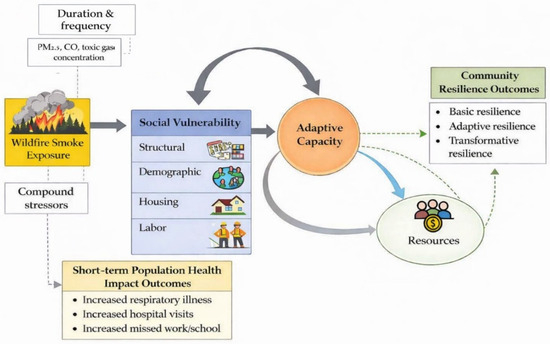
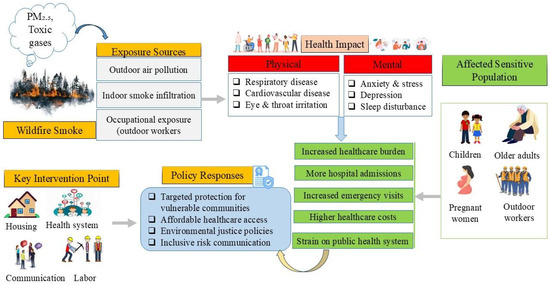
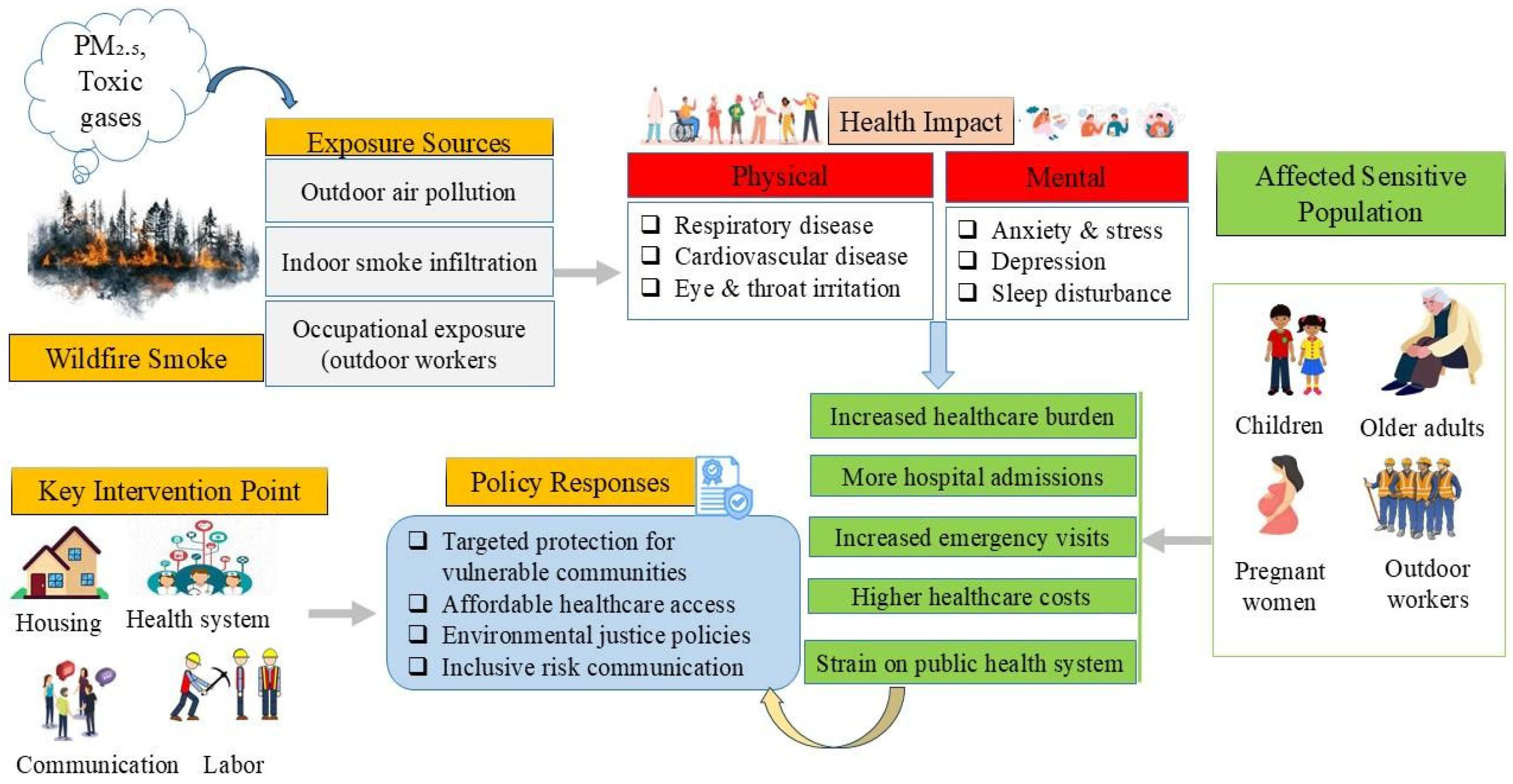

Disclaimer/Publisher’s Note: The statements, opinions and data contained in all publications are solely those of the individual author(s) and contributor(s) and not of MDPI and/or the editor(s). MDPI and/or the editor(s) disclaim responsibility for any injury to people or property resulting from any ideas, methods, instructions or products referred to in the content. |
© 2026 by the authors. Licensee MDPI, Basel, Switzerland. This article is an open access article distributed under the terms and conditions of the Creative Commons Attribution (CC BY) license.