Article

Survey-Based Evaluation of Public Perceptions of Automated Speed Enforcement

Department of Civil and Environmental Engineering, Southern Polytechnic College of Engineering and Engineering Technology, Kennesaw State University, Marietta, GA 30060, USA
*
Author to whom correspondence should be addressed.
Sustainability 2026, 18(10), 4821; https://doi.org/10.3390/su18104821
Submission received: 4 March 2026 / Revised: 25 April 2026 / Accepted: 9 May 2026 / Published: 12 May 2026

Abstract

Automated Speed Enforcement (ASE), a widely known speed management strategy, extends beyond its safety benefits and is shaped by public trust, broader governance, and policy frameworks. This study evaluated public opinions of the ASE program in school zones in Georgia, United States, which has recently undergone multiple policy changes. An online survey was conducted targeting Georgia drivers aged 18 years or older, which gathered 502 responses from a representative sample based on exposure, direct school connections, and sociodemographic factors. Respondents indicated their agreement levels on a Likert scale across multiple statements about ASE and their thoughts on enhancing the program’s transparency, trustworthiness, and fairness. Data analysis was conducted using descriptive statistical techniques and cross-classification. Among all respondents, 71 percent supported the program, and among individuals who had driven through speed-enforced school zones, 81 percent reported that ASE led them to reduce speeds. Issuing the citation to the actual driver at the time of violation, publicizing revenue allocation and utilization, publicizing safety benefits, and clearly posting the speed limits and the hours under evaluation were among the key concerns. These findings highlight the significance of integrating public perceptions into ASE policy, identifying areas needing improvement, and promoting community-endorsed traffic safety interventions.

1. Introduction

Traffic safety is a fundamental component of social sustainability, directly contributing to the public well-being and quality of life. Each year, 1.19 million people die from road crashes across the world, and it is the leading cause of death for individuals aged 5–29 [1]. Traffic safety has been increasingly recognized as a shared responsibility among stakeholders, including policymakers, agencies, and road users, with safety outcomes depending on coordinated actions across the entire system [2], thereby promoting social and economic sustainability. Among traffic safety concerns, speeding substantially impacts both the frequency and severity of traffic crashes by extending the required stopping distance for a given hazard, increasing the likelihood of vehicle loss of control, and amplifying the kinetic energy involved in collisions [2]. Speeding is a form of aggressive driving behavior influenced by time pressure, in which drivers tend to increase speed to compensate for delays or urgency, a perceived low risk of detention, high perceived thresholds for speeding, or conformity with surrounding traffic speeds [3,4]. In the United States (US), speeding was a factor in 29 percent of all traffic fatalities in 2023, killing 11,775 people, an average of over 32 people per day [5]. Managing speed is therefore important in preventing crashes, severe injuries, and also societal and individual costs of post-crash care [4].
In this context, Automated Speed Enforcement (ASE) cameras have emerged as a proven safety countermeasure that can enforce speed limits and supplement other speed management techniques, such as high-visibility enforcement, traffic calming, and social norming [6]. In the US, ASE cameras are operational in 354 communities across 26 states and the District of Columbia as of April 2026 [7]. Administering ASE programs can be controversial: consequently, while some states continue to adopt ASE, others have moved to restrict or discontinue these programs [8,9,10,11]. ASE has been perceived as a politically sensitive issue, prompting substantial public debate and scrutiny by policymakers, while media coverage of current ASE programs has highlighted concerns about their implementation [12]. Given that, understanding road user perceptions is critical for informing traffic safety policy and ensuring the long-term social and institutional sustainability of the ASE programs.
Accordingly, this study aimed to examine the public perceptions of the school zone ASE program in Georgia (GA), US, which has undergone several policy changes within the last few years. This camera program began in GA with the House Bill 978 in 2018, which legally permitted ASE devices in school zones [13], resulting in 286 school zones equipped with ASE across the state as of January 2024. Later, in 2025, House Bill 225 proposed a complete repeal of those provisions, aiming to prohibit ASE cameras and entering or renewing related contracts [14]; however, in contrast, House Bill 651 focused on reforming the system rather than eliminating it [15]. Its amendment AM 39 0495 narrowed the scope by limiting operations during school days and class hours, establishing a violation threshold of 10 mph above the speed limit, eliminating additional fees, requiring clearer signage in school zones, and instructing that all collected revenue be utilized solely for school zone safety initiatives. Meanwhile, Senate Bill 172 in 2025 took an opposite stance by suggesting a full repeal of laws allowing ASE, with the repeal set to take place on 1 July 2026, and an immediate ban on initiating or extending ASE-related agreements [9]. These contrasting legislative approaches demonstrate that ASE policies in GA remain subject to ongoing change and revision. In this context, this study focused on two objectives: to examine public awareness, attitudes, perceived fairness, and support for the ASE program through a road-user survey; and to identify factors influencing public support through cross-classification analysis, providing insights to inform traffic policy decisions. This study was conducted as part of a broader research effort for the Georgia Department of Transportation (GDOT) [16].
While previous studies have examined public attitudes towards ASE, most have focused on general roadway contexts and have not captured the unique dynamics of school zones, which involve vulnerable road users and time-dependent traffic conditions during arrival and dismissal times. Additionally, prior research rarely accounted for users’ actual exposure to school zone environments, differences in user roles, or the influence of localized policy settings. Addressing these gaps, this survey design goes beyond general driver opinions by differentiating respondents based on their actual interaction with school zones and the frequency of travel, as well as role-based characteristics such as parents and other road users, which were rarely examined collectively in prior research. By grounding the analysis in an active ASE implementation, the study provides context-specific, policy-relevant insights to improve school zone safety.

2. Literature Review

ASE has been adopted as a system-level speed management strategy in many countries, including the US, due to its demonstrated safety benefits. In the US, the effectiveness of ASE has been examined quantitatively by several researchers across various contexts. The ASE program in Montgomery County, Maryland, was evaluated for long-term effectiveness, and the results indicated that mean speeds reduced by 10 percent and severe or fatal injury crashes reduced by 19.4 percent at camera sites [17]. Another study evaluated the speed camera program in Chicago, Illinois, that was installed in the 2013–2014 period, and examined a 12 percent reduction in fatal and injury crashes through the Empirical Bayes method, across the considered camera sites, while some individual sites did not show the expected safety benefits [18]. Change in vehicle speeds after implementing ASE in school zones in Seattle, Washington, was assessed, and it was found that speed violation rates were reduced by nearly half during the citation period compared with the warning period of the program [19]. Additionally, there was a 2.1 mph reduction in the hourly maximum violation speed and a 1.1 mph reduction in the mean hourly speed. The speed camera program in school zones in New York City was evaluated for its early-stage and long-term safety benefits, and the findings suggested that there was a decline in citations by an average of 18.4 percent, 13.3 percent, and 0.6 percent in the second, third, and fourth months after the installation, while the long-term data analysis discovered a 75 percent reduction in citations [20]. Another study evaluated this ASE camera program in New York City using the Quasi-Experimental Method, considering 2000 speed cameras across the city, and found that collisions and injuries declined by 5 percent and 2.5 percent per month on average, while there were 30 percent and 16 percent reductions in collisions and injuries, respectively, over the seven months following their installation [21]. Additionally, a 14 percent reduction in traffic crashes was observed in the Survival Analysis with Random Effects following the implementation. Another study evaluating ASE cameras installed in the District of Columbia observed reductions of 9.35 percent, 13.16 percent, and 30.3 percent in raw crash counts for all crashes, property-damage-only crashes, and injury crashes, respectively, in the vicinity of the cameras [22]. The speed camera program on Roosevelt Boulevard in Philadelphia was evaluated for its safety effectiveness using Bayesian Negative Binomial and Poisson models. It was found that crashes and injuries decreased by approximately 50 percent relative to the most similar arterials, all arterials, and local roads in Philadelphia [23]. In addition, ASE programs in other countries have demonstrated their short-term and long-term safety benefits [24,25,26,27,28,29,30,31,32,33,34,35,36,37,38,39], with varying effect sizes depending on the context and methods used [40,41]. Further, some researchers have explored the deterrence effect of ASE in several countries, and how driver behavior is influenced by the presence of ASE; however, there are mixed findings that remain inconclusive [36,42,43,44].
Despite consistent evidence demonstrating the effectiveness of ASE in the US, its adoption remains uneven across states and jurisdictions. The deployment of ASE has been restrained by legal frameworks, political considerations, and public acceptance, rather than technical performance alone. Policy controversies exist regarding ASE, and 25 of 50 US states have passed laws that fully or partially ban ASE cameras [45]. Beyond institutional concerns, public acceptance has emerged as a critical element, given concerns about trust, privacy, transparency, and fairness. Also, in the US, people value driving at high speeds and regularly exceed speed limits [46]. In addition, it is common for some drivers to downplay speeding and resist acknowledging their speeding behavior, even when they are aware of the rules, due to cognitive dissonance [47]. From the road user perspective, arguments exist, including claims that ASE may not influence driving behavior, reduce crashes, or serve as the most efficient method for minimizing traffic violations. Additional issues include doubts about the reliability of the ASE camera devices, delays in notifying violators, and low community awareness [48]. Some individuals also question the underlying intent of ASE, implying that it may be steered more by financial gain than by a legitimate focus on traffic safety [46]. Critics further argue that enforcement locations may be strategically chosen to maximize violations, with some raising concerns about potential racial bias and fairness in implementation [49].
Regarding studies on public attitudes toward ASE, most are from European countries, Australia, and Middle Eastern countries [50,51,52,53,54], and a few have been conducted in the US. A survey was conducted to examine perceptions of speeding risk, public support for ASE, and the impact of road safety messaging on support for ASE, collecting responses from 1504 US drivers nationwide [55]. Survey results revealed that most US drivers viewed speeding as less risky than drunk driving or texting while driving; however, 71 percent supported ASE cameras in their communities, and support was higher among participants who viewed speeding as dangerous driving behavior, and vice versa. A telephone survey conducted in Maryland, US, assessed public attitudes toward the ASE cameras implemented on residential roadways and school zones, and a significantly greater proportion of respondents (86 percent) supported ASE in school zones than on residential streets (62 percent) [17]. A survey evaluated public resistance to ASE and possible changes in attitudes in a more positive way, collecting data from 203 drivers in Minnesota, US [46]. Of those respondents, 100 had favorable responses when entering the survey, and of the 103 respondents who opposed ASE at the beginning of the survey, 54 did not change their opinion after engaging with the survey materials. Another study evaluated the possibility of improving public support by framing ASE as a way to reduce racial profiling in manual enforcement and evaluating the risk of backlash among some groups, analyzing responses from 1468 adults in the US [49]. Results revealed that the majority of respondents believed that racial profiling occurs in manual speed enforcement and disapproved of the practice; those individuals were more likely to support ASE. There was no clear pattern of support based on the approval of profiling.
While many researchers have evaluated ASE programs in the US quantitatively, for example, by assessing reductions in crashes and compliance with posted speed limits, only a few studies have examined the social dimensions of these programs. Because public support is a key driver of the long-term success of ASE programs, it is essential to examine public perceptions across communities. This study addresses this gap by exploring road user perceptions of the school zone ASE program in GA, US, through a road-user survey, aiming to provide insights for more effective implementation of ASE.

3. Methodology

3.1. Survey Design and Administration

The questionnaire was developed using established insights and methodologies from the existing literature [46,56] to ensure that questions are valid and relevant, and, in addition, it was tailored to the context of GA by incorporating local conditions, including news reports, public discussions, and prevailing viewpoints expressed by stakeholders. Using the Qualtrics XM survey [57] platform (https://www.qualtrics.com), the survey was designed to include multiple-choice, rating-scale, and open-response items. It was structured into three key sections, as summarized in Table 1. A pilot test was conducted before the main data collection to assess question clarity, structure, time spent, and overall effectiveness of the questionnaire, and necessary improvements were made to the survey instrument based on the feedback.
Approval for the survey instruments was obtained by the Institutional Review Board to ensure ethical compliance in research involving human participants. In addition, the authors completed the Collaborative Institutional Training Initiative (CITI) Program in Human Subjects Research to confirm adherence to relevant institutional and federal guidelines [16,58]. The study targeted licensed drivers aged 18 years or older, and contribution was entirely voluntary. The survey was fully online, and it was conducted through several platforms, including social media, the Safe Routes to School Program [59], professional organizations, or by sharing directly to gather responses from a heterogeneous sample [16]. It was open to any licensed driver in GA aged 18 or above, irrespective of their demographics or other characteristics. To further enhance outreach, the research team distributed Quick Response (QR) codes linking to the survey at public places across multiple counties, including shopping malls, libraries, and parks. Data collection was conducted over a 7-month period from February 2025 to September 2025, yielding a total of 502 responses, after excluding responses flagged by Qualtrics as potential bots or exhibiting unusual patterns.
The representativeness of the sample was evaluated using the available socio-demographic and travel-related variables. Due to data sensitivity considerations in the US, variables such as gender, ethnicity, and political views were not included in the questionnaire. Instead, the survey collected age group, employment status, educational attainment, driving experience, exposure to ASE in school zones, and citation-related history. Comparisons with GA-level distributions indicated no significant difference in the available characteristics, suggesting reasonable representativeness; therefore, no additional weighting was applied.

3.2. Statistical Analysis of Data

Responses were analyzed to report frequencies and percentages for different perceptions evaluated on the ASE program. The reported percentages were calculated as sample proportions based on the number of respondents selecting each response category relative to the total valid responses. Wilson score intervals were computed to estimate proportions at the 95 percent confidence level, as this method provides improved accuracy over the standard normal approximation, particularly for binomial data with proportions near 0 or 1 [60]. The lower and upper bounds of the Wilson Interval are defined as follows:
W i l s o n   I n t e r v a l = p ^ + z 2 2 n ± z p ^ ( 1 p ^ ) n + z 2 4 n 2 1 + z 2 n
where p ^ is the sample proportion, n is the sample size, and z is the Z-score obtained from the standard normal distribution corresponding to the selected confidence interval (z = 1.96 for a 95 percent confidence level).
Additionally, respondents indicated their extent of agreement with 17 statements about the ASE program, measured on a five-point Likert scale ranging from ‘strongly disagree’ to ‘strongly agree’. This scale allowed for quantifying the relative importance of each statement by estimating a weighted mean score, with the scores for strongly disagree (score = 1), somewhat disagree (score = 2), neutral (score = 3), somewhat agree (score = 4), and strongly agree (score = 5), and ranking them based on the relative importance [61,62]. The weighted mean score was calculated as follows:
W e i g h t e d   M e a n   S c o r e = i = 1 5 w i f i i = 1 5 f i
where i is the corresponding category in the Likert scale, wi is the weight/score assigned, and fi is the frequency of responses in the corresponding category.
Relationships among attitudes toward ASE, key sociodemographic variables, and frequency of driving through enforcement zones were examined using cross-classification analysis. The Chi-squared test, a nonparametric statistical test, was performed to assess relationships across a pair of categorical variables in a contingency table framework. The Chi-squared statistic can be defined as follows [63]:
X 2 = O i j E i j 2 E i j
where Oij is the observed frequency in cell i,j in the contingency table, and Eij is the expected frequency in cell i,j. After computing the degrees of freedom (df), the p-value was obtained by referencing the Chi-squared distribution. If the calculated p < 0.05 (95 percent confidence level), the null hypothesis is rejected, implying that there is a statistically significant association between the selected categorical variable and support for ASE or respondents’ level of agreement/disagreement with the selected statement.

4. Results and Discussion

4.1. Socio-Demographic Composition of the Study Sample

There was a relatively small proportion (3 percent) of high school students and a substantial share (44 percent) of individuals with a direct school connection within the survey sample. The sample also reflected a wide range of educational backgrounds, employment, age, and driving experience levels. Educational attainment of the respondents is as follows: graduate degree holders—39 percent, bachelor’s degree holders—37 percent, high school diploma or equivalent—23 percent, and less than a high school diploma—1 percent. Regarding employment status, the majority were employed (83 percent), while the remaining 17 percent were not employed. The largest age group was 35–64 years (52 percent), followed by 18–34 years (41 percent), while 6 percent of individuals were from the 65+ age category and 1 percent chose not to reveal age. Respondents’ driving experience is as follows: 39 percent with >25 years of experience, 18 percent with 15–25 years of experience, 26 percent with 5–15 years of experience, and 17 percent with <5 years of driving experience.

4.2. Awareness, Exposure, and Support

A majority of respondents (76 percent) were aware of ASE cameras prior to participating in the survey. Among those familiar with ASE, 74 percent reported having driven through school zones where ASE cameras are installed. Driving frequency in those enforcement zones is as follows: daily travel—22 percent, all weekdays—5 percent, 3–4 times per week—24 percent, <3 times per week—16 percent, and on an occasional basis—33 percent. Within this subgroup, 22 percent reported receiving a citation with a fine, and 5 percent reported receiving a warning without a fine; no respondent indicated having received both. In addition, 52 percent of participants stated that they knew others who had been issued citations in ASE-enforced school zones, reflecting potential indirect social influence on perceptions of the program. As illustrated in Figure 1, overall support for the ASE program was 71 percent (67–75 percent at a 95 percent confidence level) among all respondents. Furthermore, among those who had driven through ASE-equipped school zones, 81 percent (76–86 percent at a 95 percent confidence level) reported that the presence of ASE led them to slow down.

4.3. Agreement/Disagreement Levels Across ASE Perspectives

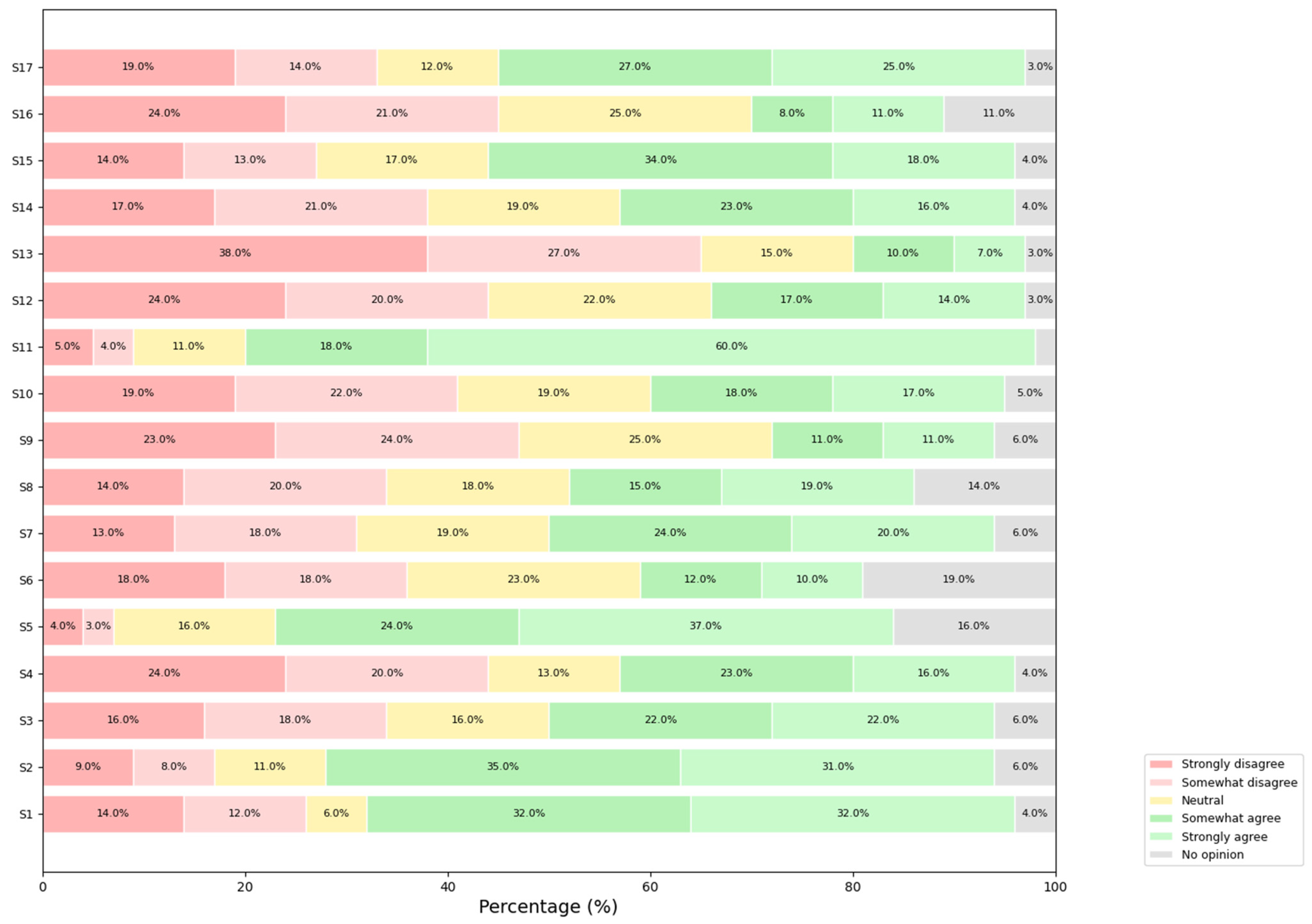
Table 2 presents various perspectives on ASE as assessed in the survey, and Figure 2 presents the levels of agreement and disagreement across those perspectives. The statements were ranked by their relative importance, as shown in Table 3.
Based on relative importance, respondents had major concerns about issuing citations to the vehicle’s registered owner and about the use of collected funds from the ASE. Notably, 60 percent (55–65 percent at a 95 percent confidence level) of respondents strongly supported mailing citations to the actual driver at the time of the violation, and 37 percent (33–41 percent at a 95 percent confidence level) strongly agreed that the distribution and use of citation revenue is not clearly understood. In addition, 38 percent (33–43 percent at a 95 percent confidence level) strongly disagreed with the statement that ASE is not necessary since drivers already comply with speed limits, and 25 percent (21–29 percent at a 95 percent confidence level) strongly supported expanding ASE implementation to all school zones across the state.

4.4. Recommendations on Transparency, Trustworthiness, and Fairness of the Program

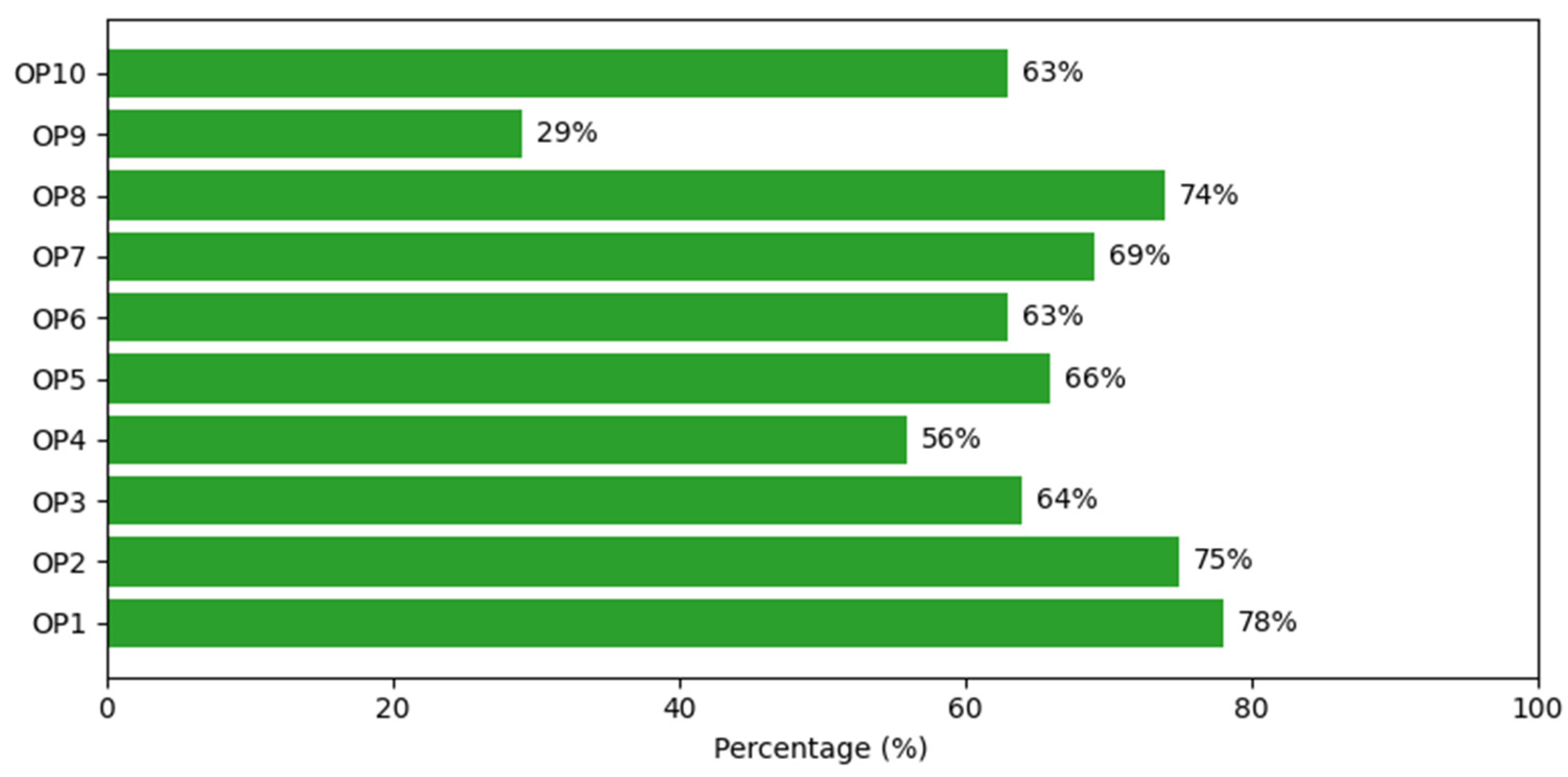
Table 4 and Figure 3 show participants’ perceptions of how to enhance the transparency, trust, and fairness of the current ASE system.
Importantly, most respondents agreed that the agencies should routinely collect and disseminate information on how effectively ASE reduces speeds and crashes (75–81 percent at a 95 percent confidence level); disclose revenue collected and how it is allocated and utilized (71–79 percent at a 95 percent confidence level); and publish speed limits and enforcement hours clearly (70–78 percent at a 95 percent confidence level).

4.5. Variations in Perceptions Across Respondent Characteristics

Table 5 reports the findings of the cross-classification analysis. Cross-classifications with p-values < 0.05 (95 percent confidence level) indicated statistically significant relationships between the tested pairs. Those statistically significant relationships were identified between the support for ASE cameras and having a direct school connection, age, driving experience, and prior receipt of a fine. Additionally, having a prior citation significantly affected respondents’ perceptions of ASE as a revenue-driven enforcement measure. Further, the support for ASE was not influenced by the respondents’ driving frequency through school zones with ASE, their employment status, or level of education. Respondents’ perceptions of ASE as a tool for reducing vehicle speeds and crashes were independent of their education level, and their support for expanding ASE to all schools in GA was independent of their travel frequency through school zones equipped with ASE (p > 0.05, at a 95 percent confidence level).
Even though most respondents were not directly affiliated with a school, the findings suggest that individuals with such a connection were more inclined to support ASE. Among age groups, 18–34-year-olds showed relatively strong support for ASE compared with other age groups. Regarding driving experience, respondents with <5 years of experience exhibited comparatively greater support, accounting for 83 percent within that group. In addition, individuals who had not previously received a citation were more supportive of ASE than those who had already received a citation.

4.6. Policy and Practice Implications

The results of this study emphasize the importance of integrating public perceptions into the planning and implementation of ASE programs. The majority of respondents indicated strong support for this program and reported that ASE cameras led them to slow down in school zones, indicating both approval and tangible behavioral impact. However, more than 70 percent of respondents raised concerns about the program’s transparency, including the safety effectiveness, revenue utilization, and the publishing of speed limits and hours under evaluation in school zones. Similar patterns have been reported in prior studies: ASE programs in school zones have gained public acceptance [17], and transparency has become a key concern [46]. Therefore, policymakers and agencies should prioritize transparent communication to improve public trust. Additionally, there was a key concern about issuing citations to the registered owner of the vehicle rather than to the at-fault driver. To address this concern, agencies should explore mechanisms to identify the driver at the time of the violation, thereby ensuring that citations are issued more fairly and accurately. Furthermore, the finding that individuals with school connections were more likely to support the program underscores the importance of engaging these stakeholders in program design and outreach. Additionally, the findings from the cross-classification analysis indicate which groups may require additional education and engagement.

4.7. Limitations and Recommendations

The survey collected 502 responses, providing a robust dataset for the analysis. However, it is possible that people who oppose the program are underrepresented, as some individuals declined to participate during in-person interactions. Additionally, this study did not collect detailed sociodemographic information, such as gender, ethnicity, or political views, due to the sensitive nature of these data, which could limit the ability to analyze how these factors might influence responses. Furthermore, caution should be exercised when adopting or generalizing these findings to other jurisdictions, as they are specific to their time and context. It is recommended that similar surveys be conducted periodically, as public perceptions may evolve with increased exposure and awareness. Findings from such surveys can inform timely updates on ASE policies, promoting community well-being.

5. Conclusions

This study examined public insights of the ASE program in school zones in GA, US, through a road user survey, with particular attention to perceptions of safety effectiveness, transparency, trustworthiness, fairness, and prevailing societal attitudes. The study contributes to the literature by providing context-specific empirical evidence, which is critical to the overall success of the ASE programs. Notably, ASE programs in the US have undergone multiple policy modifications and continue to evolve, reflecting ongoing legislative, operational, and public concerns. In this context, the findings of this study are particularly important, as they provide timely, evidence-based insights into public responses under changing regulatory conditions. From a societal and policy perspective, the results provide actionable insights for transportation agencies to optimize ASE implementation strategies, including targeted public engagement and improved communication. Incorporating these factors into program design supports a more comprehensive, human-centered approach to speed management, helping bridge the gap between enforcement objectives and public understanding, ultimately contributing to safer communities.

Author Contributions

Conceptualization, S.D. and S.G.; methodology, S.D. and S.G.; software, S.G.; validation, S.G.; formal analysis, S.G.; investigation, S.D.; resources, S.D. and P.B.; data curation, S.G.; writing—original draft preparation, S.G.; writing—review and editing, S.D.; visualization, S.G.; supervision, S.D. and P.B.; project administration, S.D.; funding acquisition, S.D. All authors have read and agreed to the published version of the manuscript.

Funding

This research was funded by the Georgia Department of Transportation (GDOT), project number RP-23-15.

Institutional Review Board Statement

The study was conducted in accordance with the Declaration of Helsinki and approved by the Institutional Review Board of Kennesaw State University, GA, US (protocol code 45 CFR 46.104 and 17 February 2025), where the authors are formally affiliated.

Informed Consent Statement

Informed consent was obtained from all subjects who participated in the survey.

Data Availability Statement

The data presented in this study are not publicly available due to ethical and confidentiality obligations outlined in the informed consent form. Participants were explicitly informed that their responses would not be shared with other researchers without additional consent; therefore, data sharing is not permitted.

Conflicts of Interest

The authors declare no conflicts of interest.

Abbreviations

The following abbreviations are used in this manuscript:
ASEAutomated Speed Enforcement
GAGeorgia
USUnited States

References

  1. CDC Global Road Safety. Available online: https://www.cdc.gov/transportation-safety/global/index.html (accessed on 12 February 2026).
  2. Speed. Available online: https://www.iihs.org/research-areas/speed (accessed on 8 February 2026).
  3. NHTSA. Speeding. Available online: https://www.nhtsa.gov/risky-driving/speeding (accessed on 10 February 2026).
  4. NHTSA. Understanding the Problem. Available online: https://www.nhtsa.gov/book/countermeasures-that-work/speeding-and-speed-management/understanding-problem (accessed on 10 February 2026).
  5. Speeding. Injury Facts. Available online: https://injuryfacts.nsc.org/motor-vehicle/motor-vehicle-safety-issues/speeding/ (accessed on 12 February 2026).
  6. NHTSA. Speed Safety Camera Enforcement. Available online: https://www.nhtsa.gov/book/countermeasures-that-work/speeding-and-speed-management/countermeasures/enforcement/speed (accessed on 10 February 2026).
  7. Speed: U.S. Speed Camera Communities. Available online: https://www.iihs.org/research-areas/speed/speed-camera-communities (accessed on 23 April 2026).
  8. Traffic Safety Review: State Speed and Red-Light Camera Laws and Programs. Available online: https://www.ncsl.org/transportation/traffic-safety-review-state-speed-and-red-light-camera-laws-and-programs (accessed on 10 February 2026).
  9. Georgia General Assembly—SB 172. Available online: https://www.legis.ga.gov/legislation/70339 (accessed on 10 February 2026).
  10. New California Laws Going into Effect in 2026. Available online: https://newsroom.courts.ca.gov/news/new-california-laws-going-effect-2026 (accessed on 10 February 2026).
  11. Aldossari, M.; Bandara, N.; Al-Werfalli, D. Implications of Resistance to Automated Speed Enforcement and Red-Light Camera Implementation. In International Conference on Transportation and Development 2023; American Society of Civil Engineers: Austin, TX, USA, 2023; pp. 1–9. [Google Scholar] [CrossRef]
  12. Morain, S.R.; Gielen, A.C.; Bhalla, K. Automated Speed Enforcement Systems to Reduce Traffic-Related Injuries: Closing the Policy Implementation Gap. Inj. Prev. 2016, 22, 79–83. [Google Scholar] [CrossRef]
  13. Georgia General Assembly—HB 978. Available online: https://www.legis.ga.gov/legislation/53114 (accessed on 10 February 2026).
  14. Georgia General Assembly—HB 225. Available online: https://www.legis.ga.gov/legislation/69778 (accessed on 11 February 2026).
  15. Georgia General Assembly—HB 651. Available online: https://www.legis.ga.gov/legislation/70850 (accessed on 11 February 2026).
  16. Dissanayake, S.; Bhavsar, P.; Gunathilaka, S. Effectiveness of Automated Speed Enforcement in School Zones and Guidance for Continuous Usage in Georgia. Available online: https://rosap.ntl.bts.gov (accessed on 23 April 2026).
  17. Hu, W.; McCartt, A.T. Effects of Automated Speed Enforcement in Montgomery County, Maryland, on Vehicle Speeds, Public Opinion, and Crashes. Traffic Inj. Prev. 2016, 17, 53–58. [Google Scholar] [CrossRef]
  18. Tilahun, N. Safety Impact of Automated Speed Camera Enforcement: Empirical Findings Based on Chicago’s Speed Cameras. Transp. Res. Rec. 2023, 2677, 1490–1498. [Google Scholar] [CrossRef]
  19. Quistberg, D.A.; Thompson, L.L.; Curtin, J.; Rivara, F.P.; Ebel, B.E. Impact of Automated Photo Enforcement of Vehicle Speed in School Zones: Interrupted Time Series Analysis. Inj. Prev. 2019, 25, 400–406. [Google Scholar] [CrossRef] [PubMed]
  20. Gao, J.; Yang, D.; Xu, C.; Ozbay, K.; Sharma, S. Assessing the Impact of Fixed Speed Cameras on Speeding Behavior and Crashes: A Longitudinal Study in New York City. Transp. Res. Interdiscip. Perspect. 2025, 30, 101373. [Google Scholar] [CrossRef]
  21. Stagoff-Belfort, A.; Ben-Menachem, J.; Beck, B. Can Speed Cameras Make Streets Safer? Quasi-Experimental Evidence from New York City. Proc. Natl. Acad. Sci. USA 2025, 122, e2520328122. [Google Scholar] [CrossRef] [PubMed]
  22. Abdelhalim, A.; Bailey, L.; Dalphy, E.; Raboy, K. Data Enforced: An Exploratory Impact Analysis of Automated Speed Enforcement in the District of Columbia. In Proceedings of the 2021 IEEE International Intelligent Transportation Systems Conference (ITSC), Indianapolis, IN, USA; IEEE: New York, NY, USA, 2021; pp. 2478–2483. [Google Scholar] [CrossRef]
  23. Guerra, E.; Puchalsky, C.; Kovalova, N.; Hu, Y.; Si, Q.; Tan, J.; Zhao, G. Evaluating the Effectiveness of Speed Cameras on Philadelphia’s Roosevelt Boulevard. Transp. Res. Rec. 2024, 2678, 452–461. [Google Scholar] [CrossRef]
  24. Chen, G.; Meckle, W.; Wilson, J. Speed and Safety Effect of Photo Radar Enforcement on a Highway Corridor in British Columbia. Accid. Anal. Prev. 2002, 34, 129–138. [Google Scholar] [CrossRef]
  25. Mountain, L.J.; Hirst, W.M.; Maher, M.J. Costing Lives or Saving Lives: A Detailed Evaluation of the Impact of Speed Cameras. Traffic Eng. Control 2004, 45, 280–287. [Google Scholar]
  26. Goldenbeld, C.; van Schagen, I. The Effects of Speed Enforcement with Mobile Radar on Speed and Accidents: An Evaluation Study on Rural Roads in the Dutch Province Friesland. Accid. Anal. Prev. 2005, 37, 1135–1144. [Google Scholar] [CrossRef]
  27. Christie, S.M.; Lyons, R.A.; Dunstan, F.D.; Jones, S.J. Are Mobile Speed Cameras Effective? A Controlled before and after Study. Inj. Prev. 2003, 9, 302–306. [Google Scholar] [CrossRef] [PubMed]
  28. Audit Office of NSW. Performance Audit: Improving Road Safety: Speed Cameras: Roads and Traffic Authority; Audit Office of NSW: Sydney, Australia, 2011. Available online: https://www.audit.nsw.gov.au/sites/default/files/pdf-downloads/2011_Jul_Report_Improving_road_safety_speed_cameras.pdf (accessed on 8 February 2026).
  29. Eun, S.J. Effects of Tougher School Zone Laws on Road Traffic Safety in School Zones for Children in South Korea. J. Transp. Health 2023, 32, 101687. [Google Scholar] [CrossRef]
  30. Besharati, M.M.; Tavakoli Kashani, A.; Li, Z.; Washington, S.; Prato, C.G. A Bivariate Random Effects Spatial Model of Traffic Fatalities and Injuries across Provinces of Iran. Accid. Anal. Prev. 2020, 136, 105394. [Google Scholar] [CrossRef]
  31. Mesic, A.; Krebs, E.; Delavary, M.; Vanlaar, W.; Turner, B.; Neki, K.; Nzeyimana, I. A Case-Control Study of the Impact of Automated Speed Enforcement on Motorist Speeds and Speeding Violations in Rwanda. Accid. Anal. Prev. 2024, 194, 107327. [Google Scholar] [CrossRef]
  32. Li, Y.; Kim, A.M. Allocating and Scheduling Resources for a Mobile Photo Enforcement Program. Transp. Res. Part C Emerg. Technol. 2021, 125, 103000. [Google Scholar] [CrossRef]
  33. Centre for Automotive Safety Research. Full Publication List. Available online: https://casr.adelaide.edu.au/publications/list/?id=1977 (accessed on 2 March 2026).
  34. Centre for Automotive Safety Research. Full Publication List. Available online: https://casr.adelaide.edu.au/publications/list/?id=1942 (accessed on 2 March 2026).
  35. Graham, D.J.; Naik, C.; McCoy, E.J.; Li, H. Do Speed Cameras Reduce Road Traffic Collisions? PLoS ONE 2019, 14, e0221267. [Google Scholar] [CrossRef] [PubMed]
  36. Valderrama, S.L.; Palacios, M.S.; Botello, V.P.; Perez-Barbosa, D.; Arrieta, J.V.; Kisner, J.; Adriazola-Steil, C. On Speed Management, Public Health, and Risky Behaviors: Examining the Side Effects of Automated Speed-Enforcement Cameras on Traffic Crashes in Bogotá, Colombia. Transp. Res. Rec. 2024, 2678, 590–600. [Google Scholar] [CrossRef]
  37. Safavi-Naini, S.A.A.; Sobhani, S.; Malekpour, M.-R.; Bhalla, K.; Shahraz, S.; Haghshenas, R.; Ghamari, S.-H.; Abbasi-Kangevari, M.; Rezaei, N.; Heydari, S.T.; et al. Drivers’ Behavior Confronting Fixed and Point-to-Point Speed Enforcement Camera: Agent-Based Simulation and Translation to Crash Relative Risk Change. Sci. Rep. 2024, 14, 1863. [Google Scholar] [CrossRef]
  38. Cheng, Z.; Dong, Z.; Pang, M.-S. Automated Enforcement and Traffic Safety. Manag. Sci. 2025, 71, 10067–10087. [Google Scholar] [CrossRef]
  39. Howard, A.W.; Batomen, B.; Zubair, S.; Cloutier, M.-S.; Macpherson, A.K.; Rothman, L. Automated Speed Enforcement Reduced Vehicle Speeds in School Zones in Toronto: A Prospective Quasi-Experimental Study. Inj. Prev. 2025. [Google Scholar] [CrossRef]
  40. Job, R.F.S. Evaluations of Speed Camera Interventions Can Deliver a Wide Range of Outcomes: Causes and Policy Implications. Sustainability 2022, 14, 1765. [Google Scholar] [CrossRef]
  41. Amancio, E.C.; Cecy Gadda, T.M.; Inocente Domingos, M.D.; Bastos, J.T.; da Costa Bonetti, G.; Pinho Ferreira, S.M.; Schmitz, A.; Oviedo-Trespalacios, O. Effectiveness of Speed Cameras in Reducing Speed: A Systematic Review. Accid. Anal. Prev. 2026, 231, 108488. [Google Scholar] [CrossRef] [PubMed]
  42. Pauw, E.D.; Daniels, S.; Brijs, T.; Hermans, E.; Wets, G. Behavioural Effects of Fixed Speed Cameras on Motorways: Overall Improved Speed Compliance or Kangaroo Jumps? Accid. Anal. Prev. 2014, 73, 132–140. [Google Scholar] [CrossRef]
  43. Høye, A. Speed Cameras, Section Control, and Kangaroo Jumps—A Meta-Analysis. Accid. Anal. Prev. 2014, 73, 200–208. [Google Scholar] [CrossRef]
  44. Fu, C.; Liu, H. Investigating Distance Halo Effect of Fixed Automated Speed Camera Based on Taxi GPS Trajectory Data. J. Traffic Transp. Eng. 2023, 10, 70–85. [Google Scholar] [CrossRef]
  45. Ralph, Johnson-Rodriguez Research ASE Perceptions, Edward J. Bloustein School of Planning & Public Policy. Available online: https://bloustein.rutgers.edu/ralph-researches-automated-speed-enforcement-perceptions/ (accessed on 12 February 2026).
  46. Peterson, C.; Douma, F.; Morris, N. Addressing Key Concerns Regarding Automated Speed Enforcement via Interactive Survey. Transp. Res. Rec. 2017, 2660, 66–73. [Google Scholar] [CrossRef]
  47. McCartan, R.A. Using Cognitive Dissonance Inducing Interventions to Change Drivers’ Attitudes Towards Speeding and Reduce Speeding Behaviour. Ph.D. Thesis, University of Strathclyde, Glasgow, UK, 2020. Available online: https://stax.strath.ac.uk/concern/theses/bn999683c (accessed on 8 February 2026).
  48. Farmer, C.M. Automated Traffic Enforcement: Responding to the Critics. J. Traffic Transp. Eng. 2017, 5, 1–7. [Google Scholar] [CrossRef]
  49. Ralph, K.; Barajas, J.M.; Johnson-Rodriguez, A.; Delbosc, A.; Muir, C. Can a Racial Justice Frame Help Overcome Opposition to Automated Traffic Enforcement? Transp. Res. Interdiscip. Perspect. 2022, 14, 100594. [Google Scholar] [CrossRef]
  50. Anderson, L.; Truelove, V. Speeding and Deterrence: A Comparative Analysis of Police Officer Enforcement and Camera-Based Systems. Polic. Soc. 2026, 36, 342–361. [Google Scholar] [CrossRef]
  51. Truelove, V.; Oviedo-Trespalacios, O. How Visibility and Alerts Shape Speed Enforcement Legitimacy. Transp. Res. Part F Traffic Psychol. Behav. 2026, 119, 103592. [Google Scholar] [CrossRef]
  52. Schechtman, E.; Bar-Gera, H.; Musicant, O. Driver Views on Speed and Enforcement. Accid. Anal. Prev. 2016, 89, 9–21. [Google Scholar] [CrossRef] [PubMed]
  53. Corbett, C.; Caramlau, I. Gender differences in responses to speed cameras: Typology findings and implications for road safety. Criminol. Crim. Justice Int. J. 2006, 6, 411–433. [Google Scholar] [CrossRef]
  54. Almurayh, A.; Bedaiwy, A.; Elsharkasy, A. Predicting the Orientation of Vehicle Drivers towards the Traffic and Speed Enforcement Surveillance System. Open Transp. J. 2024, 18, e26671212299393. [Google Scholar] [CrossRef]
  55. Delbosc, A.; Muir, C.; Ralph, K.; Barajas, J.M.; Johnson-Rodriguez, A. Do Perceptions of Speeding Act as a Barrier to Automated Speed Enforcement in the United States? Transp. Res. Part F Traffic Psychol. Behav. 2025, 114, 1042–1052. [Google Scholar] [CrossRef]
  56. Beaton, M.D.; Oakey, M.; Newhouse, E.; Copley, T.T.; Fyfe, M.; Karbakhsh, M.; Turcotte, K.; Zheng, A.; Pike, I. Critical Elements of Public Acceptance and Support for Automated Speed Enforcement in British Columbia, Canada. J. Transp. Health 2022, 26, 101461. [Google Scholar] [CrossRef]
  57. Qualtrics XM: The Leading Experience Management Software—Qualtrics. Available online: https://www.qualtrics.com/ (accessed on 2 March 2026).
  58. Research, Ethics, Compliance, and Safety Training. Available online: https://about.citiprogram.org/ (accessed on 13 February 2026).
  59. GA Safe Routes to School. Available online: https://saferoutesga.org/ (accessed on 2 March 2026).
  60. Lott, A.; Reiter, J.P. Wilson Confidence Intervals for Binomial Proportions with Multiple Imputation for Missing Data. Am. Stat. 2020, 74, 109–115. [Google Scholar] [CrossRef]
  61. Sullivan, G.M.; Artino, A.R. Analyzing and Interpreting Data from Likert-Type Scales. J. Grad. Med. Educ. 2013, 5, 541–542. [Google Scholar] [CrossRef]
  62. León-Mantero, C.; Casas-Rosal, J.C.; Pedrosa-Jesús, C.; Maz-Machado, A. Measuring Attitude towards Mathematics Using Likert Scale Surveys: The Weighted Average. PLoS ONE 2020, 15, e0239626. [Google Scholar] [CrossRef] [PubMed]
  63. McHugh, M.L. The Chi-Square Test of Independence. Biochem. Med. 2013, 23, 143–149. [Google Scholar] [CrossRef] [PubMed]
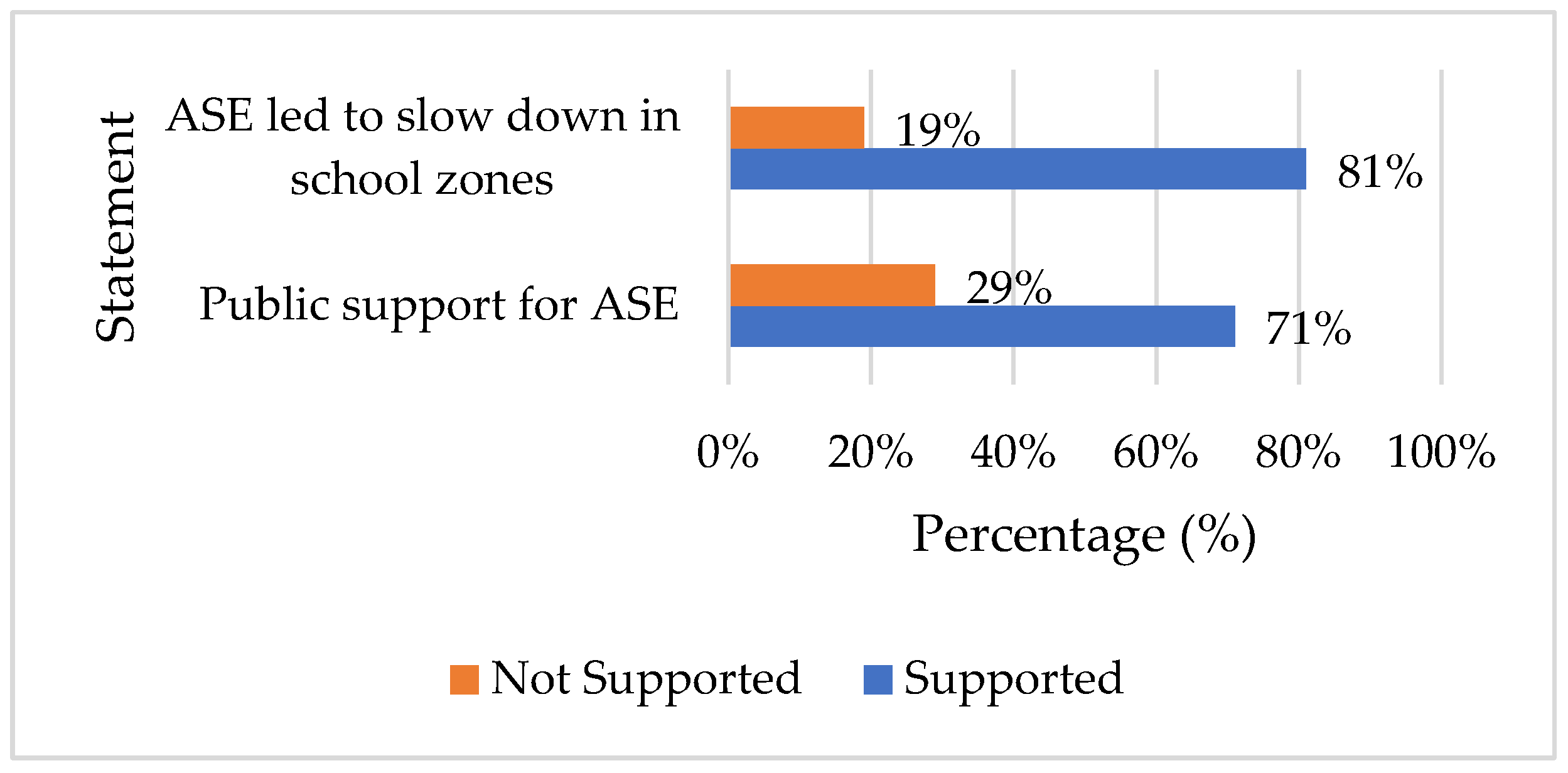
Figure 1. Respondents’ perceptions of the support and effect of ASE.
Sustainability 18 04821 g001
Figure 2. Agreement/disagreement levels across prevailing perspectives on ASE.
Sustainability 18 04821 g002
Figure 3. Percentages of respondents agreed on the program recommendations.
Sustainability 18 04821 g003
Table 1. The structure of the questionnaire.
SectionContentResponse Type
User awareness,
exposure, and opinions
Familiarity with ASE based on personal exposure
Driving frequency across enforcement zones
Citation history
Agreement/disagreement with different perspectives on ASE
Multiple choice
Agreement levels are on a Likert scale
Recommendations and
suggestions
Enhancing the system’s transparency
Enhancing trust in the system
Ensuring fairness for drivers
Additional feedback
Multiple choice: choosing the applicable statements
Open-ended response for additional comments
Respondent’s
sociodemographic
information
School affiliation status
Educational attainment, employment status, age category, and driving experience
Multiple choice
Table 2. Prevailing public perspectives on ASE assessed in the survey.
NoStatements
S1ASE is primarily intended to lower vehicle speeds and crash occurrence
S2ASE cameras contribute effectively to lowering traffic speeds and crash rates
S3ASE is focused on generating revenue rather than improving traffic safety
S4The locations for ASE camera installation are prioritized to yield higher violation rates and revenue
S5There is limited clarity regarding how collected funds are allocated and used
S6ASE systems in school zones mainly serve the interests of private companies
S7These enforcement cameras are an indirect method of regulating public behavior
S8ASE penalties are excessive, and disproportionate for minor speed violations around 10 mph
S9The current 10-mph threshold for violations is too strict and in need of revision
S10I do not have confidence in the reliability of ASE camera technology
S11ASE violations should be assigned to the actual driver at the time of the violation, not the vehicle owner
S12ASE infringes on personal privacy
S13ASE is unnecessary as school zone speed limits are already low, and generally followed
S14ASE should only be implemented in school zones where manual enforcement is not possible
S15ASE promotes equitable and unbiased enforcement of traffic laws
S16Since there is lack of public support for ASE, I am also not willing to support the program personally
S17All school zones across Georgia should be equipped with ASE to enhance traffic safety
Table 3. Relative importance of statements based on the weighted mean score.
RankStatementLevel of AgreementTotal Respondents Excluding ‘No Opinion’ CategoryWeighted Mean Score
Strongly Disagree (Score = 1)Somewhat Disagree (Score = 2)Neutral (Score = 3)Somewhat Agree (Score = 4)Strongly Agree (Score = 5)
1S11201443722373864.3
2S5171364951483374.0
3S23531451401223733.8
4S15747231281283833.6
5S15545367134713793.3
5S177654481091003873.3
6S750727795793733.2
6S365706589873763.2
7S857787259743403.0
7S1468837492643813.0
8S1075897772683812.9
8S495805290633802.9
9S1297788669563862.8
10S671709046413182.7
11S991969945443752.6
12S1697849833433552.6
13S131501076140263842.2
Table 4. Opinions/feedback assessed in the survey.
NoOpinions
OP1Agencies should routinely collect and disseminate information on how effectively ASE reduces speeds and crashes in school zones
OP2Agencies should regularly disclose revenue collected, along with details on how those funds are allocated and used
OP3Before installing cameras, agencies should make the public aware of the safety risks present at each school location
OP4Authorities should enhance public awareness of the procedures available for contesting ASE violations
OP5Agencies should conduct regular camera calibration and communicate these maintenance activities to the public
OP6Agencies should safeguard individual privacy throughout the process and clearly inform the public about the measures taken
OP7Agencies should clearly communicate, supported by evidence, that ASE implementation is solely intended to improve the safety of students, staff, and the general public
OP8Agencies should clearly publish speed limits as well as the specific enforcement hours for ASE operations
OP9Enforcement should be limited only to the most severe speed violations rather than all detected violations
OP10The use of ASE cameras should be restricted exclusively to school zones
Table 5. Results of the cross-classification analysis.
Category 1Category 2Chi-Squared Statisticp-Value
(α = 0.05)
Public Support (Yes/No)Having a direct school connection vs. no school connection6.40.01 *
Frequent (daily/weekday) school zone travelers vs. others0.90.34
Employed vs. unemployed0.60.42
Bachelor’s or graduate degree holders vs. others0.01.0
Age groups 18–34, 35–64, and 65+10.10.01 *
Driving experience in years < 5, 5–15, 15–25, >25 18.30.00 *
Citation received vs. no citation/warning received21.8<0.00 *
ASE is a revenue-driven trap (Agree/Disagree/Neutral/No idea)Citation received vs. no citation/warning received10.20.01 *
The primary intention of ASE is to lower vehicle speeds and crash occurrence (Agree/Disagree/Neutral/No idea)Bachelor’s or graduate degree holders vs. others3.10.21
All school zones across Georgia should be equipped with ASE to enhance traffic safetyFrequent (daily/weekday) school zone travelers vs. others1.40.50
* Statistically significant at 95 percent confidence level.
Disclaimer/Publisher’s Note: The statements, opinions and data contained in all publications are solely those of the individual author(s) and contributor(s) and not of MDPI and/or the editor(s). MDPI and/or the editor(s) disclaim responsibility for any injury to people or property resulting from any ideas, methods, instructions or products referred to in the content.