Article

Mangrove-Derived Microbial Consortia for Sugar Filter Mud Composting and Biofertilizer Production

by
Yingying Zhang
1,†,
Xiongxian Zhang
2,†,
Yinghui Wang
1,2,
Xingying Tang
1,*,
Mengyuan Luo
2,*,
Shangze Li
3,
Yuyang Xue
3,
Zhijie Wang
3 and
Yiming Feng
3
1
Guangxi Laboratory on the Study of Coral Reefs in the South China Sea, Coral Reef Research Center of China, School of Marine Sciences, Guangxi University, Nanning 530004, China
2
Institute of Green and Low Carbon Technology, Guangxi Institute of Industrial Technology, Nanning 530200, China
3
College of Resources, Environment and Materials, Guangxi University, Nanning 530004, China
*
Authors to whom correspondence should be addressed.
These authors contributed equally to this work.
Sustainability 2026, 18(1), 488; https://doi.org/10.3390/su18010488
Submission received: 21 November 2025 / Revised: 29 December 2025 / Accepted: 30 December 2025 / Published: 3 January 2026

Abstract

To mitigate the environmental burden of sugar industry filter mud in Guangxi and unlock its resource potential, this study introduces a novel approach leveraging the unique microbial resources of mangrove ecosystems to enhance composting efficiency. Microbial strains were isolated from rhizosphere sediments of mangroves in the Beilun River in Fangchenggang and inoculated into a composting system using sugar filter mud. The results demonstrated that inoculation with a mangrove-derived microbial consortium—represented by the nitrogen-fixing strain P1N2—significantly accelerated and prolonged the thermophilic phase (≥53.6 °C for 12 days), leading to greater organic matter degradation and a reduced carbon-to-nitrogen ratio (C/N = 15.2). High-throughput sequencing revealed distinct microbial succession patterns during composting. It confirmed that the exogenous inoculant reshaped the indigenous microbial community, promoting the dominance of functional taxa, including Ochrobactrum, Bacillus, and Nocardiopsis, at key stages, thereby facilitating efficient humus synthesis. Pot experiments further verified that the resulting compost improved soil structure, stabilized nutrient availability, and markedly increased the yield and quality of Chinese flowering cabbage (Brassica parachinensis). These findings demonstrate that mangrove-derived microbial inoculants serve as potent bio-enhancers, providing an environmentally sustainable and technically feasible pathway for the high-value reutilization of sugar industry filter mud.

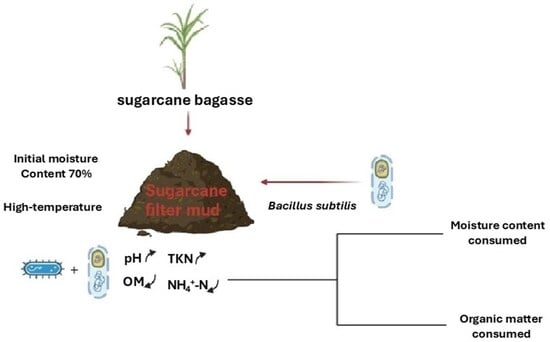
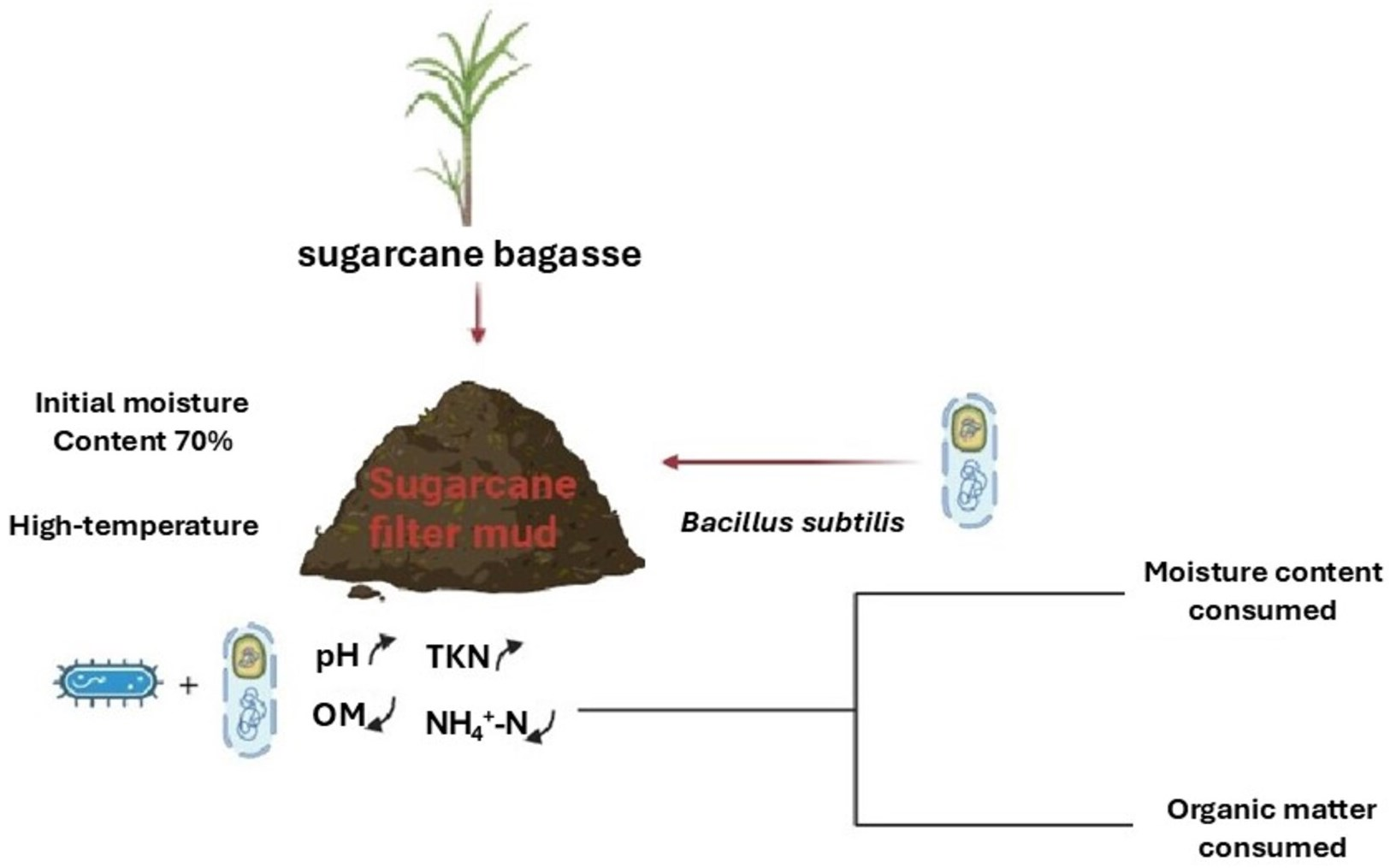
Graphical Abstract

1. Introduction

Guangxi has the largest planting area and accounts for nearly two-thirds of the national sugar output, earning it the title “China’s Sugar Capital” [1]. The sugar industry in Guangxi alone generates more than 2.35 million tons of filter mud annually—an organic by-product rich in nutrients and humic precursors suitable for soil and crop utilization. However, due to inadequate recycling practices, most filter mud is still openly stockpiled, occupying valuable land and causing secondary pollution through microbial decay, odor generation, and surface runoff [2]. Thus, the development of environmentally sound and resource-efficient strategies for the harmless disposal, reduction, and high-value utilization of sugar filter mud has become an urgent necessity [3].
Among existing technologies for organic waste management, aerobic composting is one of the most effective and environmentally friendly approaches to achieve both detoxification and resource recovery [4]. In this oxygen-driven process, microorganisms decompose organic matter into stable humic substances, thereby improving soil fertility, enhancing plant growth, and achieving sustainable recycling of organic residues [5]. The composting performance is strongly governed by the activity of aerobic bacteria and fungi, whose metabolic efficiency depends on key parameters such as temperature, moisture, oxygen availability, and substrate composition.
Environmental factors—including water content, oxygen concentration, temperature, pH, and electrical conductivity—profoundly affect the microbial community structure, which in turn determines the degree of compost maturation and product safety [6]. With the advent of high-throughput sequencing technologies, the succession and functional dynamics of microbial populations throughout the composting process can now be characterized with high precision. Numerous studies have demonstrated that Firmicutes and Proteobacteria dominate during the early and thermophilic stages, whereas Actinobacteria prevail during the maturation phase [7,8]. This succession pattern reflects a dynamic balance driven by the continuous interplay between environmental parameters and microbial metabolic adaptation [9].
In recent years, as terrestrial microbial resources have been extensively explored, increasing attention has turned to marine-derived microorganisms as a promising frontier for biotechnological innovation. Mangrove ecosystems, distributed across tropical and subtropical coastlines, play essential roles in coastal protection, carbon sequestration, and biodiversity maintenance. Their unique physicochemical gradients—characterized by alternating salinity, anoxia, and tidal fluctuations—have fostered highly specialized microbial assemblages with remarkable metabolic diversity and environmental resilience. A growing number of novel microbial taxa have been isolated from mangrove soils and rhizospheres worldwide [10]. These microorganisms often exhibit distinctive metabolic pathways and possess strong potential for biotransformation, pollutant degradation, and production of novel bioactive compounds [11].
Although aerobic composting represents a sustainable pathway for the treatment and valorization of sugar filter mud, conventional composting systems mainly depend on indigenous microorganisms whose degradative capacities and metabolic adaptability remain limited. In contrast, mangrove-derived microorganisms—shaped by long-term exposure to saline and oxygen-variable environments—exhibit enhanced enzymatic activity and stress tolerance, making them promising candidates for composting bioaugmentation. However, their application for improving the efficiency of sugar filter mud composting has not yet been systematically investigated.
Therefore, this study aims to valorize sugar filter mud, a major solid waste from the sugar industry, by employing microbes isolated from mangrove sediments. The objectives are to inoculate these strains into composting systems and elucidate their roles in accelerating compost maturation, driving nutrient transformations, and steering microbial community succession. The findings are expected to provide theoretical insights and microbial resources for developing efficient bio-enhanced composting technology, thereby creating a sustainable and high-value strategy for the management and reutilization of this agro-industrial solid waste.

2. Materials and Methods

2.1. Sample Collection and Pretreatment

Mangrove sediment samples were collected using the five-point sampling method from the Beilun River Estuary National Nature Reserve in Fangchenggang, Guangxi, China, across the high-, mid-, and low-tidal zones. Samples were taken from the rhizospheres of Kandelia obovata, Bruguiera gymnorhiza, and Aegiceras corniculatum. Based on habitat types, the samples were preliminarily categorized into five composite groups (a–e), each consisting of 10 mixed subsamples.
Sugar filter mud and sugarcane bagasse were oven-dried at 105 °C for 24 h under vacuum conditions. The dried samples were ground, sieved through a 100-mesh screen, and sealed for later use. Their physicochemical properties are summarized in Table 1.

2.2. Composting Experiment Design

Composting experiments were conducted using 30 L cylindrical polyethylene reactors, each loaded with approximately 30 kg of sugar filter mud. To minimize heat loss, the reactors were externally wrapped with insulation film, and aeration holes were installed at the base to ensure adequate oxygen supply.
The filter mud was mechanically crushed and adjusted to a moisture content of 60%. Approximately 1 kg of plastic beads was added to improve porosity and maintain a bulk density of ~0.5 kg L−1. Two treatments were established: a control group and a bio-augmented group. The composting substrate was formulated with sugar filter mud and bagasse at a ratio of 90.0% to 10.0% (by weight). For the inoculated treatment group, the same substrate composition was used with the addition of a microbial inoculant, which accounted for 0.1% of the total raw material mass. Both received sugarcane bagasse as a carbon source, while the experimental group was additionally inoculated with a composite microbial agent containing cellulose-degrading and nitrogen-fixing strains.
After thorough mixing, composting was carried out under greenhouse conditions for 45 days. The compost was manually turned every five days, and samples were collected at each interval and stored at 4 °C for further analyses.

2.3. Analytical Methods

2.3.1. DNA Extraction and Purification

Mangrove sediment samples were washed ultrasonically and centrifuged at 12,000 rpm to collect microbial pellets. Total genomic DNA was extracted using the FastDNA® SPIN Kit (Santa Ana, CA, USA) for Soil following the manufacturer’s instructions.

2.3.2. Metagenomic Sequencing

DNA samples were shipped on dry ice to Shanghai Sangon Biotech (Shanghai, China) for metagenomic sequencing. Libraries were prepared using a standard paired-end protocol with an average insert size of ~350 bp. Three biological replicates were included per habitat type. Sequencing coverage exceeded 97%, ensuring robust data reliability and statistical power.

2.3.3. Auxiliary Microbiological Analysis

Isolates were incubated at 35 °C for 3–5 days, and colony morphology and hydrolysis zones were observed using a gel imaging system.

2.4. Measurement of Composting Parameters

Composting parameters were determined following the analytical methods and instrumentation listed in Table 2.

2.5. High-Throughput Sequencing of Compost Samples

Samples collected at different composting stages were sequenced by Majorbio Bio-Tech Co. (Shanghai, China) using the Illumina NovaSeq 250 platform (San Diego, CA, USA). Alpha diversity indices were used to assess microbial richness and diversity.

2.6. Pot Experiment Design

The pot experiment employed Chinese flowering cabbage (Brassica parachinensis) as the test crop. Design six experiments, each pot containing 5 kg of soil, totaling six pots. Maintain soil moisture at 50% of field capacity. Plant 10 Chinese broccoli seedlings per pot with 10 cm spacing between plants and rows. During the trial period, 150 mL of water was applied twice daily—morning and evening—to maintain soil moisture. Seedling growth was recorded regularly. Additionally, a shade structure was erected to prevent rain erosion, and manual pest control was employed throughout the process without any pesticide use. Seeds were soaked in water for 8 h, rinsed with deionized water, and germinated at 33 °C. Once radicles emerged, the seeds were sown into pots containing different substrate treatments. Growth and yield parameters were measured after 40 days of cultivation.

3. Results and Discussion

3.1. Isolation and Characterization of Mangrove-Derived Microbial Strains

3.1.1. Microbial Community Diversity and Abundance

ACE and Chao1 index analyses (Table 3) revealed that microbial richness in sampling zones a, b, and e—corresponding, respectively, to the mangrove rhizosphere, the nearshore weed-mixed zone, and the intertidal foraging zone—was significantly higher than that in zones c and d (the farmland sluice junction and offshore mangrove area). These results indicate that habitats with higher environmental heterogeneity support more affluent microbial communities.
The Shannon and Simpson diversity indices further showed that samples from the mangrove and offshore regions (a, d, e) exhibited higher community diversity, particularly in offshore mangrove sites (a, d). Such differences can be attributed to the combined effects of freshwater–seawater mixing, terrestrial nutrient inflow, and anthropogenic activities, such as fishing and aquaculture, which generate complex hydrodynamic and nutrient gradients. These conditions create highly diversified ecological niches, providing abundant substrates and habitats that promote microbial cooperation in processes such as organic matter degradation and nitrogen cycling. Consequently, they enhance overall community abundance, functional diversity, and ecological stability.
These findings highlight that the mangrove ecosystems of the Beilun River estuary host diverse microbial communities, reflecting strong environmental filtering and functional specialization—a typical feature of intertidal microbial assemblages [6].

3.1.2. Multidimensional Profiling of Mangrove Bacterial Assemblages: Diversity, Distribution and Dynamics

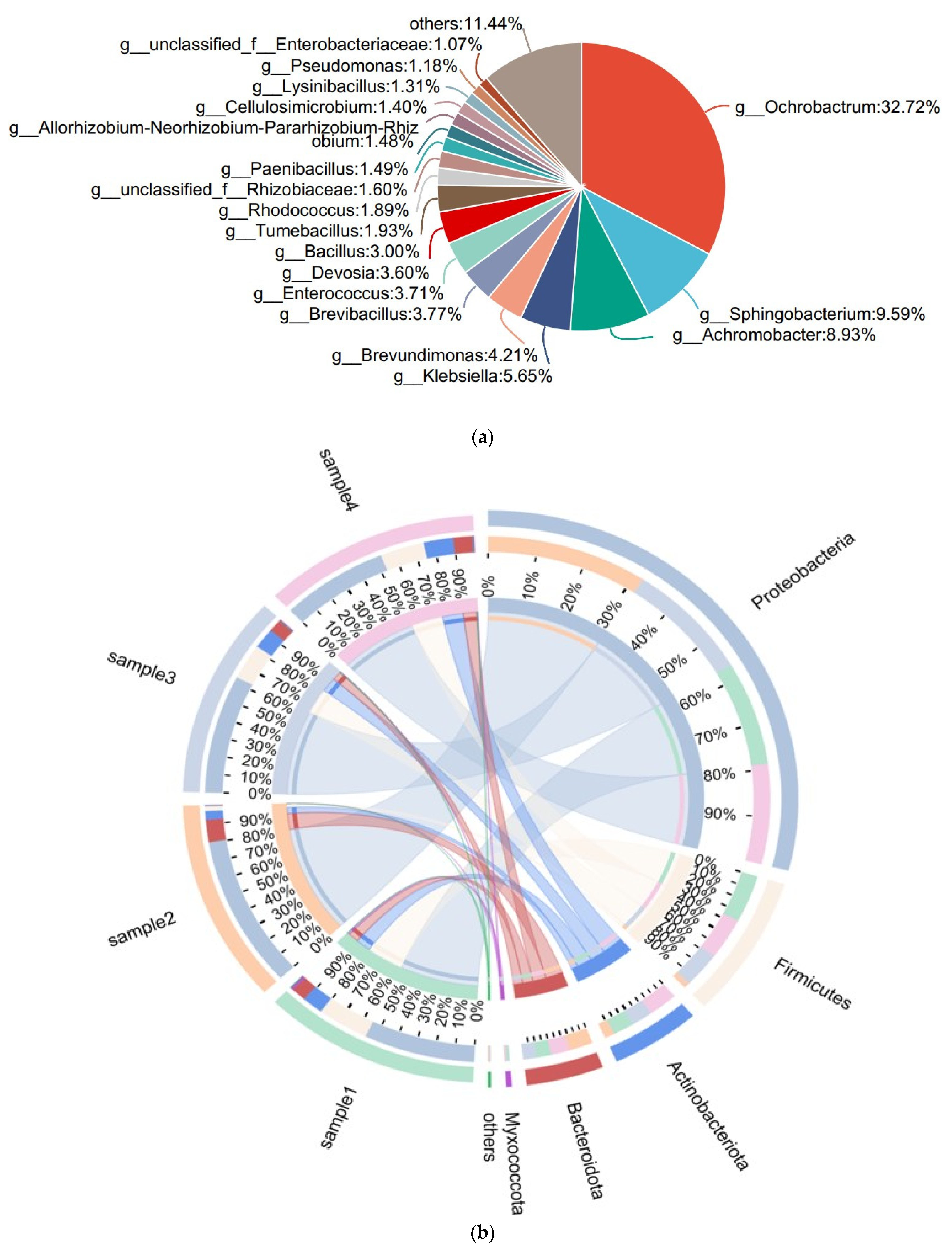
Functional annotation of the mangrove microbial community based on BLASTp alignment indicated that, at the genus level, Ochrobactrum was the most dominant taxon (28.18%), followed by Sphingobacterium (6.92%), Klebsiella (6.34%), Enterococcus (6.26%), and Achromobacter (5.55%) (Figure 1a). These dominant genera fulfill distinct ecological roles: Ochrobactrum contributes to pollutant degradation [12]; Sphingobacterium participates in the breakdown of complex carbon sources [13,14]; Klebsiella and Enterococcus act as opportunistic pathogens [15,16]; whereas Achromobacter is associated with bioremediation potential [17]. Notably, a substantial fraction of unclassified genera (16.06%) was identified, suggesting the presence of yet-unknown microbial resources in this environment.
At the phylum level, pronounced variations in community composition were observed among sampling sites (Figure 1b). Proteobacteria were enriched in samples 1 (nearshore mangrove) and 3 (offshore mangrove), reflecting the availability of readily degradable organic matter in these habitats. In contrast, Firmicutes dominated samples 2 (agricultural–mangrove ecotone) and 4 (intertidal zone), likely due to the higher content of fibrous or carbohydrate-rich substrates. Other major phyla, including Actinobacteria, Bacteroidota, and Myxococcota, collectively formed the core microbial assemblages across the studied sites.
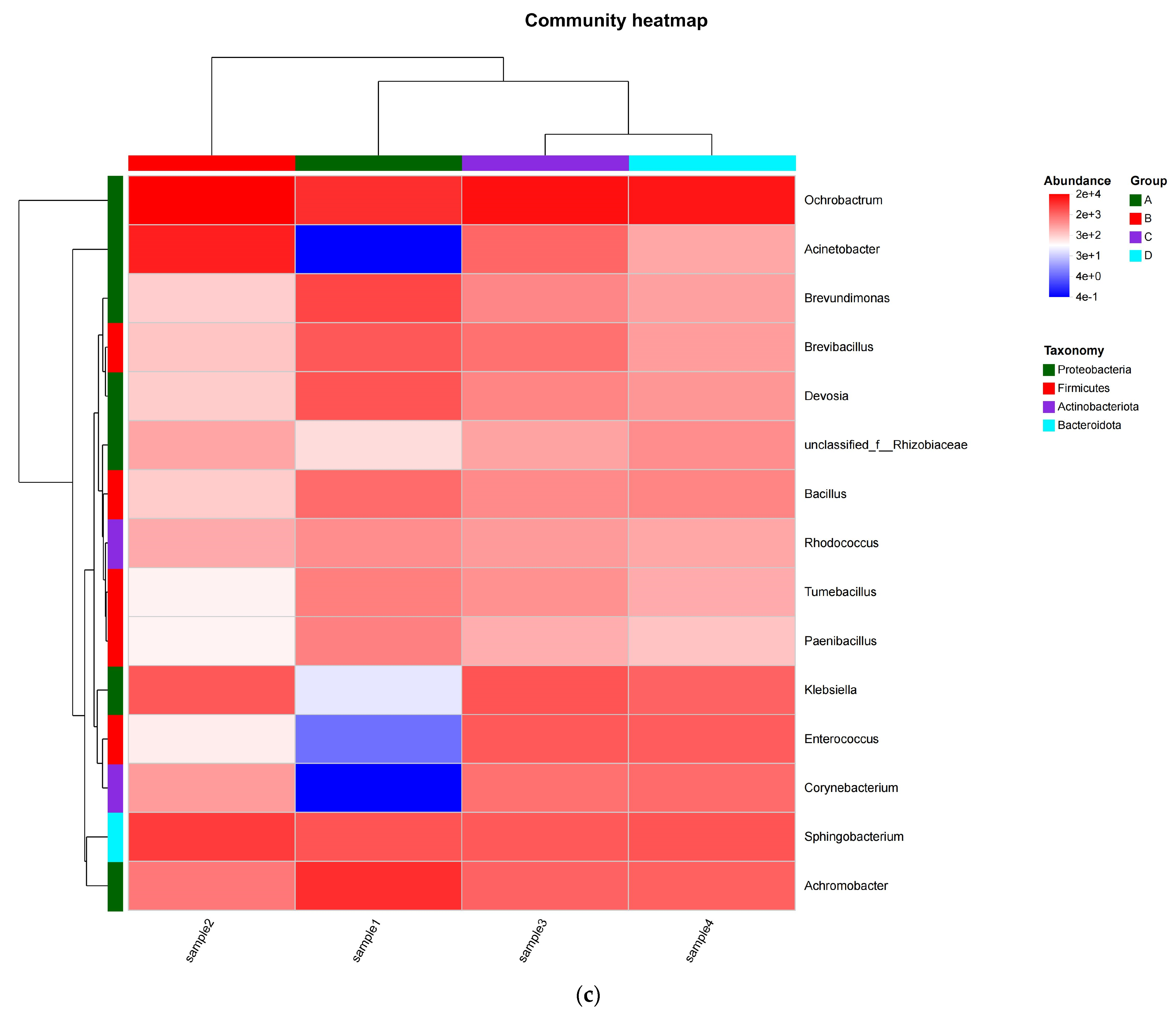
The genus-level heatmap further illustrated the spatial heterogeneity of microbial communities (Figure 1c). Ochrobactrum, Acinetobacter, Klebsiella, and Enterococcus were widely distributed and had relatively high abundances across multiple locations. The co-enrichment of Klebsiella and Enterococcus indicates potential anthropogenic influences in certain areas [15,16]. Additionally, several low-abundance but functionally significant genera—Devosia (2.30%), Brevundimonas (2.06%), Rhodococcus (1.52%), and Tumebacillus (1.65%)—were detected, all known for roles in nitrogen fixation and pollutant degradation, highlighting the functional complementarity within the microbial community. Moreover, the presence of rare yet metabolically versatile genera such as Myxococcus, Caproiciproducens, and Dysgonomonas underscores the potential biotechnological value of mangrove ecosystems for antimicrobial production, bioenergy generation, and waste biotransformation.

3.1.3. Isolation of Nitrogen-Fixing Strain P1N2

Using a nitrogen-free medium, a nitrogen-fixing strain designated P1N2 was successfully isolated. This bacterium exhibited robust growth in the absence of external nitrogen sources, indicating its ability to convert atmospheric N2 into bioavailable ammonium. Morphologically, P1N2 appeared as round to oval cells aggregated into microcolonies. Capsule-like structures observed during staining suggest possible adaptation mechanisms associated with nitrogen fixation.
The isolation of P1N2 provides a valuable microbial resource for developing biofertilizers and enhancing soil nutrient cycling. Its dual ability to fix nitrogen and degrade organic matter supports its potential as a functional inoculant in sugar filter mud composting systems.
Based on metagenomic analyses, microbial diversity in the mangrove sediments of the Beilun River exhibited a strong positive correlation with environmental complexity. Environmental heterogeneity—driven by freshwater–seawater mixing, nutrient fluxes, and human activities—provided diverse ecological niches that supported multiple functional guilds. Comparative analysis revealed that offshore zones with minimal anthropogenic disturbance hosted more specialized and stable communities than nearshore regions.
Importantly, this study successfully isolated a Brevibacillus strain (P1N2) possessing both nitrogen-fixing and extracellular enzyme-secreting capabilities, enabling simultaneous organic matter degradation and nitrogen assimilation. This finding establishes a theoretical foundation for using mangrove-derived microorganisms to improve the biodegradation efficiency of sugar filter mud composting [18,19].

3.2. Regulation of the Composting Process and Fertilization Efficiency by Mangrove-Derived Microbial Inoculants

3.2.1. Environmental Parameters of the Composting Process

Temperature Dynamics
Temperature is a key indicator of composting performance, reflecting microbial activity, the rate of organic matter degradation, and the efficiency of pathogen inactivation [20]. Monitoring temperature variations provides insight into microbial metabolism and composting progress.
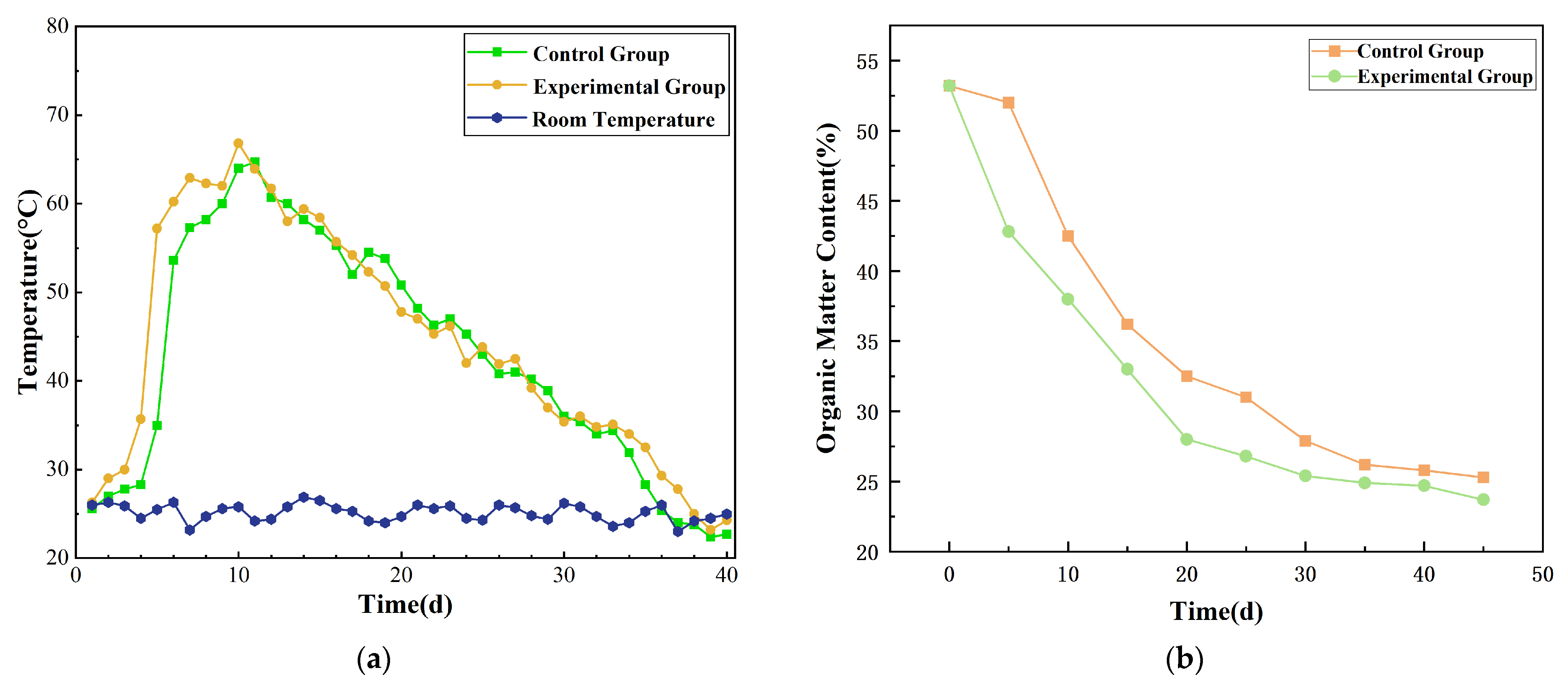
As shown in Figure 2a, the thermophilic phase (≥53.6 °C) in the inoculated treatment began on Day 5 and lasted for 12 days, satisfying the harmlessness criteria for compost maturity [21]. Compared with the control, the bio-augmented group maintained a longer and more stable thermophilic phase. This enhancement is attributed to the addition of mangrove-derived microbial inoculants, which stimulated microbial metabolism and accelerated the oxidation of organic substrates, thereby increasing heat release. These findings demonstrate that inoculating with mangrove microorganisms and adding sugarcane bagasse effectively regulate compost temperature, thereby improving microbial activity and promoting a more efficient and hygienic composting process.
Changes in Organic Matter Content
The degradation of organic matter (OM) reflects the overall metabolic activity of microorganisms during composting and serves as a critical indicator of compost maturity [22]. In the early heating stage, easily degradable soluble organics are rapidly metabolized, increasing microbial growth and system temperature. During the thermophilic and cooling phases, cellulose and hemicellulose are decomposed by thermophilic microorganisms, while in the maturation phase, polysaccharides are further degraded [23,24,25].
As shown in Figure 2b, OM content continuously decreased throughout composting, indicating progressive microbial mineralization. After 45 days, OM content in the inoculated treatment decreased markedly from 53.2% to 23.7%, a greater reduction than that observed in the control. This result suggests that mangrove-derived inoculants enriched the microbial diversity and metabolic capability of the composting community, thereby accelerating organic matter degradation [26].
Electrical Conductivity (EC) and pH Dynamics
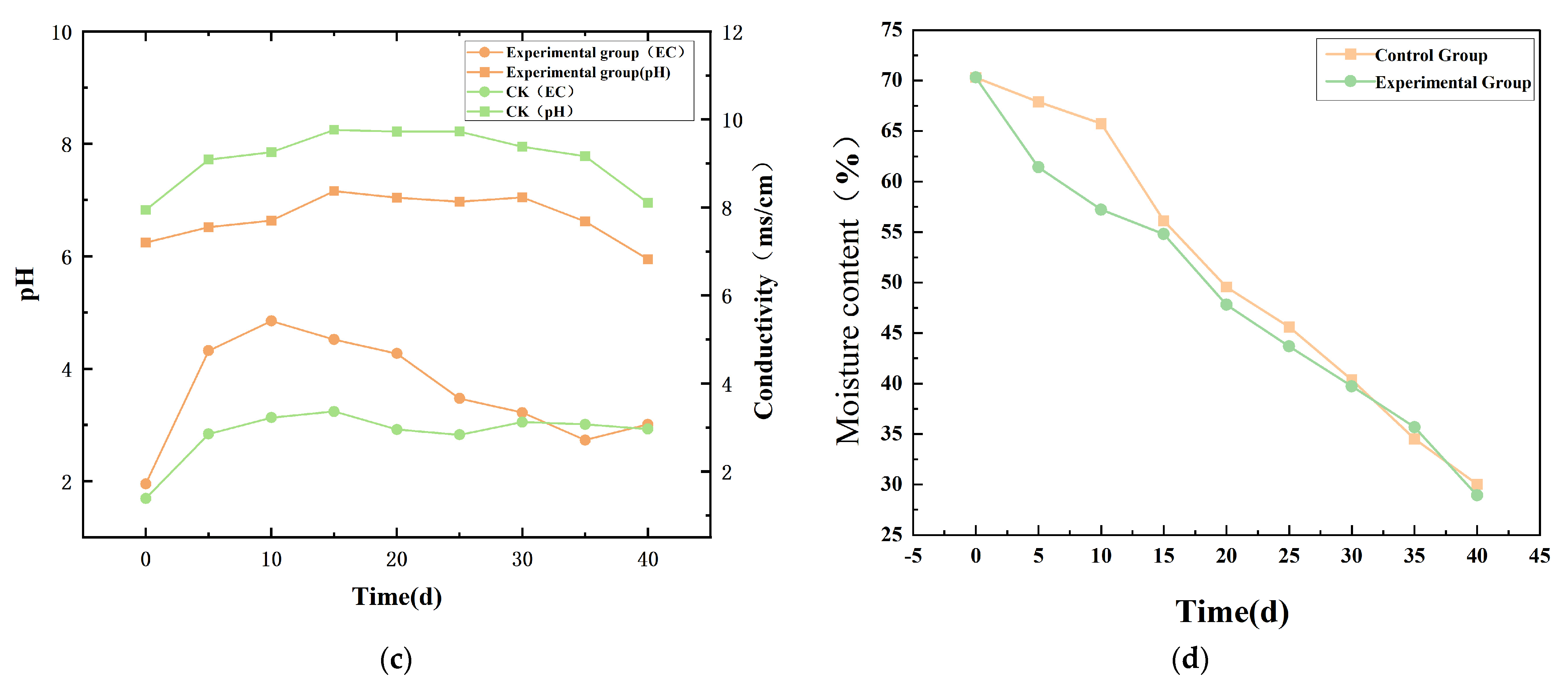
Electrical conductivity (EC) and pH showed characteristic changes during composting (Figure 2c). EC initially increased as soluble mineral salts were generated from the decomposition of organic matter [27,28]. Subsequently, it declined slightly as mineral salts precipitated and ammonia volatilized [29]. Final EC values stabilized at 2.96 mS cm−1 and 3.01 mS cm−1 for the control and inoculated treatments, respectively—both within the agronomic safety threshold [30]. The higher EC in the inoculated group may reflect reduced nitrogen loss and greater accumulation of soluble nutrients.
pH increased during the thermophilic phase owing to ammonia release and organic acid degradation, peaking at 8.42 [31,32]. Subsequently, microbial metabolism produced CO2 and weak organic acids, gradually lowering the pH to 6.6–7.0 [33,34]. No significant difference in final pH was observed between treatments, suggesting that the inoculant did not disrupt acid–base balance but instead stabilized the system by promoting organic degradation and nitrogen cycling.
Moisture Content Variation
Moisture plays a vital role in microbial activity, substrate diffusion, and the regulation of compost temperature [35]. As illustrated in Figure 2d, the initial moisture content for both treatments was maintained at 70–75%, which is optimal for aerobic composting. Over time, moisture gradually decreased due to evaporation induced by elevated temperatures and periodic turning. The faster decline observed in the inoculated treatment is likely associated with enhanced microbial respiration and organic matter degradation, which release additional metabolic heat, further accelerating water loss.

3.2.2. Elemental Composition

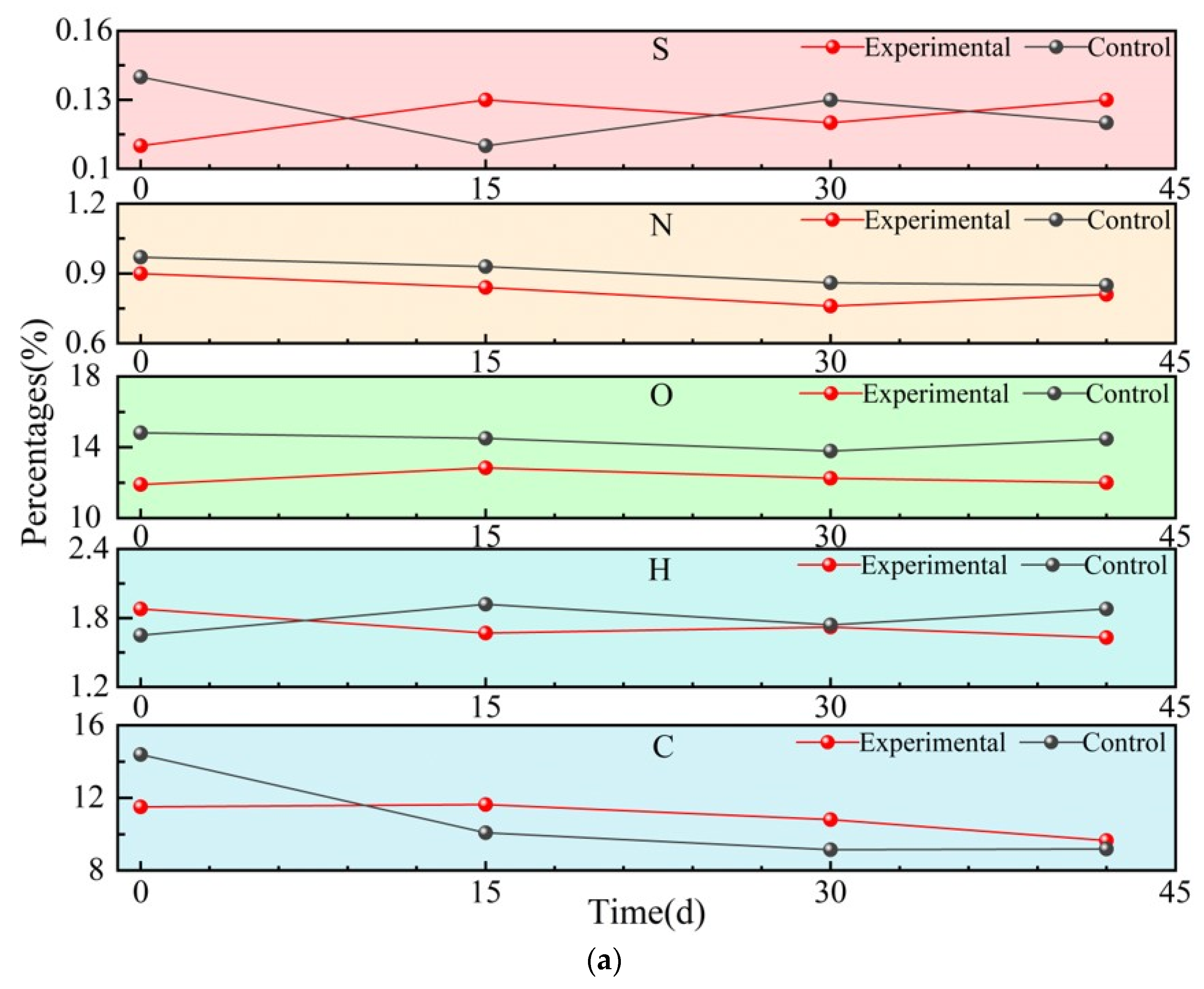
Elemental analysis revealed dynamic changes in carbon (C), hydrogen (H), oxygen (O), nitrogen (N), and sulfur contents throughout composting [36].
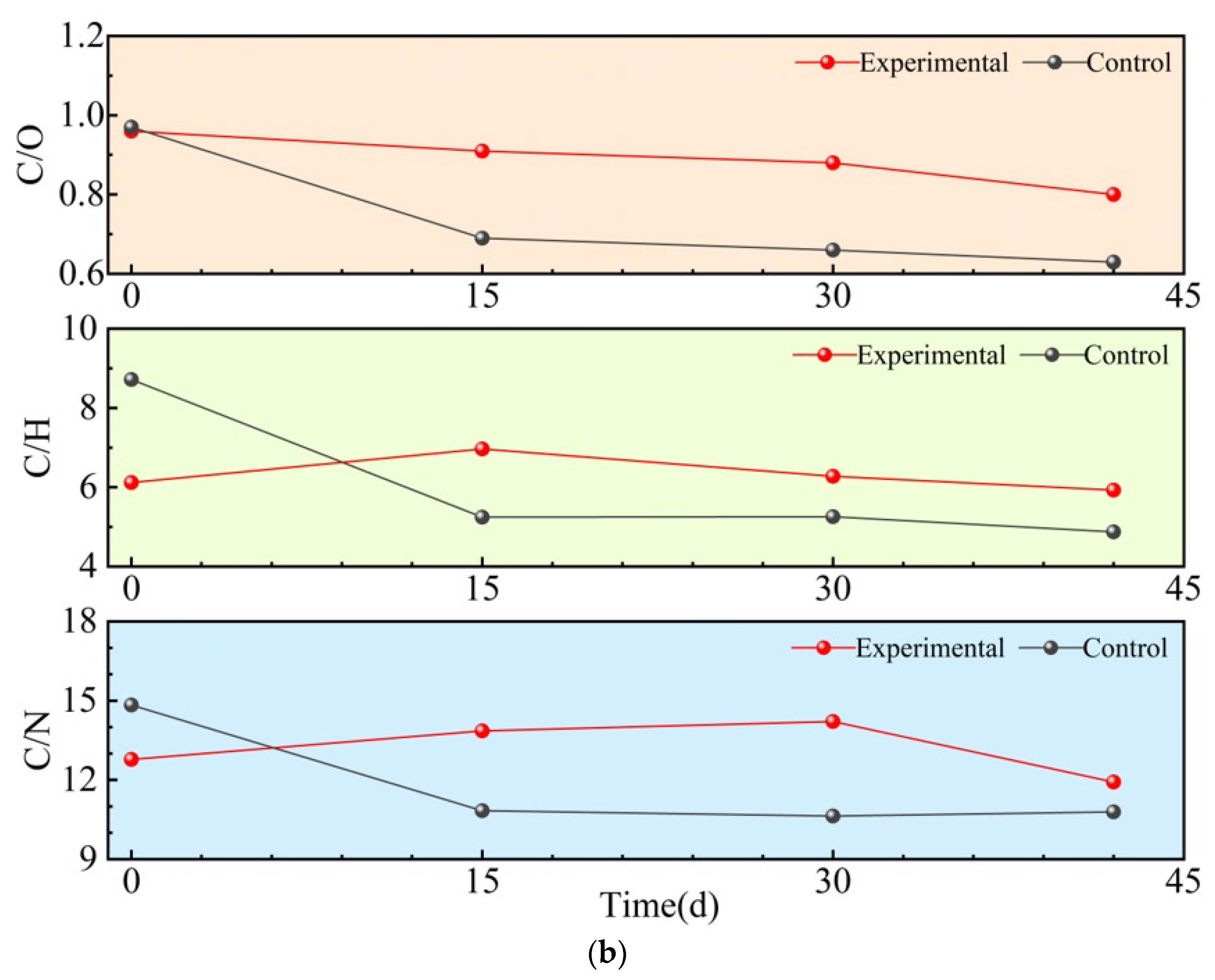
As shown in Figure 3a, carbon and oxygen were the predominant elements in the compost matrix, followed by hydrogen and nitrogen. The carbon content initially decreased due to microbial respiration and CO2 release, but then slightly increased during the stabilization phase as aromatic and polymerized structures formed. Additionally, the reduction in hydrogen content indicated a decrease in aliphatic compounds, such as alkenes, alcohols, and ethers. At the same time, there was an increase in aromatic species such as naphthalene and anthracene [37]. The increase in C/H ratio suggests a higher degree of aromaticity, possibly associated with polycyclic structures, while the C/O ratio (0.6–1.0) suggested substantial oxygen incorporation.
Sulfur content rose gradually, reaching higher final levels in the inoculated compost than in the control. The higher sulfur content in the solid phase may indicate retention of sulfur, which could be associated with lower H2S loss, although gas emissions were not directly measured. This trend implies that the mangrove-derived inoculant enhanced organic matter decomposition while reducing gaseous H2S emissions, favoring sulfur retention as sulfate minerals within the humus matrix.

3.2.3. Microstructural Evolution of Humus

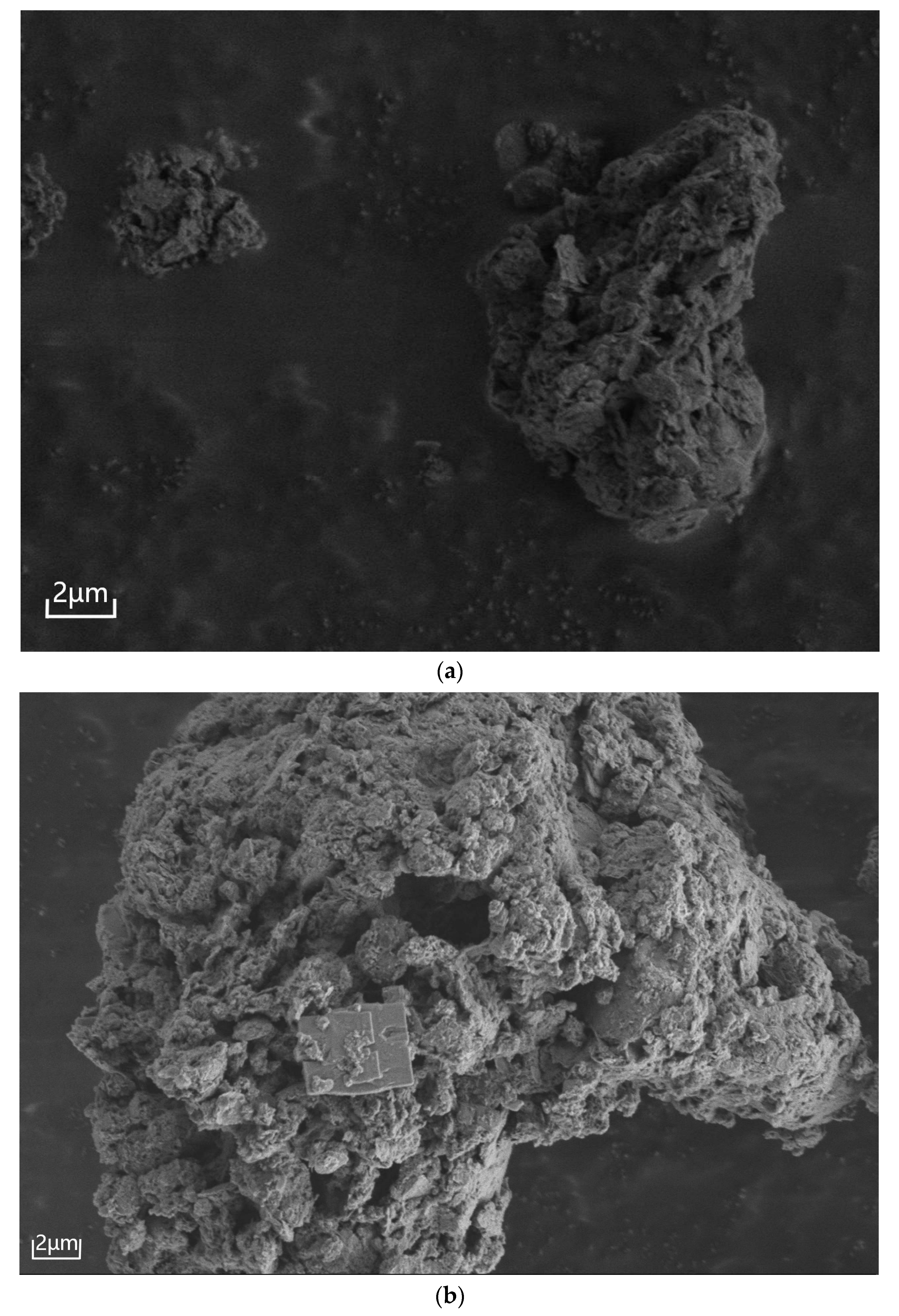
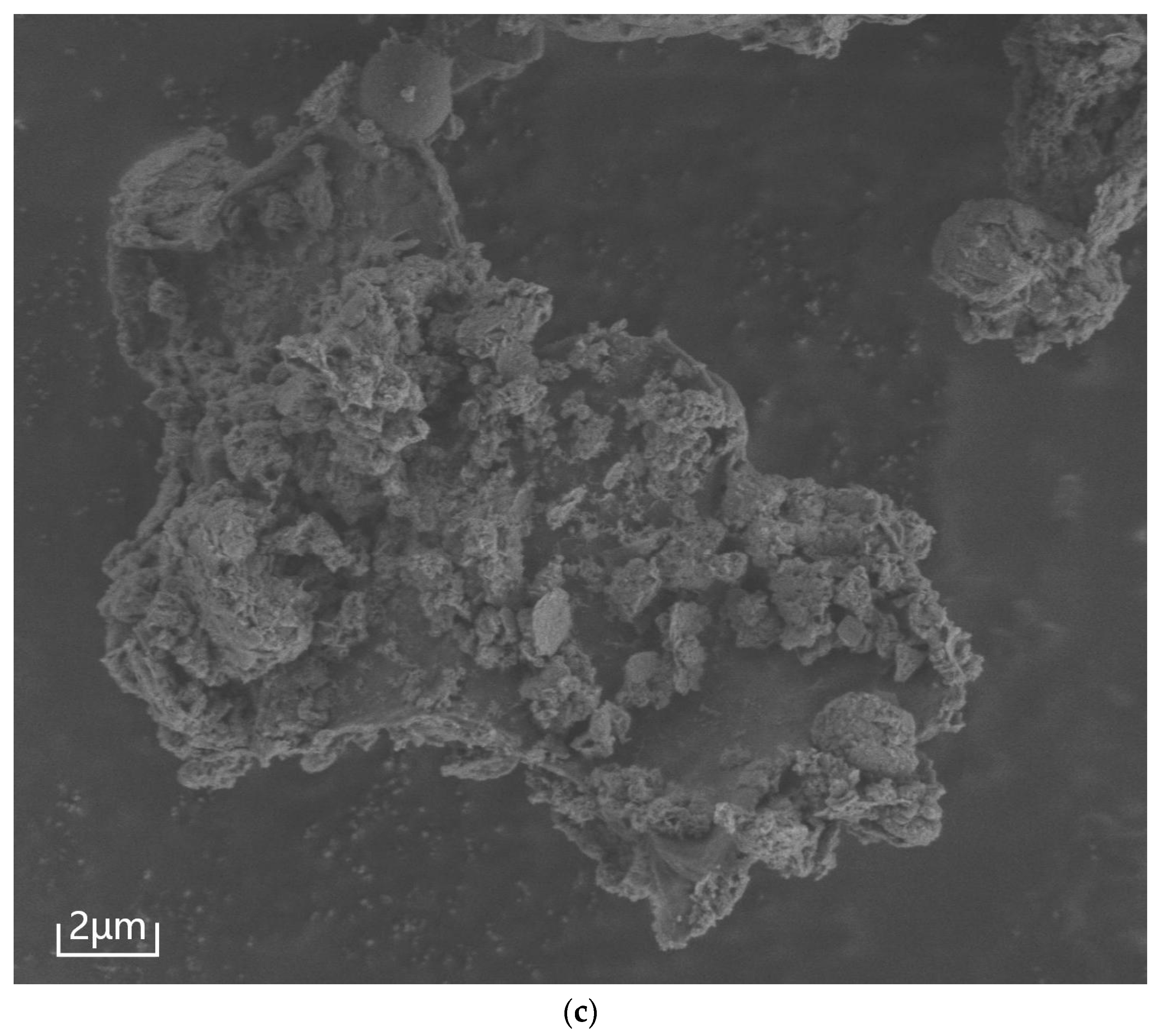
Scanning electron microscopy (SEM) provided direct evidence of structural transformations during composting (Figure 4). Initially, both treatments exhibited compact and irregular aggregates (Figure 4a). As composting progressed through the thermophilic and maturation stages, these dense aggregates loosened, forming porous and lamellar structures (Figure 4b,c). In the inoculated group, humus appeared more uniform and cohesive, indicating improved polymerization and stability.
Compared with the control, the inoculated compost developed smoother, denser microstructures with larger pore volumes, suggesting more efficient humification. These morphological differences support the hypothesis that mangrove-derived microorganisms accelerate lignocellulose breakdown and the formation of humic polymers [38,39].

3.2.4. Bacterial Community Succession During Composting

Microbial community dynamics are key determinants of organic matter decomposition, nitrogen mineralization, and humus formation [40].
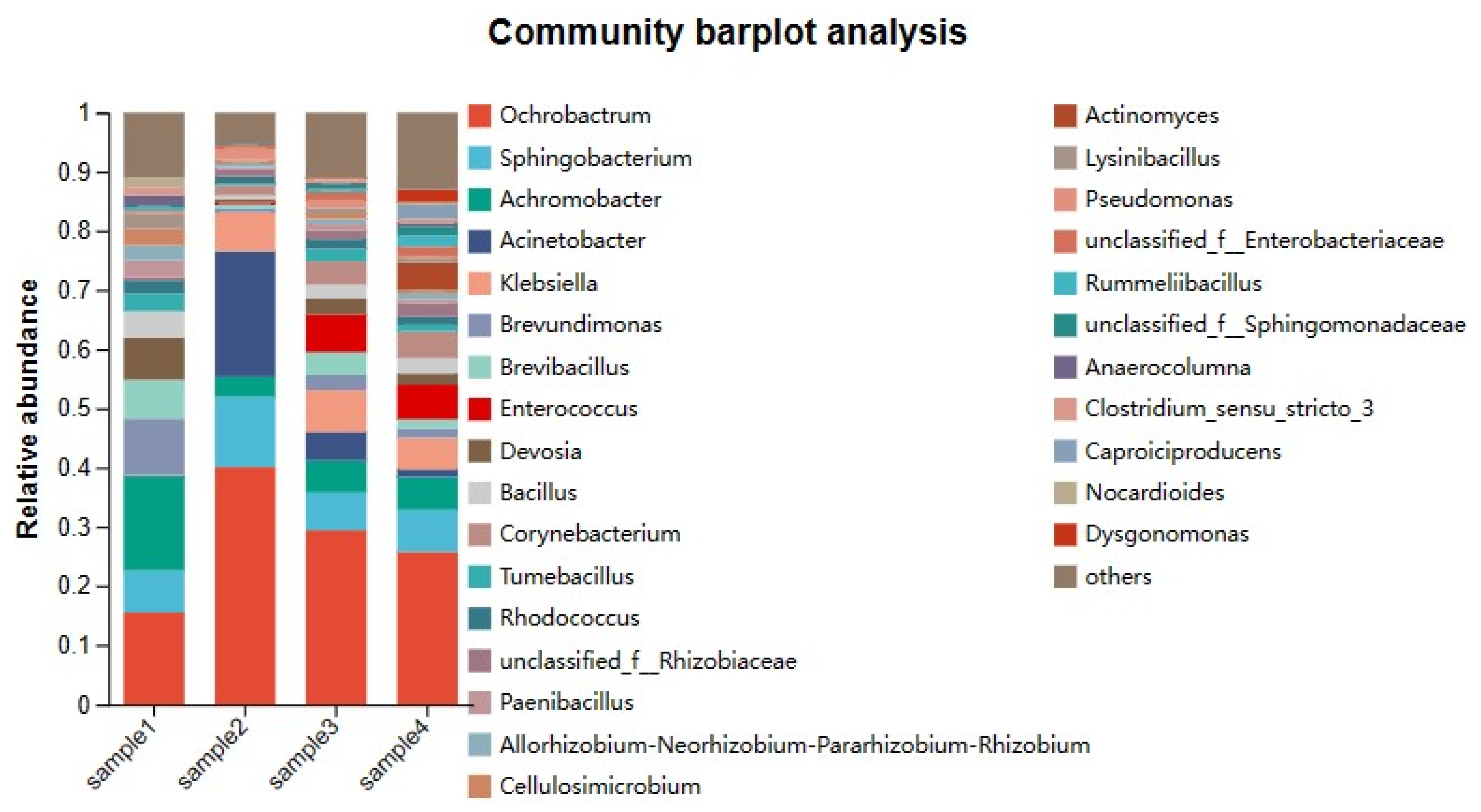
Figure 5 presents the dominant bacterial genera at different composting stages (0–45 days). The figure displays the dominant bacterial genera composition in the experimental group from days 0 to 45. Significant differences were observed in microbial abundance and dominant bacterial genera composition across four distinct composting stages: Sample 1: days 0–10, Sample 2: days 10–20, Sample 3: days 20–30 and Sample 4: days 30–40. The community composition changed markedly over time. In the early stage (0–10 days), Ochrobactrum and Acinetobacter were predominant. During the thermophilic phase (10–20 days), Bacillus and Sphingobacterium became dominant, reflecting their thermotolerance and enzymatic versatility. As composting progressed (20–40 days), Nocardiopsis, Corynebacterium, and rhizobial genera (Bradyrhizobium, Mesorhizobium, Rhizobium) increased substantially, indicating the onset of humification and nitrogen stabilization.
In particular, the continuous presence of Ochrobactrum (15–40%) and Bacillus (up to 9.8%) suggests that mangrove-derived inoculants sustained the metabolic balance necessary for efficient degradation. The enrichment of Nocardiopsis during the maturation phase aligns with its known capacity to utilize hydrocarbons and polysaccharides, promoting humus synthesis [41]. These findings are consistent with previous observations that Actinobacteria abundance correlates with compost maturity and is a reliable indicator of humus stabilization [42,43,44,45,46].

3.2.5. Mechanistic Insight into Composting Enhancement

The composting process began with an initial moisture content of 70–75%, using sugar filter mud as the primary substrate and sugarcane bagasse as an additional carbon source and structural modifier. Following inoculation with mangrove-derived Bacillus and other functional strains, synergistic interactions between the exogenous and indigenous microorganisms accelerated organic matter oxidation and nitrogen fixation.
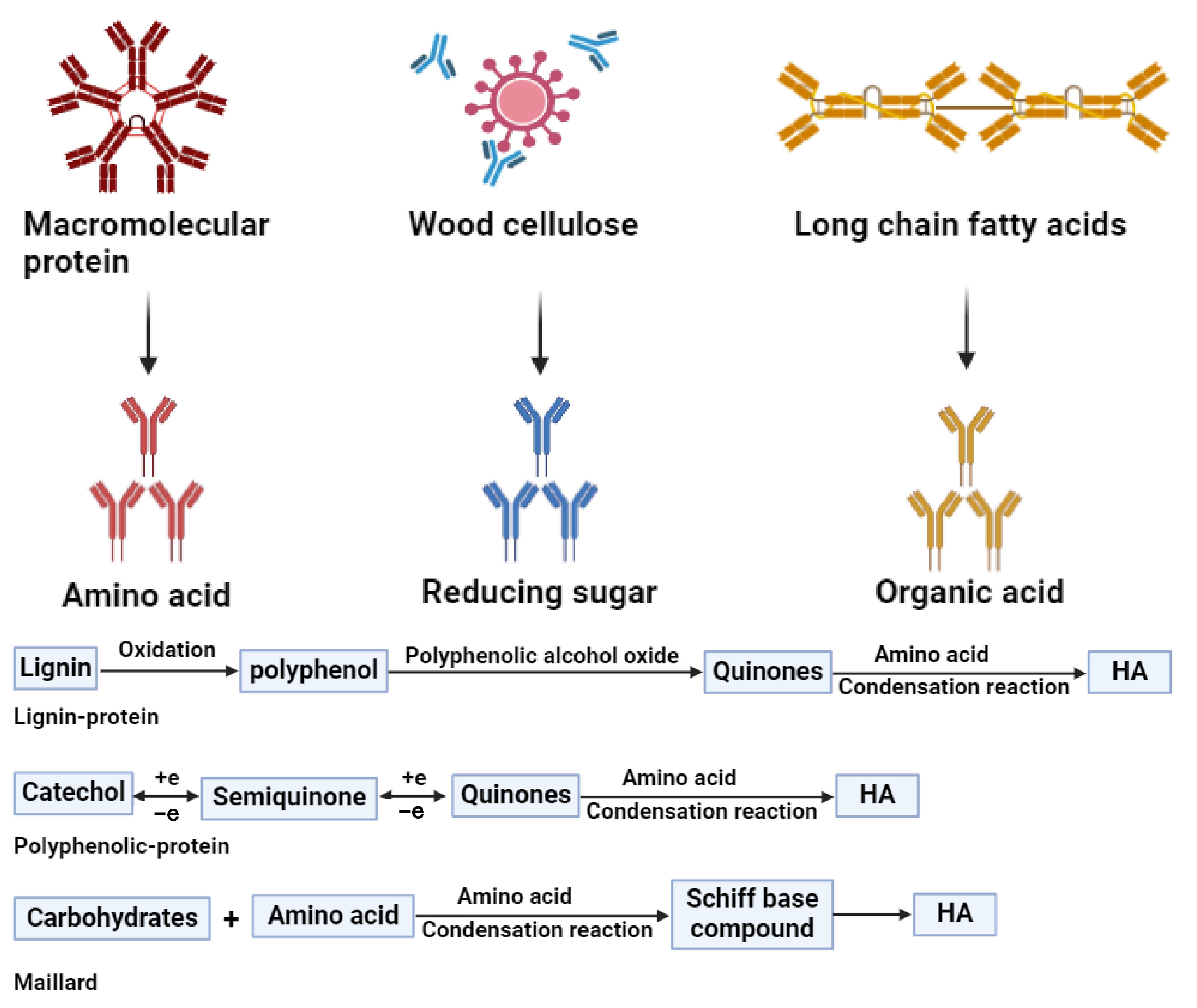
As depicted in Figure 6, the transition from the thermophilic to the maturation stage was characterized by decreasing moisture and organic matter content, increasing pH, and an accumulation of total nitrogen—all indicative of enhanced compost stability. The humification process (Figure 6) involved the polymerization of small organic precursors through three interlinked chemical pathways:
(1)
the lignin–protein pathway, in which lignin oxidation products (polyphenols) react with nitrogenous compounds;
(2)
the polyphenol–protein pathway, where oxidized phenols (quinones) condense with amino acids;
(3)
the Maillard reaction, a non-enzymatic condensation between reducing sugars and amino compounds.
These concurrent pathways collectively drove the synthesis of aromatic and polymerized humic substances, transforming raw filter mud into stable, nutrient-rich compost suitable for agricultural use.

3.3. Pot Experiment and Evaluation of Fertilization Efficiency

Six treatments were designed to compare the effects of different fertilization regimes:
  • A—Soil amended with raw filter mud (no additional fertilizer);
  • B—Soil treated with conventional organic fertilizer;
  • C—Soil amended with compost produced using the mangrove microbial inoculant;
  • D—Unfertilized control soil;
  • E—Filter-mud-amended soil supplemented with the bio-inoculated compost;
  • F—Soil treated with inorganic fertilizer.

3.3.1. Seedling Growth and Early Development

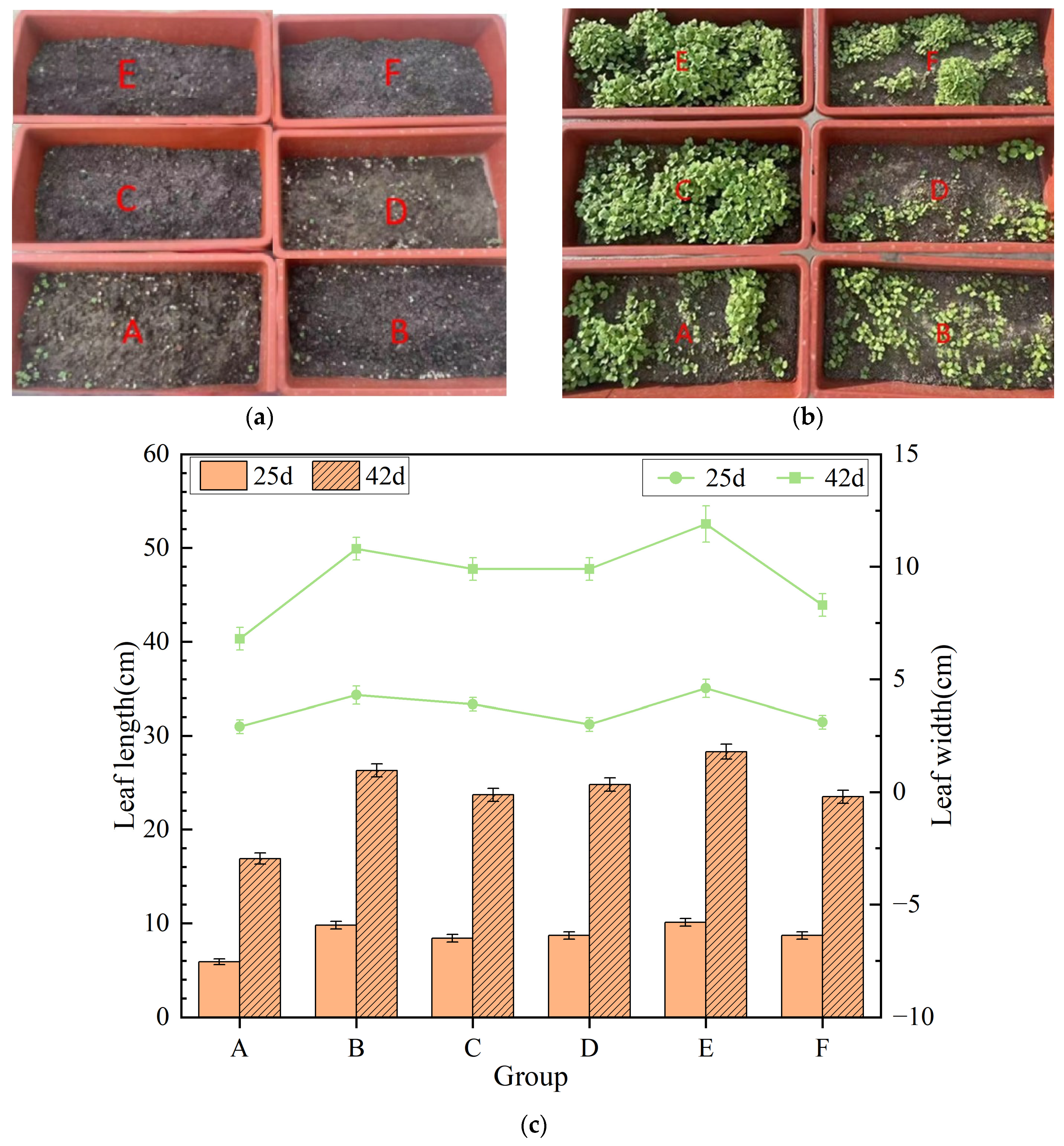
Obvious variations in seedling vigor were observed during the initial growth phase. As shown in Figure 7a–d, seedlings under treatments C and E displayed the fastest germination, vigorous root growth, and well-developed leaves. This superior performance was associated with the balanced C/N ratio and enhanced nutrient availability of the compost enriched with mangrove-derived microorganisms.
By contrast, slower development was observed in B, D, and F, indicating that traditional organic and inorganic fertilizers could not provide the same combination of sustained nutrient release and biological activation. Treatment A (unfermented filter mud) promoted moderate but unstable growth due to partial decomposition and nutrient imbalance.
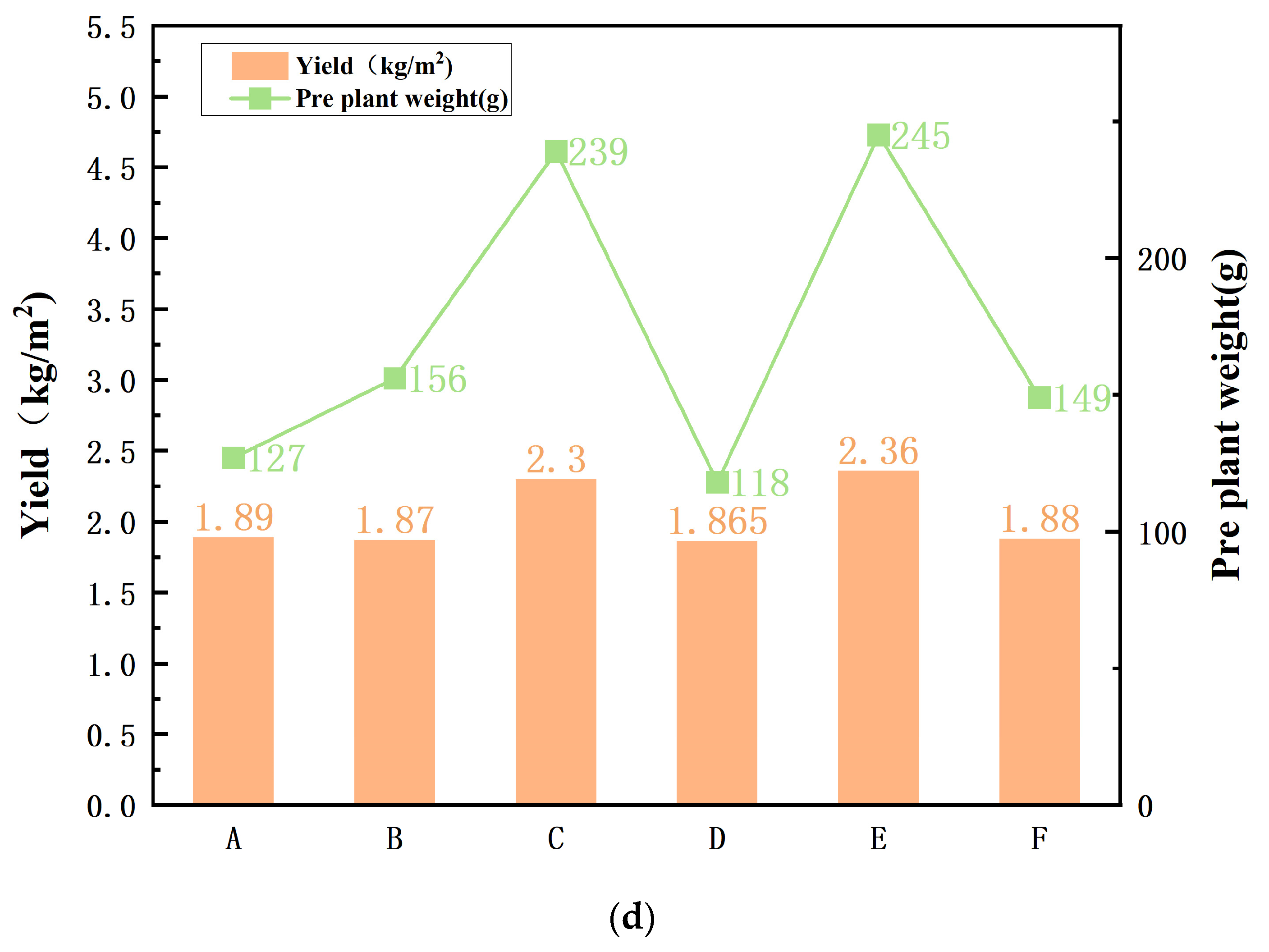
At harvest (Day 40), both total biomass and mean fresh weight per plant were substantially higher in treatments C and E compared with the other groups (Figure 7d). The bio-inoculated compost increased yield by over 25% relative to the control and by approximately 18–20% compared with conventional organic or inorganic fertilization.
The enhanced productivity of the bio-augmented treatments can be attributed to three synergistic mechanisms:
Improved nutrient bioavailability—Functional strains accelerated organic matter mineralization and nitrogen fixation, increasing the availability of ammonium, nitrate, and soluble organics.
Optimized soil structure—Elevated humus content enhanced aeration, water retention, and root penetration.
Rhizosphere microbial activation—The inoculated microorganisms established beneficial communities around the roots, improving nutrient uptake and suppressing potential pathogens.
Among all treatments, E (filter mud + bio-inoculated compost) achieved the best overall performance, confirming that the inoculant effectively complements filter mud in enhancing soil fertility.

3.3.2. Effects of Different Treatments on Chlorophyll Content in Chinese Broccoli Leaves

Chlorophyll is a key component of photosynthesis, and chlorophyll a is primarily responsible for capturing light energy. The Chlorophyll content in plant tissues is closely associated with their physiological status and environmental factors such as fertilization. Fertilization can improve plant nutritional conditions, thereby promoting Chlorophyll synthesis, enhancing photosynthetic efficiency, and ultimately affecting dry matter accumulation and crop yield.
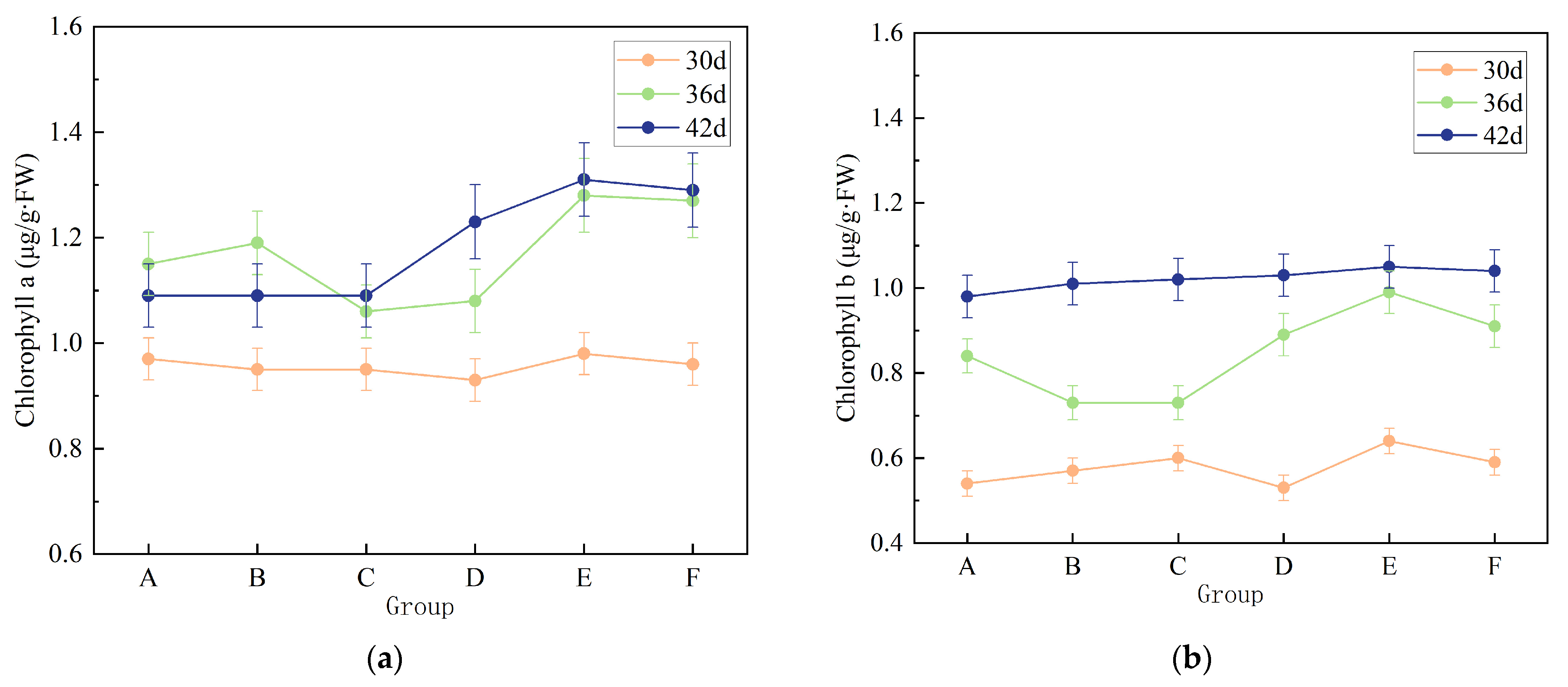
According to the experimental data in Figure 8a,b, at the early growth stage, Chlorophyll a content was highest in Group E (0.98 µg/g FW). This may be attributed to the abundant nutrients and beneficial microorganisms present in the sugar filter-mud compost, which could enhance nutrient release and utilization, thereby increasing chlorophyll content.
At 42 days after transplanting, Chlorophyll content in Groups E and F further increased (1.31 µg/g FW and 1.29 µg/g FW, respectively), which was significantly higher than that in the other treatments. These results indicate that the application of sugar filter-mud compost can effectively enhance chlorophyll concentration in Brassica chinensis var. tai-tsai leaves. Treatments B, C, and D exhibited lower Chlorophyll contents with no significant differences, possibly because chemical fertilizers promoted excessively rapid plant growth and enlarged leaf area, resulting in relatively reduced chlorophyll concentration. The relatively stable chlorophyll levels observed in Group E further suggest that sugar filter-mud compost not only accelerates Chlorophyll accumulation but also contributes to its sustained maintenance.
The superior crop performance observed in the bio-augmented treatments highlights the dual functionality of mangrove-derived microbial inoculants in degrading organic matter and enriching nitrogen. During composting, these microbes accelerated humification and the formation of stable, aromatic organic complexes with higher cation-exchange capacity, thereby improving nutrient retention and reducing nitrogen losses.
When applied to soil, the resulting humified organics served as slow-release nutrient sources and enhanced soil physicochemical conditions, fostering a healthier microbial ecosystem. In contrast, traditional fertilizers provided rapid but short-lived nutrient inputs, lacking the sustained soil-conditioning benefits of the bio-augmented compost.
Collectively, these results demonstrate that integrating mangrove microbial inoculants into sugar filter mud composting can yield a multifunctional biofertilizer that improves soil fertility, promotes vegetable productivity, and advances circular utilization of agro-industrial residues within the sugar industry.

4. Conclusions

This study developed a sustainable approach to utilizing sugar filter mud by employing mangrove-derived microbial inoculants to enhance aerobic composting. The inoculated system accelerated organic matter degradation, stabilized nitrogen transformation, and promoted humus formation, resulting in a mature compost with improved nutrient retention and environmental safety.
Microbial community analysis revealed that mangrove-derived strains, including Bacillus, Ochrobactrum, and Actinobacteria, played key roles in lignocellulose degradation and nitrogen fixation. The isolated strain Brevibacillus sp. P1N2 exhibited both degradative and nitrogen-fixing abilities, contributing to compost efficiency.
Pot experiments confirmed that bio-augmented compost significantly improved crop growth and yield compared with conventional fertilizers. Overall, mangrove-derived microorganisms provide an effective bioresource for upgrading sugar filter mud composting, supporting sustainable agriculture and circular waste valorization.
Based on the findings of this study, future work may focus on scaling up the optimized composting process to field-level applications for further validation. In addition, the potential use of mangrove-derived microbial inoculants in the treatment of other agricultural organic wastes, such as crop residues and livestock manure, should be explored. Long-term field trials are also recommended to systematically evaluate the sustained effects of compost application. These effects include changes in soil physicochemical properties, microbial community stability, and overall ecosystem health. Collectively, such efforts would provide more comprehensive technical support for promoting waste valorization and advancing sustainable agricultural development.

Author Contributions

Conceptualization, Y.W.; Methodology, Y.W., X.T. and M.L.; Investigation, Y.Z., X.Z., Y.W. and S.L.; Resources, Y.W., X.T. and M.L.; Data curation, Y.X., Z.W. and Y.F.; Writing—original draft, Y.Z. and X.Z.; Writing—review & editing, Y.Z. and X.Z.; Visualization, Y.X., Z.W. and Y.F.; Supervision, X.T. and M.L. All authors have read and agreed to the published version of the manuscript.

Funding

This research was funded by the Guangxi Science and Technology Program Project (Guikefa [2025] No. 288) “Smart Fruit” Action Plan 2025ZG0312057, Guangxi Natural Science Foundation Project (2025GXNSFAA069823), and Guangxi Major Science and Technology Special Project (AA22117014).

Institutional Review Board Statement

Not applicable.

Informed Consent Statement

Not applicable.

Data Availability Statement

The datasets used and/or analyzed during the current study are available from the corresponding author on reasonable request.

Conflicts of Interest

The authors declare no conflicts of interest.

References

  1. Tang, L.D. Green and low-carbon development of Guangxi sugarcane sugar industry: Current status, challenges and strategies. Sugarcane Canesugar 2024, 53, 74–79. (In Chinese) [Google Scholar]
  2. Zhou, Y.; Haynes, R.; Naidu, R. Use of Inorganic and Organic Wastes for in Situ Immobilisation of Pb and Zn in a Contaminated Alkaline Soil. Environ. Sci. Pollut. Res. 2012, 19, 1260–1270. [Google Scholar] [CrossRef]
  3. Wei, L.L.; Xie, Q.R.; Xie, L.L. Treatment of Congo red wastewater by high temperature modified sugar filter mud. Appl. Chem. Ind. 2019, 6, 1340–1343. (In Chinese) [Google Scholar]
  4. Liu, J. Impact and strategies of agricultural organic waste resource utilization on environmental protection. J. Agric. Catastrophol. 2024, 14, 187–189. (In Chinese) [Google Scholar]
  5. Wright, M.S.; Lima, I.M. Identification of Microbial Populations in Blends of Worm Castings or Sugarcane Filter Mud Compost with Biochar. Agronomy 2021, 11, 1671. [Google Scholar] [CrossRef]
  6. Wakchaure, G.; Minhas, P.; Biswas, A.; Meena, K.K.; Pradhan, A.; Gawhale, B.; Choudhary, R.; Kumar, S.; Fagodiya, R.K.; Reddy, K.S. Assessment of Gains in Productivity and Water-Energy-Carbon Nexus with Tillage, Trash Retention and Fertigation Practices in Drip Irrigated Sugarcane. Renew. Sustain. Energy Rev. 2025, 211, 115294. [Google Scholar] [CrossRef]
  7. Sooksawat, T.; Ngaopok, K.; Siripornadulsil, S.; Amnuaypanich, S.; Attapong, M.; Siripornadulsil, W. Sustainable Production of Polyhydroxybutyrate Biopolymers and Cellulose Microfibers from Sugarcane Waste. Process Biochem. 2025, 150, 134–147. [Google Scholar] [CrossRef]
  8. Zeng, C.; Su, T.; Qin, F.; Su, L.; Wei, C.; Tang, H.; Zhang, Y.; Li, Z. Application Effects of Organic Manure from Sugarcane Filter on Chinese Flowering Cabbage. Southwest China J. Agric. Sci. 2018, 31, 796–801. [Google Scholar]
  9. Tan, H. Bio-Organic Fertilizer Made through Fermentation of Filter Mud from Sugar Refinery. J. South. Agric. 2017, 48, 428–432. [Google Scholar]
  10. Salman, M.; Inamullah; Jamal, A.; Mihoub, A.; Saeed, M.F.; Radicetti, E.; Ahmad, I.; Naeem, A.; Ullah, J.; Pampana, S. Composting Sugarcane Filter Mud with Different Sources Differently Benefits Sweet Maize. Agronomy 2023, 13, 748. [Google Scholar] [CrossRef]
  11. Lima, I.M.; Wright, M. Microbial Stability of Worm Castings and Sugarcane Filter Mud Compost Blended with Biochar. Cogent Food Agric. 2018, 4, 1423719. [Google Scholar] [CrossRef]
  12. Zhang, D.; Luo, W.; Yuan, J.; Li, G.; Luo, Y. Effects of Woody Peat and Superphosphate on Compost Maturity and Gaseous Emissions during Pig Manure Composting. Waste Manag. 2017, 68, 56–63. [Google Scholar] [CrossRef]
  13. Stojanov, S.; Berlec, A.; Štrukelj, B. The Influence of Probiotics on the Firmicutes/Bacteroidetes Ratio in the Treatment of Obesity and Inflammatory Bowel Disease. Microorganisms 2020, 8, 1715. [Google Scholar] [CrossRef]
  14. Zhu, J.; Wang, T.; Chen, L.; Du, H. Virulence Factors in Hypervirulent Klebsiella Pneumoniae. Front. Microbiol. 2021, 12, 642484. [Google Scholar] [CrossRef] [PubMed]
  15. Xuan, H.; Xia, L.; Schwarz, S.; Jia, H.; Yao, X.; Wang, S.; Li, R.; Wei, J.; Li, Z.; Shao, D. Various Mobile Genetic Elements Carrying optrA in Enterococcus Faecium and Enterococcus Faecalis Isolates from Swine within the Same Farm. J. Antimicrob. Chemother. 2023, 78, 504–511. [Google Scholar] [CrossRef]
  16. Gabrielaite, M.; Bartell, J.A.; Nørskov-Lauritsen, N.; Pressler, T.; Nielsen, F.C.; Johansen, H.K.; Marvig, R.L. Transmission and Antibiotic Resistance of Achromobacter in Cystic Fibrosis. J. Clin. Microbiol. 2021, 59, e02911-20. [Google Scholar] [CrossRef]
  17. Tao, X.; Feng, J.; Yang, Y.; Wang, G.; Tian, R.; Fan, F.; Ning, D.; Bates, C.T.; Hale, L.; Yuan, M.M. Winter Warming in Alaska Accelerates Lignin Decomposition Contributed by Proteobacteria. Microbiome 2020, 8, 84. [Google Scholar] [CrossRef] [PubMed]
  18. Ding, H.G.; Du, S.Y.; Jia, H.W.; Yang, X.; Pan, Y. Bacterial community composition in sediments at different depths of mangrove forests. Chin. J. Appl. Ecol. 2025, 36, 2223–2229. (In Chinese) [Google Scholar] [CrossRef]
  19. Kuklinsky-Sobral, J.; Araújo, W.L.; Mendes, R.; Geraldi, I.O.; Pizzirani-Kleiner, A.A.; Azevedo, J.L. Isolation and Characterization of Soybean-associated Bacteria and Their Potential for Plant Growth Promotion. Environ. Microbiol. 2004, 6, 1244–1251. [Google Scholar] [CrossRef]
  20. Feng, L.; Liu, Z.; Zhen, X.; Kang, J. Variations in Enzyme Concentrations during High-Temperature Composting of Livestock and Poultry Manure and Study on Enzymatic Reaction Mechanisms. J. Biobased Mater. Bioenergy 2022, 16, 322–328. [Google Scholar] [CrossRef]
  21. Rose, J.; Lai, J.; Then, Y.; Vithanawasam, C. Effect of External Heat Source on Temperature and Moisture Variation for Composting of Food Waste; IOP Publishing: Bristol, UK, 2021; Volume 1195, p. 12058. [Google Scholar]
  22. Zilong, Z.; Yu, X. Changes in the Spectral Characteristics of Hydrophilic Fraction in Compost Organic Matter; IOP Publishing: Bristol, UK, 2021; Volume 2011, p. 12069. [Google Scholar]
  23. Şeker, C.; Negiş, H.; Koçkesen, R. Influence of Maturation Time on Organic Matter Loss and Quality of Maize Stubble Compost. Compos. Sci. Util. 2022, 30, 44–54. [Google Scholar] [CrossRef]
  24. Song, Y.; Li, R.; Wang, Y.; Hou, Y.; Chen, G.; Yan, B.; Cheng, Z.; Mu, L. Co-Composting of Cattle Manure and Wheat Straw Covered with a Semipermeable Membrane: Organic Matter Humification and Bacterial Community Succession. Environ. Sci. Pollut. Res. 2023, 30, 32776–32789. [Google Scholar] [CrossRef]
  25. Zhang, Z.; Yang, H.; Wang, B.; Chen, C.; Zou, X.; Cheng, T.; Li, J. Aerobic Co-Composting of Mature Compost with Cattle Manure: Organic Matter Conversion and Microbial Community Characterization. Bioresour. Technol. 2023, 382, 129187. [Google Scholar] [CrossRef] [PubMed]
  26. Carvalho, G.S.; Weindorf, D.C.; Mona-liza, C.S.; Ribeiro, B.T.; Chakraborty, S.; Li, B.; Weindorf, W.C.; Acree, A.; Guilherme, L.R.G. Prediction of Compost Organic Matter via Color Sensor. Waste Manag. 2024, 185, 55–63. [Google Scholar] [CrossRef]
  27. Paulino, V.T.; Antonio Pasqualini, A.; Maria Roncato Duarte, K. Electrical Conductivity, pH and Potential Acidity in Soil Fertilized with Poultry Litter Compost. Bol. Ind. Anim. (Impr.) 2014, 71, 39. Available online: https://bia.iz.sp.gov.br/index.php/bia/article/view/411 (accessed on 29 December 2025).
  28. Parsa, N.; Khajouei, G.; Masigol, M.; Hasheminejad, H.; Moheb, A. Application of Electrodialysis Process for Reduction of Electrical Conductivity and COD of Water Contaminated by Composting Leachate. Civ. Eng. J. 2018, 4, 1034–1045. [Google Scholar] [CrossRef]
  29. Wang, X.; Zhang, S.; Wu, H.; Li, Y.; Yu, W.; Han, F. Expression and Characterization of a Thermotolerant and pH-Stable Hyaluronate Lyase from Thermasporomyces Composti DSM22891. Protein Expr. Purif. 2021, 182, 105840. [Google Scholar] [CrossRef]
  30. Hashemimajd, K.; Farani, T.; Jamaati-e-Somarin, S. Effect of Elemental Sulphur and Compost on pH, Electrical Conductivity and Phosphorus Availability of One Clay Soil. Afr. J. Biotechnol. 2012, 11, 1425–1432. [Google Scholar] [CrossRef]
  31. Al-Rabaiai, A.; Menezes-Blackburn, D.; Al-Ismaily, S.; Janke, R.; Al-Alawi, A.; Al-Kindi, M.; Bol, R. Biochar pH Reduction Using Elemental Sulfur and Biological Activation Using Compost or Vermicompost. Bioresour. Technol. 2024, 401, 130707. [Google Scholar] [CrossRef]
  32. Wang, Y.; Wei, Y.; Zhou, K.; Gao, X.; Chang, Y.; Zhang, K.; Deng, J.; Zhan, Y.; Li, J.; Li, R. Regulating pH and Phanerochaete Chrysosporium Inoculation Improved the Humification and Succession of Fungal Community at the Cooling Stage of Composting. Bioresour. Technol. 2023, 384, 129291. [Google Scholar] [CrossRef]
  33. Ma, F.; Chen, Q.; Quan, H.; Zhao, C.; Wang, Y.; Zhu, T. Combined Treatment for Chicken Manure and Kitchen Waste Enhances Composting Effect by Improving pH and C/N. Waste Biomass Valorization 2025, 16, 613–625. [Google Scholar] [CrossRef]
  34. Sumiyati, S.; Priyambada, I.B.; Zahra, S.A.F.; Pradhana, D.R.; Julianggara, M.I.; Febriana, T.F.; Putri, J.N.A.; Saputra, M.N. Comparative Analysis of Composting with Ecoenzymes and Bioactivator MOL Based on Parameters of pH, Temperature, and Water Content. In E3S Web of Conferences; EDP Sciences: Les Ulis, France, 2025; Volume 605, p. 03054. [Google Scholar]
  35. Hong, N.; Chen, J.; Zhang, X.H.; Chen, T.B. Effect of Turning on Moisture Content in Sewage Sludge Composting. Adv. Mater. Res. 2013, 777, 457–460. [Google Scholar] [CrossRef]
  36. Yakubova, G.; Kavetskiy, A.; Prior, S.A.; Allen Torbert, H. Application of Neutron-Gamma Analysis for Determining Compost C/N Ratio. Compos. Sci. Util. 2019, 27, 146–160. [Google Scholar] [CrossRef]
  37. Ravindran, B.; Mnkeni, P. Bio-Optimization of the Carbon-to-Nitrogen Ratio for Efficient Vermicomposting of Chicken Manure and Waste Paper Using Eisenia Fetida. Environ. Sci. Pollut. Res. 2016, 23, 16965–16976. [Google Scholar] [CrossRef]
  38. Archanjo, B.S.; Mendoza, M.E.; Albu, M.; Mitchell, D.R.; Hagemann, N.; Mayrhofer, C.; Mai, T.L.A.; Weng, Z.; Kappler, A.; Behrens, S. Nanoscale Analyses of the Surface Structure and Composition of Biochars Extracted from Field Trials or after Co-Composting Using Advanced Analytical Electron Microscopy. Geoderma 2017, 294, 70–79. [Google Scholar] [CrossRef]
  39. Ducasse, V.; Watteau, F.; Kowalewski, I.; Ravelojaona, H.; Capowiez, Y.; Peigné, J. The Amending Potential of Vermicompost, Compost and Digestate from Urban Biowaste: Evaluation Using Biochemical, Rock-Eval® Thermal Analyses and Transmission Electronic Microscopy. Bioresour. Technol. Rep. 2023, 22, 101405. [Google Scholar] [CrossRef]
  40. Romero-Yahuitl, V.; Zarco-González, K.E.; Toriz-Nava, A.L.; Hernández, M.; Velázquez-Fernández, J.B.; Navarro-Noya, Y.E.; Luna-Guido, M.; Dendooven, L. The Archaeal and Bacterial Community Structure in Composted Cow Manures Is Defined by the Original Populations: A Shotgun Metagenomic Approach. Front. Microbiol. 2024, 15, 1425548. [Google Scholar] [CrossRef]
  41. Sunny, J.S.; Natarajan, A.; Nisha, K.; Saleena, L.M. Compost Samples from Different Temperature Zones as a Model to Study Co-Occurrence of Thermophilic and Psychrophilic Bacterial Population: A Metagenomics Approach. Curr. Microbiol. 2021, 78, 1903–1913. [Google Scholar] [CrossRef] [PubMed]
  42. Lin, H.; Sun, W.; Jin, D.; Yu, Q.; Yang, Y.; Zhang, Z.; Sun, P.; Ma, J. Effect of Composting on the Conjugative Transmission of Sulfonamide Resistance and Sulfonamide-Resistant Bacterial Population. J. Clean. Prod. 2021, 285, 125483. [Google Scholar] [CrossRef]
  43. Cucu, M.A.; Gilardi, G.; Pugliese, M.; Gullino, M.L.; Garibaldi, A. An Assessment of the Modulation of the Population Dynamics of Pathogenic Fusarium Oxysporum f. Sp. Lycopersici in the Tomato Rhizosphere by Means of the Application of Bacillus Subtilis QST 713, Trichoderma Sp. TW2 and Two Composts. Biol. Control 2020, 142, 104158. [Google Scholar] [CrossRef]
  44. Hanajima, D.; Aoyagi, T.; Hori, T. Dead Bacterial Biomass-Assimilating Bacterial Populations in Compost Revealed by High-Sensitivity Stable Isotope Probing. Environ. Int. 2019, 133, 105235. [Google Scholar] [CrossRef] [PubMed]
  45. Albino, R.; Taraba, J.; Marcondes, M.; Eckelkamp, E.; Bewley, J. Comparison of Bacterial Populations in Bedding Material, on Teat Ends, and in Milk of Cows Housed in Compost Bedded Pack Barns. Anim. Prod. Sci. 2018, 58, 1686–1691. [Google Scholar] [CrossRef]
  46. Safianowicz, K.; Bell, T.L.; Kertesz, M.A. Bacterial Population Dynamics in Recycled Mushroom Compost Leachate. Appl. Microbiol. Biotechnol. 2018, 102, 5335–5342. [Google Scholar] [CrossRef] [PubMed]
Figure 1. Integrated Microbiome Profile of Mangrove Ecosystems: Taxonomic Composition (a), Phylogenetic Distribution (b), and Genus-Level Abundance Across Sampling Sites (c). (Sample 1 represents the mangrove foreshore zone mixed with weeds; Sample 2 is located at the boundary between the farmland sluice outlet and the mangrove forest; Sample 3 is the mangrove sea area; Sample 4 corresponds to the mangrove foraging zone.).
Sustainability 18 00488 g001aSustainability 18 00488 g001b
Figure 2. Temporal variations in key physicochemical parameters of the reactor from 0 to 45 days for (a) temperature, (b) organic matter content, (c) conductivity, and (d) moisture content.
Sustainability 18 00488 g002aSustainability 18 00488 g002b
Figure 3. Dynamics of the elemental composition in composting materials (a), showing the relative proportions of key elements (b) throughout the process.
Sustainability 18 00488 g003aSustainability 18 00488 g003b
Figure 4. Scanning electron micrographs of compost microstructure ((a) Experimental group during the heating phase; (b) Experimental group during the thermophilic phase; (c) Experimental group during the maturation phase).
Sustainability 18 00488 g004aSustainability 18 00488 g004b
Figure 5. Temporal Succession of the Bacterial Community. (Sample 1: days 0–10; Sample 2: days 10–20; Sample 3: days 20–30; Sample 4: days 30–40).
Sustainability 18 00488 g005
Figure 6. Reaction pathways involved in humic acid formation. HA = humic acid.
Sustainability 18 00488 g006
Figure 7. Agronomic Traits of Chinese Flowering Cabbage: Growth Performance (a,b), Leaf Growth Status (c) and Final Yield (d).
Sustainability 18 00488 g007aSustainability 18 00488 g007b
Figure 8. Changes in Chlorophyll (a,b) Content Over 42 Days.
Sustainability 18 00488 g008
Table 1. Physicochemical properties of filter mud and sugarcane bagasse.
SampleElemental Composition (wt. %)C/NASH
(%)
1 HHV
(MJ/kg)
pH2 EC
(mS cm−1)
CHONS
Sugar filter mud19.593.9416.521.103.5817.8056.138.936.821.38
sugarcane bagasse44.165.7847.960.550.2380.791.3217.264.67
1 HHV = Higher Heating Value; 2 EC = Electrical Conductivity.
Table 2. Analytical methods and instrumentation.
ParameterMethod/Instrument
TemperatureDigital thermometer
pHPortable pH meter
Moisture contentVacuum oven method
1 ECConductivity meter
2 OMPotassium dichromate titration
3 TKNSelenium-catalyzed digestion method
1 EC = Electrical Conductivity; 2 OM = Organic matter; 3 TKN = Total nitrogen.
Table 3. Microbial diversity and gene abundance in mangrove forests.
Sample IDACEChao 1ShannonSimpsonCoverage
a3,890,615.74 ± 748,195.363,782,147.96 ± 839,472.1613.48 ± 0.281.00000.97 ± 0.02
b4,027,159.36 ± 362,947.813,817,859.26 ± 492,685.7313.27 ± 0.371.00000.96 ± 0.03
c3,442,816.57 ± 915,827.433,274,298.15 ± 157,934.8213.20 ± 0.351.00000.95 ± 0.04
d3,725,964.18 ± 284,631.953,795,162.74 ± 628,417.5913.48 ± 0.281.00000.96 ± 0.03
e4,038,261.47 ± 576,218.493,949,876.51 ± 374,196.2813.29 ± 0.351.00000.95 ± 0.03
Disclaimer/Publisher’s Note: The statements, opinions and data contained in all publications are solely those of the individual author(s) and contributor(s) and not of MDPI and/or the editor(s). MDPI and/or the editor(s) disclaim responsibility for any injury to people or property resulting from any ideas, methods, instructions or products referred to in the content.