Article

The Role of Policymakers and Businesses in Advancing the Forest-Based Bioeconomy: Perceptions, Challenges, and Opportunities


1
Biotechnical Faculty, University of Ljubljana, Jamnikarjeva 101, 1000 Ljubljana, Slovenia
2
Slovenian Forestry Institute, Večna pot 2, 1000 Ljubljana, Slovenia
*
Author to whom correspondence should be addressed.
Sustainability 2026, 18(1), 219; https://doi.org/10.3390/su18010219 (registering DOI)
Submission received: 14 November 2025 / Revised: 18 December 2025 / Accepted: 22 December 2025 / Published: 25 December 2025
(This article belongs to the Section Bioeconomy of Sustainability)

Abstract

We examined the positions of policymakers and businesses on the forest-based bioeconomy (FBE) in Slovenia, focusing on the importance of forest ecosystem services within the FBE. We also explored how businesses perceive their market potential and the role of payments for ecosystem services (PES) schemes in strengthening the FBE. We conducted interviews with 35 policymakers from the fields of forestry, the wood industry, the environment, and tourism, as well as with 24 business representatives from primary wood production, the wood industry, and forest tourism. Respondents identified fragmented land ownership (mean score on a 1–5 scale = 4.19), the lack of a strategic framework (4.12), and inefficient use of woody biomass (4.08) as key challenges to implementing the FBE in Slovenia. They highlighted knowledge transfer (4.54), investment support (4.47), and raising environmental awareness (4.44) as the main forms of state support for the FBE, while unfamiliarity with PES appears to contribute to its neglect. No significant sectoral differences were observed among policymakers regarding PES involvement; however, they viewed their role mainly in the design phase of PES and least in the phases of coordination and establishment. Greater interest in participating in PES was expressed by forest tourism businesses, despite perceiving lower market potential than those in primary wood production and the wood industry. The evident heterogeneity of stakeholder positions on the FBE calls for strong coordination and a transparent policy process involving all stakeholder coalitions to establish a coherent national strategy for the FBE. The results highlighted policymakers’ limited governance capacity and reluctance to fully implement PES as a potential solution for strengthening the FBE. The differing motivations of businesses regarding PES underscore the need for a nuanced, sector-specific approach to foster broader engagement.

1. Introduction

The bioeconomy (BE) is an ambitious attempt to shift the European economy towards climate neutrality. However, as with all public policies, its success strongly depends on the ability of key actors to recognize its benefits and demonstrate the willingness to take the necessary actions for its implementation. Therefore, it is crucial that positions, perceptions, and capacities are clearly identified so that appropriate means of policy implementation and necessary adjustments can be planned.
Forests play an important role in achieving BE goals by supplying not only non-fossil, carbon-neutral resources [1] but also numerous ecosystem services (ES), such as habitat protection, climate adaptation, and forest-based tourism [2,3,4]. Given the heterogeneity of these ES, advancing the forest-based bioeconomy (FBE) requires interdisciplinary collaboration among diverse stakeholders, including the public, policymakers, scientists, forest owners, and businesses [5,6], all of whom are interlinked. Public awareness of sustainable consumption drives demand for forest-based products and services, while policymakers use their support mechanisms to influence the supply of these goods and services from forest owners and businesses [5].
A growing body of research on stakeholder positions and perceptions of the FBE commonly follows one of two approaches. Studies may be stand-alone reviews of policy documents, such as national strategies [7], which show a strong focus on enabling governance (supporting measures) but weak attention to managing risks (goal conflicts); operational policy programmes [8], which are more concrete in countries with national strategies (e.g., Germany, Italy, Finland) and demonstrate very different priorities that are not necessarily aligned with broader FBE goals; and previously published research on conceptual aspects of the BE [4], like social sustainability, public participation, justice and equity, which are not consistently integrated into the BE, so national strategies often fail to address them efficiently. Alternatively, studies may involve various actors who provide their perspective on specific elements of the BE. The latter focus on a single type of stakeholder [9] or include multiple actor groups [2,8,10]. Although all mentioned studies involve different stakeholders, and combinations thereof, they all agree that market development alone will not drive the transition towards a BE. Therefore, regional strategies, climate change and energy policies, and green procurement are needed. All of these are typically driven by public authorities, making the role of the state or regions decisive. However, experts differ in their interpretations on the BE—whether it represents a visionary paradigm shift or a lobbying opportunity—and there are further differences between stakeholder groups regarding the importance of key challenges such as lack of capital, price competitiveness of bio-based versus fossil-reliant products, the readiness of BE technologies, and insufficient market demand. Examining the nexus of multiple stakeholders can provide valuable insights into diverging positions and potential contradictions in the implementation of BE policies. Understanding stakeholder positions thus improves the manageability of efforts to strengthen the FBE; however, challenges and barriers remain. These are often linked to previous institutional, technological, and economic decisions—so-called path-dependencies [11,12]—that can hamper the structural and functional changes in national socio-economic systems [13] required for successful transformation [7]. The barriers and challenges to strengthening the BE are discussed next.
Existing institutional frameworks have been developed over time and often originate from periods of fossil-based economies and different land ownership systems. Changing such frameworks can be costly, and from a regulatory perspective, difficult, which can slow down or even entirely prevent a shift in the economy. Insufficient institutional adaptation therefore poses a serious challenge to strengthening the BE [9,14], and the questionable effectiveness of existing national BE strategies [7] further exacerbates the problem. Secondly, current business models remain largely based on value chains that integrate either resources or actors that are embedded into production processes from the pre-biotechnology era. The transition in business models is at best gradual and risky due to insecure resource provision (effects of pest outbreaks, climate disturbances, inefficient land use, etc.) and unstable demand for forest-based products and services [10]. Businesses also face the high costs of adopting novel technologies to meet emerging market demands, which are not always supported by policy measures [9]. Thirdly, normative and cognitive factors can hinder progress towards the BE. Conflicting policy goals often lead to confusion and inconsistencies in proposed actions [7], undermining policy efficiency, while limited stakeholder participation in conceptualization reduces the legitimacy and public acceptance of BE strategies [15]. Cognitive barriers include society’s disconnection from nature, low consumer inclination towards bio-based products [16], and weak integration of ES into business models that could reposition the BE among other sustainability initiatives [15]. Moreover, the prevailing framing of the BE still focuses primarily on biotechnology and the cascading use of biological resources, which views forests mainly for their feedstock potential [2]. Finally, ecological concerns remain, as BE expansion risks straining ecosystems and competing for land [17], even though the BE is intended to address key environmental challenges [8].
Governments are generally responsible for providing policy support to address these challenges and barriers, mainly through national BE strategies, initiatives, and operational programmes [7,18]. Among the four transformational pathways towards the BE elaborated by [7], two are directly related to business activities: (1) introducing technological innovations to increase productivity and (2) applying biological principles and processes. This underscores the pivotal role of entrepreneurs in strengthening the BE. It also highlights the importance of policymakers, who design and implement supportive measures enabling businesses to position themselves within the BE. Such support can take the form of subsidies and public procurement [10,18], tax relief [7], direct investment [18], credits [10,19], or payments for ES (PES) [9,20] and certification systems [21]. For these mechanisms to be successful, they must be developed through a clear identification of challenges, inclusive dialogue among stakeholders, and collaborative problem-solving processes [22]. The position of businesses in the FBE is multi-relational and should be analyzed from the perspective of different stakeholder groups [23], each representing diverse sectoral interests. In fact, limited business participation and weak dialogue between entrepreneurs and policymakers remain key barriers to strengthening the BE [4].
Slovenia currently lacks a national BE strategy and does not have a dedicated governmental body responsible for BE-related policies. As a result, the FBE in Slovenia remains conceptually ambiguous [24], despite the substantial potential of its forestry sector. With nearly 60% of forest cover [25] and one of the highest growing stocks per hectare in Europe [26], Slovenian forests can supply considerable amounts of biomass for wood processing, energy generation, paper production, and biorefinery industries [27].
This paper therefore investigates positions on the FBE in Slovenia, including perceptions and concerns related to planning and implementation gaps, as well as the challenges and barriers faced by policymakers and businesses—a nexus of two stakeholder groups that has been insufficiently addressed in national BE-related research and only broadly explored in previous studies. In addition to capturing broader stakeholder perspectives, our study focuses on two specific aspects. First, we examine PES as a policy instrument through which policymakers can promote the provision of forest ES and thereby strengthen the BE. Second, we explore how businesses perceive their competitive position in delivering forest-based products and services that depend on access to forest ES. In this context, we hypothesized that (1) policymaker positions on their involvement in PES depend on their governmental department affiliation and (2) the perceived market potential of forest-based products and services varies among businesses according to their sectoral orientation (primary production, manufacturing, service activities).
The innovativeness of our research lies in its aim to address gaps identified in previous research on barriers to implementing the FBE [4,10], concrete potential solutions related to PES [9], and the positions of different actors [2] while also providing novel insights to support the development of a possible future national BE strategy. Our study is also distinctive from previous research in terms of geographical coverage (Western Balkans and a post-socialist country) and in its effort to avoid overreliance on policy documents, instead basing itself on face-to-face interaction with stakeholders.

2. Materials and Methods

2.1. Survey and Data Collection

We collected data through a survey using a questionnaire that included multiple-choice, Likert-scale, and open-ended questions. The first two types were designed for quantitative analysis and comparison of responses, while the open-ended questions provided deeper insights into respondents’ views and reasoning, enabling the collection of both quantitative and qualitative data.
The questionnaires were tailored to the two stakeholder groups—policymakers and business representatives—and further adapted in some parts according to each respondent’s professional orientation. As a result, there were four versions for policymakers and three versions for businesses. However, some questions were identical across all versions to allow comparison.
The questionnaire consisted of four parts:
(1)
Common statements on four forestry aspects (high-quality wood, introduction of non-native tree species, forest tourism, and biodiversity protection)
(2)
Strengthening the FBE in Slovenia
(3)
PES schemes
In addition, the questionnaire for businesses included the following section:
(4)
Business activity and perceived business potential.
The four FBE-related aspects in the first part of the questionnaire were selected based on a systematic review of key EU strategic documents, including the EU Biodiversity Strategy [28], EU Forest Strategy [29], and EU BE Strategy [5]. With the assistance of 13 Slovenian experts in forestry, the BE, forest tourism, biodiversity protection, and ES, we identified objectives from these EU documents that are particularly relevant to Slovenia. Based on these objectives, we formulated the main themes and statements (Table 1). Table 1 also shows the connection between EU policy goals, categories of ES according to the Common International Classification of Ecosystem Services (CICES) [30], and selected forestry aspects. To ensure validity and reliability, we conceptualized, reviewed, and refined the questionnaires with the aforementioned panel of experts to assure that questions accurately assessed the intended concepts. The same panel reviewed the suitability of the measurement scales, the clarity of instructions, and the predicted stability of responses over time.
To recruit potential respondents, we first made a comprehensive review of relevant public institutions and key players in the business sectors related to the FBE. Initial contact was established through the organizations’ or businesses’ administrative offices (e.g., general inquiry addresses or administrative staff) either in person or by e mail. Each organization or company then chose the person they thought had the sufficient knowledge, skills and competences to take part in the interview. In cases where there was no response within short time (e.g., 3 days) we made a phone call to the administrative office or sent a reminder e mail. The interviews were conducted in June and July 2025. Most respondents completed part of the questionnaire themselves in Word format, while other questions were answered through telephone interviews, video conferences, or face-to-face meetings.
All participants were informed about the purpose of the study, the voluntary nature of participation, their right to withdraw at any time, and the way their data would be anonymised and used. In addition, the principles of free, prior and informed consent were followed to ensure that respondents had sufficient time and information to decide on their participation. Informed consent was obtained from all participants. Requirements of the national legislation on ethical aspects of social-science studies were considered.
The response rates were relatively high among the targeted organizations. Of the invited policy-making institutions and their relevant departments or units, 35 agreed to participate while 11 declined, resulting in a response rate of 76%. Among the businesses invited, 24 participated and 12 chose not to, corresponding to a response rate of 67%.
We interviewed several key policymakers, including secretaries, directors of directorates, and heads of departments and services in key ministries and other public organizations. Our aim was to include as many individuals as possible with expertise and experience in one of the following fields relevant to this study: forestry, the wood industry, the environment, and tourism. We also interviewed representatives of businesses involved in primary wood production, wood processing (sawmills), the furniture industry, wooden house construction, and forest tourism (FT). The goal was to ensure sufficient coverage of sectors within the FBE and, where possible, geographic representation across Slovenia. Table 2 presents the number of respondents by sector or orientation, showing the within-group classification of policymakers and business representatives.
The primary wood production (PWP) group consists of businesses engaged in felling, extraction, and transport of wood, as well as some involved in wood sales. For transparency and clarity in interpreting the results, representatives of the wooden housing, furniture, and wood processing industries were grouped together into the wood processing and products (WPP) group, as they all represent further stages of wood processing into value-added products and share common development challenges within the forest-wood chain. This group also includes one business extracting tannins from wood biomass.
The absolute sample size reflects the emerging status of FBE in Slovenia, despite its considerable potential. This is particularly evident in the still developing forest tourism sector, in forestry and wood processing sectors that face strong price competition and shortages of human resources, and in the small number of high value-added enterprises within FBE. In addition, the pool of stakeholders with relevant expertise is limited. Consequently, the number of FBE actors remains relatively small, especially compared to other natural resource-based sectors such as agriculture and food production, hydropower, and industrial minerals.

2.2. Data Analysis

We analyzed the data using descriptive statistics (displaying frequencies and percentages) and measures of central tendency (mean, median). Responses to open-ended questions were analyzed using content analysis, which complemented and further supported the quantitative findings.
Several questions or statements required policymakers to rate their opinions on a five-point Likert scale. For each question or statement, we calculated the average level (mean or median) of agreement for each group of policymakers and business representatives. To determine whether statistically significant differences existed between groups, we used non-parametric statistical methods to account for potential violations of normality and unequal group sizes. First, we performed the non-parametric Kruskal–Wallis test, and where statistical differences were detected, we conducted pairwise comparisons using Dunn’s test with Holm-Bonferroni correction. Additionally, we employed the Cliff’s delta measure to indicate the magnitude of pairwise differences where these were statistically significant. Only statistically significant differences between groups are reported. All statistical analyses were conducted using R Commander (v. 4.1.1; Hamilton, ON, Canada).

3. Results

3.1. Common Statements on Four FBE-Related Aspects

Policymakers and business representatives indicated their level of agreement on a five-point Likert scale with statements concerning four selected FBE-related aspects in Slovenia: high-quality wood, the introduction of non-native tree species, forest tourism, and biodiversity protection. Based on the respondents’ professional orientation, we identified which groups of statements were relevant to them or those on which they had knowledge or experience. Therefore, not all respondents expressed their opinion on every statement.

3.1.1. High-Quality Wood

Respondents most strongly agreed with statements “E. The use of wood in construction can reduce greenhouse gas emissions”, “B. Wood should be used as much as possible as sustainable wood products with higher added value”, and “A. Forest tending (thinning) can improve the quality of wood” (Table 3). The least favoured statement was “G. The use of man-made materials keeps forests intact.” These findings suggest the importance of utilizing wood and maximizing its potential, especially as a carbon-neutral material.
Statistically significant differences between the individual groups included in the survey were found in statement “D. Wood can equally replace some other carbon-intensive building materials…”, where PWP and WPP expressed different views. WPP supported this statement significantly more than PWP. WPP are more exposed to markets, product innovation, and consumer demand, making them more aware of how wood can replace plastic, metal, and other materials. PWP, on the other hand, focus on raw material supply and forest management, making them more cautious and less aware of substitution possibilities.

3.1.2. Introduction of Non-Native Tree Species

We observed significant differences between individual groups of respondents in statements C, D, and A (Table 4). Statement “C. Some non-native tree species may be more resilient to extreme weather events and pests than native species” was much more favoured by polWOOD than by polENV. Similarly, there were discrepancies between these groups in statement “D. Non-native tree species pose a threat to our forests”, where polENV showed a much higher level of agreement than polWOOD. The statement about the presence of spruce in Slovenian forests and in the wood processing industry (“A. Spruce is the second most…”) caused the most controversy. PolENV agreed less with this statement than polFOR, polWOOD, and WPP. Overall, respondents showed the highest level of agreement with the statement “B. We should plant as many different tree species as possible …” and the lowest level of agreement with “G. Slovenian forestry faces other more important problems…”. Both responses demonstrate an awareness of the importance of adapting forest management to climate change.

3.1.3. Forest Tourism

The greatest discrepancies in positions regarding forest tourism were found in statements A, B, and D (Table 5), which relate to the viability, profitability, and practicality of forest tourism for forest owners. PolTOUR agreed much more strongly with statement “A. In addition to wood-based forestry, forests provide a number…” than polFOR and polENV. Consistent with this finding, differences also appeared for statement “B. The only profitable product of the forest is wood”, with polFOR showing higher agreement than polTOUR and FT. However, this statement was the least favoured among all groups, indicating a general consensus that forests can provide multiple sources of income. Differences in agreement with statement “D. Tourism in the forest area only means additional…” correspond to the variations observed in the previous two statements. PolFOR showed higher agreement than polTOUR and polENV, reflecting more caution towards the practical implications of forest tourism. The most favoured statement across both groups was “E. Forest tourism should be developed in close cooperation with forest owners”, suggesting a strong willingness among both policymakers and business representatives to cooperate with forest owners in developing forest tourism.

3.1.4. Biodiversity Conservation

The most favoured statement among all groups was “A. Biodiversity is the basis for a stable ecosystem”, while the least favoured was “D. Slovenia has a sufficient proportion of strictly protected forests” (Table 6). However, PWP agreed less with statement A than FT, and agreed more with statement D than FT. Furthermore, polFOR were more likely to believe that there are enough strictly protected forests and expressed strong agreement with statement E on the feasibility of maintaining biodiversity alongside forest management, although this finding is not statistically supported. We found that polFOR and PWP agreed statistically significantly less with statement “C. Timber from trees with high ecological value should not be used” than polENV. In addition, both polFOR and PWP agreed less with statement “G. It is correct that the state has the right to restrict forest management…” than policymakers from the environmental sector. These findings are further supported by the higher agreement of polFOR with the statement “F. Policymakers should be aware that different protection regimes…” compared to polENV, polTOUR, and FT. Opinions were also divided on statement “B. Establishing protected habitats in managed forests helps forests survive over the long term”, with FT agreeing more than both polFOR and PWP. The findings reveal notable disagreements among the respondent groups regarding the adequacy of protected forests, protection regimes, and restrictions on timber use. Overall, biodiversity protection proved to be the most divisive aspect, with the largest number of statistically significant differences between groups.

3.2. Strengthening the FBE in Slovenia

In addition to expressing their positions on the four FBE-related aspects, all respondents were also asked to rank these aspects in order of priority (1–4) according to their importance for strengthening the FBE.
Policymakers and business representatives identified the production of high-quality wood as the most important aspect for strengthening the FBE, while forest tourism was considered the least important (Figure 1). For most aspects, both groups were fairly consistent in their rankings. The most divergent aspect was the planting of non-native tree species. Business representatives were much more likely than policymakers to agree that such planting can make a significant contribution to strengthening the FBE. This difference was found to be statistically significant using the Kruskal–Wallis test (p < 0.01).
Policymakers were also asked to indicate, at their discretion, the optimal and feasible levels of ES or forest-based products and services derived from the discussed aspects. A total of 57.1% believed that the proportion of high-quality wood in Slovenian forests should increase from the current 50% to 60%, while 28.6% thought that it could not be increased. Regarding non-native tree species, 45.7% believed that their current share (0.4% of growing stock) should remain unchanged, whereas 28.6% supported an increase to 2% and 25.7% to 3%. In terms of forest protection, 54.3% believed that the proportion of protected forests could be increased from 0.3% to 5%, while 31.4% preferred to maintain it at the current level.
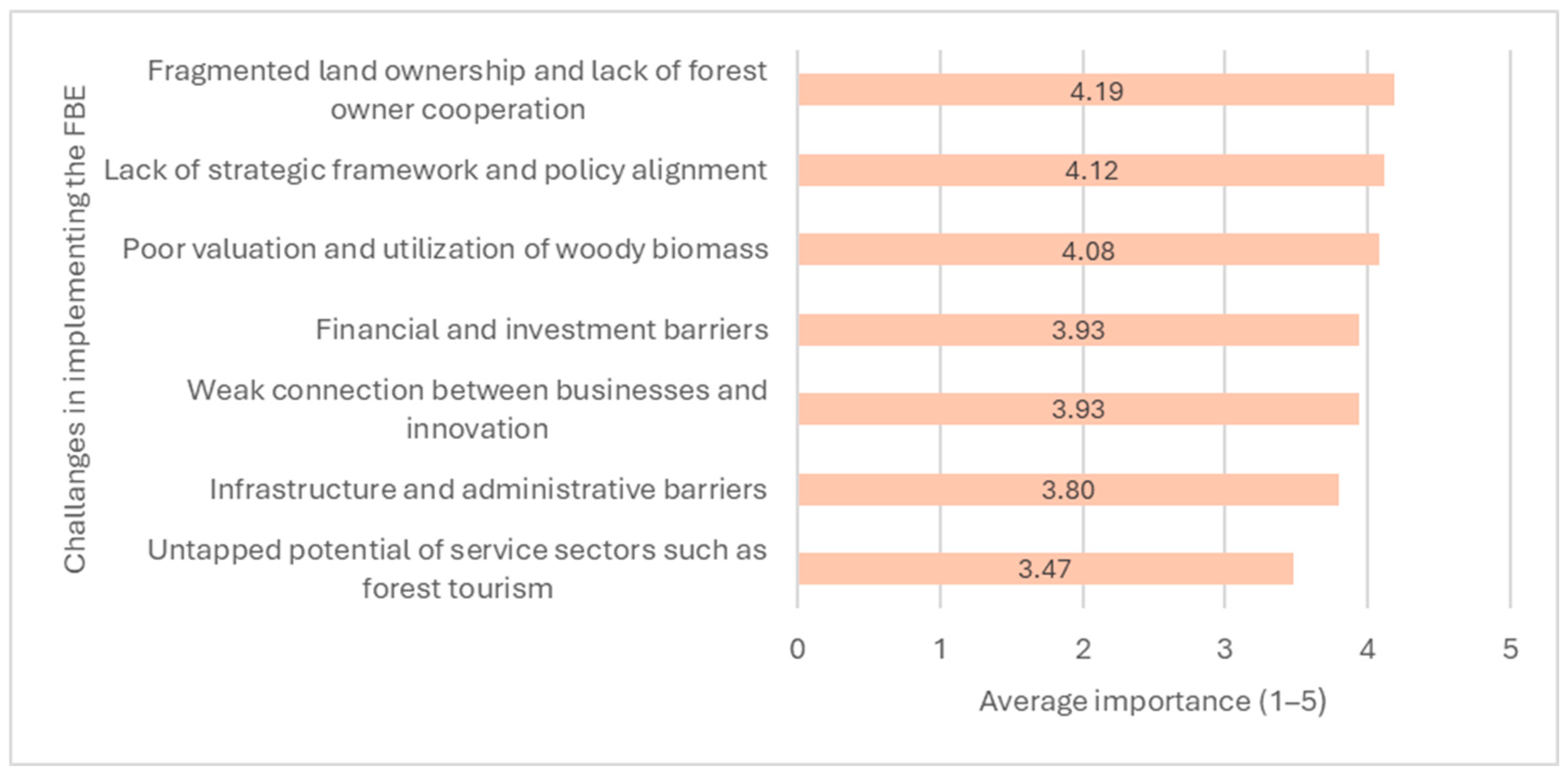
Both policymakers and business representatives were also asked to express their views on the main challenges of implementing the FBE (Figure 2).
The challenges related to implementing the FBE in Slovenia were all rated relatively highly. Respondents identified fragmented land ownership and the lack of cooperation among forest owners as the most important obstacles. These two persistent issues have long been recognized as key barriers to the effective management of private forests in Slovenia [31,32,33,34,35]. Respondents also highlighted the lack of strategic framework and policy alignment, as well as poor valuation and utilization of woody biomass, as significant challenges. Financial and investment barriers, together with weak connections between businesses and innovation, were perceived as slightly less critical.
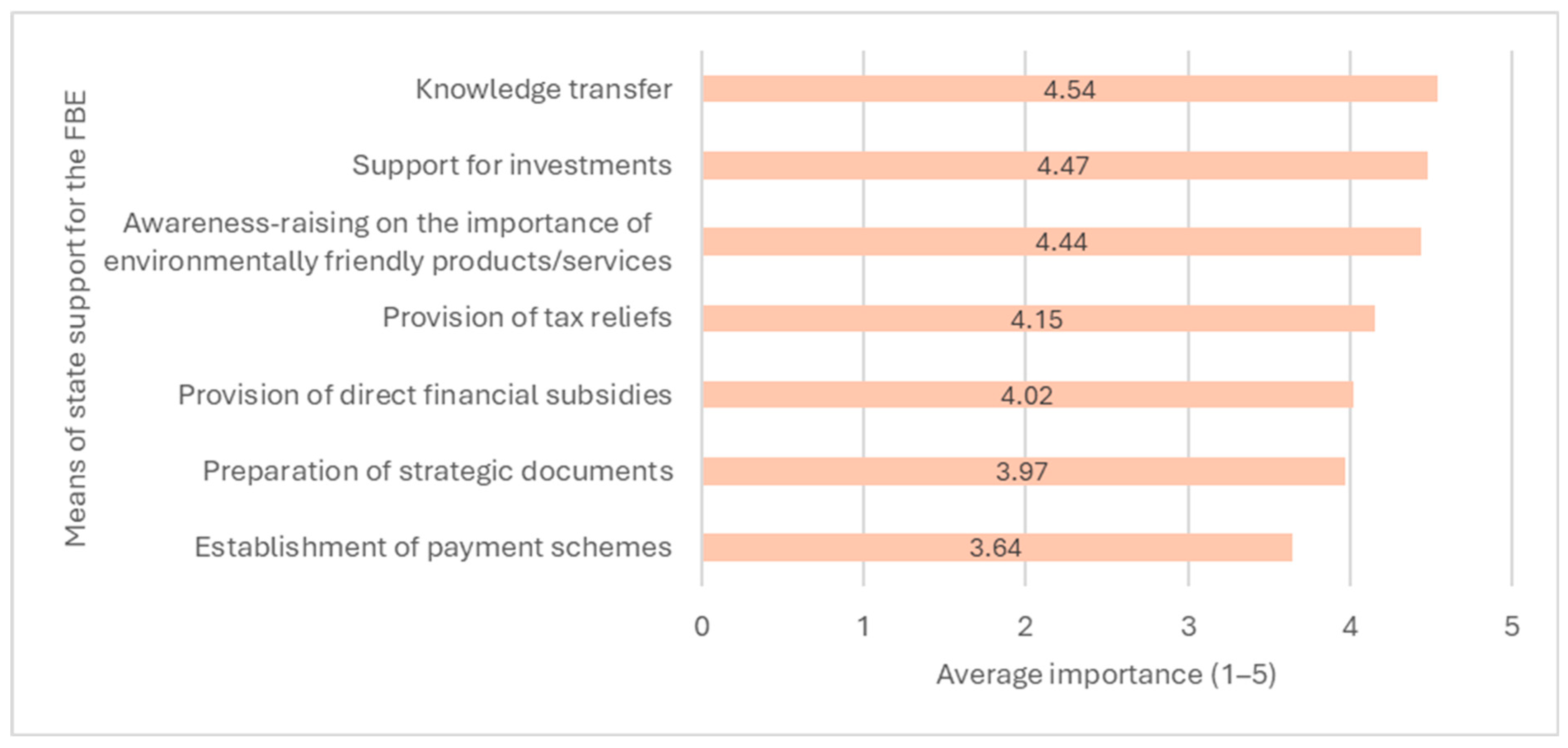
We also asked respondents how they believed the state should support the strengthening of the FBE (Figure 3). Respondents identified knowledge transfer, investment support, and awareness-raising on the importance of environmentally friendly products and services as the most important forms of state support. The establishment of PES schemes was rated as least important, which was expected, as most respondents presumably had no direct experience with such mechanisms, since they are not yet present in Slovenia. For that reason, they most likely found it difficult to envisage how PES could contribute to the development of the FBE.

3.3. Businesses and the Potential of Their Products/Services

Business representatives were asked to assess the market potential of their forest-based products and services (Table 7). Market potential is a function of a range of factors on both the demand and supply sides [36].
The results indicate that PWP is perceived as having the highest market potential (5.0). However, responses to the open-ended question concerning business constraints reveal that PWP representatives highlighted unfavourable tax policies, excessive bureaucracy, and additional levies and reporting obligations as key challenges hindering business operations. They also emphasized the influence of market conditions and EU and national regulations as crucial factors affecting success.
The WPP group perceived a slightly lower market potential, indicating a highly positive but somewhat more cautious outlook. Like PWP, they identified unpredictable market conditions and bureaucratic procedures as major limiting factors. They also pointed to payment delinquency, fluctuations in raw material prices, and a shortage of skilled labour—a chronic issue in the Slovenian wood industry [37]. Two respondents highlighted insufficient capacity to invest in process automation and modernization as a significant constraint, while another two noted that a lack of clear strategic governmental support hampers the success of the furniture and wood construction industries.
The FT group, while still rated positively at 4.0, reported a comparatively lower perceived market potential. Using the Kruskal–Wallis test (p = 0.03) and Dunn’s test (p.adj = 0.03), we detected a statistically significant difference in perceived market potential between FT and PWP, indicating that FT businesses consider their potential to be lower. Most FT representatives mentioned weather dependency and seasonality as key limiting factors, while some noted dependence on cooperation with forest owners and the suitability of forests for tourism activities. For clarification, under the Slovenian Forest Act [38], it is not permitted to carry out profit-making tourism activities in another person’s forest without the owner’s consent. One respondent also highlighted the lack of regulation of nature tourism activities—such as the absence of quality control and the prevalence of price-driven competition—which they felt hinders the development of high-quality tourism programmes.
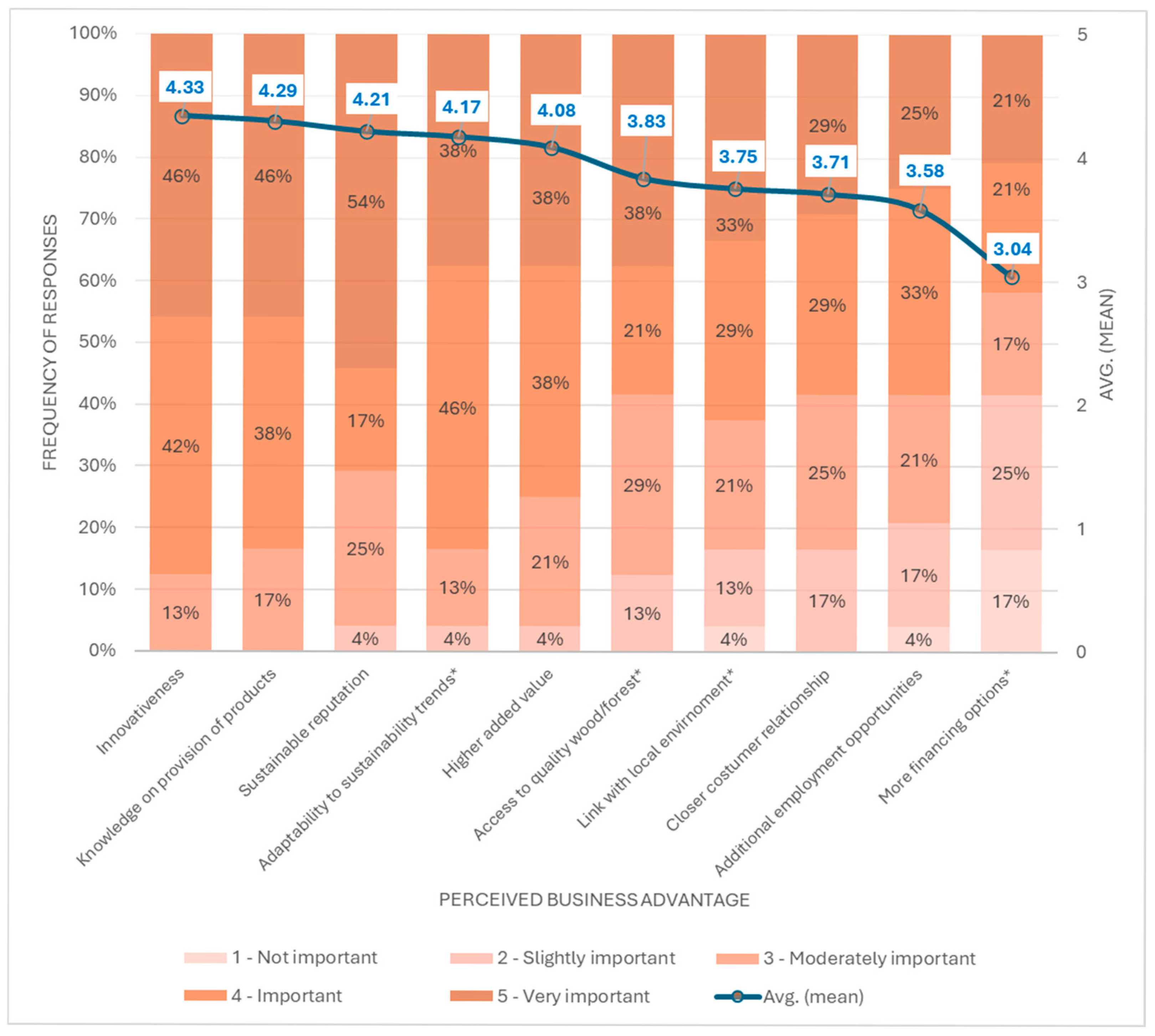
Next, respondents were asked to assess the importance of the listed advantages or benefits for their businesses, particularly those related to their use of natural resources (Figure 4).
On average, respondents rated innovativeness highest (4.33), followed by knowledge related to product provision (4.29). In an open-ended question, we asked respondents to identify the key non-financial resources in the production of their products or the provision of their services. Across a range of responses, the importance of innovation again emerged strongly. PWP and WPP emphasized improving existing work processes, adopting creative approaches, and developing new solutions to challenges. FT highlighted the need to create new, distinctive products tailored to evolving market demand. The role of employees was also repeatedly stressed, with their creativity and willingness to think outside the box considered essential to the development of products and services.
Supporting these findings, in the same open-ended question, respondents also underlined the importance of knowledge in producing goods or providing services. PWP focused primarily on knowledge of the properties of different tree species, wood assortments, the landscape, machinery operation, logistics, forest policy, and safety standards. WPP emphasized knowledge of technological processes, physical and mechanical wood properties, drying and preservation techniques, and structural engineering—particularly relevant for wooden housing businesses. FT, meanwhile, highlighted the importance of professional qualifications and continuous training in their respective fields (e.g., forest therapy, sports, accommodation provision) and knowledge of forest ecology, cultural heritage, and visitor management.
Another highly rated perceived business advantage was sustainable reputation (4.21). In an open-ended response about environmental impacts, businesses cited more positive than negative effects of their operations, indicating that they are building their reputation on genuinely sustainable practices that foster trust among customers and local communities. Among the positive impacts, PWP emphasized sustainable forest management and adding value to wood as a renewable material. Reported negative impacts mainly related to transport, the relatively high carbon footprint of forestry production, occasional soil and stand damage during logging, and the use of non-natural materials in forest road construction. According to PWP, future environmental impacts will depend largely on the energy sources used and the organization of the forestry chain. WPP respondents highlighted the sustainable properties of wood as their key contribution: long-term carbon storage in products, energy efficiency, use of recycled wood, and use of wood waste for energy production. Some also mentioned local wood sourcing as a positive aspect. Negative impacts were cited less frequently and were mainly associated with emissions from transport and production processes. FT businesses predominantly emphasized positive environmental impacts, including raising visitor awareness of forests and their protection, promoting sustainable behaviour, and strengthening links with the local environment and sustainable practices such as self-sufficiency, the use of local resources, and sustainable mobility. Negative impacts were mentioned less frequently and mostly concerned visitor transport and environmental disturbance caused by high visitor numbers, which were considered manageable through awareness-raising and effective visitor guidance.
Four cases of statistically significant differences between sectors were found: adaptability to sustainability trends, access to quality wood or forest, links with the local environment, and availability of financing options (Table 8).
Adaptability to sustainability trends was rated statistically significantly higher by FT than by WPP. Changing existing products or introducing new ones tends to be more demanding and costly for WPP than for most FT businesses.
FT also rated access to quality wood or forest higher than WPP. In a separate open-ended question, two representatives from the furniture industry and one from wooden housing stated that they all have equal access to the timber materials they use, purchasing them from major suppliers. This may explain why they do not consider access to wood as a competitive advantage. By contrast, not all FT businesses have equal access to forests, as they depend on either owning forest land or obtaining permission from forest owners. Several FT businesses emphasized that their success depends heavily on natural landscape quality and forest aesthetics, noting that access to suitable forest areas can represent a key competitive advantage.
Links with the local environment were also rated as more important by FT than by WPP. In open-ended responses, FT identified local actors as key partners, particularly other tourism and education providers, restaurants, schools, local communities, municipalities, development agencies, tourist destinations, foresters, and especially forest owners. In contrast, WPP respondents viewed suppliers of input materials as their key partners, most of which are not from the local area. Only a few emphasized cooperation with local wood suppliers and sawmills.
WPP considered the advantage of having more financing options (loans, green public procurement, etc.) more important than both FT and PWP. WPP businesses can access co-financing from the Slovene Enterprise Fund, support from SPIRIT Slovenija, state incentives through the Ministry of Economy, Tourism and Sport, and favourable loans from SID Bank. The extent of these financial mechanisms varies between 2 and 3 million EUR annually, which is to some extent reflected in companies’ investments that are stable but must also focus strongly on future digitalisation [39]. By comparison, PWP businesses are largely reliant on Rural Development Programme funds for investments in forestry machinery and infrastructure. PWP business net investments in equipment, infrastructure and forests decreased during 2012–2022, then partially recovered, but remain negative and below the 2012 level [40]. State funding is also unstable and is strongly influenced by the amount allocated for regenerating forests after large-scale natural disturbances, creating a gap between the required strategic orientation and the actual developmental efforts of PWP. FT businesses also have limited access to financial support, mostly through occasional EU-funded tourism infrastructure investments or co-financing options from the Ministry of Economy, Tourism and Sport for providers of accommodation. Since FT is in its early development there is no data available on business’ investments.
Finally, business representatives were asked to what extent the competitive advantages listed above are integrated into their business strategies. More than half (54.2%) reported strong integration, while 41.7% said they integrate these advantages to some extent within certain segments of their business strategies. Only 4.2% (one company) stated that they do not integrate these advantages at all.

3.4. PES Schemes

The third part of the questionnaires for policymakers and business representatives focused on PES and related issues.
PES schemes are economic instruments through which users or beneficiaries of ES pay those who provide or protect these services. There are currently no PES schemes in Slovenia, but the closest approximation is the Natura 2000 payment system, under which forest owners whose land falls within a Natura 2000 site receive compensation for specific forest management measures. These payments come from the Slovenian Forest Fund, which is financed by a share of the annual revenue generated by the Slovenian State Forests (SiDG) company.
The EU Forest Strategy encourages Member States to explore the creation of PES mechanisms for forest owners, aiming to promote management practices that respond to the growing demand for ES [29,41,42].

3.4.1. PES and Policymakers

Policymakers were asked to indicate how they perceive the potential roles of their organizations in designing, implementing, and monitoring possible PES schemes. Table 9 shows the extent to which different sectors envisage their potential involvement in each phase of PES implementation. Representatives of all four sectors considered themselves likely to be most strongly involved in the initial phase of establishing PES—design and feasibility. Coordination and establishment received the lowest levels of perceived involvement, possibly reflecting limited institutional capacity for the tasks required at this stage.
Table 10, which standardizes the responses, highlights differences in perceived involvement across sectors. PolWOOD representatives saw themselves as least involved in all phases, whereas polFOR and polENV representatives perceived the strongest involvement, with polTOUR following closely. Compared to polENV, polFOR would prefer to be more evenly involved in all stages of PES implementation, while polENV see themselves mainly in the initial phase. PolFOR might view themselves as central to PES development due to their regulatory authority, ability to design incentives, and role in stakeholder coordination. PolWOOD may primarily focus on timber production rather than managing or financing other ES. PolTOUR representatives, in turn, saw their potential contribution as strongest during the realization phase of PES.
However, both the non-parametric Kruskal–Wallis test (Table 10) and the Chi-square test (p > 0.05) showed no statistically significant differences between sectors in their perceived roles in PES implementation.
PES can be financed through various sources, typically grouped into three basic models depending on the origin of funds. Policymakers were asked which form of financing they considered most suitable (Table 11).
The most frequently selected option was public funding (32.9%), followed by private sources (27.6%) and public–private partnerships (21.1%). This outcome was expected, as publicly funded PES represent the most common model globally [43]. In Europe, North America, and Asia, 70% of all PES schemes rely on public funding.
Recently, PES incentives and other market-based instruments have attracted growing attention as tools to enhance specific ES [41,44,45]. Before establishing a PES scheme, however, it is necessary to identify and anticipate potential barriers to its implementation to ensure long-term effectiveness and sustainability.
The most significant barriers identified by policymakers were the inactivity of forest owners or lack of interest in their forests and fragmented land ownership (Table 12). These challenges mirror those previously identified as major obstacles to FBE implementation in Slovenia, confirming their broad recognition among both policymakers and business representatives. Conflicts of interest among the state, private owners, the public, and ecological objectives were also highlighted as a substantial concern. The least important barrier was high transaction costs for operating PES, indicating limited practical experience with PES mechanisms.

3.4.2. PES and Business Representatives

The questionnaire for business representatives also included a section on PES. While the PWP and WPP groups received the same questions, the FT sector was presented with a modified version. Since most respondents were expected to be unfamiliar with the PES concept, a brief explanation was provided beforehand.
PWP and WPP Sectors
A potential PES scheme could be established in Slovenia under which forest owners would receive payments for conducting additional tending operations in their forests. These funds could be partly provided by businesses dependent on high-quality wood from the PWP and WPP sectors. However, only two out of fifteen representatives expressed willingness to participate in such a scheme. When asked about the preferred contract duration, both opted for a long-term scheme (10 years or more).
FT Sector
In contrast, 77.8% of respondents from the FT sector reported conducting their activities in forests not owned by them. A different PES concept could therefore be envisioned, in which forest owners would be compensated for managing their forests to facilitate tourism-related activities. These might include path creation and maintenance, removal of hazardous trees, biodiversity conservation, aesthetic enhancement, and organizing access (e.g., car parks). FT representatives could also contribute financially to such a programme. All FT representatives expressed interest in participating in this type of scheme. The majority (44.4%) considered a short-term plan (up to five years) most suitable, while 33.3% favoured a medium-term scheme (five to ten years), and the remaining 22.3% preferred a long-term arrangement (more than 10 years).

4. Discussion

4.1. Contrasting Positions: Biodiversity Versus the Economic Role of Forests

Clear coalitions across sectors regarding general positions towards the FBE are evident in this study. Our results indicate an alliance among polFOR, PWP, and polWOOD, whose joint, or in some cases distinct, positions were often opposed to those of polENV, revealing fundamental divergences between the need to protect biodiversity and the economic importance of forests. By contrast, in relation to conflicting uses of forests, the positions of FT were closer to polFOR and polENV. This aligns with previous research [2,8,10] on which we based our study design.
By investigating specific FBE-related aspects, we sought to identify key convergences and divergences among stakeholders to support efforts to strengthen the BE. Should non-native tree species be introduced into forests, a clear opposition emerged between polWOOD and polENV regarding whether such species pose a threat to forests and whether some non-native trees may show greater resistance to climate change. This reflects the tension between the commercial focus of timber production and conservation of biodiversity [46,47], which is also manifested in higher support among polWOOD, polFOR, and WPP—and lower support among polENV—for retaining the prominent role of Norway spruce in Slovenian forests and the timber industry.
Opposing views were likewise evident in aspects related to biodiversity conservation. PWP disagreed with polENV, arguing that Slovenia already has a sufficient area of forest reserves. This indicates that business representatives may perceive conservation as a barrier to commercial forestry [46], as growing conservation demands can place pressure on forest management [19]. Moreover, PWP, together with polFOR, were much more concerned than polENV about the state’s authority to restrict forest owners’ activities to protect biodiversity, thereby potentially affecting their income.
Divergences also appeared in the context of forest tourism, particularly regarding the extent to which it should be recognized by forest owners as a significant income option. PolTOUR, polENV, and FT consistently supported this premise, in contrast to polFOR. While forest tourism is an emerging business model, including in former Yugoslav countries [19], the forestry sector sometimes still perceives it as pressure on forest owner autonomy [48] and also as a side-business to the presumed core elements of the FBE [49].
These contrasting stakeholder views across sectors indicate the need for a coordinated approach to identify jointly acceptable solutions for strengthening the FBE. Such an approach would enable the definition of uncontested policy goals for the FBE that do not clash with policies outside the BE domain, and would engage key stakeholders in pursuing these policies—consistent with previous recommendations on forestry-related policy design [50].

4.2. Key Challenges and Solutions for the FBE

The main challenge to implementing the FBE identified by our respondents was fragmented land ownership and the lack of forest owner cooperation. In Slovenia, 76% of forests are privately owned, with an average plot size of 3.2 ha. Most forest owners are over 60 years of age, do not depend on income from forests, and lack forest management knowledge [32]. The Czech Republic and Slovakia face similar challenges related to fragmented forest ownership as both countries implemented restitution of forest land similar to Slovenia [51]. Fewer than 1% of Slovenian forest owners are engaged in associations although many consider these as a means to boost wood biomass mobilization [52]. Sharing economy models based on forest owners cooperation are seen as potential enablers of BE uptake in forestry by improving efficiency and competitiveness [53].
Another key challenge was lack of a strategic framework and policy alignment. Slovenia remains one of the few EU Member States without a specific national BE strategy [54]. The group of European countries that have not yet adopted a BE strategy also includes the Czech Republic, Slovakia, Croatia, Bosnia and Herzegovina, and Hungary [55]. These countries share similarities with Slovenia in their forest management systems, largely shaped by their legacy of socialist state governance. In addition, policy coordination in Slovenia is weak, leading to sector-focused instruments [24,56], which, together with a lack of systematic thinking, hinder the development of competitive BE in other Central and Eastern European countries as well [57]. This is particularly problematic for the BE, which is a horizontal domain connecting several economic sectors. Forest policy remains regulation-oriented, while economic and informational tools play only a minor role, constraining timber mobilization [58]. A third key challenge is the poor valuation and utilization of wood biomass. Slovenia exports large quantities of unprocessed roundwood, losing added value [27]. Between 2000 and 2003, the Slovenian wood processing industry processed around 91% of the available round industrial wood, but only 54% was processed in the period before 2010–2013, when large quantities became available due to the 2014 ice storm and bark beetle outbreaks [56,59]. Forest resources remain underused, partly because of predominantly fragmented, small-scale private ownership [56,60]. Lower-quality wood offers major untapped potential for biorefineries and bio-based products, but these require high investment. In Slovenia, only one business operates a tannin-extraction biorefinery. Also other countries, similar in forestry profile to Slovenia face underutilization of forest resources, especially forest and wood production residues [61,62,63]. Financial support is extremely important for successful innovations aiming at more efficient wood use in South Eastern European countries [19]. Limited funding, low investor interest, and fragmented, small-scale biomass processing facilities hinder the shift to biotechnologies and the growth of flexible bio-based value chains [24,27]. Another important perceived challenge is the weak connection between businesses and innovation. Public research institutions do not focus sufficiently on new product development and have limited R&D infrastructure for scaling up, while industry provides limited feedback on R&D needs and applicability [24].
The state plays an important role in strengthening the FBE by formulating regulations and initiatives that promote and guide its development [9]. As a key means of support, both policymakers and business representatives highlighted knowledge transfer. Previous studies likewise show that research and education support strengthening the FBE [8], especially through initiatives for knowledge acquisition and transfer [64], and that publicly funded research projects encourage cooperation and knowledge exchange [65]. Hurmekoski et al. [2] note that knowledge exchange is a more participatory option than knowledge transfer.
The second most appropriate form of support was investment support. Zilberman & Wesseler [66] also emphasize the importance of state support in the creation of new supply chains in the BE. The European Agricultural Fund for Rural Development (EAFRD) is the main source of funding for the forestry sector in the EU, distributed nationally through rural development programmes [8]. The EU has also introduced the European Circular BE Fund (ECBF) to de-risk private investments in sustainable BE solutions. At the national level, it is widely recognized that BE projects in some South-Eastern European countries, like Slovenia, Croatia, and Serbia, receive significantly less co-funding compared to those in North-Western Europe [6,19]. Another very important measure is awareness-raising on environmentally friendly products and services. Public engagement and education are key to a fair, sustainable BE [67]. Environmental awareness boosts demand and the willingness to pay for green products [9,68,69]. Therefore, governments should promote their benefits to help address environmental issues [70]. A Slovenian example is the Slovenian Public Agency for Investments, Entrepreneurship and Internationalization (SPIRIT Slovenija) promotional programme for the use of wood. A good example of knowledge transfer of the BE concepts to the wider public in Central and Eastern European countries is BIOECO-UP brochure, developed under the BIOEAST initiative [71,72].

4.3. PES as a Solution

Although establishing PES was ranked lowest among the predefined state support options, it remains a potentially viable instrument for improving the availability of forest ES, thereby supporting the competitiveness of forest-based products and services [7]. PES are highlighted in the EU Forest Strategy for 2030 [29] and encouraged by the European Commission [73]. They can benefit businesses by fostering the supply of forest ES that can be integrated into forest-based value chains [9], improving competitiveness and supporting a successful FBE.
A key condition for a successful PES is that its design and implementation follow a transparent, step-wise process. Several practical guidelines exist to assist policymakers in developing such incentive mechanisms [74,75,76]. In our four-phase framing of PES design and implementation, policymakers generally perceived their role as strongest in the initial design and feasibility phase, and weakest in the coordination and establishment phase. This aligns with Förster et al. [77], who found that the main challenges in developing regulatory frameworks (as PES are) for governing the BE are greatest during the coordination and realization stages. Our survey results reinforce this: the top three challenges—inactivity of forest owners or lack of interest, fragmented ownership structure, and conflicts of interest—all require effective coordination and compromise-building, which can be extremely demanding in this context. This is consistent with a recent study among Slovenian private forest owners [42], which found a significant lack of willingness to engage in altered forest management even with hypothetical payments. Furthermore, Pezdevšek Malovrh et al. [78] and Ščap [79] report passive forest owner shares of 30% and 23%, respectively, reflecting in part the small average holding of 3.2 ha per owner [80]. Conflicts over diverging interests in forest management and use are also relatively common in Slovenia [81,82,83], as might be expected given a tradition of multifunctionality and free public access. Indeed, Wunder [84] considers PES a tool to enhance the supply of forest ES where other policy instruments are ineffective and where it is important to bridge conflicts among different stakeholders.
Differences in policymakers’ perceptions of their roles in PES can be linked to sector-dependent professional capacities; however, they could also reflect efforts to exert sectoral influence. Mapping stakeholders in terms of their power and interest is therefore essential for transparent design and implementation of PES [85,86]. Professional and administrative capacities are critical to the success of such schemes and should be investigated prior to setting the PES agenda [87,88]. We did not find statistically significant differences in perceived roles of policymakers across sectors; thus, we cannot confirm our first hypothesis: “Positions of policymakers on their involvement in PES depend on their government department affiliation”. This may reflect the near absence of forestry-related PES in Slovenia, apart from moderately implemented Natura 2000 payments funded by the Slovenian Forest Fund, and the resulting lack of information on PES design and implementation. The low ranking of PES as a mean to strengthen the FBE further suggests limited awareness of its potential advantages among policymakers.
To address limited recognition of PES, we propose a practical pathway for its implementation in Slovenia facilitating a clearer understanding of how such an approach can be operationalised. Given the stronger perceived roles of all policymakers in the Design and feasibility phase, the involvement of all sectors would strengthen transparent goal setting, stakeholder identification and the creation of the scheme’s framework. Coordination and establishment would be carried out by a joint trio of polFOR, polTOUR, and polENV with agreements to be formalized, funding allocated and governance capacities to be assessed or built. PolWOOD would be involved as a consultant. The phase of Realization could be best co-led by polTOUR and polFOR, as the former expressed high motivation in our study to be involved in PES, and the latter has most developed connection to forest owners, on whose forest lands such PES depend on. PolWOOD can play a supporting role in PES, while polENV would oversee the implementation of the scheme. Of all four, polFOR has the best on-field public service, which would be key in leading the monitoring of management practices and consequently the output of PES, while the other three sectors would support this final phase.
Sectoral heterogeneity in business positions towards PES is evident. All FT representatives expressed willingness to financially support a PES, whereas only 13% of PWP/WPP representatives responded positively. This may reflect the close interaction forest tourism requires between visitors and the forest environment [84]. Given that close to 80% of forests in Slovenia are privately owned, a PES enabling better implementation of tourist activities could also legitimize commercial tourism in forests. PWP and WPP have no such motive, as they already make transactions for timber and wood products. Their reluctance towards PES could stem from the risk that long-term investment in silvicultural works (tending) might not yield the expected volume of high-quality wood. Our results and previous research suggest that distant benefits may not fully compensate for immediate investments and associated risks [89,90,91], making businesses hesitant to finance long-term schemes without safeguards [92].

4.4. Businesses and the FBE

Business representatives included in our survey that are active in the FBE recognize the market potential of their products and services as relatively high. Relative to each other, WPP rated it highest, FT lowest, and PWP in between. We found a statistically significant difference in the attribution of market potential between PWP and FT; thus, we can confirm our second hypothesis: “The perceived market potential of forest-based products and services varies among businesses according to their sectoral orientation”. This suggests that PWP actors see clear economic opportunities, likely driven by increasing demand for sustainable wood-based products and Slovenia’s rich, underutilized forest biomass potential, indicating business opportunities for logging and harvesting companies. The comparatively lower market potential perceived by FT may reflect smaller market scale, seasonal demand, and a niche customer base. It is less marketable than other tourism activities or BE sectors and often depends on owning a forest or securing access agreements with forest owners. Moreover, nature-based tourism is still developing [93], and most FT respondents in our study are at an early business stage, whereas PWP and WPP are established companies with long traditions. Nevertheless, nature-based tourism has become an important [94] and growing economic sector in Central and Northern Europe [95], with strong market potential [96], especially for practices that are not harmful to ecosystems [97], such as forest therapy [98].
The most important competitive advantages perceived by businesses were innovativeness, knowledge of product provision, and sustainable reputation. Despite the diversity of BE businesses, employee-driven innovation based on diverse knowledge is crucial for strengthening the BE [99]. Innovation is a strong competitive advantage [100] and is vital for business development and a continuous income stream [101]. A study of forest-based Nordic manufacturing firms found that most have limited innovation capabilities and propose implementing an innovation strategy as a key remedy [101]. Supporting innovation in the FBE can strengthen its capacity to meet future challenges and drive sustainable development [102]. Businesses that foster such innovation can enhance their sustainable reputation, increasing the credibility of green marketing as a means to build sustainable competitive advantage [103].

5. Conclusions

Our research demonstrates a clear heterogeneity of stakeholder positions on various forest-based bioeconomy-related aspects, making the design and implementation of the forest-based bioeconomy both complex and uncertain. Addressing this diversity requires the application of advanced policy design and analysis approaches, such as multilevel governance, institutional dynamics analysis, or the advocacy coalition framework, all of which can help identify and elaborate the most effective solutions for strengthening the forest-based bioeconomy. Thus, we propose a stronger and a more coordinated commitment from of all observed sectors to develop a joint national forest-based bioeconomy strategy that would provide an integrated policy framework supported by operational funding programmes. Our research identifies the main gaps that need to be addressed.
Respondents highlighted four key challenges to forest-based bioeconomy implementation. Two relate to the suboptimal use of forest resources, caused by fragmented and uncooperative ownership or by the lack of wood processing capacity, which hampers the supply of materials to existing value chains. This calls for stronger engagement by forest managers to promote cooperation and for state support to stimulate investment in the wood processing sector. Another related challenge concerns the weak innovation environment, which needs to be addressed as part of a comprehensive strategic vision for the forest-based bioeconomy—something Slovenia currently lacks. When seeking solutions to these challenges, it is essential to involve all stakeholder groups through a transparent and participatory process that enables the development of a coherent and inclusive national strategy.
Policymakers perceive their roles as strongest during the early stages of payments for ecosystem services design and weakest in the coordination and establishment phases, indicating either limited capacities or a focus on shaping the objectives, beneficiaries, and conditions of payments for ecosystem services schemes rather than on their practical implementation. This underlines the need for further investigation of professional and technical capacities, as well as stakeholder power mapping to identify potentially dominant actors whose influence could undermine the transparency and fairness of payments for ecosystem services development.
The willingness of forest tourism businesses to engage in payments for ecosystem services schemes indicates that such schemes may serve as a promising mechanism for strengthening relationships between forest owners and forest tourism entrepreneurs. Future research should therefore explore key payments for ecosystem services design dimensions, such as effectiveness, efficiency, and equity. Meanwhile business representatives of primary wood production and wood processing and products might show greater interest in contributing to payments for ecosystem services schemes if market mechanisms could offset their contributions, for example, through price margins or combinations with other policy instruments—alternative payments for ecosystem services designs and their features should thus be further investigated.
The perceived market potential of businesses appears almost the inverse of their interest in payments for ecosystem services schemes. Forest tourism business representatives rate their market potential lower than primary wood production, most likely due to the complexity and immaturity of the forest tourism market. Consequently, they may view participation in payments for ecosystem services schemes as an opportunity to expand their business potential by securing broader and more sustainable development options. Despite these sectoral differences, business representatives consistently agree that innovativeness, knowledge, and sustainability represent their key competitive advantages. These findings should serve as guidance for policymakers, highlighting the specific aspects that deserve targeted support to effectively strengthen the forest-based bioeconomy.
We propose the following sector-specific strategic priorities: (1) for forestry (primary wood production), to provide legal and fiscal support for cooperation among forest owners, including area-based agreements eligible for co-funded tending programmes, to increase the proportion of high-quality wood and ensure climate change-resilient species mixtures; (2) for the wood processing sector, to facilitate long-term contracts with primary wood producers and landowners to secure a stable supply of high-quality wood, and to create demand by promoting the use of wood through public procurement and encouraging private investment; (3) for forest tourism, to foster partnerships between forest owners and tourism operators (including via payments for ecosystem services), and to coordinate the selection of routes and areas with forestry businesses to ensure safe and high-value tourism products; (4) for the environmental sector, to pursue biodiversity-related goals through transparent dialogue with other stakeholders, reflected in efforts to manage existing nature protection areas (e.g., Natura 2000) within national-level initiatives (nature restoration plans) and sectoral planning systems (e.g., forest management planning).

Author Contributions

Conceptualization, K.P. and A.J.; methodology, K.P. and A.J.; validation, K.P. and A.J.; formal analysis, K.P. and A.J.; investigation, K.P. and A.J.; resources, K.P.; data curation, K.P. and A.J.; writing—original draft preparation, K.P. and A.J.; writing—review and editing, K.P. and A.J.; visualization, K.P.; supervision, A.J.; project administration, A.J.; funding acquisition, A.J. All authors have read and agreed to the published version of the manuscript.

Funding

This research was funded by Young Researcher programme of the Slovenian Research and Innovation Agency and the Research Core Funding project (grant number P4-0107) of the Program Research Group at the Slovenian Forestry Institute.

Institutional Review Board Statement

Ethical review and approval were waived for this study by Institution Committee due to the General Data Protection Regulation (GDPR/EU) 2016/6791, the Slovenian Personal Data Protection Act (ZVOP-22), and the principles of the European Code of Conduct for Research Integrity.

Informed Consent Statement

All participants were informed about the purpose of the study, the voluntary nature of participation, their right to withdraw at any time, and the way their data would be anonymised and used. Informed consent was obtained from all participants.

Data Availability Statement

Data will be made available upon reasonable request.

Acknowledgments

Sincere thanks to Andreja Ferreira for her constructive comments on the text and to Jan Philip Nagel for proofreading the article.

Conflicts of Interest

The authors declare no conflicts of interest.

Abbreviations

The following abbreviations are used in this manuscript:
BEBioeconomy
FBEForest-based bioeconomy
PESPayments for ecosystem services
ESEcosystem services
polFORPolicymakers from Forestry sector
polWOODPolicymakers from Wood industry sector
polENVPolicymakers from Environmental sector
polTOURPolicymakers from Tourism sector
PWPBusiness representatives from Primary wood production
WPPBusiness representatives from Wood processing and products
FTBusiness representatives from Forest tourism sector

References

  1. Wolfslehner, B.; Linser, S.; Pülzl, H.; Bastrup-Birk, A.; Camia, A.; Marchetti, M. Forest Bioeconomy—A New Scope for Sustainability Indicators; From Science to Policy 4; European Forest Institute: Joensuu, Finland, 2016; ISBN 978-952-5980-30-1. [Google Scholar]
  2. Hurmekoski, E.; Lovrić, M.; Lovrić, N.; Hetemäki, L.; Winkel, G. Frontiers of the Forest-Based Bioeconomy—A European Delphi Study. For. Policy Econ. 2019, 102, 86–99. [Google Scholar] [CrossRef]
  3. Jonsson, R.; Rinaldi, F.; Pilli, R.; Fiorese, G.; Hurmekoski, E.; Cazzaniga, N.; Robert, N.; Camia, A. Boosting the EU Forest-Based Bioeconomy: Market, Climate, and Employment Impacts. Technol. Forecast. Soc. Change 2021, 163, 120478. [Google Scholar] [CrossRef]
  4. Luhas, J.; Mikkilä, M. Social Sustainability in the Forest-Based Bioeconomy: A Narrative Review. For. Policy Econ. 2025, 177, 103523. [Google Scholar] [CrossRef]
  5. EC. A Sustainable Bioeconomy for Europe: Strengthening the Connection Between Economy, Society and the Environment: Updated Bioeconomy Strategy. Available online: https://op.europa.eu/en/publication-detail/-/publication/edace3e3-e189-11e8-b690-01aa75ed71a1 (accessed on 1 April 2025).
  6. Lovrić, N.; Lovrić, M.; Mavsar, R. Factors behind Development of Innovations in European Forest-Based Bioeconomy. For. Policy Econ. 2020, 111, 102079. [Google Scholar] [CrossRef]
  7. Dietz, T.; Börner, J.; Förster, J.J.; von Braun, J. Governance of the Bioeconomy: A Global Comparative Study of National Bioeconomy Strategies. Sustainability 2018, 10, 3190. [Google Scholar] [CrossRef]
  8. Rinn, R.; Palátová, P.; Kalábová, M.; Jarský, V. Forest Bioeconomy from the Perspectives of Different EU Countries and Its Potential for Measuring Sustainability. Forests 2023, 14, 33. [Google Scholar] [CrossRef]
  9. Salvador, R.; Barros, M.V.; Donner, M.; Brito, P.; Halog, A.; De Francisco, A.C. How to Advance Regional Circular Bioeconomy Systems? Identifying Barriers, Challenges, Drivers, and Opportunities. Sustain. Prod. Consum. 2022, 32, 248–269. [Google Scholar] [CrossRef]
  10. Barañano, L.; Unamunzaga, O.; Garbisu, N.; Briers, S.; Orfanidou, T.; Schmid, B.; de Arano, I.M.; Araujo, A.; Garbisu, C. Assessment of the Development of Forest-Based Bioeconomy in European Regions. Sustainability 2022, 14, 4747. [Google Scholar] [CrossRef]
  11. Gawel, E.; Purkus, A.; Pannicke, N.; Hagemann, N. Die Governance Der Bioökonomie—Herausforderungen Einer Nachhaltigkeitstransformation Am Beispiel Der Holzbasierten Bioökonomie in Deutschland. 2016. Available online: http://nbn-resolving.de/urn:nbn:de:0168-ssoar-47319-9 (accessed on 1 September 2025).
  12. Luhas, J.; Mikkilä, M.; Kylkilahti, E.; Miettinen, J.; Malkamäki, A.; Pätäri, S.; Korhonen, J.; Pekkanen, T.-L.; Tuppura, A.; Lähtinen, K.; et al. Pathways to a Forest-Based Bioeconomy in 2060 within Policy Targets on Climate Change Mitigation and Biodiversity Protection. For. Policy Econ. 2021, 131, 102551. [Google Scholar] [CrossRef]
  13. Falcone, P.M.; Tani, A.; Tartiu, V.E.; Imbriani, C. Towards a Sustainable Forest-Based Bioeconomy in Italy: Findings from a SWOT Analysis. For. Policy Econ. 2020, 110, 101910. [Google Scholar] [CrossRef]
  14. Rantala, S.; Swallow, B.; Lähteenmäki-Uutela, A.; Paloniemi, R. Forest Data Governance as a Reflection of Forest Governance: Institutional Change and Endurance in Finland and Canada. Environ. Sci. Policy 2022, 136, 751–760. [Google Scholar] [CrossRef]
  15. D’Amato, D.; Bartkowski, B.; Droste, N. Reviewing the Interface of Bioeconomy and Ecosystem Service Research. Ambio 2020, 49, 1878–1896. [Google Scholar] [CrossRef]
  16. Nagy, E.; Rustas, C.B.; Mark-herbert, C. Social Acceptance of Forest-Based Bioeconomy—Swedish Consumers’ Perspectives on a Low Carbon Transition. Sustainability 2021, 13, 7628. [Google Scholar]
  17. Lovec, M.; Juvančič, L. The Role of Industrial Revival in Untapping the Bioeconomy’s Potential in Central and Eastern Europe. Energies 2021, 14, 8405. [Google Scholar] [CrossRef]
  18. JRC. EU Biomass Supply, Uses, Governance and Regenerative Actions; Publications Office of the European Union: Luxembourg, 2025; ISBN 978-92-68-28281-6. [Google Scholar]
  19. Lovrić, N.; Krajter Ostoić, S.; Vuletić, D.; Zavodja, M.; Đorđević, I.; Stojanovski, V.; Curman, M. The Future of the Forest-Based Bioeconomy in Selected Southeast European Countries. Futures 2021, 128, 102725. [Google Scholar] [CrossRef]
  20. Börner, J.; Baylis, K.; Corbera, E.; Ezzine-de-Blas, D.; Honey-Rosés, J.; Persson, U.M.; Wunder, S. The Effectiveness of Payments for Environmental Services. World Dev. 2017, 96, 359–374. [Google Scholar] [CrossRef]
  21. Auld, G.; Balboa, C.; Bernstein, S.; Cashore, B. The Emergence of Non-State Market-Driven (NSMD) Global Environmental Governance: A Cross-Sectoral Assessment; Cambridge University Press: Cambridge, UK, 2009; ISBN 9780511627170. [Google Scholar]
  22. Halonen, M.; Näyhä, A.; Kuhmonen, I. Regional Sustainability Transition through Forest-Based Bioeconomy? Development Actors’ Perspectives on Related Policies, Power, and Justice. For. Policy Econ. 2022, 142, 102775. [Google Scholar] [CrossRef]
  23. Näyhä, A. Transition in the Finnish Forest-Based Sector: Company Perspectives on the Bioeconomy, Circular Economy and Sustainability. J. Clean. Prod. 2019, 209, 1294–1306. [Google Scholar] [CrossRef]
  24. Juvančič, L.; Berne, S.; Oven, P.; Osojnik Črnivec, I.G. Strategic Concept Paper for Bioeconomy in Slovenia: From a Patchwork of Good Practices to an Integrated, Sustainable and Robust Bioeconomy System. Open Res. Eur. 2023, 3, 167. [Google Scholar] [CrossRef]
  25. SFS. Poročilo Zavoda Za Gozdove Slovenije o Gozdovih Za Leto 2024; Slovenia Forest Service: Ljubljana, Slovenia, 2025. [Google Scholar]
  26. Verkerk, P.J.; Fitzgerald, J.B.; Datta, P.; Dees, M.; Hengeveld, G.M.; Lindner, M.; Zudin, S. Spatial Distribution of the Potential Forest Biomass Availability in Europe. For. Ecosyst. 2019, 6, 5. [Google Scholar] [CrossRef]
  27. Juvančič, L.; Arnič, D.; Berne, S.; Grilc, M.; Hočevar, B.; Humar, M.; Javornik, S.; Kocjan, D.; Kocjančič, T.; Krajnc, N.; et al. Zaključno Poročilo CRP Premostitev Vrzeli v Biogospodarstvu: Od Gozdne in Kmetijske Biomase Do Inovativnih Tehnoloških Rešitev; Biotehniška Fakulteta: Ljubljana, Slovenia, 2021. Available online: https://www.dlib.si/details/URN:NBN:SI:DOC-VYL09N6J (accessed on 1 April 2025).
  28. EC. EU Biodiversity Strategy for 2030. Available online: https://eur-lex.europa.eu/legal-content/EN/TXT/?uri=celex%3A52020DC0380 (accessed on 1 April 2025).
  29. EC. New EU Forest Strategy for 2030. Available online: https://eur-lex.europa.eu/legal-content/EN/TXT/?uri=CELEX%3A52021DC0572 (accessed on 1 April 2025).
  30. Haines-Young, R.; Potschin, M. Common International Classification of Ecosystem Services (CICES): 2011 Update; Fabis Consulting Ltd.: Nottingham, UK, 2011. [Google Scholar]
  31. Winkler, I.; Medved, M. Spremembe Lastninske Strukture Gozdov Zaradi Denacionalizacije in Njihove Gozdnogospodarske Posledice. Zb. Gozdarstva Lesar. 1994, 44, 215–246. [Google Scholar]
  32. Pezdevšek Malovrh, Š. Vpliv Institucij in Oblik Povezovanja Lastnikov Gozdov Na Gospodarjenje z Zasebnimi Gozdovi. Ph.D. Thesis, University of Ljubljana, Biotehniška Fakulteta, Ljubljana, Slovenia, 2010. [Google Scholar]
  33. Iveta, N. Ocena Pripravljenosti Zasebnih Lastnikov Gozdov Za Poslovno Sodelovanje Pri Gospodarjenju z Gozdom Na Primeru Revirja Vodice. Master’s Thesis, University of Ljubljana, Biotehniška Fakulteta, Ljubljana, Slovenia, 2017. [Google Scholar]
  34. Kumer, P. Vpliv Družbenogeografskih Dejavnikov Na Gospodarjenje z Majhnimi Zasebnimi Gozdnimi Posestmi. Ph.D. Thesis, University of Ljubljana, Biotehniška Fakulteta, Ljubljana, Slovenia, 2013. [Google Scholar]
  35. Plevnik, K.; Pezdevšek Malovrh, Š. Analiza Delovanja Zveze Lastnikov Gozdov Slovenije s Ciljem Njenega Izboljšanja—Ali Obstajajo Možnosti Za Vzpostavitev Novih Poslovnih Modelov Sodelovanja s Člani? Acta Silvae Ligni 2021, 124, 13–28. [Google Scholar] [CrossRef]
  36. Hurmekoski, E.; Jonsson, R.; Korhonen, J.; Jänis, J.; Mäkinen, M.; Leskinen, P.; Hetemäki, L. Diversification of the Forest Industries: Role of New Wood-Based Products. Can. J. For. Res. 2018, 48, 1417–1432. [Google Scholar] [CrossRef]
  37. SPIRIT Slovenija. Lesno Predelovalna Industrija Ponuja Številne Karierne Priložnosti. Available online: https://www.spiritslovenia.si/sporocilo/705 (accessed on 1 August 2025).
  38. Government of Slovenia. Zakon o Gozdovih. Available online: https://pisrs.si/pregledPredpisa?id=ZAKO270 (accessed on 3 March 2025).
  39. Redek, T.; Oblak, L.; Humar, M. Analiza Uspešnosti Lesne Industrije v Sloveniji in Dejavnikov, ki Nanjo Vplivajo [Analysis of the Performance of the Wood Industry in Slovenia and the Factors Affecting It]. Les/Wood 2025, 74, 41–64. [Google Scholar] [CrossRef]
  40. SURS. Ekonomski Računi Za Gozdarstvo Po Proizvodih in Vrednostih, Slovenija, Letno. Available online: https://pxweb.stat.si/SiStatData/pxweb/sl/Data/-/1622730S.px/ (accessed on 17 December 2025).
  41. Vedel, S.E.; Jacobsen, J.B.; Thorsen, B.J. Forest Owners’ Willingness to Accept Contracts for Ecosystem Service Provision is Sensitive to Additionality. Ecol. Econ. 2015, 113, 15–24. [Google Scholar] [CrossRef]
  42. Plevnik, K.; Japelj, A. Uncovering the Latent Preferences of Slovenia’s Private Forest Owners in the Context of Enhancing Forest Ecosystem Services through a Hypothetical Scheme. Forests 2023, 14, 2346. [Google Scholar] [CrossRef]
  43. Ezzine-De-Blas, D.; Wunder, S.; Ruiz-Pérez, M.; Del Pilar Moreno-Sanchez, R. Global Patterns in the Implementation of Payments for Environmental Services. PLoS ONE 2016, 11, e0149847. [Google Scholar] [CrossRef]
  44. Grilli, G.; Fratini, R.; Marone, E.; Sacchelli, S. A Spatial-Based Tool for the Analysis of Payments for Forest Ecosystem Services Related to Hydrogeological Protection. For. Policy Econ. 2020, 111, 102039. [Google Scholar] [CrossRef]
  45. Morgan, E.A.; Buckwell, A.; Guidi, C.; Garcia, B.; Rimmer, L.; Cadman, T.; Mackey, B. Capturing Multiple Forest Ecosystem Services for Just Benefit Sharing: The Basket of Benefits Approach. Ecosyst. Serv. 2022, 55, 101421. [Google Scholar] [CrossRef]
  46. Malkamäki, A.; Korhonen, J.E.; Berghäll, S.; Berg Rustas, C.; Bernö, H.; Carreira, A.; D’Amato, D.; Dobrovolsky, A.; Giertliová, B.; Holmgren, S.; et al. Public Perceptions of Using Forests to Fuel the European Bioeconomy: Findings from Eight University Cities. For. Policy Econ. 2022, 140, 102749. [Google Scholar] [CrossRef]
  47. Primmer, E.; Varumo, L.; Krause, T.; Orsi, F.; Geneletti, D.; Brogaard, S.; Aukes, E.; Ciolli, M.; Grossmann, C.; Hernández-Morcillo, M.; et al. Mapping Europe’s Institutional Landscape for Forest Ecosystem Service Provision, Innovations and Governance. Ecosyst. Serv. 2021, 47, 101225. [Google Scholar] [CrossRef]
  48. Hodge, D.; Brukas, V.; Giurca, A. Forests in a Bioeconomy: Bridge, Boundary or Divide? Scand. J. For. Res. 2017, 32, 582–587. [Google Scholar] [CrossRef]
  49. Pelli, P.; Haapala, A.; Pykäläinen, J. Services in the Forest-Based Bioeconomy—Analysis of European Strategies. Scand. J. For. Res. 2017, 32, 559–567. [Google Scholar] [CrossRef]
  50. Toppinen, A.; D’Amato, D.; Stern, T. Forest-Based Circular Bioeconomy: Matching Sustainability Challenges and Novel Business Opportunities? For. Policy Econ. 2020, 110, 102041. [Google Scholar] [CrossRef]
  51. Jarský, V.; Dobšinská, Z.; Hrib, M.; Oliva, J.; Sarvašová, Z.; Šálka, J. Restitution of Forest Property in the Czech Republic and Slovakia—Common Beginnings with Different Outcomes? Cent. Eur. For. J. 2018, 64, 195–206. [Google Scholar]
  52. Pezdevšek Malovrh, Š.; Laktić, T. Poslovno Povezovanje Lastnikov Gozdov Na Primeru Društva Lastnikov Gozdov Pohorje-Kozjak. Acta Silvae Ligni 2017, 113, 1–13. [Google Scholar] [CrossRef]
  53. Palatova, P. Sharing Economy in the Forestry Sector: Opportunities and Barriers. For. Policy Econ. 2023, 154, 103000. [Google Scholar] [CrossRef]
  54. Lovec, M.; Juvančič, L.; Mešl, M. Družbeni Kontekst Prehoda v Biogospodarstvo: CRP V4-1824, R.1.1; Univerza v Ljubljani: Ljubljana, Slovenia, 2019. [Google Scholar]
  55. National Bioeconomy Strategies in Europe—State of Play July 2025; European Commission’s Knowledge Centre for Bioeconomy: Brussels, Belgium, 2025.
  56. Arnič, D.; Loizou, E.; Ščap, Š.; Prislan, P.; Juvančič, L. Evaluating Alternative Transformation Pathways of Wood-Based Bioeconomy: Application of an Input–Output Model. Forests 2024, 15, 2084. [Google Scholar] [CrossRef]
  57. BIOeast. Ensuring Biomass Supply: A Cornerstone for Europe’s Bioeconomy. Available online: https://bioeast.eu/ensuring-biomass-supply-a-cornerstone-for-europes-bioeconomy/ (accessed on 13 December 2025).
  58. Uhan, Z.; Dobšinská, Z.; Báliková, K.; Malovrh, Š.P. Policy Change through the Lens of Private Forest Owners’ Business Cooperation: A Case Study of Slovenia and Slovakia. Cent. Eur. For. J. 2025, 71, 307–322. [Google Scholar] [CrossRef]
  59. Arnič, D.; Prislan, P.; Juvančič, L. Raba Lesa v Slovenskem Biogospodarstvu. Gozdarski Vestn. 2019, 77, 375–393. [Google Scholar]
  60. Malovrh, Š.P.; Kurttila, M.; Hujala, T.; Kärkkäinen, L.; Leban, V.; Lindstad, B.H.; Peters, D.M.; Rhodius, R.; Solberg, B.; Wirth, K.; et al. Decision Support Framework for Evaluating the Operational Environment of Forest Bioenergy Production and Use: Case of Four European Countries. J. Environ. Manag. 2016, 180, 68–81. [Google Scholar] [CrossRef] [PubMed]
  61. Brašanac, L.; Čule, N.; Đorđević, I.; Češljar, G.; Mitrović, T.Ć. Possibilities for the Use of Biomass from Forestry with the Aim of Establishing a Circular Bioeconomy in Serbia. Sustain. For. Collect. 2023, 87–88, 183–195. [Google Scholar] [CrossRef]
  62. Nedić, Z.; Ivan, A.; Ivan, J.; Bošković, A.; Cestarić, D.; Biljana, K. From the Wood-Based Community to the Circular, Carbon-Neutral and Sustainable Bioeconomy: Recommendations for the Transition. J. Sustain. Dev. Energy Water Environ. Syst. 2024, 12, 1–11. [Google Scholar] [CrossRef]
  63. Galantari, V.; Panailidou, K. National Results from the Analysis on “High-Level Study of Regional Dynamics”—Czech Republic; BBioNets: Brno, Czech Republic, 2025; pp. 1–6. [Google Scholar]
  64. Filipe, S. A Review on Strategies, Policies and Mechanisms Supporting Bioeconomy and Sustainable Development. In Proceedings of the 3rd International Conference on Water Energy Food and Sustainability, Leiria, Portugal, 10–12 May 2023; pp. 601–611. [Google Scholar] [CrossRef]
  65. Bogner, K. Knowledge Networks in the German Bioeconomy: Network Structure of Publicly Funded R&D Networks. In Hohenheim Discussion Papers in Business, Economics and Social Sciences 03-2019; Universität Hohenheim, Fakultät Wirtschafts und Sozialwissenschaften: Stuttgart, Deutschland, 2019. [Google Scholar]
  66. Zilberman, D.; Wesseler, J. Building the Bioeconomy through Innovation, Monitoring and Science-Based Policies. EuroChoices 2023, 22, 21–25. [Google Scholar] [CrossRef]
  67. Grande, M. Public Engagement and Education Can Support the Transition towards Sustainable Bioeconomy. J. Sci. Policy Gov. 2022, 20, 2016–2023. [Google Scholar] [CrossRef]
  68. Firdaus, F. Green Product Purchase Decision: The Role of Environmental Consciousness and Willingness to Pay. J. Apl. Manaj. 2023, 21, 1045–1060. [Google Scholar] [CrossRef]
  69. Rawal, D.; Aryal, B.R. Consumer Awareness of Green Marketing and Buying Behavior: A Synthesis of Literature. Contemp. Res. Interdiscip. Acad. J. 2024, 7, 51–64. [Google Scholar] [CrossRef]
  70. Surianshah, S. Environmental Awareness and Green Products Consumption Behavior: A Case Study of Sabah State, Malaysia. Biodiversitas 2021, 22, 2685–2692. [Google Scholar] [CrossRef]
  71. BIOECO-UP. Bioeconomy in ce Europe: Shared Experiences About the Bioeconomy from Europe! BIOECO-UP. Available online: https://www.bioeasthub.cz/images/doc/bioecoup/BIOECO-UP__brochure_infosheets_EN_240823.pdf (accessed on 12 December 2025).
  72. BIOECO-UP. High Interest in the Annual BIOEAST Conference—The BIOECO-UP Brochure Was a Success in the Education Thematic Working Group. Available online: https://www.interreg-central.eu/news/high-interest-in-the-annual-bioeast-conference-the-bioeco-up-brochure-was-a-success-in-the-education-working-group/?utm_source=chatgpt.com (accessed on 12 December 2025).
  73. EC. Guidance on the Development of Public and Private Payment Schemes for Forest Ecosystem Services. Available online: https://agriculture.ec.europa.eu/system/files/2023-07/guidance-dev-public-private-payment-schemes-forest_en.pdf (accessed on 5 March 2025).
  74. DEFRA. Payments for Ecosystem Services: A Best Practice Guide. Available online: https://ecosystemsknowledge.net/sites/default/files/wp-content/uploads/pb13932a-pes-bestpractice-annexa-20130522.pdf (accessed on 10 October 2025).
  75. Fripp, E. Payments for Ecosystem Services (PES): A Practical Guide to Assessing the Feasibility of PES Projects; CIFOR: Bogor, Indonesia, 2014; ISBN 9786021504574. [Google Scholar]
  76. UNDP. Designing a Digital System to Enable Payment for Ecosystem Services (PES) at Scale—Taking a Digital Public Good (DPG) Approach to Enhance Nature and Climate Action; UNDP: New York, NY, USA, 2024; pp. 1–47. [Google Scholar]
  77. Förster, J.J.; Downsborough, L.; Chomba, M.J. When Policy Hits Practice: Structure, Agency, and Power in South African Water Governance. Soc. Nat. Resour. 2017, 30, 521–536. [Google Scholar] [CrossRef]
  78. Malovrh, Š.P.; Nonić, D.; Glavonjić, P.; Nedeljković, J.; Avdibegović, M.; Krč, J. Private Forest Owner Typologies in Slovenia and Serbia: Targeting Private Forest Owner Groups for Policy Implementation. Small-Scale For. 2015, 14, 423–440. [Google Scholar] [CrossRef]
  79. Ščap, Š.; Stare, D.; Krajnc, N.; Triplat, M. Značilnosti Opravljanja Sečnje in Spravila v Zasebnih Gozdovih v Sloveniji. Acta Silvae Ligni 2021, 125, 25–38. [Google Scholar] [CrossRef]
  80. SFS. Lastništvo Gozdov. Available online: https://www.zgs.si/gozdovi-slovenije/lastnistvo-gozdov (accessed on 22 May 2025).
  81. Mavsar, R.; Japelj, A.; Kovač, M. Trade-Offs between Fire Prevention and Provision of Ecosystem Services in Slovenia. For. Policy Econ. 2013, 29, 62–69. [Google Scholar] [CrossRef]
  82. Lindstad, B.H.; Pistorius, T.; Ferranti, F.; Dominguez, G.; Gorriz-Mifsud, E.; Kurttila, M.; Leban, V.; Navarro, P.; Peters, D.M.; Pezdevsek Malovrh, S.; et al. Forest-Based Bioenergy Policies in Five European Countries: An Explorative Study of Interactions with National and EU Policies. Biomass Bioenergy 2015, 80, 102–113. [Google Scholar] [CrossRef]
  83. Laktic, T.; Žiberna, A.; Kogovšek, T.; Malovrh, Š.P. Stakeholders’ Social Network in the Participatory Process of Formulation of Natura 2000 Management Programme in Slovenia. Forests 2020, 11, 332. [Google Scholar] [CrossRef]
  84. Wunder, S. Revisiting the Concept of Payments for Environmental Services. Ecol. Econ. 2015, 117, 234–243. [Google Scholar] [CrossRef]
  85. Barton, D.N.; Benavides, K.; Chacon-Cascante, A.; Le Coq, J.F.; Quiros, M.M.; Porras, I.; Primmer, E.; Ring, I. Payments for Ecosystem Services as a Policy Mix: Demonstrating the Institutional Analysis and Development Framework on Conservation Policy Instruments. Environ. Policy Gov. 2017, 27, 404–421. [Google Scholar] [CrossRef]
  86. Rodríguez de Francisco, J.C.; Boelens, R. Payment for Environmental Services: Mobilising an Epistemic Community to Construct Dominant Policy. Environ. Polit. 2015, 24, 481–500. [Google Scholar] [CrossRef]
  87. Costedoat, S.; Koetse, M.; Corbera, E.; Ezzine-de-Blas, D. Cash Only? Unveiling Preferences for a PES Contract through a Choice Experiment in Chiapas, Mexico. Land Use Policy 2016, 58, 302–317. [Google Scholar] [CrossRef]
  88. Sainz-Santamaria, J. Calibrating Payment for Ecosystem Services: A Process-Oriented Policy Design Approach. Policy Des. Pract. 2024, 7, 158–175. [Google Scholar] [CrossRef]
  89. Robertson, N.; Wunder, S. Fresh Tracks in the Forest: Assessing Incipient Payments for Environmental Services Initiatives in Bolivia; CIFOR: Bogor, Indonesia, 2005; ISBN 9793361816. [Google Scholar]
  90. Wunder, S. Payments for Environmental Services: Some Nuts and Bolts; CIFOR: Bogor, Indonesia, 2005. [Google Scholar]
  91. Thompson, B.S. Corporate Payments for Ecosystem Services in Theory and Practice: Links to Economics, Business, and Sustainability. Sustainability 2021, 13, 8307. [Google Scholar] [CrossRef]
  92. Goldstein, J.H.; Presnall, C.K.; López-Hoffman, L.; Nabhan, G.P.; Knight, R.L.; Ruyle, G.B.; Toombs, T.P. Beef and beyond: Paying for Ecosystem Services on Western US Rangelands. Rangelands 2011, 33, 4–12. [Google Scholar] [CrossRef]
  93. Kosenius, A.K.; Juutinen, A.; Tyrväinen, L. The Role of State-Owned Commercial Forests and Firm Features in Nature-Based Tourism Business Performance. Silva Fenn. 2020, 54, 10051. [Google Scholar] [CrossRef]
  94. Bell, S.; Simpson, M.; Tyrväinen, L.; Sievänen, T.; Pröbstl, U. (Eds.) European Forest Recreation and Tourism: A Handbook, 1st ed.; Taylor & Francis: London, UK, 2009. [Google Scholar]
  95. Mäntymaa, E.; Juutinen, A.; Tyrväinen, L.; Karhu, J.; Kurttila, M. Participation and Compensation Claims in Voluntary Forest Landscape Conservation: The Case of the Ruka-Kuusamo Tourism Area, Finland. J. For. Econ. 2018, 33, 14–24. [Google Scholar] [CrossRef]
  96. Li, Y.; Yao, Z.; Guo, Z. Willingness to Pay and Preferences for Rural Tourism Attributes among Urban Residents: A Discrete Choice Experiment in China. Econ. Anal. Policy 2023, 77, 460–471. [Google Scholar] [CrossRef]
  97. Wolf, I.D.; Croft, D.B.; Green, R.J. Nature Conservation and Nature-Based Tourism: A Paradox? Environments 2019, 6, 104. [Google Scholar] [CrossRef]
  98. Farkic, J.; Isailovic, G.; Taylor, S. Forest Bathing as a Mindful Tourism Practice. Ann. Tour. Res. Empir. Insights 2021, 2, 100028. [Google Scholar] [CrossRef]
  99. Näyhä, A. Finnish Forest-Based Companies in Transition to the Circular Bioeconomy—Drivers, Organizational Resources and Innovations. For. Policy Econ. 2020, 110, 101936. [Google Scholar] [CrossRef]
  100. Hansen, E.; Hoen, H.F.; Nybakk, E. Competitive Advantage for the Forest-Based Sector in the Future Bioeconomy—Research Question Priority. Bioprod. Bus. 2018, 3, 15–28. [Google Scholar]
  101. Björkdahl, J.; Börjesson, S. Organizational Climate and Capabilities for Innovation: A Study of Nine Forest-Based Nordic Manufacturing Firms. Scand. J. For. Res. 2011, 26, 488–500. [Google Scholar] [CrossRef]
  102. Van Brusselen, J.; Mosley, F.; Cramm, M.; Tuomasjukka, D. Companies’ Innovation Approaches and Barriers towards Achieving Their Potential in the Forest-Based Bioeconomy. Scand. J. For. Res. 2025, 40, 303–320. [Google Scholar] [CrossRef]
  103. Pacevičiūtė, A.; Razbadauskaitė-Venskė, I. The Role of Green Marketing in Creating a Sustainable Competitive Advantage. Reg. Form. Dev. Stud. 2023, 2, 89–98. [Google Scholar] [CrossRef]
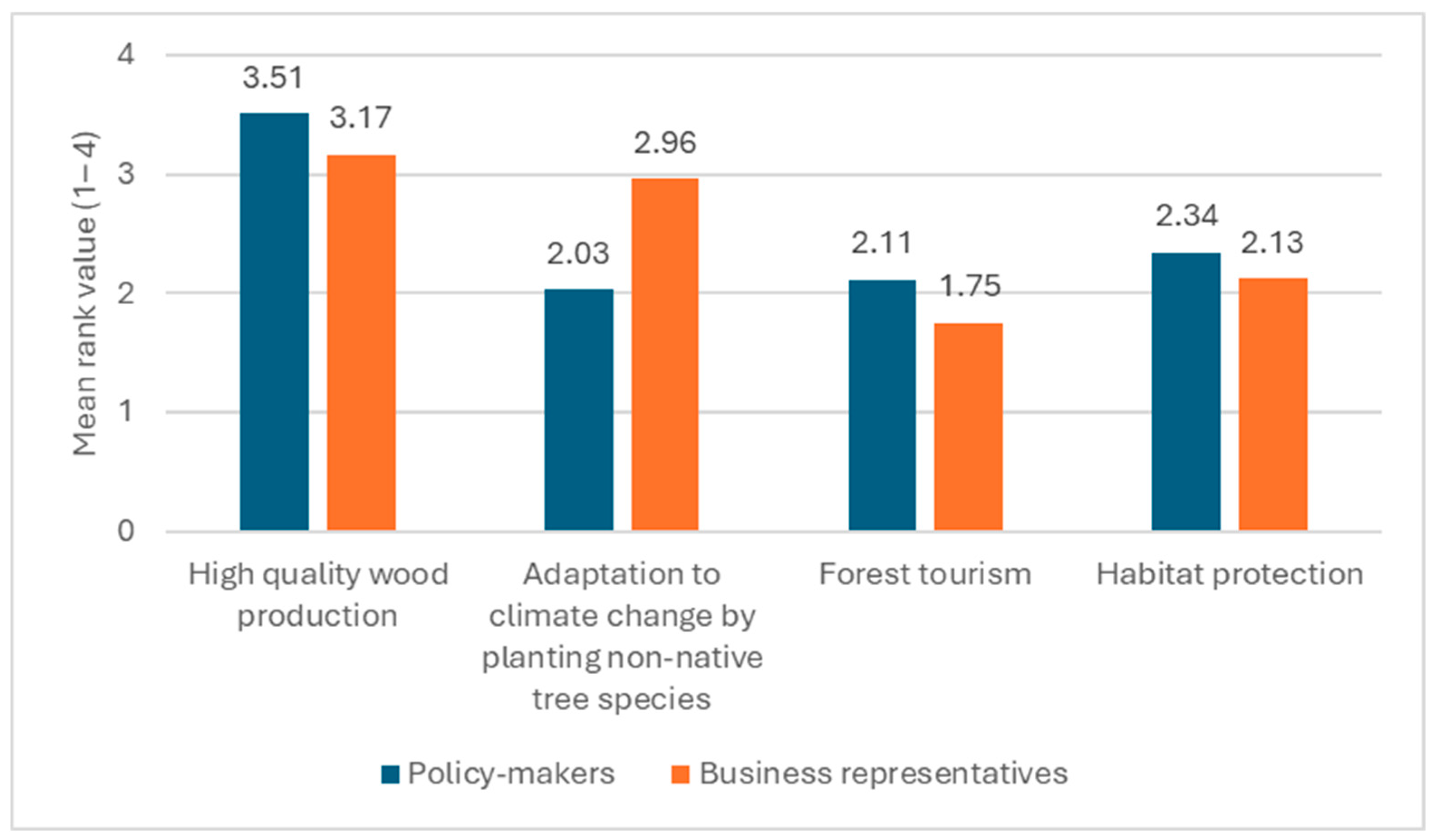
Figure 1. Perceived importance of FBE-related aspects for strengthening the FBE in Slovenia.
Sustainability 18 00219 g001
Figure 2. Perceived importance of challenges in implementing the FBE in Slovenia.
Sustainability 18 00219 g002
Figure 3. Forms of state support to the FBE.
Sustainability 18 00219 g003
Figure 4. Perceived business advantage: relative frequency of responses on importance (stacked bars, left axis) and arithmetic mean (point values, right axis). * Statistically significant difference between business sectors according to the Kruskal–Wallis test.
Sustainability 18 00219 g004
Table 1. Connection between EU policy goals, categories of ES, and selected forestry aspects.
Strategic Goals of EU Forest-Related PoliciesES (CICES)Selected FBE-Related Aspects
Replacing carbon-intensive materials through the production of long-lived wood productsProvisioningHigh-quality wood
Adaptation to climate changeRegulation & maintenanceNon-native tree species
Promotion of other sectors of the BE and creation of new green jobsCulturalForest tourism
Biodiversity conservationRegulation & maintenanceBiodiversity conservation
Table 2. Respondents by sector/orientation and group classification.
Stakeholder GroupSector/Orientation
Policymakers n%
Forestry sector (polFOR)1028.6%
Wood industry sector (polWOOD)617.1%
Environmental sector (polENV)925.7%
Forest tourism sector (polTOUR)1028.6%
Total35
Business representatives n%
Primary wood production (PWP)520.8%
Wood processing and products (WPP)1041.7%
Forest tourism (FT)937.5%
Total24
Table 3. Agreement with statements about high-quality wood.
PolicymakersBusinessesTest of Differences
STATEMENTAvg. (Mean)Avg.
(Median)
polFORpolWOODPWPWPPK–W Test (p)Pairwise Differences (Dunn, p.adj)Cliff’s δ (95% CI)
A. Forest tending (thinning) can improve the quality of wood.4.454.05.04.05.0n.s.//
B. Wood should be used as much as possible as sustainable wood products with higher added value.4.555.05.05.04.5n.s.//
C. Only wood that is not suitable for sustainable wood products should be used for energy production (fuelwood).3.943.54.54.04.5n.s.//
D. Wood can equally replace some other carbon-intensive building materials (concrete, PVC, aluminum, steel, etc.).4.144.04.04.05.0**PWP < WPP (0.03)0.82 (0.44, 0.95)
E. The use of wood in construction can reduce greenhouse gas emissions.4.655.05.05.05.0n.s.//
F. Other man-made materials can be more long-lived than wood.3.333.03.54.03.0n.s.//
G. The use of man-made materials keeps forests intact.2.021.02.02.02.0n.s.//
polFOR = policymakers from the forestry sector; polWOOD = policymakers from the wood industry sector; PWP = primary wood production; WPP = Wood processing and products; K–W test = Kruskal–Wallis test. ** p < 0.05, n.s. = not significant; Cliff’s δ effect size: negligible < 0.15, small ≥ 0.15 to <0.33, medium ≥ 0.33 to <0.47, large ≥ 0.47.
Table 4. Agreement with statements about introducing non-native tree species.
PolicymakersBusinessesTest of Differences
STATEMENTAvg. (Mean)Avg. (Median)polFORpolWOODpolENVPWPWPPK–W Test (p)Pairwise Differences (Dunn, p.adj)Cliff’s δ (95% CI)
A. Spruce is the second most common tree species in our country and should continue to be the one on which the wood processing industry is based in the future.2.633.03.02.03.03.0**polFOR > polENV (0.07)0.66 [0.14, 0.89]
polWOOD > polENV (0.03)0.83 [0.36, 0.97]
polENV < WPP (0.06)−0.66 [−0.90, −0.11]
B. We should plant as many different tree species as possible to increase the resilience of forests to climate change and extreme weather events.3.944.03.04.04.04.0n.s./
C. Some non-native tree species may be more resilient to extreme weather events and pests than native species.3.544.05.02.04.03.5**polWOOD > polENV (0.01)0.78 [0.24, 0.95]
D. Non-native tree species pose a threat to our forests.3.433.02.54.03.03.0*polWOOD < polENV (0.06)−0.72 [−0.94, −0.07]
E. Non-native tree species can significantly increase the timber increment in Slovenian forests.3.233.04.03.03.03.0n.s./
F. Measures to adapt forests to climate change are not necessary because forests are able to adapt to climate change on their own.2.322.01.02.03.02.0n.s./
G. Slovenian forestry faces other more important problems (ownership, economic aspects) than the adaptation of forests to climate change.2.122.01.51.03.02.5n.s./
polFOR = policymakers from the forestry sector; polWOOD = policymakers from the wood industry sector; polENV = policymakers from the environmental sector; PWP = primary wood production; WPP = Wood processing and products; K–W test = Kruskal–Wallis test. ** p < 0.05, * p < 0.1, n.s. = not significant; Cliff’s δ effect size: negligible < 0.15, small ≥ 0.15 to <0.33, medium ≥ 0.33 to <0.47, large ≥ 0.47.
Table 5. Agreement with statements about forest tourism.
Policymakers
(Medians)
Businesses (Medians)Test of Differences
STATEMENTAvg. (Mean)Avg.
(Median)
polFORpolENVpolTOURFTK–W Test (p)Pairwise Differences
(Dunn, p.adj)
Cliff’s δ (95% CI)
A. In addition to wood-based forestry, forests provide a number of equally important additional income opportunities, such as forest tourism.4.24.03.54.05.05.0***polTOUR > polFOR (0.02)0.70 [0.23, 0.91]
polTOUR > polENV (0.08)0.64 [0.14, 0.88]
B. The only profitable product of the forest is wood.1.71.02.01.01.01.0**polFOR > polTOUR (0.03)0.69 [0.25, 0.89]
polFOR > FT (0.03)−0.32 [−0.71, 0.23]
C. Forest owners who focus solely on timber production should also recognize the potential of their forests for other service-oriented activities (e.g., tourism).3.84.04.04.04.04.0n.s./
D. Tourism in the forest area only means additional management adjustments for the owner.2.53.03.02.02.03.0**polTOUR < polFOR (0.03)−0.67 [−0.88, −0.23]
polFOR > polENV (0.11)0.61 [0.13, 0.86]
E. Forest tourism should be developed in close cooperation with forest owners.4.45.05.05.04.05.0n.s./
F. Forest tourism may have negative impacts on the condition of natural resources.3.43.04.04.03.03.0*/
G. Forest tourism may limit recreational space for local people.2.42.03.03.01.52.0*/
polFOR = policymakers from the forestry sector; polENV = policymakers from the environmental sector; polTOUR = policymakers from tourism; FT = business representatives from forest tourism; K–W test = Kruskal–Wallis test; *** p < 0.01, ** p < 0.05, * p < 0.1, n.s. = not significant; Cliff’s δ effect size: negligible < 0.15, small ≥ 0.15 to <0.33, medium ≥ 0.33 to <0.47, large ≥ 0.47.
Table 6. Agreement with statements about biodiversity.
Policymakers (Medians)Businesses (Medians)Test of Differences
STATEMENTAvg. (Mean)Avg. (Median)polFORpolENVpolTOURFTPWPK–W Test (p)Pairwise Differences (Dunn, p.adj)Cliff’s δ (95% CI)
A. Biodiversity is the basis for a stable ecosystem.4.85.05.05.05.05.04.0**FT > PWP (0.06)0.60 [−0.06, 0.89]
B. Establishing protected habitats in managed forests helps forests survive over the long term.3.94.04.05.05.05.03.0**FT > polFOR (0.03)0.84 [0.25, 0.97]
FT > PWP (0.09)0.71 [0.02, 0.94]
C. Timber from trees with high ecological value (old trees, trees with cavities, nest boxes, etc.) should not be used.4.04.03.55.04.54.04.0**polENV > polFOR (0.02)0.79 [0.35, 0.94]
polENV > PWP (0.05)0.87 [0.50, 0.97]
D. Slovenia has a sufficient proportion of strictly protected forests (forest reserves).3.23.04.01.02.32.04.0*polENV < PWP (0.05)−0.76 [−0.95, −0.18]
E. Biodiversity can be maintained even if forests are logged at the same time.4.04.05.04.04.04.04.0n.s./
F. Policymakers should be aware that different protection regimes that restrict logging may affect the income of forest owners.4.14.05.04.04.04.04.0***polFOR > polENV (0.03)0.67 [0.20, 0.89]
polFOR > polTOUR (0.02)0.80 [0.37, 0.95]
polFOR > FT (0.03)0.67 [0.20, 0.89]
G. It is correct that the state has the right to restrict forest management to private owners to promote biodiversity conservation.3.44.02.55.04.04.02.0***polENV > polFOR (0.01)0.86 [0.51, 0.96]
polENV > PWP (0.02)0.95 [0.73, 0.99]
polFOR = policymakers from the forestry sector; polENV = policymakers from the environmental sector; polTOUR = policymakers from tourism; FT = business representatives from forest tourism; PWP = primary wood production; K–W test = Kruskal–Wallis test. *** p < 0.01, ** p < 0.05, * p < 0.1, n.s. = not significant; Cliff’s δ effect size: negligible < 0.15, small ≥ 0.15 to <0.33, medium ≥ 0.33 to <0.47, large ≥ 0.47.
Table 7. Perceived business market potential.
Economic ActivityPerceived Market Potential
MeanMedian
Primary wood production (PWP)5.05
Wood processing and products (WPP)4.55
Forest tourism (FT)4.04
Table 8. Perceived business advantage—statistically significant differences.
Avg. (Mean)Avg. (Median)Primary Wood Production (PWP)Wood Processing and Products (WPP)Forest Tourism (FT)Kruskal–Wallis Test (p)Dunn Test
Adaptability to sustainability trends4.174.004.004.005.00*WPP < FT (p.adj = 0.09)
Access to quality wood/forest3.834.004.003.005.00**WPP < FT (p.adj = 0.01)
Link with the local environment3.754.004.003.005.00***WPP < FT (p.adj = 0.005)
More financing options (loans, green public procurement, etc.)3.043.002.004.002.00**WPP > FT (p.adj = 0.05);
WPP > PWP (p.adj = 0.04)
PWP = primary wood production; WPP = wood processing and products; FT = forest tourism; *** p < 0.01, ** p < 0.05, * p < 0.1.
Table 9. Potential sector presence in PES implementation phase.
PhasepolFORpolTOURpolENVpolWOOD
Design and feasibility30.9%27.5%34.7%31.6%
Coordination and establishment22.2%22.5%22.2%18.4%
Realization22.2%28.8%19.4%26.3%
Monitoring and adjustment24.7%21.3%23.6%23.7%
polFOR = policymakers from the forestry sector; polENV = policymakers from the environmental sector; polTOUR = policymakers from tourism.
Table 10. Potential sector presence in PES implementation phase.
PhasepolFORpolTOURpolENVpolWOODKruskal–Wallis Test (p)
Design and feasibility2.502.202.782.00n.s.
Coordination and establishment1.801.801.781.17n.s.
Realization1.802.301.561.67n.s.
Monitoring and adjustment2.001.701.891.50n.s.
polFOR = policymakers from the forestry sector; polENV = policymakers from the environmental sector; polTOUR = policymakers from tourism; n.s. = not significant.
Table 11. Adequate form of financing PES.
Form of Financing PES%
Public sources: funds from the Common Agricultural Policy, EU Cohesion and Regional Funds, national/local budgets.32.9%
Private sources: businesses, the tourism sector (e.g., investing in nature conservation that attracts visitors), donors, private foundations27.6%
Public–private partnerships21.1%
User payments: households (paying for the ES they use) or tourists18.4%
Table 12. Perceived challenges in the implementation of PES.
Challenges in the Implementation of PES%
Inactivity of forest owners or lack of interest in their forests15.1%
Fragmented land ownership14.3%
Conflicts of interest (state, owners, public, ecological goals)14.3%
Low payment amounts13.4%
Lack of a legal framework12.6%
Low awareness of the existence of PES among potential respondents11.8%
Short-term financing and lack of long-term secured funding10.1%
High transaction costs for operating PES5.0%
Time-consuming and costly collection of data on the state of ES or the effects of schemes3.4%
Disclaimer/Publisher’s Note: The statements, opinions and data contained in all publications are solely those of the individual author(s) and contributor(s) and not of MDPI and/or the editor(s). MDPI and/or the editor(s) disclaim responsibility for any injury to people or property resulting from any ideas, methods, instructions or products referred to in the content.