Article

Short-Term Traffic Flow Prediction Considering Weather Factors Based on Optimized Deep Learning Neural Networks: Bo-GRA-CNN-BiLSTM


Business School, University of Shanghai for Science and Technology, Shanghai 200093, China
*
Author to whom correspondence should be addressed.
Sustainability 2025, 17(6), 2576; https://doi.org/10.3390/su17062576
Submission received: 18 February 2025 / Revised: 11 March 2025 / Accepted: 12 March 2025 / Published: 14 March 2025
(This article belongs to the Section Sustainable Transportation)

Abstract

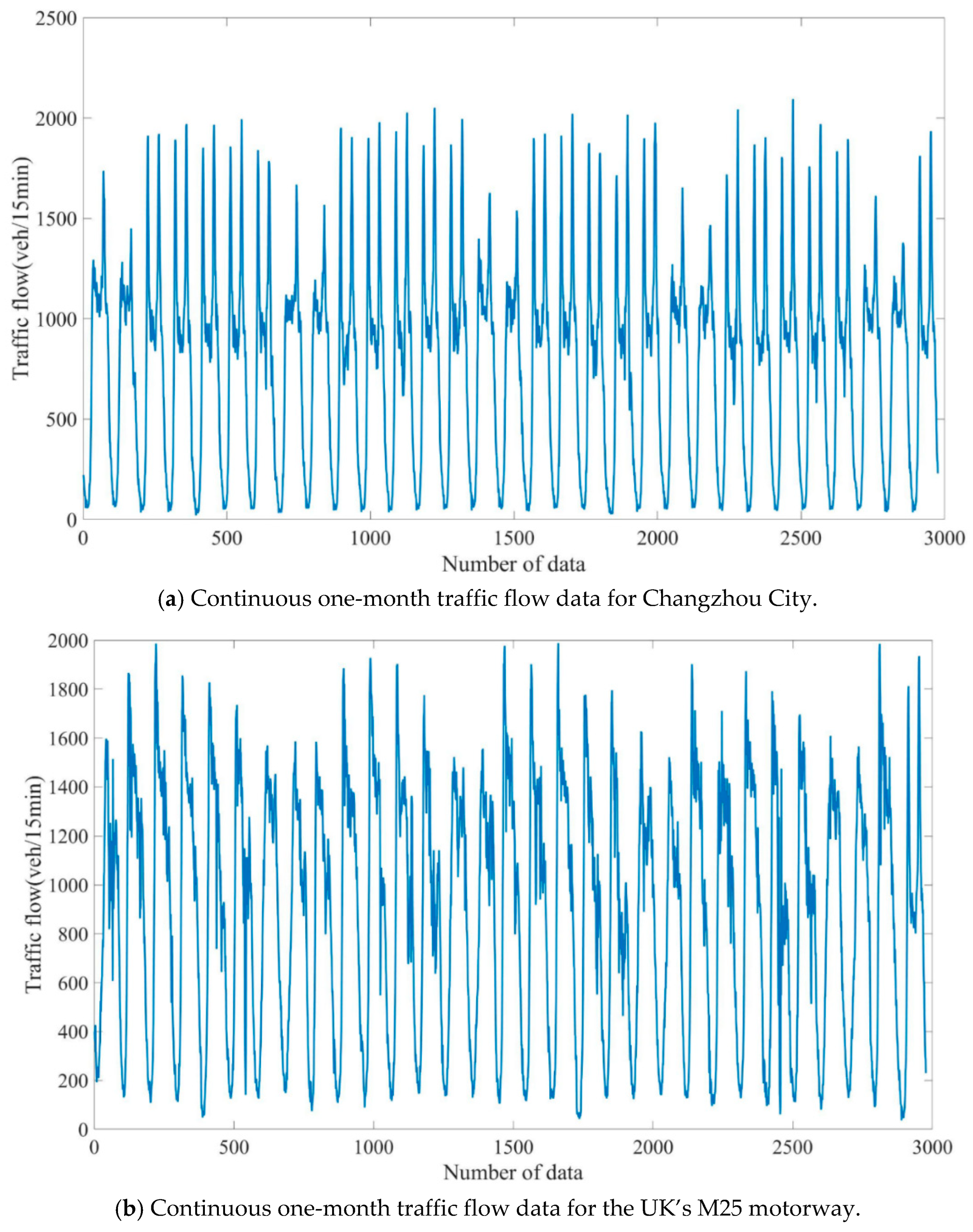
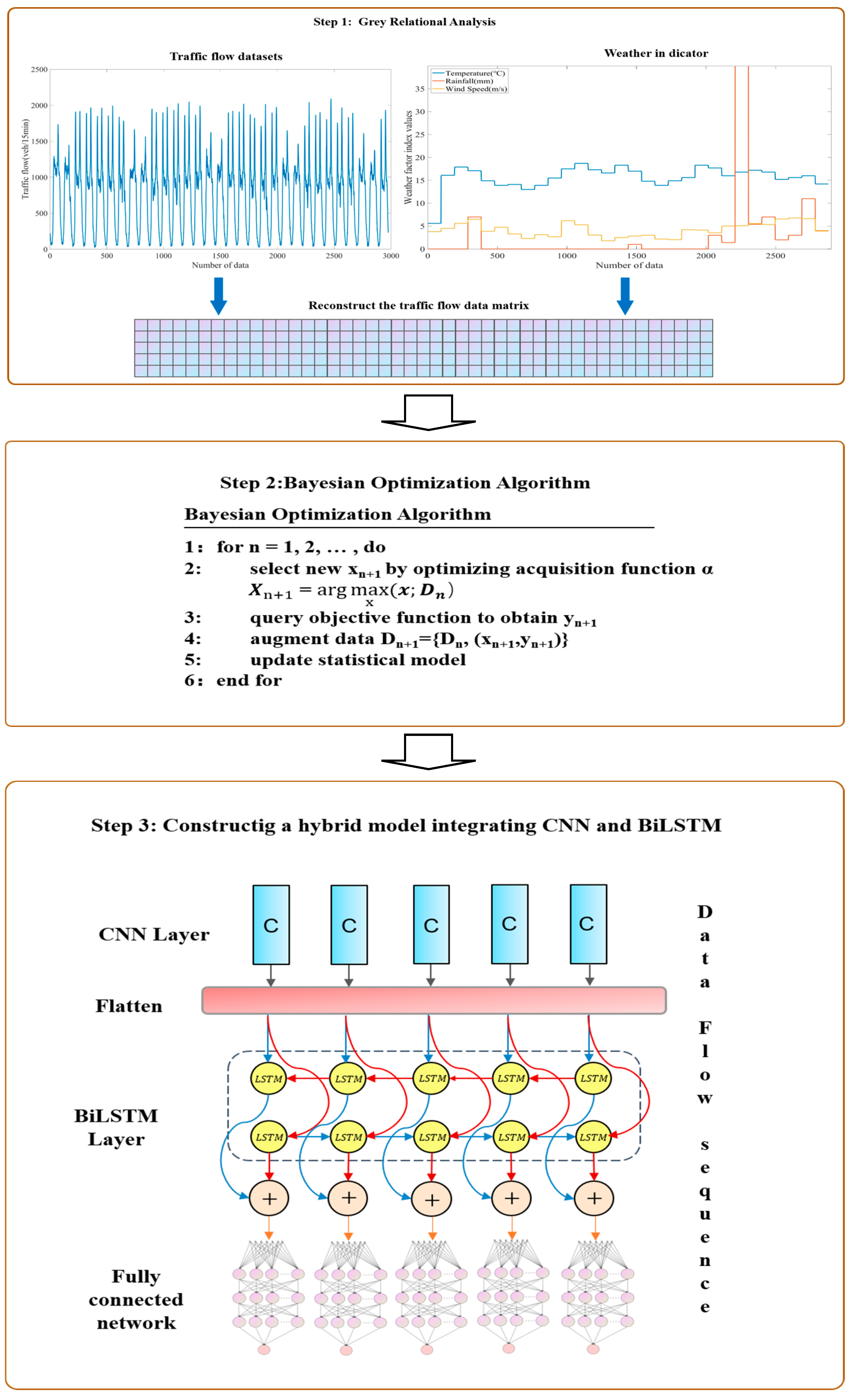
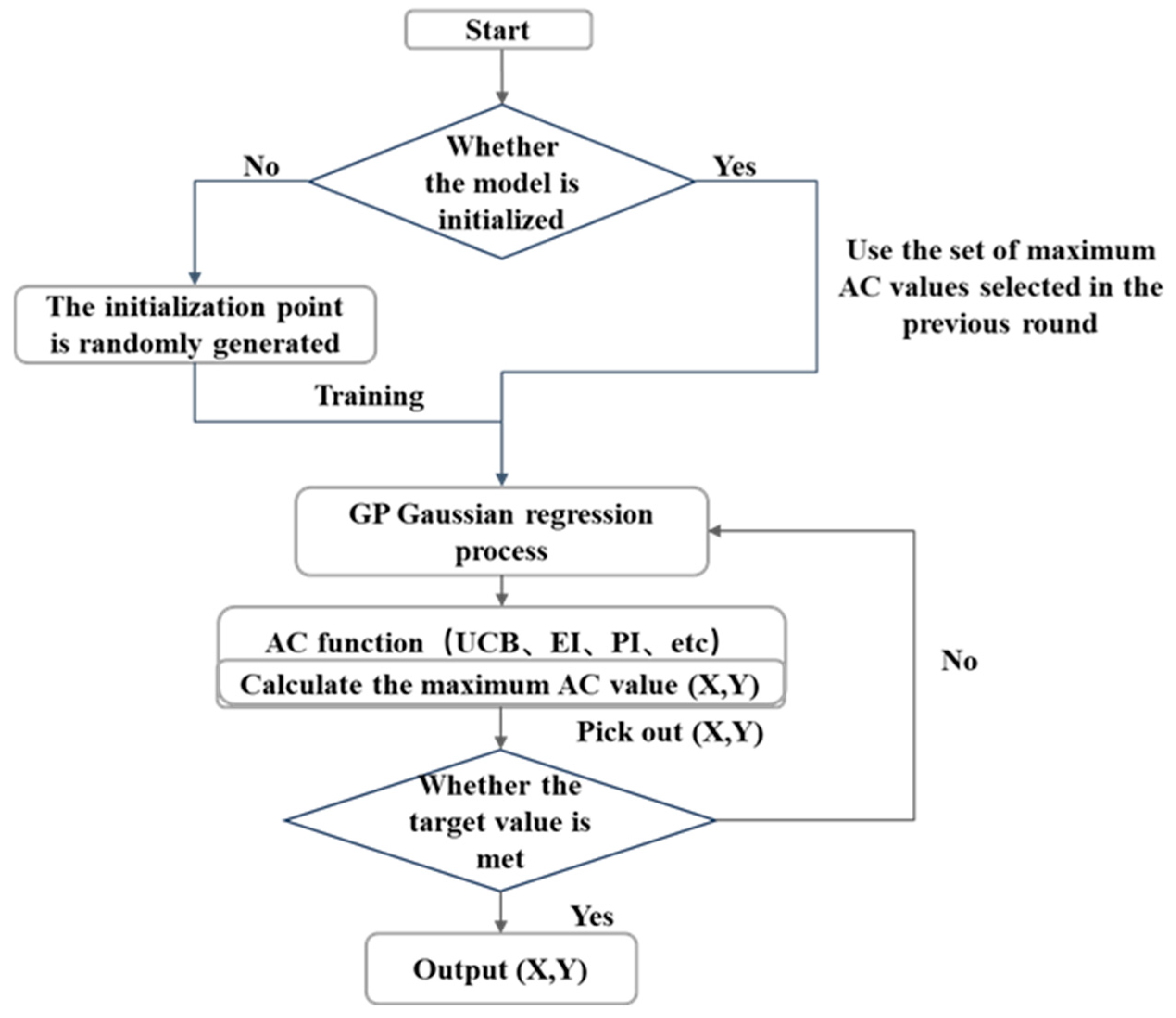
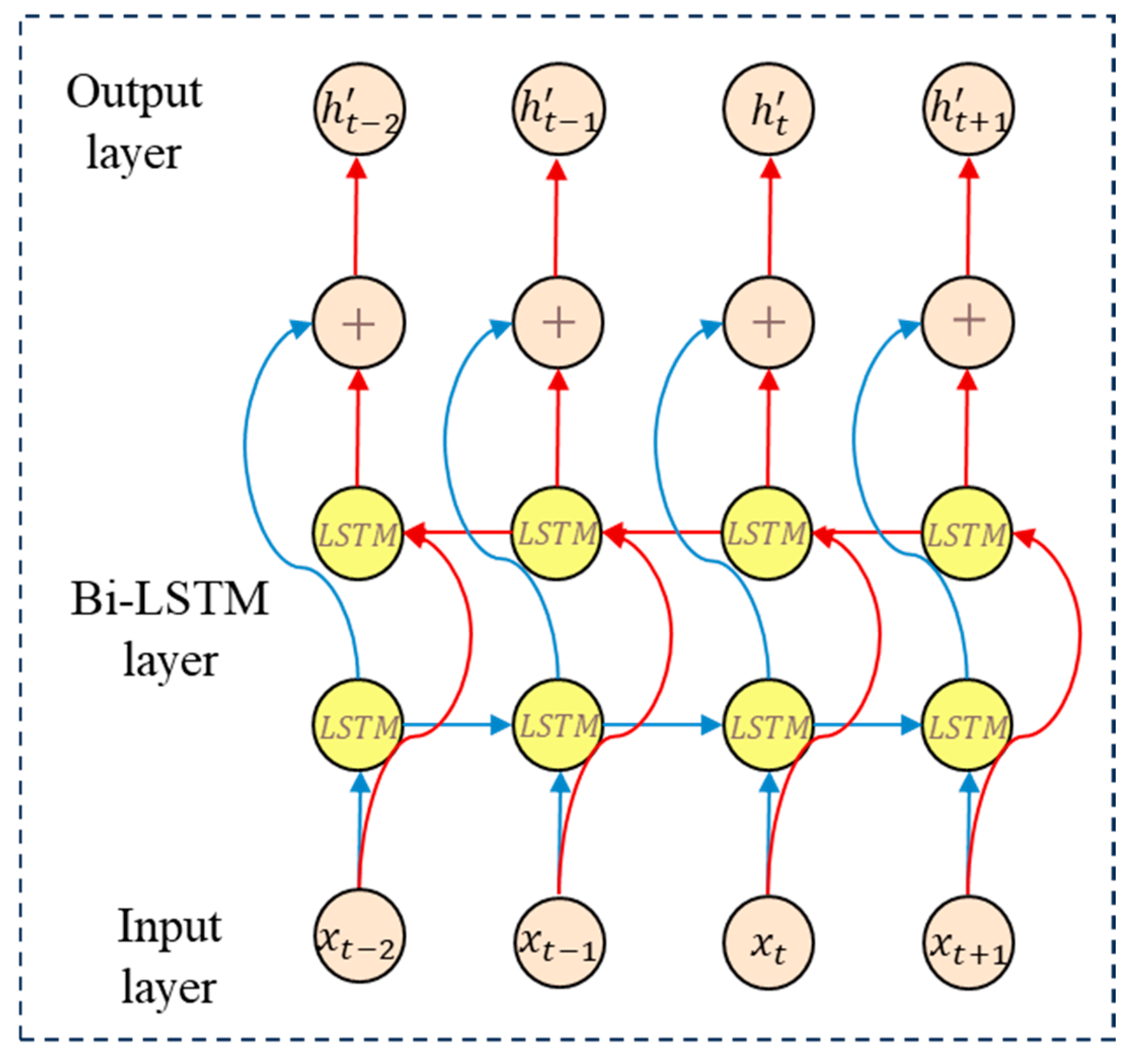
Accurately predicting road traffic flows is a primary challenge in the development of smart cities, providing a scientific basis and reference for urban planning, construction, and traffic management. Road traffic flow is influenced by various complex features, including temporal and weather conditions, which introduce challenges to traffic flow prediction. To enhance the accuracy of traffic flow prediction and improve the adaptability across different weather conditions, this study introduced a traffic flow prediction model with explicit consideration of weather factors including temperature, rainfall, air quality index, and wind speed. The proposed model utilized grey relational analysis (GRA) to transform weather data into weighted traffic flow data, expanded input variables into a new data matrix, and employed one-dimensional convolutional neural networks (CNNs) to extract valuable feature information from these input variables, as well as bidirectional long short-term memory (BiLSTM) to capture temporal dependencies within the time-series data. Bayesian optimization was employed to fine-tune the hyperparameters of the model, offering advantages such as fewer iterations, high efficiency, and fast speed. The performance of the proposed prediction model was validated using the traffic flow data collected at an intersection in China and on the M25 motorway in the United Kingdom. The results demonstrated the effectiveness of the proposed model, achieving improvements of at least 9.0% in MAE, 2.8% in RMSE, 2.3% in MAPE, and 0.06% in R2 compared to five baseline models.
Keywords: short-term traffic flow forecast; grey relational analysis; Bayesian optimization; bidirectional long short-term memory; weather factors short-term traffic flow forecast; grey relational analysis; Bayesian optimization; bidirectional long short-term memory; weather factors