Article

A Novel Dual-Function Red Mud Granule Mediated the Fate of Phosphorus in Agricultural Soils: Pollution Mitigation and Resource Recycling


1
School of Environment and Spatial Informatics, China University of Mining and Technology, No. 1 Daxue Road, Xuzhou 221116, China
2
Environmental Health Management Guidance Center, Taicang Urban Administration Bureau, No. 118 Tianjin Road, Suzhou 215413, China
3
Anhui Tongyuan Environment Energy Saving Co., Ltd., No. 3966 Qimen Road, Hefei 230009, China
*
Authors to whom correspondence should be addressed.
Sustainability 2025, 17(24), 10910; https://doi.org/10.3390/su172410910
Submission received: 4 November 2025 / Revised: 2 December 2025 / Accepted: 3 December 2025 / Published: 5 December 2025
(This article belongs to the Section Pollution Prevention, Mitigation and Sustainability)

Abstract

The limited availability of phosphorus (P) in soil poses a critical constraint on agricultural productivity, and sustainable P fertilization practices are of great importance for crop production. In this study, we developed a novel dual-function granular material (RMG) derived from red mud, a waste residue from the aluminum industry. This material is capable of adsorbing P in P-rich soils and releasing P in P-deficient soils, thereby enabling the sustainable use of red mud and P fertilizer. The influences of RMG on the migration and transformation of P in soil were investigated. Application of RMG significantly increased the critical threshold for P leaching, thereby effectively mitigating P loss. In the initial stage of leaching, P in the leachate was present predominantly as particulate phosphorus, whereas molybdate-reactive P became the dominant form in later stages. With increasing RMG dosage, the pH of the leachate rose while the total phosphorus concentration declined, indicating that alkaline components in RMG promoted the adsorption and precipitation of phosphates in soil. The release behavior of P from P-enriched RMG was also examined. The results showed that the total soil P content increased progressively with higher RMG dosage and longer cultivation duration. Elevated temperature and soil moisture content were found to enhance the release and migration of P from RMG into the soil. SEM-EDS analyses revealed that released components (e.g., Ca2+ and Fe3+) from RMG formed relatively stable complexes with free phosphates. Moreover, adsorption of P onto the RMG surface further facilitated its migration and transformation within the soil. The research findings provide valuable insights for the simultaneous pollution remediation and resource utilization of red mud and phosphorus.

1. Introduction

Phosphorus (P) is indispensable for plant growth, yet its replenishment rate in natural ecosystems is extremely slow [1]. Therefore, extensive farmlands and forests require supplementary P fertilization. The main application of fast-acting P fertilizer production is costly and energy-intensive. In the long term, P is a non-renewable resource, and in many low-input agricultural systems, only a limited amount of inorganic P is available to plants and microbial communities, which constrains ecosystem productivity [2,3]. P readily binds with soil metal ions (e.g., Ca2+, Fe3+, and Al3+) to form insoluble phosphate precipitation, resulting in low P mobility and hindering plants’ efficient utilization of soil P. It was reported that within the first three months after fertilization, only approximately 10~20% of P fertilizers were effectively absorbed by plants [4], suggesting that substantial residual P in the soil remained difficult to utilize. Furthermore, the excessive P flowing into water bodies via leaching and surface runoff triggered eutrophication [5]. Therefore, optimizing P fertilizer use efficiency in soil is crucial for reducing P resource wastage.
Red mud is a waste residue from the aluminum industry, and the composition of it depends on the bauxite and the production process [6]. It is strongly alkaline, and the main chemical components generally comprise metal oxides, such as CaO, Fe2O3, and Al2O3 [7]. At present, a substantial amount of red mud is primarily managed via landfilling and ocean disposal, posing considerable risks to soil, water, and atmospheric environments. Over the past few decades, a portion of red mud has been employed in bituminous additives [6], cement production [8], concrete manufacturing [9], road embankment filling [10], and the creation of microcrystalline glass [11], and in metal recovery processes [12,13]. However, these treatment methods are energy-intensive and economically impractical, underscoring the need to develop cost-effective and environmentally friendly alternatives for red mud utilization. In recent years, research on the application of red mud in industrial, agricultural, and environmental remediation contexts (e.g., adsorbents, flocculants) has garnered significant attention [14,15,16].
Owing to its large specific surface area, strong alkalinity, and high content of calcium (Ca), iron (Fe), and aluminum (Al), red mud is regarded as a promising low-cost material for P removal and recovery [17]. Tao et al. attempted to load calcium onto red mud by three methods (chemical calcium impregnation, electrochemical precipitation loading, and calcium carbide slag coagulation) to develop efficient phosphate removal adsorbents [18]. Liu et al. synthesized calcium silicate powder for wastewater P removal via deep dealkalization treatment of red mud, demonstrating superior P removal performance (adsorption capacity of 24.08 mg·g−1) compared to biomass charcoal and modified natural mineral adsorbents [15]. Red mud could also serve effectively as a phosphorus-fixing agent in nutrient-poor sandy soils. Its abundant metal constituents contribute to significant immobilization of soil P, resulting in a marked reduction in soluble P release after treatment [19]. Moreover, the addition of red mud to acidic soils has been found to effectively reduce P loss and improve P fixation [20]. Beyond soil amendment, red mud saturated with P can be repurposed as a slow-release P fertilizer in P-deficient soils, thereby restoring soil P levels while minimizing P leaching.
Powdered red mud is often unsuitable for direct application due to practical limitations, whereas granular formulations offer distinct advantages, including enhanced mechanical strength, engineered pore structure, reduced direct contact between the material and soil, as well as improved P availability through controlled release mechanisms [21]. Zhen et al. developed a red mud-based ceramsite incorporated with pore formation for P removal in constructed wetlands, demonstrating ideal mechanical strength and P adsorption capacity [22]. In our previous research, red mud-based granules were prepared for application as a heavy metal passivator in Pb-contaminated soil [23]. They showed effective performance in Pb passivation and effectively prevented Pb accumulation in plants, with this advantage further enhanced by the inclusion of phosphate. In addition, high-temperature sintering of red mud with a minimal addition of cement facilitates the solidification of harmful metals within the crystal lattice, resulting in the formation of relatively stable compounds and thereby reducing ecological risks [24]. However, research on the influence of red mud granules on the migration and transformation of P in soil remains limited, and the underlying mechanisms are not yet fully understood. A deeper investigation into these processes is essential to unlock the potential of red mud granules in agricultural and environmental applications.
The aims of this study were to address both environmental pollutions caused by P and red mud, and the synchronous recovery of P and red mud resources. In this research, red mud-based granular material (RMG) was developed using red mud as the main raw material, and applied for the regulation of P in soil further. The efficacy of RMG in controlling soil phosphorus loss was evaluated under both static cultivation and dynamic leaching conditions. The P-enriched RMG, obtained after saturation with P-containing wastewater, was applied to soil to assess its capacity for subsequent phosphorus release. The different forms of P were determined during the experimental process, and the influences of RMG on P migration and transformation in soil were explored. This approach offers a foundation for addressing red mud disposal and phosphorus recovery issues simultaneously, consistent with the ‘waste-for-waste’ concept (leveraging one waste product to treat or recycle another) and promoting sustainable development.

2. Materials and Methods

2.1. Preparation of RMG

In this study, red mud was sampled from Aluminum Corporation of China, Shandong Branch in Zibo, Shandong, China. The fly ash was collected from the electric precipitator of Huamei Power Plant in Xuzhou, Jiangsu Province. The cement was manufactured in Huaibei Mining Group Cement Company, Huaibei, Anhui, China. The chemical compositions of these raw materials, which were detected by an X-Ray Photoelectron Spectrometer (ESCALAB 250Xi, Thermo Scientific, Waltham, MA, USA), are shown in Table 1.
The mass ratio of RM/fly ash/cement/deionized water was selected as 68:8:4:20, since this formulation enabled the stable and rapid formation of granules while maximizing the utilization of red mud. The RMG was prepared according to the following procedures: First, the three solid raw materials were air-dried and sieved through a 100-mesh screen. After the powder was evenly blended, deionized water was injected, and the mixture was continuously stirred until a paste formed. The paste was then squeezed out through an aperture plate to form raw granules measuring 3 mm in length, width, and height. These granules were sintered in a muffle furnace at 800 °C for 10 min, with a heating rate of 10 °C/min under an air atmosphere. Finally, the RMG products were obtained after natural cooling to room temperature. The P-enriched RMG was prepared by immersing RMG in a saturated phosphate solution. The phosphate concentration was continually measured until stabilization, upon which the granules were collected and dried to yield the P-enriched material.

2.2. Dynamic Leaching Experiment

The soil dynamic leaching experiments were conducted using a setup illustrated in Figure 1. Six plexiglass columns (50 cm length × 5 cm diameter) were used. Each column was packed from bottom to top as follows: a perforated plate with 2 mm-diameter holes, a 100 mesh nylon (to prevent soil loss), a 5 cm thick layer of 10-mesh quartz sand, the soil sample, a 3 cm thick layer of 70-mesh quartz sand, and 100-mesh nylon mesh (to prevent disturbance). A total of 450 g of soil mixed with RMG at varying mass ratios (0%, 2%, 4%, 6%, 8%, and 10% for columns 1 to 6, respectively) was evenly packed into each column to a height of 20 cm. Deionized water was added to all the columns and maintained for 3 days at 25 °C to achieve natural saturation. After that, a phosphorus solution with a concentration of 45.55 mg/L (calculated as elemental P, equivalent to 0.2 g/L KH2PO4) at pH 5.6 was supplied using a peristaltic pump at a flow rate of 1 mL/min for 200 min once per day. The dynamic leaching experiment is not conducted continuously, as irrigation and fertilization operations are generally intermittent in actual agricultural practices to avoid nutrient overloading and loss issues.

2.3. Phosphorus Releasing Experiment

The P-enriched RMG was applied to the soil at dosages of 1%, 2%, 4%, 6%, 8%, and 10% (w/w) in 1000 mL polyethylene pots, respectively. Deionized water was added to maintain a certain level of soil moisture. All pots were placed in a controlled incubator with constant temperature and humidity. Soil moisture was monitored daily, and deionized water was replenished whenever it fell below 60% of the maximum water-holding capacity. A control group was established using soil without RMG addition. All the experimental treatments were conducted in triplicate. After the cultivation period, the soil samples were freeze-dried, sieved, and stored for subsequent analysis.

2.4. Determination Methods

The pH value of the solution was measured by the PXSJ-216F ion meter (Shanghai Leici Analysis Instrument Co., Ltd., Shanghai, China). Different forms of P in the leachate were determined as follows: Total phosphorus (TP): The solution was dissolved by potassium persulfate, and determined via the ascorbic acid method with a 722E visible range spectrophotometer (Shanghai Sunny Hengping Instrument Co., Ltd., Shanghai, China) [25]. Total soluble phosphorus (TDP): The solution was filtered through a 0.45 μm microporous membrane and dissolved by potassium persulfate, and then determined via the ascorbic acid method. Molybdate reactive phosphorus (MRP): The solution was filtered via a 0.45 μm microporous membrane, and then determined via the ascorbic acid method. Dissolved organic phosphorus (DOP): DOP = TDP − MRP. Particulate phosphorus (PP): PP = TP − TDP.
The determination methods for various indicators in soil were shown as follows: The pH in soil was determined according to potentiometry [26]. TP in soil was determined according to Mo-Sb anti spectrophotometric method [27]. Olsen-P was determined according to Sodium hydrogen carbonate solution—Mo-Sb anti-spectrophotometric method [28]. The phosphorus activation coefficient (PAC) was calculated by the following equation:
PAC   ( % )   =   [ O l s e n P ] [ T P ] × 100 %
To evaluate the toxicity of RMG application in soil, a leaching toxicity test was performed according to sulphuric acid and nitric acid method [29], and several harmful elements in the lixivium were examined by inductively coupled plasma emission spectrometry (ICP-OES).

2.5. Characterization

The physicochemical properties of the RMG and soil samples were characterized using Brunauer–Emmett–Teller (BET) surface area analysis, scanning electron microscopy with energy-dispersive X-ray spectroscopy (SEM-EDS), X-ray diffraction (XRD), Fourier transform infrared (FTIR) spectroscopy, and zeta potential measurements. Specific surface area and pore characteristics were determined from nitrogen adsorption–desorption isotherms obtained by BET. A Quanta 250 SEM (FEI Company, Hillsboro, OR, USA) was employed to examine the surface morphology of the samples. Elemental composition analysis (including O, Si, Al, Na, Mg, P, K, Fe, Ti, Ca, and Ni) on the RMG surface was performed using a Quantax 400-10 EDS system (Bruker, Karlsruhe, Germany). Crystalline phase identification was carried out with a D8 ADVANCE X-ray diffractometer (Bruker). Surface functional groups were analyzed using a VERTEX 80v FTIR spectrometer (Bruker). The surface potentials of the RMG and soil samples were measured on a Zetasizer Nano ZS90 system (Malvern Instruments, Malvern, UK).

3. Results and Discussion

3.1. Characterization of RMG

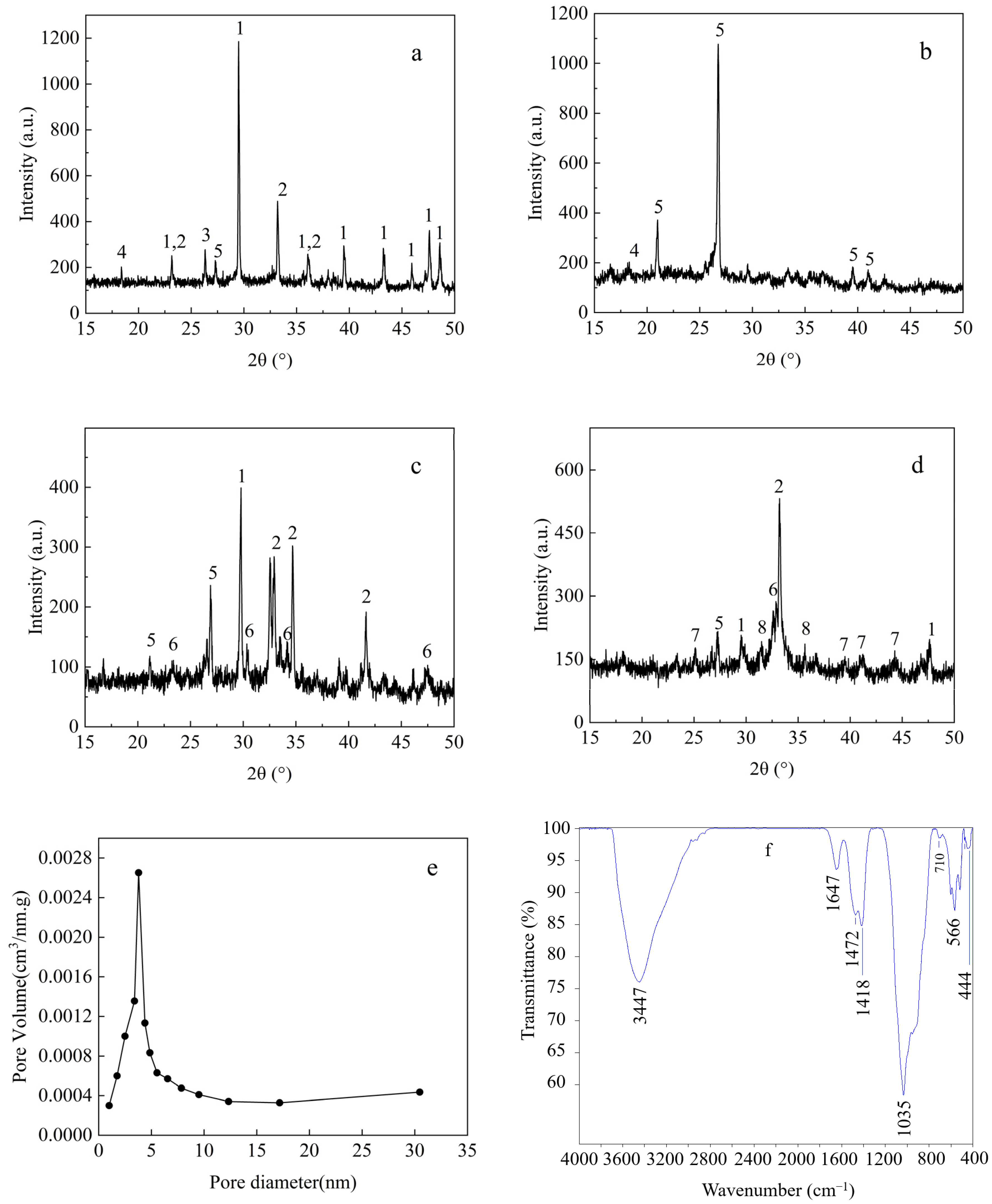
The XRD patterns of raw materials (red mud, fly ash, and cement) and RMG were shown in Figure 2 (a) to (d), respectively. The main minerals in RMG were calcite, hematite, and dicalcium silicate. P in soil could easily combine with the metal oxides (Ca, Al, and Fe oxides) in RMG, and insoluble substances (e.g., Fe-P and Ca-P) were formed, which immobilized P effectively [30]. In addition, the formation of dicalcium silicate contributed to enhancing the mechanical strength of RMG, which was beneficial for its practical application. In comparison with the raw materials, new crystalline phases (e.g., kaolinite (Al2Si2O5(OH)4), xonotlite (Ca6Si6O17(OH)21)) were detected in RMG. The surface functional groups (-OH) associated with these minerals undergo a ligand exchange reaction with PO43- in solution, further promoting P adsorption [31]. This finding was consistent with our previous study [24], which confirmed that the sintering process promoted the formation of hydroxyl silicate species on the surface of red mud-based granules, enabling ligand exchange between granule-bound hydroxyl groups and aqueous phosphate.
The zeta potential of RMG was measured as +17.6 mV, indicating that electrostatic attraction occurred between RMG and the negatively charged phosphate ion. The specific surface area of RMG was 8.201 m2/g, with a total pore volume of 0.061 cm3/g. As shown in Figure 2e, the pore size distribution was predominantly in the mesoporous range (2–10 nm). Mesopores were known to facilitate P adsorption by providing abundant active sites [32]. Functional groups on the RMG surface were characterized by FTIR spectroscopy, as shown in Figure 2f. The wavelength at 3447 cm−1 and 1647 cm−1 were considered as the O-H bond contraction vibration of adsorbed water and variable angle vibration, indicating the presence of hydroxyl polymers [33]. The peaks at 1472 cm−1 and 1418 cm−1 were believed as the strong and broad anti-symmetric telescopic vibration of -CO3 with a double peak. The weak peak at 710 cm−1 was believed as the in-plane bending vibration of -CO3, confirming the presence of carbonate. The peak at 1035 cm−1 was considered as a Si-O stretching vibration, indicating the presence of silicate or quartz. Additionally, the peaks at 566 cm−1 and 444 cm−1 were believed as the presence of Fe3O4 and Fe2O3, respectively [34].
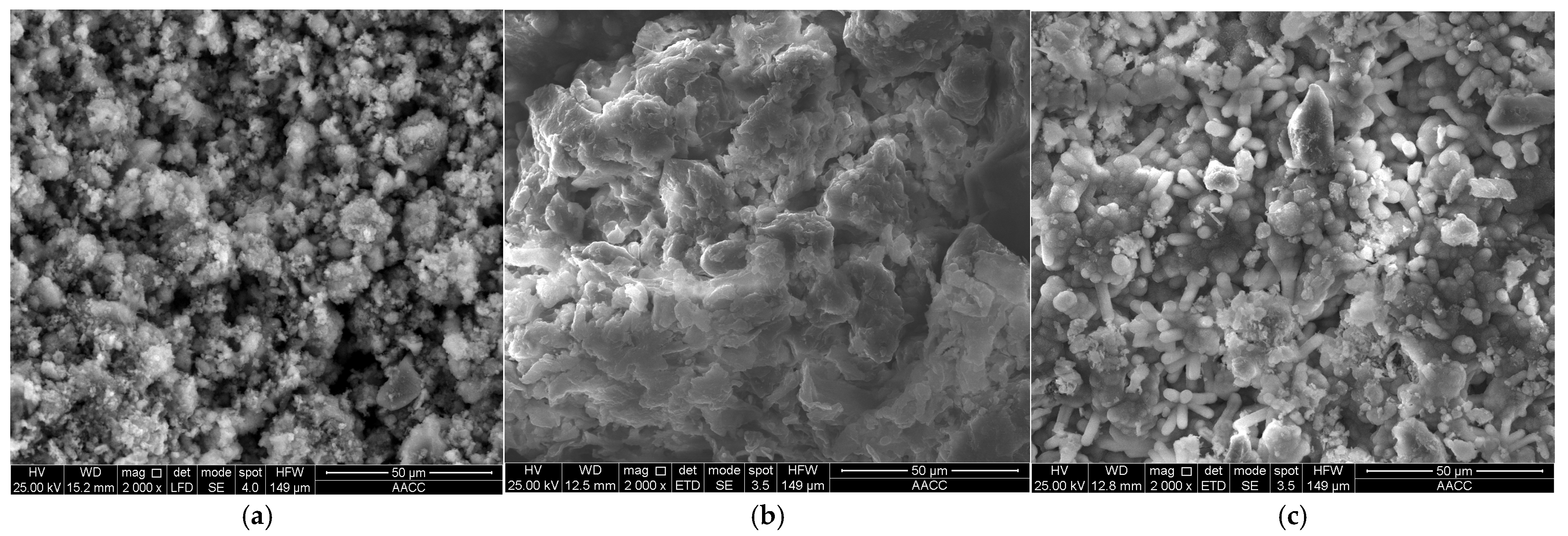
To compare the RMG before and after the experiment, samples were selected from the soil and characterized by SEM-EDS. The resulting surface morphologies are presented in Figure 3, and the corresponding elemental compositions are summarized in Table 2. As indicated in Figure 3a, the surface of the pristine RMG was rough and featured uniformly distributed pores, a morphology considered favorable for P adsorption. After the leaching experiment shown in Figure 3b, the RMG surface appeared rougher and more irregular, with distinct pores and gullies formed by water flow. In the P-enriched RMG shown in Figure 3c, the surface was covered with numerous crystalline-like substances, suggesting the formation of phosphate-containing precipitates following P adsorption [35].
As presented in Table 2, the surface of the RMG contained high concentrations of Al, Ca, Fe, and P. Compared with the original RMG, the P content on the RMG surface after dynamic leaching was significantly higher, indicating substantial adsorption of P onto the RMG granules. The concurrent decrease in the Fe and Ca contents suggested their release from the RMG into the soil, where they likely participated in the precipitation of phosphate [36]. The relative increase in the Al content on the RMG surface implied that aluminum played a key role in the retention of P following its adsorption. In addition, the particle surfaces developed more porous structures with attached fine particulates. Given the soil pH range in this study (4.5–11.5), phosphate species were primarily present as H2PO4 and HPO42−. The adsorption of phosphate onto the RMG surface might be primarily described by a ligand exchange mechanism, as represented below (where ≡S denotes the active site, such as hydroxyl silicate present in kaolinite or xonotlite on the RMG surface):
≡S-OH + H2PO4 → ≡S-H2PO4 + OH         (pH < 7.20)
2≡S-OH + HPO42− → (≡S)2-HPO4 + 2OH    (pH > 7.20)

3.2. Effect of RMG on Soil Phosphorus Loss Control

3.2.1. Soil Phosphorus Loss and Patterns

Since the natural soil P content was below the critical level for P leaching, the effect of RMG addition on P leaching was evaluated under simulated fertilizer application conditions. Soil samples were blended with varying amounts of RMG (0%, 2%, 4%, 6%, 8%, and 10%) to assess its influence on P loss under leaching conditions. The mixtures were uniformly packed into columns according to the configuration as described in Section 2.2. P was first detected in the leachate of column 1 (without RMG addition) after 3 days of leaching, while it was not observed from the other 5 columns. At this time, 600 mL of solution containing 45.55 mg/L P had been passed through the column, resulting in a cumulative soil P amount of 27.33 mg for 450 g of soil. The background Olsen-P value of the soil was 3.68 mg/kg. The theoretical value of Olsen-P content at leachate in column 1 was calculated as 64.41 mg/kg, representing the critical soil P loss threshold for this treatment. The time of initial P detection in the leachate and the corresponding critical P loss values for all six columns were summarized in Table 3.
The critical value of P loss increased with the increase in RMG dosage, indicating that P from phosphate fertilizer could be adsorbed and immobilized by RMG. The capacity of P maintained in soil was enhanced in the leaching state, but it was not increased linearly, suggesting that the adsorption of phosphate on RMG was not the only factor that affected the preservation of P in soil. The application of RMG could modify the physicochemical properties of the soil, thereby improving its inherent adsorption and fixation capacity for P.
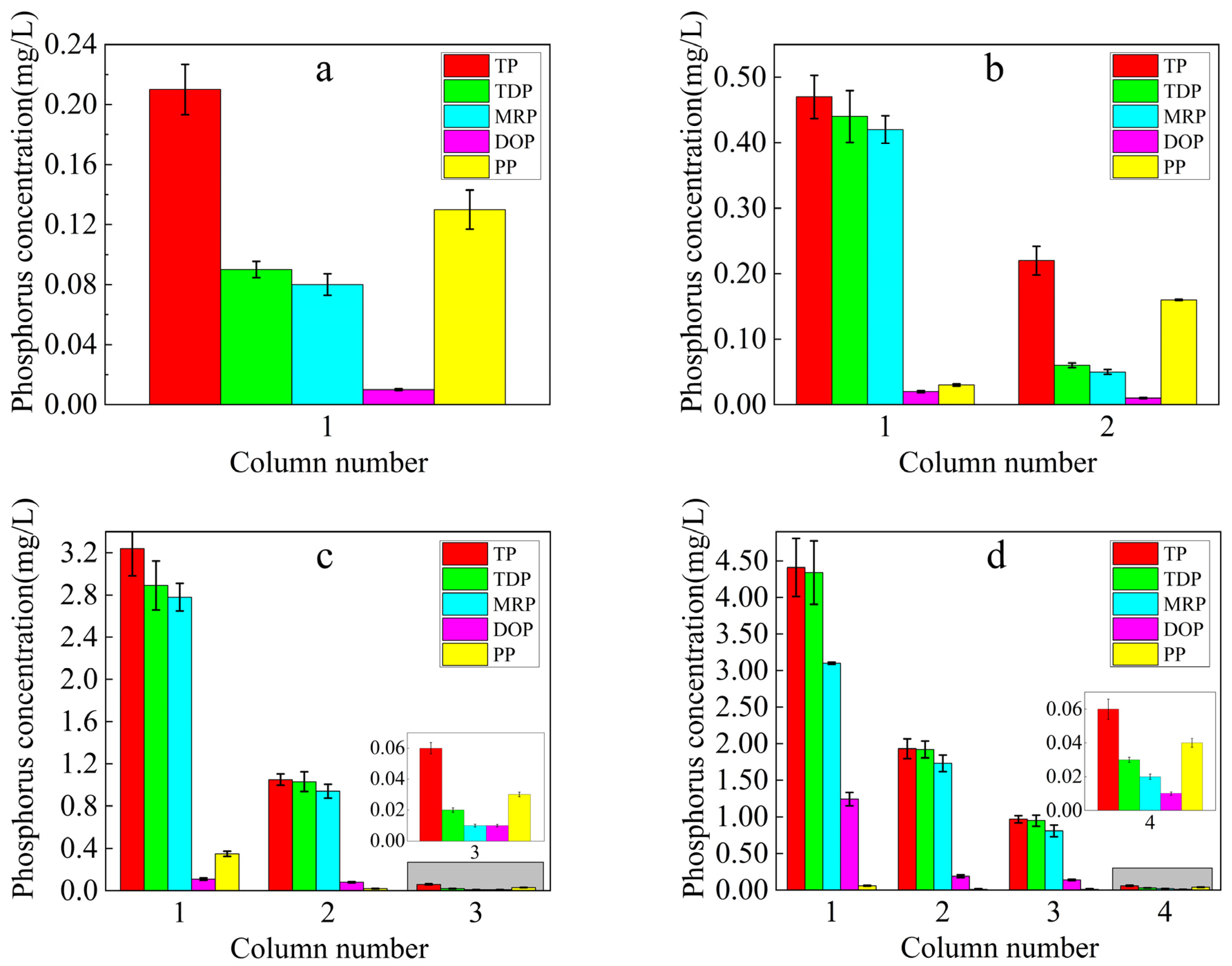
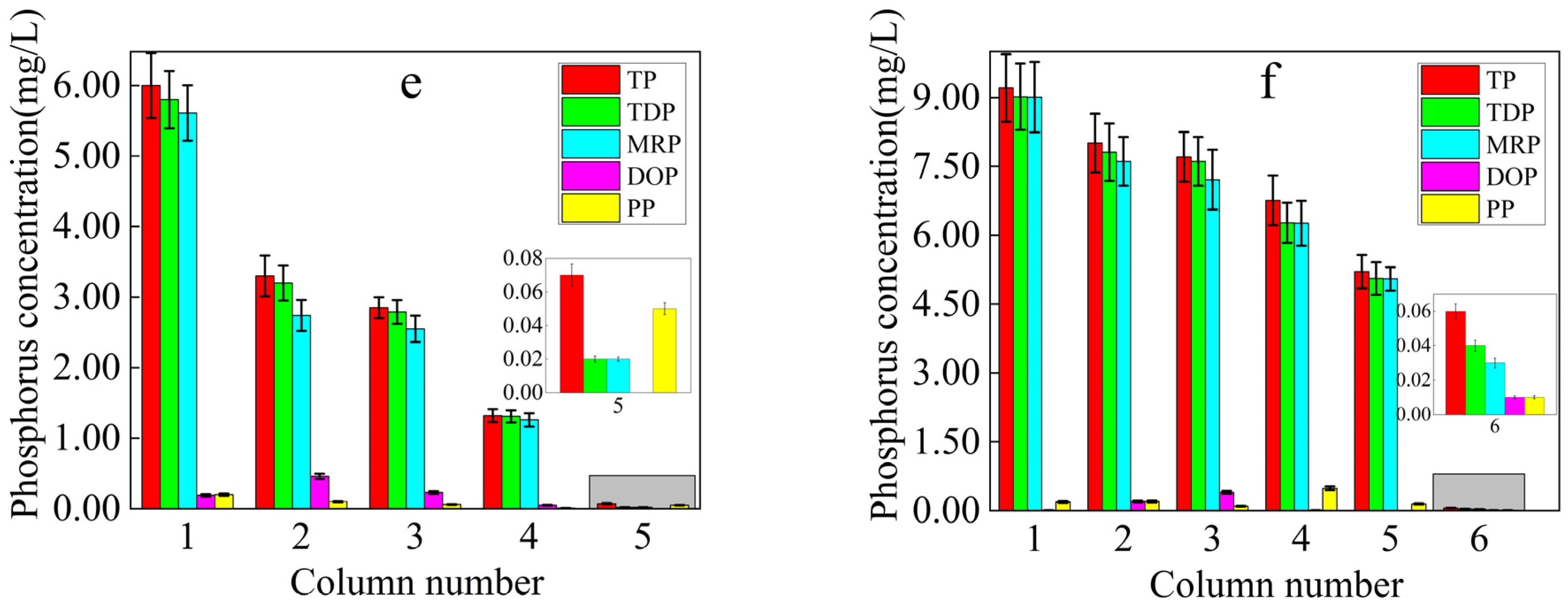
When initial P was detected in the leachate of each column, the concentrations of various P forms (TP, TDP, MRP, DOP, and PP) in all the filtrates were measured simultaneously for comparison, and the results are shown in Figure 4.
P leaching first occurred in column 1 (with 0% RMG dosage), and finally occurred in column 6 (with 10% RMG dosage). The P concentration in the leachate of column 6 was considerably lower than that in columns 1 to 5. Higher RMG dosages prolonged the detection time for P in the leachate and decreased the concentration of different P forms, demonstrating that RMG addition under consistent P fertilizer application conditions improved the soil’s P retention capacity and minimized P loss.
In the early leaching stage, the TP in the leachate consisted predominantly of PP, with PP exceeding TDP. This pattern might be attributed to the presence of finer and looser soil particles in the columns at the initial leaching phase, which adsorbed P and were readily transported by the leachate [37]. Moreover, within the TDP fraction, MRP accounted for a higher proportion than DOP, reflecting the relatively stable nature of DOP in the soil. In the later leaching stage, the concentrations of DOP and PP decreased, and MRP became the dominant form. This shift could be attributed to the breakdown of soil aggregates and the blockage of soil pores by fine particles, which gradually reduced the PP in the leachate. Furthermore, the continuous input of P fertilizer contributed to the lower presence of DOP compared to MRP.

3.2.2. Changes in pH in Leachate

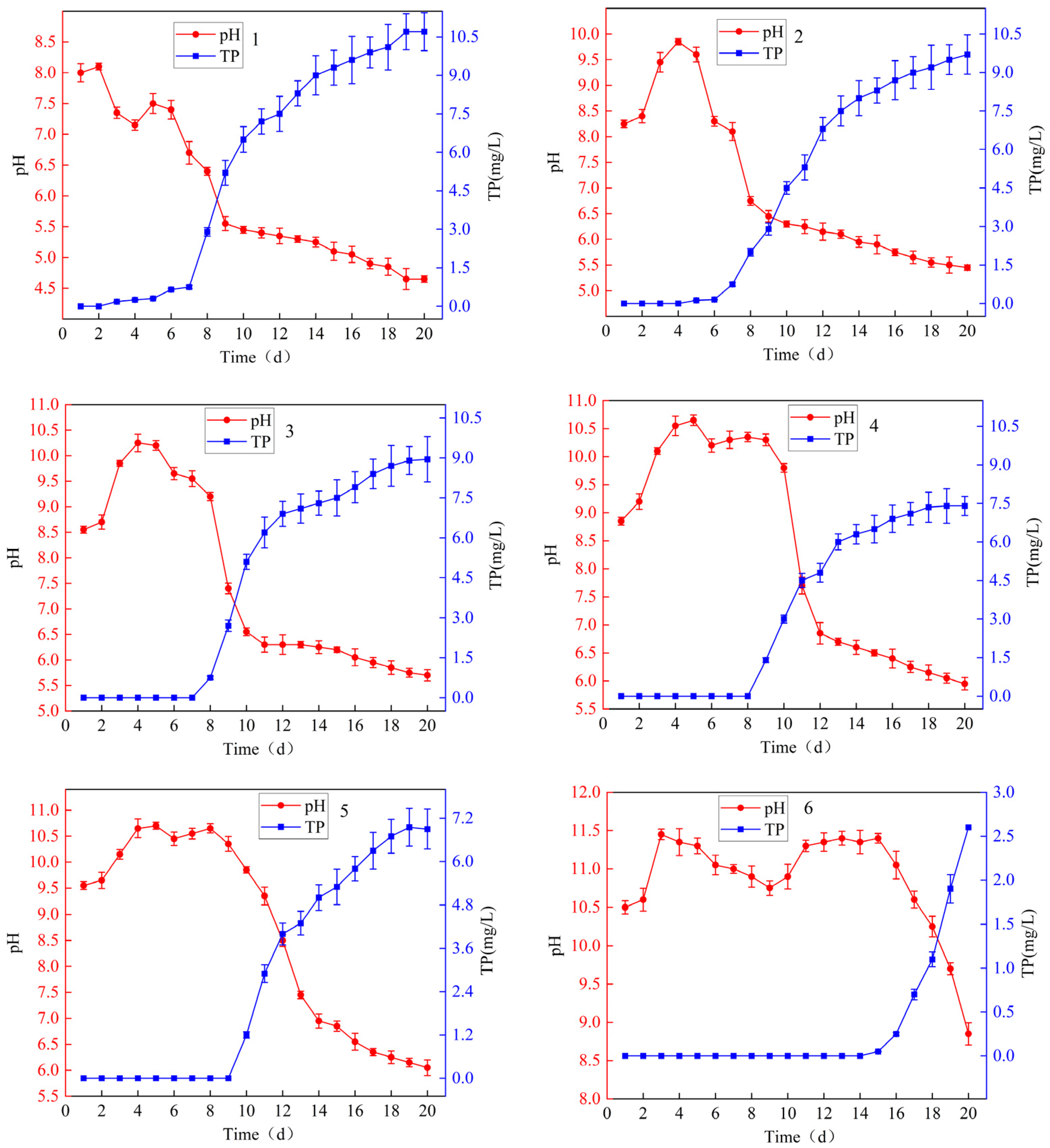
To examine the relationship between P concentration and pH in the leachate under simulated fertilization conditions, each soil column was monitored individually to track variations in leachate P and pH over time. The results are presented in Figure 5.
As illustrated in Figure 5, a sharp decline in leachate pH basically coincided with the initial detection of P. During the first few days, the leachate pH remained relatively stable, likely due to the neutralization of acidic components by alkaline substances derived from the calcareous soil or RMG [38]. However, starting on the third day (column 1 as an example), a sharp decline in pH was observed alongside the first detection of P in the leachate. The pH value decreased very quickly with the increase in P concentration, particularly during the middle stage of leaching. This suggested that P adsorption and fixation in the soil were primarily facilitated by alkaline components, such as Ca, Fe, and Al oxides, containing in both the soil and RMG [39]. In addition, P adsorption was also contributed by pore spaces between soil particles and inside RMG materials [40].
In columns 2 to 6, the leachate pH exhibited an initial increase followed by a gradual decrease. This trend could be explained by the neutralization of acid components by alkaline components released from RMG. As leaching progressed, these alkaline constituents dissipated gradually, reducing their capacity to neutralize acids. Following the P loss observed later in the experiment, the pH of the leachate decreased over time, eventually stabilizing near the initial pH level of the P solution. The decrease could be delayed with higher RMG dosage in leachate pH, and extend the period of pH decline. For instance, with 10% RMG addition, the high pH period was prolonged, and the decline commenced only after the 16th day. It was speculated that the alteration in soil particle structure enhanced buffering capacity against acidic leachate.

3.2.3. Changes in Soil Properties After RMG Application

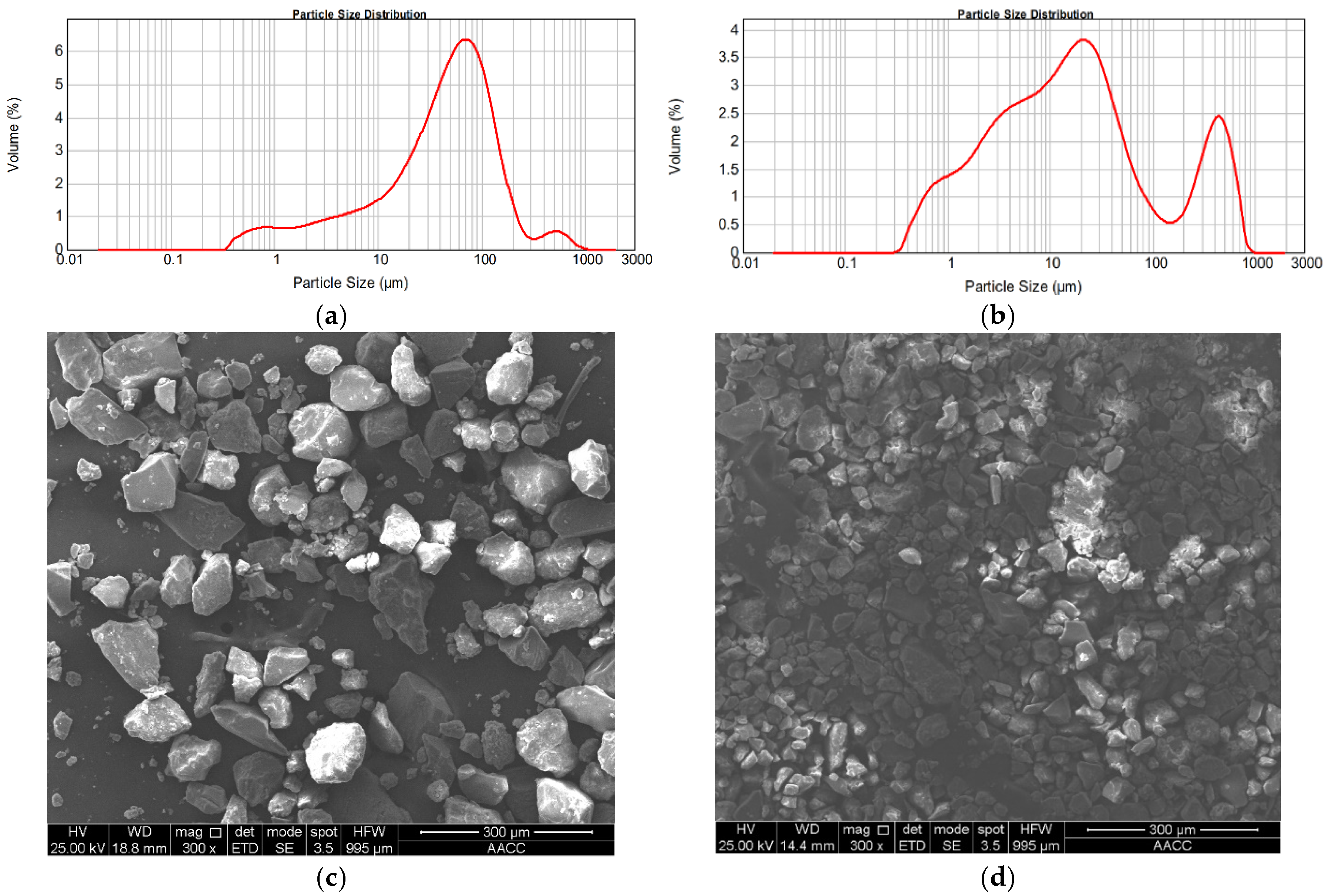
At the end of the leaching stage, soil from each column was extracted, air-dried, and homogenized. The sample from column 6 (10% RMG dosage) was selected as representative for further characterization. Particle size distribution and SEM images of the soil samples were analyzed simultaneously, with the results presented in Figure 6.
As shown in Figure 6, the soil amended with 10% RMG exhibited a particle size distribution ranging from approximately 0.35 to 1000 μm, with the majority (about 76.23%) of particles falling within the 1–100 μm range. The particle size distribution curve displayed two distinct peaks at 20 μm and 130 μm, reflecting particle erosion caused by the leaching solution. This suggested that a fraction of the RMG particles underwent structural breakdown, dispersing fine particles into the soil, while larger particles remained intact. Furthermore, the 10% RMG-treated soil showed a higher proportion of particles in the 0.3–10 μm range, likely resulting from the soil particle disintegration and formation of finer particles under leaching conditions. The higher RMG dosage also contributed to a more compact soil structure with uniformly distributed finer particles and reduced pore space [41]. P sequestration capacity was enhanced by the change via downward leaching of the P solution through smaller pores, followed by adsorption and fixation by RMG. More fine particles appeared in the soil sample with the application of 10% RMG dosage after leaching, and the state of soil particles was layers, flakes, and grains. This situation may be due to the erosive effect of the water flow in the process of leaching, which destroyed the large aggregates, and the minerals inside the soil aggregates were fully involved in the adsorption of P.
As summarized in Table 4, the original soil contains various components that influence P dynamics, including metals such as Al, Ca, and Fe. In comparison, the soil after RMG application contained relatively high contents of Ca and P, due to the contribution of RMG, as detailed in Table 2. This phenomenon suggested that during the leaching process, RMG released calcium ions into the soil, thereby enhancing its P retention capacity.
In addition, to evaluate the toxicity of RMG, some harmful elements in the lixivium of experimental soils were measured by ICP, and the results are shown in Table 5. All harmful element contents in the lixivium of soil after RMG application could meet the Environmental quality standards for surface water of level III [42]. Consequently, RMG was considered safe to be applied for P recycling in soil.

3.3. Effect of RMG on Phosphorus Release in Soil

3.3.1. Influences of Experimental Factors on Phosphorus Release from RMG

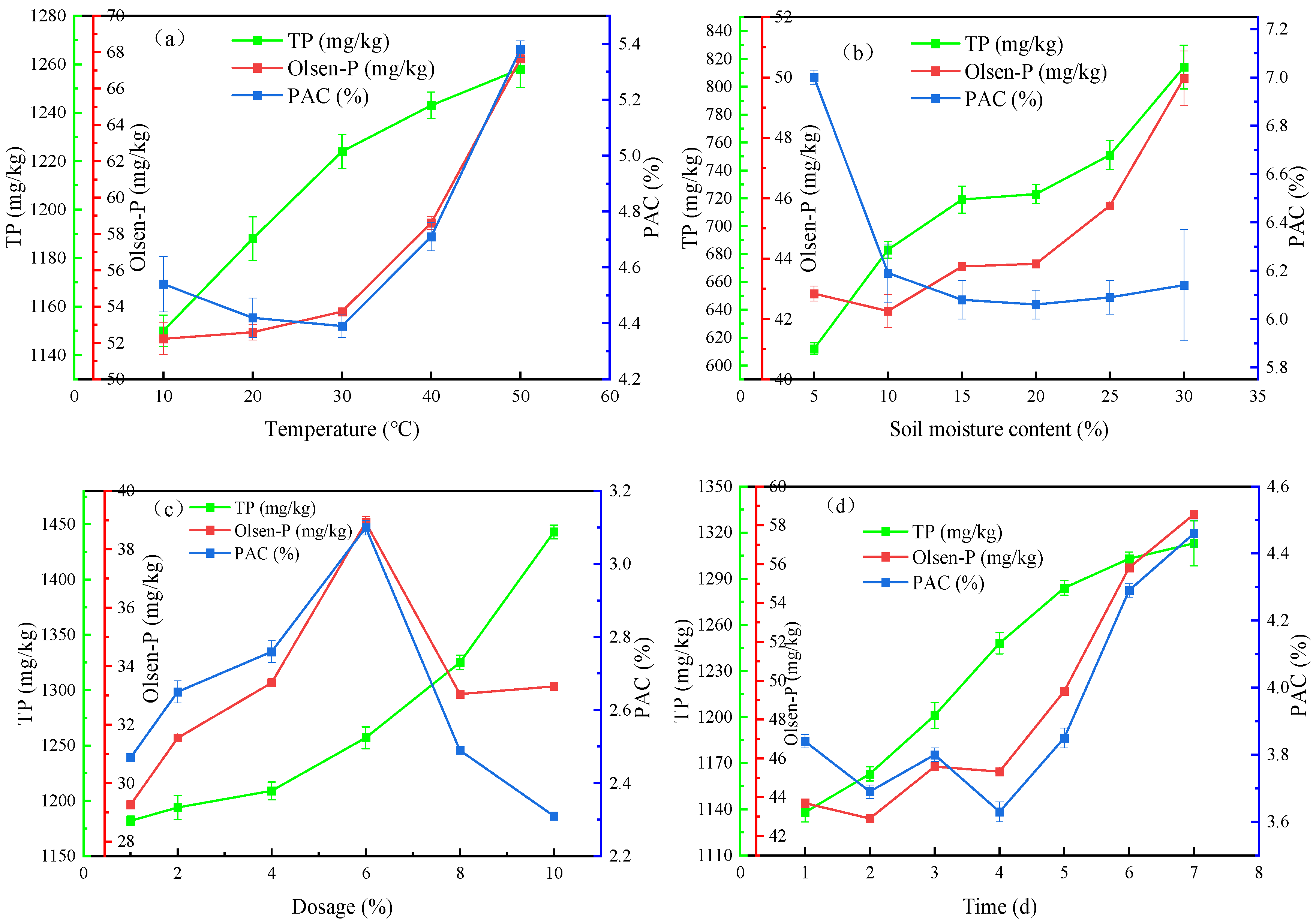
In the preceding experiment, RMG was applied to a phosphate-containing solution to adsorb P, thereby producing P-enriched RMG. This P-saturated material was considered suitable for secondary application in P-deficient soils, with the aim of facilitating P resource recycling and enhancing soil fertility. The P-enriched RMG was obtained according to the method described in Section 2.2 and then mixed with the original soil (TP: 250 mg/kg; Olsen-P: 3.68 mg/kg) at varying proportions. A static cultivation experiment was subsequently initiated. The soil samples were analyzed through both single-factor experiments and long-term cultivation experiments. Key factors investigated in the static experiment included temperature, cultivation conditions, material dosage, and reaction time. The corresponding results are presented in Figure 7.
As shown in Figure 7a,d, after the addition of 10% RMG for 7 days, the TP content in the soil increased significantly compared to the original soil (TP: 250 mg/kg). This indicated that P retained in the saturation-adsorbed RMG was released into the soil, with greater P release observed at higher temperatures. This phenomenon could be attributed to the process of phosphate chemical adsorption and desorption, in which elevated temperatures promoted the desorption of P from RMG [43]. Figure 7b showed that the TP content increased with higher moisture content. This is attributed to enhanced material exchange between RMG and soil, facilitated by soil moisture, promoting P release and migration into the soil. Additionally, elevated moisture content reduced the soil’s ability to adsorb and retain P, thereby increasing Olsen-P levels. In Figure 7c, the soil TP content rose with increasing RMG dosage, indicating that more P was released into the soil. In contrast, both the Olsen-P content and PAC exhibited an initial increase followed by a decrease as the RMG dosage increased. The highest Olsen-P and PAC values were observed in the soil treated with 6% RMG, indicating that the soil Olsen-P and PAC levels did not consistently improve with higher RMG dosage. The Olsen-P in this study ranged from 29 to 68 mg/kg, which was relatively higher than a recent study’s findings using biochar-based struvite to enhance P availability and reduce P loss potential [44]. The conversion of TP to Olsen-P was strongly influenced by soil properties [45]. One possible explanation was that increasing the RMG dosage caused the release of alkaline components, which elevated soil pH and consequently enhanced the adsorption and immobilization of available P, reducing its effectiveness [46].
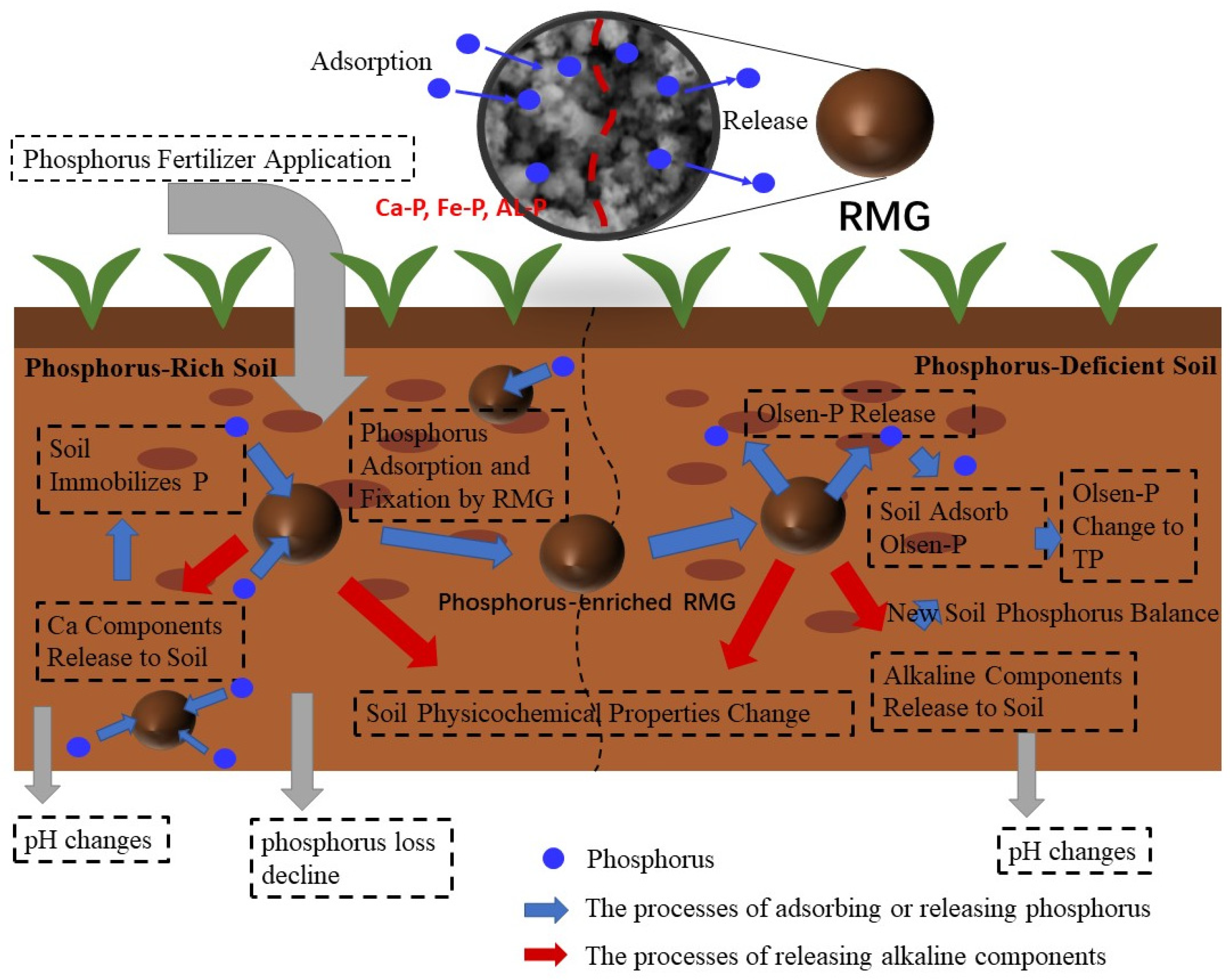
Additionally, the Olsen-P of the soil also showed a significant increase as compared to the original soil (Olsen-P: 3.68 mg/kg), suggesting the potential effects of P-enriched RMG application to the soil, which included four steps: (i) P from RMG was desorbed and transformed into the soil, elevating soil Olsen-P levels; (ii) P from RMG was adsorbed and immobilized by soil, which caused Olsen-P levels reducing; (iii) soil physicochemical properties were ameliorated by RMG, which represented as the transition of Olsen-P to more stable form and the decrease in Olsen-P in the soil; (iv) after soil Olsen-P was immobilized, cycling from soil inactive to active P may occur, resulting in a new soil P balance.
PAC indicated the conversion efficiency of TP to effective P and reflected the degree of soil P activation [47]. According to Figure 7a, as temperature increased, the soil PAC showed a U-trend, which might be the result of the combined effect of (i), (ii), and (iii). After RMG was applied to the soil, although the TP gradually increased, the PAC did not show a linear relationship, which led to the fluctuation of the ratio of Olsen-P and TP. Figure 7c showed that the PAC of the control soil was 1.5%, demonstrating that the addition of RMG enhanced TP in the soil. For all treatment groups, the soil PAC was greater than 2.0%, indicating that soil TP was more readily converted into Olsen-P and that the P activation capacity was significantly improved.

3.3.2. Changes in Soil Properties After the P-Enriched RMG Application

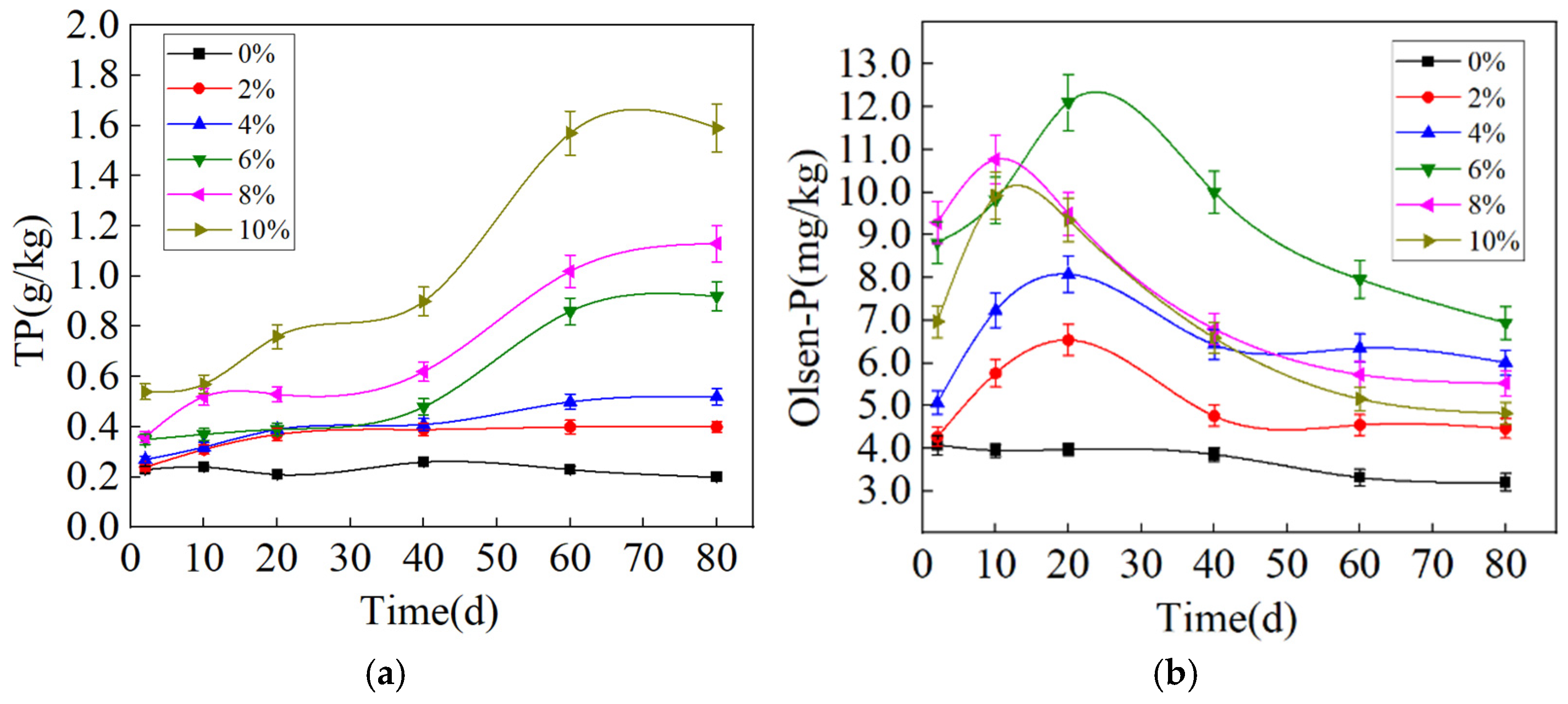
To investigate the long-term soil P availability following the application of P-enriched RMG, the TP and Olsen-P contents in soil samples were measured at 2, 10, 20, 40, 60, and 80 days, respectively. The results were presented in Figure 8.
As shown in Figure 8a, the TP content in the soil samples increased over the cultivation period after the addition of P-enriched RMG compared to the control (0% RMG), indicating a continuous release of P from RMG into the soil. The amount of P release was positively correlated with the RMG dosage, suggesting that RMG can serve as a long-term P source for the soil. Due to the fact that the non-uniform dispersion of RMG released could not be dispersed as uniformly as in water, TP fluctuated over the cultivation time. Figure 8b showed that at the early incubation stage, the Olsen-P content in soil gradually increased, which can be attributed to the ongoing release of P from RMG. However, in the later stage, the Olsen-P content declined, likely due to the combined effects of mechanisms (i), (ii), and (iv) as proposed earlier [48].
In summary, the addition of RMG enhanced soil P levels by increasing both the TP and Olsen-P contents, and it significantly improved soil P availability. Although P was continuously released into the soil, the alkaline components in RMG also promoted the adsorption and fixation of P. Moreover, under high P concentrations, the dominant adsorption mechanism may shift from chemisorption to physisorption, resulting in a reduction in PAC content [49]. The conceptual diagram of P cycling by applying RMG in soil was shown in Figure 9.

4. Conclusions

In this study, we synthesized a dual-function RMG using red mud, fly ash, and cement as the main raw materials to achieve comprehensive utilization of solid waste. RMG was applied to the soil to control P loss and mediate P forms, thereby promoting sustainable utilization of P resources. The performance of RMG in P fixation and release in soil was systematically assessed. The leaching experiments demonstrated that RMG effectively enhanced the soil’s ability to mitigate P loss. The application of RMG delayed the appearance of P loss in the leachate and increased the critical leaching threshold of P in the soil. The RMG dosage was positively correlated with the critical value of P loss, but negatively correlated with the duration of the obstruction of soil P loss. The leachate analysis revealed that TDP and DOP accounted for higher proportions in the early leaching stage, while MRP dominated in the later stage. A decrease in the leachate pH generally coincided with the initial detection of P. The alkaline components in RMG significantly promoted P adsorption and immobilization in the soil. Additionally, this study demonstrated that incorporating the P-enriched RMG into the soil enhanced P availability and activation by significantly increasing the TP and Olsen-P levels. Long-term release experiments confirmed that the P-enriched RMG continuously supplied P to the soil over an extended period. Soil P availability increased initially but declined after a period of incubation due to enhanced adsorption and immobilization facilitated by the alkaline components in RMG. The Olsen-P content reached its peak at a P-enriched RMG application dosage of 6%. This study provides an innovative approach for the pollution mitigation and resource recycling of red mud, while simultaneously addressing phosphorus contamination and fertilization. The proposed method thereby advances the concept of waste-to-resource transformation, contributing to sustainable development.

Author Contributions

Y.Z.: conceptualization, methodology, and writing—review and editing; B.Y.: data curation and writing—original draft preparation; Z.N.: investigation, characterization, and formal analysis; L.W.: project administration and funding acquisition; D.Y.: resources and funding acquisition; J.W.: validation; Z.C.: characterization. All authors have read and agreed to the published version of the manuscript.

Funding

This research was supported by the National Natural Science Foundation of China (51602344), the Key Project of Joint Funds of the National Natural Science Foundation of China (Grant No. U2003103), and special fund for promoting scientific and technological innovation in Xuzhou in 2022 (key research and development plan (modern agriculture)—general project, KC22075).

Institutional Review Board Statement

Not applicable.

Informed Consent Statement

Not applicable.

Data Availability Statement

The original contributions presented in this study are included in the article. Further inquiries can be directed to the corresponding author.

Conflicts of Interest

Author Jing Wang was employed by the company Anhui Tongyuan Environment Energy Saving Co., Ltd. The remaining authors declare that the research was conducted in the absence of any commercial or financial relationships that could be construed as a potential conflict of interest.

References

  1. Han, X.; Xiao, J.; Wang, L.; Tian, S.; Liang, T.; Liu, Y. Identification of Areas Vulnerable to Soil Erosion and Risk Assessment of Phosphorus Transport in a Typical Watershed in the Loess Plateau. Sci. Total Environ. 2021, 758, 143661. [Google Scholar] [CrossRef]
  2. González, J.A.; Mengual, J.; Palomares, A.E. Phosphorus Control and Recovery in Anthropogenic Wetlands Using Their Green Waste—Validation of an Adsorbent Mixture Model. Sustainability 2025, 17, 6153. [Google Scholar] [CrossRef]
  3. Zhou, N.; Han, X.; Hu, N.; Han, S.; Yuan, M.; Li, Z.; Wang, S.; Li, Y.; Li, H.; Rengel, Z.; et al. The Crop Mined Phosphorus Nutrition via Modifying Root Traits and Rhizosphere Micro-food Web to Meet the Increased Growth Demand Under Elevated CO2. iMeta 2024, 3, e245. [Google Scholar] [CrossRef] [PubMed]
  4. da Silva Carneiro, J.S.; Ribeiro, I.C.A.; Nardis, B.O.; Barbosa, C.F.; Lustosa Filho, J.F.; Melo, L.C.A. Long-Term Effect of Biochar-Based Fertilizers Application in Tropical Soil: Agronomic Efficiency and Phosphorus Availability. Sci. Total Environ. 2021, 760, 143955. [Google Scholar] [CrossRef] [PubMed]
  5. Wang, J.; Gao, J.; Wang, Q.; Liu, L.; Zhou, H.; Li, S.; Shi, H.; Wang, S. Phosphorus Cycling in Sediments of Deep and Large Reservoirs: Environmental Effects and Interface Processes. Sustainability 2025, 17, 7551. [Google Scholar] [CrossRef]
  6. Salehfard, R.; Jafari, R. Studies on the Valorization of Aluminum Production Residues into Bituminous Materials at Different Scales: A Review. Sustainability 2025, 17, 9634. [Google Scholar] [CrossRef]
  7. Wang, X.; Jing, H.; Zhang, M.; Li, J.; Ma, Y.; Yan, L. Analysis of Alkali in Bayer Red Mud: Content and Occurrence State in Different Structures. Sustainability 2023, 15, 12686. [Google Scholar] [CrossRef]
  8. Li, W.-Y.; Zhang, Z.-Y.; Zhou, J.-B. Preparation of Building Materials from Bayer Red Mud with Magnesium Cement. Constr. Build. Mater. 2022, 323, 126507. [Google Scholar] [CrossRef]
  9. Venkatesh, C.; Nerella, R.; Sri Rama Chand, M. Comparison of Mechanical and Durability Properties of Treated and Untreated Red Mud Concrete. Mater. Today Proc. 2020, 27, 284–287. [Google Scholar] [CrossRef]
  10. Soğancı, A.S.; Özkan, I.; Yenginar, Y.; Güzel, Y.; Özdemir, A. The Use of Waste Materials Red Mud and Bottom Ash as Road Embankment Fill. Sustainability 2024, 16, 9077. [Google Scholar] [CrossRef]
  11. Cheng, Y.; Xu, L.; Liu, C. Red Mud-Based Polyaluminium Ferric Chloride Flocculant: Preparation, Characterisation, and Flocculation Performance. Environ. Technol. Innov. 2022, 27, 102509. [Google Scholar] [CrossRef]
  12. Zhu, X.; Niu, Z.; Li, W.; Zhao, H.; Tang, Q. A Novel Process for Recovery of Aluminum, Iron, Vanadium, Scandium, Titanium and Silicon from Red Mud. J. Environ. Chem. Eng. 2020, 8, 103528. [Google Scholar] [CrossRef]
  13. Khanna, R.; Zinoveev, D.; Konyukhov, Y.; Li, K.; Maslennikov, N.; Burmistrov, I.; Kargin, J.; Kravchenko, M.; Mukherjee, P.S. Extraction of Alumina and Alumina-Based Cermets from Iron-Lean Red Muds Using Carbothermic Reduction of Silica and Iron Oxides. Sustainability 2025, 17, 6802. [Google Scholar] [CrossRef]
  14. Wang, T.; Cui, P.; Tang, Y.; Tan, J.; Qin, M.; Cui, X. A Green Process for Treatment of Bayer Red Mud into Synthetic Soil. J. Environ. Chem. Eng. 2025, 13, 118281. [Google Scholar] [CrossRef]
  15. Liu, J.; Pan, X.; Guo, Y.; Lv, Z.; Wei, C.; Yu, H. Sustainable and Efficient Removal of Phosphorus from Wastewater through Red Mud Residue after Deep Dealkalization. Colloids Surf. A Physicochem. Eng. Asp. 2024, 700, 134782. [Google Scholar] [CrossRef]
  16. Wang, Z.; Sun, Y.; Zhang, K.; Guo, H.; Tao, H.; Wang, X.; Cui, J. Red Mud-Derived Rose-like Layered Double Hydroxides for Excellent Phosphate Adsorption. Colloids Surf. A Physicochem. Eng. Asp. 2025, 726, 138027. [Google Scholar] [CrossRef]
  17. Tang, J.; Cheng, Z.; Tan, S.; Song, N.; Wei, Z.; Liu, Y. Efficient Recovery and Utilization of Phosphorus from Sewage Sludge via Alkalinous Fenton-like Oxidation with Pyrolysis-Modified Red Mud: Full Resource Utilization Attempt. J. Clean. Prod. 2024, 475, 143588. [Google Scholar] [CrossRef]
  18. Tao, L.; Huang, H.; Chen, X.; Chen, J.; Evrendilek, F.; Liu, J. Valorizing Calcium-Loaded Red Mud Composites for Phosphorus Removal and Recovery. Process Saf. Environ. Prot. 2025, 194, 542–554. [Google Scholar] [CrossRef]
  19. Brennan, R.B.; Murnane, J.G.; Sharpley, A.N.; Herron, S.; Brye, K.R.; Simmons, T. Soil Phosphorus Dynamics Following Land Application of Unsaturated and Partially Saturated Red Mud and Water Treatment Residuals. J. Environ. Manag. 2019, 248, 109296. [Google Scholar] [CrossRef]
  20. Ding, S.; Zhang, T.; Fan, B.; Fan, B.; Yin, J.; Chen, S.; Zhang, S.; Chen, Q. Enhanced Phosphorus Fixation in Red Mud-Amended Acidic Soil Subjected to Periodic Flooding-Drying and Straw Incorporation. Environ. Res. 2023, 229, 115960. [Google Scholar] [CrossRef]
  21. Scribot, C.; Maherzi, W.; Benzerzour, M.; Mamindy-Pajany, Y.; Abriak, N.-E. A Laboratory-Scale Experimental Investigation on the Reuse of a Modified Red Mud in Ceramic Materials Production. Constr. Build. Mater. 2018, 163, 21–31. [Google Scholar] [CrossRef]
  22. Zhen, Z.; Yang, Y.; Liu, Z.; Sun, H.; He, C. Porous Red Mud Ceramsite for Aquatic Phosphorus Removal: Application in Constructed Wetlands. Environ. Pollut. 2024, 360, 124688. [Google Scholar] [CrossRef]
  23. Zhao, Y.; Wang, J.; Yang, B.; Zhong, Q.; Wang, L.; Niu, Z.; Xin, H.; Zhang, W. Performance of Red Mud/Biochar Composite Material (RMBC) as Heavy Metal Passivator in Pb-Contaminated Soil. Bull. Environ. Contam. Toxicol. 2022, 109, 30–43. [Google Scholar] [CrossRef]
  24. Zhao, Y.; Niu, Z.; Zhong, Q.; Wang, L.; He, S.; Xu, M.; Wang, J. Preparation and Characterization of Red Mud/Fly Ash Composite Material (RFCM) for Phosphate Removal. Bull. Environ. Contam. Toxicol. 2022, 109, 169–179. [Google Scholar] [CrossRef] [PubMed]
  25. GB 11893-89; Water Quality—Determination of Total Phosphorus—Ammonium Molybdate Spectrophotometric Method. National Environmental Protection Agency of China: Beijing, China, 1989.
  26. HJ 962-2018; Soil—Determination of pH—Potentiometry. Ministry of Ecology and Environment of China: Beijing, China, 2018.
  27. HJ 632-2011; Soil—Determination of Total Phosphorus by Alkali Fusion—Mo-Sb Anti spectrophotometric method. Ministry of Environmental Protection of China: Beijing, China, 2011.
  28. HJ 704-2014; Soil Quality—Determination of Available Phosphorus—Sodium Hydrogen Carbonate Solution—Mo-Sb Anti-Spectrophotometric Method. Ministry of Environmental Protection of China: Beijing, China, 2014.
  29. HJ/T 299–2007; Solid Waste—Extraction Procedure for Leaching Toxicity—Sulphuric Acid and Nitric Acid Method. National Environmental Protection Agency of China: Beijing, China, 2007.
  30. Ye, J.; Cong, X.; Zhang, P.; Hoffmann, E.; Zeng, G.; Liu, Y.; Fang, W.; Wu, Y.; Zhang, H. Interaction between Phosphate and Acid-Activated Neutralized Red Mud during Adsorption Process. Appl. Surf. Sci. 2015, 356, 128–134. [Google Scholar] [CrossRef]
  31. Xiang, W.; Ding, Q.; Zhang, G. Preparation and Characterization of Porous Anorthite Ceramics from Red Mud and Fly Ash. Int. J. Appl. Ceram. Technol. 2020, 17, 113–121. [Google Scholar] [CrossRef]
  32. Zhou, Z.; Xu, Q.; Wu, Z.; Fang, X.; Zhong, Q.; Yang, J.; Yan, J.; Li, Q. Preparation and Characterization of Clay-Oyster Shell Composite Adsorption Material and Its Application in Phosphorus Removal from Wastewater. Sustain. Chem. Pharm. 2023, 32, 101023. [Google Scholar] [CrossRef]
  33. Wang, J.; Shen, M.; Wang, H.; Du, Y.; Zhou, X.; Liao, Z.; Wang, H.; Chen, Z. Red Mud Modified Sludge Biochar for the Activation of Peroxymonosulfate: Singlet Oxygen Dominated Mechanism and Toxicity Prediction. Sci. Total Environ. 2020, 740, 140388. [Google Scholar] [CrossRef]
  34. Smith, B.C. Fundamentals of Fourier Transform Infrared Spectroscopy; CRC Press: Boca Raton, FL, USA, 2011; ISBN 1-4200-6930-6. [Google Scholar]
  35. Mbasabire, P.; Murindangabo, Y.T.; Brom, J.; Byukusenge, P.; Ufitikirezi, J.D.D.M.; Uwihanganye, J.; Umurungi, S.N.; Ntezimana, M.G.; Karimunda, K.; Bwimba, R. Remediation of Heavy Metal-Contaminated Soils Using Phosphate-Enriched Sewage Sludge Biochar. Sustainability 2025, 17, 7345. [Google Scholar] [CrossRef]
  36. Han, Y.; Su, Z.; Ma, X.; Fu, X.; Xu, H.; Liu, L.; Liu, M. Preparation of Fe/C-MgCO3 Micro-Electrolysis Fillers and Mechanism of Phosphorus Removal. Environ. Sci. Pollut. Res. 2023, 30, 13372–13392. [Google Scholar] [CrossRef] [PubMed]
  37. Jiang, J.; Ma, H.; Zhu, Y.; Bing, X.; Wang, K.; Liu, F.; Ding, J.; Wei, J.; Song, K. Characterization of Organic Phosphorus in Soils and Sediments of a Typical Temperate Forest Reservoir Basin: Implications for Source and Degradation. Process Saf. Environ. Prot. 2023, 179, 394–404. [Google Scholar] [CrossRef]
  38. Liang, Z.; Peng, X.; Luan, Z.; Li, W.; Zhao, Y. Reduction of Phosphorus Release from High Phosphorus Soil by Red Mud. Environ. Earth Sci. 2012, 65, 581–588. [Google Scholar] [CrossRef]
  39. Wright, V.F.; Brown, B.A.; Harris, M.A. Quenching of Phosphorus Fixation with Organic Wastes in a Bauxite Mine Overburden. Environ. Earth Sci. 2011, 63, 469–476. [Google Scholar] [CrossRef]
  40. Sharma, S.; Sekhon, B.S.; Singh, P.; Siddiqui, M.H.; Kesawat, M.S. Response of Biochar Derives from Farm Waste on Phosphorus Sorption and Desorption in Texturally Different Soils. Heliyon 2023, 9, e19356. [Google Scholar] [CrossRef]
  41. Suo, C.; Yao, X.; Song, Z.; Dong, X. Mechanical and Leaching Characteristics of Red Mud Residue Solidified/Stabilized High Cu(II)-Contaminated Soil. Environ. Earth Sci. 2021, 81, 9. [Google Scholar] [CrossRef]
  42. GB 3838-2002; Environmental Quality Standards for Surface Water. National Environmental Protection Agency of China: Beijing, China, 2002.
  43. Liu, Q.; Ding, S.; Chen, X.; Sun, Q.; Chen, M.; Zhang, C. Effects of Temperature on Phosphorus Mobilization in Sediments in Microcosm Experiment and in the Field. Appl. Geochem. 2018, 88, 158–166. [Google Scholar] [CrossRef]
  44. Li, Y.; Wang, X.; Gong, F.; Guan, Y.; Jiao, Y.; Chi, D.; Wu, Q.; O’Connor, J.; Bolan, N.S.; Siddique, K.H.M. Alternate Wetting and Drying Irrigation with Biochar-Based Struvite Enhances Phosphorus Availability, Reduces Phosphorus Loss Potential, and Improves Yield and Water Use Efficiency in Paddy Systems. Agric. Water Manag. 2025, 319, 109797. [Google Scholar] [CrossRef]
  45. Fei, C.; Zhang, S.; Wei, W.; Liang, B.; Li, J.; Ding, X. Straw and Optimized Nitrogen Fertilizer Decreases Phosphorus Leaching Risks in a Long-Term Greenhouse Soil. J. Soils Sediments 2020, 20, 1199–1207. [Google Scholar] [CrossRef]
  46. Liang, X.; Liu, J.; Chen, Y.; Li, H.; Ye, Y.; Nie, Z.; Su, M.; Xu, Z. Effect of pH on the Release of Soil Colloidal Phosphorus. J. Soils Sediments 2010, 10, 1548–1556. [Google Scholar] [CrossRef]
  47. Zhan, X.; Zhang, L.; Zhou, B.; Zhu, P.; Zhang, S.; Xu, M. Changes in Olsen Phosphorus Concentration and Its Response to Phosphorus Balance in Black Soils under Different Long-Term Fertilization Patterns. PLoS ONE 2015, 10, e0131713. [Google Scholar] [CrossRef] [PubMed]
  48. Helfenstein, J.; Tamburini, F.; von Sperber, C.; Massey, M.S.; Pistocchi, C.; Chadwick, O.A.; Vitousek, P.M.; Kretzschmar, R.; Frossard, E. Combining Spectroscopic and Isotopic Techniques Gives a Dynamic View of Phosphorus Cycling in Soil. Nat. Commun. 2018, 9, 3226. [Google Scholar] [CrossRef] [PubMed]
  49. Gou, X.; Cai, Y.; Wang, C.; Li, B.; Zhang, Y.; Tang, X.; Shen, J.; Cai, Z. Effects of Different Long-Term Cropping Systems on Phosphorus Adsorption and Desorption Characteristics in Red Soils. J. Soils Sediments 2020, 20, 1371–1382. [Google Scholar] [CrossRef]
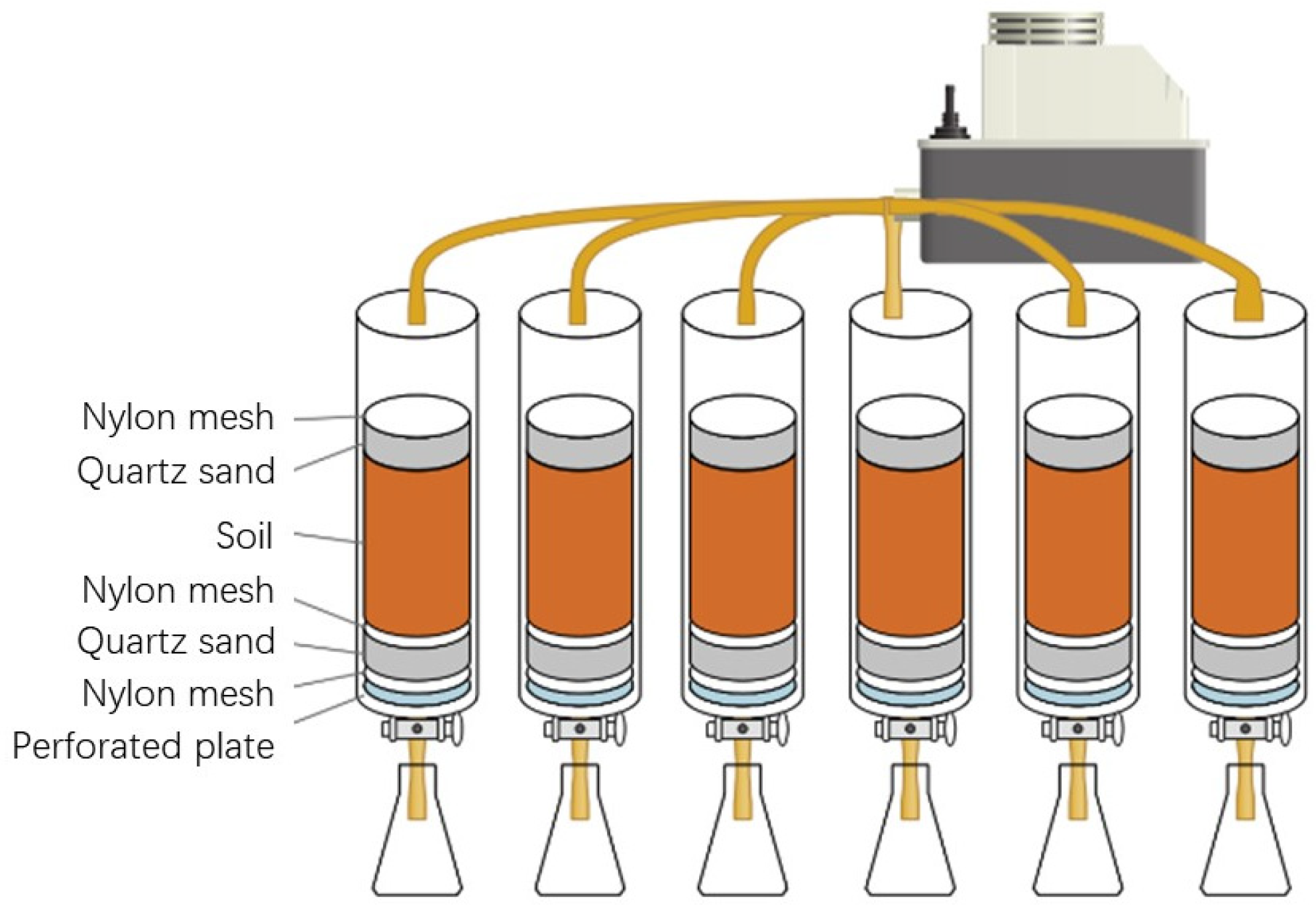
Figure 1. The soil dynamic leaching device.
Sustainability 17 10910 g001
Figure 2. XRD characterization results: (a) red mud; (b) fly ash; (c) cement; (d) RMG; (e) the pore size distribution of RMG; (f) FTIR spectrum of RMG. (Note: 1: Calcite—CaCO3; 2: Hematite—Fe2O3; 3: Corundum—Al2O3; 4: Gibbsite—Al(OH)3; 5: Quartz—SiO2; 6: Dicalcium silicate—Ca2SiO4; 7: Kaolinite—Al2Si2O5(OH)4; 8: Xonotlite—Ca6Si6O17(OH)21).
Sustainability 17 10910 g002
Figure 3. The SEM photograph of RMG: (a) original RMG; (b) RMG after dynamic leaching experiment; (c) RMG after phosphorus releasing experiment.
Sustainability 17 10910 g003
Figure 4. The concentration of various forms of P in the leachate when P leaching occurred ((af) represented the leaching days of P loss occurred in columns 1 to 6, respectively).
Sustainability 17 10910 g004aSustainability 17 10910 g004b
Figure 5. P concentration and pH value in leachate from different columns.
Sustainability 17 10910 g005
Figure 6. Grain size distribution and SEM photograph of the soil sample: (a,c) for original soil; (b,d) for soil after leaching experiment with 10% RMG dosage.
Sustainability 17 10910 g006
Figure 7. TP, Olsen-P, and PAC in the soils with P-enriched RMG application at different temperatures (a), soil moisture contents (b), material dosages (c), and reaction times (d).
Sustainability 17 10910 g007
Figure 8. Temporal changes in TP (a) and Olsen-P (b) content in soil under different P-enriched RMG dosages.
Sustainability 17 10910 g008
Figure 9. Conceptual diagram of P cycling by applying RMG in soil.
Sustainability 17 10910 g009
Table 1. Chemical compositions of raw materials (wt%).
Raw MaterialsOCSiCaAlFeNaMgTi
Red mud43.8910.8413.0913.966.685.921.872.840.91
Fly ash46.638.5222.064.3014.074.42---
Cement43.3112.2810.3710.707.6310.495.22--
Table 2. The elemental composition of several RMG samples (atomic percent, At.%).
ElementsOriginal RMGRMG After Dynamic Leaching ExperimentRMG After Phosphorus Releasing Experiment
O69.871.8568.34
Si3.916.632.51
Al2.55.522.58
Na0.440.090.51
Mg0.442.060.69
P01.358.69
K0.110.920.2
Fe3.421.34
Ti0.940.320.32
Ca18.459.2414.81
Ni0.010.010.01
Total100100100
Table 3. The leaching time and the critical value of P loss in soil.
Column Number123456
Dosage of RMG0%2%4%6%8%10%
The leaching days of P loss3578914
Critical value of P loss in soil (mg/kg)64.41104.90145.39165.64185.88287.10
Capacity of P maintained in soil (adjusted for the value) (mg/kg)-40.4980.98101.23121.47222.69
Table 4. The composition of the soil samples (atomic percent, At.%).
ElementsOSiAlNaMgPKFeTiCaNiTotal
Original soil70.5115.747.660.981.280.081.111.480.161.010.03100
Soil after RMG application71.919.144.020.860.873.560.871.170.17.50100
Table 5. Concentrations of harmful elements in the lixivium of the soil samples (mg/L).
ElementsCrMnNiCuZnAsSeCdPbVBa
Lixivium of original soil0.0100.010.030.180.01000.0300.05
Lixivium of soil after RMG application0.0400.010.050.30.02000.0500.07
Environmental quality standard—level III0.050.10.02110.050.010.0050.050.050.7
Disclaimer/Publisher’s Note: The statements, opinions and data contained in all publications are solely those of the individual author(s) and contributor(s) and not of MDPI and/or the editor(s). MDPI and/or the editor(s) disclaim responsibility for any injury to people or property resulting from any ideas, methods, instructions or products referred to in the content.