

Article

Digital Economy’s Impact on Tourism Eco-Efficiency: An Empirical Analysis of Chinese Cities

1
School of Business Administration, Faculty of Business Administration, Southwestern University of Finance and Economics, Chengdu 611130, China
2
School of Tourism, Southwest Minzu University, Chengdu 610041, China
3
Business and Tourism School, Sichuan Agricultural University, Chengdu 611130, China
4
Faculty of International Tourism Management, City University of Macau, Macau 999078, China
*
Author to whom correspondence should be addressed.
Sustainability 2025, 17(23), 10717; https://doi.org/10.3390/su172310717 (registering DOI)
Submission received: 31 October 2025 / Revised: 22 November 2025 / Accepted: 26 November 2025 / Published: 30 November 2025
(This article belongs to the Section Tourism, Culture, and Heritage)

Abstract

The tourism industry’s strong integration with the digital economy has recognized as a development trend. Tourism eco-efficiency is a useful indicator of the industry’s capacity for sustainable development. More thorough research is required to determine how the degree of digital economy development affects tourism eco-efficiency in the backdrop of the sustainable tourism development. In order to evaluate the tourism eco-efficiency of 275 Chinese prefecture-level cities, this study builds a super-SBM model with unexpected output. We empirically determine the impact of the comprehensive development of the digital economy on eco-efficiency with a panel model (2011–2017). The analysis findings show the following: (1) Eco-efficiency in China is consistently maintained at the level of 0.5, with a gradient that puts the east ahead of the central, northeastern, and western regions. (2) Urban eco-efficiency is significantly inhibited by China’s digital economy, with notable regional variation. (3) The inhibiting effect of the degree of digital economic development on TEE can be mitigated by environmental quality. Strategic policy ideas for improving urban tourism eco-efficiency are included in the paper’s conclusion.

1. Introduction

With data and information serving as the primary production factors, the digital economy has progressively emerged as a vital engine to support the superior development of China’s industrial economy [1]. The tourism industry is moving toward intelligent and smart development models as a result of China’s digital economy strategy, which has encouraged industrial innovation through technologies like big data and artificial intelligence [2]. For instance, it plays a major role in customized tourism development and services [3], and the use of VR/AR has greatly increased traveler willingness [4] and enhanced the travel experience [5].
At the same time, there has been a lot of focus on how the digital economy affects the environment. By encouraging industrial innovation and optimizing industrial infrastructure, the digital economy can lower environmental pollution levels [6]. Additionally, it can help minimize transaction costs and streamline transaction procedures, which will lower carbon dioxide emissions and support the ecological environment’s sustainable development [7]. However, existing studies have also shown that the digital economy’s ability to lower carbon emissions eventually wanes as it grows in size [8]. The expansion of the digital economy, which mostly depends on sectors like mobile communications and internet connectivity, has led to a rise in the use of communication technology and significant electricity consumption [9]. Large volumes of electrical resources have been used as a result, resulting in a significant environment burden [10]. It is evident that the digital economy and its reliance on ecological resources are inextricably linked, and more thorough research is necessary to fully understand this relationship.
To achieve the goal of the greatest tourism advantages with the least amount of energy consumption and environmental damage, tourism eco-efficiency is a variable that characterizes the influence of economic gains on the environment in tourism activities [11]. Tourism was once thought of as a green industry. In actuality, tourism can have a detrimental effect on climate change and the ecological environment in addition to rapidly producing revenue [12]. At the 75th session of the UN General Assembly in 2020, China proposed the “30·60” dual carbon objective, strongly promoting eco-friendly travel and civilized tourism, which demonstrates the significance China places on environmental and ecological issues. Accordingly, it is necessary to conduct in-depth research into the relationship between the digital economy and tourism eco-efficiency under the dual carbon context. This relationship is of great research significance for promoting the high-quality development of the regional tourism industry and achieving the sustainable development of tourism.
The contributions of this paper are as follows. First, to investigate the impact of the digital economy on the nation’s TEE from 2011 to 2017, this study combines the super-SBM–undesirable model and panel regression model. Second, it assesses TEE of urban tourism by analyzing data from 275 Chinese prefecture-level cities. The following factors are the focus: (i) building the evaluation index system of TEE; (ii) estimating and evaluating TEE using the super-SBM–undesirable model, which eliminates the measurement deviation caused by the differences of radial and angle selection; (iii) verifying the comprehensive index of the city’s digital economy; and (iv) analyzing the impact of the digital economy on TEE using the panel data regression model.

2. Literature Review

2.1. Tourism Eco-Efficiency

In 2005, in order to increase tourism revenue while reducing energy consumption and environmental damage, Gossling et al. first proposed using tourism eco-efficiency to describe the effect of tourism economic output per unit on the environment [13]. This approach can be used to assess the capacity of tourism businesses to develop sustainably [14]. Existing studies mostly focus on the measurement methods and spatio-temporal evolution. In terms of measurement methods, Hanandeh et al. assessed the environmental impact of tourism activities and calculated the carbon footprint of tourism using the life cycle methodology [15]. Later, some scholars analyze TEE by constructing input–output models [16] and using data envelopment analysis. They find that TEE will be impacted by carbon emissions [17]. The desirable output indicator was determined to be the tourism economy’s total income [18], while the undesirable output indicators were tourism carbon emissions [19], garbage, sewage, and exhaust emissions [20]. In the aspect of spatial and temporal evolution, the current research primarily analyzes the tourism eco-efficiency at the scale of provinces [21], economic belts [22], and river basins [23] and demonstrates its spatial evolution process. However, there is a lack of research on nationalwide, city-level tourism eco-efficiency.

2.2. Digital Economy

The term “digital economy” describes the economic sector that deals with digital goods and services and is connected to the Internet and information and communication technology (ICT) [24]. In order to more accurately gauge the degree of development of the digital economy, existing studies typically use statistical indicators [25] and build multi-dimensional indexes [26]. With the advancement and usage of digital technique, the digital economy has emerged as a new avenue for global economic development in the twenty-first century. It does this by utilizing information technology to convert digital resources into economic benefits, which can support the growth of the social economy [27]. Improvements in technology can lessen the effects of industrial economic growth on climate change. Meanwhile, technology enhancement in different segments can mitigate the impact of industrial economic development on climate change [28], reduce carbon emissions, and help improve environmental quality. Nevertheless, this gain in energy efficiency lowers the cost of energy use, which could encourage increased energy consumption [8] and raise carbon emissions [29]. It is evident that we need further research into the relationship between the digital economy and carbon emissions.

2.3. The Impact of the Digital Economy on Tourism Eco-Efficiency

In order to lower service costs, boost tourism revenue, and enhance tourism eco-efficiency, the digital economy may optimize the tourism supply chain [30], decrease resource mismatch and energy consumption through intelligent management [31], and improve tourism eco-efficiency [2]. However, studies have also indicated that blockchain [32], the Internet of things [33], sharing platforms [34], and other technological facilities [35] will boost resource exploitation and energy consumption, which will have an adverse effect on the environment and raise carbon emissions. The tourism industry will unavoidably replace production equipment to improve infrastructure in the initial phase of its intelligent development made possible by the digital economy. This will increase power and coal consumption, which will have a detrimental effect on the environment [36]. It is evident that the ecology of urban agglomerations may be negatively impacted by the growth of the digital economy and tourism [37]. One of the manifestations of the digital economy is technological innovation, which may impede the increase of eco-efficiency in tourism, particularly when the overall level of TEE is relatively low [38].
Thus, we propose the following:
Hypothesis 1.
Tourism eco-efficiency is inhibited by the level of development of the digital economy in China.
The eco-efficiency of tourism is significantly impacted by environmental quality [39]. The ecological environment can be negatively impacted by resource consumption and pollutant emissions during the process of facilitating tourism development through the digital economy [40]. Nevertheless, few studies have examined how the digital economy affects tourism eco-efficiency under current environmental quality [20]. Enhancing environmental governance [41] and environmental investment [42] is thought to have a favorable effect on TEE. Previous studies have mostly used environmental quality as a moderator variable.
Thus, in conjunction with the research direction, we propose the following:
Hypothesis 2.
Environmental quality can mitigate the detrimental impact of the digital economy on tourism ecological efficiency.
Previous research has shown that ecological well-being in Chinese cities varies by region. According to Bian et al., China’s eastern provinces rank top, followed by the capital cities of the northeast and west, as well as central provinces [43]. According to Liu et al., TEE in the Yangtze River Delta region is in an effective state, but there is still room for improvement in the Bohai Rim Delta region and the Pan-Pearl River Delta region [38]. The TEE of China’s largest urban agglomerations exhibits spatiotemporal variations as a result of regional variations in economic development [18]. Yang and Liang noted that underlying mechanisms through which the digital economy impacts ecological efficiency also exhibit geographical heterogeneity, indicating that different regions are at varying stages of green growth [30]. However, few published works have established the peculiarities of the impact of the digital economy on TEE, especially geographical variation across the country.
As a results, we propose the following:
Hypothesis 3.
The inhibitioy effect of urban digital economy development level on TEE has regional differences in China.

2.4. Eco-Efficiency Measurement Methods

Eco-efficiency is evaluated using models and several sets of indicators. A single project or a specific technical object can be used with the single ratio approach. Common single ratio techniques include life cycle assessments (LCA) [15], life cycle energy analysis (LCEA) [44], ecological footprints, and material flow analyses. By creating a multi-dimensional evaluation index, the index system method seeks to assess eco-efficiency. For instance, Peng et al. created an evaluation index system [20], combining resource consumption and environmental pollution factors, to measure TEE of a small regional-scale case. Specifically, the input indicators include capital, energy consumption, water consumption, and beverage consumption, the desirable output indicator includes per capita tourism income, and the undesirable output indicators include the amounts of garbage, sewage, and waste gas emissions. However, this method is difficult to eliminate the impact of data weighting on the evaluation results.
Model methods mainly include Stochastic Frontier Analysis (SFA) and non-parametric Data Envelopment Analysis (DEA). SFA cannot specify the form of production function, and the processing of multiple output quantities is limited. In contrast, DEA is a measurement method to evaluate the same type of decision making unit (DMU) based on multi-input and -output variables, which does not need to consider the functional relationship between inputs and outputs. It does not need to estimate parameters and assume weights in advance, so that the integrity of information can be retained to a certain extent. It has the advantages of simultaneously processing multiple inputs and outputs. However, in the actual research, in order to overcome the limitation that the DEA model is easy to lose its validity [45], other models such as SBM–DEA model [14] and the SBM–undesirable model [46] have been applied to measure TEE.
At the same time, most studies employ econometric techniques to investigate the link between eco-efficiency and the digital economy. Yang and Liang investigated the regional spillover effect of the digital economy on green eco-efficiency in China using a thorough application of a fixed-effects model and a spatial econometric model. They discovered that the digital economy has a beneficial influence on green eco-efficiency [30]. Cui et al. used the panel vector autoregression (PVAR) model and a regression model to study how the expansion of the digital economy affected eco-efficiency [47]. In order to objectively determine the impact of the overall degree of the digital economy on the TEE, a panel data regression model was built.

3. Methodology

3.1. The Models

3.1.1. The Super-SBM–Undesirable Model for Tourism Eco-Efficiency Assessment

Traditional DEA models still have certain flaws in the computation of efficiency-related evaluations. In order to assess the extent of inefficiency, Tone developed a scalar slacks-based measure (SBM) of efficiency in DEA, which takes slacks into consideration [48]. Both input-oriented and output-oriented models are used, and the goal is to maximize virtual profit. A super-efficiency slacks-based measure (super-SBM) is developed to reduce the weighted distance between an efficient DMU and the production possibility set.
In this research, the super-SBM–undesirable model is used to estimate the TEE of prefecture-level cities in China. It is constructed as follows:
ρ * = 1 + 1 m i = 1 m S i X i 0 1 1 q 1 + q 2 r 1 = 1 q 1 S r + y r o + r 2 = 1 q 2 S k b k o
(3-1)
s.t.
j = 1 , j k n   x i j   λ j S i X i 0
j = 1 , j k n   y r j   λ j + S r + y r o
j = 1 , j k n   b k j   λ j S k b k o
Let   1 1 q 1 + q 2 r 1 = 1 q 1 S r + y r o + r 2 = 1 q 2 S k b k o   be   Y ,   then   Y > 0
λ, s, s+ ≥ 0; i = 1, 2, …, m; r1 = 1, 2, …, q1; r2 = 1, 2, …, q2; j = 1, 2, …, n (j ≠ k)
In this model, ρ represents the value of urban TEE, n is the number of DMUs, each DMU consists of input indicators ( m ), desirable output indicators ( q 1 ) , and undesirable output indicators ( q 2 ) . S i , S r + , S k are slack variables of input, desirable output, and undesirable output, respectively; X i 0 , y r o w , b k o t are the elements of the corresponding input, desirable output, and undesirable output matrices; λ is the weight vector. The indicator system is presented in Table 1 below.

3.1.2. Panel Model

A panel benchmark regression model was built to investigate the relationship between TEE and the digital economy, with TEE as the explained variable and the comprehensive development level of the digital economy as the primary explanatory variable. To assess the effect of the digital economy on TEE, per capita gross regional product (PGDP), total fixed asset investment (IFA) and local budget expenditure (PFE), population density (PD) and total population (P), total passenger transport (TPT), and PM2.5 are chosen as moderating variables. For the variables utilized in this paper, logarithmic processing is performed to account for data variation of various dimensions and units. In particular, the panel data regression model is built as follows:
I n T E i t = α i t l n D E i t + β 1 l n P G D P i t + β 2 l n I F A i t + β 3 l n P F E i t + β 4 l n P D i t + β 5 l n P i t + β 6 l n T P T i t + β 7 l n P M 2.5 i t + b i t
In this model, i stands for city i, t stands for the year, l n T E i t represents the TEE of city i in year t, α i t l n D E i t represents the comprehensive development level of the digital economy of city i in year t, and α represents the influence coefficient of the digital economy on TEE in this paper. l n P G D P i t is the per capita regional GDP of city i in year t, and represents the wealth level of urban residents. l n I F A i t and l n P F E i t are fixed asset investment and local budget expenditure, respectively, representing the level of financial support from local governments; l n P D i t and l n P i t are population density and total population, respectively, representing the scale of urban development; l n P M 2.5 i t represents the intensity of environmental quality.

3.2. Explanations of Variables

3.2.1. Dependent Variable

The value of TEE is the dependent variable in the panel model, which is first calculated by the super-SBM–undesirable model. Because of their significance in the process of tourism development, tourism resources [49], human capital [50], material capital [49], and tourism service are selected as essential input indicators (as shown in Table 1). Additionally, 4A and 5A tourist attractions (spots) typically serve as indicators of the city’s total tourism resources. The macro index of the number of workers in the tertiary sector is one of the primary human capital indicators. Nearly all direct and indirect jobs associated with the tourism sector can be included in this index. The input indicator chosen to represent the service capacity in the urban tourism process is the number of starred hotels. Fixed assets related to tourism serve as a representation of material capital.
When it comes to output indicators, the desirable output indicator is the economic benefit, which is represented by gross tourism income and total tourism reception [45]. The overall economic income from visitor consumption expenditures and associated industry revenues from urban tourism activities is known as gross tourism revenue. A city’s level of tourist attraction is reflected in its total tourism reception, which is a fundamental indicator of tourism’s economic benefits. In the meantime, the undesirable output indicator is the influence on the environment. Carbon emissions from tourism are frequently used in current research as a key metric to assess how tourism affects the environment [46]. It is noted that essential information about tourism-related carbon emissions has not been computed independently. In order to convert tourism carbon emissions—that is, tourism carbon emissions are equal to carbon emissions multiplied by the proportion of tourism—this paper uses the ratio conversion method, which divides tourism revenue by the gross national economic product.

3.2.2. Independent Variables

The overall development level of the digital economy, denoted by the letter DE, is the independent variable in this study. The square term of the digital economy is denoted as 2DE in order to identify nonlinear impacts. Referring to previous studies [51], the number of Internet broadband access users per 100 people, the percentage of workers in the computer service and software industries in urban areas, the total number of telecommunications services per capita, the number of mobile phone users per 100 people, and the advancement of digital finance are taken as specific indicators to quantify the development level of China’s digital economy, and the entropy weight method and principal component analysis are used to measure the country’s overall level of digital economy.

3.2.3. Control Variable and Moderating Variable

This study examines the impact of China’s digital economy level on TEE from four perspectives: urban economic development level, financial support intensity, urban development scale, and degree of transportation convenience. This allows for a more thorough and efficient analysis of the mechanism. Per capita gross regional product (PGDP) is used to measure the degree of urban economic development [38], total fixed asset investment (IFA) and local budget expenditure (PFE) are used to measure the intensity of financial support [47], and population density (PD) and total population at the end of the year (P) are used to measure the scale of urban development. The measurement index for the degree of transportation convenience is chosen to be the total passenger transport (TPT). PM2.5 was utilized as a gauge of environmental quality, and it was chosen as a moderating variable [28].

3.3. Data Selection

Prefecture-level cities in mainland China were chosen as the research object (excluding Taiwan, Hong Kong, and Macao) in order to make the samples representative and account for the availability of sample data. The samples of several provincial prefecture-level cities and the Tibet Autonomous Region are not included because of the severe shortage of data in these areas. As a result, 275 prefecture-level cities are ultimately selected as research subjects, and 2200 samples are examined over the course of seven years, from 2011 to 2017.
The initial data of the TEE evaluation system were obtained from the government’s official website and from certain databases at different levels from 2011 to 2017. It includes the Statistical Yearbook of prefecture-level cities throughout the country from 2011 to 2017, the Statistical Bulletin of National Economic and Social Development of prefecture-level cities throughout the country from 2011 to 2017, the Environmental Statistical Bulletin of prefecture-level cities throughout the country from 2011 to 2017, and other statistical data over the years. The carbon emission data in the index of undesirable output is derived from the CEADs carbon accounting database (https://www.ceads.net.cn/).
Digital economy data were mainly sourced from Mark data network (https://www.macrodatas.cn/). The initial data of variables such as economic development level, financial support intensity, urban development scale, transportation convenience degree, and environmental quality intensity were sourced from official data published on the official website of the government and some databases. They are mainly derived from the website of the National Bureau of Statistics from 2011 to 2017, the China Urban Statistical Yearbook, the China Environmental Statistical Yearbook, and the statistical yearbook published on the official websites of Chinese cities. Some missing data are supplemented by database resources such as the China Stock Market and Accounting Research Database (CSMAR). Among them, some index data in the evaluation index system need to be converted according to the relevant ratios.

4. Results

4.1. Results of National TEE Evaluation

By constructing a super-SBM–undesirable model, this paper calculates the TEE of 275 prefecture-level cities in mainland China from 2011 to 2017 using MaxDEA software version 9. The average TEE of 275 prefecture-level cities in mainland China is shown in Figure 1.
It shows that TEE in China remained at around 0.5. China’s TEE generally fluctuated slightly. The TEE value peaked in 2013 (0.51) and was at its lowest point in 2011 (0.49). It demonstrates that environmental benefits can still be greatly enhanced. In the process of expansion, China’s tourism sector must further strike a balance between economic and environmental advantages. In 2011, the western provinces of Shaanxi, Yunnan, and Guangxi, as well as coastal cities in the eastern area and cities along the Yellow River Basin, contained the majority of the cities with better tourism eco-efficiency. The three northeastern cities along the Yangtze River’s middle and upper reaches, and a few coastal cities in the east are the main locations of high-efficiency cities in 2017. In the 2011–2017 period, 45.8% of the cities showed an increase in tourism eco-efficiency compared to 2011, 14.2% of the cities had a significant decline, while the remaining 39.3% of the cities had a slight decline. In general, China’s urban tourism is becoming more environmentally friendly.

4.2. Regional Heterogeneity of TEE in China

On the basis of calculating TEE values of cities in mainland China, this paper divides 275 prefecture-level cities in mainland China into four geographical regions and calculates the mean TEE values in these four regions (Table 2).
From the perspective of TEE of four geographical regions, the overall change pattern of each region’s TEE is inconsistent with the country’s overall TEE change trend. While TEE values in West China were always below 0.5, which was below China’s average TEE value, TEE values in Northeast, East, and Central China were generally greater than those in West China. The overall TEE in Northeast China throughout the study period followed an N-shaped trend for the mean TEE value. The peak period was in 2017 (0.60), and the trough period was in 2011 (0.48). Overall, there was a sharp upward trend. From the standpoint of the average TEE value in East China, the average value varied between 0.51 and 0.61 and followed the general development trend of initially increasing and then declining. East China’s TEE peaked in 2013 at 0.61, which was higher than China’s average TEE value. In order to optimize the economic benefits and enhance TEE, it was demonstrated that East China had advantages in terms of geography, infrastructure, economics, and technology that could efficiently convert the input of tourism resources and material capital into expected output. However, after 2013, there was a gradual downward trend in TEE in East China. Throughout the study period, TEE in Central China exhibited frequent fluctuations. The average TEE fell between 0.49 and 0.55, with the lowest and highest readings occurring in 2011 (0.49) and 2012 (0.55), respectively. Although TEE’s average value was consistently higher than the national average, it was still comparatively low. As the country’s middle transition zone, it is evident that Central China’s economic strength was inferior to that of the eastern region. Due to its lack of locational advantage, it had little influence over the development of tourism. Throughout the study period, TEE in West China exhibited an oscillating tendency. The average TEE value in the western region ranged from 0.37 to 0.43, and it was consistently lower than the national average. In terms of location and economic development strength, it demonstrated that the western region of China was inferior to the eastern region. However, the western region of China has abundant natural tourism resources, strong tourism appeal, substantial room for tourism industry growth, and significant potential to improve TEE.

4.3. Results of Panel Model

4.3.1. Panel Regression Results

First, the regression model incorporates the term of the development level index of the digital economy. The regression findings are displayed in Table 3’s first column. The digital economy’s regression coefficient on TEE is −0.0915, suggesting that it might have some detrimental effects on urban TEE. The results are then displayed in column 2 of Table 3 after incorporating additional variables that might have an impact on TEE. The digital economy’s influence coefficient on TEE is found to be −0.143, passing the significance test at the 0.05 level. Therefore, it is proven that TEE will be constrained by the degree of urban digital economy development. To find out if the digital economy can have a non-linear impact on TEE, the quadratic term containing the comprehensive index of the development level of the digital economy was included in the model. In Table 3 column 3, digital economy and TEE appear to have an inverted U-shaped relationship, as evidenced by the negative coefficient of the main term and the positive coefficient of the quadratic term. The fact that this finding failed the significance test, however, suggests that the effect is not statistically clear.
Furthermore, the coefficient of urban economic development level is negative among the other control variables, meaning that the TEE decreases as urban residents’ economic development levels rise. The impact is not evident, though, as this finding likewise fails the significance test. The population density regression coefficient is positive and passes the 5% significance threshold, suggesting that the TEE increases with city scale. The infrastructure of a city is better the larger it is. In the process of facilitating the development of the tourism industry through the digital economy, when the city scale is larger, there are more adequate information resources, technical staff, and material capital; the energy utilization efficiency is higher; the production cost of information technology input can be significantly reduced; and the tourism eco-efficiency of urban tourism can be greatly enhanced.

4.3.2. Regional Differences

Each of the four main geographic regions’ TEE data is sorted, summarized, and then incorporated into the regression model. The regression results are shown in columns 2–5 of Table 4. In Northeast and East China, the influence coefficient of the digital economy on urban TEE is found to be negative, meaning that the more developed the digital economy, the lower the TEE. The digital economy has a favorable impact on the TEE of cities in the central area, as indicated by the positive influence coefficient. However, because the linear relationship failed the significance test, it cannot be verified in the statistical model. As can be seen, the digital economy’s influence coefficient on urban TEE in the western region is −0.274, passing the significance test of 0.05. Therefore, it is established that there are regional differences in the inhibiting effect of the urban digital economy development level on TEE in China.

4.3.3. The Moderating Effect of the Digital Economy on TEE

As shown in column 3 of the table, we attempt to add the nonlinear effect of the digital economy (ln2DE), but its coefficient is not significant, suggesting that there is not a clear U-shaped or inverted U-shaped relationship. As shown in column 4 of Table 5, after incorporating the data obtained by cross-multiplying the PM2.5 index and the development level of the digital economy, the impact coefficient is 0.0532, which passes the significance test of 0.05. Thus, the inhibiting effect of the level of development of the digital economy on TEE decreases with decreasing environmental quality. Environmental quality can mitigate the negative impact during the tourism development phase. In the process of tourism development, a series of tourism-related activities will unavoidably result in energy consumption, raising carbon emissions and decreasing tourism eco-efficiency. In order to increase hotel service quality and satisfy the increasing demand of tourists, traditional hotels must simultaneously employ a wide range of information tools and information technology for digital transformation and upgrading. During the transformation and upgrading of the tourism industry, areas with poorer environmental quality can leverage digital technology to enhance resource utilization efficiency, thereby mitigating the impact of the digital economy on tourism ecological efficiency. However, long-term reliance on technology will inevitably result in a significant increase in the amount of coal, oil, gas, and other resources used to generate electricity. This will increase energy consumption and harm the environment, making the detrimental effects on tourism eco-efficiency more pronounced.

5. Discussion and Conclusions

5.1. Discussion

5.1.1. Evolutionary Characteristics of Tourism Eco-Efficiency

During the period of research, TEE of urban tourism in China was comparatively at a low level, with a slight variation in an overall “N” shape, ranging from 0.48 to 0.51. It is in line with other research findings [52]. However, as Figure 1 illustrates, China’s tourism eco-efficiency peaked in 2013 at 0.51. China’s 2012 proposal of the “Five-sphere Integrated Plan” is strongly linked to this phenomenon. Since the idea of ecological civilization was put forth, China’s tourism sector has played a more significant role in the development of the Five-sphere Integrated Plan. As a result, its tourism eco-efficiency has also increased. The eco-efficiency value of urban tourism in China exhibited a “decline–rise” trend in the next four years, supporting Zhang et al.’s research [53]. This suggests that low resource utilization efficiency and high investment redundancy are issues for the growth of urban tourism, and there is still room for improvement in terms of economic advantages.
In addition, the tourism eco-efficiency exhibited a “high in the East and low in the West” trend of uneven development. The tourism eco-efficiency of East China was 0.552, greater than that of central, northeast, and western regions. It is consistent with the research results of Li et al. [54]. An imbalance of “strong in the East and weak in the west, strong in the South and weak in the north” can be seen in China’s tourism development, which is influenced by the country’s economic development and resources. The State Council’s 2011 comments on accelerating tourism development noted that the western region’s tourism infrastructure needed to be supported. As a result, the western region has used more energy during the planning and development process, which has led to a low degree of tourism eco-efficiency across the country.

5.1.2. The Inhibitory Effect of the Digital Economy on Tourism Eco-Efficiency

Previous studies have shown that the digital economy can substantially increase green ecological efficiency [30], lower transaction costs [3], decrease carbon emissions [55], and improve the ecological environment through digital technology [28]. However, this study challenges current debates about the benefits of the digital economy by showing that it considerably impedes the development of tourism eco-efficiency. It shows that the effect of the digital economy on the ecological environment is dynamic and contingent upon various industrial structures [56] and the stage of development of the digital economy [36]. A significant quantity of digital infrastructure is needed in the early stages of enabling the growth of the tourism sector with the digital economy [3]. Fossil fuels like coal make up the majority of the energy mix of these facilities’ power supply, which may result in carbon emissions that outweigh economic benefits and impede the development of tourism eco-efficiency [8]. Furthermore, this inhibitory effect varies significantly by area. When it comes to the endowment of tourism resources, the western area has an advantage. The use of the digital economy in the tourism sector has significantly increased travel convenience, encouraged a variety of travel-related activities and consumption patterns [3], accelerated the growth of energy and electricity consumption, raised overall energy consumption and carbon emissions, and stifled the improvement of China’s tourism eco-efficiency. The tourism industry is a labor-intensive sector with challenges like lengthy cycles, significant financial and technological investments, and erratic returns, making its intelligent transformation an ongoing endeavor [57]. Therefore, the tourism industry in different regions should follow the principle of gradual progress, understand the consumption of power generation resources like coal, oil, and gas, and support the sustainable development of the tourism industry when using digital technology and data resources for transformation and upgrading [53].

5.2. Conclusions

This research examined the mechanism by which the digital economy influences tourism eco-efficiency and measured the tourism eco-efficiency of 275 Chinese cities between 2011 and 2017 using the super-SBM model based on unexpected output. The main findings were as follows.
The overall tourism eco-efficiency of cities exhibited a “N”-shaped fluctuation pattern during the study period. The mean was at a comparatively low level, falling between 0.48 and 0.51. With a tiny fluctuation amplitude, the interval difference is 0.03. The lowest average tourism eco-efficiency over the study period was 0.489 in 2011. The average tourism eco-efficiency increased to 0.514 by 2013, indicating a growing trend. When compared to the national average, the average tourism eco-efficiency is lowest in the central and northeastern regions, lower in the western region, and highest in the eastern region. The disparities in tourism eco-efficiency between the eastern and western areas can be attributed to urban site conditions and economic development levels, as evidenced by the eastern region’s tourism eco-efficiency remaining greater than the national average during the research period.
With an impact coefficient of −0.143, the digital economy significantly inhibits tourism eco-efficiency. The digital economy and tourism eco-efficiency have an inverted U-shaped relationship, although this relationship did not pass the significance test, suggesting that the effect is not substantial. The population density regression coefficient, which measures a city’s size, is 0.863 and passed the significance test, suggesting that the tourism eco-efficiency increases with city size. The influence of the digital economy on the tourism eco-efficiency of urban tourism in the western region has a coefficient of −0.274, which suggests that its effects vary geographically. Regarding the impact mechanism, the digital economy’s coefficient of influence on tourism eco-efficiency is 0.0532 after accounting for the PM2.5 index, and it passed the significance test. This suggests that environmental quality can positively moderate the detrimental effects of the digital economy on the tourism eco-efficiency during its development.

5.3. Implications

The study found that digital economy had an inhibitory effect on tourism eco-efficiency, and there was no U-shaped relationship. The result is closely related to the background of the times. According to the government work report, 2011–2017 marked the initial development of the digital economy and was also a critical period for the transformation and upgrading of China’s tourism industry. At the time, the economic benefits of tourism showed a lagging effect, and the resources put into production led to energy consumption. Therefore, the digital economy exerted a restraining effect on tourism eco-efficiency. With the development of digital economy to a larger scale in the future, tourism income will increase, thus improving the tourism eco-efficiency. Based on the research findings, we suggest the following policy recommendations to achieve China’s “30·60” dual carbon goals and sustainable development of the tourism industry. First, in light of the low tourism eco-efficiency of urban tourism, the government should combine market demand, promote the use of renewable energy to accelerate the construction of urban digital infrastructure, encourage the digital transformation and upgrading of the tourism industry, better meet the individualized needs of tourists, increase tourism revenue [4], and reduce energy consumption, such as coal and electricity, while improving tourism eco-efficiency. Second, the eastern area should concentrate on using digital technology to further optimize and explore circular economy models [58], and enhance energy use efficiency, taking into account regional variations in the degree of digital economy development and resource endowment. To support the growth of the tourism sector, the western area must plan sustainable tourism development, increase the flexibility of the digital economy, and allocate resources for green digital infrastructure in a reasonable manner [54]. Thirdly, the government should incorporate environmental performance indicators such as air quality, energy consumption, and waste management [59] into the evaluation system of digital tourism projects, cultivate the environmental awareness of tourism enterprises [60], and promote the green and sustainable development of the tourism industry.

5.4. Limitations and Future Research

This study examined the mechanism by which the digital economy influences the eco-efficiency of urban tourism in China using the super efficiency SBM model based on unexpected output. The study had certain limitations, but it also had some theoretical and practical merit. First off, this article only used carbon emissions from the tourism industry as an unexpected output indicator in the construction of the tourism eco efficiency evaluation index system because it is difficult to quantify data such as wastewater discharge, solid waste, and energy consumption in the tourism industry. Future studies can quantify the eco-efficiency of tourism by integrating these typical unexpected output indicators.
Second, taking into account the data’s availability and completeness, this paper examined how the digital economy influenced the eco-efficiency of tourism using data from 2011 to 2017, omitting cities with significant data gaps. Future studies should examine the dynamic interaction between the digital economy and the tourism eco-efficiency, as well as broaden the time span and data coverage. Lastly, industrial structure also influences on the tourism eco-efficiency and the digital economy [61]. In order to support the growth of the tourism sector through the digital economy, future research can thoroughly examine the mechanisms by which various industrial structures affect the tourism eco-efficiency.

Author Contributions

Conceptualization, H.S.; Methodology, H.S.; Software, H.S.; Validation, H.S.; Formal analysis, L.G. and T.L.; Investigation, L.G.; Resources, C.C., T.L. and Y.L.; Data curation, C.C. and Y.L.; Writing—original draft, L.G.; Writing—review & editing, C.C. and Y.L.; Visualization, C.C., T.L. and Y.L.; Supervision, T.L. and Y.L.; Project administration, L.G. and T.L.; Funding acquisition, T.L. All authors have read and agreed to the published version of the manuscript.

Funding

This research was funded by the Major Project of the National Social Science Foundation of China (No. 24&ZD213).

Institutional Review Board Statement

Not applicable.

Informed Consent Statement

Not applicable.

Data Availability Statement

These data were derived from the following resources available in the public domain: The variable data of ecological efficiency of tourism industry are from the “China Urban Statistical Yearbook,” “Statistical Bulletins on National Economic and Social Development, “China Environmental Statistical Yearbook,” and “China Regional Statistical Yearbook.” China Carbon Emission Accounts and Datasets, the carbon emissions of each city are converted to obtain the tourism carbon emission data of each prefecture-level city in China from 2011 to 2017. Researchers can apply for access via the official CEADs website at [https://www.ceads.net/]. The data at the digital economy of Chinese urban cities level are from MARK data network (https://www.macrodatas.cn/).

Conflicts of Interest

The authors declare no conflict of interest.

References

  1. Ouyang, R.; Jing, W.; Liu, Z.; Tang, A. Development of China’s digital economy: Path, advantages and problems. J. Internet Digit. Econ. 2024, 4, 141–160. [Google Scholar] [CrossRef]
  2. Wu, H.; Zhong, R.; Guo, P.; Guo, Y.; Hao, Y. The role of the digital economy in tourism: Mechanism, causality and geospatial spillover. Empir. Econ. 2023, 66, 2355–2395. [Google Scholar] [CrossRef]
  3. Zhang, H.; Guo, T.; Su, X. Application of Big Data Technology in the Impact of Tourism E-Commerce on Tourism Planning. Complexity 2021, 2021, 9925260. [Google Scholar] [CrossRef]
  4. Kim, M.J.; Lee, C.K.; Jung, T. Exploring Consumer Behavior in Virtual Reality Tourism Using an Extended Stimulus-Organism-Response Model. J. Travel Res. 2020, 59, 69–89. [Google Scholar] [CrossRef]
  5. Jung, K.; Nguyen, V.T.; Piscarac, D.; Yoo, S.-C. Meet the Virtual Jeju Dol Harubang—The Mixed VR/AR Application for Cultural Immersion in Korea’s Main Heritage. ISPRS Int. J. Geo-Inf. 2020, 9, 367. [Google Scholar] [CrossRef]
  6. Huang, D.; Huang, C. The Impact of Digital Economy Development on Improving the Ecological Environment—An Empirical Analysis Based on Data from 30 Provinces in China from 2012 to 2021. Sustainability 2024, 16, 7176. [Google Scholar] [CrossRef]
  7. Tang, L.; Lu, B.; Tian, T. Spatial Correlation Network and Regional Differences for the Development of Digital Economy in China. Entropy 2021, 23, 1575. [Google Scholar] [CrossRef] [PubMed]
  8. Jiang, W.; Wu, X.; Yu, Q.; Leng, M. How Does the Digital Economy Affect Carbon Emissions? Evidence from Panel Smooth Transition Regression Model. J. Knowl. Econ. 2024, 16, 1–27. [Google Scholar] [CrossRef]
  9. Sadorsky, P. Information communication technology and electricity consumption in emerging economies. Energy Policy 2012, 48, 130–136. [Google Scholar] [CrossRef]
  10. Salahuddin, M.; Alam, K. Internet usage, electricity consumption and economic growth in Australia: A time series evidence. Telemat. Inform. 2015, 32, 862–878. [Google Scholar] [CrossRef]
  11. Qiu, X.; Fang, Y.; Yang, X.; Zhu, F. Tourism Eco-Efficiency Measurement, Characteristics, and Its Influence Factors in China. Sustainability 2017, 9, 1634. [Google Scholar] [CrossRef]
  12. Ullah, N.; Chao, L.; Khan, T.U.; Sai, W.L.; Yazhuo, Z.; Khan, I.A.; Hassan, M.A.; Hu, Y. Insights into climate change dynamics: A tourism climate index-based evaluation of Gilgit-Baltistan, Pakistan. Heliyon 2024, 10, e35315. [Google Scholar] [CrossRef] [PubMed]
  13. Gössling, S.; Peeters, P.; Ceron, J.-P.; Dubois, G.; Patterson, T.; Richardson, R.B. The eco-efficiency of tourism. Ecol. Econ. 2004, 54, 417–434. [Google Scholar] [CrossRef]
  14. Fan, Y.; Bai, B.; Qiao, Q.; Kang, P.; Zhang, Y.; Guo, J. Study on eco-efficiency of industrial parks in China based on data envelopment analysis. J. Environ. Manag. 2017, 192, 107–115. [Google Scholar] [CrossRef]
  15. Hanandeh, A.E. Quantifying the carbon footprint of religious tourism: The case of Hajj. J. Clean. Prod. 2013, 52, 53–60. [Google Scholar] [CrossRef]
  16. Kytzia, S.; Walz, A.; Wegmann, M. How can tourism use land more efficiently? A model-based approach to land-use efficiency for tourist destinations. Tour. Manag. 2011, 32, 629–640. [Google Scholar] [CrossRef]
  17. Daniela, C.; Alberto, F.J.; Cardoso, M.A. The impacts of the tourism sector on the eco-efficiency of the Latin American and Caribbean countries. Socio-Econ. Plan. Sci. 2021, 78, 101089. [Google Scholar] [CrossRef]
  18. Sun, Y.; Hou, G.; Huang, Z.; Zhong, Y. Spatial-Temporal Differences and Influencing Factors of Tourism Eco-Efficiency in China’s Three Major Urban Agglomerations Based on the Super-EBM Model. Sustainability 2020, 12, 4156. [Google Scholar] [CrossRef]
  19. Hou, Y.; Iqbal, W.; Shaikh, G.M.; Iqbal, N.; Solangi, Y.A.; Fatima, A. Measuring Energy Efficiency and Environmental Performance: A Case of South Asia. Processes 2019, 7, 325. [Google Scholar] [CrossRef]
  20. Peng, H.; Zhang, J.; Lu, L.; Tang, G.; Yan, B.; Xiao, X.; Han, Y. Eco-efficiency and its determinants at a tourism destination: A case study of Huangshan National Park, China. Tour. Manag. 2016, 60, 201–211. [Google Scholar] [CrossRef]
  21. Zhao, Y.; Wu, X. The Spatiotemporal Relationship between Tourism Eco-Efficiency and Economic Resilience from Coupling Perspectives in China. Sustainability 2023, 15, 10039. [Google Scholar] [CrossRef]
  22. Li, Y.; Zhang, Y. Spatial-temporal evolution and influencing factors of tourism eco-efficiency in China’s Beijing-Tianjin-Hebei region. Front. Environ. Sci. 2022, 10, 1067835. [Google Scholar] [CrossRef]
  23. Sun, Y.; Hou, G. Analysis on the Spatial-Temporal Evolution Characteristics and Spatial Network Structure of Tourism Eco-Efficiency in the Yangtze River Delta Urban Agglomeration. Int. J. Environ. Res. Public Health 2021, 18, 2577. [Google Scholar] [CrossRef]
  24. Georgiadis, C.K.; Stiakakis, E.; Ravindran, A.R. Editorial for the special issue: Digital Economy and E-commerce Technology. Oper. Res. 2013, 13, 1–4. [Google Scholar] [CrossRef]
  25. Borisov, D.; Serban, E. The Digital Divide in Romania—A Statistical Analysis. Econ. Ser. Manag. 2012, 15, 240–254. [Google Scholar]
  26. Asni, A.E.; Muk, B.; Dumancic, K. Defining and measuring the digital economy in Croatia. In Proceedings of the International Conference on the Economics of Decoupling (ICED), Zagreb, Croatia, 2–3 December 2019. [Google Scholar]
  27. Zimmermann, H.D. Understanding the Digital Economy: Challenges for New Business Models. 2000. Available online: https://papers.ssrn.com/sol3/papers.cfm?abstract_id=2566095 (accessed on 25 November 2025).
  28. Zhang, Z.; Zhao, Y.; Cai, H.; Ajaz, T. Influence of renewable energy infrastructure, Chinese outward FDI, and technical efficiency on ecological sustainability in belt and road node economies. Renew. Energy 2023, 205, 608–616. [Google Scholar] [CrossRef]
  29. Huang, C.; Lin, B. The impact of digital economy on energy rebound effect in China: A stochastic energy demand frontier approach. Energy Policy 2025, 196, 114418. [Google Scholar] [CrossRef]
  30. Yang, Y.; Liang, Q. Digital economy, environmental regulation and green eco-efficiency—Empirical evidence from 285 cities in China. Front. Environ. Sci. 2023, 11, 1113293. [Google Scholar] [CrossRef]
  31. Zheng, J.; Xu, X. Does the Digital Economy Contribute to Low-Carbon Development? Evidence from China’s 278 Cities. J. Knowl. Econ. 2025, 16, 7250–7280. [Google Scholar] [CrossRef]
  32. Ellsworth-Krebs, K.; Rampen, C.; Rogers, E.; Dudley, L.; Wishart, L.J. Circular Economy Infrastructure: Why we need track and trace for reusable packaging. Sustain. Prod. Consum. 2021, 29, 249–258. [Google Scholar] [CrossRef]
  33. Khan, S.A.R.; Piprani, A.Z.; Yu, Z. Digital technology and circular economy practices: Future of supply chains. Oper. Manag. Res. 2022, 15, 676–688. [Google Scholar] [CrossRef]
  34. Partin, K.; Watchravesringkan, K. Determinants of Online Collaborative Consumption Behavior: The Application of the Theory of Reasoned Action in the Context of Apparel; Iowa State University Digital Press: Ames, IA, USA, 2020. [Google Scholar]
  35. Warmington-Lundstrom, J.; Laurenti, R. Reviewing circular economy rebound effects:The case of online peer-to-peer boat sharing. Resour. Conserbation Recycl. X 2020, 5, 100028. [Google Scholar] [CrossRef]
  36. Li, X.; Liu, J.; Ni, P. The Impact of the Digital Economy on CO2 Emissions: A Theoretical and Empirical Analysis. Sustainability 2021, 13, 7267. [Google Scholar] [CrossRef]
  37. Ozturk, I.; Al-Mulali, U.; Saboori, B. Investigating the environmental Kuznets curve hypothesis: The role of tourism and ecological footprint. Environ. Sci. Pollut. Res. 2016, 23, 1916–1928. [Google Scholar] [CrossRef]
  38. Liu, J.; Zhang, J.; Fu, Z. Tourism eco-efficiency of Chinese coastal cities—Analysis based on the DEA-Tobit model. Ocean Coast. Manag. 2017, 148, 164–170. [Google Scholar] [CrossRef]
  39. Zhang, W.; Zhan, Y.; Yin, R.; Yuan, X. The Tourism Eco-Efficiency Measurement and Its Influencing Factors in the Yellow River Basin. Sustainability 2022, 14, 15654. [Google Scholar] [CrossRef]
  40. Qin, C. The impact of economic and environmental factors and tourism policies on the sustainability of tourism growth in China: Evidence using novel NARDL model. Environ. Sci. Pollut. Res. Int. 2022, 30, 19326–19341. [Google Scholar] [CrossRef]
  41. Fujii, H.; Managi, S. Determinants of eco-efficiency in the Chinese industrial sector. J. Environ. Sci. 2013, 25 (Suppl. 1), S20–S26. [Google Scholar] [CrossRef]
  42. Qu, Y.; Ni, H.; Zhao, J.; Chen, G.; Liu, C. Quantitative Analysis of the Impact of Ecological Industry and Ecological Investment on the Economy: A Case Study of Beijing, China. Sustainability 2022, 14, 9889. [Google Scholar] [CrossRef]
  43. Bian, J.; Ren, H.; Liu, P. Evaluation of urban ecological well-being performance in China: A case study of 30 provincial capital cities. J. Clean. Prod. 2020, 254, 120109. [Google Scholar] [CrossRef]
  44. Filimonau, V.; Dickinson, J.; Robbins, D.; Huijbregts, M.A.J. Reviewing the carbon footprint analysis of hotels: Life Cycle Energy Analysis (LCEA) as a holistic method for carbon impact appraisal of tourist accommodation. J. Clean. Prod. 2011, 19, 1917–1930. [Google Scholar] [CrossRef]
  45. Barros, C.P. Measuring efficiency in the hotel sector. Ann. Tour. Res. 2004, 32, 456–477. [Google Scholar] [CrossRef]
  46. Zha, J.; He, L.; Liu, Y.; Shao, Y. Evaluation on development efficiency of low-carbon tourism economy: A case study of Hubei Province, China. Socio-Econ. Plan. Sci. 2019, 66, 47–57. [Google Scholar] [CrossRef]
  47. Cui, J.; Wang, W.; Chen, Z.; Ren, G.; Gao, X. How digitalization and financial development impact eco-efficiency? Evidence from China. Environ. Sci. Pollut. Res. Int. 2022, 30, 3847–3861. [Google Scholar] [CrossRef] [PubMed]
  48. Tone, K. A slacks-based measure of efficiency in data envelopment analysis. Eur. J. Oper. Res. 2001, 130, 498–509. [Google Scholar] [CrossRef]
  49. Joppe, M.; Li, X.P. Productivity Measurement in Tourism: The Need for Better Tools. J. Travel Res. Int. Assoc. Travel Res. Mark. Prof. 2016, 55, 139–149. [Google Scholar] [CrossRef]
  50. Wu, H.; Xue, Y.; Hao, Y.; Ren, S. How does internet development affect energy-saving and emission reduction? Evidence from China. Energy Econ. 2021, 103, 105577. [Google Scholar] [CrossRef]
  51. Thanh, H.L. Socioeconomic and resource efficiency impacts of digital public services. Environ. Sci. Pollut. Res. Int. 2022, 29, 83839–83859. [Google Scholar] [CrossRef]
  52. Peng, D.; Liang, Z.; Ding, Y.; Liang, L.; Zhai, A.; Zhang, Y.; Gong, X. Spatial and temporal distribution characteristics and influencing factors of tourism eco-efficiency in the Yellow River Basin based on the geographical and temporal weighted regression model. PLoS ONE 2024, 19, e0295186. [Google Scholar] [CrossRef]
  53. Zhang, Y.; Li, Y. Regional Differences in Tourism Eco-Efficiency in the Beijing–Tianjin–Hebei Region: Based on Data from 13 Cities. Sustainability 2023, 15, 2907. [Google Scholar] [CrossRef]
  54. Liangen, Z. China’s Eco-Efficiency: Regional Differences and Influencing Factors Based on a Spatial Panel Data Approach. Sustainability 2021, 13, 3143. [Google Scholar] [CrossRef]
  55. Gu, A.; Zhou, X. Emission reduction effects of the green energy investment projects of China in belt and road initiative countries. Ecosyst. Health Sustain. 2020, 6, 1747947. [Google Scholar] [CrossRef]
  56. Yang, G.; Gui, Q.; Yang, Y.; Gong, G.; Chen, X. Tourism eco-efficiency and its influencing factors under the constraint of energy conservation and emissions reduction in China. Environ. Dev. Sustain. 2023, 27, 1–25. [Google Scholar] [CrossRef]
  57. Zhao, R.; Li, L. Does digitalization always benefit cultural, sports, and tourism enterprises quality? Unveiling the inverted U-shaped relationship from a resource and capability perspective. Humanit. Soc. Sci. Commun. 2024, 11, 1066. [Google Scholar] [CrossRef]
  58. Melles, G.; Gautam, S.; Shrestha, R. Circular Economy for Nepal’s Sustainable Development Ambitions. Challenges 2025, 16, 8. [Google Scholar] [CrossRef]
  59. Mira, Z.; Sara, M.; Markovic, V.I. Application of the DPSIR framework to assess environmental issues with an emphasis on waste management driven by stationary tourism in Adriatic Croatia. Geoadria 2021, 26, 83–106. [Google Scholar] [CrossRef]
  60. Martínez, P.; Herrero, Á.; Gómez-López, R. Corporate images and customer behavioral intentions in an environmentally certified context: Promoting environmental sustainability in the hospitality industry. Corp. Soc. Responsib. Environ. Manag. 2019, 26, 1382–1391. [Google Scholar] [CrossRef]
  61. Ye, X.; Wang, J.; Sun, R. The coupling and coordination relationship of the digital economy and tourism industry from the perspective of industrial integration. Eur. J. Innov. Manag. 2024, 27, 1182–1205. [Google Scholar] [CrossRef]
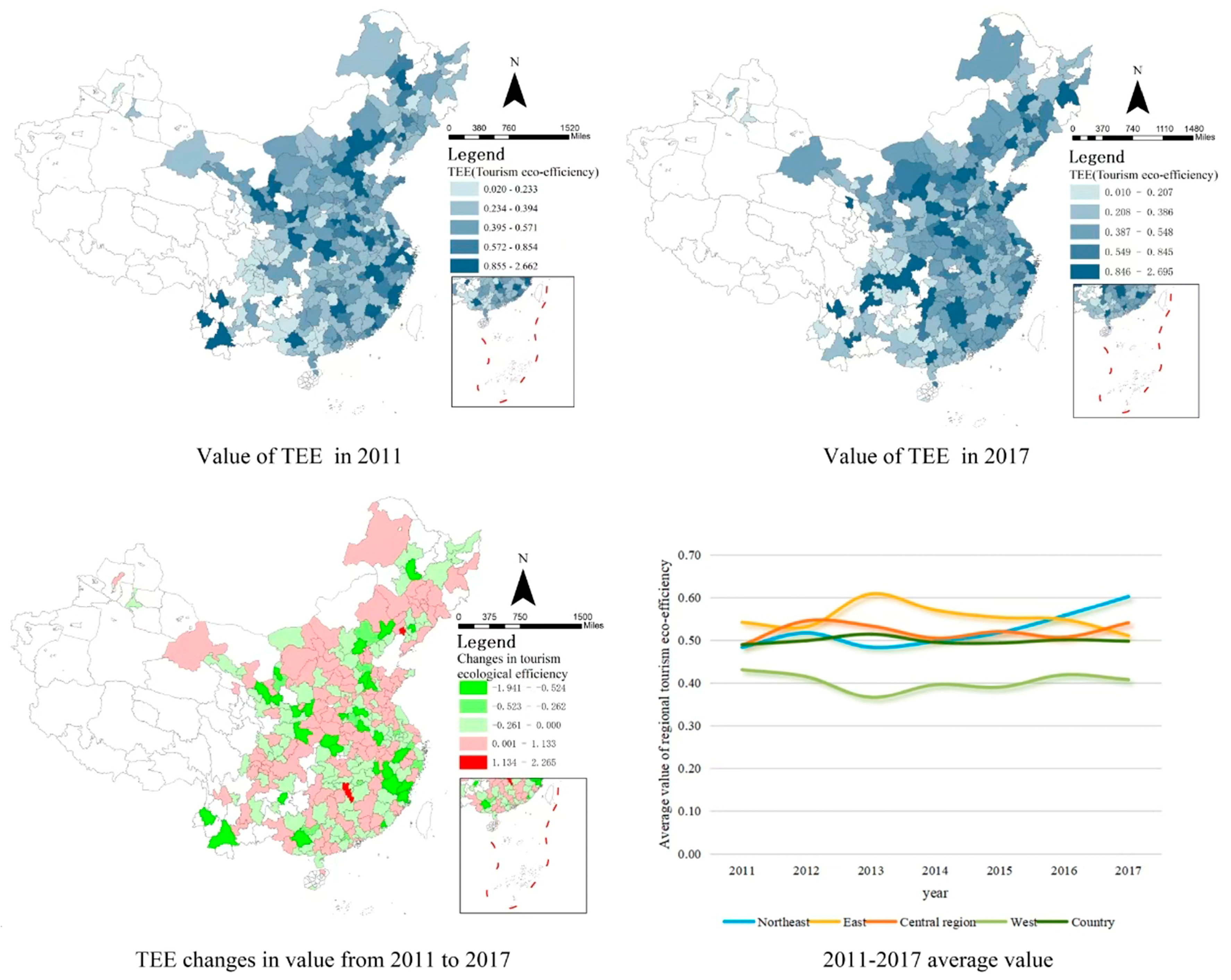
Figure 1. Change trend of average TEE in China from 2011 to 2017.
Sustainability 17 10717 g001
Table 1. Evaluation index of Tourism Eco-efficiency.
CategoryVariableSpecific IndicatorsUnits
InputTourism resourceNumber of 4A and 5A scenic spotsUnit
Human capitalNumber of employees in the tertiary industryMillion
Material capitalTourism fixed assets100 million yuan
Service capitalNumber of starred hotelsUnit
OutputDesirable outputGross tourism revenue100 million yuan
Total tourism receptionMillion
Undesirable outputTourism carbon emissionMillion t
Table 2. Change trend of average TEE in different regions in China (2011–2017).
YearNortheastEastCentral RegionWestCountry
20110.480.540.490.430.49
20120.520.530.550.410.50
20130.480.610.530.370.51
20140.500.570.500.400.50
20150.520.550.520.390.49
20160.560.550.510.420.50
20170.600.510.540.410.50
Table 3. Model regression results.
Variable(1)(2)(3)
lnTElnTElnTE
lnDE−0.0915 *−0.143 **−0.134 **
(0.0678)(0.0774)(0.3061)
ln2DE 0.00197
(0.0653)
lnPGDP −0.107−0.107
(0.1101)(0.1102)
lnIFA 0.07070.0708
(0.0563)(0.0564)
lnPFE −0.00362−0.00362
(0.0042)(0.0042)
lnTPT −0.0118−0.0118
(0.0287)(0.0288)
lnPD 0.863 **0.863 **
(0.3622)(0.3625)
lnP −0.824 **−0.825 **
(0.3497)(0.3510)
_cons−1.118 ***−1.223−1.214
(0.1569)(2.6368)(2.6580)
N187818681868
R20.00110.00840.0084
F1.822 ***1.923 ***1.682 ***
Note: * p < 0.1, ** p < 0.05, *** p < 0.01; the numbers in brackets are the statistics of the test; the numbers without brackets are the influence coefficients of the test.
Table 4. Regional differences in the impact of the digital economy on TEE.
VariableOverall (1)Northeast (2)East (3)Central (4)West (5)
lnTElnTElnTElnTElnTE
lnDE−0.143 **−0.247−0.09970.118−0.274 **
(0.0774)(0.2378)(0.1249)(0.1659)(0.1448)
lnPGDP−0.1070.3840.115−0.295−0.332
(0.1101)(0.4015)(0.1574)(0.2532)(0.2282)
lnIFA0.0707−0.0105−0.06080.1600.146
(0.0563)(0.1197)(0.1207)(0.1141)(0.1314)
lnPFE−0.00362−0.01810.0110 *0.000992−0.0128
(0.0042)(0.0134)(0.0065)(0.0087)(0.0097)
lnTPT−0.01180.1410.0250−0.00910−0.0561
(0.0287)(0.1374)(0.0446)(0.0564)(0.0640)
lnPD0.863 **−2.566−1.826 *1.0331.725 ***
(0.3622)(5.6367)(0.9490)(0.8227)(0.6135)
lnP−0.824 **1.9034.032 ***−0.295−2.786 ***
(0.3497)(6.5943)(1.3665)(0.4341)(0.8811)
_cons−1.223−3.448−14.78 **−4.4216.595
(2.6368)(19.5154)(5.8279)(6.2548)(4.8579)
N1868200655470543
R20.00840.02510.02290.01150.0431
F1.923 ***0.604 ***1.845 ***0.656 ***2.943 ***
Note: * p < 0.1, ** p < 0.05, *** p < 0.01; the numbers in brackets are the statistics of the test; the numbers without brackets are the influence coefficients of the test.
Table 5. The moderating effect of the digital economy on TEE.
Variable(1)(2)(3)(4)
lnTElnTElnTElnTE
lnDE−0.0915 **−0.143 **−0.134 **−0.341 **
(0.0678)(0.0774)(0.3061)(0.1915)
ln2DE 0.00197
(0.0653)
lnDEPM25 0.0532 *
(0.0471)
lnPGDP −0.107−0.107−0.137
(0.1101)(0.1102)(0.1132)
lnIFA 0.07070.07080.0566
(0.0563)(0.0564)(0.0576)
lnPFE −0.00362−0.00362−0.00177
(0.0042)(0.0042)(0.0045)
lnTPT −0.0118−0.0118−0.00955
(0.0287)(0.0288)(0.0288)
lnPD 0.863 **0.863 **0.857 **
(0.3622)(0.3625)(0.3622)
lnP −0.824 **−0.825 **−0.809 **
(0.3497)(0.3510)(0.3500)
_cons−1.118 ***−1.223−1.214−0.782
(0.1569)(2.6368)(2.6580)(2.6653)
N1878186818681868
R20.00110.00840.00840.0092
F1.822 ***1.923 ***1.682 ***1.842 ***
Note: * p < 0.1, ** p < 0.05, *** p < 0.01; the numbers in brackets are the statistics of the test; the numbers without brackets are the influence coefficients of the test.
Disclaimer/Publisher’s Note: The statements, opinions and data contained in all publications are solely those of the individual author(s) and contributor(s) and not of MDPI and/or the editor(s). MDPI and/or the editor(s) disclaim responsibility for any injury to people or property resulting from any ideas, methods, instructions or products referred to in the content.



