Article

Assessing Strategic GIS Perceptions in Waste Management Planning: A Readiness Model from South Africa’s Vhembe District

by
Aifani Confidence Tahulela
1,*,
Shervin Hashemi
2,3 and
Melanie Elizabeth Lourens
3
1
Department of Public Management, Durban University of Technology, Steve Biko Campus, Durban 4000, South Africa
2
Institute for Environmental Research, Yonsei University College of Medicine, 50-1 Yonsei, Seodaemun-gu, Seoul 03722, Republic of Korea
3
Faculty of Management Sciences, Durban University of Technology, Durban 4000, South Africa
*
Author to whom correspondence should be addressed.
Sustainability 2025, 17(23), 10626; https://doi.org/10.3390/su172310626
Submission received: 22 July 2025 / Revised: 27 September 2025 / Accepted: 2 October 2025 / Published: 27 November 2025

Abstract

Municipal solid waste management (MSWM) in low-capacity urban contexts is frequently constrained by fragmented governance, limited institutional readiness, and premature implementation of digital technologies. This study investigates how internal operational capacity, external factors, and Geographic Information System (GIS) integration interact sequentially to influence waste governance outcomes in South Africa’s Vhembe District. Using survey data from 399 municipal actors and Structural Equation Modeling (SEM), the findings indicate that internal capacity encompassing staffing sufficiency, financial coordination, and service regularity is the most significant determinant of operational performance (β = 0.432, p < 0.001). This improvement in operations subsequently enhances strategic service effectiveness (β = 0.267, p < 0.001). GIS does not directly improve daily waste operations but contributes significantly to long-term planning outcomes, such as route optimization and infrastructure siting (β = 0.130, p = 0.017). External factors, particularly community participation, exhibit limited standalone influence, becoming effective only when foundational systems are stabilized. These insights inform the Municipal Readiness Model for Digital Waste Governance (MRM-DWG), a three-stage framework that aligns interventions with institutional maturity: (1) internal operational readiness, (2) strategic digital integration, and (3) participatory and external engagement. The MRM-DWG advances a sequencing logic rooted in absorptive capacity theory, offering a context-sensitive governance tool applicable to similarly constrained municipalities across the Global South.

1. Introduction

Effective municipal solid waste management (MSWM) is essential for environmental sustainability, public health protection, and the achievement of Sustainable Development Goals (SDGs), particularly SDG 11 (sustainable cities and communities), SDG 12 (responsible consumption and production), and SDG 13 (climate action) [1,2]. However, in many low- and middle-income countries (LMICs), growing urbanization and rising waste volumes continue to outpace institutional capacity, resulting in service irregularities, infrastructure deficits, and environmental degradation [3,4,5].
In South Africa, the National Environmental Management: Waste Act (Act No. 59 of 2008) requires municipalities to develop Integrated Waste Management Plans (IWMPs) [6,7,8]. Yet, implementation is uneven, particularly in rural and peri-urban regions due to financial constraints, limited technical capacity, and sociocultural challenges such as illegal dumping and low environmental awareness. These factors manifest differently across contexts, for instance, Kubanza [9] links them to low-income urban settlements; Raghu and Rodrigues [10] emphasize the behavioral dimensions shaping waste practices; Viljoen et al. [11] document household-level practices and challenges in rural towns; Tahulela et al. [12] highlight the structural and behavioral constraints shaping disposal practices in Vhembe District and Mukwevho et al. [13]. Highlight the institutional barriers that hinder effective implementation within municipalities.
Internal inefficiencies, including underfunded operations, untrained staff, and aging vehicle fleets, contribute to unreliable waste collection and unsanitary conditions.
For instance, Khatoon [14] shows how chronic underfunding weakens municipal waste services, while Zhang et al. [2] highlight logistical inefficiencies such as poor route planning and limited staff capacity. Patel et al. [15] add that outdated vehicle fleets often break down, worsening service reliability and sanitation.
External factors such as limited stakeholder engagement, fragmented intergovernmental coordination, and inconsistent policy enforcement further inhibit effective delivery [15,16].
In response to these structural and operational challenges, governance reforms increasingly advocate for the integration of digital technologies and participatory mechanisms to improve transparency, responsiveness, and spatial coordination in waste management [2,17]. In particular, Geographic Information Systems (GISs) have been widely adopted in global MSWM systems, supporting spatial mapping, route optimization, landfill siting, and real-time monitoring [18,19]. International case studies, such as in Pedro Ruiz Gallo, Peru, demonstrate that participatory GISs can enhance both service delivery and environmental compliance [20]. However, empirical evidence from under-resourced municipalities suggests that GIS effectiveness is conditional on institutional readiness. In environments marked by capacity constraints, digital systems may be adopted but remain underutilized due to limited technical expertise, weak data infrastructure, or lack of integration into routine municipal functions [21,22].
Existing literature has predominantly assessed the effects of internal governance, stakeholder engagement, and technological innovation in isolation [23]. Few studies have examined how these elements interact, particularly under conditions of asymmetric institutional capacity [24,25]. Furthermore, limited attention has been given to the distinction between operational outcomes, such as collection frequency, logistical responsiveness, and strategic outcomes such as infrastructure planning and coverage expansion. This analytical gap may lead to unrealistic expectations that technologies or participatory reforms yield uniform benefits across diverse municipal settings [9,26].
While prior MSWM studies have emphasized the relevance of internal institutional capacity, technological tools, and community participation as important governance drivers, these contributions often conceptualize these mechanisms as parallel and coequal, without interrogating the temporal logic or institutional sequencing that may condition their effectiveness. Zhang et al. [2] examine urban challenges with technology and governance as independent mechanisms. Yukalang et al. [23] emphasize participation and regulatory weaknesses without linking them to institutional sequencing. Viljoen et al. [11] identify household-level practices as standalone drivers. Mukwevho et al. [13] highlight barriers to the implementation of integrated waste management plans in municipalities, treated as independent from governance reforms. Mudzusi et al. [26] point to bureaucratic inefficiencies as isolated barriers. Zwane et al. [27] emphasize climate–resource nexus impacts without considering sequencing. Kalina et al. [28] describe municipal failure as a discrete governance problem.
This study advances the literature by addressing this critical gap. It examines not only whether these governance components matter, but how and when they become effective, arguing that their impact is contingent upon a staged process of institutional maturation. By incorporating absorptive capacity theory [29,30] the study reframes reform effectiveness as a sequential process, where internal operational stability is a prerequisite for both strategic digital integration and external participatory engagement.
An integrated theoretical lens combining Institutional Theory [31] and the Technology Acceptance Model (TAM) [32] is applied to examine how governance structures shape reform outcomes. Institutional Theory highlights the role of organizational routines, legitimacy, and resource alignment, while TAM emphasizes perceived usefulness and systemic fit as determinants of technology adoption. Together, these frameworks suggest that the performance impact of digital and participatory reforms depends not only on adoption but also on the municipal system’s absorptive capacity and institutional maturity. Despite extensive documentation of reform challenges in LMIC municipalities, few studies offer a model that sequences interventions according to institutional absorption capacity. This study seeks to address this omission through the Municipal Readiness Model for Digital Waste Governance (MRM-DWG).
Unlike prevailing frameworks such as those proposed by Zhang et al. [2] and Yukalang et al. [23] that treat institutional, digital, and participatory drivers as parallel levers of reform, this study introduces a sequenced and conditional framework rooted in absorptive capacity. The MRM-DWG advances a diagnostic model that links municipal reform success to specific stages of institutional readiness, thereby offering a conceptually distinct and empirically tested alternative for adaptive waste governance. In doing so, it makes an original contribution to debates in urban governance and Information and Communications Technologies for Development (ICT4D) by aligning technological and participatory interventions with context-specific operational thresholds, especially in resource-constrained LMIC settings. Empirical analysis focuses on South Africa’s Vhembe District region, where GIS platforms and stakeholder engagement structures have been formally introduced, yet persistent challenges remain, including service irregularities, uncollected waste, and spatial service gaps [26,33]. A SEM approach is employed to investigate how internal municipal conditions, external engagement, and GIS usage impact both operational and strategic MSWM outcomes. Drawing on these relationships, the study develops the Municipal Readiness Model for Digital Waste Governance (MRM-DWG). This sequenced framework aligns reform components with institutional maturity and contributes to ongoing debates on adaptive governance and policy sequencing in resource-constrained municipal systems. This study also employs the household dataset of 399 respondents reported in Tahulela et al. [12], whereas the present analysis focuses on GIS-related variables to develop the MRM-DWG.
The MRM-DWG is proposed to address the limits of existing frameworks that treat governance drivers as parallel and universally effective. By embedding sequencing based on absorptive-capacity thresholds, the model provides a readiness-based approach that links reform outcomes to the maturity of municipal institutions. The objective of the study is to investigate how internal capacity, stakeholder engagement, and GIS integration interact in shaping both operational and strategic MSWM outcomes, and to assess the conditions under which these elements become effective. The framework is empirically tested in the context of South Africa’s Vhembe District to demonstrate not only whether governance components matter, but also when and how they become effective in resource-constrained municipal systems.

2. Theoretical Framing: Capacity, Technology, and Reform Readiness

The effectiveness of municipal waste reform is shaped not solely by the availability of policy frameworks or digital innovations but by the institutional ability to absorb, internalize, and operationalize them. This notion of governance readiness is rooted in Institutional Theory, as articulated by DiMaggio and Powell et al. [31] and Godfrey et al. [34], which posits that organizational stability, leadership structures, technical expertise, and bureaucratic routines are preconditions for the successful implementation of externally introduced reforms. In fragile municipal systems characterized by fragmented departments or resource scarcity, such internal attributes often determine whether new interventions are routinized or abandoned.
In parallel, the TAM [32,35] offers insight into how municipal actors perceive and utilize information systems. While TAM emphasizes perceived usefulness and ease of use as antecedents of adoption, it implicitly assumes that decision-making occurs in functionally coherent environments. In many LMIC municipal contexts, however, these assumptions rarely hold. Even where GIS platforms or smart tools are introduced, their actual impact is mediated by variables such as staffing adequacy, data literacy, and financial control, rendering TAM’s predictions contingent on foundational institutional maturity.
To bridge these limitations, the present study incorporates absorptive capacity theory [29,30], which foregrounds an institution’s ability to recognize, assimilate, and apply new knowledge. This theory asserts that reforms succeed only when the recipient institution possesses the internal architecture, cognitive, technical, and procedural capacity to integrate innovations into routine governance. Accordingly, technologies such as GIS may be formally adopted yet remain symbolically rather than substantively integrated unless underpinned by reliable service routines and skilled personnel.
This conceptual synthesis underpins the MRM-DWG developed in this study. Rather than treating governance tools as parallel drivers of reform, the model hypothesizes a sequenced logic, where mechanisms such as GIS integration or external stakeholder engagement become effective only once internal operational systems are functional. Specifically:
  • Stage 1: Internal Operational Readiness characterized by human resource sufficiency, logistical coordination, financial stability, and regularized service delivery.
  • Stage 2: Strategic Digital Integration, where digital tools such as GIS support forecasting, spatial planning, and infrastructure mapping.
  • Stage 3: Participatory and External Engagement involving community feedback mechanisms, donor involvement, and intergovernmental support, which are only impactful once internal and digital layers are consolidated.
This sequencing follows absorptive capacity theory by Cohen & Levinthal [29] as later extended by Zahra & George [30] and applied in recent governance studies [15,16], which shows that operational stability is a prerequisite for digital adoption, and that both must be in place before participatory reforms become effective [2,23].
These theoretical foundations, including Institutional Theory, Technology Acceptance, and Absorptive Capacity, collectively underpin the logic of the MRM-DWG. Rather than treating governance levers as independent or additive, the model posits that reform effectiveness depends on the functional sequencing of institutional readiness: internal operational capacity precedes the efficacy of digital innovations, which in turn enable meaningful participatory engagement. This logic is consistent with recent empirical evidence from Vhembe District, where household waste disposal practices were shown to be constrained by structural inequities and behavioral intentions in ways that illustrate sequencing dynamics [12]. This approach differs from prevailing models in the MSWM literature, which tend to treat governance mechanisms as coequal components [23].
To operationalize this framework empirically, the next section presents the conceptual structure and hypotheses of the model as tested through SEM.

Conceptual Model Structure and Hypotheses Development

To empirically examine the MRM-DWG framework, we constructed a Structural Equation Model (SEM). This model connects three latent exogenous constructs: Internal Factors (IF), External Factors (EF), and GIS Integration (GIS). It also links these factors to two endogenous outcome constructs: Operational Waste Management (WM) and Strategic Waste Management Effectiveness (SWM). The structural logic is informed directly by the conceptual framework below, see Figure 1, and the model hypothesizes the following paths:
  • Hypothesis 1—Internal Factors: Operational Waste Management Municipalities with strong internal capacity demonstrate better routine service delivery [26], consistent with Institutional Theory, which emphasizes that organizational routines, resources, and legitimacy are prerequisites for effective service provision [31,36].
  • Hypothesis 2—External Factors: Operational Waste Management’s external support mechanisms, such as participation and donor aid, have a limited direct effect unless internal systems are stable [37,38], reflecting absorptive capacity theory, which argues that external inputs are ineffective when organizations cannot adapt and apply them [29].
  • Hypothesis 3—GIS Integration: Operational Waste Management GIS alone does not improve operational delivery unless embedded within competent institutional systems [25], aligning with TAM, where perceived usefulness leads to adoption only when organizational readiness supports its integration [32,35].
  • Hypothesis 4—GIS Integration: Strategic Waste Management GIS contributes positively to long-term spatial planning and service optimization [18], as absorptive capacity theory suggests that digital tools can drive higher-level reforms once they are consolidated within institutional routines [29,30].
  • Hypothesis 5—External Factors: Strategic Waste Management’s external inputs enhance strategic performance only when internal and digital capacities are in place [39], consistent with institutional perspectives that highlight how stakeholder engagement and partnerships are most effective when organizational legitimacy and technological infrastructure are established [36].
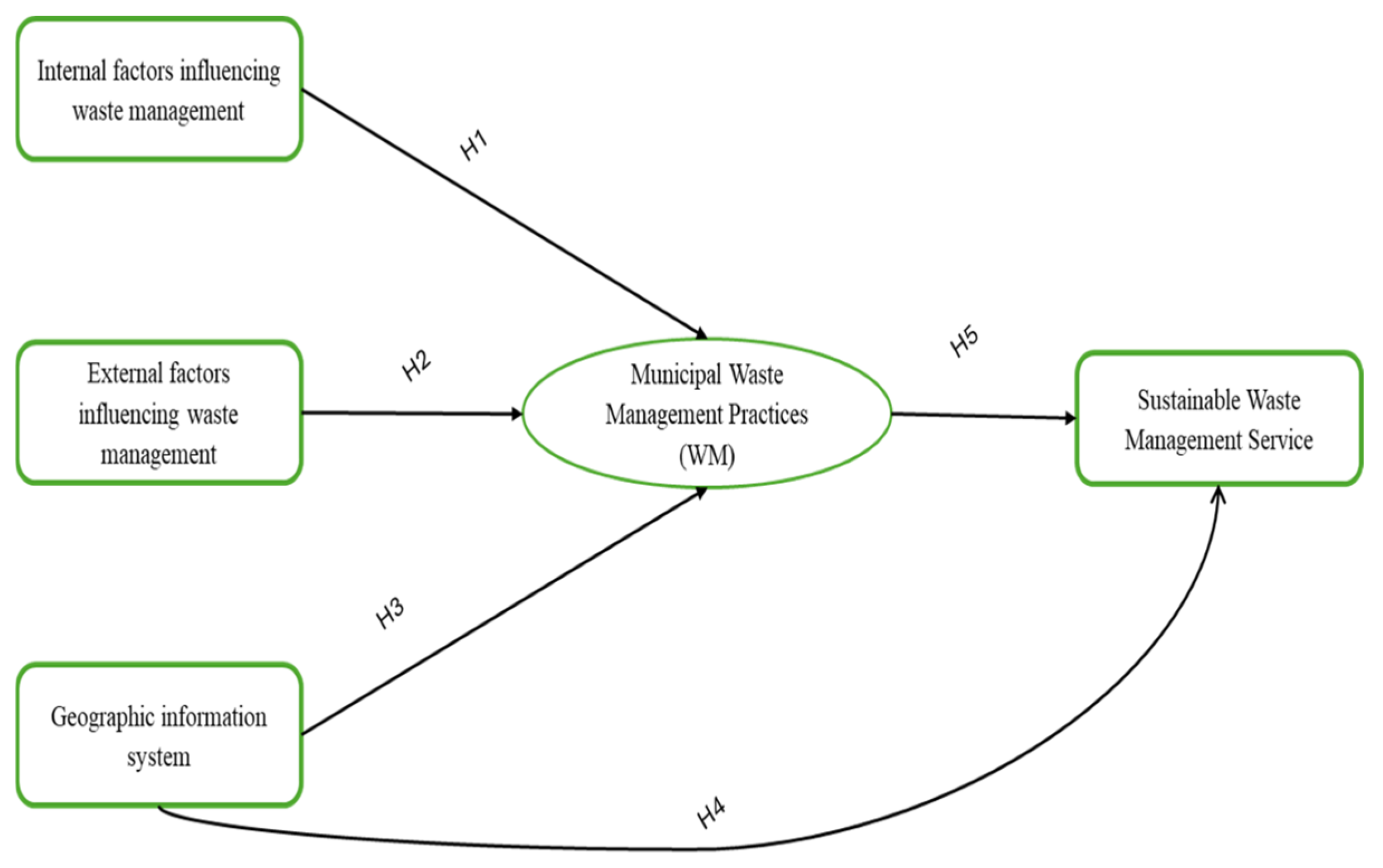
Figure 1. Conceptual framework for the Model of the Municipal Readiness Model for Digital Waste Governance (MRM-DWG).
Sustainability 17 10626 g001
In addition to these direct hypotheses, the framework anticipates potential indirect effects, including the mediating role of operational waste management in shaping strategic outcomes and the interaction of GIS with external support factors. These extended relationships are examined in the structural analysis and discussed in Section 4.3 and Section 4.4.

3. Materials and Methods

3.1. Research Design and Study Area

This study adopted a quantitative, cross-sectional survey design to examine the institutional, technological, and participatory drivers of municipal solid waste management (MSWM) performance. Fieldwork was conducted in four local municipalities, Makhado, Musina, Thulamela, and Collins Chabane, within Vhembe District, Limpopo Province, South Africa. As illustrated in Figure 2.
These sites were selected for their diversity in settlement typologies (urban, township, rural, and farm-based) and their dual characteristics of digital reform mandates, such as GIS adoption and persistent service delivery gaps. This variation created a fitting empirical context for evaluating the MRM-DWG, which posits that internal operational coherence is a prerequisite for the success of digital and participatory reforms.

3.2. Sampling Strategy and Data Collection

A stratified random sampling approach was used to ensure representativeness across municipalities and settlement types. The four typologies (urban, township, rural, and farm-based) were chosen as they reflect the district’s main settlement patterns and service delivery contexts, with households proportionally allocated using municipal population statistics. This approach ensured that the sample reflected the district population structure and was appropriate for testing the proposed framework. The target respondents were adult household members involved in, or knowledgeable about, domestic waste practices.
This study utilized the same household dataset of 399 respondents as in the research conducted by Tahulela et al. [12]. While both studies employed the same survey instrument, Tahulela et al. [12] focused on analyzing behavioral factors. In contrast, this study specifically examines GIS-related variables to develop a readiness model. The questionnaire was administered in English and verbally translated into Tshivenda where necessary. A pilot test with 20 respondents in a neighboring municipality led to refinements in wording and scale alignment.

3.3. Sociodemographic Profile of Respondents

The study analyzed data from 399 respondents, evenly distributed across four municipalities: Makhado, Musina, Collins Chabane, and Thulamela. As shown in Table 1, a substantial proportion resided in rural areas (35.8%) or farm settlements (27.1%). The majority were female (61.4%) and aged between 18 and 39 years (56.1%). Most households consisted of 5–6 members (47.4%), and 34.8% of participants had lived in their communities for more than 20 years. Secondary education was the most commonly reported level (35.6%). Employment status was characterized by self-employment (37.1%) and unemployment (33.1%), while 43.1% of respondents reported monthly household incomes below R10,000 [12]

3.4. Instrumentation and Construct Development

The questionnaire measured five latent constructs derived from institutional theory and the technology acceptance framework, operationalized through 5-point Likert-type items (1 = Strongly Disagree, 5 = Strongly Agree). To illustrate the operationalization of each latent construct, Table 2 presents example items included in the survey instrument. Items were drawn from validated sources and adapted for relevance to the South African local governance context [40,41]. Each constructs maps directly to components of the MRM-DWG model: internal capacity (Stage 1), GIS integration (Stage 2), and external participation (Stage 3). Reliability and validity of the constructs were confirmed through pilot testing, Cronbach’s alpha, and confirmatory factor analysis, ensuring the robustness of the measurement model.

3.5. Data Analysis Procedures

Data were analyzed using IBM SPSS 29 and AMOS 29, following a structured multi-stage process involving both measurement validation and structural modeling.

3.5.1. Exploratory and Confirmatory Factor Analysis

An Exploratory Factor Analysis (EFA) was first conducted to assess the dimensional structure of the constructs. Sampling adequacy was confirmed via a Kaiser-Meyer-Olkin (KMO) value of 0.798 and Bartlett’s test of sphericity (χ2 = 5728.070; df = 253; p < 0.001).
Each construct demonstrated acceptable internal consistency:
  • Cronbach’s alpha ranged from 0.774 to 0.924.
  • Composite Reliability (CR) values exceeded 0.77 for all constructs.
A Confirmatory Factor Analysis (CFA) was then used to validate the measurement model. Convergent validity was confirmed through standardized factor loadings (≥0.66), Average Variance Extracted (AVE) (0.427–0.625), and CR (0.775–0.918). Discriminant validity was established where AVE > MSV for all construct pairs. Model fit indices indicated a strong fit:
CFI = 0.913, IFI = 0.914
RMSEA = 0.076, RMR = 0.030
χ2/df = 3.304

3.5.2. Structural Equation Modeling (SEM)

The full model, based on the MRM-DWG sequencing logic, was tested using SEM with Maximum Likelihood estimation. Five structural paths were examined, linking IF, EF, and GIS to both WM (operational) and SWM (strategic) outcomes. An additional path tested the mediating effect of WM on SWM. The constructs were measured through respondents’ direct involvement in household waste practices, which provided sufficient familiarity with the issues under study, and this informed the evaluation of path significance. Path significance was evaluated via standardized regression weights (β), critical ratios, and p-values.
Model fit remained strong in the structural model:
χ2 = 720.233, df = 213, χ2/df = 3.287,
CFI = 0.913, IFI = 0.914, RMSEA = 0.076, RMR = 0.031
Multicollinearity was assessed via inter-construct correlation matrices, with all correlations < 0.65 and no variance inflation factors (VIFs) exceeding acceptable thresholds.

3.6. Ethical Considerations

Ethical clearance was obtained from the Institutional Research Ethics Committee (IREC) at the Durban University of Technology (Protocol #294/22). Furthermore, the Vhembe District Municipality granted administrative permission. The approval and informed consent process covered both the dataset reported in Tahulela et al. [12] and its reuse in the present analysis. All participants were briefed on the research purpose, confidentiality safeguards, and their right to withdraw. Written informed consent was obtained, and all data were anonymized in compliance with South African data protection legislation.

4. Results

4.1. Analysis of Factors Influencing Waste Management Efficiency

Table 3 presents the factor analysis outcomes, mean scores, and Cronbach’s alpha values. The results revealed that 68.7% of the variance in waste management efficiency was attributable to the four identified constructs. Sampling adequacy was confirmed by a KMO value of 0.798, and Bartlett’s test of sphericity was significant (p < 0.001), indicating the suitability of the factor analysis for the dataset. The factor loadings evaluating the perceived benefits of GIS in waste management ranged from 0.786 to 0.874, demonstrating strong associations among the measured variables. The highest mean score (1.17 ± 0.63) pertained to concerns that using GIS may lead to corruption due to potential financial mismanagement. Nonetheless, there is a strong consensus that GIS can enhance waste collection efficiency, mitigate health hazards, and improve environmental protection. The overall reliability of this construct was high (Cronbach’s alpha = 0.924), affirming the consistency of the responses.
The factor loadings measuring the internal factors affecting waste management efficiency ranged from 0.793 to 0.850, indicating strong associations. The highest mean score (2.04 ± 0.715) was related to the issue of waste being scattered by animals before municipal collectors arrive, underscoring a significant inefficiency in waste collection timing. The lowest mean score (1.96 ± 0.650) was associated with financial constraints preventing residents from purchasing bin bags, resulting in open dumping. The construct exhibited high reliability (Cronbach’s alpha = 0.867), supporting the consistency of the responses.
The factor loadings assessing external factors affecting waste management efficiency ranged from 0.699 to 0.744, with the highest loading (0.744) linked to a lack of technical waste management skills. The highest mean score (2.04 ± 0.766) was associated with inadequate funding for waste collection, indicating that financial constraints are a major external challenge. The lowest mean score (1.86 ± 0.630) pertains to the lack of technical skills, suggesting the need for capacity building in waste management. The construct’s internal reliability was moderate (Cronbach’s alpha = 0.785).
The factor loading evaluating the effectiveness of municipal waste management services ranged from 0.777 to 0.882, with the highest loading (0.882) associated with uncertainty about waste collection schedules. The highest mean score (2.17 ± 0.878) corresponded to waste being left to decompose and litter before collection, highlighting serious inefficiencies in service delivery. The construct had a high reliability score (Cronbach’s alpha = 0.854), confirming response consistency.
The factor loadings assessing waste management practices ranged from 0.662 to 0.770, with the highest loading (0.770) related to concerns about the contamination of natural water sources due to open dumping. The highest mean score (1.99 ± 0.728) was associated with excessive distance to waste disposal points, compelling households to engage in open dumping. The construct had a moderate reliability score (Cronbach’s alpha = 0.774), indicating acceptable internal consistency.

4.2. Scale Reliability and Construct Validity

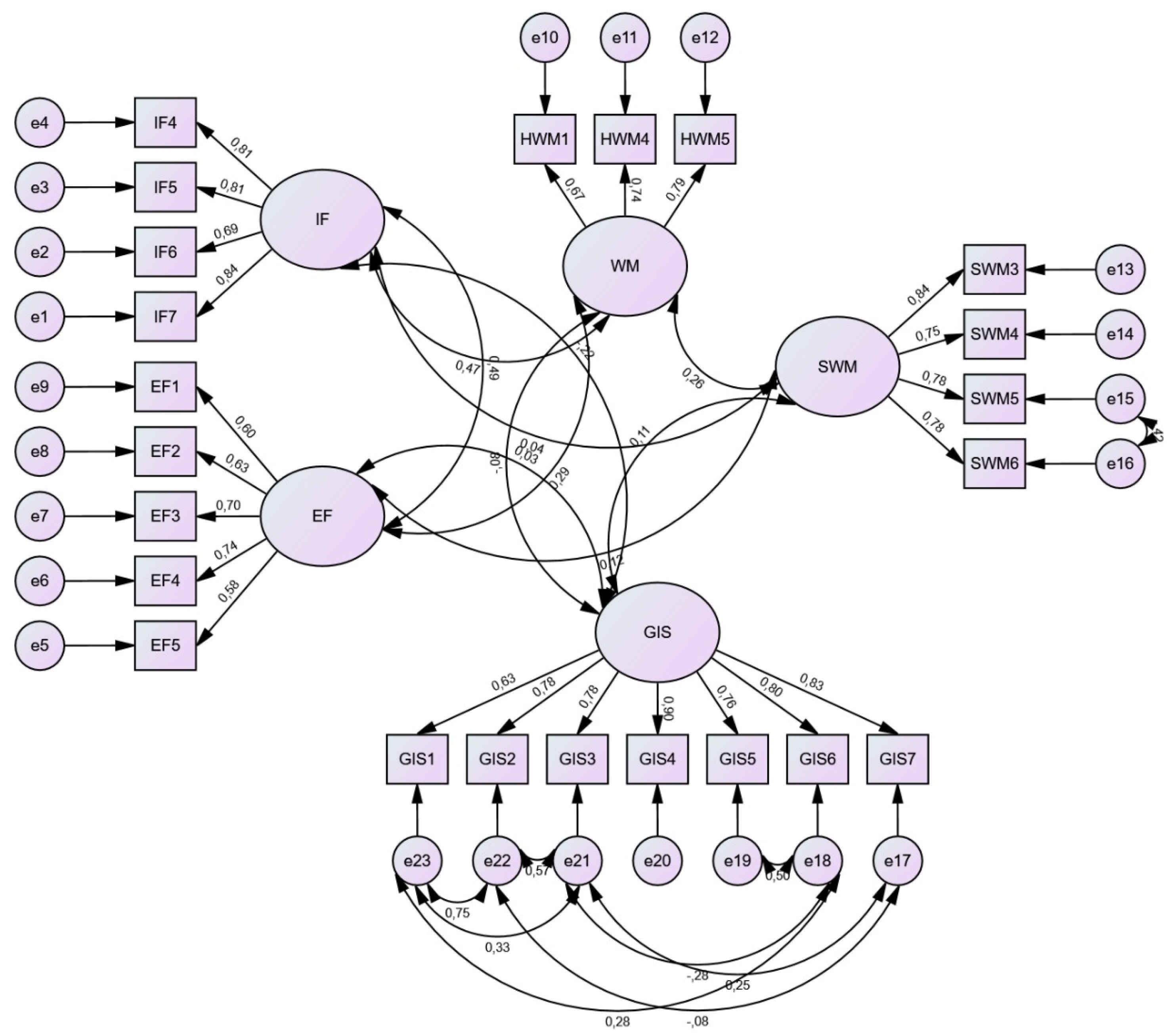
The CFA was subsequently employed to validate the Measurement Model (MM) by assessing its convergent and discriminant validity. Table 4 delineates the composite reliability, convergent validity, and discriminant validity of the MM. Convergent validity pertains to the extent to which a measure correlates with other measures of the same construct Hair et al. [42] The criteria used to assess convergent validity included standardized loadings, construct (composite) reliability, and AVE. The CR for all constructs ranged from 0.775 to 0.918, indicating good to excellent internal consistency. The AVE measures, which reflect the degree to which items represent their respective constructs, ranged from 0.427 to 0.625. Notably, IF and SWM exhibited the highest AVE measures (0.625 and 0.623, respectively), suggesting that their indicators capture a substantial proportion of the variance in their constructs.
Conversely, discriminant validity refers to the degree to which a construct is empirically distinct from other constructs [43]. Maximum Shared Variance (MSV) is employed to assess the discriminant validity of a scale or construct. The MSV represents the highest correlation between a construct and any other construct within the model. For discriminant validity, the AVE must exceed the MSV. The MSV values ranged from 0.046 to 0.240, with IF and EF sharing the highest MSV (0.240). This indicates a moderate correlation between the two constructs, implying that internal and external factors collectively influence waste management efficiency. The maximum reliability, MaxR(H), ranged from 0.783 to 0.930, with GIS (0.930) demonstrating the highest reliability, thereby reinforcing the robustness of its measurements.
The correlation matrix reveals varying degrees of relationship among the constructs. The strongest correlation was observed between IF and EF (r = 0.490), suggesting that internal inefficiencies are closely linked to broader external constraints. The WM also exhibited a moderate correlation with IF (r = 0.473), indicating that internal limitations significantly impact waste collection practices. However, GIS shows a weak correlation with all other constructs, with its highest correlation being negative with internal factors (r = −0.215), implying that GIS adoption is perceived as independent or even negatively associated with existing internal waste management structures.

4.3. Fitness of the Model

The overall fit of the model was evaluated using multiple criteria. The goodness-of-fit indices are as follows: χ2 = 697.2, df = 211, p < 0.001, χ2/df = 3.304, CFI = 0.913, IFI = 0.914, RMR = 0.030, RMSEA = 0.076. These indices indicate that the model appropriately fits the data. The χ2/df value was below the threshold of 5. The Incremental Fit Index (IFI) = 0.914 and the Comparative Fit Index (CFI) = 0.913 exceeded the recommended threshold of 0.90, demonstrating a strong comparative fit relative to the null model. The RMR value of 0.030 was well below the recommended threshold of <0.06, indicating minimal difference between the observed and predicted covariance matrices. The RMSEA of 0.076 was within the recommended ≤0.08 range, suggesting a reasonable fit with minor room for improvement. Overall, the fit indices confirmed that the model provides a reliable and valid representation of the underlying constructs. Figure 3 illustrates the CFA and model fitness.

4.4. Structural Equation Model of Waste Management Variables (Hypothesis Testing)

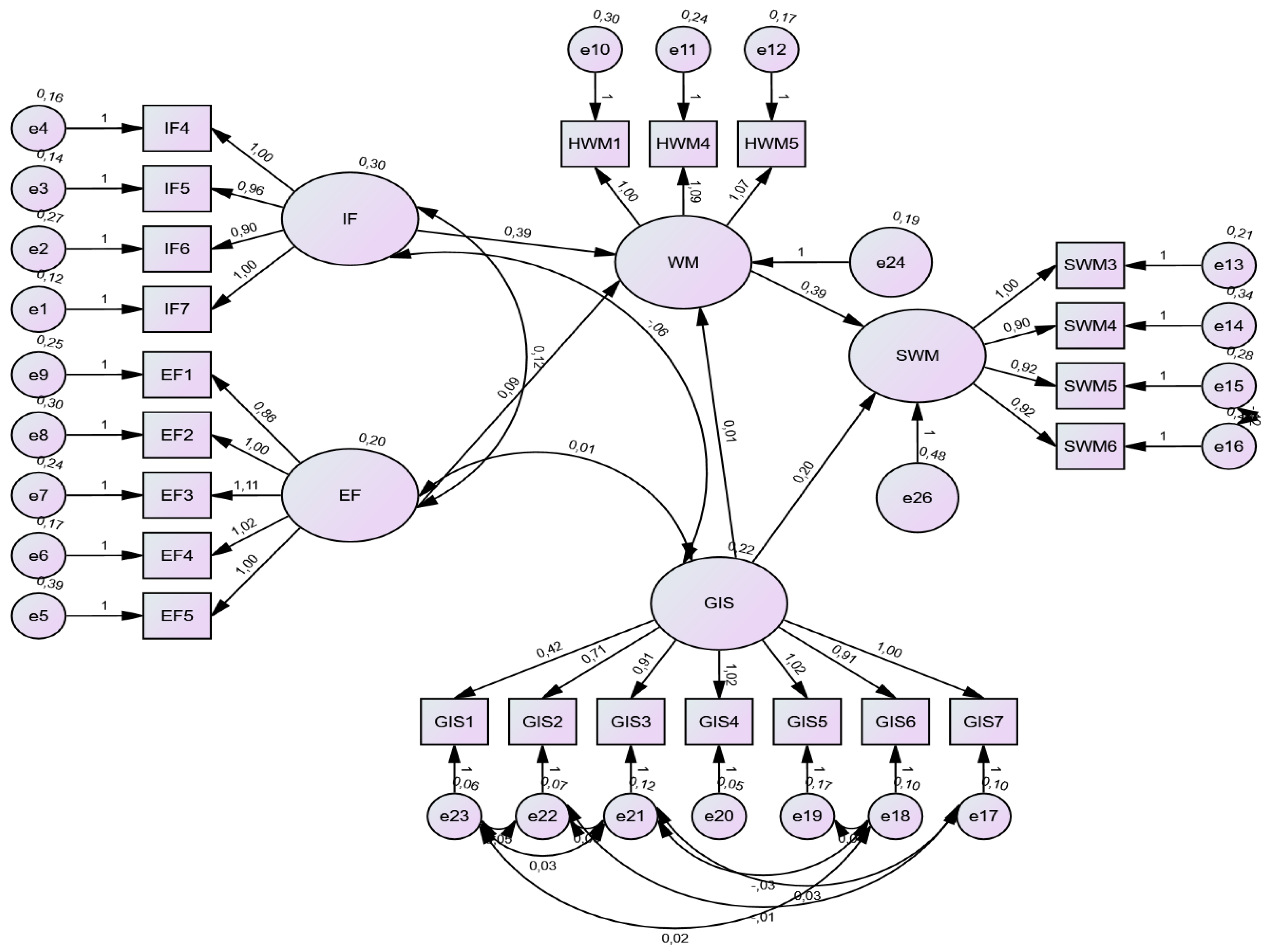
The MM was subsequently transformed into a path model to elucidate the relationships among latent variables. SEM was employed to evaluate all hypothesized relationships among these latent variables. As depicted in Figure 4, rectangular shapes represent independent and dependent manifest or observed variables, while circular shapes denote the corresponding latent variables for each observed variable. The directional arrows illustrate the linkages between the latent variables in the SEM and the analogous variables, thereby establishing operational interplays among them. The numerical values adjacent to the latent variables in the SEM are factor loadings, referred to as standardized regression weights (SRW). The criteria used to assess the goodness of fit for the MM were similarly applied to the structural model. The goodness-of-fit indices were as follows: χ2 = 720.2, df = 213, p < 0.001, χ2/df = 3.381, CFI = 0.913, RMR = 0.031, IFI = 0.914, RMSEA = 0.076, indicating that the measurement model was acceptable. Consequently, the model was found to align with the empirical data.
The relationships between the independent variables (IVs) and their respective dependent variables (DVs) are shown in Table 5. As hypothesized in the conceptual framework, the path from IF to municipal waste management practices was statistically significant (β = 0.432; CR = 5.653; p < 0.001), suggesting that improvements in internal factors lead to significant enhancements in WM. Therefore, the decision rule is to reject the null hypothesis and accept the alternative hypothesis (H1), which posits that IF has a positive impact on WM.
Conversely, the path from EF to WM was not statistically significant (β = 0.078; CR = 1.084; p = 0.278). This finding indicates that variations in external factors do not significantly influence municipal waste management practices. Thus, the decision rule is to fail to reject the null hypothesis, indicating insufficient evidence to support the alternative hypothesis (H2), which asserts that EF has a positive impact on WM.
Similarly, the path from GIS to municipal waste management practices was not statistically significant (β = 0.007; CR = 0.119; p = 0.905). This suggests that GIS does not directly influence municipal waste management practices. The decision rule is to fail to reject the null hypothesis, as there is no significant relationship supporting the alternative hypothesis (H3) that GIS influences WM.
However, the path from GIS to the SWM was significant (β = 0.130; CR = 2.395; p = 0.017), indicating that GIS positively influences SWM. The decision rule is to reject the null hypothesis and accept the alternative hypothesis (H4), which states that the GIS has a positive effect on SWM.
Similarly, the relationship between municipal waste management practices (WM) and the Effectiveness of Municipal Waste Management Services (SWM) was found to be significant (β = 0.267; CR = 4.385; p < 0.001), indicating that WM positively influences SWM. The decision criterion was to reject the null hypothesis and accept the alternative hypothesis (H5), which posited that WM exerts a positive effect on SWM.

5. Discussion

5.1. Internal Capacity: Foundational Determinant of Waste Governance

The study confirms that internal municipal capacity exerts the most significant influence on routine waste management practices in the study context (β = 0.432, p < 0.001). This construct encompasses staffing adequacy, service regularity, financial coordination, and logistical responsiveness. These internal functions are foundational to governance reform. This interpretation builds on earlier research that documents institutional weaknesses as service delivery bottlenecks [41] by clarifying their temporal and structural role. Internal systems shape the success of other reform mechanisms. In municipalities where internal performance, defined by reliable scheduling, staff presence, and logistical flow, was robust, outcomes in waste collection and routing improved consistently [21]. Consequently, the study proposes that internal readiness constitutes Stage 1 of the MRM-DWG. It must precede digital and participatory interventions. The model embeds institutional thresholds into reform sequencing, contributing to frameworks emphasizing absorptive capacity and reform pacing [44].
Cross-contextual evidence reinforces this logic. In Bangladesh, digital tracking systems failed to improve service delivery, where operational routines remained unstable [4]. In Uganda, participatory platforms delivered limited gains in municipalities lacking baseline budgets and staff continuity [39,45]. These cases echo the pattern observed in Vhembe, reinforcing the model’s temporal logic. This evidence contributes to a governance literature that increasingly prioritizes “when” reforms are implemented, not just “what” reforms are chosen. In low-capacity municipalities, digital and participatory innovations should follow, not precede, the consolidation of basic internal functionality.

5.2. External Inputs as Conditional, Not Independent, Enablers

External factors, including stakeholder engagement, intergovernmental collaboration, and funding, did not significantly influence routine waste practices in the SEM model (β = 0.078, p = 0.278). Although normatively important, these mechanisms depend on internal system maturity. This challenges governance models that treat external support as autonomous levers of change. Instead, external inputs act as latent enablers: effective only when logistical and human resource systems are stable. This finding aligns with institutional embeddedness theory, which posits that external reforms only succeed when adapted to local institutional architecture Pritchett et al. [44]. The observed correlation between internal and external factors (r = 0.490) suggests that external effectiveness may be mediated by internal improvements. Within the MRM-DWG, external interventions are assigned to Stage 3, serving as scaling mechanisms. They scale but cannot replace foundational delivery systems.
International evidence supports this: a study by Duru et al. [46] in Nigeria, donor-funded reforms failed without internal tracking systems, while Nepal’s community initiatives stagnated due to municipal fragmentation [28,47]. An alternative explanation for the weak statistical association may involve perceptions: in low-capacity municipalities, external platforms may appear symbolic or donor-driven rather than integrated into daily operations. This disconnect may explain their limited observed impact. Thus, while external participation and support remain important, their introduction should follow system stabilization to avoid mismatched interventions.

5.3. GIS as a Strategic Enabler, Not an Operational Instrument

The role of GIS varied across waste governance layers. While GIS had no significant impact on daily operations (β = 0.007, p = 0.905), it showed a moderate positive effect on strategic service effectiveness (β = 0.130, p = 0.017). This highlights that GIS is effective for strategic planning but not routine operations. GIS was conceptualized through perceived benefits such as route optimization and infrastructure mapping. However, respondents often lacked direct experience with GIS. This limited deployment likely explains GIS’s minimal operational role. The findings challenge linear adoption models like the TAM, which assumes perceived usefulness leads directly to use. Instead, they support a phased logic: digital tools function effectively only after operational baselines are stabilized.
Thus, GIS aligns with Stage 2 of the MRM-DWG as a strategic instrument for data visualization, planning, and forecasting, not for routine collection or fault reporting, which depend on staff and logistics. Experiences from Pakistan and Indonesia confirm this pattern, where GIS adoption failed under weak operational conditions [16,48]. By contrast, GIS applications in Shone Town and Dessie City (Ethiopia) [18,22], as well as in Azuay Province (Ecuador) [49] and Pedro Ruiz Gallo (Peru) [20], only proved successful after municipal authorities had standardized internal service routines and aligned institutional processes. This confirms that GIS effectiveness is conditional, not universal, and depends on timing, training, and system readiness.

5.4. Framing the Municipal Readiness Model for Digital Waste Governance (MRM-DWG)

The MRM-DWG emerges from the study’s empirical results as a sequenced framework designed to align reform interventions with a municipality’s institutional capacity. Drawing upon layered SEM performance outcomes, the model provides a structured pathway for understanding when and how internal, digital, and participatory mechanisms influence waste governance outcomes.
To visualize this sequencing, Figure 5 presents the MRM-DWG. The model translates SEM results into three-phase logic: internal capacity (Stage 1), digital integration (Stage 2), and participatory engagement (Stage 3). Solid arrows indicate statistically supported paths (IF-WM; GIS-SWM; WM-SWM), while dashed lines represent non-significant or conditional relationships (EF-WM; GIS-WM), emphasizing the importance of sequencing reform interventions. A comparative synthesis of the MRM-DWG against widely cited governance reform models is presented in Table 6. At its core, the MRM-DWG proposes:
  • Stage 1—Operational Readiness: Foundational capacity is characterized by adequate staffing, regular collection, logistical coordination, and financial control. This stage showed the strongest predictive relationship with waste performance (β = 0.432, p < 0.001).
  • Stage 2—Strategic Digital Integration: Once functionality stabilizes, GIS and related tools support planning, forecasting, and spatial optimization. GIS significantly influenced strategic outcomes (β = 0.130, p = 0.017), but not daily operations.
  • Stage 3—Participatory and External Engagement: External collaboration becomes meaningful only after foundational and strategic systems are in place. The non-significant effect of external factors (β = 0.078, p = 0.278) underlines their dependence on prior internal capacity.
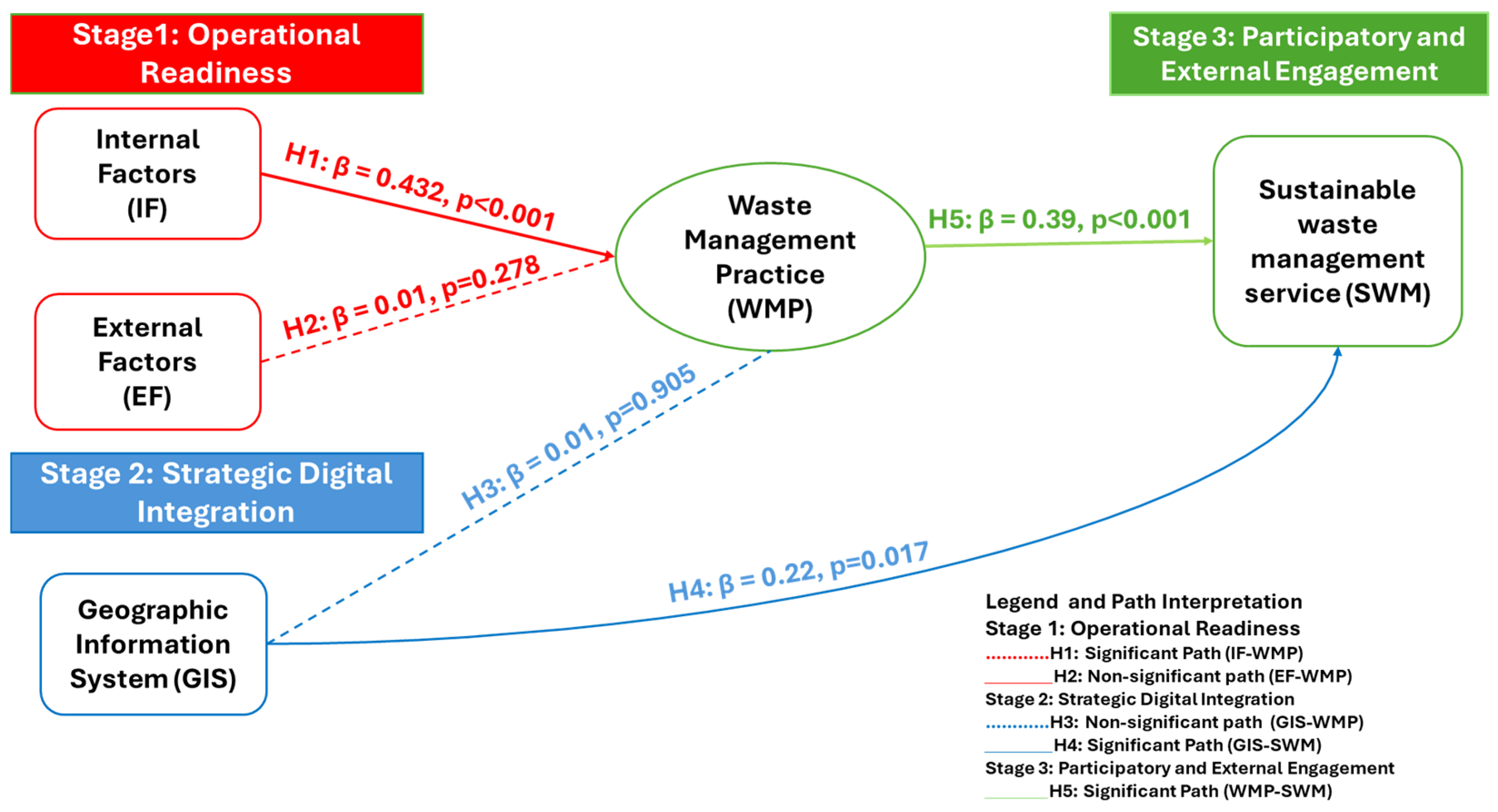
Figure 5. Municipal Readiness Model for Digital Waste Governance (MRM-DWG).
Sustainability 17 10626 g005
Table 6. Comparative view of the MRM-DWG against prominent governance frameworks.
FrameworkCore AssumptionsLimitationsMRM-DWG Distinction
Additive Reform ModelsInterventions are most effective when layered togetherIgnore sequencing, overburden low-capacity systemsIntroduces staged logic based on capacity thresholds
ICT4D (Information and Communication for Development)Technology drives performanceOften assumes linear adoption; ignores institutional maturityAligns digital integration with system maturity, not universal adoption
Participatory GovernanceCommunity involvement increases accountability and efficiencyPresumes readiness for participationDelays participatory scaling until institutional groundwork is secured
Smart City or Policy Transfer ModelsGlobal solutions are replicable across urban settingsDownplays local variation and embedded constraintsAnchors reform logic in the municipal context, emphasizing readiness diagnostics
This logic replaces additive reform models with a capacity-sensitive sequencing tool, grounded in institutional theory and reform pacing frameworks [44].

5.5. Implications and Policy Recommendations

The findings of this study offer a refined, readiness-based framework for guiding waste governance reforms in resource-constrained municipal systems. Rather than promoting simultaneous interventions, the evidence supports a sequenced strategy, one that acknowledges the varying absorptive capacity of institutions and matches intervention types to distinct phases of governance maturity.

5.5.1. Implication 1: Operational Capacity Must Precede Reform Initiatives

The consistent statistical significance of internal factors (β = 0.432, p < 0.001) emphasizes that reforms should begin with strengthening routine service delivery. Municipalities must first address baseline constraints such as staffing shortfalls, irregular collection, coordination inefficiencies, and logistical breakdowns. These dimensions are often overlooked in digital-first strategies, forming the core of the operational ecosystem upon which all subsequent reforms depend.
  • Policy Recommendation: National and provincial governments should invest in diagnostic audits that assess municipal readiness through indicators like equipment uptime, staff-to-service ratios, and collection regularity. Targeted funding for basic delivery systems rather than premature ICT upgrades should be prioritized where internal gaps persist.

5.5.2. Implication 2: Align Digital Tools with Strategic, Not Tactical, Objectives

The empirical finding that GIS had no significant impact on daily operations (β = 0.007, p = 0.905) but positively affected strategic effectiveness (β = 0.130, p = 0.017) suggests the need to reconceptualize the role of technology in waste governance. In municipalities where operational foundations are fragile, digital tools are unlikely to resolve routine inefficiencies but can support planning, forecasting, and long-term infrastructure development.
  • Policy Recommendation: GIS and other smart city technologies should be positioned as medium- to long-term investments. Their deployment should follow service stabilization and should be oriented toward spatial optimization tasks such as route design, landfill siting, and equitable infrastructure allocation. This aligns with findings from cities like Kigali and Nairobi, where GIS success was contingent on baseline system reliability [50], and contrasts with failure cases in Pakistan and Indonesia, where digital tools were introduced prematurely [16,48].

5.5.3. Implication 3: Stage Participatory Mechanisms According to Institutional Readiness

The non-significance of external factors in predicting operational performance (β = 0.078, p = 0.278) suggests that stakeholder participation and external funding, while normatively important, are not inherently effective unless introduced within a functioning system. When layered onto unstable systems, participatory mechanisms may be symbolic or lead to stakeholder fatigue.
  • Policy Recommendation: Donor agencies and development programs should calibrate their participatory expectations to match municipal capacity levels. Participatory forums, community engagement platforms, and co-production schemes should be introduced only after foundational delivery mechanisms and strategic planning systems are functional. Evidence from Nepal and Ghana supports this sequence, showing that external partnerships failed to yield measurable improvements where internal coherence was lacking [51,52]

5.6. Framework Application: MRM-DWG as a Governance Planning Tool

The MRM-DWG offers practical value beyond the immediate study context. It can serve as a diagnostic tool for multiple actors:
  • Local Governments: to assess readiness levels and prioritize capacity-building before reform sequencing.
  • Development Agencies: to target interventions (e.g., funding, technical assistance) in alignment with institutional maturity.
  • Researchers and Evaluators: to apply the model in comparative contexts across sectors such as water, sanitation, and energy governance.

5.7. Implication: Future GIS Integration Should Be Spatially Grounded

Although this study did not involve primary GIS-based spatial analysis, its findings highlight the importance of GIS integration at the strategic level (Stage 2 of the MRM-DWG). To strengthen this phase, future research and municipal practice in regions such as Vhembe should incorporate spatial diagnostics that go beyond perception-based modeling. For example, the United Nations Environment Program [17] shows how GIS tools can be used to guide landfill siting and broader resource recovery planning. In Nepal, Bharadwaj et al. [47] demonstrate how spatial analysis can optimize waste collection routes and strengthen financial planning for municipalities. Similarly, Nikou et al. [48] illustrate how spatial data can be used to map underserved communities and highlight disparities in access to waste services.
Such approaches have been applied in similar contexts. Cobos-Mora et al. [53] used multi-criteria GIS analysis to select equitable transfer station sites in Ecuador, while Araiza-Aguilar et al. [49] employed spatial modeling to design optimized waste collection networks in peri-urban Latin America. These spatial planning strategies foreground equity, and environmental risk reduction outcomes remain vital for sustainable service delivery.
Embedding these spatial functions into the digital planning phase of the MRM-DWG would enhance both its analytical utility and its relevance to municipalities seeking to align with SDG 11 (inclusive cities) and SDG 13 (climate action). Future studies applying the model should therefore incorporate GIS-based mapping as a decision-support tool to complement the perception-based insights reported here.

5.8. Contextual Generalizability and Scaling of the MRM-DWG

Although this study focuses on South Africa’s Vhembe District broadly, the scope of application for the MRM-DWG extends to municipalities in other low- and middle-income contexts where governance fragmentation and capacity constraints hinder reform, including but not limited to regions across Sub-Saharan Africa and Asia. Its sequenced approach, prioritizing operational readiness before digital and participatory interventions, offers a flexible framework adaptable to diverse local contexts.
However, effective transferability depends on contextual diagnostics. Differences in institutional maturity, fiscal autonomy, and civic engagement may shape the model’s applicability. Cities such as Kampala, Dhaka, or Kumasi, where digital tools have been introduced in low-capacity environments, could benefit from using the MRM-DWG as a diagnostic tool to recalibrate the sequencing of reforms.
Future applications of this model should follow principles of adaptive policy design [44], emphasizing institutional fit over uniform replication. This enhances its relevance for development partners, local governments, and reform evaluators seeking scalable, phased strategies in resource-constrained urban systems.

5.9. Limitations and Future Research

This study surveyed 399 households across four municipalities using a stratified random sampling design to ensure proportional representation across settlement types. While households were chosen deliberately as the unit of analysis because they are both direct service recipients and active participants in waste practices, the perspectives of municipal officials, private contractors, NGOs, and informal waste workers were not included. Future research should extend the MRM-DWG by incorporating these stakeholders to capture a fuller, multi-actor validation of governance readiness. In addition, comparative assessments with alternative governance frameworks would further clarify the distinct contributions and boundaries of the MRM-DWG. This study utilized the dataset from Tahulela et al. [12]. While different variables were investigated in this analysis, relying on a single survey restricts the ability to validate the findings externally. Future research should replicate the model using independent datasets for more robust results.

6. Conclusions

This study investigated the layered interdependencies between internal capacity, digital integration, and external engagement in shaping municipal waste management outcomes in South Africa’s Vhembe District. Employing SEM, the analysis found that internal operational capacity encompassing workforce adequacy, financial coordination, and service regularity was the most significant predictor of effective waste governance (β = 0.432, p < 0.001). In contrast, digital tools such as GIS and external inputs like stakeholder participation exhibited conditional effects, effective only after internal systems had stabilized. The study has achieved its stated objective by demonstrating that operational capacity forms the foundation for reform effectiveness, while GIS integration and participatory engagement yield sustainable impact only when sequenced upon this capacity. In doing so, the study developed and validated the MRM-DWG, providing a structured framework for aligning reform components with institutional maturity.
These findings contribute to a growing body of literature emphasizing context-sensitive, staged reform strategies over parallel or additive models. By empirically distinguishing between operational and strategic performance domains, the study introduces MRM-DWG, a sequential, staged framework aligning interventions with institutional maturity:
  • Stage 1: Internal stability forms the precondition for reform success.
  • Stage 2: Strategic digital technologies follow operational consolidation.
  • Stage 3: Participatory scaling becomes effective only when embedded within stable, functioning systems.
The primary contribution, therefore, is the MRM-DWG’s sequential logic, which aligns governance interventions explicitly with absorptive capacity and institutional readiness. Although derived from a single case study, the logic underpinning the MRM-DWG demonstrates clear potential for adaptation across other low- and middle-income municipal contexts characterized by fragmented governance and constrained capacities.
Future research should empirically test and refine the MRM-DWG in comparative and longitudinal settings across other governance domains, such as water, sanitation, and energy, thereby further validating its generalizability. This would enhance its utility as a practical tool for structuring realistic, phased approaches to institutional reform in resource-constrained environments globally.
This study’s cross-sectional design precludes causal inference and may not capture temporal dynamics in institutional reform or digital adoption. Further, reliance on self-reported data introduces the potential for perceptual bias. Although measurement validity was rigorously tested, future research could strengthen generalizability through Longitudinal panel studies to track institutional maturity over time

Author Contributions

Conceptualization, A.C.T. and S.H.; methodology, A.C.T.; software, A.C.T.; validation, A.C.T., S.H. and M.E.L.; formal analysis, A.C.T.; investigation, A.C.T.; resources, S.H.; writing—original draft preparation, A.C.T.; writing—review and editing, S.H. and M.E.L.; visualization, A.C.T. and S.H.; funding acquisition, A.C.T. All authors have read and agreed to the published version of the manuscript.

Funding

This work was supported by the Space Science grant from the Department of Science and Technology at the Durban University of Technology.

Institutional Review Board Statement

The study was conducted in accordance with the approval by the Institutional Research Ethics Committee of Durban University of Technology (Ethics Clearance Number: IREC 294/22 and 4 July 2023).

Informed Consent Statement

Informed consent was obtained from all subjects involved in the study.

Data Availability Statement

The data that support the findings of this study, also analyzed in Tahulela et al. [12], are available from the corresponding author, Aifani Confidence Tahulela, upon reasonable request.

Conflicts of Interest

The authors declare no conflicts of interest. The funders had no role in the design of the study, in the collection, analysis, or interpretation of data, in the writing of the manuscript, or in the decision to publish the results.

Abbreviations

The following abbreviations are used in this manuscript:
AVEAverage Variance Extracted
CFAConfirmatory Factor Analysis
CFIComparative Fit Index
CRConstruct (Composite) Reliability
DVsDependent Variables
EFExternal Factors
EFAExploratory Factor Analysis
GISGeographic Information Systems
IFInternal Factors
IVsIndependent Variables
IWMPsIntegrated Waste Management Plans
KMOKaiser-Meyer-Olkin
LMICsLow- and Middle-Income Countries
MaxR(H)Maximum Reliability
MMMeasurement Model
MRM-DWGMunicipal Readiness Model for Digital Waste Governance
MSWMMunicipal Solid Waste Management
SEMStructural Equation Modeling
SWMStrategic (Sustainable) Waste Management
TAMTechnology Acceptance Model
WMWaste Management
WMPWaste Management Practice

References

  1. Lal, R.; Bouma, J.; Brevik, E.; Dawson, L.; Field, D.J.; Glaser, B.; Hatano, R.; Hartemink, A.E.; Kosaki, T.; Lascelles, B.; et al. Soils and Sustainable Development Goals of the United Nations: An International Union of Soil Sciences Perspective. Geoderma Reg. 2021, 25, e00398. [Google Scholar] [CrossRef]
  2. Zhang, Z.; Chen, Z.; Zhang, J.; Liu, Y.; Chen, L.; Yang, M.; Osman, A.I.; Farghali, M.; Liu, E.; Hassan, D.; et al. Municipal Solid Waste Management Challenges in Developing Regions: A Comprehensive Review and Future Perspectives for Asia and Africa. Sci. Total Environ. 2024, 930, 172794. [Google Scholar] [CrossRef]
  3. Kaza, S.; Yao, L.; Bhada-Tata, P.; Van Woerden, F. What Waste 2.0: A Global Snapshot of Solid Waste Management to 2050; World Bank: Washington, DC, USA, 2018. [Google Scholar] [CrossRef]
  4. Abir, T.M.; Datta, M.; Saha, S.R. Assessing the Factors Influencing Effective Municipal Solid Waste Management System in Barishal Metropolitan Areas. J. Geosci. Environ. Prot. 2023, 11, 49–66. [Google Scholar] [CrossRef]
  5. Ukala, D.C.; Ifeanyi, A.; Owamah, H.I. A Review of Solid Waste Management Practice in Nigeria. NIPES—J. Sci. Technol. Res. 2020, 2, 169–174. [Google Scholar] [CrossRef]
  6. Department of Environmental Affairs and Tourism. National Waste Management Strategy Implementation: Recycling and Extended Producer Responsibility; Department of Environmental Affairs and Tourism: Pretoria, South Africa, 2005; pp. 1–29. Available online: https://sawic.environment.gov.za/documents/234.pdf (accessed on 1 October 2025).
  7. Makhado Local Municipality. Integrated Waste Management Plan (IWMP); Makhado Local Municipality: Makhado, South Africa, 2017.
  8. National Environmental Management. National Environmental Management: Waste Act 59 of 2008; National Environmental Management: Nairobi, Kenya, 2009.
  9. Kubanza, N.S. Analysing the Challenges of Solid Waste Management in Low-Income Communities in South Africa: A Case Study of Alexandra, Johannesburg. S. Afr. Geogr. J. 2025, 107, 169–189. [Google Scholar] [CrossRef]
  10. Raghu, S.J.; Rodrigues, L.L.R. Behavioral Aspects of Solid Waste Management: A Systematic Review. J. Air Waste Manag. Assoc. 2020, 70, 1268–1302. [Google Scholar] [CrossRef]
  11. Viljoen, J.M.M.; Schenck, C.J.; Volschenk, L.; Blaauw, P.F.; Grobler, L. Household Waste Management Practices and Challenges in a Rural Remote Town in the Hantam Municipality in the Northern Cape, South Africa. Sustainability 2021, 13, 5903. [Google Scholar] [CrossRef]
  12. Tahulela, A.C.; Hashemi, S.; Lourens, M.E. Household Waste Disposal Under Structural and Behavioral Constraints: A Multivariate Analysis from Vhembe District, South Africa. Sustainability 2025, 17, 7429. [Google Scholar] [CrossRef]
  13. Mukwevho, P.; Radzuma, P.; Roos, C. Exploring Barriers to the Effective Implementation of Integrated Waste Management Plans in Developing Economies: Lessons Learned from South African Municipalities. Sustainability 2024, 16, 9643. [Google Scholar] [CrossRef]
  14. Khatoon, A. Waste Management—A Case Study in Nepal. In Solid Waste Policies and Strategies: Issues, Challenges and Case Studies; Springer: Singapore, 2020; pp. 185–196. [Google Scholar]
  15. Patel, J.; Mujumdar, S.; Srivastava, V.K. Municipal Solid Waste Management in India-Current Status, Management Practices, Models, Impacts, Limitations, and Challenges in Future. Adv. Environ. Res. 2023, 12, 95–111. [Google Scholar] [CrossRef]
  16. Filimonova, N.; Birchall, S.J. Sustainable Municipal Solid Waste Management: A Comparative Analysis of Enablers and Barriers to Advance Governance in the Arctic. J. Environ. Manag. 2024, 371, 123111. [Google Scholar] [CrossRef]
  17. United Nations Environment Programme. Beyond an Age of Waste Turning Rubbish into a Resource; United Nations Environment Programme: Nairobi, Kenya, 2024; ISBN 978-92-807-4129-2.
  18. Chandel, A.S.; Weto, A.E.; Bekele, D. Geospatial Technology for Selecting Suitable Sites for Solid Waste Disposal: A Case Study of Shone Town, Central Ethiopia. Urban Plan Transp. Res. 2024, 12, 2302531. [Google Scholar] [CrossRef]
  19. Nguyen, A.T.; Nguyen, N.; Phung, P.; Yến-Khanh, N. Residents’ Waste Management Practices in a Developing Country: A Social Practice Theory Analysis. Environ. Chall. 2023, 13, 100770. [Google Scholar] [CrossRef]
  20. Medina-Medina, A.J.; Salas López, R.; Barboza, E.; Tuesta-Trauco, K.M.; Zabaleta-Santiesteban, J.A.; Guzman, B.K.; Oliva-Cruz, M.; Tariq, A.; Rojas-Briceño, N.B. Participation GIS for the Monitoring of Areas Contaminated by Municipal Solid Waste: A Case Study in the City of Pedro Ruiz Gallo (Peru). Case Stud. Chem. Environ. Eng. 2024, 10, 100941. [Google Scholar] [CrossRef]
  21. Hussain, I.; Elomri, A.; Kerbache, L.; El Omri, A. El Smart City Solutions: Comparative Analysis of Waste Management Models in IoT-Enabled Environments Using Multiagent Simulation. Sustain. Cities Soc. 2024, 103, 105247. [Google Scholar] [CrossRef]
  22. Kebede, H.A.; Ayenew, W.A. Solid Waste Disposal Site Selection Analysis Using Geospatial Technology in Dessie City Ethiopia. Heliyon 2023, 9, e18865. [Google Scholar] [CrossRef]
  23. Yukalang, N.; Clarke, B.; Ross, K. Barriers to Effective Municipal Solid Waste Management in a Rapidly Urbanizing Area in Thailand. Int. J. Envrion. Res. Public Health 2017, 14, 1013. [Google Scholar] [CrossRef] [PubMed]
  24. Strydom, W.F. Barriers to Household Waste Recycling: Empirical Evidence from South Africa. Recycling 2018, 3, 41. [Google Scholar] [CrossRef]
  25. Shabani, T.; Defe, R.; Mavugara, R.; Mupepi, O.; Shabani, T. Application of Geographic Information Systems (GIS) and Remote Sensing (RS) in Solid Waste Management in Southern Africa: A Review. SN Soc. Sci. 2024, 4, 39. [Google Scholar] [CrossRef]
  26. Mudzusi, T.N.; Munzhedzi, P.H.; Mahole, E. Governance Challenges in the Provision of Municipal Services: In the Vhembe District Municipality. Afr. Public Serv. Deliv. Perform. Rev. 2024, 12, 749. [Google Scholar] [CrossRef]
  27. Zwane, N.; Botai, J.O.; Nozwane, S.H.; Jabe, A.; Botai, C.M.; Dlamini, L.; Nhamo, L.; Mpandeli, S.; Petja, B.; Isaac, M.; et al. Analysis of the Projected Climate Impacts on the Interlinkages of Water, Energy, and Food Nexus Resources in Narok County, Kenya, and Vhembe District Municipality, South Africa. Water 2025, 17, 1449. [Google Scholar] [CrossRef]
  28. Kalina, M.; Makwetu, N.; Tilley, E. “The Rich Will Always Be Able to Dispose of Their Waste”: A View from the Frontlines of Municipal Failure in Makhanda, South Africa. Envrion. Dev. Sustain. 2023, 26, 17759–17782. [Google Scholar] [CrossRef] [PubMed]
  29. Cohen, W.M.; Levinthal, D.A. Absorptive Capacity: A New Perspective on Learning and Innovation. Adm. Sci. Q. 1990, 35, 128. [Google Scholar] [CrossRef]
  30. Zahra, S.A.; George, G. Absorptive Capacity: A Review, Reconceptualization, and Extension. Acad. Manag. Rev. 2002, 27, 185. [Google Scholar] [CrossRef]
  31. DiMaggio, P.J.; Powell, W.W. The Iron Cage Revisited: Institutional Isomorphism and Collective Rationality in Organizational Fields. Am. Sociol. Rev. 1983, 48, 147. [Google Scholar] [CrossRef]
  32. Davis, F.D. Perceived Usefulness, Perceived Ease of Use, and User Acceptance of Information Technology. MIS Q. 1989, 13, 319. [Google Scholar] [CrossRef]
  33. Olaniyi, F.C.; Ogola, J.S.; Tshitangano, T.G. Challenges of Effective Management of Medical Waste in Low-Resource Settings: Perception of Healthcare Workers in Vhembe District Healthcare Facilities, South Africa. Trans. R. Soc. S. Afr. 2021, 76, 81–88. [Google Scholar] [CrossRef]
  34. Godfrey, L.; Scott, D.; Trois, C. Caught between the Global Economy and Local Bureaucracy: The Barriers to Good Waste Management Practice in South Africa. Waste Manag. Res. J. A Sustain. Circ. Econ. 2013, 31, 295–305. [Google Scholar] [CrossRef]
  35. Venkatesh, V.; Davis, F.D. A Theoretical Extension of the Technology Acceptance Model: Four Longitudinal Field Studies. Manag. Sci. 2000, 46, 186–204. [Google Scholar] [CrossRef]
  36. Scott, W.R. Institutions and Organizations: Ideas and Interests; Sage: Thousand Oaks, CA, USA, 2008. [Google Scholar]
  37. Paul, M.; Bussemaker, M.J. A Web-Based Geographic Interface System to Support Decision Making for Municipal Solid Waste Management in England. J. Clean. Prod. 2020, 263, 121461. [Google Scholar] [CrossRef]
  38. Soukopová, J.; Ochrana, F.; Klimovský, D.; Mikušová Meričková, B. Factors Influencing the Efficiency and Effectiveness of Municipal Waste Management Expenditure. Lex Localis J. Local Self-Gov. 2016, 14, 359–378. [Google Scholar] [CrossRef]
  39. Katusiimeh, M.W.; Nabimanya, B.; Komwangi, D. The Neglected Governance Challenges of Solid Waste Management in Uganda: Insights from a Newly Created City of Mbarara. Afr. J. Gov. Public Leadersh. (AJoGPL) 2023, 1, 28–41. [Google Scholar]
  40. Adedara, M.L.; Taiwo, R.; Bork, H.-R. Municipal Solid Waste Collection and Coverage Rates in Sub-Saharan African Countries: A Comprehensive Systematic Review and Meta-Analysis. Waste 2023, 1, 389–413. [Google Scholar] [CrossRef]
  41. Finocchiaro Castro, M.; Guccio, C.; Romeo, D.; Vidoli, F. How Does Institutional Quality Affect the Efficiency of Local Government? An Assessment of Italian Municipalities. Econ Polit 2025, 42, 569–597. [Google Scholar] [CrossRef]
  42. Hair, J.F.; Hult, G.T.M.; Ringle, C.M.; Sarstedt, M.; Danks, N.P.; Ray, S. Partial Least Squares Structural Equation Modeling (PLS-SEM) Using R; Springer International Publishing: Cham, Switzerland, 2021; ISBN 978-3-030-80518-0. [Google Scholar]
  43. Hair, J.F. A Primer on Partial Least Squares Structural Equation Modeling (PLS-SEM); Sage Publications: Thousand Oaks, CA, USA, 2017. [Google Scholar]
  44. Andrews, M.; Pritchett, L.; Woolcock, M. Building State Capability: Evidence, Analysis, Action; Oxford University Press: Oxford, UK, 2017. [Google Scholar]
  45. Okot-Okumu, J. Solid Waste Management in Uganda. In Future Directions of Municipal Solid Waste Management in Africa; Africa Institute of South Africa: Pretoria, South Africa, 2015; pp. 107–135. [Google Scholar]
  46. Duru, R.U.; Ikpeama, E.E.; Ibekwe, J.A. Challenges and Prospects of Plastic Waste Management in Nigeria. Waste Dispos. Sustain. Energy 2019, 1, 117–126. [Google Scholar] [CrossRef]
  47. Bharadwaj, B.; Rai, R.K.; Nepal, M. Sustainable Financing for Municipal Solid Waste Management in Nepal. PLoS ONE 2020, 15, e0231933. [Google Scholar] [CrossRef]
  48. Nikou, V.; Sardianou, E. Bridging the Socioeconomic Gap in E-Waste: Evidence from Aggregate Data across 27 European Union Countries. Clean. Prod. Lett. 2023, 5, 100052. [Google Scholar] [CrossRef]
  49. Araiza-Aguilar, J.A.; Rojas-Valencia, M.N.; Nájera-Aguilar, H.A.; Gutiérrez-Hernández, R.F.; García-Lara, C.M. Using Spatial Analysis to Design a Solid Waste Collection System. Urban Sci. 2024, 8, 95. [Google Scholar] [CrossRef]
  50. Kabera, T.; Wilson, D.C.; Nishimwe, H. Benchmarking Performance of Solid Waste Management and Recycling Systems in East Africa: Comparing Kigali Rwanda with Other Major Cities. Waste Manag. Res. 2019, 37, 58–72. [Google Scholar] [CrossRef]
  51. Melles, G.; Gautam, S.; Shrestha, R. Circular Economy for Nepal’s Sustainable Development Ambitions. Challenges 2025, 16, 8. [Google Scholar] [CrossRef]
  52. Nyanyofio, J.G.T.; Domfeh, K.A.; Buabeng, T.; Maloreh-Nyamekye, T.; Appiah-Agyekum, N.N. Governance and Effectiveness of Public–Private Partnership in Ghana’s Rural-Water Sector. Int. J. Public Sect. Manag. 2022, 35, 709–732. [Google Scholar] [CrossRef]
  53. Cobos-Mora, S.L.; Guamán-Aucapiña, J.; Zúñiga-Ruiz, J. Suitable Site Selection for Transfer Stations in a Solid Waste Management System Using Analytical Hierarchy Process as a Multi-Criteria Decision Analysis: A Case Study in Azuay-Ecuador. Envrion. Dev. Sustain. 2023, 25, 1944–1977. [Google Scholar] [CrossRef]
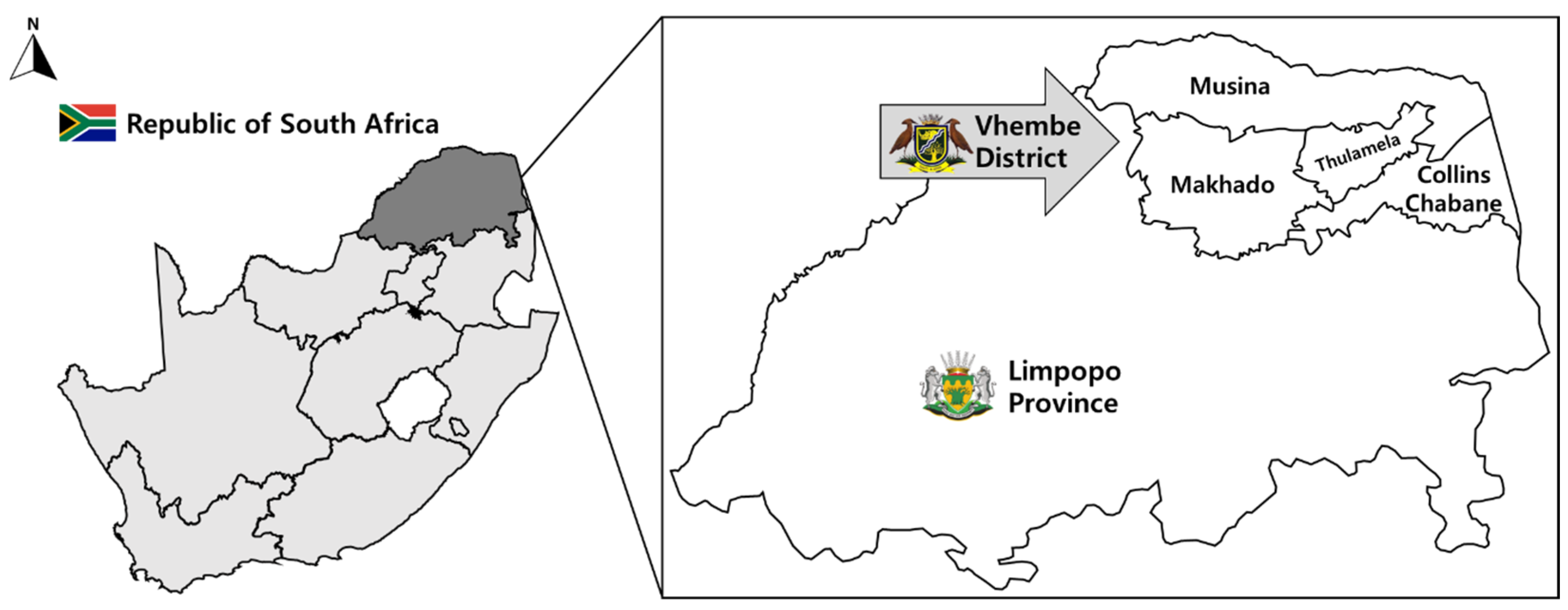
Figure 2. Map of Vhembe District Municipality showing Musina, Makhado, Thulamela, and Collins Chabane Local Municipalities.
Sustainability 17 10626 g002
Figure 3. CFA Model of Key Factors Influencing Waste Management.
Sustainability 17 10626 g003
Figure 4. SEM of Factors Influencing Waste Management in Vhembe District.
Sustainability 17 10626 g004
Table 1. Demographic Characteristics of Respondents [12].
Variables/ItemsFrequency (%)
MunicipalityMakhado99 (24.8)
Musina100 (25.1)
Collins Chabane100 (25.1)
Thulamela Municipality100 (25.1)
Residence AreaRural Area143 (35.8)
Farm Area108 (27.1)
City Centre61 (15.3)
Township87 (21.8)
GenderFemale245 (61.4)
Male154 (38.6)
Age18–29111 (27.8)
30–39113 (28.3)
40–4993 (23.3)
50–5959 (14.8)
60–6916 (4)
≥707 (1.8)
Number of Household Members1–220 (5)
3–4152 (38.1)
5–6189 (47.4)
7–825 (6.3)
≥913 (3.3)
Number of Years Residing in the Area<1 Year2 (0.5)
1–5 Years43 (10.8)
5–10 Years81 (20.3)
10–15 Years44 (11)
15–20 Years90 (22.6)
≥20 Years139 (34.8)
EducationNever Schooled15 (3.8)
Primary81 (20.3)
Secondary142 (35.6)
Undergraduate74 (18.5)
University Graduate86 (21.6)
Other1 (0.3)
OccupationUnemployed132 (33.1)
Self-Employed148 (37.1)
Government Employee68 (17)
Farmworker37 (9.3)
Other14 (3.5)
Average Monthly Household Income<R 10,000172 (43.1)
R 10,000–R 30,000174 (43.6)
R 30,000–R 50,00053 (13.3)
Table 2. Example Items per Construct.
ConstructSample Items
Internal Factors (IF)“Municipal collectors arrive when we are not home”; “We do not receive bin bags regularly.”
External Factors (EF)“There are insufficient collection points”; “Lack of technical skills in our area.”
GIS Integration (GIS)“GIS may help improve waste collection planning”; “GIS could lead to corruption.”
Operational Waste Practices (WM)“Distance to disposal points leads to open dumping”; “Waste contaminates water sources.”
Strategic Effectiveness (SWM)“We are unsure when waste will be collected”; “Waste is left to rot before collection.”
Table 3. Factor Loading Coefficient, Mean, and Standard Deviation of the Constructs and Cronbach’s Alpha.
ConstructVariableDescriptionFactor LoadingsMean ± SDCronbach’s Alpha
GIS in waste managementGIS1Using GIS technology to improve waste collection by our municipality would be highly welcome0.7861.07 ± 0.3090.924
GIS2GIS use would alleviate the health hazards caused by waste disposal and collection in our municipality, as it would allow the managers to plan waste collection more appropriately0.8681.10 ± 0.428
GIS3Our environment would be more protected and safer if GIS were used to plan our waste collection and disposal0.8391.13 ± 0.546
GIS4The money for the GIS could be best used to develop our schools and hospitals0.8741.14 ± 0.529
GIS5Using GIS may lead to corruption, as the finances for it may get diverted0.8231.17 ± 0.630
GIS6GIS use may lead to job losses, and employment is very high in this area.0.8381.14 ± 0.534
GIS7Our municipal rates may increase if we use the GIS0.8261.15 ± 0.562
Internal factors in waste management efficiencyIF4We do not receive the municipal bin bags0.7932.02 ± 0.6800.867
IF5We do not have the finances to buy bin bags, so we are forced to dump open waste at collection points0.8501.96 ± 0.650
IF6Municipal collectors come when we are not at home, and if we keep our bins out early, they get scattered by animals and will not be collected.0.7952.04 ± 0.715
IF7No recycling programme has been set up in the community by the municipality0.8031.96 ± 0.654
External factors in waste management efficiencyEF1Lack of technical waste management skills0.7441.86 ± 0.6300.785
EF2Lack of waste collection equipment0.7341.92 ± 0.702
EF3Lack of adequate collection points0.6991.96 ± 0.695
EF4Insufficient waste collectors0.7001.89 ± 0.614
EF5Poor funding for waste collection0.7042.04 ± 0.766
Effectiveness of municipal waste management servicesSWM3We are never sure when our waste will be collected0.8822.12 ± 0.8600.854
SWM4Our waste is left out to rot and littered before it comes to be collected0.8402.17 ± 0.878
SWM5Only big wastes are collected, and our area is left messy as they do not pick up the littered waste0.7982.16 ± 0.854
SWM6Our municipality does not have proper waste collection equipment and enough personnel to do a good job0.7772.11 ± 0.853
Waste management practicesHWM1Waste is not properly collected in my area0.6621.9 ± 0.7370.774
HWM4The distance to the waste disposal point is very far for my household, hence we are forced to dump it in the open0.7171.99 ± 0.728
HWM5Due to open dumping by people, our natural water sources are contaminated0.7701.94 ± 0.67
Variance = 68.7%. Kaiser-Meyer-Olkin Measure of Sampling Adequacy = 0.798. Bartlett’s Test of Sphericity = (p < 0.001; χ2 = 5728.1; df = 253).
Table 4. Composite Reliability, Average Variance Extracted, and Maximum Shared Square Values.
CRAVEMSVMaxR(H)EFIFWMGISSWM
EF0.7870.4270.2400.7960.654
IF0.8690.6250.2400.8780.4900.790
WM0.7750.5350.2240.7830.2870.4730.732
GIS0.9180.6190.0460.9300.032−0.215−0.0840.786
SWM0.8680.6230.0690.8730.1160.0380.2630.1060.789
Table 5. Hypothesis conclusions of the Measurement Model (MM).
HypothesesDependent VariableIndependent
Variable
Standardized Coefficient (β)Standard ErrorCritical Ratiop-ValueDecision
H1WMIF0.4320.0685.653<0.001Supported
H2WMEF0.0780.0801.0840.278Not Supported
H3WMGIS0.0070.0600.1190.905Not Supported
H4SWMGIS0.1300.0842.3950.017Supported
H5SWMWM0.2670.0904.385<0.001Supported
Disclaimer/Publisher’s Note: The statements, opinions and data contained in all publications are solely those of the individual author(s) and contributor(s) and not of MDPI and/or the editor(s). MDPI and/or the editor(s) disclaim responsibility for any injury to people or property resulting from any ideas, methods, instructions or products referred to in the content.