1. Introduction
The European Directive (EU) 2024/1275 [
1] highlights the need to reduce fossil fuel dependence and accelerate the decarbonisation of energy consumption in buildings. It requires new buildings to be “solar-ready,” optimising solar generation potential to facilitate cost-effective installations.
Photovoltaic (PV) systems, which generate emission-free electricity, play an important role in this transition to achieve climate neutrality by 2050 [
2]. With the growing relevance of self-consumption in household energy planning, it has become increasingly important to install PV systems not only in newly built homes but also in existing buildings. These systems help reduce dependency on the grid by generating clean energy on-site, especially when their output is consumed directly within the household. This optimisation not only enhances the economic and environmental benefits for the individual domestic consumer, who is protected from the volatility of fossil fuel prices, but also aligns with the Directive’s goals [
1] of achieving a zero-emission building stock by 2050.
Rooftop PV systems are estimated to be capable of meeting between 25% and 49% of electricity demand around the world [
3], offering a viable solution to reduce land-use pressures and limit environmental impacts.
The Italian Integrated National Energy and Climate Plan [
4] foresees, by 2030, significant growth in the use of heat pumps for heating and cooling, as well as greater electrification of residential energy consumption. In this context, Palladino and Calabrese [
5] assessed Italy’s rooftop PV potential, excluding additional land consumption. They estimated that approximately 450 km
2 of suitable rooftop area could accommodate over 72 GW of capacity, potentially generating more than 79,000 GWh annually.
However, their scenario analysis reveals significant challenges. Under the most probable projections, installed rooftop capacity would reach only 6 GW by 2030, just 11.5% of the Italian target, covering merely 10% of residential demand (≈6200 GWh). By 2050, this share could rise to 38%, still below national and European goals. Only under optimistic scenarios, supported by long-term incentives, rooftop PV could approach 50% of residential electricity consumption by mid-century.
While these figures describe the maximum technical potential based on available rooftop area, actual adoption depends on socio-economic factors and consumer behaviour. Simulation results presented by Danielis et al. [
6] suggest that by 2030, around 44% of homeowners in Italy will have installed PV systems or PV systems combined with ESS. Among these adopters, approximately 75% are expected to include an ESS. By contrast, 56% of homeowners are projected to remain entirely dependent on grid electricity. Taking into account the stochastic nature of adoption, the share of households installing both PV and ESS by 2030 is estimated to range between 34.3% and 38.1%, with an average around 35.8%.
On this point, Alshareef and Maghrabie [
7] provided a comprehensive analysis of Building-Integrated Photovoltaics combined with multiple ESS technologies, including electrochemical, mechanical, thermal, and hydrogen-based solutions, highlighting their respective advantages, limitations, and economic implications. This broader perspective confirms that while batteries remain the most common option for residential applications, alternative or hybrid storage strategies can play a critical role in enhancing flexibility, reducing grid dependency, and supporting the transition toward zero-energy buildings.
Ref. [
8] emphasises the importance of flexible buildings that integrate solar PV systems with ESS, heat pumps, electric vehicles, and smart energy management systems in strengthening the electricity system. Such building-based solutions could cover over half of the EU’s daily flexibility needs (52%), as well as approximately one-third of its weekly (35%) and annual (29%) requirements.
However, a fundamental challenge remains: the structural mismatch between PV generation timing and household demand. Beyond rooftop availability, the critical issue in residential contexts is that peak consumption often occurs in the evening, when solar production is minimal or absent. Zhang et al. [
9] and Li et al. [
10] highlighted the importance of ESS in shifting loads to improve self-consumption, although they noted that the influence of charging rates on cost savings diminishes with larger battery capacities. This observation aligns with the findings of Orioli and Di Gangi [
11] who observed that the temporal mismatch between generation and consumption significantly affects both the energy and economic performance of PV installations, particularly in urban contexts, where the theoretical benefits of large-scale deployment may not translate into practical advantages. Current residential PV systems typically achieve baseline self-consumption rates ranging from 30% to 40% [
12], with substantial variations depending on household characteristics and occupancy patterns. Self-Sufficiency Rates rarely exceed 80% unless PV systems and/or ESS are significantly oversized, pointing to fundamental limitations in current approaches as the challenge of balancing existing technological capabilities with economic constraints and the inherent variability of household-level energy supply and demand [
13].
Luthander et al. [
14] reported that integrating an ESS sized between 0.5 and 1 kWh per kilowatt of installed PV capacity can enhance relative self-consumption by approximately 13% to 24%. Additionally, implementing demand-side management strategies can contribute to a further increase of 2–15% compared to baseline self-consumption levels.
Furthermore, Wamalwa and Ishimwe [
15] investigated optimal control in grid-tied PV-ESS under a price-based demand response program. In the case study, the integration of PV and ESS led to a 49% decrease in energy costs.
Zhang et al. [
16] showed that, although ESS integration increases self-consumption and self-sufficiency, it often extends simple payback periods and raises concerns over long-term financial viability. Chen et al. [
17] further pointed out that high upfront costs and relatively short operational lifespans limit the widespread adoption of ESS, while their usable capacity may still fall short of fully covering ESS needs for renewable generation and peak demand.
Acknowledging these limitations, other studies have focused on demand-side management strategies aimed at optimising existing consumption patterns without requiring additional investments in ESS units. These approaches also help to ease the pressure on the power grid resulting from the widespread integration of renewable energy sources. Some specialised applications have shown exceptional promise. Bandera et al. [
18] achieved remarkable self-consumption rates of 70% in winter and 50% in summer through optimised inverter heat pump management, demonstrating that thermal load optimisation can rival the performance of ESS units while offering greater simplicity and computational efficiency. Their methodology achieves self-consumption levels comparable to those attained through chemical battery-based strategies.
Recent research increasingly emphasises that accurate optimisation of residential PV systems requires analysis at much finer temporal scales than traditionally employed [
19,
20,
21]. Mistretta et al. [
19] highlighted the importance of high-resolution data for building electricity optimisation, noting that variations in electricity generation mixes can range from +20% to −38% compared to annual averages, with significant implications for both energy performance and environmental impact assessment. This trend is further supported by the publication of real-world operational datasets, such as the 10 s-resolution PV generation and consumption data from an Estonian residential dwelling [
20], which provide precise insights into energy usage dynamics under high climate variability. Similarly, De Masi et al. [
21] adopted a combined experimental and numerical approach to evaluate PV system performance in a Nearly Zero Energy Building in a Mediterranean climate, demonstrating that the Performance Ratio is highly sensitive to external conditions and cell temperature, and that high-resolution data are essential for accurately estimating the system degradation rate and forecasting the long-term energy and environmental performance of the building.
To maximize electricity production and self-consumption, some researchers, such as Meng et al. [
22], focused on improving the efficiency of PV energy generation at the panel level. They aimed to enhance Maximum Power Point Tracking algorithms. These methods seek to extract the highest possible power from PV panels under varying sunlight and temperature conditions, while reducing power fluctuations and speeding up response times. Innovations include a two-phase power forecasting model and an adaptive resistance factor based on the panel’s voltage-to-current ratio.
While existing studies provide insights into various approaches for improving PV self-consumption, several gaps remain. Most employ annual or hourly data intervals, potentially missing optimisation opportunities at finer temporal scales, and often rely on simulated consumption profiles rather than real operational data, particularly in northern European contexts. Mediterranean climates present distinct challenges due to pronounced temporal misalignment between solar generation and demand, yet comprehensive empirical studies in these settings remain limited.
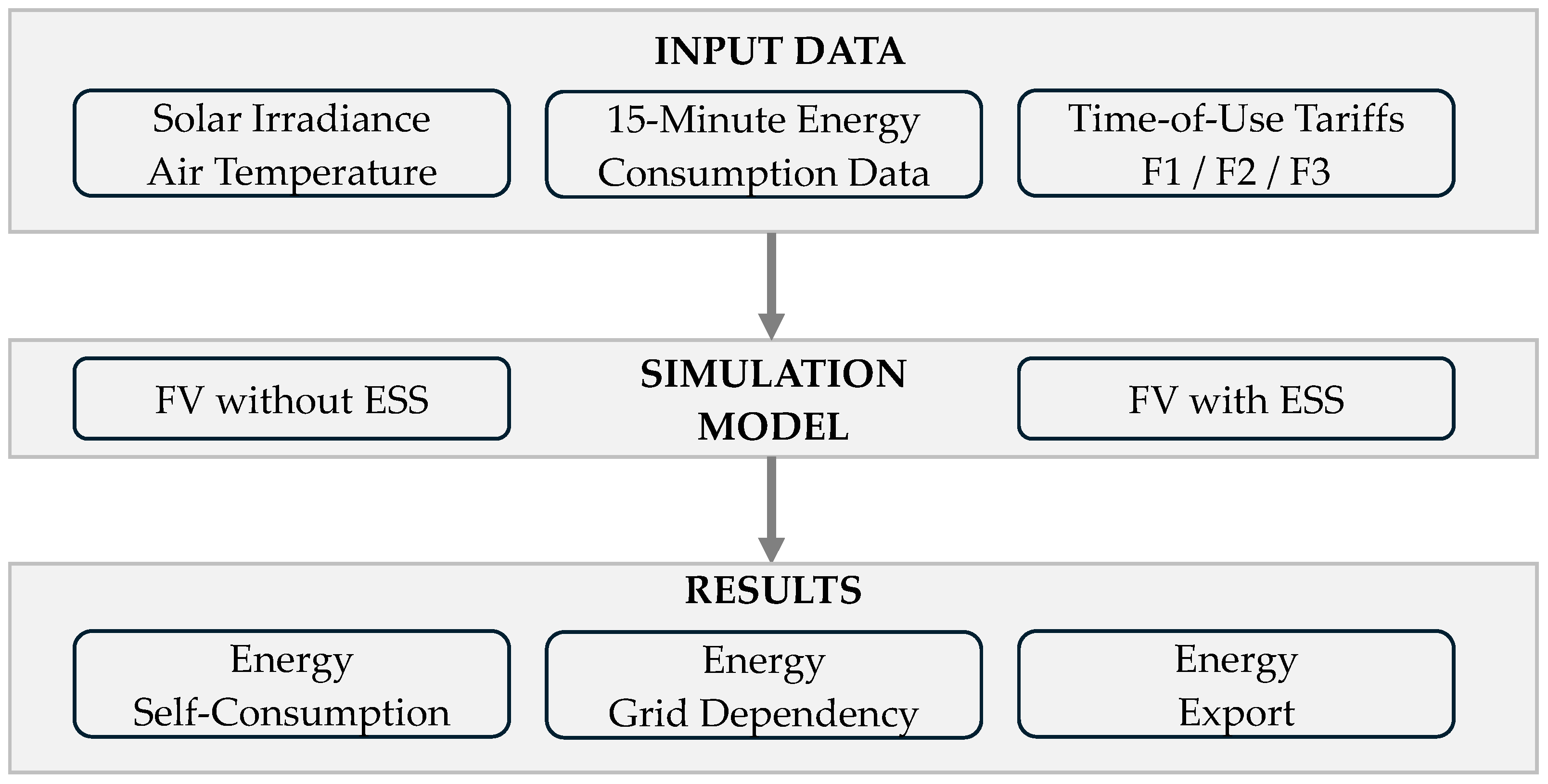
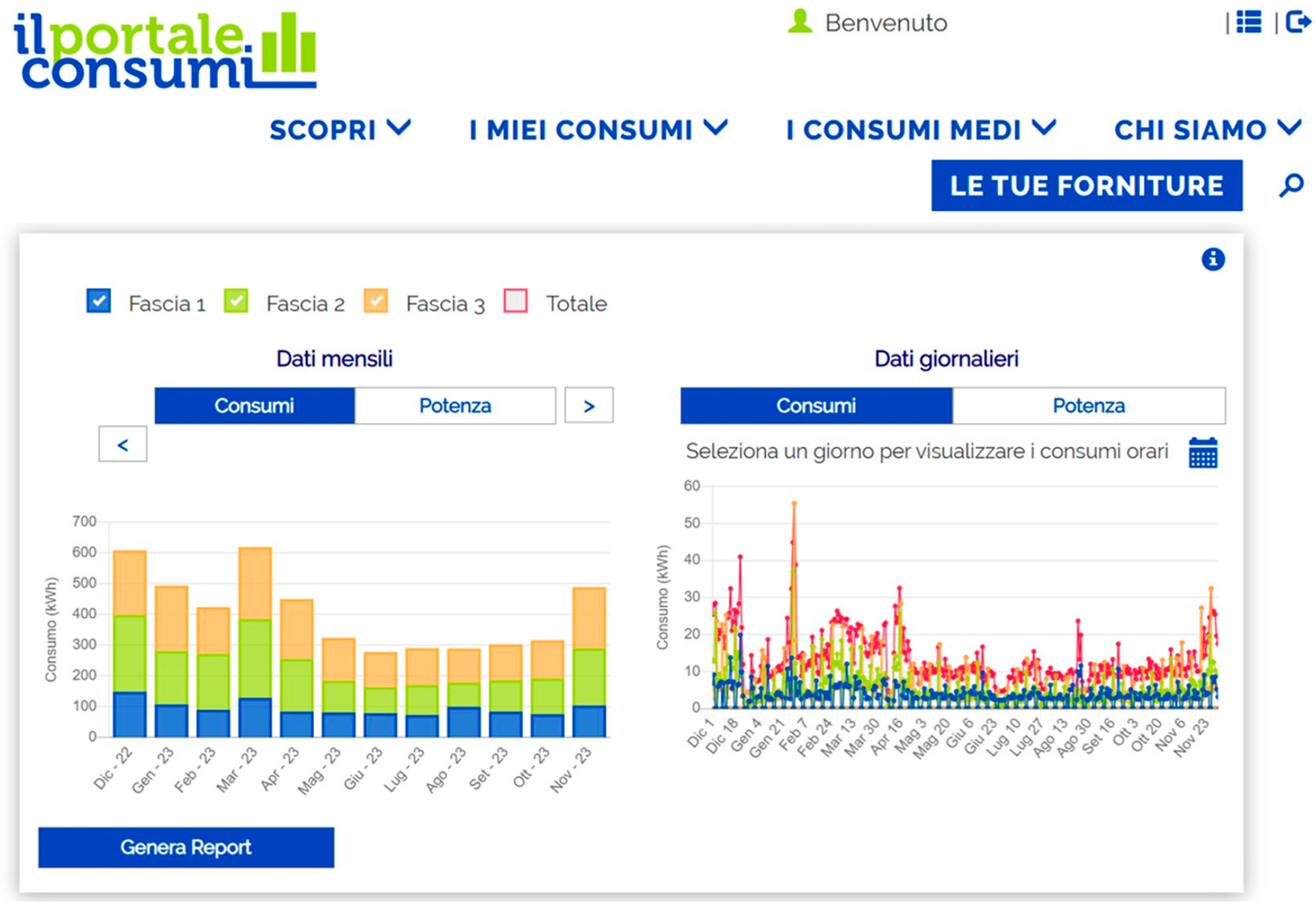
This study addresses these gaps through a high-resolution, data approach using real 15 min interval data from an Italian household, obtained through ARERA’s national Consumption Portal, publicly accessible to all Italian citizens, enabling widespread replicability without additional monitoring infrastructure. The analysis integrates technical and economic dimensions: (1) assessing temporal alignment between PV production and consumption; (2) examining ESS role in improving self-consumption; (3) integrating time-of-use (TOU) tariffs in the economic assessment; (4) estimating payback periods under current market conditions. This comprehensive approach provides practical insights for optimising residential PV systems where demand peaks and solar availability are characteristically misaligned.
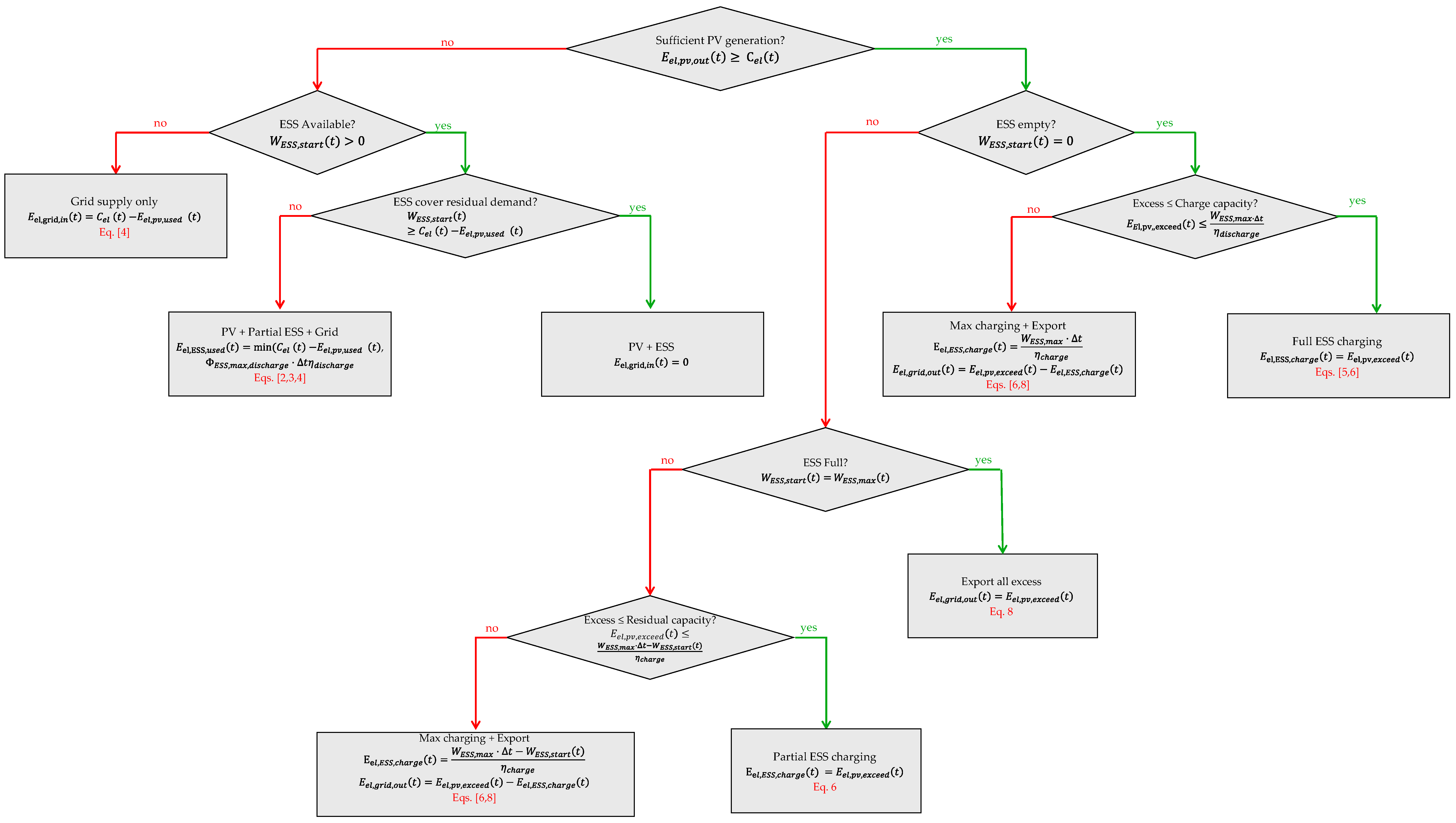
The novelty of this work lies in the development of a calculation tool for evaluating the self-consumption share of electricity generated by a photovoltaic (PV) system. The tool integrates actual consumption data, freely accessible to all Italian citizens, with the producibility of a simulated PV-EES system. The performance and economic feasibility of PV-ESS systems cannot be reliably assessed using only annual electricity demand values, as is still commonly done in practice. Accurate evaluation requires sub-hourly load data, since investment payback and self-consumption rates depend strongly on the real temporal structure of demand. By combining 15 min monitored consumption profiles from the national ARERA database with standardised PV–ESS calculations, this study provides a realistic and fully replicable methodology compliant with Directive 2024/1275/EU for assessing PV systems under actual operating conditions.
4. Results
4.1. Electricity Consumption and PV Energy Production (PV Without ESS)
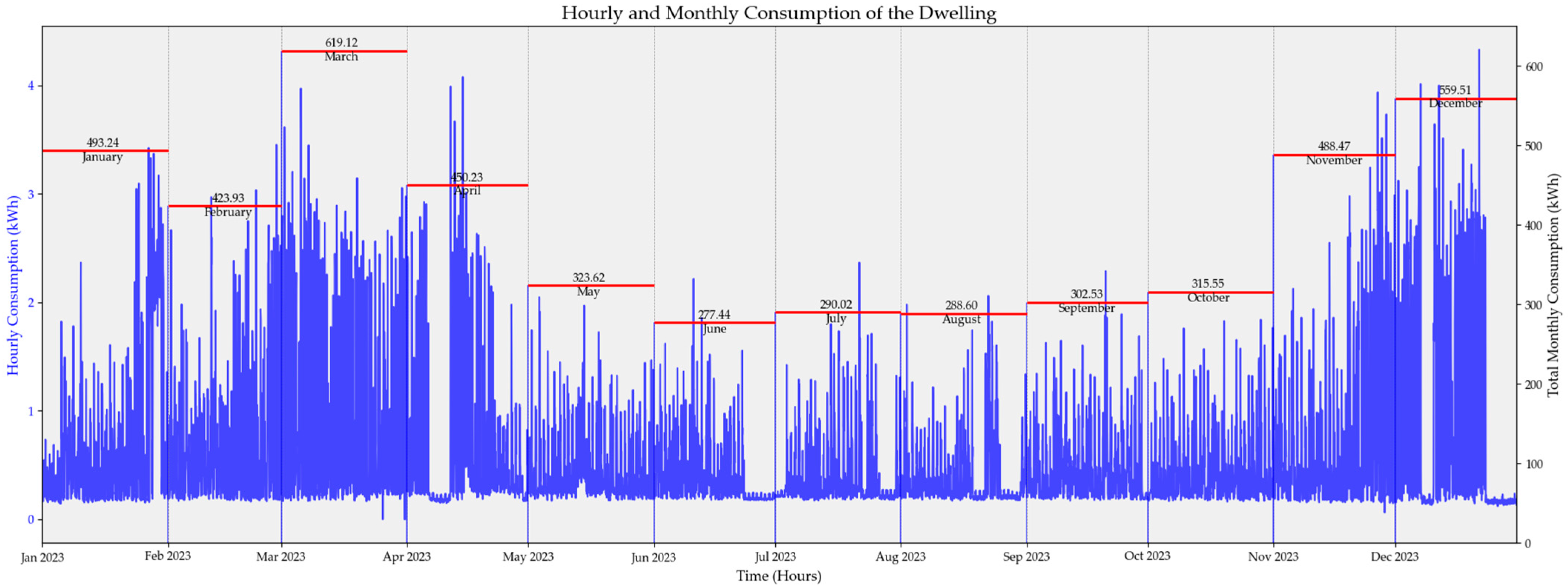
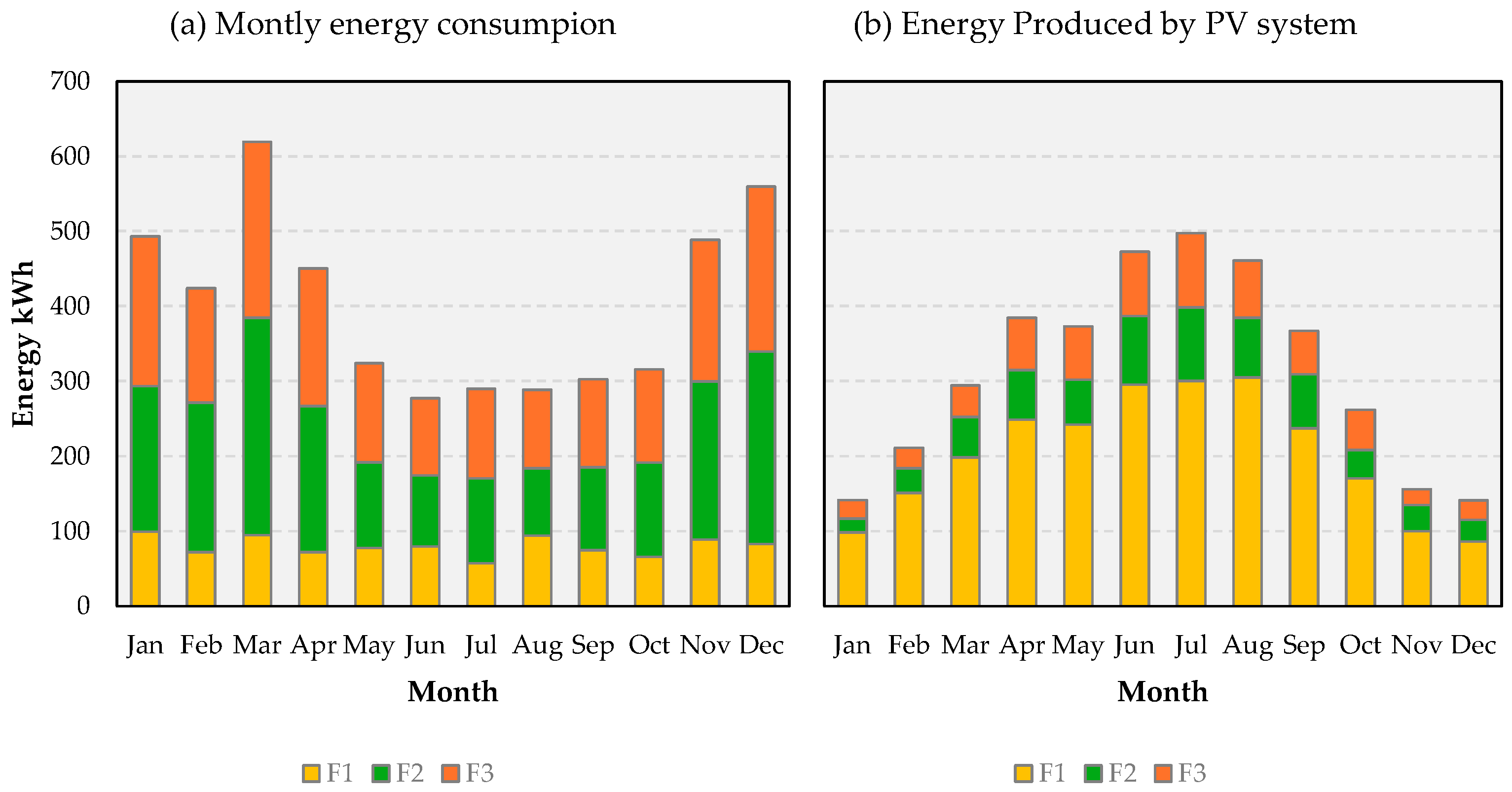
Figure 12 summarises the monthly distribution of electricity consumption and PV energy production, disaggregated by TOU pricing bands (F1, F2, F3), in the absence of an ESS. The data show a seasonal asymmetry between production and electric needs. During the colder months (e.g., January and December), total monthly PV production remains markedly low, 141.8 kWh and 141.2 kWh, respectively, while the corresponding energy demand exceeds 493.2 kWh (January).
This imbalance is most evident in TOU slots with limited or no solar irradiance, like F3. In this band, the PV system contributes very little to meeting household demand. Although F3 accounts for a large share of annual consumption (2077.1 kWh/year), PV generation during these hours is only 44.0 kWh/year. This highlights a structural misalignment between renewable energy availability and actual load profiles.
Conversely, the hotter months (May to August) are characterised by elevated PV output, with monthly production exceeding 370 kWh. In July, for instance, generation peaks at 497.2 kWh against a relatively modest energy consumption of 290.0 kWh. This seasonal surplus, largely unutilised in the absence of an ESS, results in increased grid injection, reducing the share of energy that can be directly self-consumed.
The PV system generates 3762.0 kWh/year against an annual building consumption of 4832.3 kWh, resulting in a production-to-consumption ratio of 77.9%. Due to the temporal mismatch between production and consumption, only a part of this energy is effectively used on-site. The sub-hourly analysis confirms the well-known mismatch between PV generation and evening demand peaks, which limits self-consumption without ESS.
4.2. Self-Sufficiency (PV Without ESS)
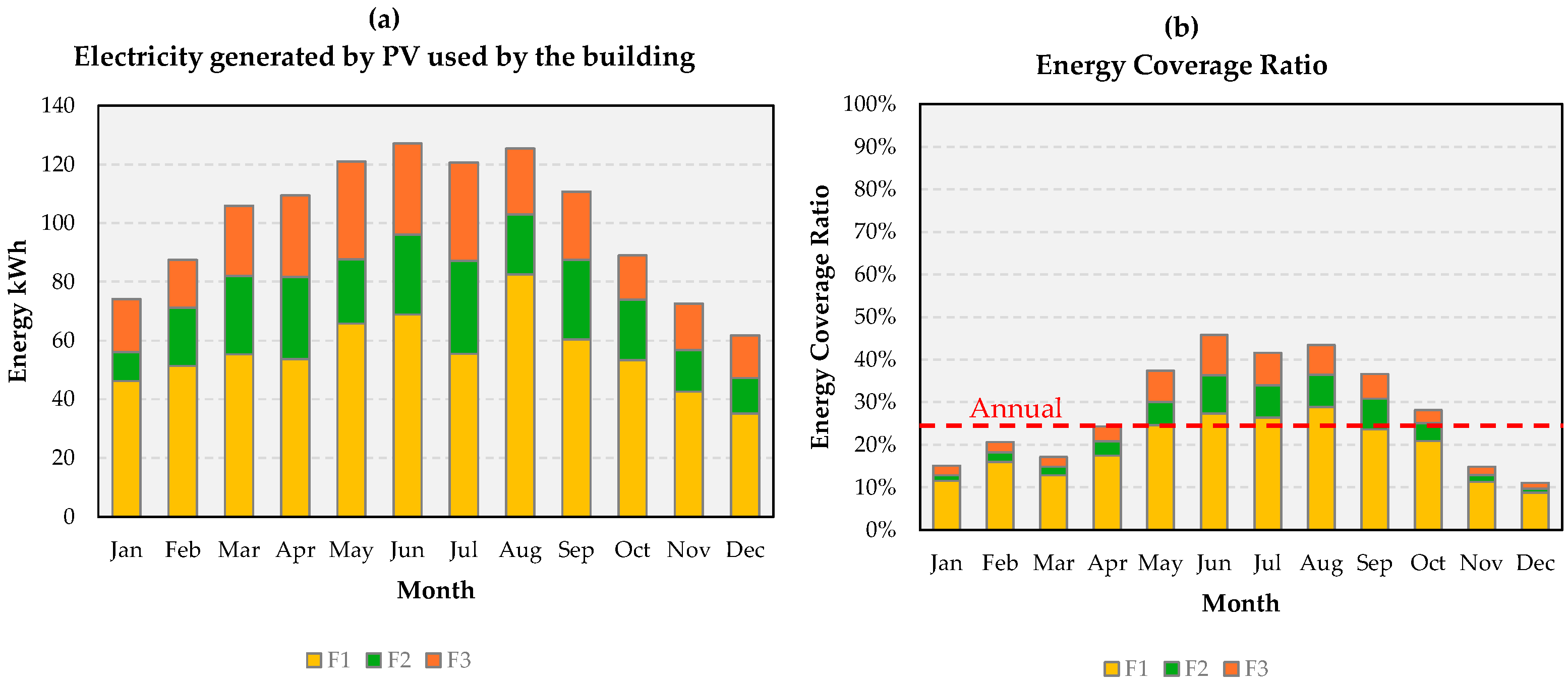
Figure 13 presents the monthly amounts of PV energy that were effectively self-consumed by the building, disaggregated by TOU tariff bands (F1, F2, F3), along with the corresponding self-sufficiency percentages. The data reveal significant seasonal and temporal variability in the building’s capacity to utilise locally generated energy, driven by both the variation in solar resource availability and the temporal distribution of electrical demand. By jointly analysing
Figure 12, it becomes evident that there is an evident monthly and seasonal mismatch between consumption and PV production, particularly during the winter months, when energy demand exceeds the PV output.
During the winter months, self-sufficiency values are notably low. For instance, in December, only 11.0% of the PV energy produced was directly used by the building. This limited utilisation is attributed to reduced solar irradiance during the winter season and to a mismatch between the timing of energy production and household demand-factors that, in the absence of an ESS, restrict the exploitation of the generated renewable energy. In contrast, the summer period shows a marked improvement in self-sufficiency efficiency. In June, self-sufficiency peaks at 45.8%, largely due to the overlap between daytime solar production and increased household energy use, associated with cooling systems. Nevertheless, even in months characterised by high PV output, such as July, a substantial portion of the generated energy, around 58.4%, remains unused on-site and is exported to the grid. Of particular interest is the behaviour observed in tariff band F3, which includes not only nighttime hours but also the entire duration of Sundays and national holidays. Although this band accounts for a substantial portion of annual energy consumption 1878.6 kWh, the share of PV energy self-consumed in F3 remains relatively low. On an annual basis, only 14.6% of the PV electricity produced is utilised during this time frame. This is due to the fact that, during off-peak hours (F3), electricity demand persists while PV availability drops to nearly zero. Overall, the annual self-sufficiency rate is 24.9%. While this confirms the partial effectiveness of distributed PV in reducing grid dependence, it also underscores the need for complementary measures to improve the temporal alignment between supply and demand. These could involve incorporating ESS units, implementing demand-side management measures, and scheduling household appliances to operate during periods of highest solar production.
4.3. Electricity Drawn from the Grid (PV Without ESS)
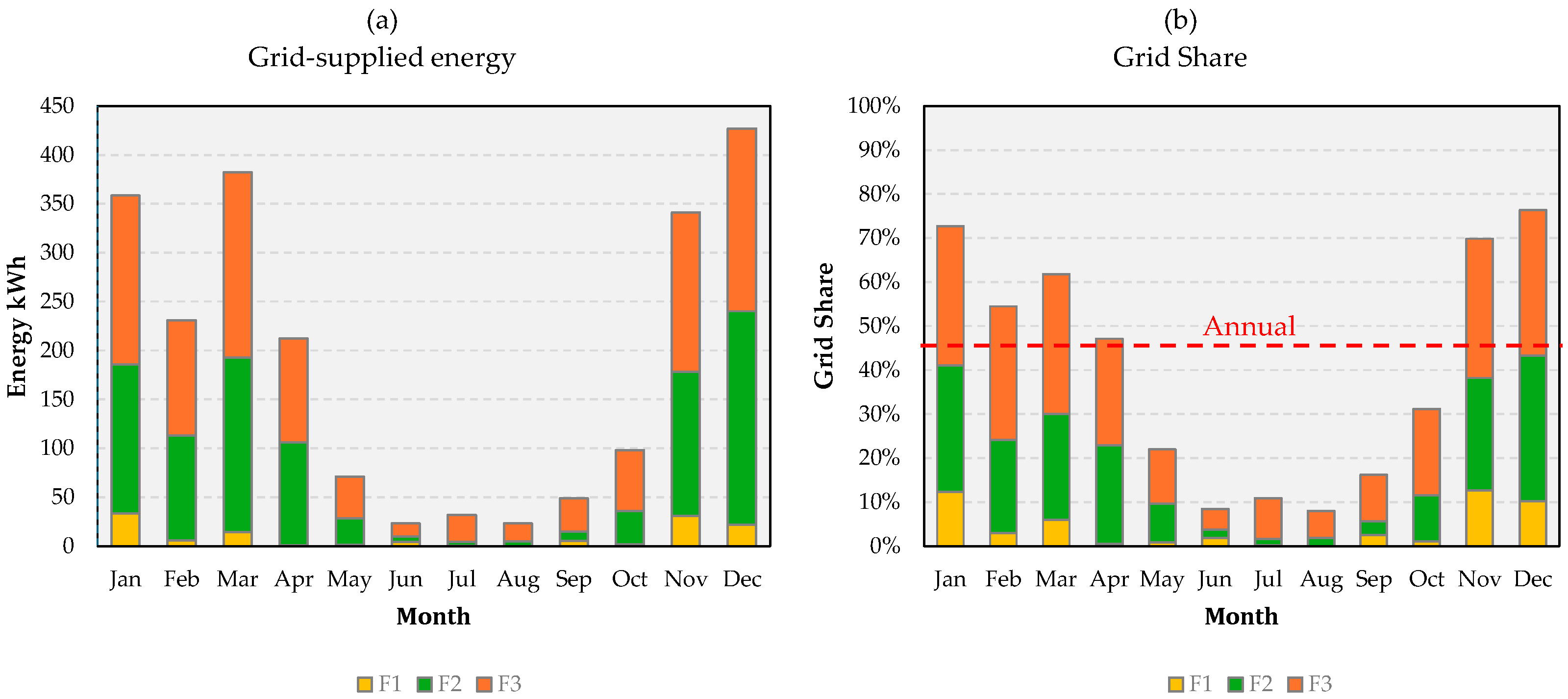
Figure 14 illustrates the amount of electricity drawn from the grid in the presence of a PV system without ESS, broken down by tariff TOU bands (F1, F2, F3) and for the monthly total. Additionally, it presents, for each TOU band and month, the share of monthly energy consumption that is covered by electricity purchased from the grid.
4.4. Energy Produced by the PV System with ESS and Directly Consumed (PV with ESS)
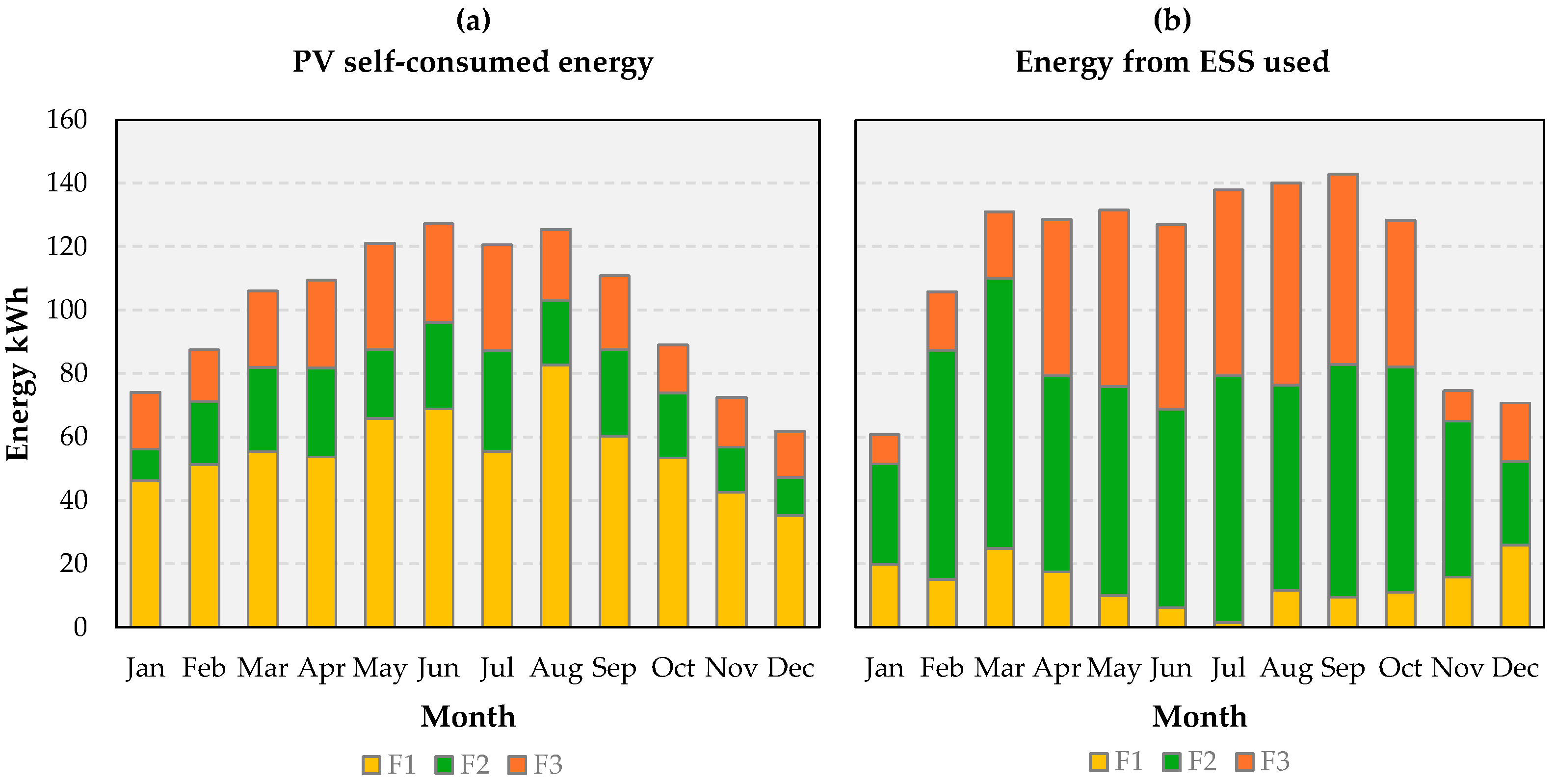
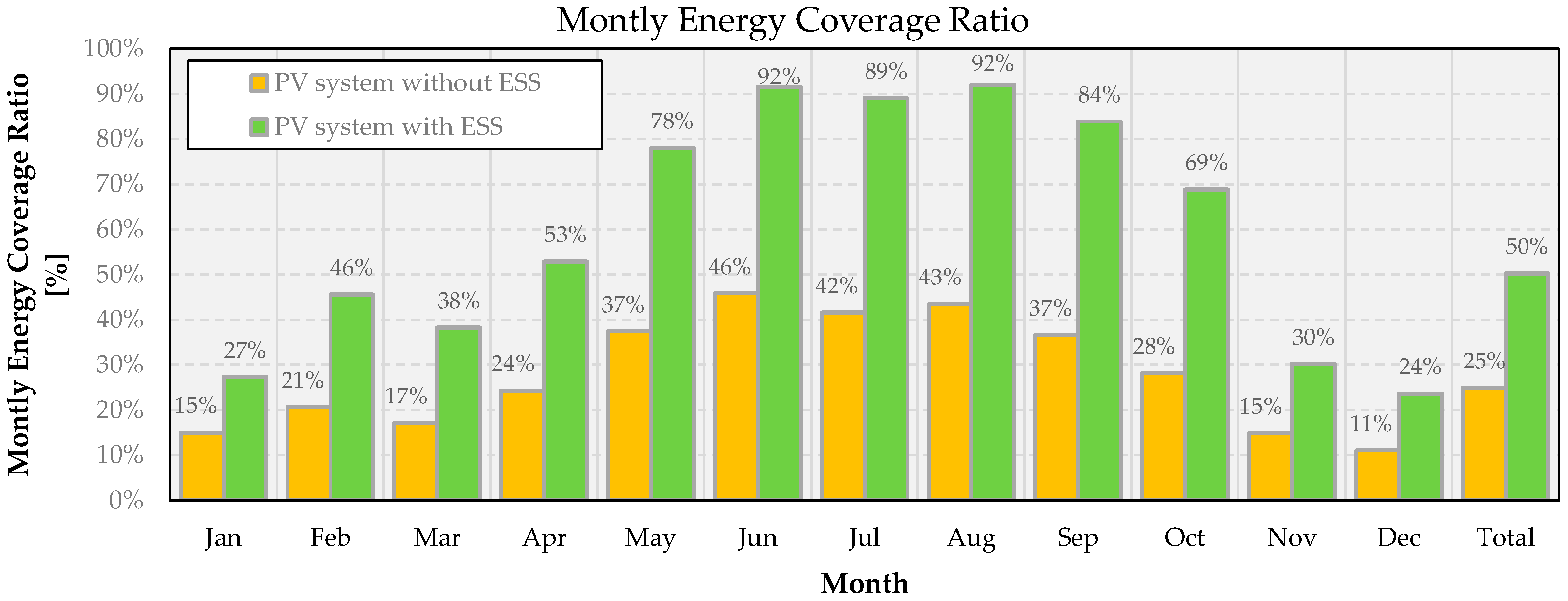
Figure 15 presents data on the energy produced by the PV system with ESS and directly consumed by the building, distinguishing between the energy consumed instantaneously and that derived from the ESS. On an annual basis, the energy consumed with ESS reaches 2583.9 kWh/year, with a self-sufficiency percentage of 53.5%. This represents a substantial increase compared to the 24.9% recorded without ESS (
Figure 13). The ESS enables the excess energy produced during periods of higher solar radiation (F1 and F2) to be stored and subsequently used during times of low or no PV energy production. The ESS contributes 1204.8 kWh/year of stored energy. In TOU band F3, the ESS supplies about 274.6 kWh/year. This extra energy mainly helps cover evening and nighttime demand, which would otherwise be fully met by the grid. In F1, annual self-sufficiency goes up from 70.0% to 87.6% when using the ESS, so more solar energy produced during the day ends up being used locally. In F2, the gain is similar, with annual self-consumption rising from 13.0% to 50.2%. The most notable improvement is seen in F3, where annual self-consumption increases markedly from 14.6% to 39.6%, emphasising the role of ESS in addressing the temporal gap between production and consumption, especially during periods with no solar availability.
Regarding seasonal performance, summer months (e.g., June to August) show particularly high levels of self-sufficiency, with values exceeding 85%, as high as 92.0% in August, due to abundant PV production and the capacity to store and deploy that energy efficiently (
Figure 16). Winter months also show notable improvements. In December, self-sufficiency increases from 11.0% (without ESS) to 23.7%, demonstrating how ESS enhances the utilisation of limited solar energy even during low-production periods.
The results underscore the effectiveness of the ESS in reducing grid dependence by better synchronising renewable generation with household electricity needs. The increased self-consumption facilitated by the ESS supports both economic savings and a reduction in the environmental footprint of energy use.
Figure 16 summarises the seasonal effect of ESS integration: despite limited PV production in winter months, the ESS still ensures a self-sufficiency increase exceeding 12% during critical months (November–February), thereby optimising the utilisation of available renewable generation.
4.5. Electricity Drawn from the External Grid (PV with ESS)
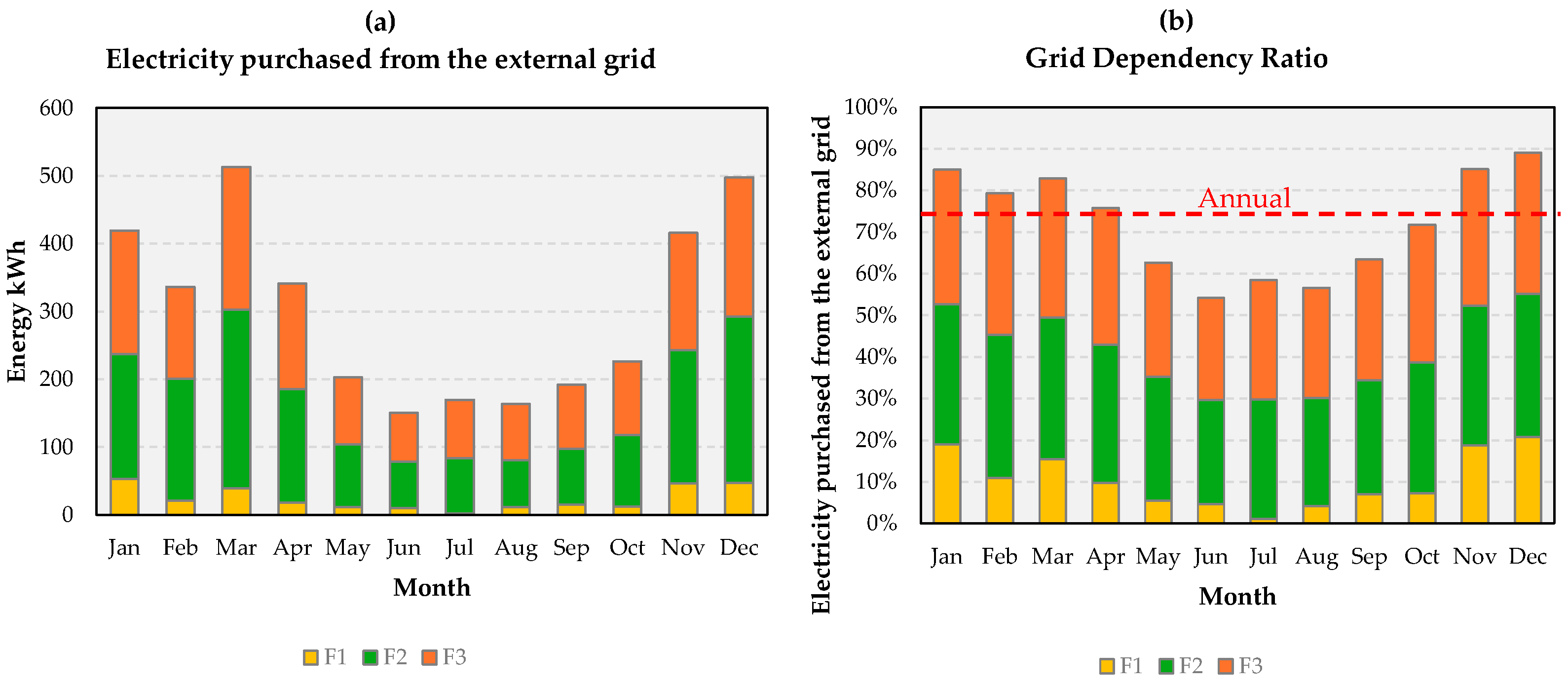
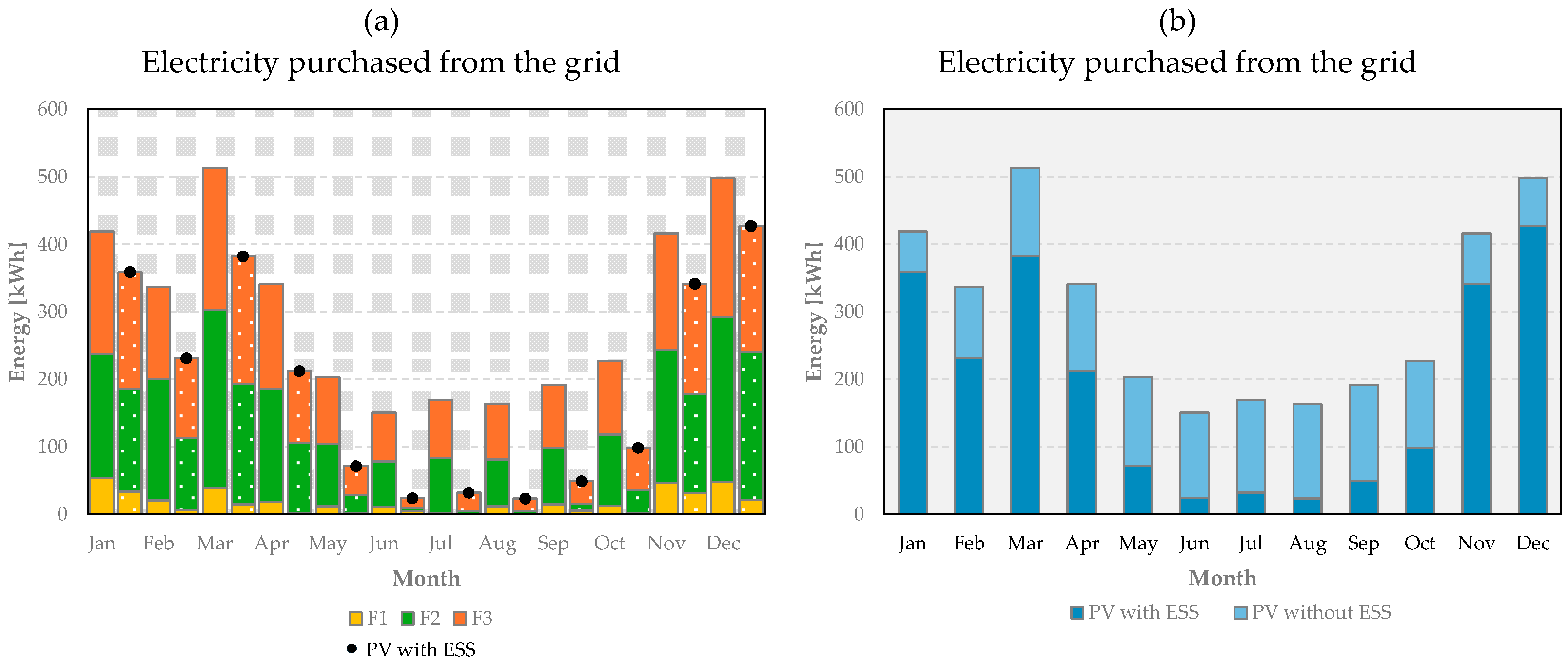
Figure 17 presents the quantification of electricity drawn from the external grid in the presence of a PV system with ESS, broken down by tariff TOU bands and for each month. Additionally, it includes the percentage of electricity purchased from the grid relative to the total consumption for each time band and for the overall monthly consumption. A direct comparison with
Figure 14 (related to the scenario without ESS) highlights the substantial reduction in dependence on the external grid enabled by the integration of the ESS. On an annual basis, the total electricity purchased from the grid with ESS amounts to 2248.4 kWh/year, representing 46.5% of total consumption, significantly lower than the 3627.5 kWh/year (75.1%) recorded without ESS.
In TOU band F3, a marked reduction is observed, with grid purchases falling from 1604.0 kWh/year to 1135.3 kWh/year (−29.4%). This shows that the ESS effectively stores daytime solar production, making it available later, especially at night and on weekends. Despite this improvement, complete independence from the grid is not achieved, due to the limited ESS capacity (5.76 kWh) and the persistence of residual nighttime energy consumption. Grid reliance in F1 is also notably reduced, from 287.8 kWh/year without ESS to 119.0 kWh/year with ESS (−58.6%), indicating a more efficient use of peak-hour PV generation through immediate consumption and energy shifting. Similarly, in F2, the electricity drawn from the grid decreases from 1735.7 kWh/year to 994.1 kWh/year (−42.7%), demonstrating the system’s improved ability to rely on solar energy when it is most needed. As shown in
Figure 18, the ESS implementation drives a consistent reduction in grid dependence across all months, with particularly intense improvements during high-production periods. In June, total electricity purchased drops to only 23.3 kWh (8.4%), while in August it reaches a minimum of 23.1 kWh (8.0%). Even in winter, the ESS delivers meaningful reductions. For example, in December, the grid contribution falls by 14.2%, from 497.8 kWh (without ESS) to 427.1 kWh.
4.6. Surplus Energy Exported to the Grid (PV with ESS)
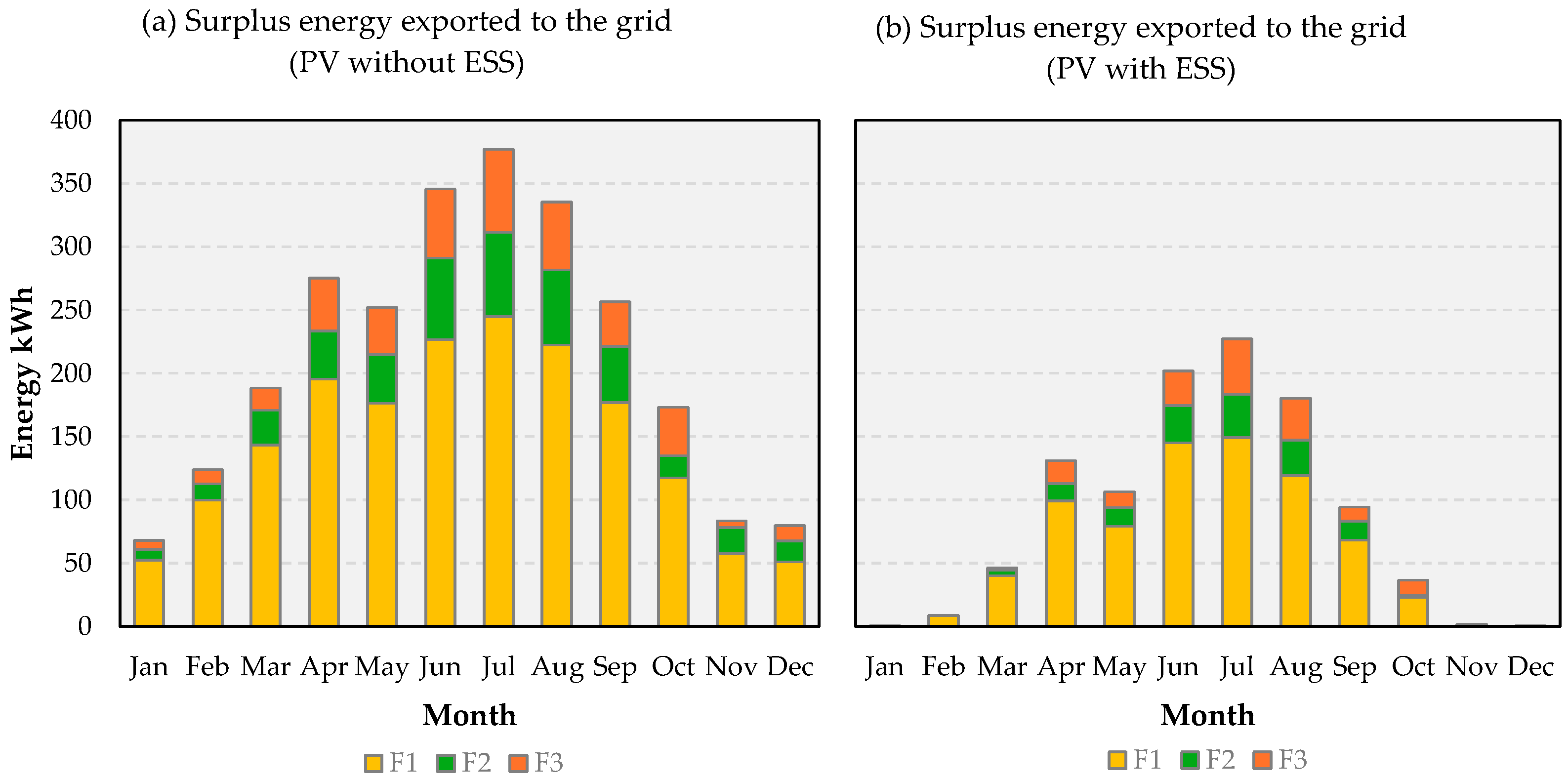
Figure 19 reports the monthly surplus energy exported to the grid under two scenarios: PV generation without ESS and with a 5.76 kWh ESS. The values are disaggregated by TOU tariff bands and presented as monthly and total annual figures. The data illustrate the reduction in exported surplus when ESS is integrated. In the absence of ESS, the system exports 2557.4 kWh/year, equivalent to approximately 68% of the total PV generation (3762.0 kWh/year). This is a consequence of energy production exceeding demand during periods of low or no consumption, especially in high-production months such as June and July. By contrast, when ESS is deployed, the amount of exported energy drops to 1034.8 kWh/year, corresponding to 27.5% of annual generation. The most notable reductions are observed in the summer months, particularly July, where exported energy falls from 376.7 kWh to 227.2 kWh (−39.7%). Similar patterns are evident in other peak months such as June and August. Even in months with relatively low production, such as March and April, the integration of ESS more than halves the amount of energy exported.
TOU-band analysis further underscores the benefits of storage integration. Without ESS, energy is exported even during peak periods (F1), whereas with ESS, exports during F1 are significantly reduced. This suggests that the ESS is not only capturing surplus generation but also reallocating it to meet peak-period demand internally. In winter months like December and January, the effect is more pronounced: exported energy nearly vanishes with ESS as virtually all generated energy is either consumed or stored to meet the building’s needs.
The ESS improves energy autonomy, reduces grid draw, and minimizes grid injections, contributing to issues such as voltage regulation and network balancing on the distribution level. The reduction in surplus export also implies reduced dependence on feed-in tariffs or net metering schemes, further enhancing the economic resilience of PV systems [
8].
4.7. PV Energy Utilisation Analysis (PV with ESS)
In addition to the information presented in the previous paragraphs,
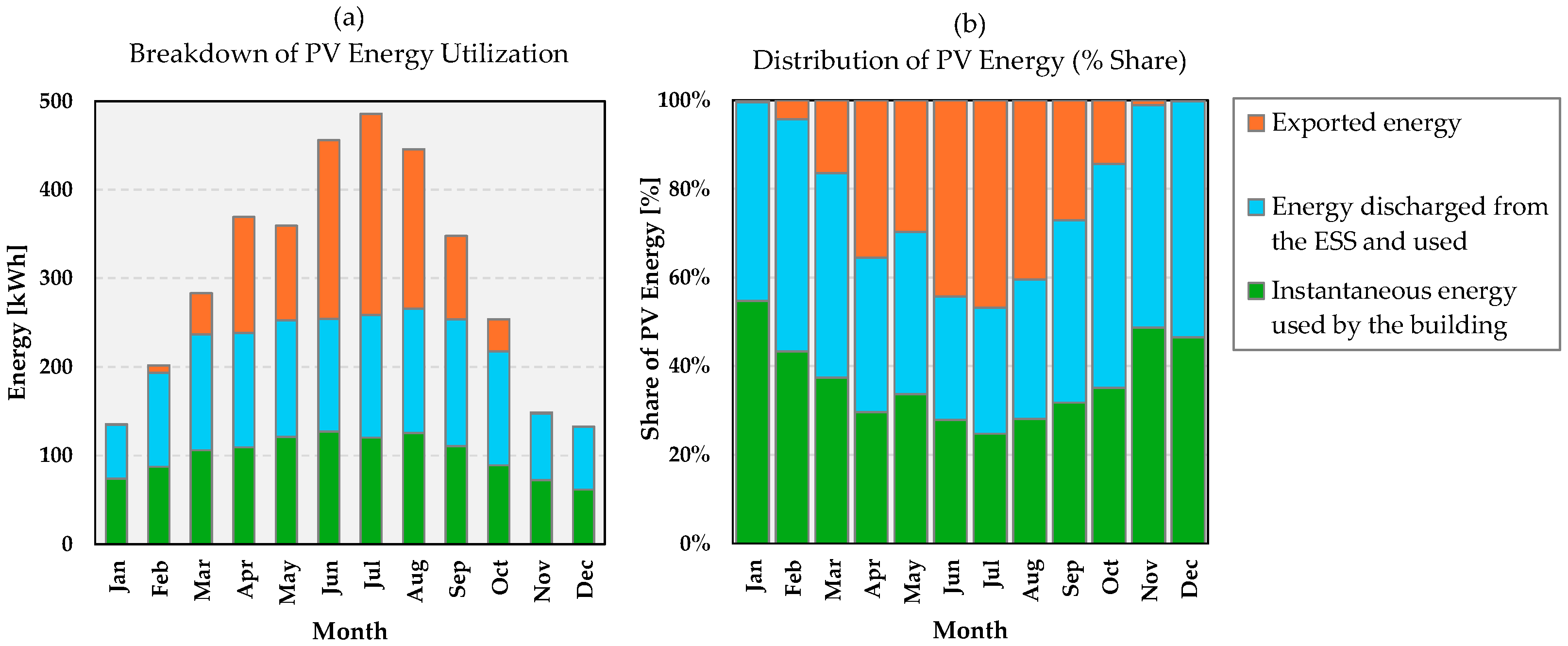
Figure 20 illustrates the breakdown of the energy produced by the PV system into the following components: instantaneous energy consumed by the properties, energy drawn from the ESS and used, and energy exported. The share of energy consumed instantaneously by the properties ranges from a minimum of 24.2% in July to a maximum of 52.2% in January. Energy supplied by the ESS varies between 27.9% in June and 53.3% in December. Exported energy exhibits the greatest seasonal fluctuation, ranging from 0.2% in December to a peak of 46.8% in July, a period characterised by PV generation significantly exceeding both immediate consumption and ESS capacity. During the winter months (January, November, and December), nearly all the generated energy is consumed locally, whereas between March and October, a substantial amount of energy is exported to the grid, benefiting the wider community.
4.8. Daily Breakdown (PV with ESS)
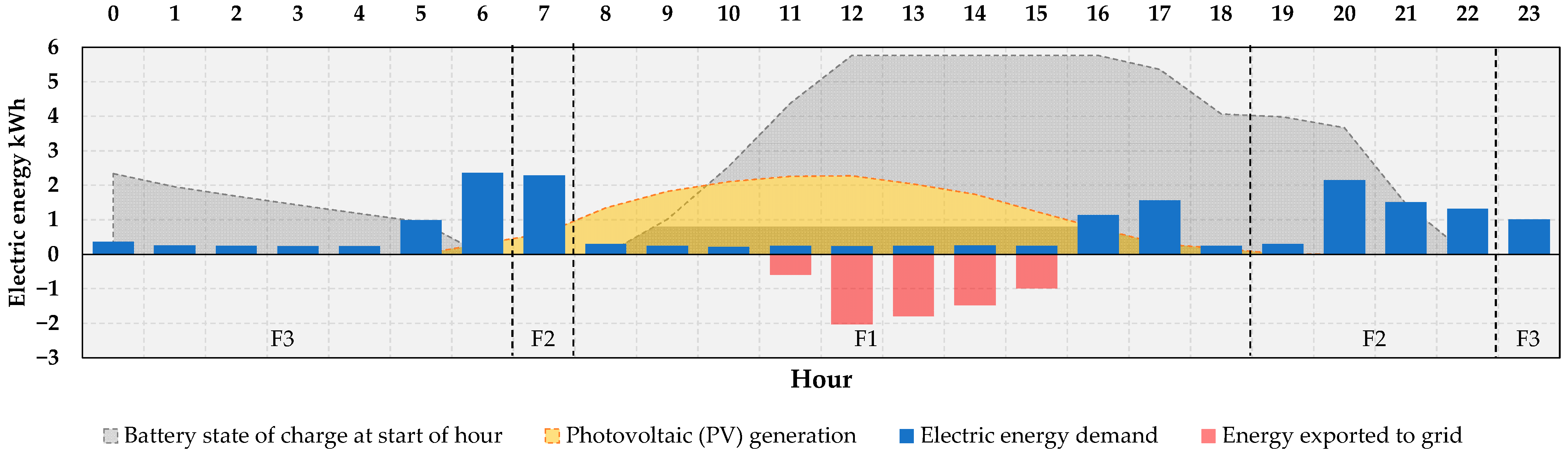
Seasonal changes not only impact PV output due to solar availability but also reshape daily consumption patterns as household routines and thermal needs evolve throughout the year, introducing additional variability into the system’s energy dynamics.
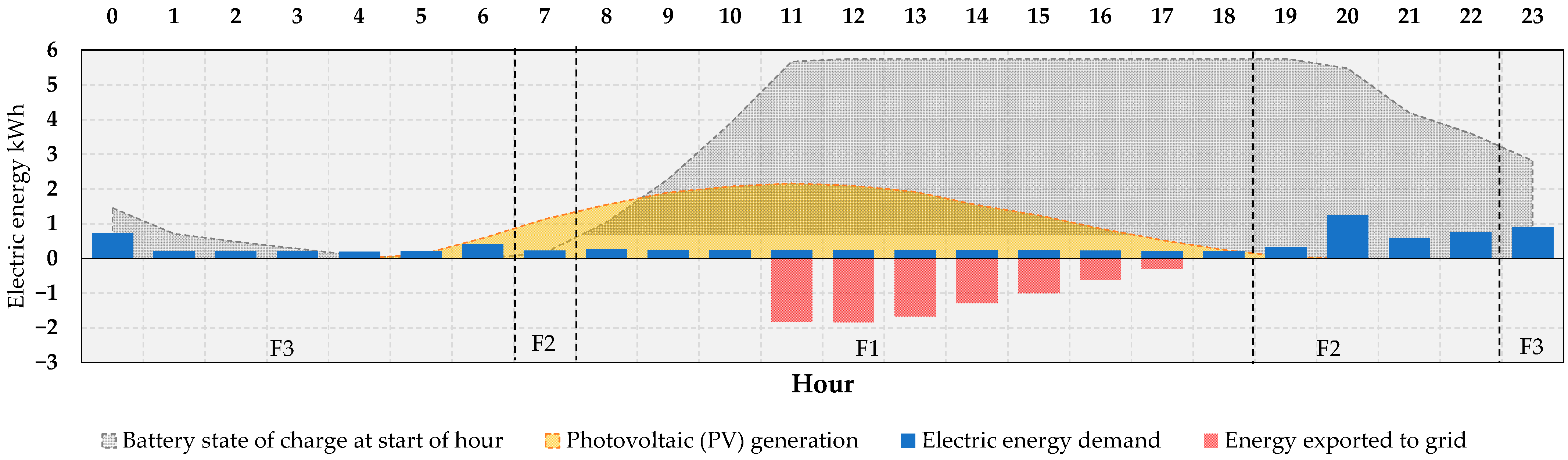
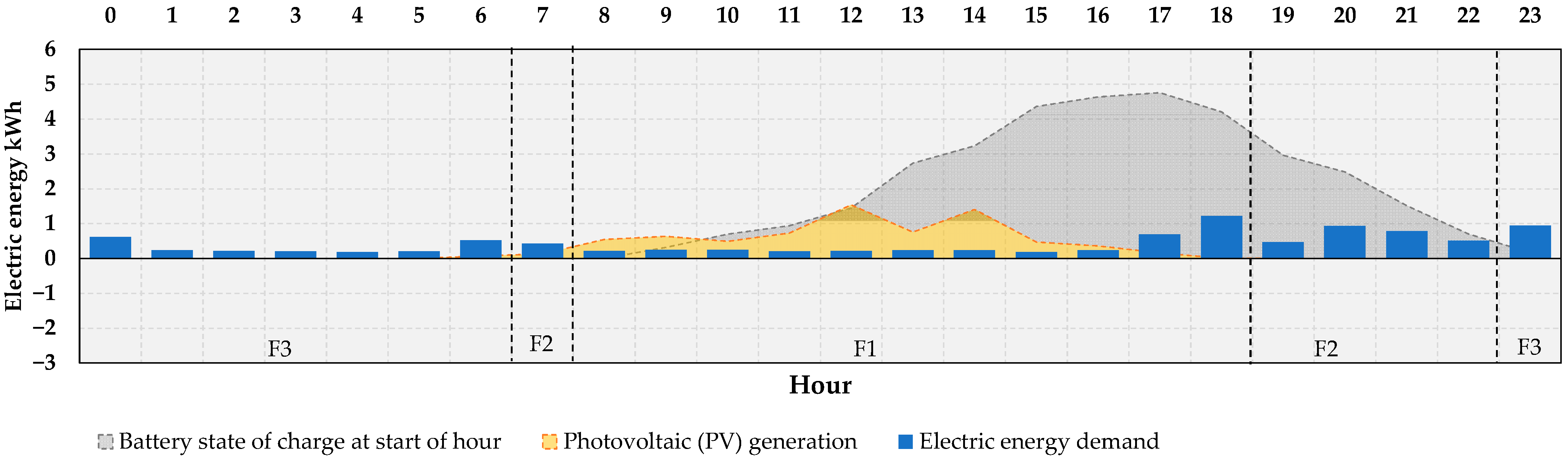
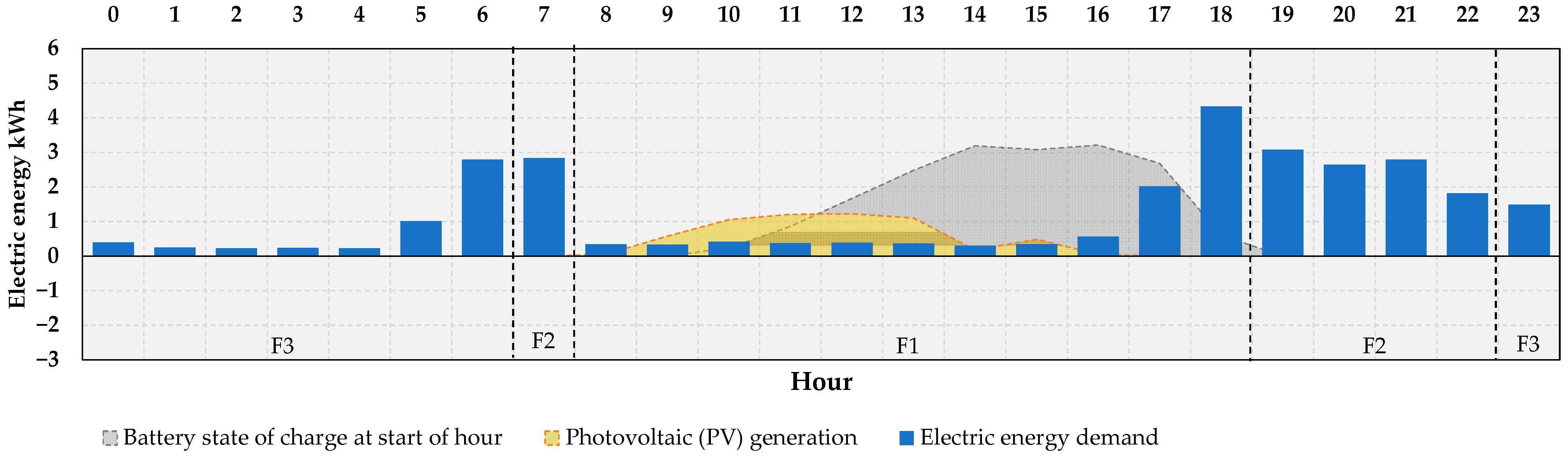
Figure 21,
Figure 22,
Figure 23 and
Figure 24 illustrate that during summer (June), production levels are high and often exceed immediate consumption, leading to energy surplus and ESS saturation, which results in increased grid export. Conversely, in winter (December), the minimal energy production makes the system highly dependent on the grid, with limited ESS recharging. Transitional seasons (April and September) show intermediate patterns, with production following seasonal trends and a more dynamic ESS operation. The temporal mismatch between generation and consumption remains a major challenge for maximising self-consumption.
Self-consumption performance can be enhanced through demand-side management strategies, such as shifting loads to periods of peak generation. The analysis emphasizes the importance of considering not only the amount of energy generated, but also its immediate and deferred use via ESS, to reduce grid dependency and maximise both the economic and environmental benefits. The use of high-resolution data can be essential to understand the interaction between generation and consumption and to develop more precise seasonal optimisation strategies.
4.9. Economic Analysis
Table 3 presents the simple payback period results for the 3 kW
p PV system, both with and without ESS integration (5.76 kWh). The analysis is based on current market costs for turnkey solutions, including site inspection, design, installation, administrative procedures, insurance, and VAT [
36]. The total costs considered were €5820 for the standalone PV system and €9890 for the PV with ESS configuration.
The results, calculated assuming no tax incentives, show a payback period of 10.5 years without ESS and 14.4 years with ESS (LiFePO
4 module). These findings align with Beltran et al. [
37], whose annual simulations of residential PV with ESS systems demonstrate that state-of-the-art LiFePO
4 batteries have sufficient longevity to recover initial investments under real operating conditions, with useful lifespans exceeding 17.8 years (at 60% remaining capacity end-of-life threshold). While typical economic break-even points range between 8–12 years depending on country and tariffs, the 14.4-year payback period remains within the operational lifespan of modern LiFePO
4 systems.
The economic trade-off between self-consumption benefits and reduced grid revenues explains the longer payback period for ESS-integrated systems.
Table 3 quantifies this balance: ESS integration increases annual savings from €271.8 to €576.0 (+112%) through higher self-consumption rates but simultaneously reduces grid feed-in revenues from €283.7 to €109.2 (−61%), as stored energy is consumed on-site rather than exported. This dual effect results in a net annual benefit that, while positive, is insufficient to offset the higher initial investment in the short term. Cucchiella et al. [
38] confirm this pattern, finding that although PV with ESS systems can be economically viable, their Net Present Value typically remains lower than standalone PV configurations due to the substantial upfront cost of ESS.
However, several dynamic factors suggest that future payback periods will improve substantially. First, projected lithium-ion battery price reductions of 40–60% by 2030 [
32] will directly reduce the initial investment gap between PV and PV with ESS systems.
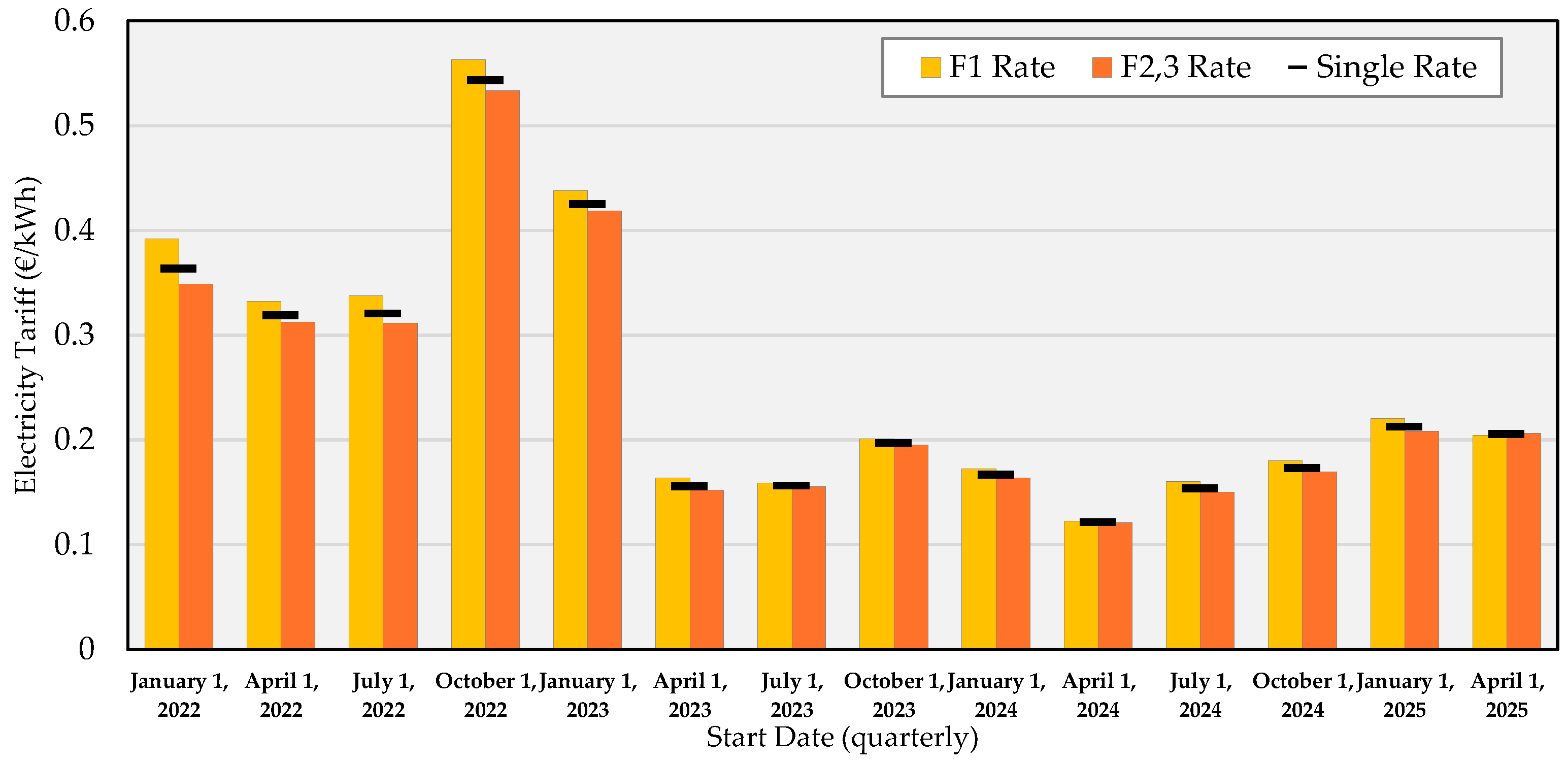
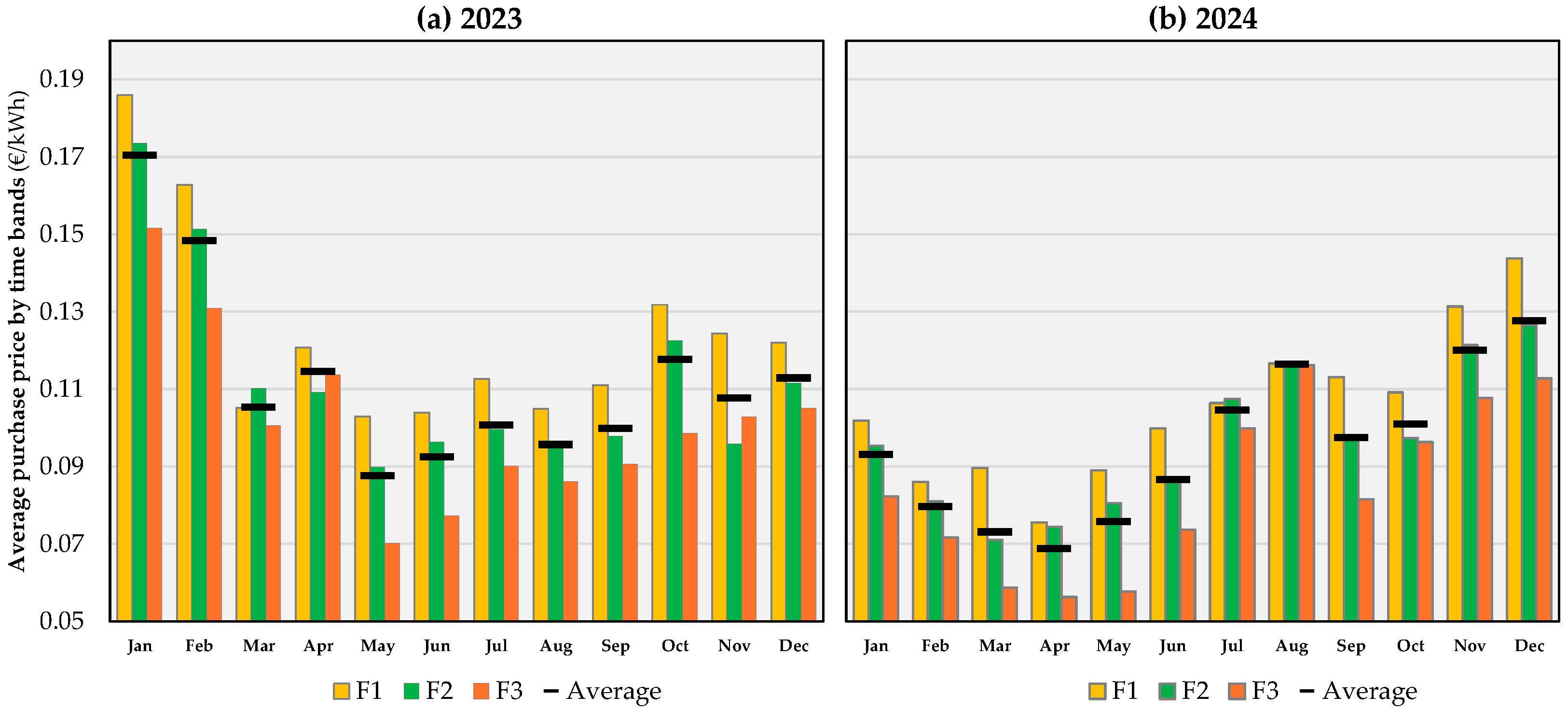
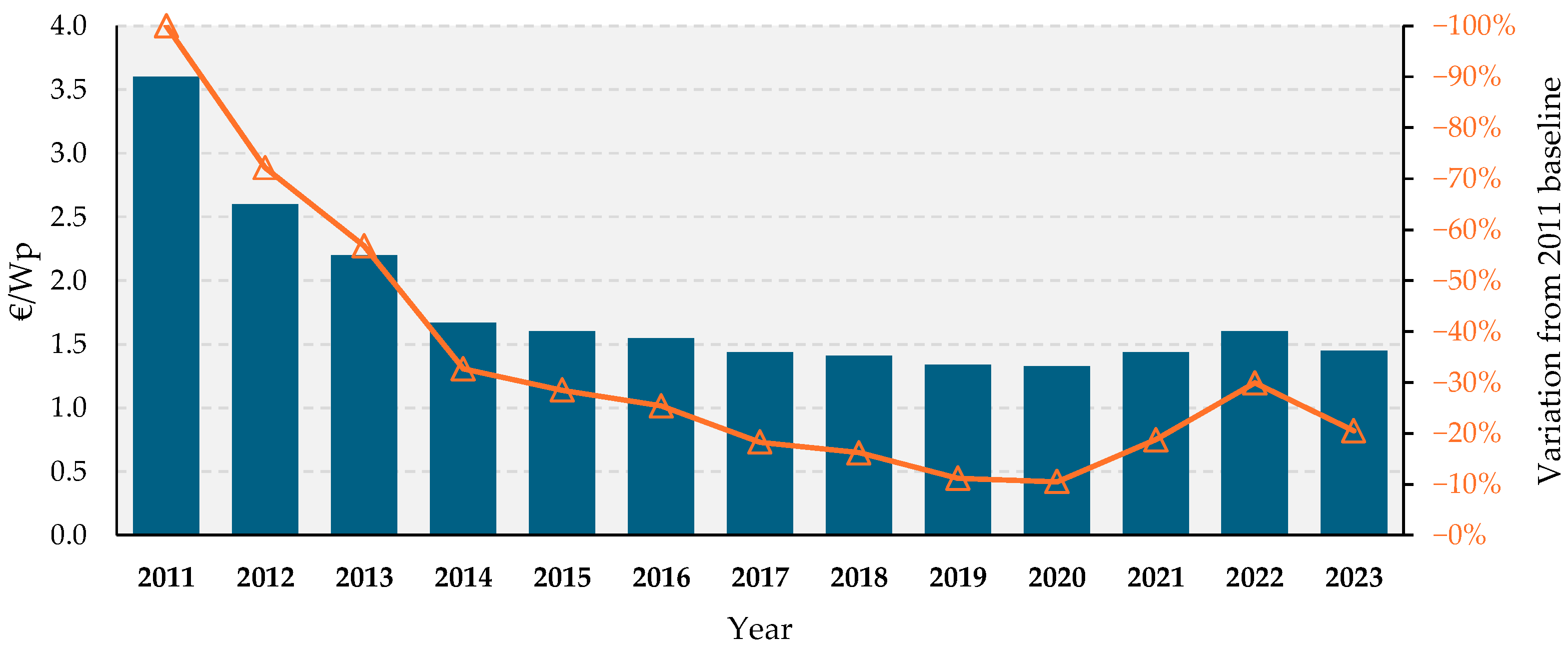
Figure 11 supports this trend, illustrating the historical decline in residential PV system costs in Italy, which has followed a similar trajectory. Second, electricity market conditions are evolving in ways that favor ESS adoption. Since mid-2024, Italy’s fully liberalized residential electricity market has introduced greater price volatility (
Figure 8 and
Figure 9), making grid electricity costs less predictable while feed-in tariffs remain relatively stable or declining. This volatility increases the value proposition of self-consumption enabled by ESS, as consumers gain protection from peak pricing periods, a strategic benefit explicitly recognized by Directive (EU) 2024/1275 [
1] in its emphasis on shielding consumers from fossil fuel price fluctuations. Third, emerging policy incentives for ESS installation and favorable self-consumption tariffs could further accelerate economic viability.
Beyond market dynamics, system optimization strategies can significantly reduce payback periods in practice. Proper PV sizing relative to household load profiles is critical for maximizing self-consumption and economic returns [
39,
40]. Furthermore, Demand Side Management practices that strategically shift consumption to align with PV generation periods can enhance both self-consumption rates and overall profitability [
14,
41]. These operational optimizations, combined with declining ESS costs and supportive policy frameworks, suggest that the current 14.4-year payback period represents a conservative baseline that is likely to improve considerably in the near future.
The economic analysis does not take into account the performance degradation of the solar thermal panels and the solar storage system.
To assess the robustness of the economic results, a sensitivity analysis was carried out by repeating the calculations using the updated 2024 electricity prices. Compared to 2023, the average cost of imported electricity decreased by approximately 34%, while the remuneration for electricity exported to the grid increased by 17.9% in F1, 17.2% in F2, and 20% in F3. The investment costs of both configurations (PV-only and PV with ESS) were kept constant, and the same 15 min load profile and climatic conditions used in the 2023 baseline scenario were maintained. This ensures that the sensitivity analysis isolates only the effect of energy price variations on the economic indicators.
Under the 2024 price scenario, the PV system without storage yields an annual revenue of €251.6 from exported surplus electricity and generates €183.3 of annual savings through avoided electricity purchases, resulting in a simple payback period of 13.4 years. When the 5.76 kWh battery storage unit is included, the annual revenue from exported energy decreases to €101.4, while the savings associated with increased self-consumption rise to €389.7. However, despite the higher self-consumption rates, the larger investment cost leads to a longer simple payback period of 20.1 years for the PV with ESS configuration.
These findings indicate that the economic performance of both configurations is highly sensitive to variations in energy prices. In particular, the significant reduction in the cost of imported electricity in 2024 reduces the economic value of self-consumed PV energy, leading to a more pronounced increase in the payback period of the PV with ESS system compared to the PV-only option.
5. Discussion
While this research presents the analysis of a single case study, the main contribution lies not in the specific numerical results but, rather, in the methodological approach used to develop the calculation tool. By combining publicly available high-resolution consumption data from the ARERA national Consumption Portal with sub-hourly PV production and ESS simulations, the proposed method is both replicable in the Italian context and adaptable to different contexts. This approach enables households, designers, and policymakers to realistically assess self-consumption potential, ESS sizing, and economic feasibility based on real consumption profiles, rather than relying solely on synthetic or simulated data.
In general, the results of this research confirm the structural misalignment between PV generation and household electricity demand, a challenge consistently observed in the literature [
11,
16,
19,
42,
43]. Specifically, in the absence of an ESS, the simulated PV system directly covers 24.9% of the household’s annual electricity demand (self-sufficiency), while the self-consumption rate amounts to 32.0% of the total energy generated.
These values should be interpreted within the broader context of existing literature, as results can vary significantly depending on factors such as climate, building characteristics, building’s function, load profiles, prosumer’s consumption habits, and PV system sizing [
14,
44]. The values fall within the typical baseline self-consumption rates for residential PV systems, generally ranging from 30% to 40% [
12].
As an example of contextual variation, studies focusing on detached houses in Spain [
44] show that a favourable alignment between hourly consumption and PV production curves, without ESS, can yield a self-consumption rate up to 21.05% and self-sufficiency up to 29.6%.
Integrating an ESS system significantly enhances on-site energy usage [
6,
14,
43,
45,
46]. In our case study, the PV system achieved an annual self-consumption rate of 32.0%, rising to 68.7% when coupled with a 5.76 kWh ESS. Similarly, annual self-sufficiency increased from 24.9% without ESS to 53.5% with ESS. This increase is consistent with similar findings where the integration of an ESS in a residential building increased the self-consumption rate from 31% to approximately 60% [
45]. The impact of the ESS is particularly pronounced during the F3 Time-of-Use (TOU) band, where the annual coverage of electricity demand increases markedly from 14.6% to 39.6%, thereby addressing the temporal gap between PV generation and evening/nighttime consumption.
Despite the notable technical gains, the economic analysis confirms that integrating an ESS often results in longer payback periods due to higher investment costs [
16,
17,
38,
47]. In our study, the simple payback period extended from 10.5 years (PV-only) to 14.4 years (PV with ESS). This result falls within the typical range reported in the literature for residential ESS systems, which is generally between 6 and 15 years [
47]. High upfront costs and the relatively limited operational lifespan of ESS units continue to pose significant limitations to immediate financial viability [
17].
Nevertheless, this economic outlook is projected to improve substantially in the near future. Investment costs for “behind-the-meter” ESS systems in the EU are expected to decline by around 20% by 2030 [
48,
49], while total installed costs for PV systems are projected to decrease by over 40% by 2029 [
49,
50]. These anticipated reductions will alleviate current financial barriers. Furthermore, dynamic factors such as the growing adoption of electric vehicles (EVs), which allows for load synchronization with PV production, and the increased price volatility in Italy’s liberalized electricity market enhance the financial value of ESS-enabled self-consumption. This increased self-sufficiency offers consumers critical protection from fossil fuel price fluctuations, a strategic benefit recognized by Directive (EU) 2024/1275 [
1].
Refs. [
19,
43] highlighted the importance of high-resolution data in accurately capturing the temporal dynamics between PV generation and household demand. Simulations based on coarser temporal resolutions (e.g., annual, seasonal, or hourly averages) may overestimate the potential for self-sufficiency, as they fail to fully reflect the real-time discrepancies between generated and consumed electricity. Conversely, the use of sub-hourly data (15 min) enables more realistic assessments of these mismatch effects and provides a clearer picture of the actual system performance under real operating conditions.
The contribution of this study is twofold: (1) It introduces a replicable method that combines real 15 min-interval consumption data, which in Italy can be collected through the national ARERA portal, with simulated PV generation and ESS operation. (2) Through a case study, it integrates a comprehensive technical and economic analysis, assessing the effect of ESS on self-consumption and grid dependence, as well as the payback period under current market conditions and hourly tariffs.
We acknowledge practical limitations: in the case study, full grid independence was not achieved due to seasonal and nighttime residual demand. Moreover, the calculation model was applied to a single household profile and specific PV/ESS dimensions primarily to validate the methodology. Future research should expand this framework to include diverse consumption profiles, the integration of Demand-Side Management (DSM) strategies, and the application of this methodology to energy communities comprising multiple buildings (residential, commercial, public), as encouraged by Directive (EU) 2024/1275 [
1].
6. Conclusions
This study presents and applies a replicable methodology for evaluating the self-consumption potential and cost-effectiveness of PV systems by combining real 15 min-interval consumption data with sub-hourly production and ESS simulations. A calculation tool has been developed based on methods recognized by national standards, making it fully replicable using the provided formulas. Unlike many existing studies that rely on synthetic or simulated demand profiles, often at hourly or coarser resolutions, our approach uses publicly available data from the ARERA national Consumption Portal, providing a realistic view of the temporal mismatch between PV generation and household demand in a Mediterranean context.
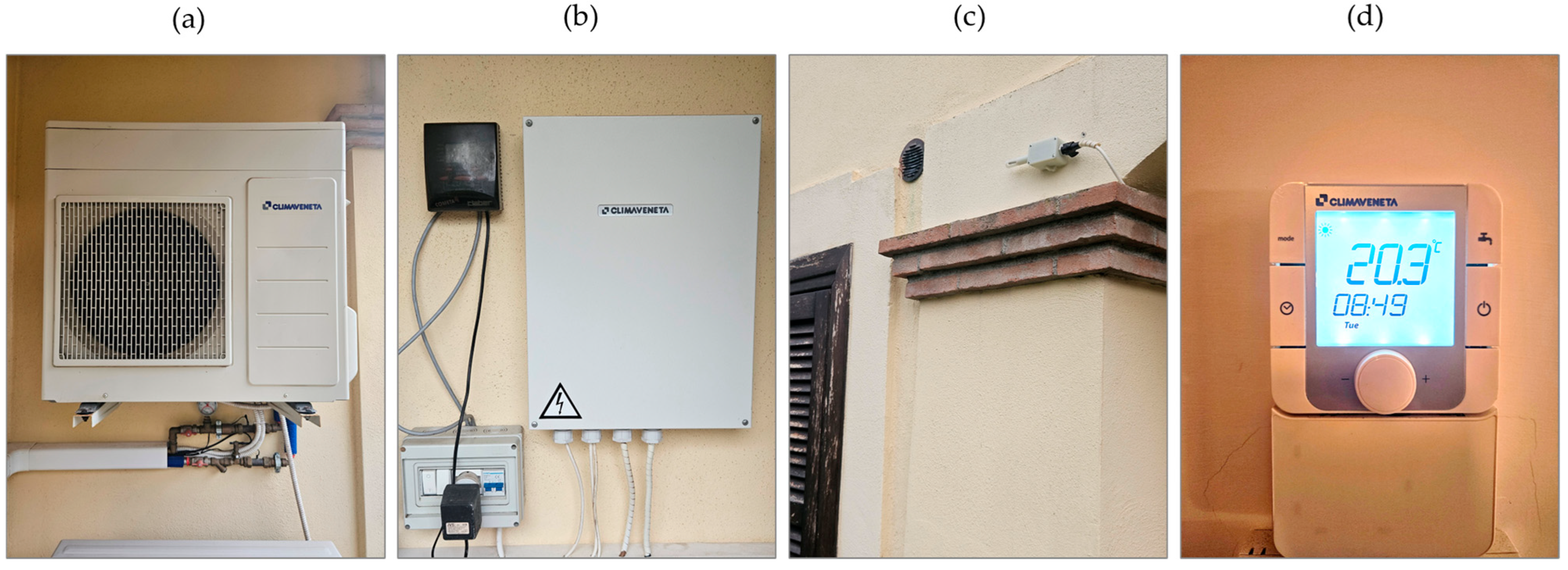
The case study, used to validate the methodology, illustrates a concrete example of the importance of a sub-hourly assessment when heat pump systems are powered by a PV system with battery storage.
The integration of the ESS nearly doubles on-site energy utilization performance. The self-consumption rate increases from 32.0% to 68.7%, while the self-sufficiency rate rises from 24.9% to 53.5%. Dependence on the external grid is significantly reduced from 75.1% to 46.5% on an annual basis, with grid imports dropping by 38.0% and energy exports by 59.5%. The ESS has a particularly pronounced impact during nighttime hours and weekends (F3 tariff period), where demand coverage increases substantially from 14.6% to 39.6%, demonstrating its capability to bridge temporal gaps in the absence of solar irradiation.
A preliminary economic analysis, considering a turnkey cost of €5820 for PV-only and €9890 for the PV with ESS configuration, reveals the associated financial trade-offs. While the ESS increases annual savings due to higher self-consumption (from €271.8 to €576.0, a 112% increase), revenues from surplus energy sales decrease markedly (from €283.7 to €109.2, a 61% reduction). This combined effect results in an extended payback period, from 10.5 years for PV-only to 14.4 years for PV with ESS.
To evaluate economic robustness, a sensitivity analysis was conducted using 2024 energy prices. In this scenario, characterized by a 34% reduction in the average cost of imported energy, the payback period for PV-only increases to 13.4 years, while that for the PV with ESS system extends to 20.1 years. These findings underscore the high sensitivity of PV with ESS system profitability to fluctuations in grid electricity prices, which diminishes the economic value of self-consumption in the absence of fiscal incentives. Beyond the specific numerical results, the main contribution of this work lies in demonstrating that realistic assessments of PV systems can be performed using real sub-hourly consumption data, which better capture daily and seasonal demand dynamics compared to simulated or averaged profiles. This transparent and replicable method can support designers, households, and policymakers in evaluating ESS sizing, economic feasibility, and potential policy incentives, without requiring complex modelling or proprietary data.