
Golf Courses as Soundscape Refugia: Toward Sustainable Management of Acoustic Landscapes



Abstract
1. Introduction
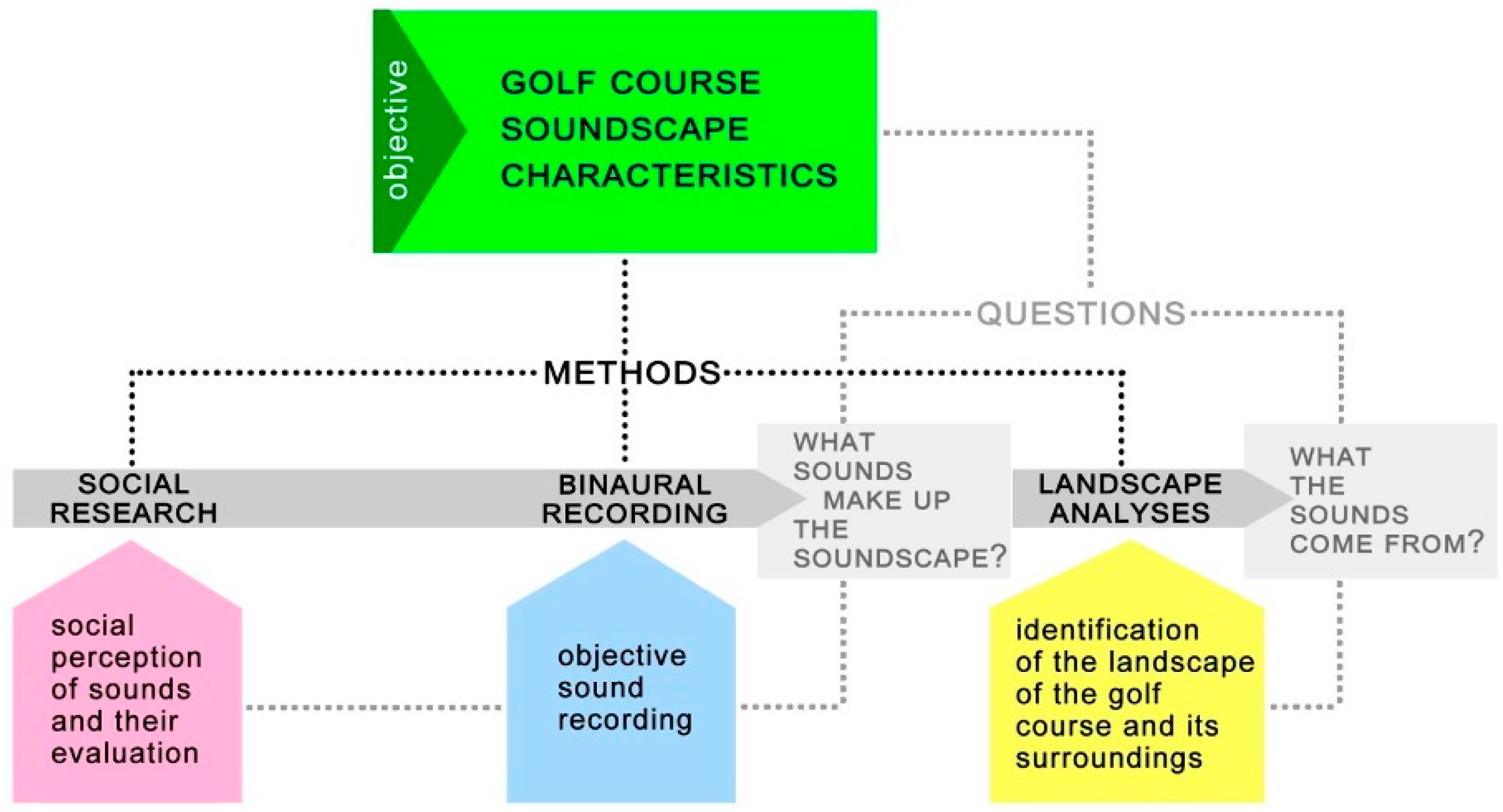
- Identify and characterize the types of sounds present in different course zones;
- Assess how these sounds are perceived by golfers;
- Analyze how landscape composition influences the acoustic environment.
2. Materials and Methods
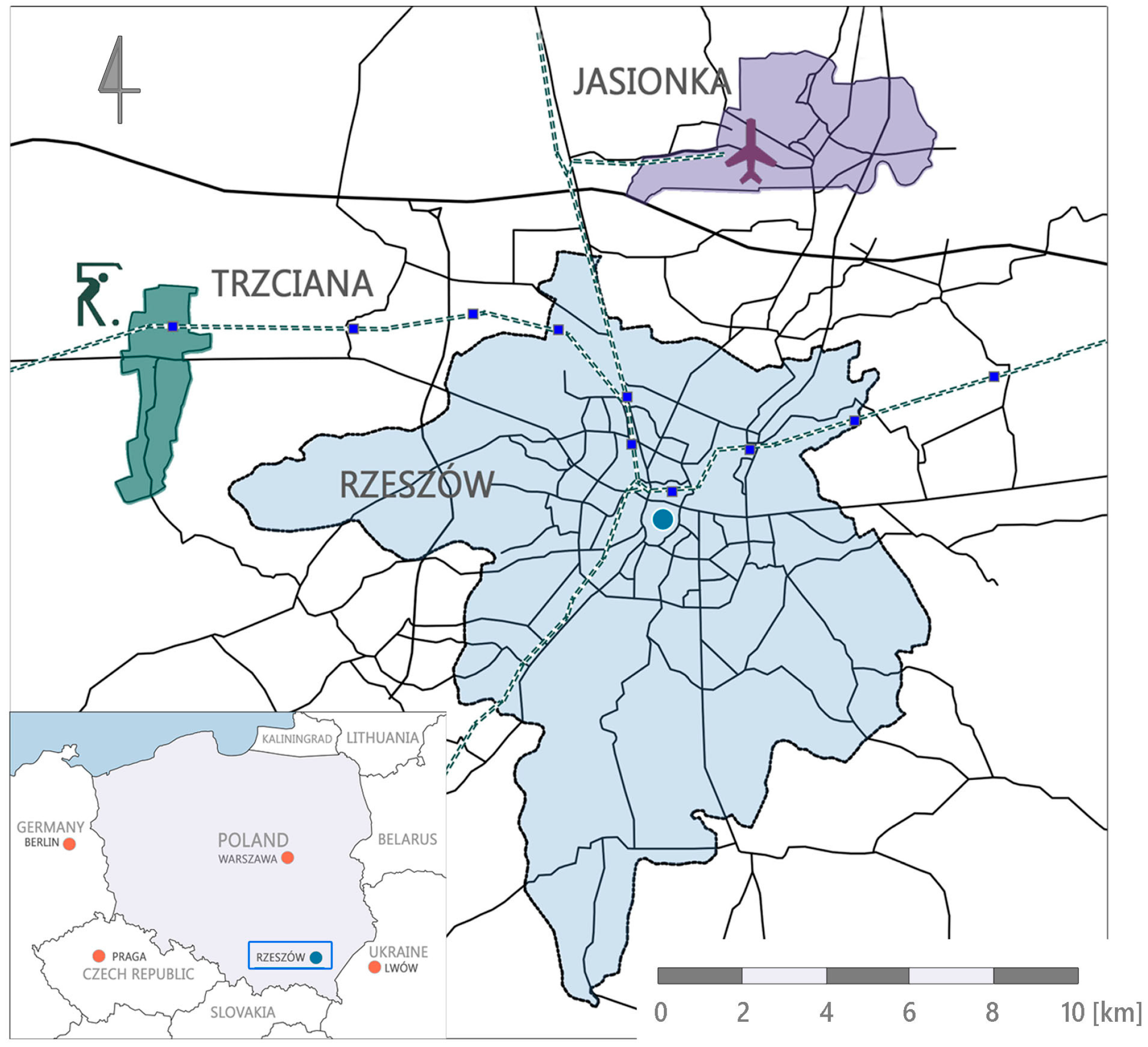
2.1. Study Area
2.2. Data Collection
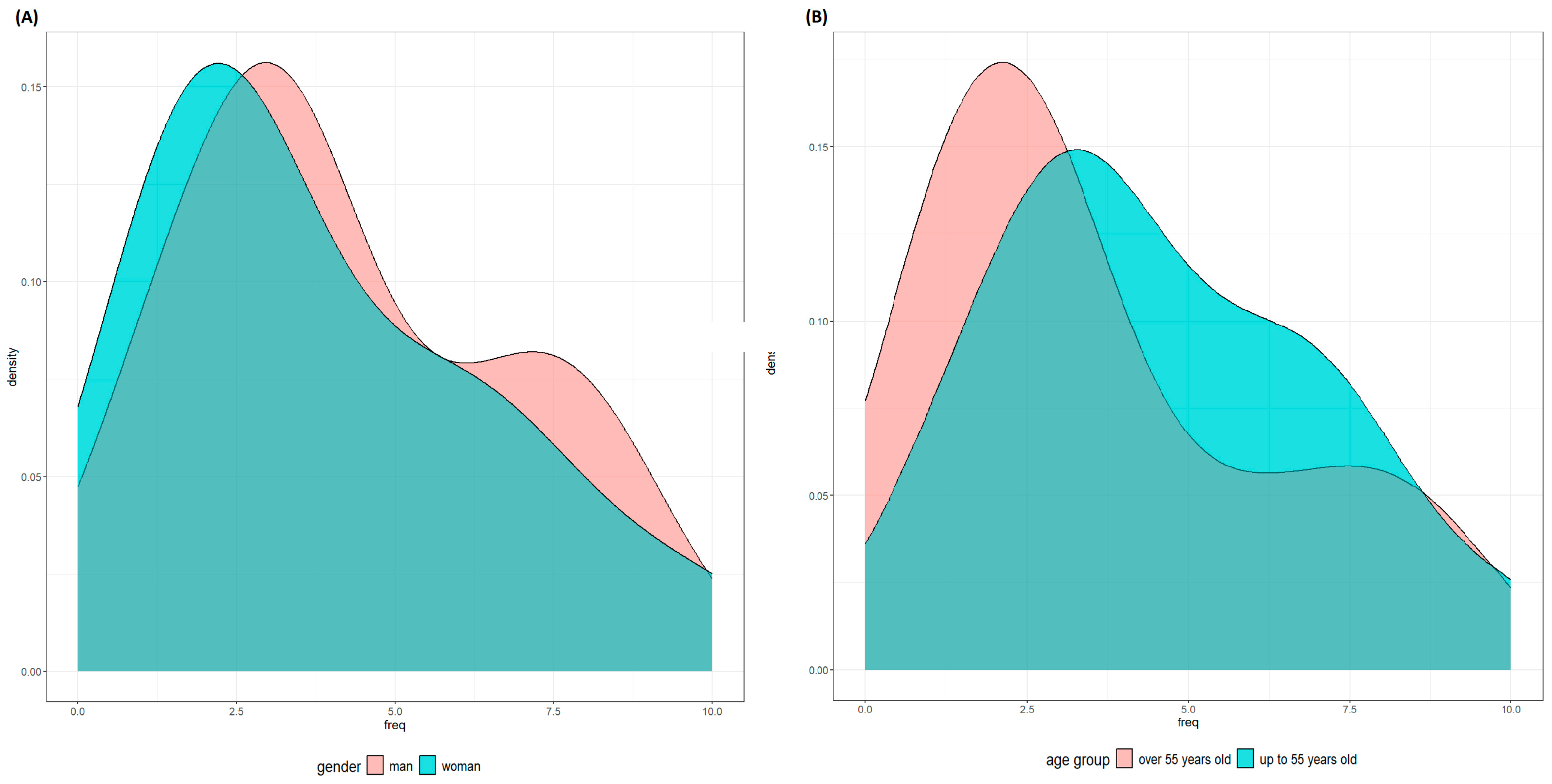
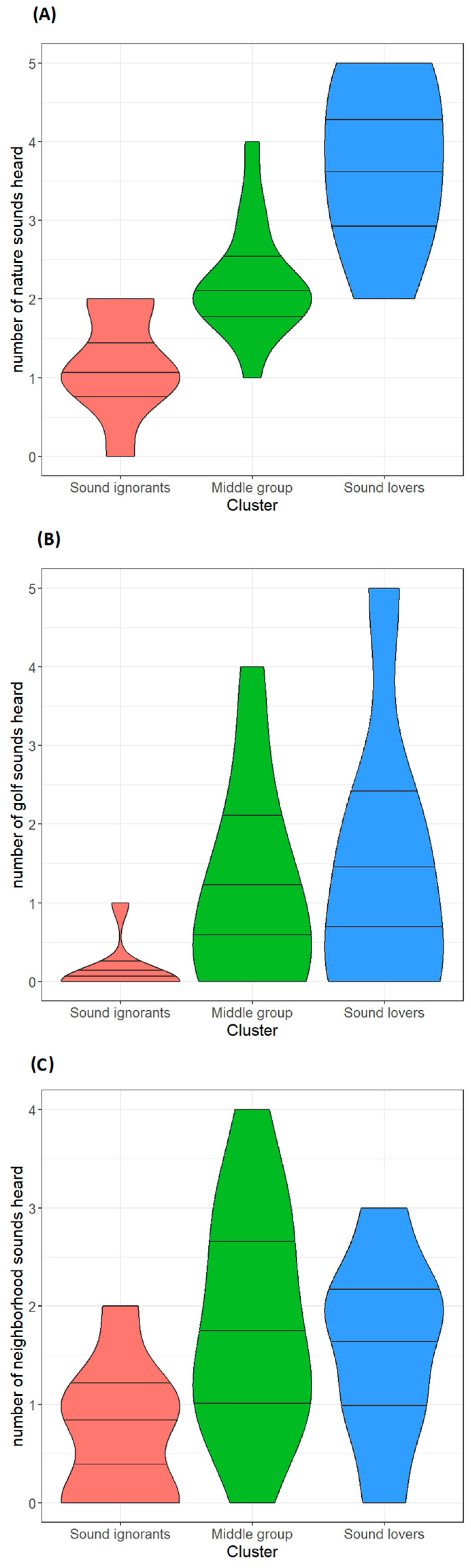
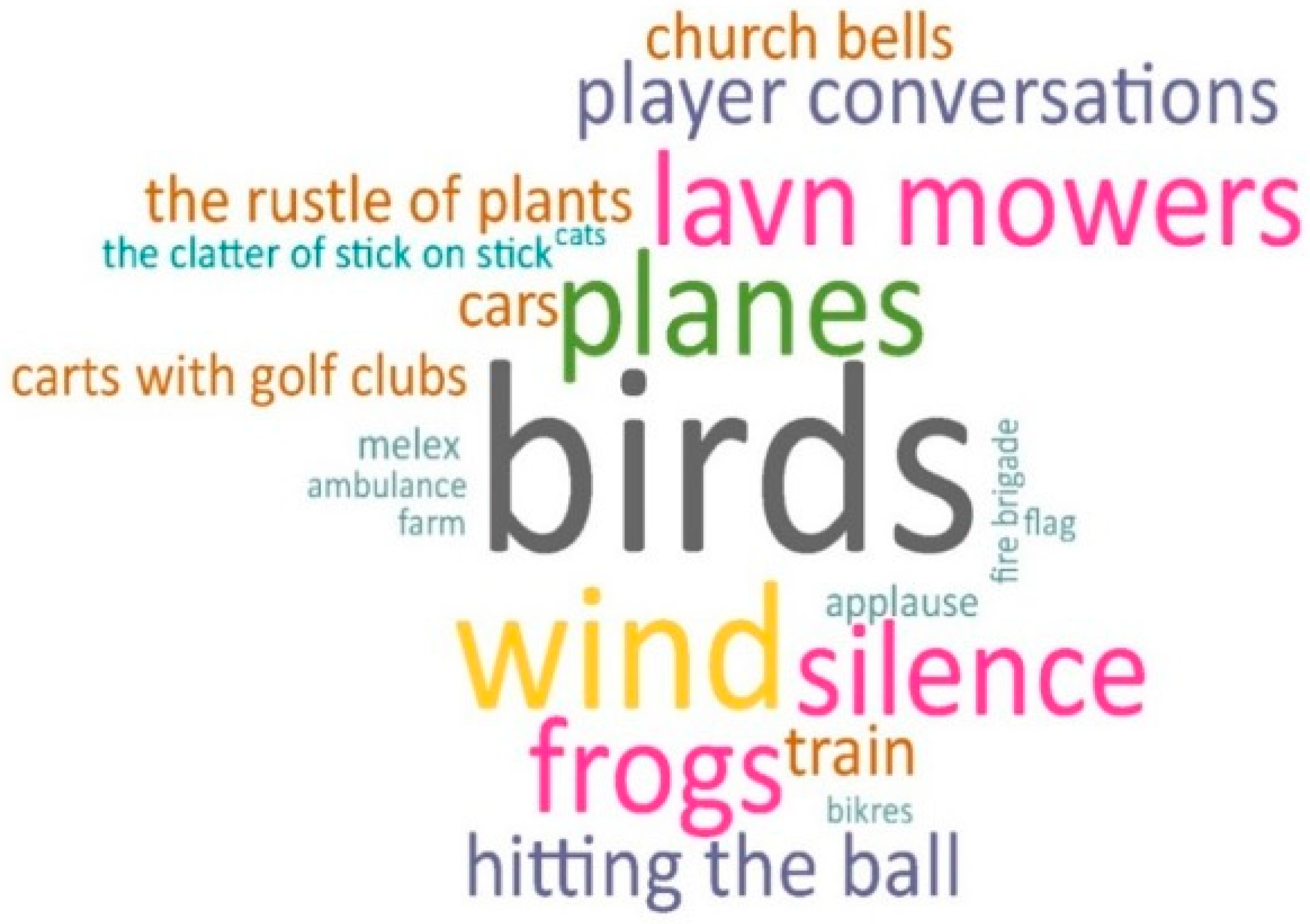
- Questionnaire survey: A face-to-face survey was conducted between April and July 2023, immediately after the play. The survey was conducted using a sample of 36 respondents. The sample comprised 17 women (47%) and 19 men (53%). Most of the players, that is, 13, were in the age group 41–55. Table 1 shows the distribution of respondents according to sex and age group.The respondents were asked to recall and evaluate the sounds they noticed during the game. The reported sounds were classified as relaxing, restorative, pleasant, neutral, bothersome, and annoying. Each participant was also provided with a course map to indicate the locations where the sounds were perceived to be the most influential. The survey followed the perceptual evaluation principles outlined in ISO 12913-2:2018 and the affective dimensions proposed by Axelsson et al. [21], using categories such as relaxing, pleasant, neutral, bothersome, and annoying to describe respondents’ soundscape experiences. A non-probability convenience sampling strategy was applied, as access to the population of active golf players was limited to members and guests of the Two Ponds Golf Course. This approach is consistent with exploratory soundscape studies that emphasize perceptual diversity over statistical representativeness [18,19].
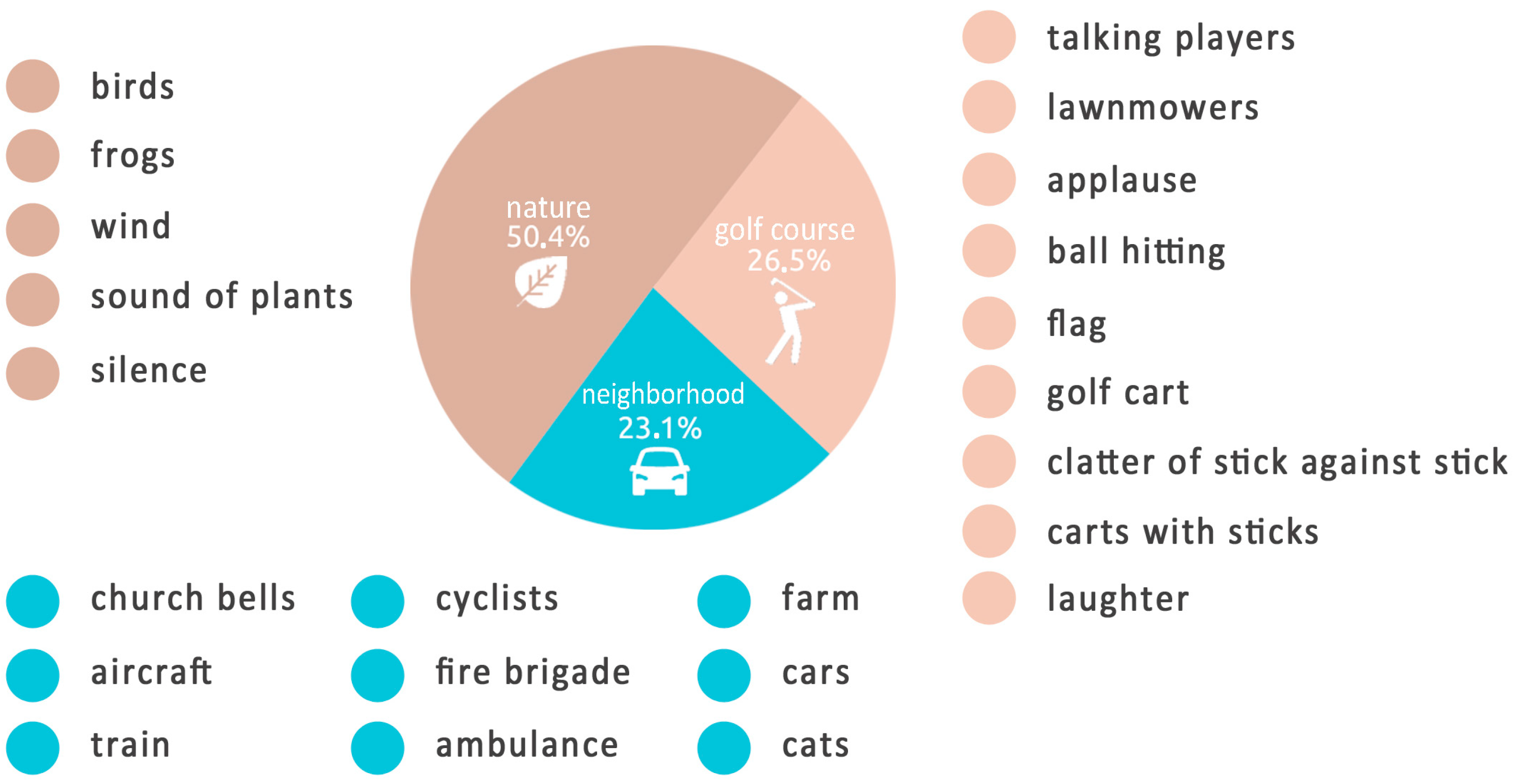
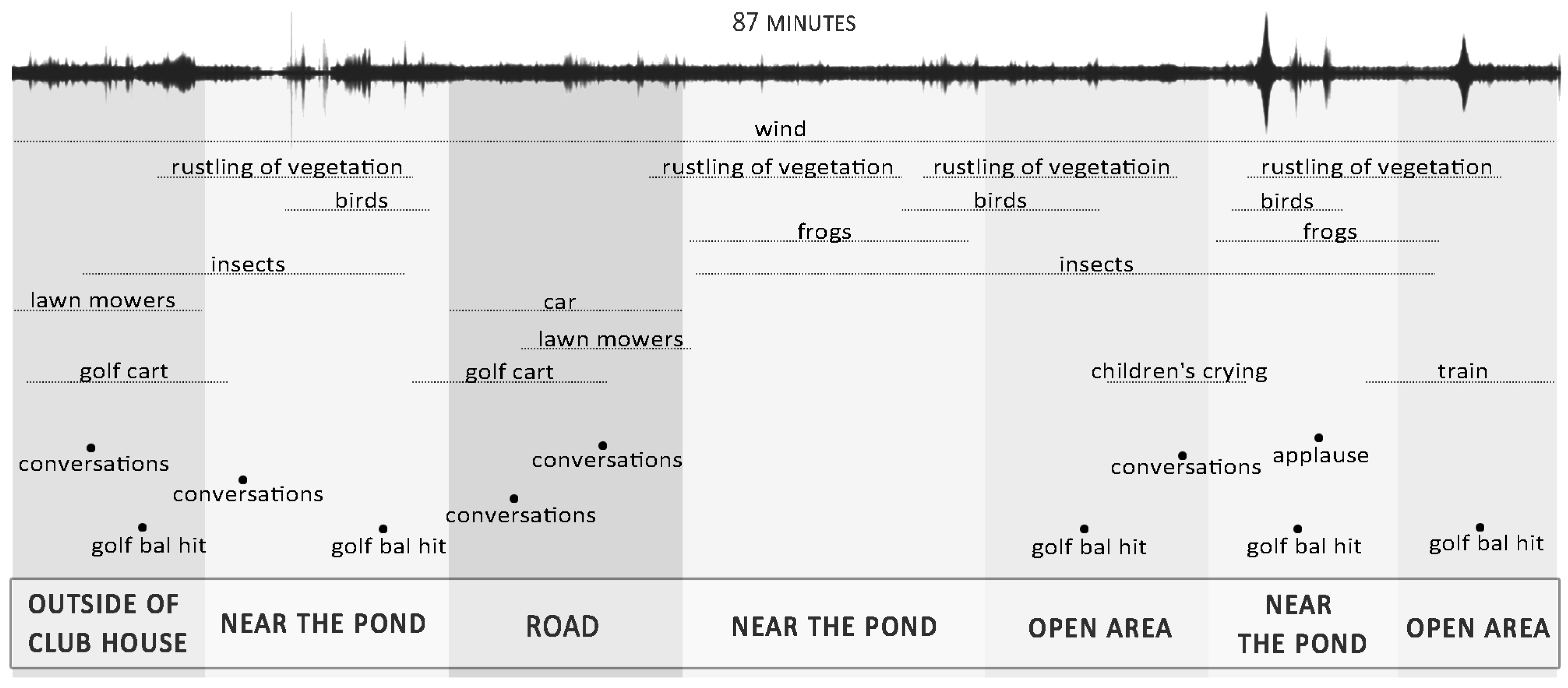
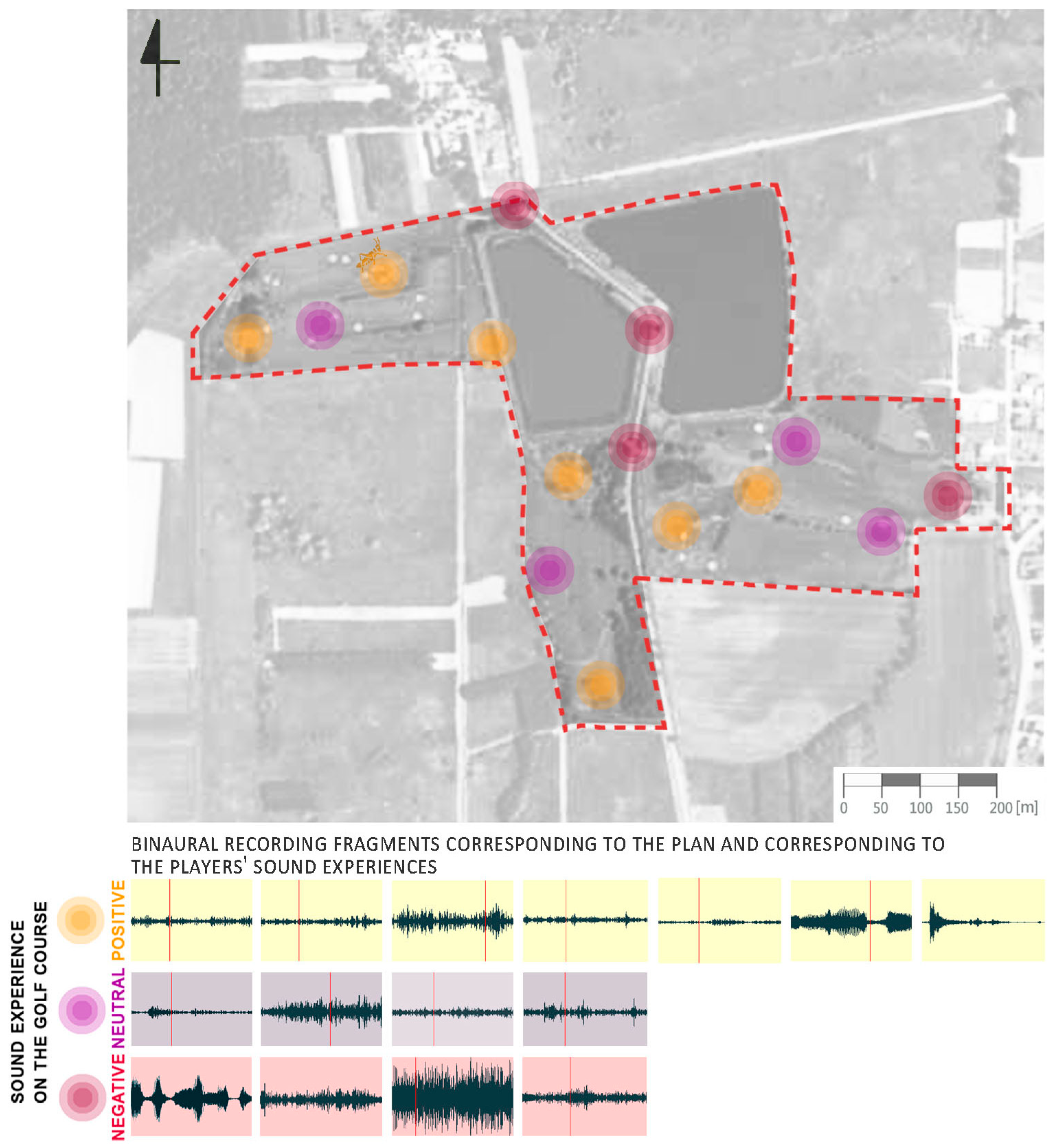
- Binaural recording: Objective acoustic data were collected using Roland CS-10EM in-ear binaural microphones (Roland Corporation, Hamamatsu, Japan) connected to an Olympus LS-P4 digital recorder (Olympus Corporation, Tokyo, Japan). Recording parameters followed standard settings recommended for environmental soundscape surveys [17]: a sampling rate of 48 kHz and a bit depth of 24 bits. Prior to recording, the system was calibrated using a 1 kHz reference tone, and basic wind protection was applied. The recording was performed on 22 June 2023 at 16:00, corresponding to the peak playing hours identified in the questionnaire survey. Weather conditions were stable, with no precipitation, a temperature of approximately 24 °C, and light wind below 3 m/s. These conditions ensured minimal external interference and represent typical acoustic circumstances of the golf course during recreational use. The researcher followed the standard playing path from the clubhouse through all nine holes and back, producing an 87 min continuous binaural recording that captured both natural and anthropogenic sounds present during typical course activity. Although a single traverse was recorded, the chosen timing reflected the typical acoustic conditions of the site during peak activity hours. The purpose of this measurement was exploratory, to document the representative structure and diversity of sounds experienced during regular course use.
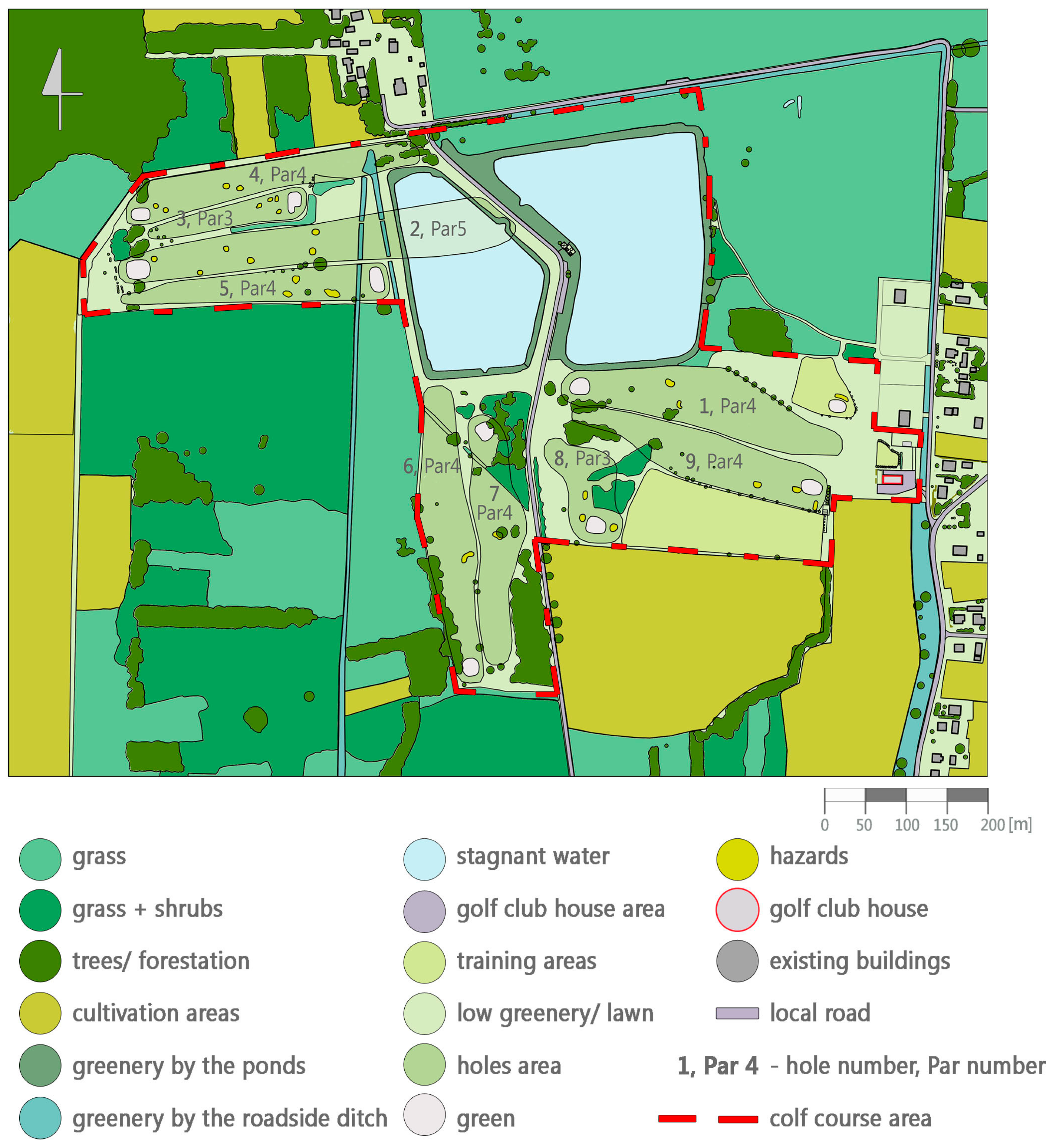
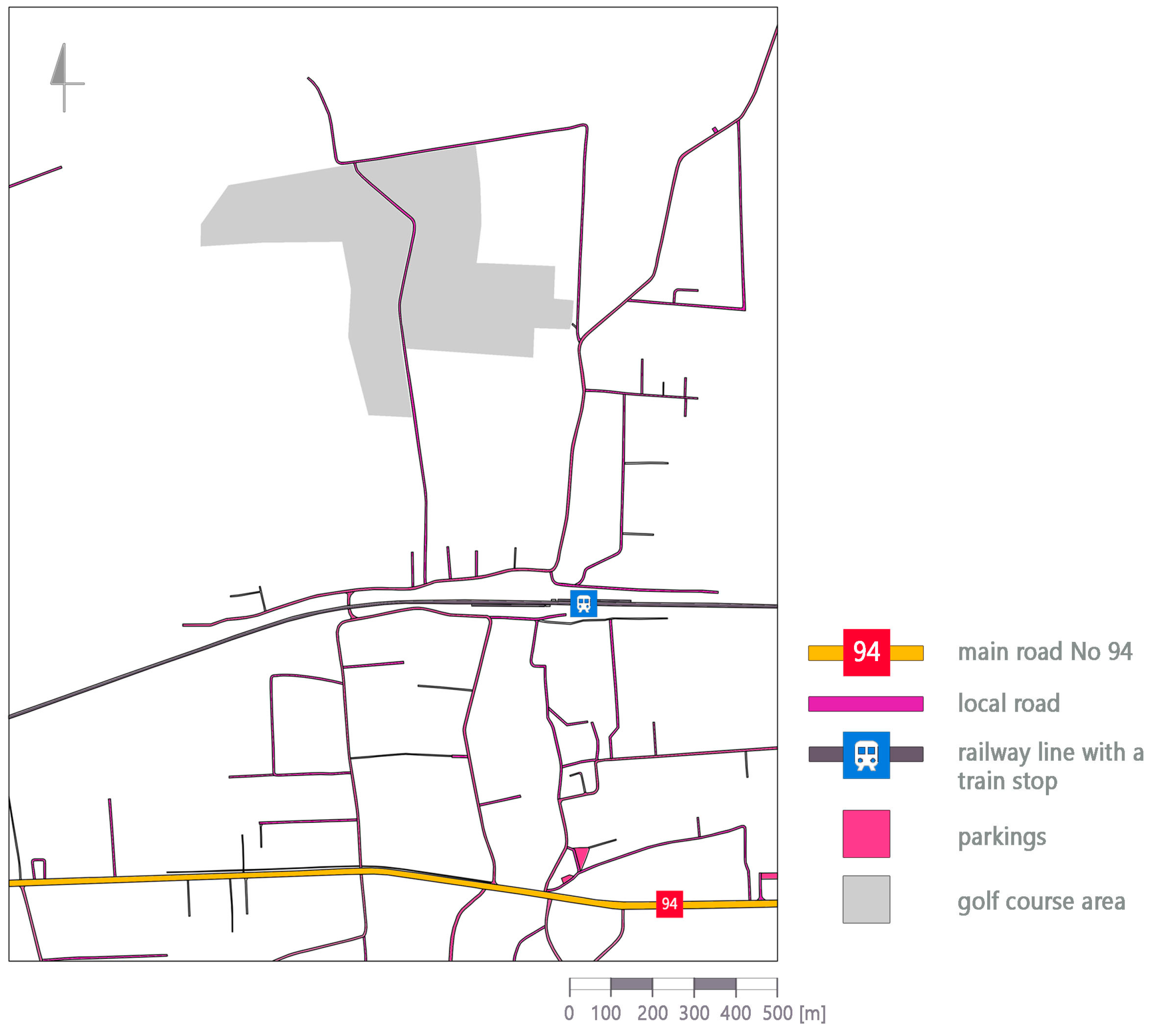
- Landscape analysis: Land cover and vegetation structure were analyzed using orthophotography maps from the National Geoportal [22] and field surveys, which made it possible to verify the digital data in the field. Figures for this analysis were drawn in AutoCAD 2024 (Autodesk Inc., San Rafael, CA, USA). The landscape analysis was conducted at two spatial scales:
- Course scale: types and distribution of greenery (roughs, fairways, ponds, and trees).
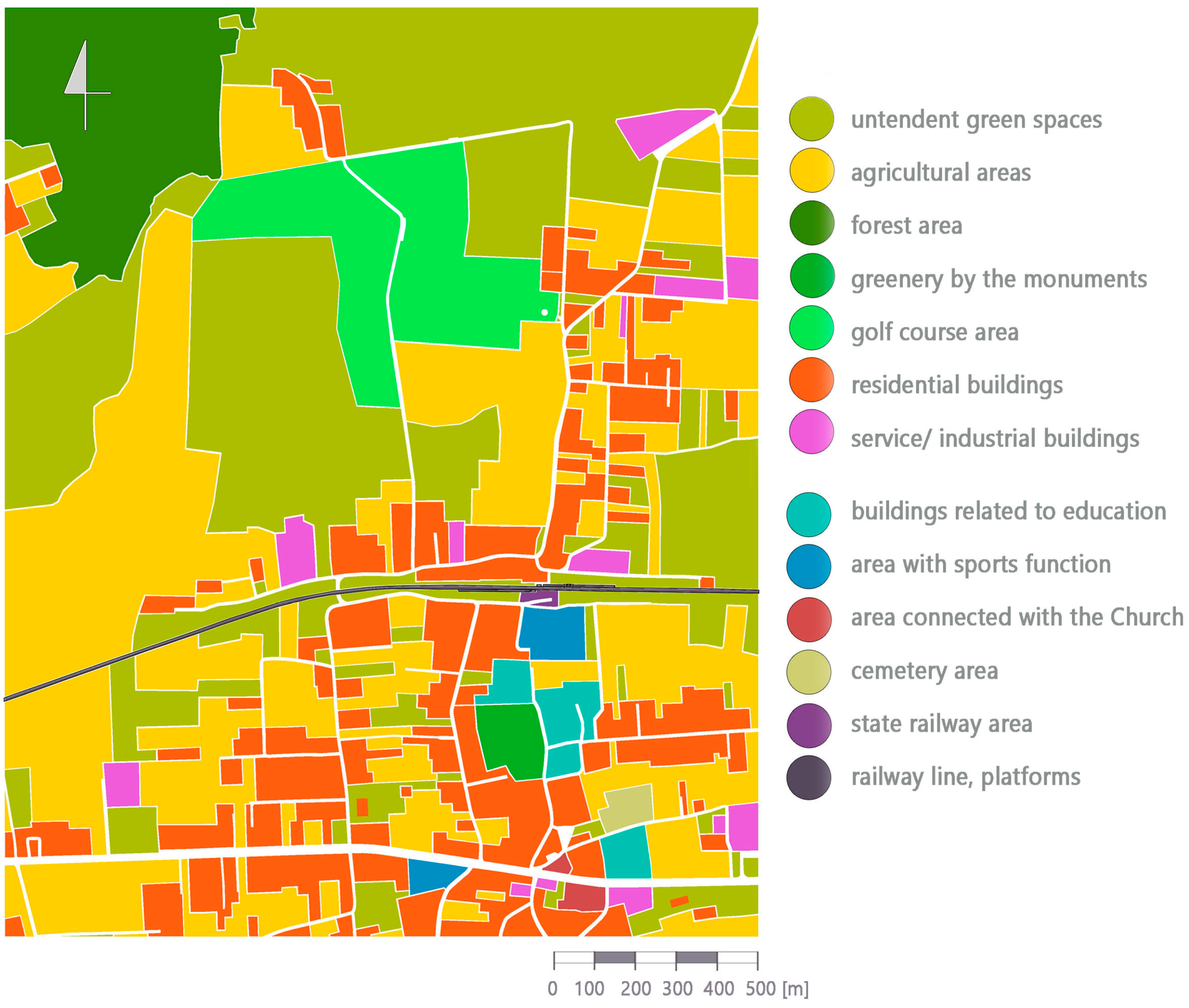
- Contextual scale: land cover within 1 km (N, E, W) and 2 km (S) of the clubhouse, including meadows, agricultural land, forest patches, and transport infrastructure (local roads, a railway line, and national road 94).
2.3. Data Analysis
3. Results
3.1. Social Perception of Sounds
3.2. Objective Sound Recording
3.3. Identification of the Landscape of the Golf Course and Its Surroundings
3.3.1. Scale of the Golf Course
3.3.2. Scale of the Spatial Context
3.4. Integration of Research Methods
4. Discussion
4.1. Golf Course—A Nature Sound Refugia
4.2. Golf Course—Therapeutic Landscape
4.3. Positive and Negative Sound Experiences of Golf Course Users
4.4. Sounds and Composition
4.5. Limitations and Future Research
5. Conclusions
- (1)
- The main sound categories were identified through binaural recordings and field observations;
- (2)
- Golfers’ perceptions of the acoustic environment were analyzed in relation to their sex and age;
- (3)
- Links between soundscape characteristics and landscape composition were established.
Author Contributions
Funding
Institutional Review Board Statement
Informed Consent Statement
Data Availability Statement
Conflicts of Interest
References
- Albort-Morant, G.; Leal-Rodriguez, A.L. Pro-environmental culture and behavior to promote sustainable golf courses: The case study of “La Galiana”. In Tourism Innovation: Technology, Sustainability and Creativity; Routledge: London, UK, 2019. [Google Scholar] [CrossRef]
- Lonsdorf, E.V.; Nootenboom, C.; Janke, B.; Horgan, B.P. Assessing urban ecosystem services provided by green infrastructure: Golf courses in the Minneapolis-St. Paul metro area. Landsc. Urban Plan. 2021, 208, 104022. [Google Scholar] [CrossRef]
- Bekken, M.A.H.; Soldat, D.J.; Koch, P.L.; Schimenti, C.S.; Rossi, F.S.; Aamlid, T.S.; Hesselsøe, K.J.; Petersen, T.K.; Straw, C.M.; Unruh, J.B.; et al. Analyzing golf course pesticide risk across the US and Europe—The importance of regulatory environment. Sci. Total Environ. 2023, 874, 162498. [Google Scholar] [CrossRef]
- Allan-Perkins, E.; Manter, D.K.; Wick, R.; Jung, G. Network analysis of nematodes with soil microbes on cool-season golf courses. Rhizosphere 2023, 28, 100798. [Google Scholar] [CrossRef]
- Raimbault, M.; Dubois, D. Urban soundscapes: Experiences and knowledge. Cities 2005, 22, 339–350. [Google Scholar] [CrossRef]
- Hosseini, A.; Kowkabi, L. Measuring the Soundscape Quality in Urban Spaces: A Case Study of Historic Urban Area. Sustainability 2023, 15, 4255. [Google Scholar] [CrossRef]
- Shu, S.; Ma, H. Restorative effects of urban park soundscapes on children’s psychophysiological stress. Appl. Acoust. 2020, 164, 107293. [Google Scholar] [CrossRef]
- Chitra, B.; Jain, M.; Chundelli, F.A. Understanding the soundscape environment of an urban park through landscape elements. Environ. Technol. Innov. 2020, 19, 100998. [Google Scholar] [CrossRef]
- Nguyen, T.T.; Barber, P.; Harper, R.; Linh, T.V.K.; Dell, B. Vegetation trends associated with urban development: The role of golf courses. PLoS ONE 2020, 15, e0228090. [Google Scholar] [CrossRef] [PubMed]
- Dale, A.G.; Perry, R.L.; Cope, G.C.; Benda, N. Floral abundance and richness drive beneficial arthropod conservation and biological control on golf courses. Urban Ecosyst. 2020, 23, 55–66. [Google Scholar] [CrossRef]
- Colding, J.; Folke, C. The role of golf courses in biodiversity conservation and ecosystem management. Ecosystems 2009, 12, 191–206. [Google Scholar] [CrossRef]
- Farina, A. Ecoacoustics: A quantitative approach to investigate the ecological role of environmental sounds. Mathematics 2018, 7, 21. [Google Scholar] [CrossRef]
- Schoeman, R.P.; Erbe, C.; Pavan, G.; Righini, R.; Thomas, J.A. Analysis of soundscapes as an ecological tool. In Exploring Animal Behavior Through Sound: Volume 1: Methods; Springer: Cham, Switzerland, 2022. [Google Scholar] [CrossRef]
- Dein, J.; Rüdisser, J. Landscape influence on biophony in an urban environment in the European Alps. Landsc. Ecol. 2020, 35, 1875–1889. [Google Scholar] [CrossRef]
- ISO 12913-3:2019; Acoustics—Soundscape—Part 3: Data Analysis. International Organization for Standardization: Geneva, Switzerland, 2019. Available online: https://www.iso.org/standard/69864.html (accessed on 20 October 2025).
- ISO 12913-2:2018; Acoustics—Soundscape—Part 2: Data Collection and Reporting Requirements. International Organization for Standardization: Geneva, Switzerland, 2018. Available online: https://www.iso.org/standard/75267.html (accessed on 20 October 2025).
- ISO 12913-1:2014; Acoustics—Soundscape—Part 1: Definition and Conceptual Framework. International Organization for Standardization: Geneva, Switzerland, 2014. Available online: https://www.iso.org/standard/52161.html (accessed on 20 October 2025).
- Mitchell, A.; Oberman, T.; Aletta, F.; Erfanian, M.; Kachlicka, M.; Lionello, M.; Kang, J. The soundscape indices (SSID) protocol: A method for urban soundscape surveys- Questionnaires with acoustical and contextual information. Appl. Sci. 2020, 10, 2397. [Google Scholar] [CrossRef]
- Aletta, F.; Kang, J.; Axelsson, Ö. Soundscape descriptors and a conceptual framework for developing predictive soundscape models. Landsc. Urban Plan. 2016, 149, 65–74. [Google Scholar] [CrossRef]
- Zhou, Z.; Ye, X.; Chen, J.; Fan, X.; Kang, J. Effect of visual landscape factors on soundscape evaluation in old residential areas. Appl. Acoust. 2023, 215, 109708. [Google Scholar] [CrossRef]
- Axelsson, Ö.; Nilsson, M.E.; Berglund, B. A principal components model of soundscape perception. J. Acoust. Soc. Am. 2010, 128, 2836–2846. [Google Scholar] [CrossRef]
- Geoportal Spatial Information Infrastructure. Available online: https://www.geoportal.gov.pl (accessed on 14 January 2025).
- Shapiro, S.S.; Francia, R.S. An approximate analysis of variance test for normality. J. Am. Stat. Assoc. 1972, 67, 215–216. [Google Scholar] [CrossRef]
- Good, P. Permutation, Parametric, and Bootstrap Tests of Hypotheses, 3rd ed.; Springer: New York, NY, USA, 2005. [Google Scholar]
- Pearson, K. On the criterion that a given system of deviations from the probable in the case of a correlated system of variables is such that it can be reasonably supposed to have arisen from random sampling. Philos. Mag. 1905, 30, 157–175. [Google Scholar]
- MacQueen, J. Some methods for classification and analysis of multivariate observations. In Proceedings of the Fifth Berkeley Symposium on Mathematical Statistics and Probability, Berkeley, CA, USA, 21 June–18 July 1965; University of California Press: Oakland, CA, USA; Volume 1, pp. 281–297. [Google Scholar]
- Lewandowski, W.; Szumacher, I. Sound as a landscape value. In Sound in the Landscape as a Subject of Interdisciplinary Research; Works of the Cultural Landscape Committee: Lublin, Poland, 2008; Volume XI, pp. 54–62. [Google Scholar]
- Kowalczykowa, A. Pejzaż Romantyczny; Wydawnictwo Literackie: Kraków, Poland, 1982. [Google Scholar]
- Urząd Gminy Świlcza. Strategia Rozwoju Gminy Świlcza na lata 2015-2023-Program Rozwoju-Aktualizacja-Czerwiec 2019; Urząd Gminy Świlcza: Świlcza, Poland, 2018; Available online: https://bip.swilcza.com.pl/index.php/prawo-lokalne/strategia-rozwoju-gminy/3601-strategia-rozwoju-gminy-swilcza-na-lata-2015-2023 (accessed on 30 October 2025).
- Alcocer, I.; Lima, H.; Sugai, L.S.M.; Llusia, D. Acoustic indices as proxies for biodiversity: A meta-analysis. Biol. Rev. 2022, 97, 2209–2236. [Google Scholar] [CrossRef]
- Fairbrass, A.J.; Rennett, P.; Williams, C.; Titheridge, H.; Jones, K.E. Biases of acoustic indices measuring biodiversity in urban areas. Ecol. Indic. 2017, 83, 169–177. [Google Scholar] [CrossRef]
- Fisher, J.C.; Irvine, K.N.; Bicknell, J.E.; Hayes, W.M.; Fernandes, D.; Mistry, J.; Davies, Z.G. Perceived biodiversity, sound, naturalness and safety enhance the restorative quality and wellbeing benefits of green and blue space in a neotropical city. Sci. Total Environ. 2021, 755, 143095. [Google Scholar] [CrossRef]
- Barber, J.R.; Burdett, C.L.; Reed, S.E.; Warner, K.A.; Formichella, C.; Crooks, K.R.; Theobald, D.M.; Fristrup, K.M. Anthropogenic noise exposure in protected natural areas: Estimating the scale of ecological consequences. Landsc. Ecol. 2011, 26, 1281–1295. [Google Scholar] [CrossRef]
- Carson, R. Silent Spring; Houghton Mifflin Company: Boston, MA, USA, 2009. [Google Scholar]
- Ratcliffe, E.; Gatersleben, B.; Sowden, P.T. Bird sounds and their contributions to perceived attention restoration and stress recovery. J. Environ. Psychol. 2013, 36, 221–228. [Google Scholar] [CrossRef]
- Marques, B.; McIntosh, J.; Webber, H. Therapeutic Landscapes: A Natural Weaving of Culture, Health and Land. In Landscape Architecture Framed from an Environmental and Ecological Perspective; IntechOpen: London, UK, 2022. [Google Scholar] [CrossRef]
- Bell, S.L.; Hickman, C.; Houghton, F. From therapeutic landscape to therapeutic ‘sensescape’ experiences with nature? A scoping review. Wellbeing Space Soc. 2023, 4, 100126. [Google Scholar] [CrossRef]
- Bell, S.L.; Foley, R.; Houghton, F.; Maddrell, A.; Williams, A.M. From therapeutic landscapes to healthy spaces, places and practices: A scoping review. Soc. Sci. Med. 2018, 196, 123–130. [Google Scholar] [CrossRef] [PubMed]
- Duff, C. Exploring the role of ‘enabling places’ in promoting recovery from mental illness: A qualitative test of a relational model. Health Place 2012, 18, 1388–1395. [Google Scholar] [CrossRef]
- Völker, S.; Kistemann, T. “I’m always entirely happy when I’m here!” Urban blue enhancing human health and well-being in Cologne and Düsseldorf, Germany. Soc. Sci. Med. 2013, 78, 113–124. [Google Scholar] [CrossRef]
- Butterfield, A.; Martin, D. Affective sanctuaries: Understanding Maggie’s as therapeutic landscapes. Landsc. Res. 2016, 41, 695–706. [Google Scholar] [CrossRef]
- Jellard, S.; Bell, S.L. A fragmented sense of home: Reconfiguring therapeutic coastal encounters in COVID-19 times. Emot. Space Soc. 2021, 40, 100818. [Google Scholar] [CrossRef]
- Chen, J.; Wang, B. Mobilising therapeutic landscapes: Lifestyle migration of the Houniao and the spatio-temporal encounters with nature. Geoforum 2022, 131, 206–214. [Google Scholar] [CrossRef]
- Doughty, K.; Hu, H.; Smit, J. Therapeutic landscapes during the COVID-19 pandemic: Increased and intensified interactions with nature. Soc. Cult. Geogr. 2023, 24, 661–679. [Google Scholar] [CrossRef]
- Park, J.K.; Park, W.B.; Do, Y. Identifying Popular Frogs and Attractive Frog Calls from YouTube Data. Sustainability 2022, 14, 10258. [Google Scholar] [CrossRef]
- Hausmann, A.; Slotow, R.; Burns, J.K.; Di Minin, E. The ecosystem service of sense of place: Benefits for human well-being and biodiversity conservation. Environ. Conserv. 2016, 43, 117–127. [Google Scholar] [CrossRef]
- Ode, Å.; Fry, G.; Tveit, M.S.; Messager, P.; Miller, D. Indicators of perceived naturalness as drivers of landscape preference. J. Environ. Manag. 2009, 90, 375–383. [Google Scholar] [CrossRef]
- Orzechowska, I. Krajobraz w architekturze pól golfowych. Archit. Kraj. 2006, 3–4, 74–79. [Google Scholar]
- Opdam, P. Implementing human health as a landscape service in collaborative landscape approaches. Landsc. Urban Plan. 2020, 199, 103819. [Google Scholar] [CrossRef]
- Nowakowski, J.J.; Górski, A.; Lewandowski, K. Amphibian communities in small water bodies in the city of Olsztyn. Fragm. Faun. 2010, 53, 213–231. [Google Scholar] [CrossRef][Green Version]
- Dudkiewicz, M.; Kopacki, M.; Iwanek, M.; Hortyńska, P. Problems with the experience of biodiversity on the example of selected Polish cities. Agron. Sci. 2021, 76, 67–84. [Google Scholar] [CrossRef]
- Wintergerst, J.; Kästner, T.; Bartel, M.; Schmidt, C.; Nuss, M. Partial mowing of urban lawns supports higher abundances and diversities of insects. J. Insect Conserv. 2021, 25, 797–808. [Google Scholar] [CrossRef]





| Age Group | |||||||||||
|---|---|---|---|---|---|---|---|---|---|---|---|
| Up to 15 | 25–40 | 41–55 | 56–70 | Over 70 | |||||||
| n | % | n | % | n | % | n | % | n | % | ||
| Gender | Female | 1 | 2.8 | 2 | 5.5 | 8 | 22.2 | 6 | 16.7 | - | - |
| Male | - | - | 2 | 5.5 | 5 | 13.9 | 6 | 16.7 | 6 | 16.7 | |
Disclaimer/Publisher’s Note: The statements, opinions and data contained in all publications are solely those of the individual author(s) and contributor(s) and not of MDPI and/or the editor(s). MDPI and/or the editor(s) disclaim responsibility for any injury to people or property resulting from any ideas, methods, instructions or products referred to in the content. |
© 2025 by the authors. Licensee MDPI, Basel, Switzerland. This article is an open access article distributed under the terms and conditions of the Creative Commons Attribution (CC BY) license (https://creativecommons.org/licenses/by/4.0/).
Share and Cite
Gajdek, A.; Sołtysik, A.; Wójcik, S.; Martyka, A. Golf Courses as Soundscape Refugia: Toward Sustainable Management of Acoustic Landscapes. Sustainability 2025, 17, 9977. https://doi.org/10.3390/su17229977
Gajdek A, Sołtysik A, Wójcik S, Martyka A. Golf Courses as Soundscape Refugia: Toward Sustainable Management of Acoustic Landscapes. Sustainability. 2025; 17(22):9977. https://doi.org/10.3390/su17229977
Chicago/Turabian StyleGajdek, Agata, Anna Sołtysik, Sebastian Wójcik, and Anna Martyka. 2025. "Golf Courses as Soundscape Refugia: Toward Sustainable Management of Acoustic Landscapes" Sustainability 17, no. 22: 9977. https://doi.org/10.3390/su17229977
APA StyleGajdek, A., Sołtysik, A., Wójcik, S., & Martyka, A. (2025). Golf Courses as Soundscape Refugia: Toward Sustainable Management of Acoustic Landscapes. Sustainability, 17(22), 9977. https://doi.org/10.3390/su17229977