1. Introduction
Contract manufacturing (CM) has emerged as a strategic model for brand owners seeking flexible production capabilities without the overheads of owning manufacturing assets [
1,
2,
3]. For small-to-medium enterprises (SMEs), contract manufacturing presents both an opportunity and a challenge: the opportunity to participate in established supply chains and the challenge of meeting the operational, quality, and strategic expectations of brand owners [
3].
Both the literature and industry evidence indicate that many contract manufacturers struggle to transition beyond transactional, production-focused service providers to strategic partners who sustainably contribute to their clients’ long-term supply chain success [
4]. Equally, aspiring firms hoping to enter the CM sector often lack structured guidance to establish systems and capabilities that ensure competitiveness and sustainability [
4,
5]. Achieving long-term sustainability in this context extends beyond financial survival; it requires a holistic approach that integrates economic viability (e.g., profitability, cash flow), social responsibility (e.g., workforce capability, ethical practices), and environmental stewardship (e.g., resource efficiency, safety compliance). This triad of concerns is particularly critical for SMEs in emerging economies, where resource constraints are acute and the social impact of business failure is high.
The challenges of moving beyond a transactional role are well documented. Research indicates that suppliers often struggle with the strategic capabilities and relational depth required by brand owners [
4,
6,
7]. Furthermore, reference [
8] highlights a significant oversight in the outsourcing literature: a lack of focus on the strategic issues and guidance for the service providers themselves. While the relational perspective from the supplier’s side is emerging [
9], there remains a scarcity of structured, actionable roadmaps. To address this specific gap, a preliminary framework, the Mahove–Matope Sustainable Contract Manufacturing Company Maturity Model (SCMC-MM), was conceptualised [
10]. It is important to note that the study presented in [
10] is the foundational design paper for the framework, which this current work seeks to empirically validate and refine. The SCMC-MM was proposed precisely because a review of the literature, as detailed in
Section 2.2, confirmed that no existing framework fulfils this specific need.
This study has two primary objectives: Firstly, to conduct the first empirical validation of the SCMC-MM in a live manufacturing environment, testing its practical utility and effectiveness in guiding system-wide transformation. Secondly, through this rigorous application, to theoretically refine and extend the framework by identifying and incorporating novel, emergent critical success factors. This process of validation and refinement constitutes a theoretical contribution by moving a conceptual model into an empirically grounded tool, thereby advancing the literature on manufacturing systems and sustainable supply chain partnerships for manufacturing SMEs in emerging economies. This will help the SMEs systematically address the interconnected economic, social, and environmental dimensions of their operations, thereby promoting inclusive and sustainable industrialisation.
The insights gained also offer actionable guidance for industry professionals and consultants supporting sustainable factory improvement efforts.
2. Literature Review
2.1. Manufacturing Outsourcing and Contract Manufacturing
Manufacturing outsourcing can be defined as the production process of a company undertaken by another company that specialises in manufacturing products and results in benefits such as cost reduction, efficient processes, access to more technologically advanced processes, and better yield of product [
3]. Firms that traditionally manufactured their own products are increasingly outsourcing production to contract manufacturing companies (CMCs) to focus instead on product design, research, and marketing [
11,
12] while enjoying the cost advantages brought in by the expertise of the CMCs [
13].
CM is a unique business model that can be used by brand owners to outsource manufacturing of some (or all) production to CMCs [
14,
15,
16] where, in many instances, none of the brand owner’s employees will have physically touched the product they are marketing and selling before it reaches the market [
17]. This makes CMCs an integral part of the supply chain because the product leaves their premises and goes straight to the consumer without any value addition by the brand owner.
For this study, CMCs were defined as any manufacturing company that makes finished products which are ready to go on the shelf for all brand owners, including private label owners [
18,
19,
20] and factoryless goods producers [
21,
22]. They generally have no production facilities and outsource manufacturing processes entirely to other firms [
22], but they own the rights to the intellectual property (IP) or own the design of the products assembled/made by CMCs [
23]. Factoryless manufacturing describes the strategic decision by businesses to outsource part or all of their production to a CMC, sometimes overseas, and is an example of the digital economy trend towards renting fixed capital assets rather than owning them [
21,
23].
CM is a lucrative business with annual revenue projections estimated to be close to
$1 trillion [
13] and a compound annual growth rate (CAGR) of over six during the forecasted period between 2018 and 2023 [
13]. This presents a potentially lucrative opportunity for manufacturing companies, particularly in emerging economies, to become CM service providers and partner brand owners at a strategic level. However, no framework exists to guide CMCs in transitioning to strategic partners.
2.2. Manufacturing Frameworks
A review of established manufacturing and operations frameworks reveals a focus on specific aspects of performance but a gap in holistic support for CMCs. Frameworks for Manufacturing Excellence [
24,
25,
26,
27] and Operational Excellence [
28] provide comprehensive guidelines for internal efficiency but are generic and do not address the unique relational dynamics and strategic positioning required of a CMC within a brand owner’s supply chain. Similarly, Lean Manufacturing frameworks [
29] are powerful for waste reduction but often focus on technical processes without integrating the strategic pillars of sustainability (economic, social, environmental) essential for a long-term partnership.
Critical success factor (CSF) models for manufacturing [
30] and outsourcing partner selection [
31,
32] are closer to the mark, identifying key capabilities. However, they are typically designed from the brand owner’s perspective for vendor selection, not as a transformation guide for the service provider. Furthermore, while frameworks for manufacturing SMEs [
33] exist, they do not address the specific business model of producing finished goods under another company’s brand, with the associated requirements for confidentiality, flexibility, and strategic alignment.
This analysis confirms a distinct gap in the literature: a lack of an integrated, system-level framework based on CSFs, designed specifically to guide existing and aspiring CMCs through a transformation towards becoming sustainable strategic partners. The frameworks above provide valuable, yet fragmented, insights. The SCMC-MM, therefore, was developed to synthesise these elements into a dedicated tool that addresses the unique needs of CMCs, which previous models have overlooked.
2.3. The Gap in the CM Literature
As the review above reveals, there are several research areas for contract manufacturing and manufacturing outsourcing. Reference [
20] identified two research strands on CM. The first line of research is concerned with the factors that influence the reasons and choices of contact manufacturing. The second strand explores the impact of contract manufacturing on operational and Financial Performance of the contract giver [
2]. Other authors also researched the management of the relationships between the brand owner and the CMC [
6,
7,
9]. They conducted research on the supply side of contract manufacturing relationships and found that most of the literature on outsourcing focuses only on the buying (outsourcing) company. Their paper highlights the supplier’s side from a relational perspective and stresses the importance of business relationships between suppliers of outsourced activities and their customers [
9]. Reference [
8] concluded that in outsourcing research there has been much less discussion of the strategic issues for outsourcing service providers, although, in reality, there are major issues to be considered [
8]. They also discuss the different types of outsourcing decisions and the drivers for both the brand owner and the outsourcing service provider [
8] but offer no framework to guide the service provider.
There is a lack of integrated system-level frameworks that aspiring and existing CMCs can use to create a sustainable CMC, which is why the SCMC-MM was developed [
10]. The scope of this paper is the application and refinement of this framework to a real food manufacturing company offering CM services in Cape Town, South Africa.
3. Overview of the SCMC-MM
The SCMC-MM is grounded in two core theoretical concepts: maturity models and a systems perspective of the manufacturing organisation. Maturity models provide a structured pathway for progressive improvement, defining evolutionary stages from initial chaos to optimised processes [
34,
35]. This approach is ideal for guiding SMEs through a complex transformation. Secondly, the framework adopts a systems theory lens, viewing the manufacturing operation not as a set of isolated functions but as an interconnected whole where the quality, supply chain, operations, and finance are deeply interdependent [
10,
27].
The pillars of the framework were derived through a multi-stage process. An initial set of potential success factors were identified through a systematic literature review of manufacturing and supply chain management studies [
4]. These factors were then refined and ranked through a Delphi study with industry experts [
5], resulting in their classification into A, B, and C categories based on the consensus. The final eight pillars, i.e., Quality Performance; Supply Performance; Financial Performance; Operational Capability; Business Partnering; Safety, Health, Environmental, and Risk (SHER) Performance; Reputation; and Ethical and Legal Compliance, represent the synthesised, critical domains for a CMC’s success.
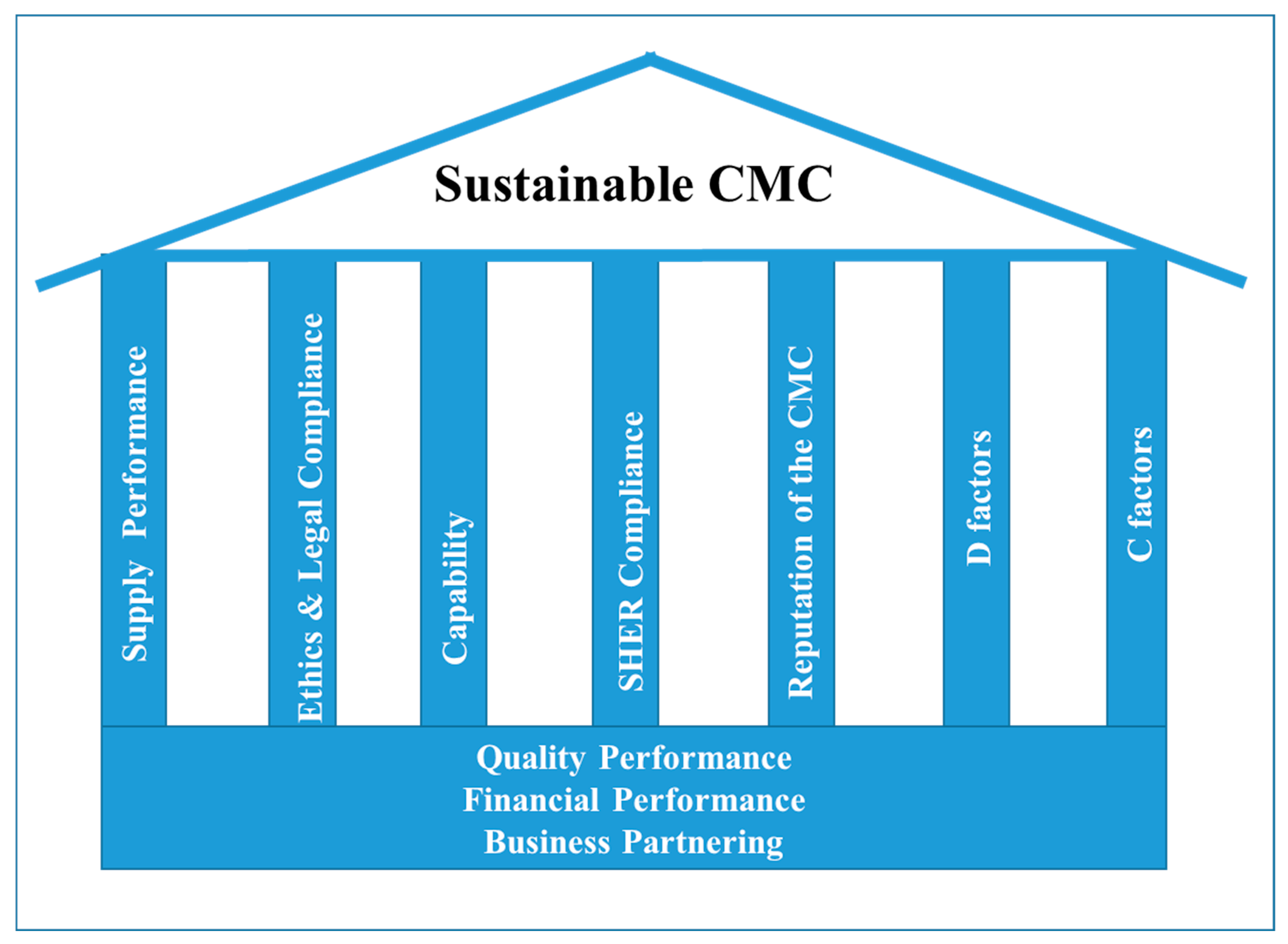
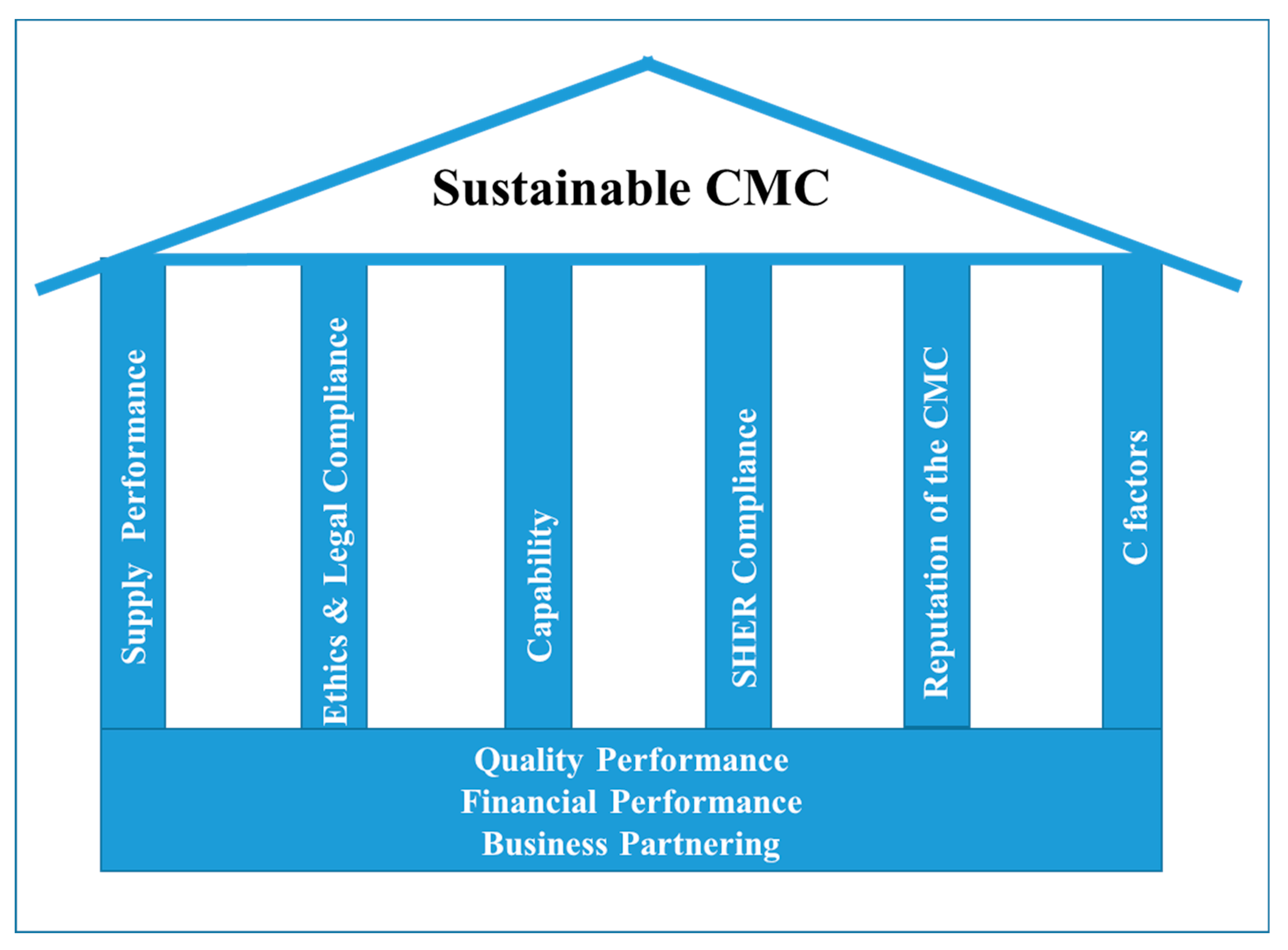
The “House of Sustainable CMCs” format (
Figure 1) is used as a conceptual metaphor to illustrate that a sustainable enterprise requires a strong foundation (Quality Performance, Financial Performance, Business Partnering) and robust pillars (Supply Performance, Ethics and Legal Compliance, Capability, SHER Compliance, Reputation of the CMC and D factors that emerged from the case study). The foundation pillars emerged from an Analytical Hierarchy Process (AHP) exercise to rank the pillars for prioritisation during implementation [
10].
Figure 1.
House of Sustainable CMCs [
36].
Figure 1.
House of Sustainable CMCs [
36].
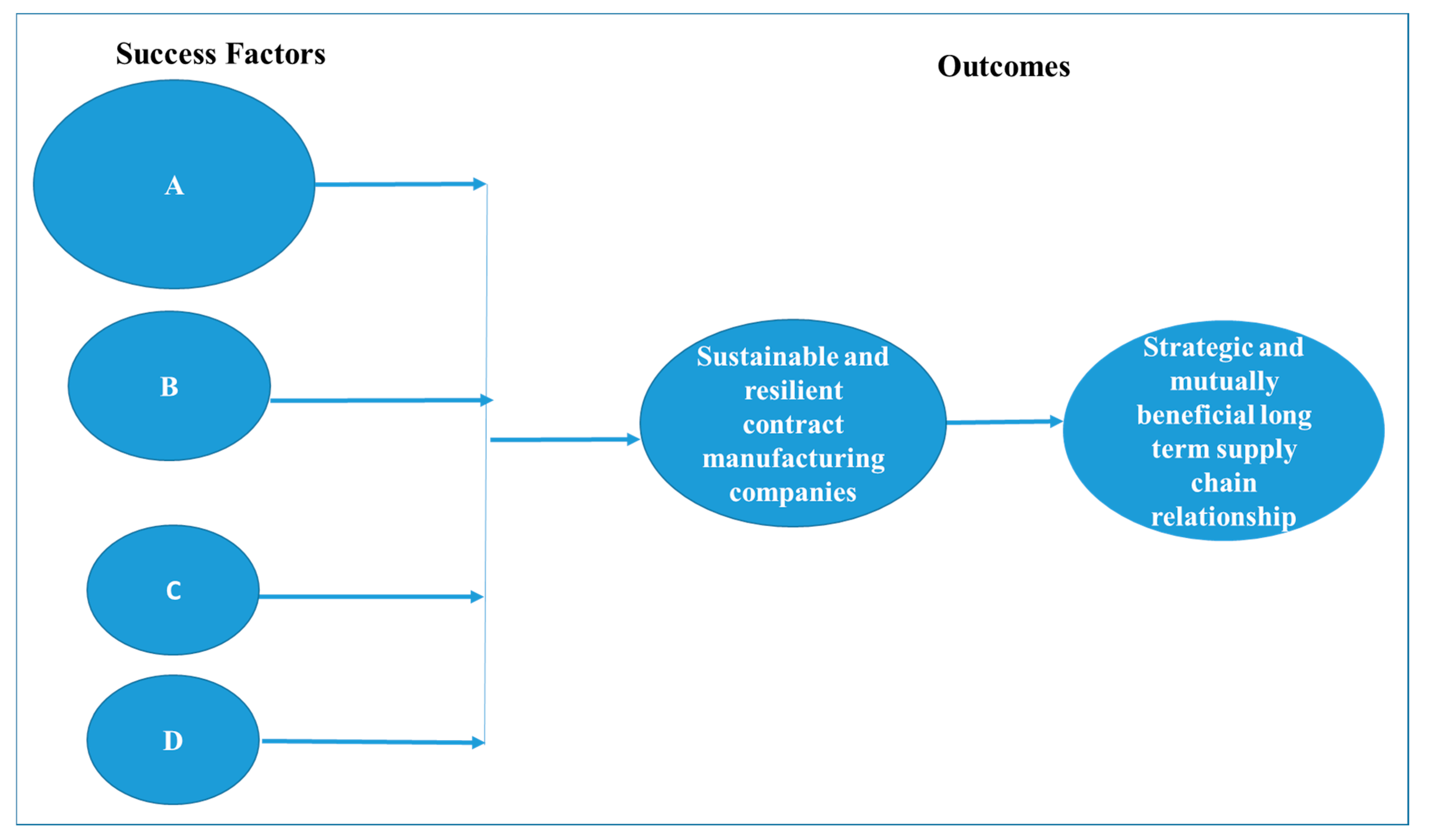
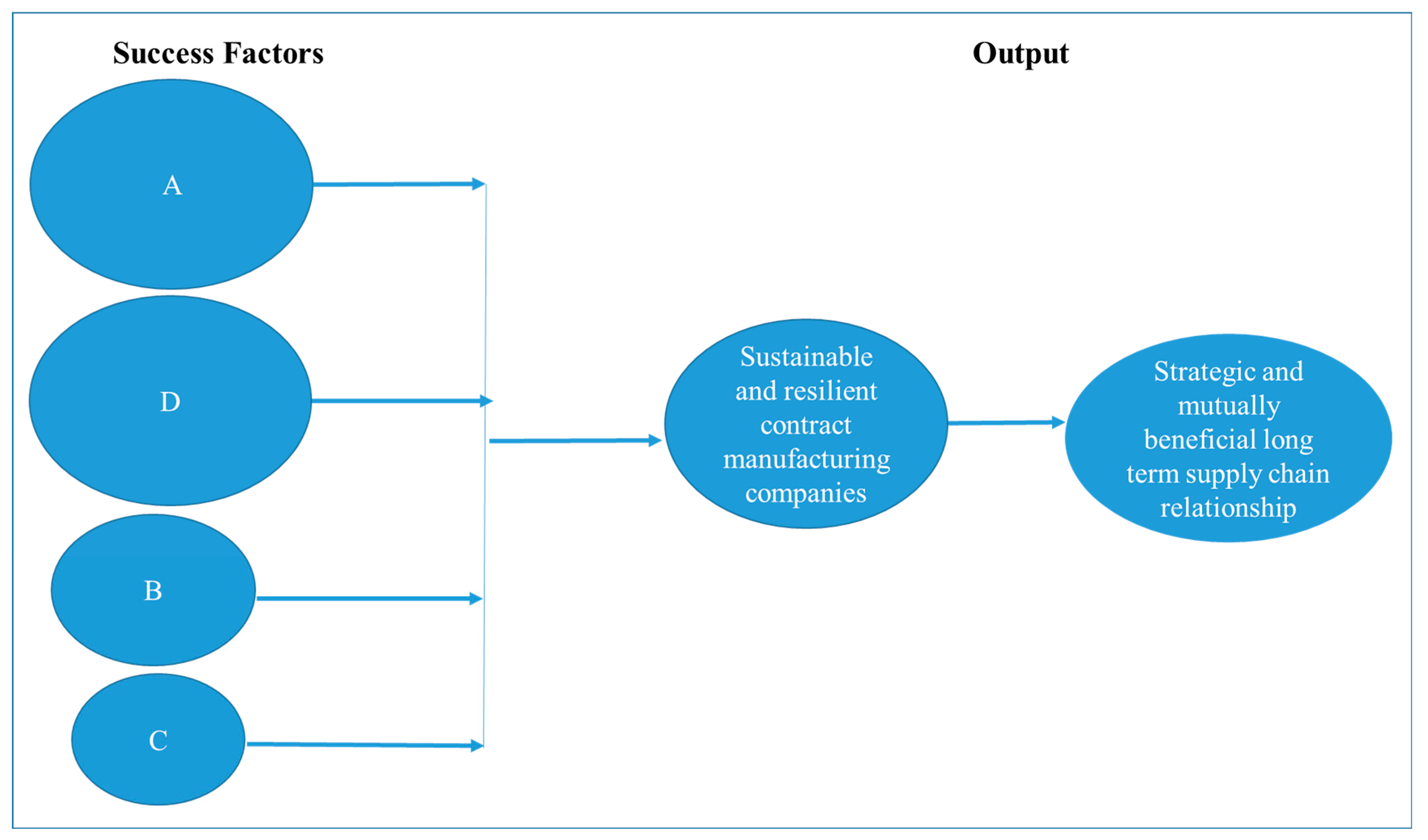
Each pillar is made up of success factors, classified as A, B, or C based on the level of consensus each success factor achieved in a Delphi study with experts in CM [
5]. The graphical representation of the CSFs for sustainable CM is shown in
Figure 2 [
10].
Key:
A—Success factors that achieved the most important consensus criteria in the Delphi study [
5].
B—Success factors that did not fully meet the most important consensus criteria but met the second most important consensus criteria [
5].
C—Success factors that did not meet either important consensus criteria and those that emerged from the literature and were not A or B factors. They were not discarded, and their implementation is based on CMC need [
36].
D—Factors that emerged from the demonstration in the CMC and were confirmed as critical by the CMCs. These were added to the assessment checklist to improve the assessments.
This paper focuses on the empirical application, evaluation, and refinement of the SCMC-MM in a live manufacturing environment, contributing insights from real-world implementation and extending the framework with industry-derived success factors.
Each pillar is assessed using a structured maturity assessment tool, guiding management to identify performance gaps, prioritise interventions, and track progress through defined maturity levels. The maturity levels were defined by [
10] as shown in
Table 1.
The complete SCMC-MM assessment checklist, detailing all success factors (A, B, C, and the novel D factors) and their scoring criteria for each pillar across the five maturity levels, is provided in
Supplementary Material S1 to ensure full transparency and reproducibility.
4. Research Methodology
4.1. Research Approach
This research was structured around a design science research (DSR) approach, which allows for the development, application, and iterative refinement of practical solutions to real-world industry challenges, ensuring both academic rigour and practical relevance [
37,
38]. The DSR methodology was used to apply and evaluate the SCMC-MM in a practical setting. Evaluation is an important and crucial activity in the DSR process as it indicates whether an artefact works or not, provides feedback for further development, as well as assuring the rigour of the research [
39,
40,
41,
42]. DSR was selected for its emphasis on blending theoretical framework development with evidence from actual operational environments. The SCMC-MM was thus tested not in isolation, but through direct application in a functioning factory.
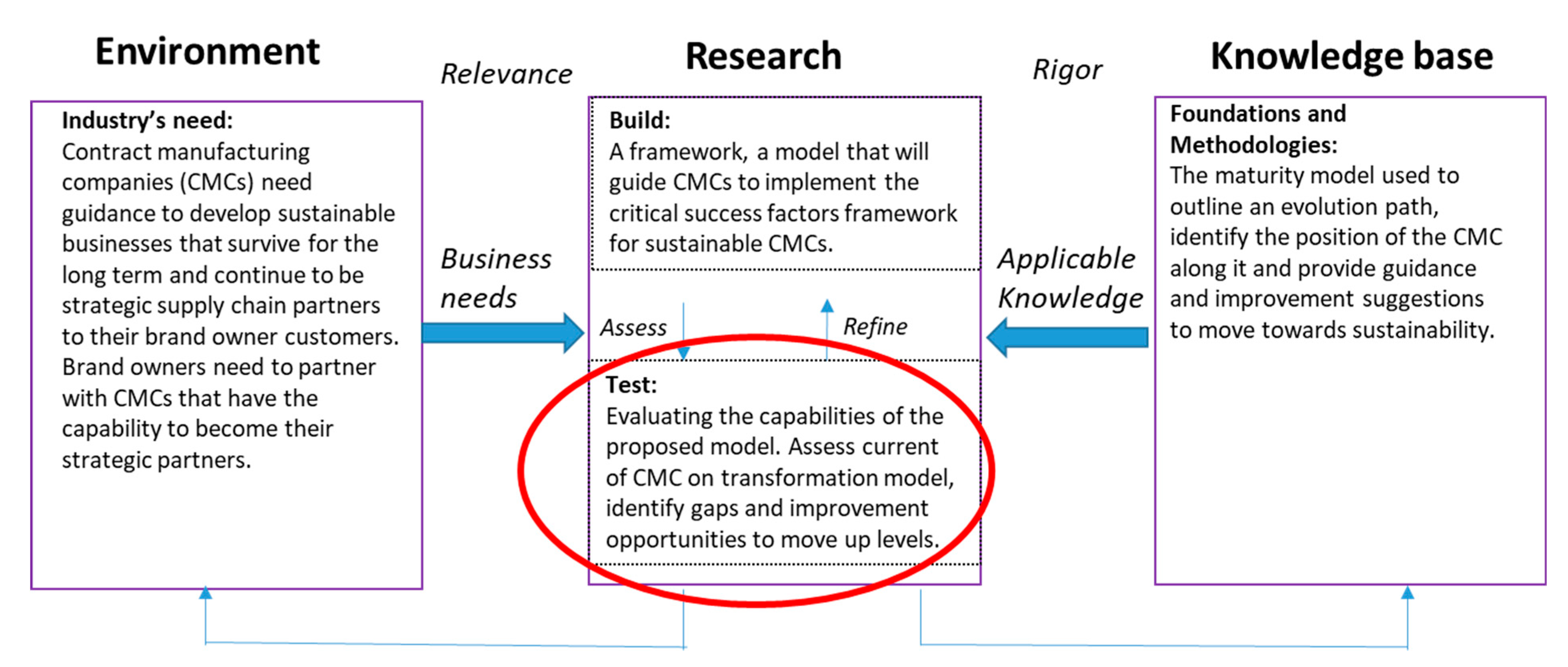
The DSR approach used in this study, introduced by [
38], is highlighted in
Figure 3.
4.2. Case Study Execution
A longitudinal case study was conducted within a Cape Town-based food manufacturing SME. The case company was selected based on its strategic ambition to transition from a transactional manufacturer to a sustainable strategic partner for brand owners, a common aspiration among SMEs in emerging markets. Furthermore, it exhibited operational challenges, such as inconsistent quality, poor delivery performance, cash flow constraints, and underdeveloped management systems, that are highly representative of the barriers faced by SMEs seeking to enter or advance in the CM sector [
4,
5]. Its position as a supplier to national brand owners, while also managing its own brands, provided a rich context to study the interplay between contractor capabilities and brand owner expectations. This typicality ensures that the insights and refinements to the SCMC-MM are relevant to a broad population of similar enterprises. Over seven months, the researchers worked alongside factory leadership and operational teams to apply the SCMC-MM, using the case study not only as a validation exercise but also as a learning opportunity to refine the framework based on observed outcomes.
The initial and final assessments were conducted using the SCMC-MM checklist (see
Supplementary Materials S1). This involved a two-day on-site evaluation by the lead researcher. The process included the following: (1) a document review (quality manuals, production records, financial statements); (2) structured plant walk-throughs to observe practices against the checklist criteria; and (3) semi-structured interviews with five key personnel (Factory Manager, Quality and Food Safety Manager, Production Supervisor, and two senior operators). Interviews were guided by the pillar themes, asking questions such as, ‘Can you describe the process for managing a late delivery from a supplier?’ (Supply Performance) and ‘How is employee safety performance monitored and improved?’ (SHER Compliance).
The data sample for this study comprised the complete operational and assessment data from the single case company over the seven-month intervention period. This included all production records, quality reports, and financial data for that duration. The primary data collected through the structured assessments and interviews were reviewed for completeness at the time of collection. No data points were excluded from the analysis, as any gaps or ambiguities (e.g., an unclear interview response) were clarified in real-time through follow-up questions with the participants on-site. This approach ensured a complete and verified dataset for the case analysis.
The structured sustainability assessment based on the SCMC-MM checklist [
10] served as the primary tool for evaluating ESG-aligned criteria. The ‘Social’ component was assessed through pillars such as Business Partnering (e.g., fair negotiation, joint problem-solving), Ethics and Legal Compliance (e.g., documented ethics management, fair labour practices) and Capability (e.g., skills development, employee training). Improvements in these areas directly contribute to SDG 8 (Decent Work and Economic Growth) by fostering a more skilled, engaged, and ethically managed workforce. The ‘Environmental’ component was explicitly captured in the SHER Compliance pillar, which was expanded during this study to include not only safety but also resource efficiency (e.g., waste, energy, water) and environmental compliance, contributing to SDG 9 (Industry, Innovation, and Infrastructure). While the assessment was not a direct mapping to ISO 26000, the principles of this standard informed the development of the success factors within the relevant pillars, particularly concerning organisational governance, human rights, and labour practices. The questions asked for ESG criteria are as shown in
Table 2.
Data from initial assessments identified operational and systemic gaps, informing targeted interventions underpinned by the framework. Follow-up assessments measured progress and validated changes. Newly identified success factors were incorporated into the framework through iterative refinement.
5. Case Study Application
5.1. Selected Company
The selected company is a medium-sized food manufacturer located in Cape Town, South Africa, making private label products for national brand owners as well as their own brands. In this study they are referred to as the CMC. They have ambitions to establish themselves as a leading CMC serving national, regional, and international brand owners. Their goals for the year were to triple their turnover, onboard three major national brand owners as customers, and improve capacity utilisation. Prior to the intervention, the CMC operated primarily as an inefficient manufacturer with limited systems integration and ad hoc production planning, making it a price-taker susceptible to the demands of larger brand owners. The loss of their major revenue product line from a leading national brand owner underscored this vulnerability and was a primary catalyst for the need for transformation. A key objective of applying the SCMC-MM was to shift this dynamic by building the CMC’s internal capabilities, thereby allowing it to proactively meet and exceed brand owner requirements, justify its value, and negotiate from a position of strengthened operational competence.
The brand owners referenced in this study, including the two national brands onboarded post-intervention, are primarily South African retailers and distributors. While the regulatory environment in South Africa mandates certain basic health, safety, and quality standards, the explicit enforcement of comprehensive ESG criteria by these national brand owners is still evolving. Their primary drivers remain as cost, quality, and delivery reliability. However, there is a growing awareness and indirect pressure related to ESG, often driven by their own consumers and the potential for access to global supply chains where ESG compliance is a prerequisite. Therefore, the CMC’s investment in SHER and ethical systems, as guided by the SCMC-MM, was a strategic decision to build long-term resilience, mitigate risk, and create a competitive advantage that would appeal to both current partners and more ESG-stringent international clients in the future.
5.2. Initial Assessment
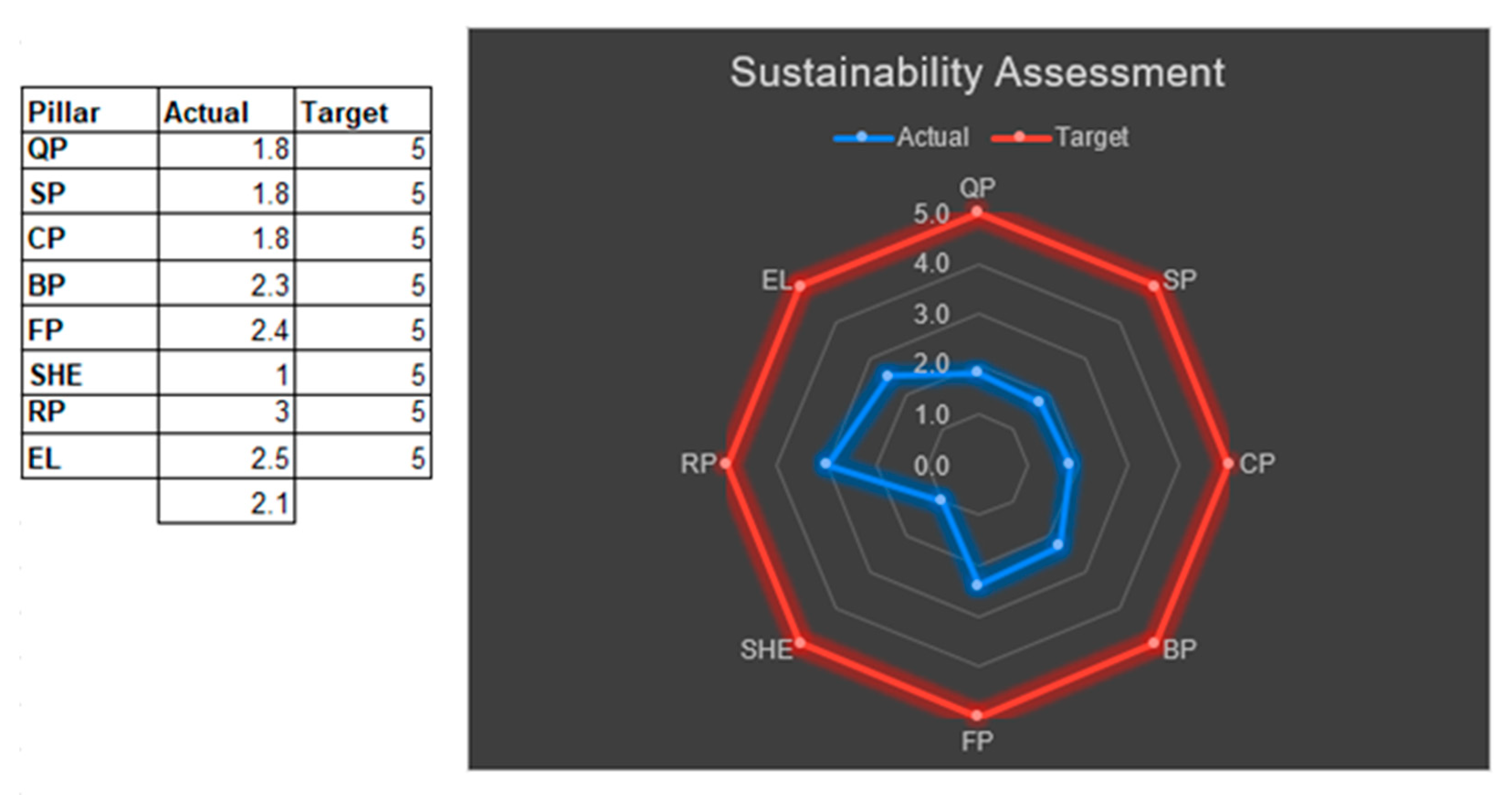
Using the SCMC-MM as the guiding tool, the transformation process started with an initial assessment of the factory’s current sustainability level and systemic maturity across each of the framework’s pillars. The initial assessment, conducted as described in
Section 4.2, generated the scores presented in
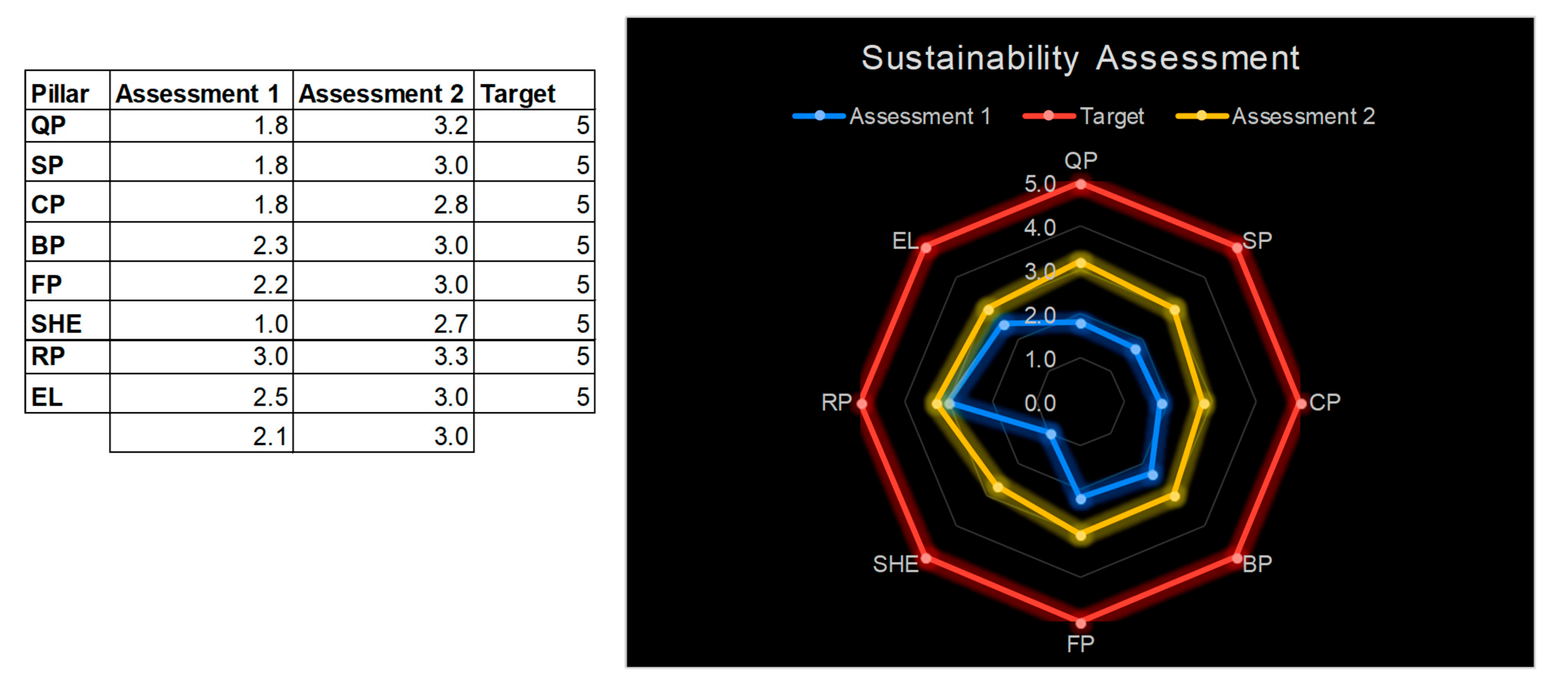
Figure 4. To elucidate, the score of 1 for the SHER pillar was determined by the absence of documented SHER procedures, no incident tracking logs, and interview responses confirming a reactive approach to safety. Similarly, the low score for Capability (1.8) was based on the observation that no OEE or schedule adherence was being measured, and the maintenance system was entirely breakdown-based, with no records of preventive actions. This assessment revealed significant gaps in supply reliability, Operational Capability, and Quality Performance, confirming the need for system-wide intervention.
The following emerged from the assessed scores as per the transformation level guideline in
Table 1.
The CMC’s overall assessed core was 2.1, meaning they were at sustainability level 2, Foundation building.
Four pillars were below level 2 of the transformation level. These were SHER Compliance, Quality Performance, Supply Performance and Capability.
SHER, with a score of 1, had the lowest score driven by the absence of systems to manage occupational safety and health as well as by a complete lack of focus on environmental compliance and resource efficiency, such as waste management, energy consumption monitoring, or water usage policies.
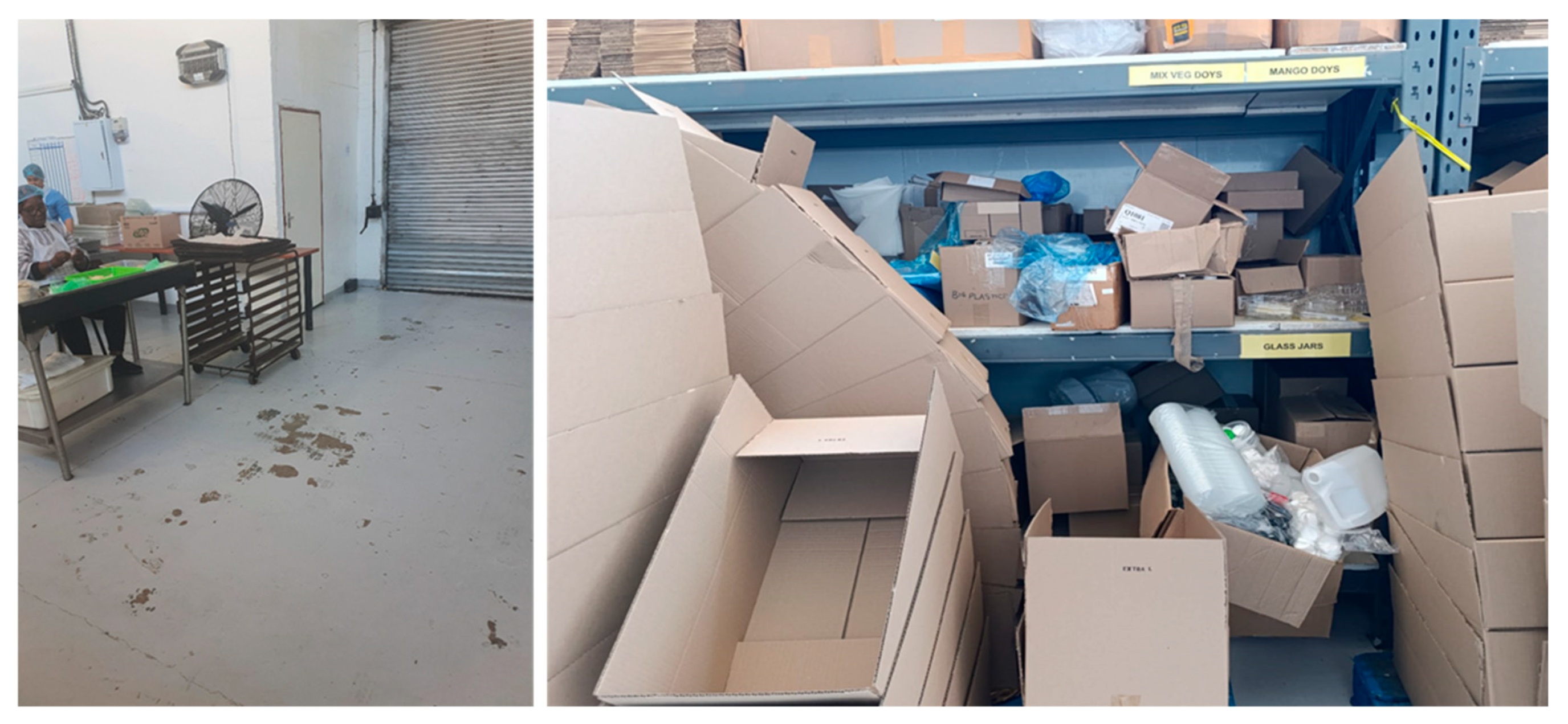
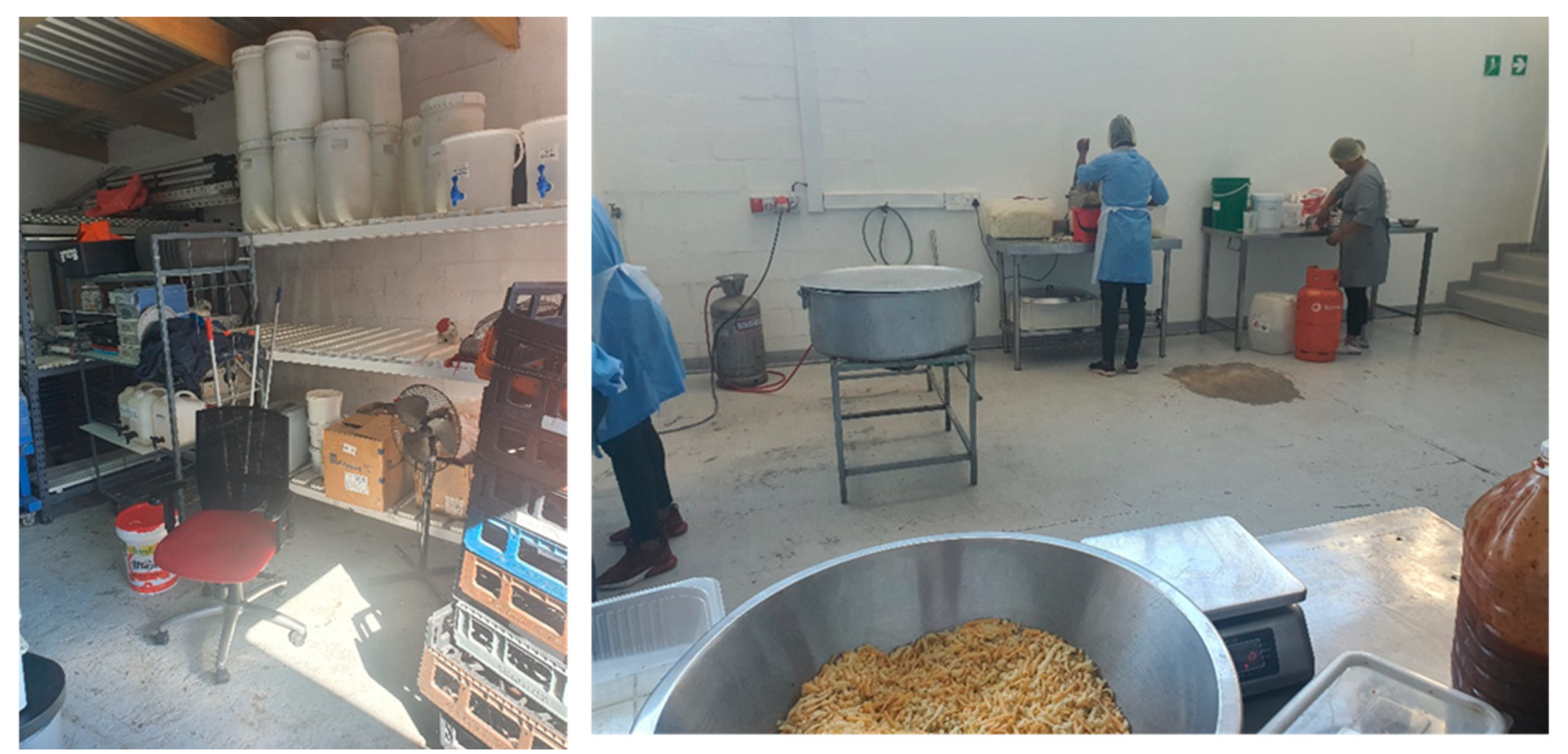
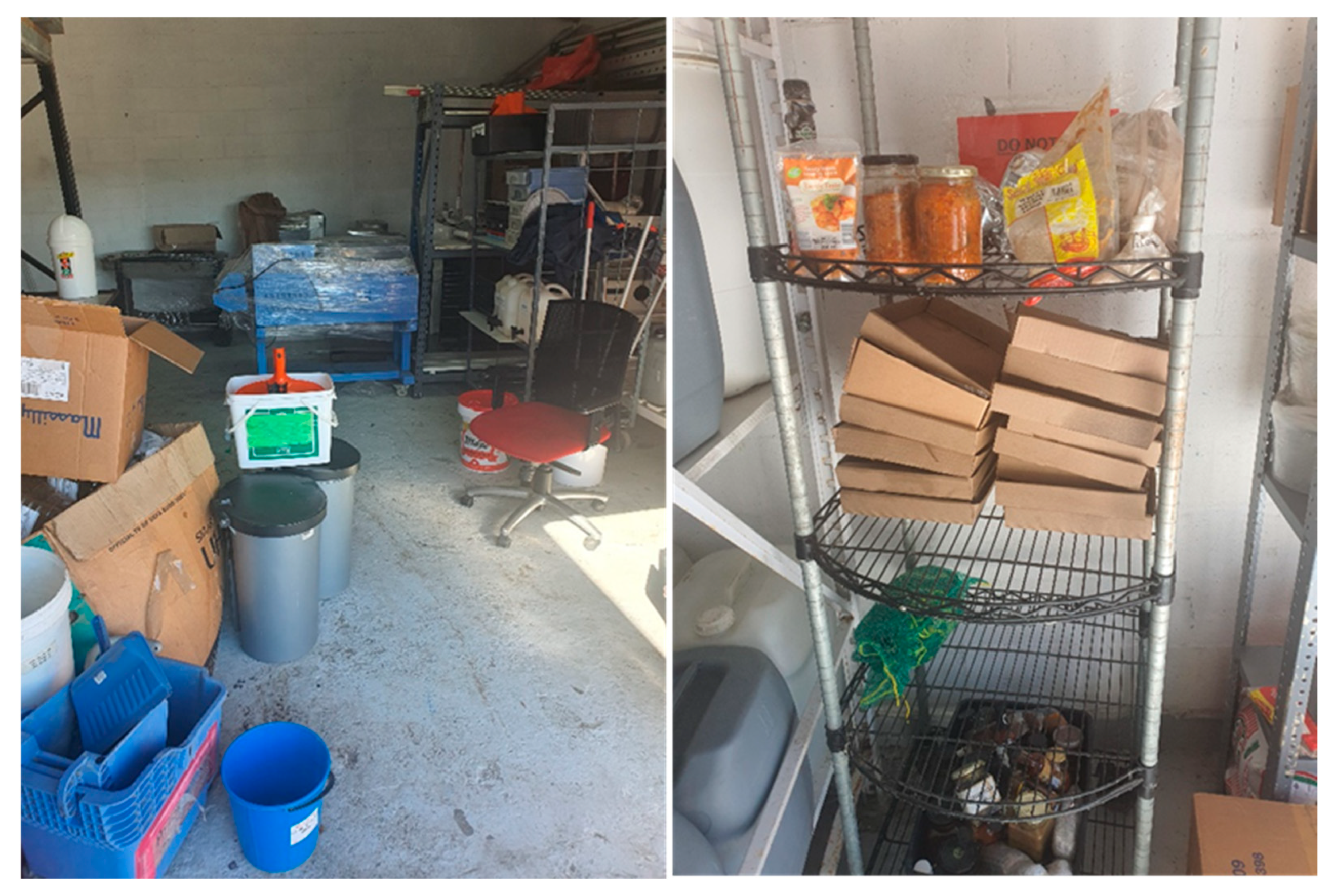
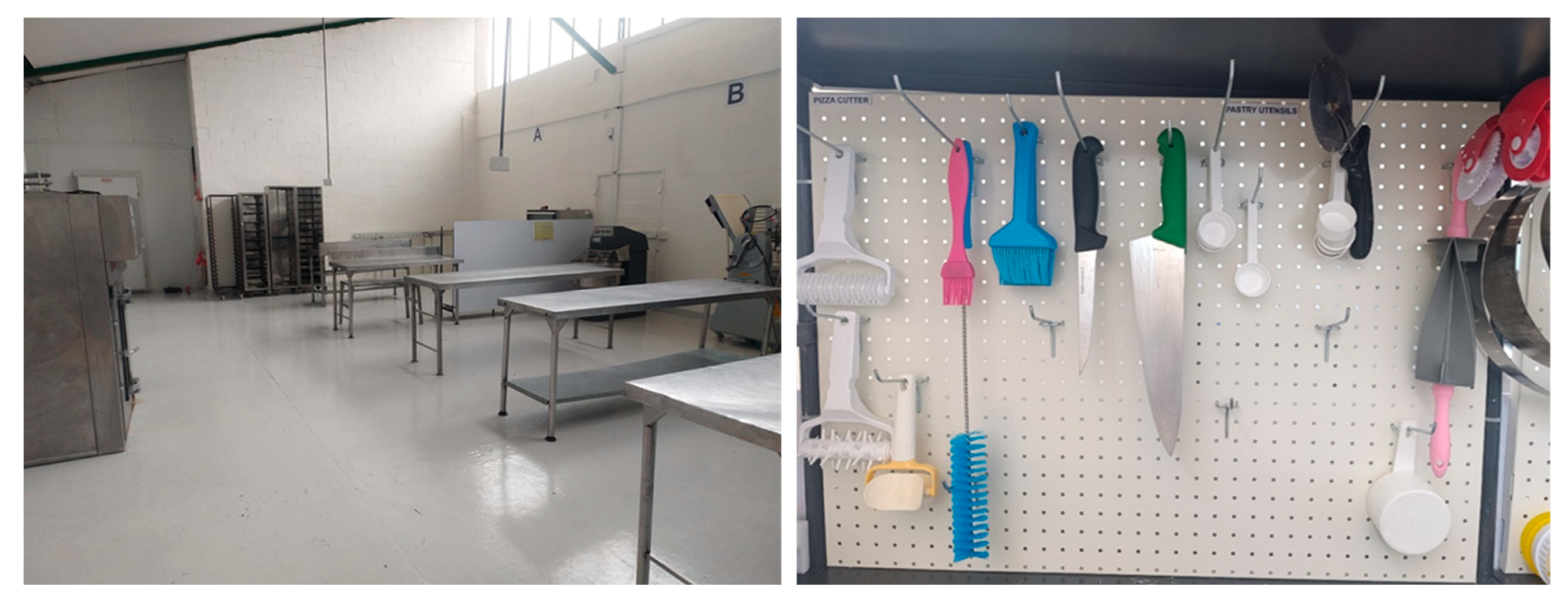
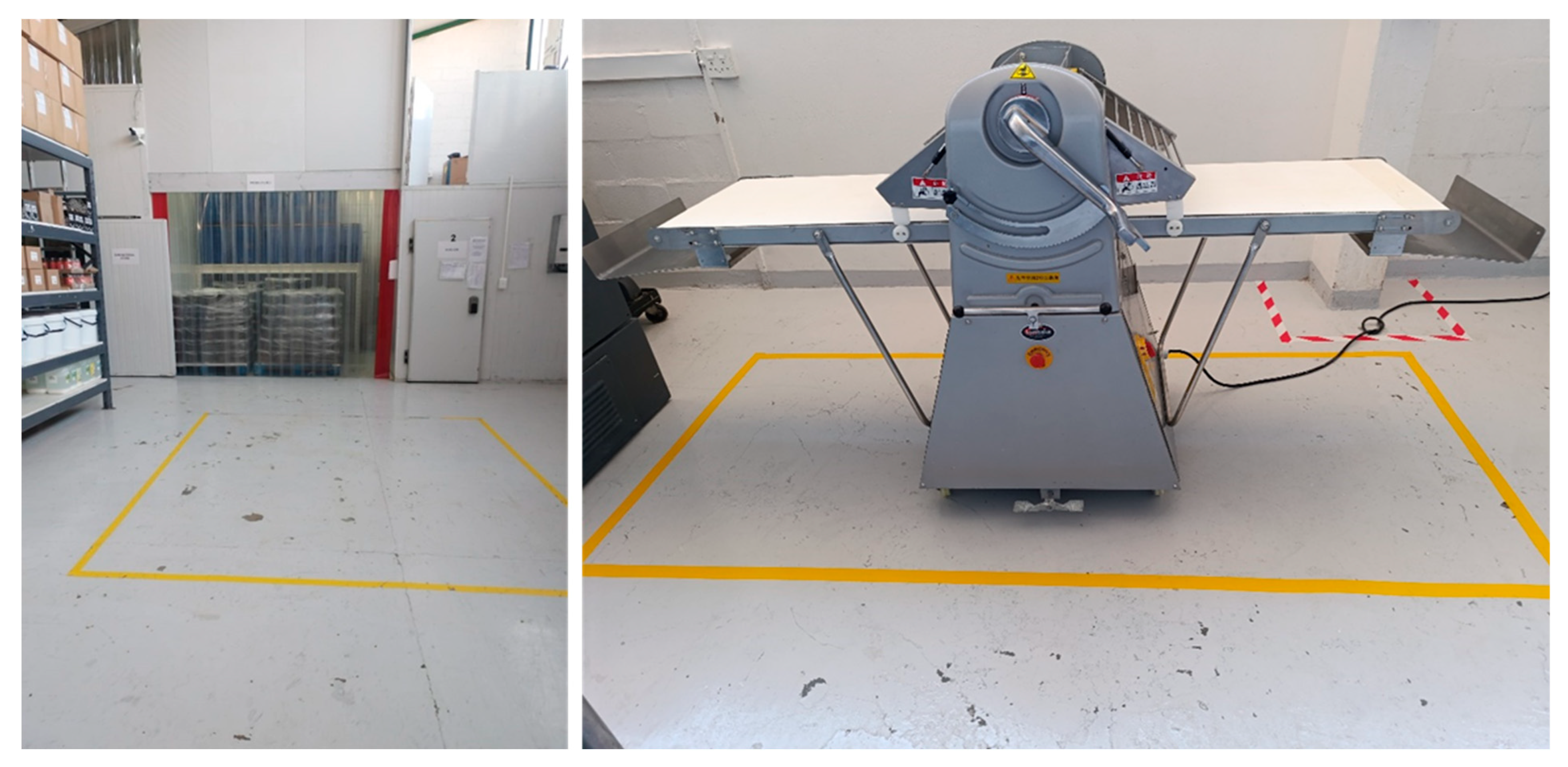
The Quality Performance score of 1.8 was impacted largely by poor housekeeping, an ineffective and incomplete quality management system, plant layout that was not conducive to quality and food safety compliance, low level of quality and food safety skills, and a lack of compliance with good manufacturing practices (GMP).
Supply Performance also scored 1.8 and this was impacted by a record of late deliveries, not having a supply and operations management system in place to track and manage Supply Performance, and not having a continuous improvement structure.
Capability scored 1.8. The experience levels of management and key roles in Quality and Production scored 3. The lower scores were the absence of a plant performance monitoring system, no documented maintenance management system, poor skills at operational level, and limited problem-solving skills.
Three pillars, Ethics and Legal Compliance, Financial Performance, and Business Partnering were at level 2.
Ethics and Legal Compliance scored 2.5. There is no documented ethics management system or policy, which scored 1. However, they have no record of legal or ethics non-compliance, which gave a score of 4.
Financial Performance scored 2.2, mainly impacted by the fact that there was no cost-saving programme in place, there was no annual budget drawn up, and the CMC struggled with cashflow challenges.
Business Partnering scored 2.3. The CMC has good relations with customers and key suppliers. They, however, did not have service level agreements (SLAs) in place and no performance monitoring and review systems in place. There are also no joint problem-solving processes implemented and no evidence of technology transfers and technical support from brand owners.
Reputation was on level 3, the highest score. They have had major quality incidents leading to product recalls, which has impacted on their Reputation. They do have a good reputation for supplying good tasting food, maintaining confidentiality, communicating regularly with key customers and suppliers, and donating food for charity purposes.
5.3. Recommendations for Improvement of Level
Based on the assessment scores and observations of activities and practices on site, the recommendations in
Table 3 were made to the management team for them to transform their operations, move up the maturity levels, and achieve their goals of retaining existing brand owners and bringing on board more customers.
The CMC implemented several of the recommendations in phases, focusing on practical, achievable steps as shown in
Table 4.
5.4. Key Actions Taken from Recommendations
Throughout the process, leadership engagement and involvement were maintained through regular feedback sessions and practical support, ensuring interventions were embraced rather than resisted.
The developed performance measurement system tracked key operational indicators, including:
Delivery reliability: Percentage of orders delivered on or before the committed date.
Production schedule adherence: Percentage of production batches completed as per the integrated weekly schedule.
Overall equipment effectiveness (OEE): A composite metric of availability, performance, and quality.
Quality incidents: Tracked marketplace incidents and product recalls
By the end of the intervention period, the factory demonstrated measurable improvements in delivery reliability, production efficiency and staff engagement, all aligned to the framework’s sustainability dimensions. This is shown in
Table 5.
Most critically after the certification, the CMC onboarded two national brand owners as private label customers and grew their revenue by 133% in the first month and 95% in the following month. They were in the process of also growing their own brands product portfolio. The outcomes and the feedback from factory leadership highlighted the framework’s practicality and its ability to provide structured direction to a previously reactive organisation.
5.5. Second Assessment
We conducted the second assessment 7 months after the first one and the results are shown in
Figure 5.
The following conclusions came from the second assessment and observations:
The CMC transformed to sustainability level 3.
The biggest improvements were noted in the pillars of Quality Performance, Supply Performance, Financial Performance, SHER and Business Partnering.
While the CMC had lost a big contract from a leading brand owner, they were able to bring on board two national brand owners as customers primarily because of their capability, quality, food safety management system, and pricing.
They developed a SHER management system that is documented and visible, with tracking of incidents in place.
They improved Supply Performance through the development of an operations and supply management system based on integrated supply scheduling. This made it easier for them to commit to supply only when it was possible to do so.
The culture at the factory shifted from one of disgruntlement and unhappiness to one of positivity and willingness to contribute, even when they had to work fewer hours after losing a key contract.
5.6. Additional (D) Factors Emerging from the Demonstrations
The additional success factors that emerged from the demonstrations at the CMC are discussed below:
Business development and marketing of capacity and capabilities so that the loss of one customer or product line does not result in business closure.
Manufacturing own brands to utilise the capacity and not rely on brand owners only. This is most applicable where the CMC has a narrow customer base and excess capacity.
Business Partnering must be actively practiced not only with the brand owners but with suppliers, service providers, regulatory authorities, and other key stakeholders, including landlords.
The CMC collaborated with two other manufacturing companies, who are potentially competitors, capable of making similar products to define a working structure to approach big brand owners for big orders of common products. This is also called industrial clustering. Industrial clusters refer to groups of interconnected businesses and institutions that collaborate to enhance competitiveness and efficiency [
47]. These clusters facilitate resource-sharing, innovation, and cost reductions, particularly benefiting small and medium-sized enterprises (SMEs) with limited resources.
Extending the industrial cluster approach to reduce costs by sharing service providers, resources, equipment, and professional services with companies making similar products or in the same geographical area. The CMC shared maintenance and transport service providers with other businesses in the same area to assess professional services at affordable costs.
Daily scheduling and monitoring of all tasks on a weekly basis in an integrated schedule was critical for monitoring and controlling deliveries and improving Supply Performance.
CMCs must boldly take their position as partners in the supply chain and have the courage to stand up to brand owners and walk away from a business that is not working for them or is not sustainable. The CMC informed a brand owner they could not continue supplying a product line which was no longer profitable to them and was costing them money to supply. The brand owner eventually agreed to the CMC’s proposed price.
First impressions matter to visitors and potential customers. The appearance of the facility, the welcome they receive, the induction given to them, the practices they observe, and the information displayed on boards had an impact on securing business.
The CMCs must create an organisational culture of ownership, where they focus all their employees on continuously finding ways to improve their productivity and to cut costs. This must be one of their key leadership competencies.
CMCs must focus everyone in the company and key stakeholders on continuously keeping the customer satisfied and identifying opportunities to reduce costs.
Leadership style is critical. In the CMC at the start of the assessment the leadership style being displayed was more autocratic, it was only the leader’s voice that was heard. Production delays due to the team waiting for direction from the leader or waiting for the leader to buy materials were common. A culture of fear was evident. This was different during the second assessment where the culture was more open, with people freely making suggestions to management. This resonated well with the findings of [
48] in their study on transformational leadership for SMEs, which described transformational leaders as leadership that prioritises open communication, empathy, and support, creating an environment where employees feel valued and empowered to contribute their best efforts. It is characterised by the ability to articulate a compelling vision, inspire trust, and encourage employees to exceed their usual performance levels, fostering a culture of problem-solving and continuous improvement [
48,
49,
50,
51]. We therefore recommend that to achieve sustainable success the leaders of CMCs must adopt a transformational leadership style. This is included as a critical success factor.
These D factors were used to refine and update the sustainable CMC framework and are summarised in
Table 6, with the pillars they fit in.
The House of Sustainable CMCs is, therefore, updated as shown in
Figure 6, with the D factors incorporated into the different pillars. The assessment checklist was updated to include these success factors.
5.7. Proposed Final CMC Framework
Based on the demonstration, evaluation, and the emergence of the D factors, the framework presented in
Figure 2 was updated to show the D factors as the same level of criticality as the A factors, given their criticality to CMC sustainability. This is shown in
Figure 7.
6. Summary
The improvements and changes that occurred are summarised below.
6.1. System-Level Improvements
Application of the SCMC-MM led to systemic changes across the factory. Production scheduling became integrated with supplier delivery schedules, improving raw material availability and reducing downtime. Quality control moved from reactive checks to proactive management, strengthening compliance and customer confidence. These changes reflect system-level transformation, where interdependent processes and capabilities evolved together.
6.2. Operational and Strategic Outcomes
Operational outcomes included a notable increase in delivery reliability, enhanced production scheduling accuracy, and reduced production interruptions. From a strategic perspective, the factory improved its positioning with existing and potential clients by achieving the ISO 22000:2018 certification and the food safety management system, formalising quality standards and operational controls, and presenting itself as a reliable contract manufacturing partner. This was demonstrated by their successful listing as supplier by three leading brand owners after they embarked on their transformation journey.
While the primary driver for the SME was economic survival, the implementation of the framework initiated critical steps toward environmental and social sustainability. The formalisation of the SHER system, while foundational, established the necessary policies, awareness, and incident tracking to enable future advancements in green manufacturing. It is important to note that this represents the beginning of the environmental journey; future applications should build on this foundation to implement more advanced initiatives such as energy-efficient technologies or circular economy practices.
6.3. Framework Refinement and New Success Factors
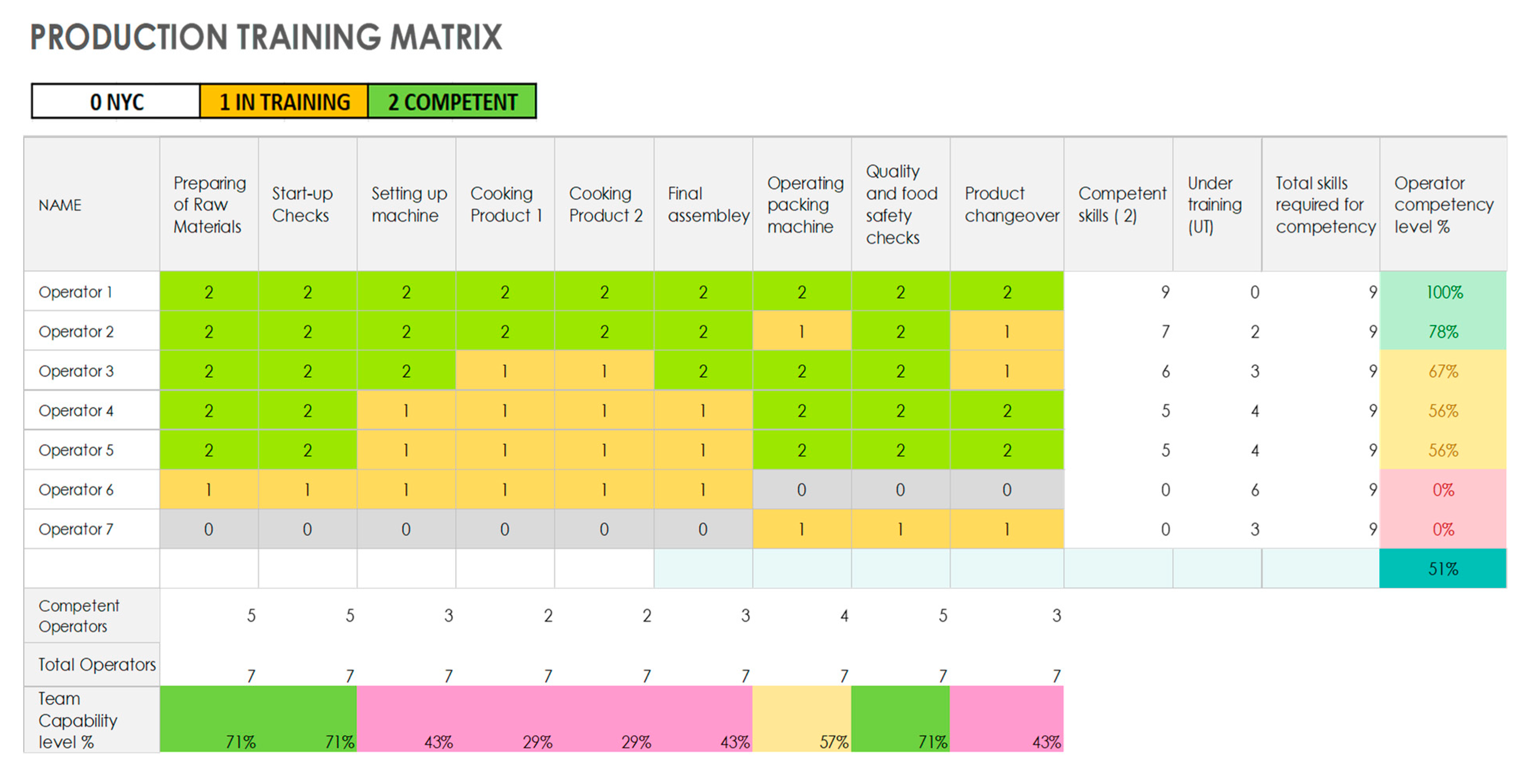
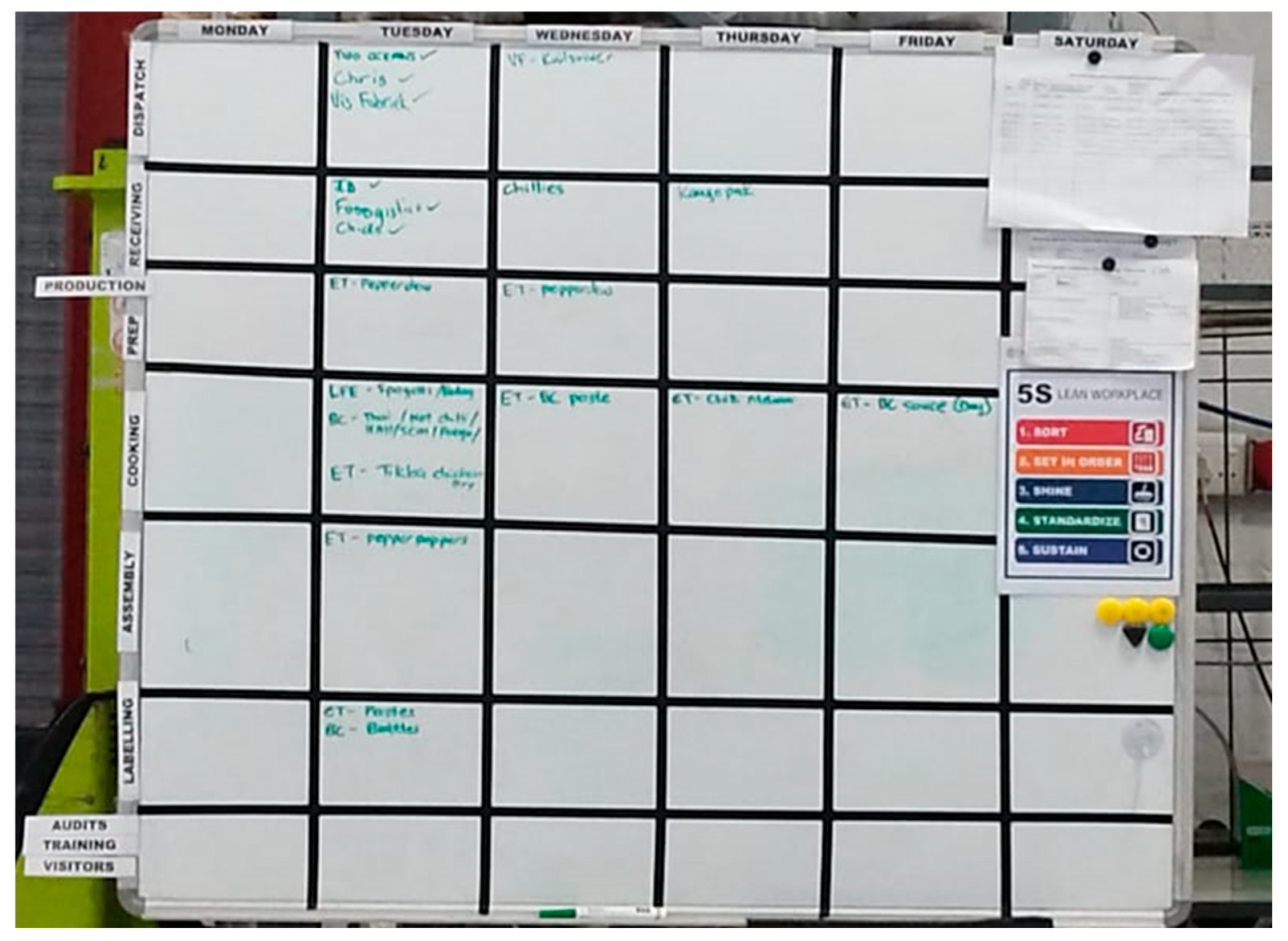
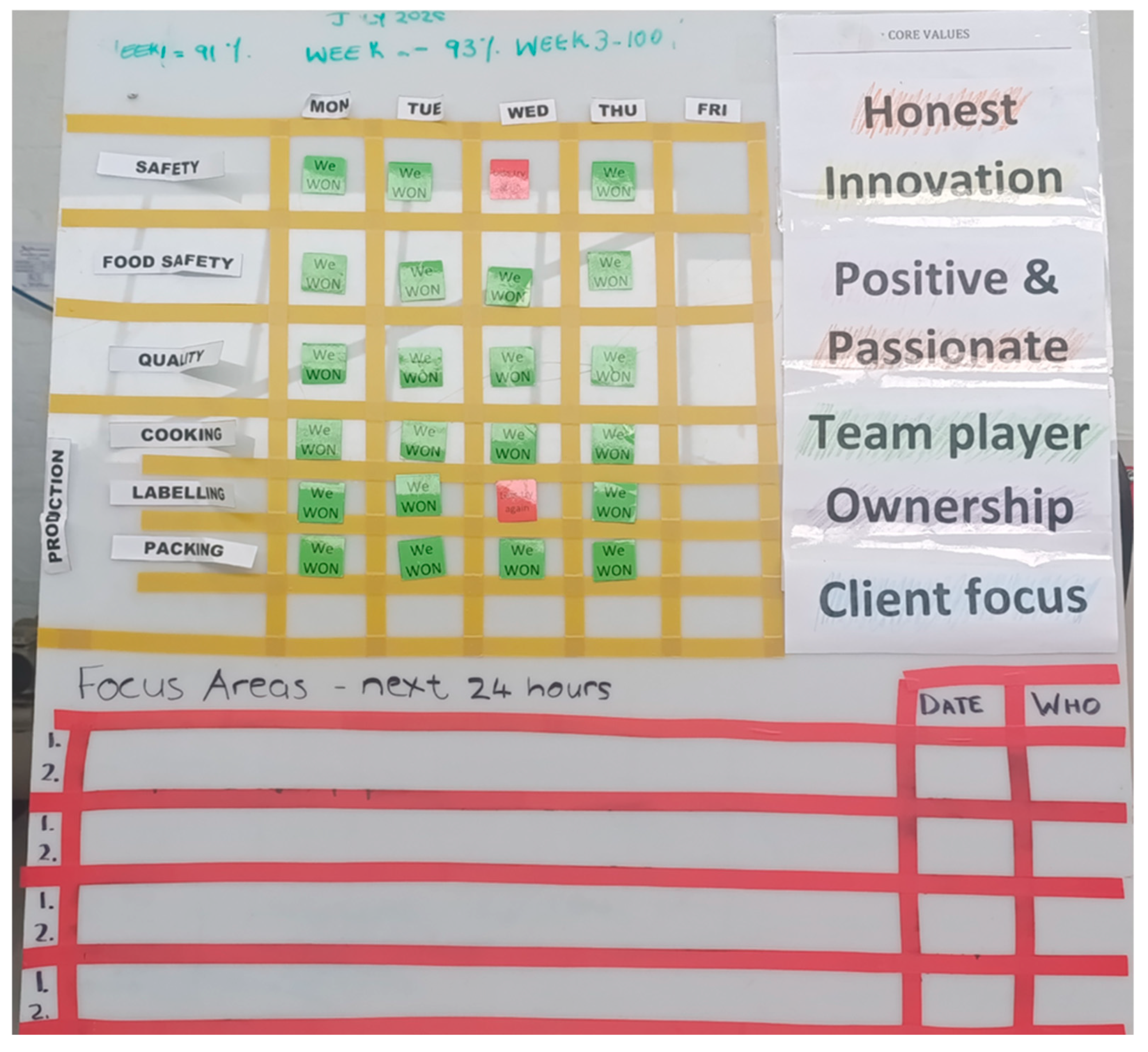
The implementation phase surfaced additional critical factors not originally emphasised in the framework, including leadership communication consistency with customers and suppliers, the role of visual management tools in sustaining change, and the need for partnering with similar manufacturers who are potentially competitors in industrial clusters to access bigger markets and professional services at reduced costs. These factors, named D factors in this study, were incorporated into the refined SCMC-MM to enhance its practical applicability and effectiveness.
6.4. Practical Applicability and Scalability
Leadership feedback and factory outcomes confirmed that the framework offered clear, actionable guidance while remaining adaptable to evolving business contexts. Given its performance in a single factory, there is potential for scaling the framework across other SMEs seeking to transition into or strengthen their contract manufacturing roles.
6.5. Theoretical and Practitioner Contributions
The refined framework contributes to the manufacturing systems literature by presenting a systems-level approach specifically tailored for contract manufacturers, an area previously underserved by existing models. For practitioners, the study offers a structured, validated tool that directly addresses common operational and strategic challenges faced by SMEs operating in emerging economies.
The refined framework and management guide can be used by the following users:
Managers of CMCs to assess their current sustainability level, identify improvement opportunities from the pillars and factors that are at lower levels, and determine actions for improvement and moving up the levels towards level 5.
Brand owners as part of selecting the best CMC as their supply partner. They can use the assessment sheet to compare potential partners and select the one with the factors critical to the brand owners and on a higher sustainability level.
Brand owners as part of supporting their existing CMC partner to improve their Supply Performance and sustainability.
Consultants assisting CMCs to improve their systems and practices towards sustainability. The assessment checklist will identify current gaps and opportunities for improvement and will enable the generation and implementation of improvement plans
6.6. Implications for Sustainability
This case study demonstrates that the SCMC-MM serves as a catalyst for holistic sustainability. Economically, it guided the company to profitability and growth, ensuring its viability. Socially, the transformation led to improved employee engagement, skills development, and a more ethical and safer workplace, contributing positively to the local community. Environmentally, the establishment of a structured SHER system laid the essential groundwork for responsible resource management and compliance. The framework, therefore, provides a structured mechanism for SMEs to pursue the United Nations Sustainable Development Goals (SDGs), particularly SDG 8 (Decent Work and Economic Growth) and SDG 9 (Industry, Innovation, and Infrastructure), by building resilient, inclusive, and sustainable industrial enterprises
7. Limitations and Future Research
Despite the promising results, this study is subject to several limitations. Firstly, the research is based on a single, in-depth case study within the food manufacturing sector. While this provides rich, contextual insights, the findings and the refined framework require validation across a larger number of SMEs in different industrial sectors to establish broader generalisability. Secondly, the seven-month intervention period, while longitudinal, is insufficient to observe the long-term sustainability of the transformations; future research should track such companies over multiple years. Finally, the initial framework development relied heavily on the South African context; its applicability to other emerging economies needs further testing.
8. Conclusions
This study applied, evaluated, and refined the Mahove–Matope Sustainable Contract Manufacturing Company Maturity Model (SCMC-MM) within a South African food manufacturing SME. The results demonstrated the framework’s effectiveness as a structured, actionable tool for guiding a system-wide transformation, culminating in tangible economic gains (133% revenue increase) and strategic repositioning (ISO 22000 certification). Furthermore, it successfully instilled the foundational systems for long-term social and environmental stewardship, such as the documented SHER management system and ethical management framework, setting the stage for continuous improvement in holistic sustainability. By addressing both operational execution and strategic positioning, the framework enabled the factory to shift towards becoming a sustainable, reliable contract manufacturing partner.
Theoretically, the study extends manufacturing systems literature by contributing a validated, systems-level transformation model tailored for existing and aspiring contract manufacturers. Practically, it provides consultants, factory managers, and policymakers with a clear pathway for building economically competitive, socially responsible, and environmentally sound contract manufacturing operations in SME environments, thereby contributing to sustainable development in emerging markets.
While the framework showed strong applicability within the case company, its broader applicability across different sectors and regions requires further research. Future work will focus on multi-site validations and adapting the framework for other manufacturing environments and non-food industries.
Author Contributions
Conceptualisation, T.T.M. and S.M.; Methodology, T.T.M.; Validation, T.T.M.; Formal analysis, T.T.M.; Investigation, T.T.M.; Resources, T.T.M. and S.M.; Data curation, T.T.M.; Writing—original draft preparation, T.T.M.; Writing—review and editing, T.T.M. and S.M.; Visualisation, T.T.M.; Supervision, S.M.; Project administration, T.T.M. and S.M. All authors have read and agreed to the published version of the manuscript.
Funding
This research received no external funding.
Institutional Review Board Statement
The requisite ethical clearance was obtained from the Social, Behavioural and Education Research Ethics Committee at Stellenbosch University under the project number SBE-2023-24974.
Informed Consent Statement
Informed consent was obtained from all subjects involved in the study. The company also gave consent for interviews to be conducted and for the paper to be published after they reviewed it and it is made available on request.
Data Availability Statement
The data presented in this study are available on request from the corresponding author. The data are not publicly available due to privacy and confidentiality agreements with the case study company. The SCMC-MM assessment instrument used in the study is provided in the
Supplementary Materials.
Acknowledgments
The authors would like to thank the management and staff of the company involved in this case study for their cooperation and support.
Conflicts of Interest
The authors declare no conflicts of interest.
Appendix A
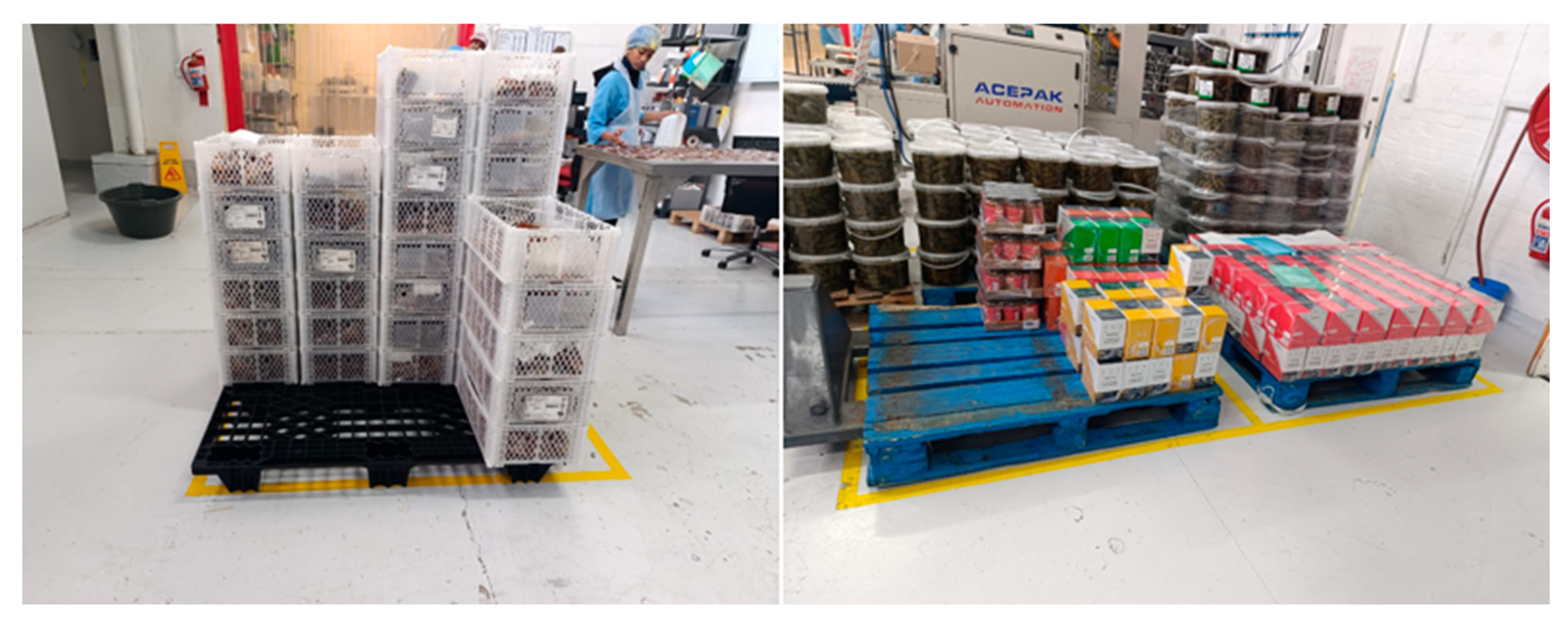
Appendix A.1. Housekeeping and GMP Violations BEFORE
Appendix A.2. Housekeeping and GMP Compliance AFTER
References
- Deng, S.; Xu, J. Manufacturing and procurement outsourcing strategies of competing original equipment manufacturers. Eur. J. Oper. Res. 2022, 308, 884–896. [Google Scholar] [CrossRef]
- Chang, P.; Phan, T. Optimal manufacturing outsourcing decision based on the degree of manufacturing process standardization. In Proceedings of the 5th International Conference on Industrial Engineering and Applications (ICIEA), Singapore, 26–28 April 2018; pp. 49–53. [Google Scholar]
- Shanmugan, M.; Shaharudin, M.S.; Ganesan, Y.; Fernando, Y. Manufacturing outsourcing to achieve organizational performance through manufacturing integrity capabilities. KnE Soc. Sci. 2019, 3, 858–871. [Google Scholar] [CrossRef]
- Mahove, T.T.; Matope, S. A critical success factors framework for sustainable contract manufacturing in the consumer products supply chain in South Africa: A review. In Proceedings of the International Conference on Industrial Engineering and Operations Management, Rome, Italy, 2–5 August 2021; pp. 1206–1217. [Google Scholar]
- Mahove, T.T.; Matope, S. Experts’ consensus on critical success factors for contract manufacturing. In Proceedings of the 5th African International Conference on Industrial Engineering and Operations Management, Johannesburg, South Africa, 23–25 April 2024; pp. 1164–1176. [Google Scholar]
- Mandják, T.; Szalkai, Z.; Hlédik, E.; Neumann-Bódi, E.; Magyar, M.; Simon, J. The knowledge interconnection process: Evidence from contract manufacturing relationships. J. Bus. Ind. Mark. 2021, 36, 1570–1584. [Google Scholar] [CrossRef]
- Tsay, A.A.; Gray, J.V.; Noh, I.J.; Mahoney, J.T. A review of production and operations management research on outsourcing in supply chains: Implications for the theory of the firm. Prod. Oper. Manag. 2018, 27, 1177–1220. [Google Scholar] [CrossRef]
- Hussey, D.; Jenster, P. Outsourcing: The supplier viewpoint. Strateg. Change 2003, 12, 7–20. [Google Scholar] [CrossRef]
- Baraldi, E.; Proença, J.F.; Proença, T.; de Castro, L.M. The supplier’s side of outsourcing: Taking over activities and blurring organizational boundaries. Ind. Mark. Manag. 2014, 43, 553–563. [Google Scholar] [CrossRef]
- Mahove, T.T.; Matope, S. Development of a conceptual framework and management guide for sustainable contract manufacturing companies in South Africa. S. Afr. J. Ind. Eng. 2025; peer reviewed, forthcoming. [Google Scholar]
- Plambeck, E.L.; Taylor, T.A. Sell the plant? The impact of contract manufacturing on innovation, capacity, and profitability. Manag. Sci. 2005, 51, 133–150. [Google Scholar] [CrossRef]
- Pun, H. The more the better? Optimal degree of supply-chain cooperation between competitors. J. Oper. Res. Soc. 2015, 66, 2092–2101. [Google Scholar] [CrossRef]
- Mokhtari, H. Manufacturing operations outsourcing through an artificial team process algorithm. J. Intell. Fuzzy Syst. 2016, 31, 487–501. [Google Scholar] [CrossRef]
- Urgun, C. Restless Contracts. Princeton University. 2021. Available online: https://curgun.scholar.princeton.edu (accessed on 24 July 2025).
- Szalkai, Z.; Magyar, M. Strategy from the perspective of contract manufacturers. IMP J. 2017, 11, 150–172. [Google Scholar] [CrossRef]
- Singla, B.; Singh, A. Contract manufacturing: The boon for developing economies. Int. J. Innov. Technol. Explor. Eng. 2019, 8, 367–370. [Google Scholar] [CrossRef]
- Arrunada, B.; Vázquez, X.H. When your contract manufacturer becomes your competitor. Harv. Bus. Rev. 2006, 84, 135–140. [Google Scholar]
- Ndlovu, S.G. Private label brands vs national brands: New battle fronts and future competition. Cogent Bus. Manag. 2024, 11, 2321877. [Google Scholar] [CrossRef]
- Silva, P.M.; Veiga, F.C.; Pinto, A.S. Should private-label supply manufacturers invest in digital strategies? A study on Portuguese manufacturers. J. Strateg. Mark. 2024, 32, 665–689. [Google Scholar] [CrossRef]
- Wu, L.; Yang, W.; Wu, J. Private label management: A literature review. J. Bus. Res. 2021, 125, 368–384. [Google Scholar] [CrossRef]
- Coyle, D.; Nguyen, D. No plant, no problem? Factoryless manufacturing, economic measurement and national manufacturing policies. Rev. Int. Political Econ. 2020, 29, 23–43. [Google Scholar] [CrossRef]
- Morikawa, M. Factoryless goods producers in Japan. Jpn. World Econ. 2016, 40, 9–15. [Google Scholar] [CrossRef]
- Xing, Y. Factoryless Manufacturers and International Trade in the Age of Global Value Chains; RePEc Working Paper; National Graduate Institute for Policy Studies: Tokyo, Japan, 2021; pp. 1–20. [Google Scholar]
- Goriwondo, W.M.; Madzivire, A.B. Framework towards successful implementation of world class manufacturing principles: A multiple case study of the fast-moving consumer goods (FMCG) in Zimbabwe. Zimb. J. Sci. Technol. 2015, 10, 163–175. [Google Scholar]
- Sharma, M.; Kodali, R. Development of a framework for manufacturing excellence. Meas. Bus. Excell. 2008, 12, 50–66. [Google Scholar] [CrossRef]
- Fast, L.E. The 12 Principles of Manufacturing Excellence: A Leader’s Guide to Achieving and Sustaining Excellence; CRC Press: Hoboken, NJ, USA, 2016. [Google Scholar]
- Paranitharan, K.P.; Thangevelu, R.B. An integrated model for achieving sustainability in the manufacturing industry—An empirical study. Int. J. Bus. Excell. 2019, 16, 82–109. [Google Scholar] [CrossRef]
- Rusev, S.J.; Salonitis, K. Operational Excellence Assessment Framework for Manufacturing Companies. Procedia CIRP 2016, 55, 272–277. [Google Scholar] [CrossRef]
- Yadav, G.; Luthra, S.; Huisingh, D.; Mangla, S.K.; Narkhede, B.E.; Liu, Y. Development of a lean manufacturing framework to enhance its adoption within manufacturing companies in developing economies. J. Clean. Prod. 2020, 245, 118726. [Google Scholar] [CrossRef]
- Siddique, S.N.; Ganguly, S.K. Critical success factors for manufacturing industries in India: A case study analysis. Int. J. Appl. Eng. Res. 2019, 18, 1898–1905. [Google Scholar]
- Chen, K.S.; Chang, T.C.; Lin, Y.T. Developing an outsourcing partner selection model for process with two-sided specification using capability index and manufacturing time performance index. Int. J. Reliab. Qual. Saf. Eng. 2019, 26, 1950015. [Google Scholar] [CrossRef]
- Löfving, M.; Säfsten, K.; Winroth, M. Manufacturing strategy frameworks suitable for SMEs. J. Manuf. Technol. Manag. 2014, 25, 7–26. [Google Scholar] [CrossRef]
- Cheng, L.C. Evaluating the role and integration of contract manufacturing strategy in supply chain management: An empirical study. Int. J. Manuf. Technol. Manag. 2010, 19, 27–46. [Google Scholar] [CrossRef]
- Santos, R.C.; Martinho, J.L. An Industry 4.0 maturity model proposal. J. Manuf. Technol. Manag. 2019, 31, 1023–1043. [Google Scholar] [CrossRef]
- Hansali, O.; Elrhanimi, S.; El Abbadi, L. Supply chain maturity models—A comparative review. LogForum 2022, 18, 435–450. [Google Scholar] [CrossRef]
- Mahove, T.T.; Matope, S. An empirical study to identify the critical success factors for sustainable contract manufacturing in the consumer products supply chain in South Africa. S. Afr. J. Ind. Eng. 2024, 35, 29–48. [Google Scholar] [CrossRef]
- Peffers, K.; Tuunanen, T.; Rothenberger, M.A.; Chatterjee, S. A design science research methodology for information systems research. J. Manag. Inf. Syst. 2007, 24, 45–77. [Google Scholar] [CrossRef]
- Hevner, A.R.; Chatterjee, S. Design Research in Information Systems: Theory and Practice; Springer: New York, NY, USA, 2010. [Google Scholar]
- Coetzee, R. Towards designing an artefact evaluation strategy for human factors engineering: A lean implementation model case study. S. Afr. J. Ind. Eng. 2019, 30, 289–303. [Google Scholar] [CrossRef]
- Herselman, M.; Botha, A. Applying design science research as a methodology in postgraduate studies: A South African perspective. In Proceedings of the Conference of the South African Institute of Computer Scientists and Information Technologists 2020 (SAICSIT ’20), Cape Town, South Africa, 14–16 September 2020; pp. 251–258. [Google Scholar]
- Mdletshe, S.; Motshweneng, O.S.; Oliveira, M.; Twala, B. Design science research application in medical radiation science education: A case study on the evaluation of a developed artifact. J. Med. Imaging Radiat. Sci. 2023, 54, 206–214. [Google Scholar] [CrossRef]
- Venable, J.; Pries-Heje, J.; Baskerville, R. FEDS: A Framework for Evaluation in Design Science Research. Eur. J. Inf. Syst. 2016, 25, 77–89. [Google Scholar] [CrossRef]
- FSSC 22000 Scheme Version 6; Requirements for Certification. Foundation FSSC 22000: Gorinchem, The Netherlands, 2023.
- Martins, B.; De Oliveira, E.; Carraro, C.; Entelman, F. FSSC 22000 certification: Study of implementation in a Brazilian agroindustrial cooperative located in the Southwest region of the State of Sao Paulo. IOSR J. Bus. Manag. 2022, 22, 53–66. [Google Scholar]
- Rodríguez-Tineo, R.; Rodríguez-León, A.; Solano-Gaviño, J.C. FSSC 22000 scheme as an effective strategy for producing safe and quality food. Agoindustrial Sci. 2024, 14, 83–96. [Google Scholar] [CrossRef]
- ISO 22000:2018; Food safety management systems—Requirements for any organization in the food chain. International Organization for Standardization: Geneva, Switzerland, 2018.
- Porter, M.E. Clusters and the New Economics of Competition. Harv. Bus. Rev. 1998, 76, 77–90. [Google Scholar]
- Abdul-Azeez, O.; Ihechere, A.O.; Idemudia, C. Transformational leadership in SMEs: Driving innovation, employee engagement, and business success. World J. Adv. Res. Rev. 2024, 22, 1894–1905. [Google Scholar] [CrossRef]
- Burawat, P. The relationships among transformational leadership, sustainable leadership, lean manufacturing and sustainability performance in Thai SMEs manufacturing industry. Int. J. Qual. Reliab. Manag. 2019, 36, 1014–1036. [Google Scholar] [CrossRef]
- Ng, H.S.; Kee, D.M.H. The core competence of successful owner-managed SMEs. Manag. Decis. 2018, 56, 252–272. [Google Scholar] [CrossRef]
- Prabhu, H.M.; Srivastava, A.K. CEO Transformational Leadership, Supply Chain Agility and Firm Performance: A TISM Modeling among SMEs. Glob. J. Flex. Syst. Manag. 2022, 24, 51–65. [Google Scholar] [CrossRef]
| Disclaimer/Publisher’s Note: The statements, opinions and data contained in all publications are solely those of the individual author(s) and contributor(s) and not of MDPI and/or the editor(s). MDPI and/or the editor(s) disclaim responsibility for any injury to people or property resulting from any ideas, methods, instructions or products referred to in the content. |
© 2025 by the authors. Licensee MDPI, Basel, Switzerland. This article is an open access article distributed under the terms and conditions of the Creative Commons Attribution (CC BY) license (https://creativecommons.org/licenses/by/4.0/).