Article

Children’s Active Mobility to School: Evidence from Two Andean Cities


1
LlactaLAB—Departamento Interdisciplinario de Espacio y Población, Facultad de Arquitectura y Urbanismo, Universidad de Cuenca, Cuenca 010203, Ecuador
2
Escuela de Arquitectura, Universidad del Azuay, Cuenca 010204, Ecuador
3
Escuela de Arquitectura, Diseño y Artes, Pontificia Universidad Católica del Ecuador Sede Ibarra, Ibarra 100112, Ecuador
4
Instituto de Estudios de Régimen Seccional del Ecuador (IERSE), Facultad de Ciencia y Tecnología, Universidad del Azuay, Cuenca 010204, Ecuador
*
Author to whom correspondence should be addressed.
Sustainability 2024, 16(7), 2745; https://doi.org/10.3390/su16072745
Submission received: 2 March 2024 / Revised: 18 March 2024 / Accepted: 19 March 2024 / Published: 26 March 2024
(This article belongs to the Section Sustainable Urban and Rural Development)

Abstract

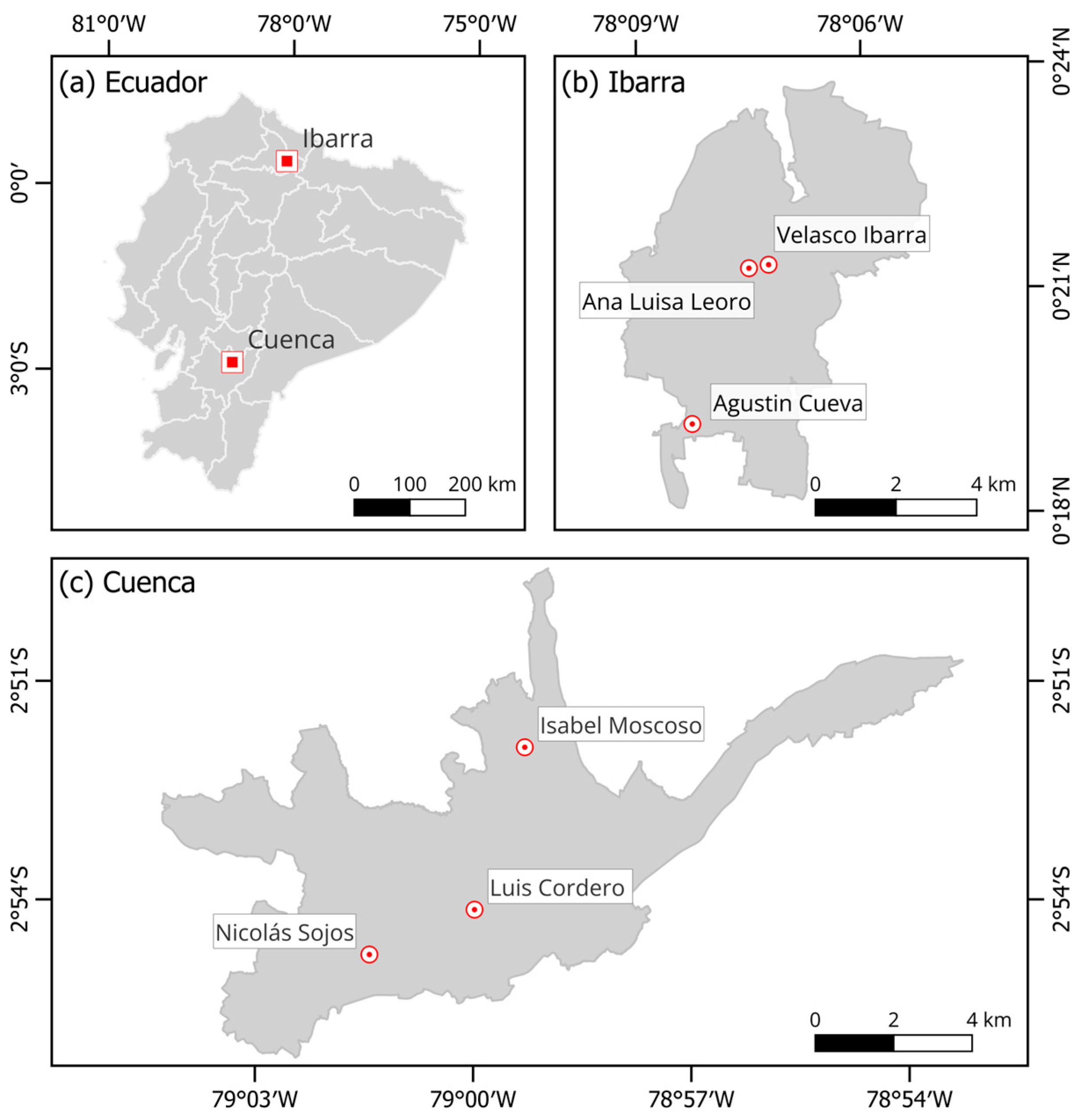
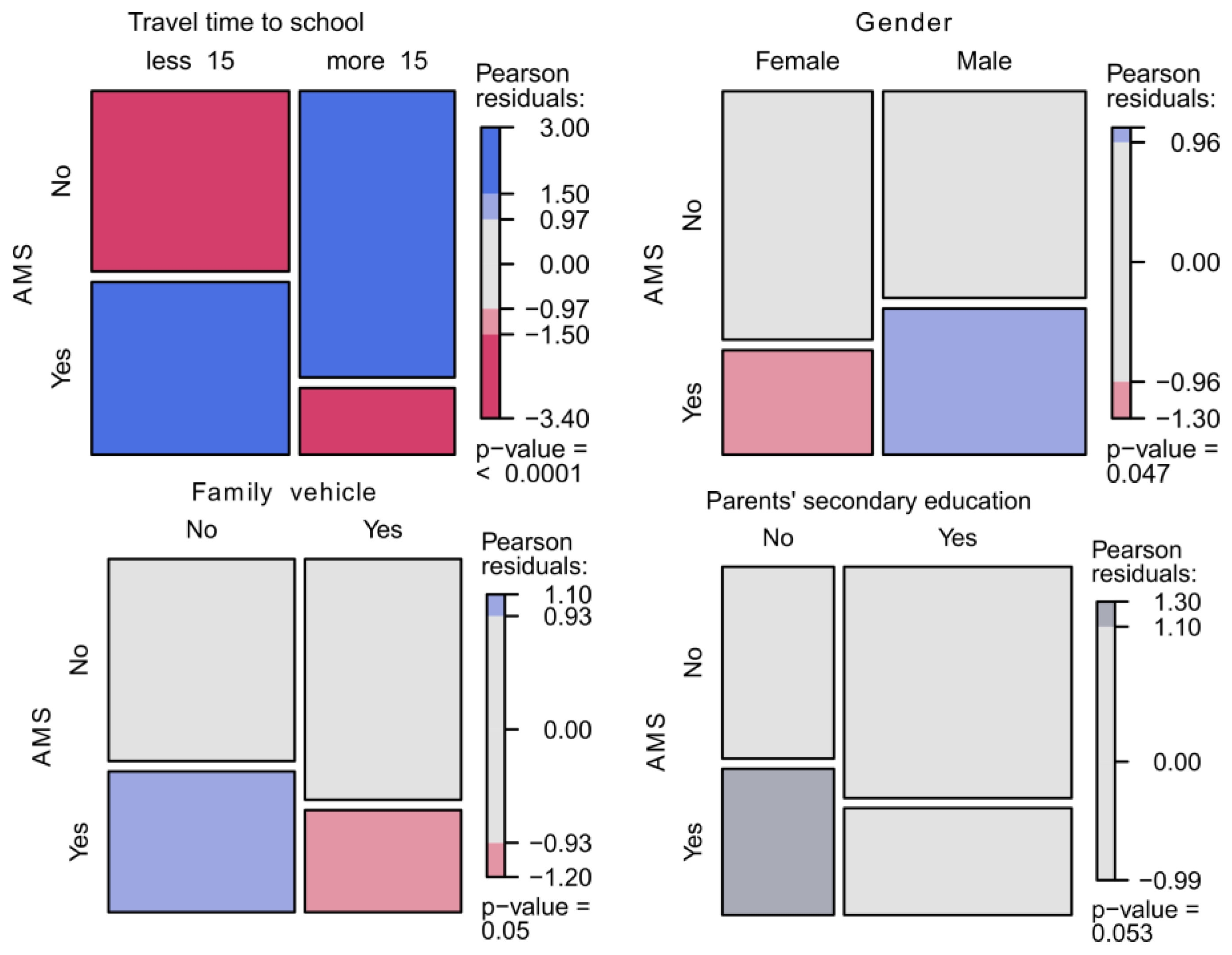
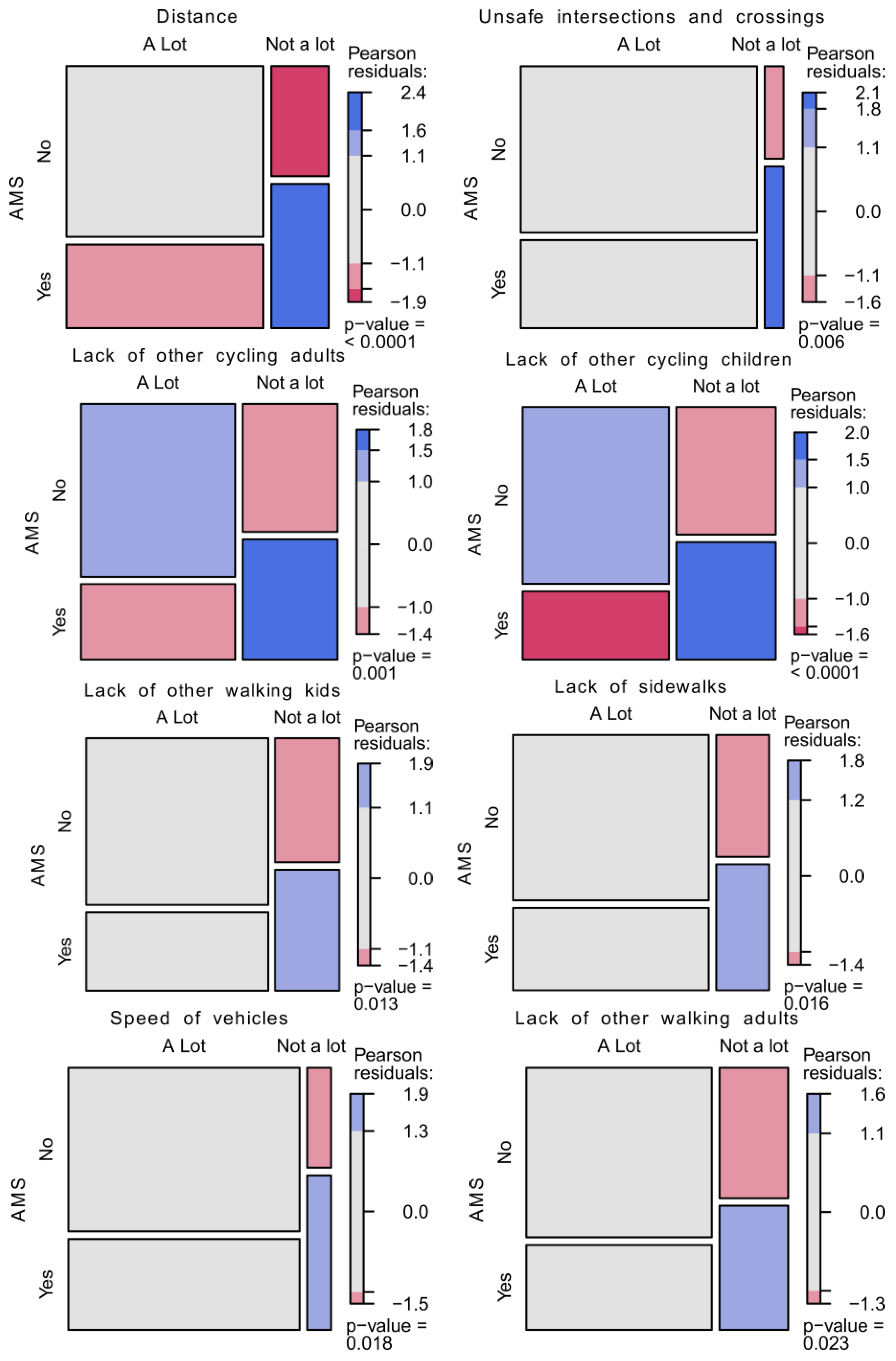
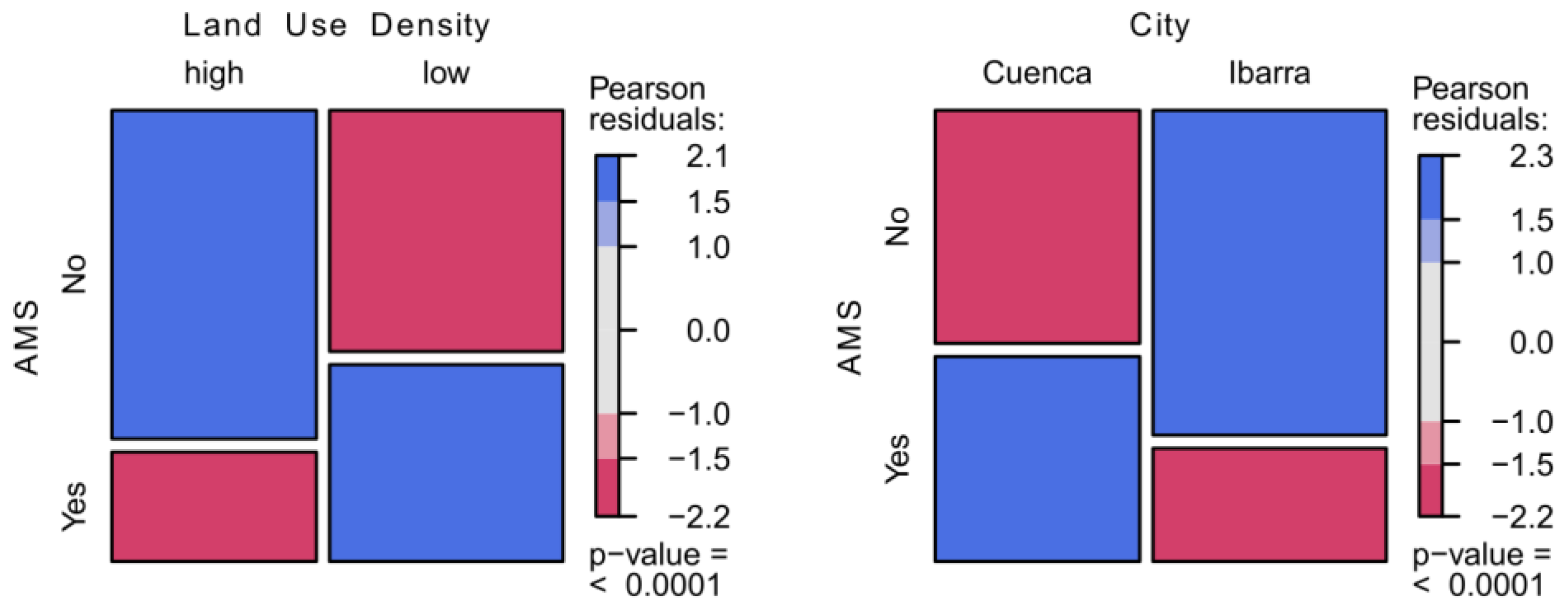
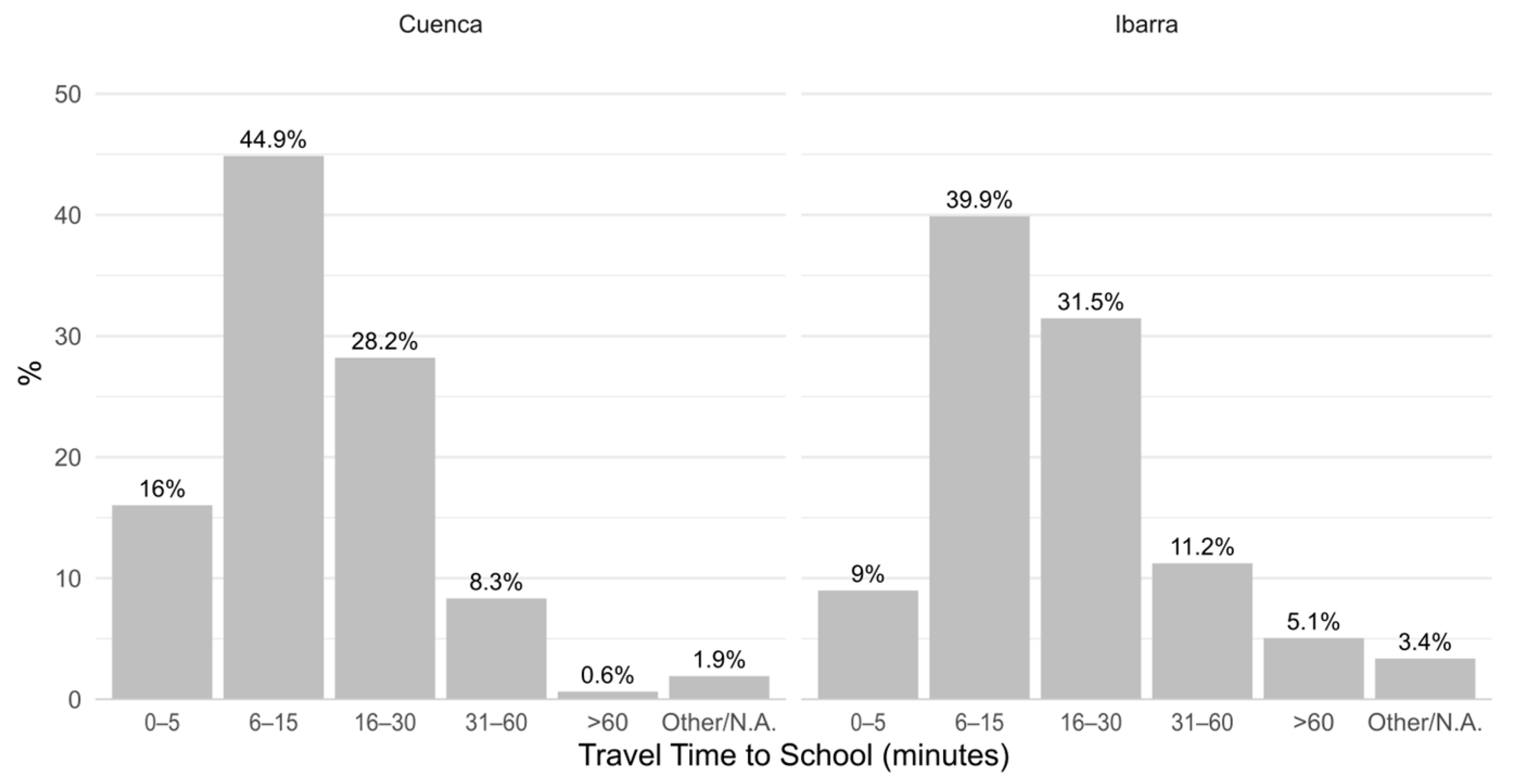
Active mobility to school (AMS) has been identified as a pivotal element in promoting health and physical activity during childhood, adolescence, and beyond. However, the importance of AMS is often downplayed or disregarded in urban and transportation planning, especially in Latin American cities. Factors such as cultural and political dynamics, socioeconomic conditions, urban and social environments, household and individual characteristics, and parental perceptions and attitudes collectively shape the mobility behavior of schoolchildren. This research analyzes the outcomes of a study on AMS at public schools in Cuenca and Ibarra (Ecuador), through the lens of the Socio-Ecological Model framework. The findings show that 47% of students from schools in Cuenca and 26% from Ibarra engage in active commuting to school for at least part of their journey. Key factors correlated with AMS include gender (individual dimension), travel duration, household socioeconomic characteristics, and parental attitudes towards active mobility (household dimension), as well as street-level attributes and land use density surrounding schools (urban environment dimension). This study offers three significant contributions: a detailed portrayal of student mobility behavior at six public schools in Cuenca and Ibarra, an exploration of the factors linked with active commuting, and a methodology for estimating land-use parameters.
Keywords: active mobility to school; socio-ecological model; sustainable mobility active mobility to school; socio-ecological model; sustainable mobility