Article

Integrating Greenhouses into Buildings: A Renewed Paradigm for Circular Architecture and Urban Regeneration


1
Department of Agriculture and Food Sciences, University of Bologna, 40126 Bologna, Italy
2
Department of Architecture and Built Environment, University of Nottingham, Ningbo 315100, China
3
Department of Architecture, University of Florence, 50121 Florence, Italy
*
Author to whom correspondence should be addressed.
Sustainability 2024, 16(23), 10685; https://doi.org/10.3390/su162310685
Submission received: 7 November 2024 / Revised: 2 December 2024 / Accepted: 3 December 2024 / Published: 5 December 2024

Abstract

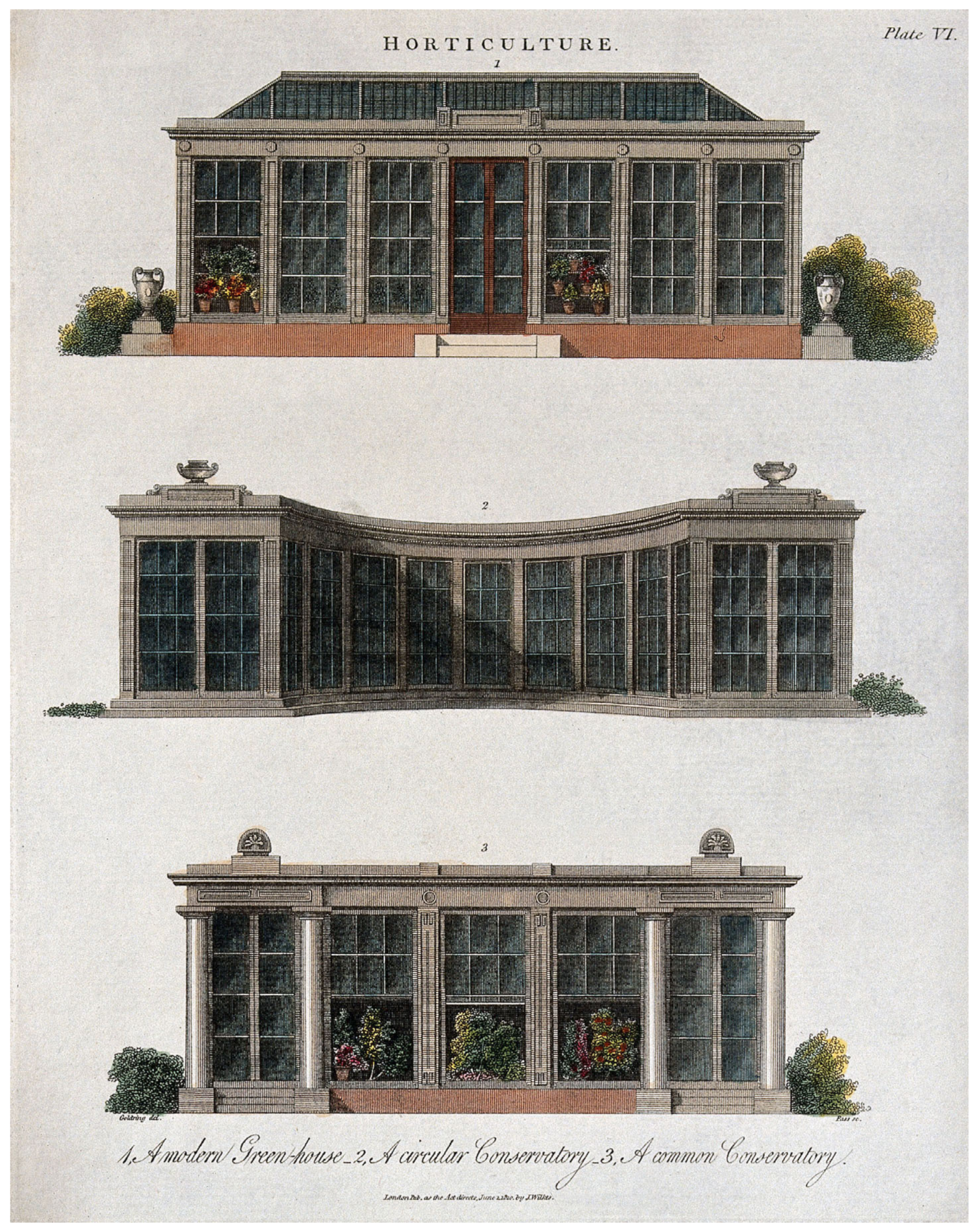
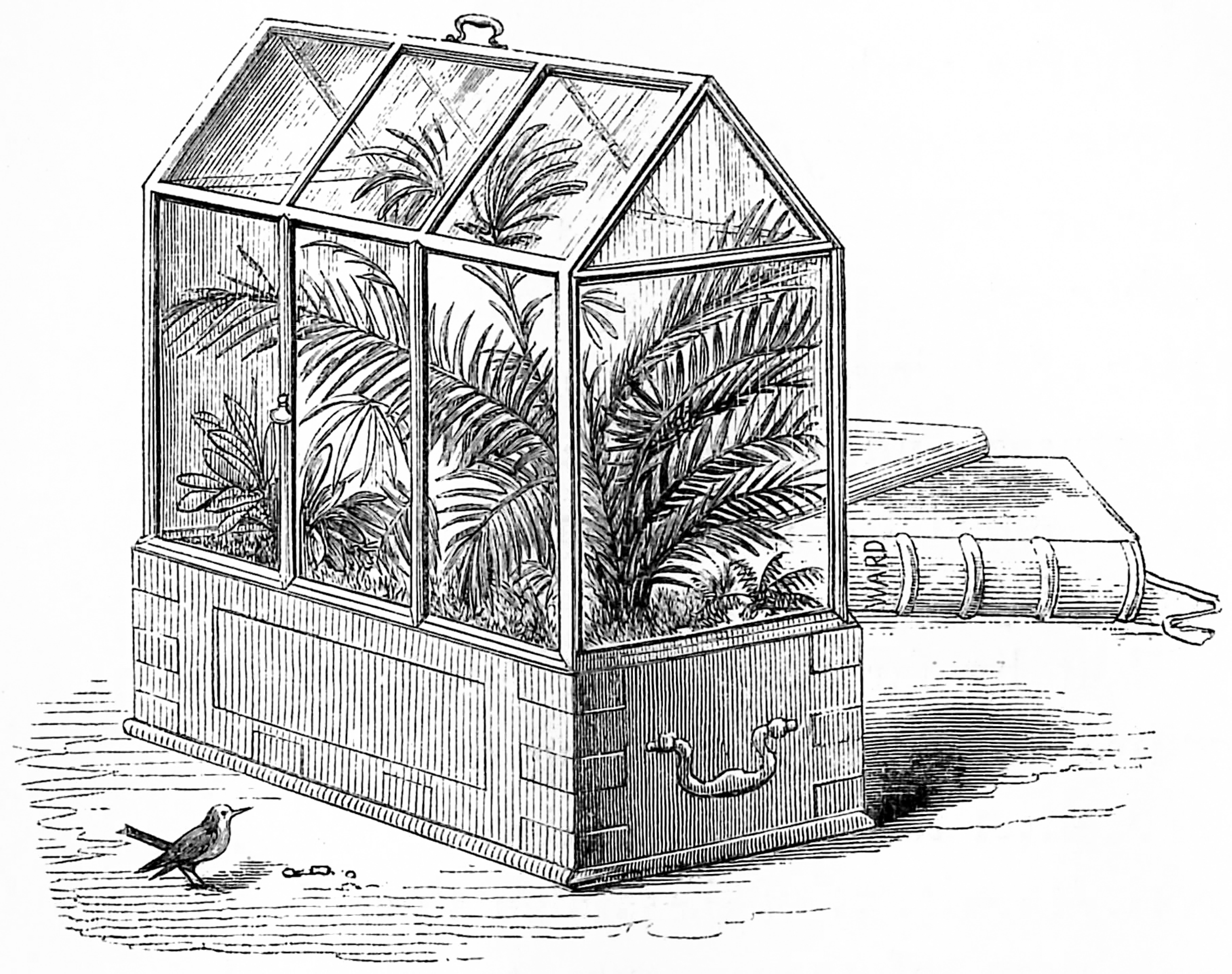
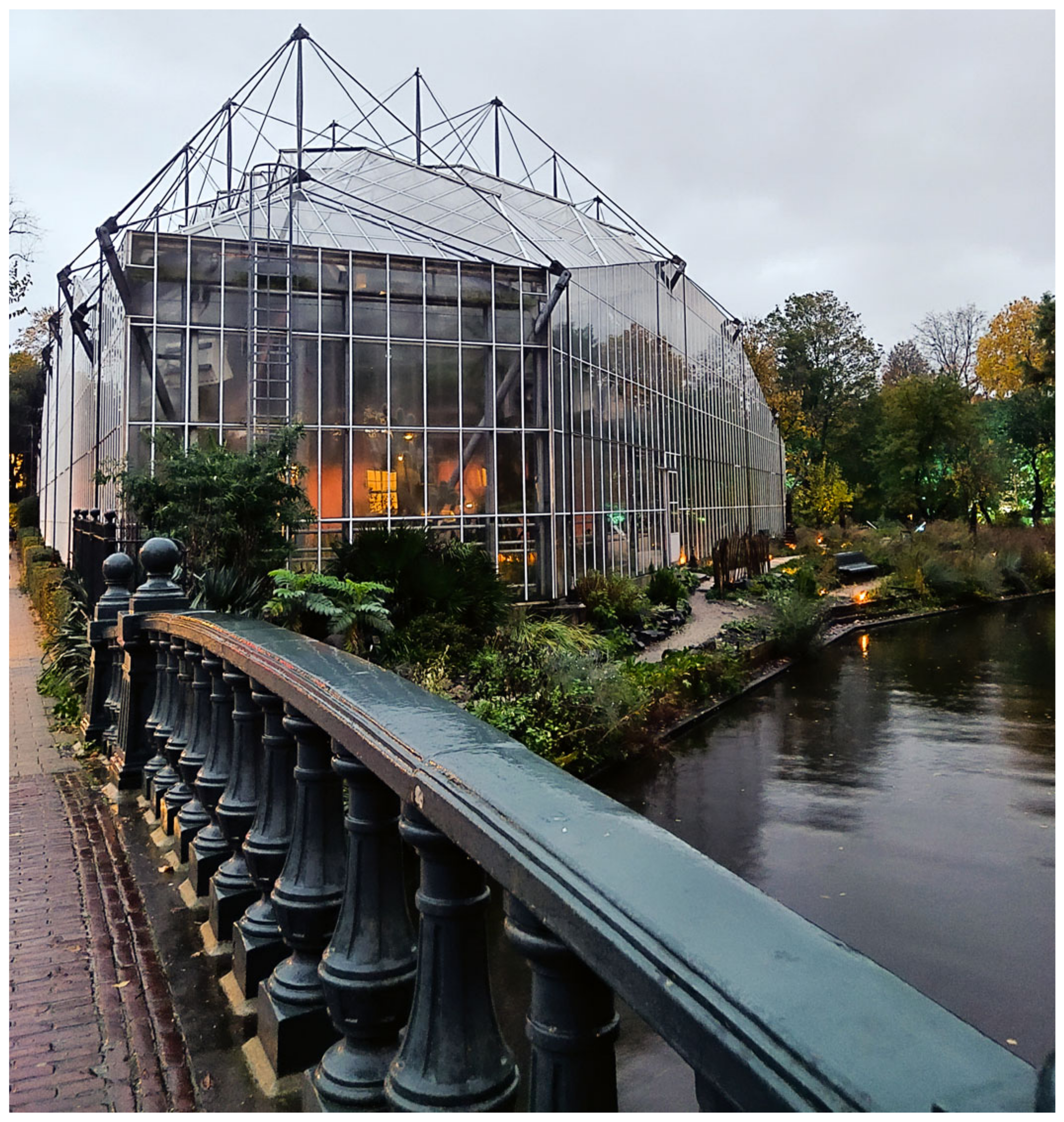
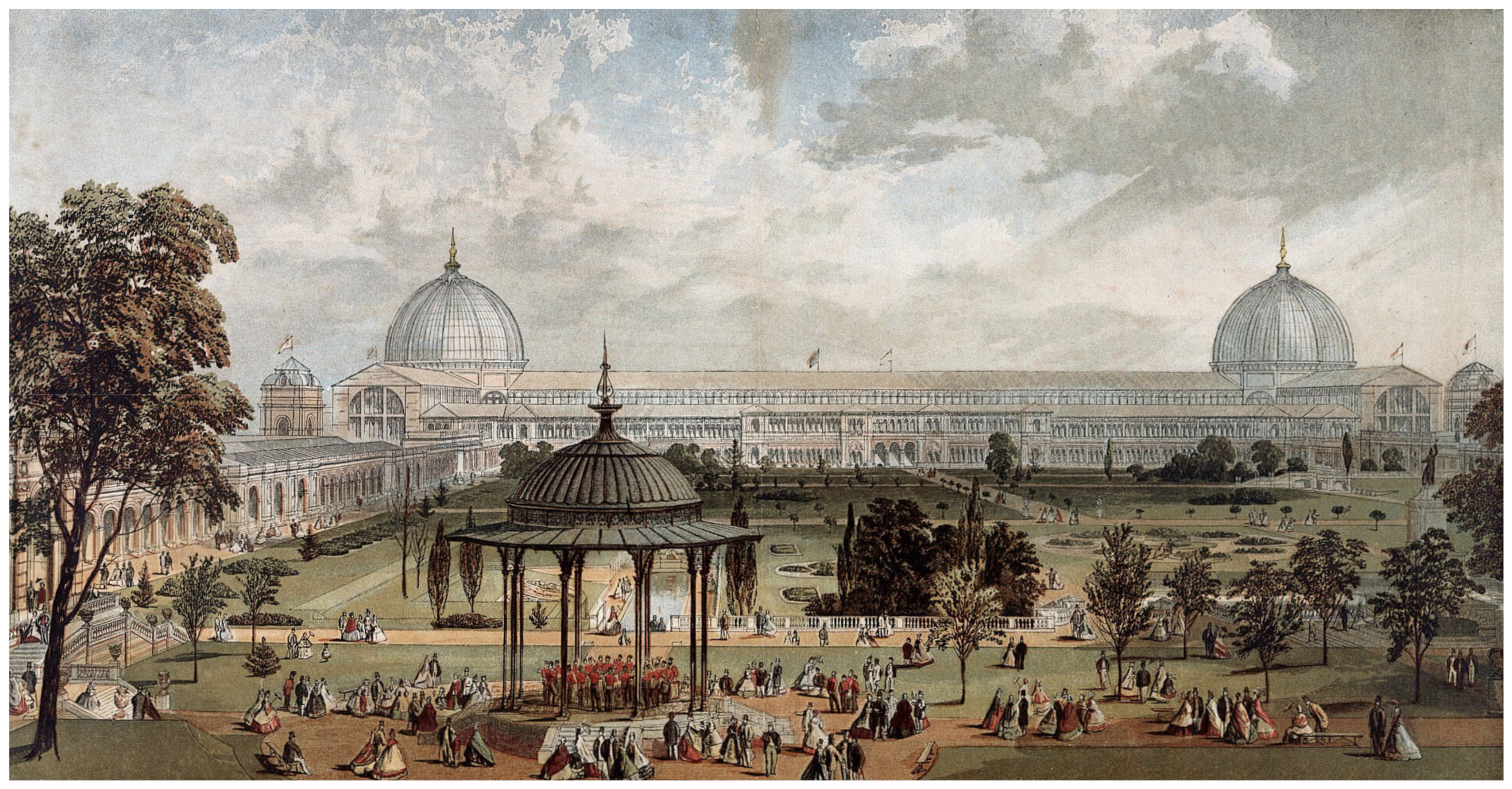
In the post-COVID-19 era, there has been an increasing interest in re-evaluating citizens’ living conditions within dense and grey urban areas. The provision of green spaces has always been identified as an important aspect of alleviating contemporary everyday life stress and preventing or limiting mental health-related issues. It is also an important strategy to mitigate urban heat islands and foster adaptation strategies to climate change. Among the numerous experiments of ‘green action’ available to urban planners, urban farming strategies have been widely used in Europe to provide green spaces and ecosystem services, exploring the topics related to self-production of food, biodiversity, and zero-km cultivation. Therefore, finding new spaces for agriculture in urban environments has driven scientists, researchers, and entrepreneurs to develop new soilless technologies (such as hydroponics, aquaponics, and aeroponics) to maximize yields in urban areas, creating new agricultural and architectural models such as the vertical farms (VF) and the building-integrated greenhouses (BIGH). In this regard, the objective of this paper is to recontextualize the integrated greenhouse element for high-tech food production as new iconic architectural models derived from the experience of the Victorian Winter Gardens and the first tropical greenhouses. Revisiting these perspectives, this paper offers opportunities to redefine the greenhouse as a multifunctional asset that aligns with both environmental goals and architectural standards.
Keywords: greenhouses; urban farming; food security; urban renewal; urban heat island effect; high-tech food production greenhouses; urban farming; food security; urban renewal; urban heat island effect; high-tech food production