Systematic Review

Sustainable Development Strategies and Good Agricultural Practices for Enhancing Agricultural Productivity: Insights and Applicability in Developing Contexts—The Case of Angola

by
Eduardo E. Eliseu
1,2,
Tânia M. Lima
2,3 and
Pedro D. Gaspar
2,3,*
1
Earth and Marine Sciences Department, University of Namibe, Farol de Noronha, Moçâmedes CP 274, Angola
2
Electromechanical Engineering Department, University of Beira Interior, Calçada Fonte do Lameiro, 6201-001 Covilhã, Portugal
3
C-MAST—Center for Mechanical and Aerospace Science and Technologies, Calçada Fonte do Lameiro, 6201-001 Covilhã, Portugal
*
Author to whom correspondence should be addressed.
Sustainability 2024, 16(22), 9878; https://doi.org/10.3390/su16229878
Submission received: 8 October 2024 / Revised: 28 October 2024 / Accepted: 7 November 2024 / Published: 13 November 2024
(This article belongs to the Special Issue Sustainable Agriculture Development: Challenges and Oppotunities)

Abstract

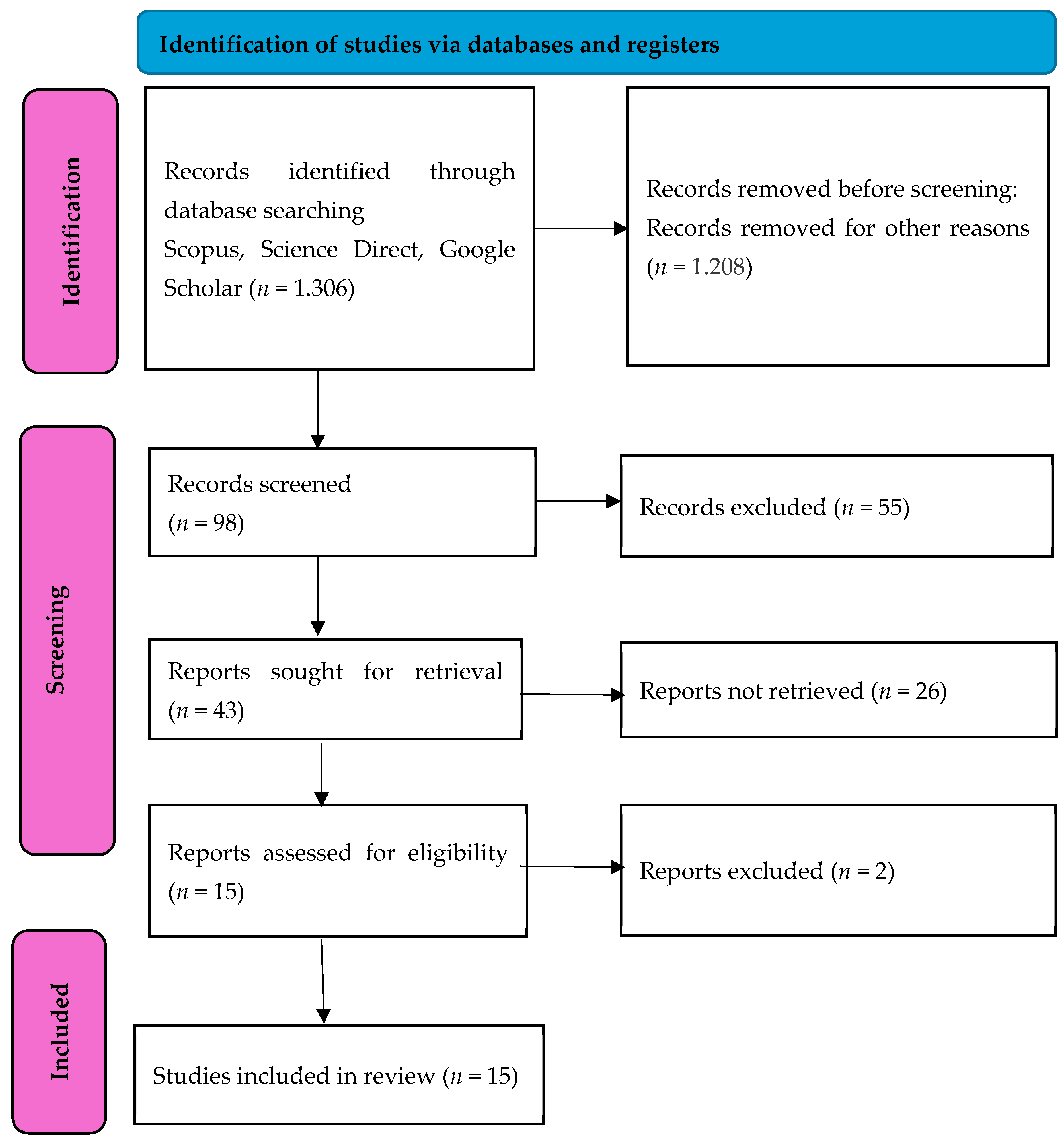
In general, agricultural productivity in Angola is low due to the limited awareness among stakeholders regarding sustainable development strategies (DSs) and good agricultural practices (GAPs) that could be adjusted to local crops, soil types, and climatic conditions. A structured approach was followed to develop a systematic literature review (SLR) that can address this gap by examining how DSs and GAPs may be adapted for Angola’s context to encourage sustainable agricultural development. Key steps included the selection and exclusion of literature from primary scientific databases based on specific screening indicators such as the publication date, language, relevance to DSs and GAPs, and geographic focus on developing or developed nations with comparable agricultural challenges. The initial search resulted in 11,392 articles, of which 4257 met the primary selection criteria. After further screening for relevance and availability, 98 articles were shortlisted, and 15 studies were ultimately included for in-depth analysis. This strict screening process ensured the inclusion of studies most applicable to Angola’s agricultural context. The key research findings indicate that certain DSs and GAPs have high adaptability potential for Angola. The findings emphasise practices such as drip irrigation and inorganic fertilisation, which are widely implemented in both developed and developing countries due to their efficiency in resource-limited environments. Additional strategies, such as water management systems, organic composting, and agroforestry practices, demonstrate significant potential to enhance soil fertility, water efficiency, and crop resilience against climate variability. By identifying these practices and strategies, this study provides a basic framework for policymakers in Angola to develop targeted implementation guidelines, fostering sustainable agricultural growth and resilience in the face of climatic challenges. Thus, this review contributes to the scientific and practical understanding of sustainable agriculture in developing countries, offering critical insights that support Angola’s efforts to achieve greater self-sufficiency and economic stability through sustainable agricultural practices.
Keywords: sustainable development strategies; good agricultural practices; developed countries; developing countries; Africa; Angola sustainable development strategies; good agricultural practices; developed countries; developing countries; Africa; Angola