Article

Supply Strategies and Business Model Options for Online Retailers of Agricultural Products

by
Chenxing Li
* and
Xianliang Shi
School of Economics and Management, Beijing Jiaotong University, Beijing 100044, China
*
Author to whom correspondence should be addressed.
Sustainability 2024, 16(20), 8734; https://doi.org/10.3390/su16208734
Submission received: 14 August 2024 / Revised: 25 September 2024 / Accepted: 8 October 2024 / Published: 10 October 2024

Abstract

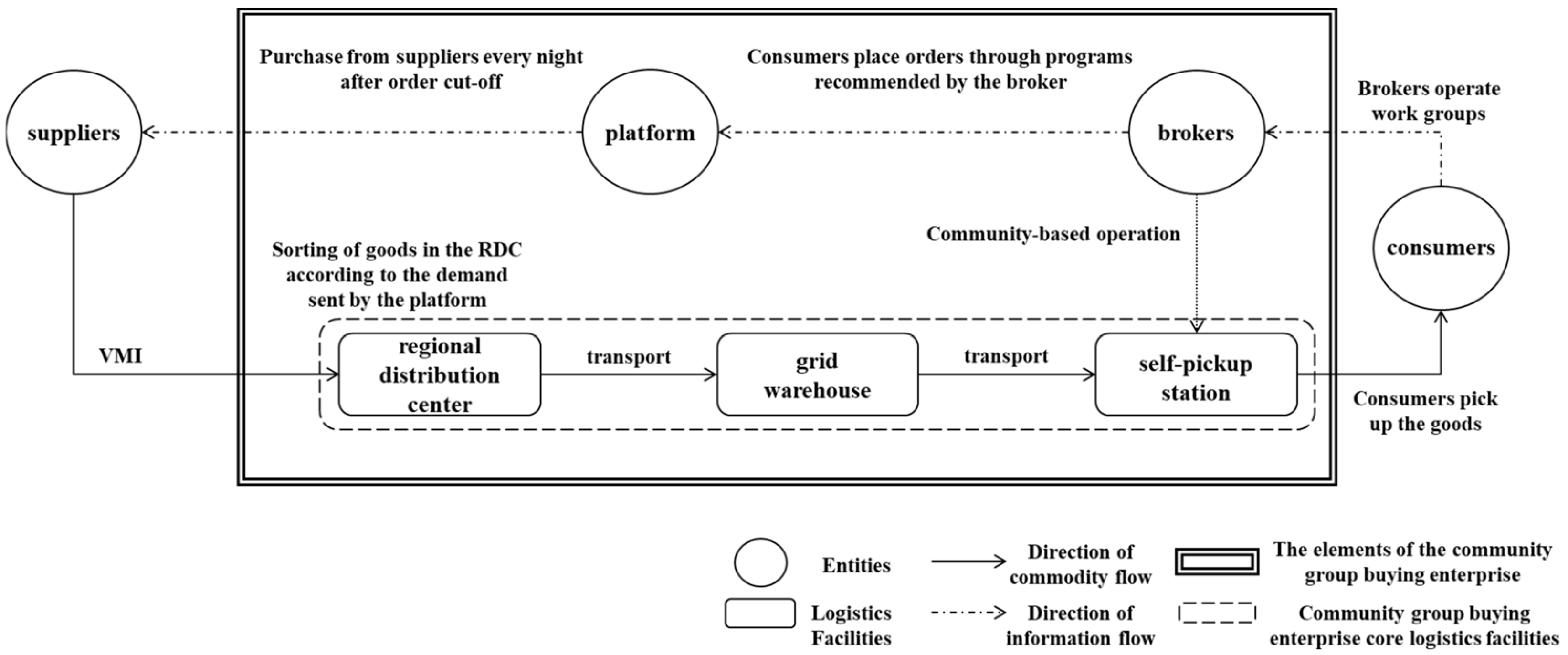
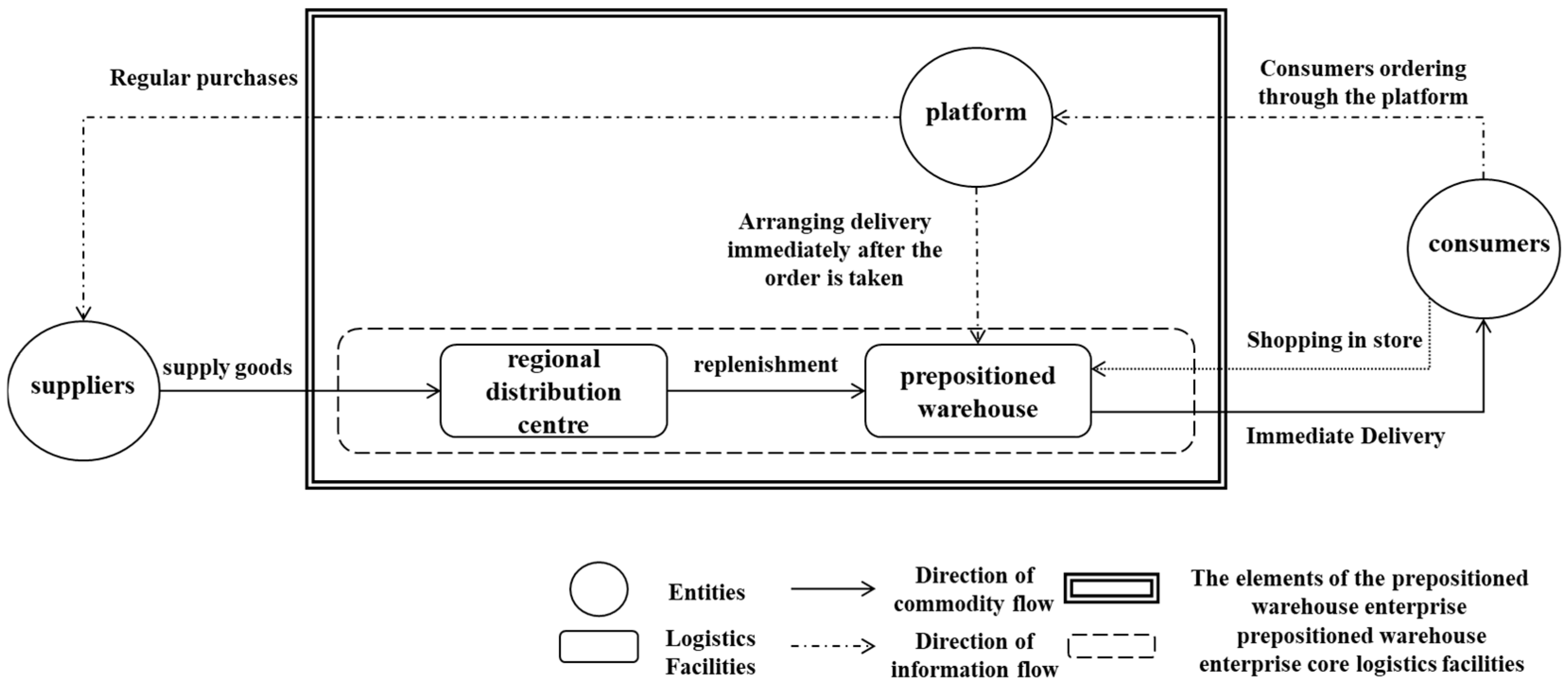
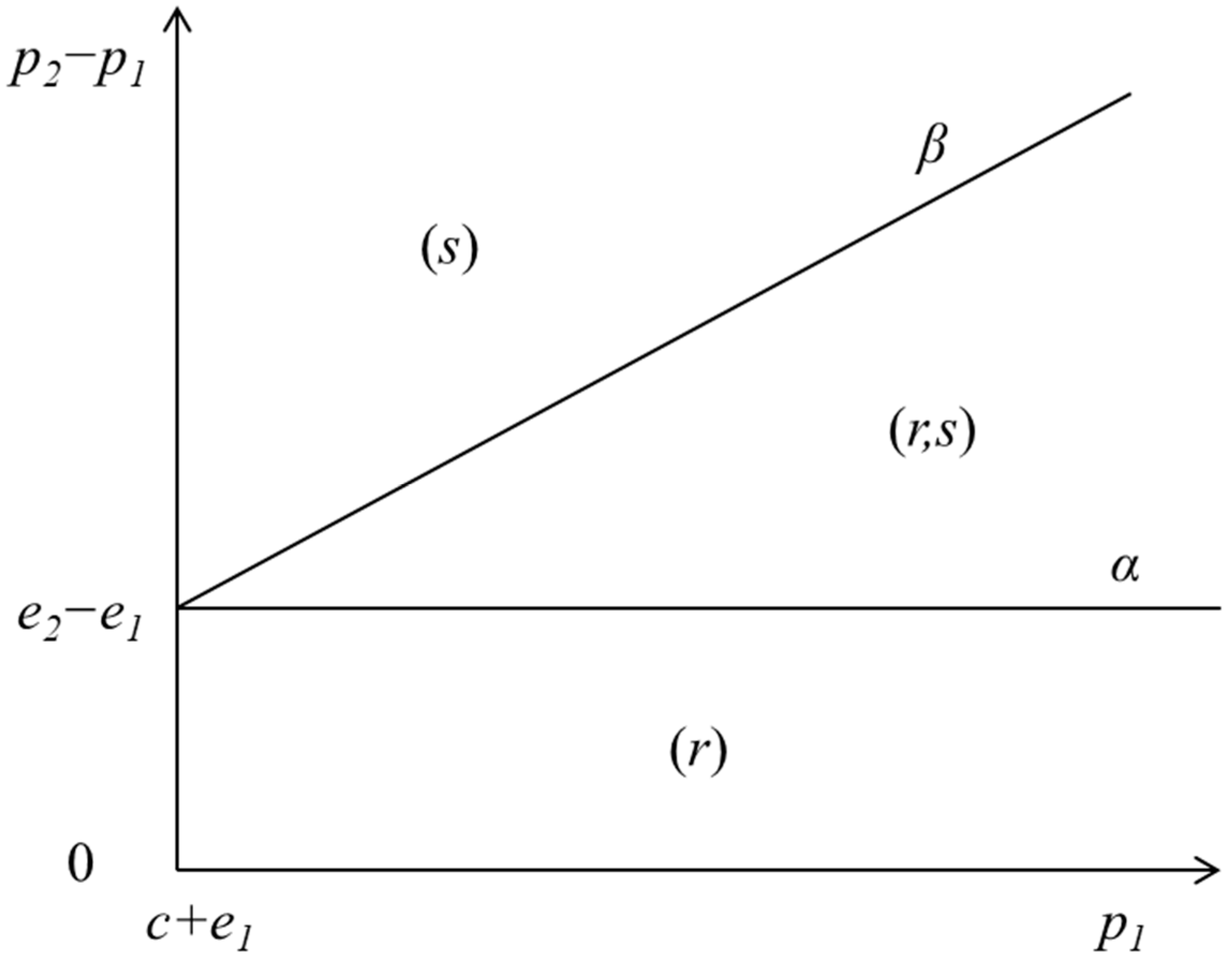
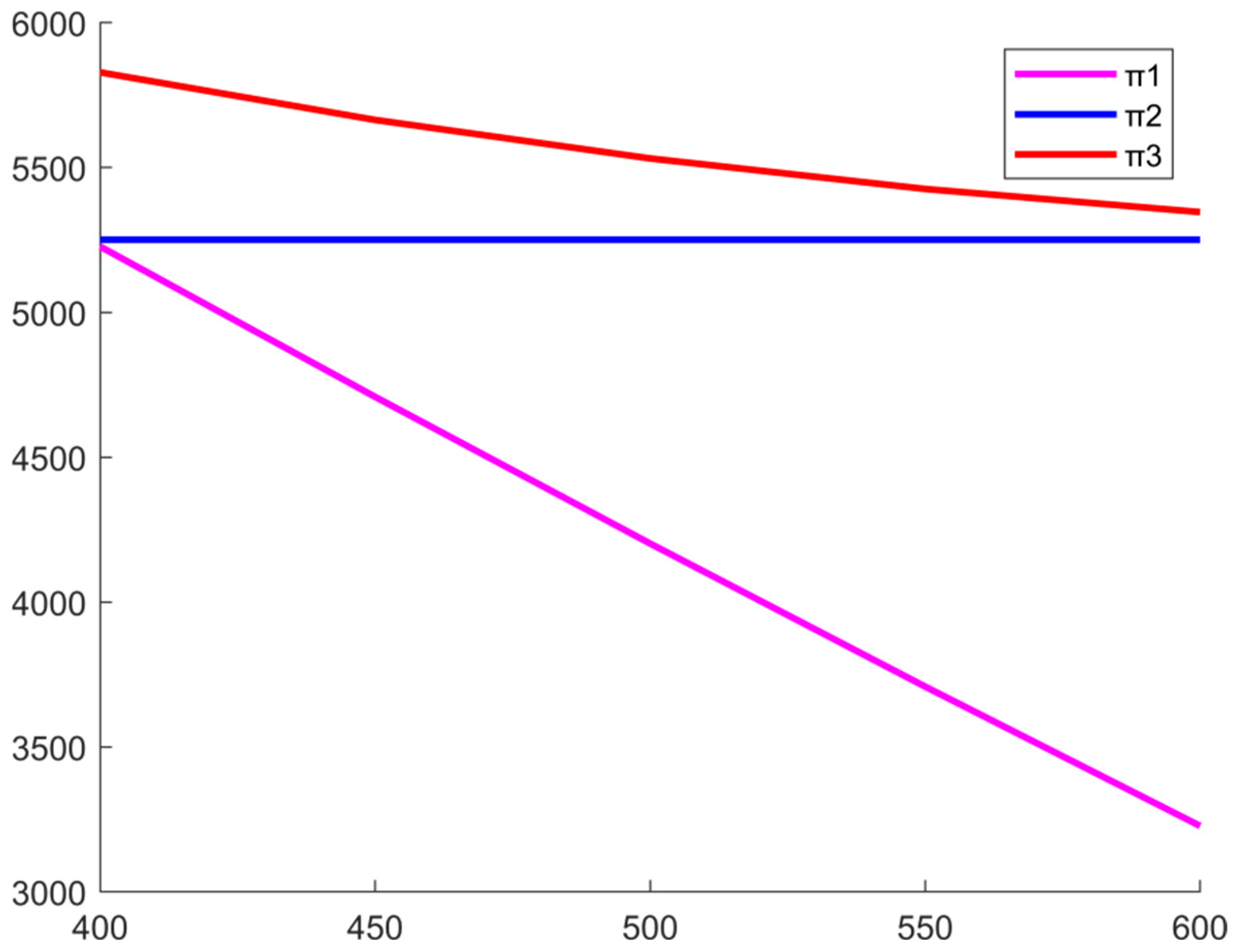
Online retail of agricultural products is an emerging form of online shopping that has enormous value for researching sustainable agricultural product logistics and the sustainability of e-commerce. By reviewing these practices in China, this paper summarizes three models of online retail of agricultural products: community group buying, prepositioned warehousing, and a mixed model in which the former two are carried out simultaneously. This paper considers the uncertainty of demand and applies the newsboy model to obtain the expected profit function of the three models. The paper proves that the objective functions of the optimization models are all convex functions of the supply capacity. The optimal supply strategy and the expression for each business model are then derived. Next, the intervals for enterprises to choose the profit-optimal business model are given and visually demonstrated through graphs. These findings lead to managerial insights: in economically underdeveloped regions, it is appropriate for enterprises to conduct community group buying businesses; in economically developed regions, it is appropriate for enterprises to conduct prepositioned warehouse businesses; and in regions with average economic development, it is appropriate for enterprises to conduct both businesses. Finally, this paper verifies the optimal supply strategy for the online retail model for agricultural products through numerical experiments and sensitivity analyses for different cost parameters.
Keywords: online retail; community group buying; prepositioned warehouse; supply strategy; newsboy model online retail; community group buying; prepositioned warehouse; supply strategy; newsboy model