Article

Environmental Impact Assessment of a Plant Cell-Based Bio-Manufacturing Process for Producing Plant Natural Product Ingredients


by
Gbenga F. Oluyemi
1,*,
Richard O. Afolabi
1,
Samuel Casasola Zamora
2,
Yuan Li
2,* and
David McElroy
2
1
School of Engineering, Robert Gordon University, Aberdeen AB10 7GJ, UK
2
Green Bioactives Limited (GBL), Douglas House, Pentlands Science Park, Penicuik, Edinburgh EH26 0PL, UK
*
Authors to whom correspondence should be addressed.
Sustainability 2024, 16(19), 8515; https://doi.org/10.3390/su16198515
Submission received: 21 August 2024 / Revised: 23 September 2024 / Accepted: 27 September 2024 / Published: 30 September 2024

Abstract

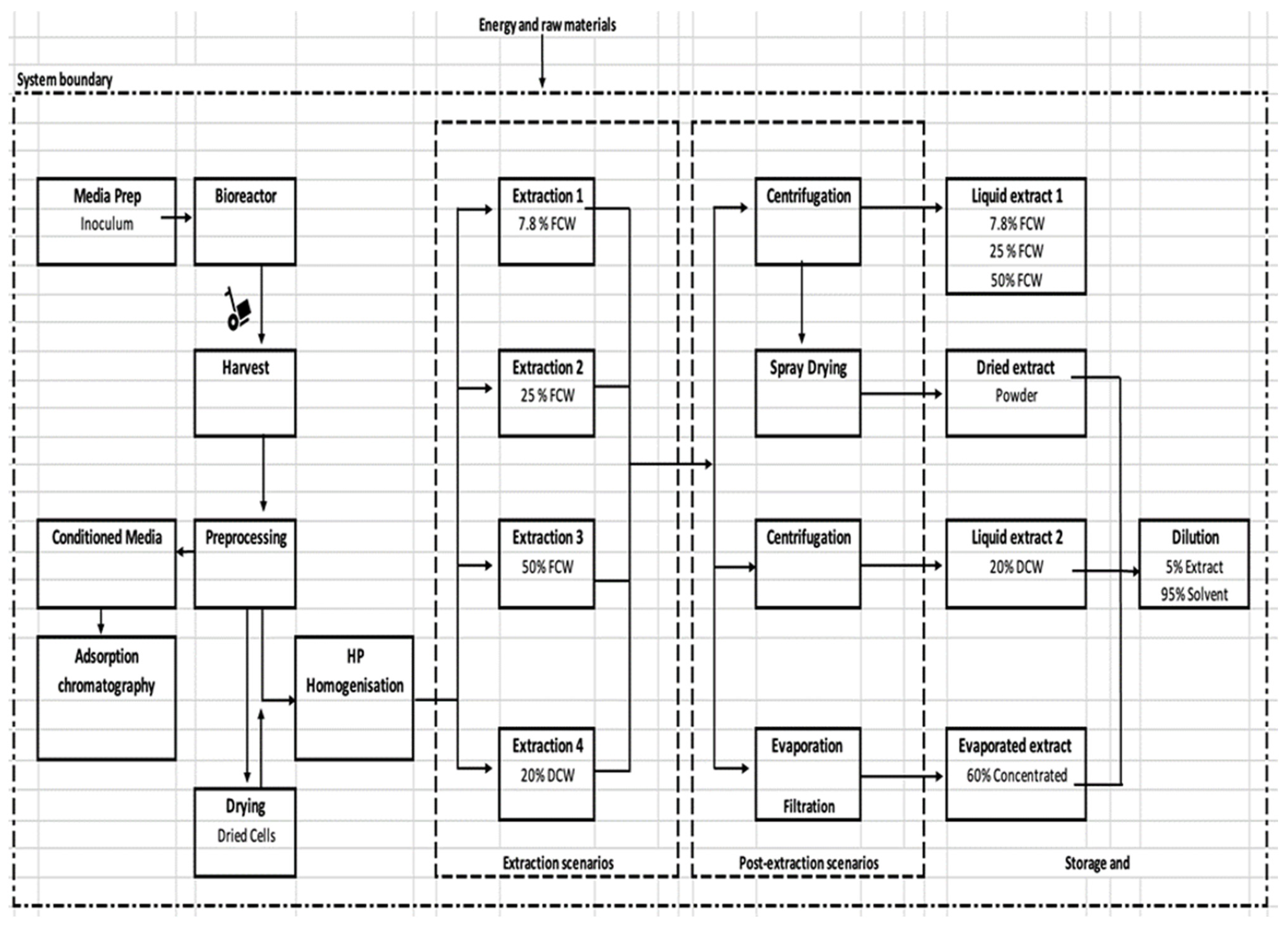
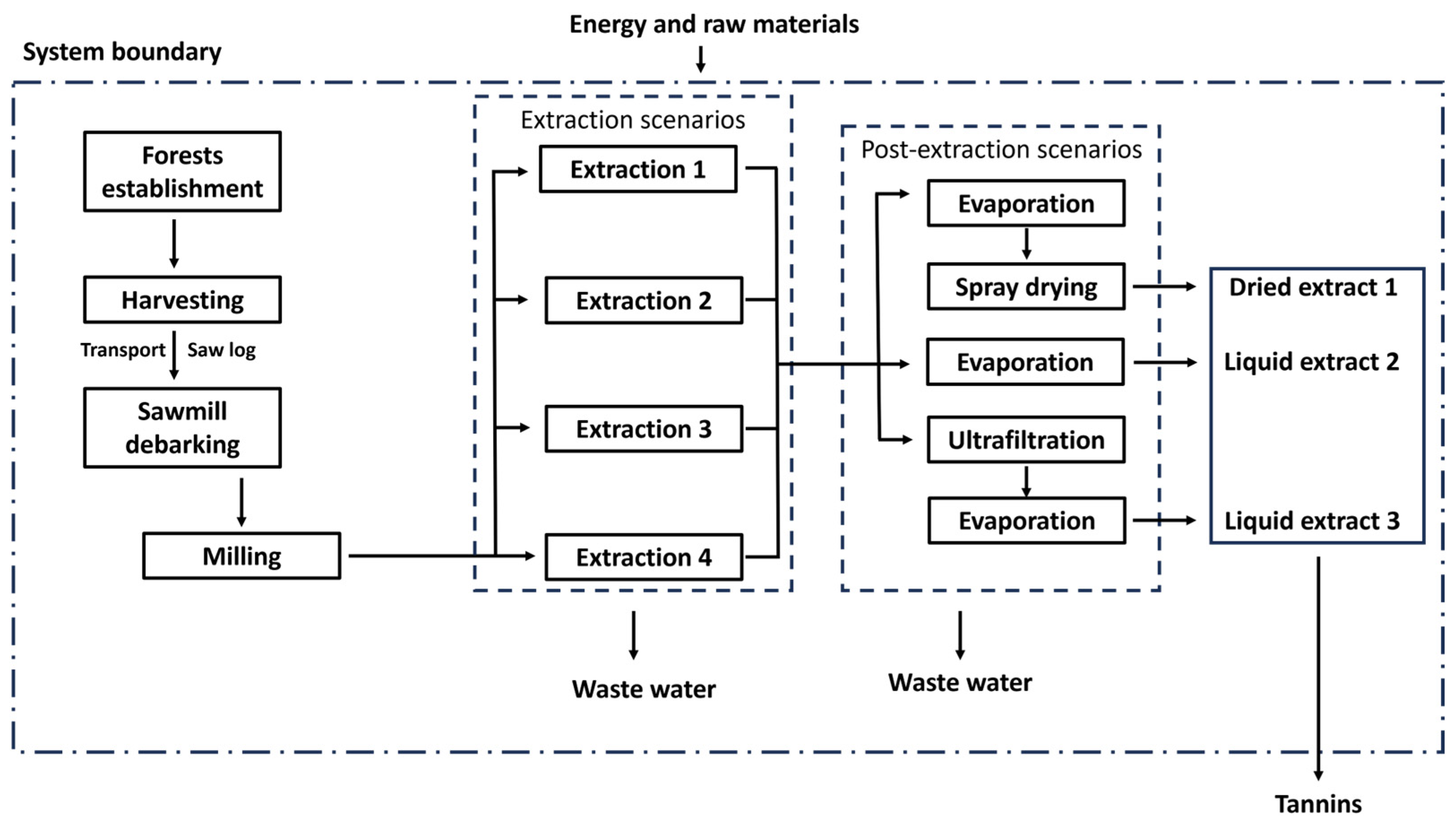
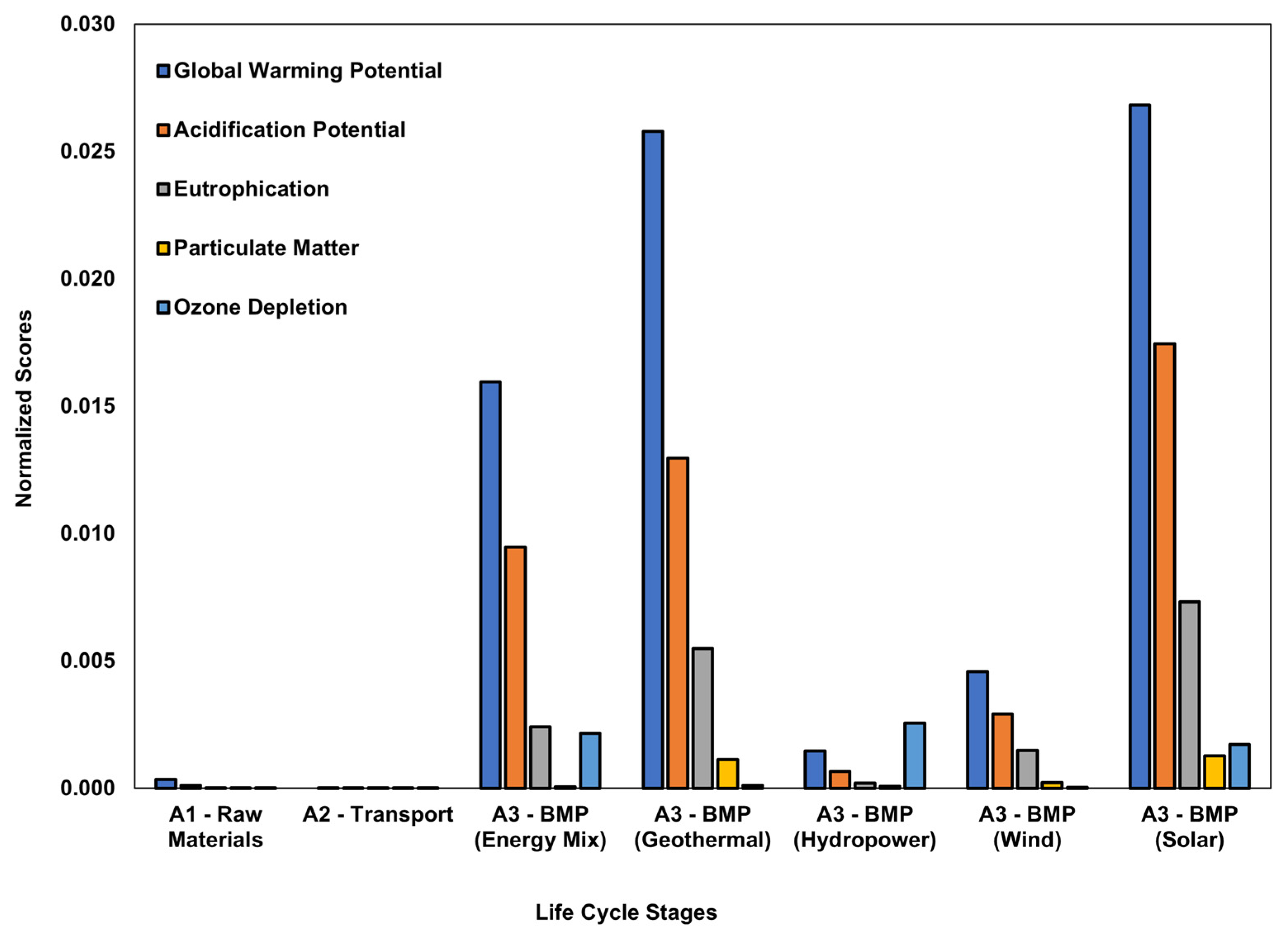
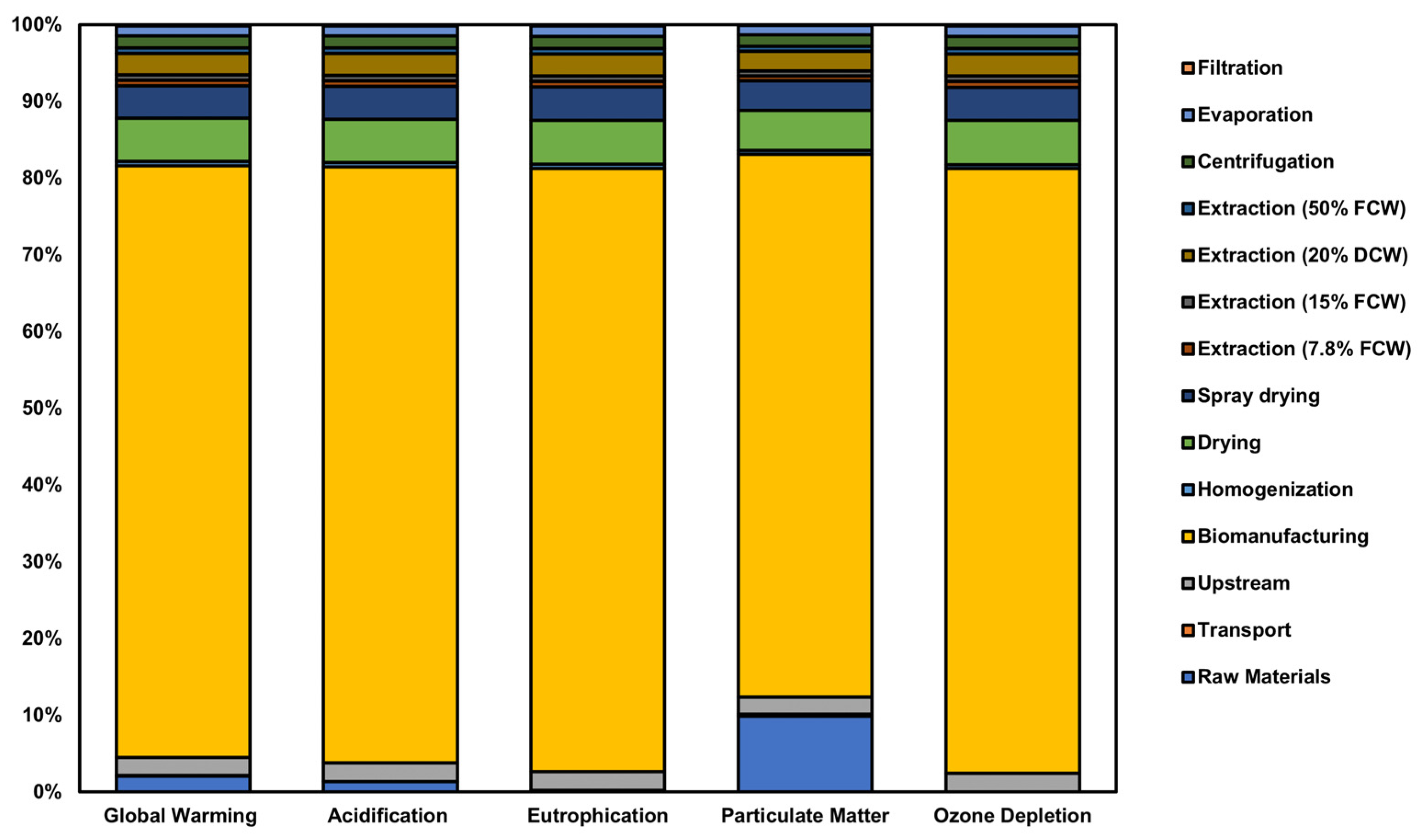
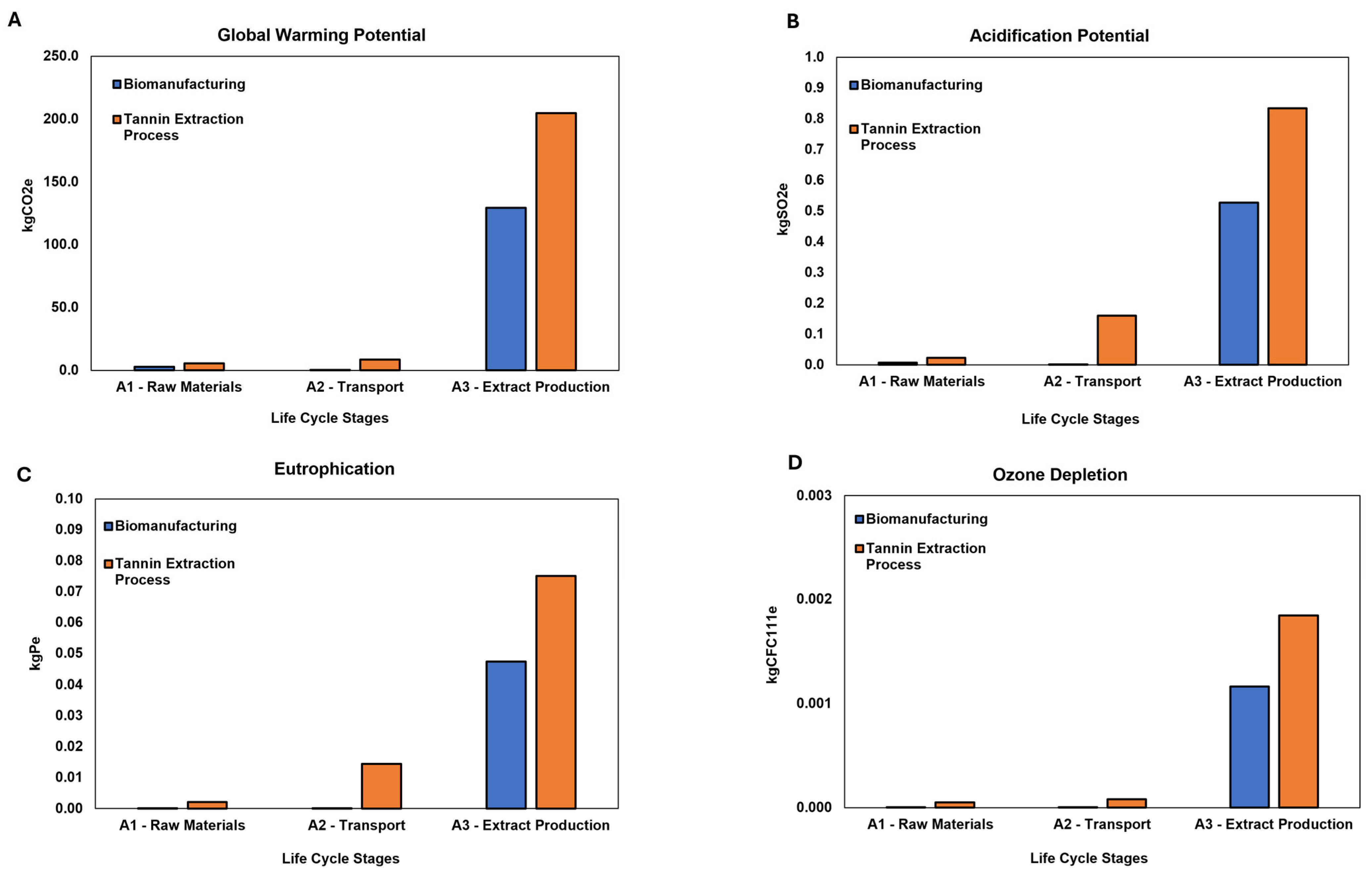
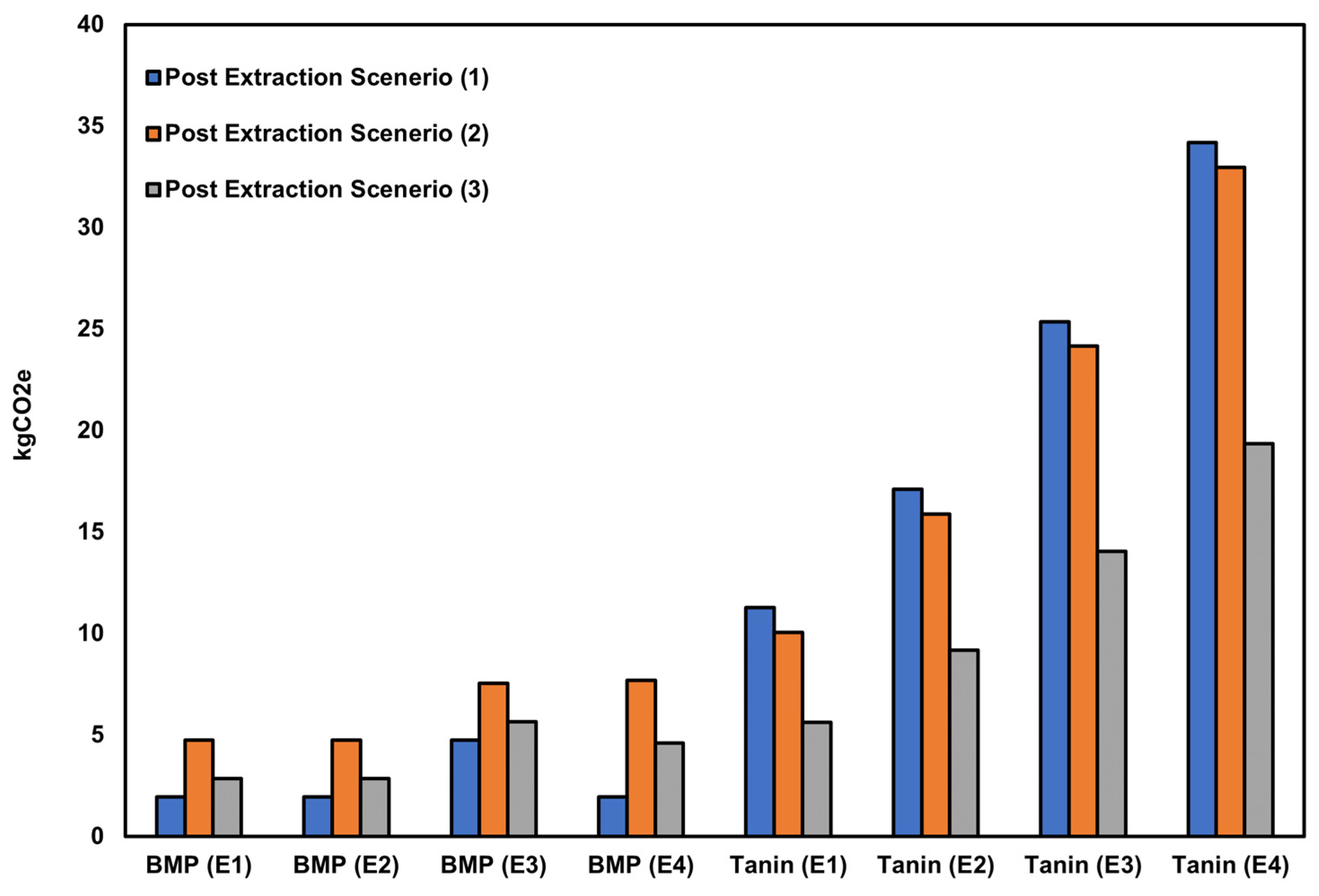
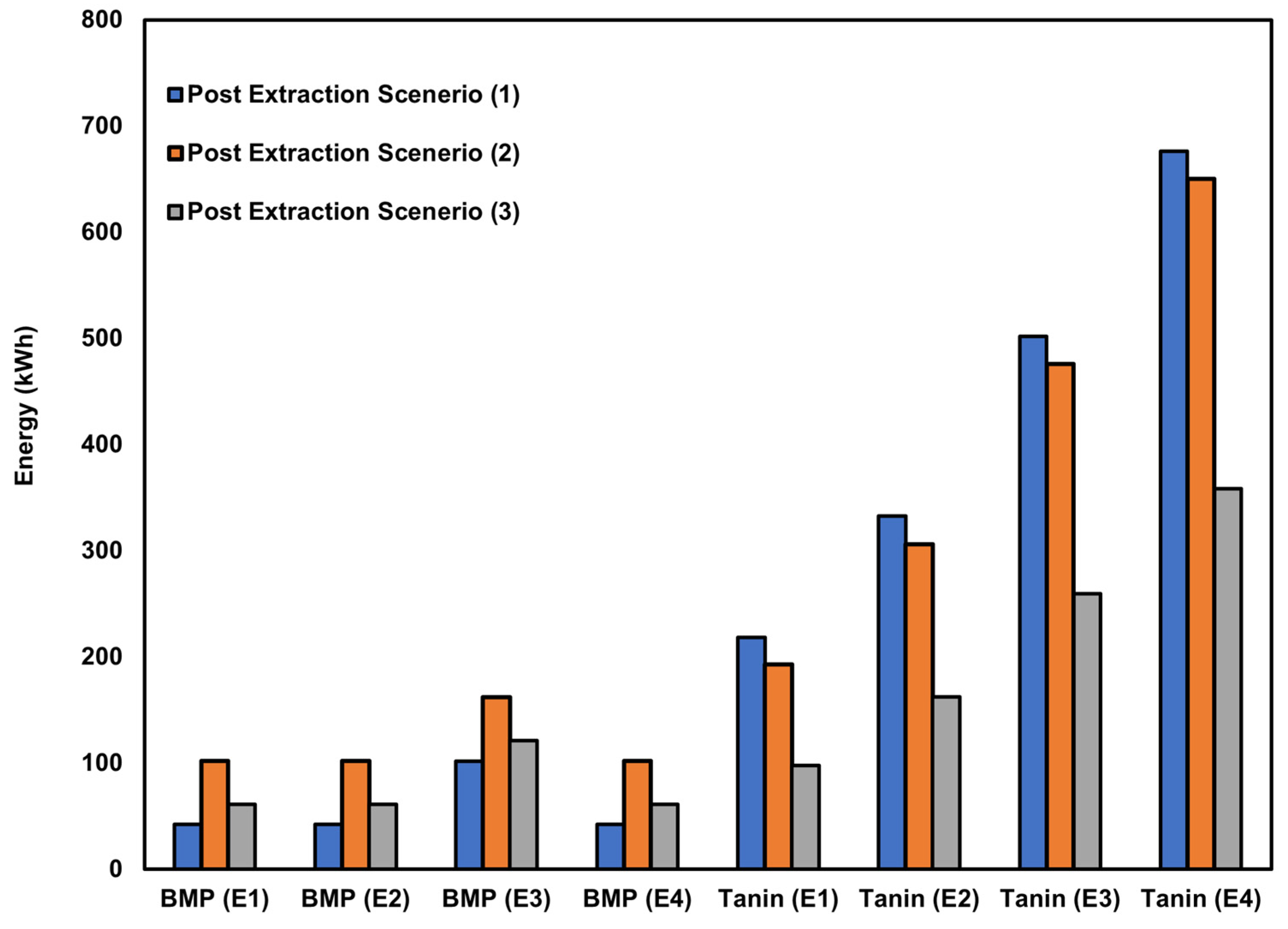
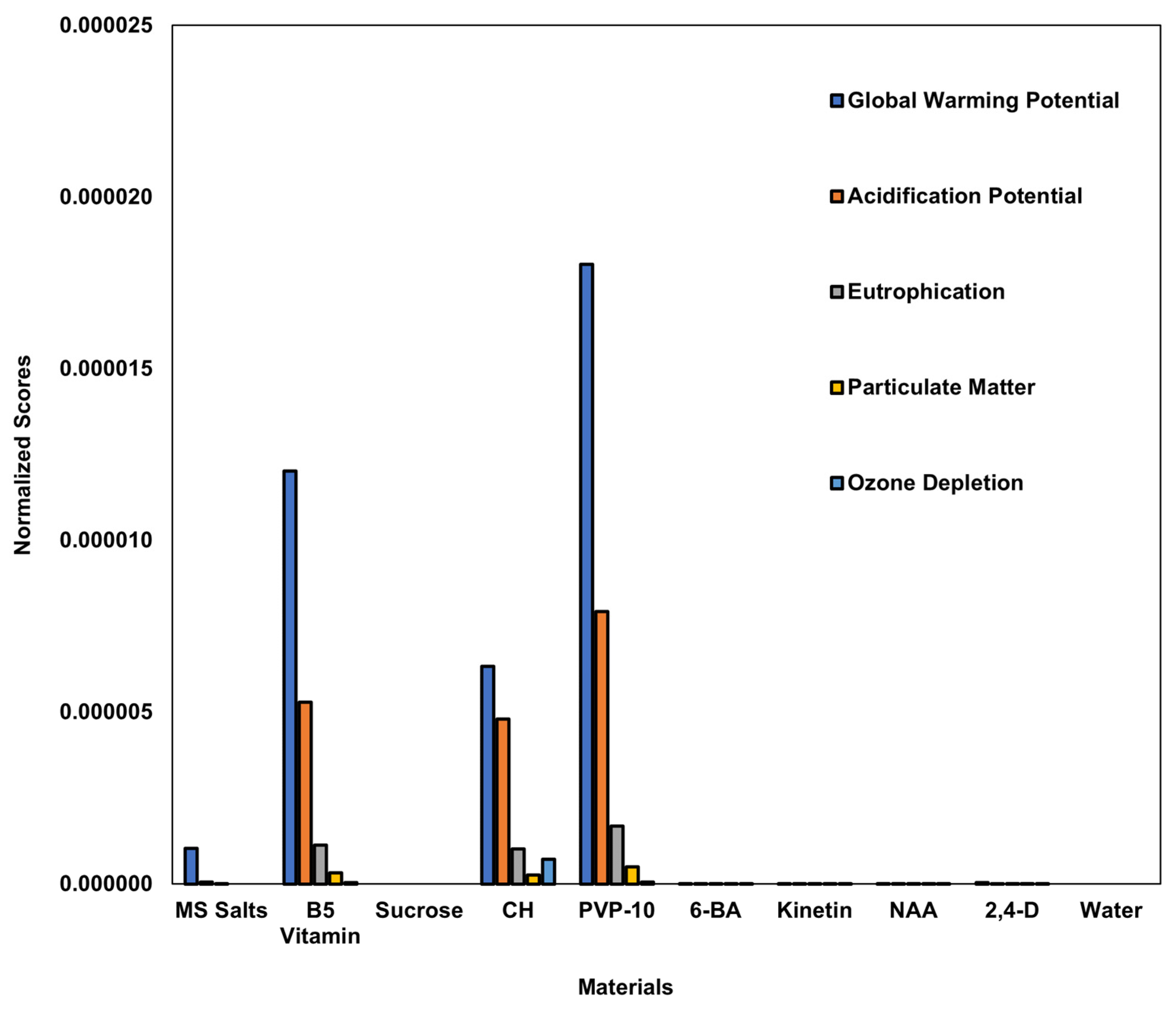
Purpose: This study employed a Life Cycle Assessment (LCA) methodology to evaluate the environmental impacts of a novel plant cell-based biomanufacturing process for producing plant natural product ingredients. The primary purpose was to assess the relative sustainability of the process and to provide insights into potential areas of improvement in the biomanufacturing process. Method: The LCA method used an MS Excel (Ver. 2407) -based approach with a cradle-to-gate system boundary covering raw material sourcing (A1), raw material transportation (A2), and product extract manufacturing (A3) stages. Energy use and material inventory data are presented for different unit operations, and environmental impact factors were obtained from the Ecoinvent database. The study included a Material Circularity Index (MCI) calculation to assess the circularity of the biomanufacturing process for the production of saponin emulsifiers that are normally extracted from the woody tissue of the Chilean soapbark tree (Quillaja saponaria). Comparative analyses were performed against a wild-harvest approach for plant tannin extraction from spruce (Picea abies) tree bark. Key Results: The environmental impact assessment focused on determining relative Global Warming Potential (GWP), Acidification Potential (AP), Freshwater Eutrophication (FE), Particulate Matter Formation (PMF), and Ozone Depletion Potential (ODP). Results indicated that the extract manufacturing stage (A3) contributed significantly to adverse environmental impacts, with varying levels of effects based on the energy source used. Comparative analysis with the wild harvest approach highlights the lower environmental impact of the alternative biomanufacturing process. The biomanufacturing process showed a 23% reduction in GWP, AP, and FE and a 25% reduction in PMF and ODP relative to the wild harvest approach. However, the MCI for the biomanufacturing process was estimated to be 0.186, indicating a low material circularity. Conclusions: The results revealed that the extract manufacturing stage, particularly energy consumption, significantly influences the relative environmental impacts of the alternative production processes. Different energy sources exhibit varying effects, with renewable energy sources showing lower environmental impacts. The Material Circularity Index indicated a low circularity for the biomanufacturing process, suggesting opportunities for improvement, such as incorporating recycled or reused materials. Compared with the tannin extraction process, the plant cell-based biomanufacturing process demonstrated lower environmental impacts, emphasising the importance of sustainable practices and the use of renewable energy sources in future plant natural product sourcing. Recommendations include implementing more sustainable practices, optimising raw material choices, and extending product life spans to enhance circularity and overall environmental benefits.
Keywords: biomanufacturing; circularity; life cycle assessment; plant cell biomanufacturing; circularity; life cycle assessment; plant cell