Article

Reactive Dye Wash-Off Processing of Cotton Fabrics Using Polymer Dye Transfer Inhibitors for Sustainable Dyeing


by
Muhammad Nazrul Islam
1,*,
Tuba Toprak-Cavdur
2,*,
Shafiqul Islam
2,
Fatema Tarannum
1 and
Keisha B. Walters
1,*
1
Ralph E. Martin Department of Chemical Engineering, University of Arkansas, Fayetteville, AR 72701, USA
2
Department of Textile Engineering, Faculty of Engineering, Bursa Uludag University, Bursa 16059, Turkey
*
Authors to whom correspondence should be addressed.
Sustainability 2024, 16(18), 7991; https://doi.org/10.3390/su16187991
Submission received: 18 August 2024 / Revised: 7 September 2024 / Accepted: 10 September 2024 / Published: 12 September 2024

Abstract

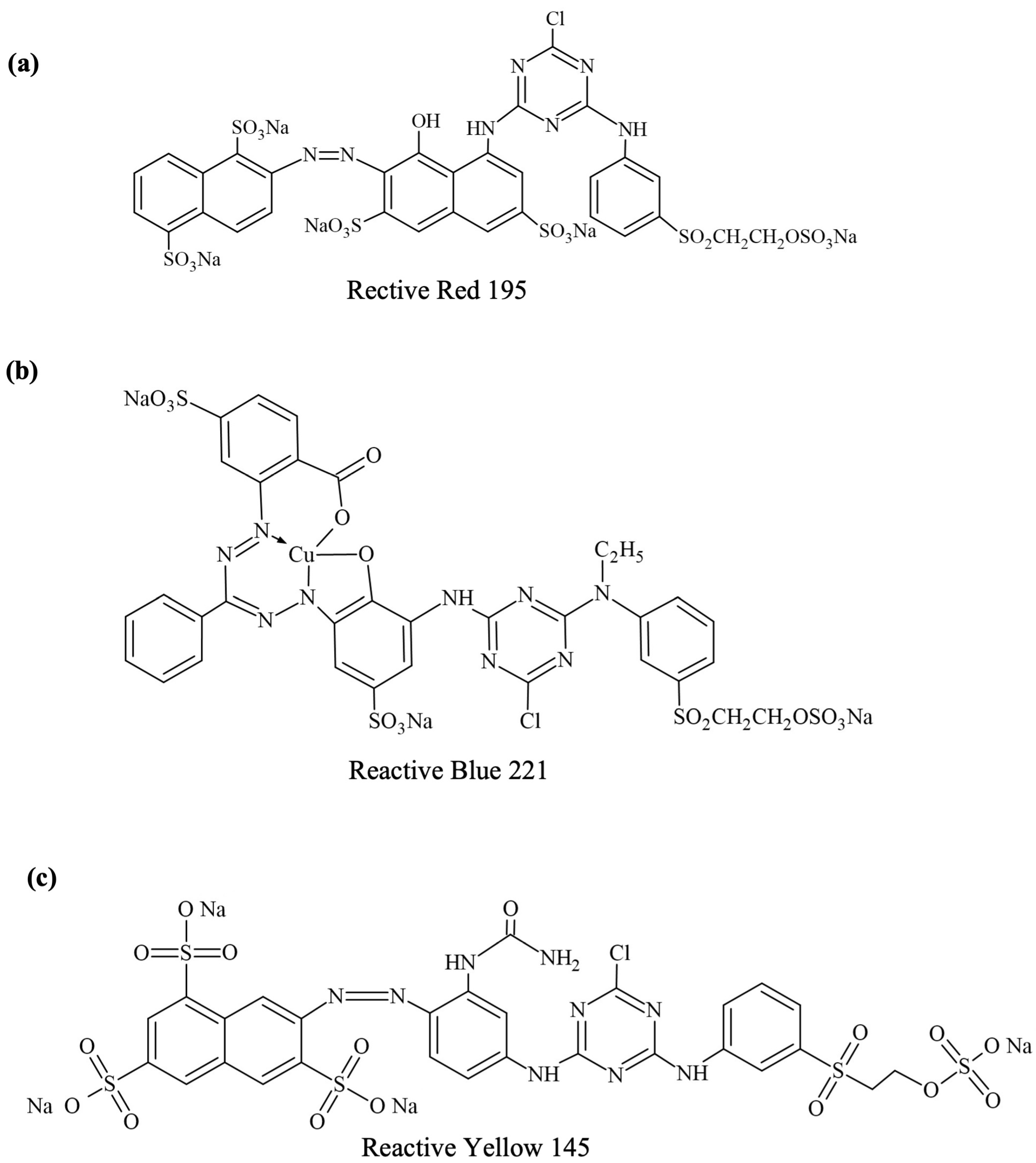
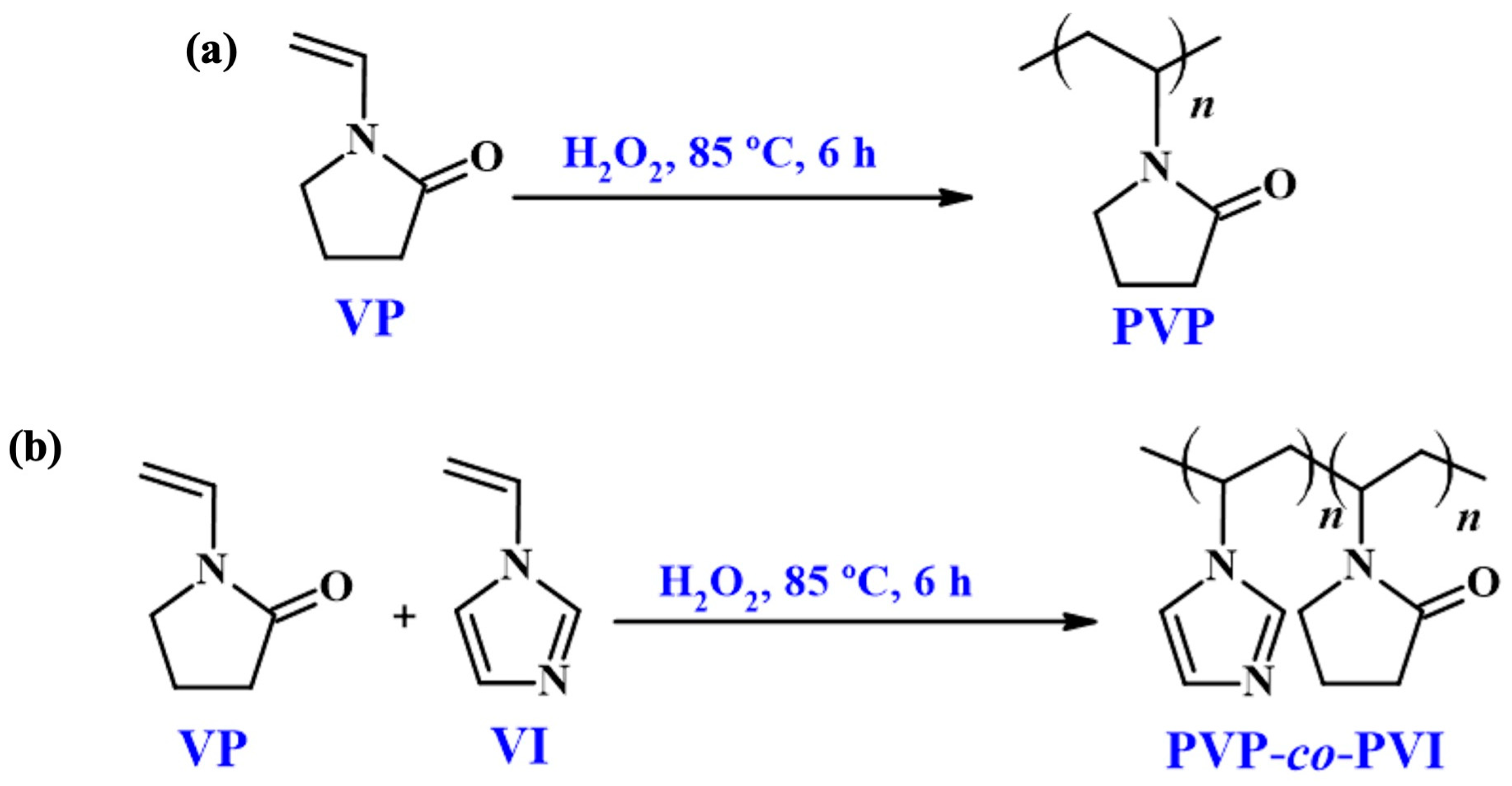
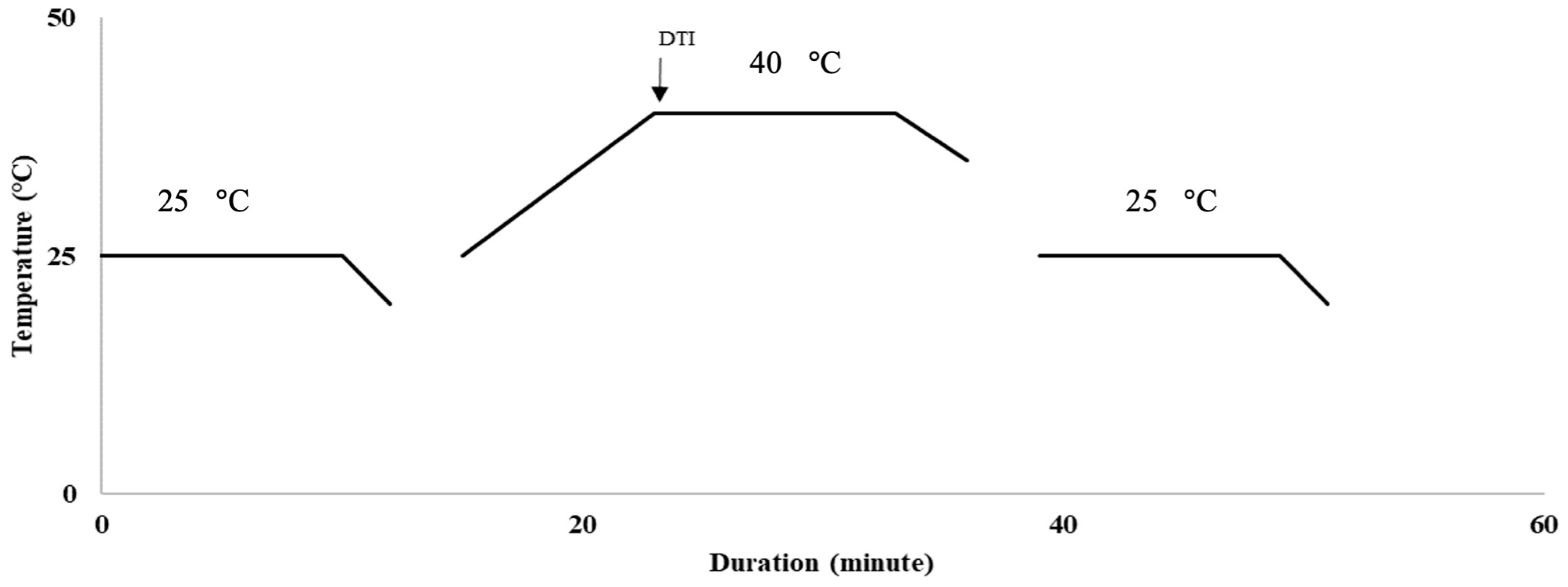
Cotton fiber consumption is higher than any other natural fiber due to its superior mechanical and physical properties. In the conventional reactive dyeing process, the dye undergoes hydrolysis due to hydrogen bonding and weak Van der Waals forces, yielding poor washing color fastness. Additionally, the post-dyeing wash-off process consumes significant amounts of water, energy, and time in order to remove the unreacted and hydrolyzed dye. Therefore, reactive dyes are predominantly utilized to color cotton fabrics as the covalent bond formed between dye and fiber results in excellent washing fastness for a wide range of colors, and improved ease of use. To support more efficient, economical, and sustainable reactive dyeing, polymers can be used as effective dye transfer inhibitors (DTIs) in the reactive wash-off process. In this study, poly(vinylpyrrolidone) (PVP) homopolymer and poly(vinylpyrrolidone)-co-poly(vinylimidazole) (PVP-co-PVI) were synthesized at different molecular weights. These polymers were then employed as DTIs to evaluate their performance during the wash-off process for dyed cotton fabrics treated with three reactive dyes (Reactive Red 195, Reactive Blue 221, and Reactive Yellow 145). It is noteworthy to mention that the alternative wash-off procedure involved only three stages, in contrast to the series of washing steps necessary in the conventional method. Evaluation of the DTIs was focused on parameters such as color strength, washing fastness, chemical oxygen demand (COD), as well as energy, water, and time consumption. The findings revealed that while the polymer DTIs generated minor differences in dyed fabric colors in comparison to conventional dyeing, they significantly improved washing fastness. The polymer DTIs studied display excellent potential to provide a much more sustainable dyeing process by saving 90% energy, 40% water, and 50% time versus conventional wash-off processing. The wastewater COD values from the polymer-assisted reactive dye wash-off process were higher for all reactive dyes tested than those from conventional processing. While the higher COD values are attributed to the lower water volumes, this finding highlights the need for further studies. In summary, PVP polymers successfully served as DTIs in the reactive dyeing washing-off process, providing massive water-energy-time efficiency improvements and, subsequently, a more sustainable process for cotton fabric dyeing.
Keywords: sustainability; eco-friendly; dye transfer inhibitors; poly(vinylpyrrolidone); poly(vinylpyrrolidone)-co-poly(vinylimidazole); reactive dye wash-off sustainability; eco-friendly; dye transfer inhibitors; poly(vinylpyrrolidone); poly(vinylpyrrolidone)-co-poly(vinylimidazole); reactive dye wash-off