Article

Can the UK Deliver Zero Carbon Ready Homes by 2050?
1
Faculty of Engineering and Science, University of Greenwich, Old Royal Naval College, Park Row, London SE10 9LS, UK
2
Department of Civil and Environmental Engineering, Imperial College London, South Kensington, Skempton Building, London SW7 2BU, UK
*
Author to whom correspondence should be addressed.
Sustainability 2024, 16(13), 5820; https://doi.org/10.3390/su16135820
Submission received: 16 May 2024 / Revised: 28 June 2024 / Accepted: 1 July 2024 / Published: 8 July 2024
(This article belongs to the Special Issue Sustainable Climate Action for Global Health)

Abstract

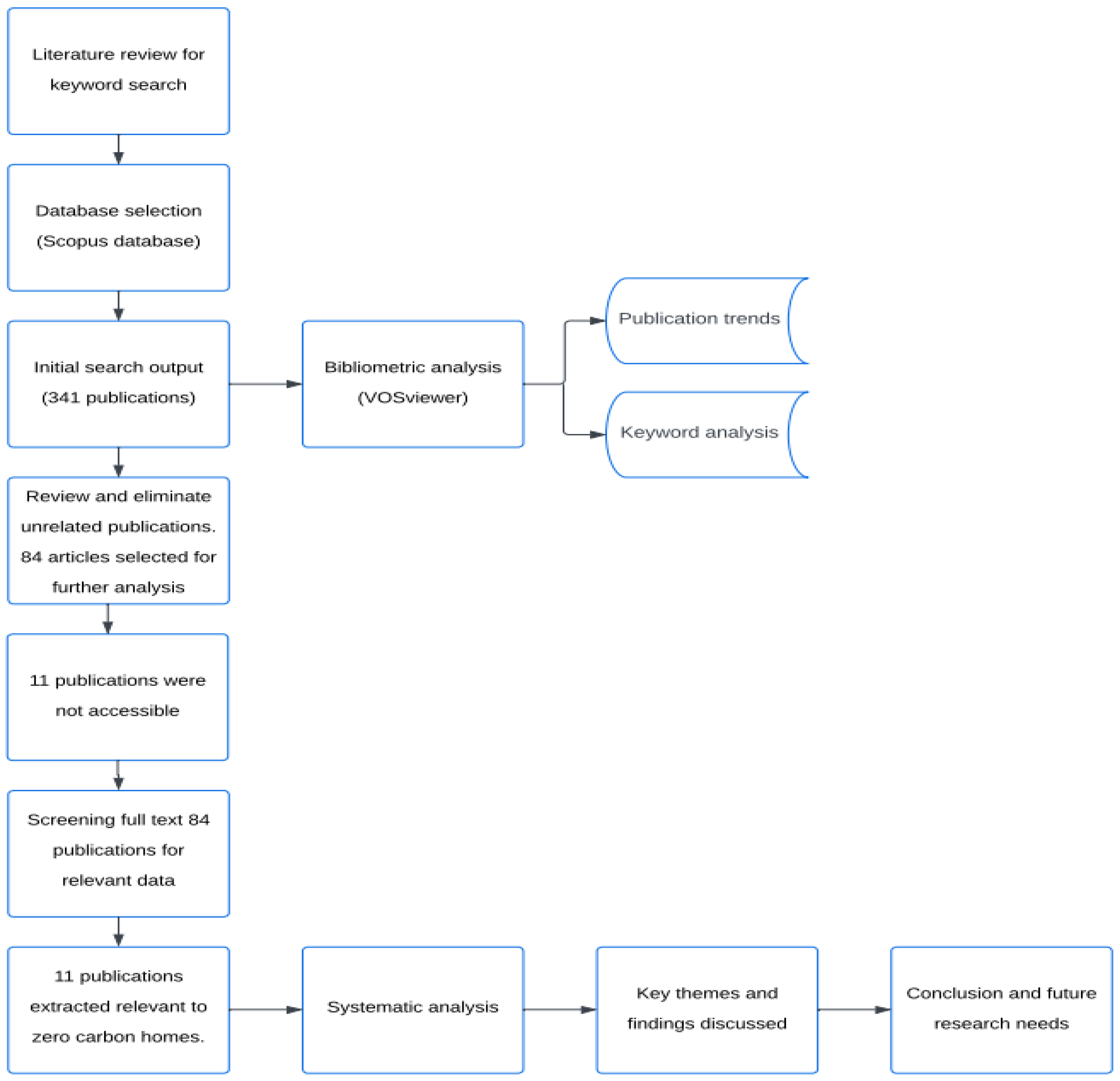
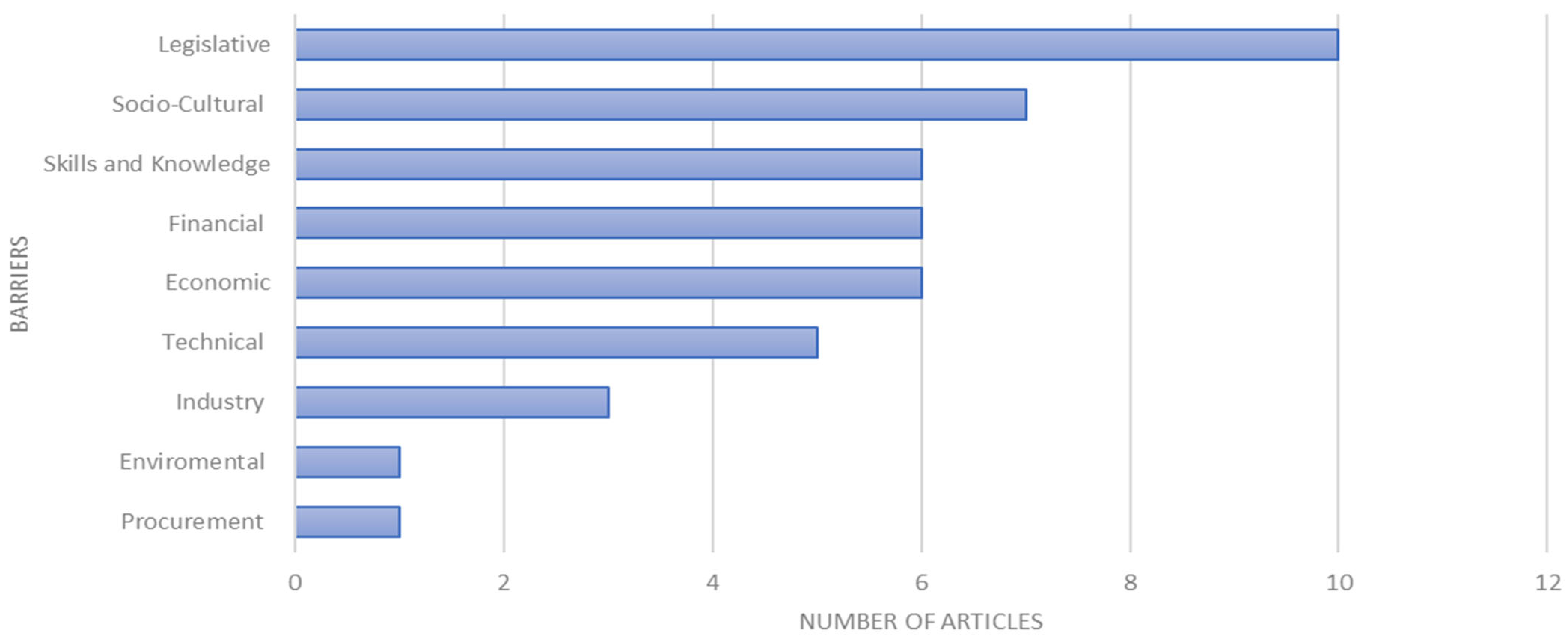
Climate change presents one of the most significant challenges facing the world in the 21st century. In 2019, the UK became the first major economy to pass laws to end its contribution to the world’s greenhouse gas emissions; parliament passed legislation requiring the UK government to achieve its carbon neutrality commitment by 2050. This will require all industries, including the housing sector, which currently contributes around 14% of the UK’s greenhouse gas emissions, to reduce their carbon emission contribution. One of the ways in which the housing sector plans to accomplish this is through delivering new zero carbon ready homes by 2050, at the latest. This study makes an innovative contribution to advancing the field of carbon neutral construction through its identification of the barriers to the UK in regards to their ability to deliver zero carbon homes (ZCH) and the provision of potential recommendations to overcome these barriers. To achieve this, a mixed-review method is used, combining a qualitative systematic analysis and a quantitative bibliometric approach. Several key barriers were identified and assigned to following key themes: legislative, socio-cultural, economic, financial, skills and knowledge, technical, industrial, environmental, and procurement factors. Legislative obstacles were found to be a primary barrier due to a lack of certainty, clarity, and clear definitions, as well as the removal and excess of government policies. Significantly, the findings reveal the under-researched impact of recent disruptive events, such as the COVID-19 pandemic, Brexit, and economic factors in the UK, opening up novel avenues for exploring their implications. Overall, this study advances industry understanding and highlights innovative directions necessary to propel the sector towards realizing the UK’s legally-binding 2050 net zero target through the development of zero carbon ready homes.
Keywords: zero carbon homes; barriers; legislation; COVID-19; Brexit; economic climate; construction industry zero carbon homes; barriers; legislation; COVID-19; Brexit; economic climate; construction industry