Article

Competition between New Energy and Fuel Vehicles with Behavior-Based Pricing Strategies When Considering Environmental Concerns and Green Innovation


College of Economics and Management, Taiyuan University of Technology, Taiyuan 030024, China
*
Author to whom correspondence should be addressed.
Sustainability 2024, 16(10), 4018; https://doi.org/10.3390/su16104018
Submission received: 8 April 2024 / Revised: 8 May 2024 / Accepted: 9 May 2024 / Published: 10 May 2024
(This article belongs to the Special Issue Green Supply Chain and Sustainable Development)

Abstract

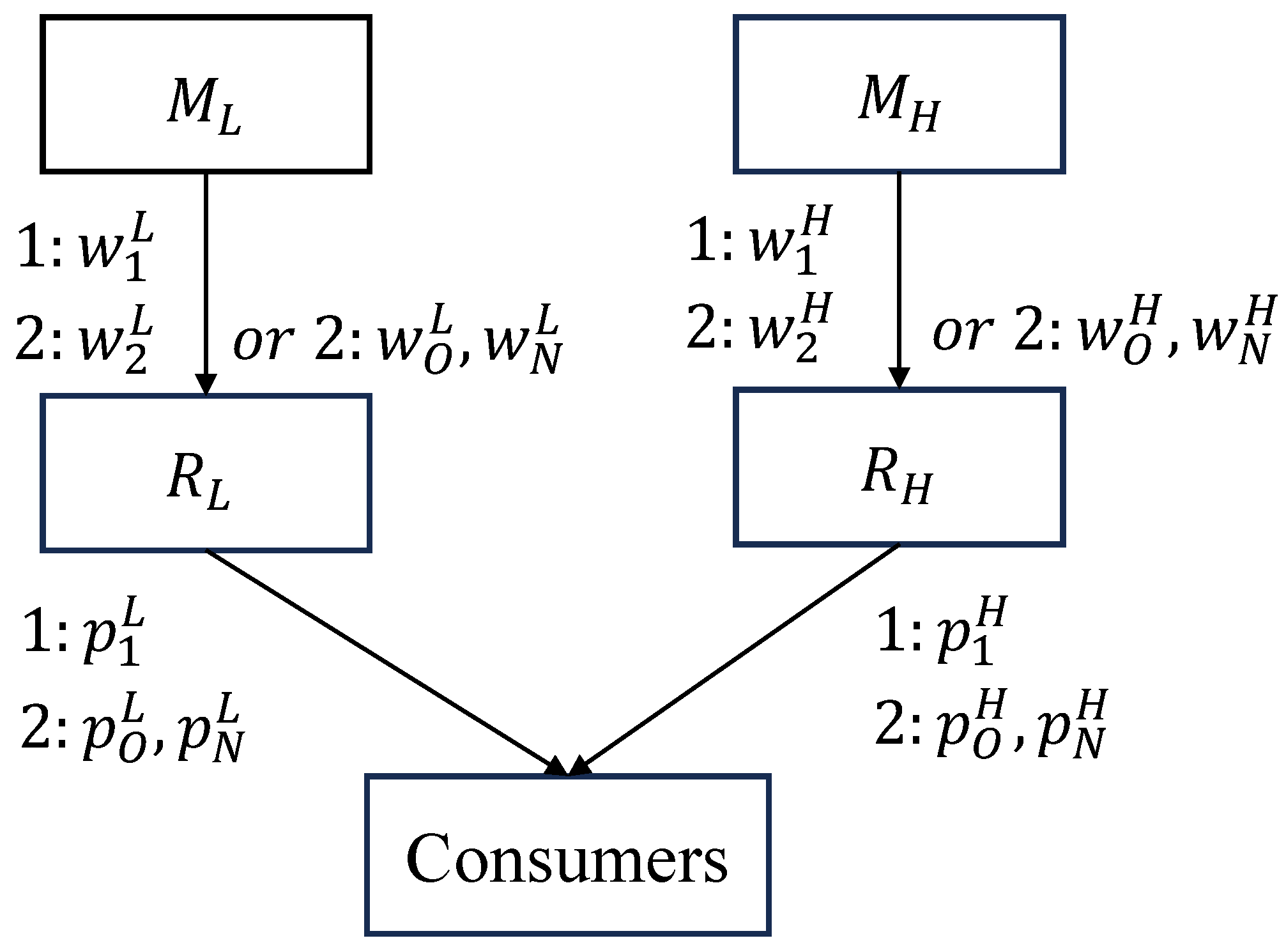
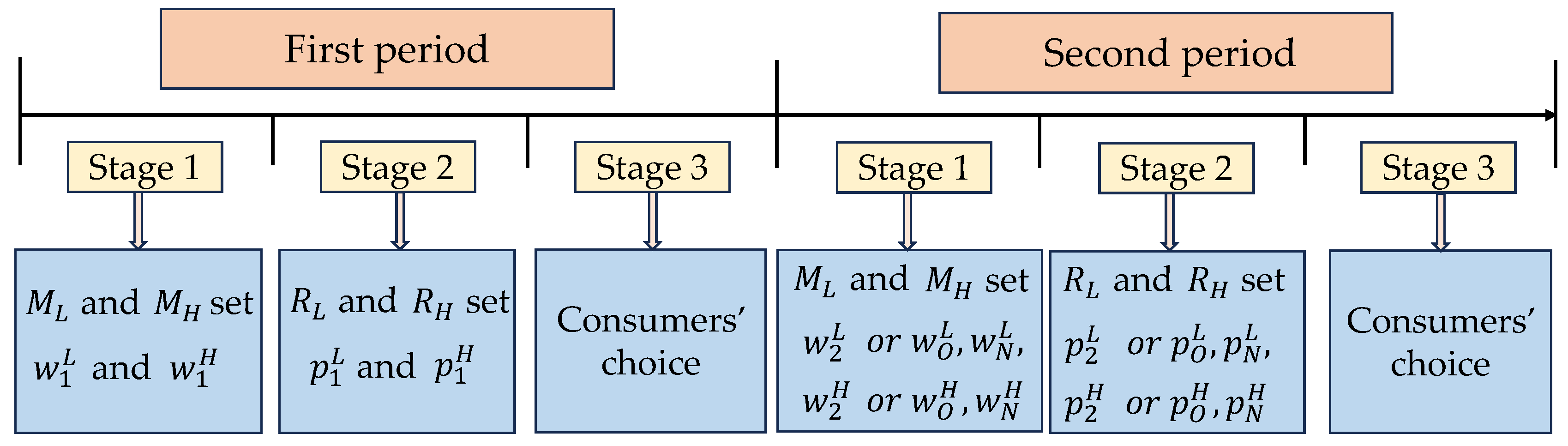
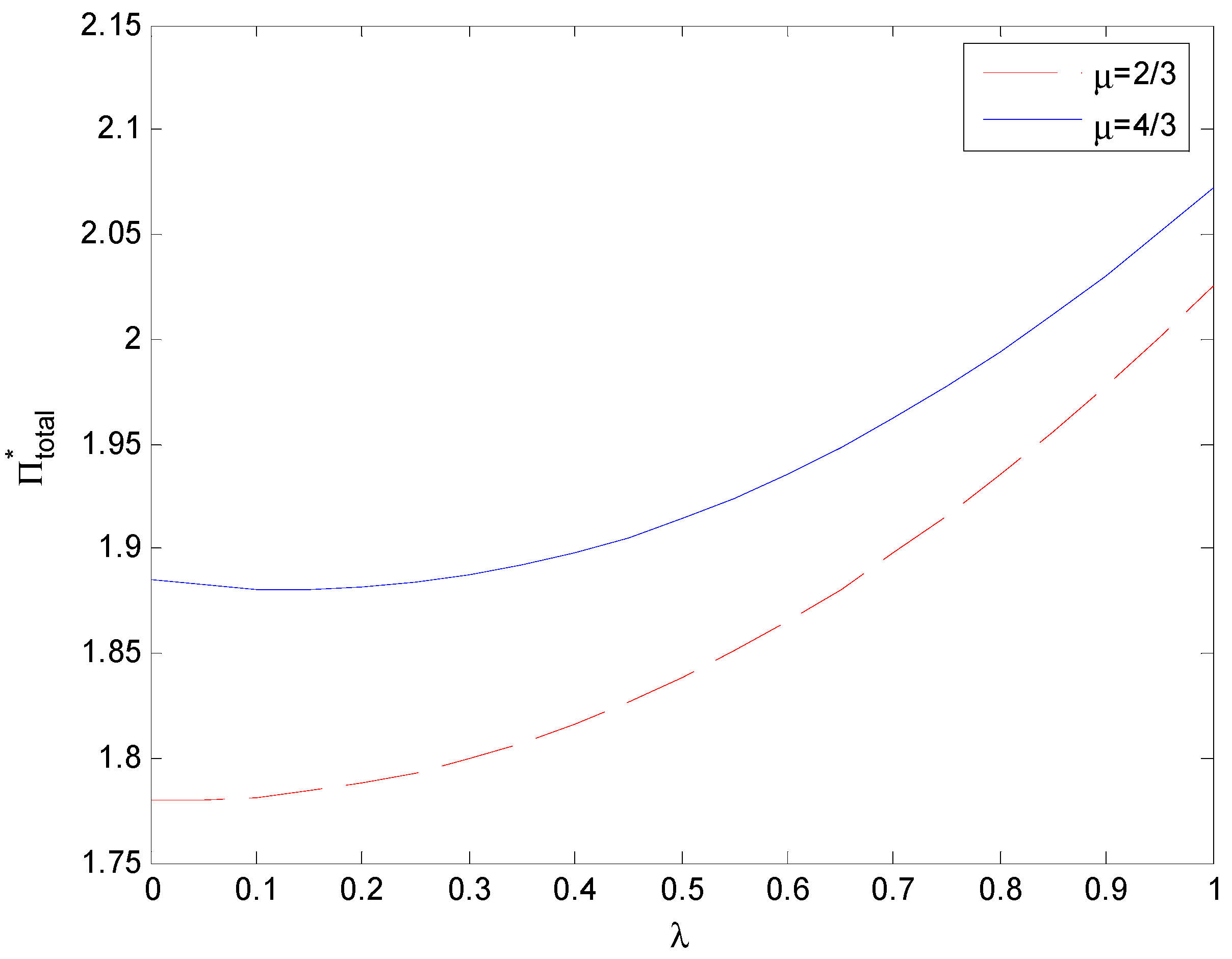
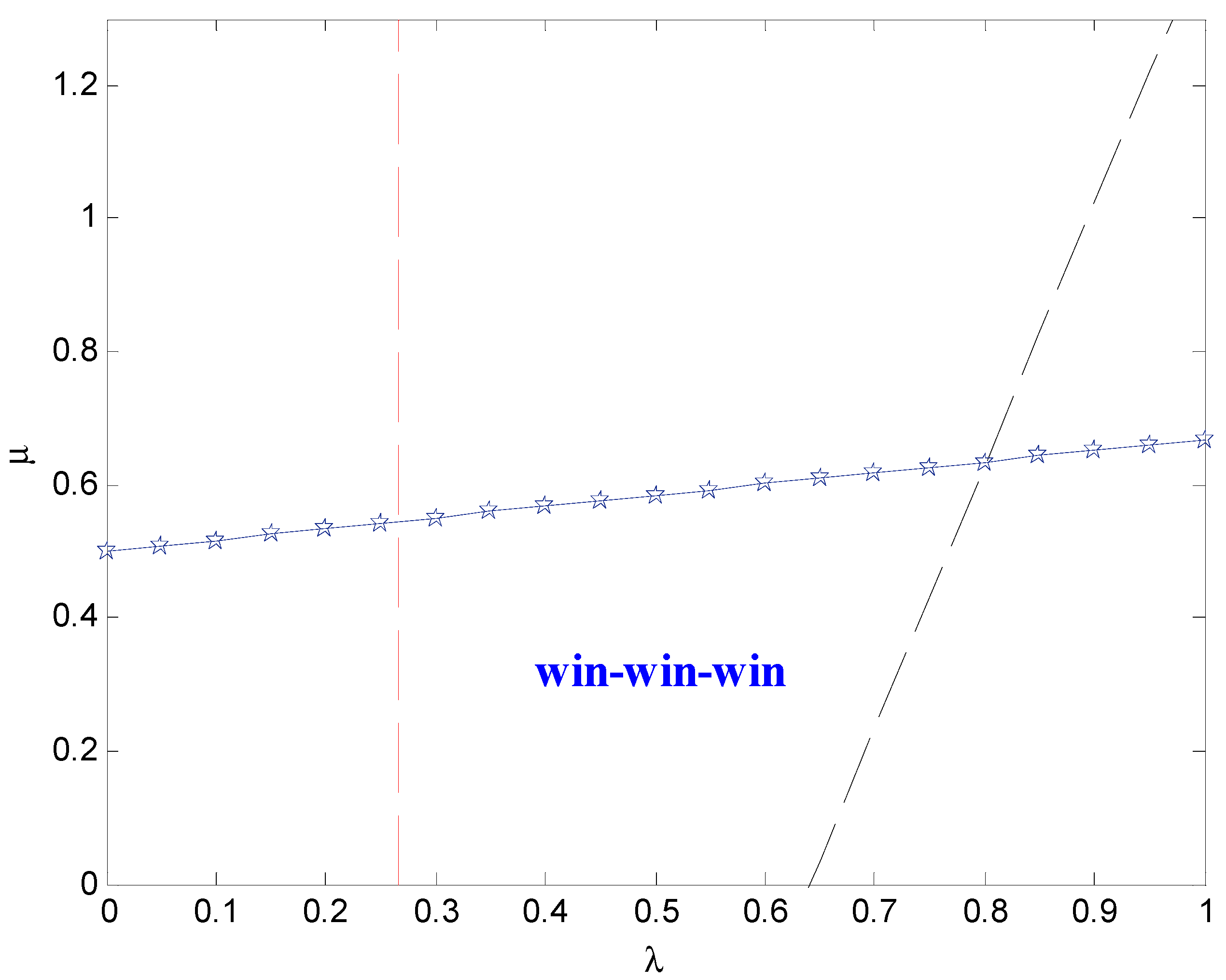
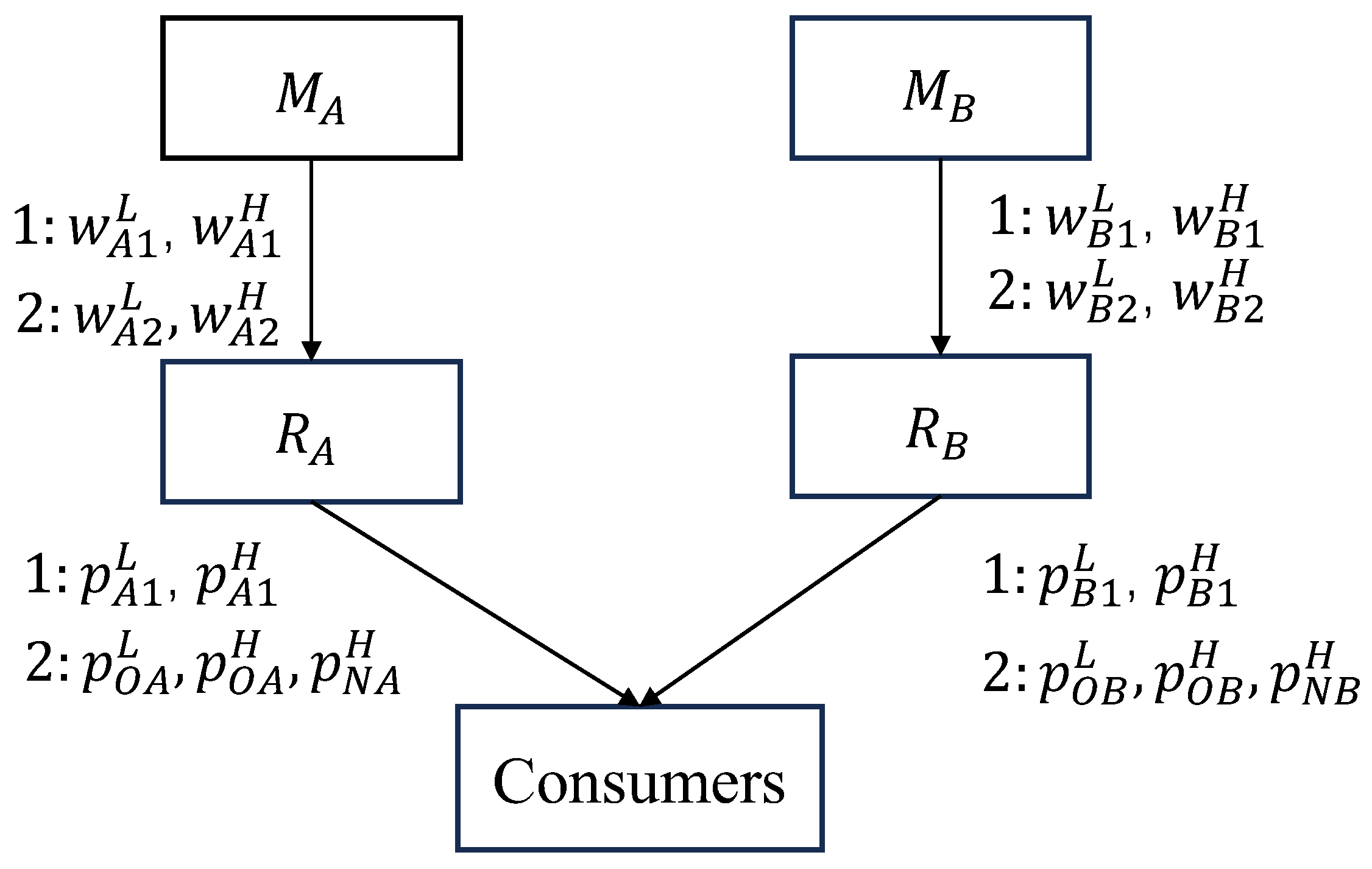
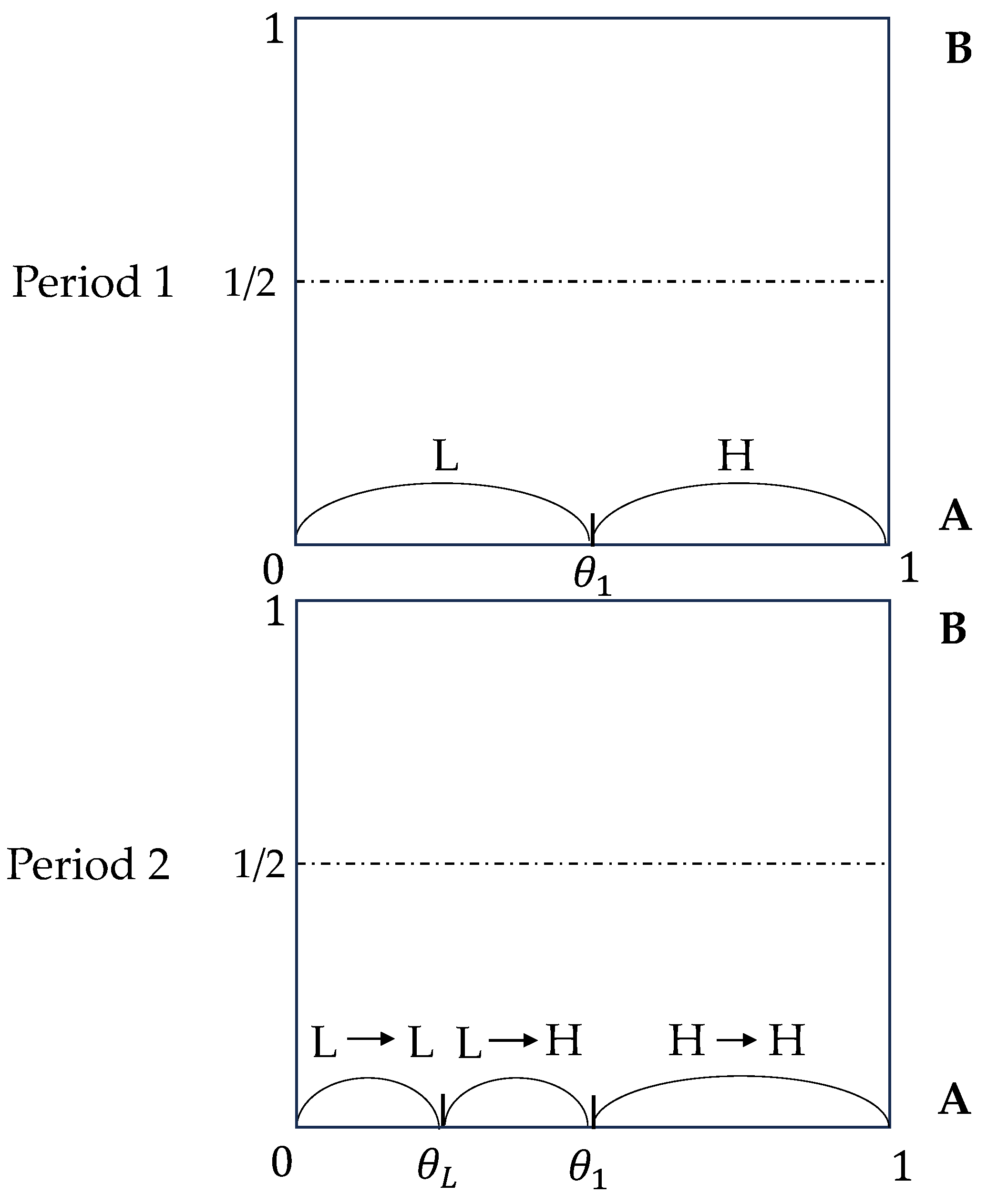
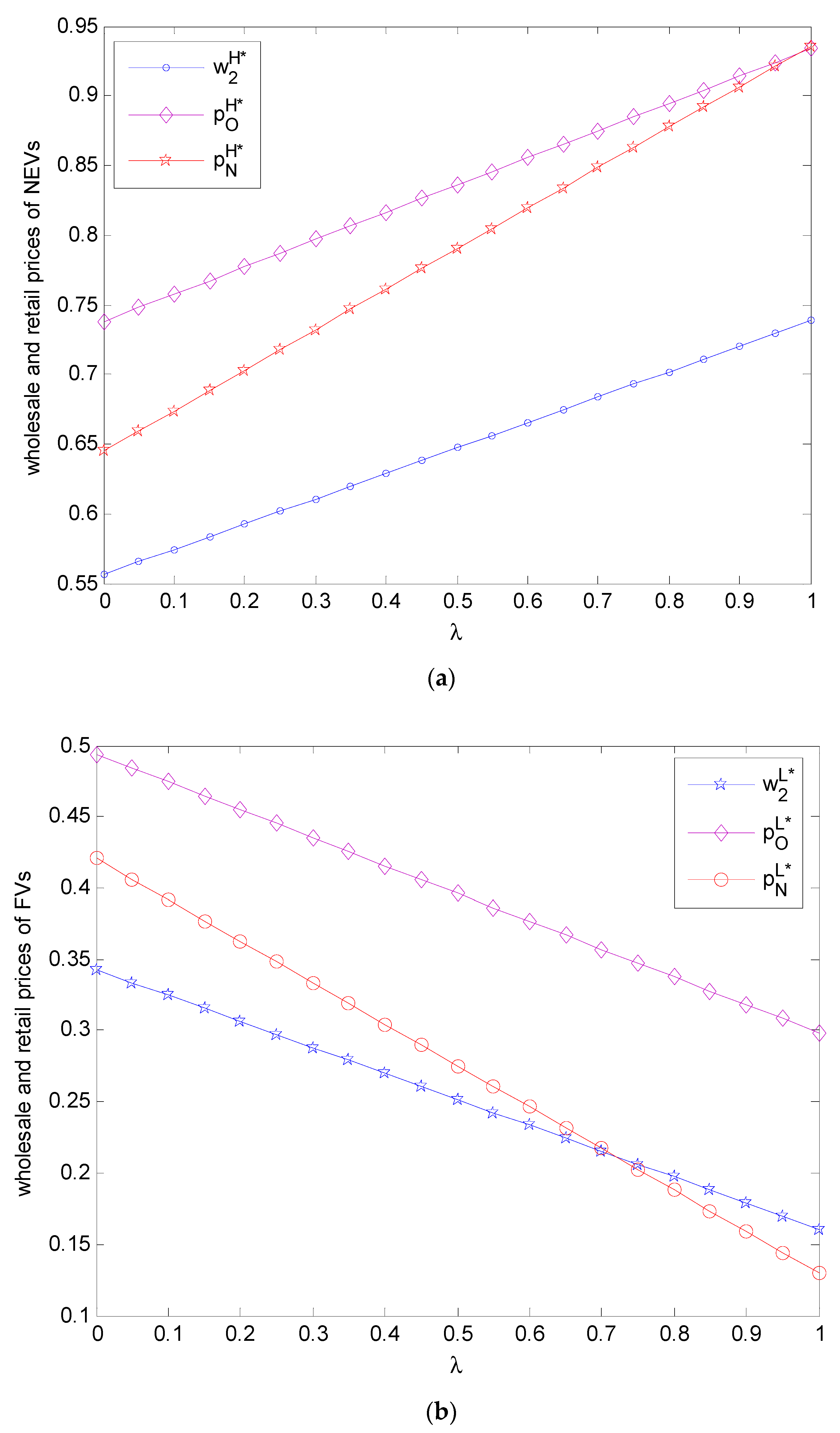
Environmental sustainability is an important issue in supply chain management (SCM). New energy vehicles (NEVs) have significant environmental value when compared to traditional fuel vehicles (FVs). Currently, there is intense competition between fuel and new energy vehicles, owing to differentiated pricing strategies. This paper focuses on behavior-based pricing (BBP) strategies between energy vehicles and fuel vehicles in a two-echelon supply chain wherein consumers are environmentally conscious. A two-period game-theoretic model is built to examine the effect of consumers’ environmental concerns on competition between fuel and energy vehicles, behavior-based pricing strategies, supply chain efficiency, and social welfare. The analytical results indicate that consumers’ environmental concerns facilitate the market share competition by new energy vehicle firms in the second period. If consumers care more about the environment, supply chain efficiency is improved in cases of retail as well as wholesale-and-retail behavior-based pricing strategies. Wholesale-and-retail behavior-based pricing strategies benefit all members of the supply chain, but this is not the case for retail behavior-based pricing strategies. If consumers are sufficiently concerned about the environment and new energy vehicle firms are more efficient, a win–win–win scenario for firms, consumers, and social welfare occurs in the two behavior-based pricing strategies. Counterintuitively, green innovation improves new energy vehicle, fuel vehicle as well as overall supply chain efficiency, in three cases.
Keywords: sustainable supply chain management; behavior-based pricing; new energy vehicles; environmental concerns; green innovation; duopoly competition sustainable supply chain management; behavior-based pricing; new energy vehicles; environmental concerns; green innovation; duopoly competition