Article

Effects of Domestic and International External Collaboration on New Product Development Performance in SMEs: Evidence from China

1
School of Intellectual Property, Nanjing University of Science and Technology, Nanjing 210094, China
2
School of Management, Harbin Institute of Technology, Harbin 150001, China
*
Author to whom correspondence should be addressed.
Sustainability 2024, 16(1), 400; https://doi.org/10.3390/su16010400
Submission received: 4 December 2023 / Revised: 26 December 2023 / Accepted: 28 December 2023 / Published: 2 January 2024

Abstract

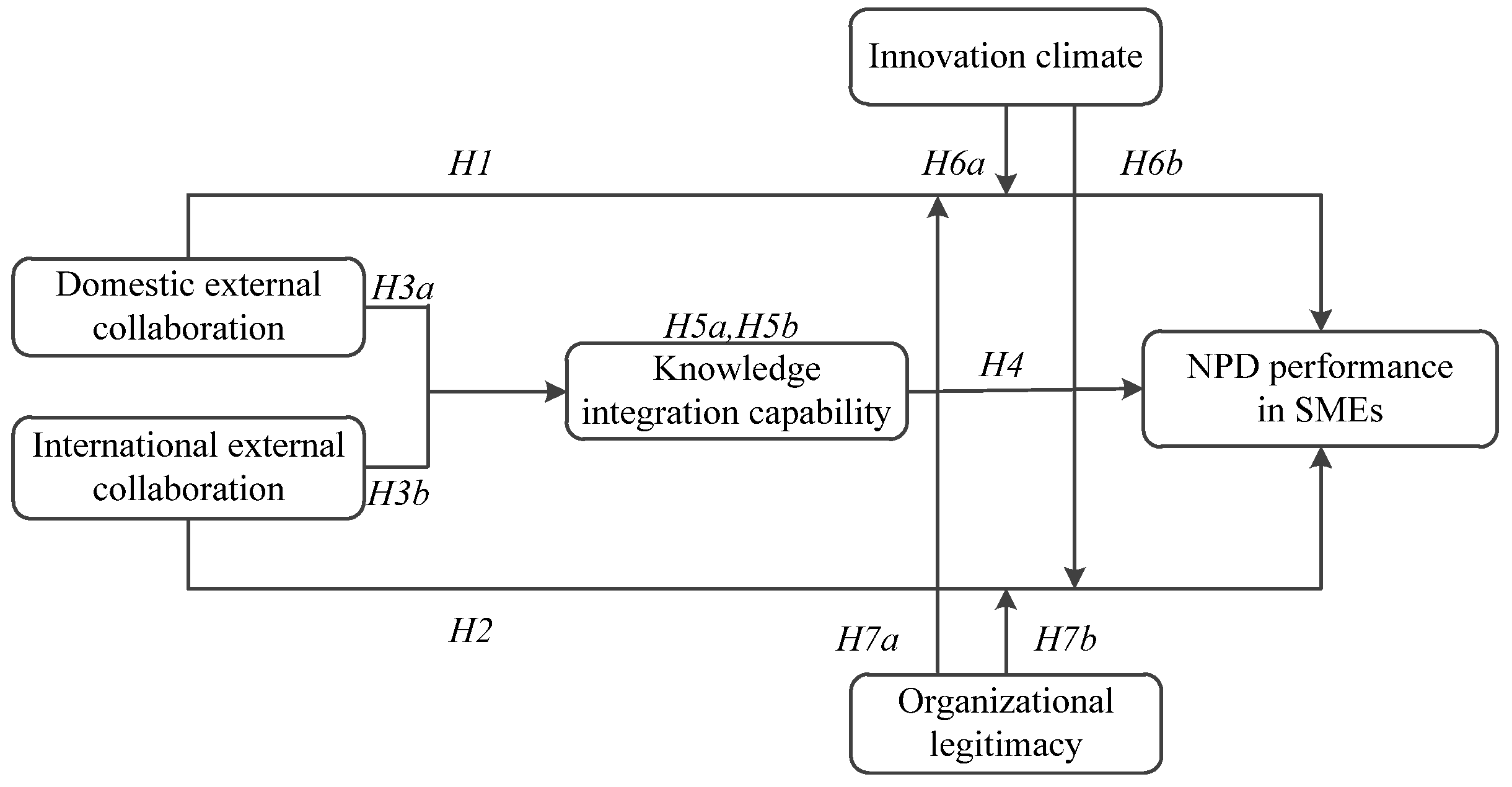
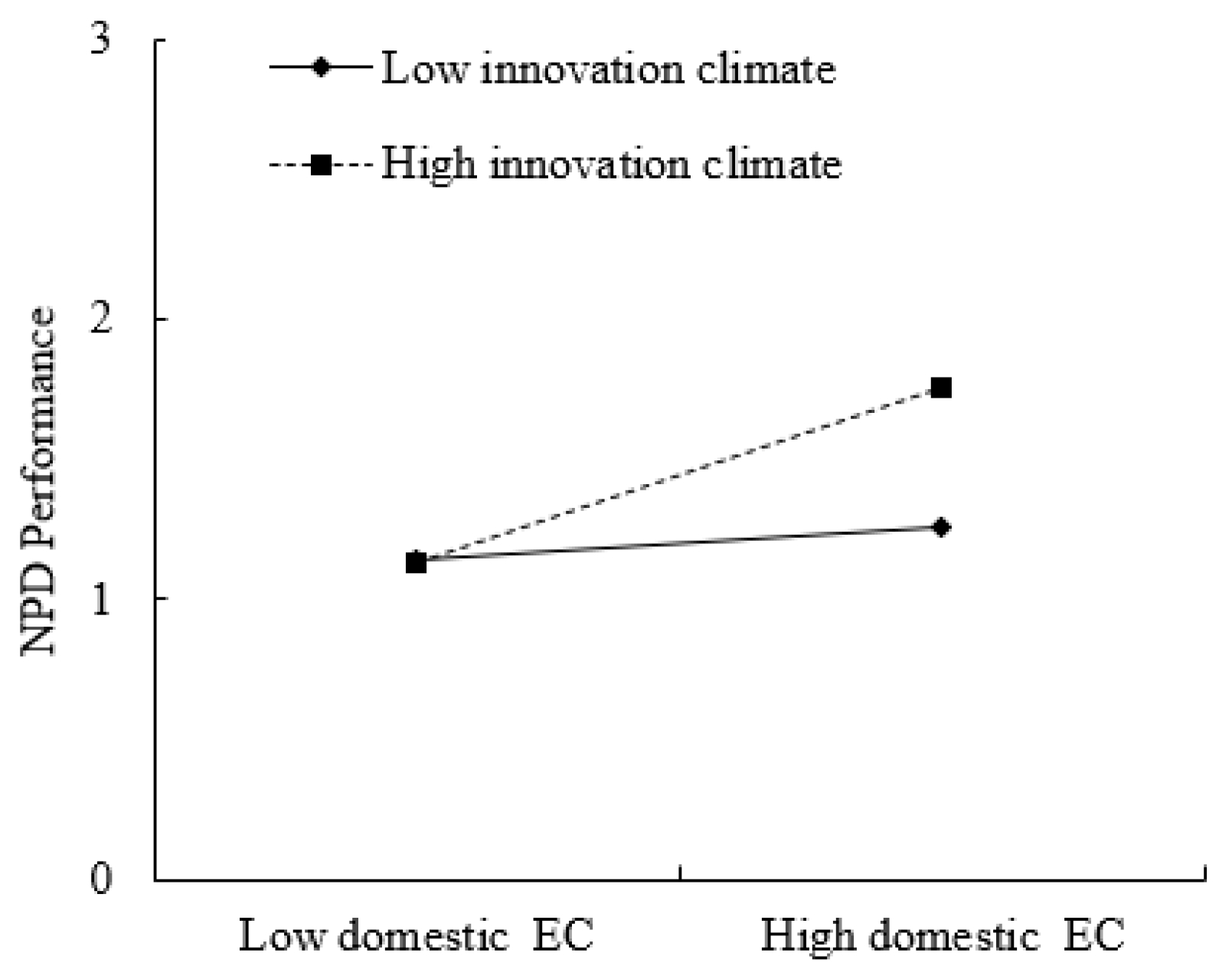
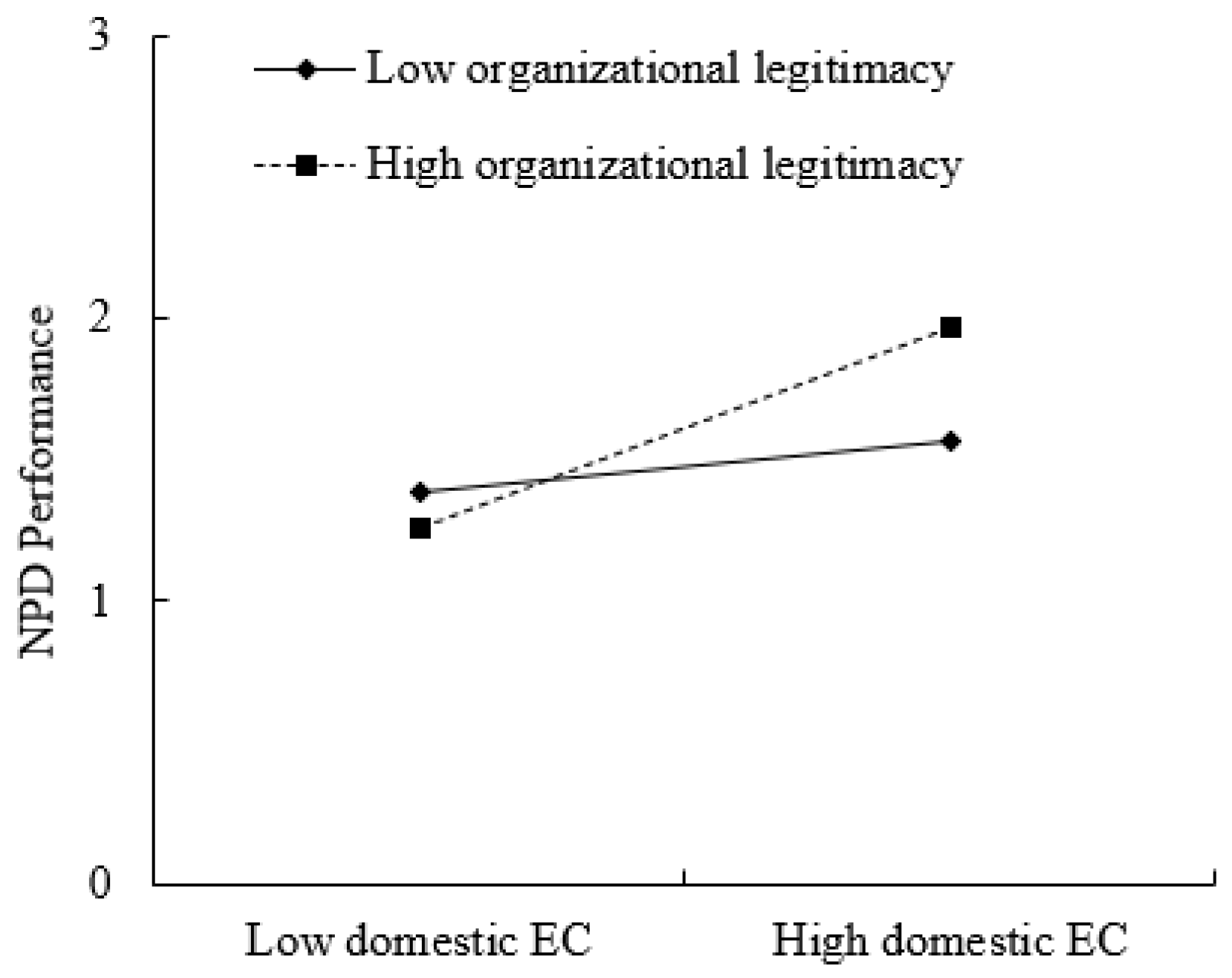
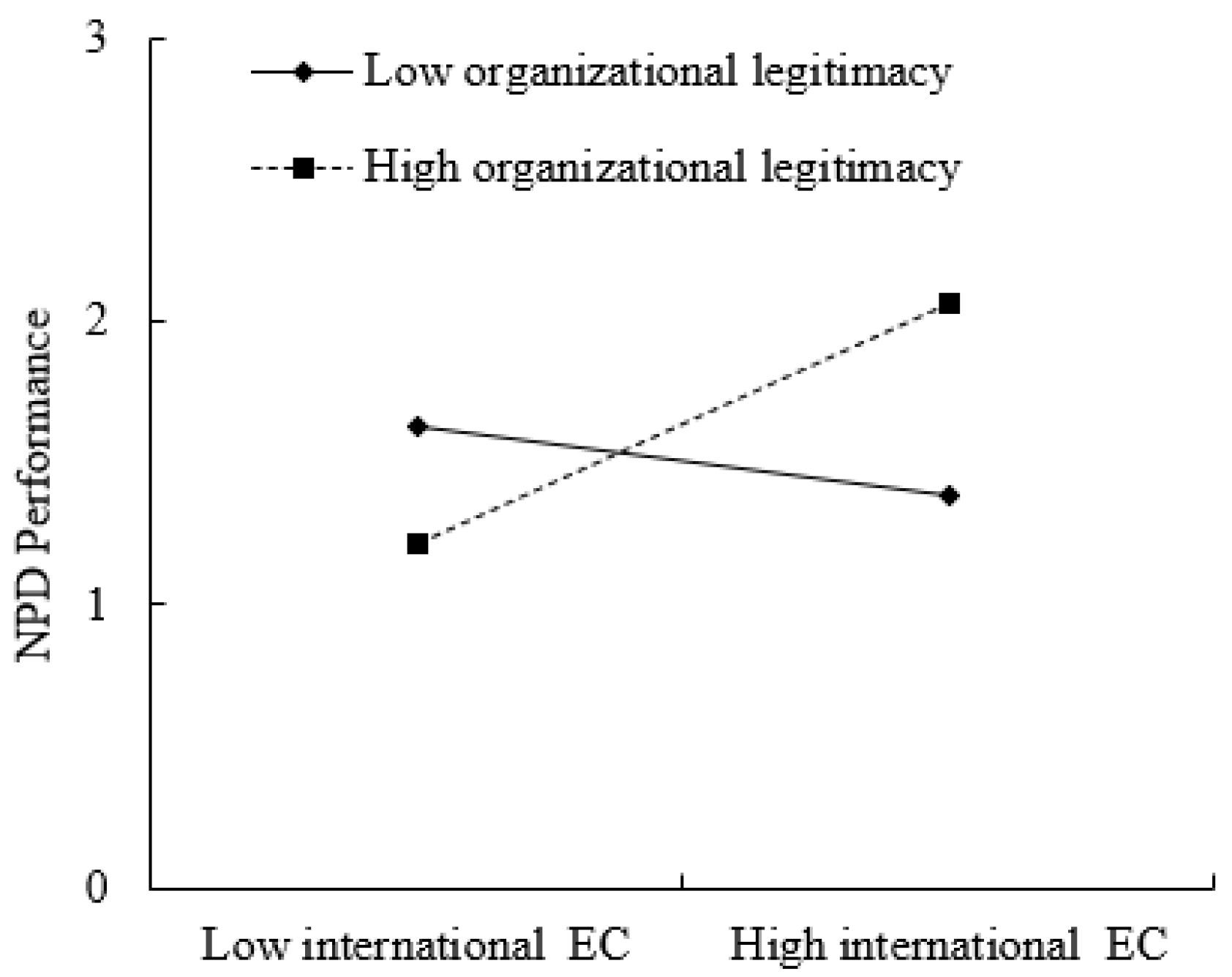
This study attempts to examine the influences of domestic and international external collaboration on new product development (NPD) performance in small and medium-sized enterprises (SMEs) and further explores the mediating mechanism of knowledge integration capability and the moderating effects of the innovation climate and organizational legitimacy. In this study, we collected data from 236 manufacturing SMEs in China by means of questionnaires, and multiple hierarchical regression analysis was used to test hypotheses. The results reveal that both domestic and international external collaboration are positively associated with SMEs’ NPD performance. Knowledge integration capability mediates domestic and international external collaboration–SMEs’ NPD performance relationships. Innovation climate positively moderates domestic external collaboration–SMEs’ NPD performance relationship and organizational legitimacy positively moderates domestic and international external collaboration–SMEs’ NPD performance relationships. This study expands the research on the relationship between external collaboration and NPD performance by categorizing external collaboration into two dimensions, domestic and international, and examining their direct influences on SMEs’ NPD performance. Moreover, through examining the mediating effect of knowledge integration capabilities and moderating effects of innovation climate and organizational legitimacy, this paper explains how, and under what conditions, domestic and international external collaboration facilitates the improvement of NPD performance in SMEs.
Keywords: external collaboration; knowledge integration capability; innovation climate; organizational legitimacy; NPD performance; SMEs external collaboration; knowledge integration capability; innovation climate; organizational legitimacy; NPD performance; SMEs