Article

Experimental Research on Erosion Characteristics of Ecological Slopes under the Scouring of Non-Directional Inflow

1
Port Channel and Ocean Development Research Center, North China University of Water Resources and Electric Power, Zhengzhou 450046, China
2
South-to-North Water Transfer Middle Line Industrial Development Co., Ltd., Beijing 100071, China
3
Yellow River Conservancy Technical Institute, Kaifeng 475004, China
*
Authors to whom correspondence should be addressed.
Sustainability 2023, 15(20), 14688; https://doi.org/10.3390/su152014688
Submission received: 4 July 2023 / Revised: 15 September 2023 / Accepted: 29 September 2023 / Published: 10 October 2023

Abstract

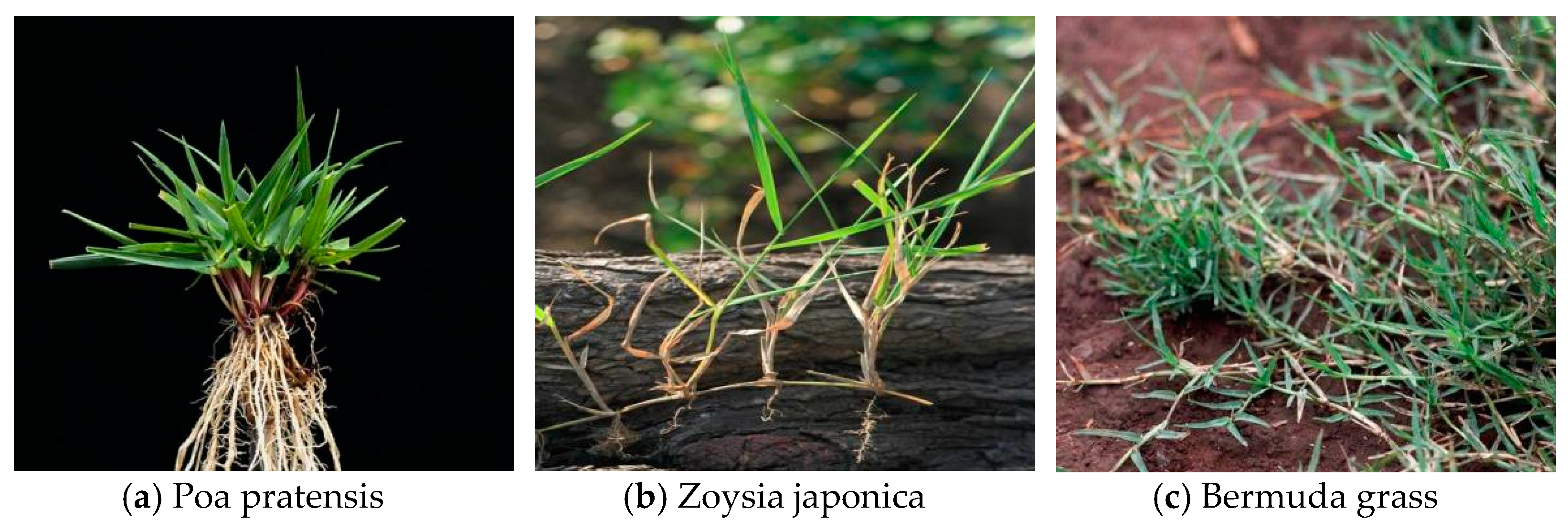
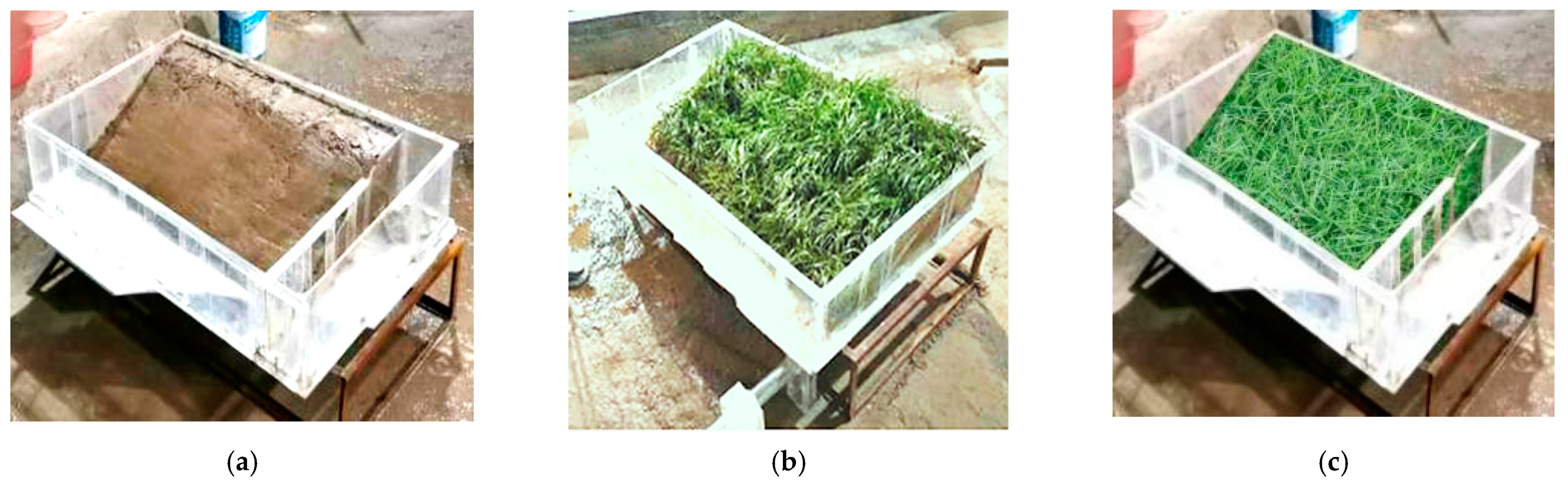
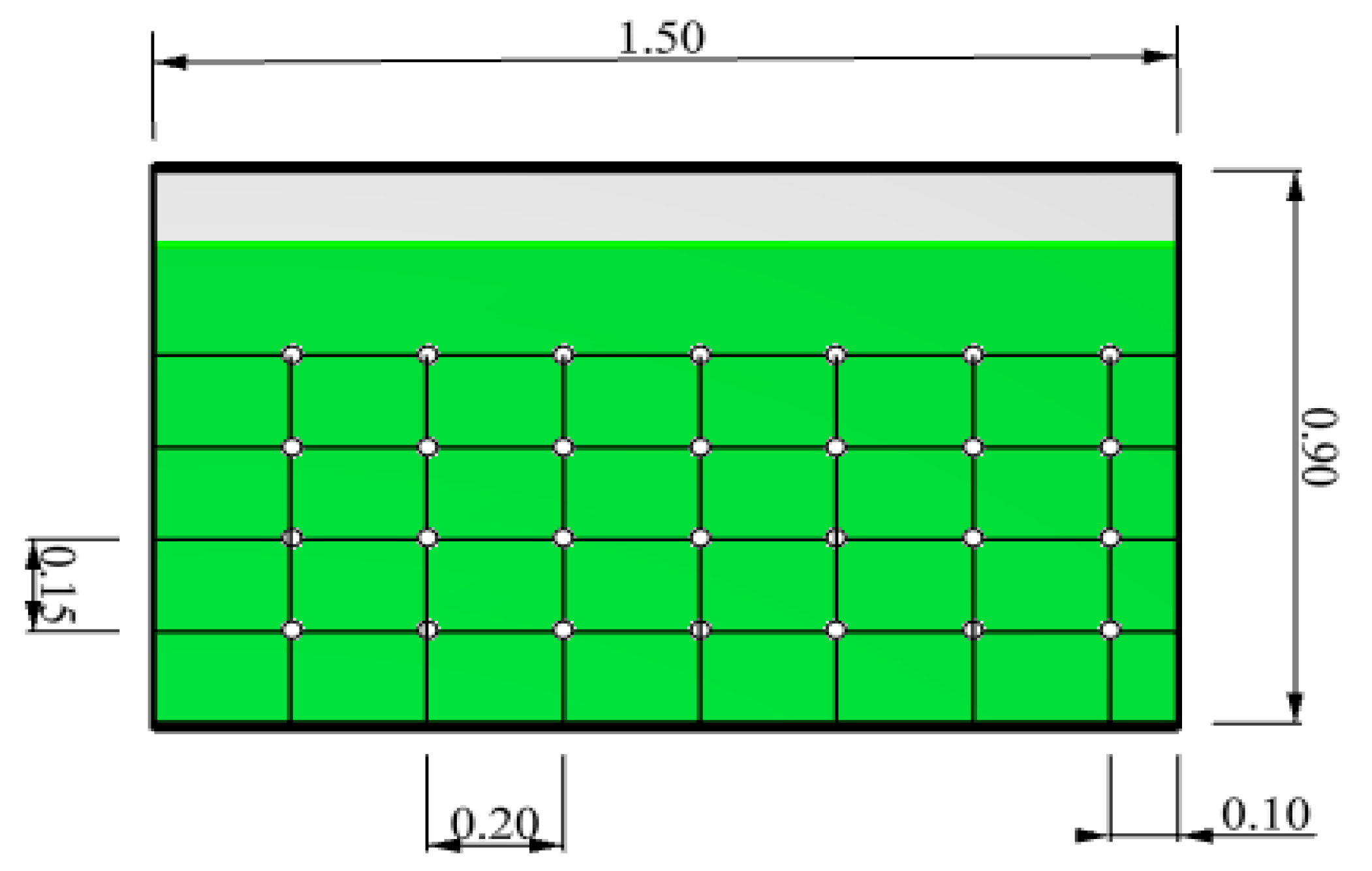
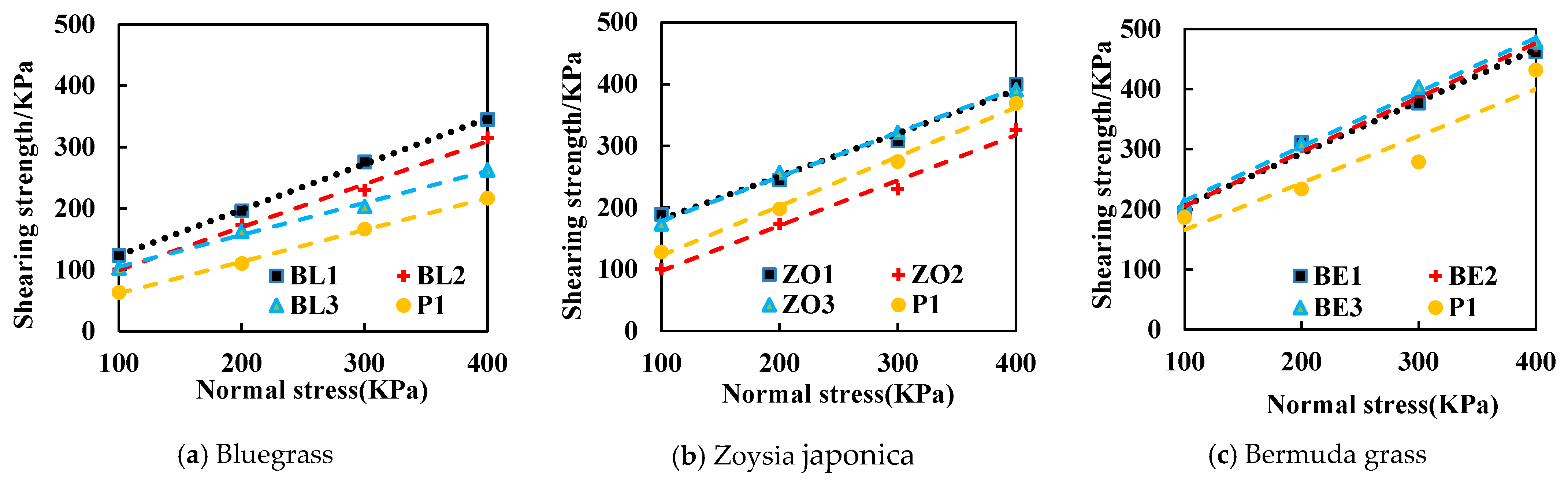
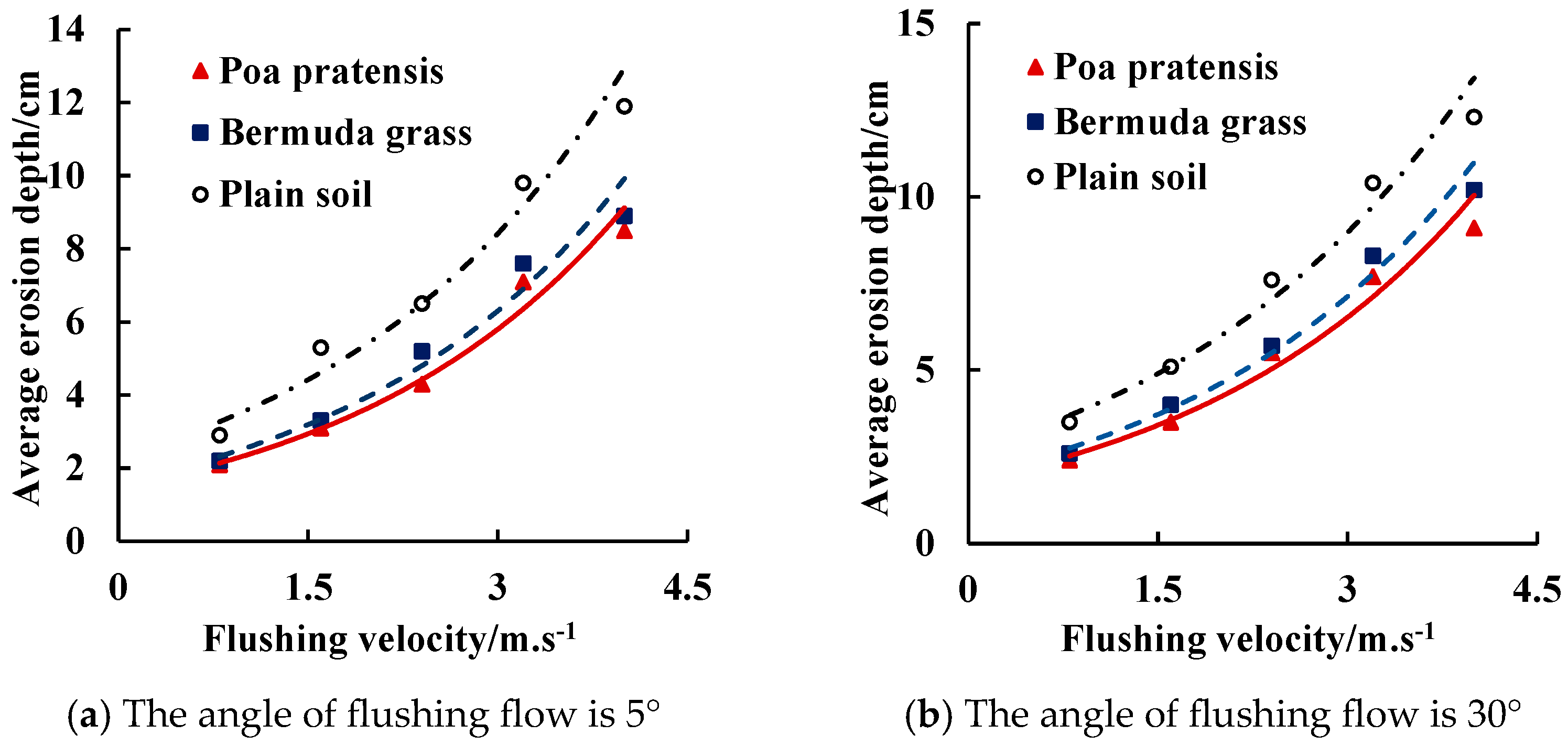
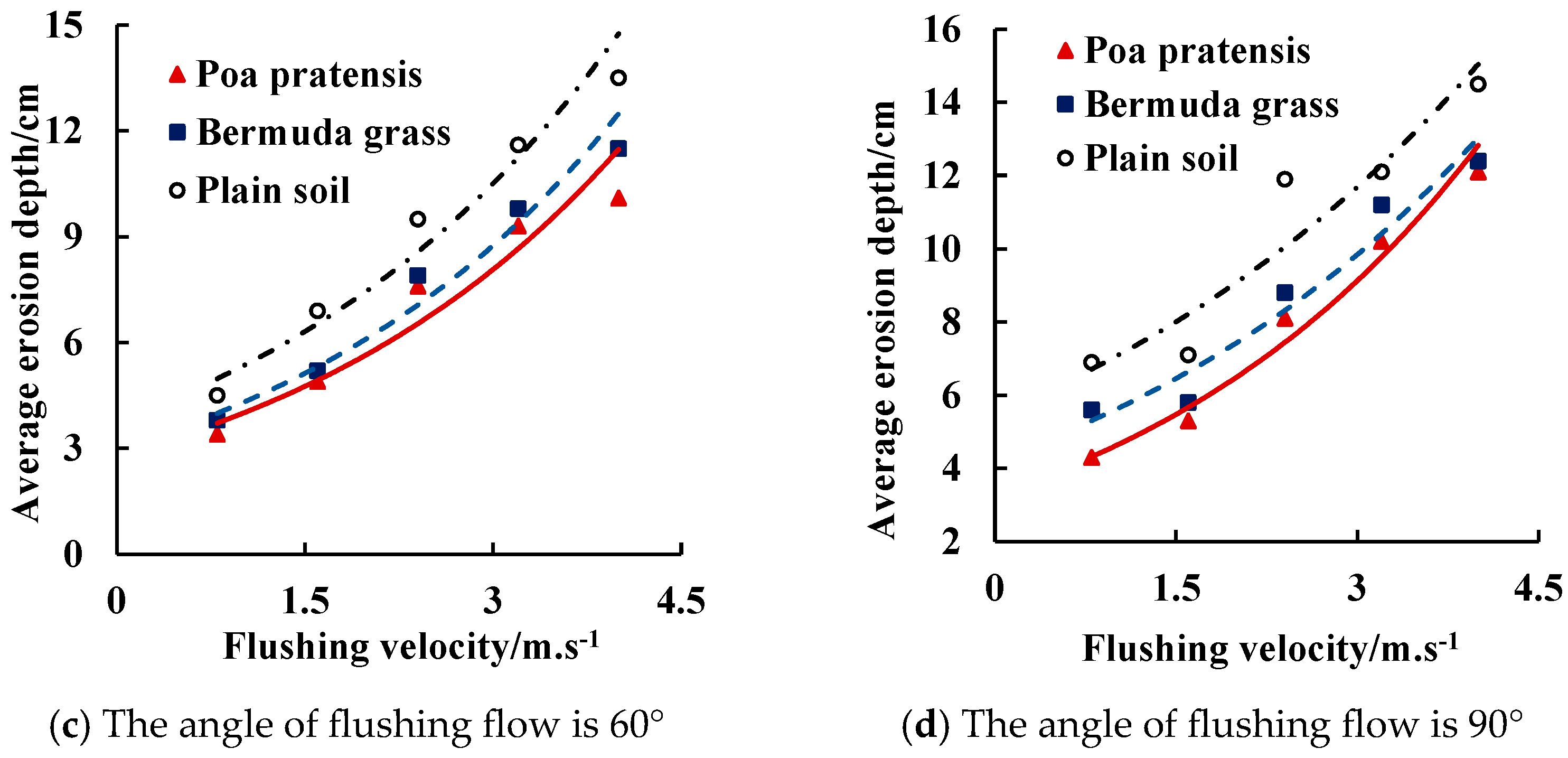
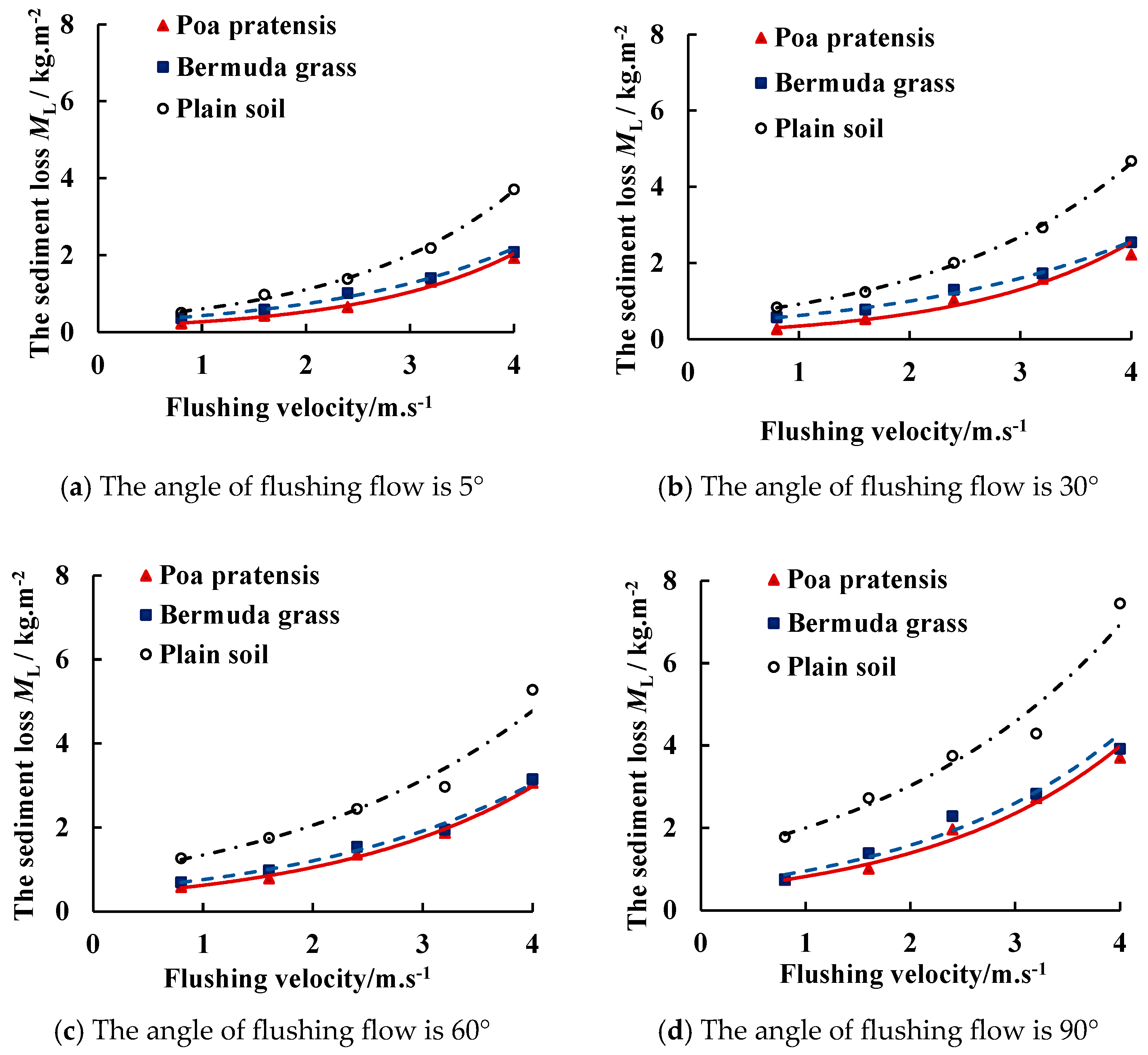
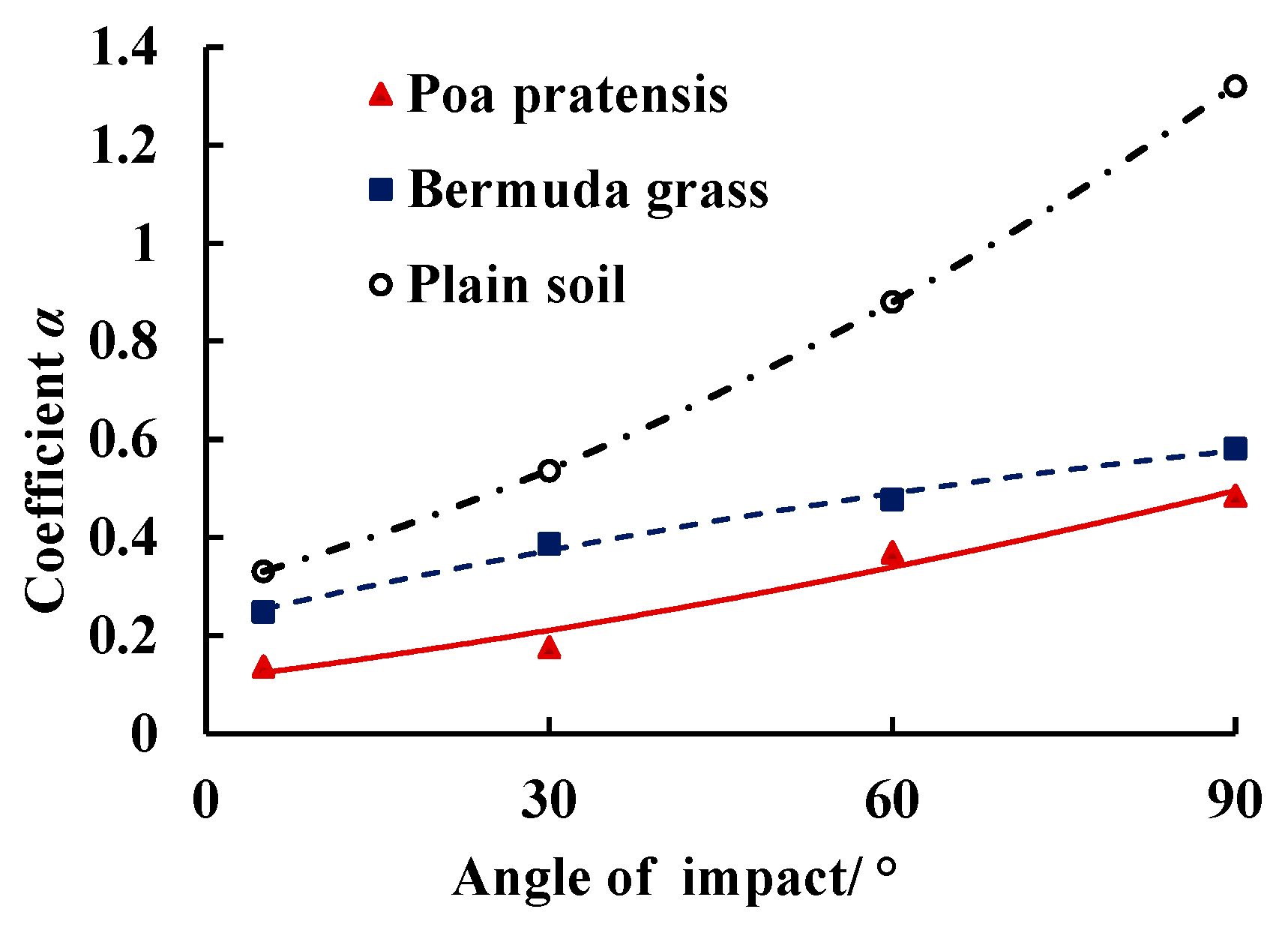
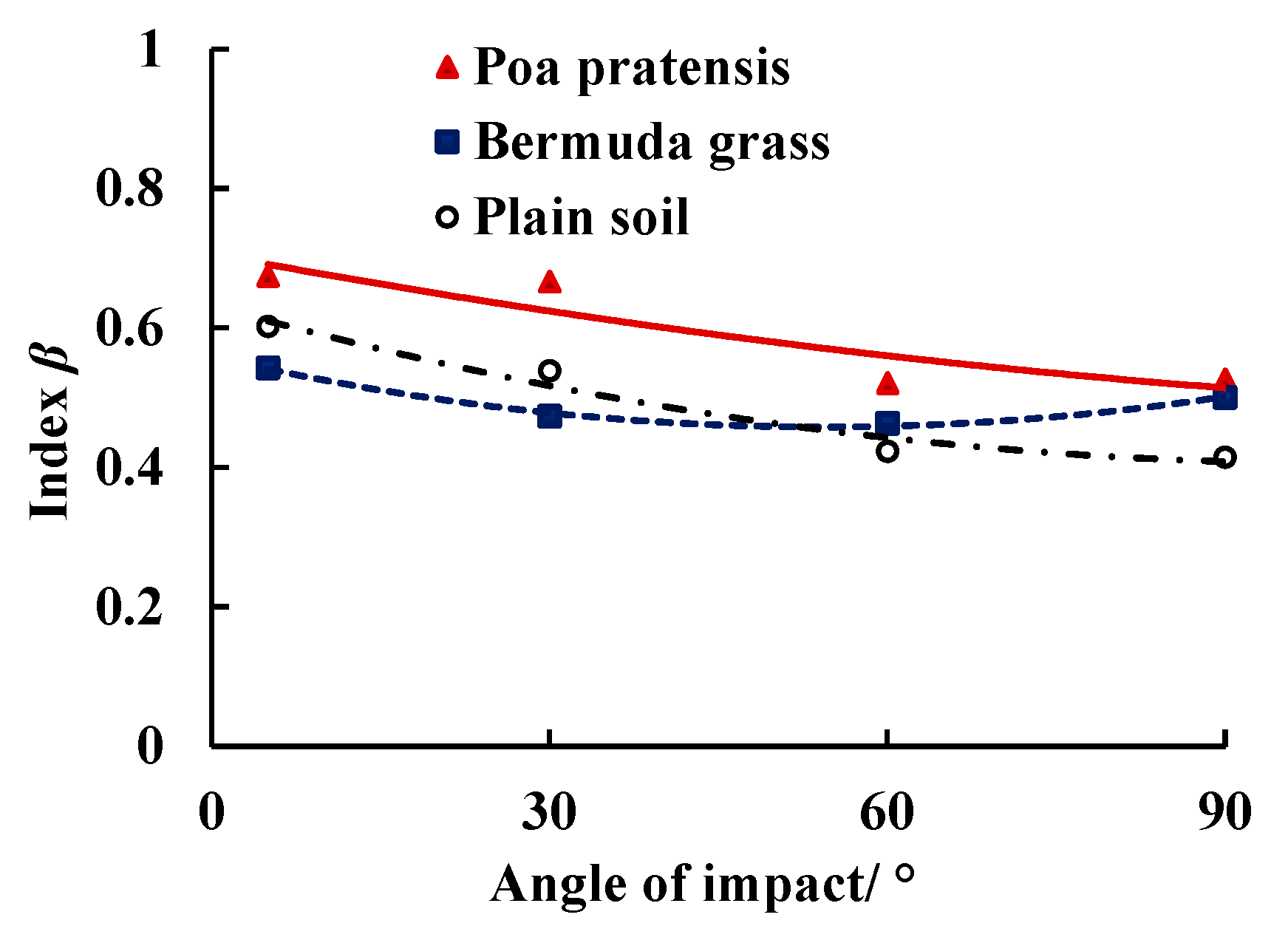
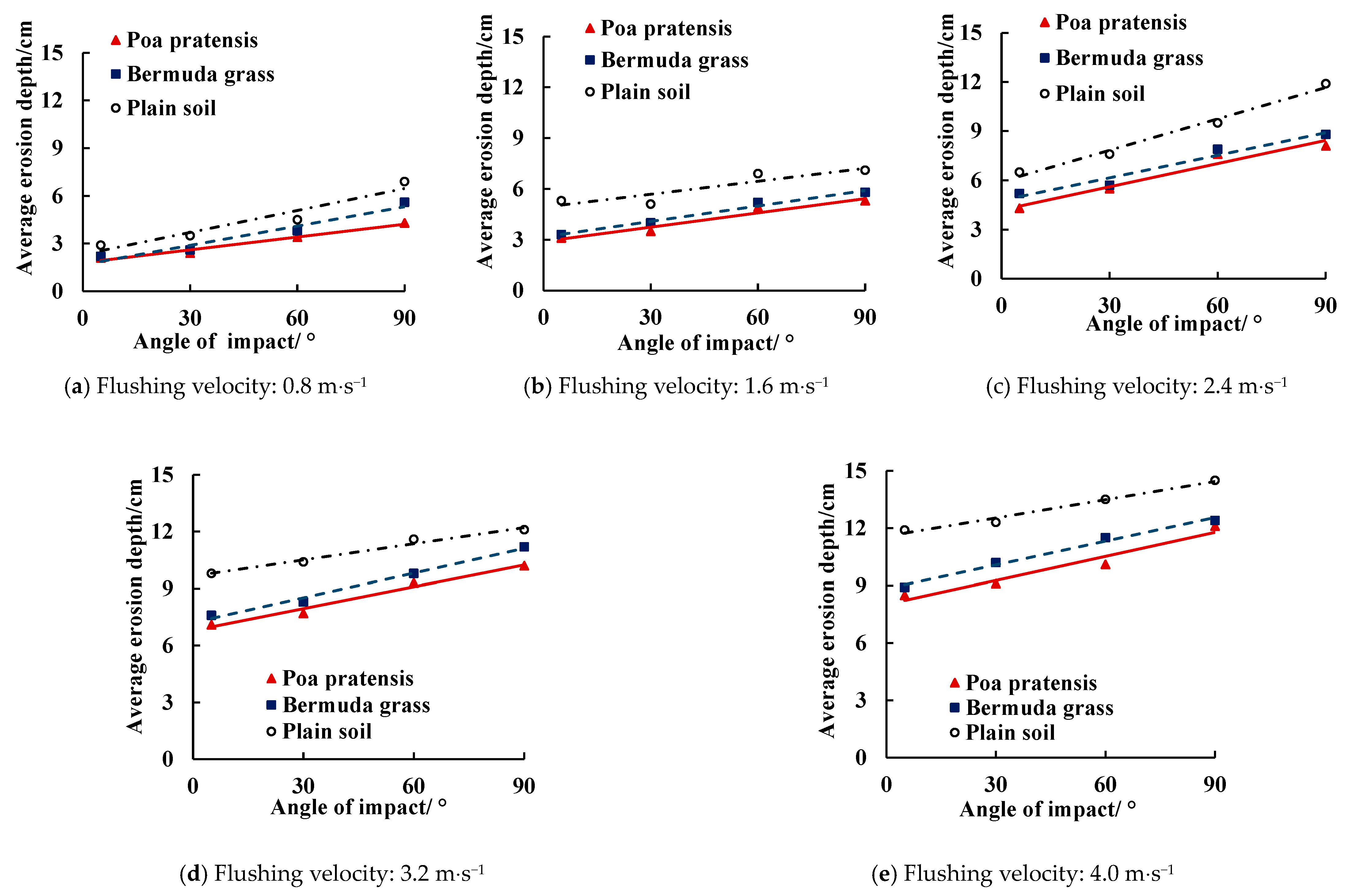
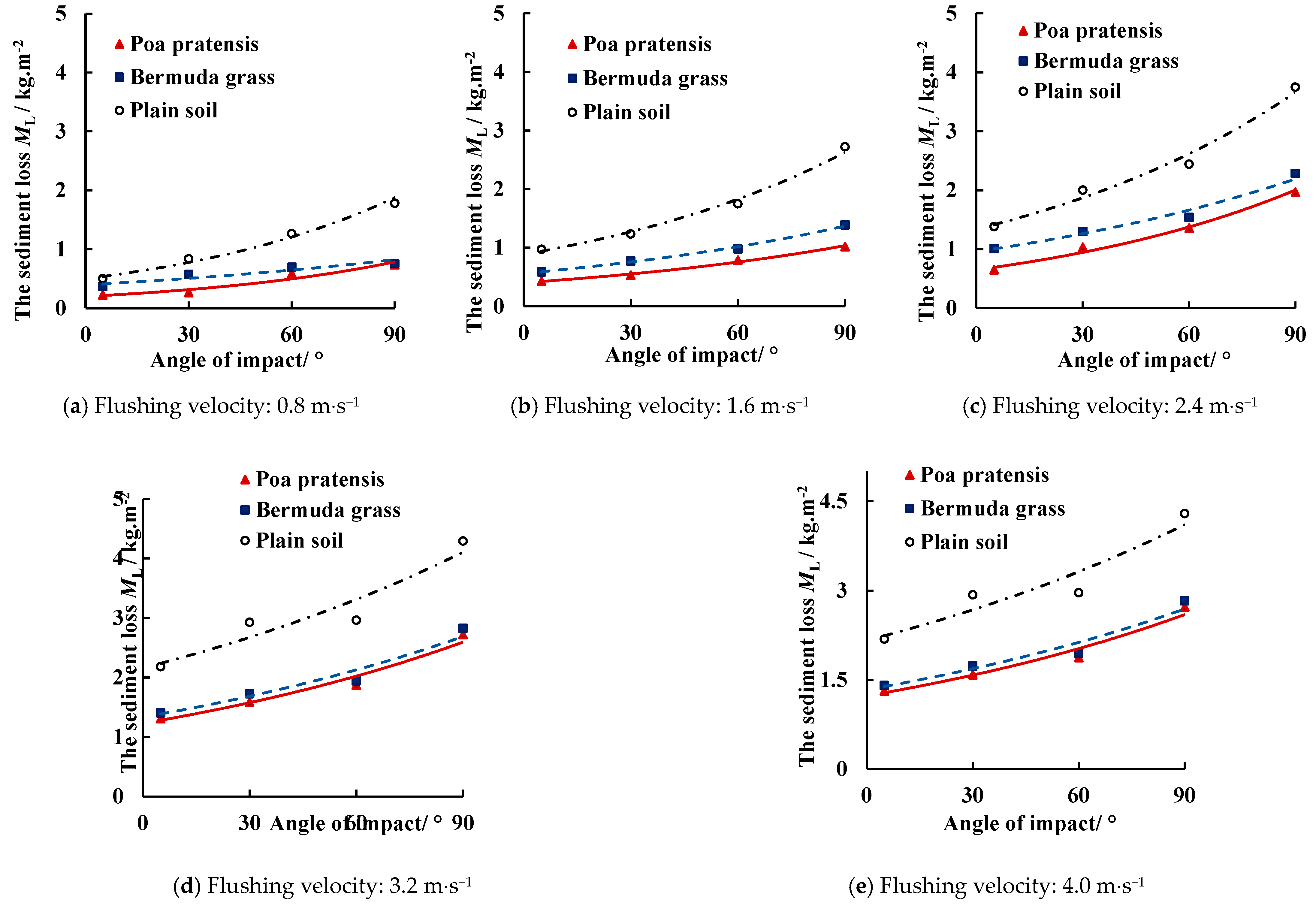
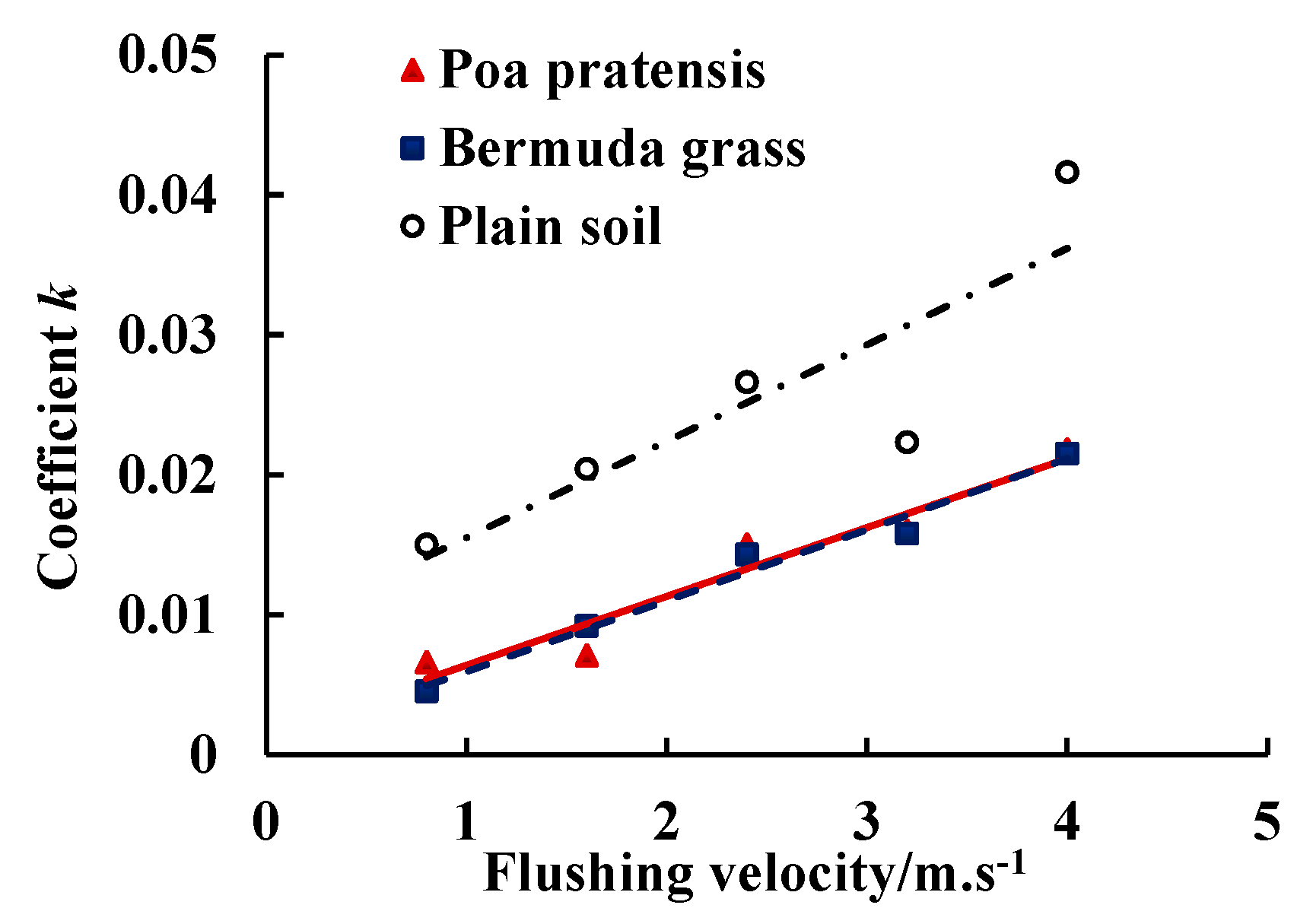
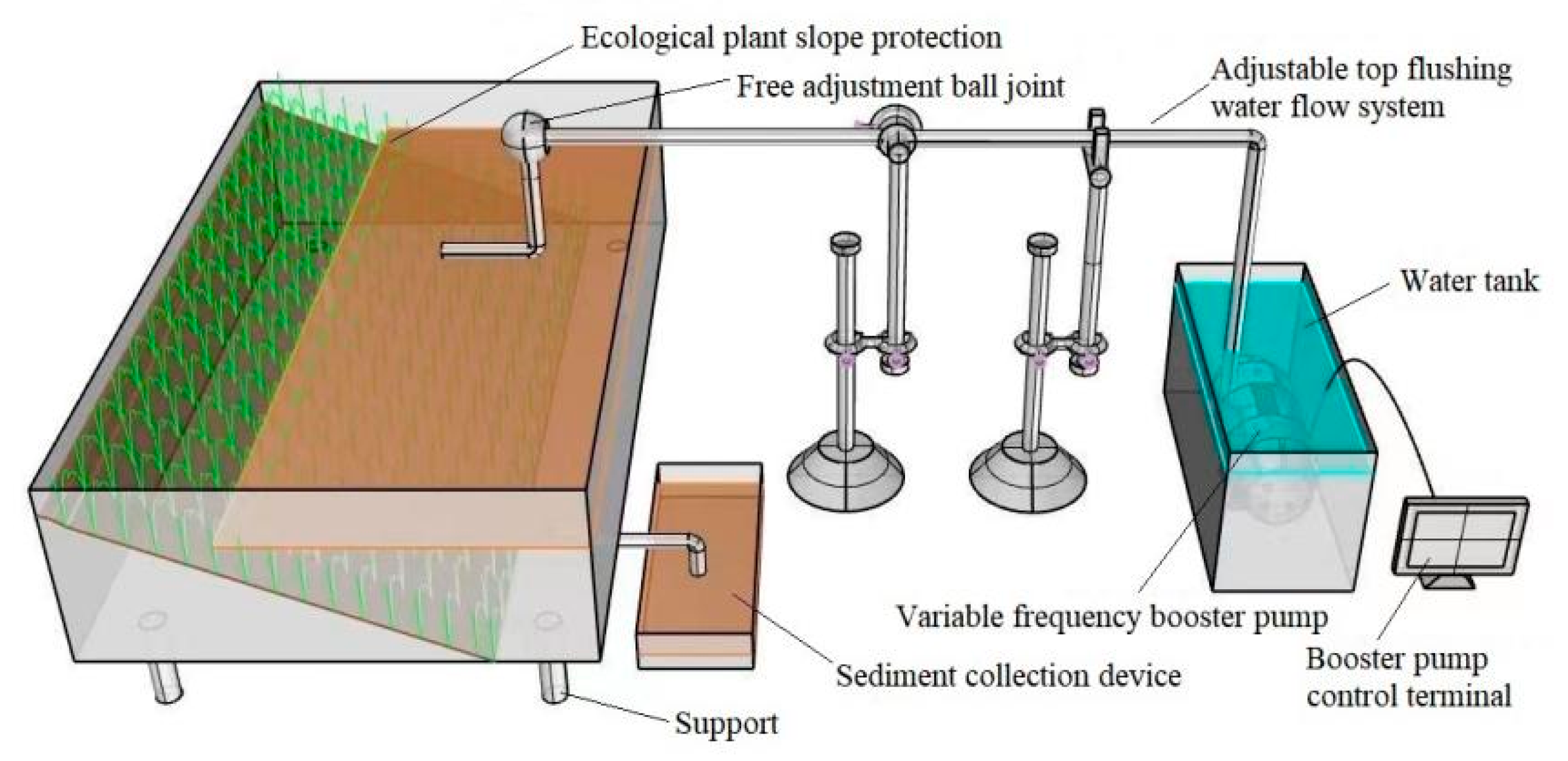
Considering environmental sustainability, ecological embankments are often adopted in rivers, which benefit both the erosion resistance and the ecological balance of the bank. In this paper, the effectiveness of different types of dominant grass species in ecological slope protection and their impact mechanisms, as well as the impact of non-directional inflow on erosion characteristics, were investigated. Based on the principle of similarity theory in hydraulic modeling and the characteristics of flood erosion in riverbanks, a test model system for hydraulic ecological simulation was designed, including a vegetation bank slope and channels. Three types of dominant grass species were selected, and 12 series of erosion experiments were conducted in the grassed slope of the test model. Three types of root–soil composites and a reference plain soil were involved in the tests, and soil mechanical indicators such as shear strength were collected. Experimental results show that root–soil composite is a special elastic–plastic material, which provides additional cohesive force to the soil due to its root consolidation and reinforcement effects, Δc. The shear strength index reflecting soil cohesion was increased by 15% to 20%. The primary factor affecting slope erosion is the flushing velocity, and both the average erosion depth and the unit soil erosion loss present an exponential function with respect to this factor, while presenting a linear function with the angle of incoming flow. Compared with the plain soil slope, the ecological slope could decrease erosion significantly. The sand loss of the ecological slope is only 50~60% that of the plain soil slope as the flushing velocity is 3–4 m s−1. In vertical flushing, the sand loss in the plain soil slope is 1.73–2.43 times that of the ecological slope. This research might provide technical support for the anti-scourability design of the ecological embankment.
Keywords: ecological slope; root–soil composite; model testing; impact resistance; flushing velocity of flood ecological slope; root–soil composite; model testing; impact resistance; flushing velocity of flood