Article

Virtual-Agent-Based Language Learning: A Scoping Review of Journal Publications from 2012 to 2022


1
Department of Educational Technology, Wenzhou University, Wenzhou 325035, China
2
College of Electrical and Electronic Engineering, Wenzhou University, Wenzhou 325035, China
*
Authors to whom correspondence should be addressed.
Sustainability 2023, 15(18), 13479; https://doi.org/10.3390/su151813479
Submission received: 1 August 2023 / Revised: 1 September 2023 / Accepted: 4 September 2023 / Published: 8 September 2023

Abstract

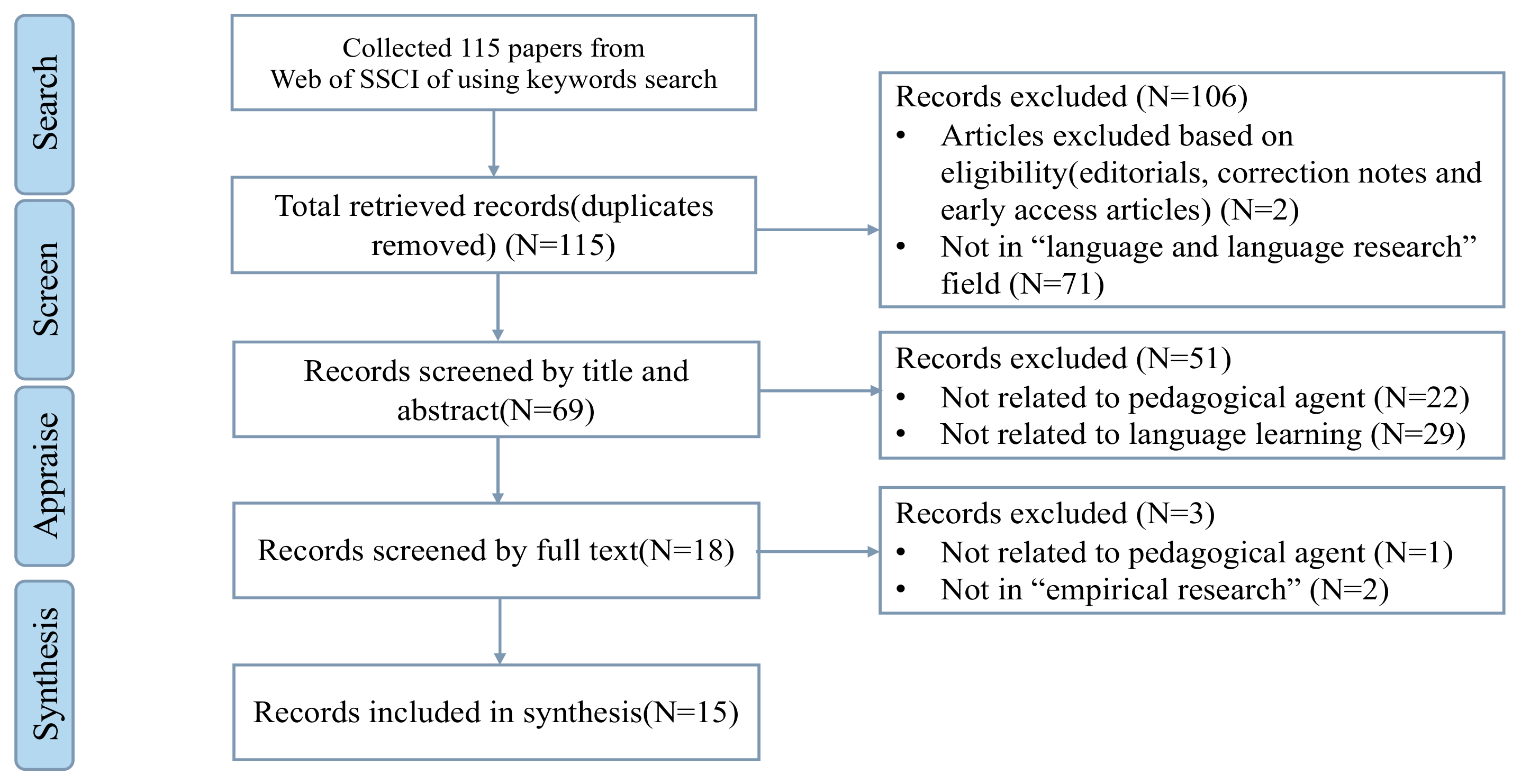
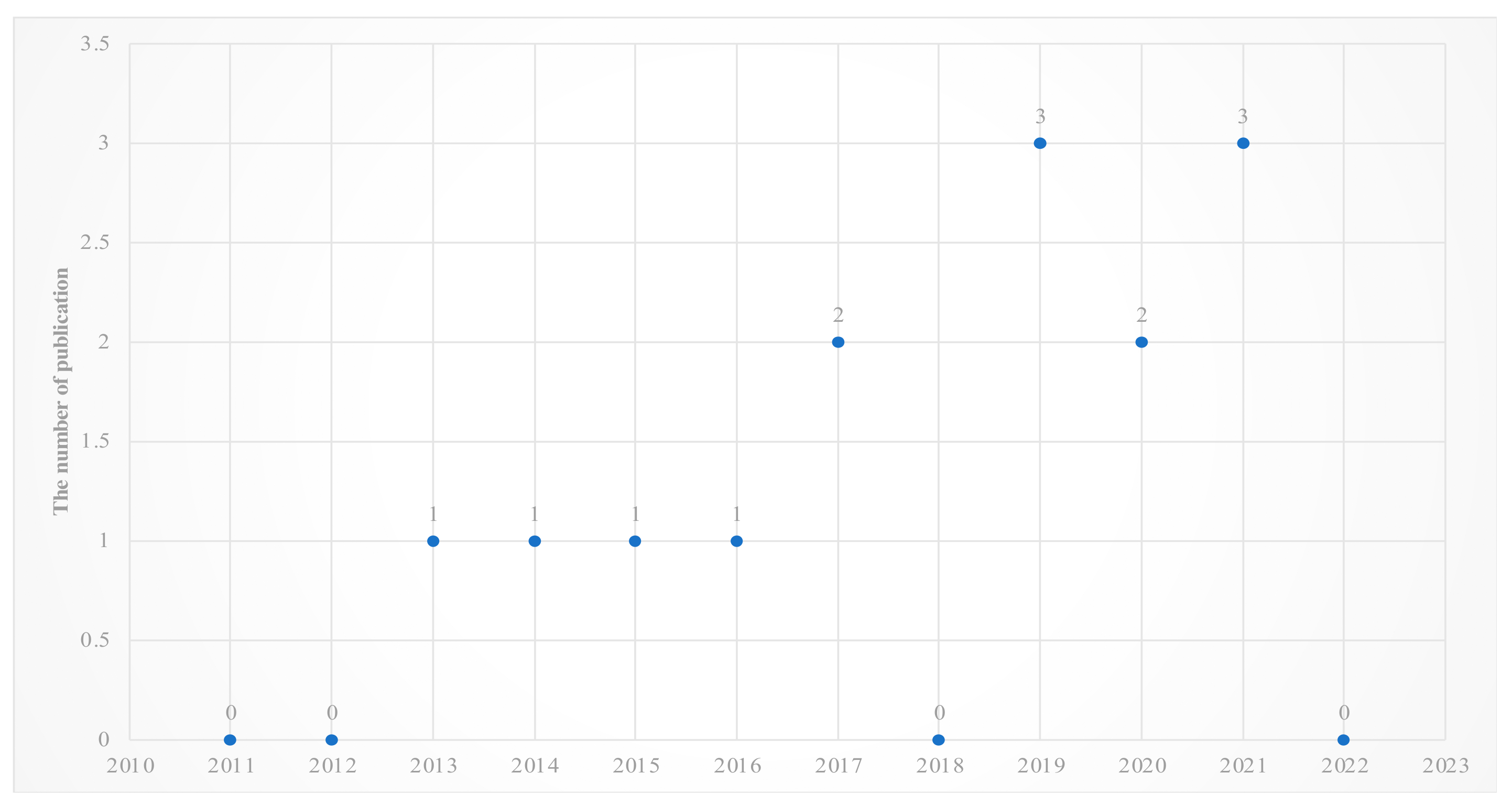
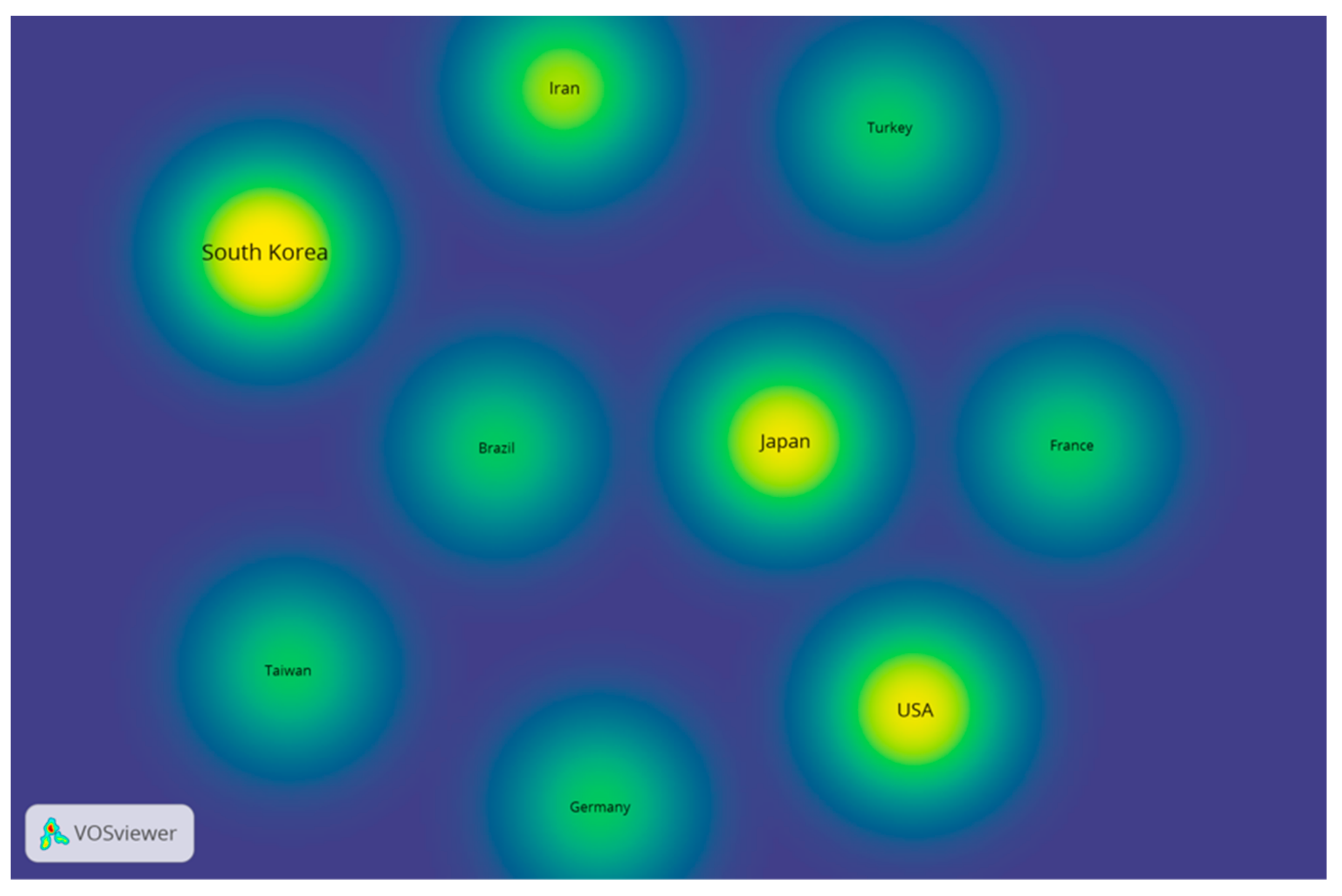
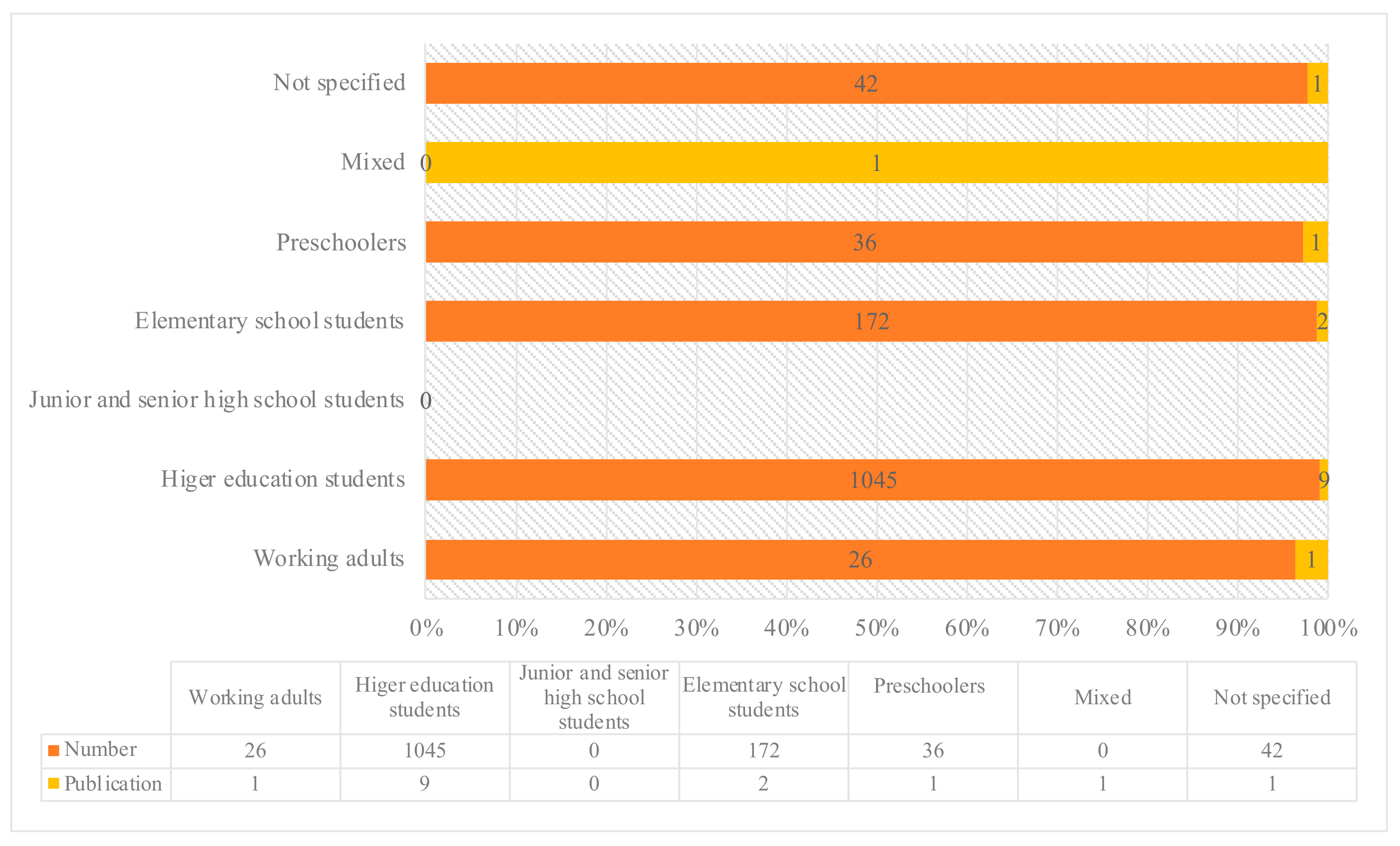
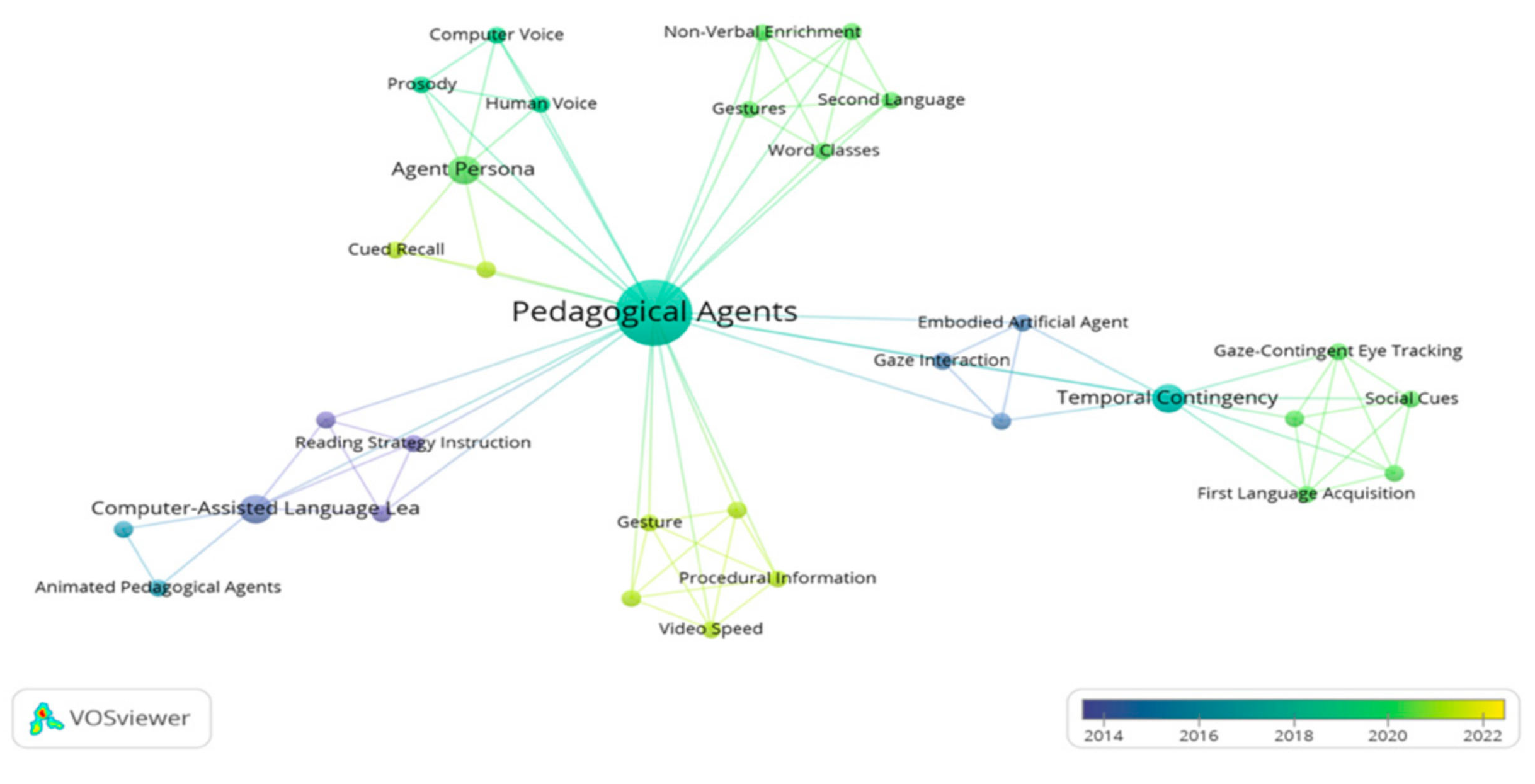
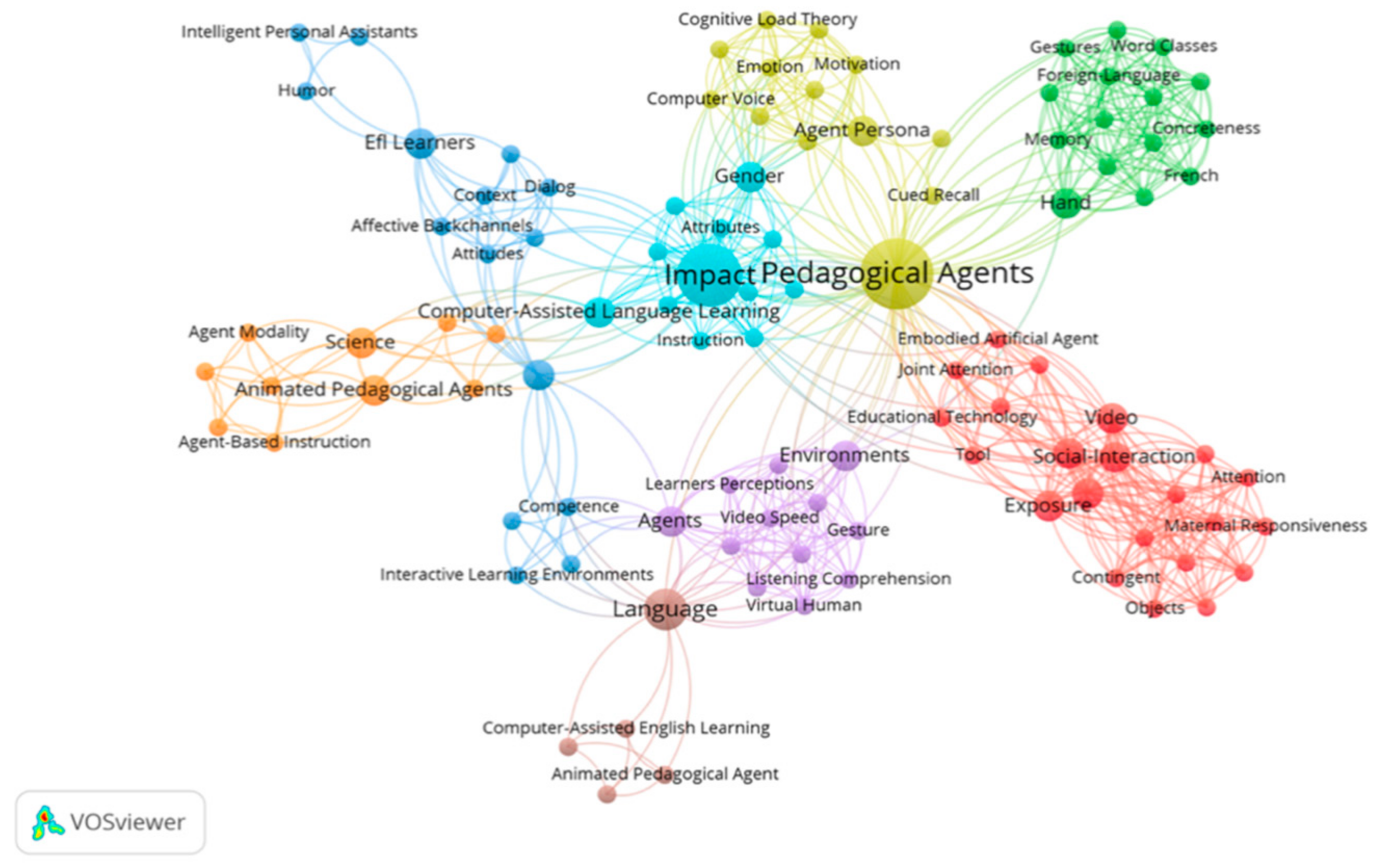
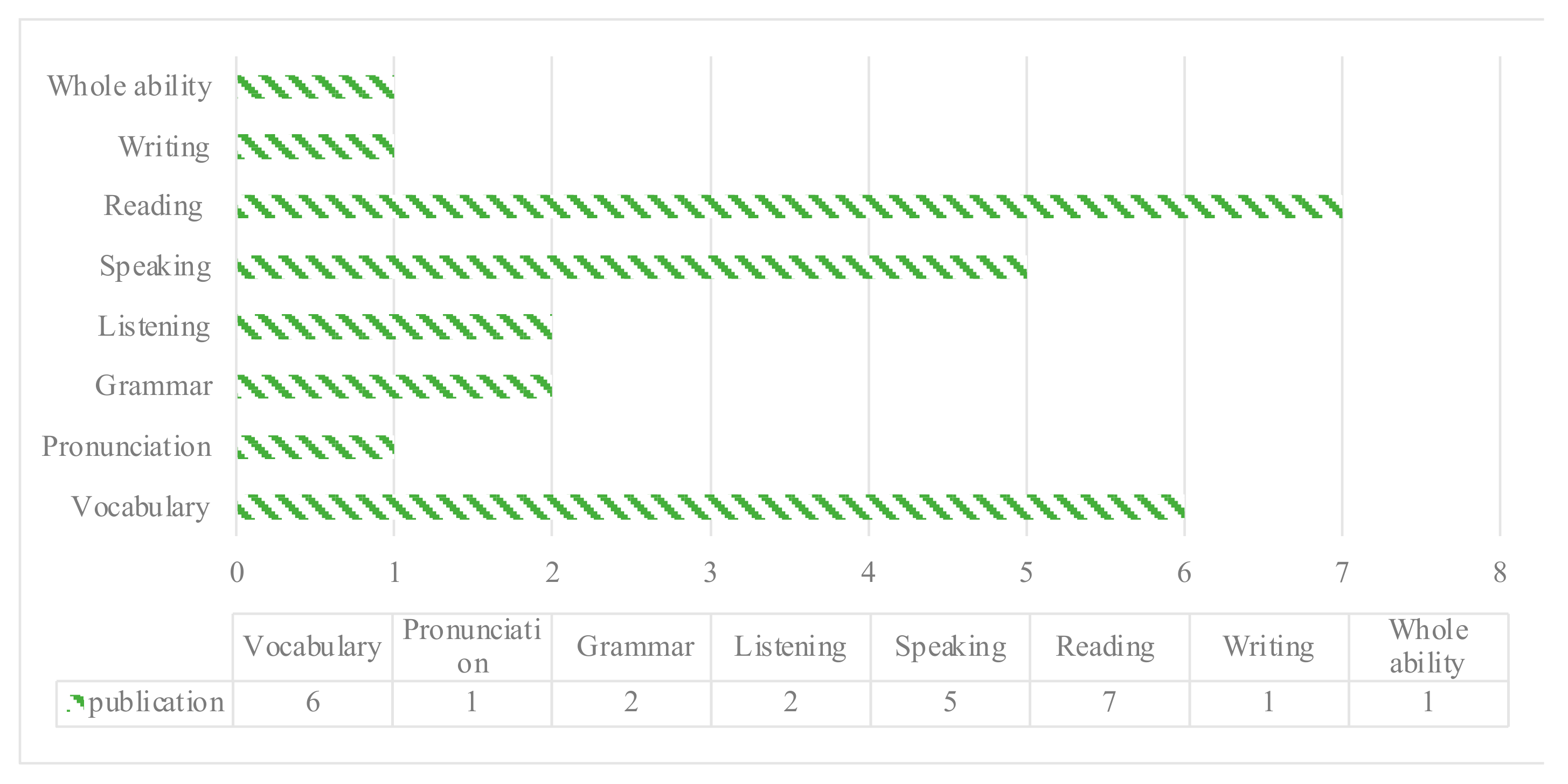
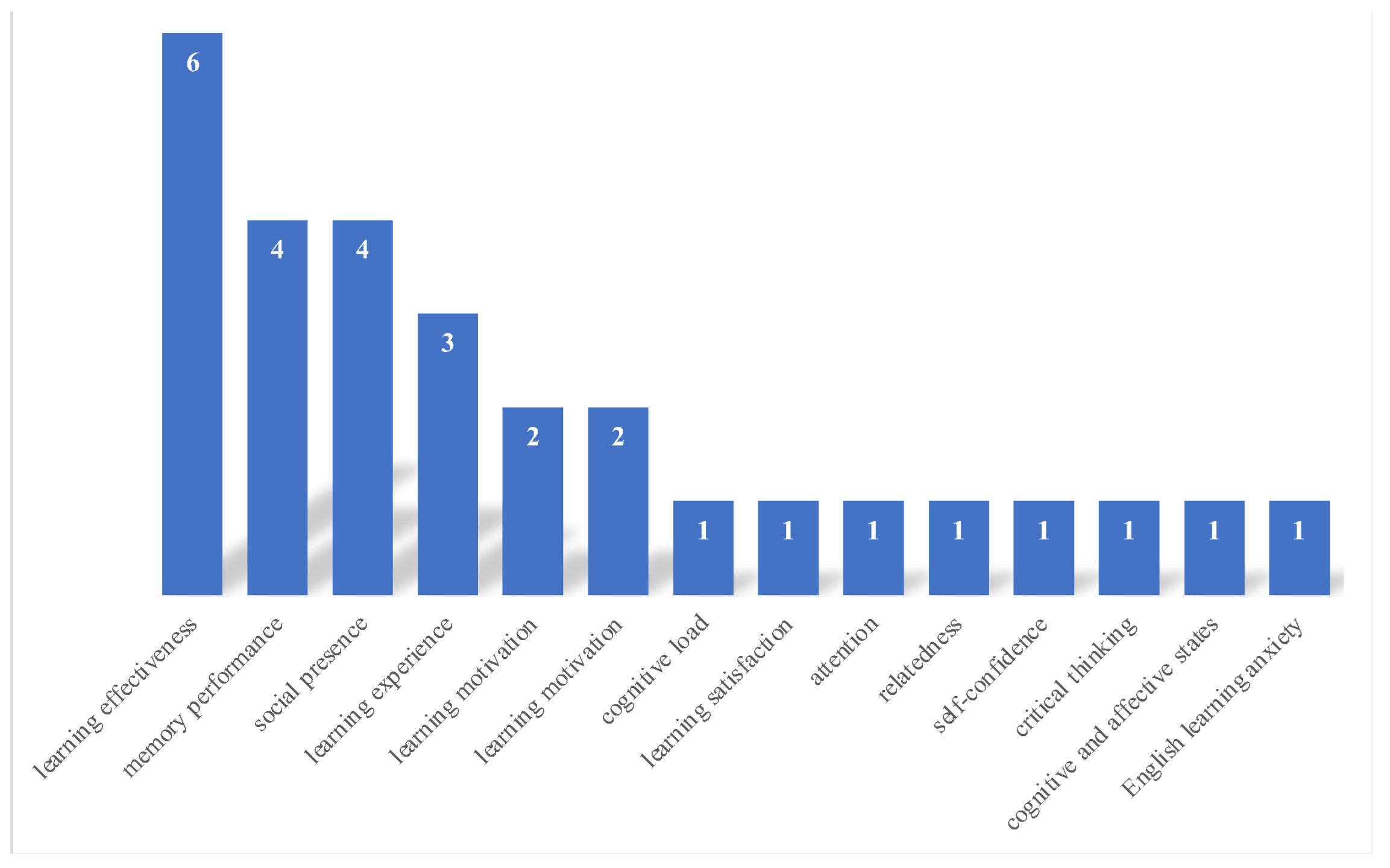
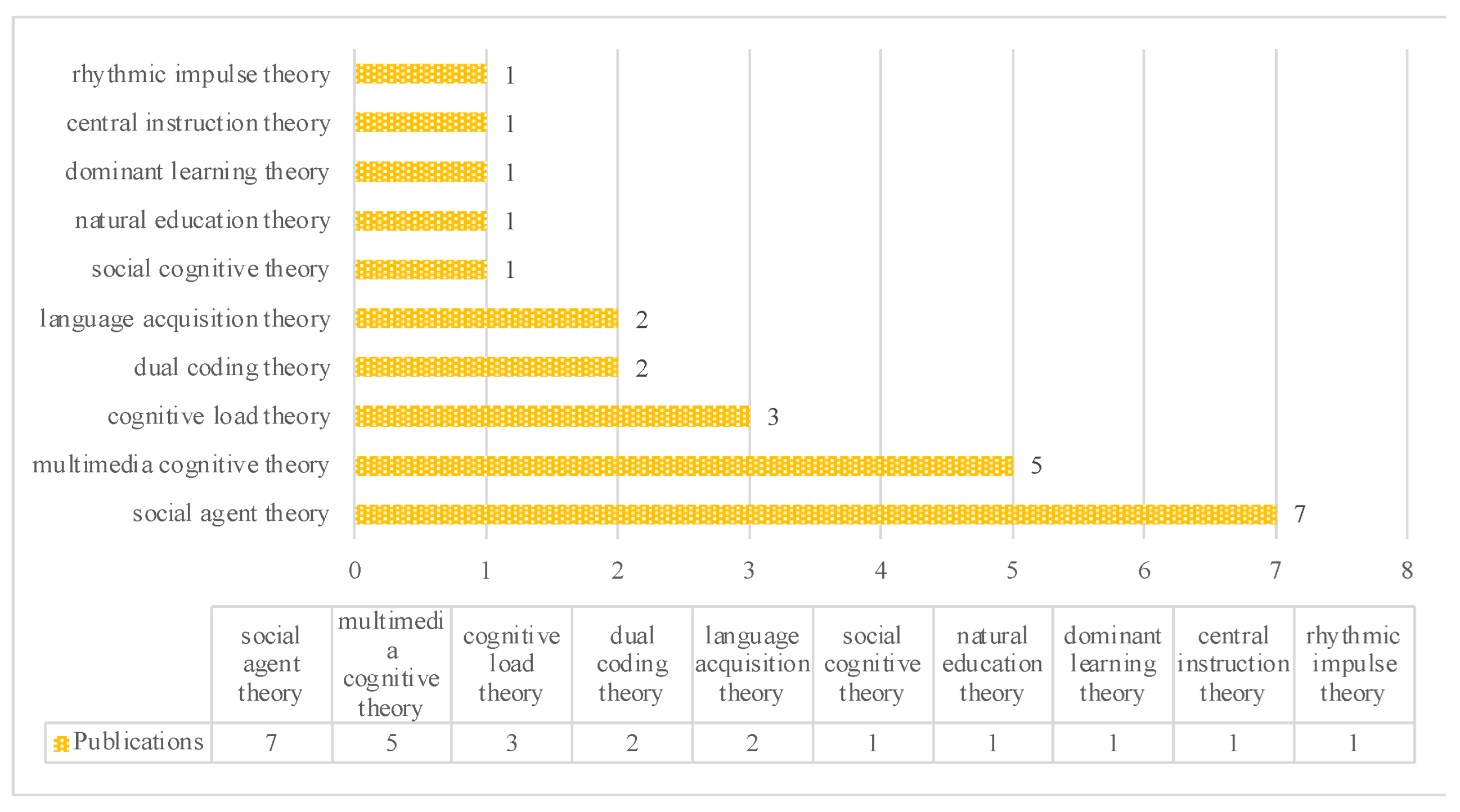
Researchers have pointed out the importance of virtual agents in technology-supported language learning; however, how to effectively combine the two remains a challenge for educators and educational technologists. To this end, this study reviewed publications in the field of virtual-agent-based language learning research from 2012 to 2022 in the Web of Science SSCI Core Collection database and explored the dimensions of publication trends, country and regional distribution, participants, research methodology, research platforms, role of virtual agents, language proficiency, research hot topics, theoretical foundations, and hot issues and trends in the field of virtual-agent-based language learning research. Cluster and co-occurrence analysis using VOSviewer software was used to analyze the links among country and region distribution, keywords, and terms. It was found that (1) the top four regions in terms of the number of citations for authors were, in descending order, Iran, Japan, South Korea, and Brazil; (2) the learner characteristics that scholars were most concerned about were learning effectiveness, memory performance, social presence, learning experience, and motivation; and (3) the results of co-occurrence analyses classified virtual-agent-based language learning research into eight clusters, namely, anthropomorphic virtual agents, the effects produced by virtual agents, the social interaction of virtual agents, animated virtual agents and language achievement, the gestures of virtual agents, the effects of virtual agents on learner characteristics, computer-assisted learning, and the design of virtual agents. The lack of the systematic application of virtual agents in language learning prevented previous studies from revealing the language learning process in virtual-agent-based learning environments. Therefore, this study made appropriate recommendations for future investigations on how virtual agents can improve language learning for researchers, teachers, and decision makers.
Keywords: virtual agents; cluster analysis; virtual-agent-based language learning; anthropomorphism; research issues virtual agents; cluster analysis; virtual-agent-based language learning; anthropomorphism; research issues