


Abstract
Soil erosion due to rainstorms is a serious problem in subtropical gardens in South China. Soil conservation and the restoration of degraded landscapes are important research topics at home and abroad. Because of the sluggish growth of plants under traditional cultivation techniques, they are incapable of effectively protecting the soil. Therefore, the rapid and high-quality soil conservation of subtropical landscapes remains an urgent problem to be overcome. The purpose of this study is to improve the red soil and ground environment for the growth of grasses and shrubs through high-performance ester materials. Our objective was to find a solution for the high impact of soil loss on subtropical landscapes. In this study, we used the ecological restoration of soil as the starting point and selected a typical subtropical garden in South China as the field test point. We carried out soil erosion resistance testing using high-performance ester materials. The anti-erosion abilities of slopes under various working conditions are discussed. During the growth period, the soil indexes were monitored for a long time, and the growth of grasses and shrubs was compared. The obtained monitoring data were analyzed with mathematical statistics. We found that the addition of high-performance ester materials significantly reduced soil loss by 52.60%. High-performance ester materials have a good hydrothermal regulation function, which can promote the germination and later growth of sloping plants. The decrease in ground internal density promotes the extension of plant roots. High-performance ester materials can improve soil permeability and activity and promote vegetation growth. In terms of turf thickness and overall growth as well as shrubs crown width and height, high-performance ester materials have a beneficial effect on promoting plant growth. Soil remediation using high-performance ester materials has good economic value, high water-holding capacity, adaptability, and convenience. In this study, we determined a solution for the high impact of soil loss on subtropical landscapes. The soil remediation of a subtropical garden using high-performance ester materials was successful. The practice of landscape soil remediation engineering presented in this paper can provide a reference for typical landscape soil remediation in subtropical zones.
1. Introduction
South China is located in the subtropical monsoon climate zone, where there are low mountains and hills [1,2]. South China experiences the most plentiful rainfall in China, influenced by subtropical monsoons. The rainy season mostly occurs from April to September, primarily with persistent heavy rainstorms. It is easy for early vegetation to cause soil erosion with the deterioration of rainfall. In recent years, large-scale engineering construction in this area has led to a vast number of exposed red soil slopes [3,4]. Red soil softens when it comes into contact with water, and its strength decreases [5,6]; the soil erosion in these areas is more serious. In addition, because of its low erosion resistance and insufficient nutrient supplement, it also hinders the ecological restoration of gardens [7,8]. Therefore, the soil conservation of vegetation is the core of subtropical gardens.
The population density of Guangzhou in the study area is 1325 people · km−2. The dense population has led to higher and higher requirements for urban municipal gardens, and the local Guangzhou municipal government also attaches great importance to them. The local government has vigorously implemented a green development strategy and has carried out the restoration of ecological gardens with superior quality, striving to improve the level of landscaping and ecological construction and striving to meet the national Level I standard. To this end, the government has invested many funds and personnel. In recent years, the government has improved the urban living environment and ecological environment through the research and development of various new technologies and materials. However, because of the sluggish growth of plants under traditional cultivation techniques, they are incapable of effectively protecting the soil. The rapid and high-quality restoration of subtropical garden soil represents the key to the construction of a green economy in garden engineering.
Traditional soil conservation and prevention technology of landscape engineering mainly use grasses and shrubs to form a three-dimensional and diverse vegetation structure. However, due to the differences in ecological functions and maintenance technologies between grasses and shrubs, the cost of maintenance and management is high. Moreover, it has some disadvantages, such as unstable growth, inconspicuous long-term maintenance effects, an unsightly landscape, poor environmental protection efficiency of construction materials, and so on [9,10,11,12]. In recent years, the industry of using soil improvement materials to improve soil properties has expanded. The commonly used soil improvement materials can be divided into three categories—inorganic, biological, and organic.
Inorganic soil improvement materials are mainly cement, gypsum, and fly ash. Although they can effectively improve the mechanical strength of soil, the improved soil has many problems, such as high strength, high stiffness, poor permeability, and many residual inorganic materials, which are not conducive to plant growth and soil ecological restoration [13,14,15].
Microbial-induced calcium carbonate precipitation (MICP)-reinforced soil is mainly used for sandy soil. It injects bacterial solutions and nutrients, such as urea and calcium, into the sand. The engineering properties of soil are improved through biological cementation and biological anti-seepage. Due to its long curing process and complex operation, it is not suitable for use in landscape protection engineering [16,17,18].
Organic soil improvement materials, such as straw polysaccharides, cellulose, and high-performance esters, do not pollute and damage the environment because of their degradability. These measures have effectively promoted plant growth and ecological benefits. They can meet the needs of soil conservation for the future development of green and environmentally friendly subtropical gardens. In addition, according to previous research results and the actual engineering experience of our team (e.g., slope restoration, mining rehabilitation) [19,20,21,22,23,24,25,26,27], we can draw the following useful data supports about the properties of high-performance ester materials. The main degradation cycle of high-performance ester materials lasts for 2 to 3 years. When using high-performance ester materials, the water permeability of planting soil is increased by 2–3 times. The air permeability of planting soil is improved by 150–200%. The erosion resistance of planting soil is increased by 20–30%. The anti-disintegration of planting soil is increased by 20–30%. The erosion rate of planting soil is reduced by more than 70%. However, these materials are rarely employed in gardens.
In this study, we selected a typical subtropical garden in South China as the field test point to carry out soil erosion resistance testing using high-performance ester materials. The anti-erosion abilities of slopes under various working conditions are discussed. To investigate the effects of the erosion resistance of plant growth, during the growth period, the soil indexes were monitored for a long time. The anti-erosion abilities of red soil slopes and their promoting effects on the growth of grasses and shrubs are discussed. The conclusions provide a reference for the soil remediation of subtropical gardens.
2. Materials and Method
2.1. Project Overview
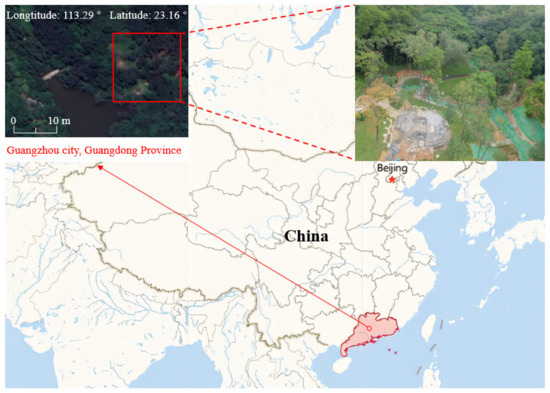
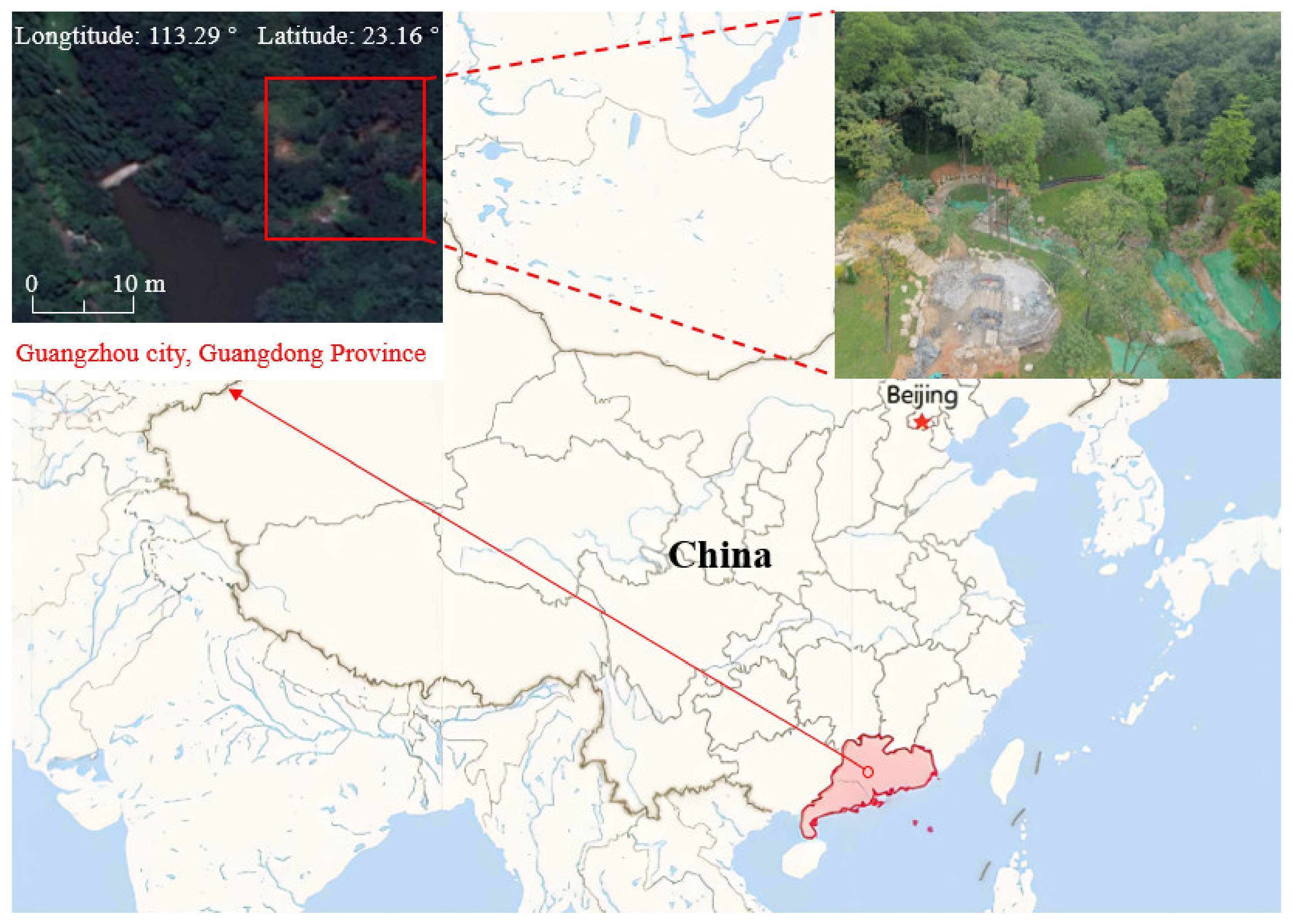
The test region is located at the south foot of Baiyun Mountain in the central city of Baiyun District, Guangzhou City, Guangdong Province, China (Figure 1). It covers approximately 1500 m2. It is located in the subtropical marine monsoon climate zone, with an annual average temperature of 23 °C. The highest temperature is 38 °C, and the lowest temperature is 0 °C [28,29]. Typhoons and rainstorms are frequent in the severely hot summers, with an average annual rainfall of 1899.80 mm. Under high-intensity continuous rainfall, the garden is prone to soil loss, resulting in low vegetation coverage.
Figure 1.
Urban garden site selection.
The city garden is primarily located on the rock slope, with a limited amount of soil covering the surface. The slope is 25–45° and up to 80° in some areas. The surface-covering soil is subtropical lateritic red bed soil, which is weathered from granite and sand shale. Its pH value is 7.10–7.20, which is almost neutral.
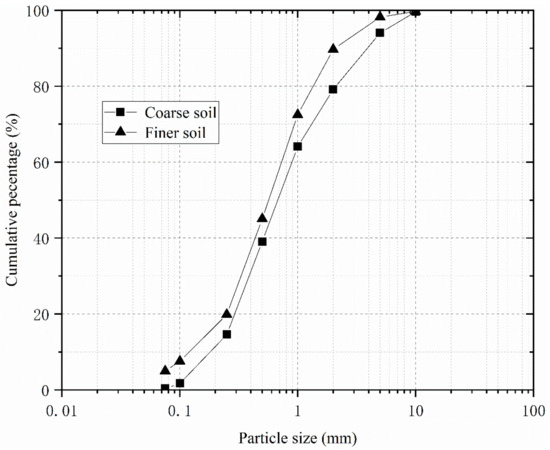
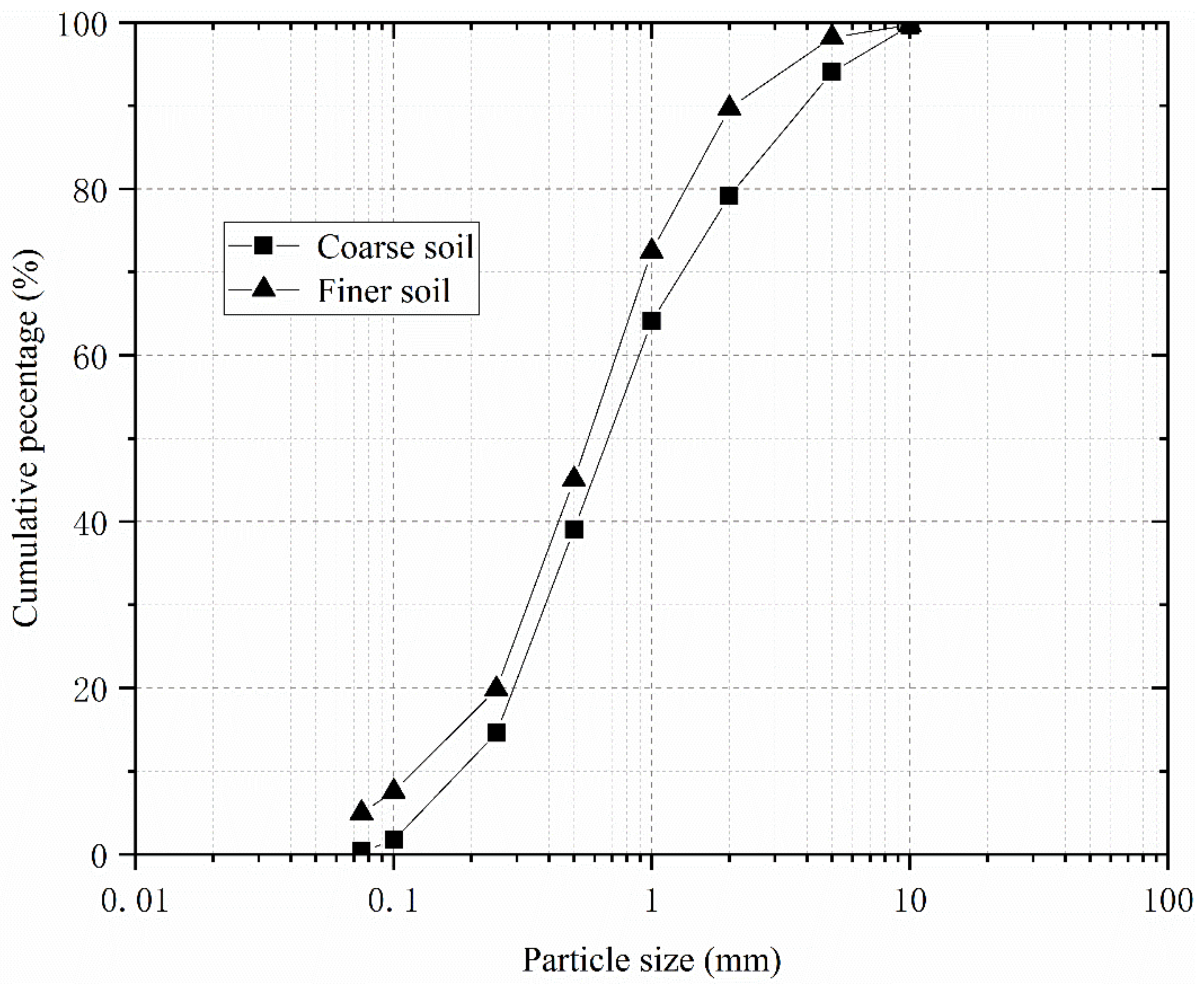
Red bed soil sampling was carried out on site. Initially, the gravel and weeds on the slope were removed. Subsequently, utilizing the multipoint sampling method, we collected the soil at a depth of 0–30 cm from the slope soil surface with a shovel. We mixed the soil and stored it in sealed bags, and carried out a soil grading test indoors. Finally, the sand content and particle size composition of soil were analyzed (Figure 2). It was determined that the soil in this area is silty sand. Its clay content is low, and its structure is heterogeneous, making it easily eroded by flowing water. Specifically, the sand content is between 80.13% and 85.43% [30]. Due to the geological survey report of the area, the initial physical parameters of the soil could be determined (Table 1).
Figure 2.
Grain size distribution curve.
Table 1.
Initial physical parameters of soil (0–30 cm deep).
For the ecological restoration test area, we mainly used carpet grass lawn and planted rhododendron and thyme shrubs for greening. In addition, we improved the soil with high-performance ester materials.
In the early stage, because of erosion due to the rainstorms, the slope was covered mainly in sporadic weeds using traditional technology. The growth rate of grasses and shrubs was low, and the ecological restoration effect was poor.
2.2. Introduction to High-Performance Ester Materials
The ecological technology of high-performance ester materials is typically employed in an experimental area to meet the needs of the landscape. This technology was incorporated into the red bed soil as an ecological material. The high-performance ester materials used in the field test are primarily divided into two types—high-strength water-absorbent synthetic resin and soil ester adhesive. The application of an excessively high or low concentration of the high-strength water-absorbent synthetic resin and the soil ester adhesive has a terrible impact on soil. With concentrations that are too low, the high-strength water-absorbent synthetic resin has no effect on the water-holding capacity of the soil. With concentrations that are too high, the high-strength water-absorbent synthetic resin will cause soil looseness and too much soil moisture, resulting in a poor gas exchange capacity of the plants. With concentrations that are too low, soil ester adhesive cannot guarantee the erosion resistance of soil. With concentrations that are too high, the soil ester adhesive will cause soil consolidation and affect the normal growth of plants. Thus, according to the previous research results and the practical engineering experience of our team [21,27], we determined the most suitable concentrations. The concentration of the high-strength water-absorbent synthetic resin was 50 g·m−2, and the concentration of the soil ester adhesive was 15 g·m−2. These concentrations can most effectively improve soil structure and the anti-erosion ability of soil. By mixing high-strength water-absorbent synthetic resin into red bed soil, the properties of the soil water retention, bacteriostasis, and disease removal were improved. Soil ester binder was sprayed onto the surface of the soil to develop a rigid shell. Soil consolidation and erosion resistance were achieved with the shell.
The high-strength water-absorbent synthetic resin used in the field test is chiefly composed of polyacrylate sodium salt. It is a white particle with a particle size of less than 0.02 mm at ordinary temperatures. It is transparent and gelatinous when saturated with water. Its water absorption can typically reach 250%. The material expands when absorbing liquid and shrinks when losing water. In soil, high-strength water-absorbent synthetic resin can effectively conserve soil water for the growth of vegetation roots. In the process of water absorption and release, the volume expansion and contraction of high-strength water-absorption synthetic resin loosens the soil. This can effectively improve the soil structure and promote the growth of vegetation roots [31].
The core component of soil ester adhesive is modified polyvinyl acetate, which is a white emulsion at ordinary temperatures. It has good dispersibility in water and can be prepared as an aqueous solution. Soil ester adhesives can degrade by themselves under natural environmental conditions, and their final degradation products are CO2 and H2O. When soil ester binder is prepared as an aqueous solution and applied to soil, it can effectively adsorb and agglomerate soil particles and form soil aggregate structure. By improving the soil structure, the anti-erosion ability of soil is upgraded. By improving soil properties, it can promote the rapid growth of vegetation.
2.3. Experimental Scheme Design of Garden Soil Remediation
2.3.1. Field Anti-Erosion Test
Layout of Rainfall Area of Test Point
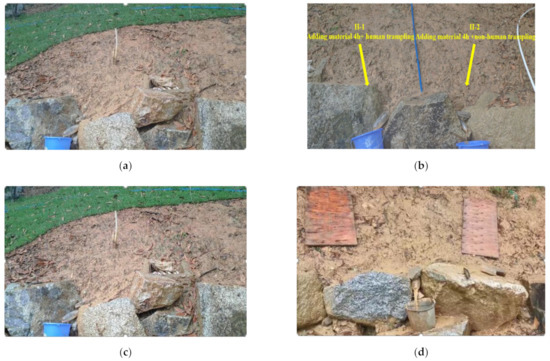
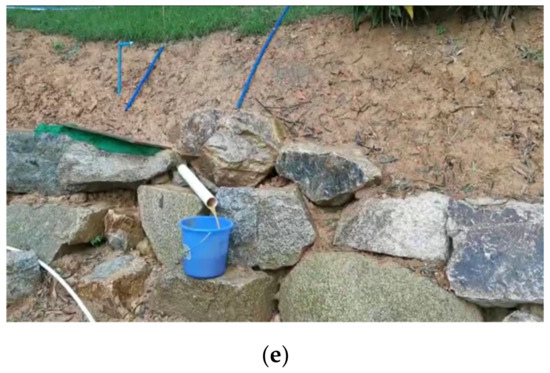
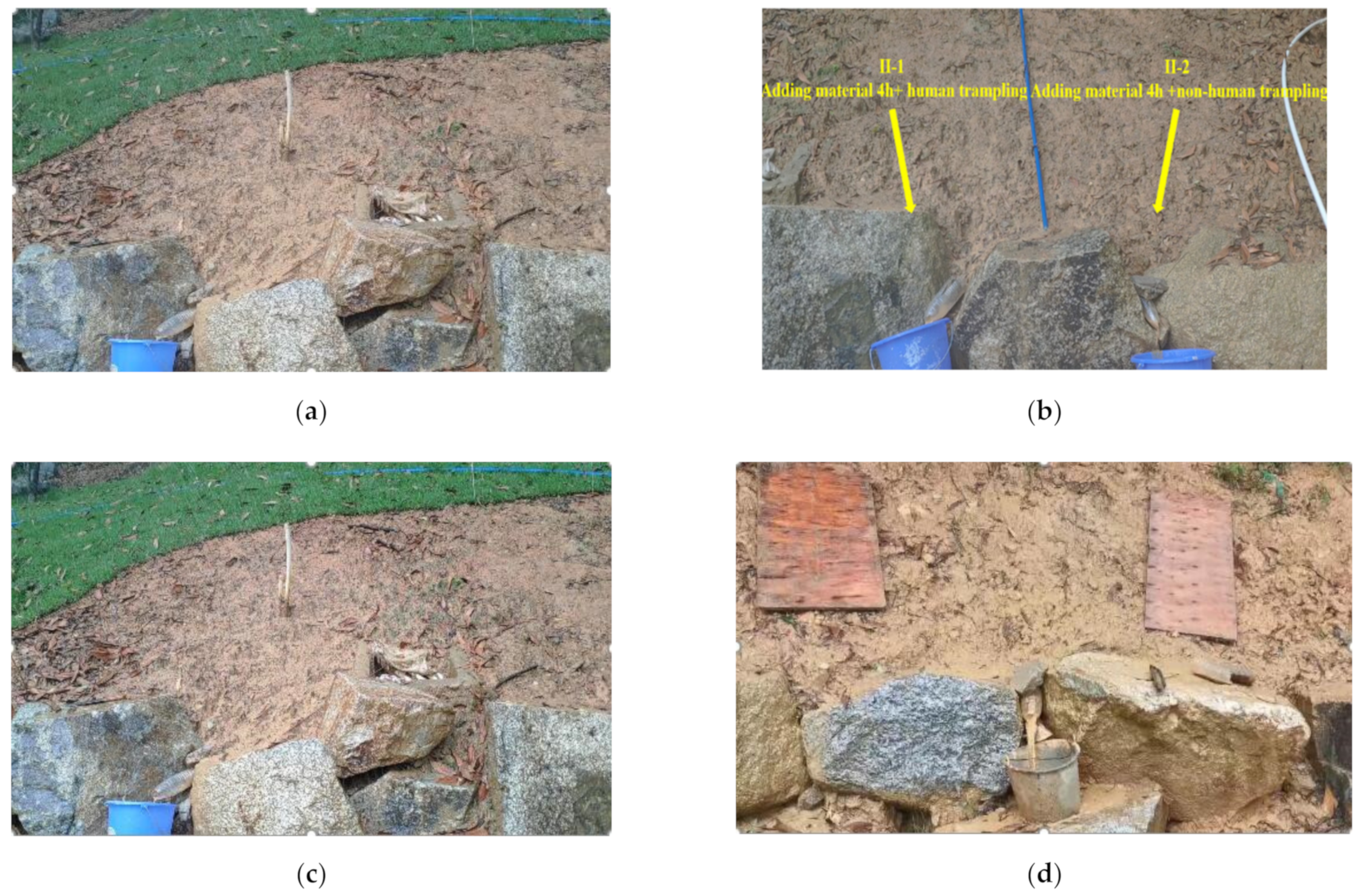
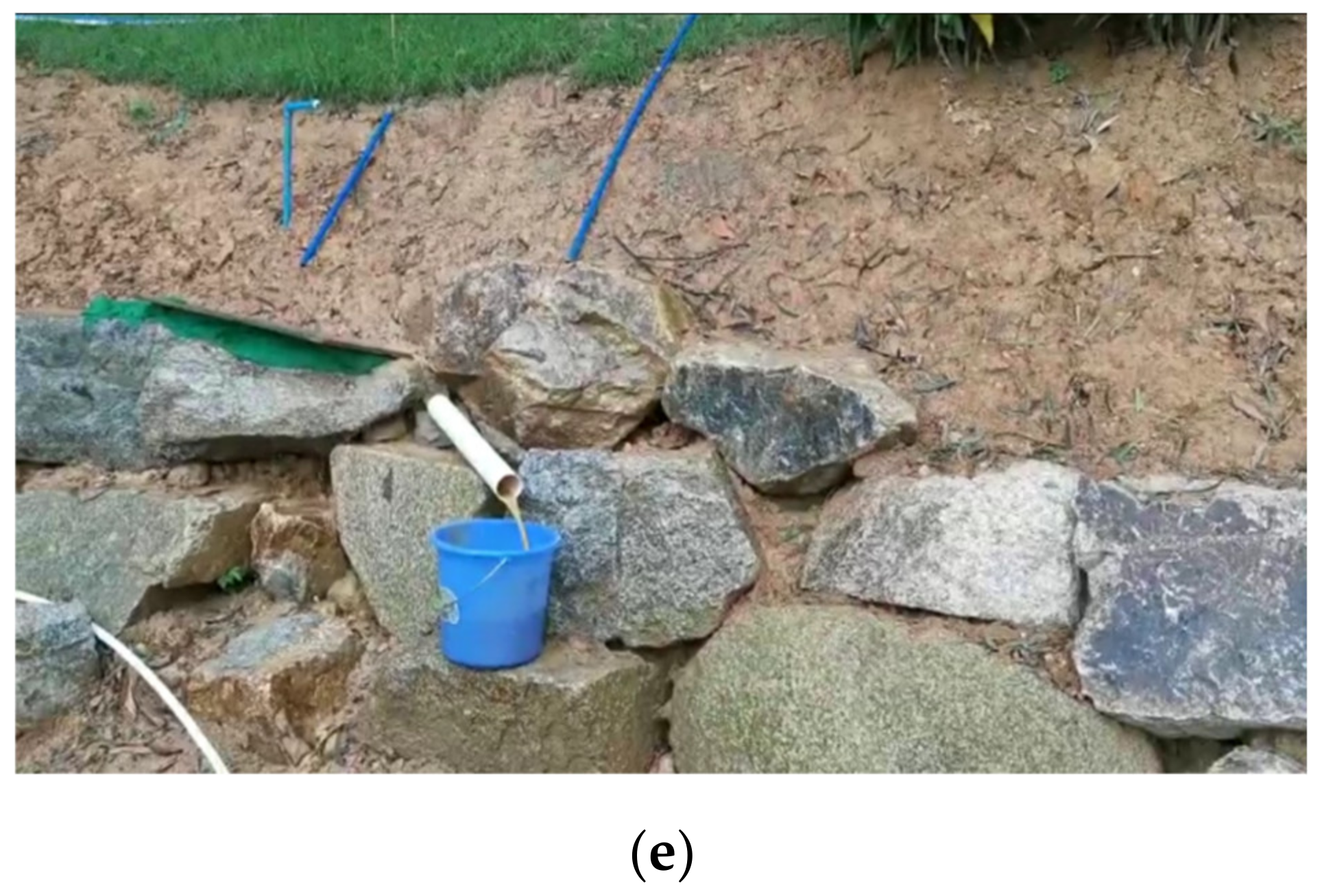
Due to the engineering geological conditions of the site slope, five test areas (Zone I, Zone II, Zone III, Zone IV, and Zone V) were selected. Artificial water spray was used to simulate rainfall (rainfall intensity—125 mm·min−1, rainfall duration—1 min and 30 s), and the on-site anti-erosion test was carried out on the soil slope. By comparing the amount of erosion under various working conditions, the anti-erosion abilities of the slopes were analyzed (Table 2 and Table 3).
Table 2.
Groupings under different working conditions.
Table 3.
Comparative test group.
Test Process and Analysis of Results
To reduce the influence of natural wind on the tests, when simulating the erosion effect of artificial rainfall, the rainfall tests all occurred in the morning. The slope erosion simulation test was carried out in five test areas. The amount of erosion was measured and recorded under different conditions of material addition time, different human interference conditions, and various curing conditions. The erosion process was recorded by means of description and photography. The test results were analyzed and compared with the soil conservation capacities of the five slopes (Figure 3).
Figure 3.
Field test of rainfall erosion in Zones I, II, III, IV, and V. (a) Natural soil; (b) added material for 4 h + manual trampling or non-manual trampling; (c) added materials for 12 h; (d) added materials for 24 h; (e) added materials for 48 h.
2.3.2. On-Site Environment and Vegetation Growth Monitoring
- (1)
- The on-site soil environment monitoring mainly included the use of a thermometer, hydrometer, compaction instrument, gas analyzer, conductance instrument, and other instruments to continuously monitor the soil temperature, humidity conditions, compactness, oxygen content, carbon dioxide content, and conductivity (Table 4). These indexes are important factors that affect soil, and plant growth is directly related to them. In the process of plant growth, these soil indicators need to be collected and monitored regularly and effectively. The monitoring time in this study lasted from 12 October 2020 to 14 October 2021. During the monitoring period, 10 points were selected from the material group and the control group at the test site every week for data collection. The temperature, humidity conditions, compactness, oxygen content, carbon dioxide content, and conductivity were measured respectively. Totals of 820 temperature data, 780 humidity conditions data, 700 compactness data, 740 oxygen and carbon dioxide content data, and 600 conductivity data were recorded. Then, using the average values of 10 data of each week’s addition group and control group as data points, we drew the curve. Based on this, the changes in the average monitoring indexes with time between the addition group and the control group were compared. Using statistical analysis, it was determined that the averaging method was effective.Table 4. Monitoring frequency table of test area.
- (2)
- Tape was primarily used for the monitoring of on-site vegetation growth. The turf thickness of the grasses with high-performance ester materials was compared with that those without high-performance ester materials. The height and crown width of shrubs with added high-performance ester materials were compared with those without high-performance ester materials. Finally, the purpose of comparing the growth of grasses and shrubs after adding high-performance ester materials was achieved. Simultaneously, the promoting effect of high-performance ester materials on the growth of grasses and shrubs was also determined.
3. Results and Discussion
3.1. Effects of High-Performance Ester Materials, Time, Artificial Trampling, and Laying Nonwoven Fabric on the Anti-Erosion Ability Properties of Slopes
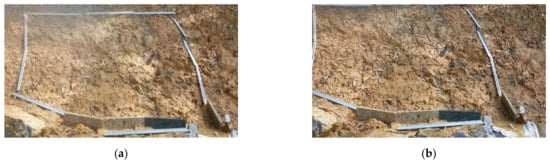
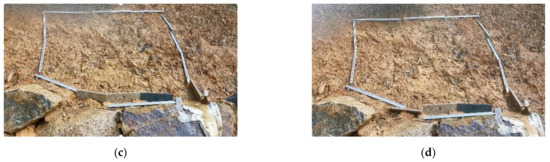
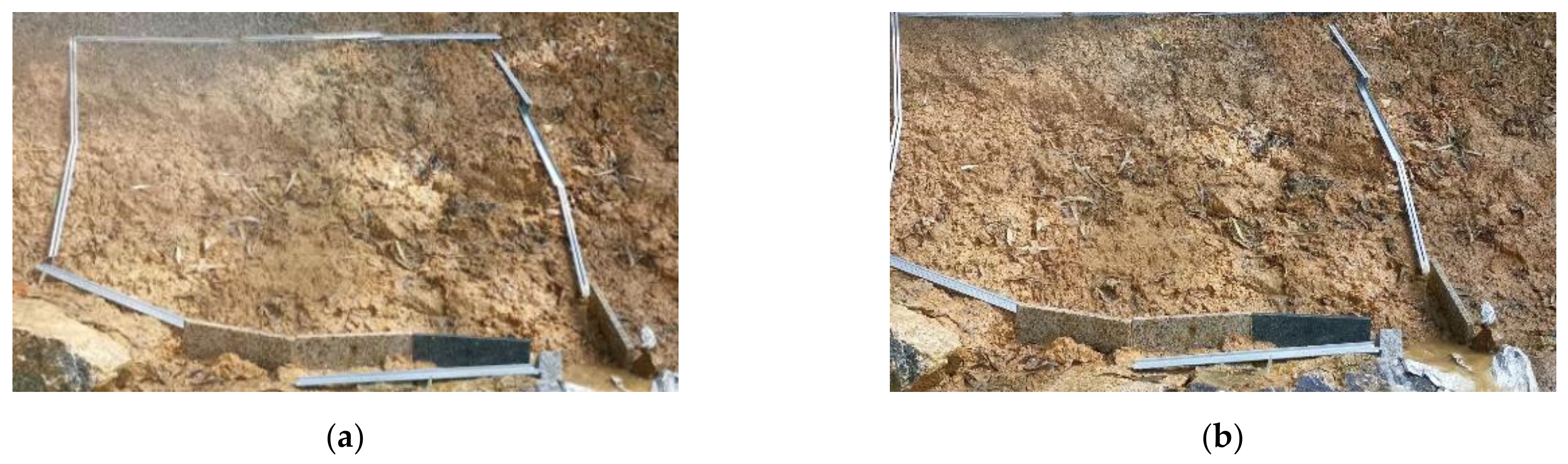
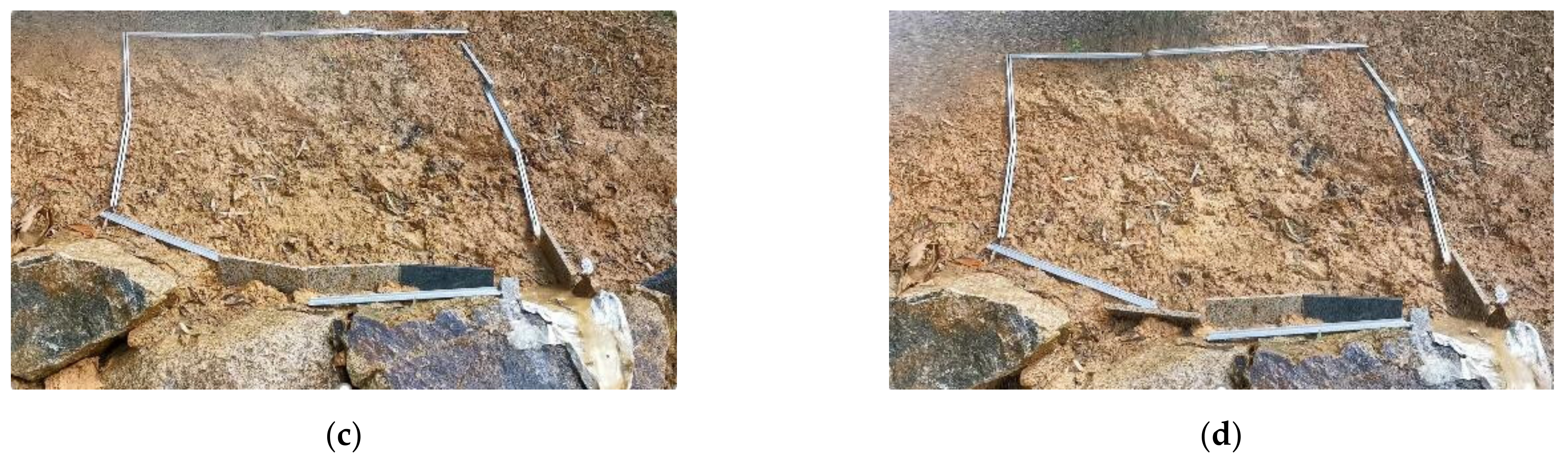
In this study, five working conditions were set up for the erosion test, and their on-site soil erosion rates were compared. We analyzed the impact of including materials, the material addition time, manual trampling, and laying non-woven fabrics on the anti-erosion ability of the slopes. The slope erosion process of Zone III in five working conditions was selected for analysis and discussion (Figure 4).
Figure 4.
Field test of slope erosion process in condition III. (a) Continuous erosion for 0 min; (b) continuous erosion for 3 min; (c) continuous erosion for 5 min; (d) continuous erosion for 10 min.
3.1.1. Effects of High-Performance Ester Materials and Time on the Anti-Erosion Ability Properties of Slope
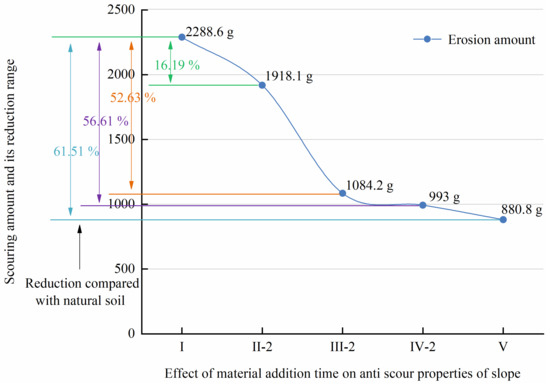
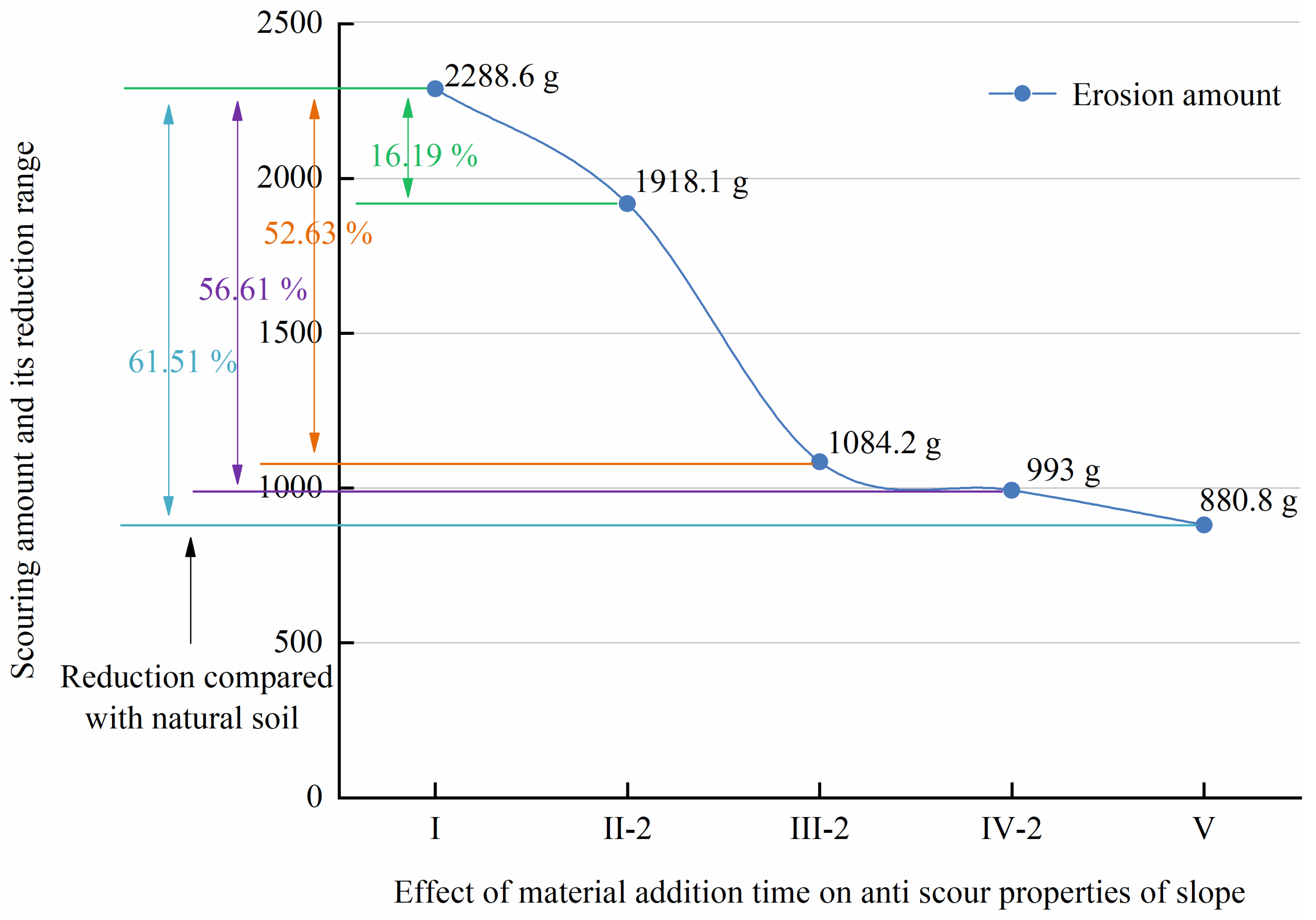
Under the artificial rainfall simulation, the total amount of slope erosion and the reduction range of corrosion under various working conditions were obtained (Figure 5).
Figure 5.
Erosion amount and reduction range of erosion under various working conditions.
The results show that the anti-erosion ability of the on-site slope increased with the addition of time when high-performance ester materials were added. The amount of soil erosion decreased by 61.51% after adding high-performance ester materials for 48 h. Thus, adding materials can significantly reduce the amount of soil erosion.
3.1.2. Effects of Artificial Trampling and Laying Nonwoven Fabric on the Anti-Erosion Ability Properties of Slope
Under the artificial rainfall simulation, the total amount of slope erosion and the reduction range of corrosion under various working conditions were obtained (Table 5).
Table 5.
Total amount of slope erosion under each working condition.
The impact of artificial trampling on the soil erosion resistance after the application of materials was limited and negligible.
In addition, laying nonwoven fabric significantly reduced the erosion rate. Considering the compact construction period, the erosion amount was reduced by 52.63% after including materials for 12 h. The difference was only 8.89% after 48 h.
The preventive effect of the high-performance ester materials depended on the addition time and whether nonwoven fabric was laid. The material had the best corrosion resistance after including 48 h. However, under the uncontrollable factors, such as the construction period, cost, and site environment, the best effect was achieved by adding materials for 12 h and laying nonwoven fabric.
In conclusion, laying non-woven fabrics after adding materials for 12 h reduced erosion by 95.90%. Therefore, it is suggested that greening construction combined with non-woven fabric after spraying the materials for 12 h can effectively improve the erosion resistance of a slope.
3.2. Discussion on the Change Law of High-Performance Ester Materials on Site Soil Environment
3.2.1. Effect of High-Performance Ester Materials on Soil Temperature
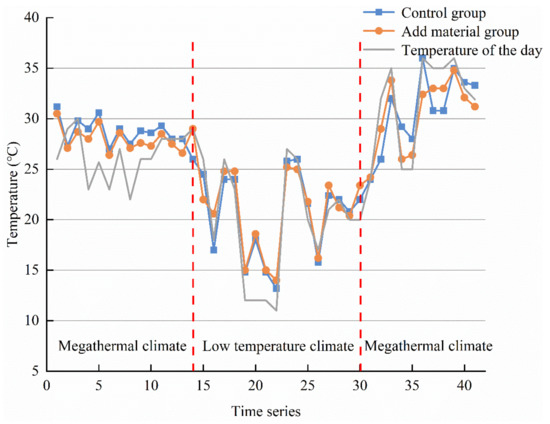
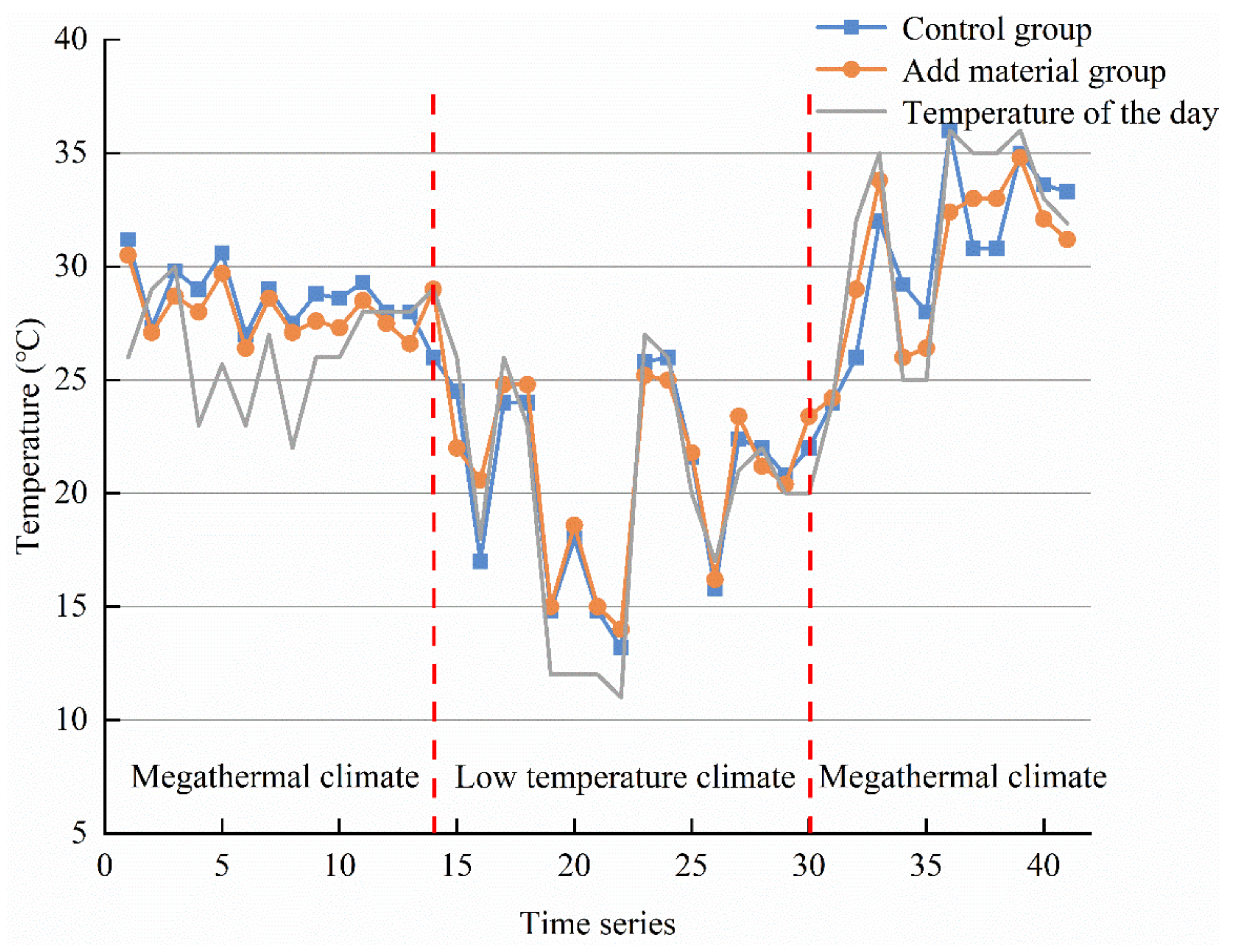
Soil temperature was an important factor affecting seed germination and the normal growth of vegetation in the later stage. Figure 6 describes the changes in soil temperature at the site during the monitoring period. In the entire experimental process, the daily average soil temperature changed with the everyday ordinary temperature and weather conditions.
Figure 6.
Changes in soil temperature on garden slope.
In high-temperature weather, the soil temperature decreased by an average of 1.60° after adding high-performance ester materials. In low-temperature weather, the soil temperature with high-performance ester materials increased by an average of 1.15°. Considering the ground temperature, the addition of high-performance ester materials can reduce soil evaporation and achieve the effect of heat preservation and water holding.
3.2.2. Effect of High-Performance Ester Materials on Moisture Content
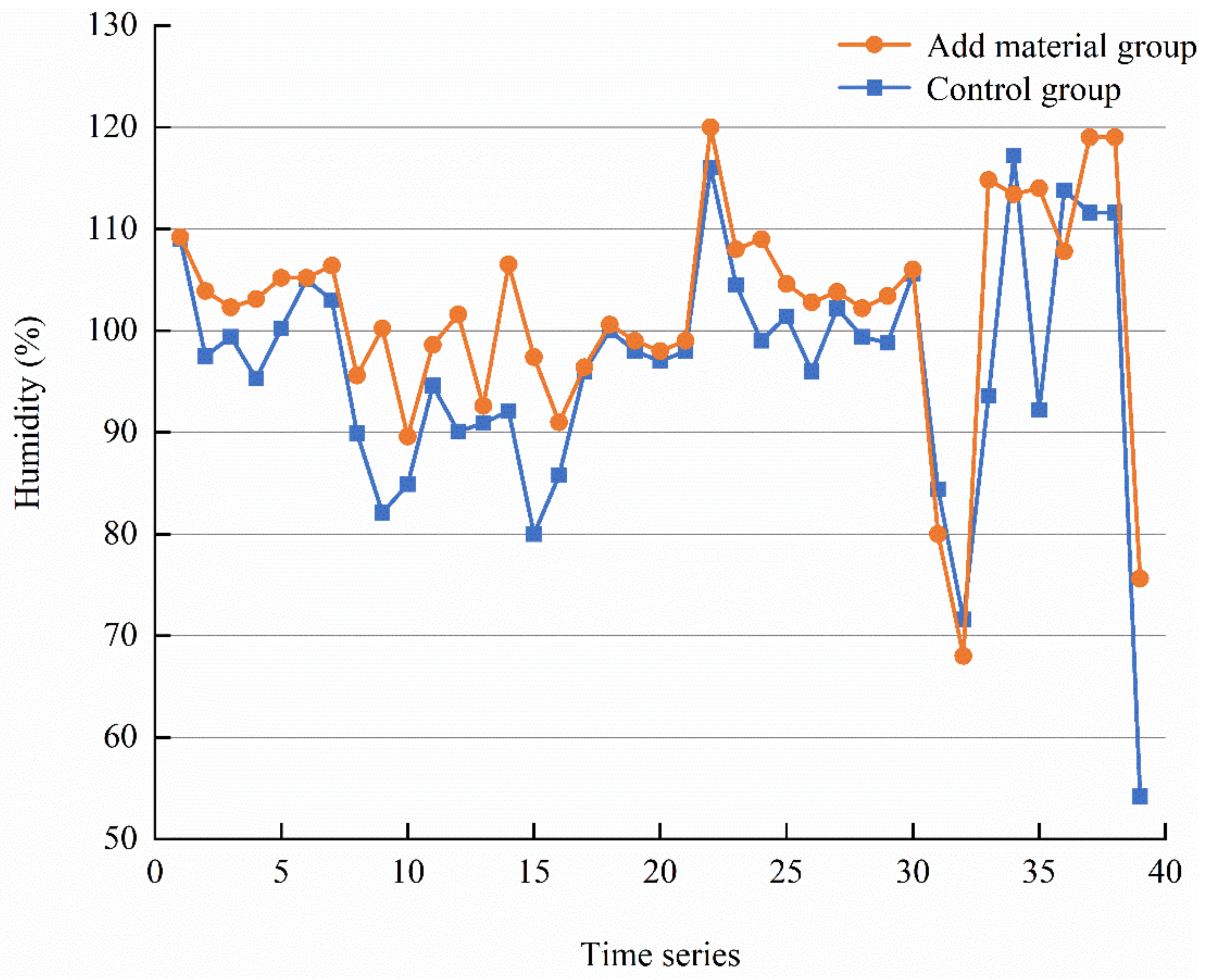
Soil moisture content was an important factor that affected seed germination and the normal growth of vegetation in the later stage. Figure 7 describes the changes in the soil moisture content at the site during the monitoring period. The significant increases in the soil moisture contents at the 9th, 12th, and 15th monitoring timepoints were due to local rainfall in the garden area the day before the observation.
Figure 7.
Changes in soil moisture content on garden slope.
The soil moisture increased by an average of 5.50% after adding high-performance ester materials. The moisture in soil is mainly related to evaporation. Considering the ground moisture content, the addition of high-performance ester materials can reduce soil evaporation and achieve the effect of water holding.
Therefore, the application of high-performance ester materials in soil can effectively adjust the hydrothermal conditions and improve the water-holding capacity of the soil. It can promote the germination of vegetation and ensure the average growth of plants.
3.2.3. Effect of High-Performance Ester Materials on Soil Compactness
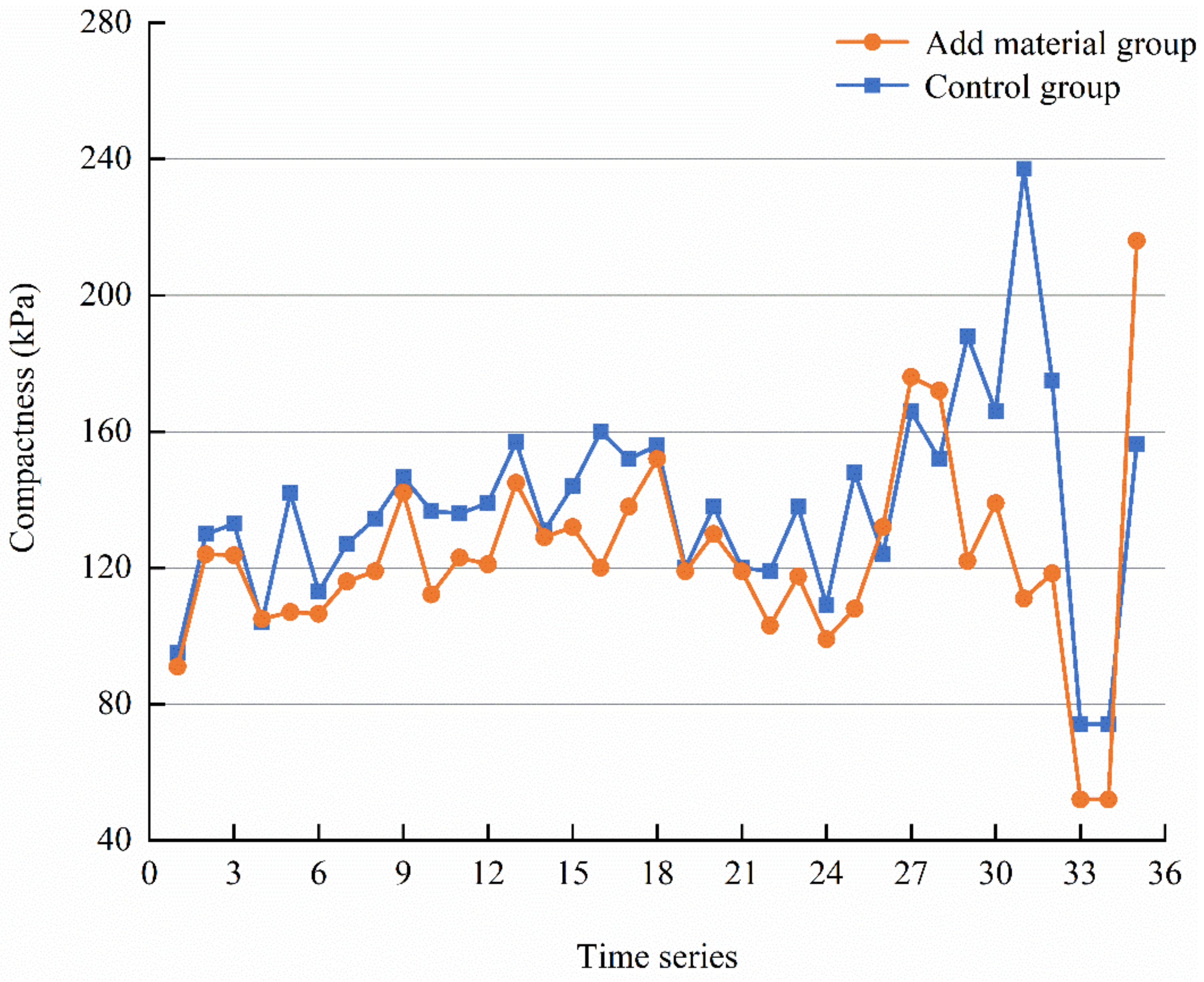
The changes in soil compactness at the site during the monitoring period are recorded in Figure 8. Among them, the compactness decreased sharply for the 29th, 30th, and 31st times in the additive group, which is chiefly attributed to the randomness of the monitoring methods. Predominantly, the compactness of soil with high-performance ester materials is, on average, 15.00% lower than it is without them.
Figure 8.
Change in soil compactness on site.
Soil compactness can be employed to predict soil resistance to vegetation root extension. The process of the perforation and the growth of vegetation roots in soil is primarily affected by soil compactness. If the soil is too compacted, the water infiltration process is easily restrained, reducing the utilization rate for chemical fertilizer and affecting the growth of plant roots [22].
Therefore, the application of high-performance ester materials in the ground can effectively reduce the soil compactness and facilitate the rooting of vegetation roots. It can promote the extension of vegetation roots and ensure the average growth of plants.
3.2.4. Effect of High-Performance Ester Materials on Soil Oxygen and Carbon Dioxide
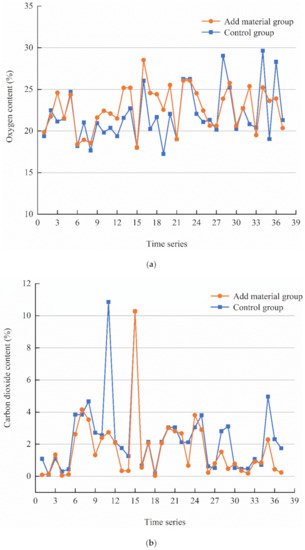
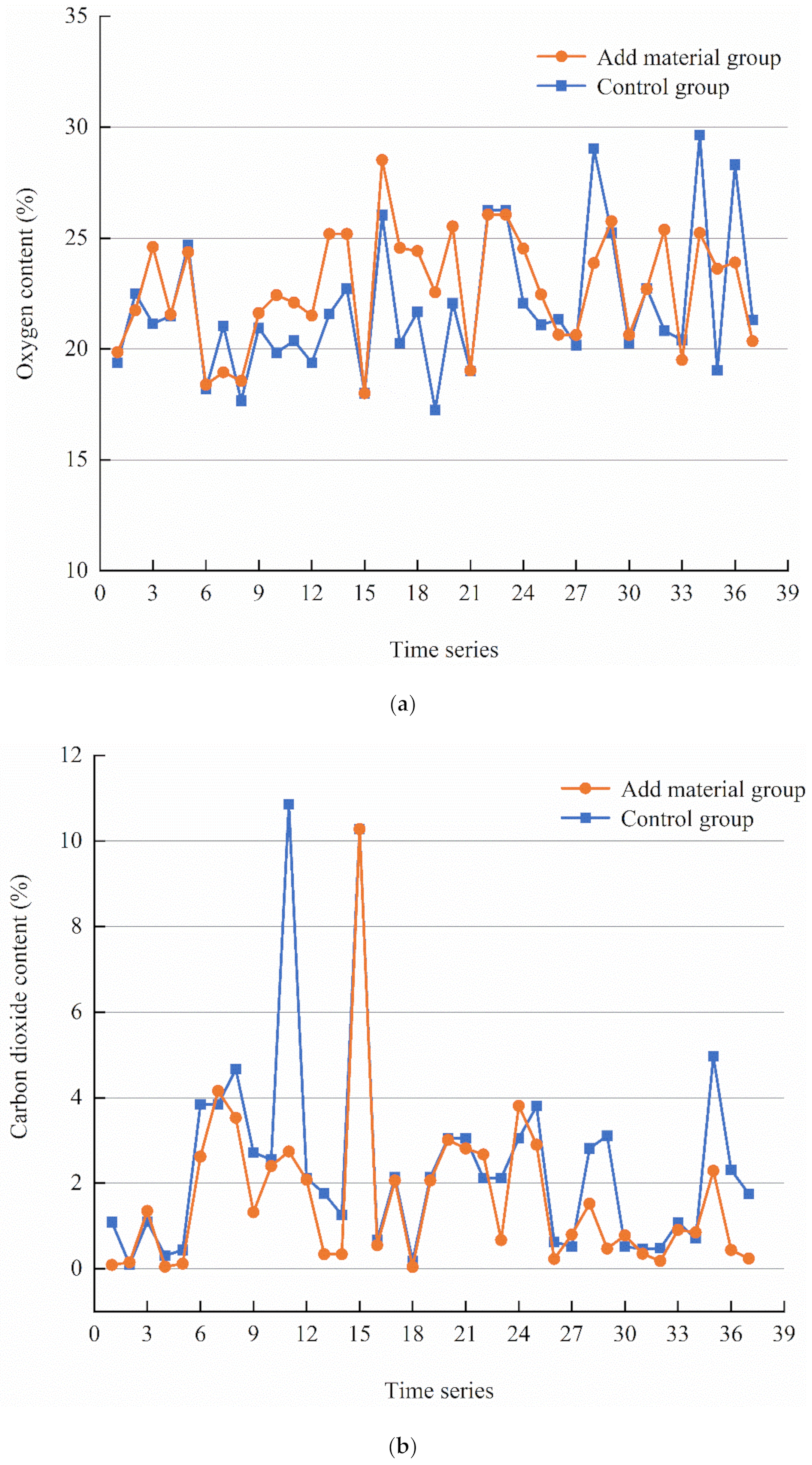
The changes in soil oxygen and carbon dioxide content during the monitoring period are described in Figure 9. There was a negative correlation between the soil oxygen and carbon dioxide. At the 11th, 29th, and 35th monitoring time points, the carbon dioxide content changed suddenly. This may have been due to frequent mechanical construction near the monitoring day, resulting in a sharp increase in the carbon dioxide content. During the monitoring period, high-performance ester materials were applied to the ground to improve the air permeability of the soil. Ultimately, the oxygen content of soil increased by an average of 4.00%, and the carbon dioxide content of soil decreased by an average of 25.00%.
Figure 9.
Changes in soil oxygen and carbon dioxide content on site. (a) Monitoring of soil oxygen content; (b) monitoring of soil carbon dioxide content.
Typically speaking, the higher the soil oxygen content and the lower the soil carbon dioxide content, the stronger the gas exchange capacity between the ground and atmosphere. The better the permeability of soil is, the more vigorous the growth of vegetation roots is [23,24].
Therefore, the application of high-performance ester materials in the ground can improve the permeability of the soil. It can increase oxygen and reduce the proportion of carbon dioxide. Ultimately, it can promote the germination of vegetation seeds and the average growth rate of roots.
3.2.5. Effect of High-Performance Ester Materials on Soil Conductivity
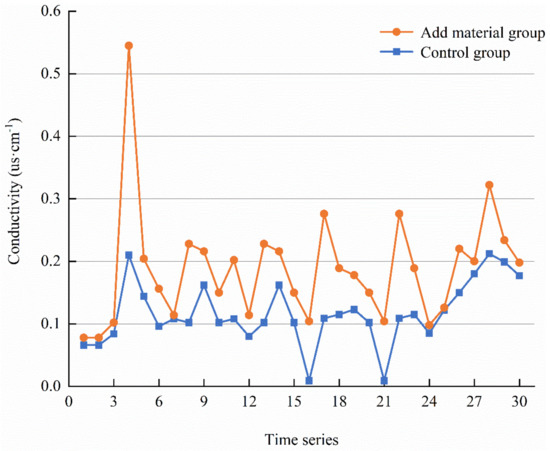
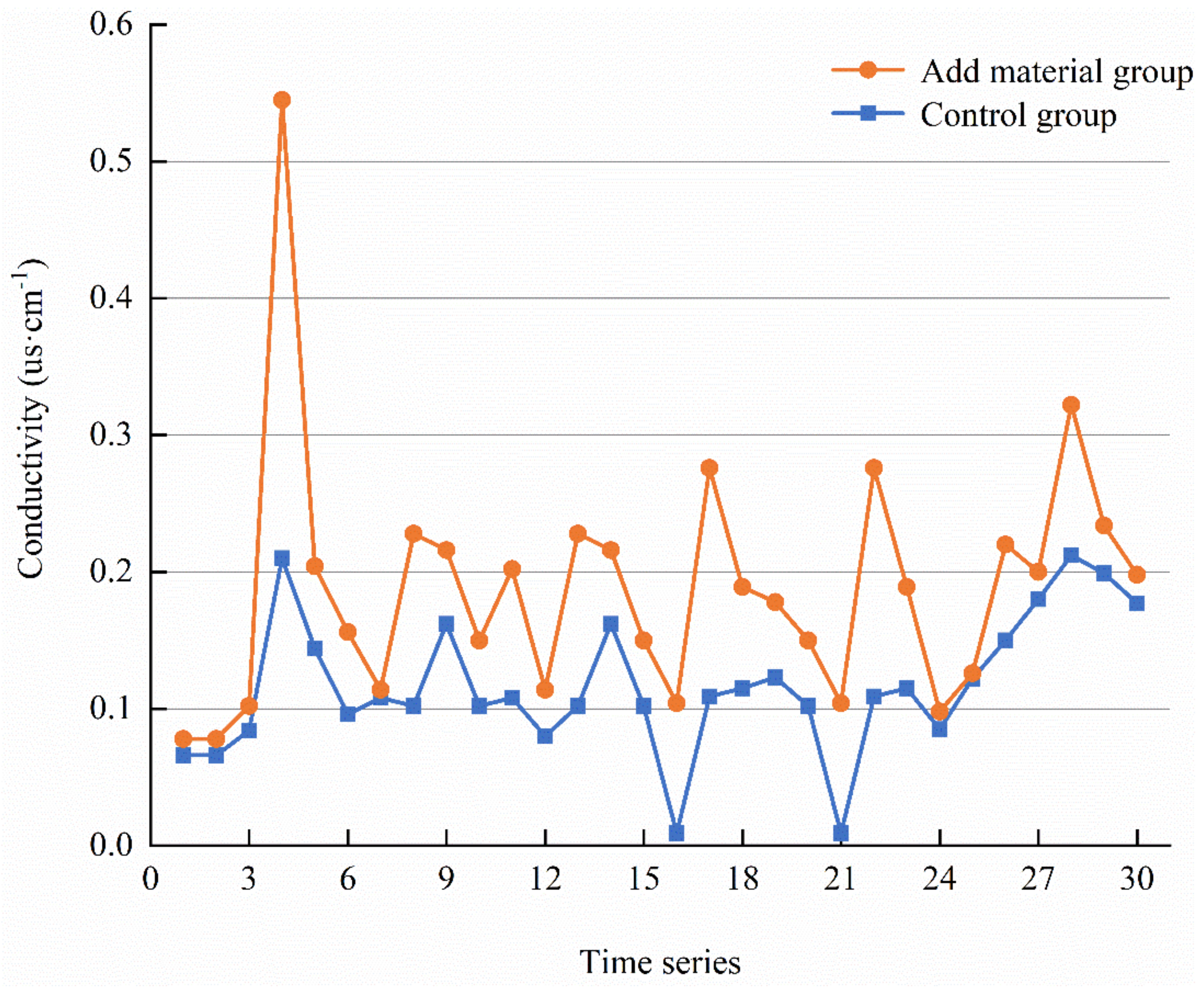
The conductivity in ground pores can reflect soil nutrient status to a certain extent. In a certain range, the higher the soil conductivity, the better the ground nutrient conditions. Figure 10 shows the changes in soil conductivity at the site during the monitoring period. Among them, there were sudden changes in the data at the 3rd, 17th, and 22nd conductivity monitoring time points. It may be that the monitoring area was watered on the days of data monitoring, resulting in sharp increases in conductivity. A decrease in the ground internal density remains the fundamental state to promote the extension of plant roots, which is the necessary condition for soil conservation.
Figure 10.
Change in soil conductivity on site.
The average soil conductivity increased by 25.00% when high-performance esters were added. High-performance ester materials can effectively improve soil activity and ground nutritional conditions. Ultimately, the purpose of promoting the growth of vegetation was achieved.
3.3. Effects of High-Performance Esters on the Growth of Grasses and Shrubs
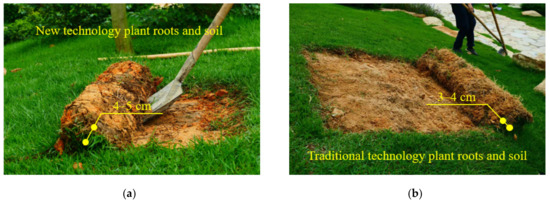
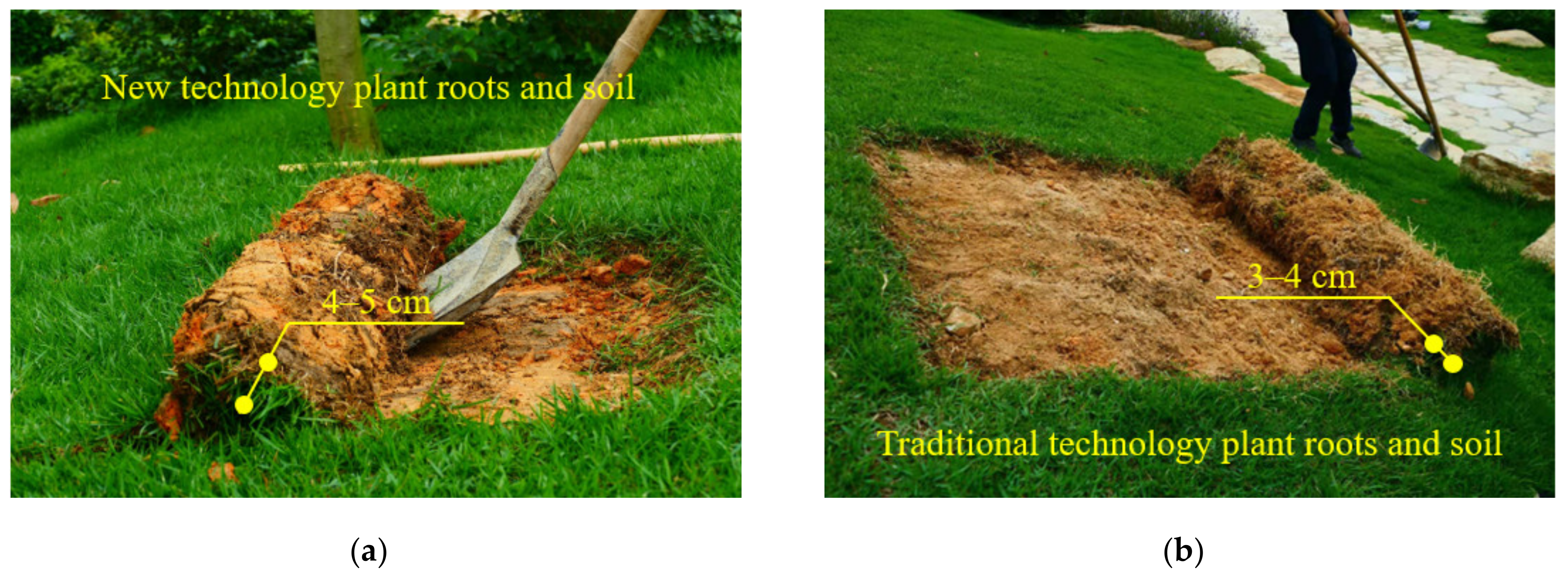
The growth of grasses and shrubs on the garden site is the most direct index to evaluate the effect on the landscape after adding high-performance ester materials. Figure 11 shows the comparison of the turf thickness of grasses on the field test slope during the monitoring period.
Figure 11.
Monitoring and comparison of grassland thickness on garden slope. (a) Grasses with added materials; (b) grasses without material.
The measurements show that the average grass thickness after adding high-performance ester materials was 1–2 cm higher than that without adding turf. In addition, the clay content added to the material group was high and the soil compaction was good. The root system was strong and widely distributed. The soil maintained strong cohesion and good caking.
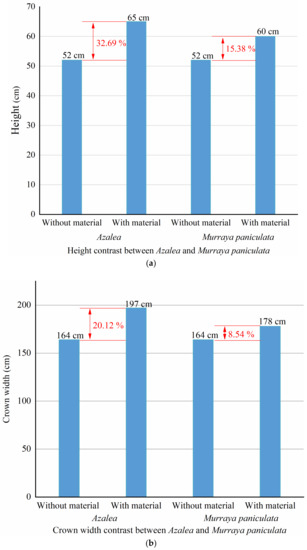
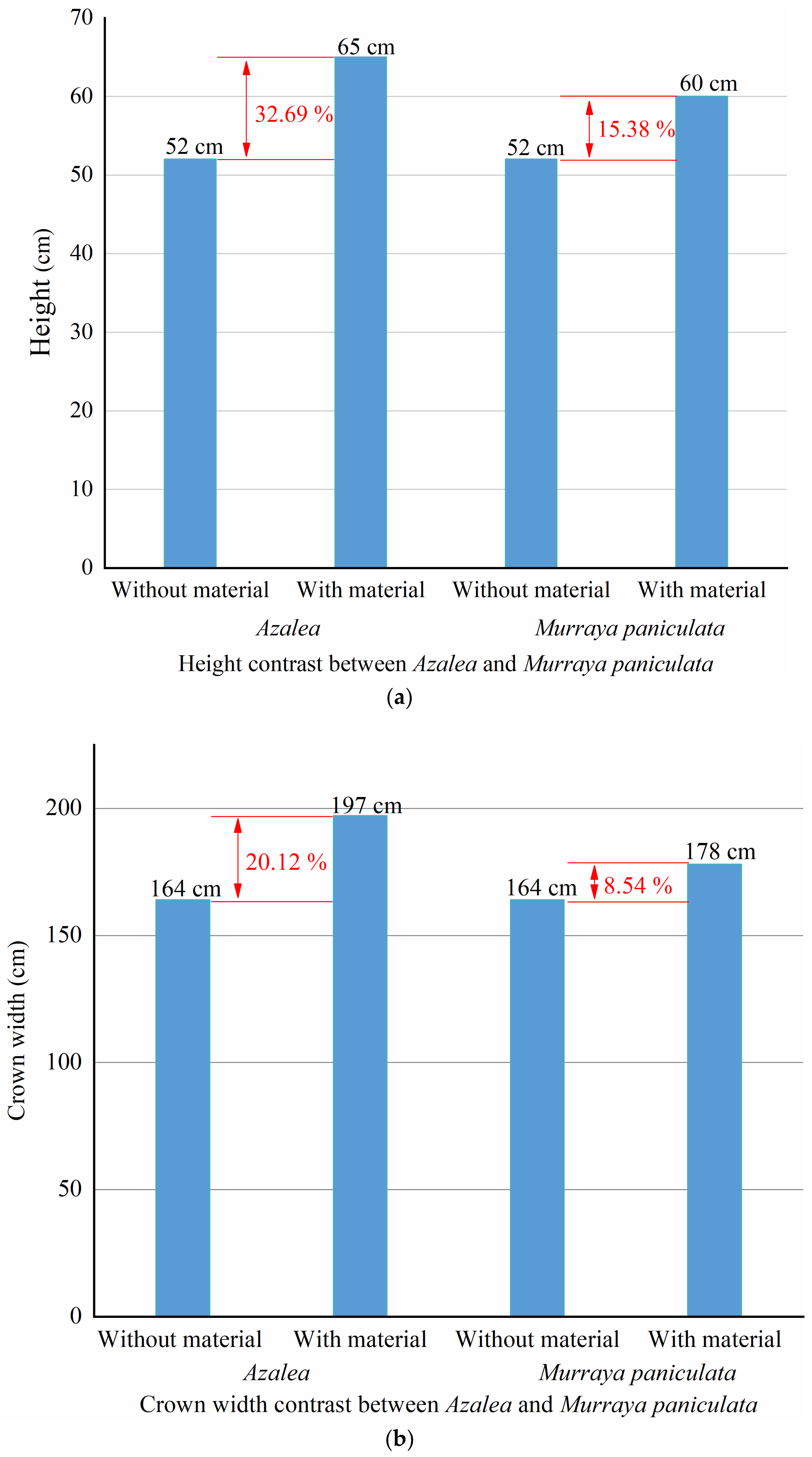
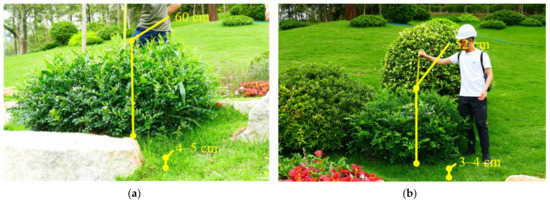
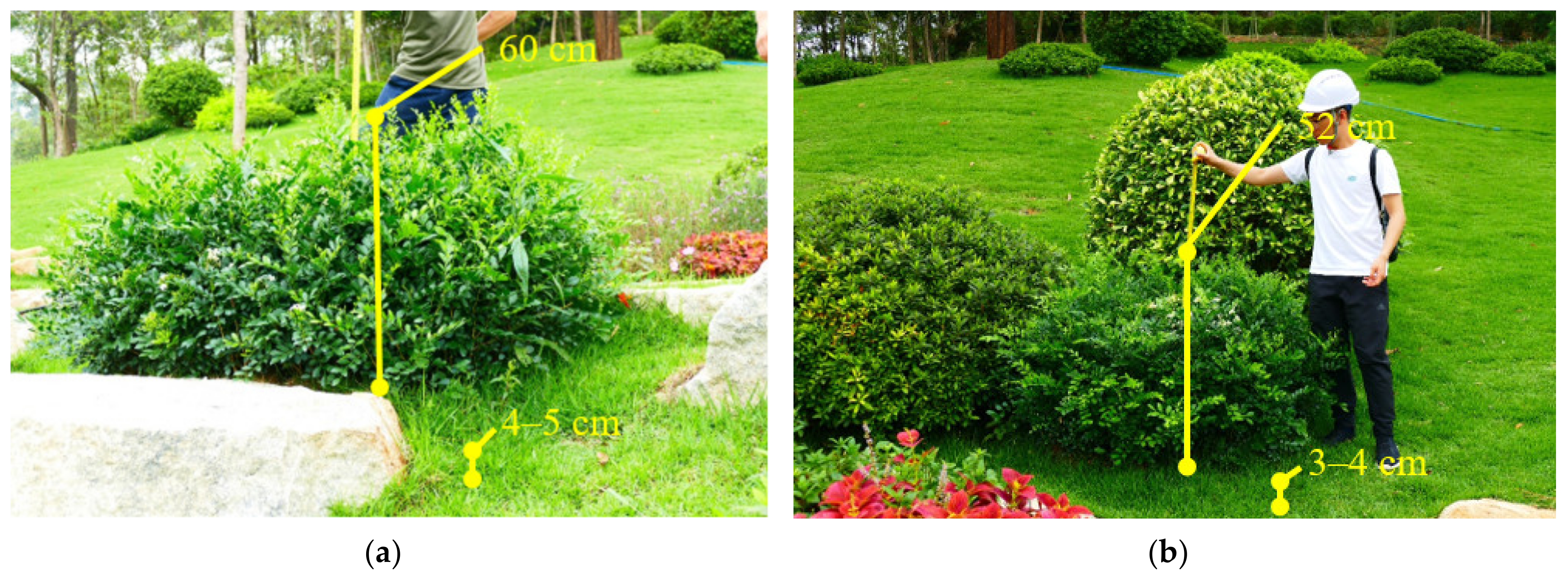
During the monitoring period, the height and crown width of shrubs on the site slope were compared (Figure 12). Compared to the additive group, the height of Azalea in the additive group increased by 32.69% on average. The crown width of Azalea in the additive group increased by 20.12% on average. The height of Murraya paniculata in the additive group increased by 15.38% on average. In addition, the crown width of Murraya paniculata with high-performance ester materials added increased by 14.00% on average. It can be seen that, after adding high-performance ester materials, the height and crown width of shrubs increased significantly, which vastly enhanced the ecological effect of the on-site slope.
Figure 12.
Comparison of shrub height and crown width on the on-site slope. (a) Height contrast between Azalea and Murraya paniculata. (b) Crown width contrast between Azalea and Murraya paniculata.
In terms of turf thickness and overall growth, as well as shrub crown width and height, the high-performance ester materials had a beneficial effect on promoting plant growth. Soil remediation using high-performance ester materials for grasses and shrubs has a good greening effect and adaptability, and can be routinely used in South China.
3.4. Comparison and Discussion between the Situation in the Field and the Results of the Experiment in the Study Area
Our selection between the situation in the field and the study area completely follows the principle of the particular variable, scientificity, and feasibility. All relevant variables in the two regions were the same, and the process of planting grasses and shrubs was essentially the same. The unique difference consisted of a simple and convenient process of applying high-performance ester materials that were added throughout the whole procedure.
It can be seen in Figure 13 that the supplement of high-performance ester materials resulted in no damage to the plants. Compared to the situation in the field, the study area using high-performance ester materials grew well.
Figure 13.
Comparison of plants on garden slope. (a) Plants with added materials; (b) plants without materials.
The study area had good results compared to the situation in the field, which verifies that soil remediation using high-performance ester materials has good economic value, high water-holding capacity, adaptability, and convenience.
- (1)
- Good economic value and high water-holding capacity: Using the traditional technology, gardens frequently need to be replanted or transplanted at a later stage, and the cost is abnormally high. After the application of the materials, the late reseeding was reduced and there was no transplanting. In addition, the water-holding efficiency with the use of high-performance materials was improved. The watering frequency was decreased from two times a day to once a day, and gradually reduced to once every two days. The economic value reflects the reduction in the reseeding, transplanting, and watering, as well as cost savings. It also reflects the high water-holding capacity of high-performance ester materials.
- (2)
- Adaptability and convenience: The results of the garden restoration experiment in the last year show that the grass and shrub soil restoration using high-performance ester materials is widely applicable. Not far from this garden, we are carrying out corresponding monitoring and maintenance on another test area. The technology we are using for the planting process is fundamentally unchanged, only implementing the step of adding materials. It is simple, convenient, and efficient.
4. Conclusions
- (1)
- In this study, an experiment on subtropical garden soil remediation technology using high-performance ester materials was carried out. The corresponding research was carried out by a simulated rainfall erosion experiment and field soil monitoring. The results show that the high-performance ester materials had a good hydrothermal regulation function. They reduced the internal density of the soil and promoted the elongation of plant roots. They significantly reduced soil loss and improved soil permeability and activity. In terms of the turf thickness and overall growth, as well as shrub crown width and height, the high-performance ester materials maintained a beneficial effect on promoting plant growth.
- (2)
- We found that the addition of high-performance ester materials significantly reduced soil loss by 52.60%. The soil temperature decreased by an average of 1.60° at high temperatures and increased by an average of 1.15° at low temperatures. The humidity increased by an average of 5.50%. The soil compactness decreased by an average of 15.00%. The oxygen content of the soil increased by an average of 4.00% and the carbon dioxide content decreased by an average of 25.00%. The soil conductivity increased by an average of 25.00%. The average grass thickness increased by 1–2 cm. For shrubs, the crown width increased by 8.54–20.12%. The height increased by 15.38–32.69%. Therefore, the soil remediation using high-performance ester materials for grasses and shrubs has good adaptability and reliability.
- (3)
- In this study, the soil remediation of subtropical garden grasses and shrubs using high-performance ester materials was successful in solving the problem of significant effects on a subtropical landscape caused by soil loss. The soil remediation using high-performance ester materials has good economic value, high water-holding capacity, adaptability, and convenience. The practice of landscape soil remediation engineering in this study can provide a reference for typical landscape soil remediation in subtropical zones.
Author Contributions
Investigation, H.G. and F.D.; resources, H.G. and F.D.; writing—original draft, J.L.; writing—review and editing, H.G., F.D., C.T., Y.L., D.L., Y.Z., Y.N., Z.Y., Z.X., Z.L. and C.Z. All authors have read and agreed to the published version of the manuscript.
Funding
This study was supported by the National Natural Science Foundation of China (NSFC) (Grant No. 41977230), the Special Fund Key Project of Applied Science and Technology Research and Development in Guangdong (Grant Nos. 2015B090925016 and 2016B010124007).
Institutional Review Board Statement
Not applicable.
Informed Consent Statement
Not applicable.
Data Availability Statement
The data presented in this study are available in the corresponding references.
Conflicts of Interest
The authors declare no conflict of interest.
References
- Zhao, F.J.; Liu, Y.Q. Atomospheric Circulation Patterns Associated With Wildfires in the Monsoon Regions of China. Geophys. Res. Lett. 2019, 46, 4873–4882. [Google Scholar] [CrossRef] [Scilit]
- Meng, Y.T.; Wang, W.M.; Hu, J.F.; Zhang, J.X.; Lai, Y.J. Vegetation and climate changes over the last 30,000 years on the Leizhou Peninsula, southern China, inferred from the pollen record of Huguangyan Maar Lake. Boreas 2017, 46, 525–540. [Google Scholar] [CrossRef] [Scilit]
- Zhou, L.T.; Tam, C.Y.; Zhou, W.; Chan, J.C.L. Influence of South China Sea SST and the ENSO on winter rainfall over South China. Adv. Atmos. Sci. 2010, 27, 832–844. [Google Scholar] [CrossRef] [Scilit]
- Zhou, L.T. Impact of East Asian winter monsoon on rainfall over southeastern China and its dynamical process. Int. J. Climatol. 2011, 31, 677–686. [Google Scholar] [CrossRef] [Scilit]
- Xia, C.; Liu, Z.; Zhou, C.Y. Burger’s Bonded Model for Distinct Element Simulation of the Multi-Factor Full Creep Process of Soft Rock. J. Mar. Sci. Eng. 2021, 9, 945. [Google Scholar] [CrossRef] [Scilit]
- Xia, C.; Zhou, C.Y.; Zhu, F.X.; Liu, Z.; Cui, G.J. The Critical Indicator of Red-Bed Soft Rocks in Deterioration Process Induced by Water Basing on Renormalization Group Theory. Appl. Sci. 2021, 11, 7968. [Google Scholar] [CrossRef] [Scilit]
- Bethany, J.; Giraldo-Silva, A.; Nelson, C.; Barger, N.N.; Garcia-Pichel, F. Optimizing the Production of Nursery-Based Biological Soil Crusts for Restoration of Arid Land Soils. Appl. Environ. Microbiol. 2019, 85, e00735-19. [Google Scholar] [CrossRef] [Scilit] [PubMed]
- Jia, C.F.; Sun, B.P.; Yu, X.X.; Yang, X.H. Analysis of Runoff and Sediment Losses from a Sloped Roadbed under Variable Rainfall Intensities and Vegetation Conditions. Sustainability 2020, 12, 2077. [Google Scholar] [CrossRef] [Scilit]
- Wang, L.; Wang, Z.; Liu, L.; Ha, S. Research in assessment and optimization for ecological functions of urban garden plants. Environ. Pollut. Control 2006, 28, 51–54. [Google Scholar]
- Yang, Q.; Liu, M.; Wang, M.; Zhang, H.; Zhu, Q.; Yi, J. Characterization of Surface Soil Water Infiltration and Retention Capacity in Urban Green Space of Wuhan City. Resour. Environ. Yangtze Basin 2019, 28, 1324–1333. [Google Scholar]
- Yang, X.; Zhou, C.; Liu, Z.; Su, D.; Du, Z. Model tests for failure mechanism of typical soft rock slopes of red beds under rainfall in South China. Chin. J. Rock Mech. Eng. 2016, 35, 549–557. [Google Scholar]
- Yu, G.; Wang, X.; Liu, J.; Jiang, P.; You, S.; Ding, N.; Guo, Q.; Lin, F. Applications of Nanomaterials for Heavy Metal Removal from Water and Soil: A Review. Sustainability 2021, 13, 713. [Google Scholar] [CrossRef] [Scilit]
- Sengupta, A.; Mukherjee, S.; Ghosh, A. Improvement of Bearing Ratio of Clayey Subgrade Using Compacted Flyash Layer. Geotech. Geol. Eng. 2017, 35, 1885–1894. [Google Scholar] [CrossRef] [Scilit]
- Su, D.Y.; Fan, G.S. The Effect of Gypsum on high saline soil’s infiltration capability and soil improvement. In Proceedings of the International Conference on Environmental Biotechnology and Materials Engineering, Harbin, China, 26–28 March 2011; Harbin University of Commerce: Harbin, China, 2011; pp. 61–64. [Google Scholar]
- Yanto, F.H.; Purwana, Y.M.; Surjandari, N.S. Finite Element Method (FEM) of Rigid Pavement Laid on Soft Soil Stabilized with Soil Cement Column. Appl. Mech. Mater. 2016, 845, 83–88. [Google Scholar] [CrossRef] [Scilit]
- Almajed, A.; Lateef, M.A.; Moghal, A.A.B.; Lemboye, K. State-of-the-Art Review of the Applicability and Challenges of Microbial-Induced Calcite Precipitation (MICP) and Enzyme-Induced Calcite Precipitation (EICP) Techniques for Geotechnical and Geoenvironmental Applications. Crystals 2021, 11, 370. [Google Scholar] [CrossRef] [Scilit]
- Fatehi, H.; Ong, D.E.L.; Yu, J.; Chang, I. Biopolymers as Green Binders for Soil Improvement in Geotechnical Applications: A Review. Geosciences 2021, 11, 291. [Google Scholar] [CrossRef] [Scilit]
- Zhou, C.; Liu, C.; Liang, Y.; Liu, Z.; Wei, P.; Wang, X.J.M.L. Application of natural weathered red-bed soil for effective wall protection filter-cake formation. Mater. Lett. 2020, 258, 126679. [Google Scholar] [CrossRef] [Scilit]
- Zhou, C.Y.; Ge, X.X.; Huang, W.; Li, D.X.; Liu, Z. Effects of Aqua-Dispersing Nano-Binder on Clay Conductivity at Different Temperatures. Sustainability 2019, 11, 4859. [Google Scholar] [CrossRef] [Scilit]
- Zhou, C.Y.; Li, D.X.; Liu, Z. Quantitative Characterization of the Aqua-Dispersing Nano-Binder Effects on the Slip Resistance of Borrowed Soil of a Rock Slope. Appl. Sci. 2019, 9, 3618. [Google Scholar] [CrossRef] [Scilit]
- Zhou, C.Y.; Zhao, S.S.; Huang, W.; Li, D.X.; Liu, Z. Study on the Stabilization Mechanisms of Clayey Slope Surfaces Treated by Spraying with a New Soil Additive. Appl. Sci. 2019, 9, 1245. [Google Scholar] [CrossRef] [Scilit]
- Zhou, C.Y.; Zhao, S.S.; Yang, X.; Liu, Z. Improvement of eco-ester materials on sandy soils and engineering slope protection. Rock Soil Mech. 2019, 40, 4828–4837. [Google Scholar]
- Huang, W.; Liu, Z.; Zhou, C.Y.; Yang, X. Enhancement of soil ecological self-repair using a polymer composite material. Catena 2020, 188, 104443. [Google Scholar] [CrossRef] [Scilit]
- Huang, W.; Du, J.X.; Sun, H.; Zhou, C.Y.; Liu, Z.; Zhang, L.H. New polymer composites improve silty clay soil microstructure: An evaluation using NMR. Land Degrad. Dev. 2021, 32, 3272–3281. [Google Scholar] [CrossRef] [Scilit]
- Huang, W.; Zhou, C.Y.; Liu, Z.; Sun, H.; Du, J.X.; Zhang, L.H. Improving Soil-Water Characteristics and Pore Structure of Silty Soil Using Nano-aqueous Polymer Stabilisers. KSCE J. Civ. Eng. 2021, 25, 3298–3305. [Google Scholar] [CrossRef] [Scilit]
- Liu, Z.; Sun, H.; Lin, K.; Zhou, C.Y.; Huang, W. Occurrence Regularity of Silt-Clay Minerals in Wind Eroded Deserts of Northwest China. Sustainability 2021, 13, 2998. [Google Scholar] [CrossRef] [Scilit]
- Zhou, C.Y.; Huang, W.; Qiu, S.Y.; Liu, Z. A quantitative study on the amount of water-retaining agent based on adhesive-modified red bed weathered soil. Bull. Eng. Geol. Environ. 2021, 80, 3139–3150. [Google Scholar] [CrossRef] [Scilit]
- Hu, J.; Liu, L.; Lu, L. Change Trend of Rainfall and Rainstorms in Guangdong Province in Recent 40 Years. Hydrology 2010, 30, 85–87. [Google Scholar]
- Ding, L.; Wang, C.; Ling, L. Spatial-temporal Variation Characteristics of Average Temperature in Guangdong. Chin. J. Agrometeorol. 2011, 32, 500–506. [Google Scholar]
- Ouyang, R.; Sun, W.; Chen, M.; Sun, J.; Zhu, L.; Qiao, Z. Urban terrain types and evaluation of wind environment in the main urban area of Guangzhou. Acta Ecol. Sin. 2021, 41, 2642–2651. [Google Scholar]
- Lin, J.; Mou, G.; Yang, X. Agricultural Application Study of Super Absorbent Resin. Bull. Soil Water Conserv. 2010, 30, 167–170. [Google Scholar]

Publisher’s Note: MDPI stays neutral with regard to jurisdictional claims in published maps and institutional affiliations. |
© 2022 by the authors. Licensee MDPI, Basel, Switzerland. This article is an open access article distributed under the terms and conditions of the Creative Commons Attribution (CC BY) license (https://creativecommons.org/licenses/by/4.0/).