Article

Three-Stream and Double Attention-Based DenseNet-BiLSTM for Fine Land Cover Classification of Complex Mining Landscapes

1
Faculty of Computer Science, China University of Geosciences, Wuhan 430074, China
2
Hubei Key Laboratory of Intelligent Geo-Information Processing, China University of Geosciences, Wuhan 430074, China
3
Wuhan Centre of China Geological Survey, Wuhan 430205, China
*
Author to whom correspondence should be addressed.
Sustainability 2022, 14(19), 12465; https://doi.org/10.3390/su141912465
Submission received: 5 August 2022 / Revised: 27 September 2022 / Accepted: 27 September 2022 / Published: 30 September 2022
(This article belongs to the Special Issue Innovation and Sustainable Development of Remote Sensing Technology)

Abstract

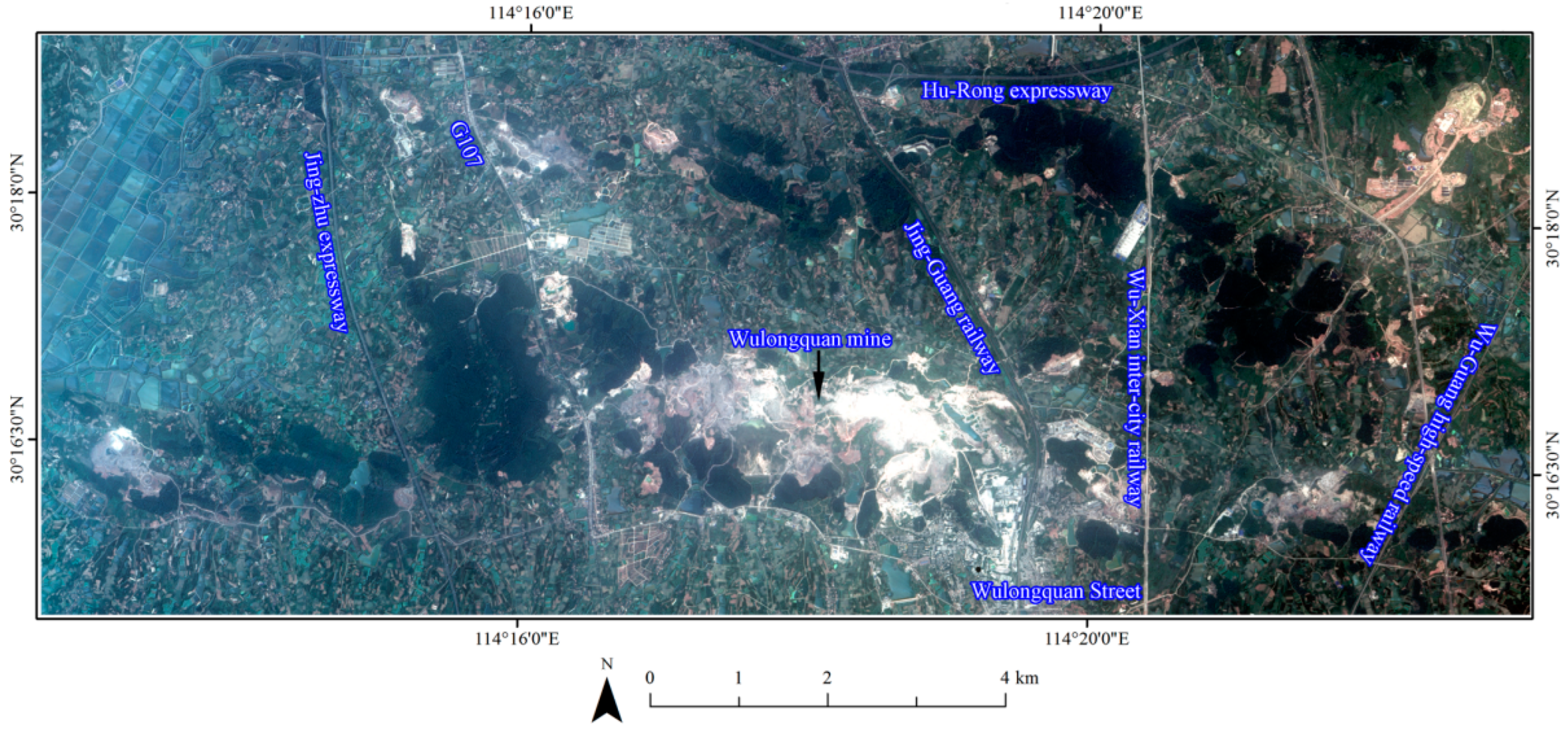
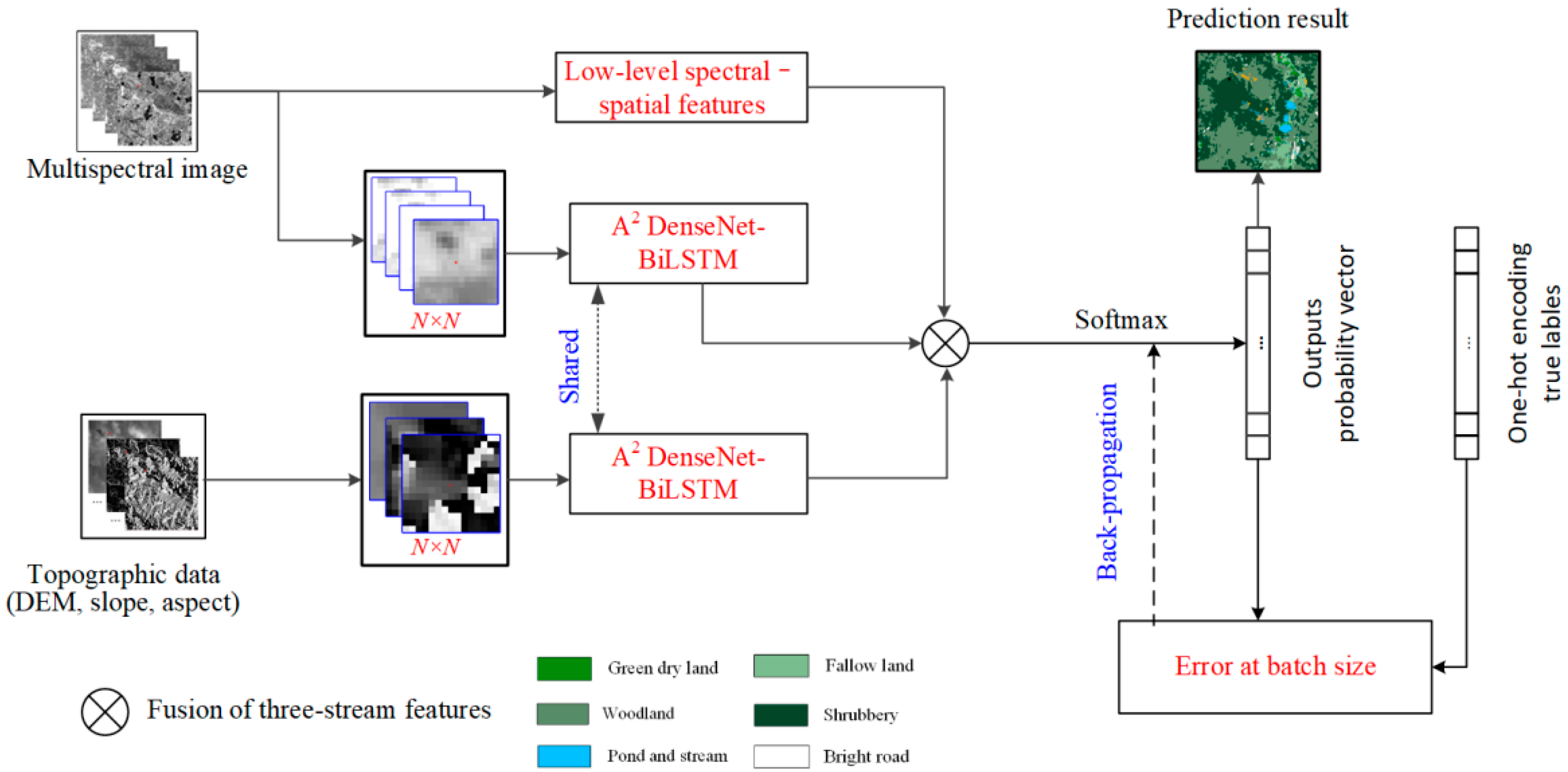
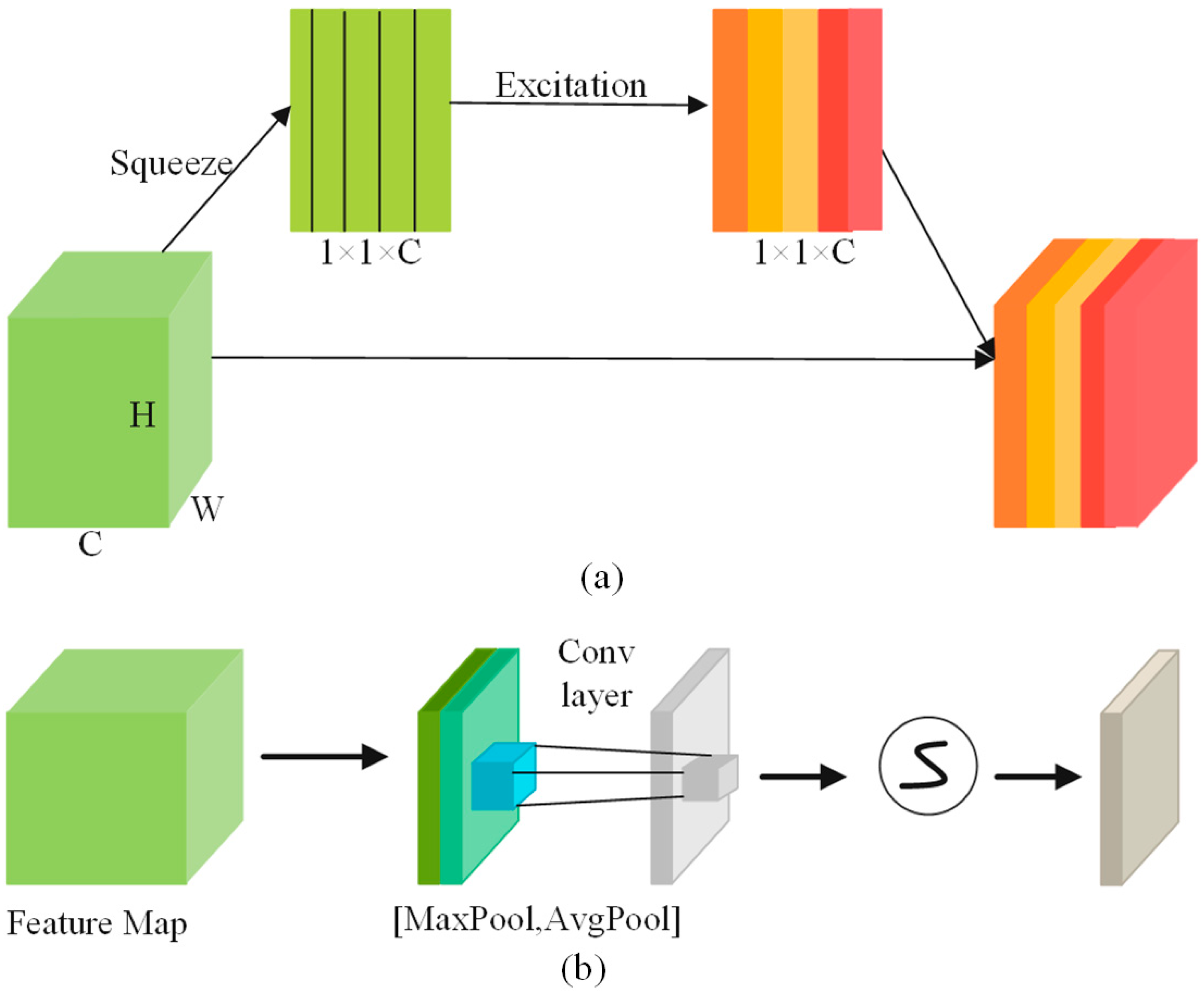
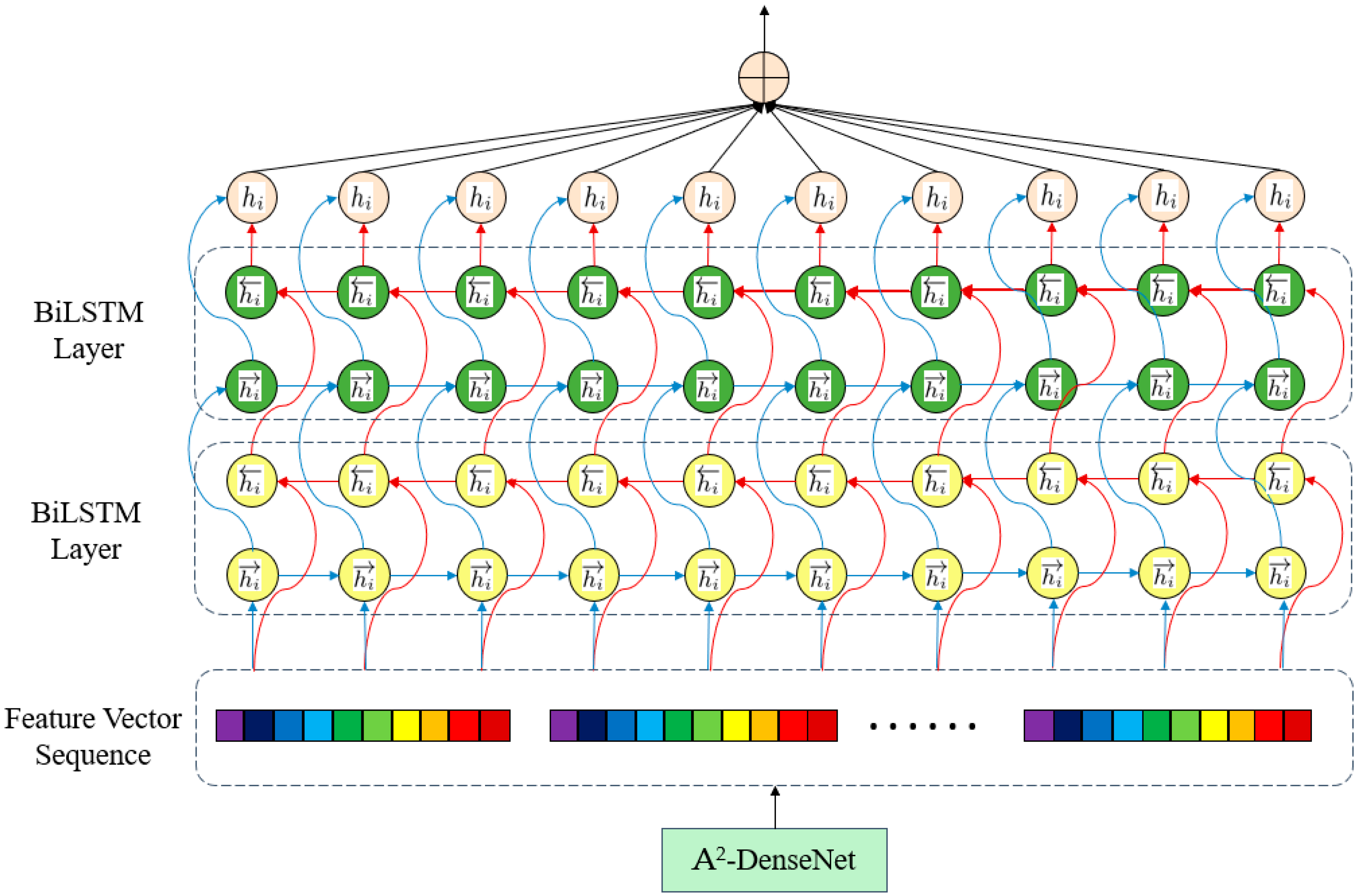
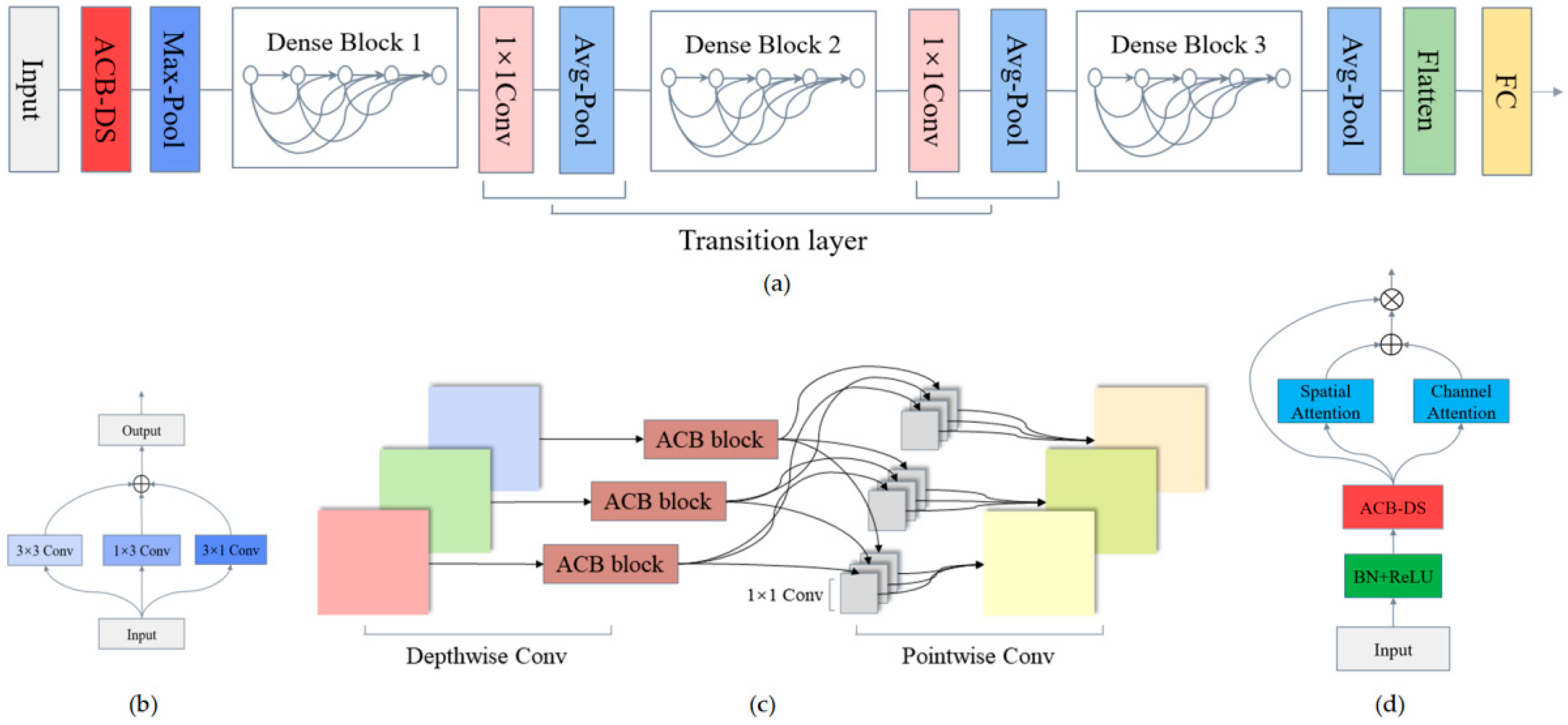
The fine classification of land cover around complex mining areas is important for environmental protection and sustainable development. Although some advances have been made in the utilization of high-resolution remote sensing imagery and classification algorithms, the following issues still remain: (1) how the multimodal spectral–spatial and topographic features can be learned for complex mining areas; (2) how the key features can be extracted; and (3) how the contextual information can be captured among different features. In this study, we proposed a novel model comprising the following three main strategies: (1) design comprising a three-stream multimodal feature learning and post-fusion method; (2) integration of deep separable asymmetric convolution blocks and parallel channel and spatial attention mechanisms into the DenseNet architecture; and (3) use of a bidirectional long short-term memory (BiLSTM) network to further learn cross-channel context features. The experiments were carried out in Wuhan City, China using ZiYuan-3 imagery. The proposed model was found to exhibit a better performance than other models, with an overall accuracy of 98.65% ± 0.05% and an improvement of 4.03% over the basic model. In addition, the proposed model yielded an obviously better visual prediction map for the entire study area. Overall, the proposed model is beneficial for multimodal feature learning and complex landscape applications.
Keywords: remote sensing; CNN; LSTM; attention mechanism; multistream; multimodal; land cover classification remote sensing; CNN; LSTM; attention mechanism; multistream; multimodal; land cover classification