Article

Performance and Efficiency Evaluation of ASR Inference on the Edge
1
Facebook Inc., Menlo Park, CA 94025, USA
2
Facebook AI Research, Menlo Park, CA 94025, USA
*
Author to whom correspondence should be addressed.
Sustainability 2021, 13(22), 12392; https://doi.org/10.3390/su132212392
Submission received: 18 September 2021 / Revised: 5 November 2021 / Accepted: 5 November 2021 / Published: 10 November 2021
(This article belongs to the Special Issue Edge Artificial Intelligence in Future Sustainable Computing Systems)

Abstract

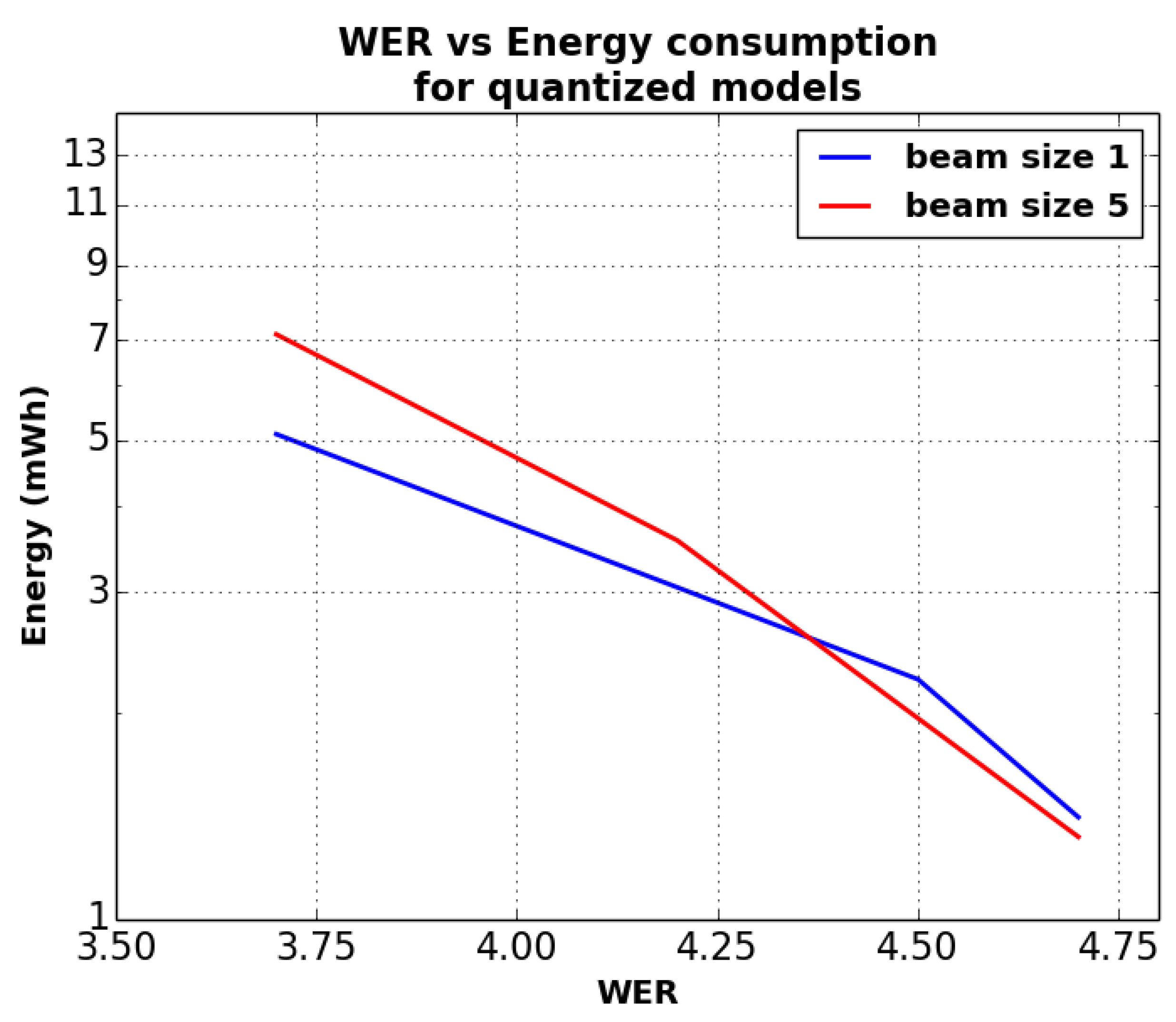
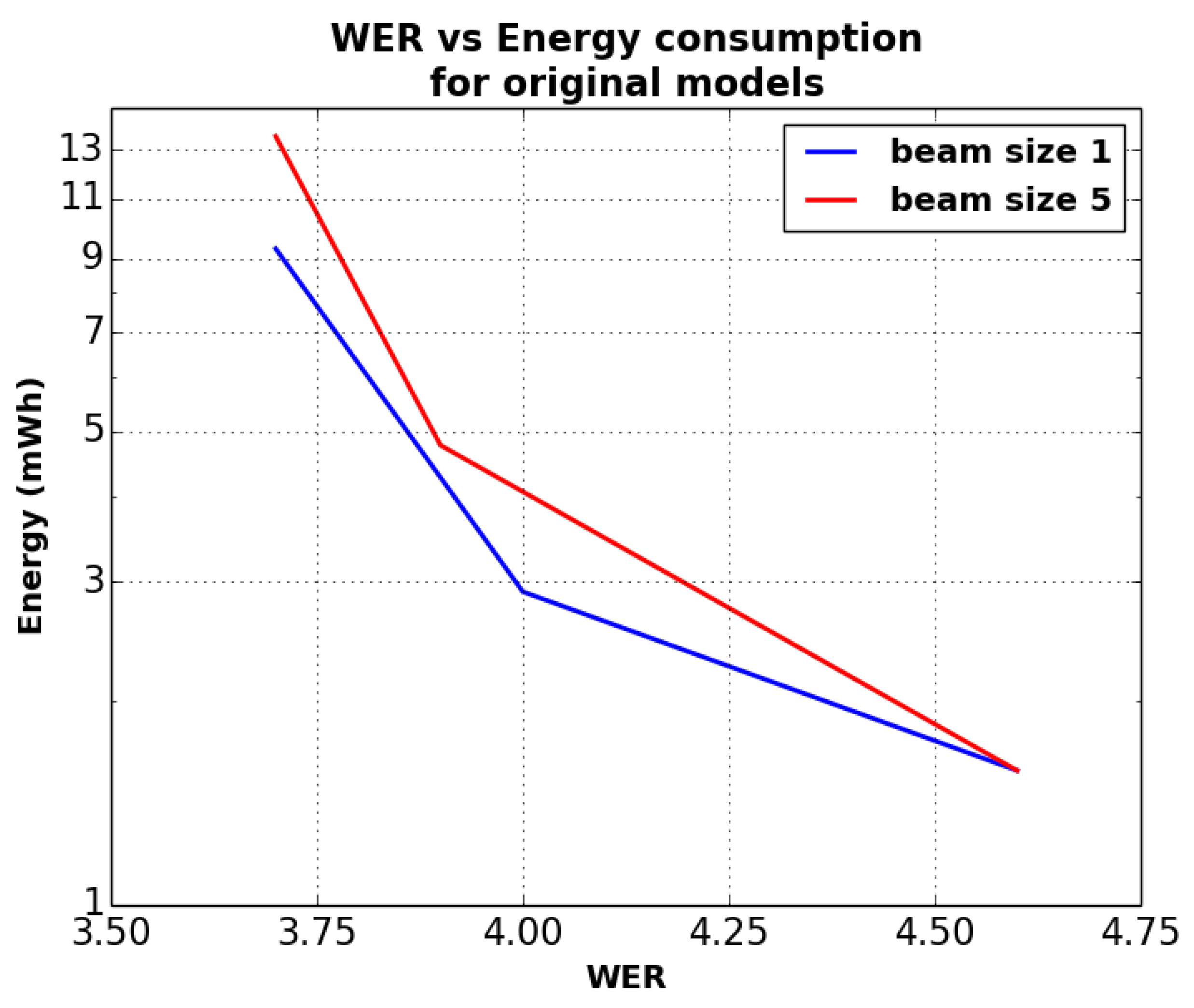
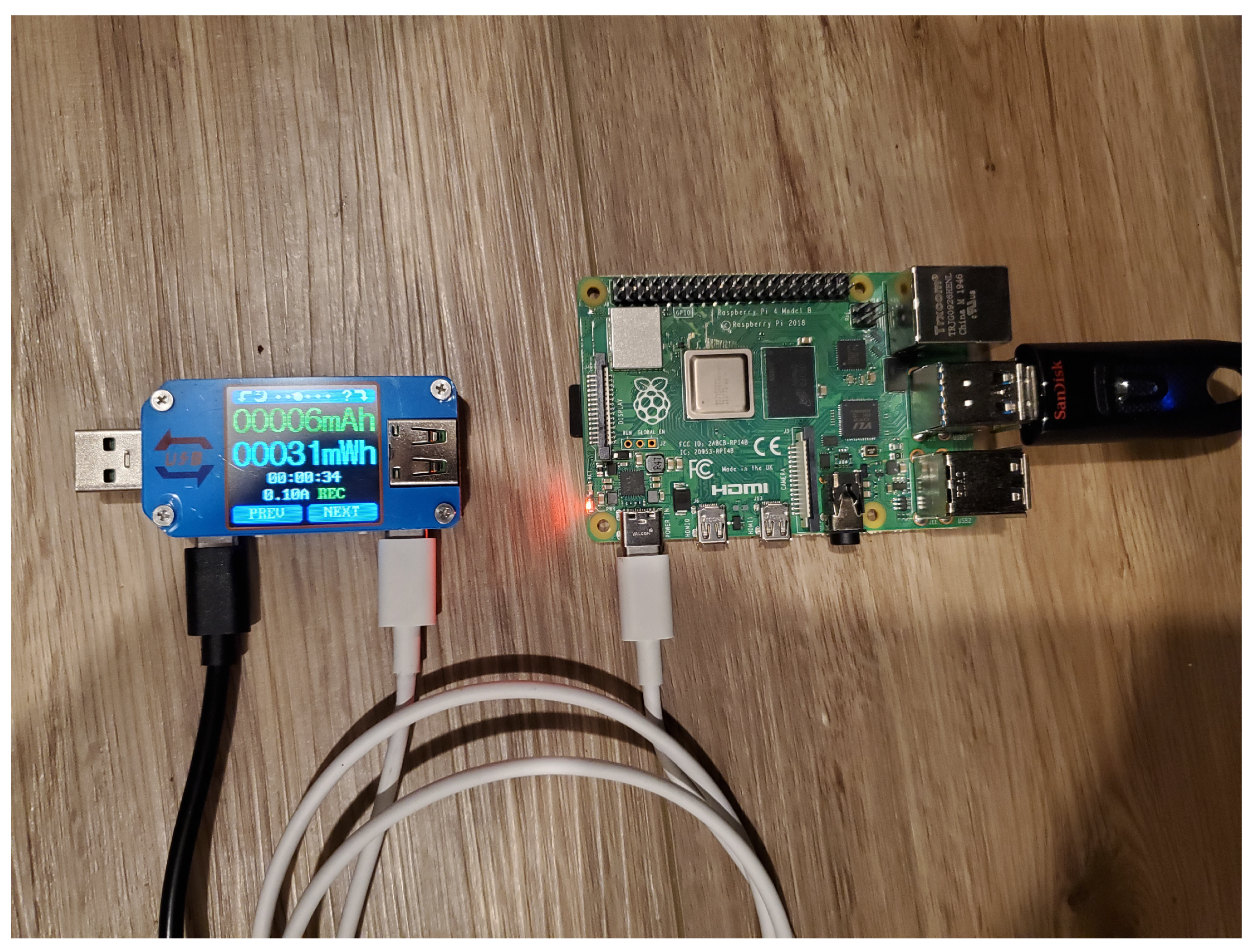
Automatic speech recognition, a process of converting speech signals to text, has improved a great deal in the past decade thanks to the deep learning based systems. With the latest transformer based models, the recognition accuracy measured as word-error-rate (WER), is even below the human annotator error (4%). However, most of these advanced models run on big servers with large amounts of memory, CPU/GPU resources and have huge carbon footprint. This server based architecture of ASR is not viable in the long run given the inherent lack of privacy for user data, reliability and latency issues of the network connection. On the other hand, on-device ASR (meaning, speech to text conversion on the edge device itself) solutions will fix deep-rooted privacy issues while at same time being more reliable and performant by avoiding network connectivity to the back-end server. On-device ASR can also lead to a more sustainable solution by considering the energy vs. accuracy trade-off and choosing right model for specific use cases/applications of the product. Hence, in this paper we evaluate energy-accuracy trade-off of ASR with a typical transformer based speech recognition model on an edge device. We have run evaluations on Raspberry Pi with an off-the-shelf USB meter for measuring energy consumption. We conclude that, in the case of CPU based ASR inference, the energy consumption grows exponentially as the word error rate improves linearly. Additionally, based on our experiment we deduce that, with PyTorch mobile optimization and quantization, the typical transformer based ASR on edge performs reasonably well in terms of accuracy and latency and comes close to the accuracy of server based inference.
Keywords: automatic speech recognition; ASR; edge inference; Raspberry Pi; transformers; PyTorch; GreenAI automatic speech recognition; ASR; edge inference; Raspberry Pi; transformers; PyTorch; GreenAI