Article

A Three-Dimensional Coupled Hydrodynamic-Ecological Modeling to Assess the Planktonic Biomass in a Subalpine Lake


1
Department of Civil and Disaster Prevention Engineering, National United University, Miaoli 360302, Taiwan
2
Department of Bioenvironmental Systems Engineering, National Taiwan University, Taipei 10617, Taiwan
*
Author to whom correspondence should be addressed.
Sustainability 2021, 13(22), 12377; https://doi.org/10.3390/su132212377
Submission received: 3 September 2021 / Revised: 2 November 2021 / Accepted: 3 November 2021 / Published: 9 November 2021

Abstract

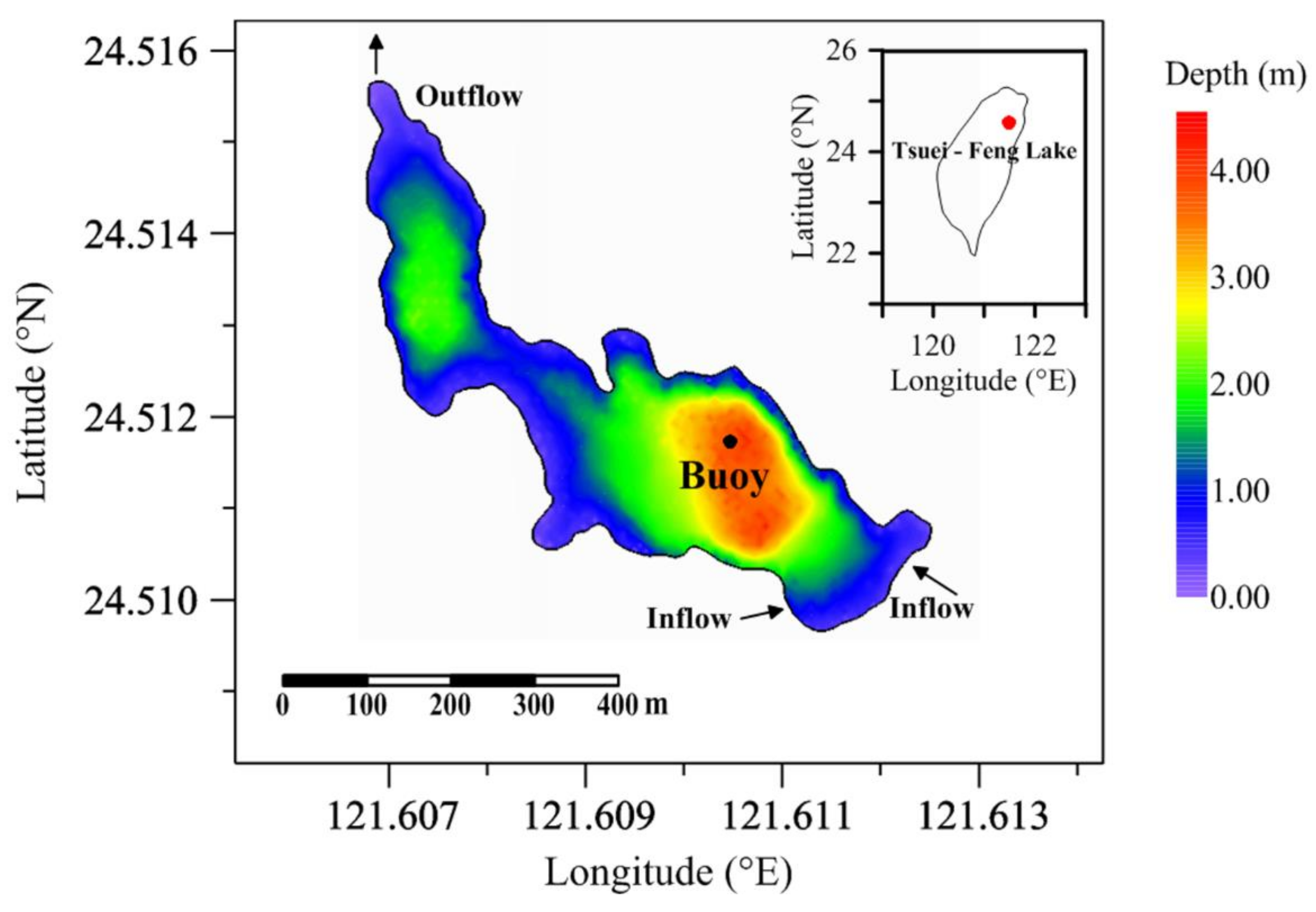
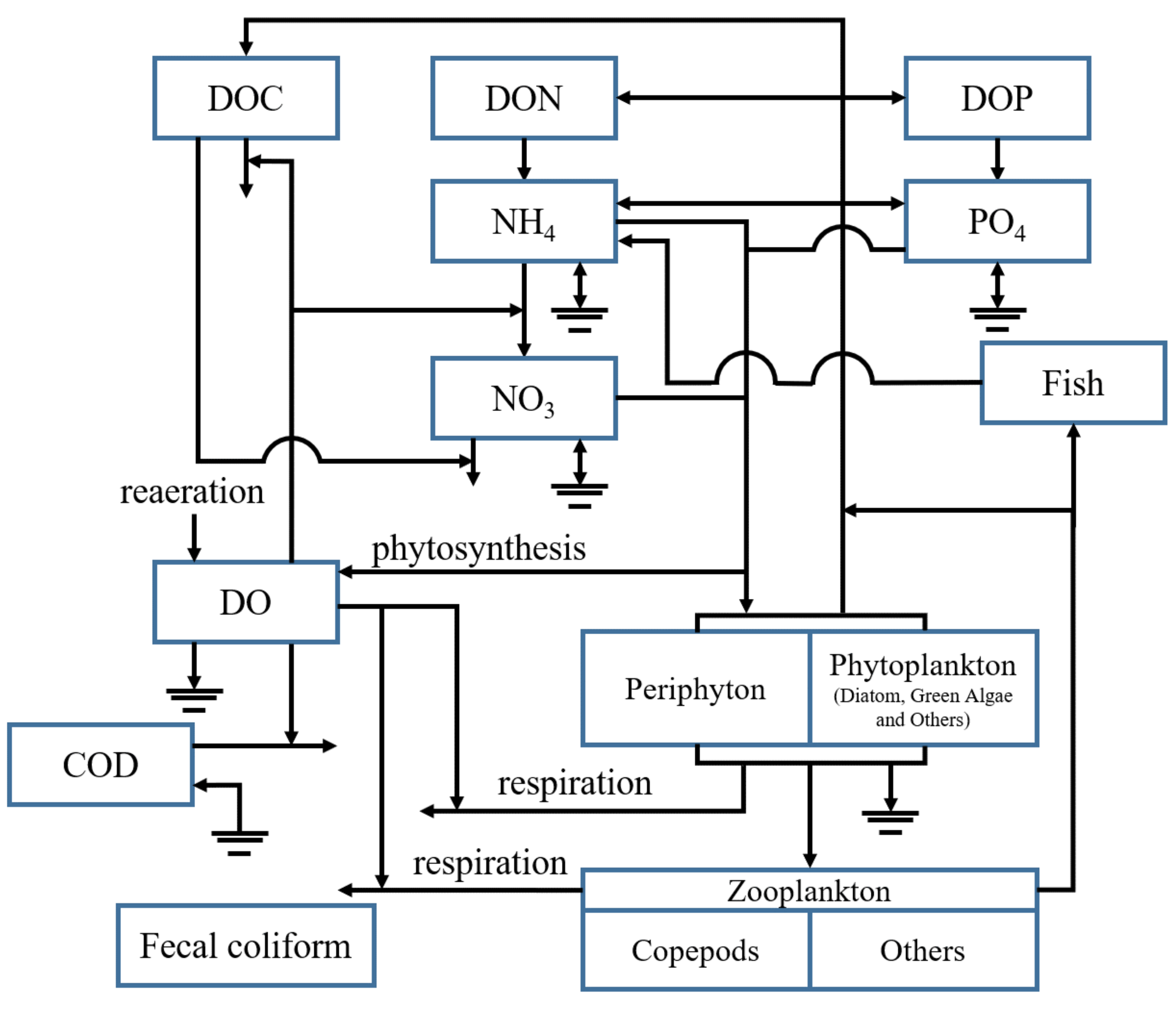
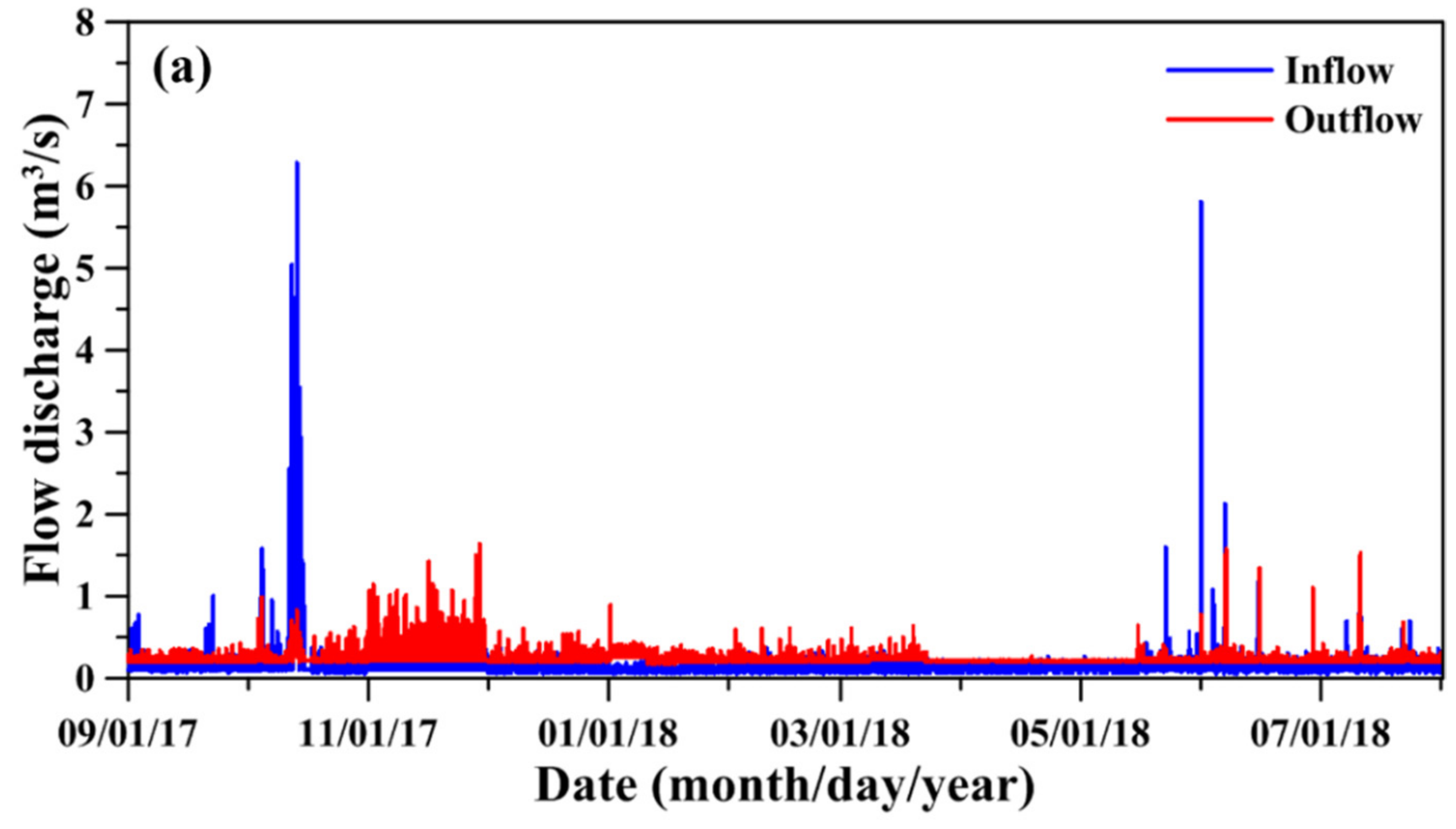
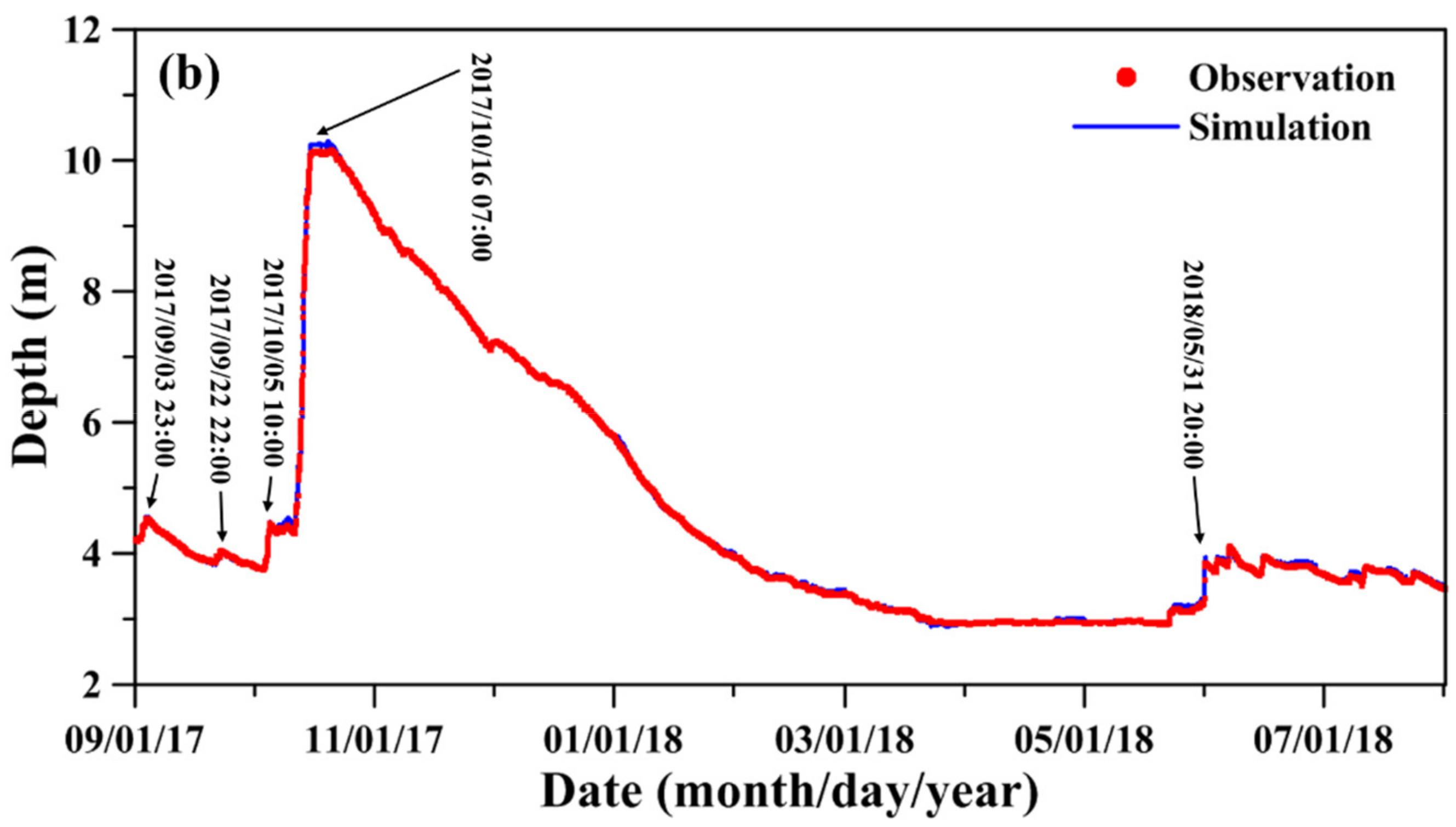
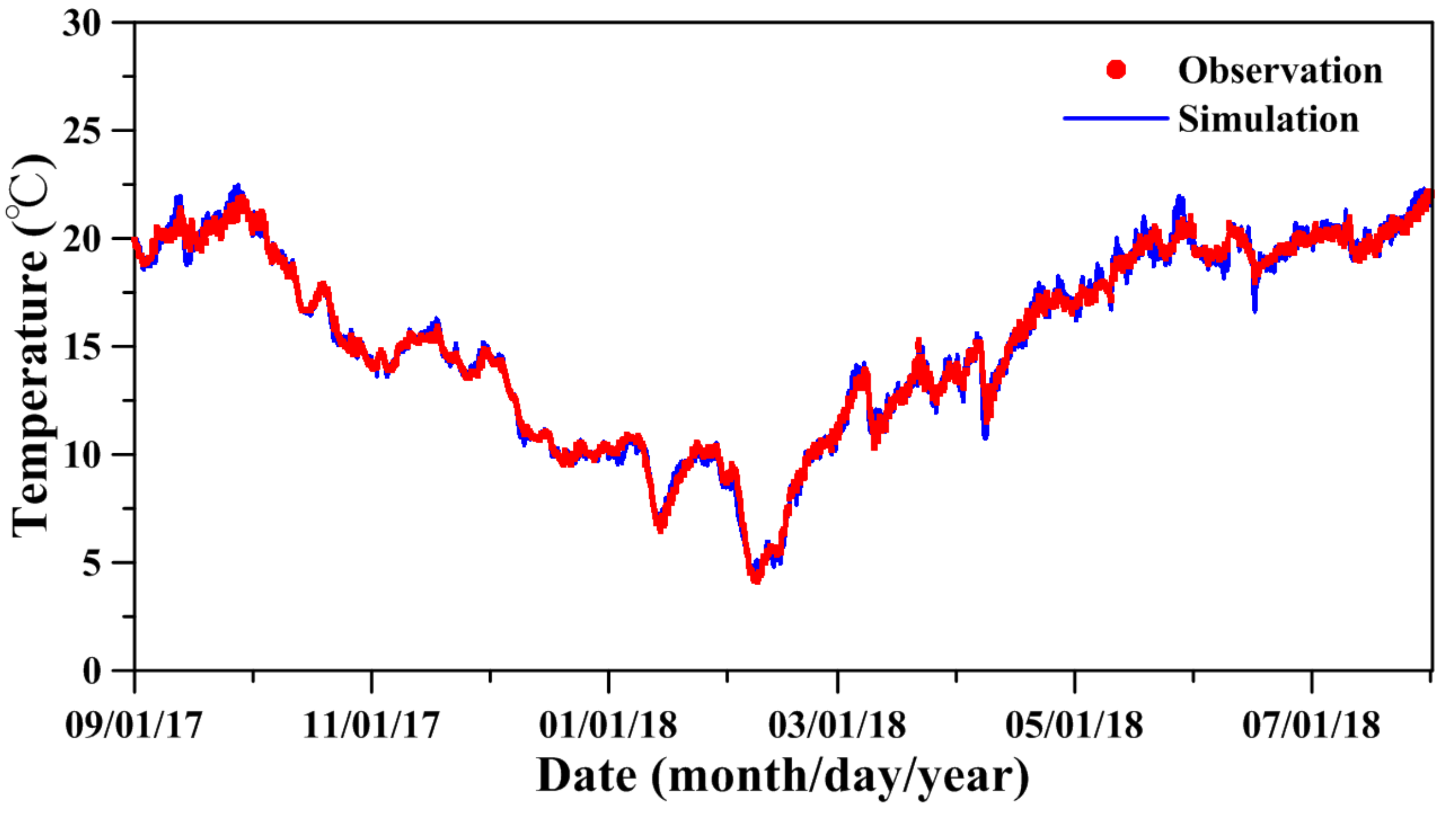
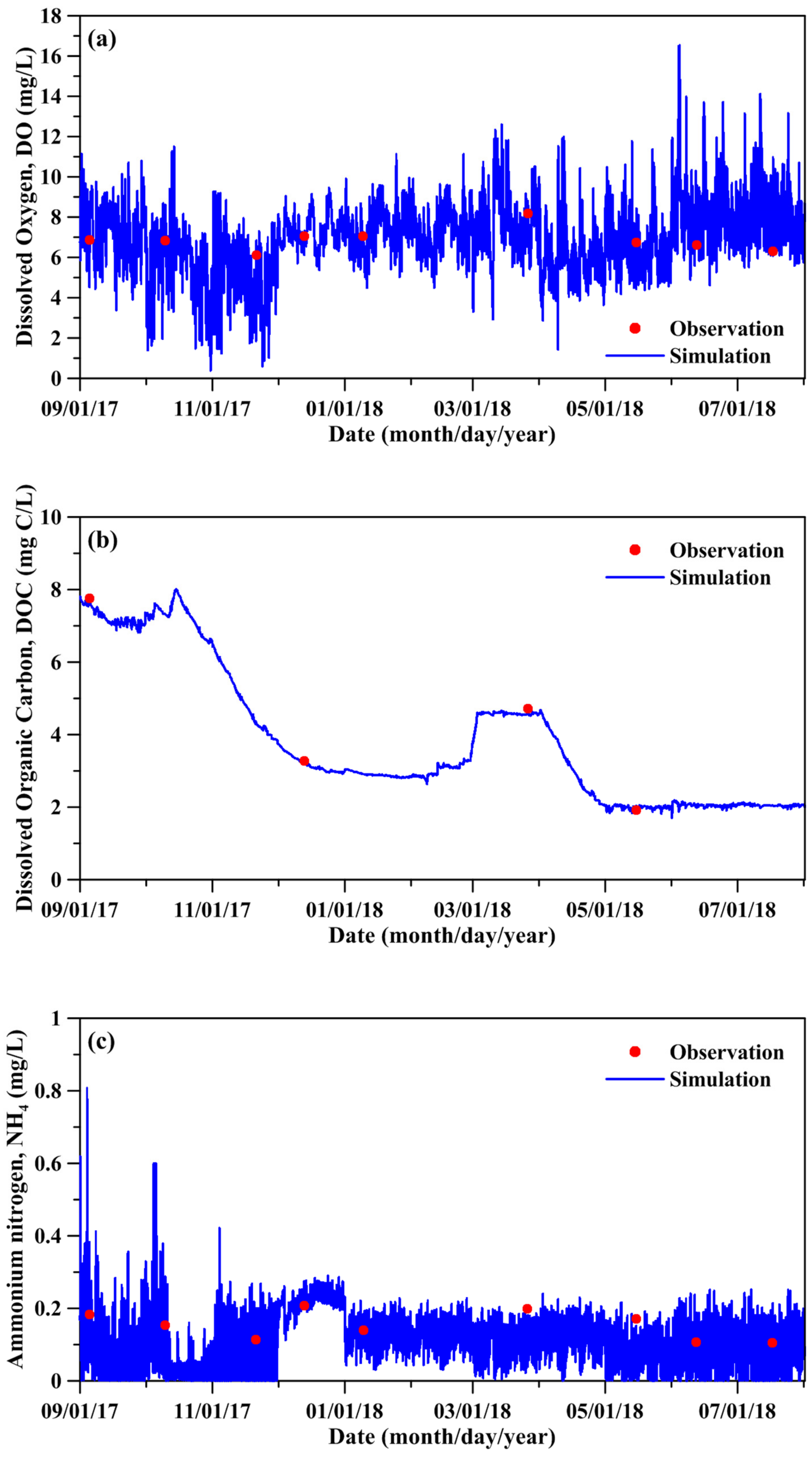
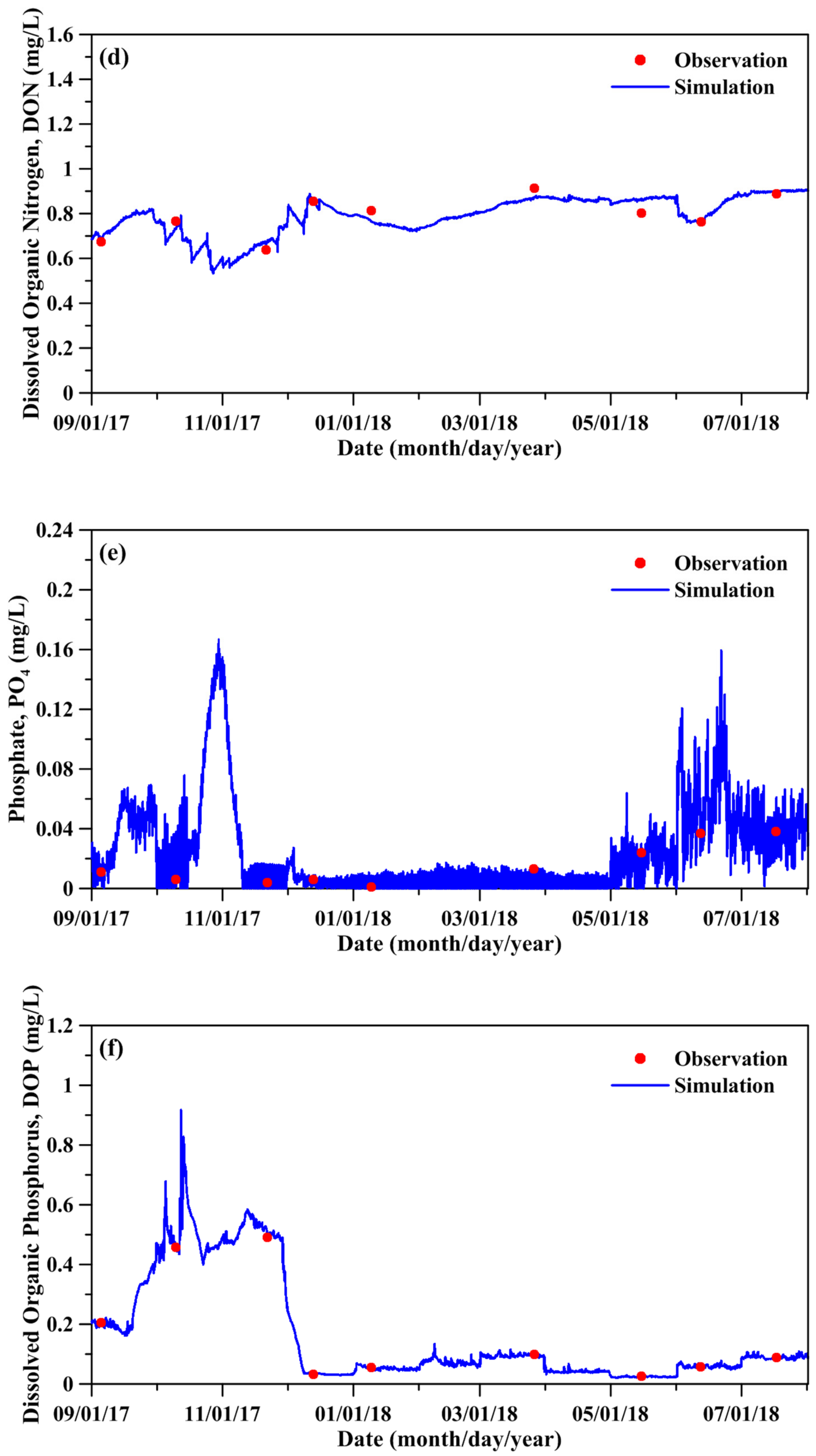
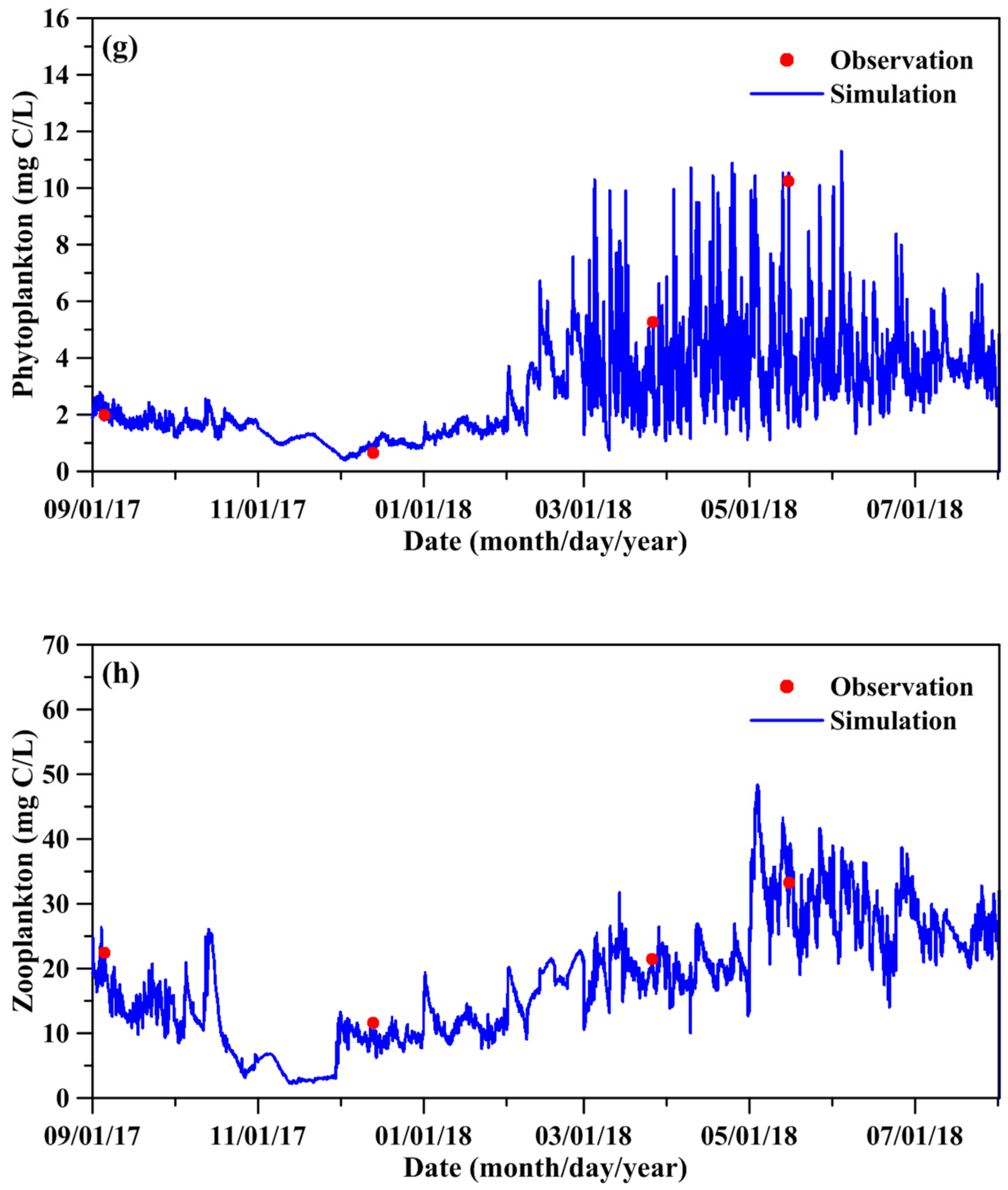
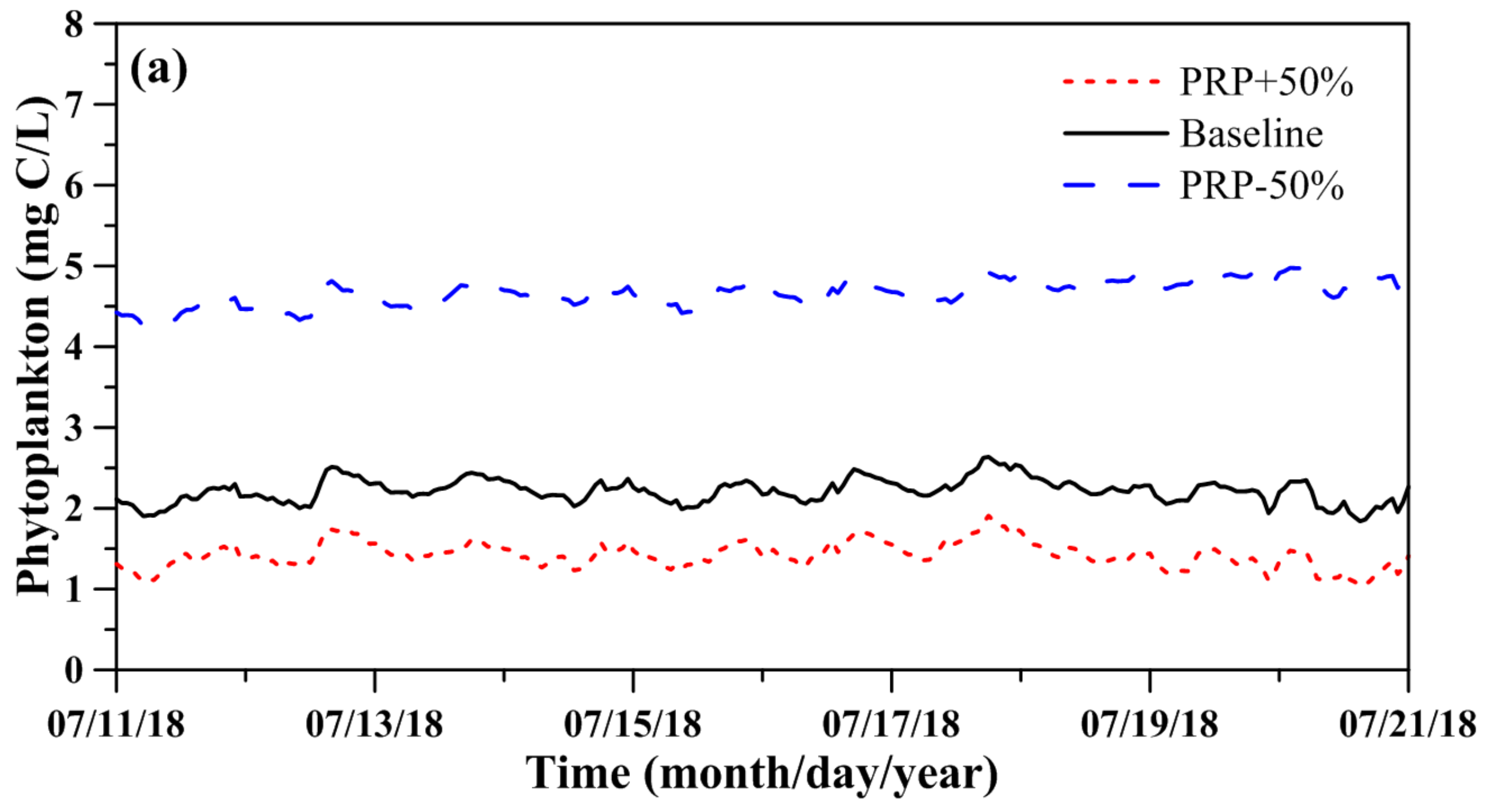
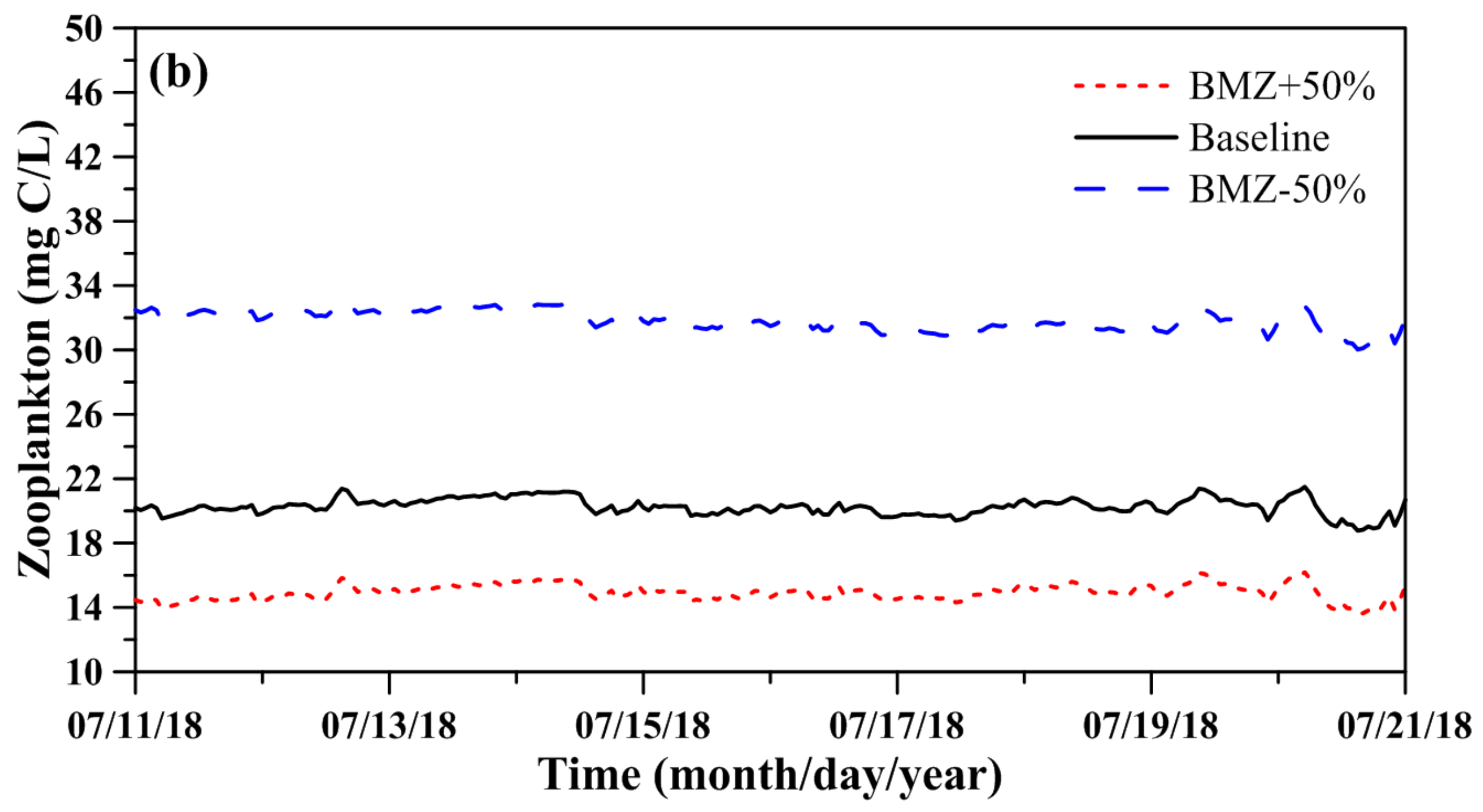
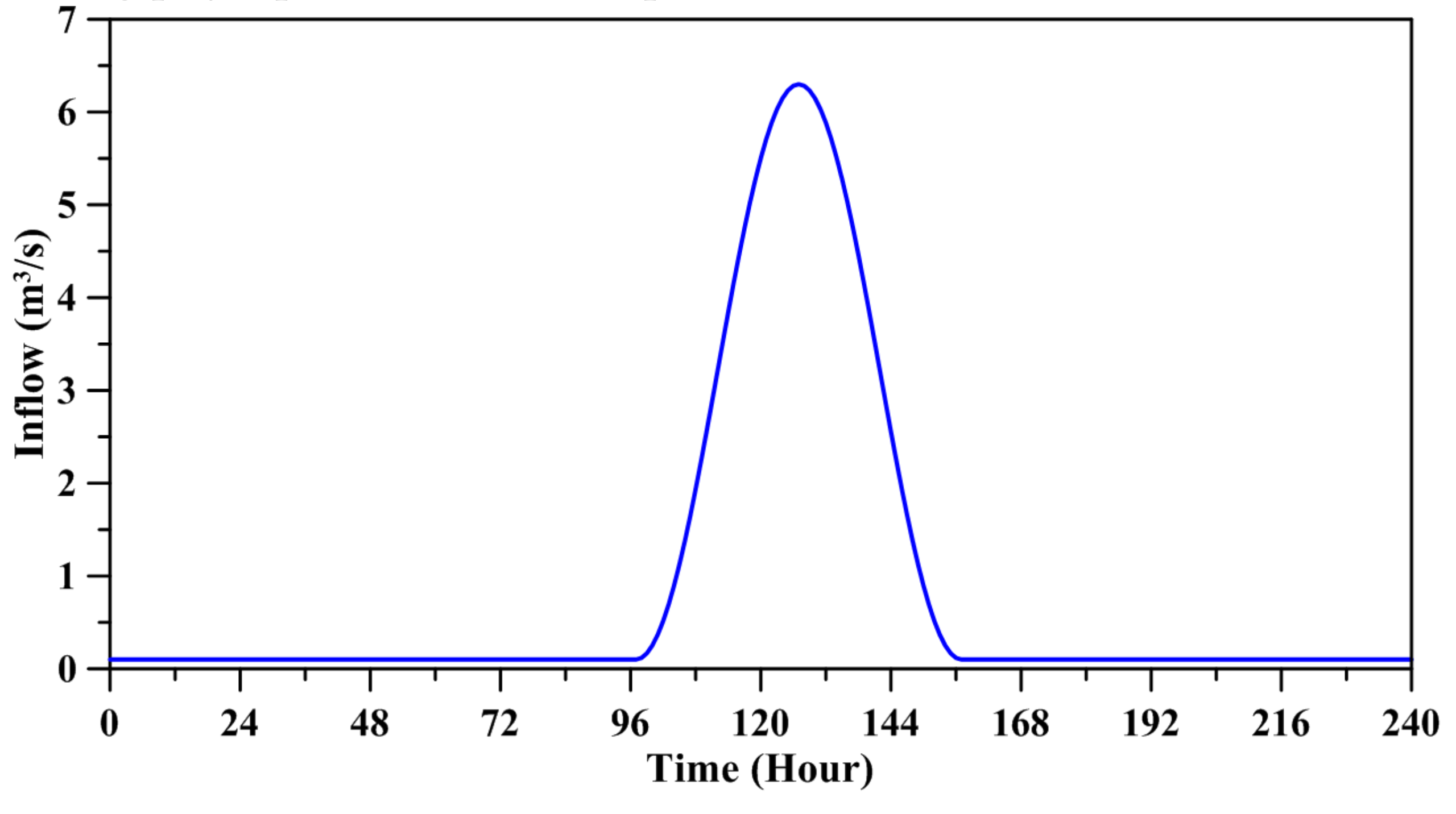
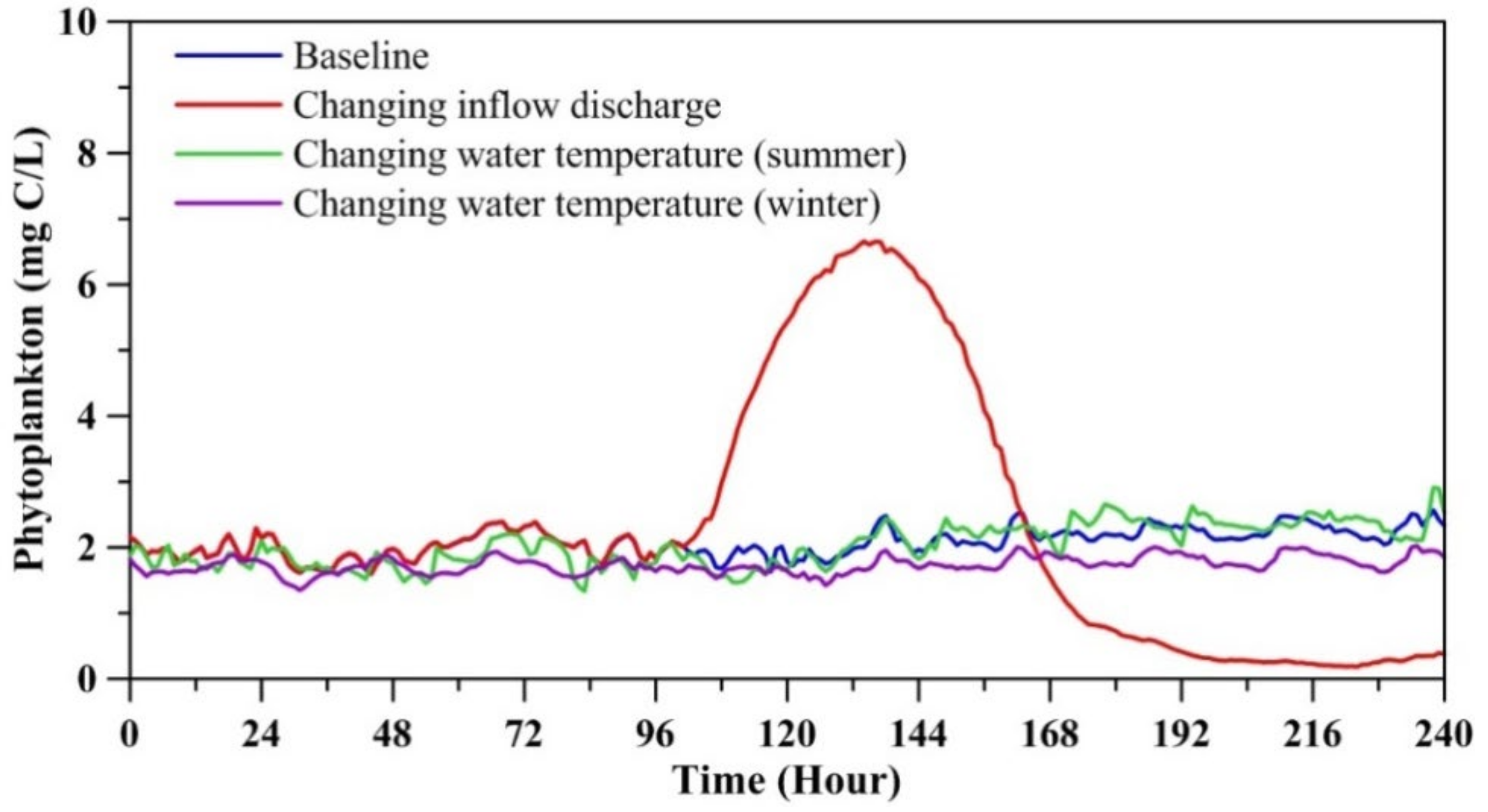
In this study, a coupled three-dimensional hydrodynamic-ecological model was developed to comprehensively understand the interaction between the hydrodynamics and ecological status of a lake. The coupled model was utilized to explore the hydrodynamics, water quality, and ecological status in an ecologically rich subalpine lake (i.e., Tsuei-Feng Lake (TFL), located in north-central Taiwan). The measured data of water depth, water temperature, water quality, and planktonic biomass were gathered to validate the coupled model. The simulated results with a three-dimensional hydrodynamic and water quality-ecological model reasonably reproduced the variations in observed water depth, water temperature, water quality, and phytoplankton and zooplankton biomass. Sensitivity analysis was implemented to determine the most influential parameter affecting the planktonic biomass. The results of sensitivity analysis indicated that the predation rate on phytoplankton (PRP) significantly affects the phytoplankton biomass, while the basal metabolism rate of zooplankton (BMZ) importantly affects the zooplankton biomass. Furthermore, inflow discharge was the most important environmental factor dominating the phytoplankton and zooplankton biomass of TFL. This implies that the runoff in the catchment area caused by rainfall and the heavy rainfall induced by climate change may affect the planktonic biomass of the lake.
Keywords: hydrodynamic-ecological modeling; phytoplankton; zooplankton; water quality; SCHISM-Ecol; Tsuei-Feng Lake hydrodynamic-ecological modeling; phytoplankton; zooplankton; water quality; SCHISM-Ecol; Tsuei-Feng Lake