Review

Current Status and Emerging Trends on the Adaptive Reuse of Buildings: A Bibliometric Analysis

by
Oluwatobi Mary Owojori
1,*,
Chioma Sylvia Okoro
1 and
Nicholas Chileshe
2
1
Department of Finance and Investment Management, University of Johannesburg, P.O. Box 524, Johannesburg 2006, South Africa
2
UniSA STEM, Scarce Resources and Circular Economy (ScaRCE), University of South Australia, Adelaide 5001, Australia
*
Author to whom correspondence should be addressed.
Sustainability 2021, 13(21), 11646; https://doi.org/10.3390/su132111646
Submission received: 16 September 2021 / Revised: 7 October 2021 / Accepted: 13 October 2021 / Published: 21 October 2021

Abstract

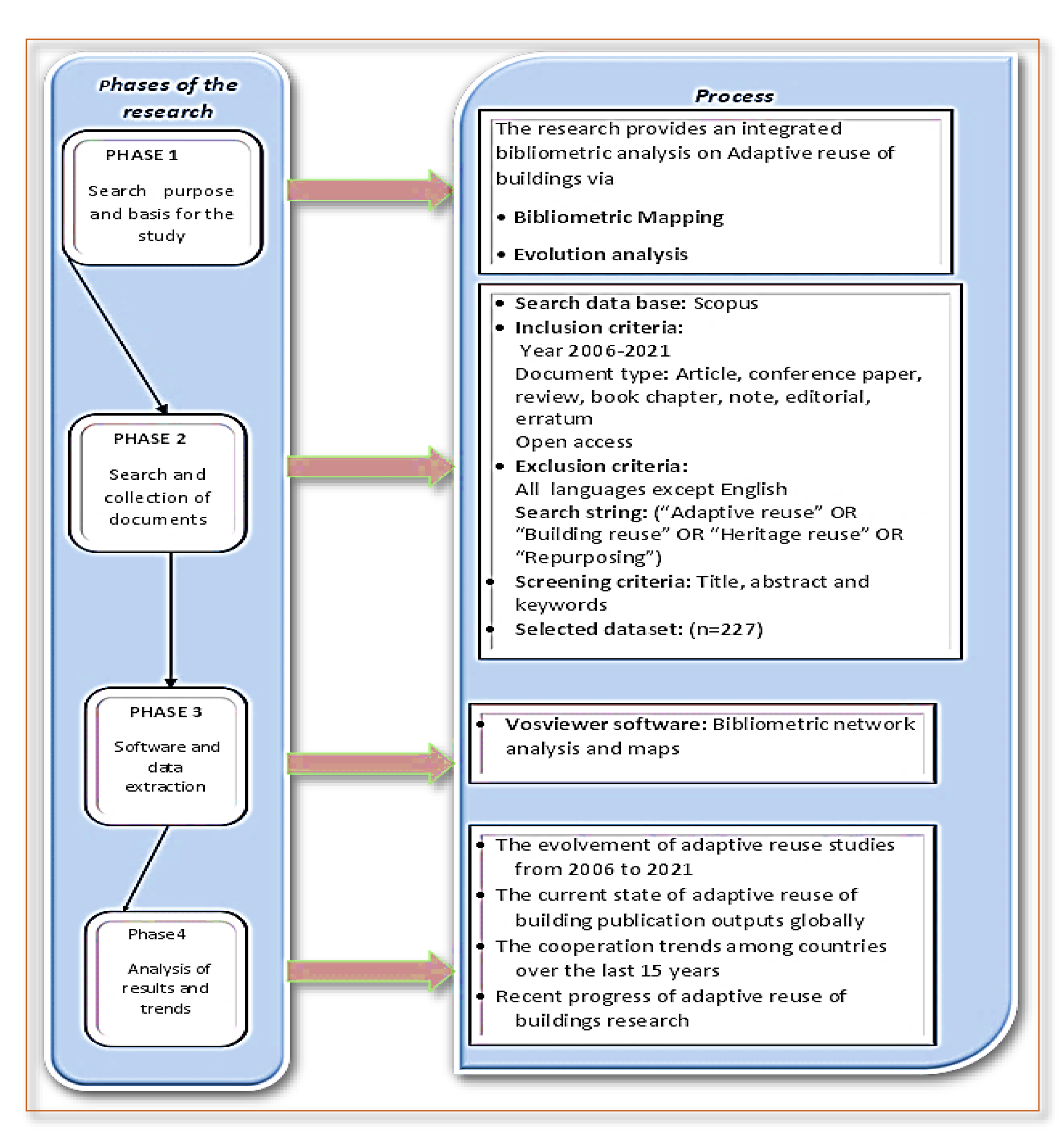
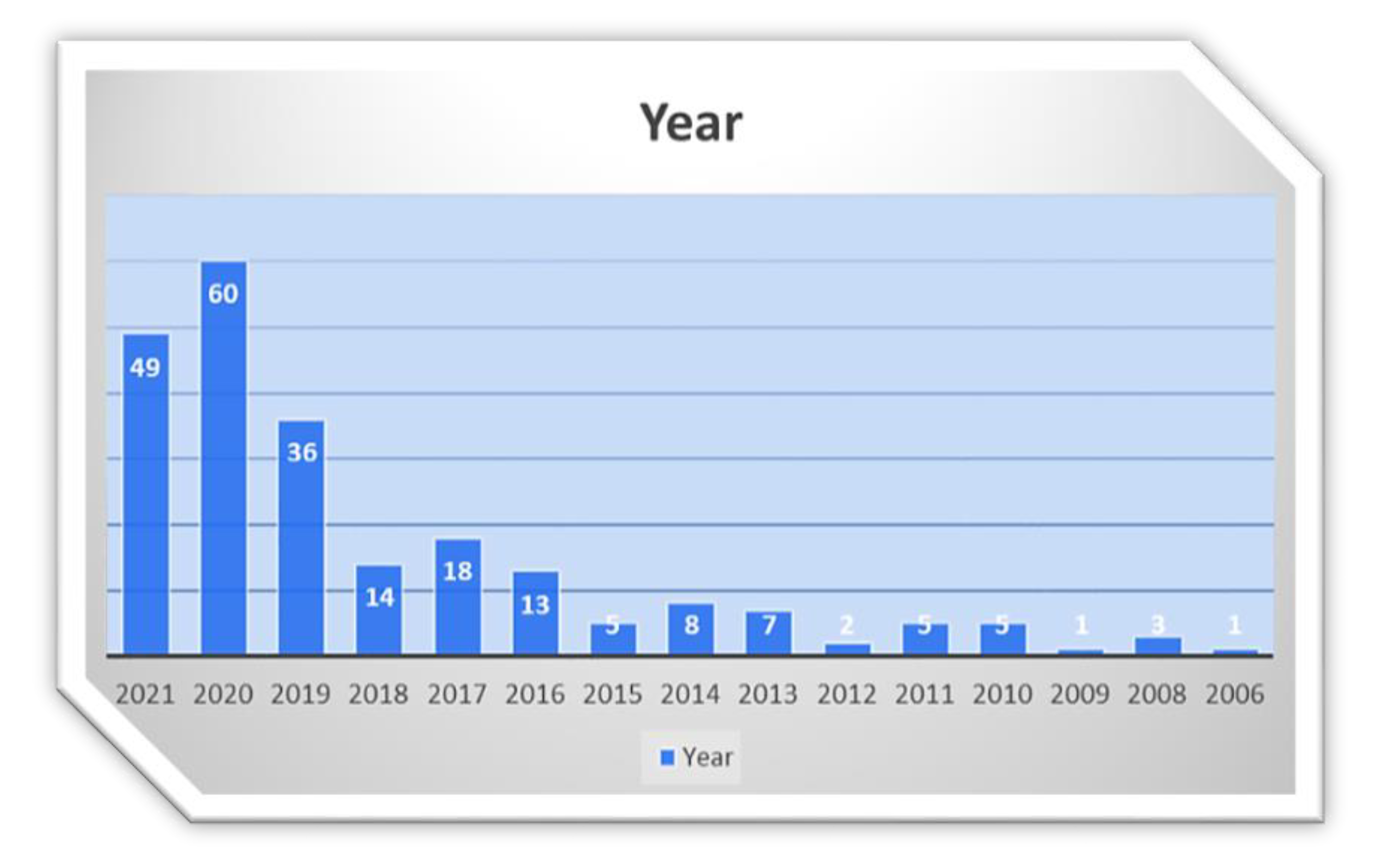
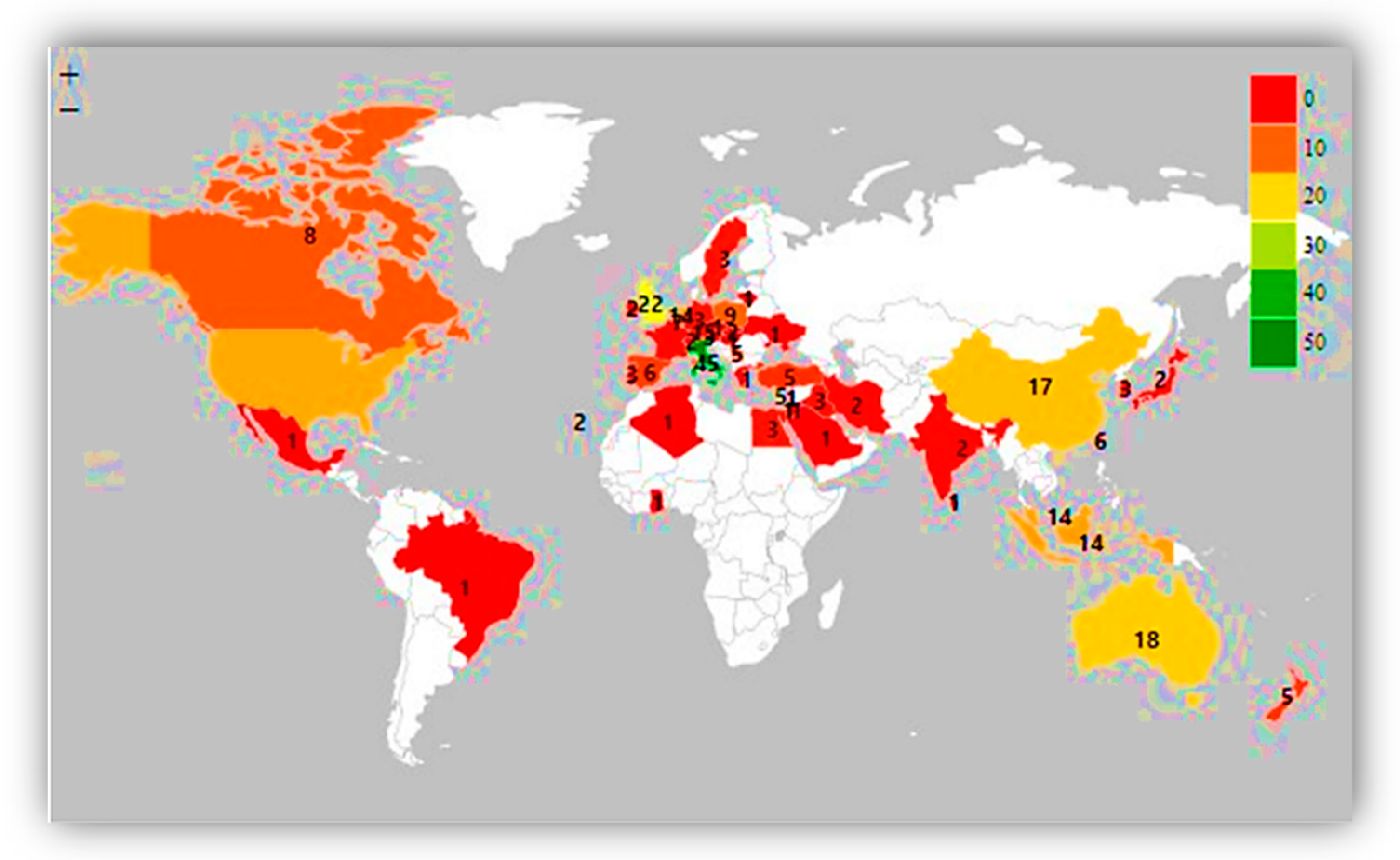
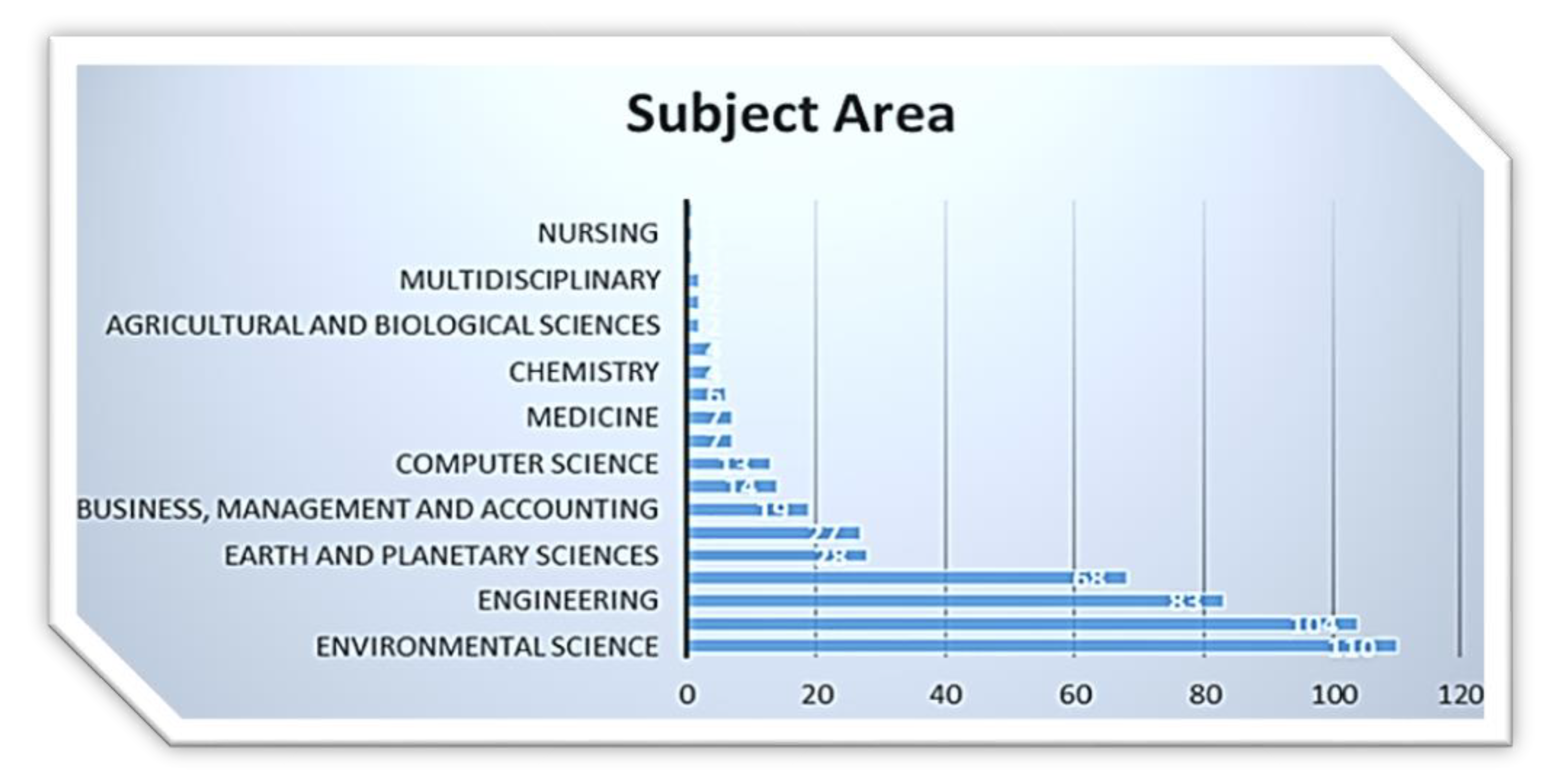
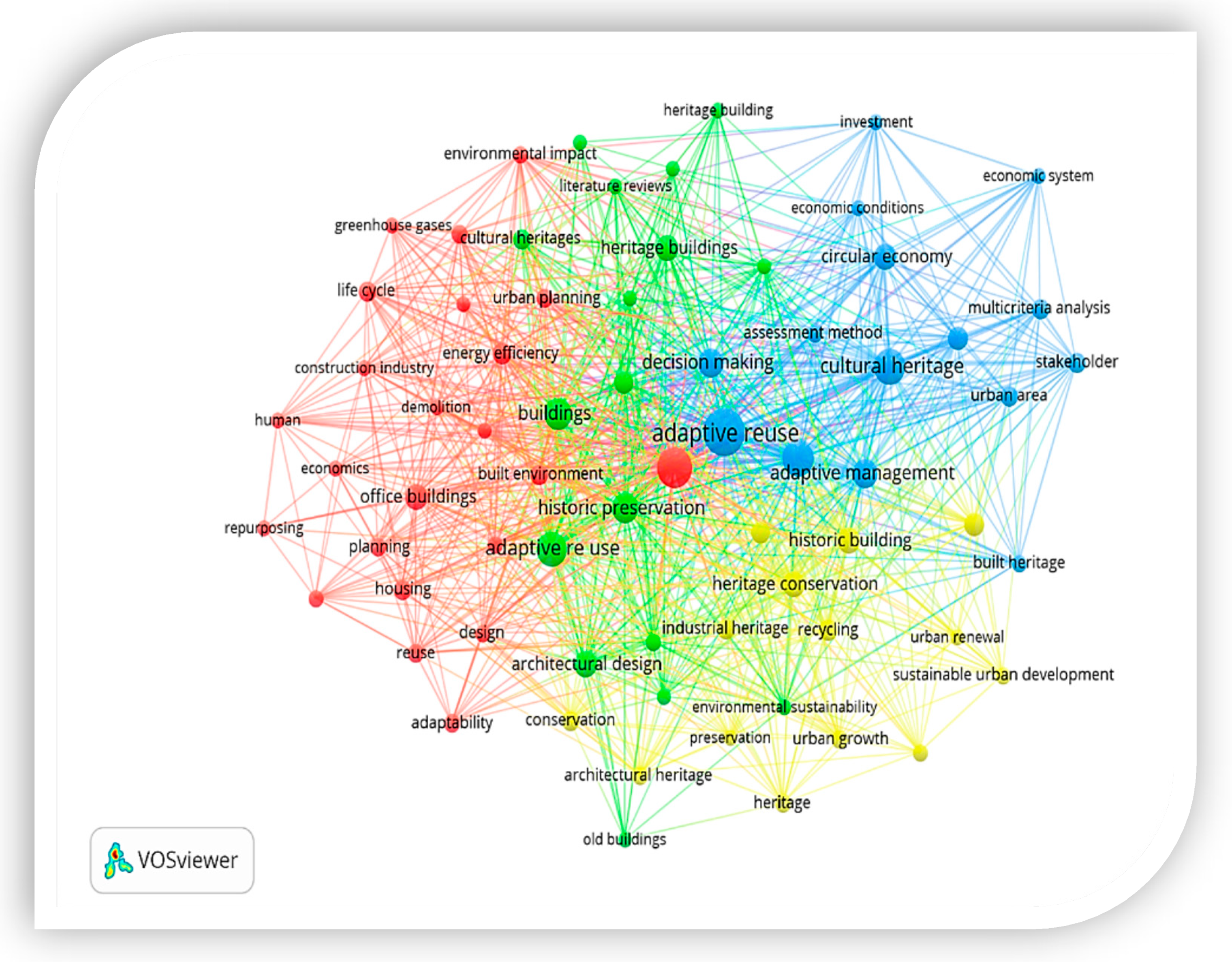
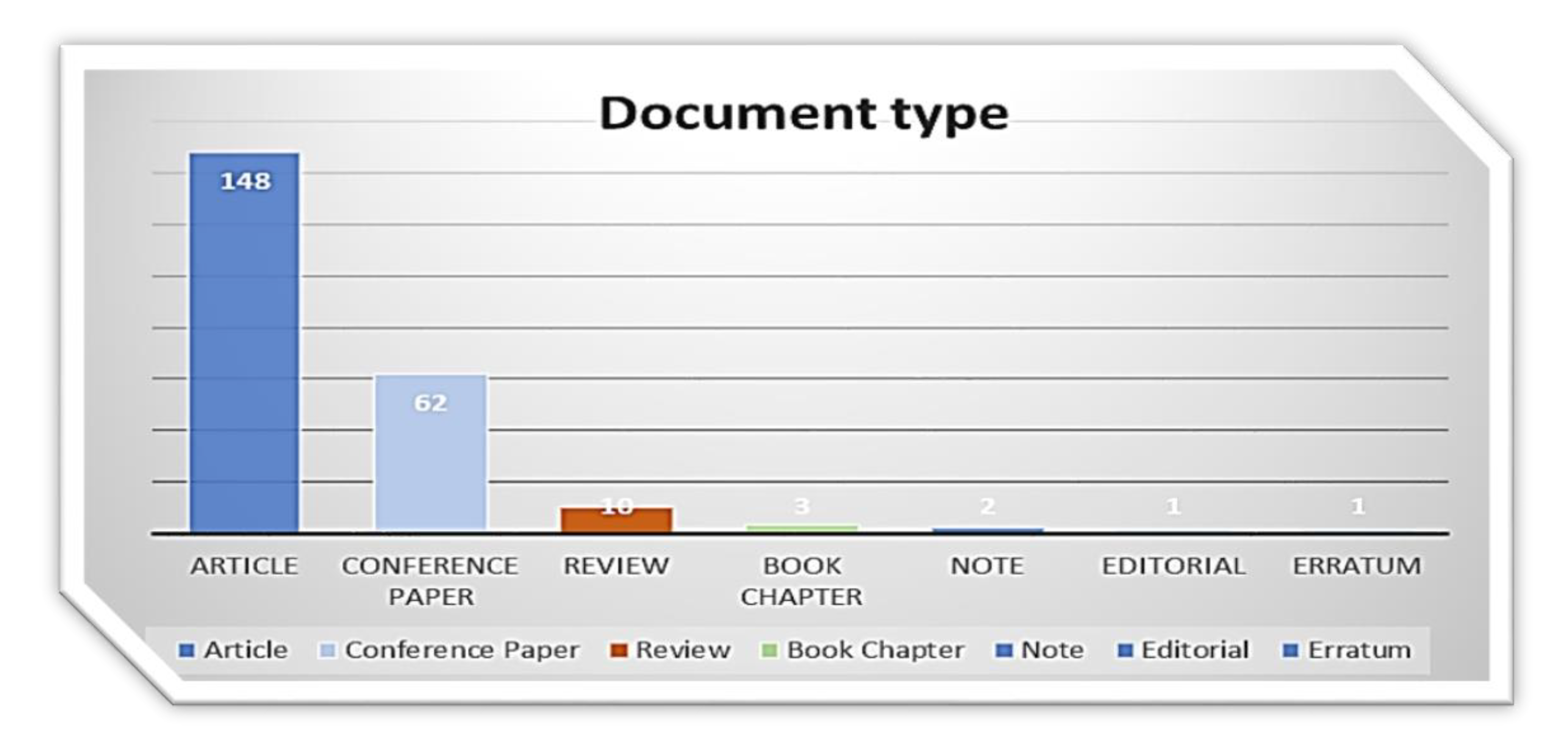
The emerging demand for sustainable development and the need for efficient use of resources across the built environment have stirred research efforts globally. The construction sector is often regarded as one of the major world consumers of resources, so many international establishments are trying to create a sustainable environment through adaptive reuse of existing building stocks, a concept which has been receiving momentous recognition by reason of its richly diversified applicability for circular economy. Thus, profound knowledge of the topic and research trends is requisite to promote scholarship. For this analysis, the global research developments in adaptive reuse are assessed according to published documents, co-authorship, geographical distribution and keyword- co-occurrences. From the Scopus directory, 227 journal articles published from 2006 to 2021 were retrieved. Results showed that from 2006, published documents rose by 221 articles. About 29% of the publications were from Italy and the United Kingdom. Among the articles, 110 were from the subject area of environmental science (48.5%), while the subject area of engineering represents 104 publications (45.8%). Recent progress in adaptive reuse in building and construction includes, but not limited to: (i) component and materials reuse and technology, (ii) life cycle assessment, (iii) economic assessment and multi-criteria decision making and (iv) regulatory policies and stakeholders’ analysis. The findings are important to furnish all relevant personnel in the academic and industries with a broad perception of the status and potential emerging trends on the adaptive reuse of buildings.
Keywords: adaptive reuse; bibliometrics; building reuse; sustainable development; heritage reuse; re-purposing adaptive reuse; bibliometrics; building reuse; sustainable development; heritage reuse; re-purposing