Article

Chinese High Rise Reinforced Concrete Building Retrofitted with CLT Panels
1
Department of Architecture, Roma Tre University, 00153 Rome, Italy
2
College of Civil Engineering, Fuzhou University, Fuzhou 350108, China
*
Author to whom correspondence should be addressed.
Sustainability 2021, 13(17), 9667; https://doi.org/10.3390/su13179667
Submission received: 1 July 2021 / Revised: 19 August 2021 / Accepted: 23 August 2021 / Published: 27 August 2021

Abstract

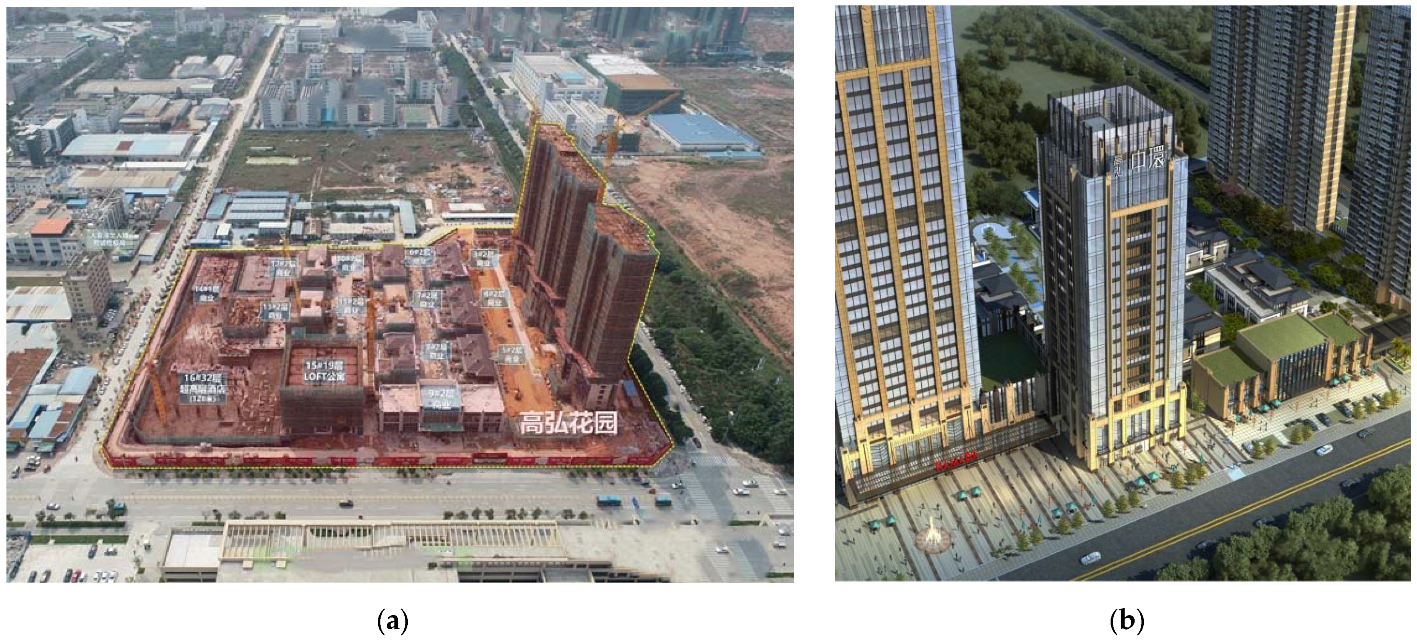
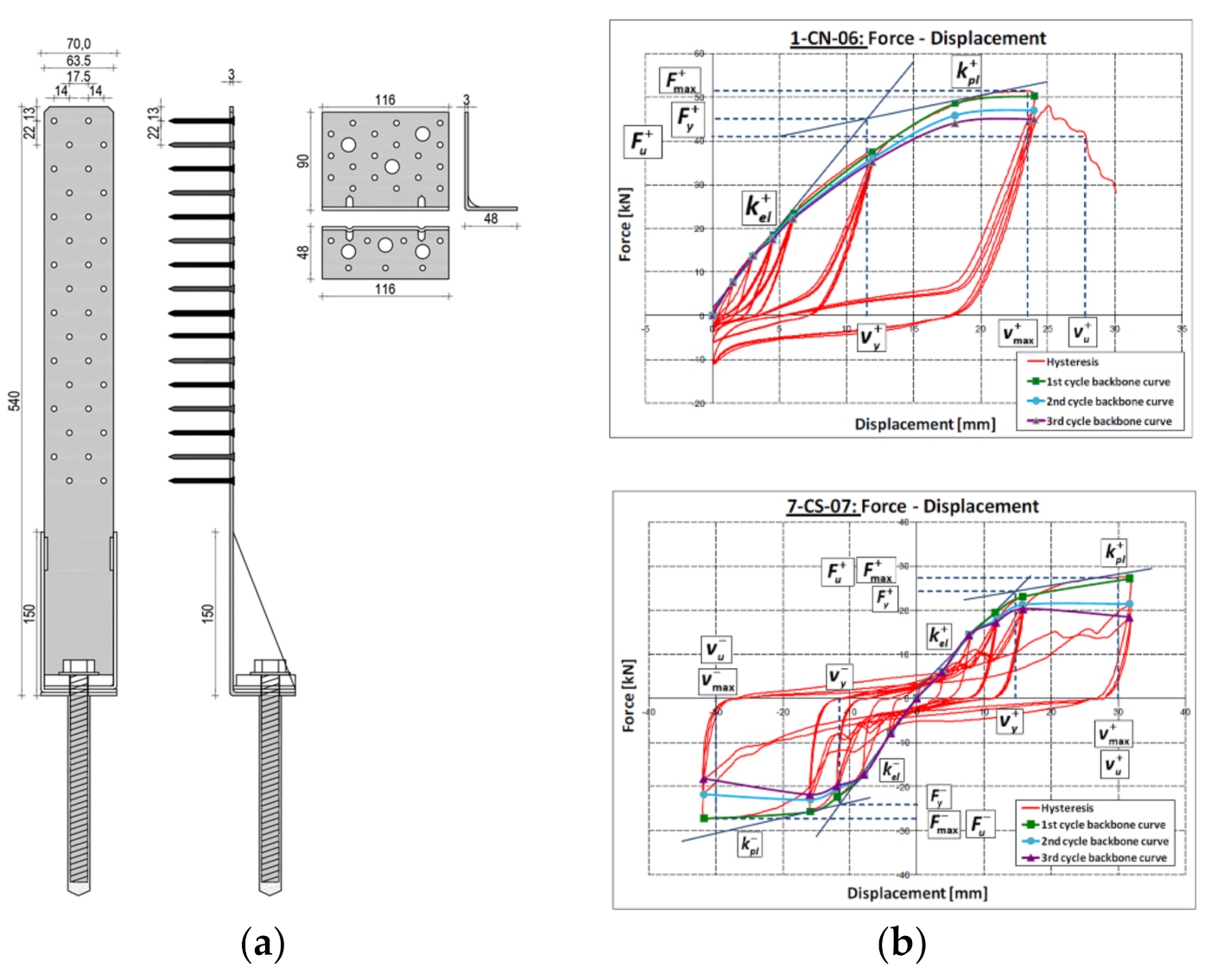
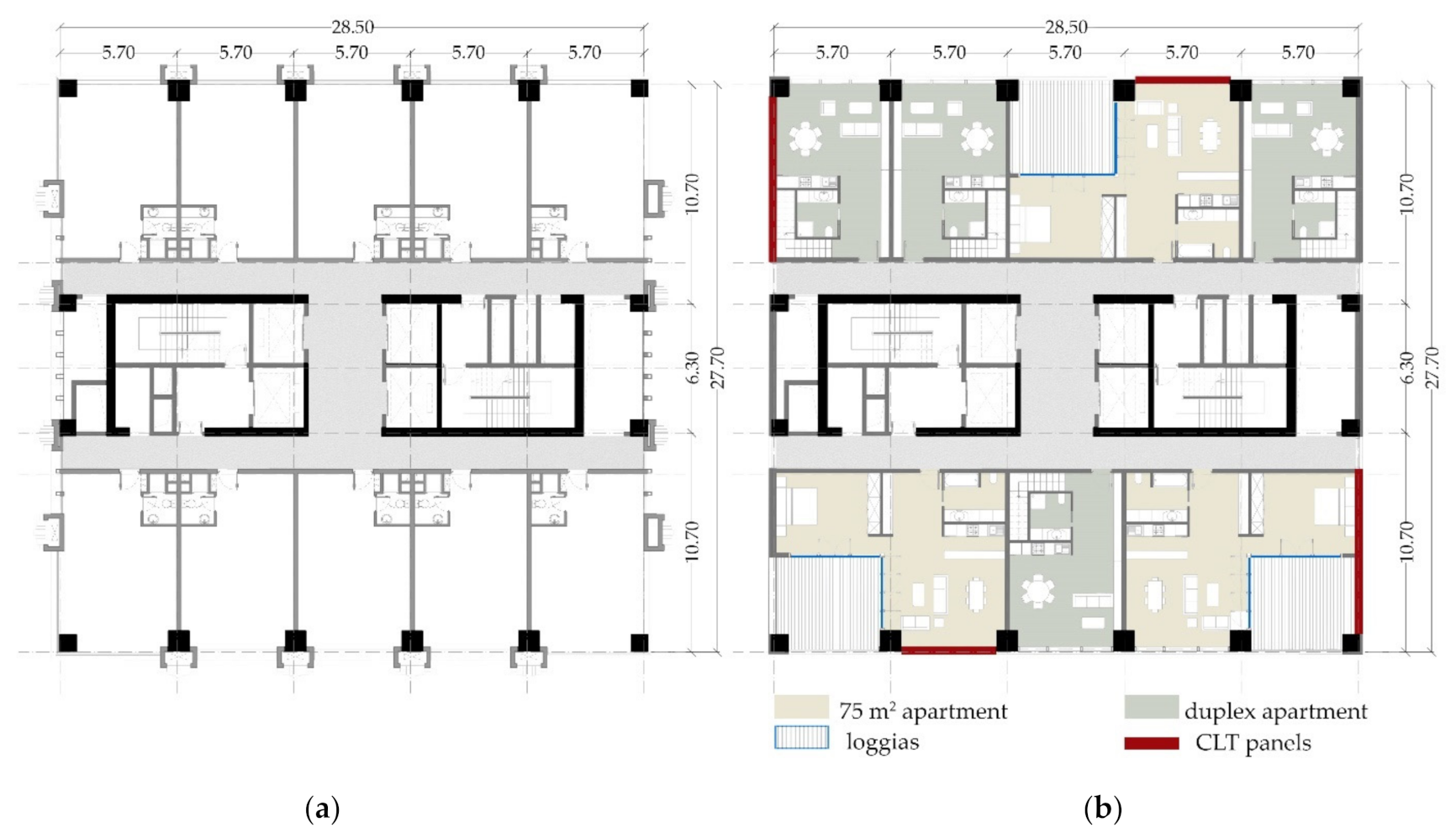
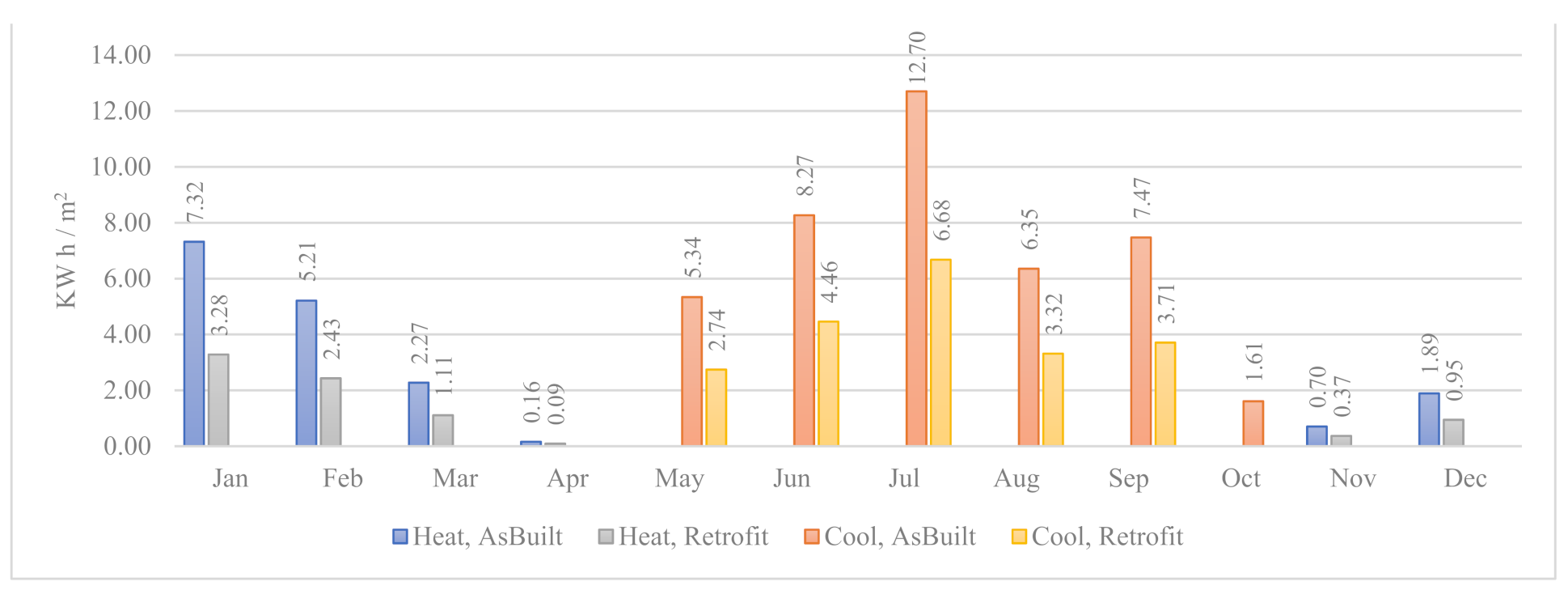
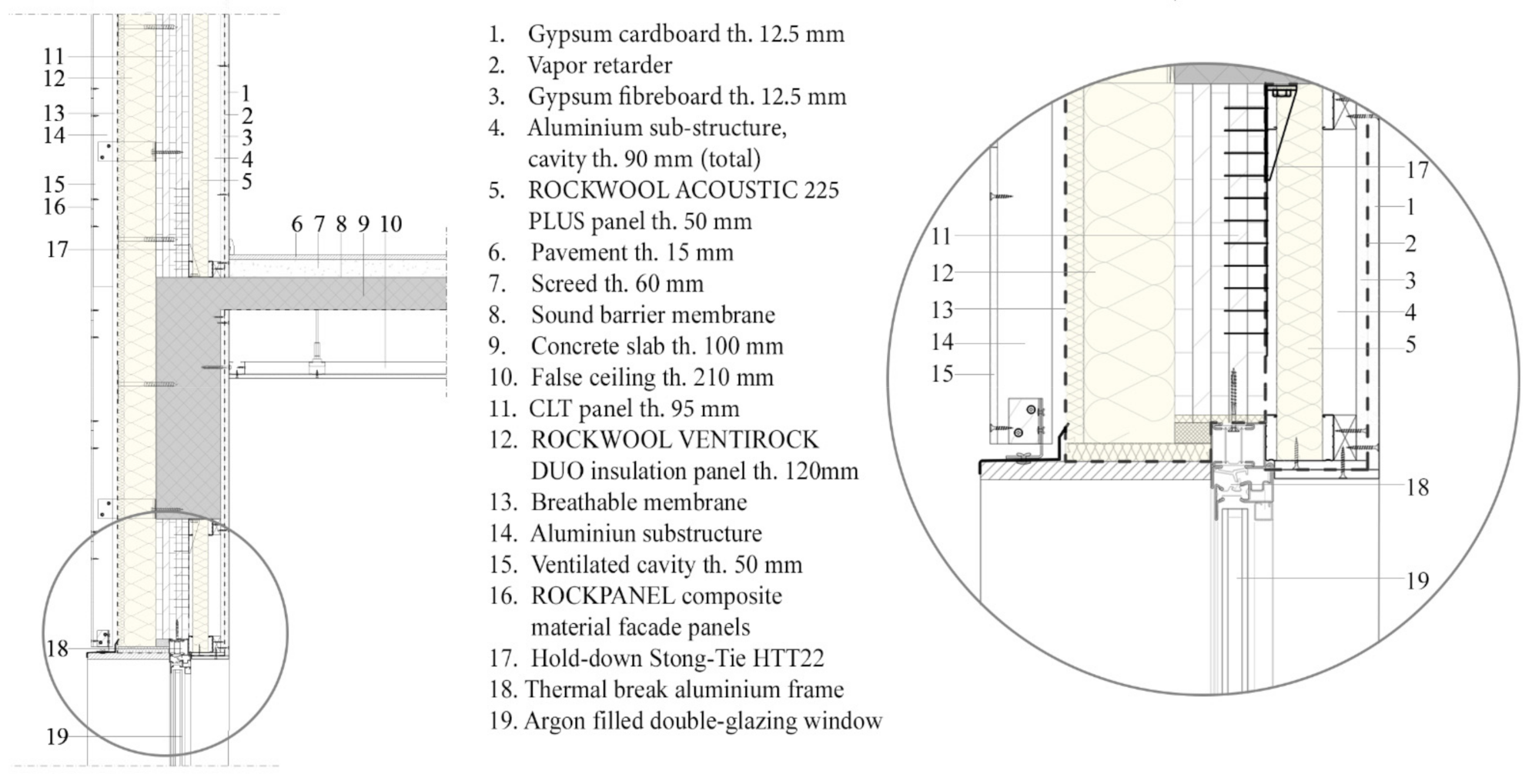
Cross laminated timber (CLT) panels have been gaining increasing attention in the construction field as a diaphragm in mid- to high-rise building projects. Moreover, in the last few years, due to their seismic performances, low environmental impact, ease of construction, etc., many research studies have been conducted about their use as infill walls in hybrid construction solutions. With more than a half of the megacities in the world located in seismic regions, there is an urgent need of new retrofitting methods that can improve the seismic behavior of the buildings, upgrading, at the same time, the architectural aspects while minimizing the environmental impact and costs associated with the common retrofit solutions. In this work, the seismic, energetic, and architectural rehabilitation of tall reinforced concrete (RC) buildings using CLT panels are investigated. An existing 110 m tall RC frame building located in Huizhou (China) was chosen as a case study. The first objective was to investigate the performances of the building through the non-linear static analysis (push-over analysis) used to define structural weaknesses with respect to earthquake actions. The architectural solution proposed for the building is the result of the combination between structural and architectonic needs: internal spaces and existing facades were re-designed in order to improve not only the seismic performances but also energy efficiency, quality of the air, natural lighting, etc. A full explanation of the FEM modeling of the cross laminated timber panels is reported in the following. Non-linear FEM models of connections and different wall configurations were validated through a comparison with available lab tests, and finally, a real application on the existing 3D building was discussed.
Keywords: seismic retrofitting; energy efficiency; architectural improvement; CLT panels; RC buildings seismic retrofitting; energy efficiency; architectural improvement; CLT panels; RC buildings