Article

Waste Willow-Bark from Salicylate Extraction Successfully Reused as an Amendment for Sewage Sludge Composting

by
Dorota Kulikowska
* and
Katarzyna Bernat
Department of Environmental Biotechnology, University of Warmia and Mazury in Olsztyn, 10-709 Olsztyn, Poland
*
Author to whom correspondence should be addressed.
Sustainability 2021, 13(12), 6771; https://doi.org/10.3390/su13126771
Submission received: 14 May 2021 / Revised: 7 June 2021 / Accepted: 8 June 2021 / Published: 15 June 2021
(This article belongs to the Special Issue Wastewater Treatment and Solid Waste Management)

Abstract

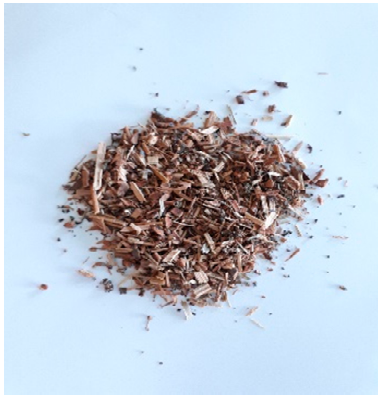
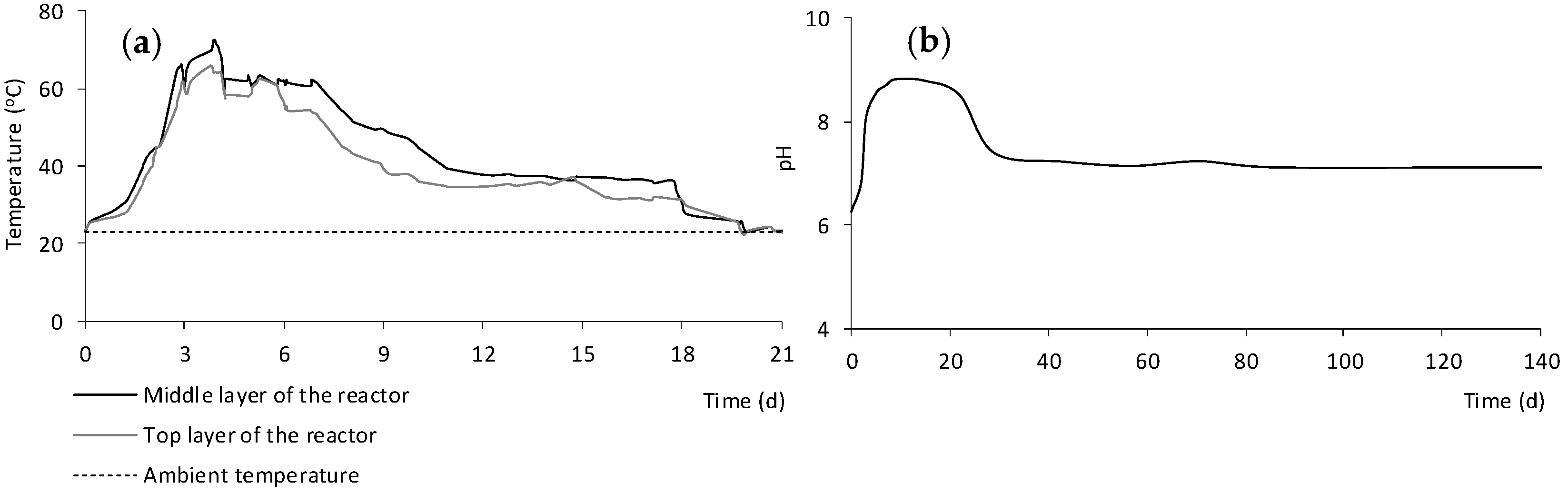
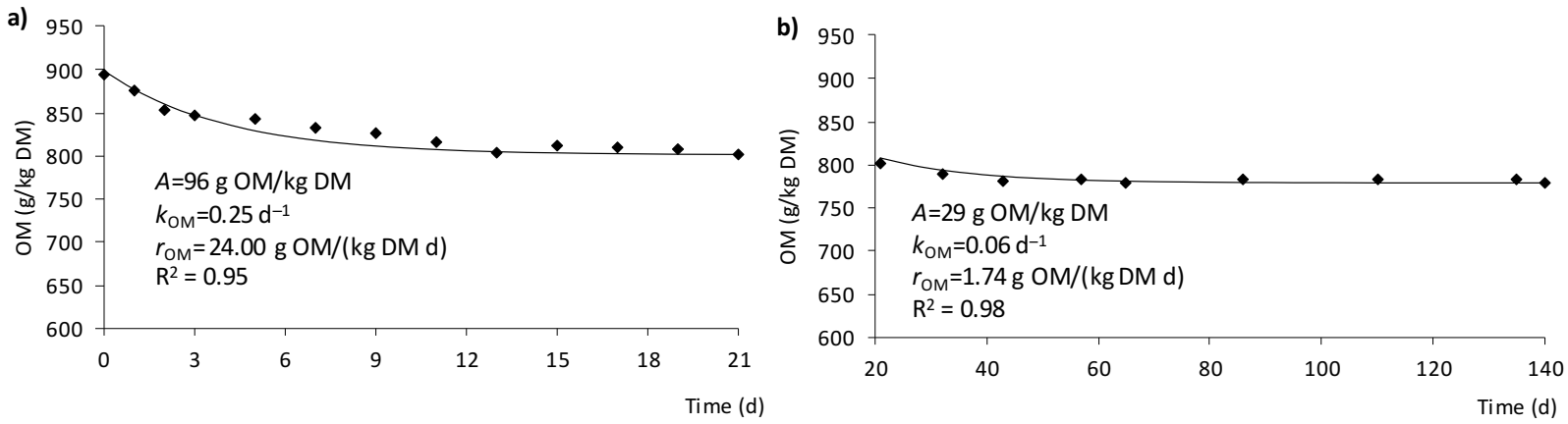
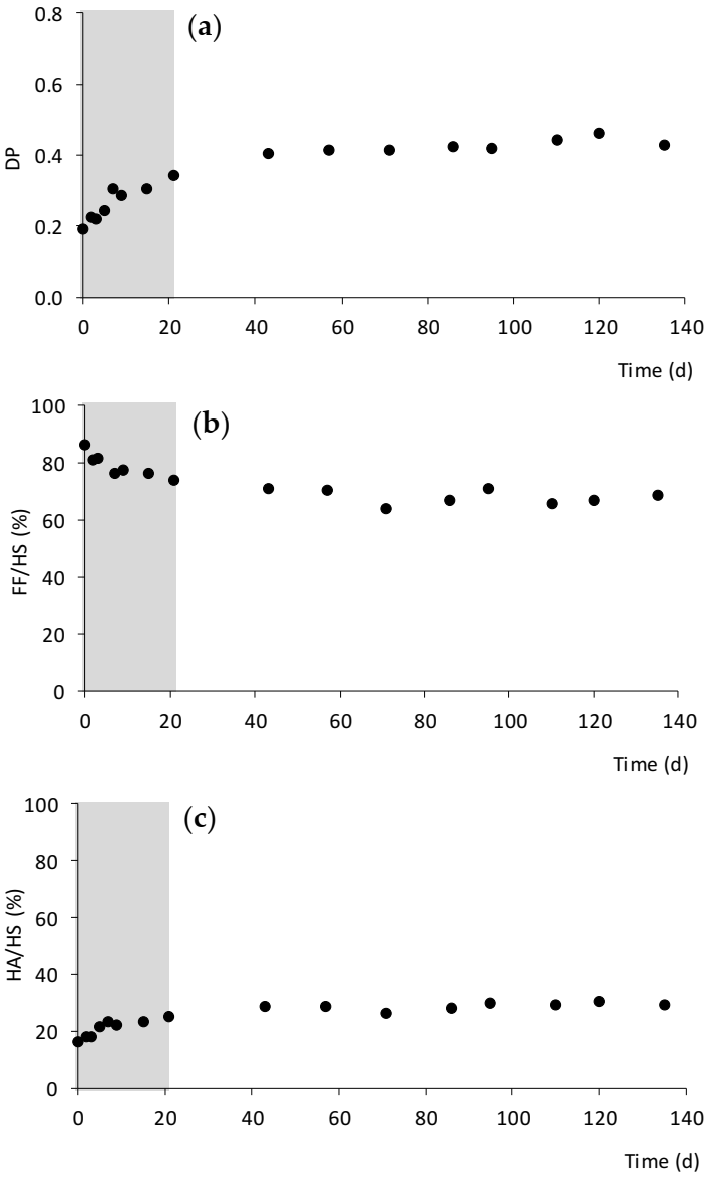
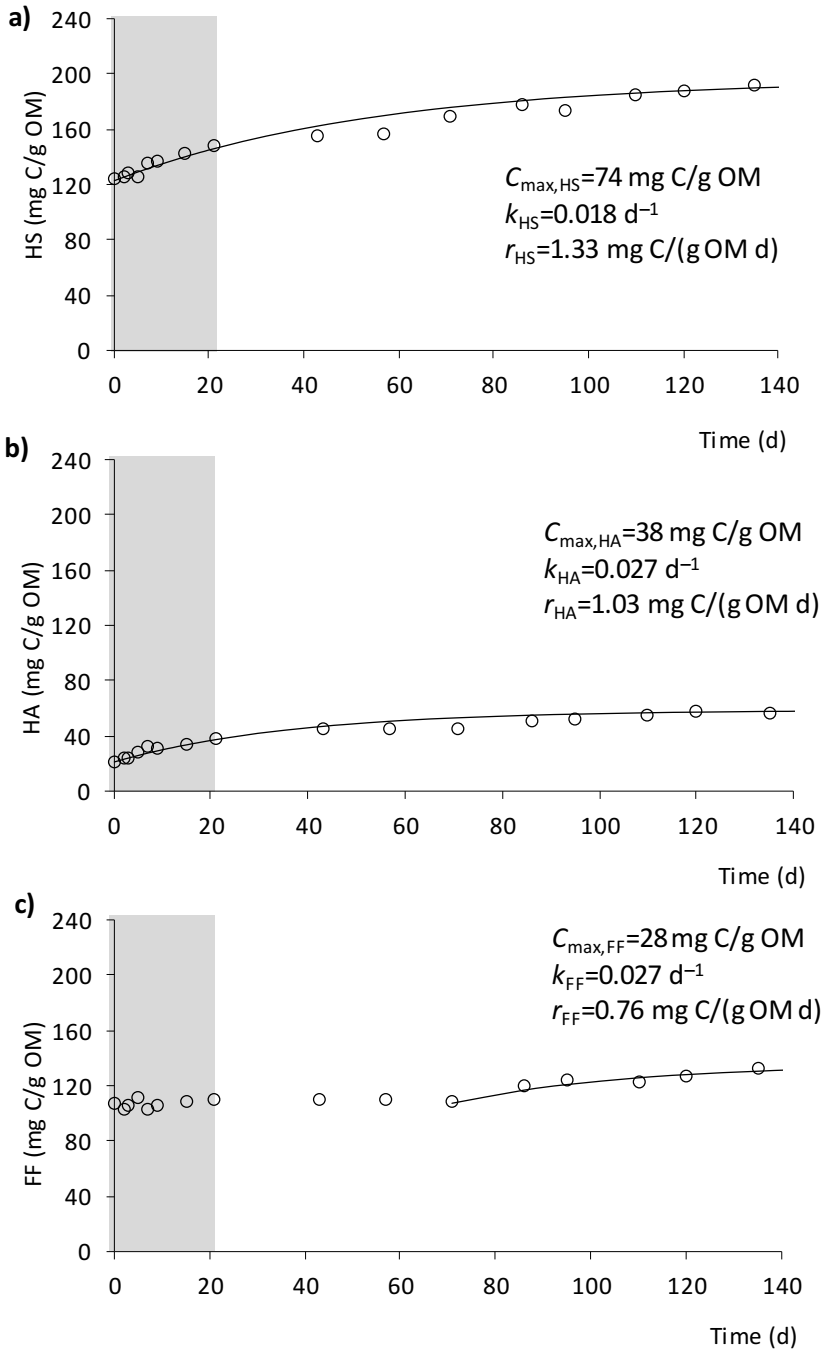
Due to the fact that compost is a valuable fertilizer that serves principally as a source of macronutrients, composting is one of the preferred methods of management of organic waste, including municipal sewage sludge. However, due to its high moisture content and low C/N ratio, sewage sludge cannot be composted alone. This study investigated the usefulness of waste willow-bark (WWB) (after salicylate extraction) as an amendment for municipal sewage-sludge composting in a two-stage system: an aerated bioreactor and a periodically turned windrow. Both organic matter (OM) removal and humification progress were monitored. It was found that the prepared feedstock (70% sewage sludge, 25% WWB, and 5% wood chips, w/w) enabled proper temperature profiles to be obtained, with a maximum temperature of 72.3 °C. The rate constant of OM degradation in the bioreactor was 0.25 d−1, almost 4-fold higher than that in the windrows. During composting, the concentrations of humic substances (HS), humic acids (HA), and the fulvic fraction (FF) changed. HS, HA, and FF formation proceeded according to 1. order kinetics, and their respective rates were 1.33 mg C/(g OM d), 1.03 mg C/(g OM d), and 0.76 mg C/(g OM d). However, in mature compost, FF predominated (ca. 70%) in HS. These results indicate that waste willow-bark, a product of salicylate extraction, can be successfully reused as an amendment during municipal sewage sludge composting. Both waste willow-bark reuse and sewage sludge composting are compatible with a circular economy.
Keywords: waste willow bark; composting; sewage sludge; organic matter; humic substances; humic acids; fulvic fraction waste willow bark; composting; sewage sludge; organic matter; humic substances; humic acids; fulvic fraction